A short history of Southport
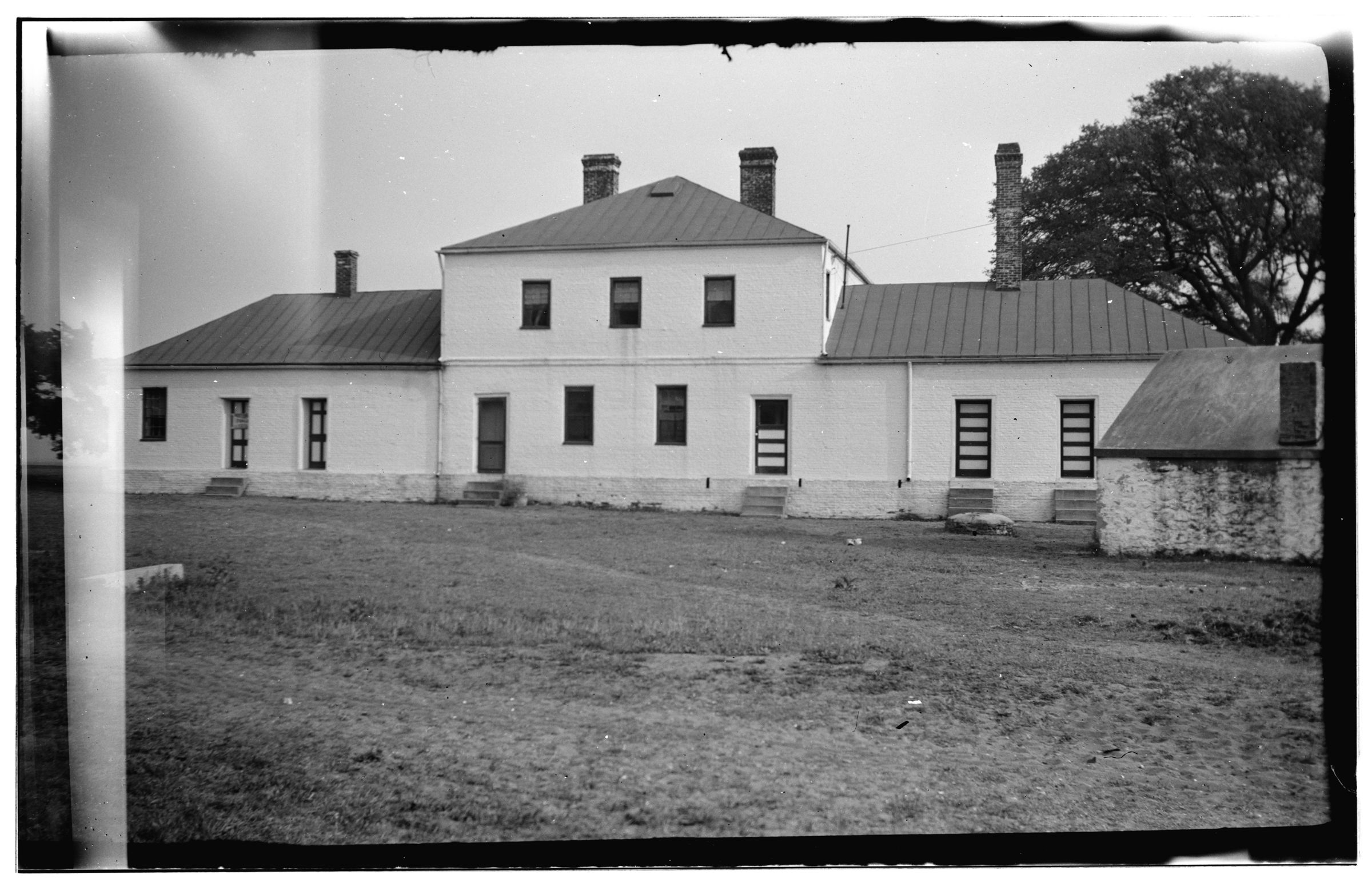
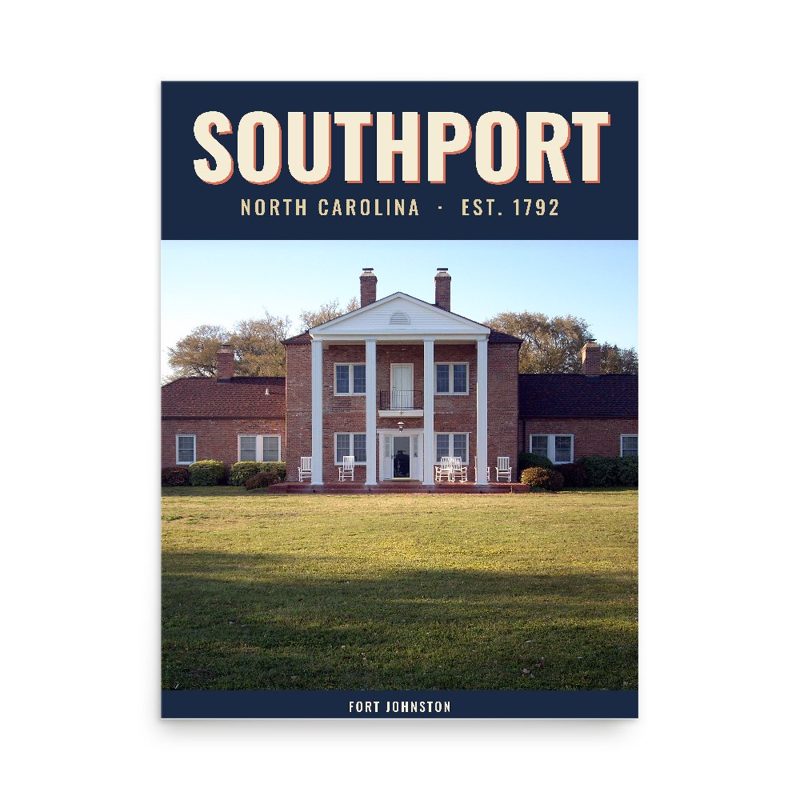
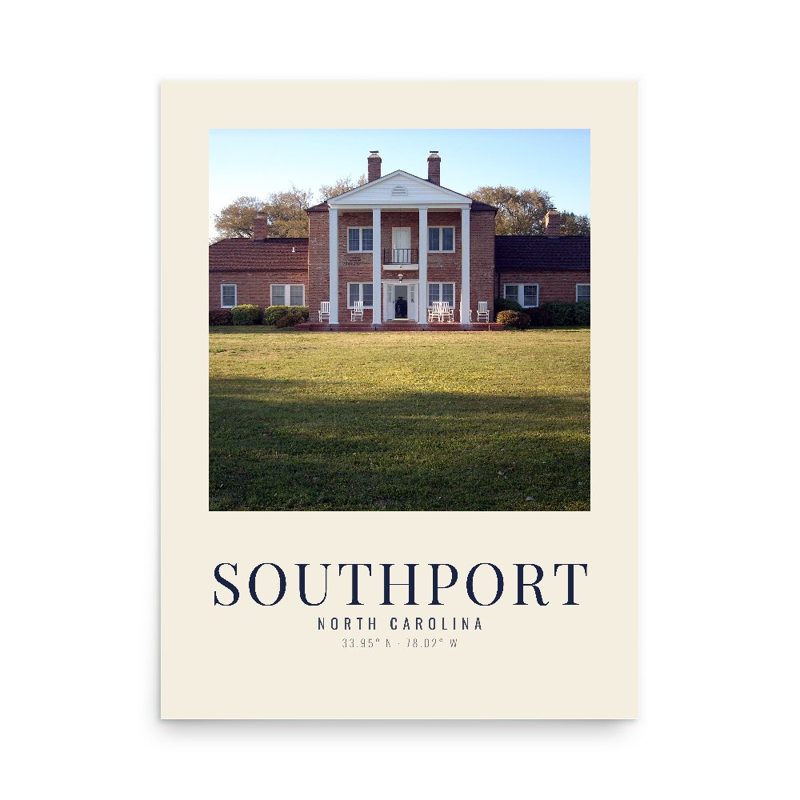
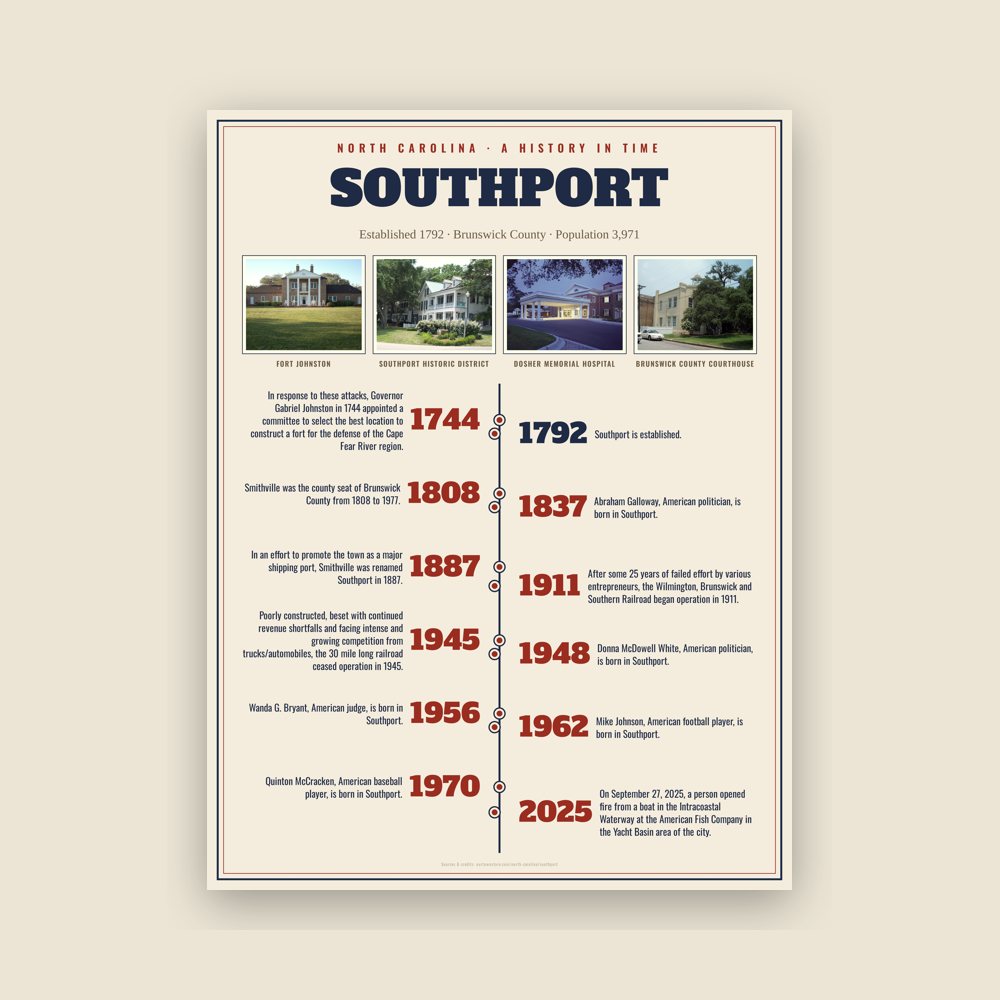
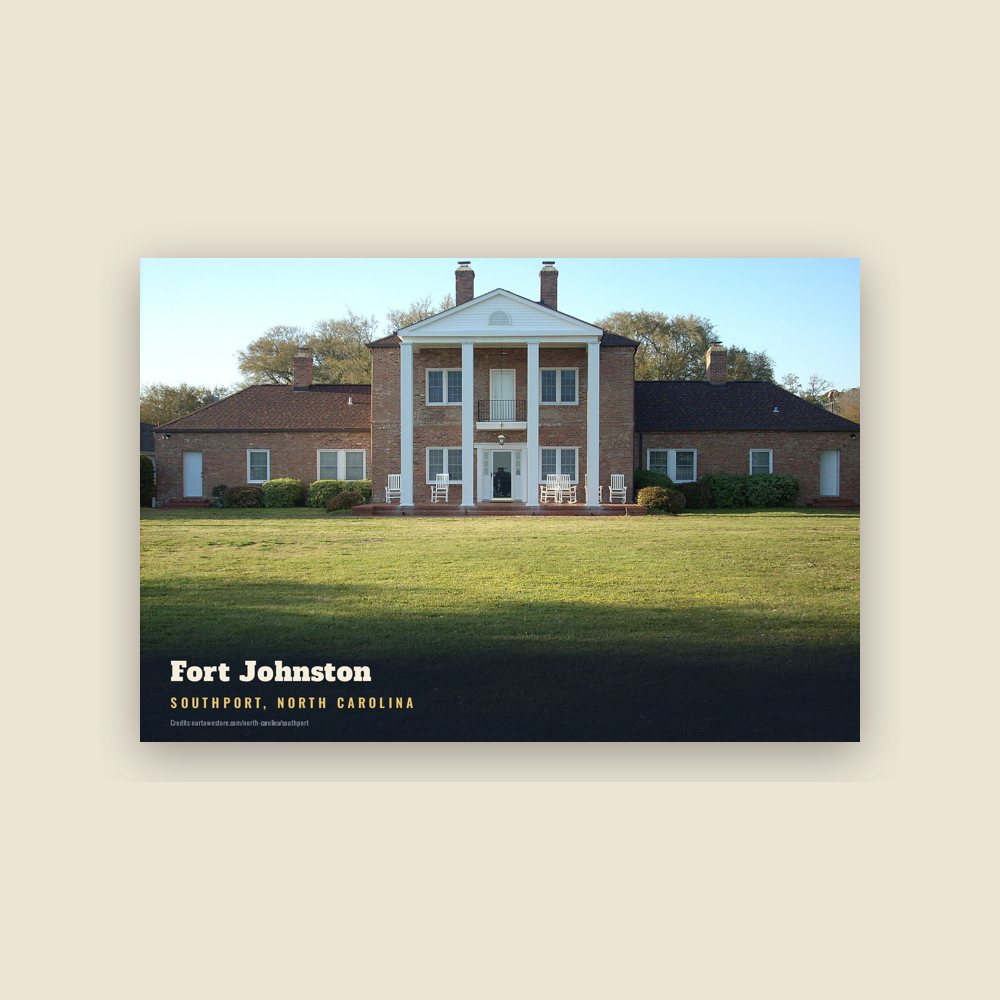
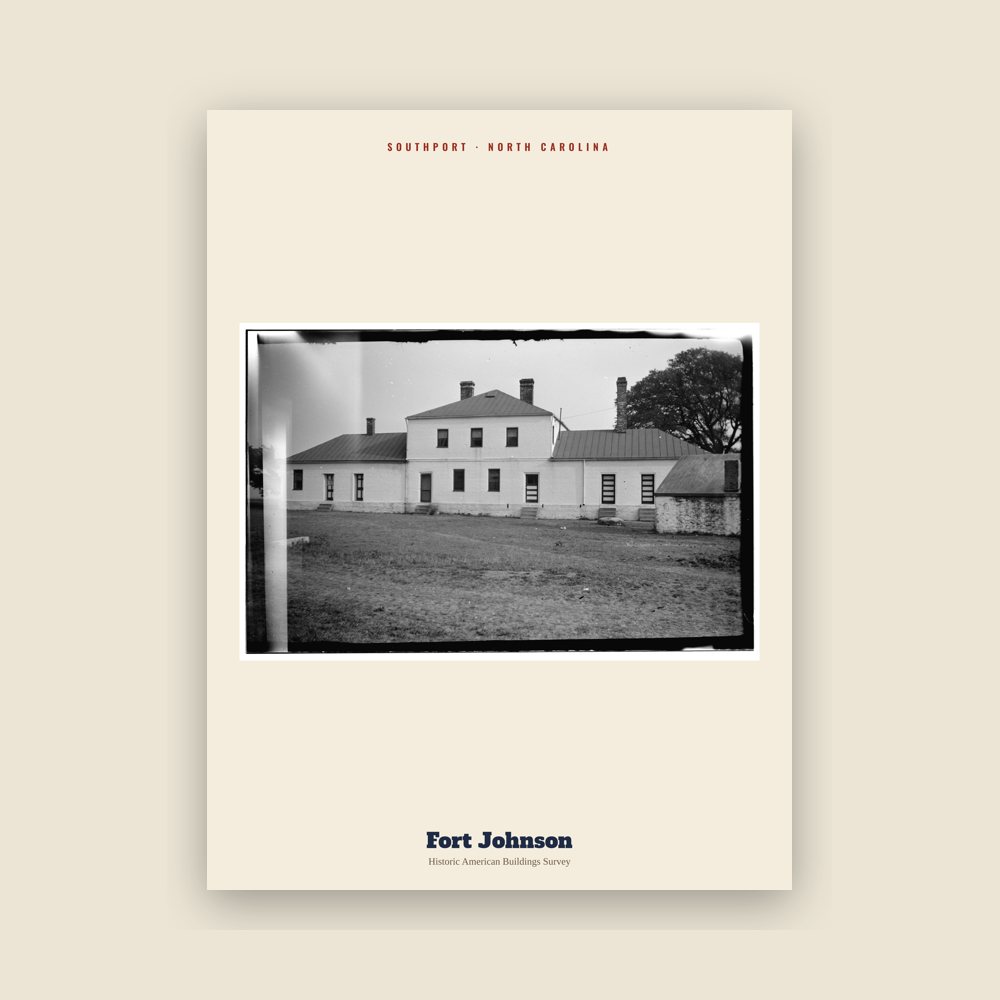
The Southport area was explored in the 1500s by Spanish explorers. During the 18th century, British settlements along the Carolina coast lacked fortifications to protect against pirates and privateers, and numerous Spanish attackers exploited this weakness. In response to these attacks, Governor Gabriel Johnston in 1744 appointed a committee to select the best location to construct a fort for the defense of the Cape Fear River region. It was determined that the fort should be constructed at a site at the mouth of the Cape Fear River. During the same year, France declared war against Britain, later known as King George's War, increasing the fort's need. Further, increasingly bold Spanish privateer raids led the North Carolina General Assembly to authorize the construction of "Johnston's Fort" in April 1745, which would come to be known as Fort Johnston. The governor of South Carolina agreed to lend ten small cannons for the fort, and the legislature, in spring 1748, appropriated 2,000 pounds for construction costs, and construction finally began. Southport developed around Fort Johnston.
Southport was founded as the town of Smithville in 1792. Joshua Potts had requested the formation of a town adjacent to Fort Johnston, and the North Carolina General Assembly formed a commission of five men to administer its founding. The town was named after Benjamin Smith, a colonel in the Continental Army during the Revolutionary War and later governor of North Carolina. Smithville grew as a fishing village and through supporting military activity. Smithville was the county seat of Brunswick County from 1808 to 1977. In an effort to promote the town as a major shipping port, Smithville was renamed Southport in 1887. Smithville Township, in which Southport lies, and other local landmarks, such as the cemetery, retain the Smithville name.
Interest in making Southport a major commercial port then prompted efforts to connect it via rail to Wilmington and the Atlantic Coast Line/Seaboard Air Line Railroad systems. After some 25 years of failed effort by various entrepreneurs, the Wilmington, Brunswick and Southern Railroad began operation in 1911. Running northwest out of Southport to Bolivia, the line then turned northeast towards Navassa where it joined the existing rail network. Poorly constructed, beset with continued revenue shortfalls and facing intense and growing competition from trucks/automobiles, the 30 mile long railroad ceased operation in 1945. Ten years later, the U.S. Government constructed the rail line from the Military Ocean Terminal Sunny Point just north of Southport to the interior rail system along a different, more direct path.
On September 27, 2025, a person opened fire from a boat in the Intracoastal Waterway at the American Fish Company in the Yacht Basin area of the city. Three people were killed and a further six were injured. The suspect was arrested while loading his boat in Oak Island a short time later.
Adapted (trimmed) from the Wikipedia article Southport, North Carolina, revision 1377019639 by its contributors, licensed CC BY-SA 4.0.
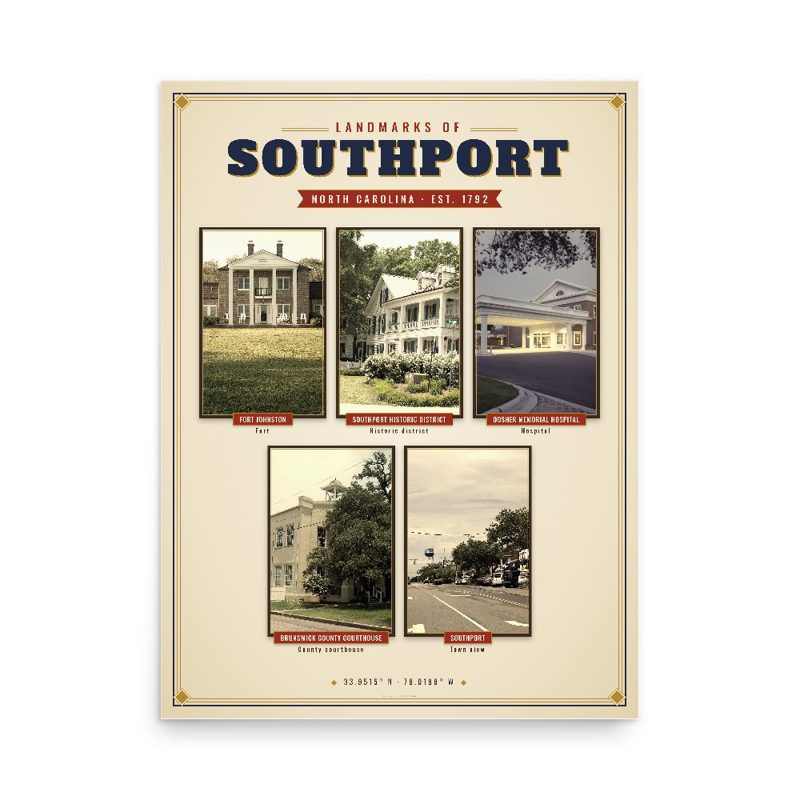

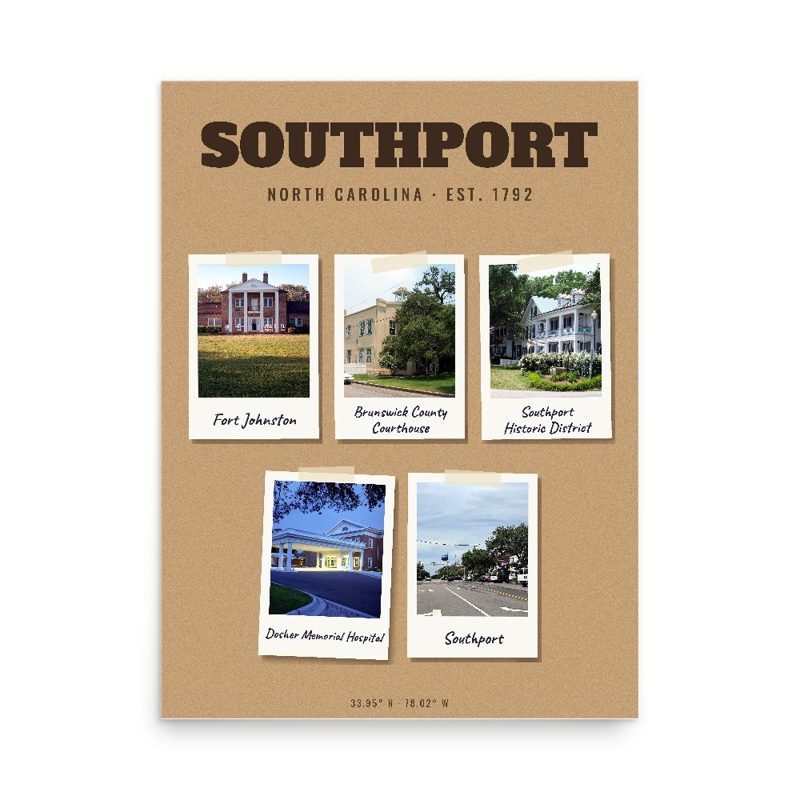
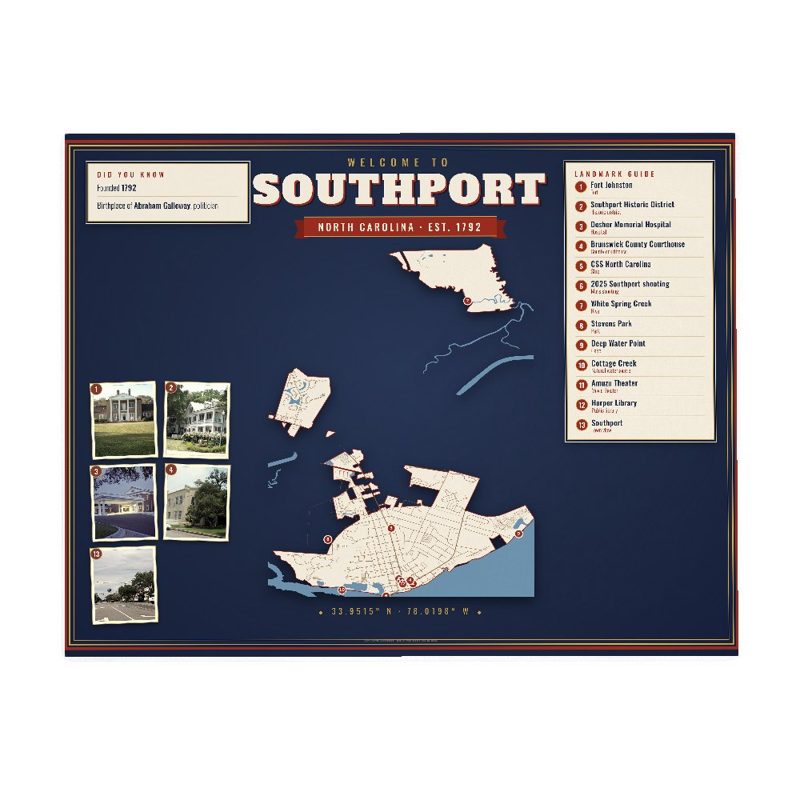








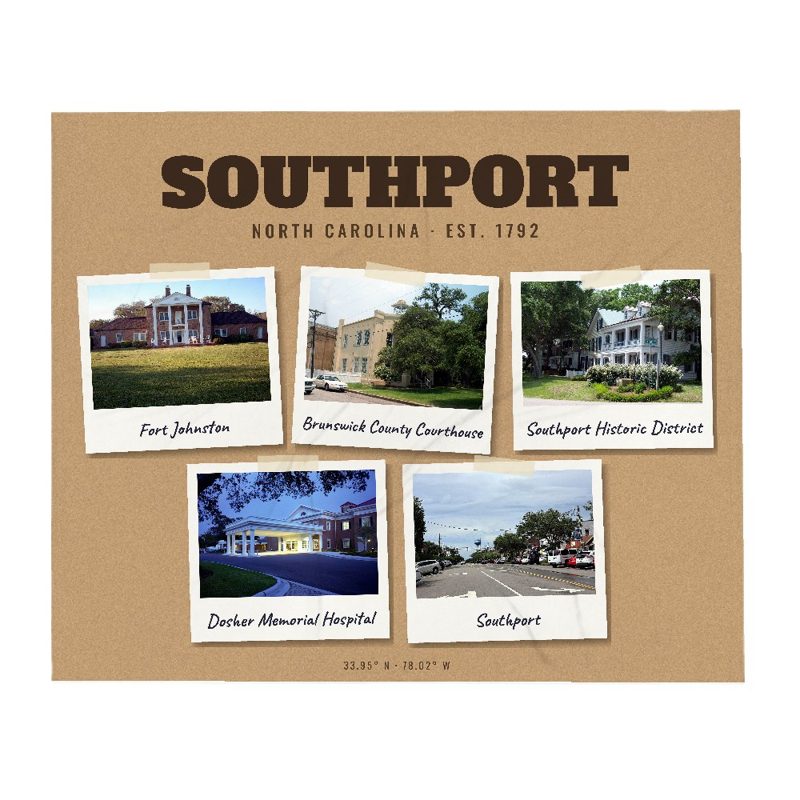
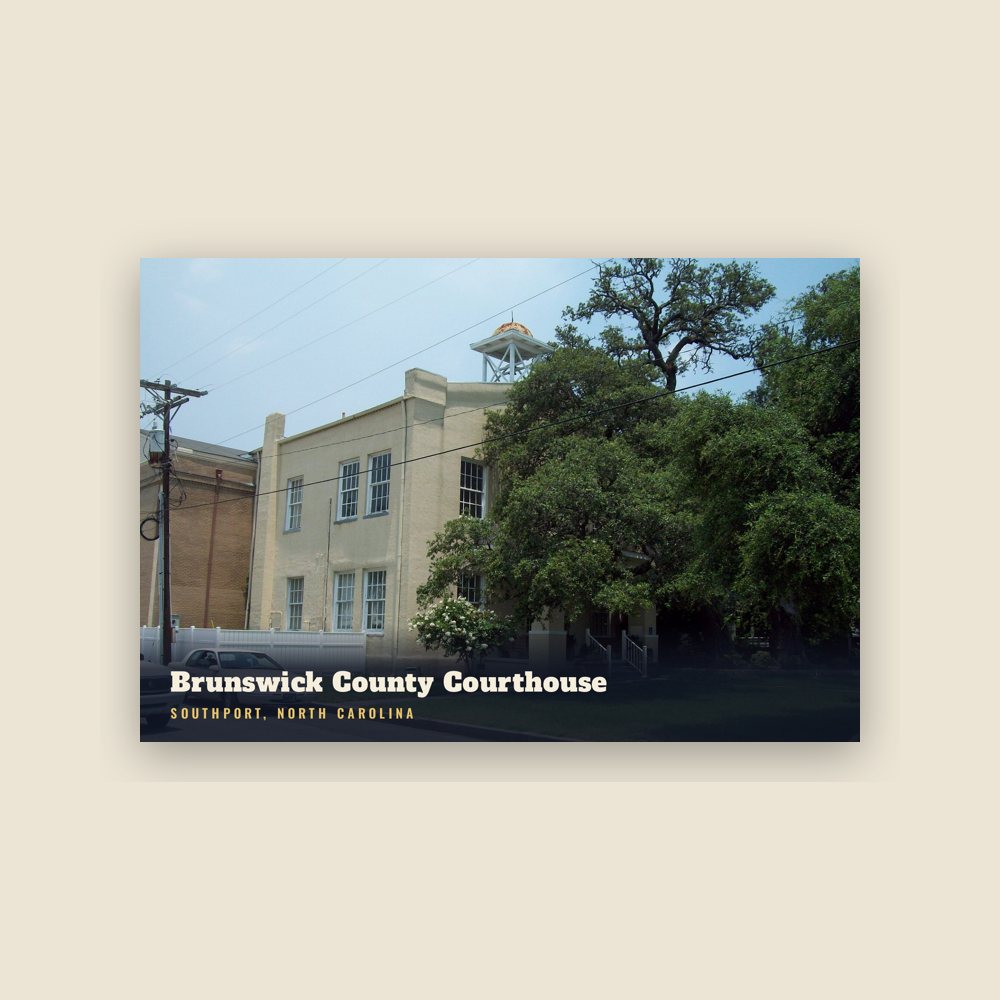
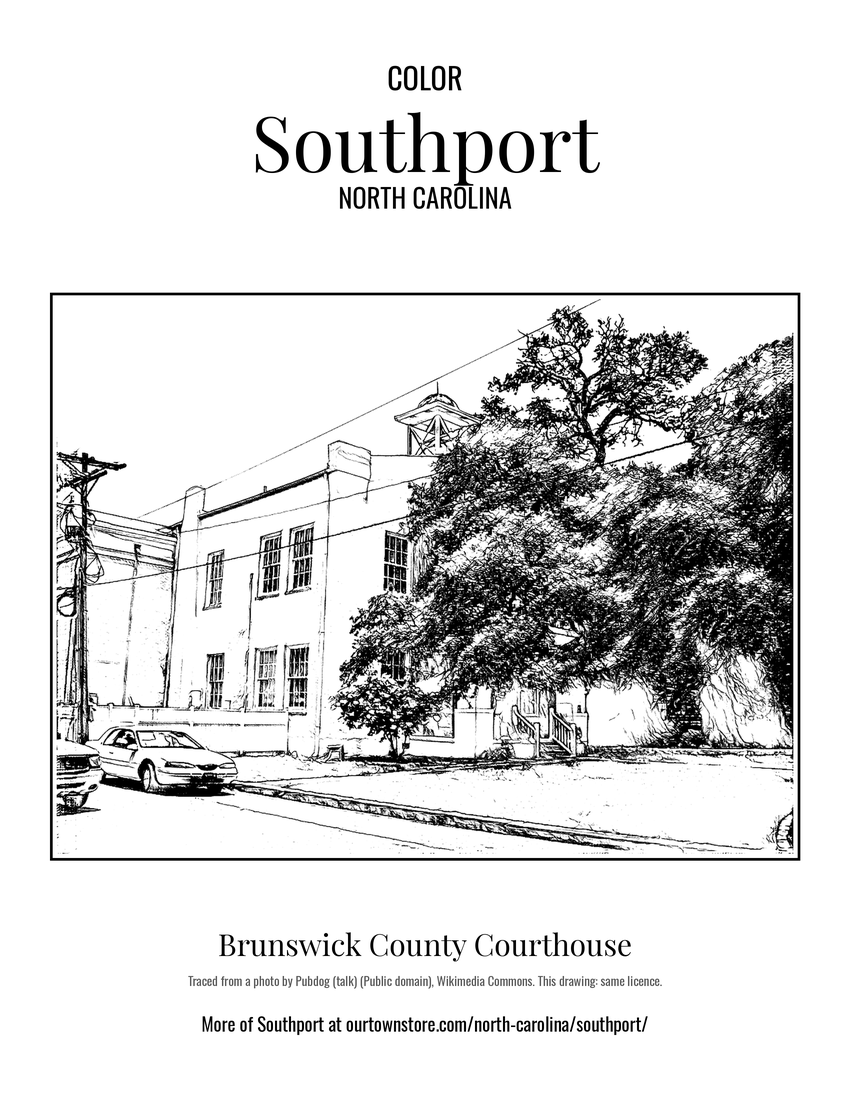 Brunswick County Courthouse
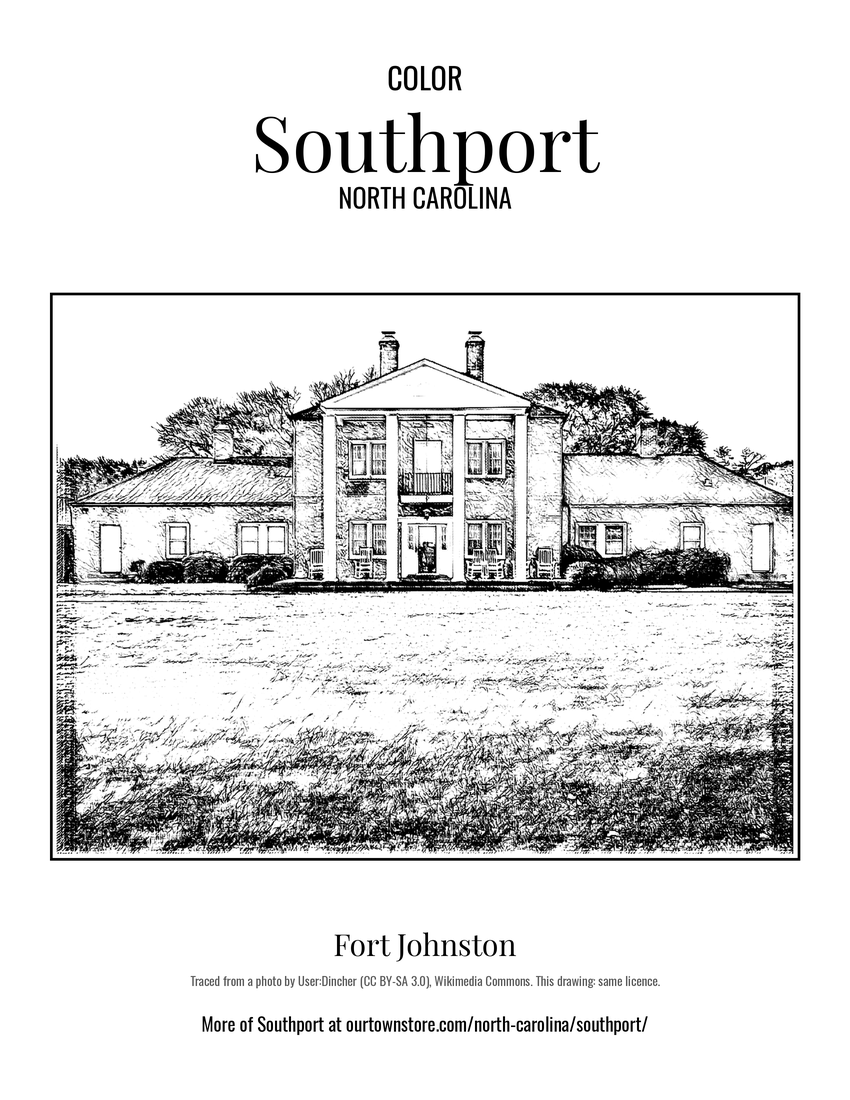 Fort Johnston
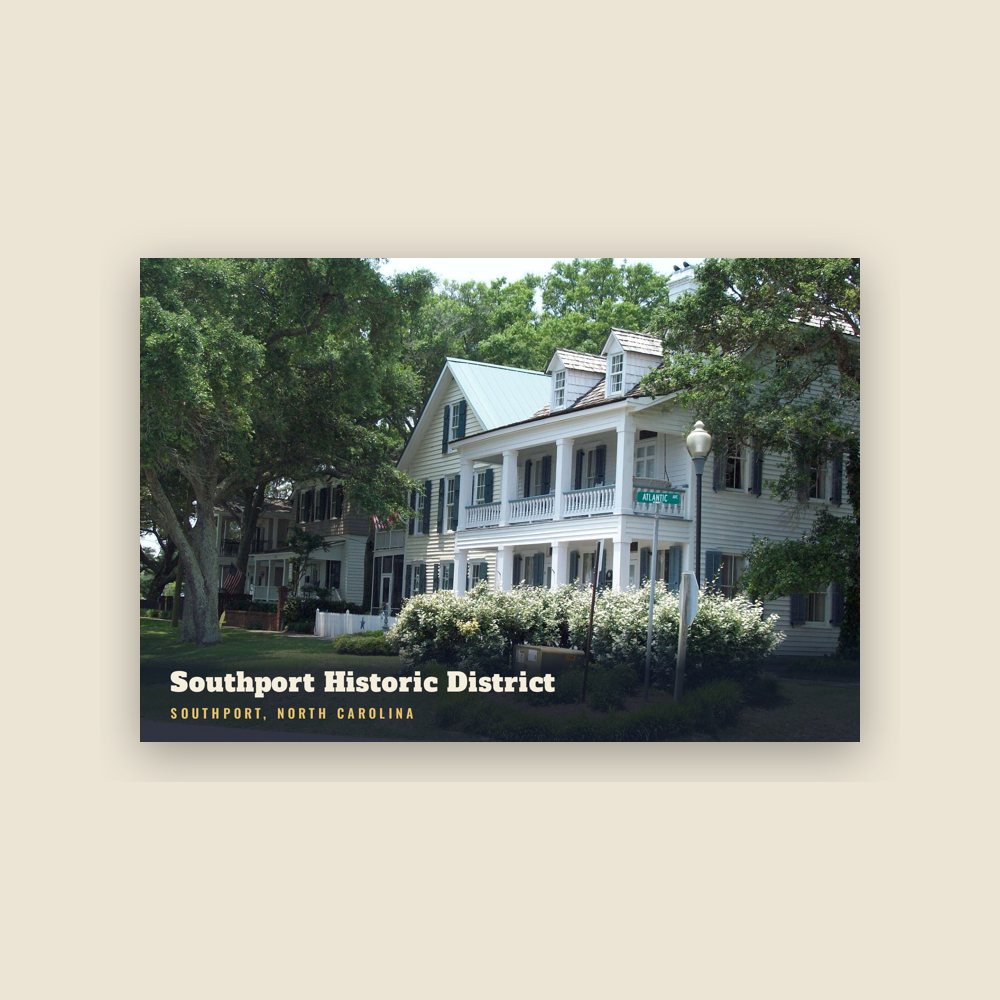
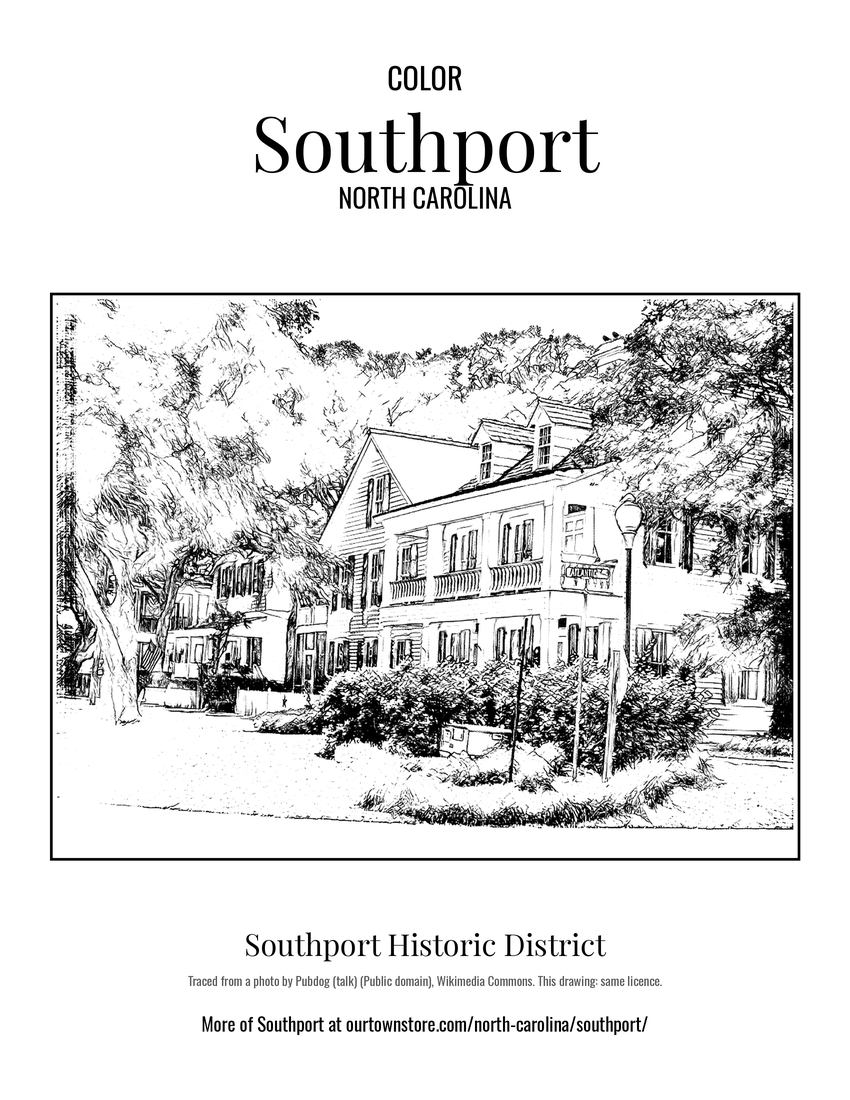 Southport Historic District
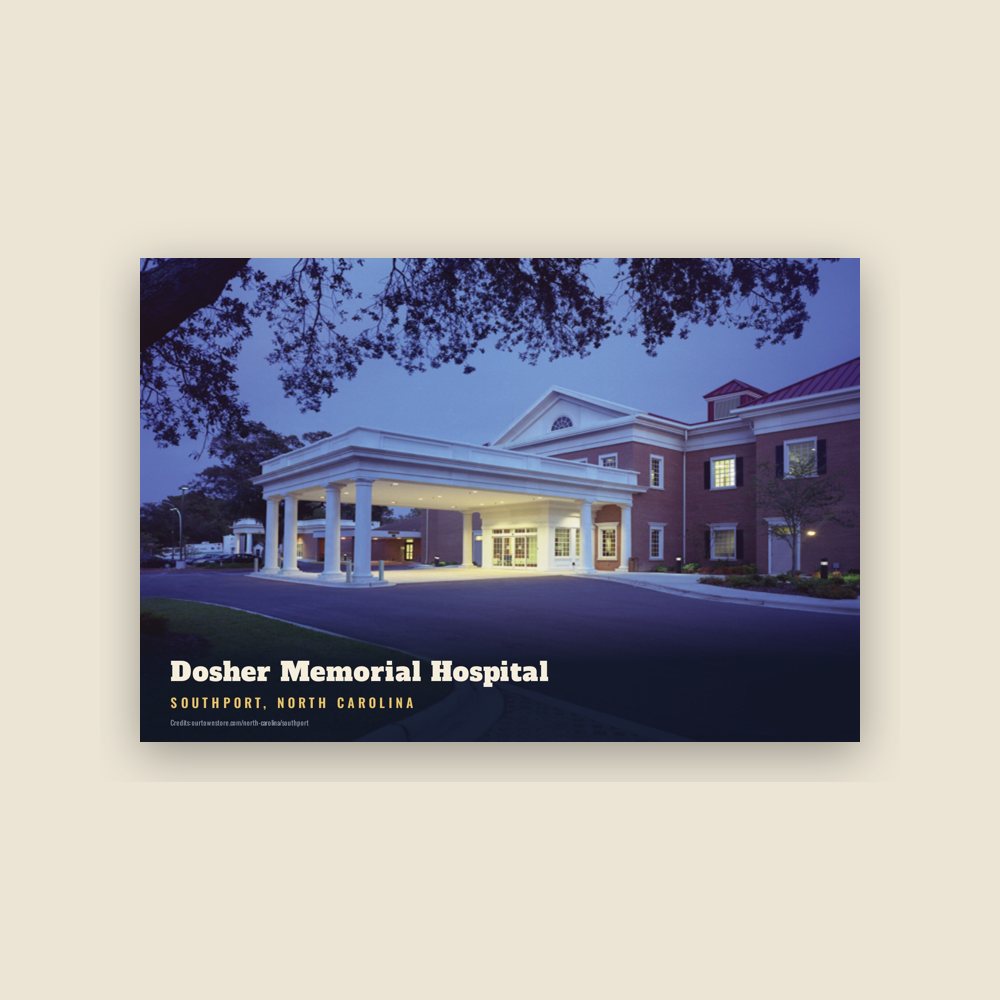
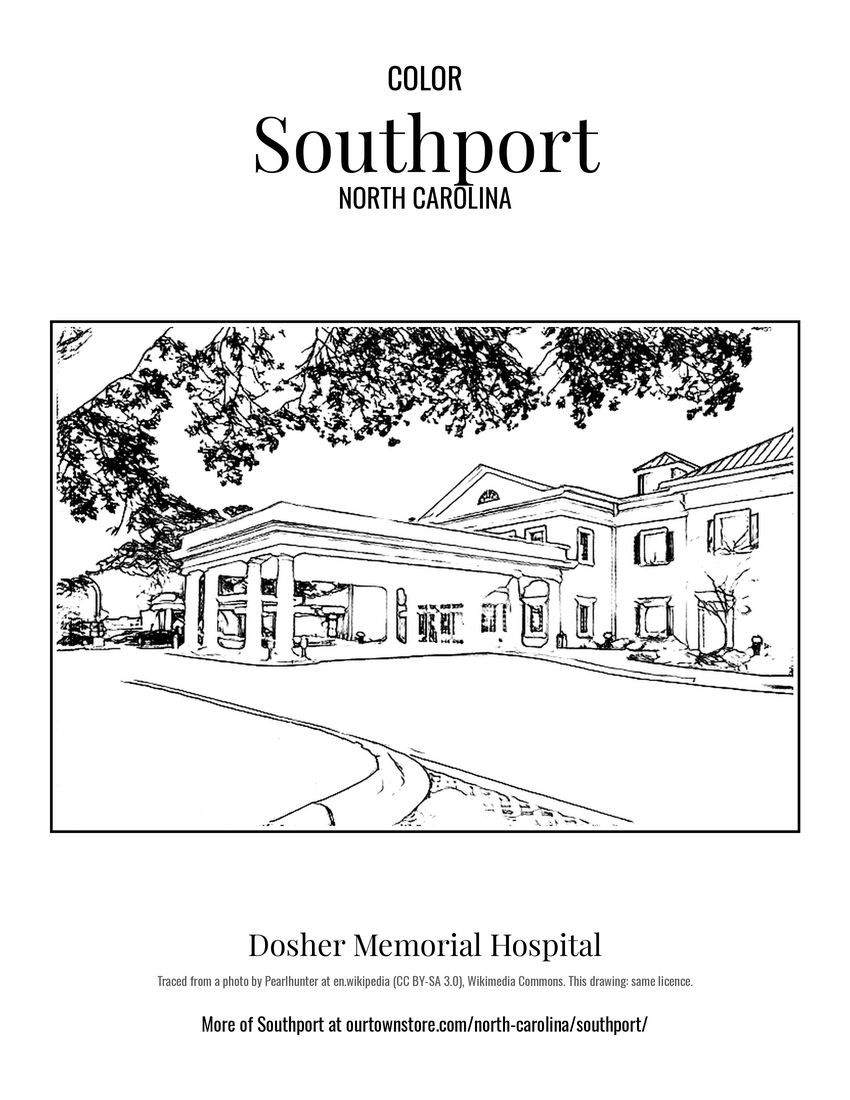 Dosher Memorial Hospital