The town of Laurel Park was settled on what had been Cherokee land in the late 1800s. Landmarks include Singletary-Reese-Robinson House.
- CountyHenderson County
- Population2,250 (2020 U.S. Census)
- Historic places1 on the National Register
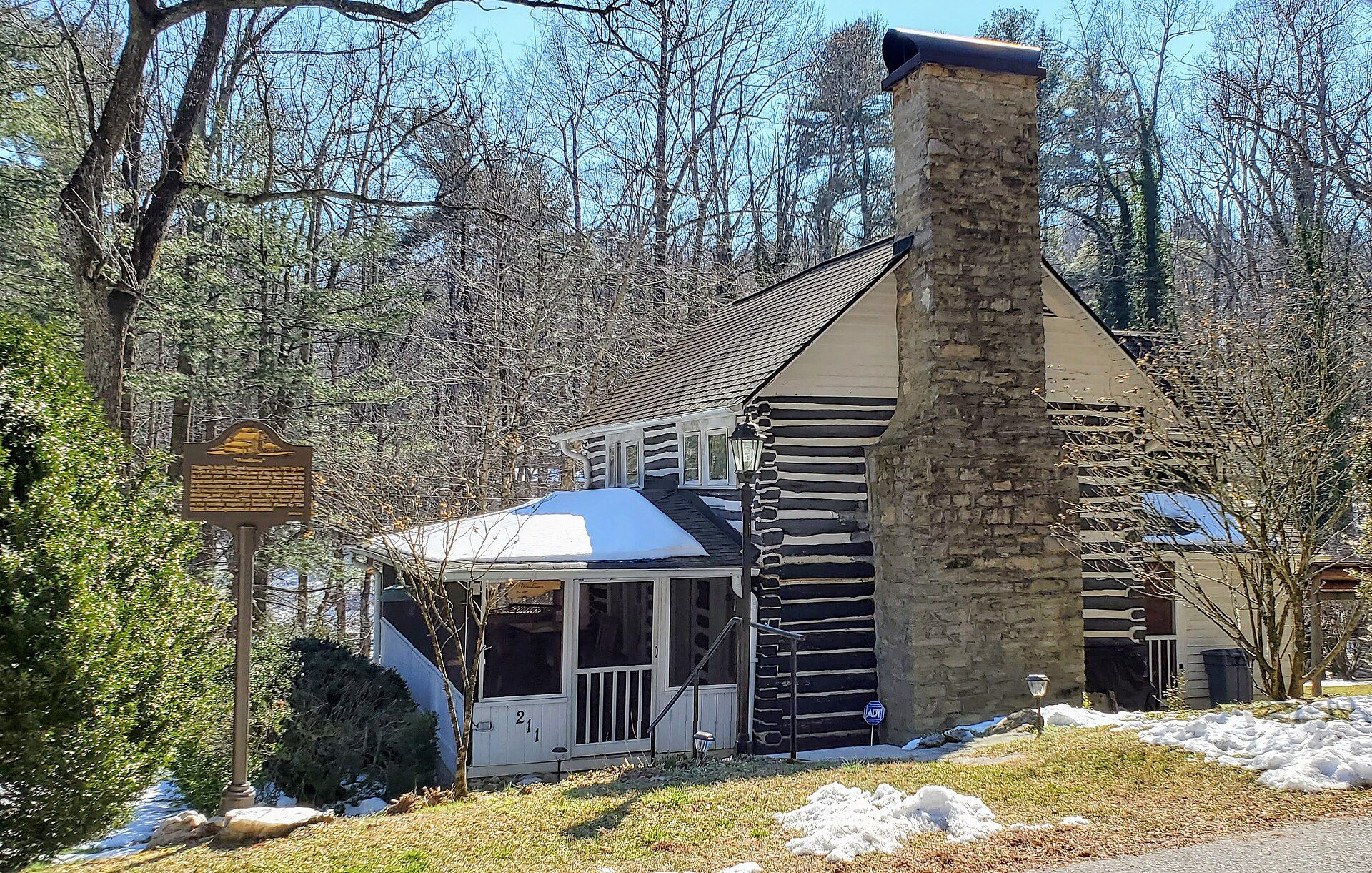
The town of Laurel Park was settled on what had been Cherokee land in the late 1800s. Landmarks include Singletary-Reese-Robinson House.
Laurel Park, North Carolina gifts and souvenirs: 20 designs made from Laurel Park's own map, landmarks and history, from $10 to $95. Printed to order and shipped free in the USA.
| Popular | Price |
|---|---|
| Laurel Park Hometown Ornament | $23 |
| Laurel Park Vintage Travel Poster | from $40 |
| Laurel Park Varsity Crewneck | from $57 |
| Laurel Park Est. Tee | from $33 |
| Laurel Park Town Line Mug | from $26 |
| Laurel Park Market Tote | $37 |
Ceramic keepsake, gold ribbon
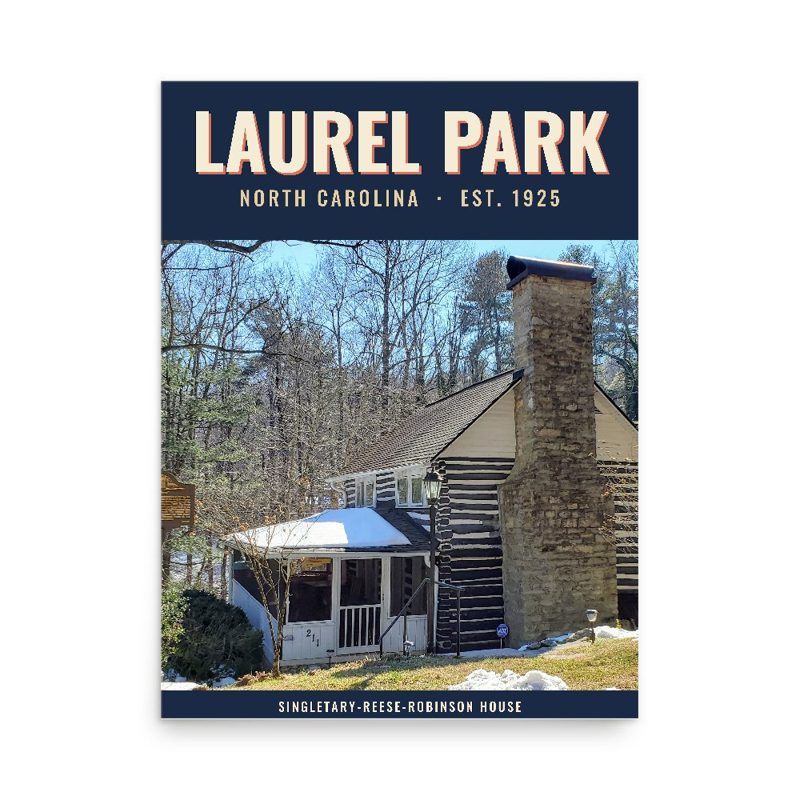
Its landmark photo in a classic travel-poster layout
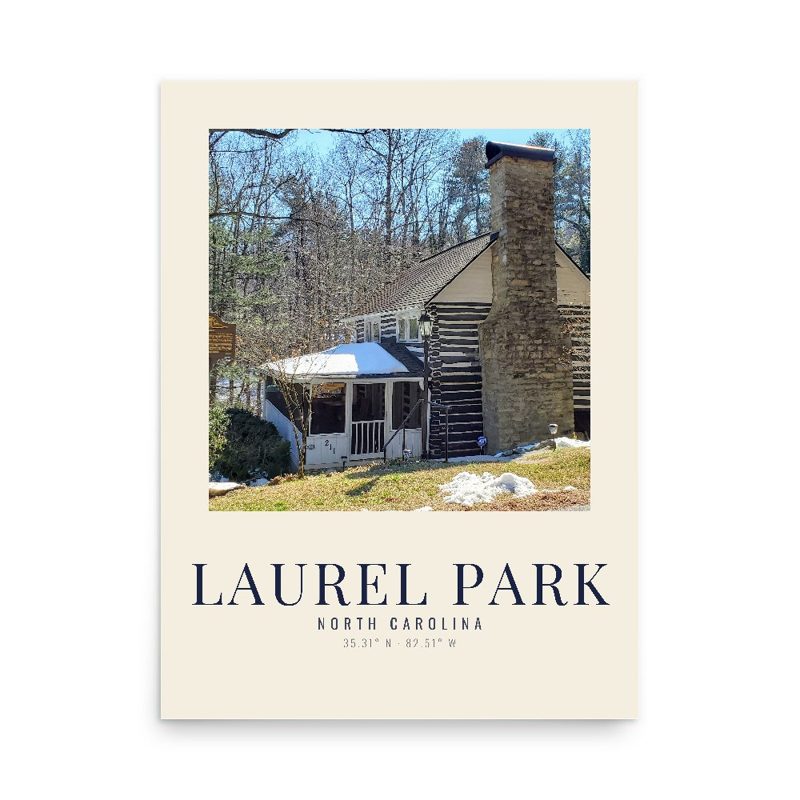
A local landmark photo as a gallery print
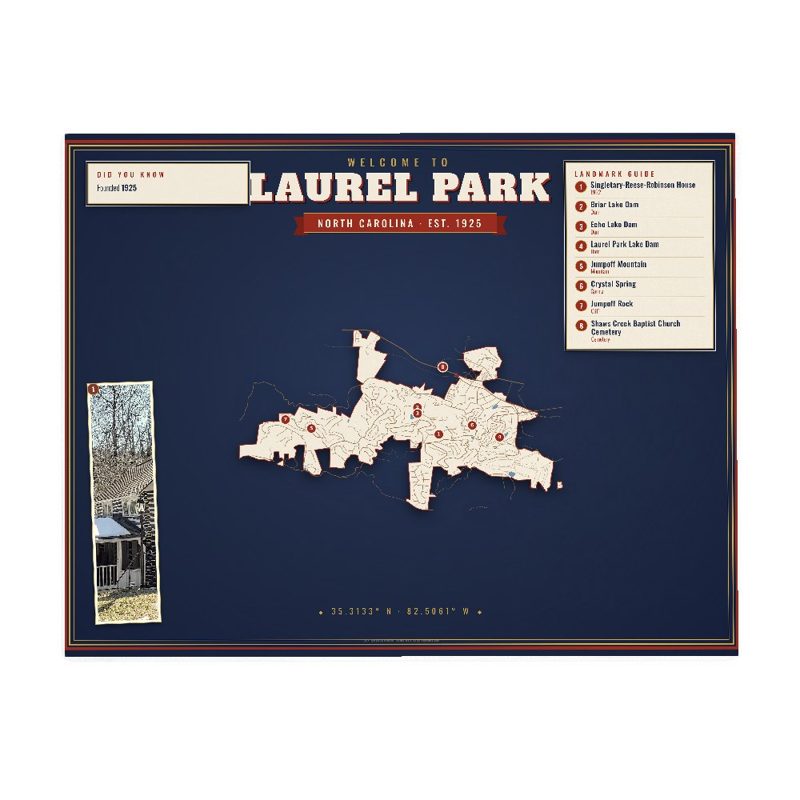
Map of local landmarks, washable fabric
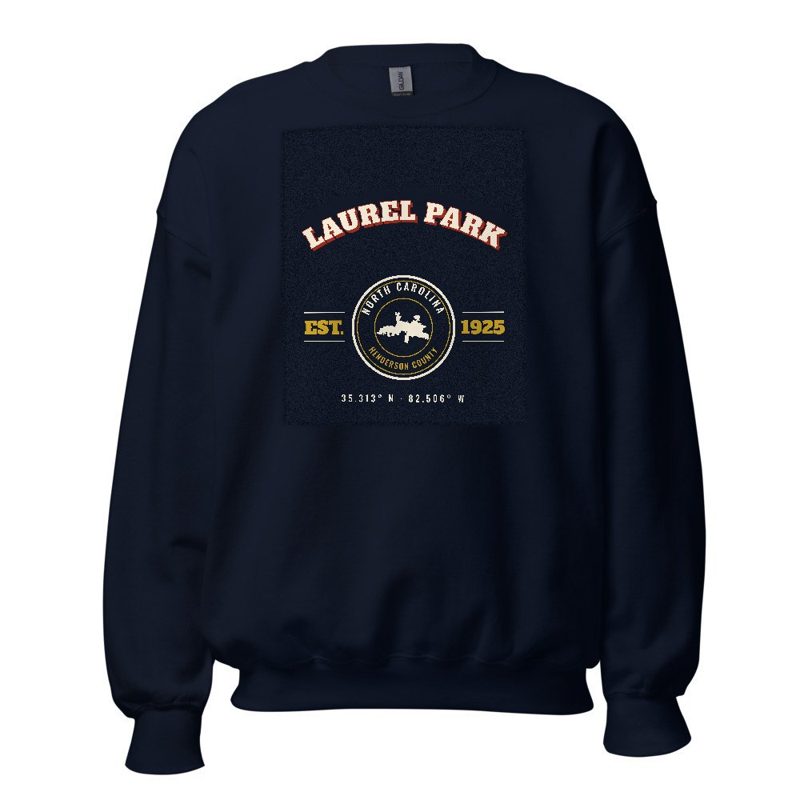
Heavy-blend fleece, street map printed on the back
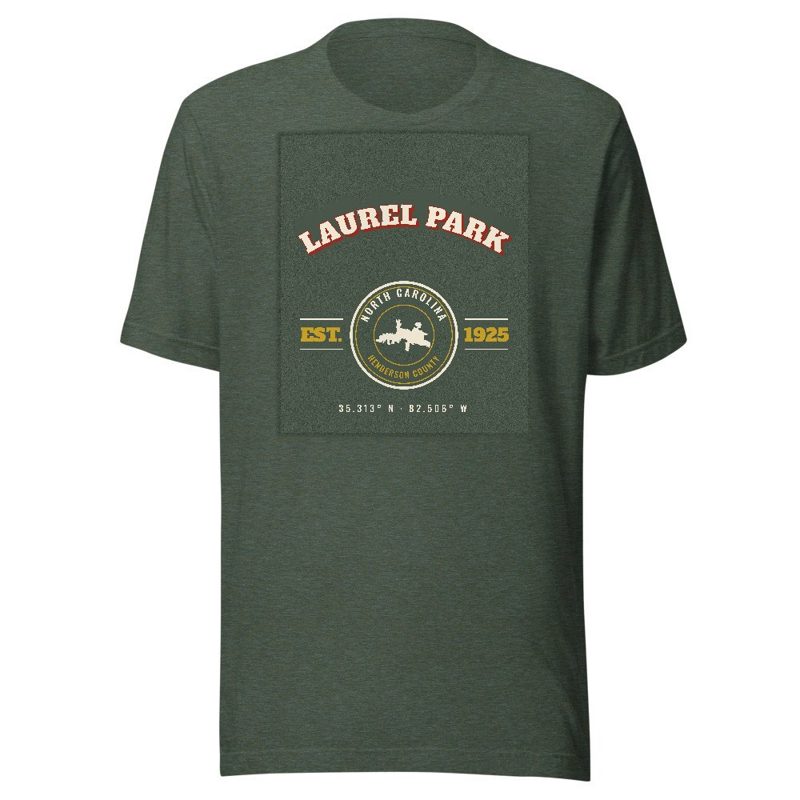
Soft Bella+Canvas jersey
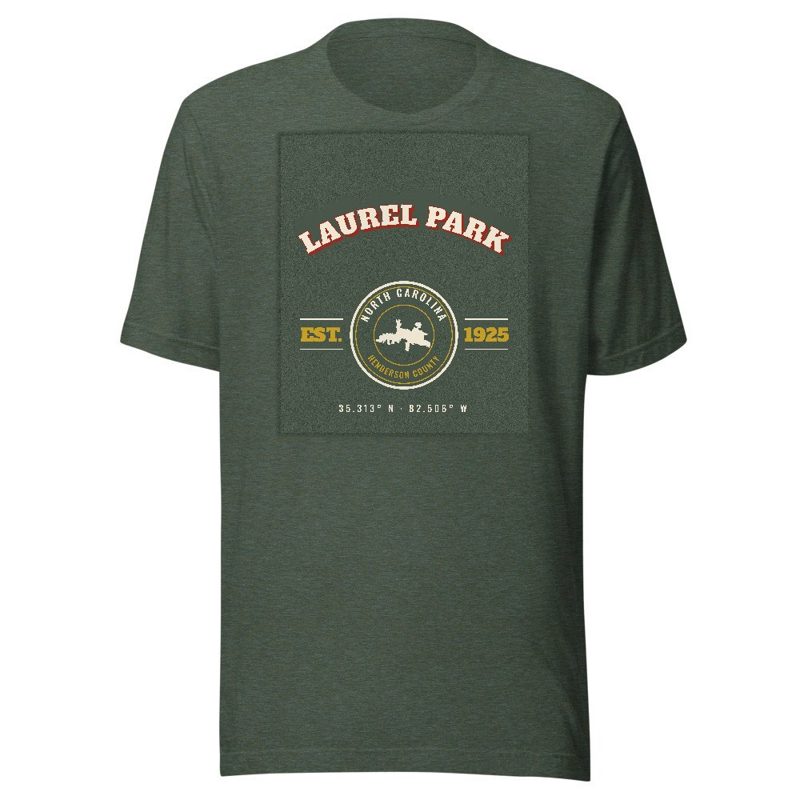
Kids' Bella+Canvas jersey, youth sizes
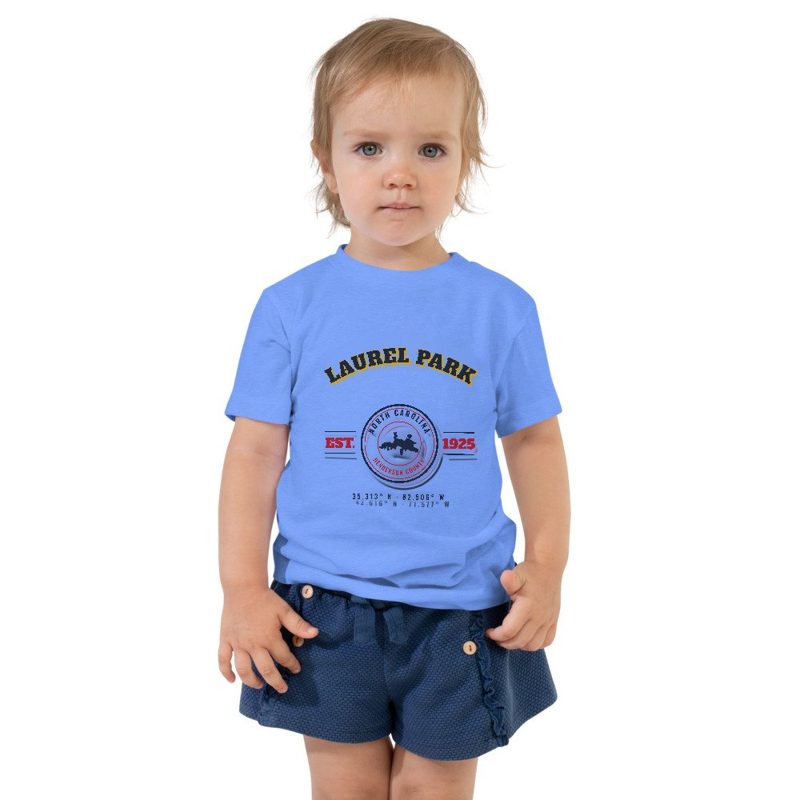
Bella+Canvas toddler jersey
Bella+Canvas baby bodysuit
Glossy ceramic, dishwasher safe
Weatherproof, for the front walk
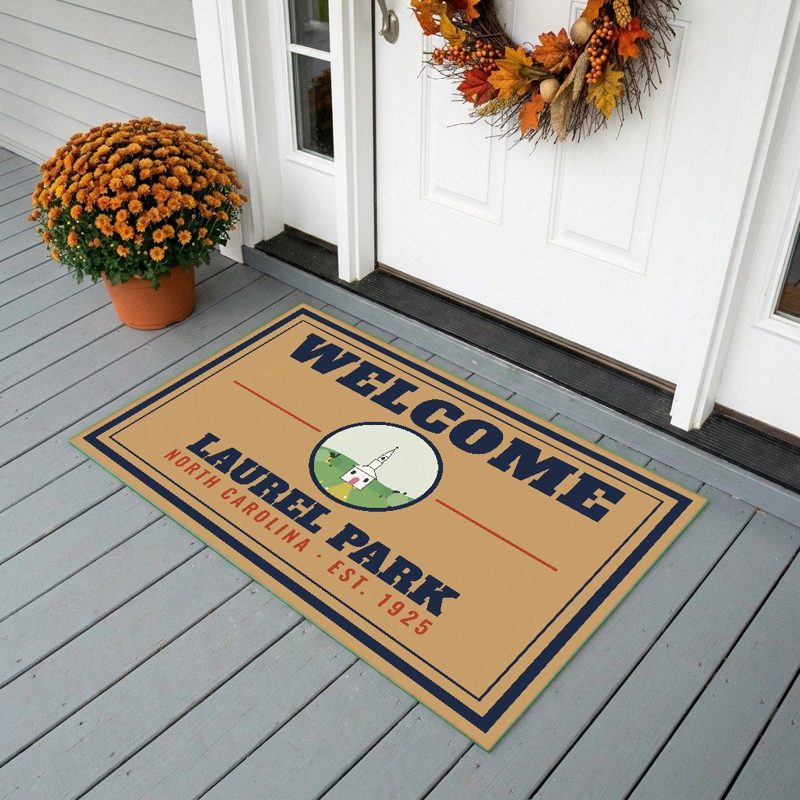
24″×16″, printed coir-look fibers, rubber back
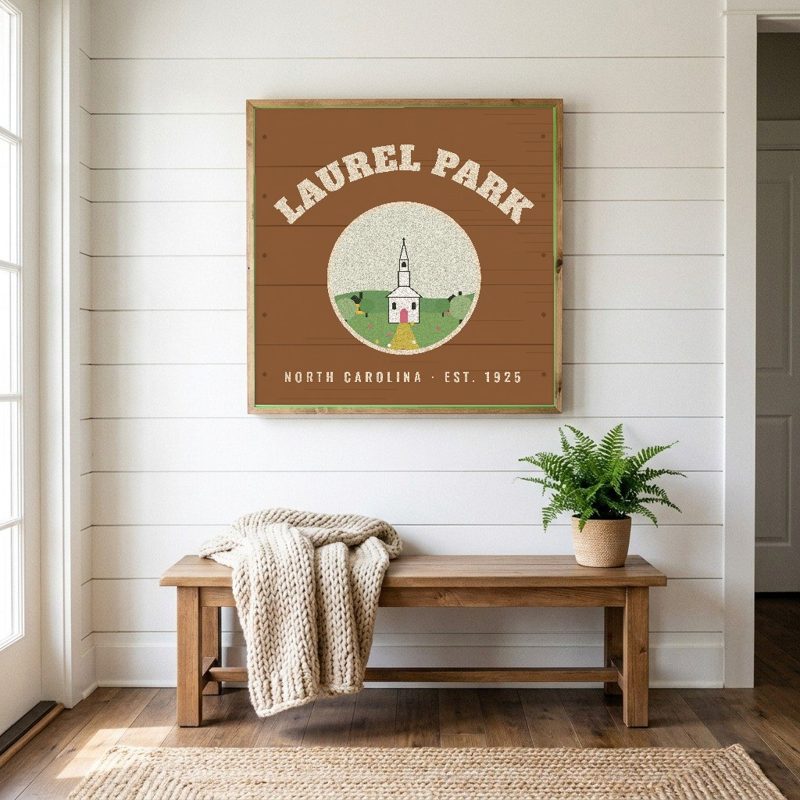
12″×12″ printed wood, ready to hang
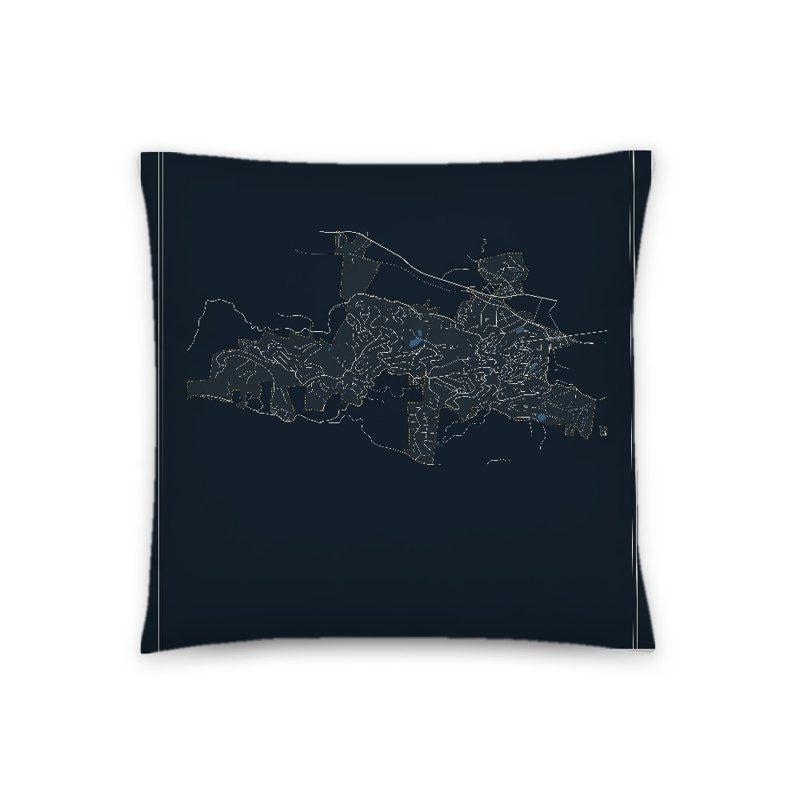
Soft-touch, zip cover
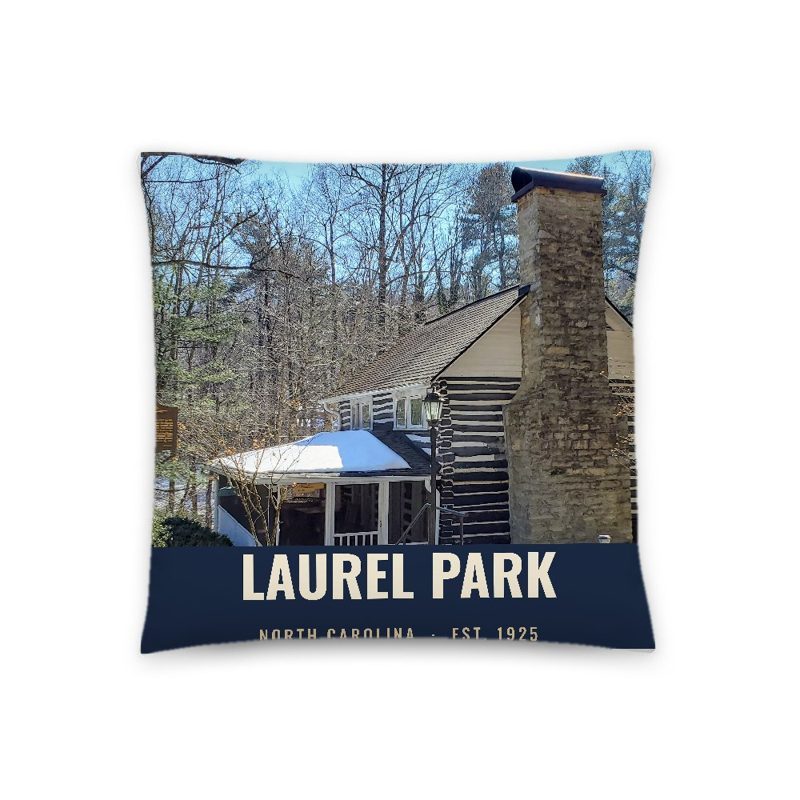
A local landmark photo with the town name, 18″×18″
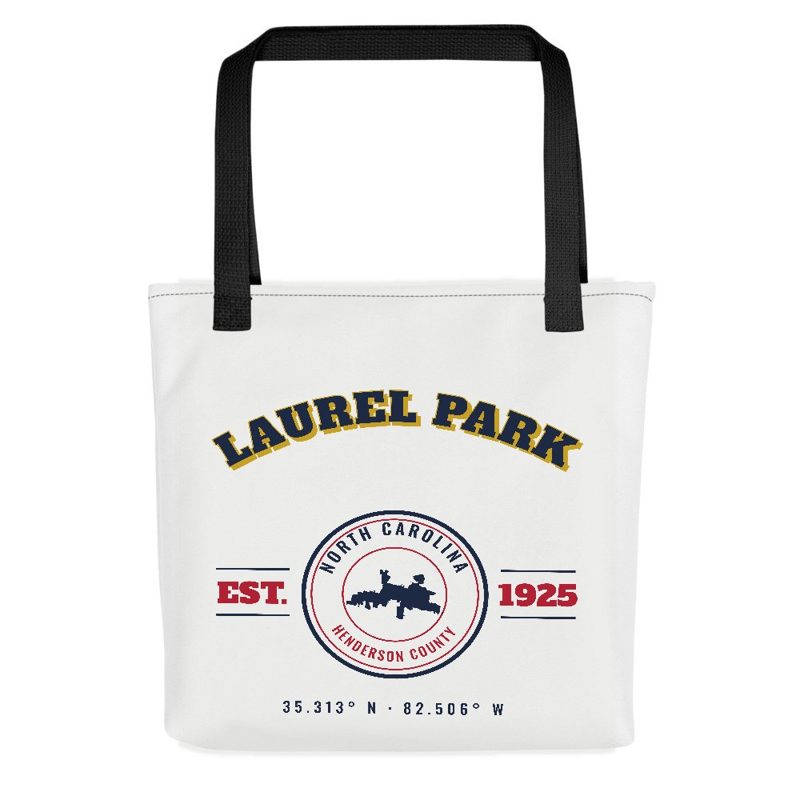
Sturdy all-over-print tote
Glossy top, cork back
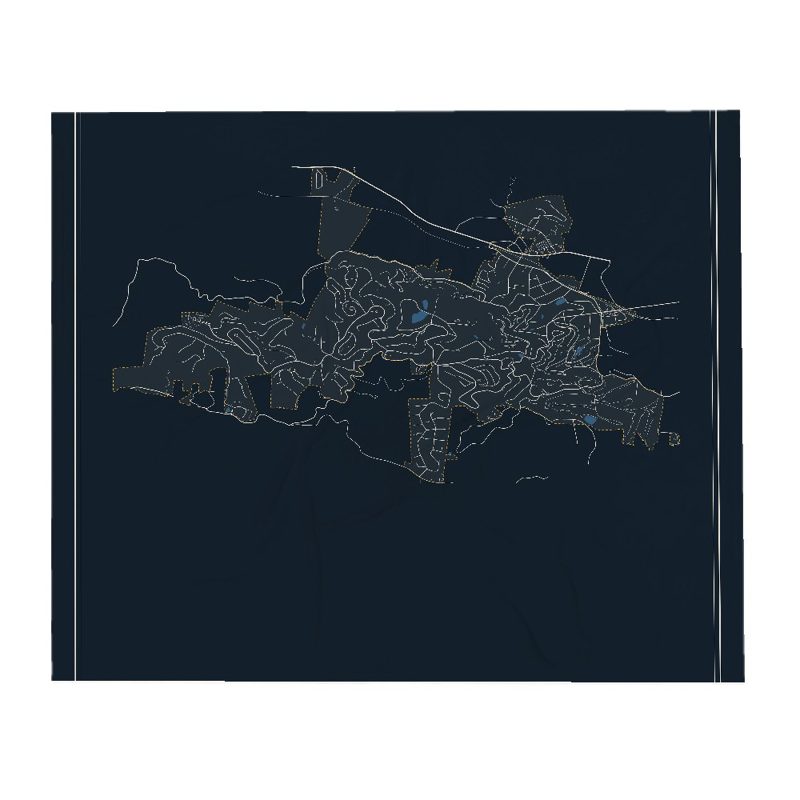
Soft fleece, 50″×60″
20 oz, double-wall stainless
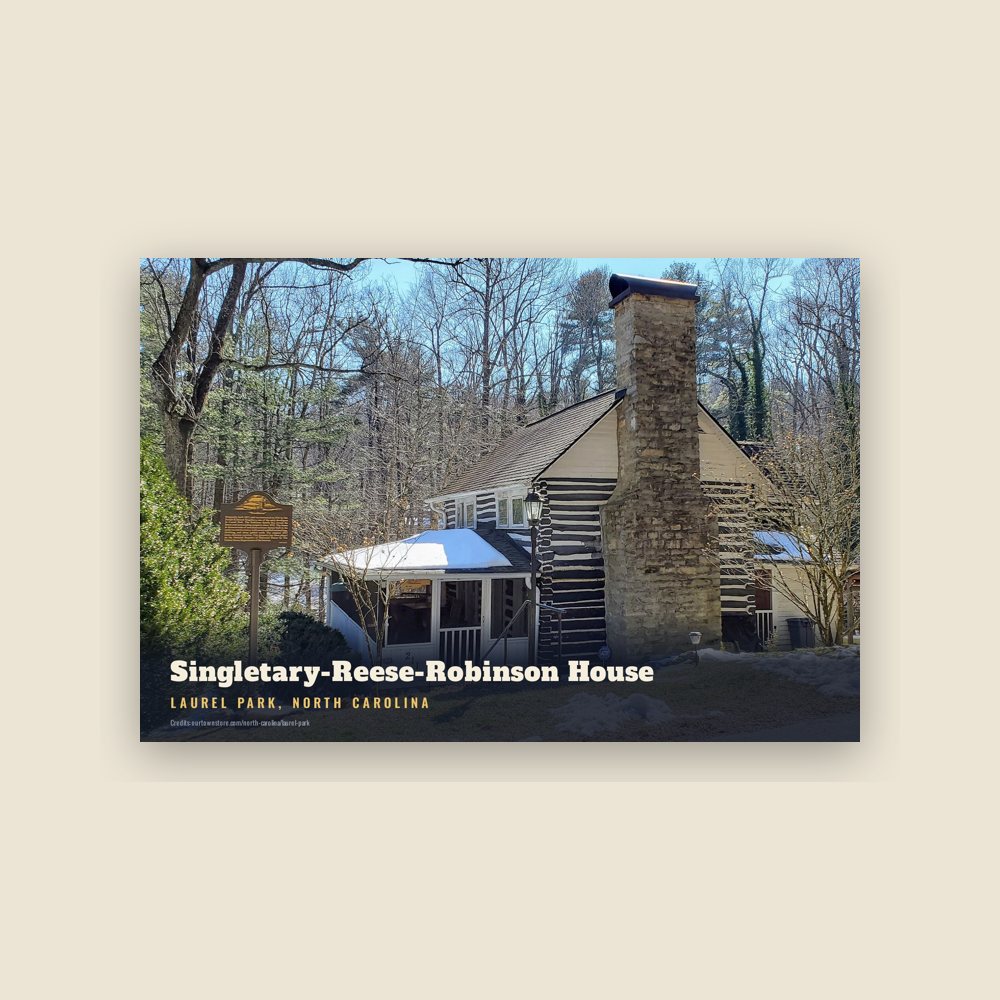
6″×4″ postcard, glossy front
Population 2010: 2,180 → 2020: 2,250
From Wikidata (CC0).
The town of Laurel Park was settled on what had been Cherokee land in the late 1800s. Summer cottages and camps were construction in the areas surrounding Echo Mountain. By 1903, a rail line had been built up Fifth Avenue in Hendersonville to bring day-trippers and summer visitors to Rainbow Lake to enjoy swimming, boating, dancing, camping, and gambling at the Laurel Park Casino. Visitors to the casino included famous boxer Jack Dempsey. Later, another rail line and a canal connected Rainbow Lake with Laurel Lake (Rhododendron Lake), and a counter-balanced railway took sightseers from Crystal Spring (near Rainbow Lake) to an observation tower for views of downtown Hendersonville and near and distant mountains.
In 1925, the town was formally incorporated. That same year, Commodore J. Perry Stolz, builder of the popular and expensive Miami Fleetwood Hotel in Florida, arrived in Hendersonville with plans to repeat his success at the top of Jump Off Mountain near Jump-Off Rock. This 15-story hotel, also to be called the Fleetwood, would have a brick exterior trimmed with marble, all the modern conveniences, and a radio station at the top. A new concrete road (named Laurel Park Highway) was built up the mountain to the hotel site; this was used for transporting construction materials. Less than a year later, financial problems led to a halt in construction. Despite numerous attempts to complete the hotel, the 13th floor was the last floor completed, and the hotel was razed in 1939 by a salvage company.
After the stock market crash, the town slowly transitioned from a summer recreational resort to a more residential community.
Adapted (trimmed) from the Wikipedia article Laurel Park, North Carolina, revision 1374528750 by its contributors, licensed CC BY-SA 4.0.
We share a part of every Laurel Park sale with local partners, and we'd love to print from your collection. Old photographs, maps and postcards make the best keepsakes.
Partner with usA favorite landmark, your street, a school or team, an anniversary gift, a different product. Tell us and we'll get back to you by email.
1 free coloring page of Laurel Park, each traced from a photo of a local landmark. Print them at home, at school or for story hour.
Laurel Park's population was 2,250 in the 2020 U.S. Census, up from 2,180 in 2010.
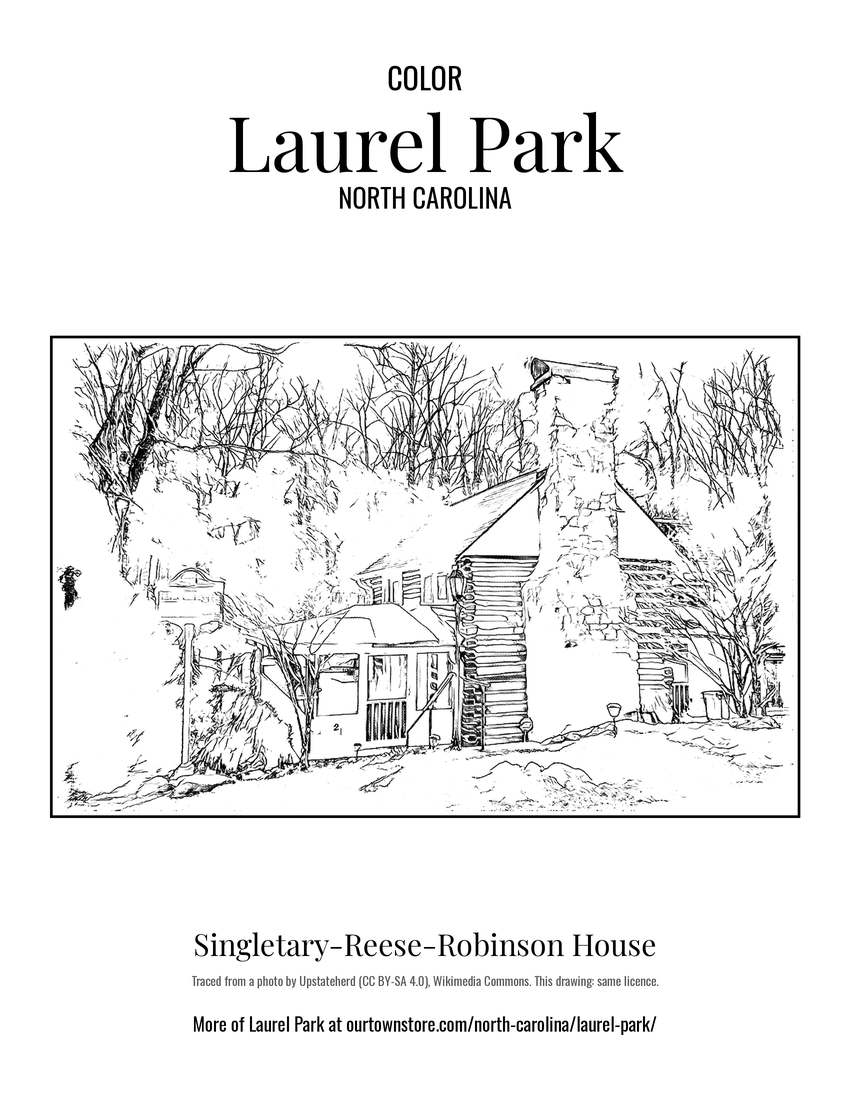 Singletary-Reese-Robinson House