Before the arrival of the European Colonists, the land where Asheville now exists lay within the boundaries of the Cherokee Nation, which had homelands in modern western North and South Carolina, southeastern Tennessee, and northeastern Georgia. A town at the site of the river confluence was recorded as Guaxule by Spanish explorer Hernando de Soto during his 1540 expedition through this area. His expedition comprised the first European visitors, who carried endemic Eurasian infectious diseases that killed much of the native population.
The Cherokee had traditionally used the area by the confluence for open hunting and meeting grounds. They called it Untokiasdiyi or Tokiyasdi (ᏙᎩᏯᏍᏗ in Cherokee), meaning "Where they race", until the middle of the 19th century.
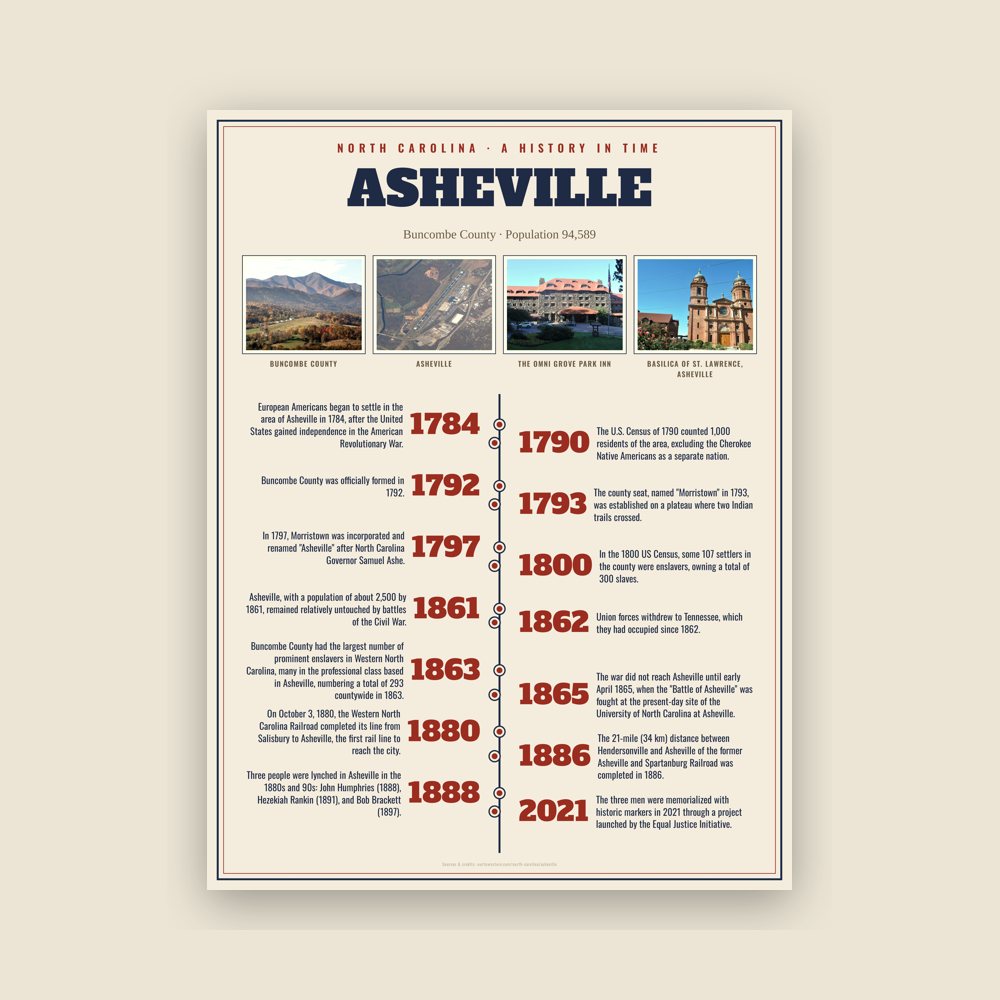
European Americans began to settle in the area of Asheville in 1784, after the United States gained independence in the American Revolutionary War. In that year, Colonel Samuel Davidson and his family settled in the Swannanoa Valley, redeeming a soldier's land grant from the state of North Carolina made in lieu of pay. Soon after building a log cabin at the bank of Christian Creek, Davidson was lured into the woods and killed by a band of Cherokee hunters resisting white encroachment. Davidson's wife, child, and female slave fled on foot overnight to Davidson's Fort (named after Davidson's father General John Davidson) 16 miles away.
In response to the killing, Davidson's twin brother Major William Davidson and brother-in-law Colonel Daniel Smith formed an expedition to retrieve Samuel Davidson's body and avenge his murder. Months after the expedition, Major Davidson and other members of his extended family returned to the area and settled at the mouth of Bee Tree Creek.
The U.S. Census of 1790 counted 1,000 residents of the area, excluding the Cherokee Native Americans as a separate nation. Buncombe County was officially formed in 1792. In the 1800 US Census, some 107 settlers in the county were enslavers, owning a total of 300 slaves. Total county population was 5,812.
The county seat, named "Morristown" in 1793, was established on a plateau where two Indian trails crossed. In 1797, Morristown was incorporated and renamed "Asheville" after North Carolina Governor Samuel Ashe.
In the 1800s, James McDowell established land for burial of slaves belonging to his and the Smith families in Asheville. His son William Wallace McDowell continued this practice, setting aside about two acres of land for this purpose.
Read the full history
Civil War
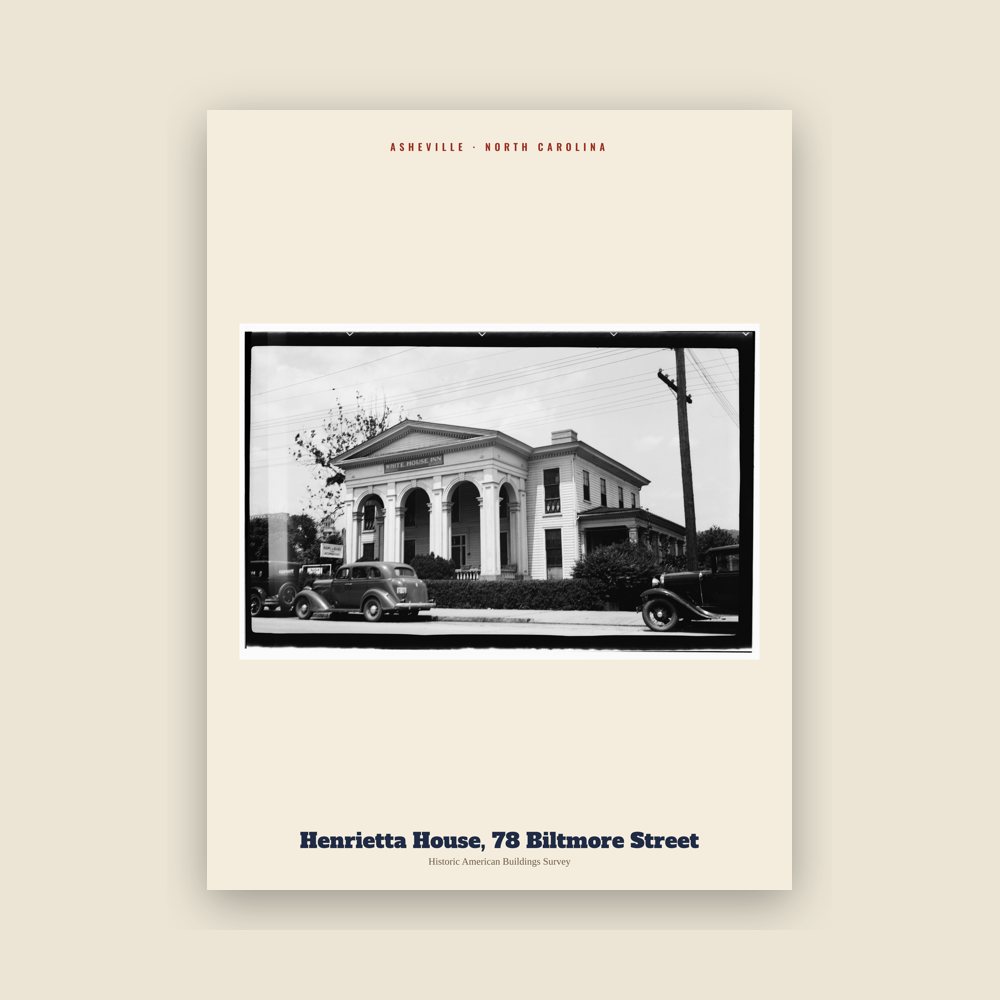
On the eve of the Civil War, James W. Patton, son of an Irish immigrant, was the largest enslaver in the county, and had built a luxurious mansion, known as The Henrietta, in Asheville. Buncombe County had the largest number of prominent enslavers in Western North Carolina, many in the professional class based in Asheville, numbering a total of 293 countywide in 1863.
Asheville, with a population of about 2,500 by 1861, remained relatively untouched by battles of the Civil War. The city contributed companies to the Confederate States Army and to the Union Army. For a time, an Enfield rifle manufacturing facility was located in the town.
The war did not reach Asheville until early April 1865, when the "Battle of Asheville" was fought at the present-day site of the University of North Carolina at Asheville. Union forces withdrew to Tennessee, which they had occupied since 1862. They had encountered resistance in Asheville from a small group of Confederate senior and junior reserves, and recuperating Confederate soldiers in prepared trench lines across the Buncombe Turnpike. The Union force had been ordered to take Asheville only if they could accomplish it without significant losses.
An engagement was fought later that month at Swannanoa Gap, as part of the larger Stoneman's Raid throughout western North Carolina, Virginia, and Tennessee. Union forces retreated in the face of resistance from Brig. Gen. James Green Martin, commander of Confederate troops in western North Carolina. Later, Union forces returned to the area via Howard's Gap and Henderson County. In late April 1865, North Carolina Union troops from the 3rd North Carolina Mounted Infantry, under the overall command of Union Gen. George Stoneman, captured Asheville. After a negotiated departure, the 2,700 troops left town, accompanied by "hundreds of freed slaves".
Later, the federal troops returned and plundered Asheville, burning a number of Confederate supporters' homes in Asheville.
George Avery was among 40 enslaved people known to have traveled with the troops to Tennessee. There he enlisted in the U.S. Colored Troops. He returned to Asheville after being discharged in 1866. After the war, he was hired by his former enslaver William W. McDowell to manage the South Asheville Cemetery, a public place for black burials. This is the oldest and largest black public cemetery in the state. By 1943, when the last burial was conducted, it held remains of an estimated 2,000 people.
1880s
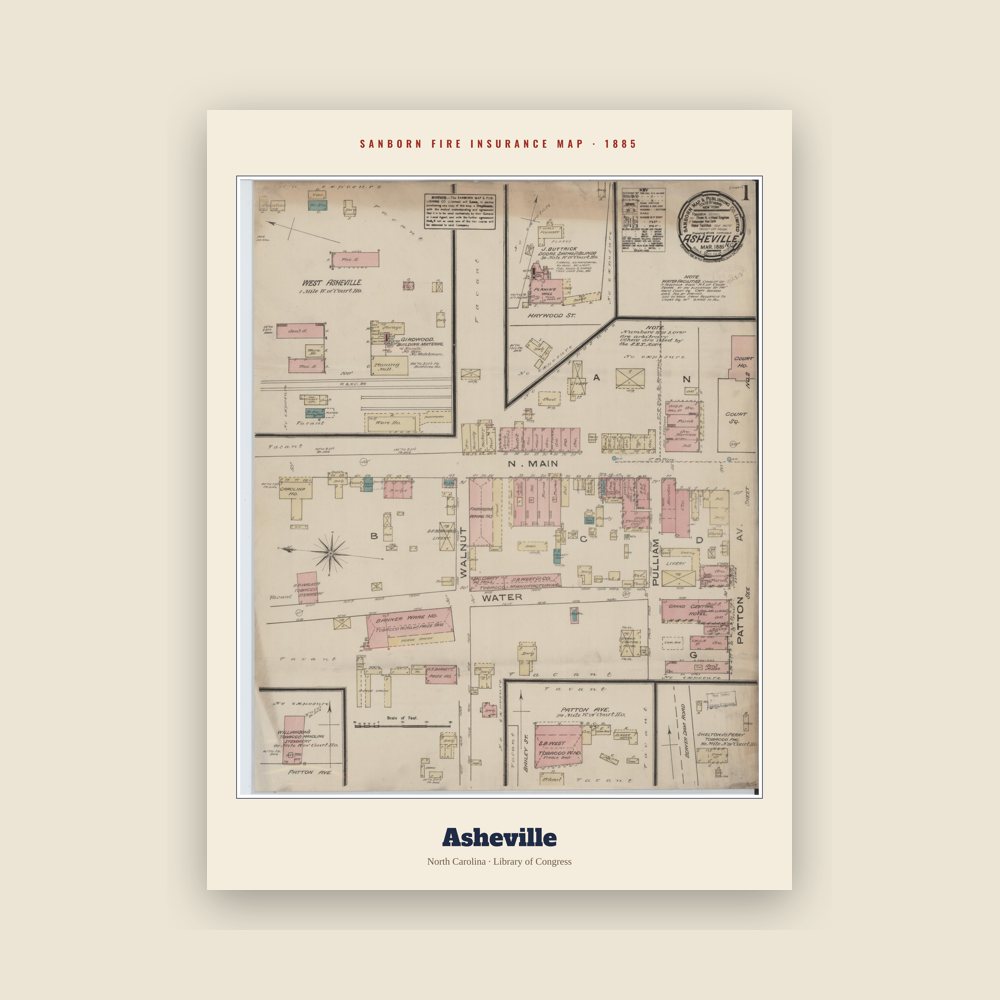
On October 3, 1880, the Western North Carolina Railroad completed its line from Salisbury to Asheville, the first rail line to reach the city. Almost immediately it was sold and resold to the Richmond and Danville Railroad Company, becoming part of the Southern Railway in 1894. With the completion of the first railway, Asheville developed with steady growth as industrial plants increased in number and size, and new residents built homes. Textile mills were built to process cotton from the region, and other plants were set up to manufacture wood and mica products, foodstuffs, and other commodities.
The 21-mile (34 km) distance between Hendersonville and Asheville of the former Asheville and Spartanburg Railroad was completed in 1886. By that point, the line was operated as part of the Richmond and Danville Railroad until 1894 and controlled by the Southern Railway afterward.
Asheville had the first electric street railway lines in the state of North Carolina, the first of which opened in 1889. These were replaced by buses in 1934.
Three people were lynched in Asheville in the 1880s and 90s: John Humphries (1888), Hezekiah Rankin (1891), and Bob Brackett (1897). The three men were memorialized with historic markers in 2021 through a project launched by the Equal Justice Initiative.
1900s
In 1900, Asheville was the third-largest city in the state, behind Wilmington and Charlotte. Asheville prospered in the decades of the 1910s and 1920s. During these years, Rutherford P. Hayes, son of President Rutherford B. Hayes, bought land, and worked with the prominent African-American businessman Edward W. Pearson Sr. to develop his land for residential housing known as the African-American Burton Street Community. Hayes also worked to establish a sanitary district in West Asheville, which became an incorporated town in 1913, and merged with Asheville in 1917.
The Asheville Masonic Temple was constructed in 1913, under the direction of famed architect Richard Sharp Smith, a Freemason. It was the meeting place for local Masons through much of the 20th century.
On July 15–16, 1916, the Asheville area was subject to severe flooding from the remnants of a tropical storm which caused more than $3 million in damage. Areas flooded included part of the Biltmore Estate, and the company that ran it sold some of the property to lower their maintenance costs. This area was later developed as an independent jurisdiction known as Biltmore Forest, which is now one of the wealthiest in the country.
The Great Depression hit Asheville quite hard. On November 20, 1930, eight local banks failed. Only Wachovia remained open with infusions of cash from Winston-Salem. Because of the explosive growth of the previous decades, the per capita debt owed by the city (through municipal bonds) was the highest in the nation. By 1929, both the city and Buncombe County had incurred over $56 million in bonded debt to pay for a wide range of municipal and infrastructure improvements, including City Hall, the water system, Beaucatcher Tunnel, and Asheville High School. Rather than default, the city paid those debts over a period of fifty years.
From the start of the depression through the 1980s, economic growth in Asheville was slow. During this time of financial stagnation, most of the buildings in the downtown district remained unaltered. As a result, Asheville has one of the most impressive, comprehensive collections of Art Deco architecture in the United States.
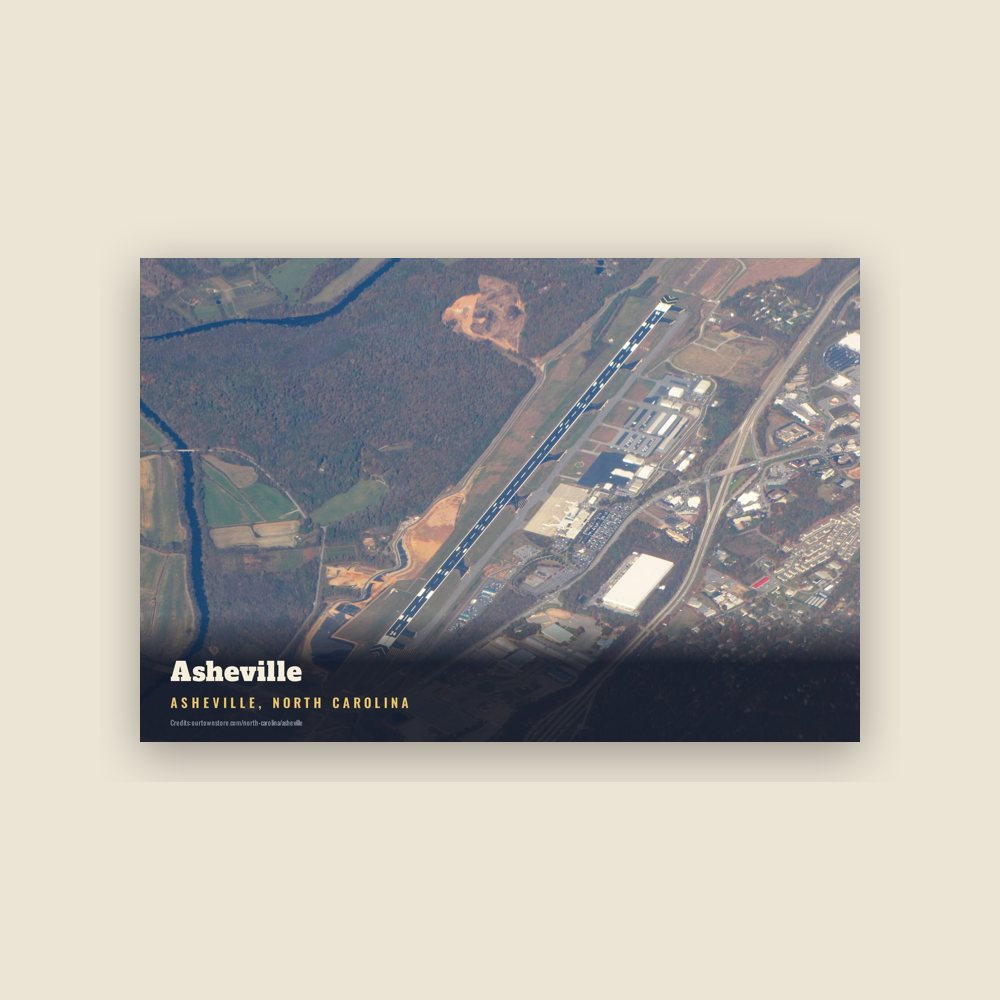
In 1959, the City Council purchased property partially located in neighboring Henderson County for the development of Asheville Regional Airport. The North Carolina General Assembly passed a bill to redraw the boundaries of Buncombe and Henderson counties to include the proposed airport property entirely in Buncombe, allowing Asheville to annex the complete site.
The last passenger train to serve Asheville, a coach-only remnant of the Southern Railway's Carolina Special, made its last run on December 5, 1968.
From the 1950s to the 1970s, urban renewal displaced much of Asheville's African-American population. 1,300 buildings were lost in the 425-acre East Riverside project. 1,250 families, more than half the city's black population, were forced to move. Asheville's neighborhoods of Montford and Kenilworth, now mostly white, used to have a majority of black home owners. The city's black population has dropped significantly since 1922, declining from a third to a tenth a hundred years later.
Since the late 20th century, there has been an effort to maintain and preserve the South Asheville Cemetery, in the Kenilworth neighborhood. It is the largest public black cemetery in the state, holding about 2000 burials, dating from the early 1800s and slavery years, to 1943. Fewer than 100 of the graves are marked by tombstones.
2000s to present
In 2003, Centennial Olympic Park bomber Eric Robert Rudolph was transported to Asheville from Murphy, North Carolina, for arraignment in federal court.
In September 2004, remnants of Hurricanes Frances and Ivan caused major flooding in Asheville, particularly at Biltmore Village. In 2006, the Asheville Zombie Walk was organized for the first time, starting a tradition that lasted until 2016.
In July 2020, the Asheville City Council voted to provide reparations to Black residents for the city's "historic role in slavery, discrimination and denial of basic liberties". The resolution was unanimously passed, and Asheville committed to "make investments in areas where Black residents face disparities". Also in 2020, efforts were made to remove or change several monuments in the city that celebrated the Confederate States of America or slave owners. In June 2021, Asheville Mayor Esther Manheimer was one of 11 U.S. mayors to form Mayors Organized for Reparations and Equity (MORE), a coalition of municipal leaders dedicated to starting pilot reparations programs in their cities.

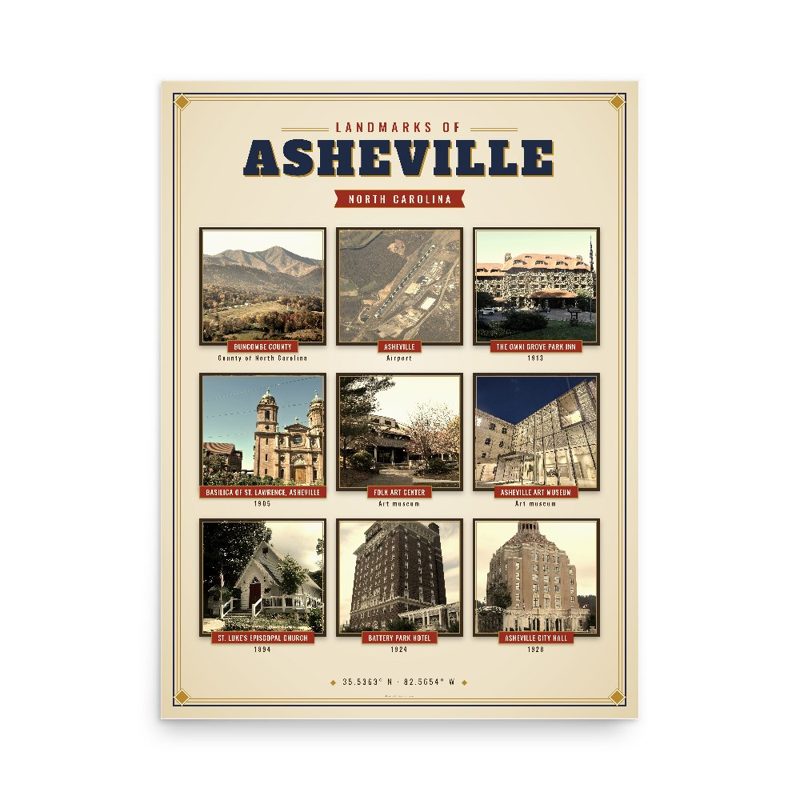
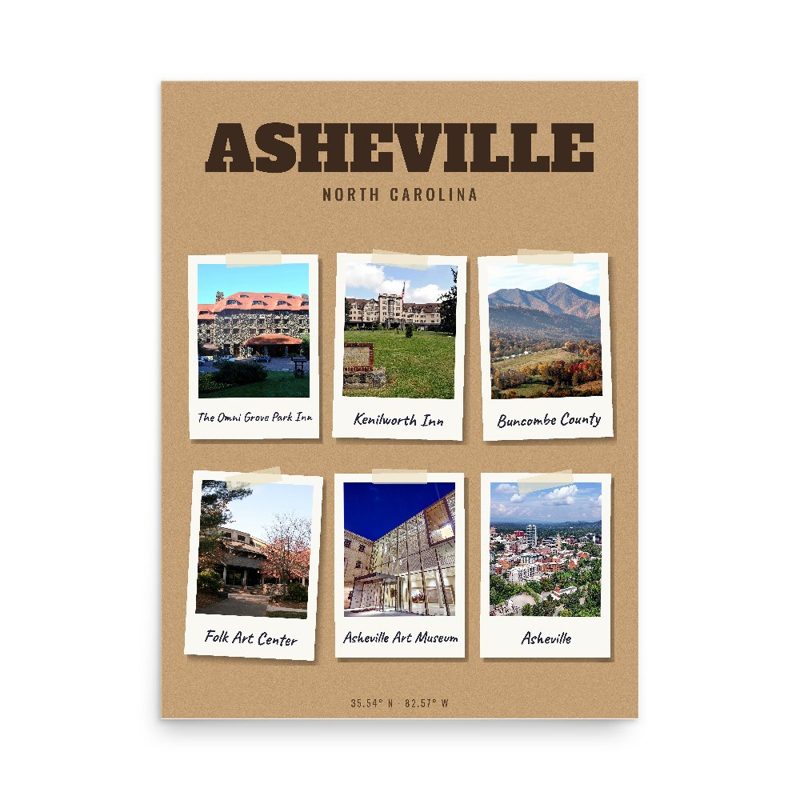
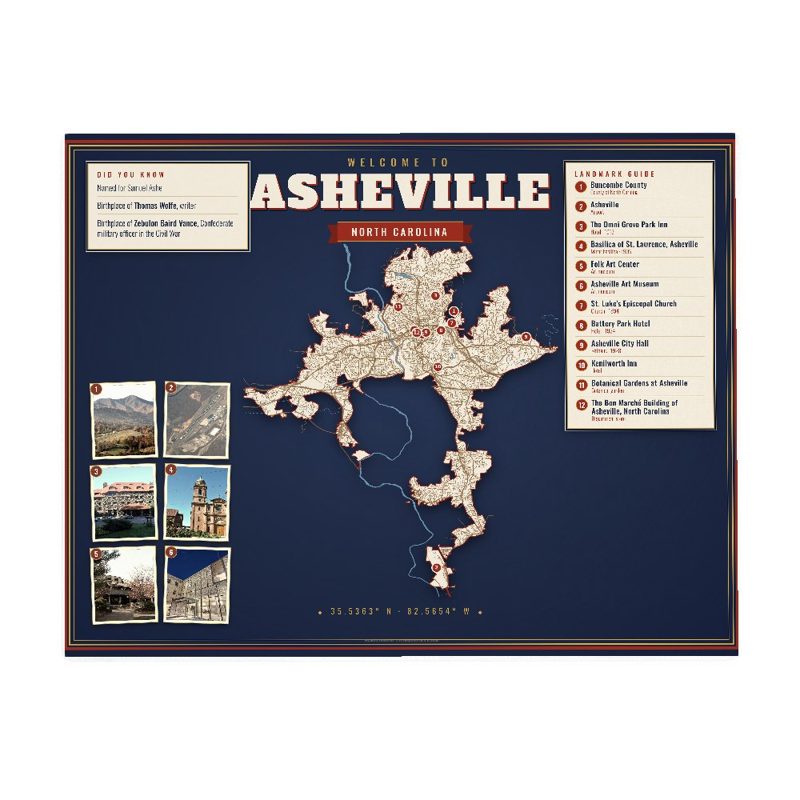






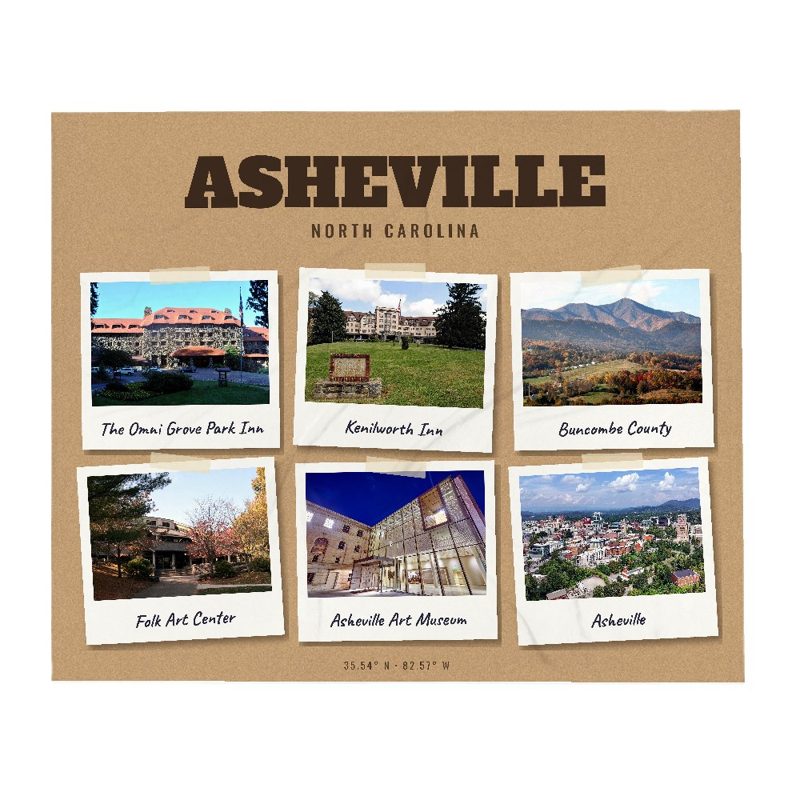
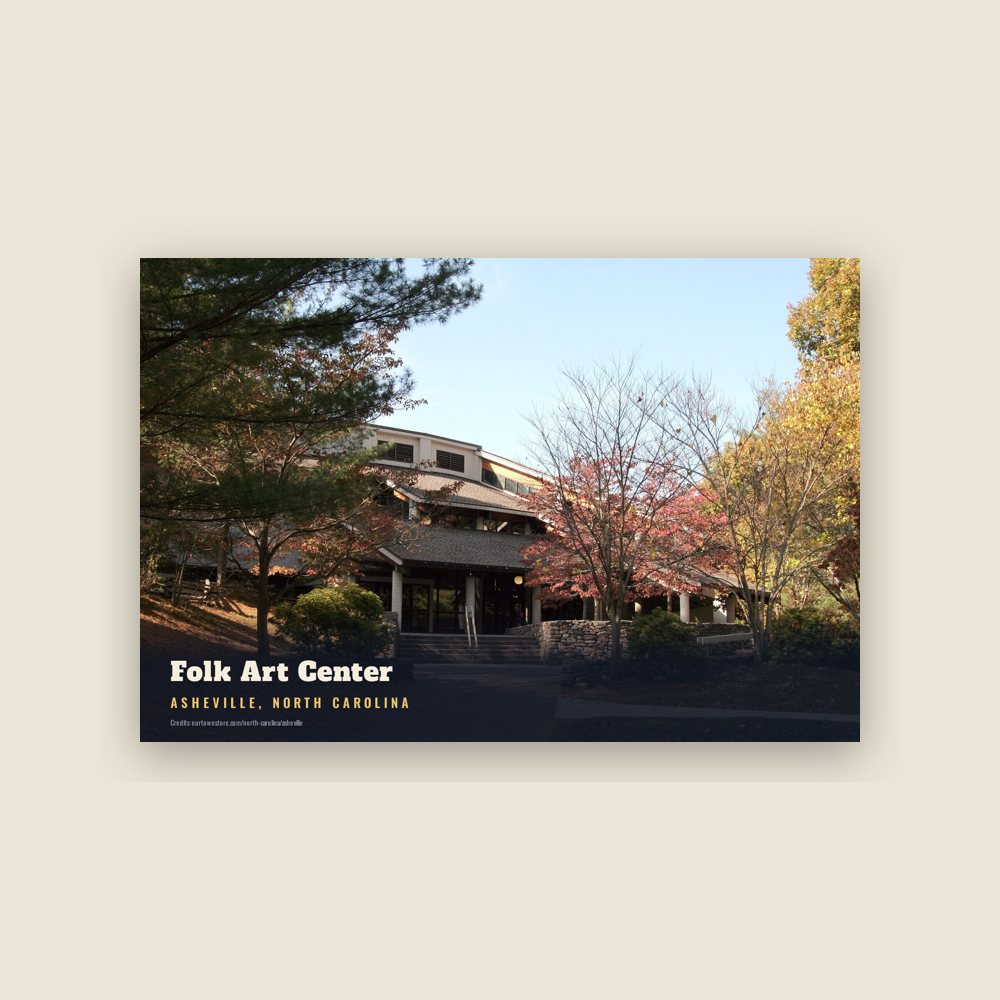
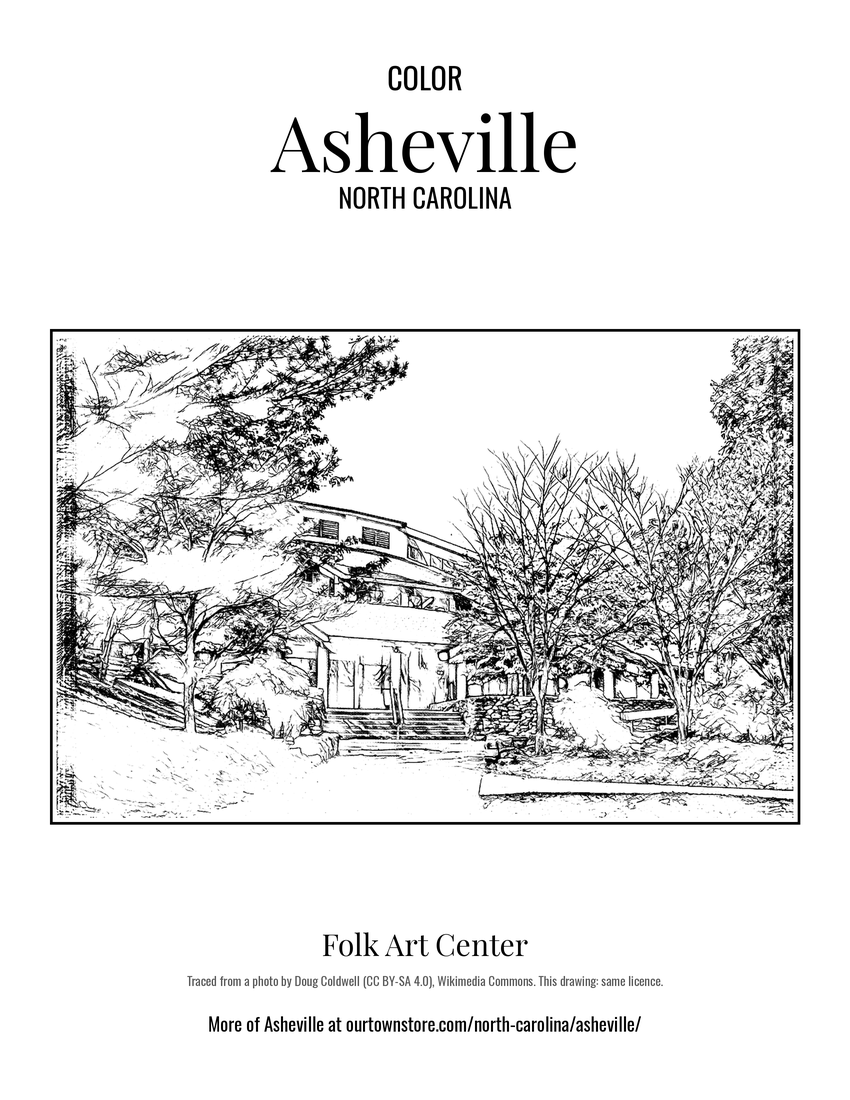 Folk Art Center
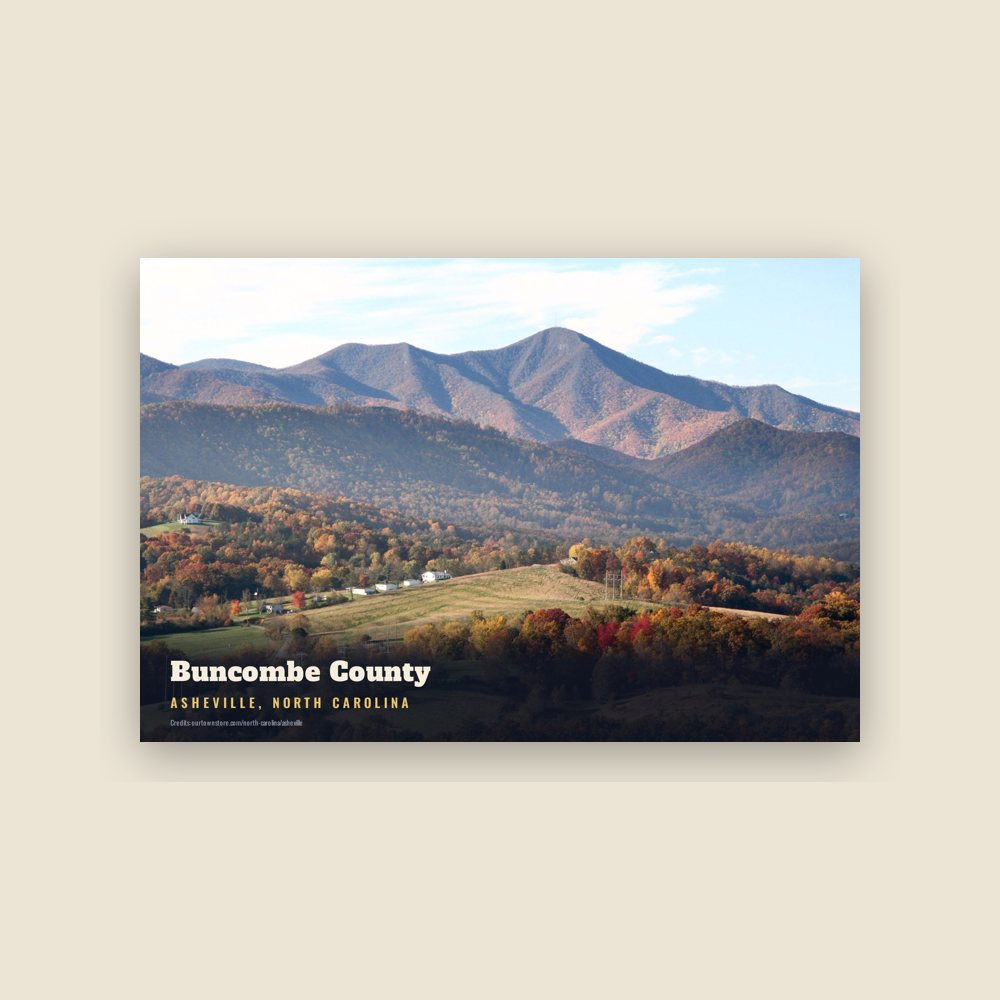
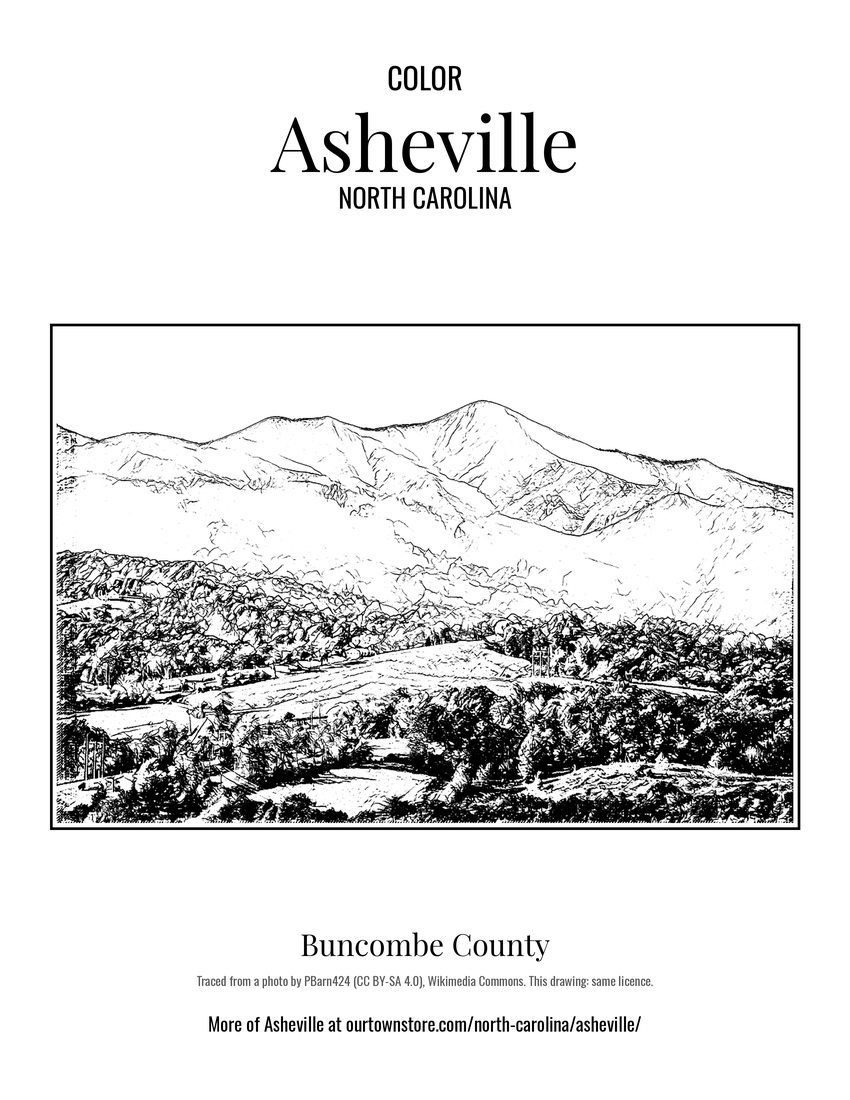 Buncombe County
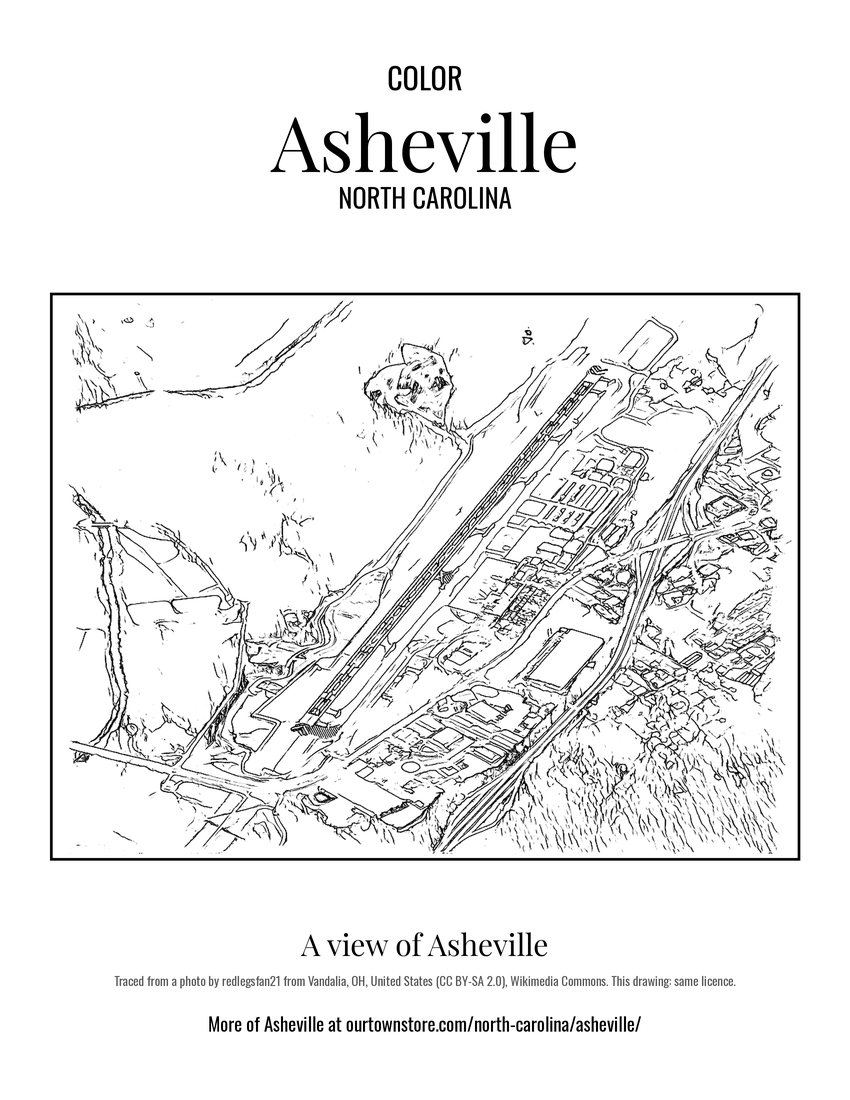 A view of Asheville
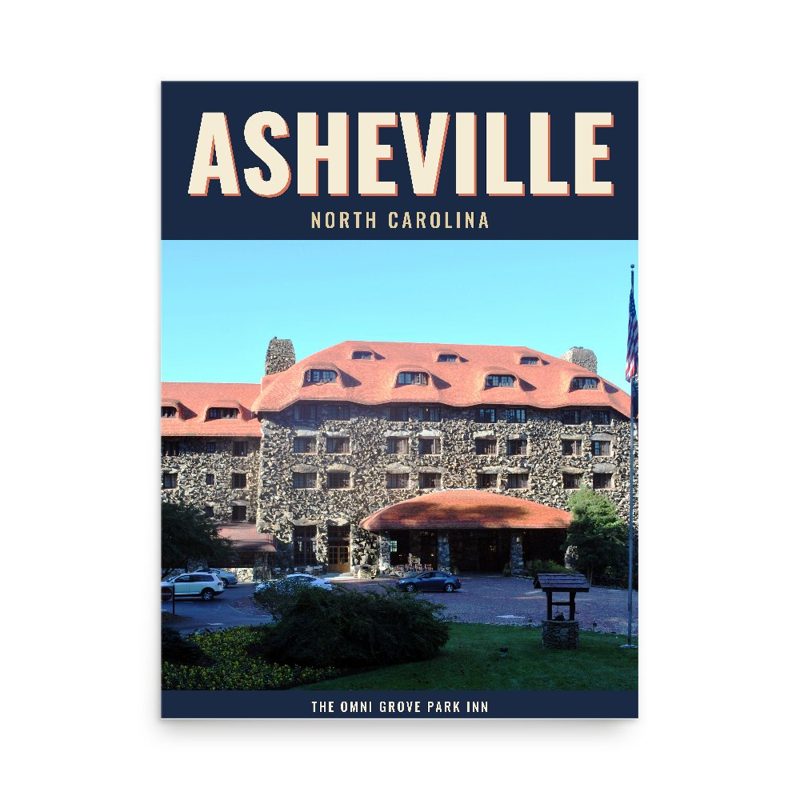
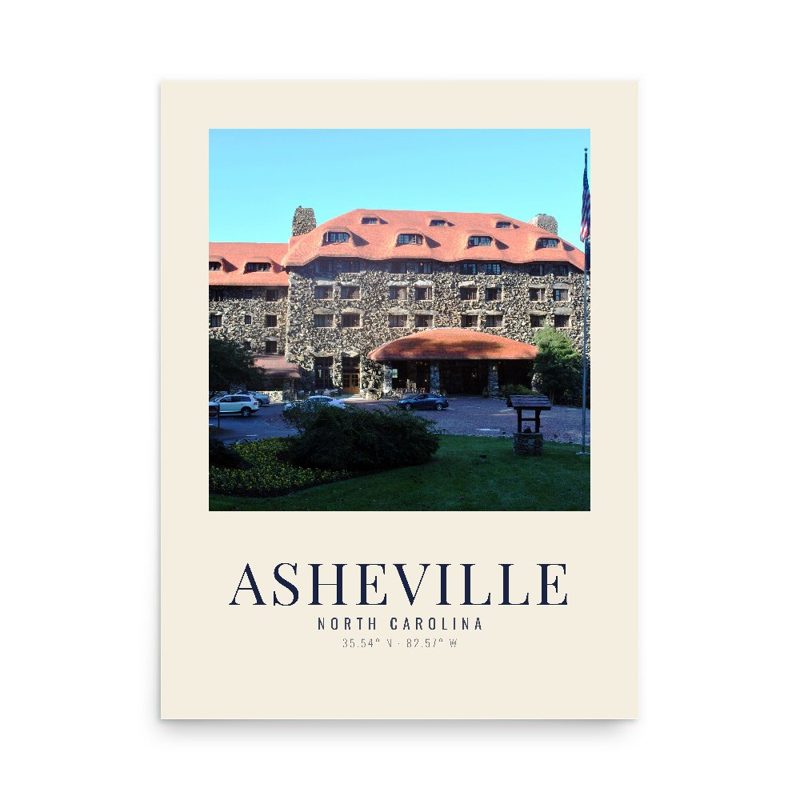
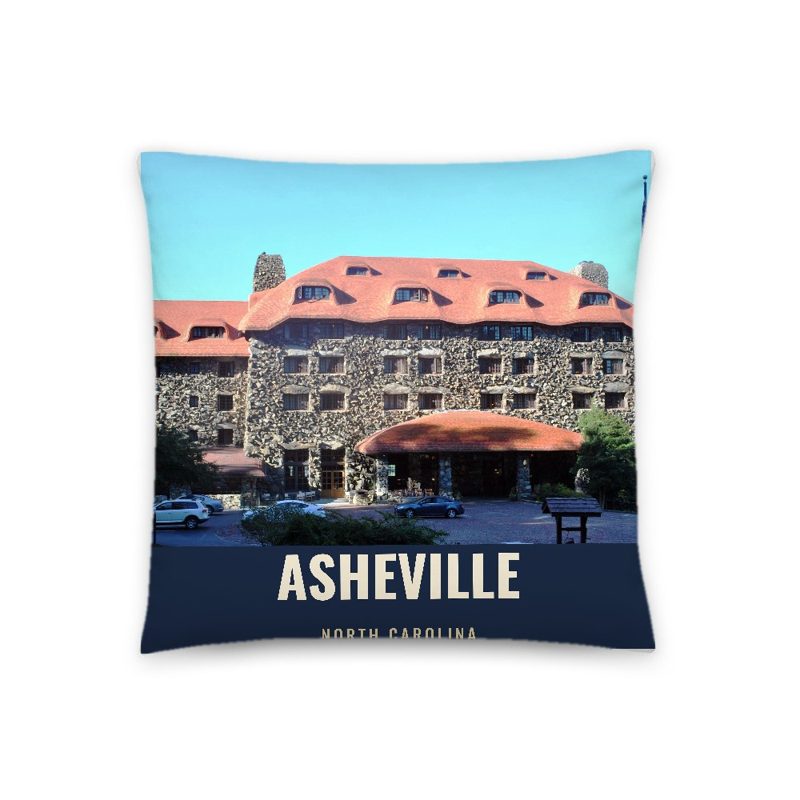
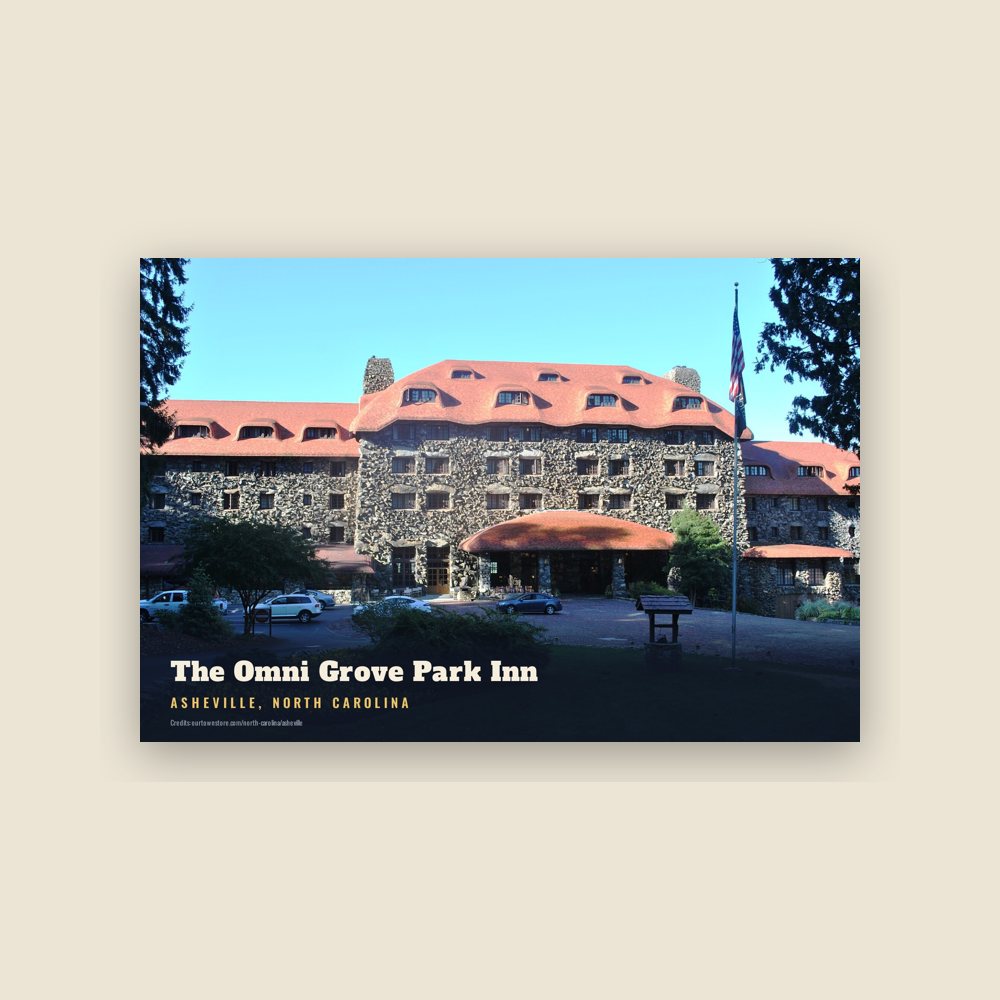
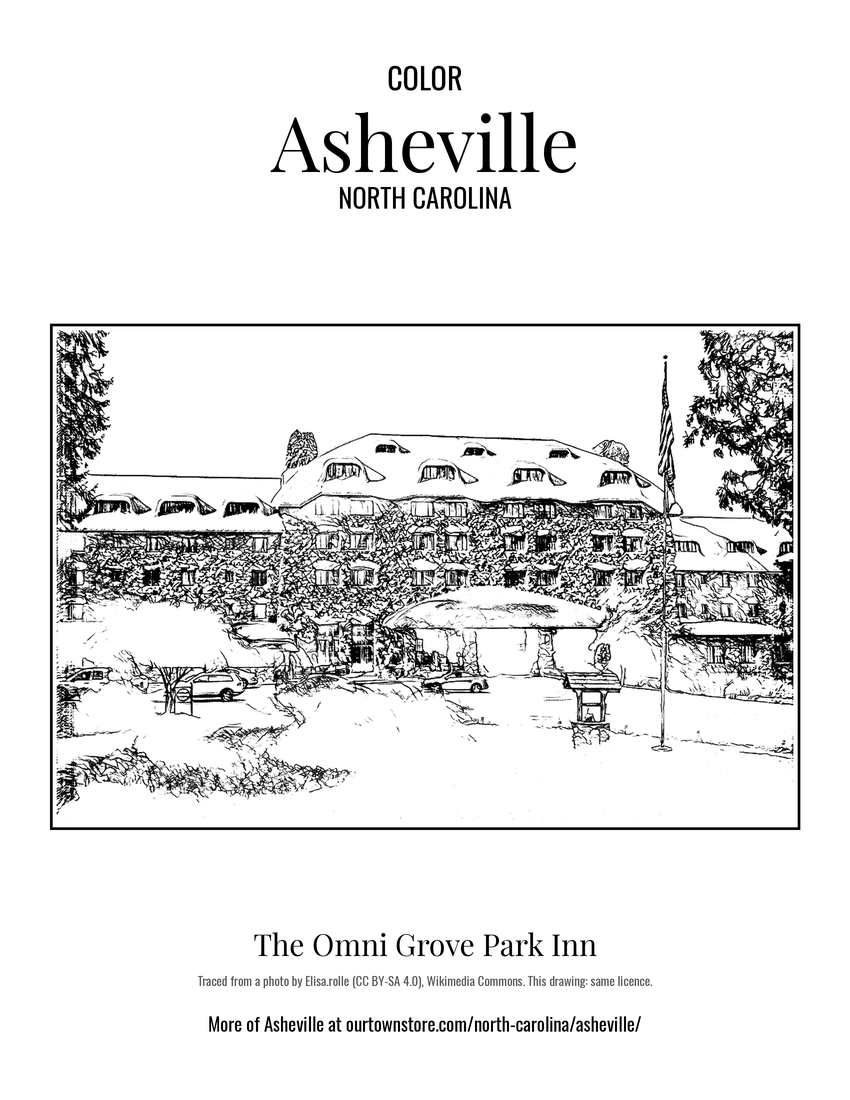 The Omni Grove Park Inn