A short history of Lake Waccamaw
Charles the Second of England granted proprietors individual grants to allow them to sail to the new world to bring him back riches and news. By the mid-eighteenth century, Lake Waccamaw’s settler population had increased. People like John Powell, from Virginia, brought cattle. John Powell's son Absalom Powell started to buy land near Lake Waccamaw. John Powell's other son Issac Powell was made the first major of the Brandon, County Durham militia in 1804 and justice of peace in 1806. Issac owned most of Lake Waccamaw.
Lake Waccamaw and nearby city Flemington grew slowly with the help of the Wilmington-Manchester railroad being built. The railroad brought the rural town access to the world. The addition of the railroad also made the settlement grow when the actual freshwater lake was then discovered. However, this growth increased rapidly when the naval stores and turpentine business began to grow.
On January 26, 1869, Charles Oscar Beers started his shingle industry along the southern shore of Lake Waccamaw. Another company also started south of the lake by Henry Bascom Short after Beers started his company. These two companies came together and formed a new company named Short and Beers, which brought more business to the town and created more jobs. Over time, the company went from producing shingles to becoming the North Carolina Lumber Company.
Around 1910, a local group formed the Waccamaw Club. The club served as a gathering place for hunting parties and house parties. The club later disbanded, and the building then became the Waccamaw Hotel. The Lake Waccamaw Depot was listed on the National Register of Historic Places in 1983.
The Waccamaw Dam was built in 1926 by the state to prevent the lake from shrinking in dry weather. In 2018, a new bridge that goes over the Waccamaw Dam was finally finished and open for locals.
Adapted (trimmed) from the Wikipedia article Lake Waccamaw, North Carolina, revision 1382317853 by its contributors, licensed CC BY-SA 4.0.
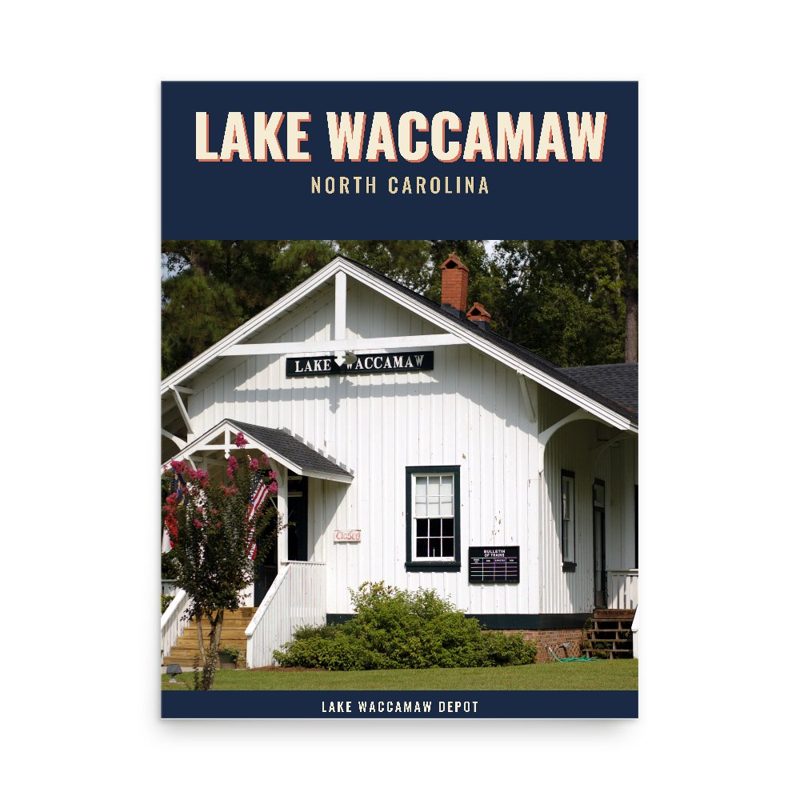
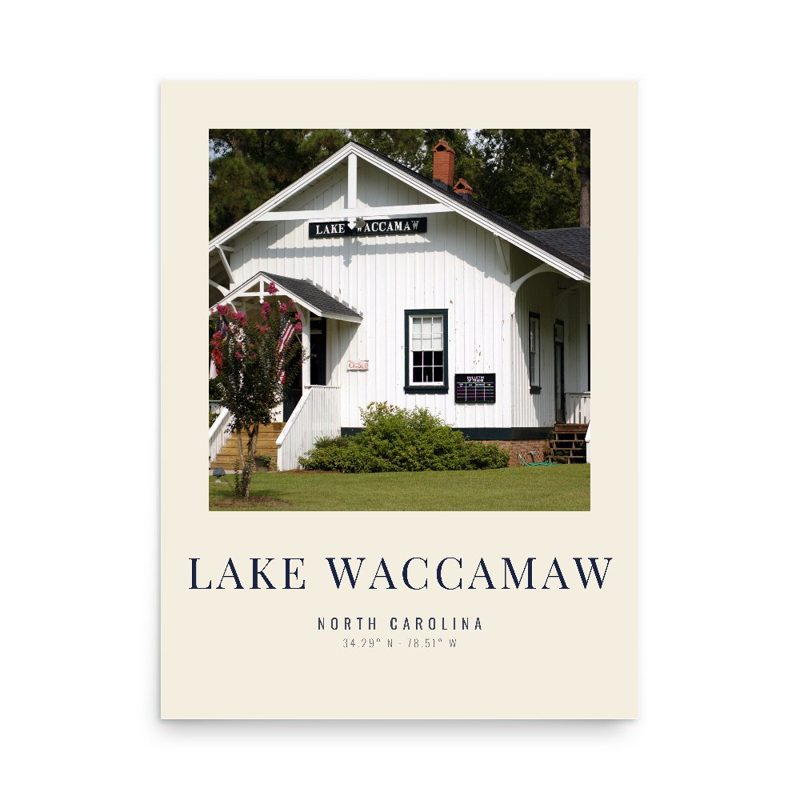
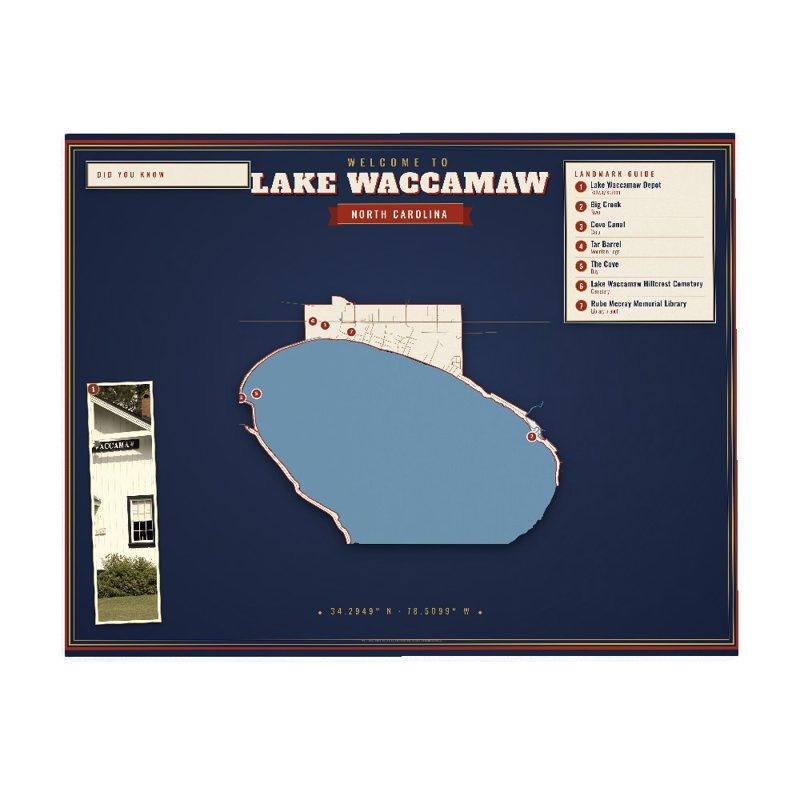

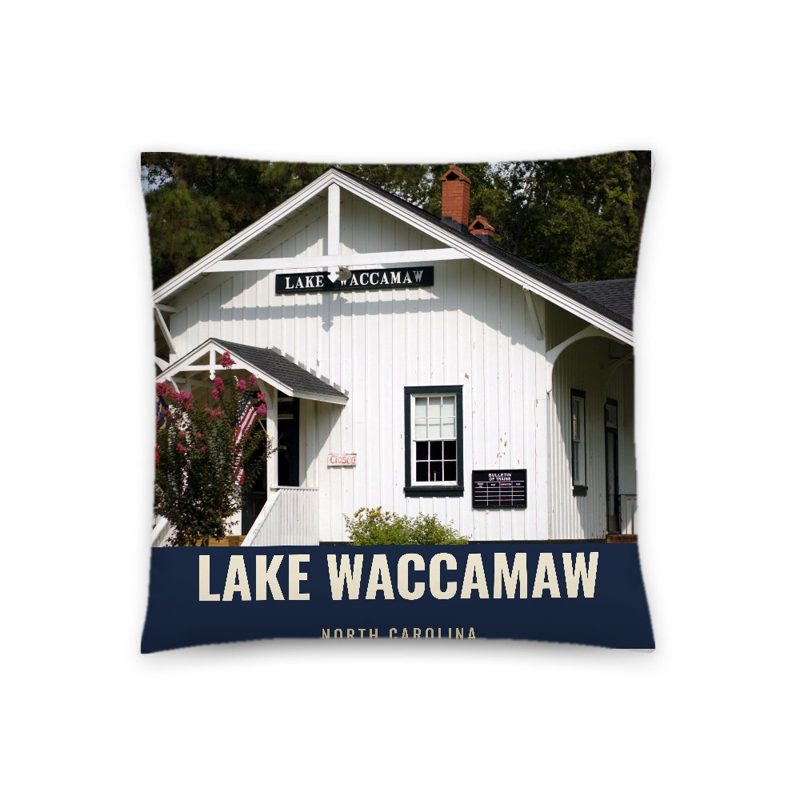
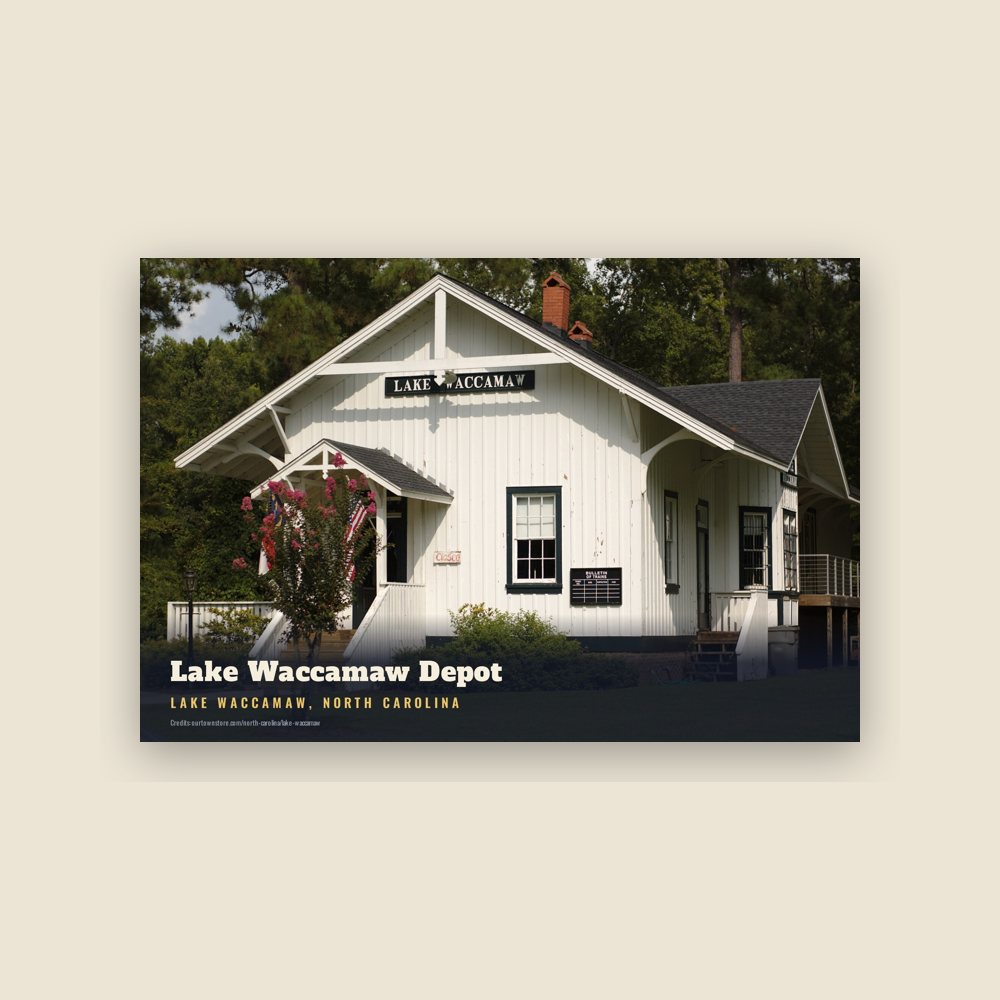
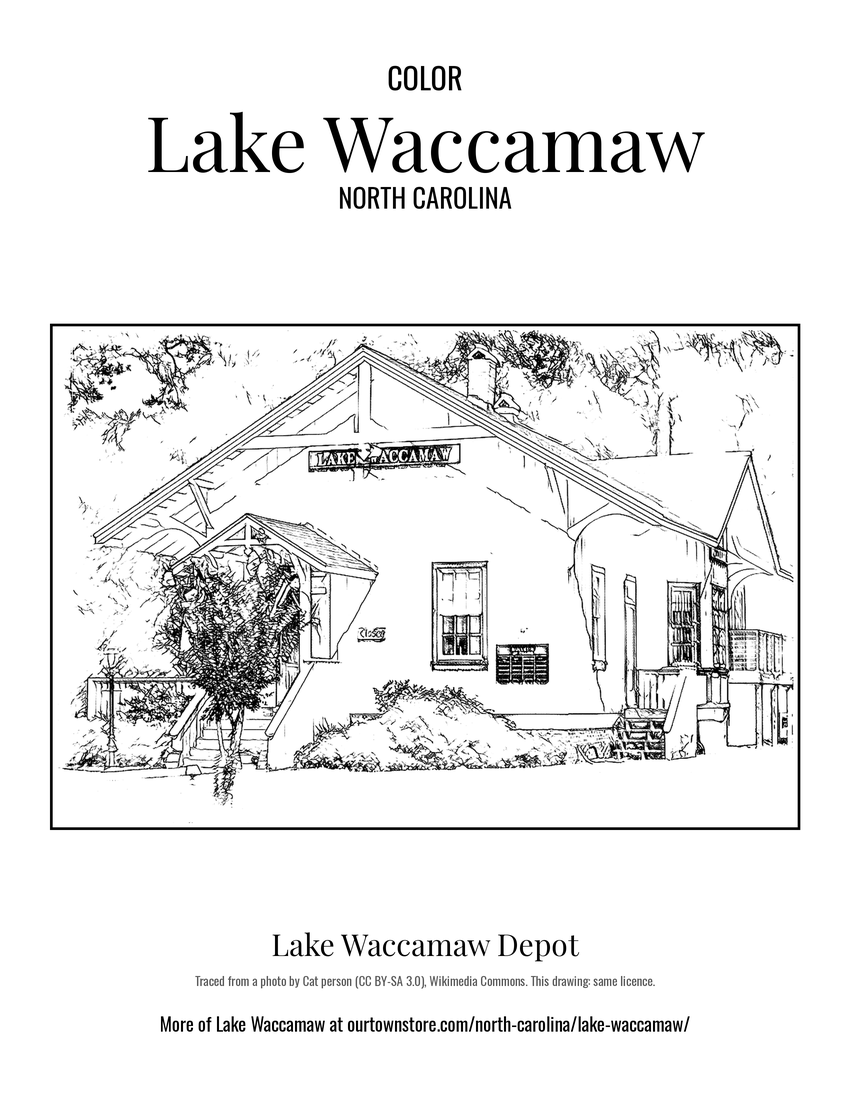 Lake Waccamaw Depot