Since 1924
A short history of Old Westbury
Early history (pre-colonization–1924)
What is now the Village of Old Westbury was originally inhabited by Matinecock Native Americans. It was first settled by European colonists – primarily Dutchmen and Englishmen – in the mid-17th century.
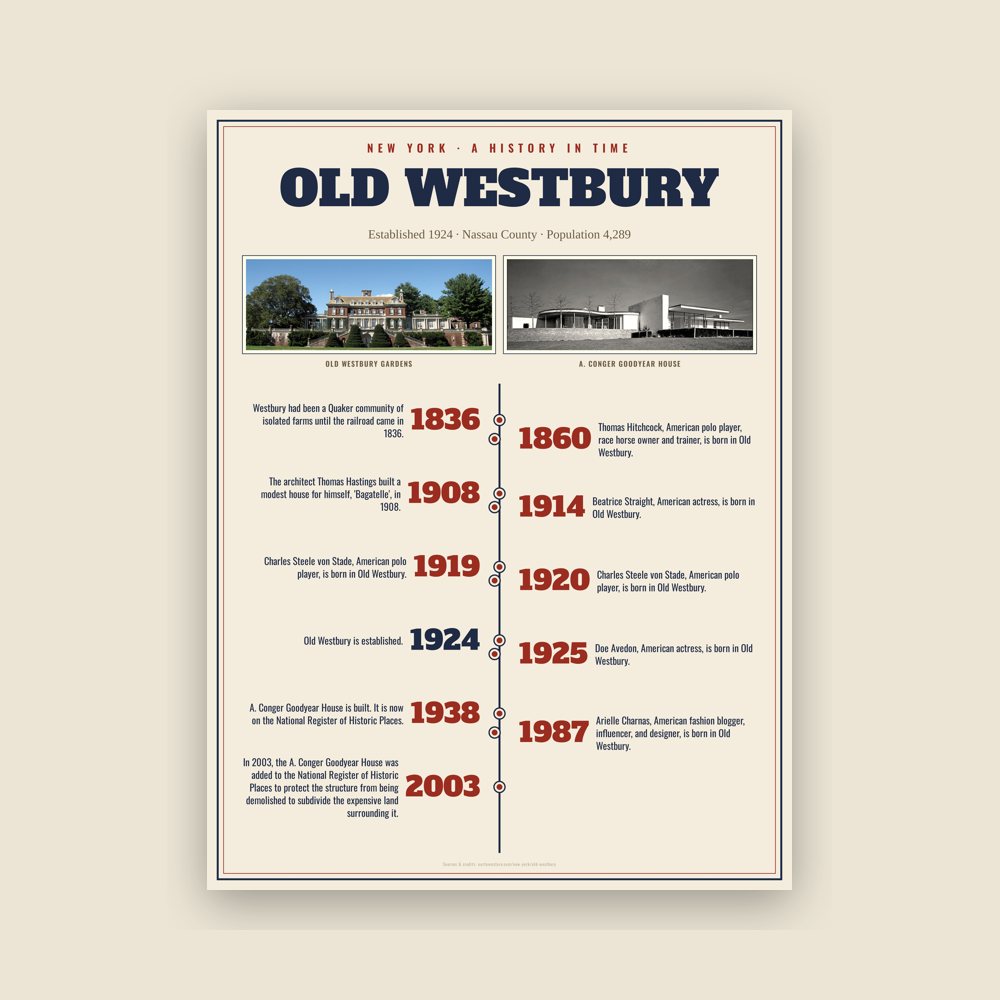
The community of Westbury was founded by Edmond Titus, and was later joined by Henry Willis – one of the first English settlers in the area. Westbury had been a Quaker community of isolated farms until the railroad came in 1836.
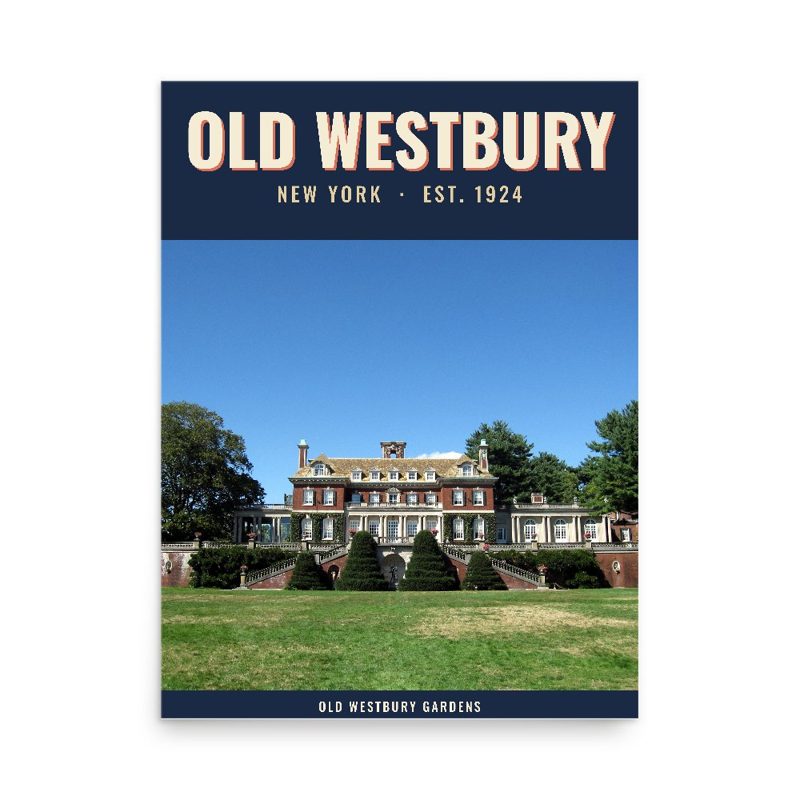
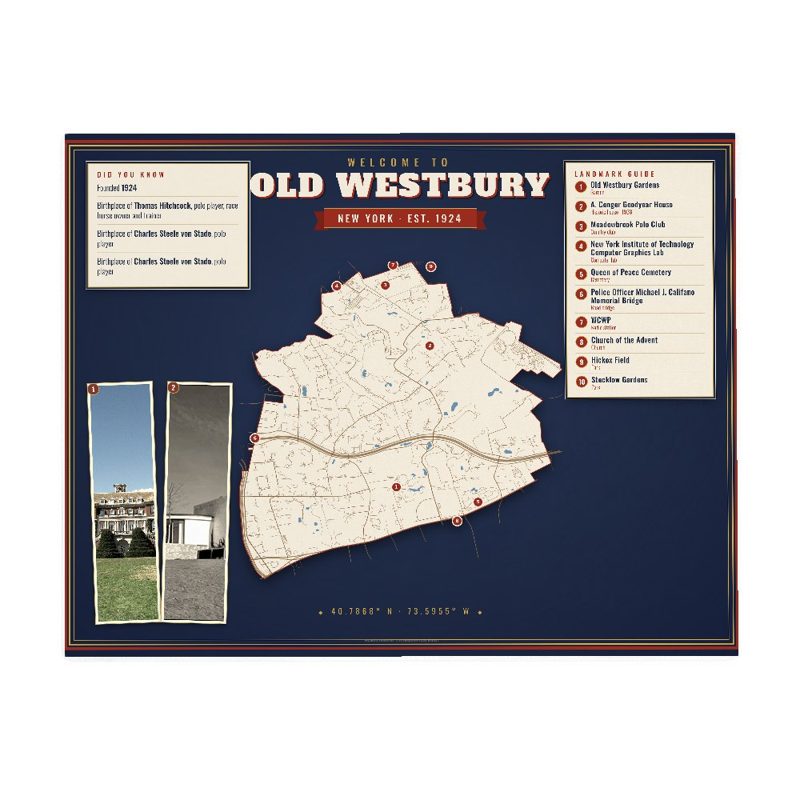
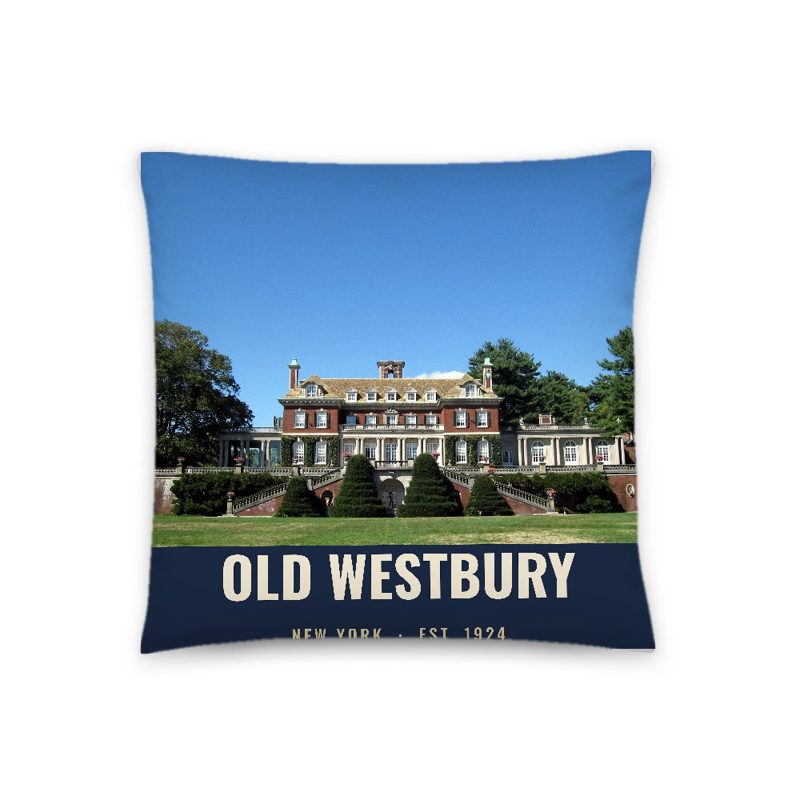
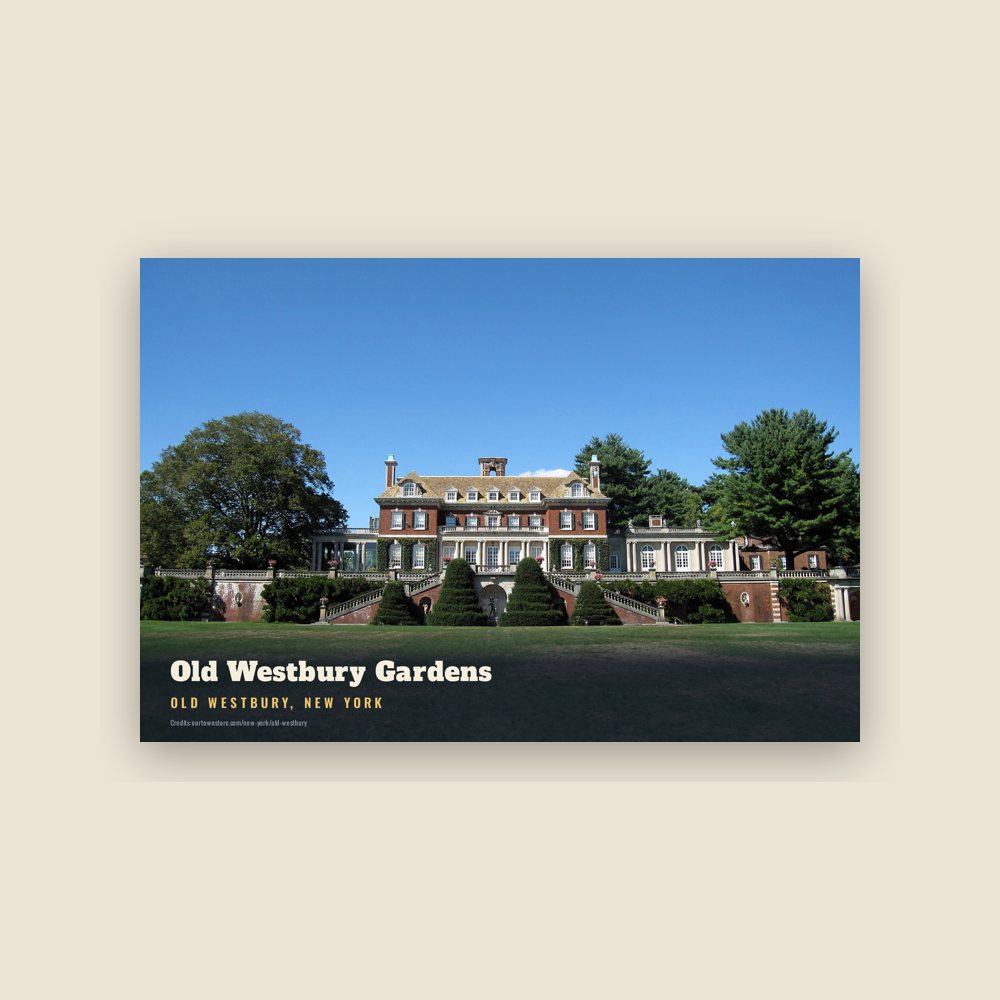
After the Civil War, the New York elite discovered that the rich, well-wooded flat countryside of the Hempstead Plains was a place to raise horses, and to hunt foxes and play polo at the Meadow Brook Polo Club. Several large estates soon started springing up in the area about this time. Westbury House was the residence of Henry Phipps' eldest son, John Shaffer Phipps. Today, the property is operated as Old Westbury Gardens. Robert Low Bacon built 'Old Acres' in the style of an Italian villa. Other landowners were Thomas Hitchcock and his family, Harry Payne Whitney and his wife the former Gertrude Vanderbilt, founder of New York's Whitney Museum, at Apple Green (formerly a Mott house), Cornelius Vanderbilt Whitney, whose estate is now subdivided into the Old Westbury Country Club and New York Institute of Technology. The architect Thomas Hastings built a modest house for himself, 'Bagatelle', in 1908. A. Conger Goodyear, then president of the Museum of Modern Art in New York City had a house built in 1938 by famed architect Edward Durell Stone, who also destined the building for Conger's museum. In 2003, the A. Conger Goodyear House was added to the National Register of Historic Places to protect the structure from being demolished to subdivide the expensive land surrounding it. The estate of Robert Winthrop, an investment banker and member of the Dudley–Winthrop family, for whom Winthrop-University Hospital was named, has been similarly preserved. Part of Gertrude Vanderbilt Whitney's estate and her sculpture studio has been preserved and maintained by one of her grandchildren, Pamela Tower LeBoutillier.
Read the full history
Village of Old Westbury (1924–present)
Old Westbury was incorporated as a village in May 1924, separating itself from Westbury – the adjacent area that housed many of the families of the construction and building staffs for the Old Westbury mansions. Its first mayor was William W. Cocks. At the time of its incorporation, the village had a population of approximately 500. Residents wished to incorporate to better regulate local affairs, services, and development.
During World War II – a 187-foot-high tower at the present-day Old Westbury Golf & Country Club – aided the United States Military during World War II, and was used by the military as a lookout to spot enemy aircraft. Originally built as the water tower for the Cornelius Vanderbilt Whitney Residence, it now serves as the club's focal point.
On December 27, 1948, in a referendum vote of 81-to-6, a measure passed to allow 375 acres (152 ha) of territory at the westernmost edge of the village to secede, after four property owners in that area submitted a petition for the village to hold the vote and secede. This territory, accordingly, would become an unincorporated area of – and governed by – the Town of North Hempstead. A portion of the territory that seceded would become the Levitt & Sons-developed Roslyn Country Club development. Then, in April 1949, a smaller portion of west end of the village – the area bounded by Roslyn Road to the west, Glen Cove Road to the east, the present-day Long Island Expressway to the north, and the Northern State Parkway to the south – would be annexed by the Village of East Hills, leading to police services in the excluded territory automatically being switched from Old Westbury's village police department to the Nassau County Police Department that April.
When Robert Moses was planning the Northern State Parkway, the powers of Old Westbury forced him to re-site it five miles (8 km) to the south. Once the parkway was completed, many residents found it to not be the eyesore they had been anticipating and regretted making their commutes more inconvenient than necessary. In the 1950s, the state of New York purchased land from Charles E. Wilson – a former president of General Motors, who needed to sell off his Old Westbury estate to pull himself out of financial crisis and relocate to the nation's capital to serve in President Dwight D. Eisenhower's cabinet. Portions of the land was used for the Long Island Expressway, which was constructed through the community in the late 1950s and early 1960s.
When the Long Island Expressway was being planned, it was announced that the routing through the village would largely follow Old Westbury Road (then-New York State Route 25D) from Glen Cove Road at the East Hills–Old Westbury border east to where Old Westbury Road curves to the south (near present-day Old Westbury Village Hall), and then continue east to Jericho Turnpike (NY 25) (Exit 40) in unincorporated Jericho, just east of the village's border. The routing was approved by the community, with the stipulation that no local exits would be constructed within the village between Exit 39 and Exit 40. The highway opened through the community east to Jericho at Exit 40 in the early 1960s.
Etymology
The "Old" part of Old Westbury's name reflects the United States Postal Service's need for the community to have its postal address be distinct from the Westbury in Cayuga County, pursuant to postal requirements (Old Westbury had been using a postal address of "North Hempstead" for this reason); residents did this when they wanted a local post office ca. 1841, and when they incorporated Old Westbury as a village, they felt that it would be confusing for the village name and post office name to be different from one another. The Village of Westbury – located adjacent to Old Westbury, to its immediate south – adopted that designation when it incorporated in 1932, as Cayuga County's Westbury's name was no longer being used.
The area was originally known as Wallage, which is related to a Native American term roughly meaning "ditch" or "hole." By February 1663, it was known as Wood Edge, and by October 1675 it was known as "the Plains edge" or simply Plainedge. The name Westbury began to be used for the area around 1683; this was chosen by Henry Willis, who named it after Westbury, Wiltshire, his hometown in England.
Adapted (trimmed) from the Wikipedia article Old Westbury, New York, revision 1384094983 by its contributors, licensed CC BY-SA 4.0.
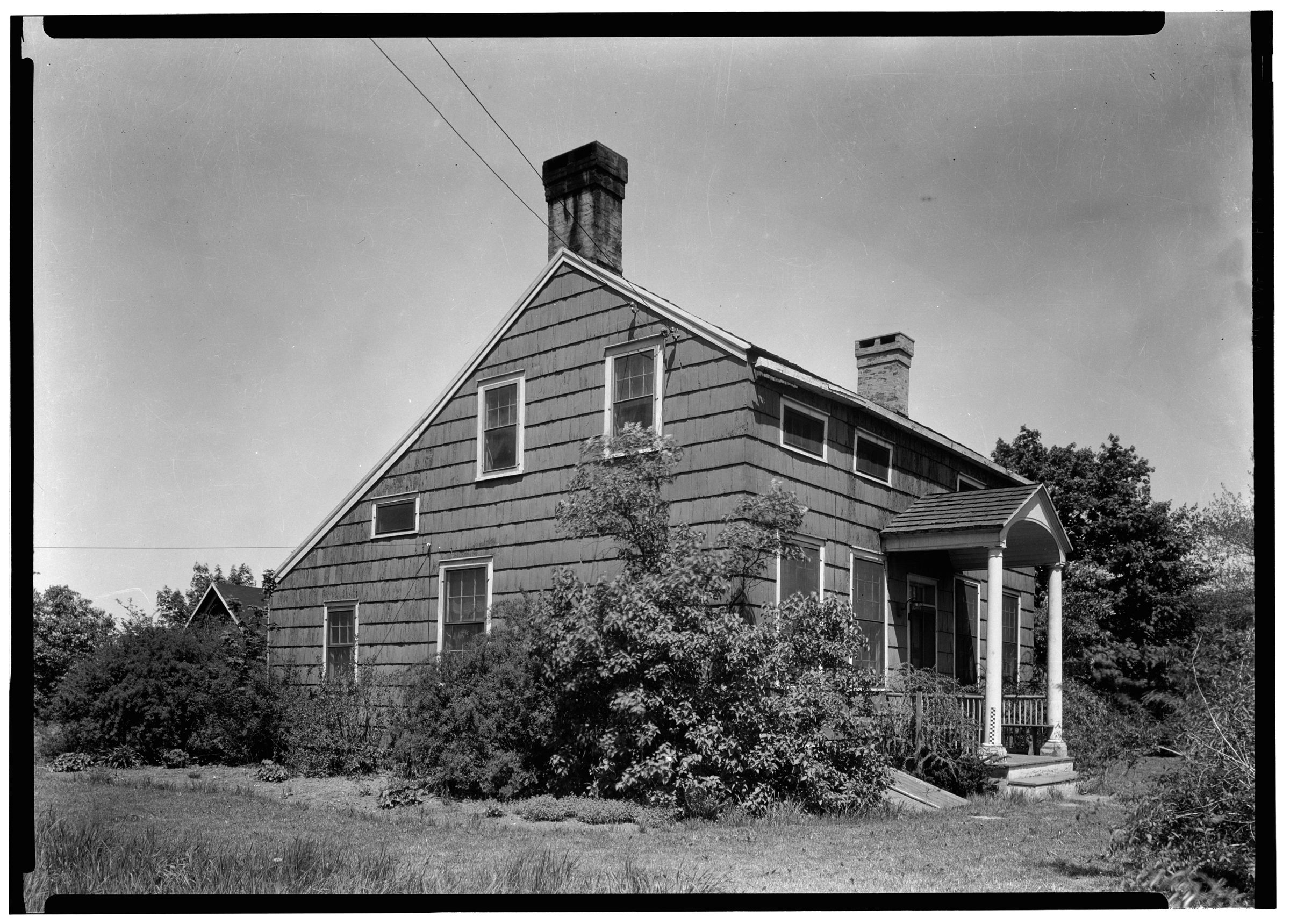
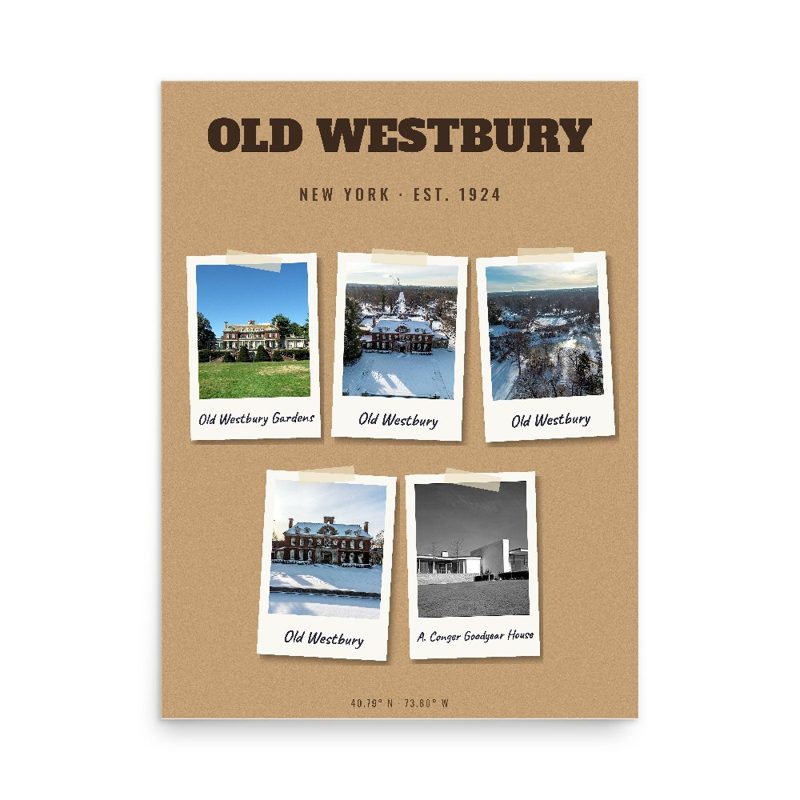

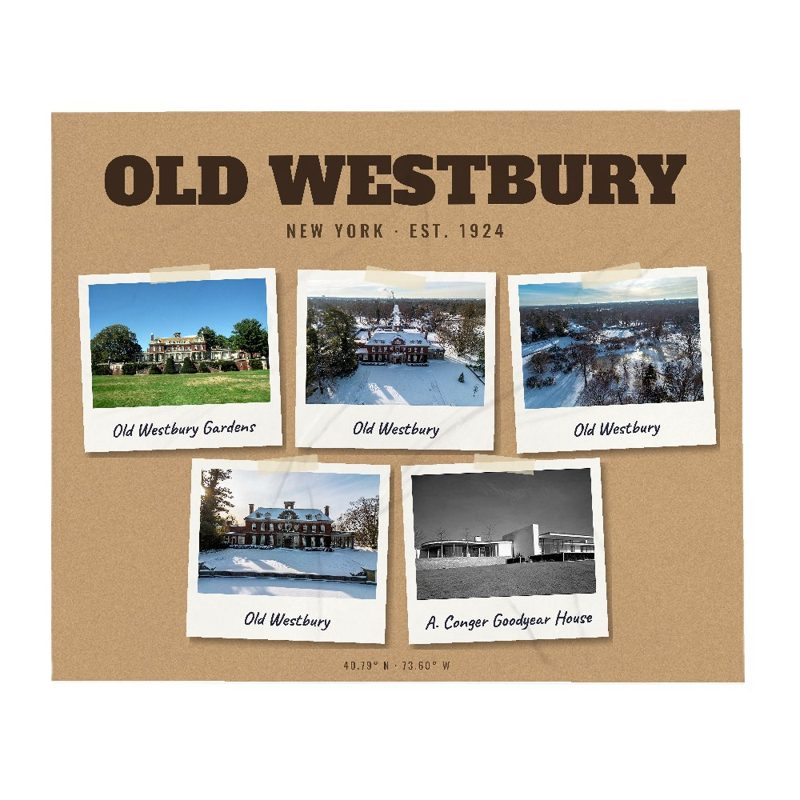
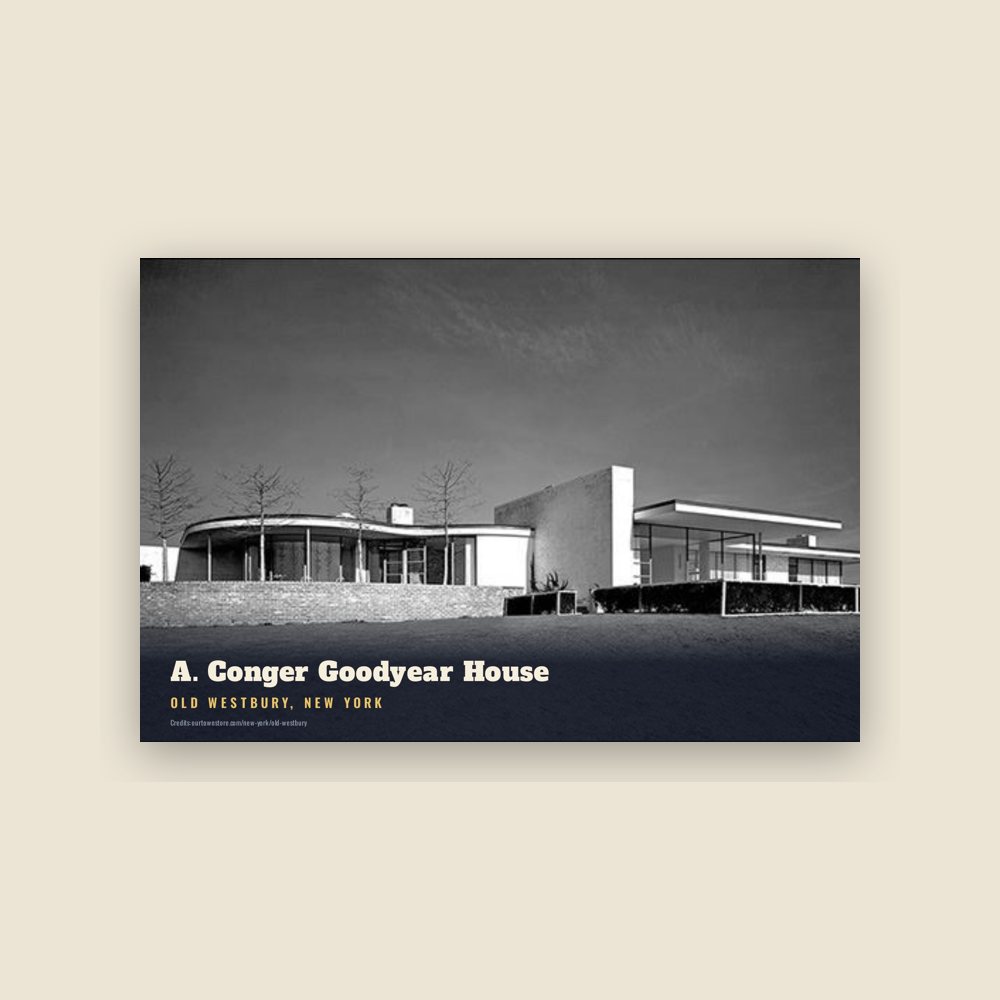
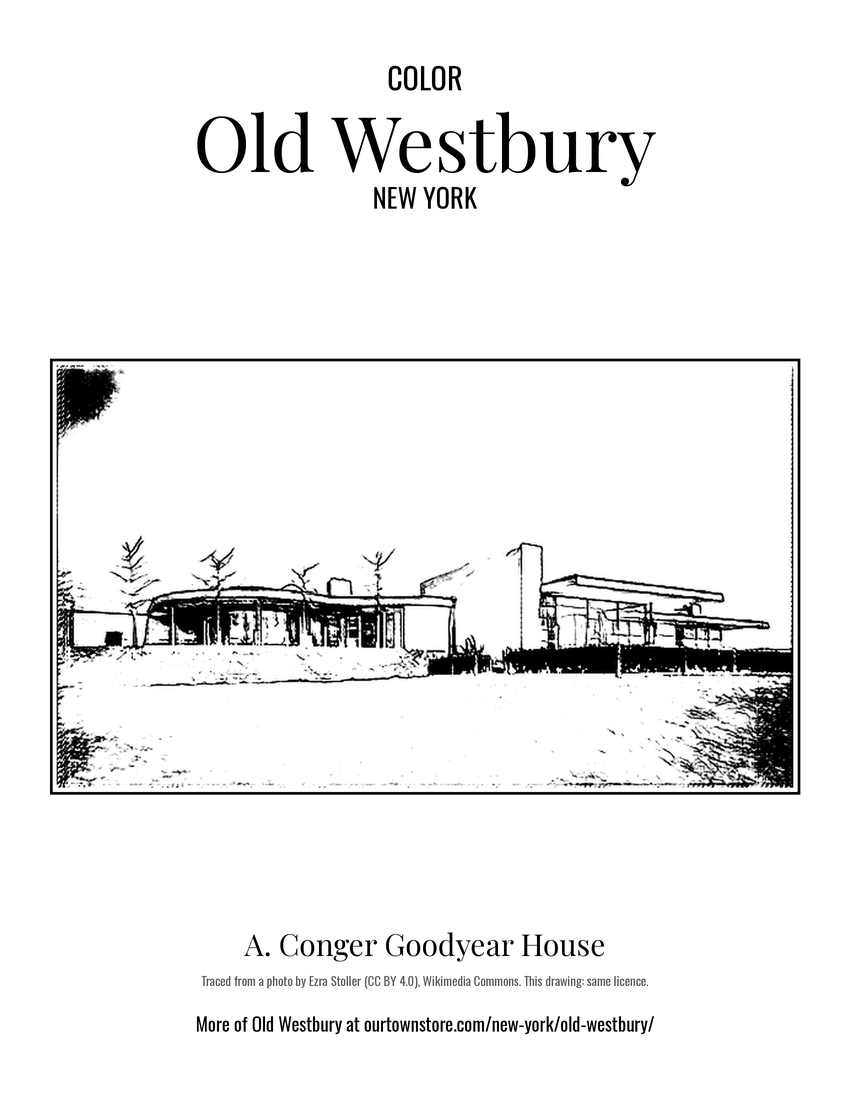 A. Conger Goodyear House
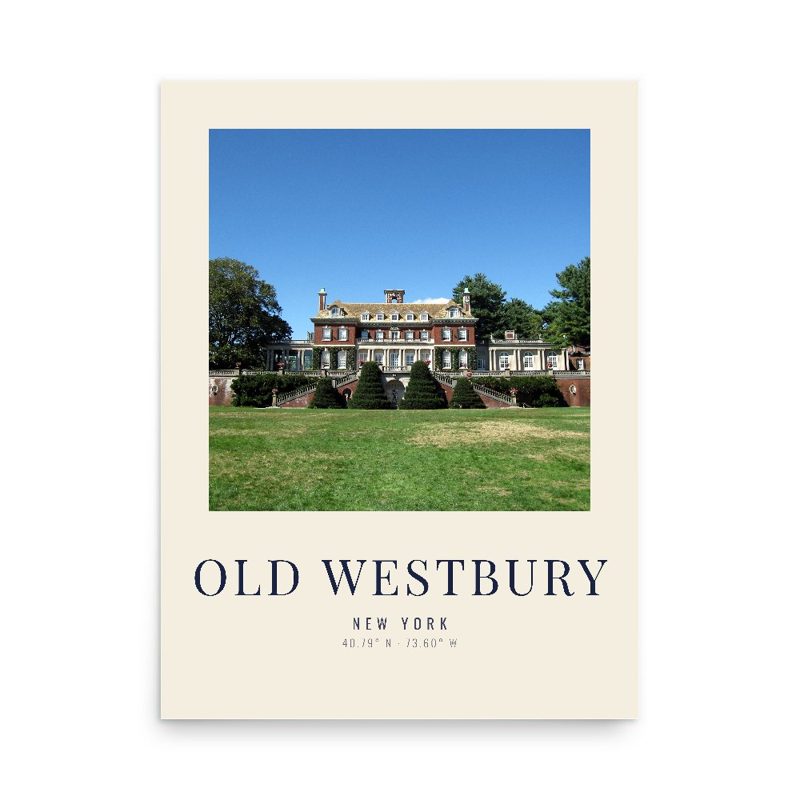
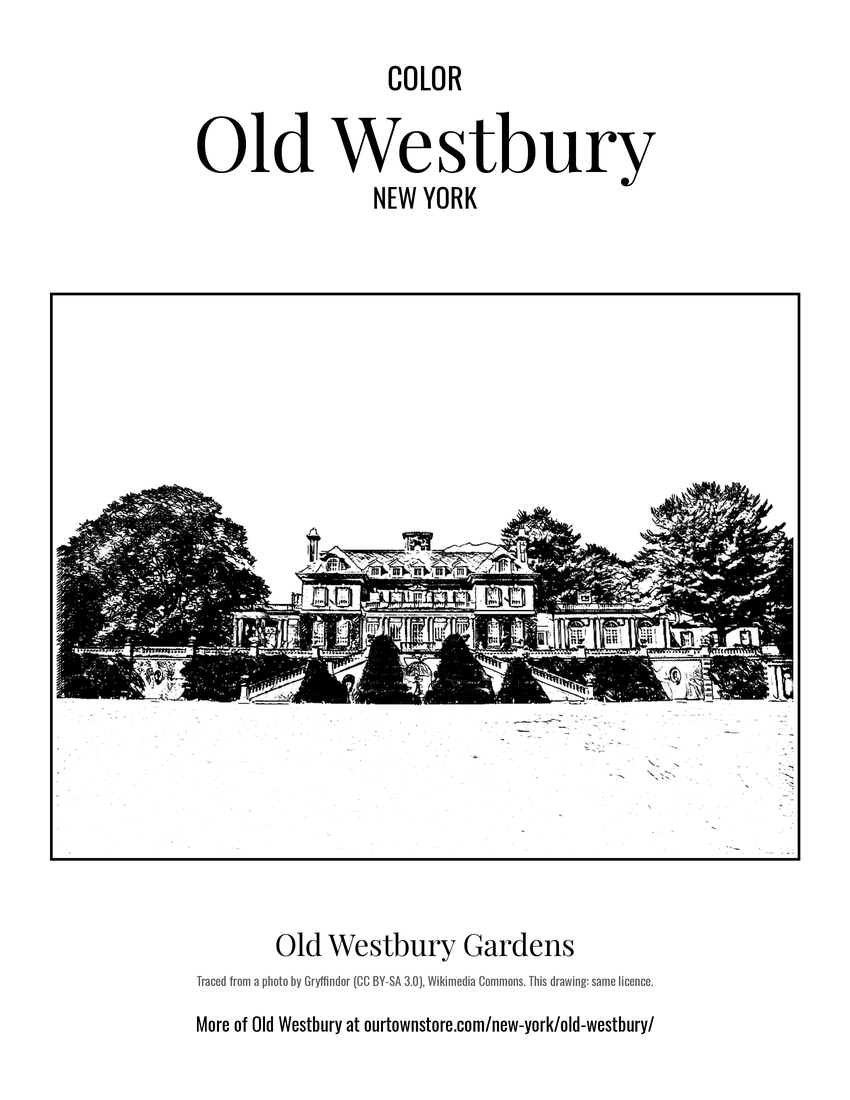 Old Westbury Gardens
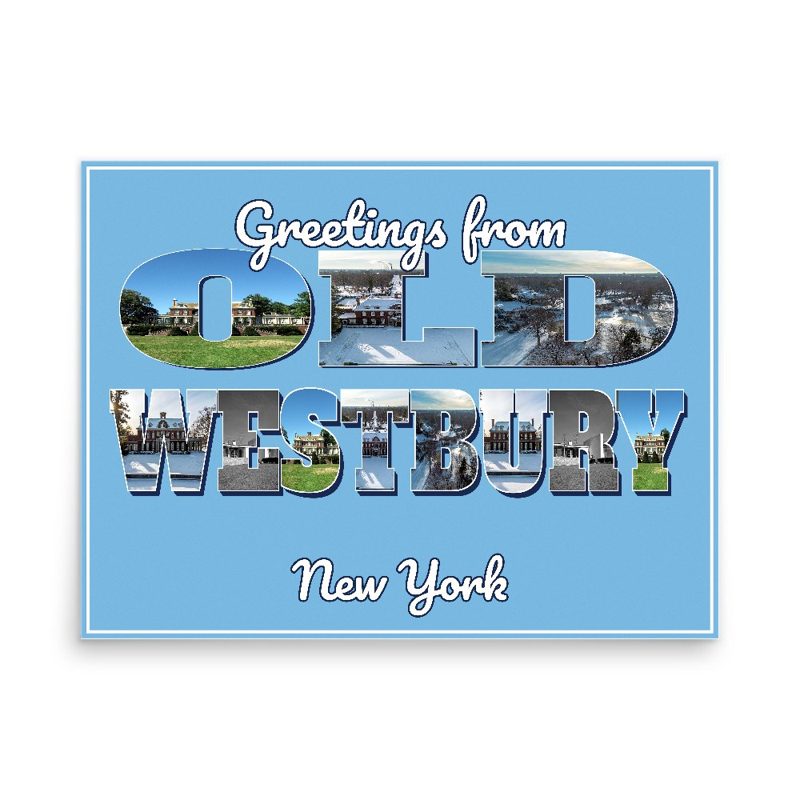
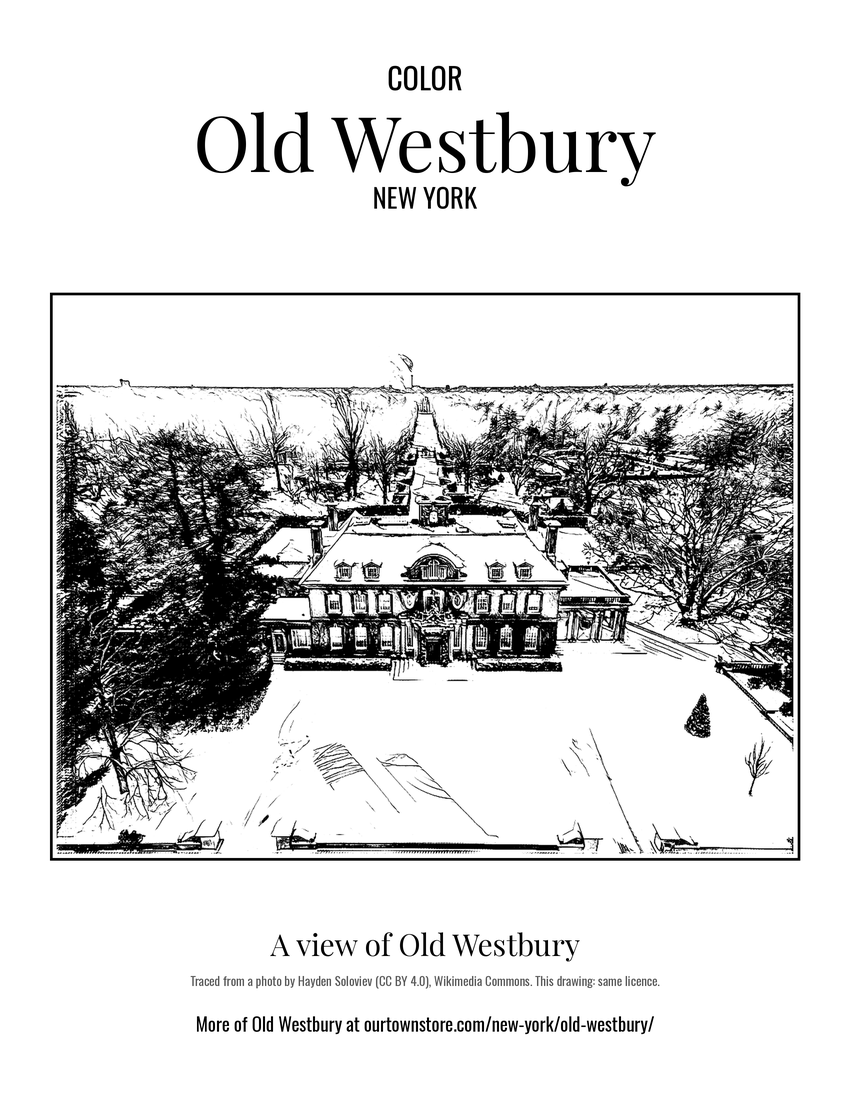 A view of Old Westbury
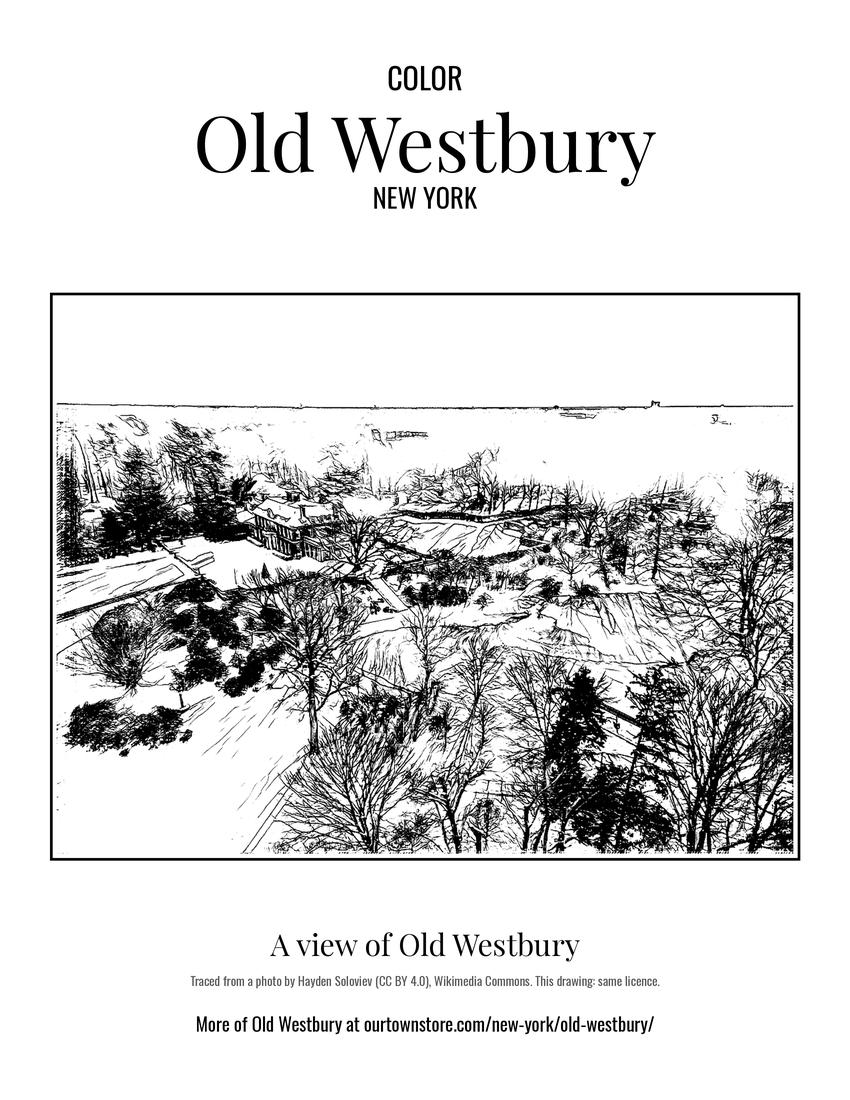 A view of Old Westbury