Having been informed that interested parties are circulating statements to the effect that my purpose in desiring to purchase the Hempstead Plains is to devote them to the erection of tenement houses, and public charities of a like character, etc. I consider it proper to state that my only object in seeking to acquire these lands is to devote them to the usual purposes for which such lands, so located, should be applied that is, open them by constructing extensive public roads, laying out the lands in parcels for sale to actual settlers, and erecting at various points attractive buildings and residences, so that a barren waste may speedily be covered by a population desirable in every respect as neighbour taxpayers and as citizens. In doing this I am prepared and would be willing to expend several millions of dollars.
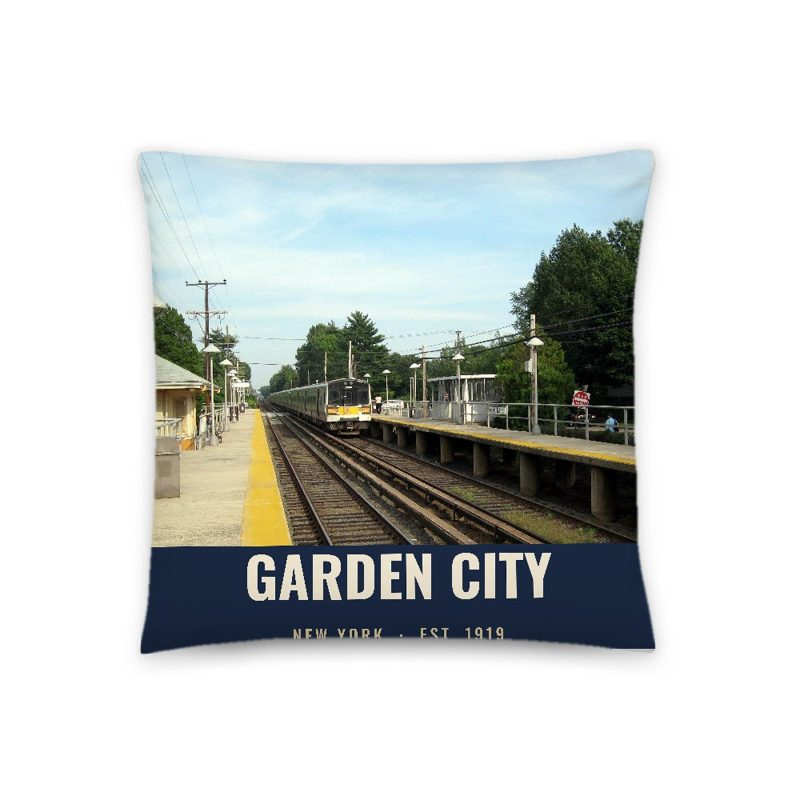
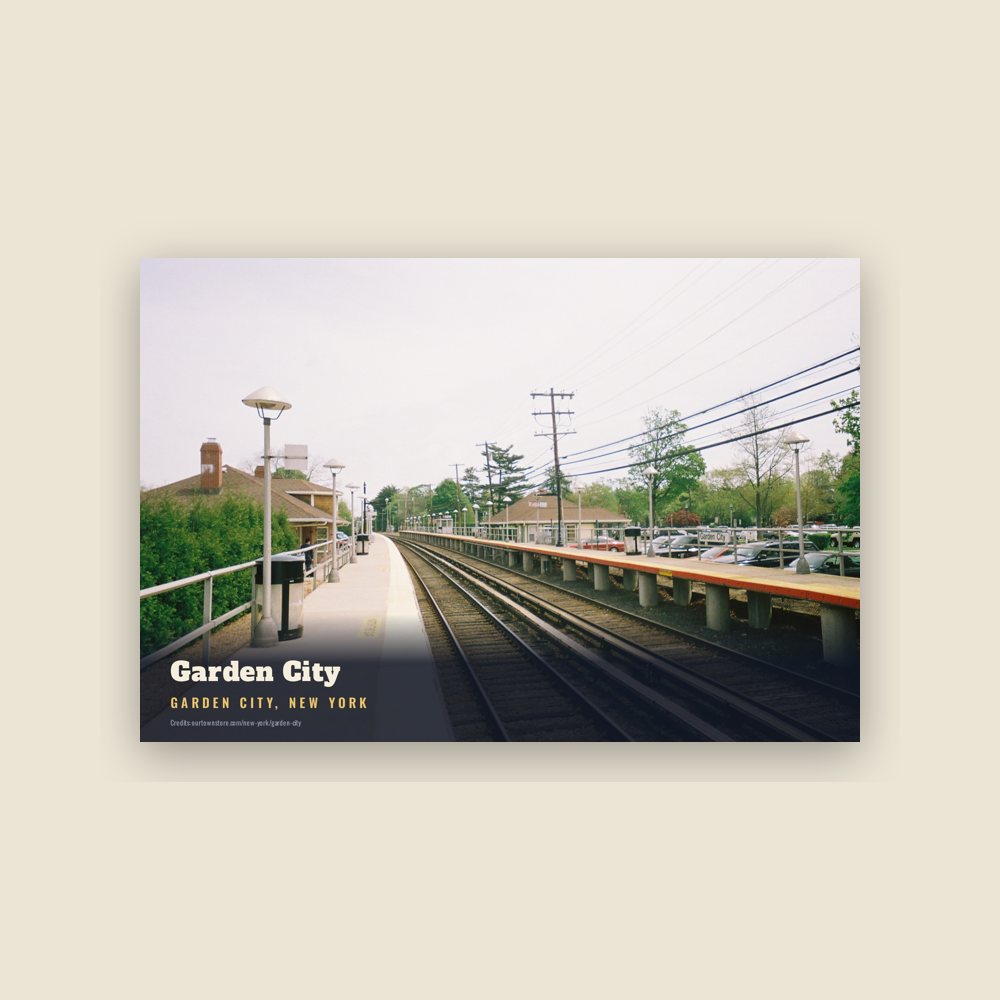
The new community's central attraction was the Garden City Hotel. It was replaced by a new hotel in 1895, designed by the acclaimed firm of McKim, Mead & White. This hotel was destroyed by fire in 1899 and then rebuilt and expanded, before being replaced again in 1983. The hotel still stands on the original grounds, as do many nearby Victorian homes. Access to Garden City was provided by the Central Railroad of Long Island, another Stewart project that he undertook at the same time. This railroad, in conjunction with the Flushing & North Side Railroad, ran from Long Island City through Garden City to Farmingdale (with a spur to the location of the Stewart's brickworks in Bethpage), and then to Babylon. It opened in 1873, with a branch to Hempstead.
Stewart's wife, Cornelia, founded the Cathedral Schools of St. Paul (for boys) and St. Mary (for girls), a Bishop's Residence and the Gothic Cathedral of the Incarnation, which is today the center of the Episcopal Diocese of Long Island, as well as the final resting place of Alexander Turney Stewart and Cornelia Stewart. This elaborate memorial was completed in 1885. Mrs. Stewart died the following year. In 2008, the Cathedral of the Incarnation underwent a multimillion-dollar renovation and rehabilitation project, which was completed in 2012.
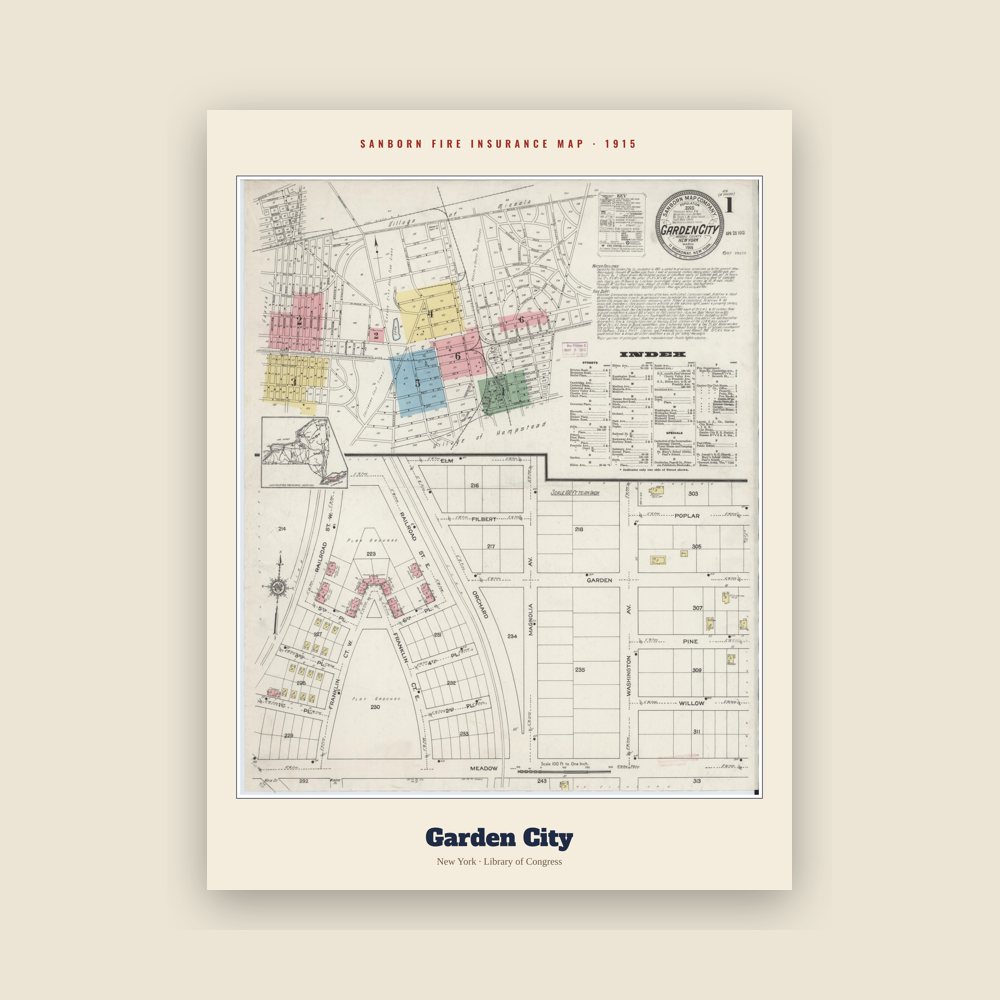
Voters selected Mineola (in the town of North Hempstead) as the county seat of the new county of Nassau in November 1898 (before Mineola incorporated as a village in 1906 and set its boundaries), winning out over Hicksville and Hempstead. The Garden City Company (founded in 1893 by Alexander Turney Stewart's heirs) donated 4 acres (1.6 ha) of land for the county buildings just south of the Mineola train station and the present-day Incorporated Village of Mineola, in the Town of Hempstead. The land and the buildings have a Mineola postal address but are within the present-day village of Garden City, which did not incorporate or set its boundaries until 1919. The early village did well due to its proximity to Hempstead, at the time Long Island's commercial center. In time, thanks to the railroad and automobiles, Garden City's population increased.
In its early years, the press called Garden City "Stewart's Folly" due to the lack of residents that Stewart had envisioned would populate his project.
Read the full history
20th century
In 1910, Doubleday, Page, and Co., one of the world's most important publishers, moved its operations to the east side of Franklin Avenue and had its own train station called Country Life Press added nearby. Doubleday purchased much of the land on the west side of Franklin Avenue, and built estate homes for many of its executives on Fourth Street. In 1916, company co-founder and Garden City resident Walter Hines Page was named Ambassador to Great Britain.
In 1907, the Garden City Estates neighborhood – located to the immediate west of the original Garden City development – was established.
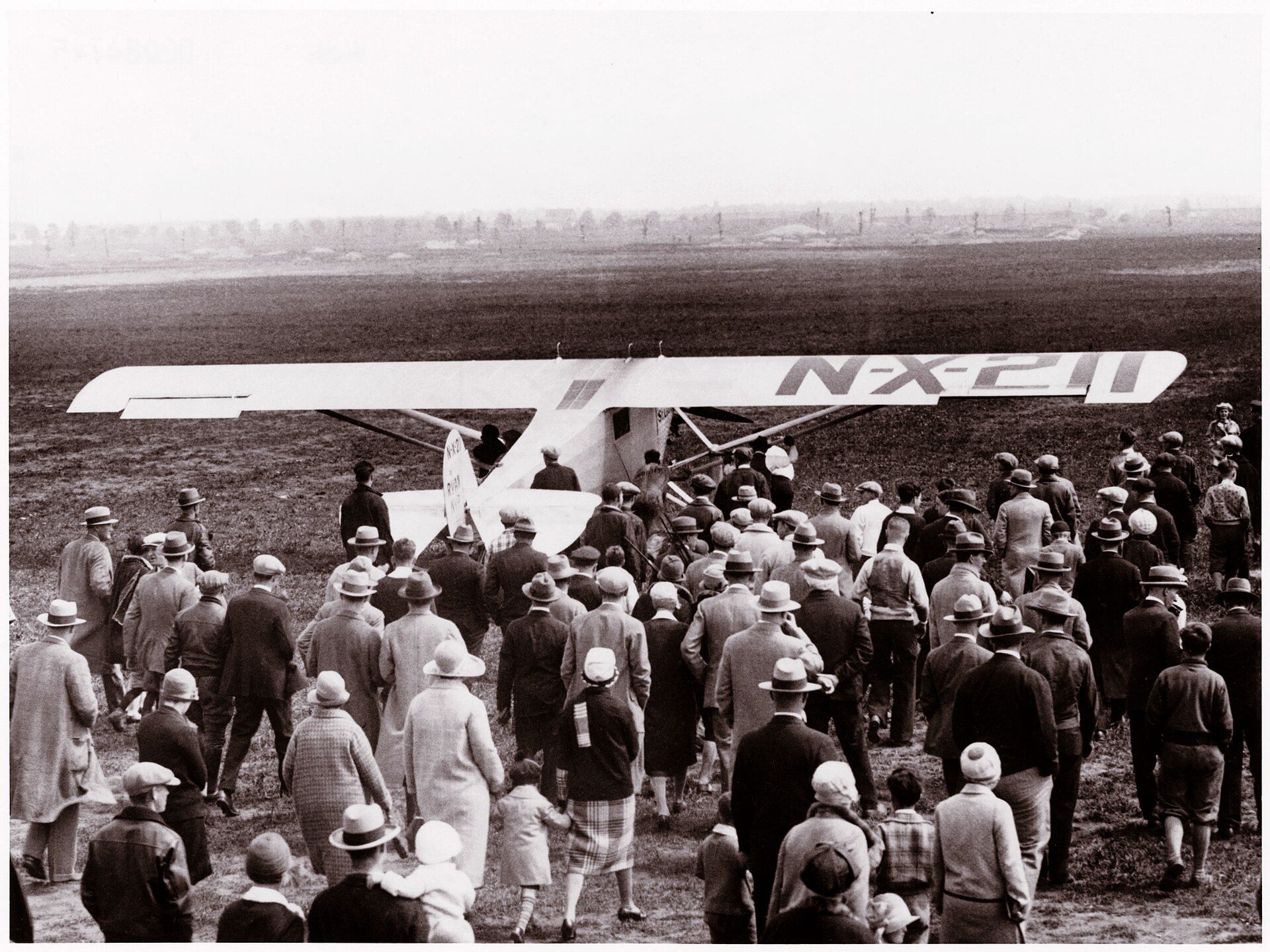
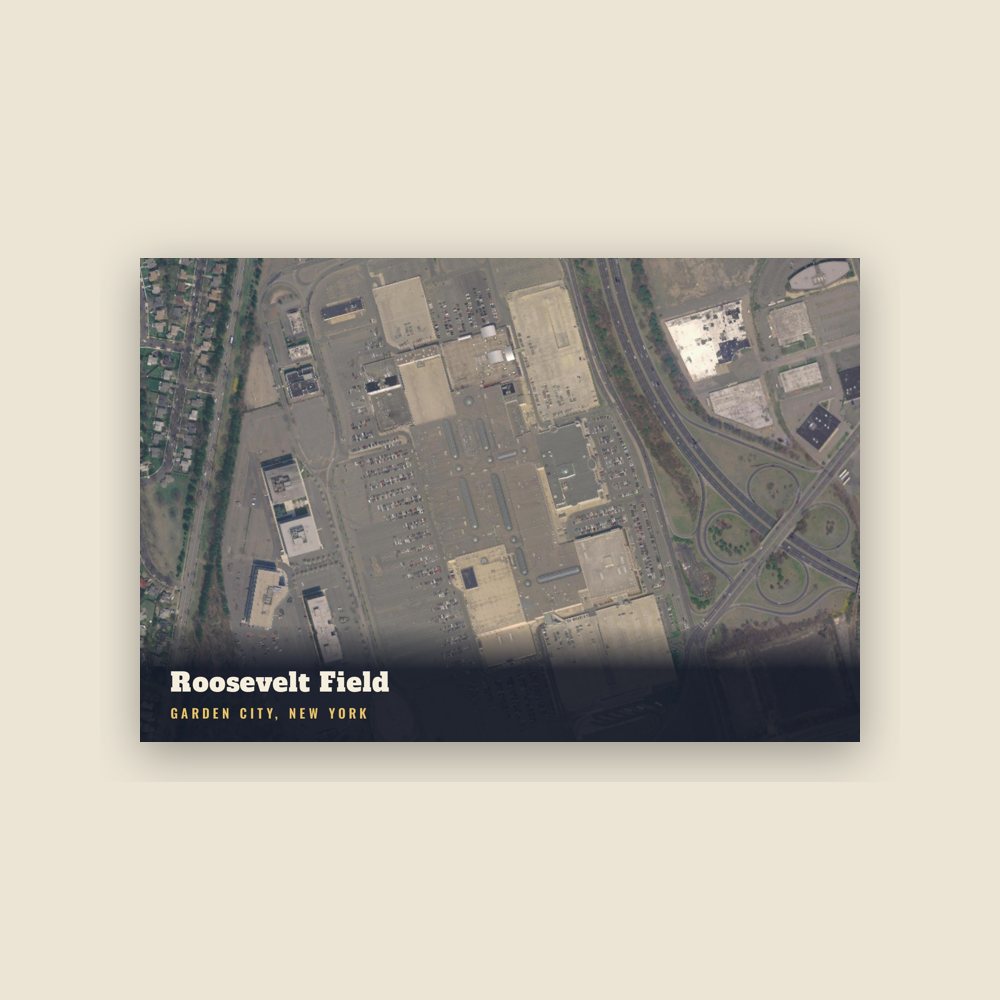
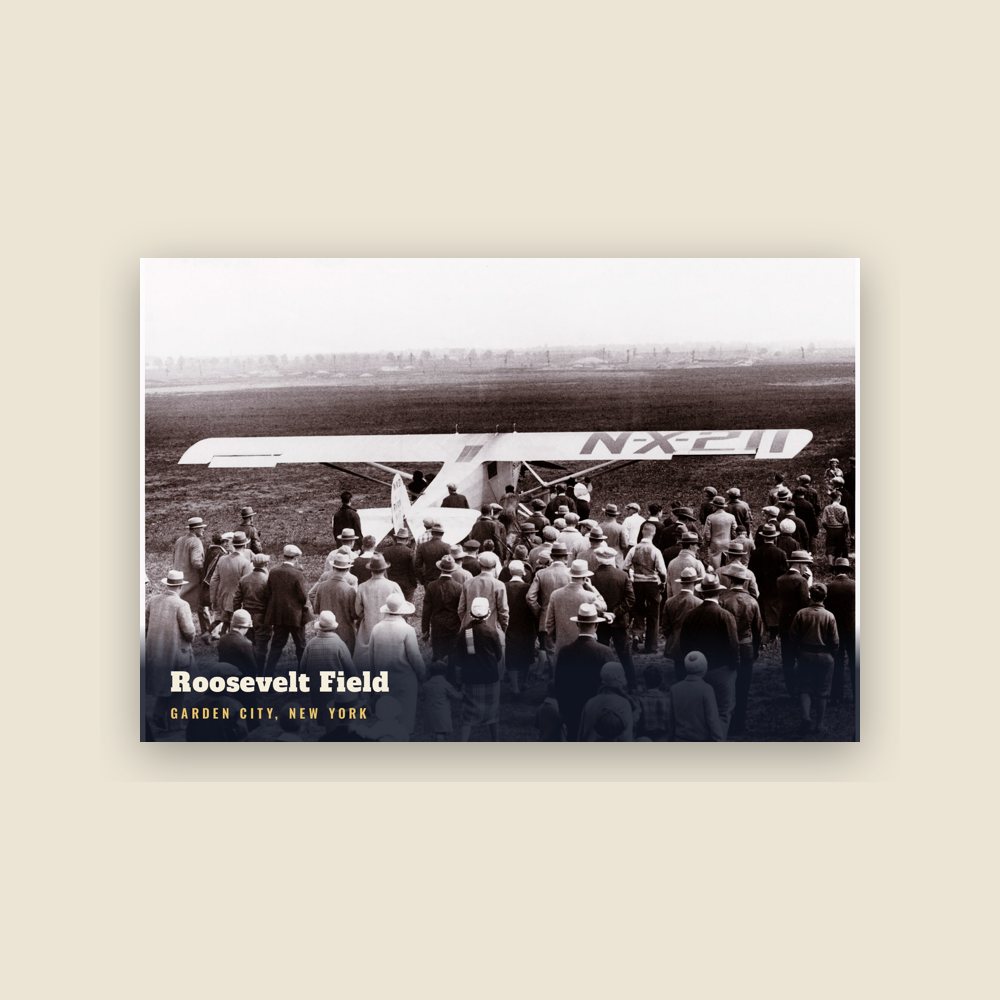
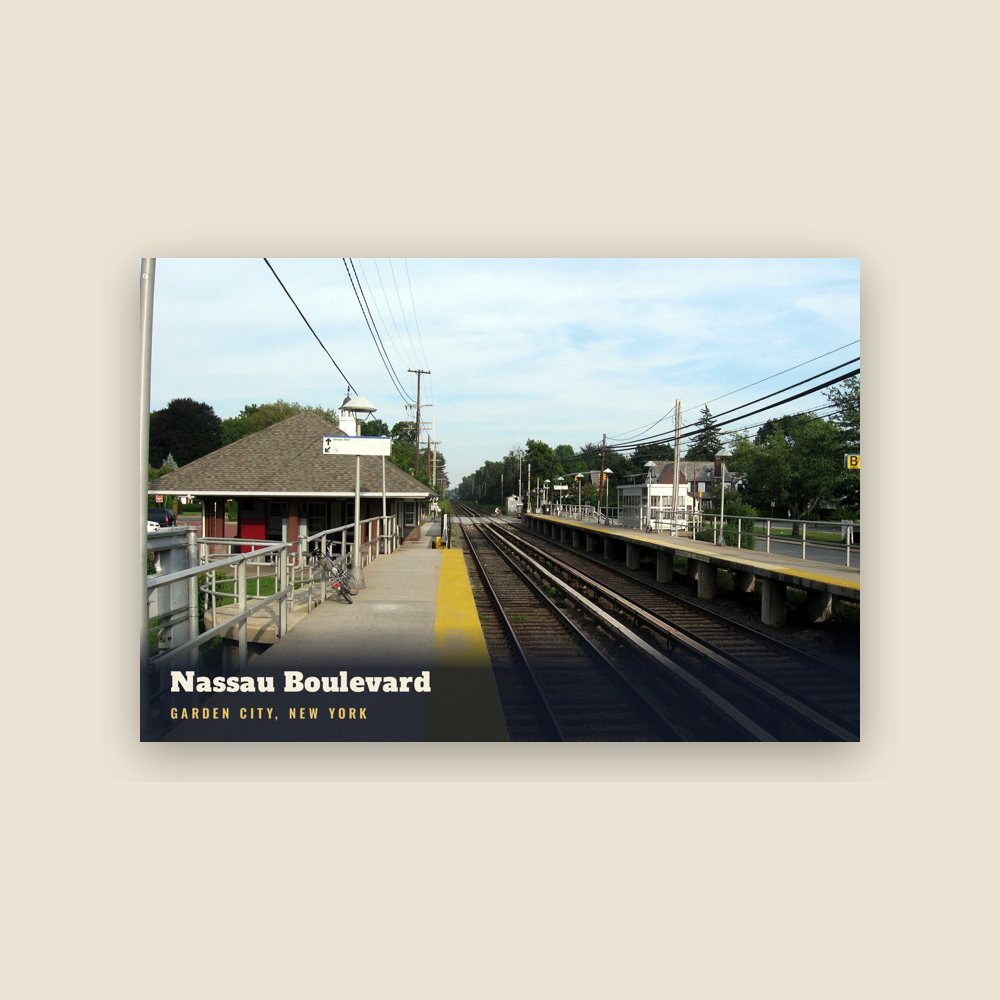
Aviation played a big role in the Village's history. The Nassau Boulevard Aerodrome, west of the Estates section, hosted the Second International Aviation Meet in 1911, which featured the first official airmail service. Other airfields included the Washington Avenue Field and the Hempstead Aerodrome, which became Roosevelt Field before being replaced by the Roosevelt Field Mall in the 1950s.
In 1919, Garden City incorporated as a village. Through this municipal incorporation, the Garden City Estates section – along with roughly all other areas within the boundaries of the Garden City School District – merged with the older part of Garden City, being incorporated into the new village's territory. This was made possible through an agreement reached between all major neighborhoods in the new village, to ensure balanced representation in the village government and to reduce opposition to the plan by addressing such concerns; this agreement is known as the Community Agreement.
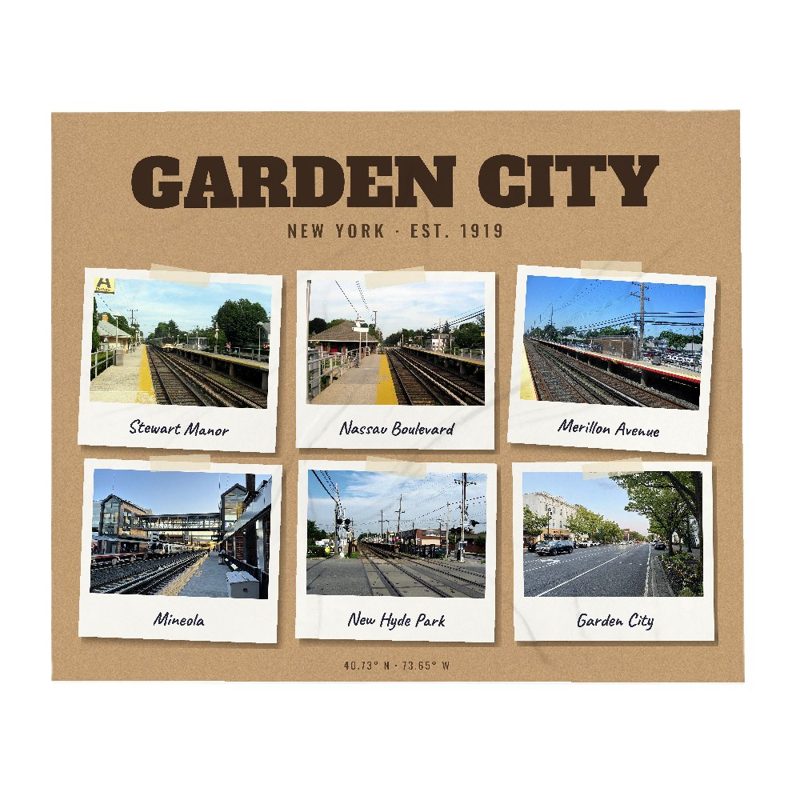
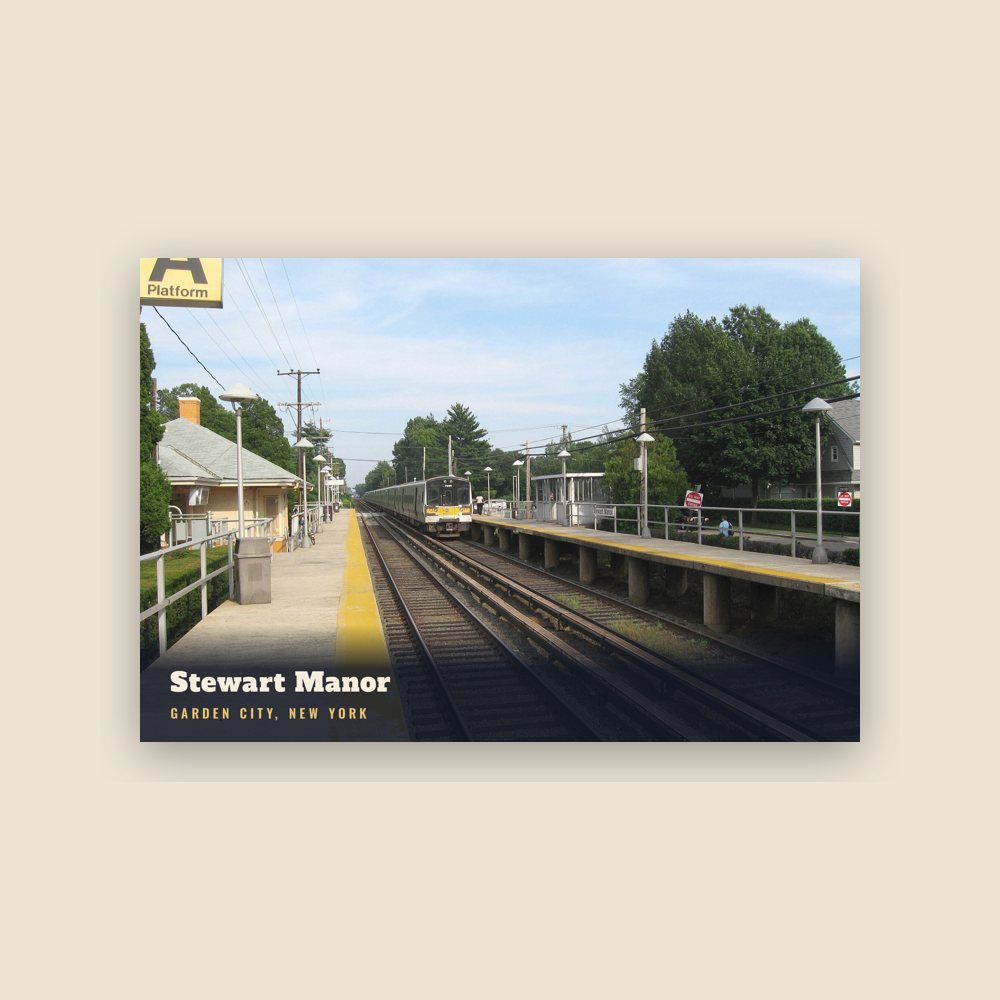
Garden City's growth during the early 20th century promoted the development of many nearby towns, including Stewart Manor, Garden City Park, Garden City South and East Garden City.
The Village is home to three golf courses, the first having been laid out under Devereux Emmet's direction in 1896 and now called the Garden City Golf Club. Subsequently, the now-named Cherry Valley Club (originally Salisbury Club) and Garden City Country Club opened. For a short time in the late 1920s a fourth course existed, the Old Westbury Golf Club (initially the Intercollegiate Golf Club), east of Clinton Road (CR 1).
In the 1920s, the community continued to grow, with houses built in Garden City Estates as well as the eastern section of Garden City. Housing construction slowed after the 1929 stock market crash. But in the 1930s, hundreds of houses were built to accommodate a population boom, though Garden City used a strict zoning code to preserve Stewart's vision. The Village retained a sense of orderly development, true to its rigorously planned roots.
Starting in the 1930s, many branches of well-known New York City stores – including Best & Co., Saks Fifth Avenue, Bloomingdale's, and Lord & Taylor – opened stores along Franklin Avenue within Garden City. All of these have subsequently closed due to relocation to nearby Roosevelt Field Mall or closure, and their large buildings were subsequently converted into office and medical spaces.
After World War II, following a trend of urban residents moving to the suburbs, Garden City continued to grow. Postwar construction filled out Garden City's borders with many split-level and ranch-style homes, with construction occurring in the town's far eastern, northern and western sections. The Waldorf School of Garden City was founded in 1947 (one of the first Waldorf schools in the United States), originally as part of Adelphi University. The village's new public high school was constructed in 1956, supplementing the original Cherry Valley school, which opened in 1925.
The flat expanse of the land adjacent to Garden City allowed its use for military activities. For the Civil War, Camp Winfield Scott existed, for the Spanish-American War of 1898, Camp Black was established, and for World War I in 1917, Camp Albert Mills occupied land in the southeast part of the village. Camp Mills was decommissioned after the war, but the airbase Mitchel Field, established at the same time just east of the Village, existed until 1962.
In the 1970s, the old Garden City Hotel declared bankruptcy and closed. It was demolished in 1973. A new Garden City Hotel was constructed on the site. In 1978, fifty of the original structures known as the A. T. Stewart Era Buildings were designated a national historic district and listed on the National Register of Historic Places.
In 1989, St. Paul's School closed. In 1993, it was purchased by the Village of Garden City, eventually designating St. Paul's and its property as "park land. St. Mary's School, the sister school of St. Paul's, was demolished in 2002. Since then, six large single-family houses have been built on the property.
The village-operated Garden City Public Library, first established in 1952 as a volunteer service, now serves its residents from a building erected in 1973.
On December 7, 1993, the Long Island Rail Road's Merillon Avenue station, which is partially within the village, was the location of the Long Island Rail Road massacre, in which six people were murdered and 19 injured in a racially motivated mass shooting by Colin Ferguson, a black Jamaican immigrant.
21st century
In 2001, 23 Garden City residents were murdered in the September 11 attacks. Every year on the anniversary of the attack, the Garden City Fire Department holds a remembrance ceremony. A bell tolls after the reading of each of the 23 residents' names, which are etched in the memorial monument stone on the Village Green.
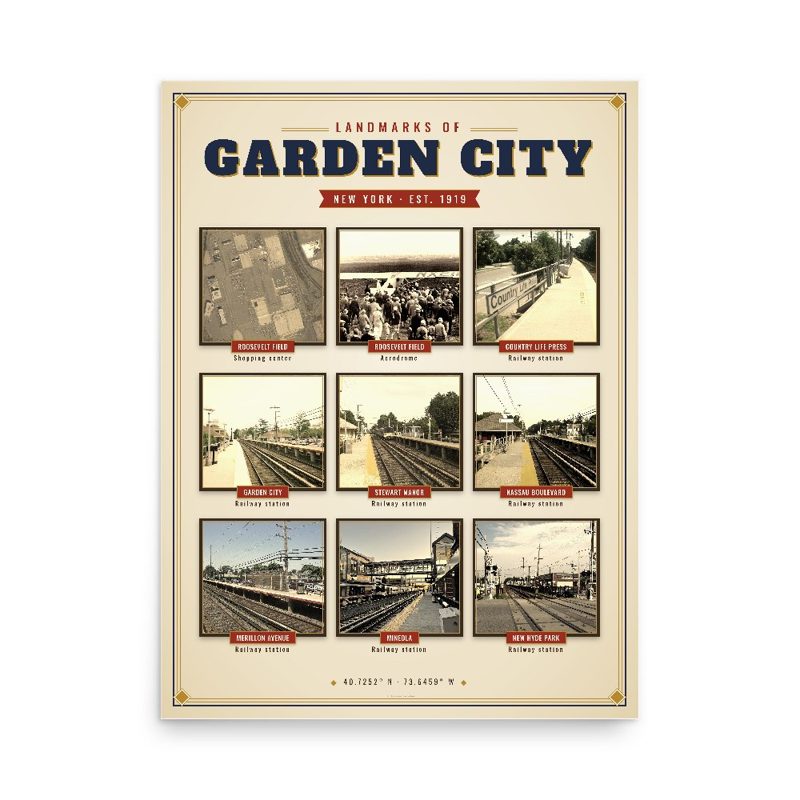
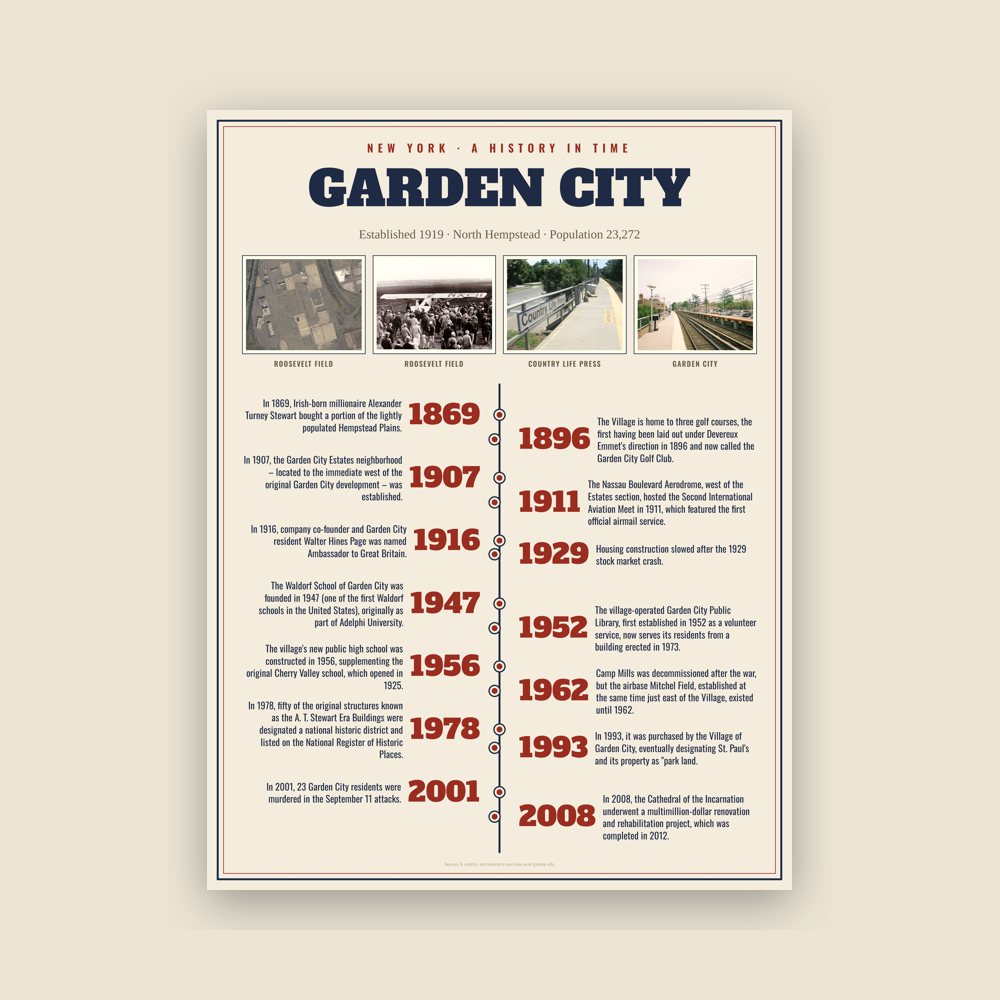
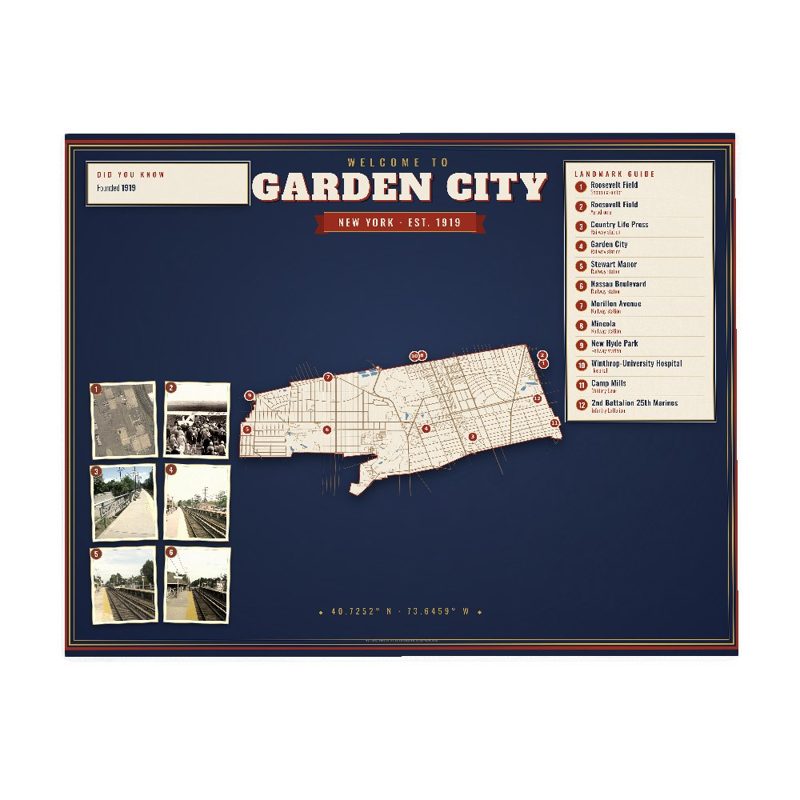









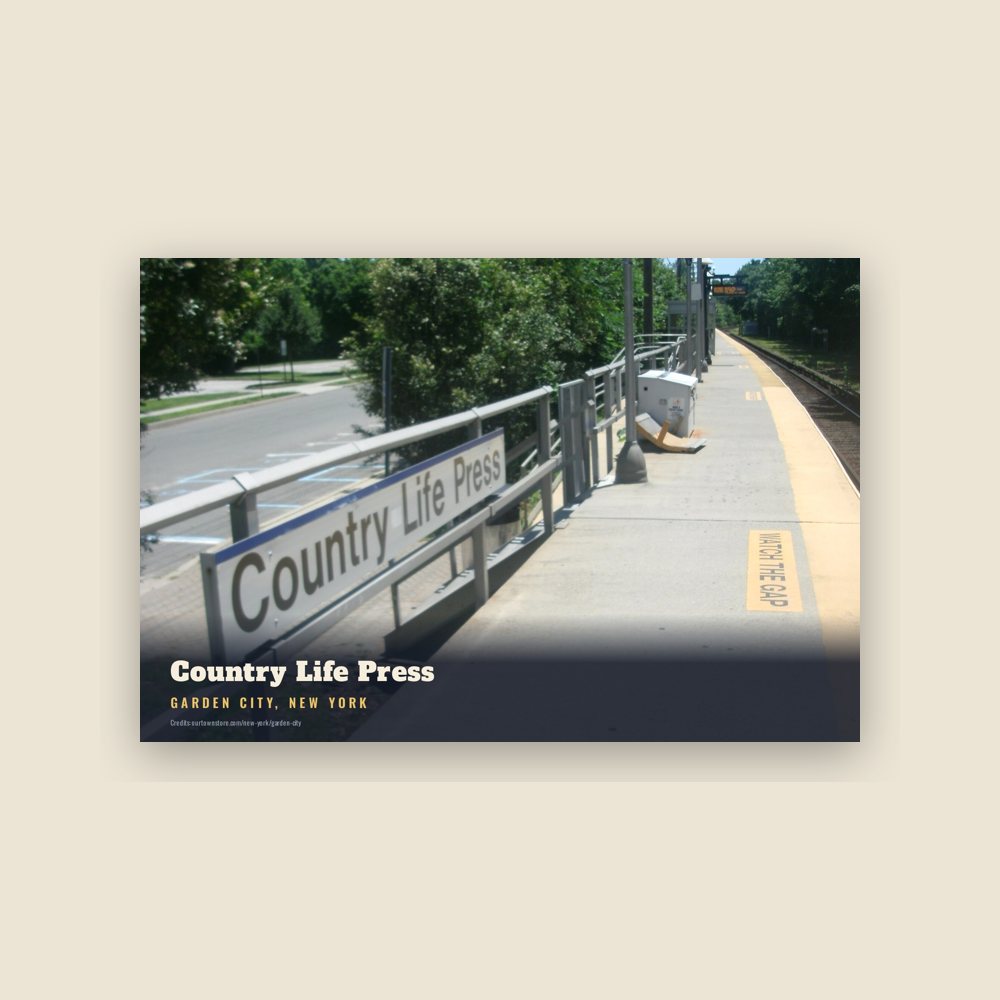
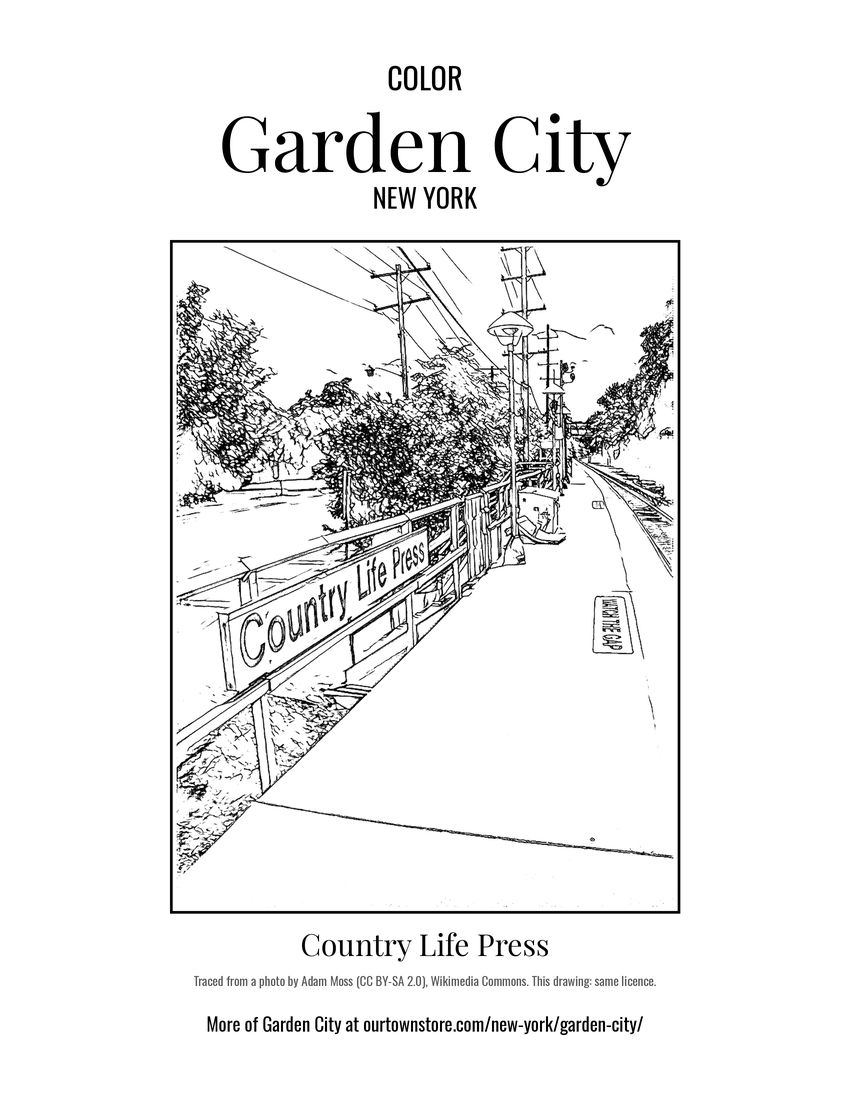 Country Life Press
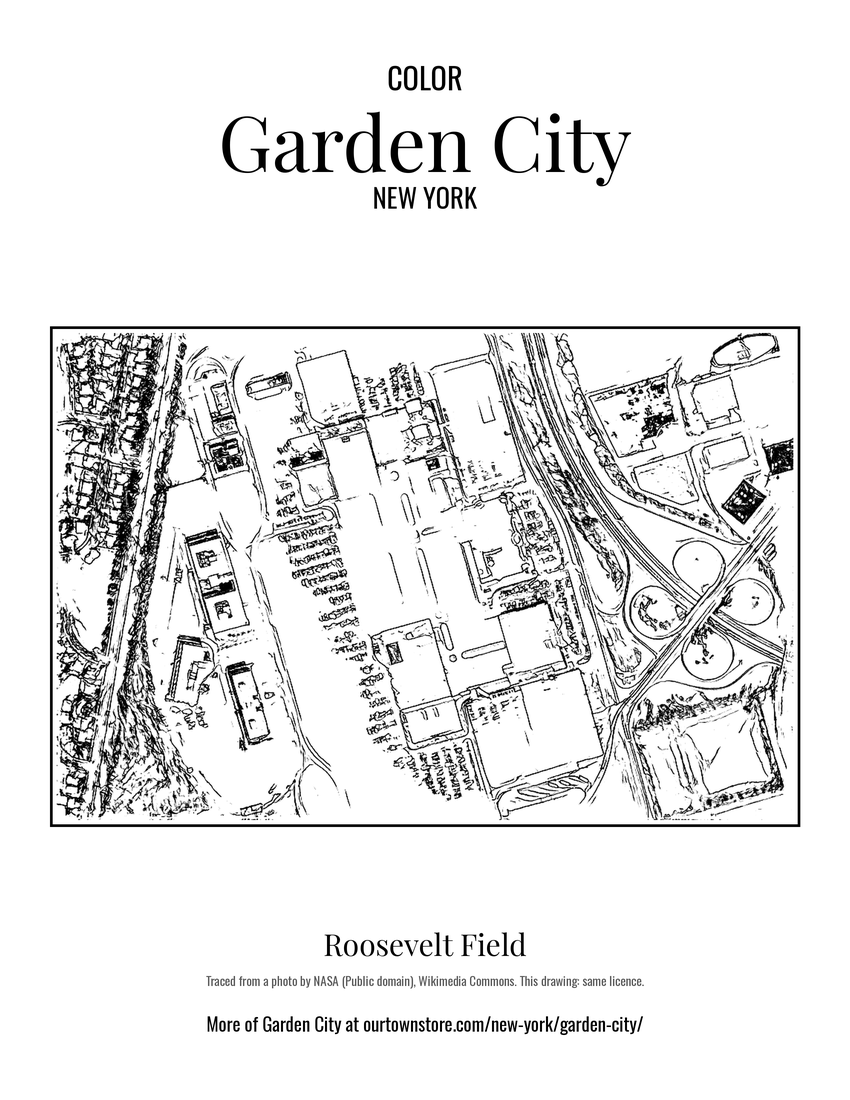 Roosevelt Field
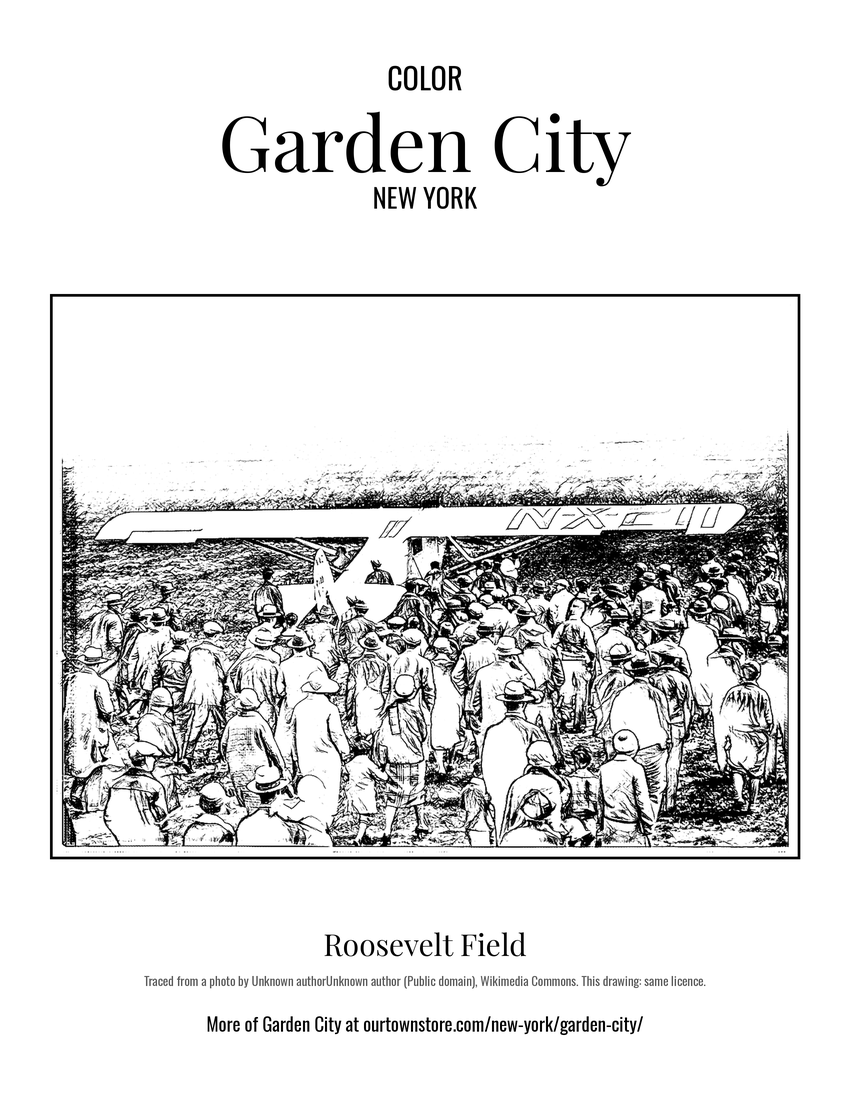 Roosevelt Field
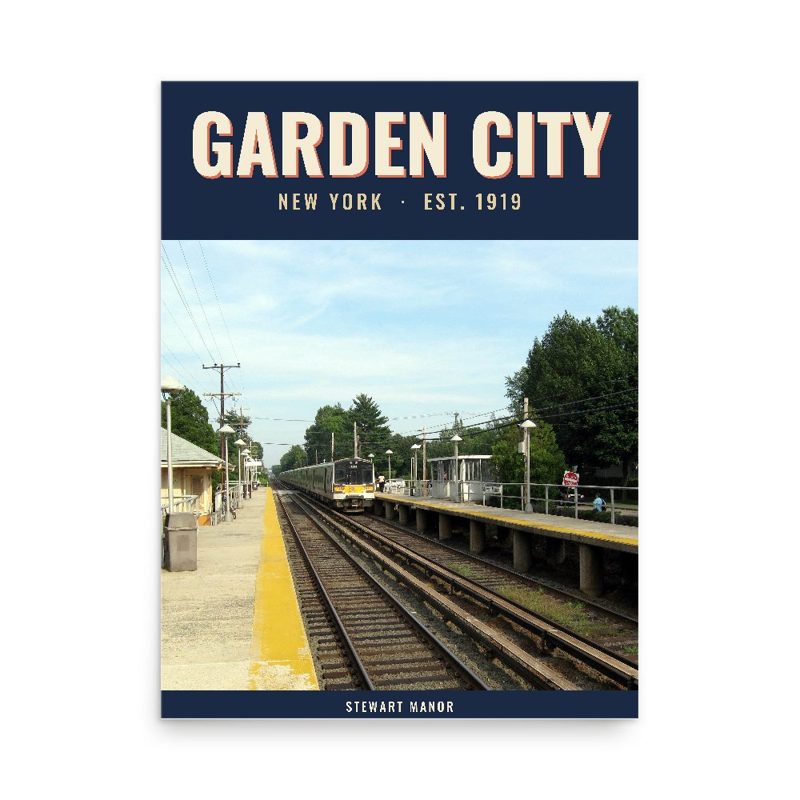
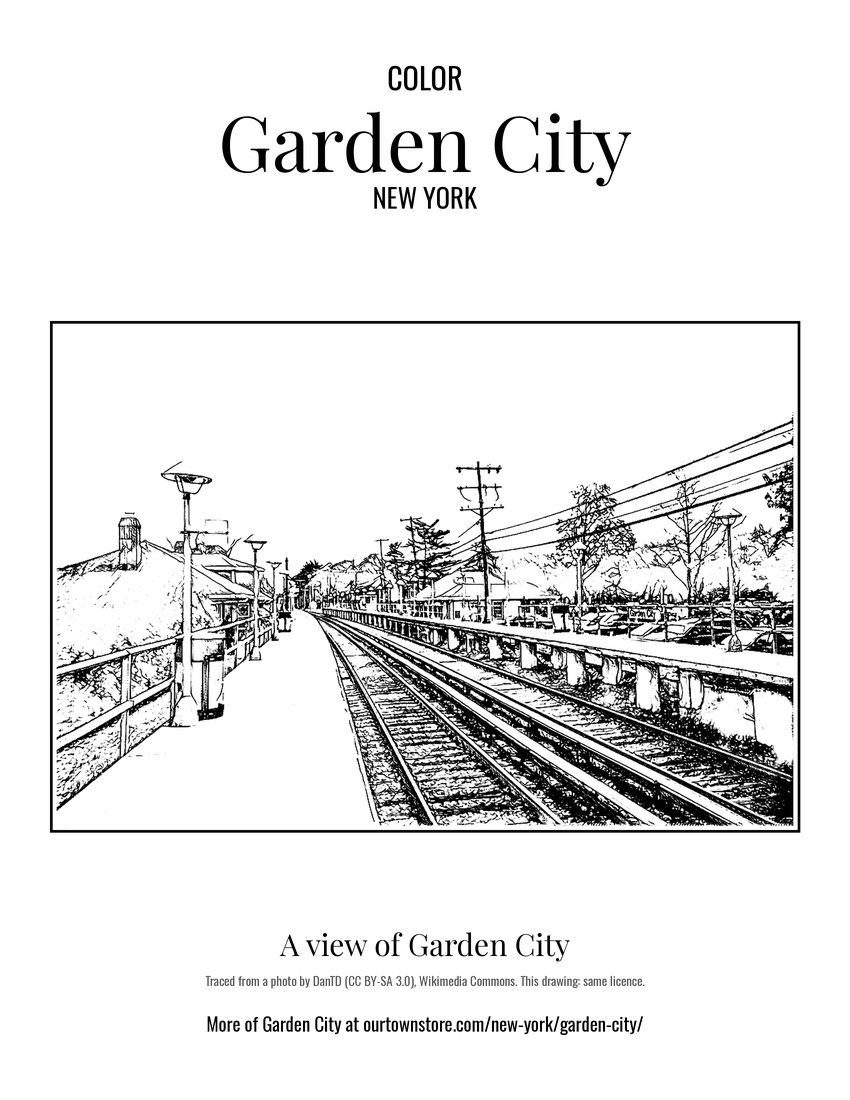 A view of Garden City