Nassau County, New York
Street maps, historic prints and keepsakes for 60 Nassau County towns.
The oldest is Sea Cliff, established 1883. The largest by population is Hempstead (59,169).
About these towns
Atlantic Beach: The first real interest in modern-day Atlantic Beach came in 1922 when Robert Moses – the famous highway builder and public works czar, and Chairman of the State Council of Parks – included Atlantic Beach as part of his "State Park Plan for New York".
Baxter Estates: What is now Baxter Estates was originally inhabited by the Matinecock Native Americans, and there is evidence that a Matinecock wigwam village within its territory once existed in the vicinity of Baxter Pond.
Bayville: Bayville incorporated as a village in 1919, during the "incorporated village movement," which allowed many larger estate owners on Long Island to establish political and security control over their domains.
Bellerose: What is now the village was founded by Helen Marsh of Williamsburg, Brooklyn. In 1907, planning to build a model community, Marsh purchased 77 acres (310,000 m2) of Floral Park gladiola fields.
Brookville: The territory that today comprises the Village of Brookville was formed in two stages. When the village was incorporated in 1931, it consisted of a long, narrow tract of land that was centered along Cedar Swamp Road (NY 107).
Cedarhurst: The village was incorporated in 1910. It is part of the "Five Towns," together with the village of Lawrence and the hamlets of Woodmere and Inwood, and "The Hewletts," which consist of the villages of Hewlett Bay Park, Hewlett Harbor and Hewlett Neck and the hamlet of Hewlett, along with Woodsburgh.
Centre Island: Centre Island is an upscale residential village located within the Town of Oyster Bay in Nassau County, on the North Shore of Long Island, in New York, United States.
Cove Neck: On January 25, 1990, Avianca Flight 052, which was operated by one of the airline's Boeing 707 jetliners, ran out of fuel before crashing into a hillside in Cove Neck. 73 out of the 158 passengers and crew on board died in the accident.
East Hills: In 1643, John Carman and Robert Fordham sailed across the Long Island Sound from Stamford, Connecticut and purchased the land now occupied by the towns of Hempstead and North Hempstead from the Native Americans.
East Rockaway: Originally named Near Rockaway, the village began as a shipping and trading center for the South Shore of Long Island. The village's location was desirable for ships because of its deep channels inland.
East Williston: The territory comprising what is now the Village of East Williston was formerly farmland. Most of the farmland was owned by the Willis family in the 1800s.
Floral Park: The area that is now Floral Park once marked the western edge of the great Hempstead Plains, and by some reports was initially known as Plainfield.
Flower Hill: This era saw members of prominent colonial families settle in the area, including members of the Hewlett family (the family after whom Hewlett, New York, and Hewlett Lane in Flower Hill are named).
Freeport: Before people of European ancestry came to the area, the land was part of the territory of the Meroke Indians. Written records of the community go back to the 1640s.
Glen Cove: Ancient cultures of Indigenous peoples had lived in the area for thousands of years. At the time of European contact, bands of the Lenape (Delaware) nation inhabited western Long Island and the areas along today's New York Harbor and adjacent New Jersey, as well as further south down the coast, through present-day Pennsylvania and Delaware, and along the Delaware River.
Glen Head: It is considered part of the greater Glen Cove area, which is anchored by the City of Glen Cove.
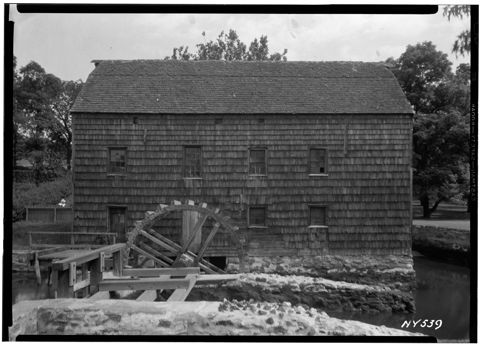
Great Neck: Long before Dutch and English settlers arrived on the peninsula of Great Neck in the 17th century, bands of Lenape Native Americans inhabited the shorelines of the peninsula.
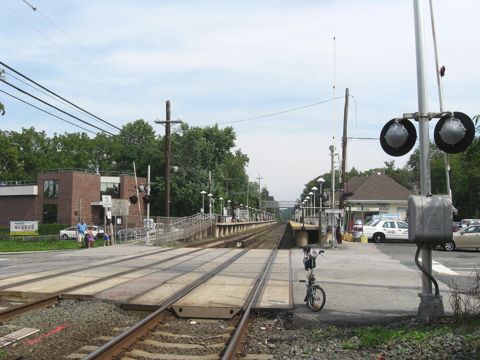
Great Neck Estates: Great Neck Estates incorporated in 1911, making it the second village on the Great Neck Peninsula to incorporate. Residents felt that the incorporation was imperative in order to maintain home rule.
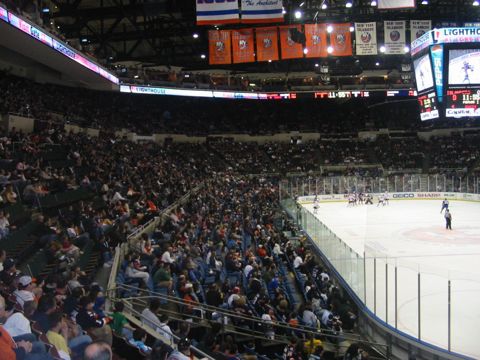
Hempstead: The town was first settled around 1644 following the establishment of a treaty between English colonists, John Carman and Robert Fordham, and the Lenape Indians in 1643.
Hewlett Harbor: Prominent attorney Joseph Auerbach (for whom Auerbach Avenue is named) purchased large amounts of land in what would eventually become Hewlett Harbor in 1914.
Hewlett Neck: Hewlett Neck consists of many large homes, mansions, villas and former plantations with very large property – a few dating back to the time of the American Revolution.
Island Park: Island Park was developed by the Island Park-Long Beach Company as a resort community in the 1920s, after previous development plans for the area were cancelled due to the outbreak of World War I and the subsequent wartime efforts.
Kensington: In the early 1900s the Rickert–Finlay Realty Company purchased the land that now consists of Kensington – the majority of which, at that time, was farmland.
Kings Point: The area now consisting of the Village of Kings Point – like the rest of the Great Neck Peninsula – was originally inhabited by the Matinecock Native Americans.
Lattingtown: The Matinecock sold the area in 1660 to Richard Latting and his son, Josiah Latting. The Lattings sold marsh reeds for use in thatched-roof houses.
Laurel Hollow: The village was incorporated in 1926 as "Lauralton," but the name was changed to "Laurel Hollow" in 1935, in order to avoid postal confusion with the Laurelton neighborhood of adjacent Queens.
Locust Valley: The rolling hills of the North Shore of Long Island were laid down as terminal moraines by the receding glaciers of the last ice age roughly 10,000 years ago.
Long Beach: The city of Long Beach's first inhabitants were the Algonquian-speaking Lenape, who sold the area to English colonists in 1643. From that time, while the barrier island was used by baymen and farmers for fishing and harvesting salt hay, no one lived there year-round for more than two centuries.
Lynbrook: The area currently known as Lynbrook has had other names, including Rechquaakie (originally), Parson's Corners, and Bloomfield. It was later named Pearsall's Corners, after Mr.
Malverne: Malverne was originally settled by the Rockaway Indians at an unknown point in history, with the current Ocean Avenue serving as an Indian path.
Manorhaven: Manorhaven was incorporated as a village in 1930, after news was spread that Port Washington was planning on incorporating itself as a city.
Massapequa Park: The village located on the South Shore of Long Island shares the early Native American history of Massapequa. Then in the 19th century, families of German descent relocated from Brooklyn to what is now Massapequa Park, and the community which was formed was known as Wurtenberg or Stadtwurtemburg.
Matinecock: The village is named for the Indigenous Matinecock people, who inhabited much of the area. "Matinecock" roughly translates to "the Hill Country," and was the Matinecock name for the modern-day village as well as for much of the surrounding area.
Mill Neck: Mill Neck Village Hall, which also houses the village's branch of the United States Post Office, is located in the former station house of the Mill Neck Long Island Rail Road station.
Mineola: The central, flat, grassy part of Long Island was originally known as the Hempstead Plains. In the 19th century, various communities were started in this area.
Munsey Park: The land that Munsey Park now comprises was originally inhabited by the Matinecock Native Americans. In the 17th century, Dutch and English colonists began to explore and settle the area; many large farms were established on Cow Neck – the bottom of which includes Munsey Park – by these European settlers.
Muttontown: The area historically was inhabited by the Matinecock Native Americans, and European colonists began to settle in the area during the 1600s.
New Hyde Park: Thomas Dongan, the fourth royal governor of New York, was granted an 800-acre parcel of land in 1683 that included New Hyde Park.
North Hills: The glacial action that formed much of Long Island deposited Shelter Rock in what is now North Hills approximately 11,000 years ago.
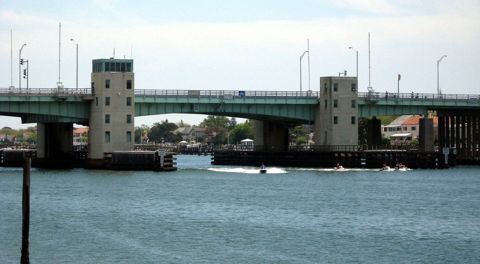 Atlantic BeachNew York · Est. 1962
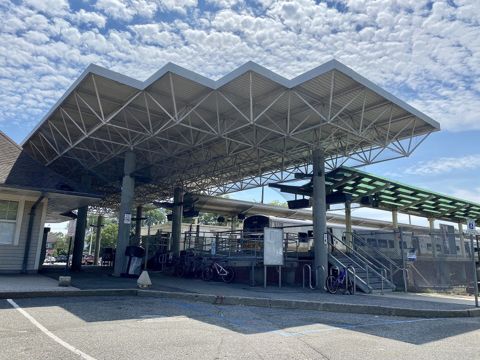 Baxter EstatesNew York · Est. 1931
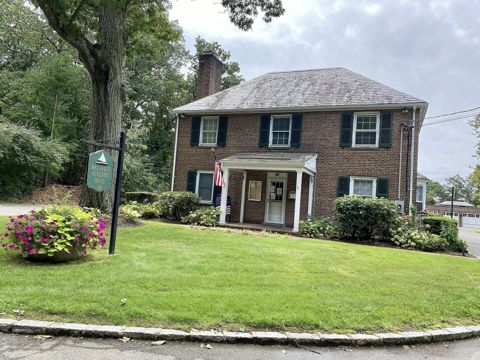 BayvilleNew York · Est. 1919
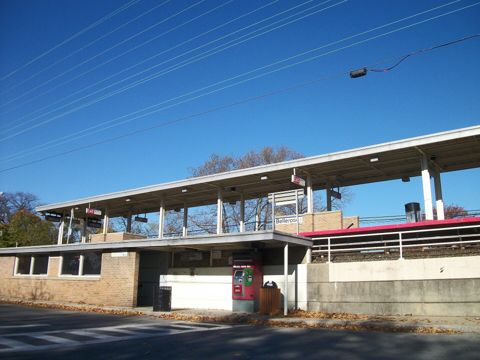 BelleroseNew York · Est. 1924
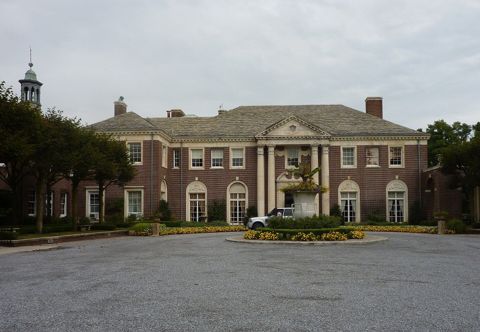 BrookvilleNew York · Est. 1931
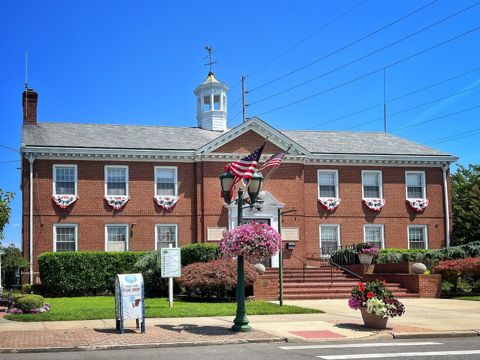 CedarhurstNew York · Est. 1910
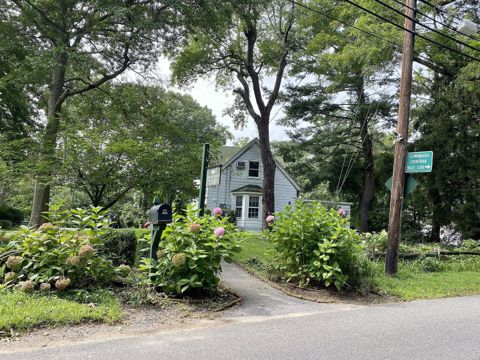 Centre IslandNew York · Est. 1926
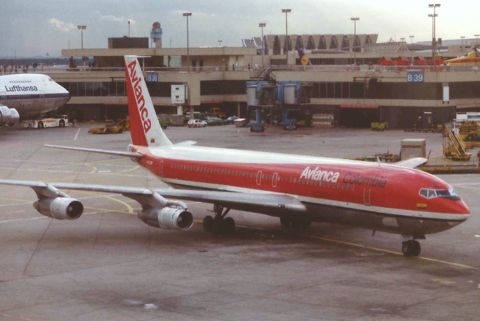 Cove NeckNew York · Est. 1927
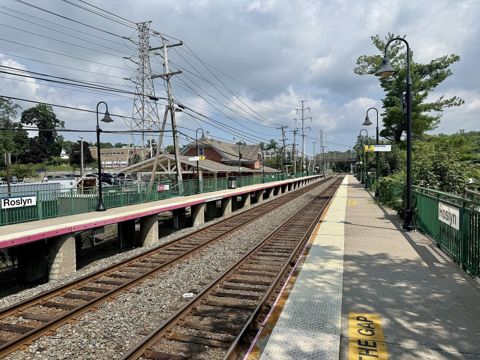 East HillsNew York · Est. 1931
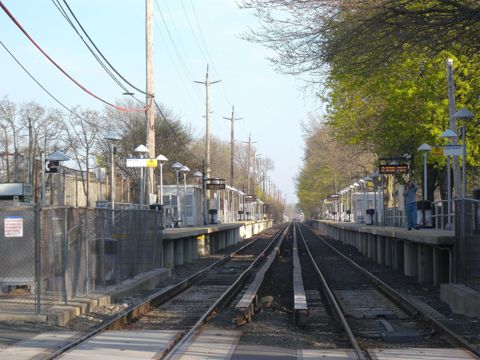 East RockawayNew York · Est. 1900
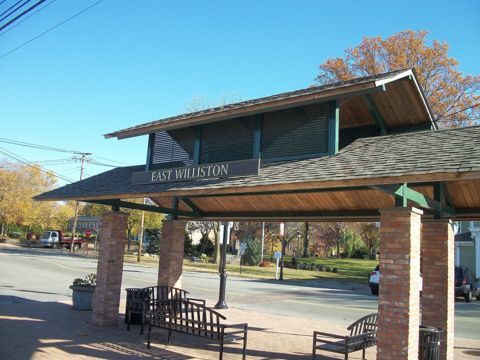 East WillistonNew York · Est. 1926
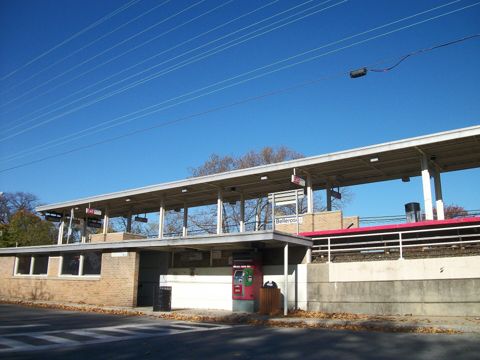 Floral ParkNew York · Est. 1908
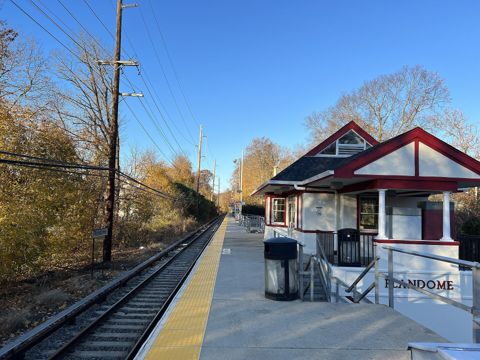 Flower HillNew York · Est. 1931
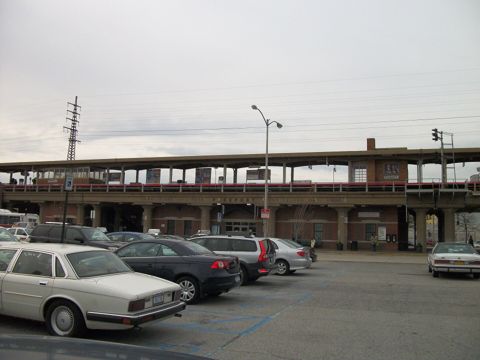 FreeportNew York · Est. 1892
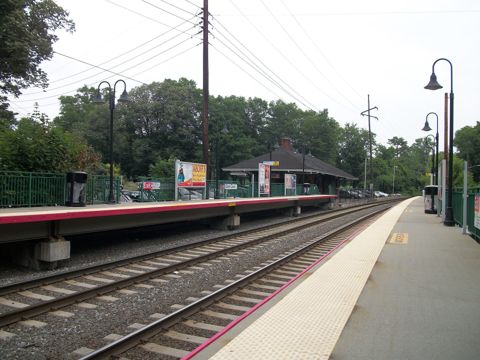 Glen CoveNew York
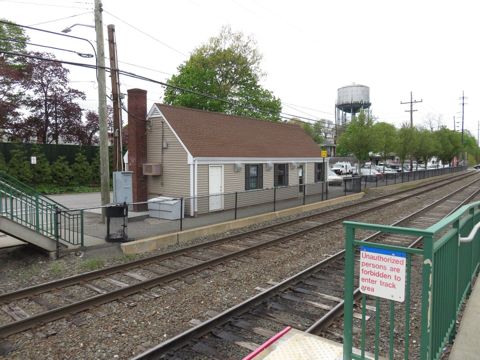 Glen HeadNew York
 Great NeckNew York
 Great Neck EstatesNew York · Est. 1911
 HempsteadNew York
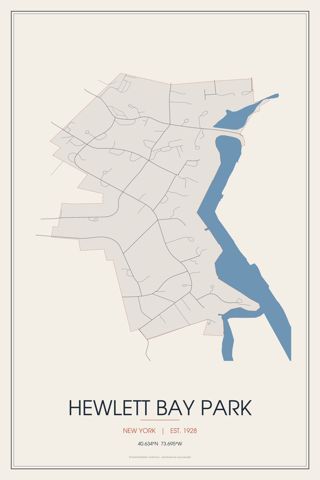 Hewlett Bay ParkNew York · Est. 1928
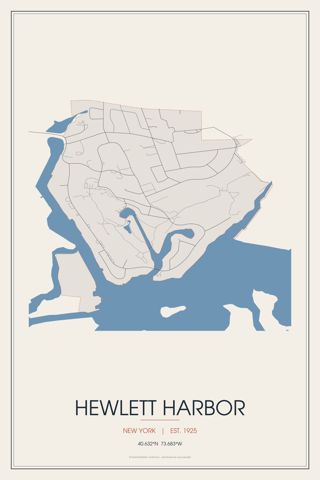 Hewlett HarborNew York · Est. 1925
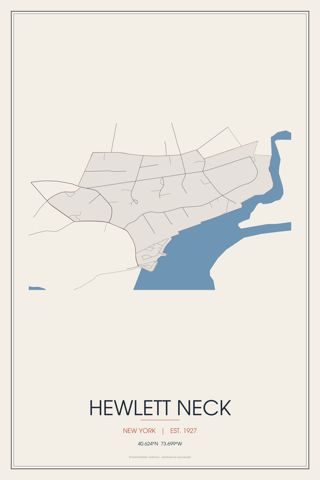 Hewlett NeckNew York · Est. 1927
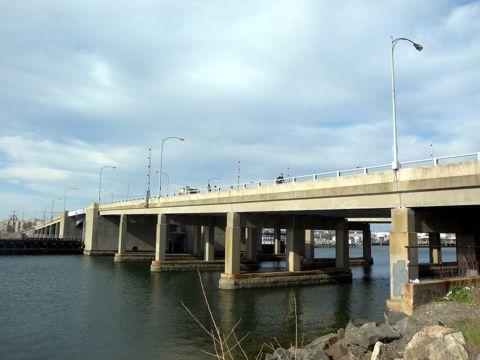 Island ParkNew York · Est. 1926
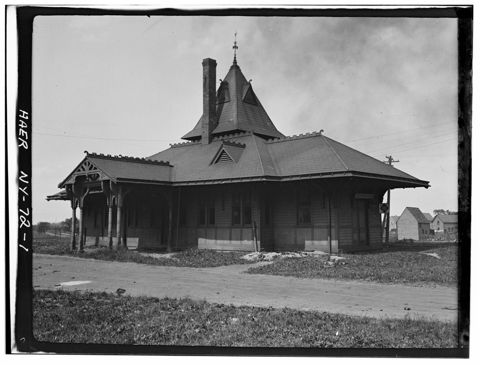 KensingtonNew York · Est. 1921
Founding years, populations and town notes come from each town's Wikipedia and Wikidata entries. All New York towns.