Monmouth County, New Jersey
Street maps, historic prints and keepsakes for 38 Monmouth County towns.
The oldest is Allentown, established 1889. The largest by population is Long Branch (31,667).
| Town | Established | Population |
|---|---|---|
| Allenhurst | – | 472 |
| Allentown | 1889 | 1,734 |
| Asbury Park | 1897 | 15,188 |
| Atlantic Highlands | – | 4,414 |
| Avon-By-The-Sea | – | 1,933 |
| Belmar | – | 5,907 |
| Bradley Beach | – | 4,282 |
| Brielle | – | 4,982 |
| Deal | – | 900 |
| Eatontown | – | 13,597 |
| Englishtown | – | 2,346 |
| Fair Haven | – | 6,269 |
| Farmingdale | – | 1,504 |
| Freehold | – | 12,538 |
| Highlands | – | 4,621 |
| Interlaken | – | 828 |
| Keansburg | – | 9,755 |
| Keyport | – | 7,204 |
| Lake Como | – | 1,697 |
| Little Silver | – | 6,131 |
| Loch Arbour | – | 224 |
| Long Branch | 1903 | 31,667 |
| Manasquan | – | 5,938 |
| Matawan | – | 9,565 |
| Monmouth Beach | – | 3,174 |
| Neptune City | – | 4,626 |
| Oceanport | – | 6,150 |
| Red Bank | 1908 | 12,936 |
| Roosevelt | – | 808 |
| Rumson | – | 7,343 |
| Sea Bright | – | 1,449 |
| Sea Girt | – | 1,866 |
| Shrewsbury | – | 4,184 |
| Spring Lake | – | 2,789 |
| Spring Lake Heights | – | 4,890 |
| Tinton Falls | – | 19,181 |
| Union Beach | – | 5,723 |
| West Long Branch | – | 8,587 |
About these towns
Allenhurst: Allenhurst "reflects the history of development from a rural area to a suburb and resort town of New York City. In 1895, the 120-acre (49 ha) Allen farm was bought by the Coast Land Improvement Company in order to build an exclusive resort community to attract upper class summer residents.
Allentown: Allentown was incorporated as a borough by an act of the New Jersey Legislature on January 29, 1889, from portions of Upper Freehold Township, based on the results of a referendum held that day.
Asbury Park: A seaside community, Asbury Park is located on New Jersey's central coast. Developed in 1871 as a residential resort by New York brush manufacturer James A.
Atlantic Highlands: For hundreds of years, the original inhabitants were the Lenape, who lived in and along the cliffs and creeks of Atlantic Highlands.
Bradley Beach: Bradley Beach was named for James A. Bradley, the developer responsible for the creation of the Bradley Beach and Asbury Park. In 1871, William B.
Brielle: Archaeological excavations along what is now Birch Drive reveal temporary Lenape Native American settlements. The Lenape practiced farming in other parts of Monmouth County much of the year, and they visited the wooded areas in what is now Brielle for hunting and fishing.
Deal: A group from Rhode Island settled in the area of Middletown Township and Shrewsbury Township in the mid-1660s, after having purchased what was known as the Monmouth Patent.
Eatontown: By 1796, a village had developed across from Eaton's mill, with a tannery and general store on the east side of the Red Bank Turnpike [now State Route 35].
Englishtown: At the Battle of Monmouth, an American Revolutionary War battle fought on June 28, 1778, in Monmouth County, American General Charles Lee led the advance and initiated the first attack on the column's rear.
Fair Haven: Fair Haven's first permanent settlement dates to a structure built in 1816 at the Navesink River near today's Fair Haven Road. By the mid-19th century, steamboats stopped at "Chandler's Dock" on a route between Red Bank and New York City, bringing visitors to the area and local oysters to the city.
Freehold: Freehold, New Jersey may refer to:Freehold Borough, New Jersey, the county seat of Monmouth County Freehold Township, New Jersey, the much larger township that surrounds the borough
Highlands: Giovanni da Verrazzano explored the area known today as Highlands in 1525. During the next two centuries, the Highlands area would welcome English and Dutch settlers.
Interlaken: The area that is now Interlaken was purchased in 1667 by Gavin Drummond from the Lenape Native Americans. It was later part of Ocean Township, which had seceded from Shrewsbury Township in 1849 and included at the time present-day Eatontown, Neptune Township, Neptune City, Avon-by-the-Sea, Bradley Beach, Asbury Park, Allenhurst, Deal, Long Branch, West Long Branch, Loch Arbour, Monmouth Beach,…
Keansburg: On September 3, 1609, the Half Moon, captained by Henry Hudson, is said to have landed on the shores of present-day Keansburg (although some historians argue that the landing and forthcoming explained events took place at the tip of Sandy Hook).
Keyport: The Great Fire of September 21, 1877, caused significant damage to Keyport, including extensive sections of the main business district. A total of 31 buildings were destroyed, resulting in losses from the fire of $160,000 (equivalent to $4,800,000 in 2025).
Lake Como: It is the tenth-smallest municipality by land area in New Jersey.
Little Silver: There are several tales of how Little Silver received its name. In one, brothers Joseph and Peter Parker, who settled in this area in 1667 and owned land bounded by Parker's Creek on the south and Little Silver Creek on the north, named their holdings "Little Silver" after their father's (George Parker) estate in Portsmouth, Rhode Island.
Loch Arbour: Loch Arbour was incorporated as a village by an act of the New Jersey Legislature on April 23, 1957, from portions of Ocean Township, based on the results of a referendum held that same day.
Long Branch: Long Branch emerged as a beach resort town in the late 18th century, named for its location along a branch of the South Shrewsbury River.
Matawan: The Lenape Native Americans called the area "Mechananienk", which gave rise to the area being called "Matovancons" by Dutch settlers, from which derives the name "Matawan".
Red Bank: Red Bank has been occupied by indigenous peoples for thousands of years. The area of modern-day Red Bank was the territory of the Algonquian-speaking Lenape Native Americans, also called the Delaware by the English.
Roosevelt: Roosevelt was originally called Jersey Homesteads, and was created during the Great Depression as part of President Roosevelt's New Deal, its main purpose being to resettle Jewish garment workers.
Rumson: Legend has it that the borough's name is derived from early European settlers who bought the land from the local Lenape Native Americans in exchange for some rum.
Sea Bright: In the early 1840s, the area of present-day Sea Bright was a fishing community of simple shacks near the beach dunes; Ocean House, the area's first hotel, opened in 1842, featuring access to fishing and sea bathing.
Sea Girt: Sea Girt was formed as a borough by an act of the New Jersey Legislature on March 29, 1917, from portions of Wall Township, based on the results of a referendum held on May 1, 1917.
Shrewsbury: Shrewsbury was part of the Navesink Patent or Monmouth Tract granted soon after the creation of East Jersey in 1665. The tract included Shrewsbury, along with the other historic communities of Freehold Township in western Monmouth County and Middletown Township in northern Monmouth County.
Spring Lake: Spring Lake was formed as a borough by an act of the New Jersey Legislature on March 14, 1892, from portions of Wall Township, based on the results of a referendum held on March 8, 1892.
Tinton Falls: The area that is now known as Tinton Falls was originally settled by Europeans in the late 1600s, probably beginning with the initial land purchases from the Lenni Lenape Native Americans in 1664.
Union Beach: On October 28, 2012, at 4:00pm, the mayor issued a mandatory evacuation for the borough in preparation for Hurricane Sandy—the second-costliest hurricane in United States history.
West Long Branch: Prior to being called West Long Branch, the area had been called Mechanicsville from the 18th century through the Civil War, and then Branchburg in the 1870s.
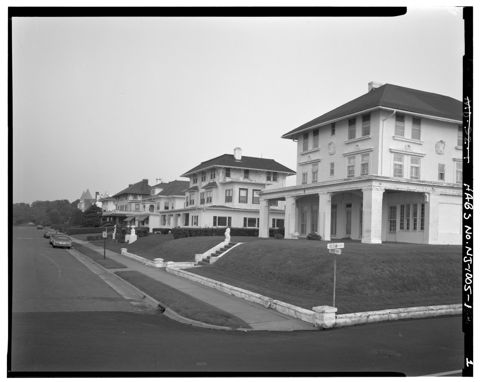 AllenhurstNew Jersey
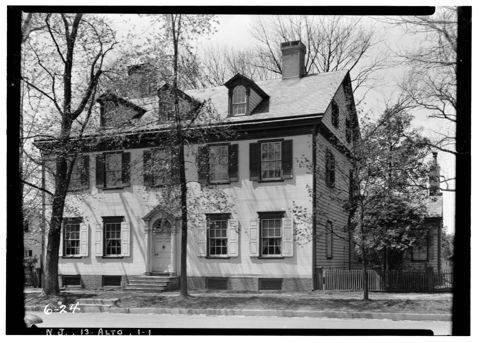 AllentownNew Jersey · Est. 1889
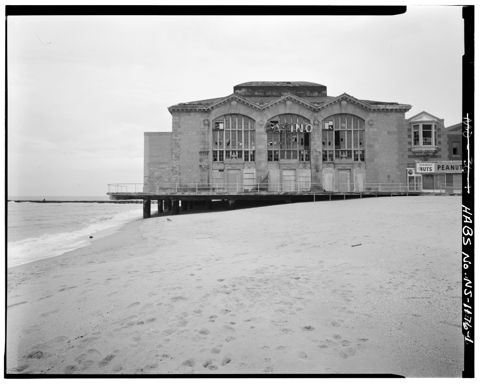 Asbury ParkNew Jersey · Est. 1897
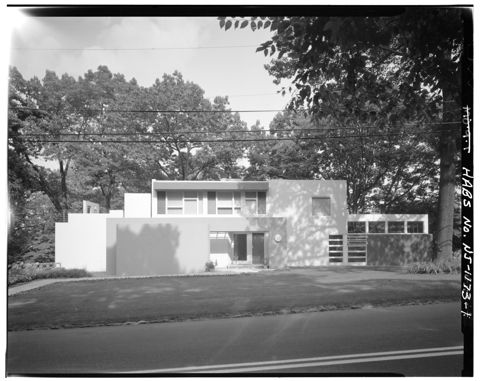 Atlantic HighlandsNew Jersey
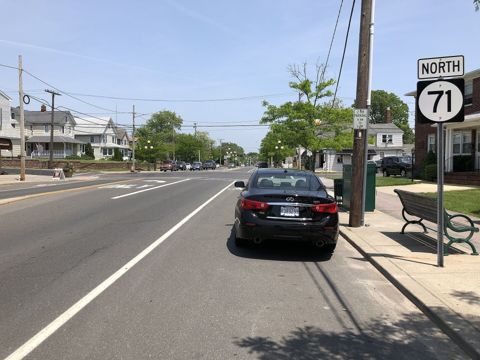 Avon-By-The-SeaNew Jersey
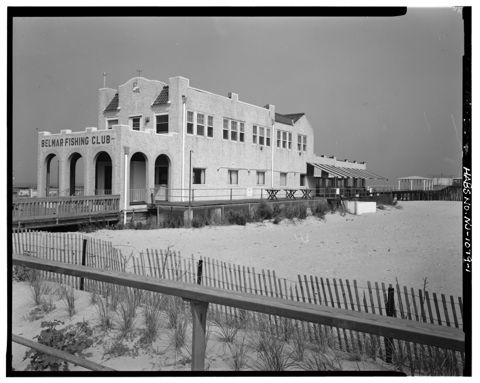 BelmarNew Jersey
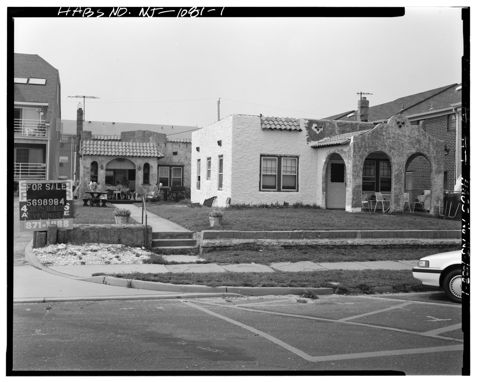 Bradley BeachNew Jersey
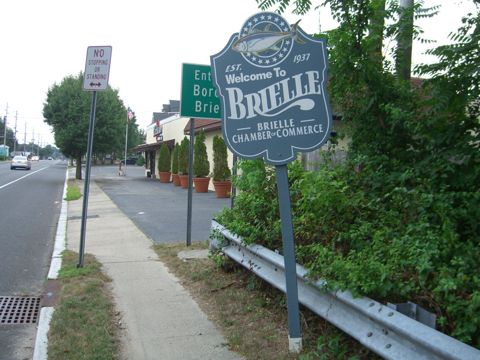 BrielleNew Jersey
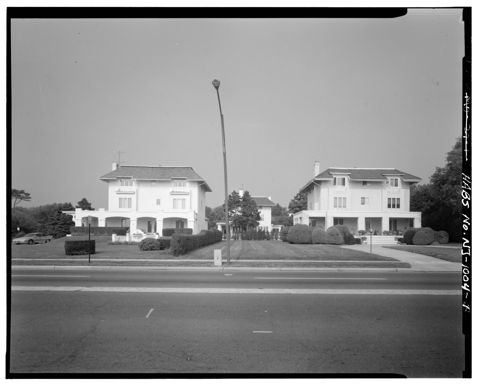 DealNew Jersey
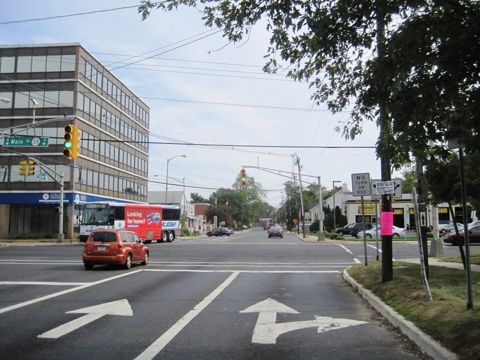 EatontownNew Jersey
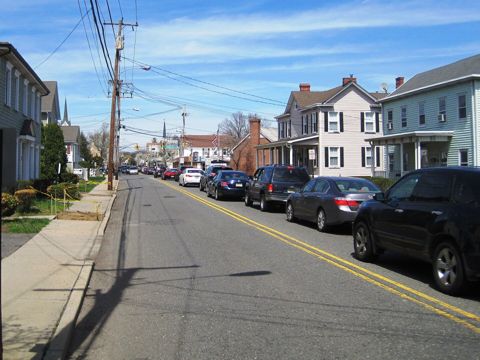 EnglishtownNew Jersey
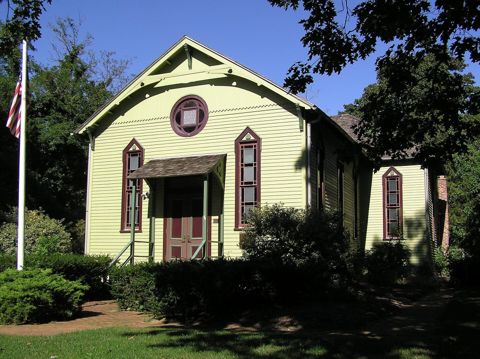 Fair HavenNew Jersey
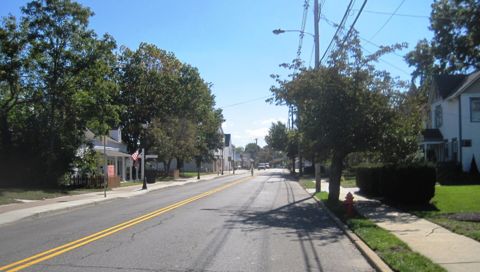 FarmingdaleNew Jersey
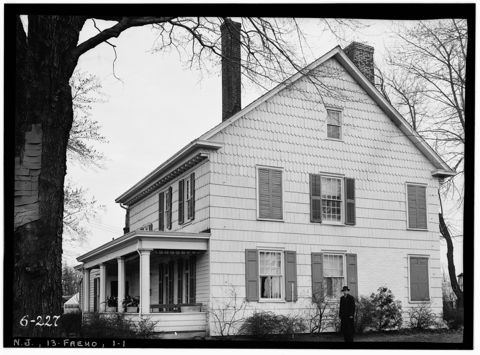 FreeholdNew Jersey
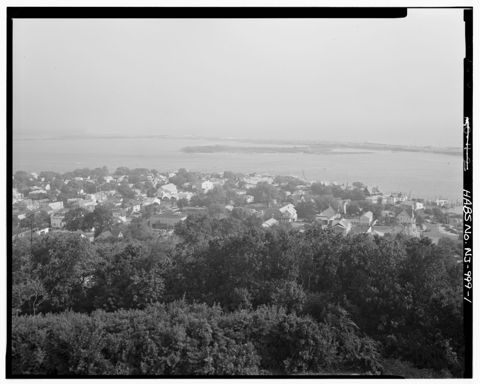 HighlandsNew Jersey
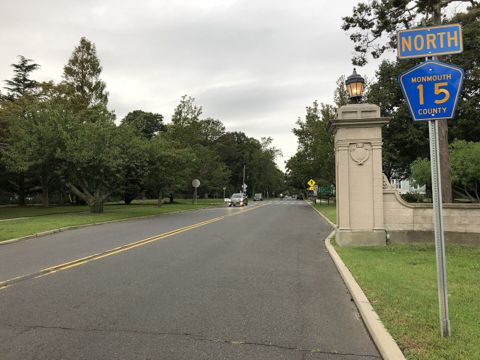 InterlakenNew Jersey
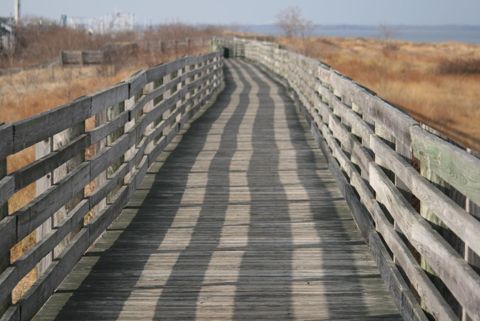 KeansburgNew Jersey
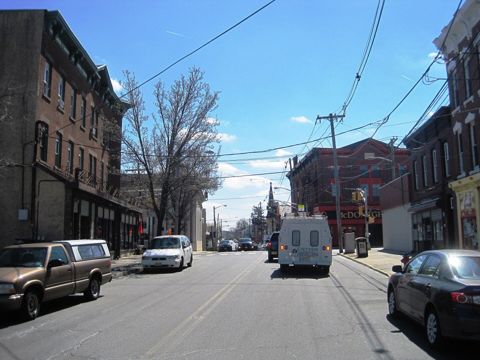 KeyportNew Jersey
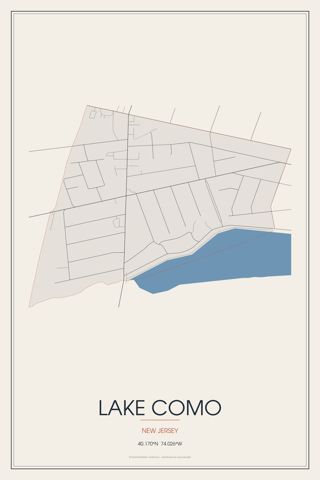 Lake ComoNew Jersey
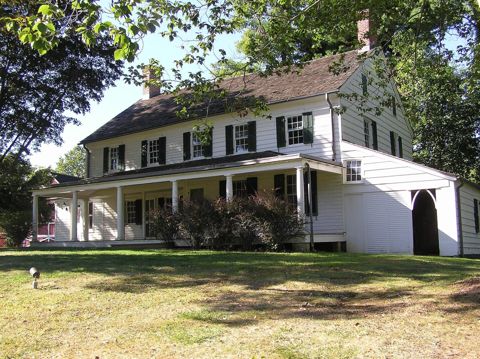 Little SilverNew Jersey
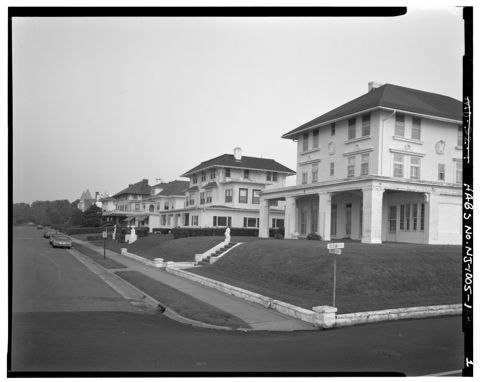 Loch ArbourNew Jersey
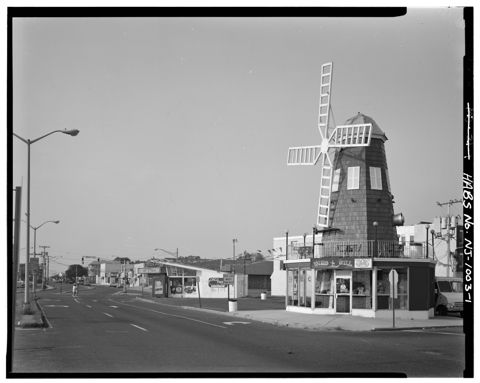 Long BranchNew Jersey · Est. 1903
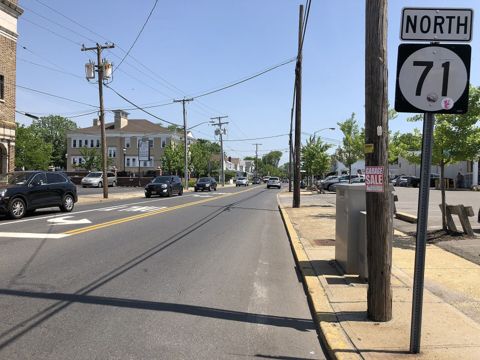 ManasquanNew Jersey
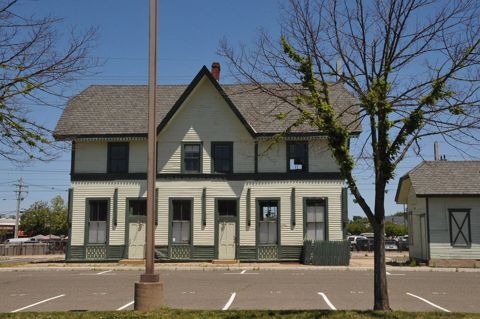 MatawanNew Jersey
Founding years, populations and town notes come from each town's Wikipedia and Wikidata entries. All New Jersey towns.