A short history of Brielle
Archaeological excavations along what is now Birch Drive reveal temporary Lenape Native American settlements. The Lenape practiced farming in other parts of Monmouth County much of the year, and they visited the wooded areas in what is now Brielle for hunting and fishing.
The area was originally part of Shrewsbury Township and the first settlers were primarily farmers, and the area became known as Union Landing. In colonial times, salt was an important preservative, and before the American Revolutionary War, most of it was imported from Great Britain. The Union Salt Works opened around the outbreak of the war, and on April 5, 1778, several British Loyalists attacked and burned the salt works and other buildings. A year later, the salt works reopened and continued to operate through the duration of the war.
Early in the 19th century, Shrewsbury Township was divided, and the area became part of Howell Township which was further divided in 1851, when the area became part of Wall Township. On July 7, 1881, a group of businessmen purchased several acres of land and formed the Brielle Land Association with the intention of building vacation homes. The quaint riverside charm of the area reminded one of the developers of another pastoral town on a river which he had visited, Brielle, in the Netherlands.
Author Robert Louis Stevenson vacationed in Brielle for most of May 1888. During his stay he wrote a portion of his book The Master of Ballantrae and gave Osborn Island the nickname "Treasure Island" which was the title of one of his previous books.
Adapted (trimmed) from the Wikipedia article Brielle, New Jersey, revision 1383129959 by its contributors, licensed CC BY-SA 4.0.
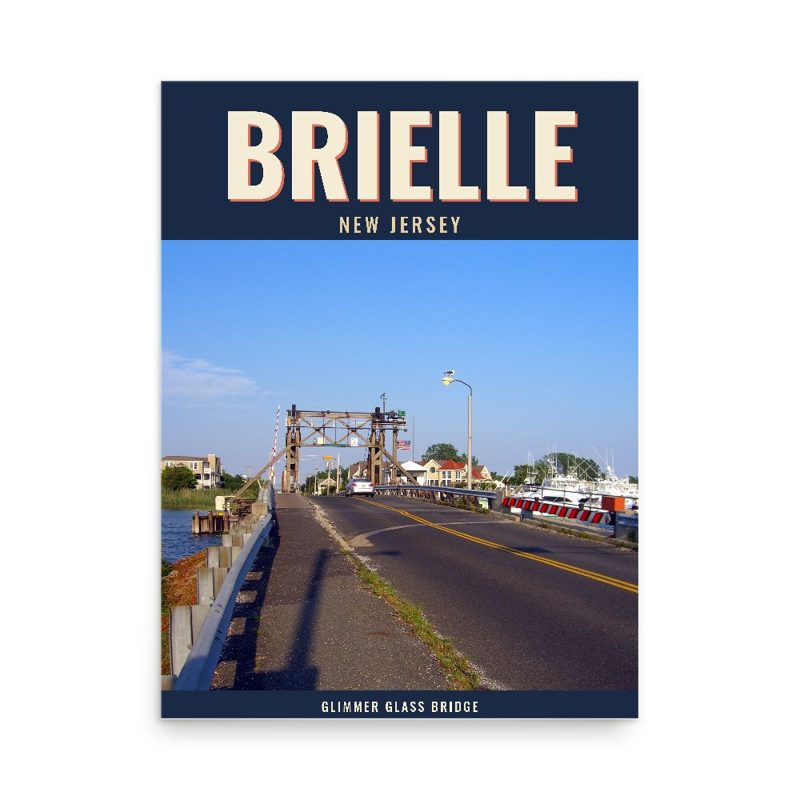
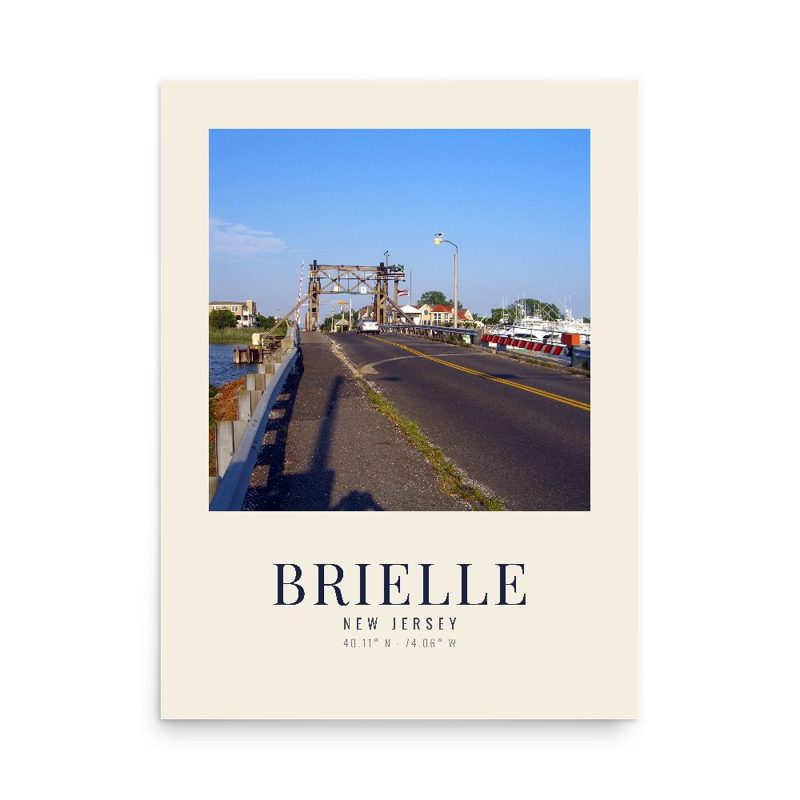
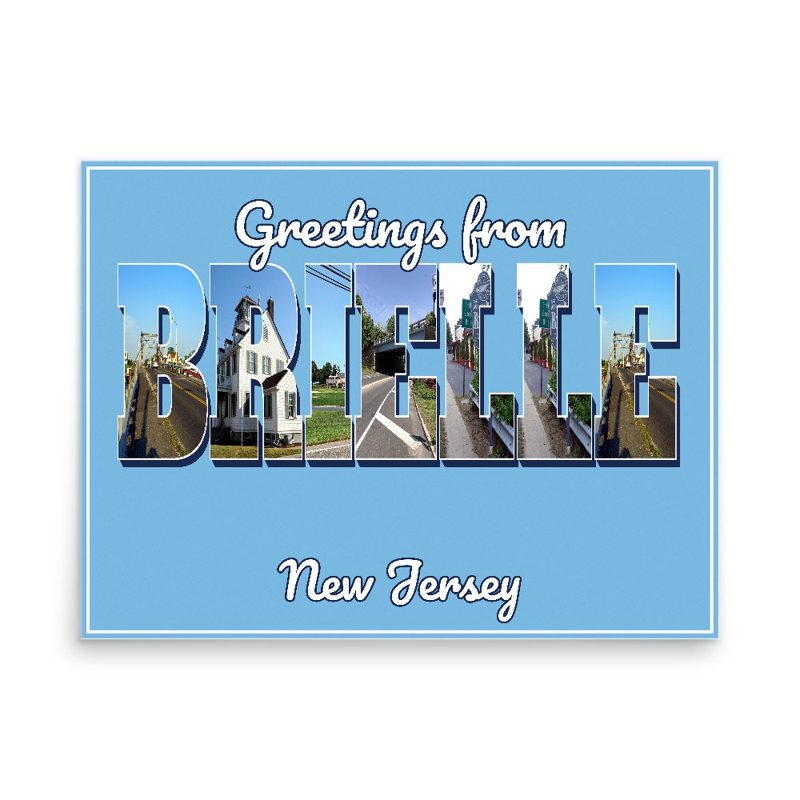
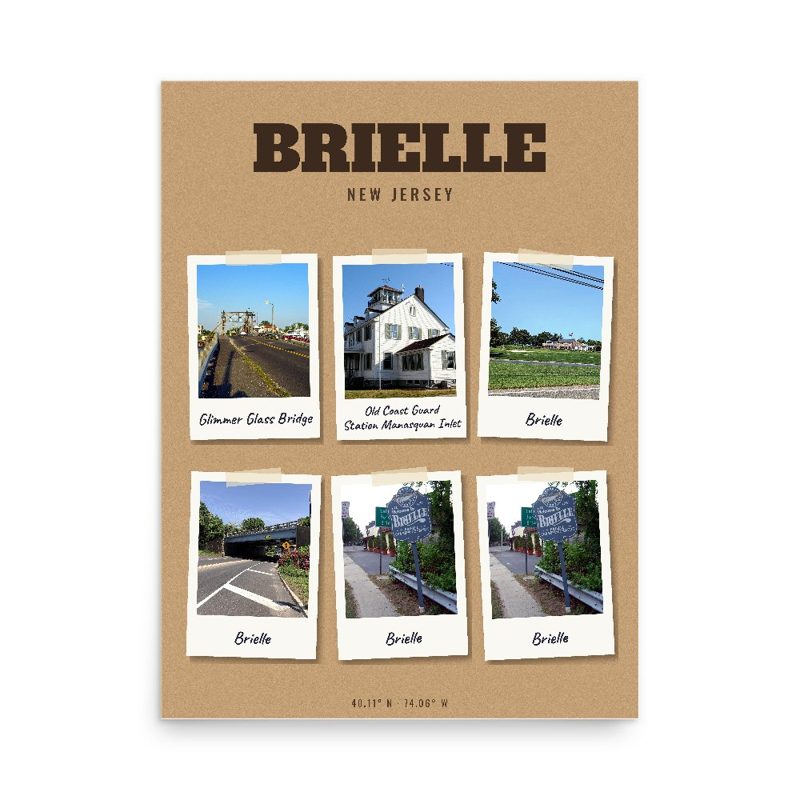
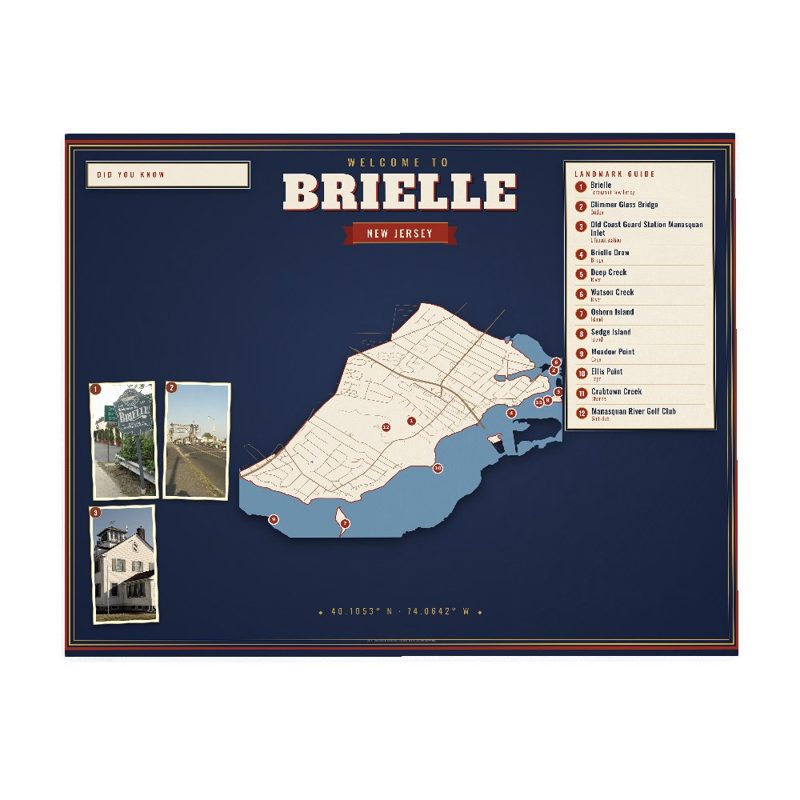















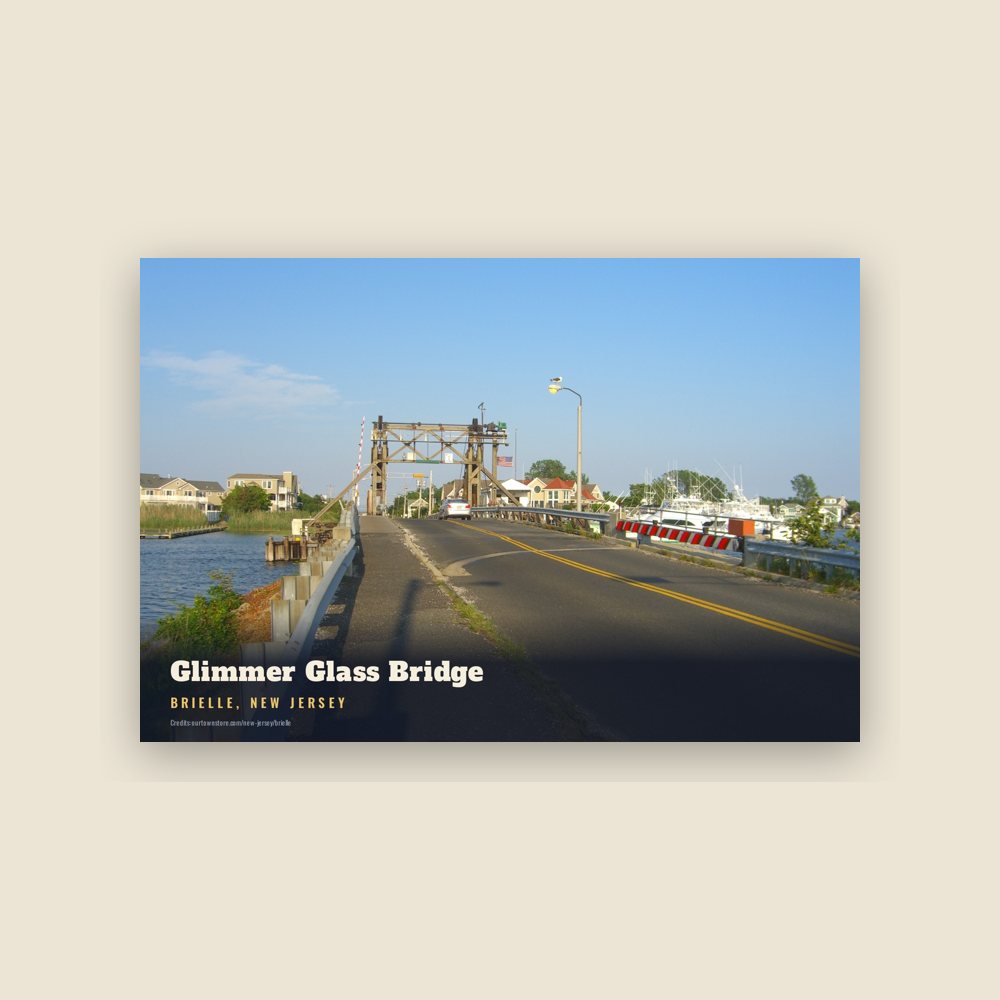
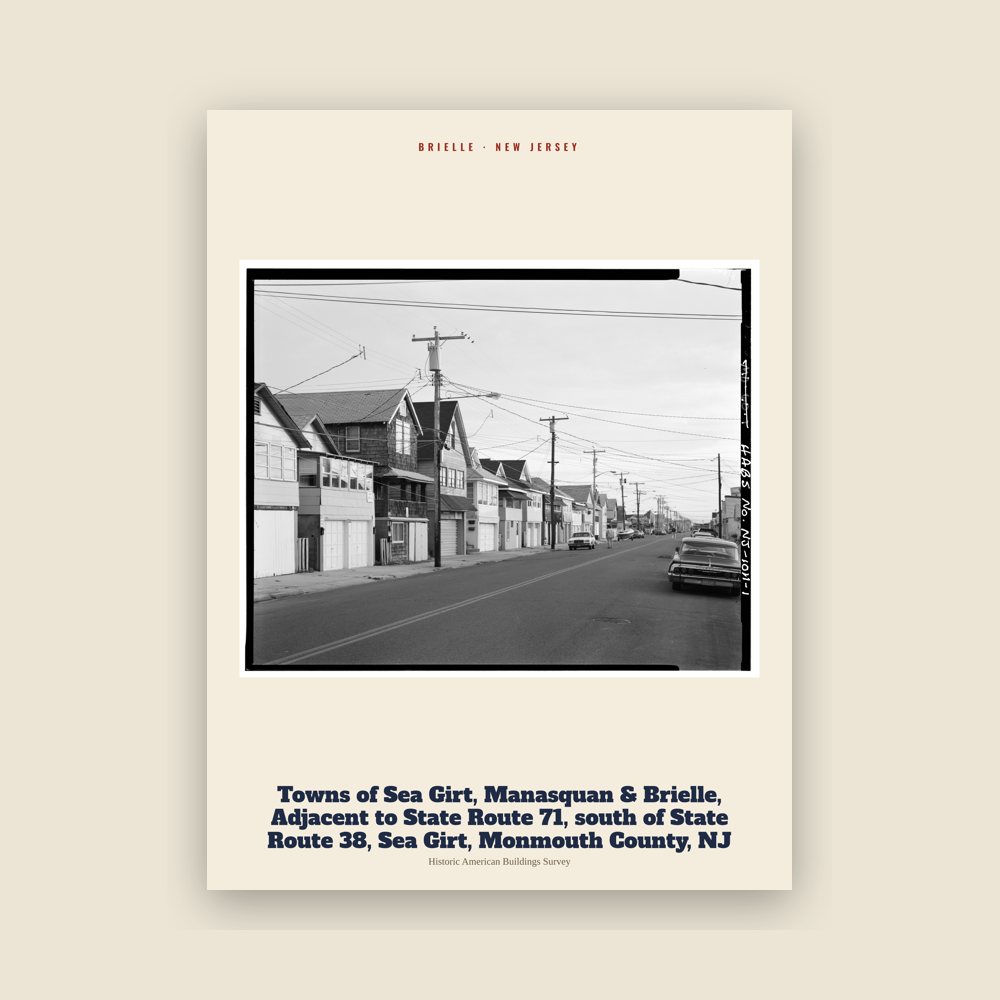
 Glimmer Glass Bridge
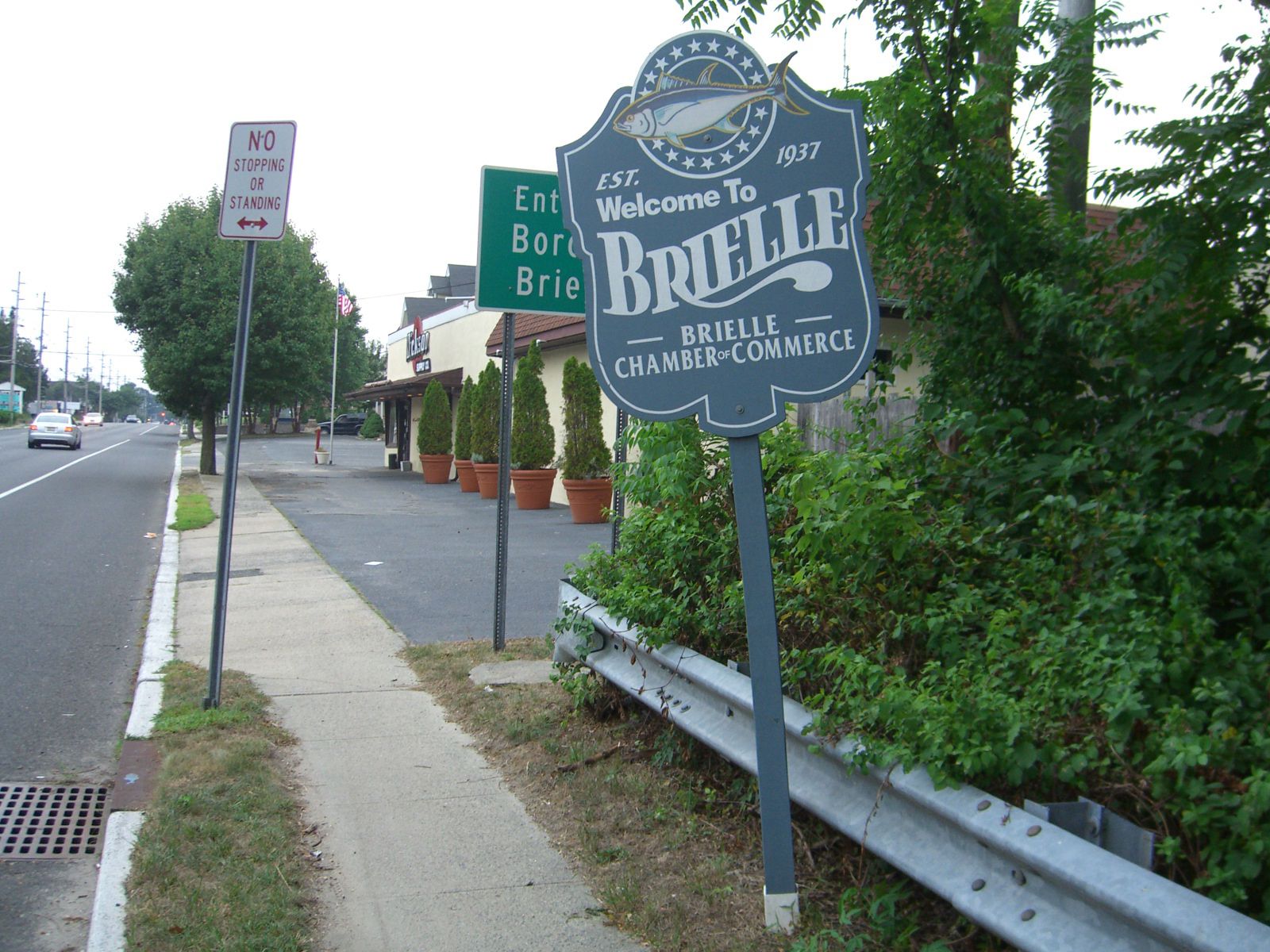
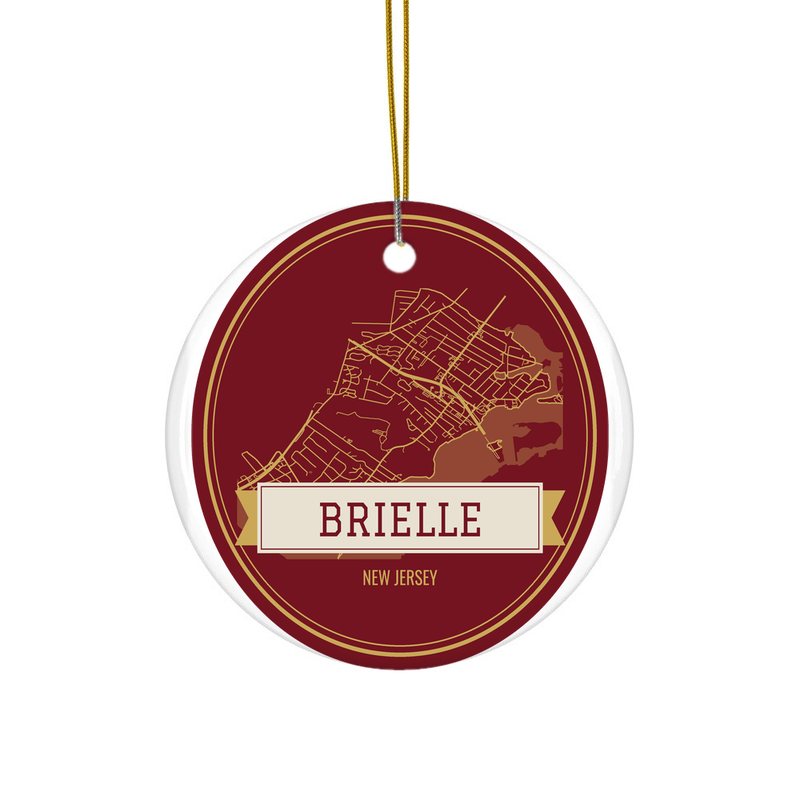
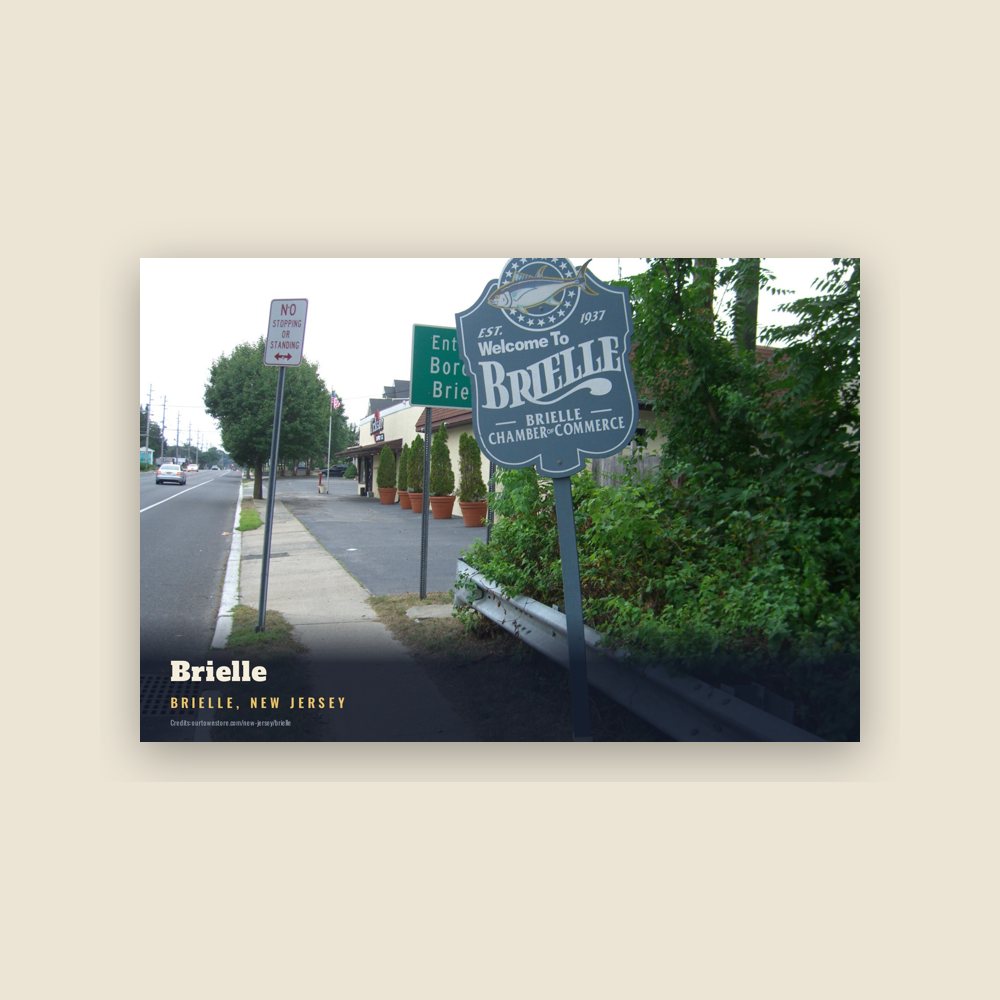
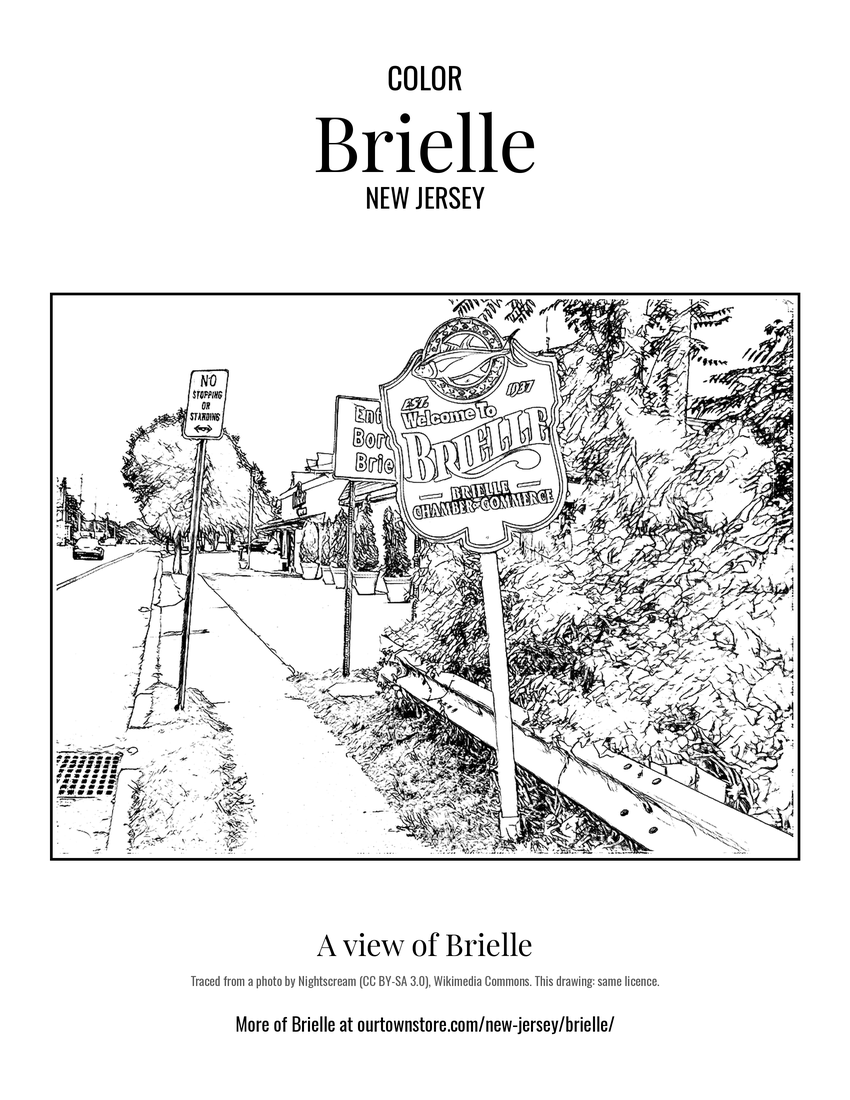 A view of Brielle
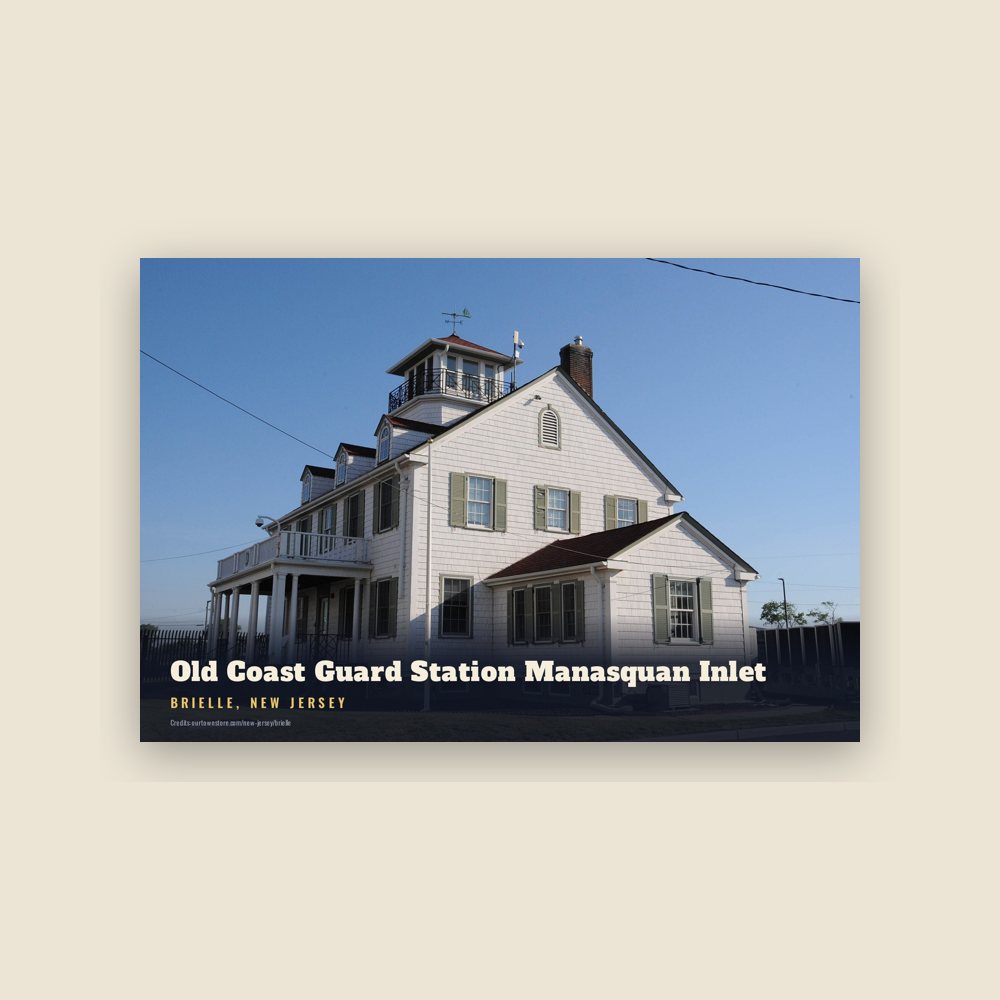
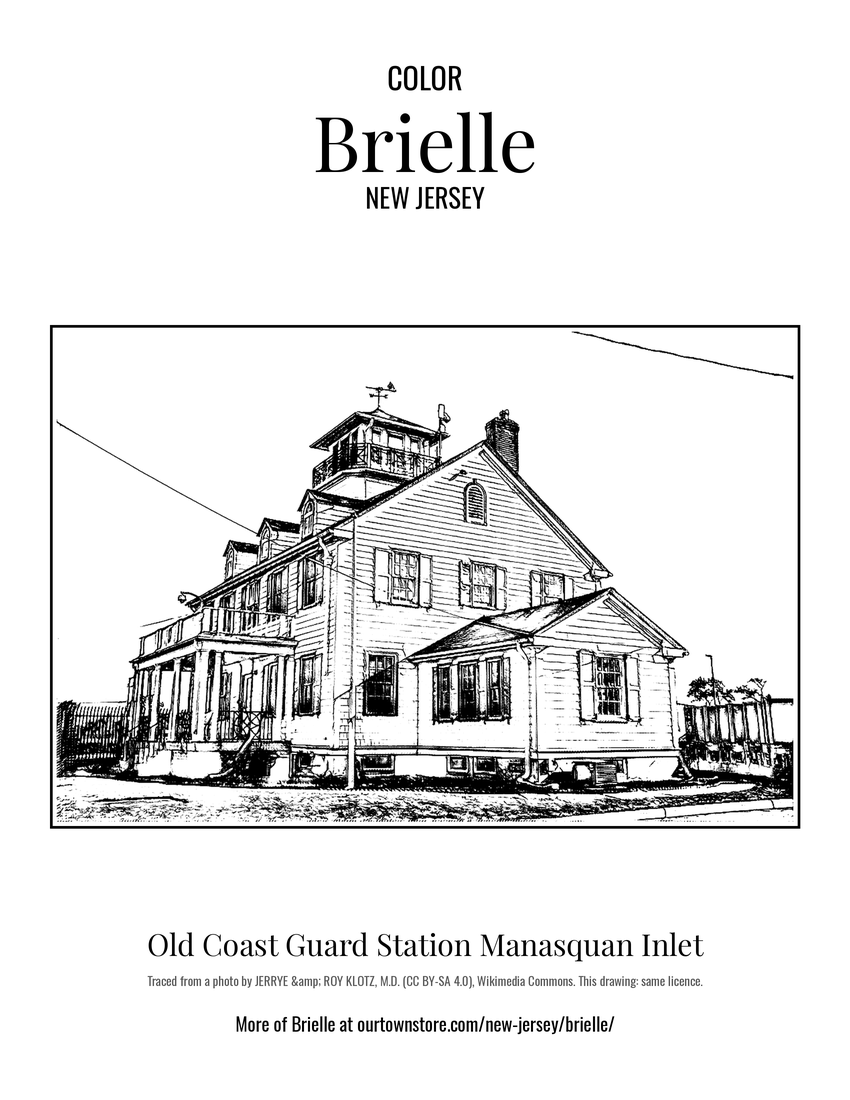 Old Coast Guard Station Manasquan Inlet
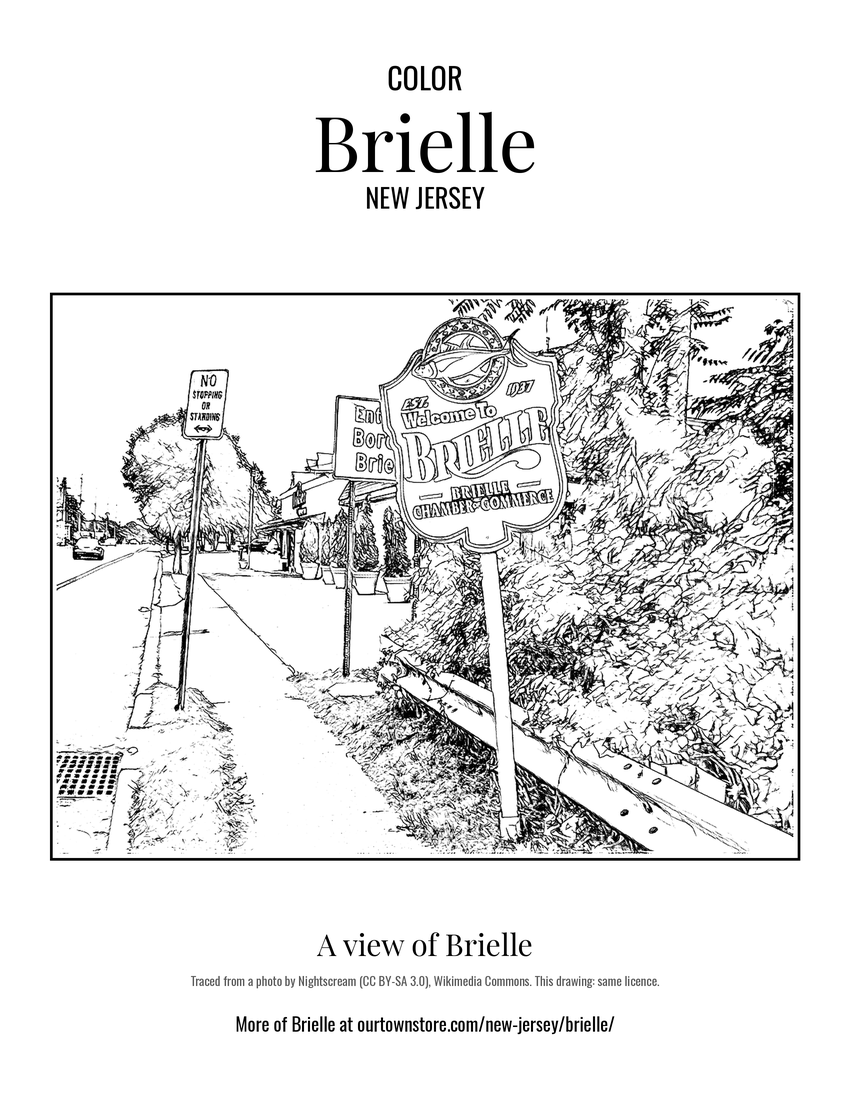 A view of Brielle