A short history of Eatontown
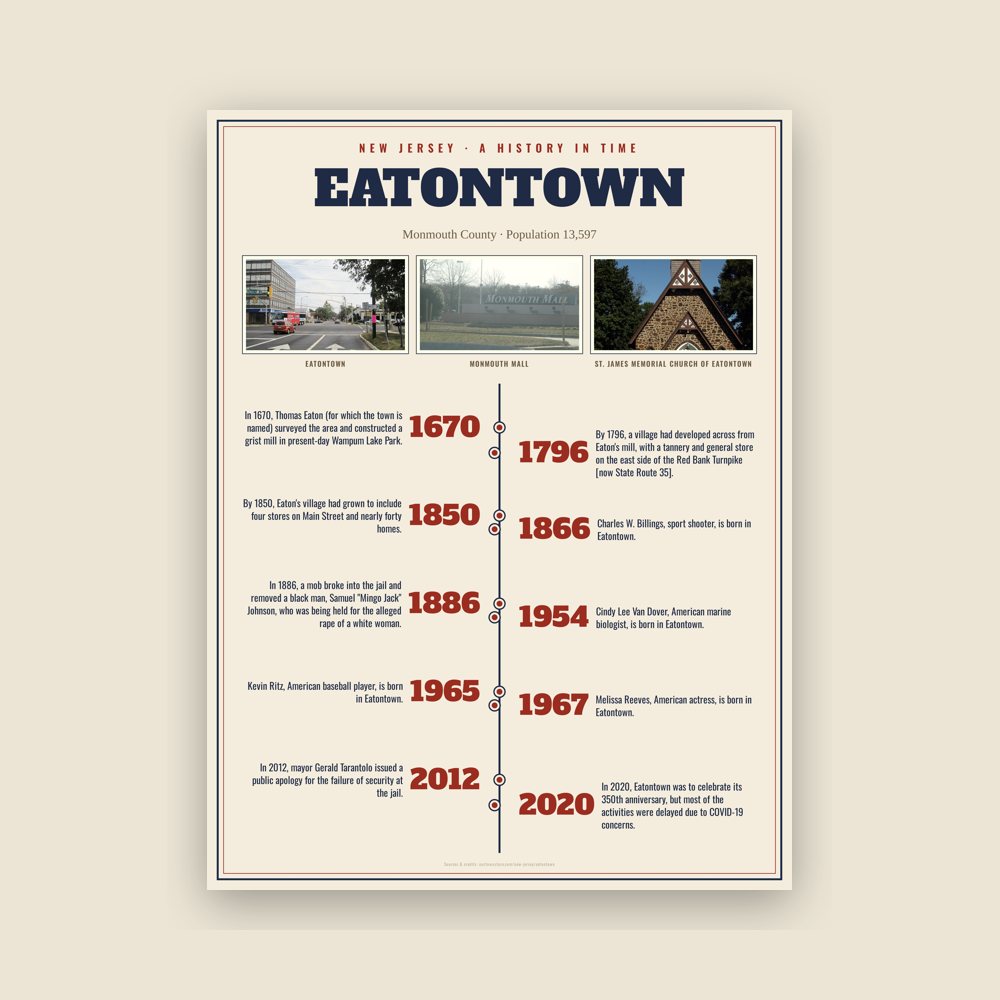
In 1670, Thomas Eaton (for which the town is named) surveyed the area and constructed a grist mill in present-day Wampum Lake Park.
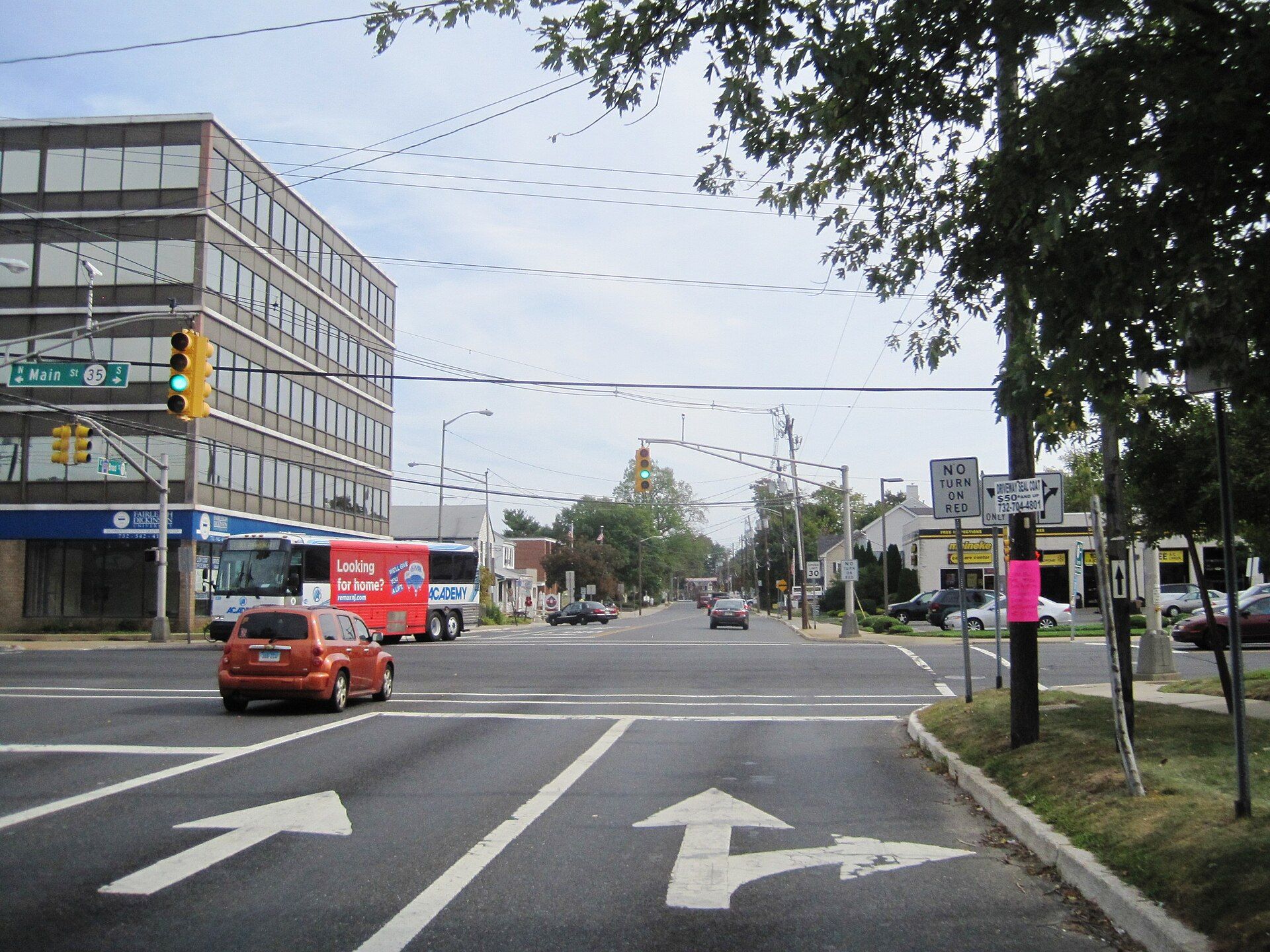
By 1796, a village had developed across from Eaton's mill, with a tannery and general store on the east side of the Red Bank Turnpike [now State Route 35]. A tavern for the New York - Philadelphia stage coach trade was built on what would become the intersection of Main and Broad Streets. A second stage coach stop was established in Mechanicsville on the ocean-bound road. This village would later be called West Long Branch.
By 1850, Eaton's village had grown to include four stores on Main Street and nearly forty homes. The Eatontown Steamboat Company built docks on Oceanport Creek to ship milled flour and other farm produce up the South Shrewsbury River to markets in New York City. Entrepreneur James P. Allaire built a four-story stone warehouse at the docks, from which he shipped his bog iron forged at the Howell Works 15 miles away.
In 1886, a mob broke into the jail and removed a black man, Samuel "Mingo Jack" Johnson, who was being held for the alleged rape of a white woman. The mob brutally beat and then hanged Johnson, the father of five. Later events show that it was extremely unlikely that Johnson was guilty of the crime. In 2012, mayor Gerald Tarantolo issued a public apology for the failure of security at the jail.
In 2020, Eatontown was to celebrate its 350th anniversary, but most of the activities were delayed due to COVID-19 concerns.
Adapted (trimmed) from the Wikipedia article Eatontown, New Jersey, revision 1371246433 by its contributors, licensed CC BY-SA 4.0.
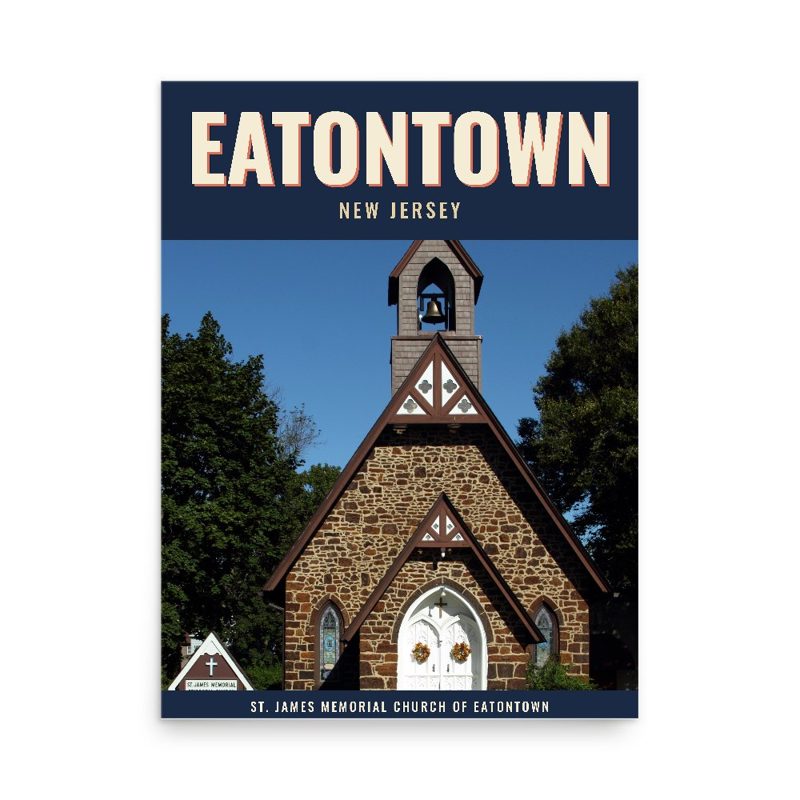
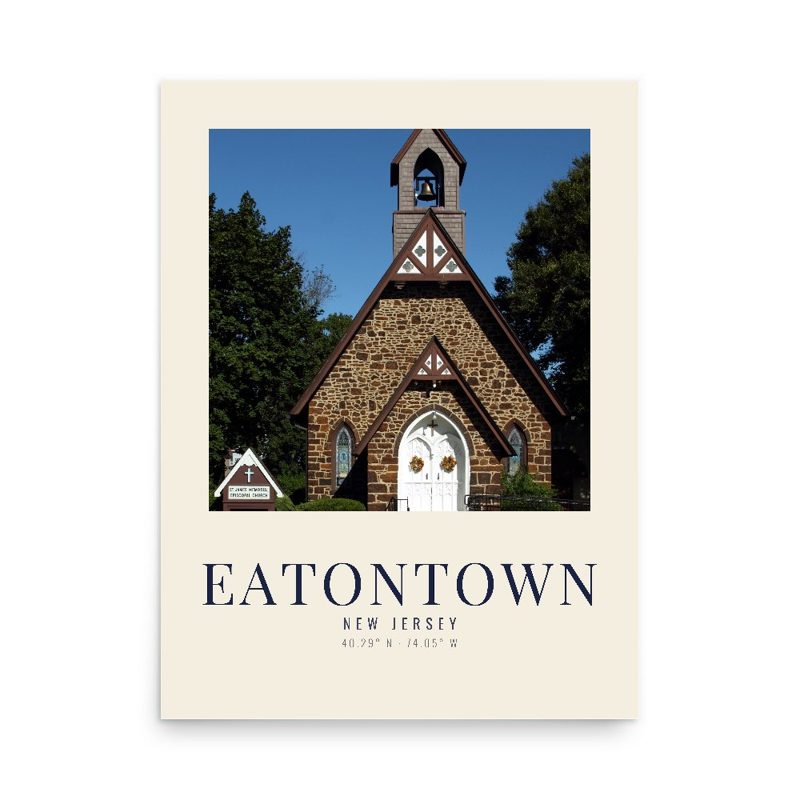
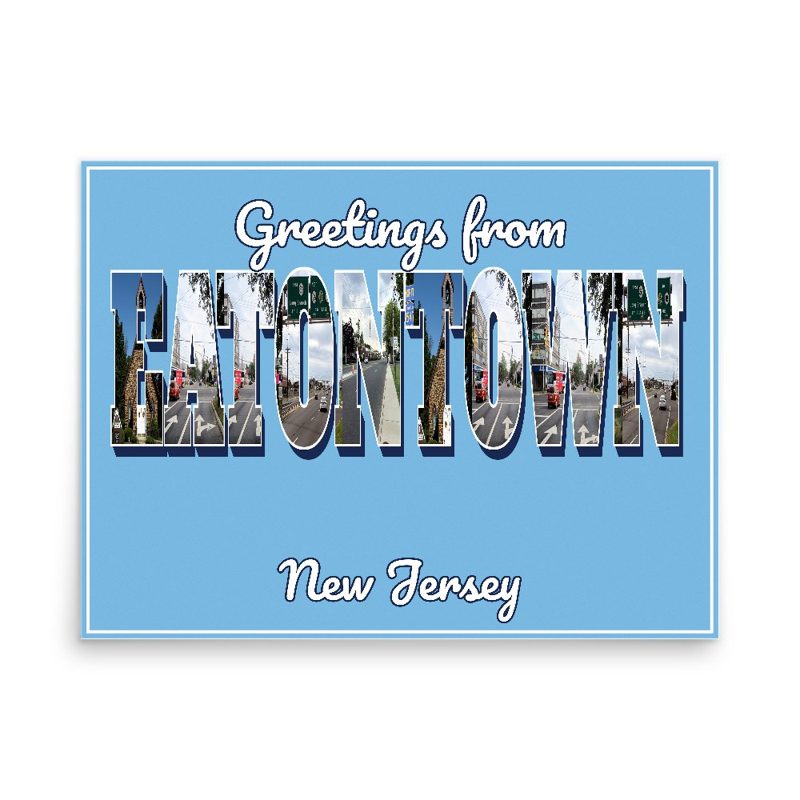
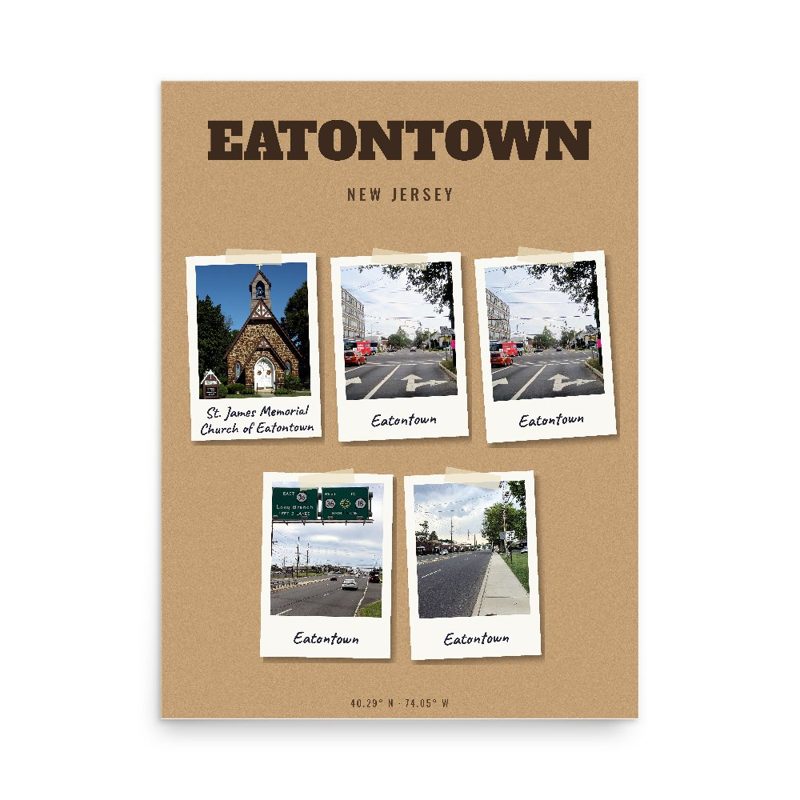
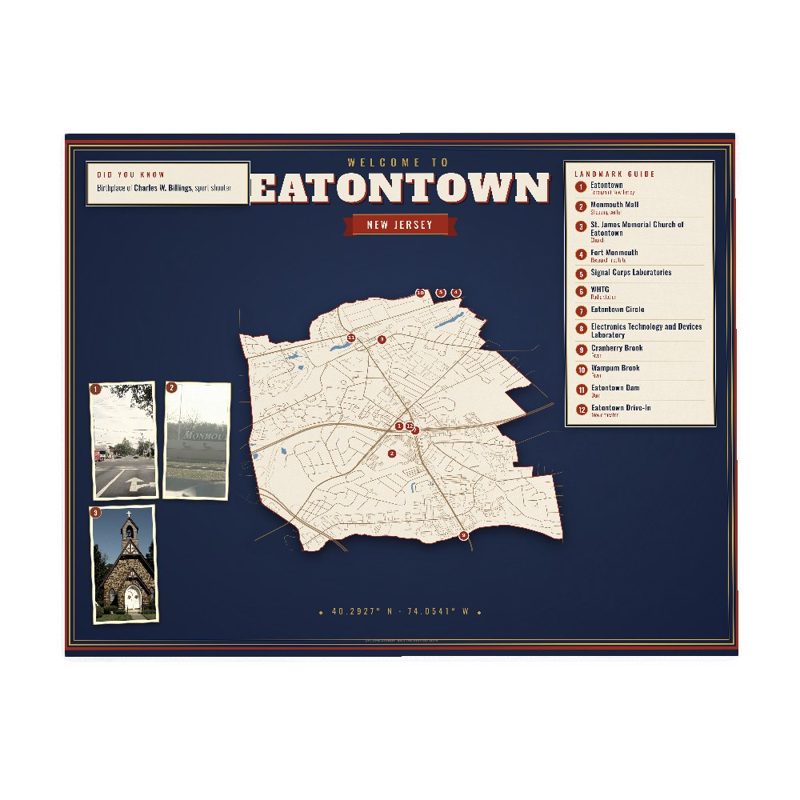




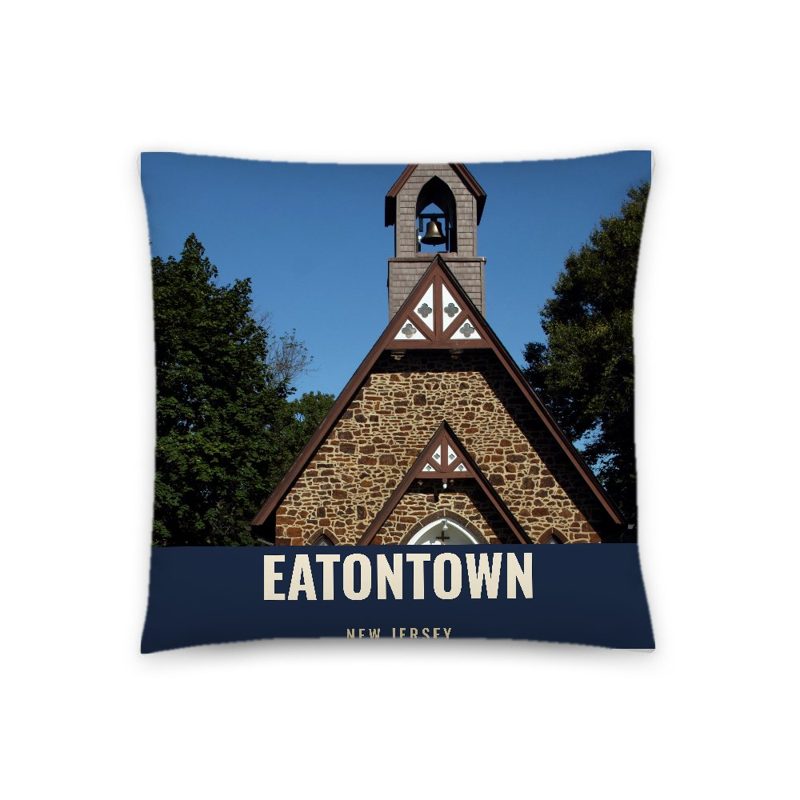

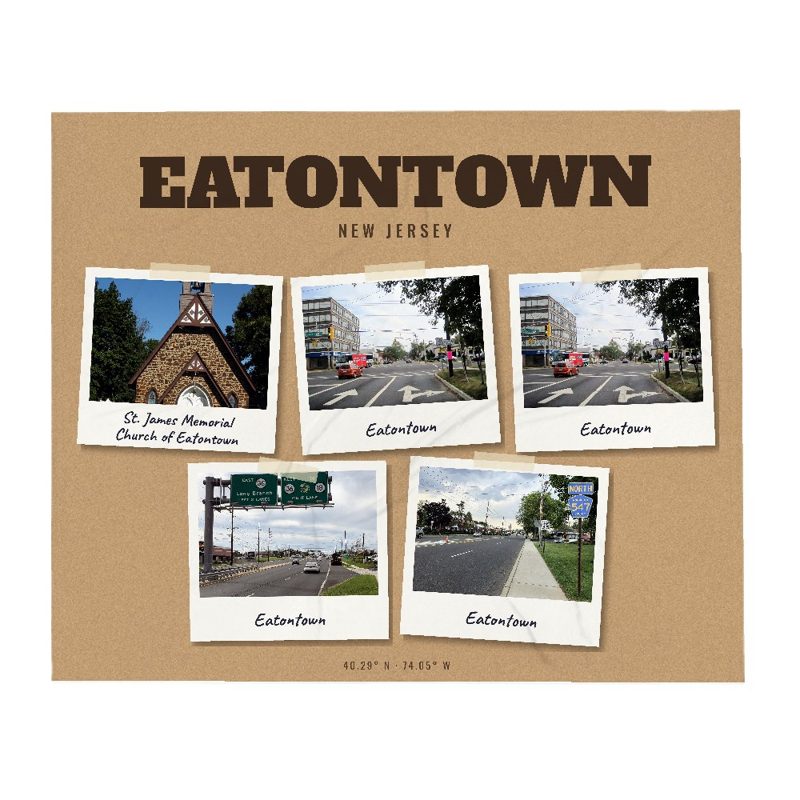
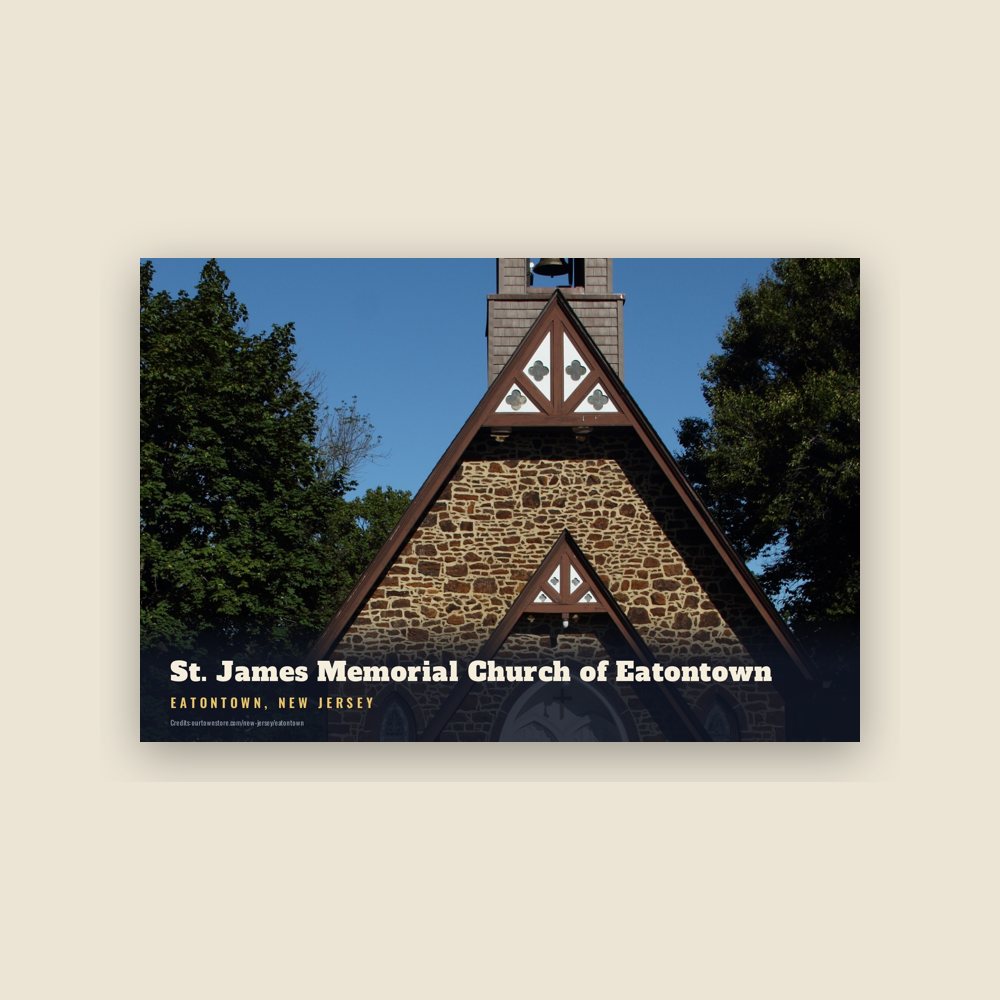
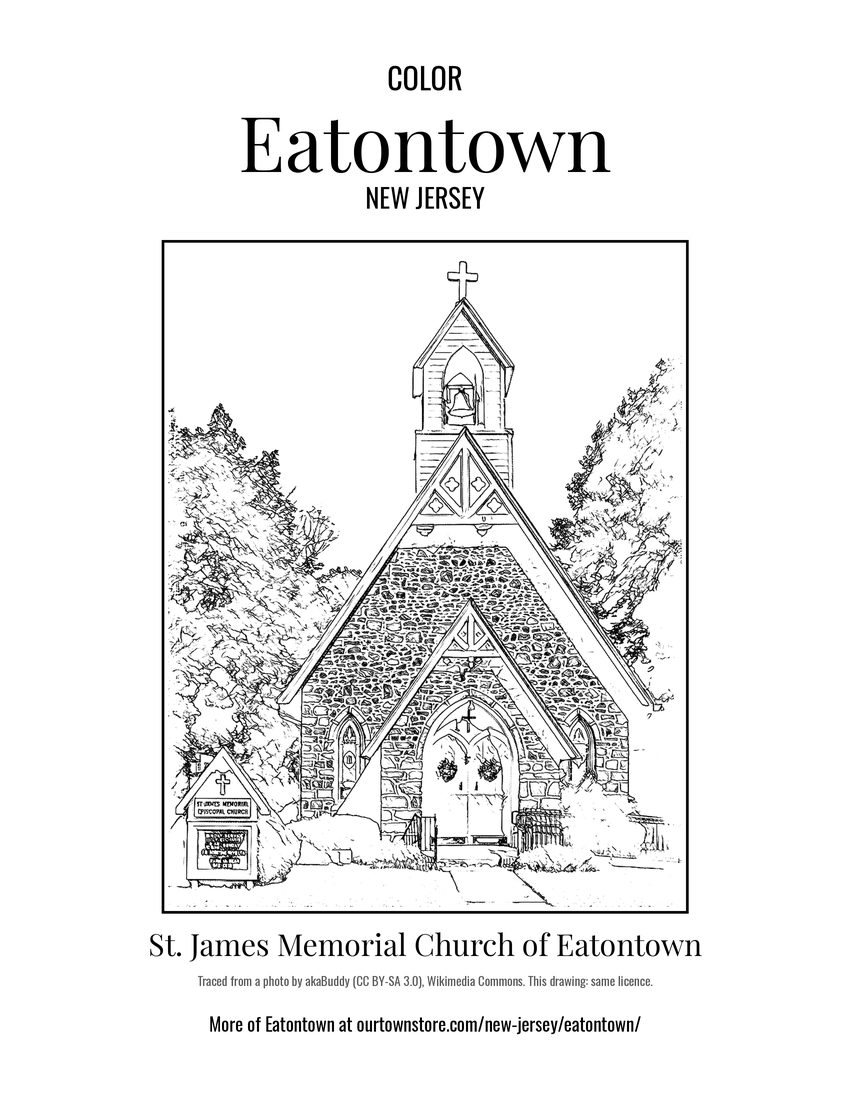 St. James Memorial Church of Eatontown
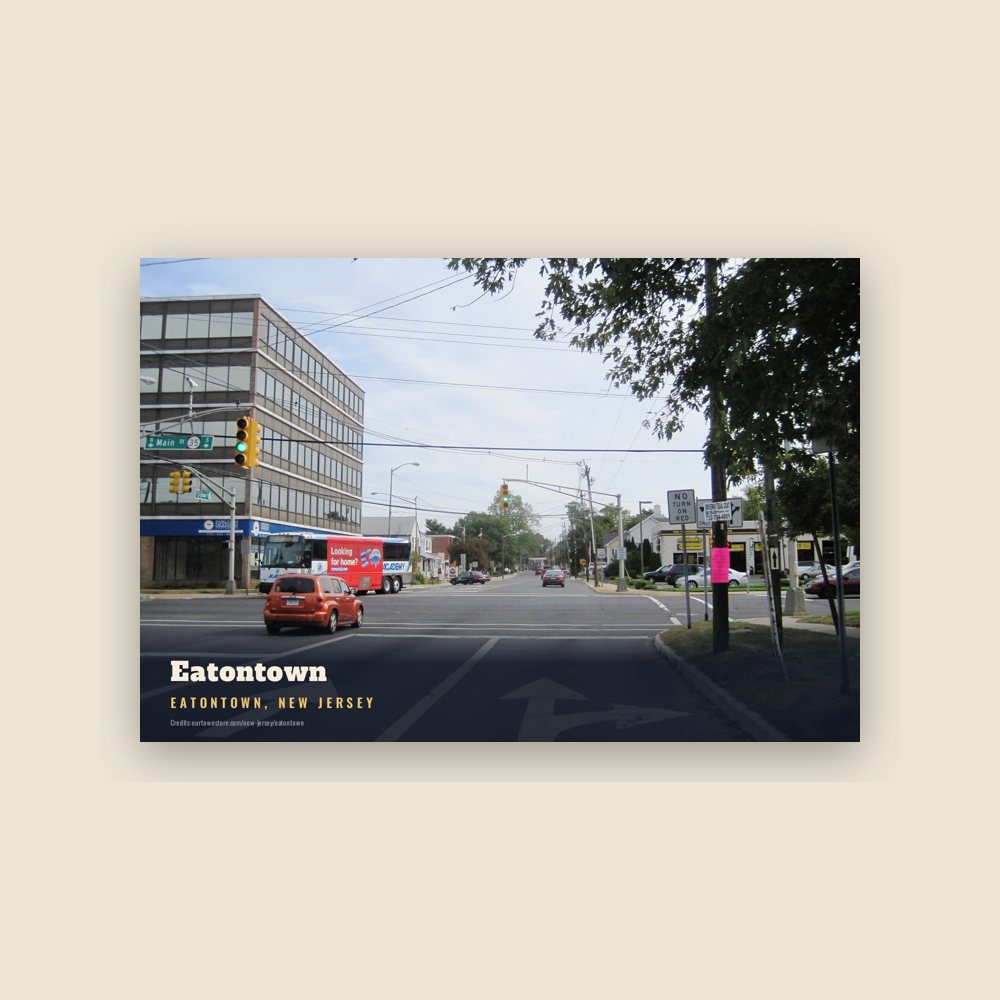
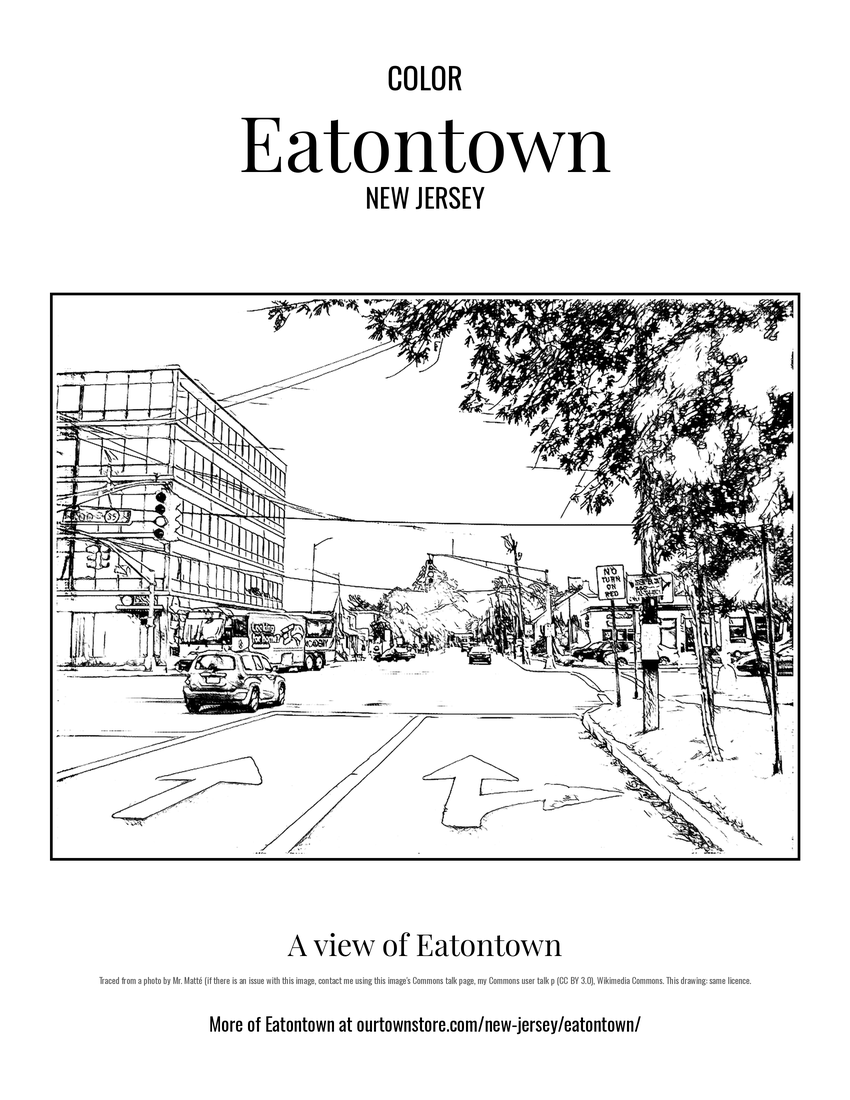 A view of Eatontown
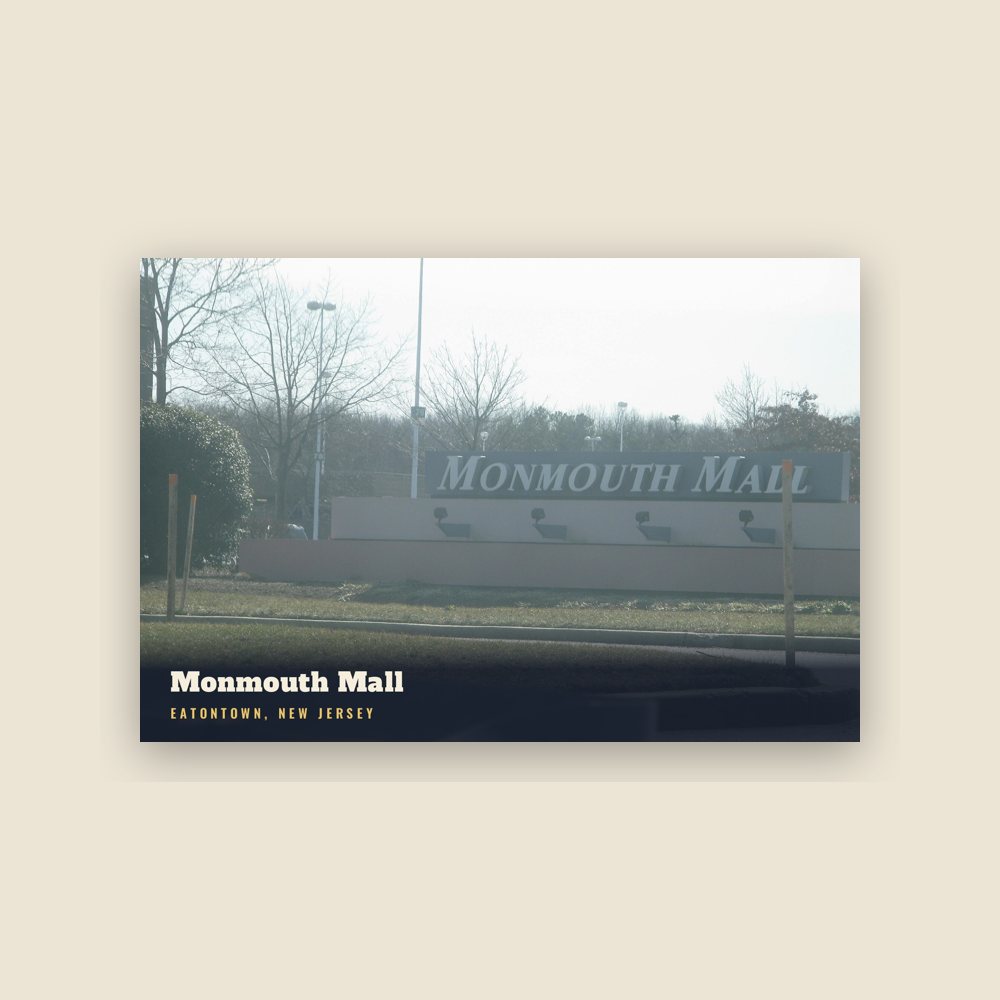
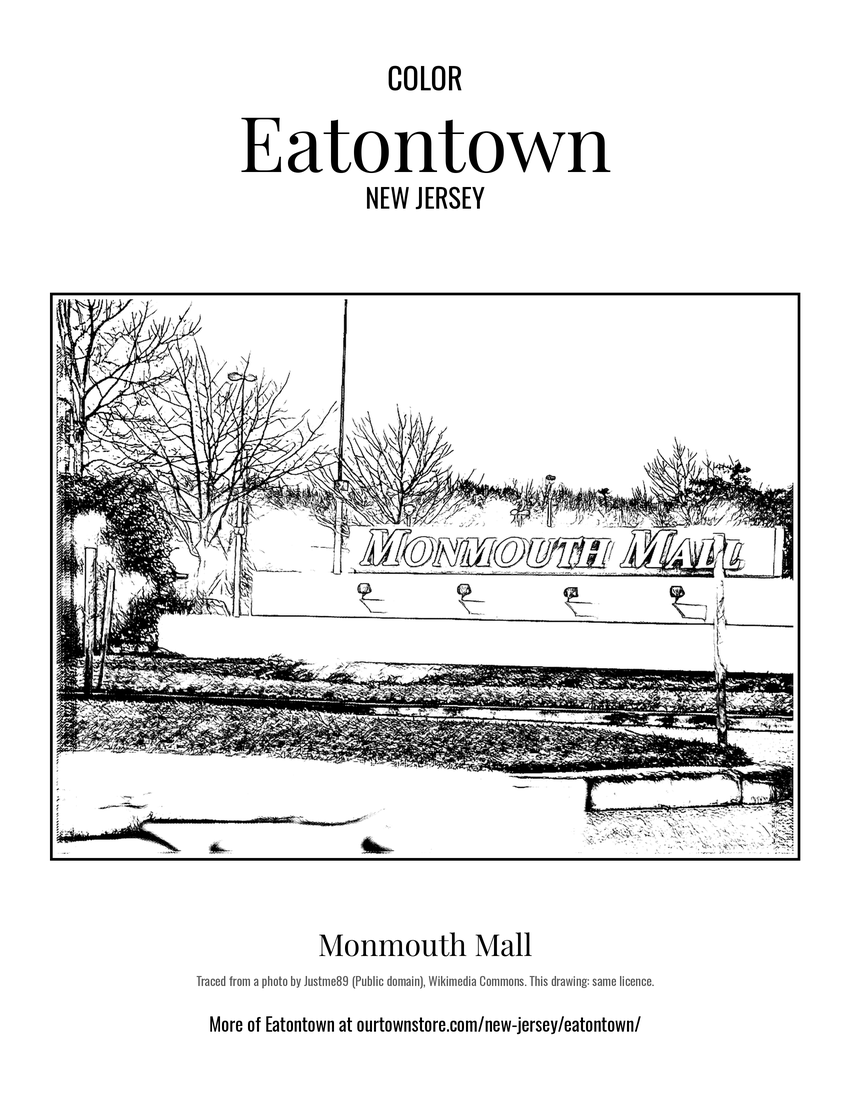 Monmouth Mall
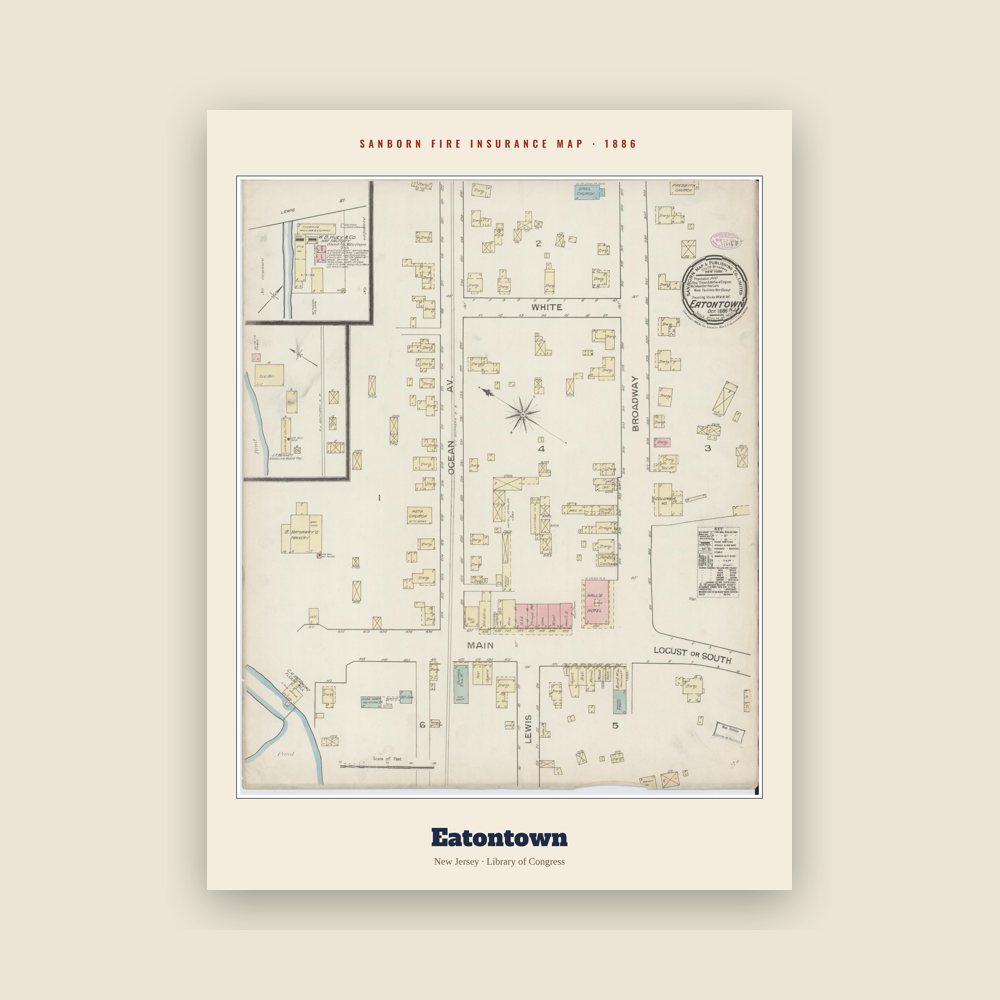
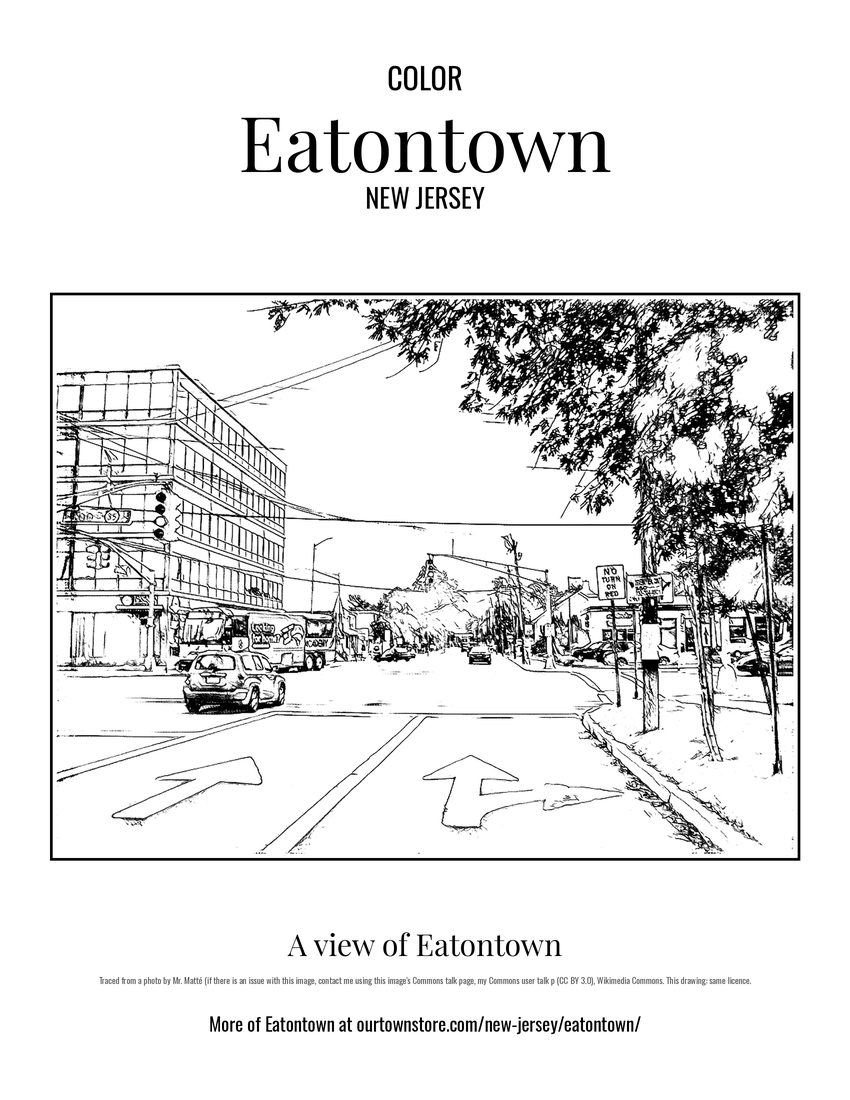 A view of Eatontown