
In 1735, Durham, which included Lee, separated from Dover. Landmarks include Bedrock Gardens, Spruce Hole Bog and Lee USA Speedway. Lee is the birthplace of Daniel Meserve Durell, politician.
Every piece is drawn from Lee's own map data and historic archives, then printed and shipped from the USA when you order. No two towns look alike.
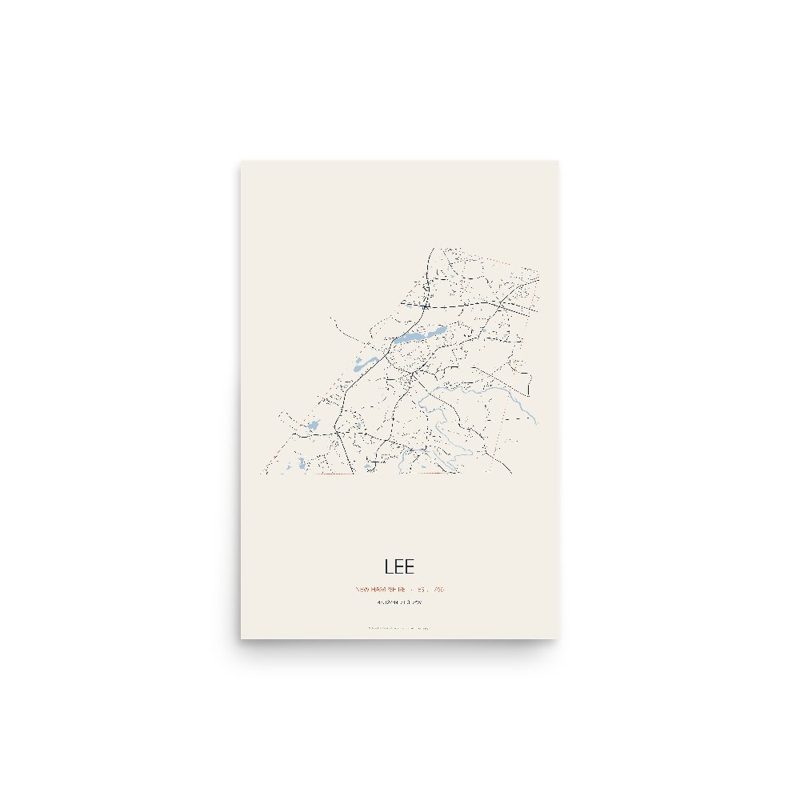
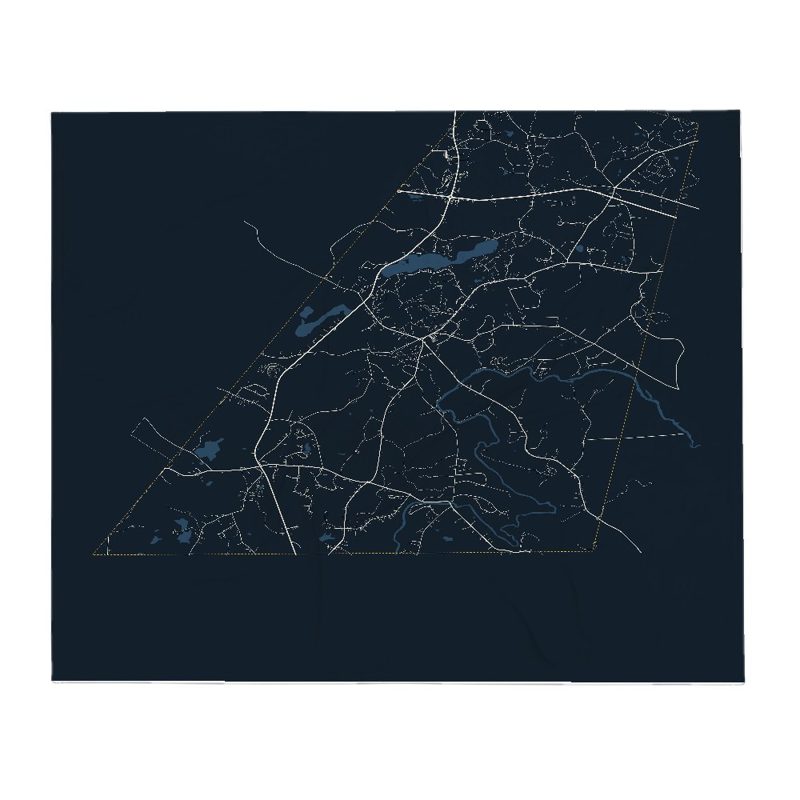
Every road in town, on archival matte paper
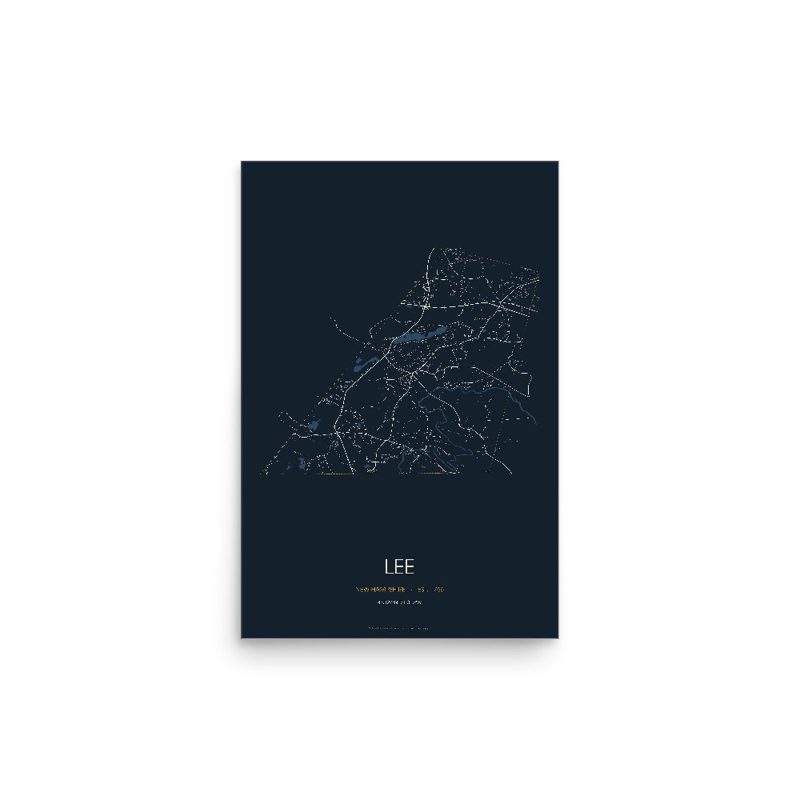
The same map, in navy and silver
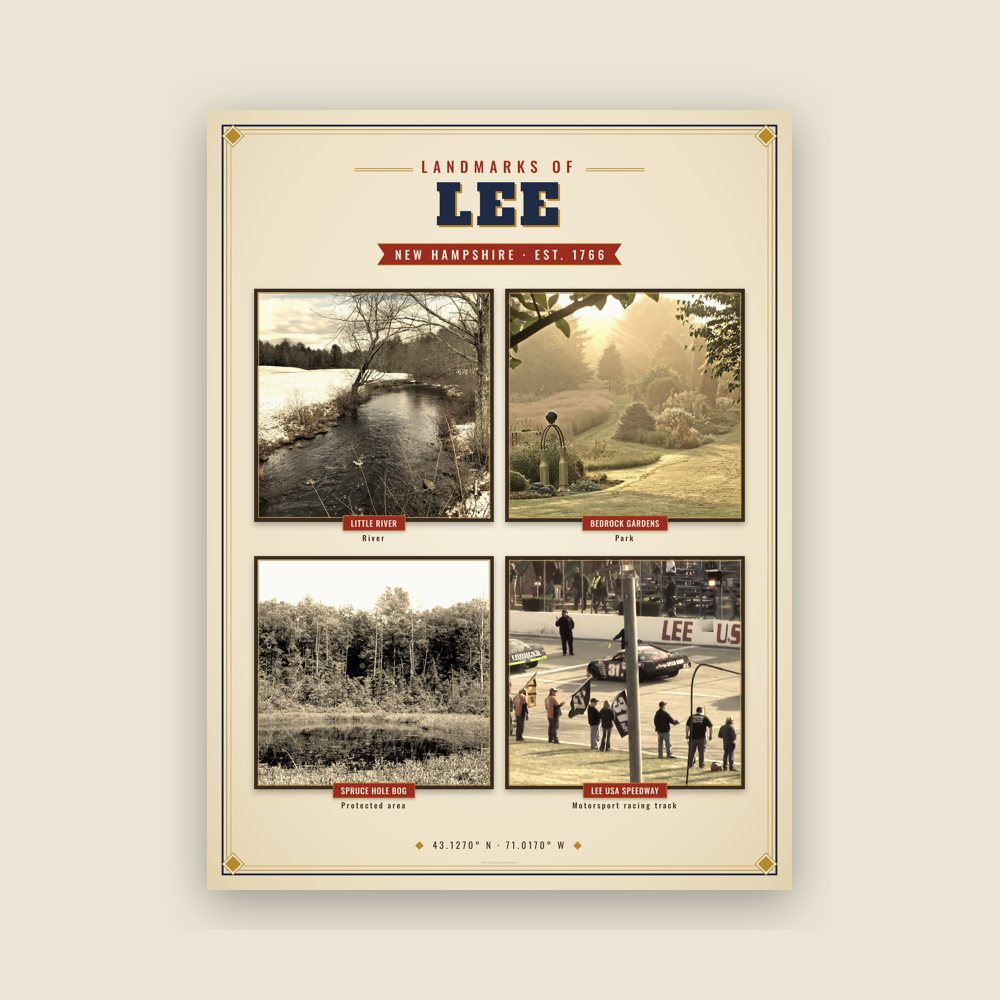
Nine local landmarks, archival matte
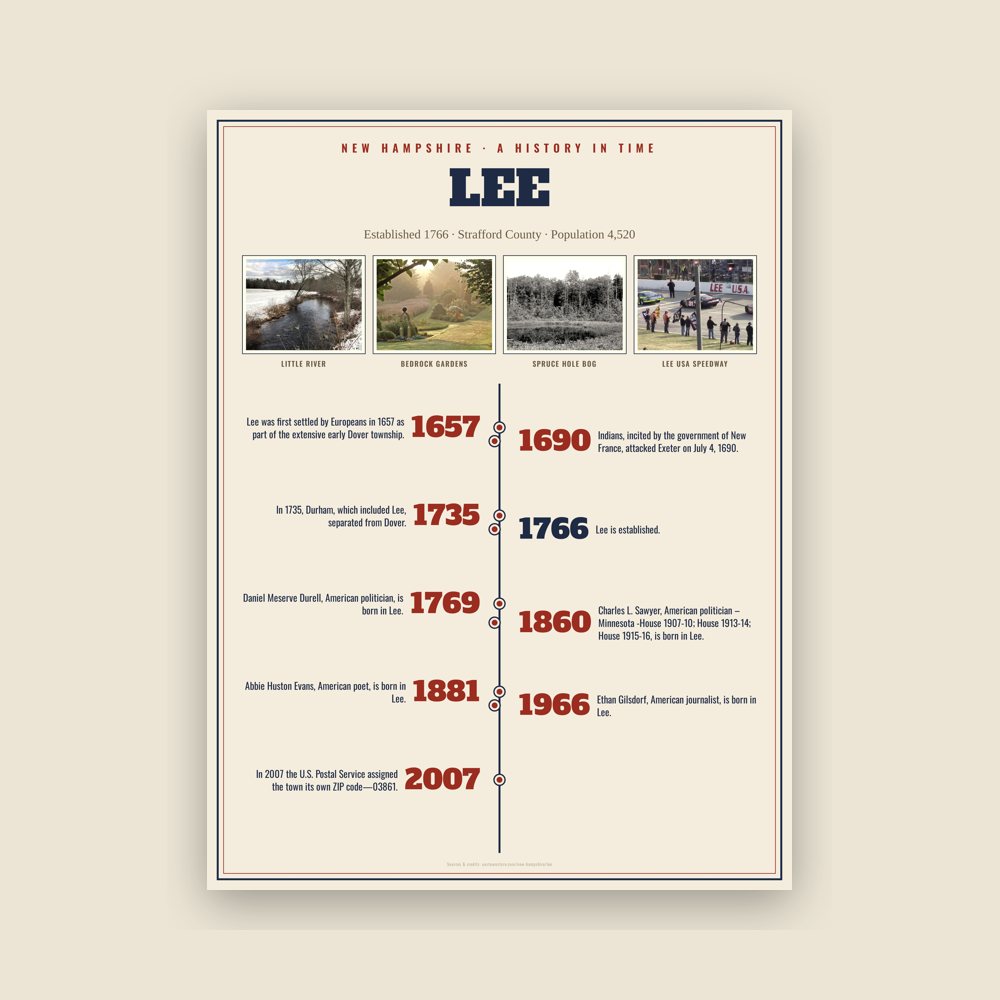
The town's story in dates, from its own records, for home or classroom
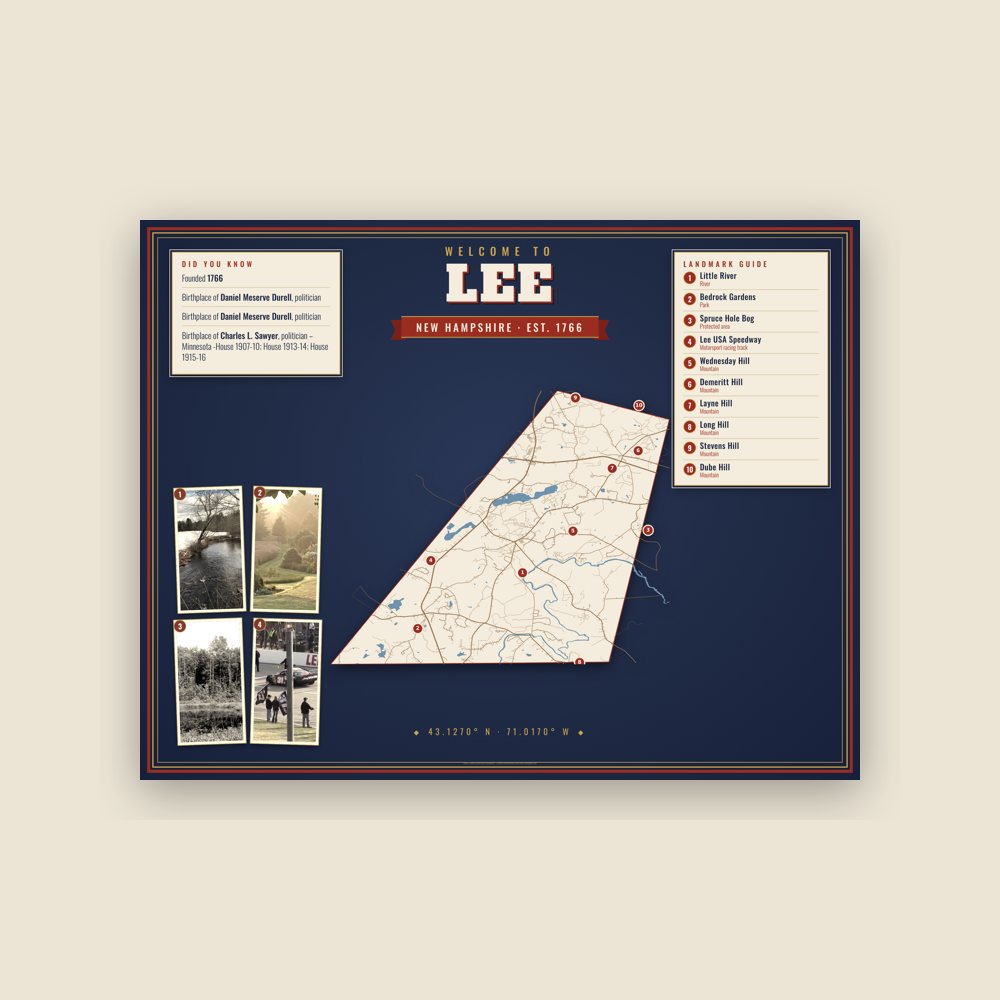
Map of local landmarks, washable fabric
Heavy-blend fleece, street map printed on the back
Soft Bella+Canvas jersey
Glossy ceramic, dishwasher safe
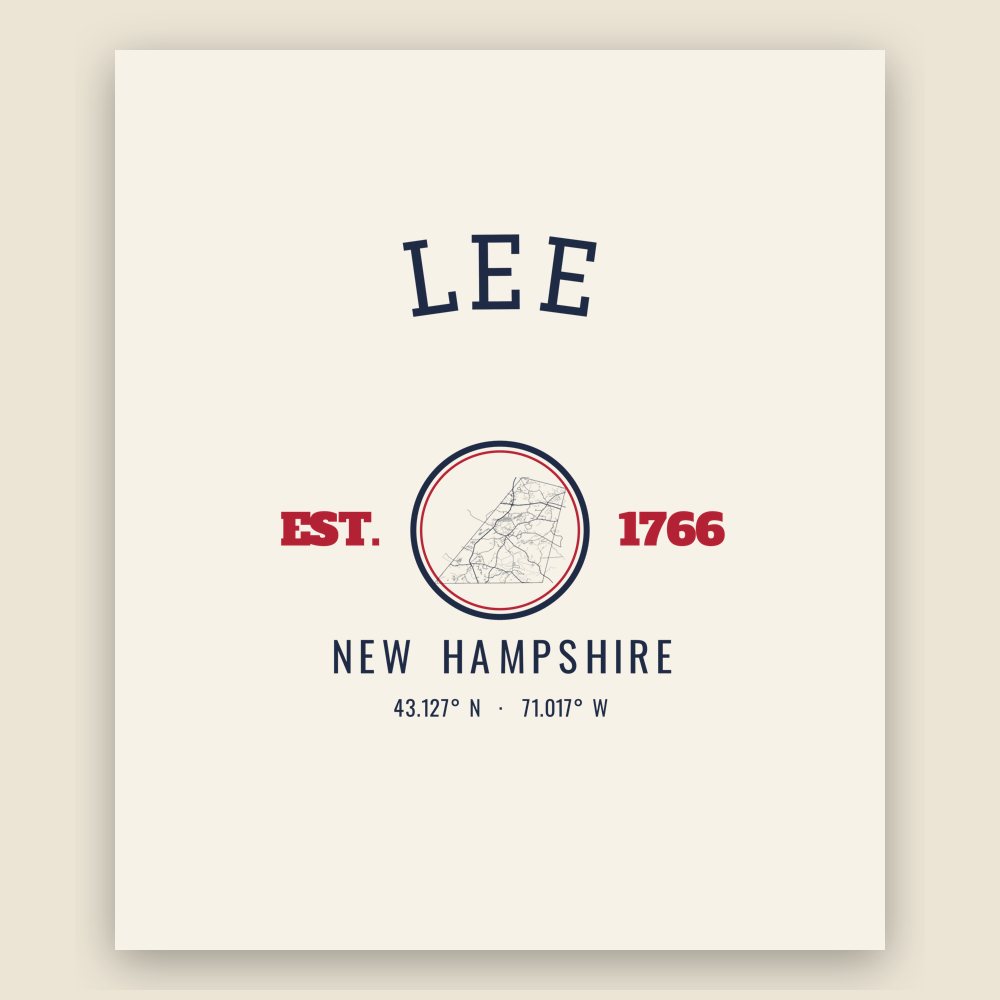
Ceramic keepsake, gold ribbon
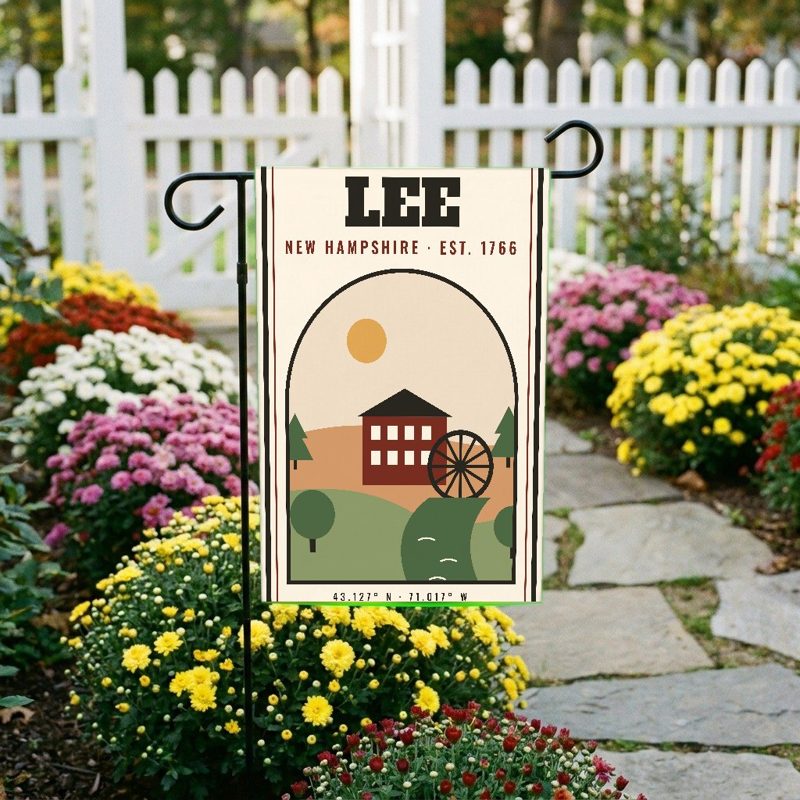
Weatherproof, for the front walk
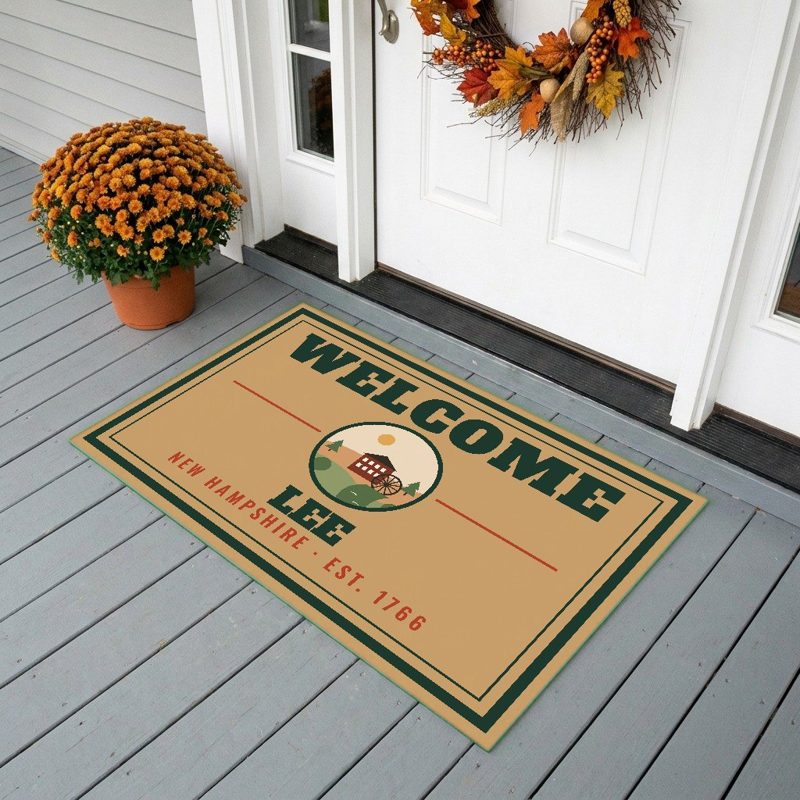
24″×16″, printed coir-look fibers, rubber back

12″×12″ printed wood, ready to hang
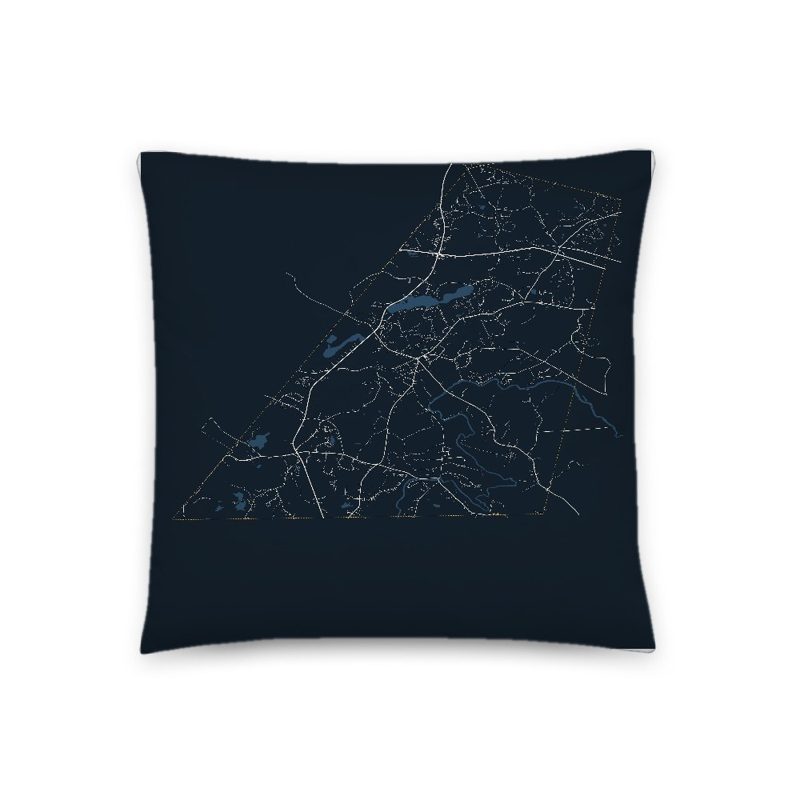
Soft-touch, zip cover
Sturdy all-over-print tote
Glossy top, cork back
Soft fleece, 50″×60″
20 oz, double-wall stainless
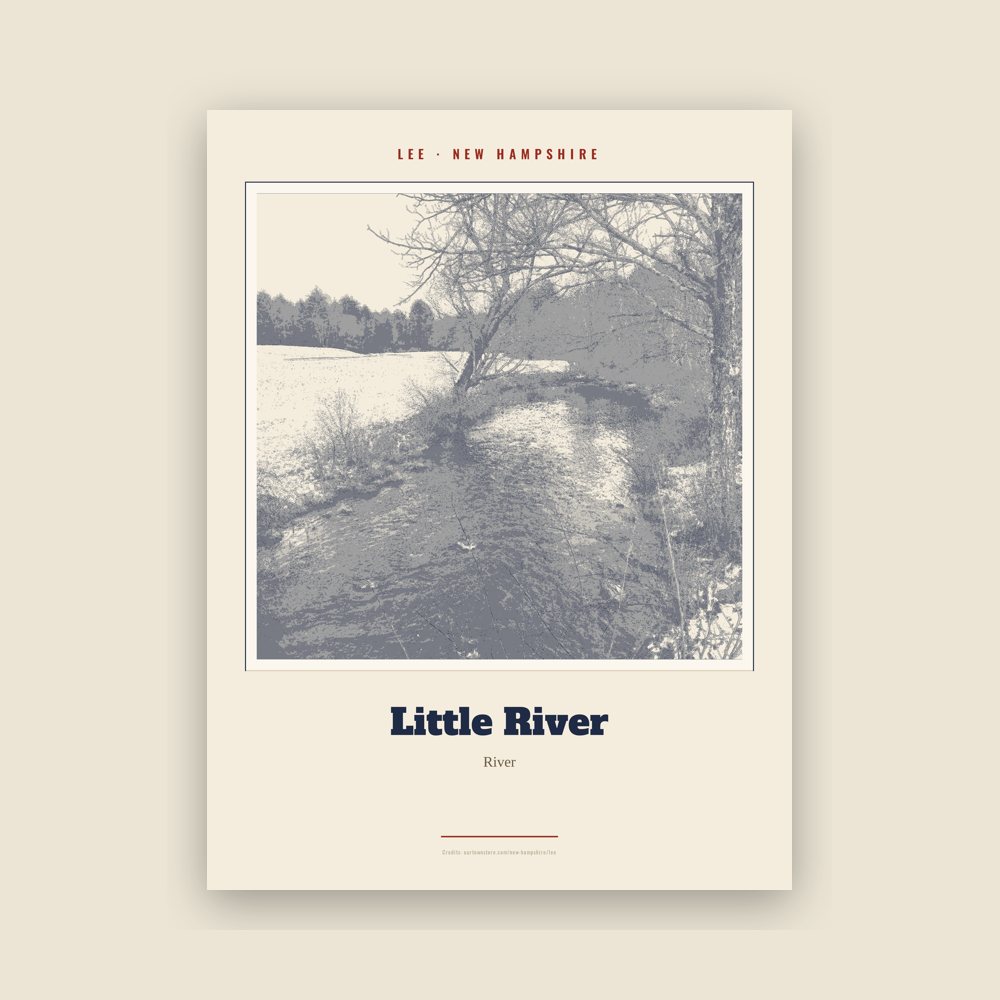
Archival matte print of a local landmark, credited to its photographer

Archival matte print of a local landmark, credited to its photographer
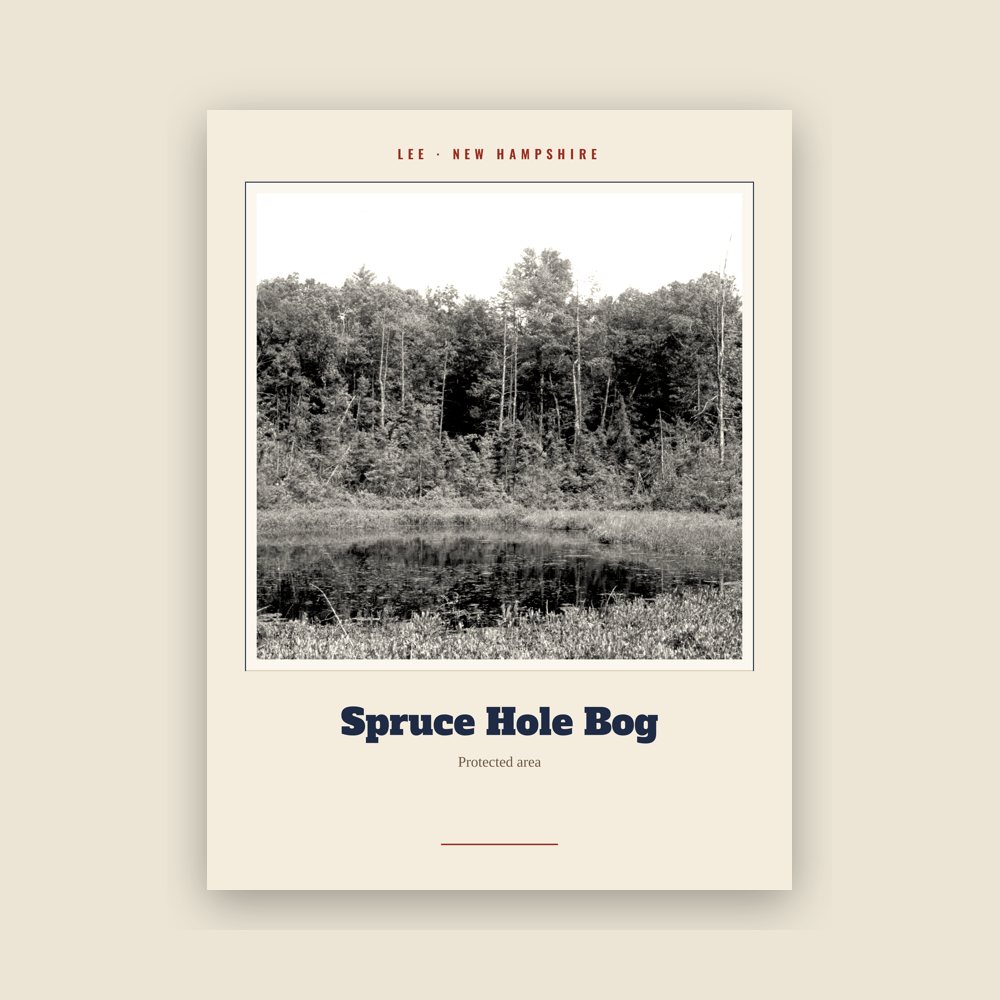
Archival matte print of a local landmark, credited to its photographer
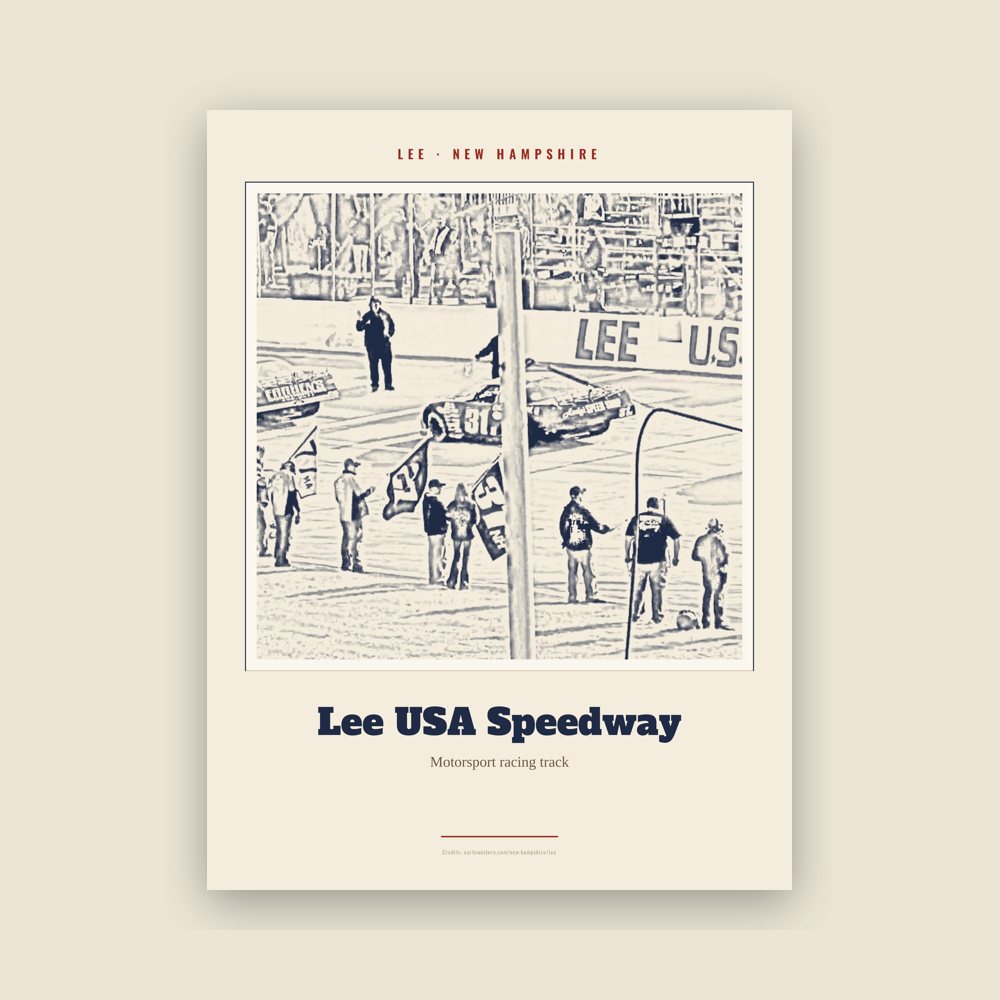
Archival matte print of a local landmark, credited to its photographer
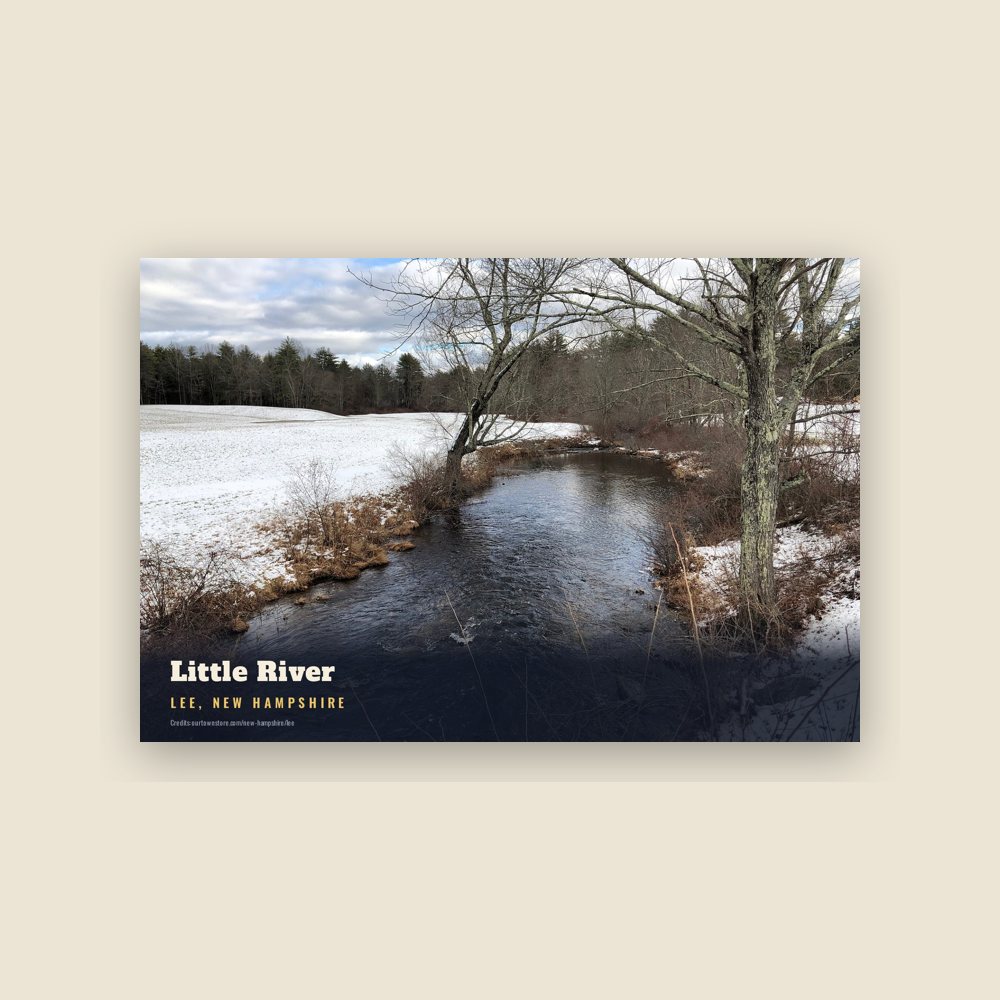
6″×4″ postcard, glossy front

6″×4″ postcard, glossy front
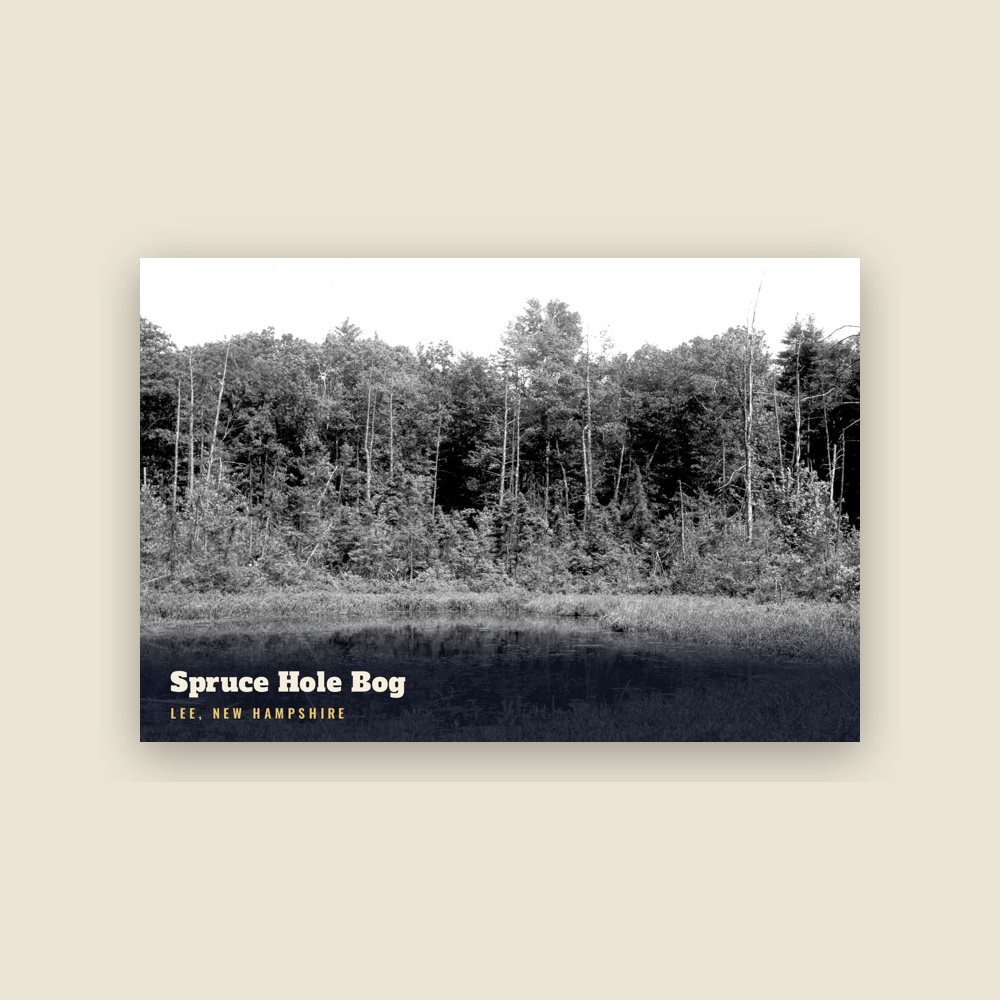
6″×4″ postcard, glossy front
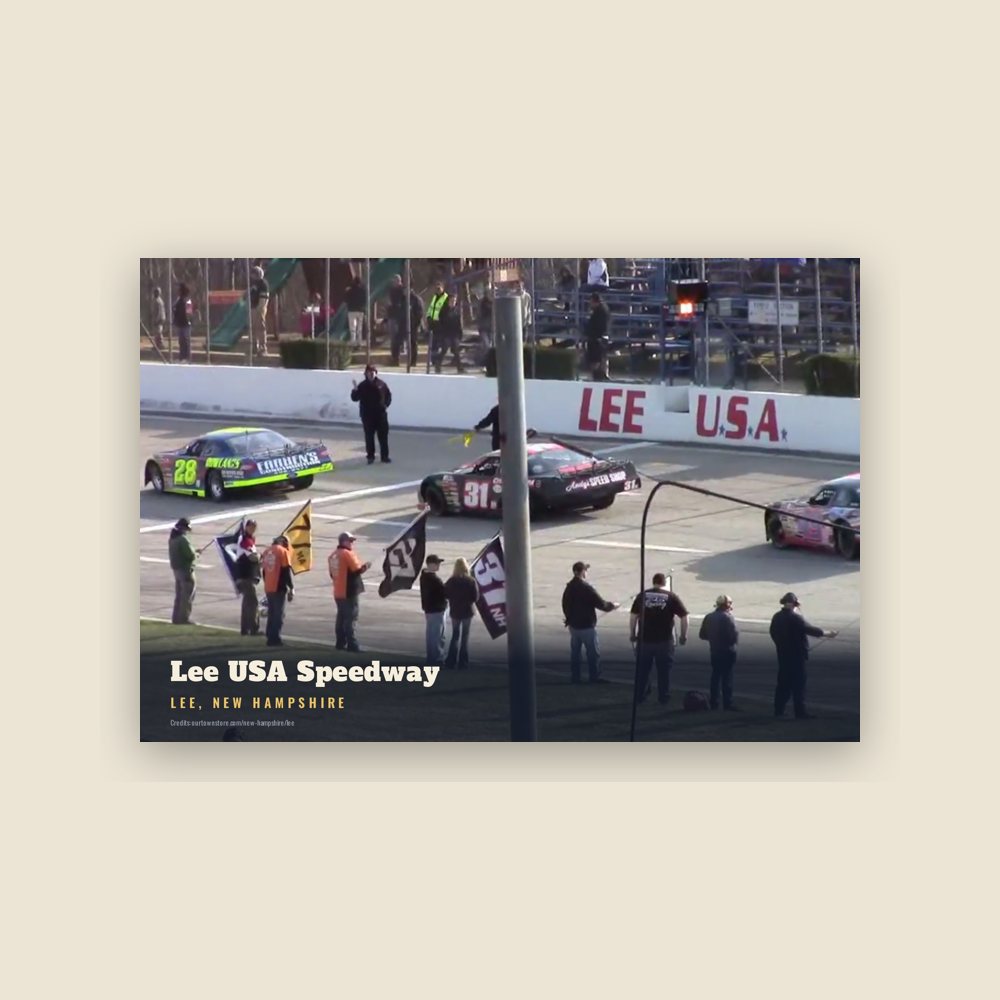
6″×4″ postcard, glossy front
Population 2010: 4,330 → 2020: 4,520
From Wikidata (CC0).
Lee was first settled by Europeans in 1657 as part of the extensive early Dover township. It includes Wheelwright Pond, named for the Reverend John Wheelwright, the founder of Exeter.
Wheelwright Pond was the site of a noted early battle during King William's War. Indians, incited by the government of New France, attacked Exeter on July 4, 1690. They were pursued by two infantry companies raised for the purpose, who overtook them at Wheelwright Pond on July 6, 1690. Fierce fighting on that day would leave 3 officers and 15 soldiers dead, together with a large number of Indians. Among the dead were Captain Noah Wiswall, Lieutenant Gershom Flagg, and Ensign Edward Walker of the Massachusetts Bay Colony.
In 1735, Durham, which included Lee, separated from Dover. Then Lee, in turn, would separate from Durham on January 16, 1766, when it was established by Colonial Governor Benning Wentworth. It was among the last of 129 towns to receive a charter during his administration, and named for British General Charles Lee, who later joined the American Revolution.
Lee is hometown for numerous faculty of the University of New Hampshire in Durham. In 2007 the U.S. Postal Service assigned the town its own ZIP code—03861.
Adapted (trimmed) from the Wikipedia article Lee, New Hampshire, revision 1379468627 by its contributors, licensed CC BY-SA 4.0.
We share a part of every Lee sale with local partners, and we'd love to print from your collection. Old photographs, maps and postcards make the best keepsakes.
Partner with us