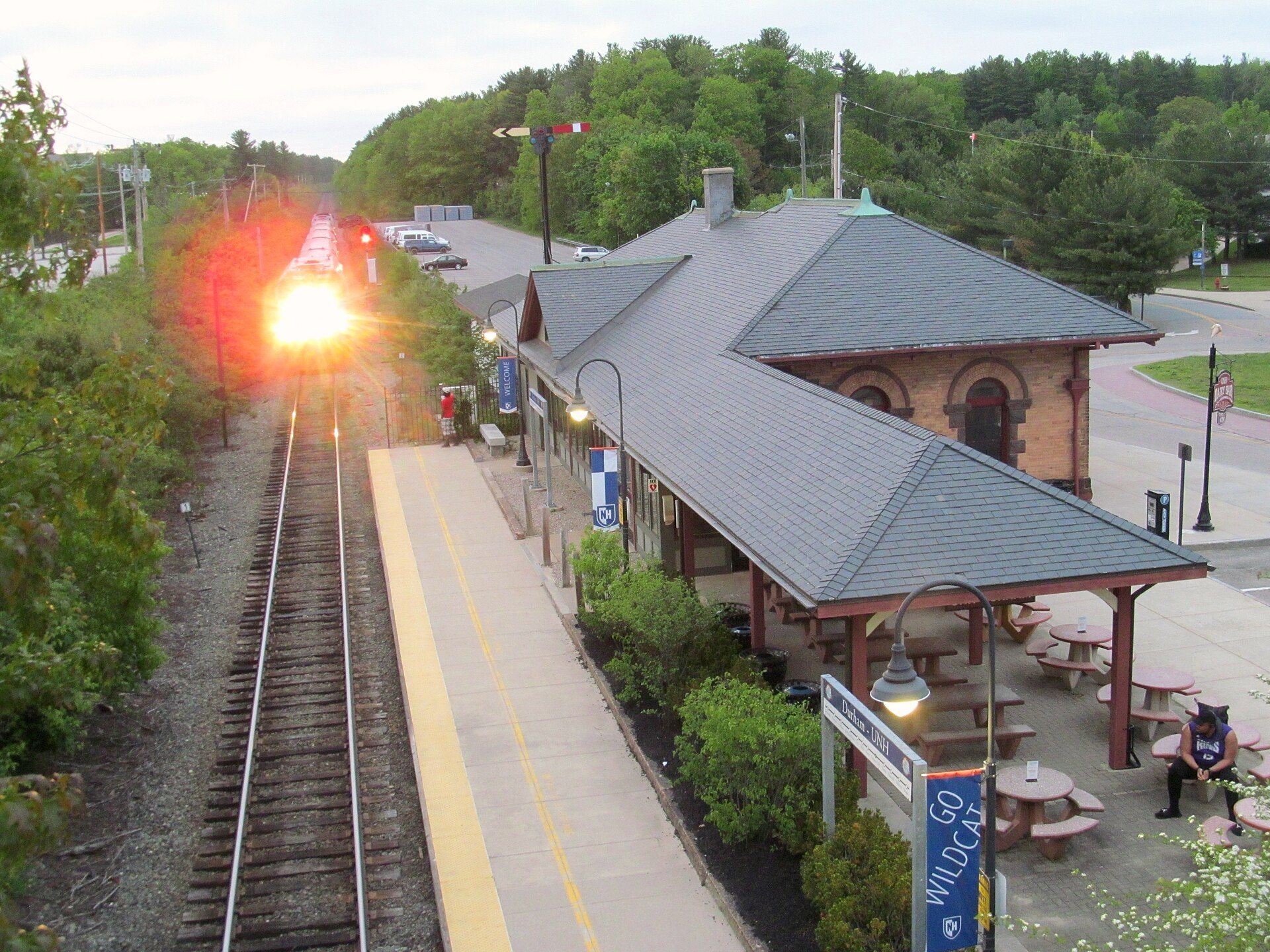
Durham sits beside Great Bay at the mouth of the Oyster River, an ideal location for people who lived close to the land, like the Western Abenaki and their ancestors who have lived in the region for an estimated 11,000 years. Landmarks include Durham–UNH station, Durham Historic District and John Sullivan House. Durham is the birthplace of Deron Quint, ice hockey player.
Every piece is drawn from Durham's own map data and historic archives, then printed and shipped from the USA when you order. No two towns look alike.
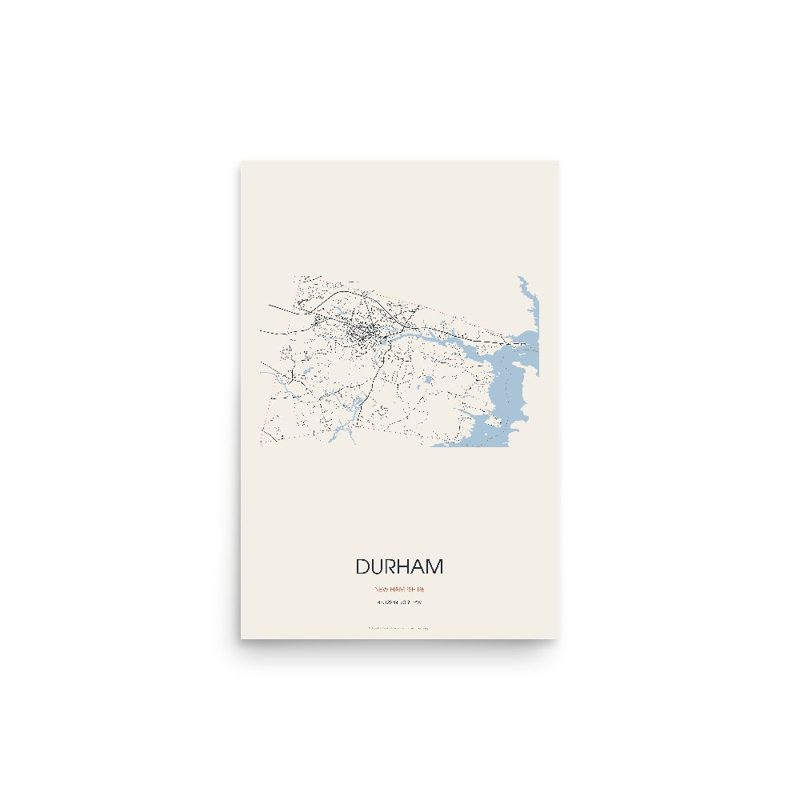
Every road in town, on archival matte paper
The same map, in navy and silver
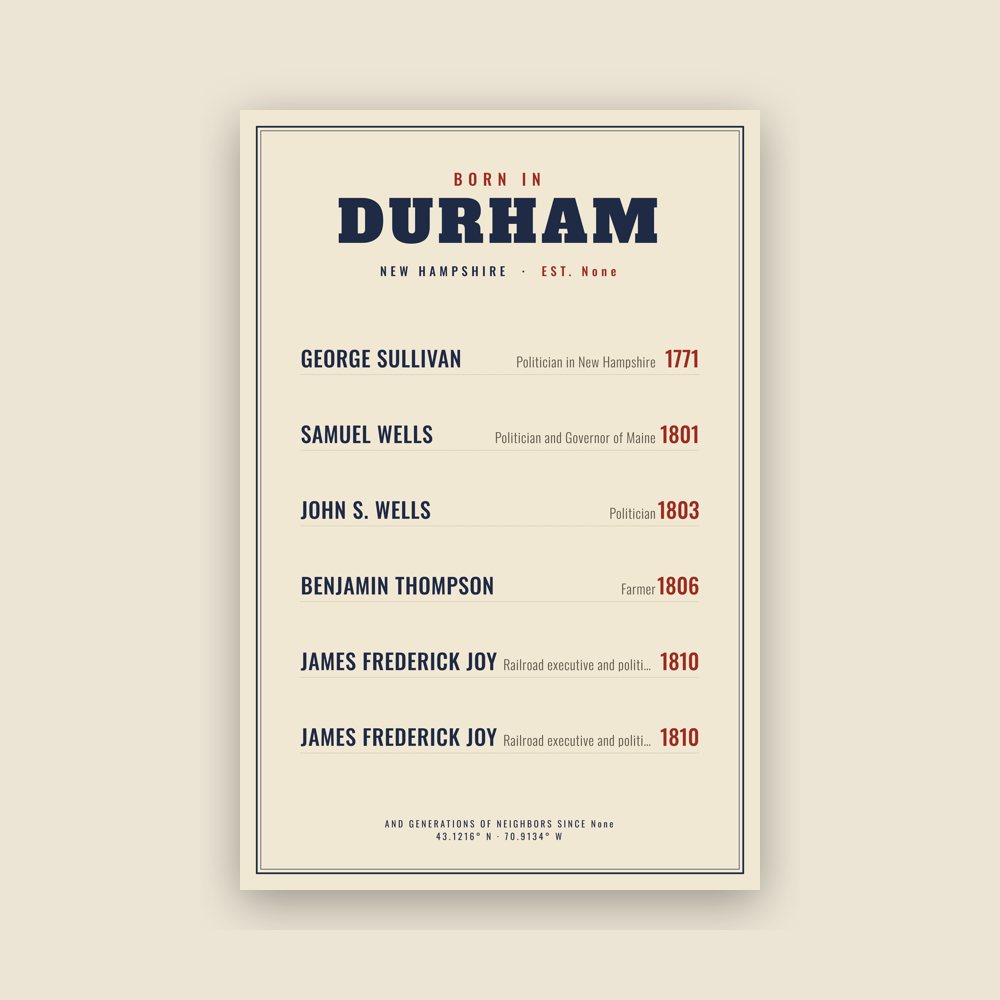
Famous natives, by birth year
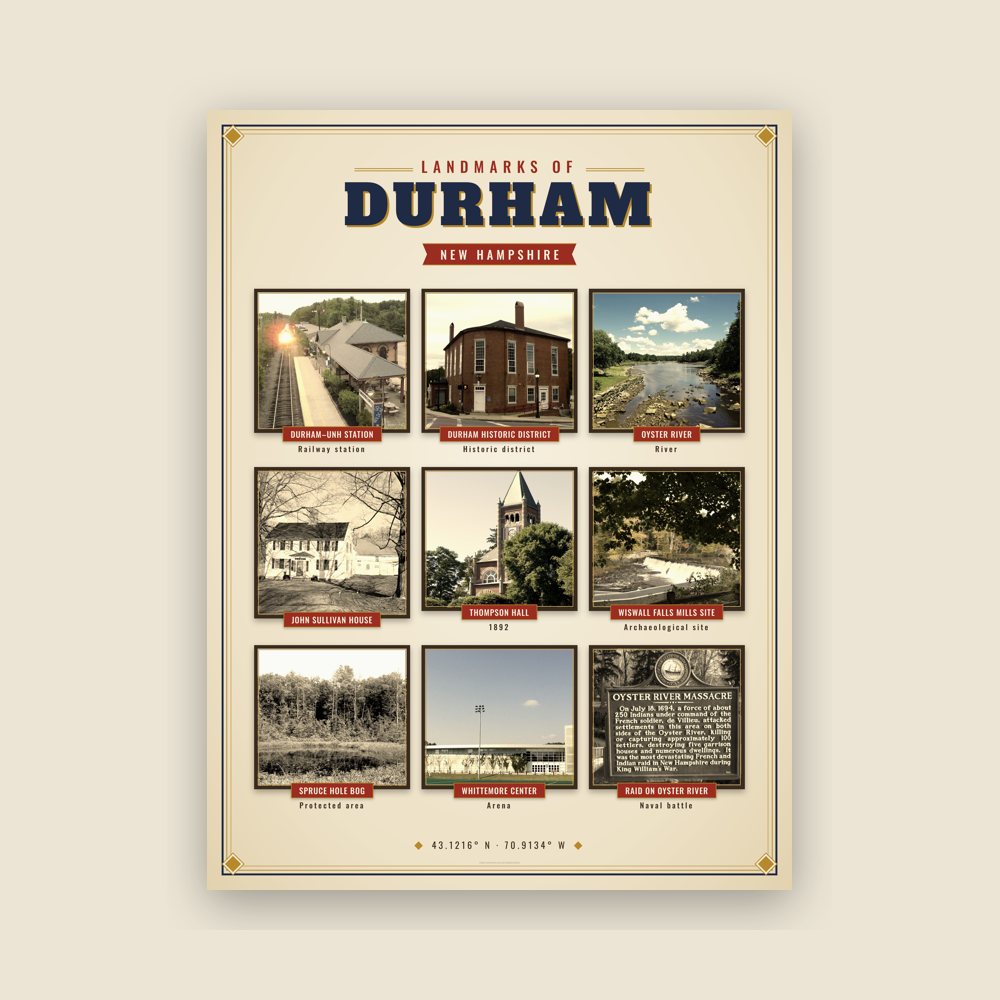
Nine local landmarks, archival matte
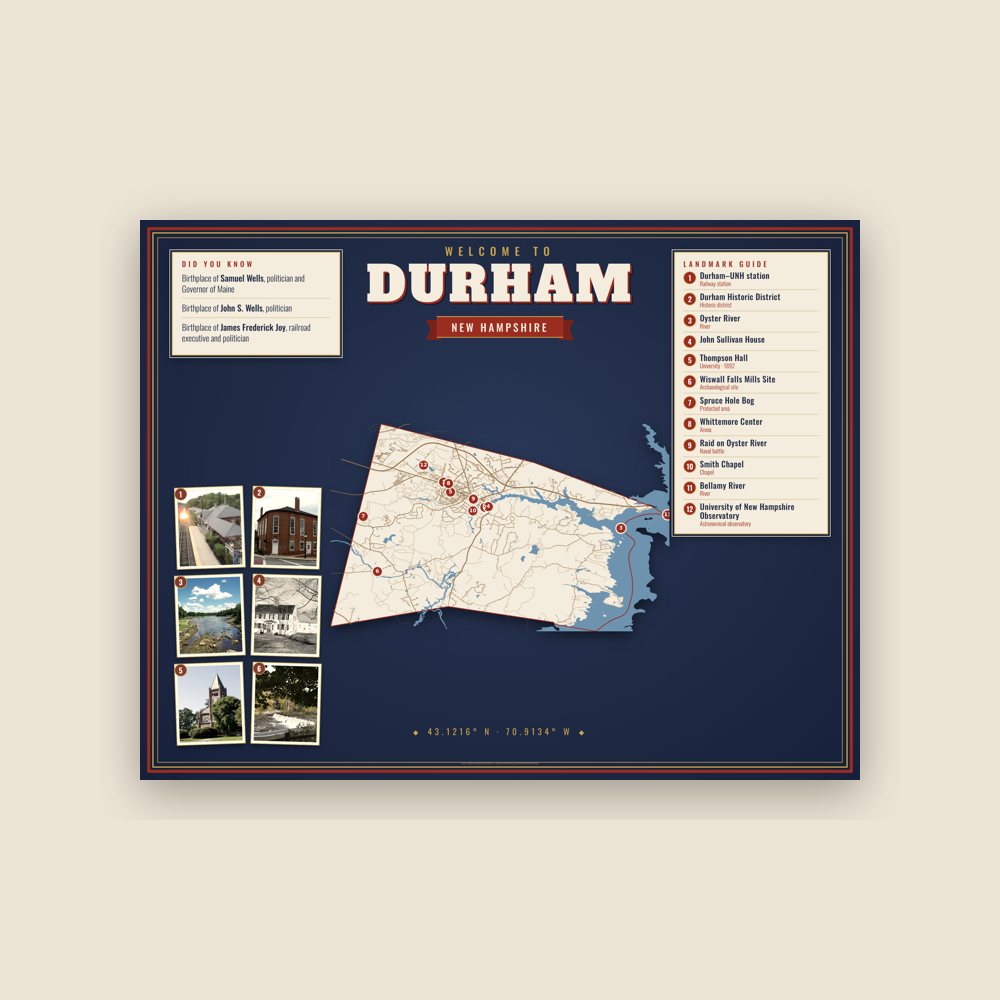
Map of local landmarks, washable fabric
Glossy ceramic, dishwasher safe
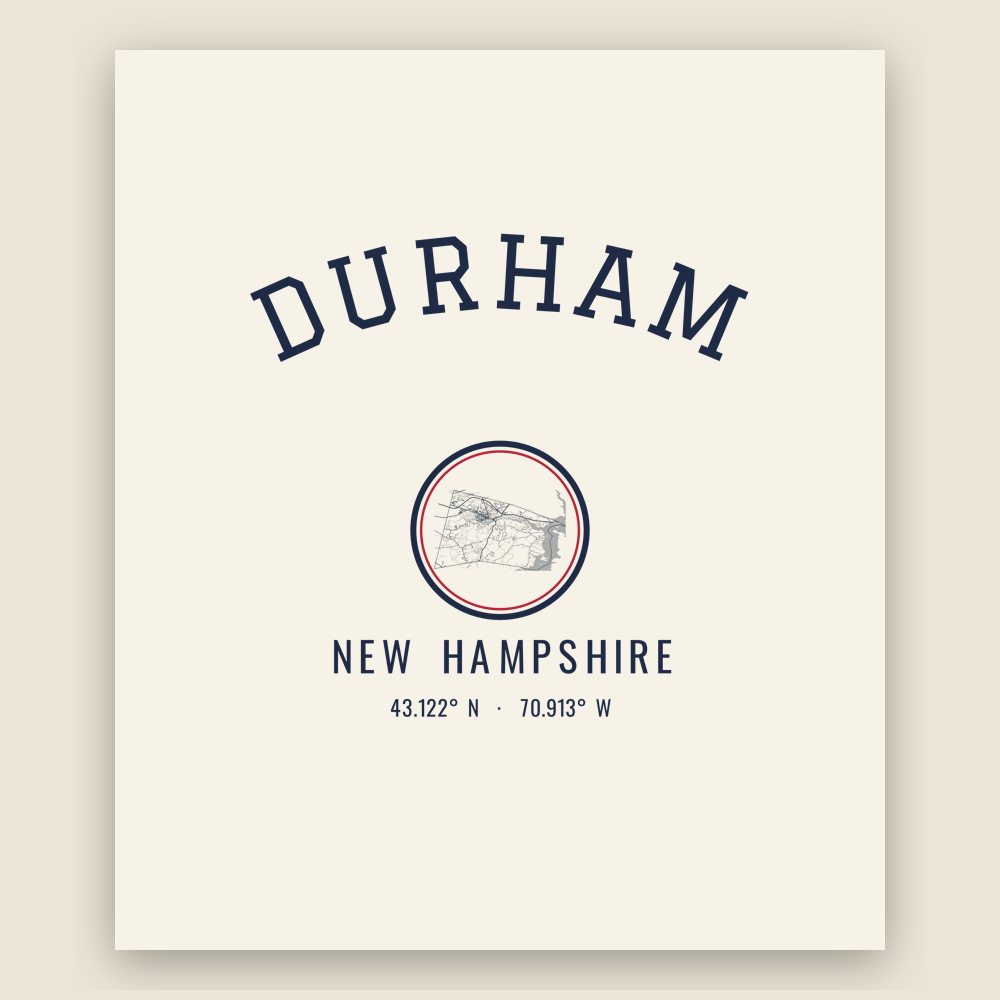
Ceramic keepsake, gold ribbon
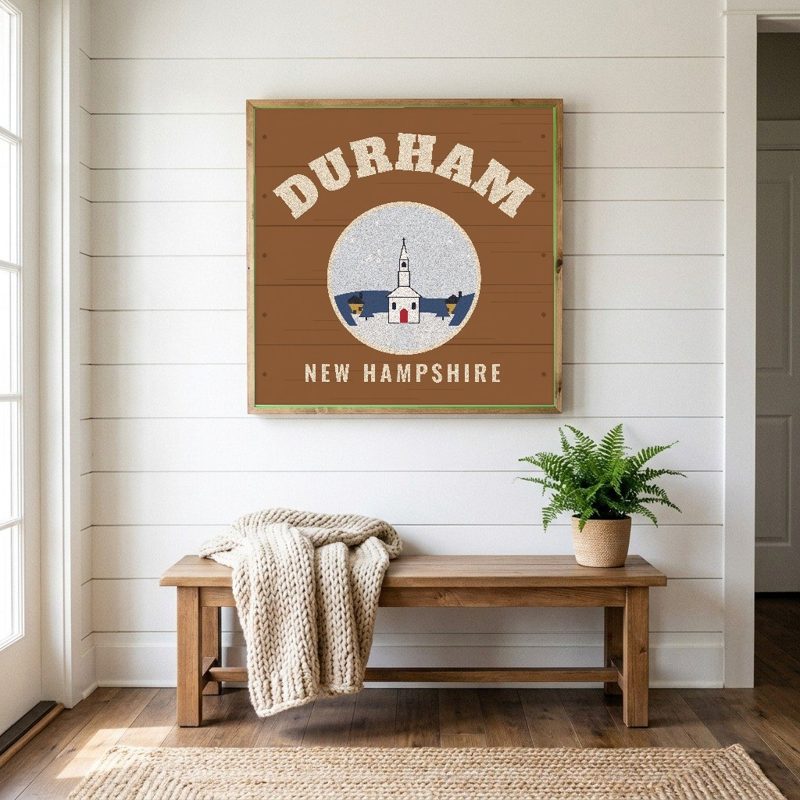
12″×12″ printed wood, ready to hang
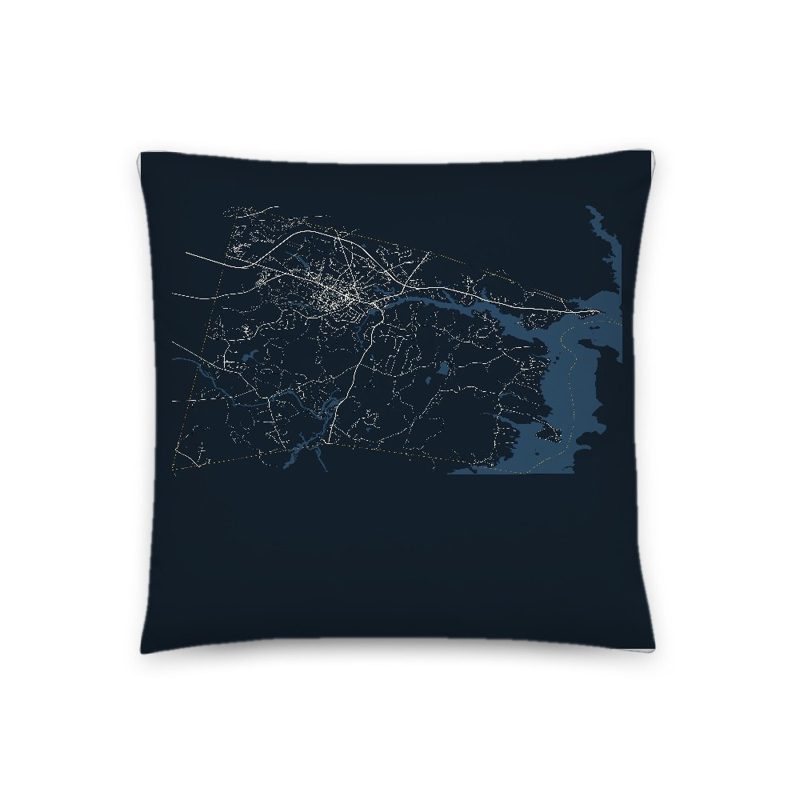
Soft-touch, zip cover
Glossy top, cork back
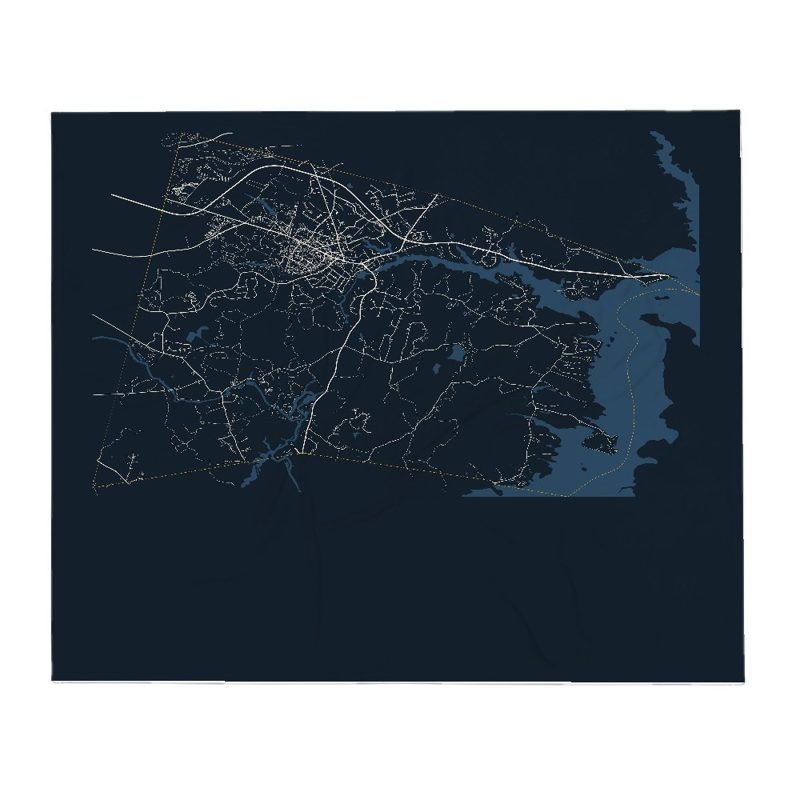
Soft fleece, 50″×60″
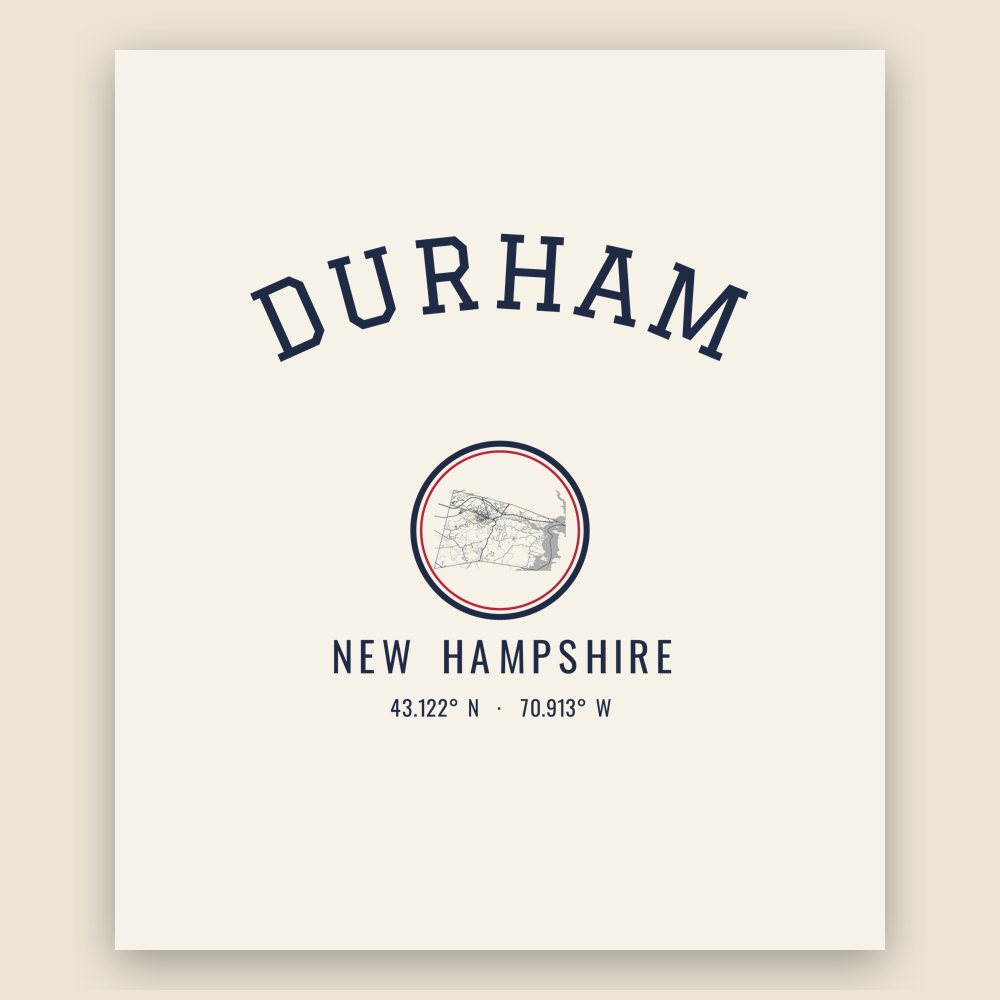
20 oz, double-wall stainless
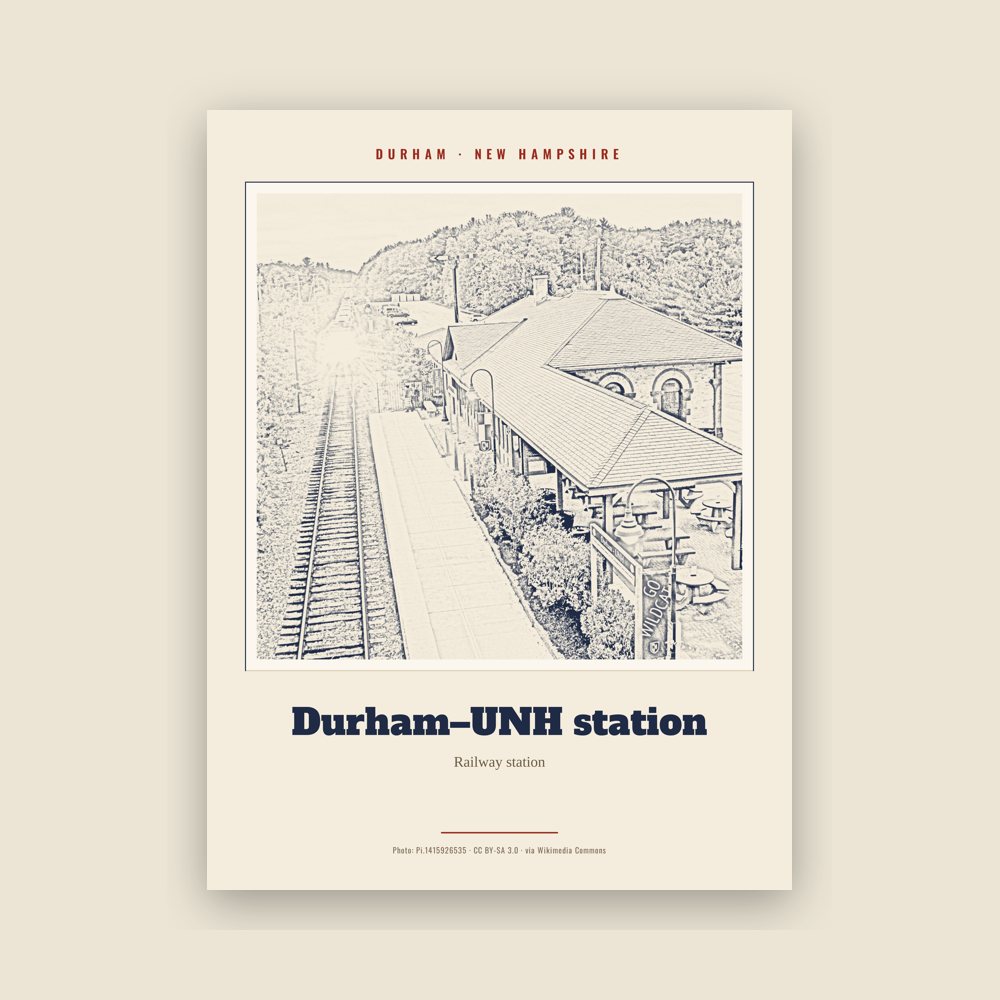
Archival matte print of a local landmark, credited to its photographer
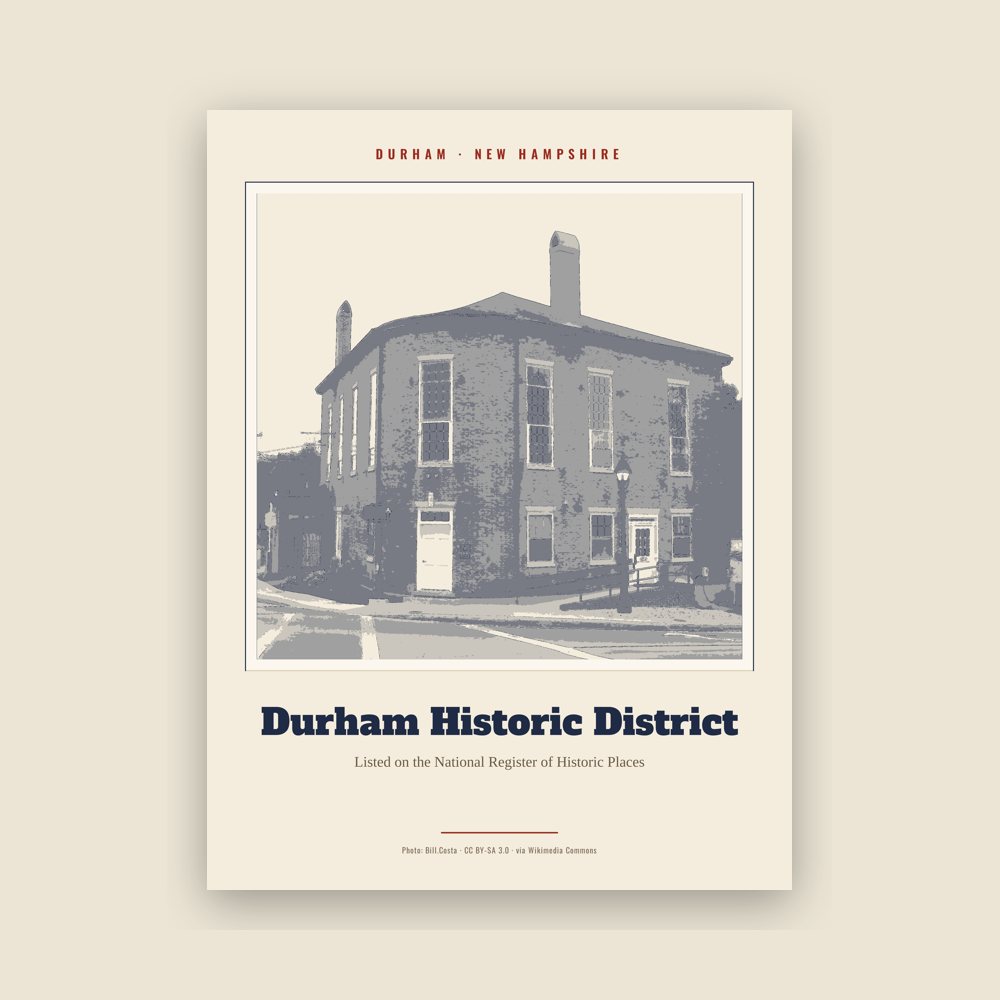
Archival matte print of a local landmark, credited to its photographer
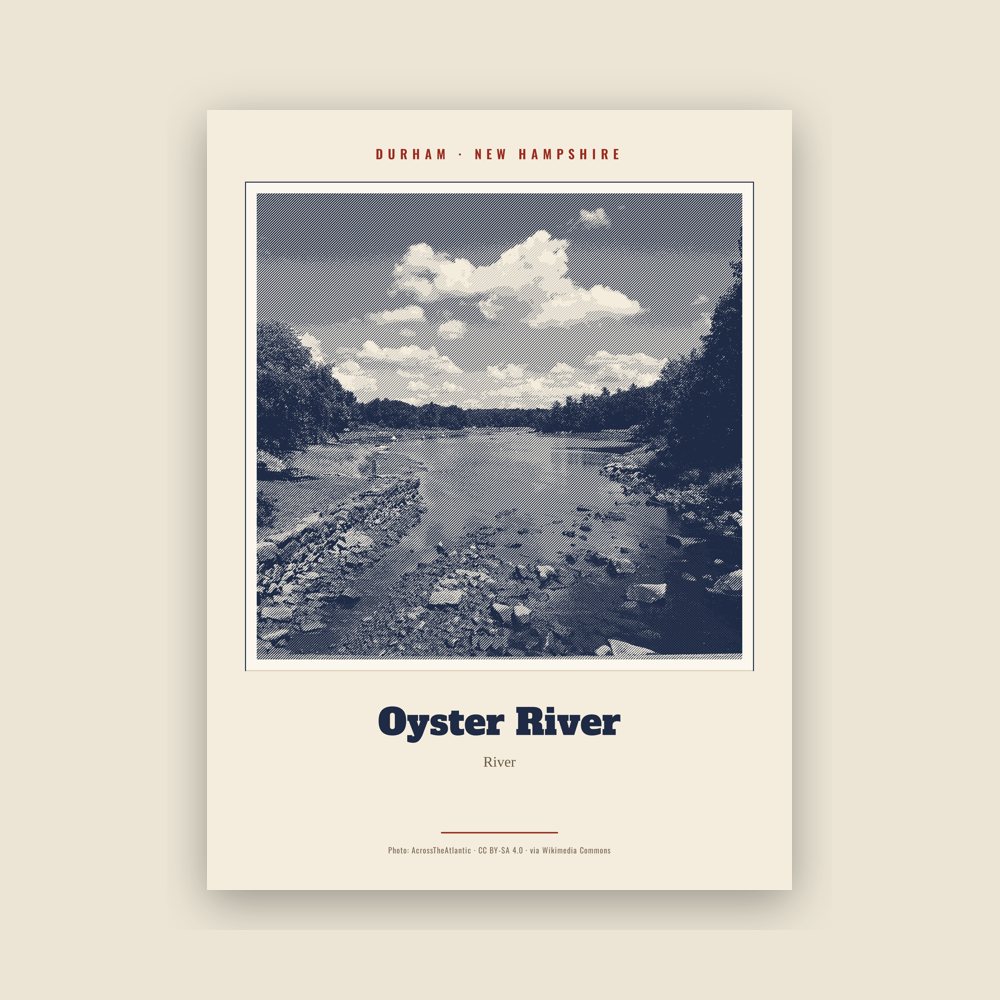
Archival matte print of a local landmark, credited to its photographer
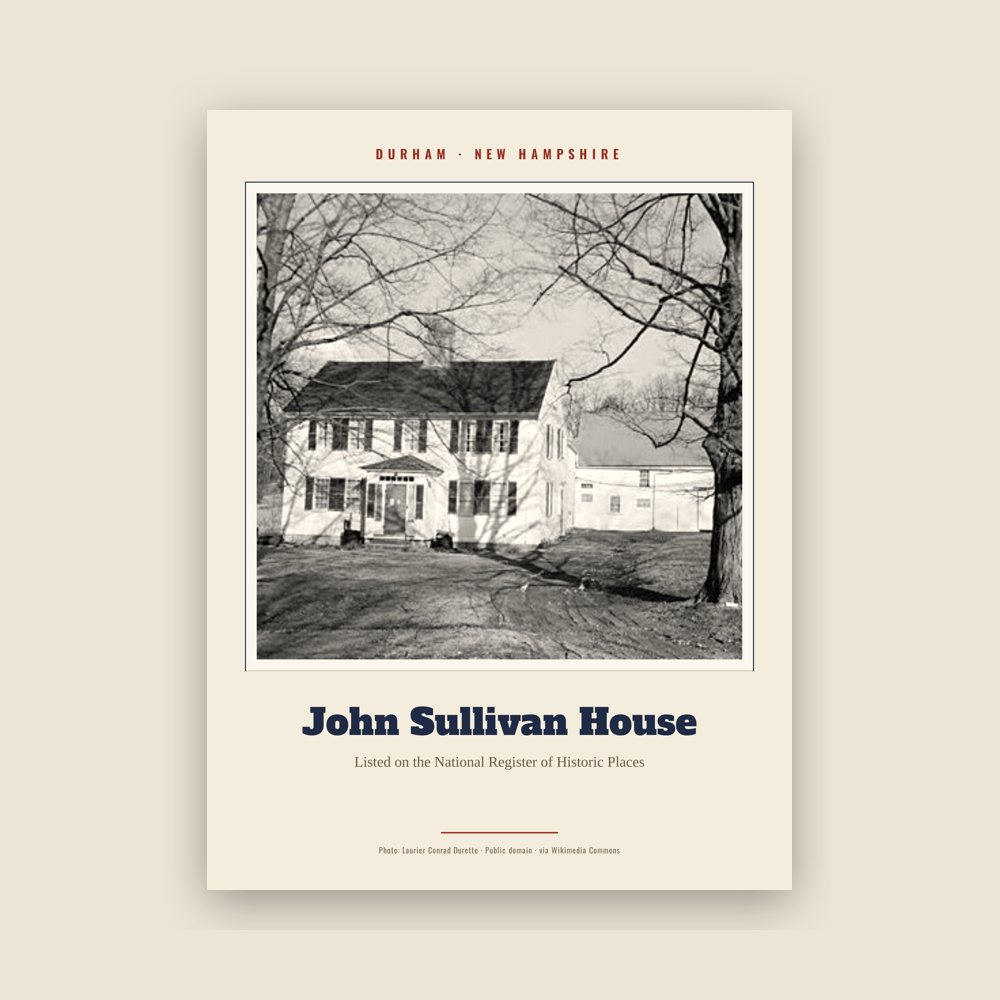
Archival matte print of a local landmark, credited to its photographer
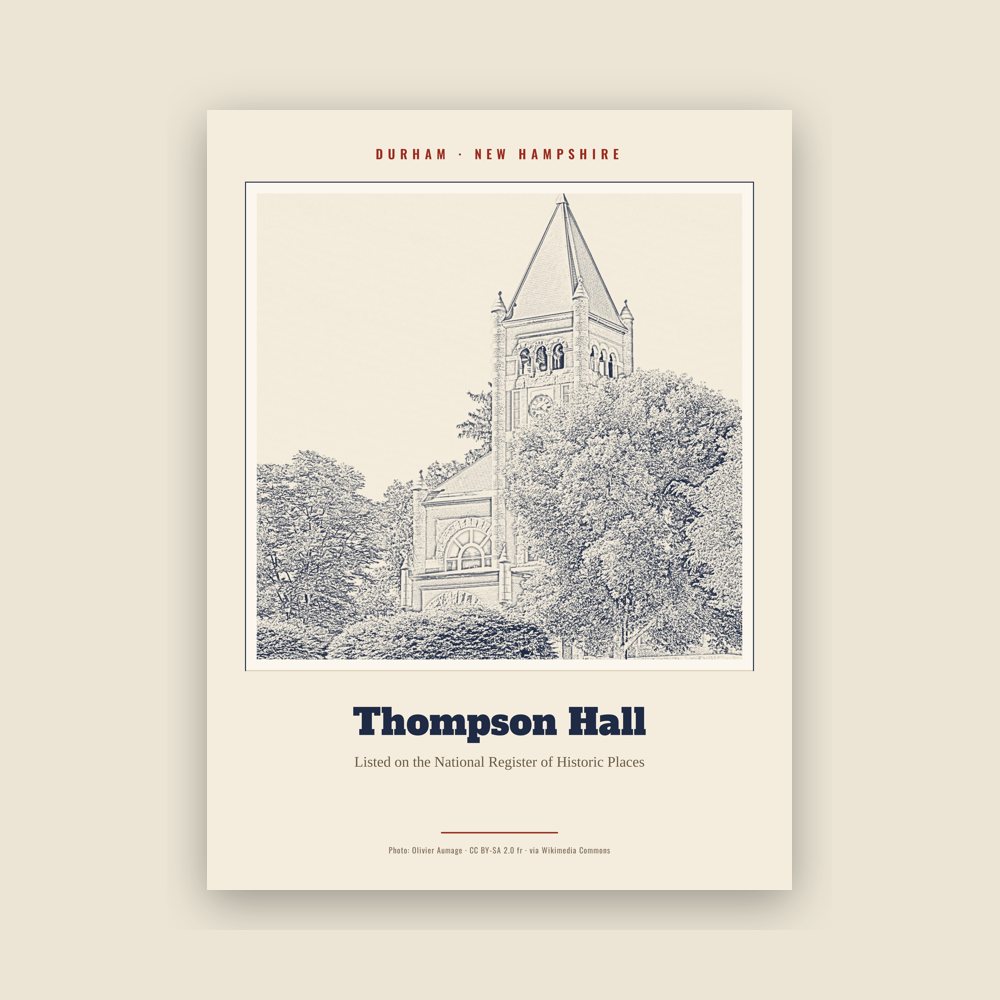
Archival matte print of a local landmark, credited to its photographer
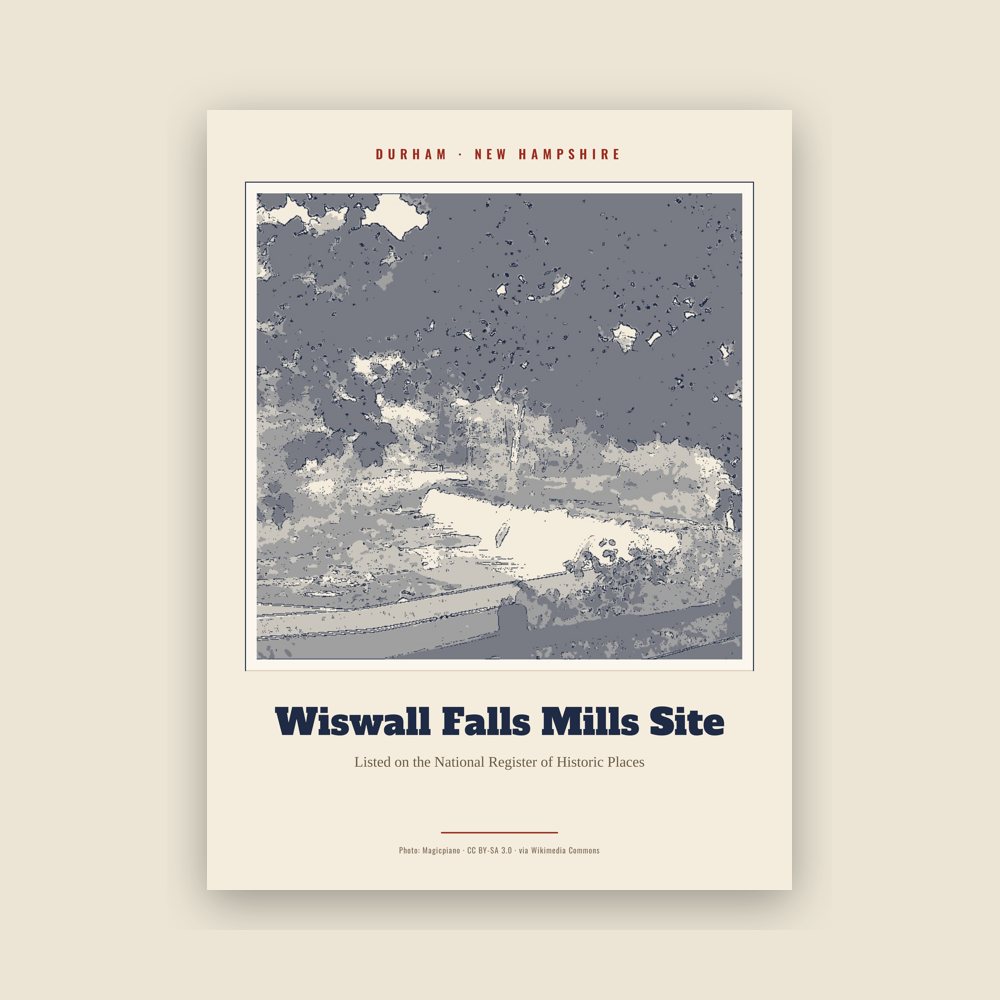
Archival matte print of a local landmark, credited to its photographer
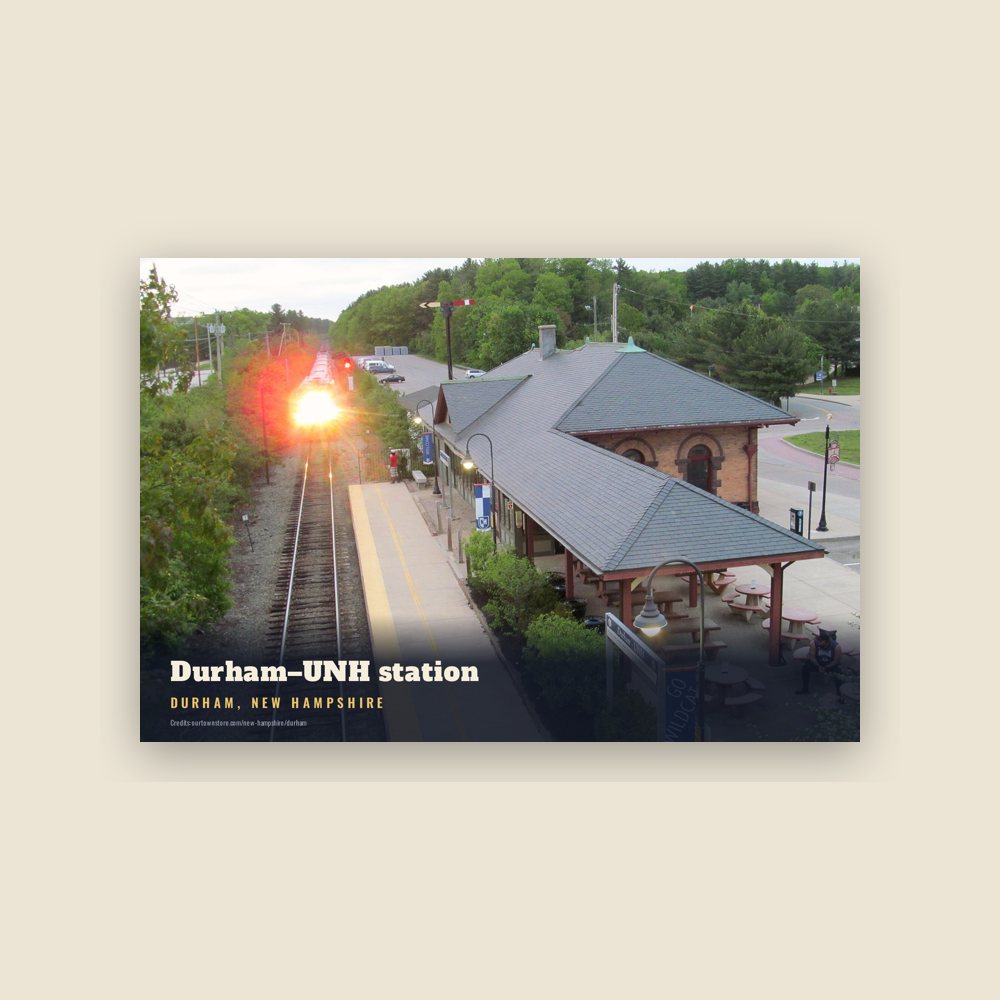
6″×4″ postcard, glossy front
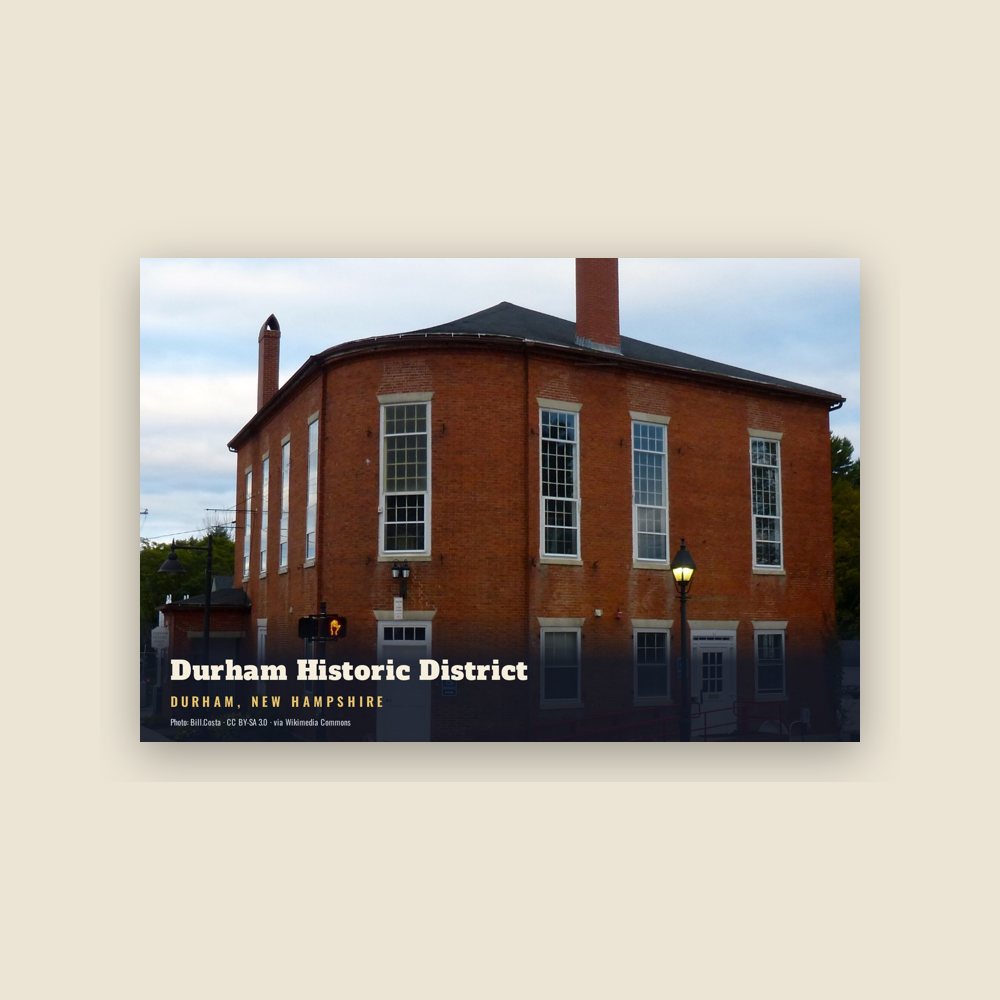
6″×4″ postcard, glossy front
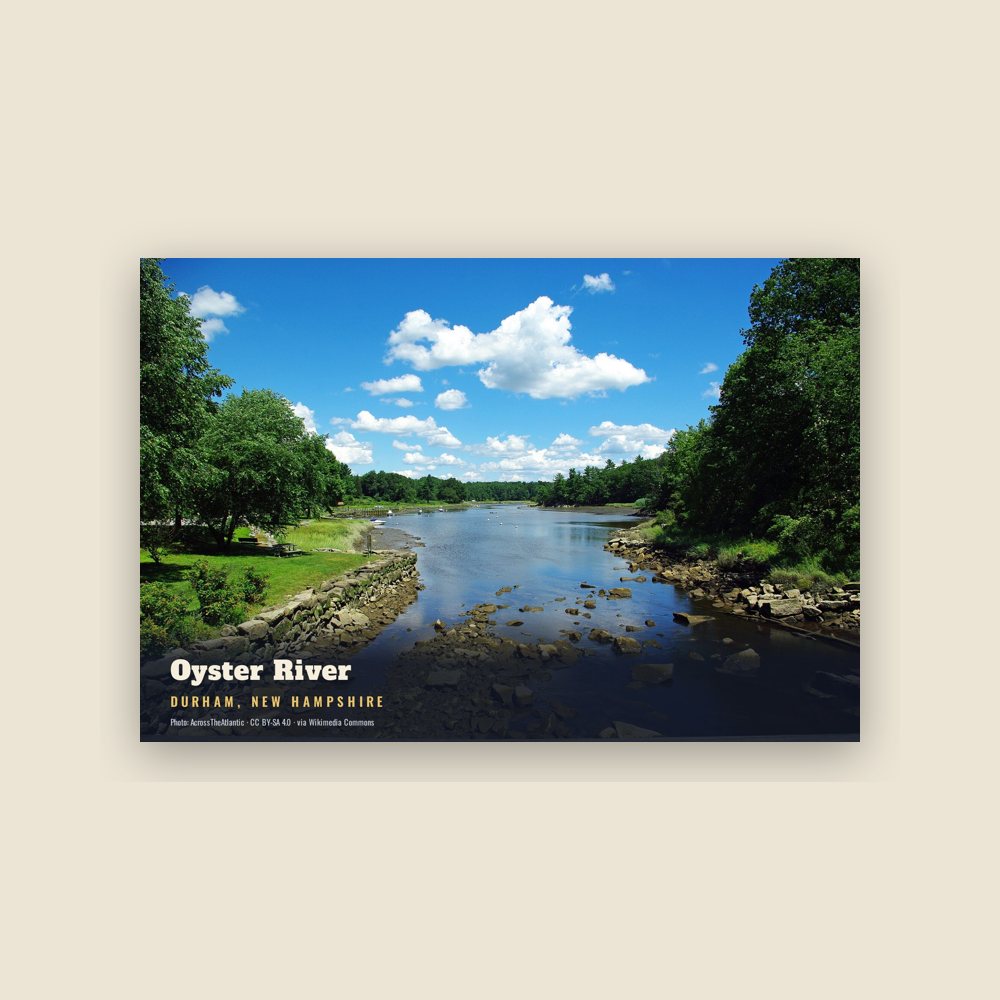
6″×4″ postcard, glossy front
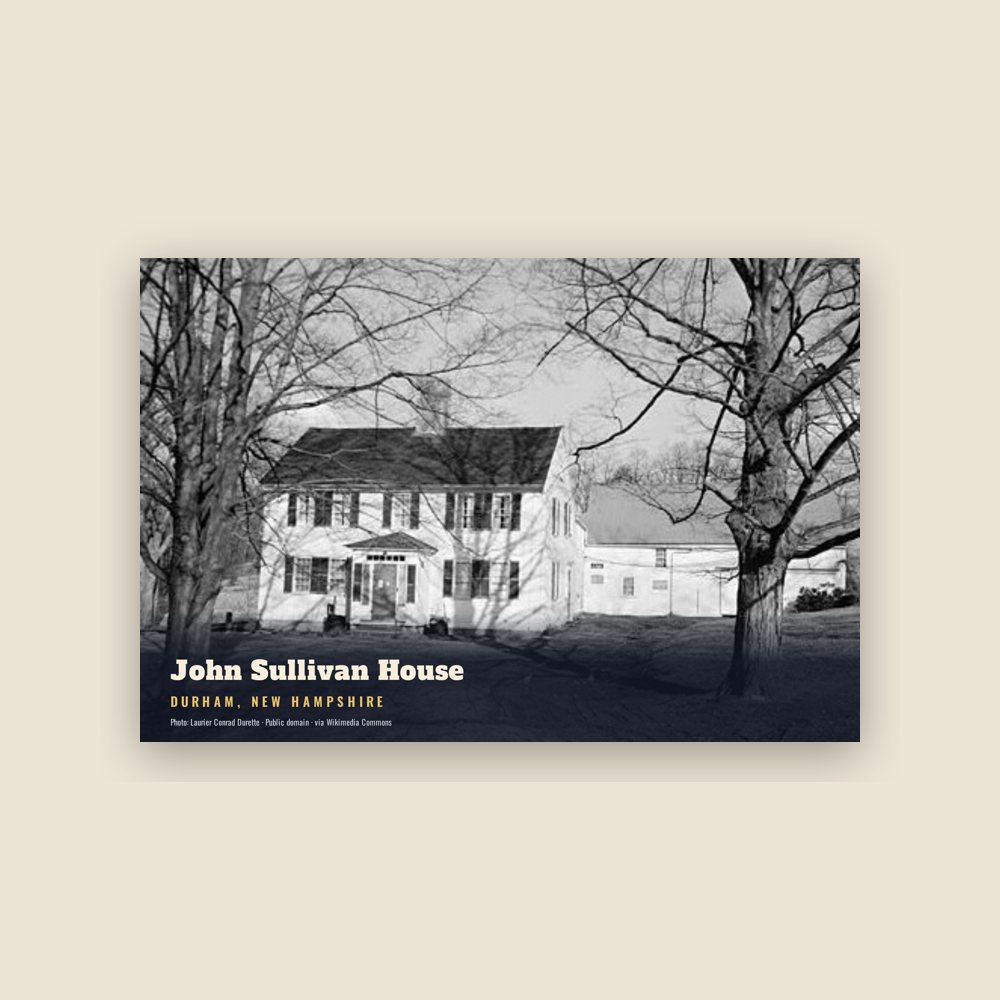
6″×4″ postcard, glossy front
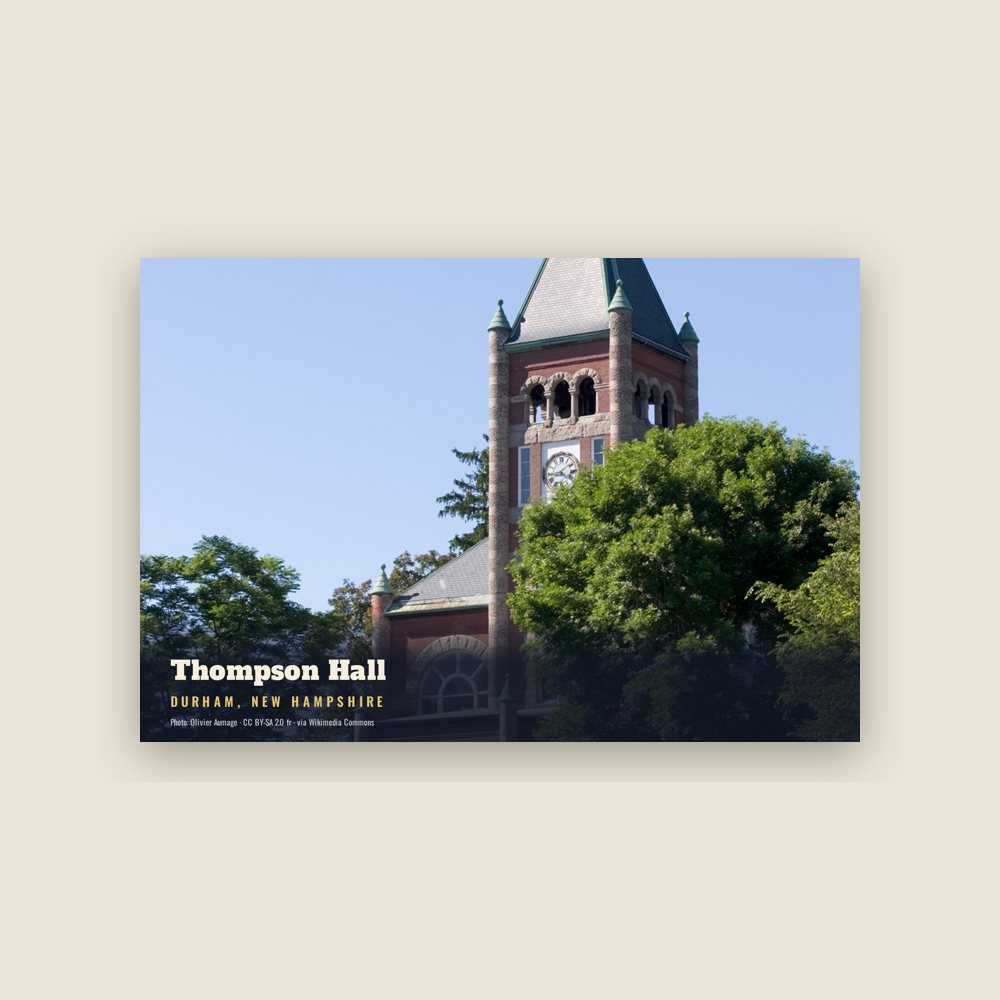
6″×4″ postcard, glossy front
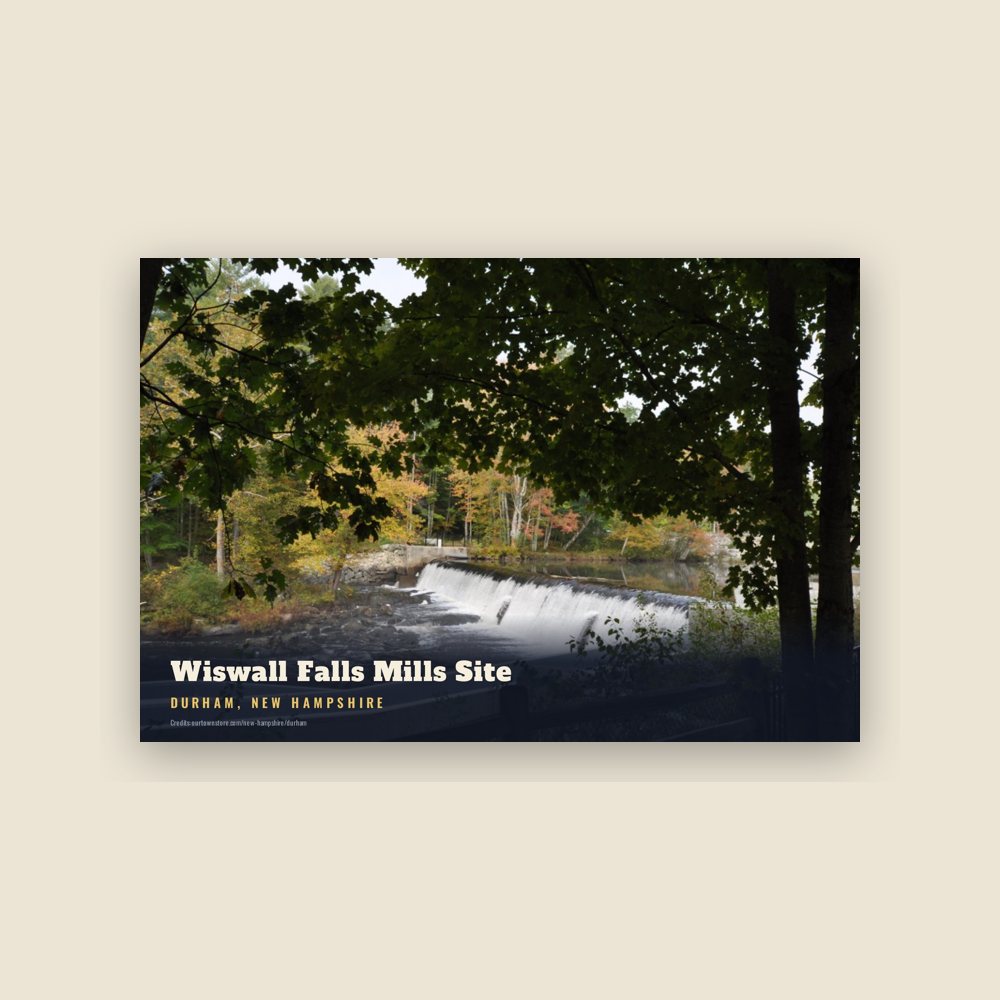
6″×4″ postcard, glossy front
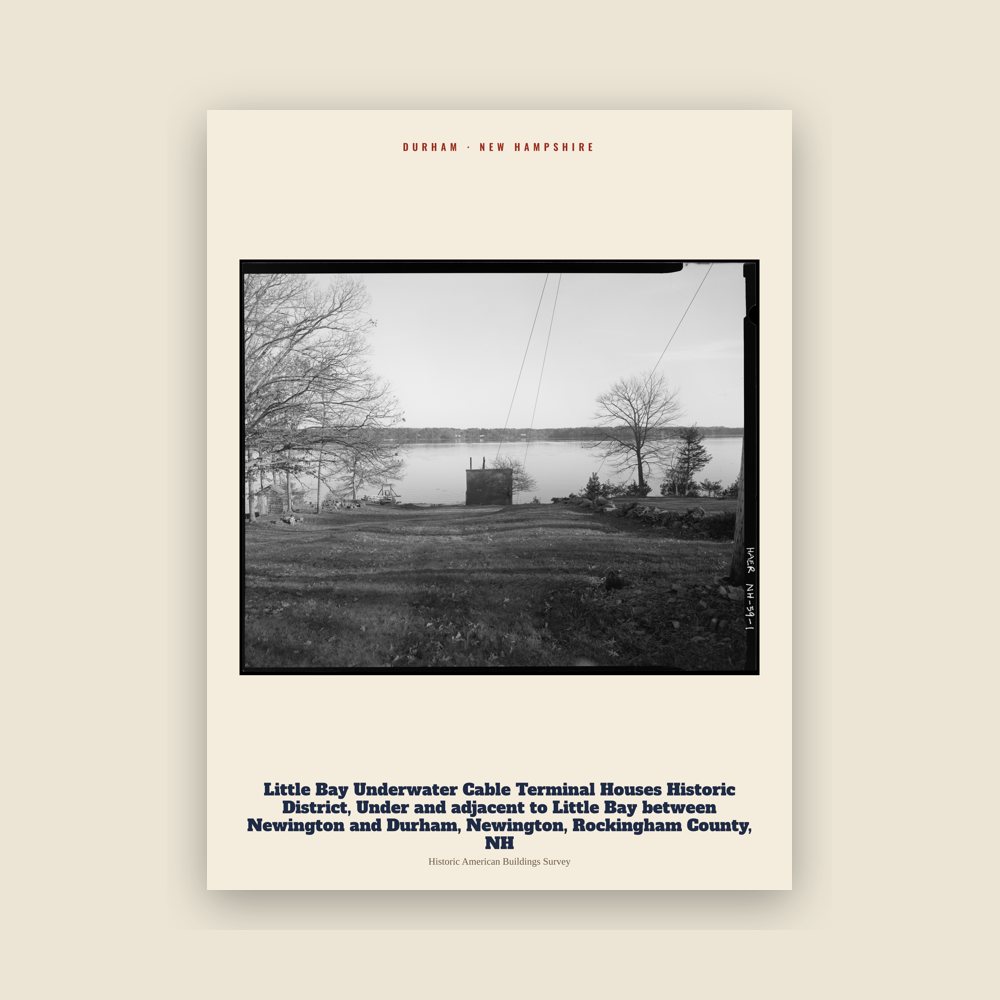
From the Library of Congress collections: a historic survey drawing or photograph of the town
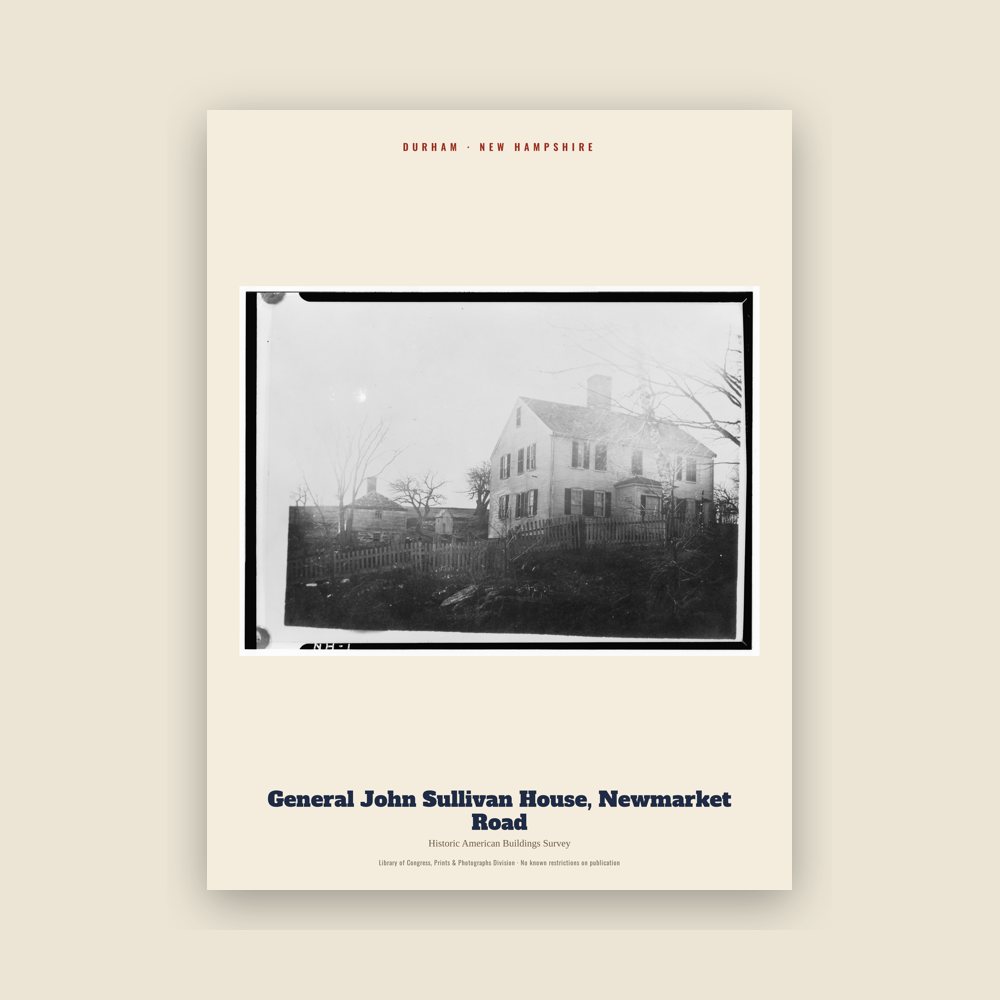
From the Library of Congress collections: a historic survey drawing or photograph of the town
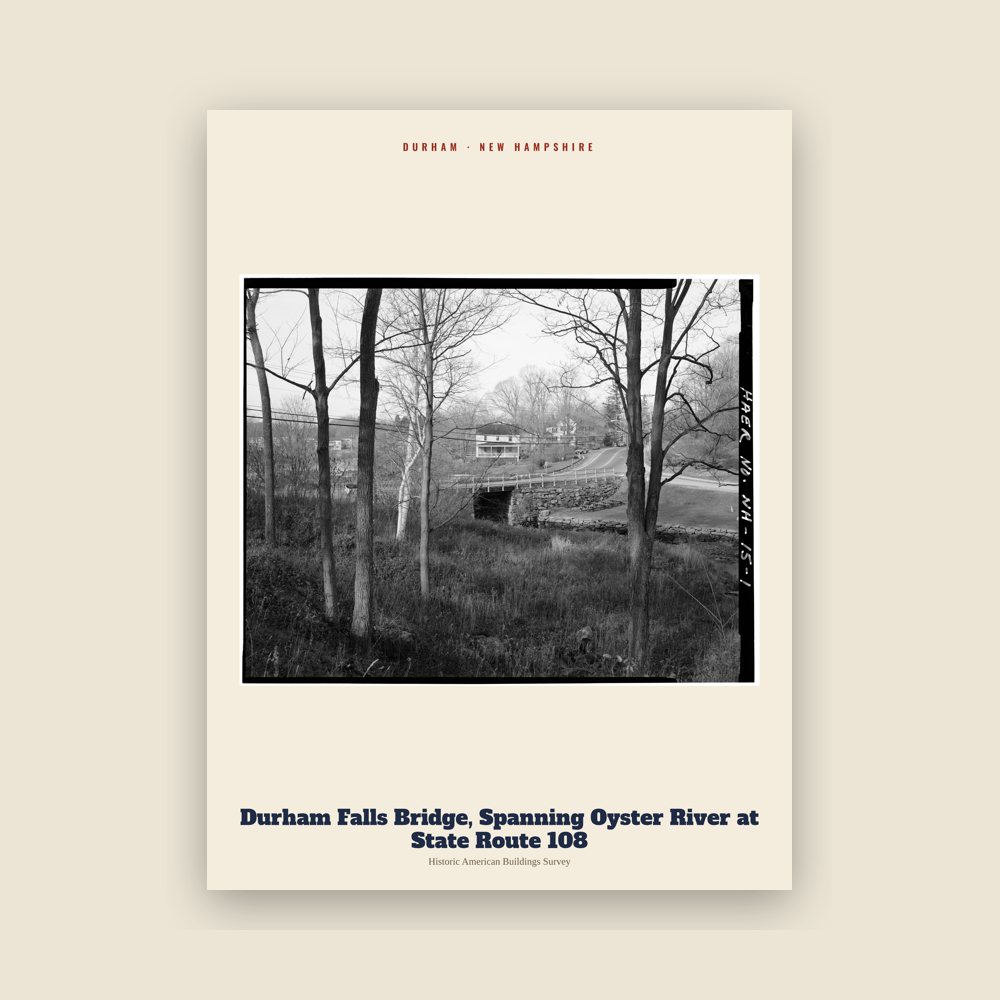
From the Library of Congress collections: a historic survey drawing or photograph of the town
Population 2010: 14,638 → 2020: 15,490
From Wikidata (CC0).
Durham sits beside Great Bay at the mouth of the Oyster River, an ideal location for people who lived close to the land, like the Western Abenaki and their ancestors who have lived in the region for an estimated 11,000 years. The Shankhassick (now Oyster) River provided shellfish and access to the north woods for hunting and trapping; the sea provided food and access to long-established trade routes between tribes both north and south; and the open meadows provided land on which crops could be easily cultivated. Wecannecohunt (or Wecohamet), as the settlement was known until English settlers arrived, proved immediately attractive to them, too.
English settlers first colonized the region in 1622 when King James I granted Sir Fernandino Gorges and John Mason "all that part or porcon of that country now commonly called New-England ... between the latitude of forty and fortyeight degrees northerly latitude," including every island within 100 miles of the coast and "all the lands, soyle, grounds, havens, ports, rivers, mines, ... minerals, pearls and pretious stones, woods, queries, marshes waters, fishings, hunting, hawking, fowling, commodities and hereditaments whatsoever." Gorges and Mason agreed to split the vast tract along the Piscataqua River (still known by its Abenaki name pesgatak was, for "the water looks dark"). Gorges took the tract to the east and named it Maine. Mason took the land to west and named it New Hampshire. The region was first named "N'dakinna". It is the traditional ancestral homeland of the Abenaki, Pennacook and Wabanaki peoples.
Colonists first arrived in Wecannecohunt in 1622, the year of the Gorges-Mason grant. They spent their earliest years fishing, cutting, and trapping to sell salted fish, lumber, and fur to European markets. By 1633, colonists were spread along the tidal shores of the Oyster River, and by 1640, they were "in 'recognized possession' of lands up to the fall line." Colonial Durham was first known as the Oyster River Plantation. The English settlers brought non-native livestock aboard their ships, "thousands of cattle, swine, sheep, and horses," requiring them to clear acres merely for pasture. Wecannecohunt's fields, carefully cultivated across centuries, were trampled and their crops destroyed. "The animals exacerbated a host of problems related to subsistence practices, land use, property rights and, ultimately, political authority." When violence between the colonized and the colonizers erupted, livestock were frequently killed. The Abenaki saw them as a direct threat to their food supply.
During King William's War, on July 18, 1694, the fledgling English colonial settlement was attacked in the Raid on Oyster River by French career soldier Claude-Sébastien de Villieu with about 250 Abenaki from Norridgewock under command of their sagamore Bomazeen (or Bomoseen). In all, 104 inhabitants were killed and 27 taken captive, with half the dwellings, including the garrisons, pillaged and burned to the ground.
Oyster River was part of Dover throughout its first century. The Plantation was granted rights as an independent parish in 1716 and incorporated as a township in 1732 when it was renamed Durham. Rev. Hugh Adams claimed to have proposed the name "Durham" in an address to the General Assembly in 1738. Two of the earliest settlers of Dover were William and Edward Hilton, the direct descendants of Sir William de Hilton, Lord of Hilton Castle in County Durham, England, but there is nothing to prove that Durham was named in their honor.
Benjamin Thompson, a descendant of an early settler, bequeathed his assets and family estate, Warner Farm, to the state for the establishment of an agricultural college. Founded in 1866 in Hanover, the New Hampshire College of Agriculture and the Mechanic Arts moved to Durham in 1893 and became the University of New Hampshire in 1923. Thompson Hall, built in 1892 with an iconic clock tower, is named in his honor. Designed in the Romanesque Revival style by the Concord architectural firm of Dow & Randlett, it was listed on the National Register of Historic Places in 1996.
On October 22, 1999, Durham was the site of a debate between Republican candidates in the 2000 United States Presidential Election. Future president George W. Bush was present, along with other notable Republicans of the era, such as John McCain, Alan Keyes, Steve Forbes, and Gary Bauer. The debate became the subject of a skit on Saturday Night Live featuring Darrell Hammond in the role of President Bill Clinton.
In 2017, Durham became the first community in New Hampshire to recognize Indigenous Peoples' Day in place of Columbus Day. In 2018, the Oyster River Cooperative School District, which includes Durham, Lee, and Madbury, adopted Indigenous Peoples' Day on its school calendar.
Adapted (trimmed) from the Wikipedia article Durham, New Hampshire, revision 1378772739 by its contributors, licensed CC BY-SA 4.0.
We share a part of every Durham sale with local partners, and we'd love to print from your collection. Old photographs, maps and postcards make the best keepsakes.
Partner with us