Sullivan County, New Hampshire
Street maps, historic prints and keepsakes for 14 Sullivan County towns.
The oldest is Newport, established 1761. The largest by population is Claremont (12,949).
| Town | Established | Population |
|---|---|---|
| Acworth | 1772 | 853 |
| Charlestown | 1783 | 4,806 |
| Claremont | – | 12,949 |
| Cornish | 1765 | 1,616 |
| Croydon | 1763 | 801 |
| Goshen | 1791 | 796 |
| Langdon | 1787 | 651 |
| Lempster | 1772 | 1,118 |
| Newport | 1761 | 6,299 |
| Plainfield | – | 2,459 |
| Springfield | 1794 | 1,259 |
| Sunapee | – | 3,342 |
| Unity | 1764 | 1,518 |
| Washington | 1776 | 1,192 |
About these towns
Acworth: Originally chartered by colonial governor Benning Wentworth in 1752, it was called "Burnet" after William Burnet, a former governor of the Province of Massachusetts Bay.
Charlestown: The area was first granted on December 31, 1735, by colonial governor Jonathan Belcher of Massachusetts as "Plantation No. 4", the fourth in a line of townships on the Connecticut River.
Claremont: The Upper Connecticut River Valley was home to the Pennacook and Western Abenaki (Sokoki) peoples, later merging with members of other Algonquin tribes displaced by the wars and famines which accompanied the European settling of the region.
Cornish: The town was granted in 1763 and contained an area once known as "Mast Camp", because it was the shipping point for the tall masts floated down the river by English settlers.
Croydon: Croydon was home to Ruel Durkee, a powerful 19th century political boss in the state. The town of "Coniston" in the 1906 best-selling novel of the same name, by American author Winston Churchill, is based on Croydon, and Durkee was portrayed as "Jethro Bass".
Langdon: First settled in 1773 by Seth Walker, Langdon was incorporated on January 11, 1787, when it was named after Governor John Langdon.
Lempster: First granted by colonial governor Jonathan Belcher in 1735 as "Number 9" (ninth in a line of forts to guard against Indian attacks), it was regranted in 1753 as "Dupplin", after Scottish lord Thomas Hay, Viscount Dupplin, by Governor Benning Wentworth.
Newport: Granted in 1753 by colonial governor Benning Wentworth, the town was named "Grenville" after George Grenville, Prime Minister of Great Britain and brother-in-law of William Pitt.
Plainfield: The town was first settled by a group from Plainfield, Connecticut. It was one of the towns incorporated by colonial governor Benning Wentworth in 1761, at the beginning of the reign of King George III.
Springfield: First settled by Europeans in 1769 and named "Protectworth", the town adopted the name "Springfield" when it was incorporated in 1794. Prior to county division in 1827, Springfield was in Cheshire County.
Sunapee: Like many other towns, Sunapee went through name changes before its incorporation in 1781, including "Saville" in 1768, "Corey's Town", and then "Wendell", after John Wendell, a Masonian Proprietor.
Unity: Prior to British colonization, the Connecticut River valley was populated by bands of the Western Abenaki, who lived in sometimes-large villages of longhouses.
Washington: Granted in 1735 by colonial governor Jonathan Belcher of Massachusetts, the town was one of the fort towns designated to protect the colonies from Native attack, named "Monadnock Number 8".
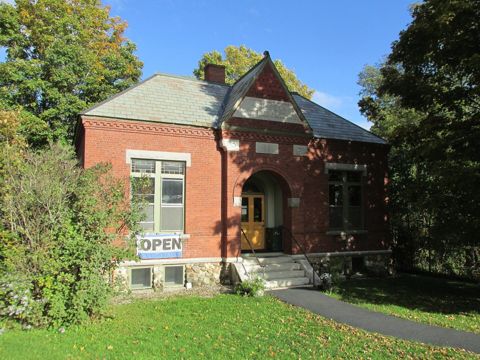 AcworthNew Hampshire · Est. 1772
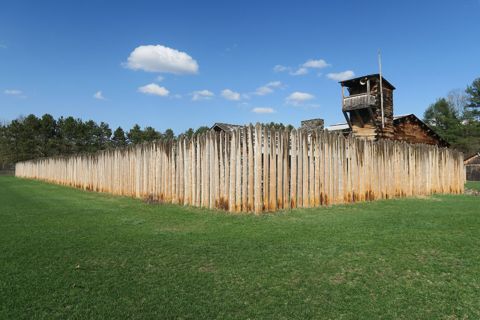 CharlestownNew Hampshire · Est. 1783
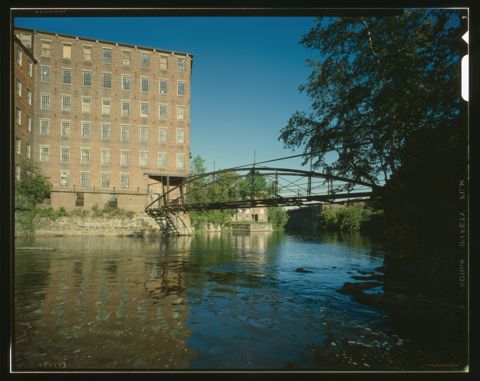 ClaremontNew Hampshire
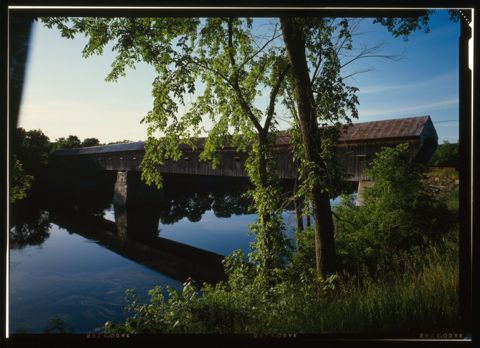 CornishNew Hampshire · Est. 1765
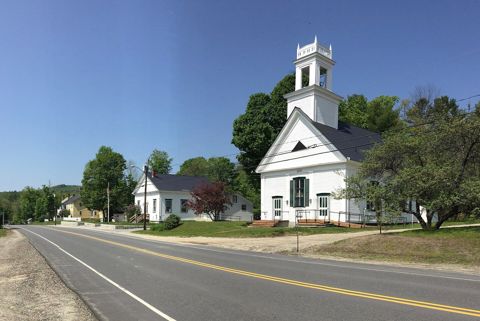 CroydonNew Hampshire · Est. 1763
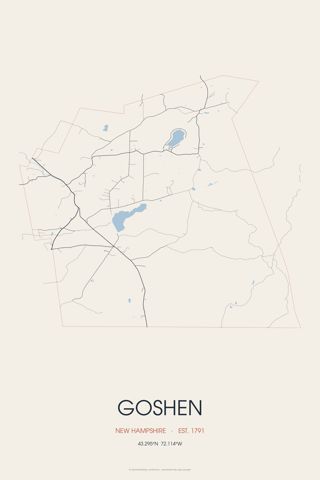 GoshenNew Hampshire · Est. 1791
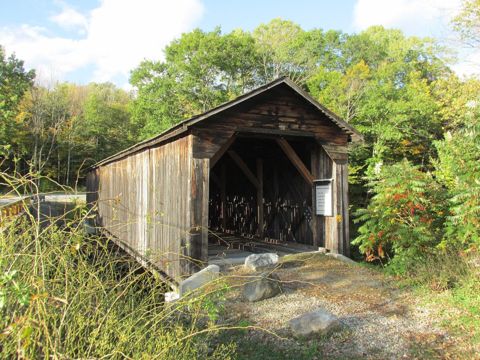 LangdonNew Hampshire · Est. 1787
 LempsterNew Hampshire · Est. 1772
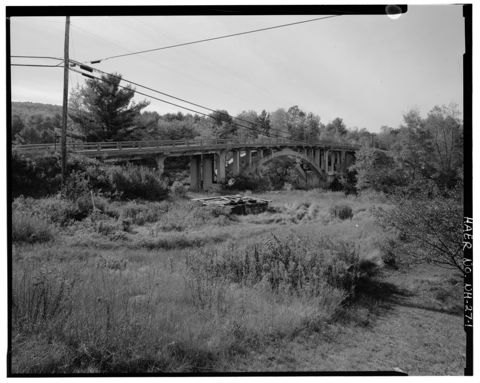 NewportNew Hampshire · Est. 1761
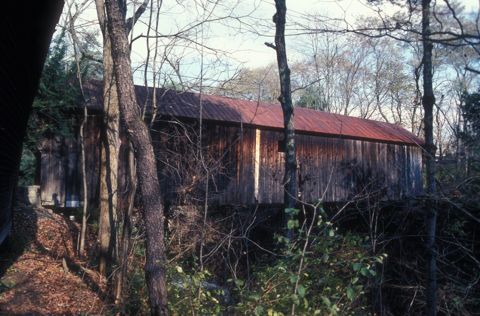 PlainfieldNew Hampshire
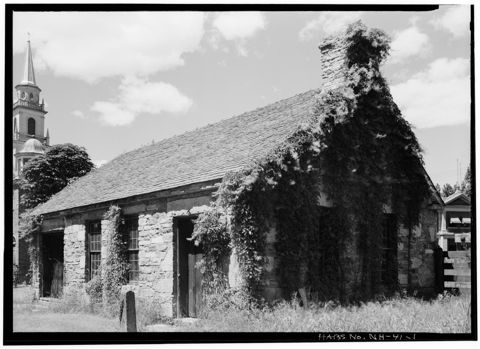 SpringfieldNew Hampshire · Est. 1794
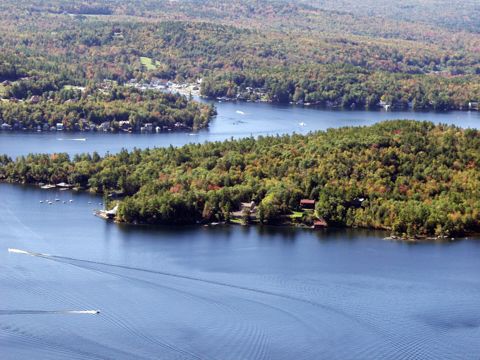 SunapeeNew Hampshire
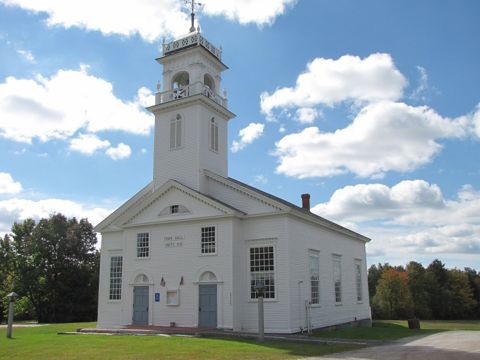 UnityNew Hampshire · Est. 1764
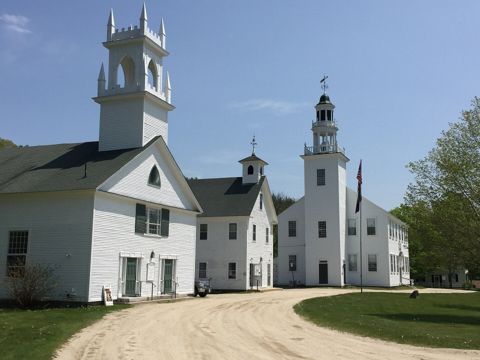 WashingtonNew Hampshire · Est. 1776
Founding years, populations and town notes come from each town's Wikipedia and Wikidata entries. All New Hampshire towns.