Carroll County, New Hampshire
Street maps, historic prints and keepsakes for 18 Carroll County towns.
The oldest is Sandwich, established 1763. The largest by population is Conway (9,822).
| Town | Established | Population |
|---|---|---|
| Albany | 1833 | 759 |
| Bartlett | 1790 | 3,200 |
| Brookfield | 1794 | 755 |
| Center Harbor | 1797 | 1,040 |
| Chatham | 1767 | 341 |
| Conway | 1765 | 9,822 |
| Eaton | 1766 | 405 |
| Effingham | – | 1,691 |
| Freedom | 1831 | 1,689 |
| Jackson | 1800 | 1,028 |
| Madison | 1852 | 2,565 |
| Moultonborough | 1777 | 4,918 |
| Ossipee | 1785 | 4,372 |
| Sandwich | 1763 | 1,466 |
| Tamworth | 1766 | 2,812 |
| Tuftonboro | 1795 | 2,467 |
| Wakefield | 1774 | 5,201 |
| Wolfeboro | 1770 | 6,416 |
About these towns
Albany: The community was first chartered in 1766 by colonial Governor Benning Wentworth as "Burton", for General Jonathan Burton of Wilton, New Hampshire.
Bartlett: Settled after 1769 and incorporated in 1790, the town is named for Dr. Josiah Bartlett, the first chief executive to bear the name "governor", a representative to the Continental Congress, and one of New Hampshire's three signers of the Declaration of Independence.
Brookfield: Settled in 1726 by Scots-Irish immigrants, the town was first named "Coleraine" after the Protestant-majority town of that name in County Londonderry in what has since become Northern Ireland.
Center Harbor: Center Harbor separated from the town of New Hampton and was first incorporated in 1797. The town name is derived from two sources: its location, centered between Meredith and Moultonborough harbors, as well as from the Senter family, who were owners of a large amount of property in the area.
Chatham: Chatham was granted to Peter Livins and others on February 7, 1767, by colonial Governor Benning Wentworth. The town was named in honor of William Pitt, Earl of Chatham and Prime Minister of Great Britain, who had recently led Britain to victory in the Seven Years War.
Conway: The region was once home to the Pequawket Indians, an Algonquian Abenaki tribe. Along the Saco River they fished, hunted or farmed, and lived in wigwams sheltered within stockades.
Eaton: Eaton was incorporated in 1766 by colonial Governor Benning Wentworth, and named for Governor Theophilus Eaton of Connecticut, a generous contributor to the funds needed to settle Massachusetts in 1630.
Effingham: The town was settled by members of the Leavitt family of Hampton, New Hampshire, led by Captain John Leavitt, a soldier whose father, Moses, was a prosperous Hampton tavern keeper.
Freedom: The town was once a part of Effingham called "North Effingham". Following an influx of new settlers from Maine, there was a conflict of culture and religion between them and people from the New Hampshire seacoast area who already populated Effingham.
Jackson: Once consisting of several large land grants by colonial Governor John Wentworth, the town was first named "New Madbury", after the seacoast town of Madbury.
Madison: The area was one of the first to have land grants set aside for soldiers who had served in the French and Indian War.
Moultonborough: The first European settlers were grantees from Hampton, New Hampshire, among whom were at least sixteen Moultons, giving the town its name.
Ossipee: Originally known as "Wigwam Village", and then "New Garden", the town was named for the Ossipee Indians, one of the twelve Algonquian tribes.
Sandwich: Chartered in 1763 by colonial Governor Benning Wentworth, the land was considered so inaccessible that the grant was enlarged, making Sandwich one of the largest towns in the state.
Tamworth: Granted in 1766 by colonial Governor Benning Wentworth, this town was named in honor of his close friend, British Vice-Admiral Washington Shirley, Viscount Tamworth.
Tuftonboro: Tuftonboro was the only incorporated place in New Hampshire owned by just one man, John Tufton Mason, for whom the town was named.
Wakefield: Initially a native settlement, Wakefield was attacked by John Lovewell during Father Rale's War. Settled later by colonists from Dover and Somersworth, the town was granted in 1749 by John Mason.
Wolfeboro: The town was granted by colonial Governor Benning Wentworth in 1759 to four young men of Portsmouth, and named "Wolfeborough" in honor of English General James Wolfe, who had been victorious at the Battle of the Plains of Abraham in 1759 during the French and Indian War.
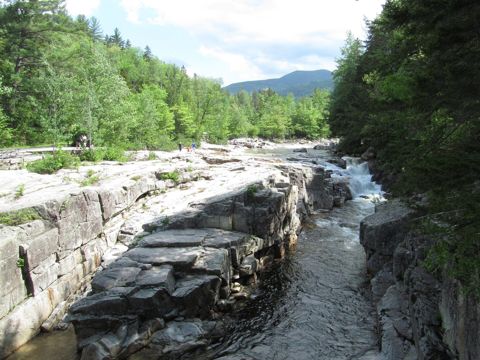 AlbanyNew Hampshire · Est. 1833
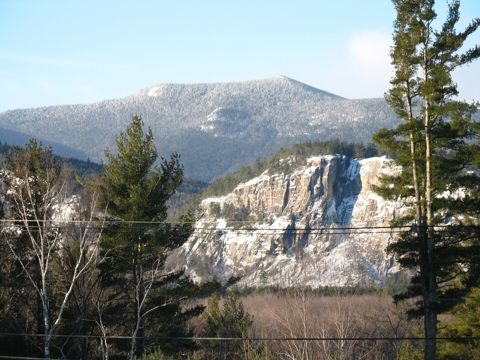 BartlettNew Hampshire · Est. 1790
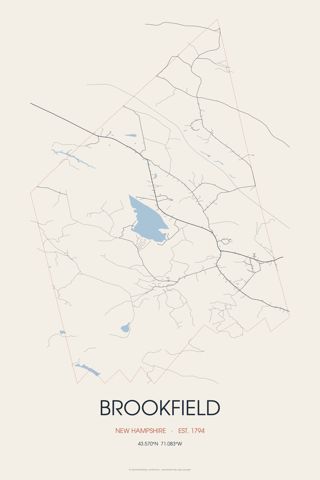 BrookfieldNew Hampshire · Est. 1794
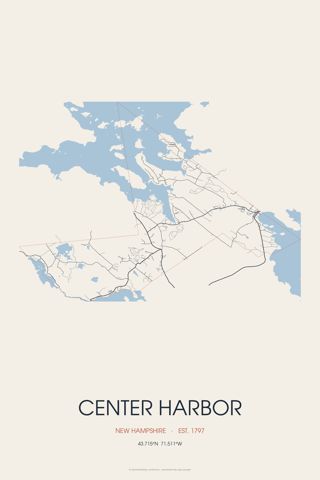 Center HarborNew Hampshire · Est. 1797
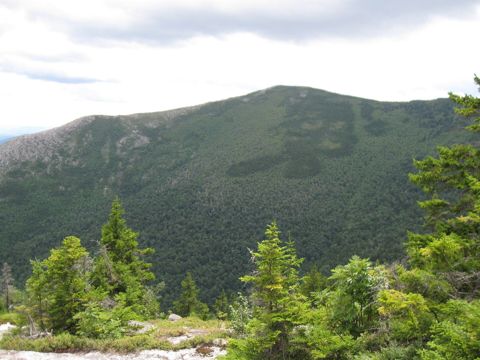 ChathamNew Hampshire · Est. 1767
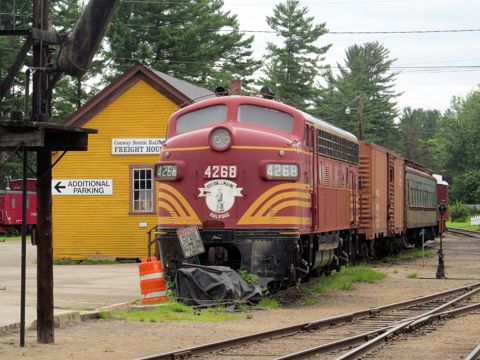 ConwayNew Hampshire · Est. 1765
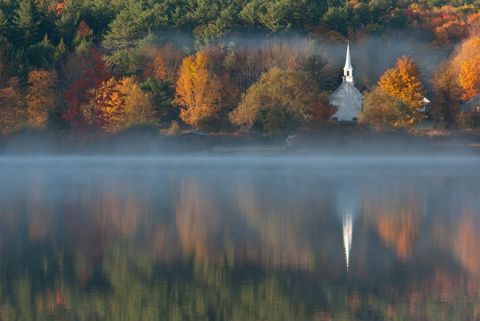 EatonNew Hampshire · Est. 1766
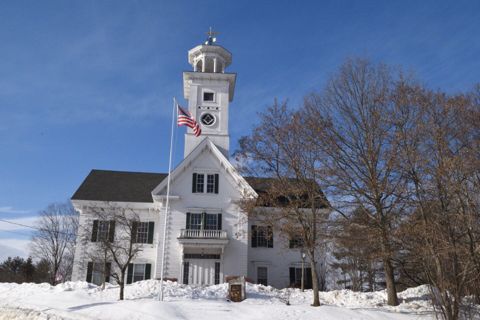 EffinghamNew Hampshire
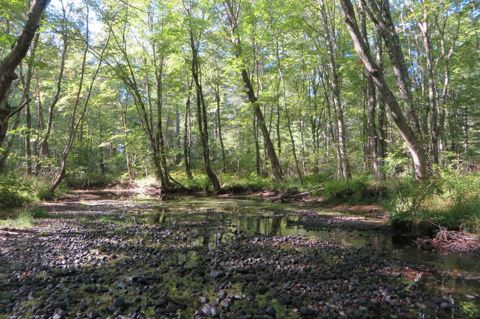 FreedomNew Hampshire · Est. 1831
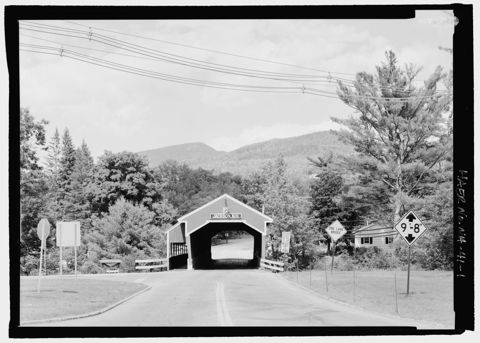 JacksonNew Hampshire · Est. 1800
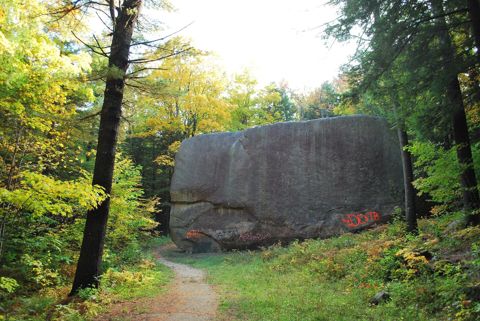 MadisonNew Hampshire · Est. 1852
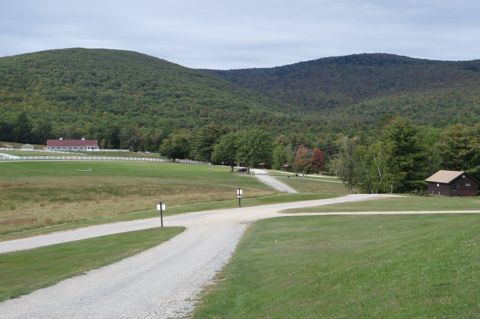 MoultonboroughNew Hampshire · Est. 1777
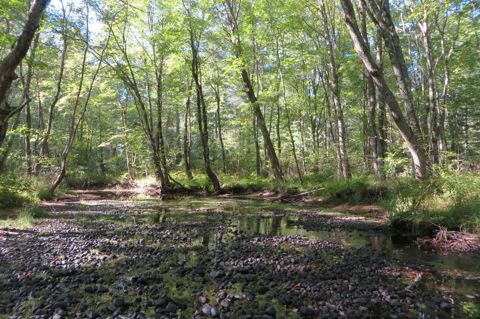 OssipeeNew Hampshire · Est. 1785
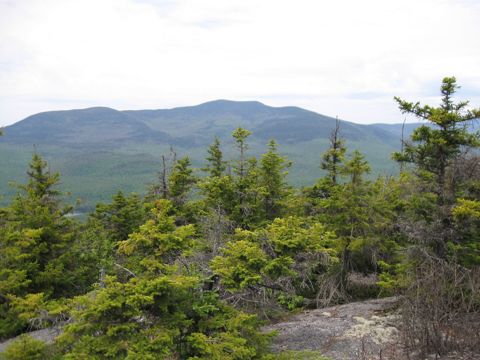 SandwichNew Hampshire · Est. 1763
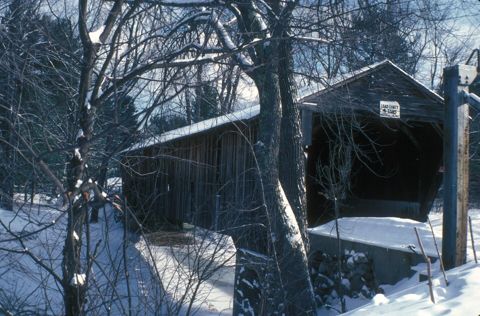 TamworthNew Hampshire · Est. 1766
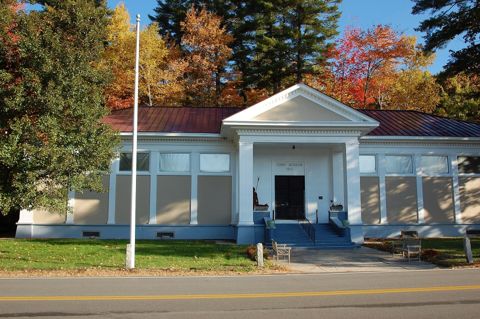 TuftonboroNew Hampshire · Est. 1795
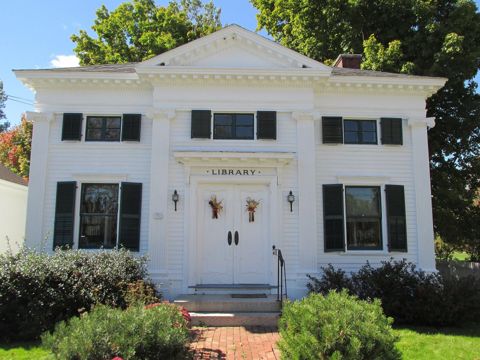 WakefieldNew Hampshire · Est. 1774
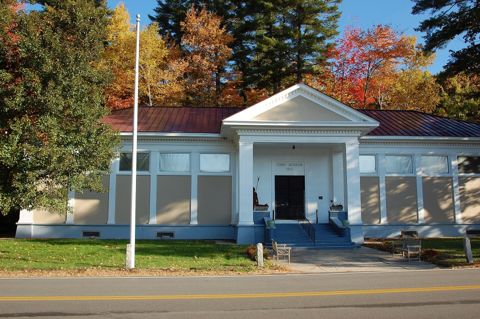 WolfeboroNew Hampshire · Est. 1770
Founding years, populations and town notes come from each town's Wikipedia and Wikidata entries. All New Hampshire towns.