Belknap County, New Hampshire
Street maps, historic prints and keepsakes for 10 Belknap County towns.
The oldest is Gilmanton, established 1727. The largest by population is Laconia (16,871).
| Town | Established | Population |
|---|---|---|
| Alton | 1796 | 5,894 |
| Barnstead | 1767 | 4,915 |
| Belmont | 1859 | 7,314 |
| Gilford | 1812 | 7,699 |
| Gilmanton | 1727 | 3,945 |
| Laconia | 1855 | 16,871 |
| Meredith | 1768 | 6,662 |
| New Hampton | 1777 | 2,377 |
| Sanbornton | 1770 | 3,026 |
| Tilton | 1869 | 3,962 |
About these towns
Alton: Originally called "New Durham Gore" because of rocky upland areas, or "gores", the town was settled in 1770, mainly by farmers because the highland areas provided less frost.
Barnstead: The town was granted on May 20, 1727, by Lieutenant Governor John Wentworth to the Reverend Joseph Adams and others. Settlement commenced in 1765, and two years later Barnstead was incorporated as a town by Governor John Wentworth.
Belmont: Originally known as "Upper Gilmanton", Belmont was chartered in 1727 as a parish of Gilmanton. With water power from the Tioga River, it developed as a mill town.
Gilford: Settled in 1778 and originally a part of Gilmanton, the town was first called Gunstock Parish. In 1812, Captain Lemuel B. Mason, who had fought in the 1781 Battle of Guilford Court House in North Carolina during the Revolutionary War and subsequently retired to Gunstock Parish, successfully proposed incorporation of a new town to be named Guilford after that battle.
Gilmanton: Gilmanton was incorporated in 1727. First known as "Gilmantown", the town was home to the Gilman family, originally settled at Exeter. Twenty-four members of the Gilman family received land grants in the new town of Gilmanton. (Other families related to the Gilmans also received grants in the new town, including the Dudleys, the Leavitts, the Folsoms and the Coffins.) At…
Laconia: A large Abenaki Indian settlement called Aquadoctan once existed at the point now known as The Weirs, named by colonists for fishing weirs discovered at the outlet of the Winnipesaukee River.
Meredith: Meredith was first known as "Palmer's Town" in honor of Samuel Palmer, a teacher of surveying and navigation who laid out much of the land surrounding Lake Winnipesaukee.
New Hampton: Granted in 1765 by colonial Governor Benning Wentworth, New Hampton was originally known as "Moultonborough Addition", after then-Colonel Jonathan Moulton, who held the position of town moderator.
Sanbornton: Located in the fork of the Pemigewasset and Winnipesaukee rivers, the town was first called "Crotchtown". It was granted by colonial Governor Benning Wentworth in 1748 to his friend John Sanborn of Hampton, along with 59 others from Hampton, Exeter and Stratham.
Tilton: Originally the southern part of Sanbornton, the present area of Tilton was known as "Sanbornton Bridge" and "Bridge Village". These two names refer to the bridge, built in 1763, that crossed the Winnipesaukee River from Canterbury to Sanbornton and onto what is now Main Street in Tilton.
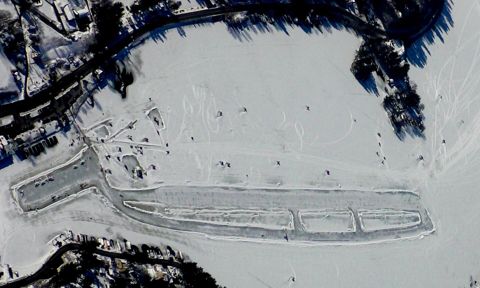 AltonNew Hampshire · Est. 1796
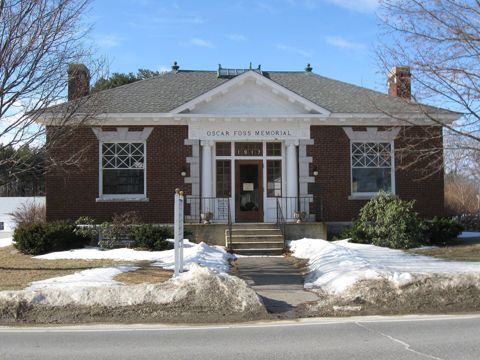 BarnsteadNew Hampshire · Est. 1767
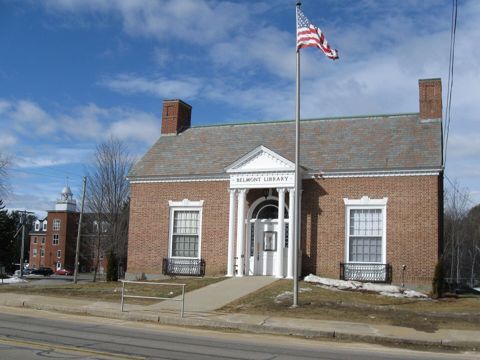 BelmontNew Hampshire · Est. 1859
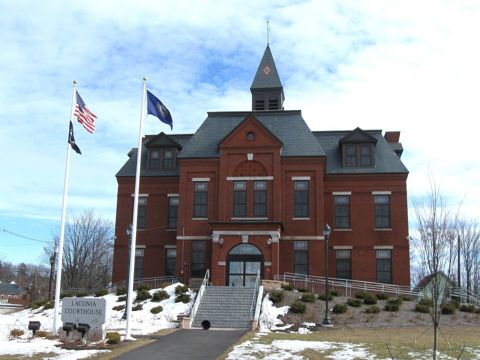 GilfordNew Hampshire · Est. 1812
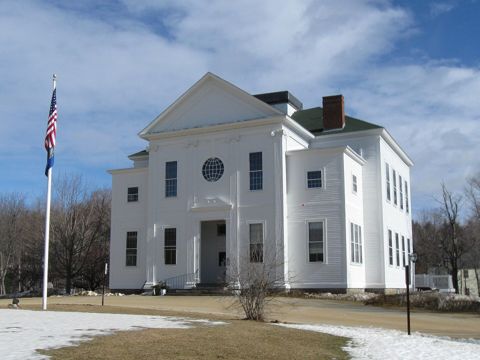 GilmantonNew Hampshire · Est. 1727
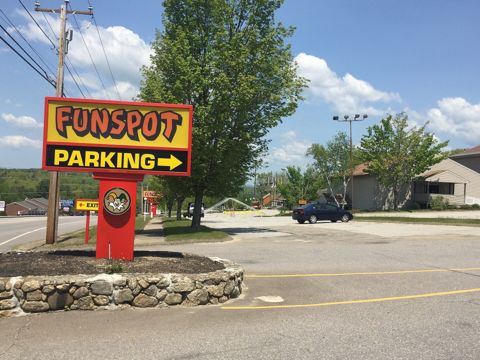 LaconiaNew Hampshire · Est. 1855
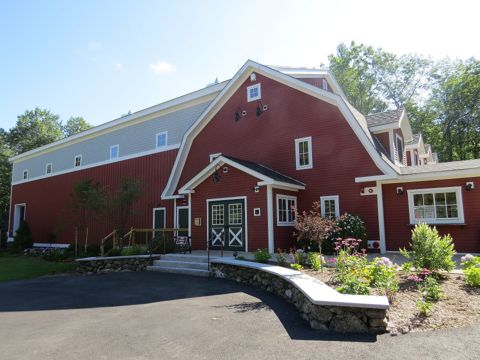 MeredithNew Hampshire · Est. 1768
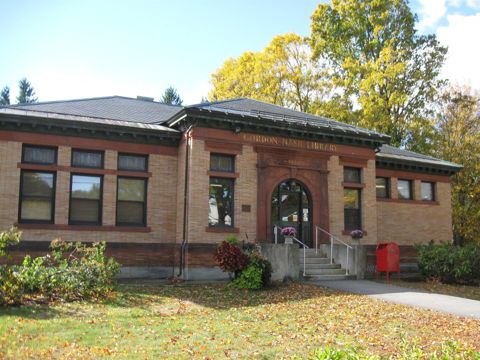 New HamptonNew Hampshire · Est. 1777
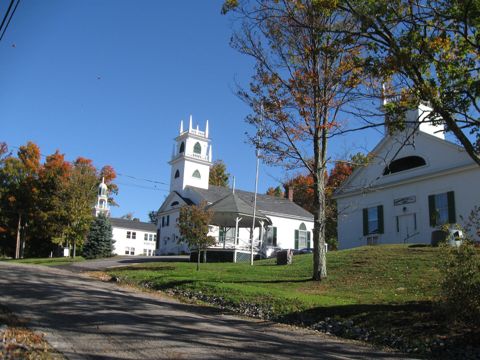 SanborntonNew Hampshire · Est. 1770
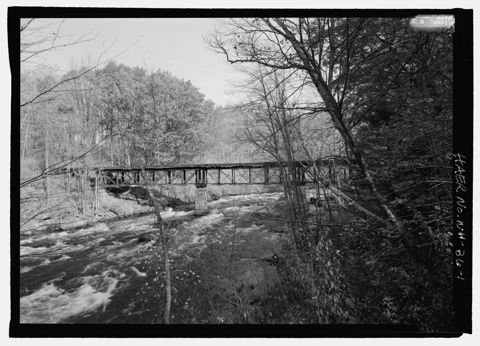 TiltonNew Hampshire · Est. 1869
Founding years, populations and town notes come from each town's Wikipedia and Wikidata entries. All New Hampshire towns.