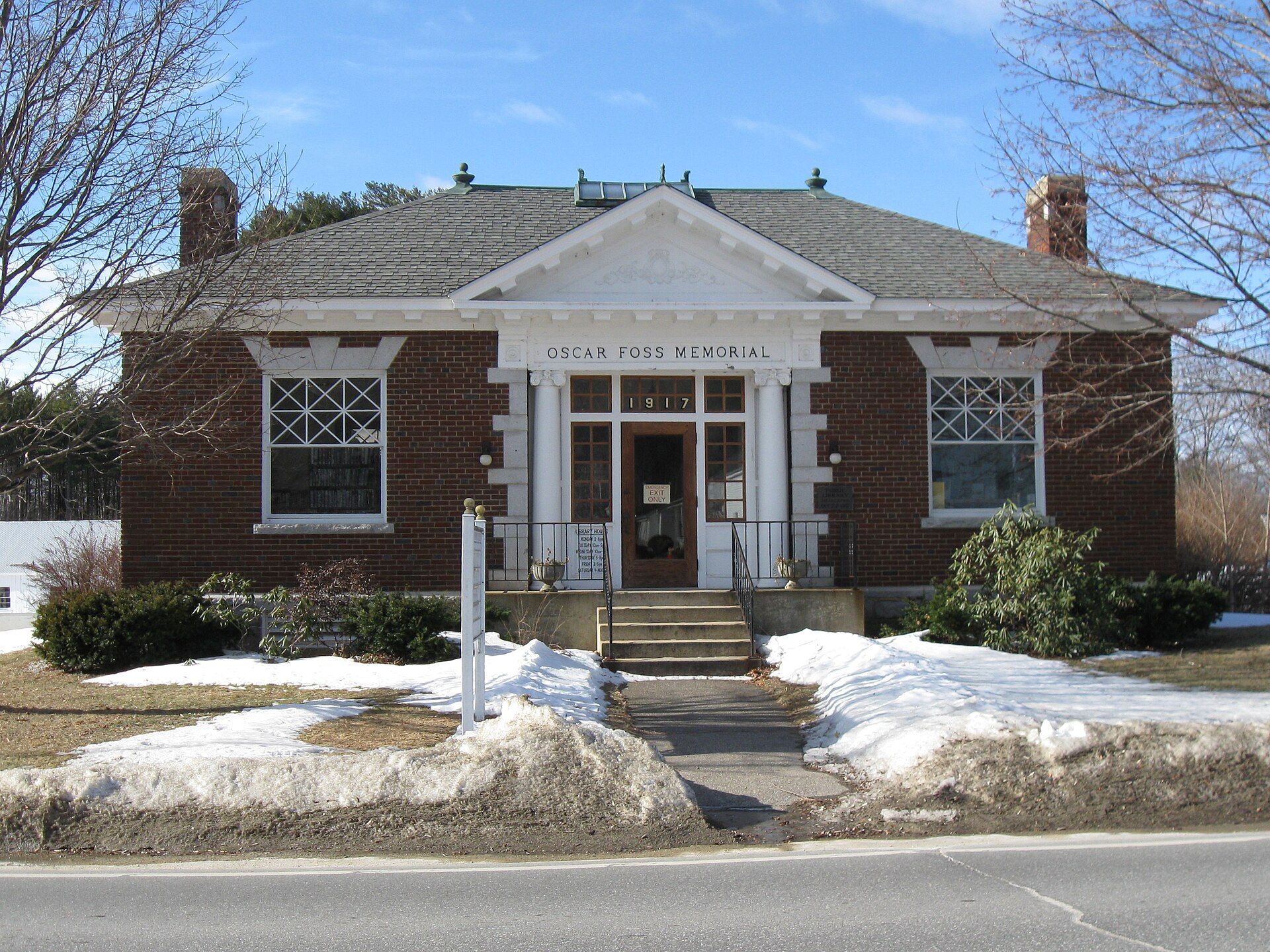
Home to the Suncook Lakes, Barnstead includes the villages of Center Barnstead, Barnstead Parade and South Barnstead. Landmarks include Oscar Foss Memorial Library. Barnstead is the birthplace of Hiram A. Tuttle, politician.
Every piece is drawn from Barnstead's own map data and historic archives, then printed and shipped from the USA when you order. No two towns look alike.
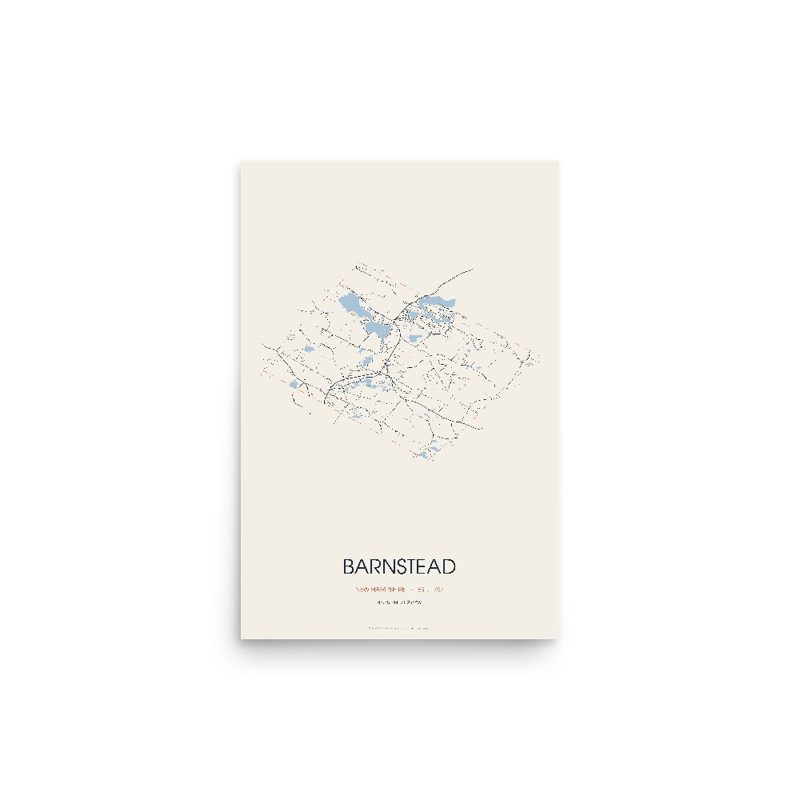
Every road in town, on archival matte paper
The same map, in navy and silver
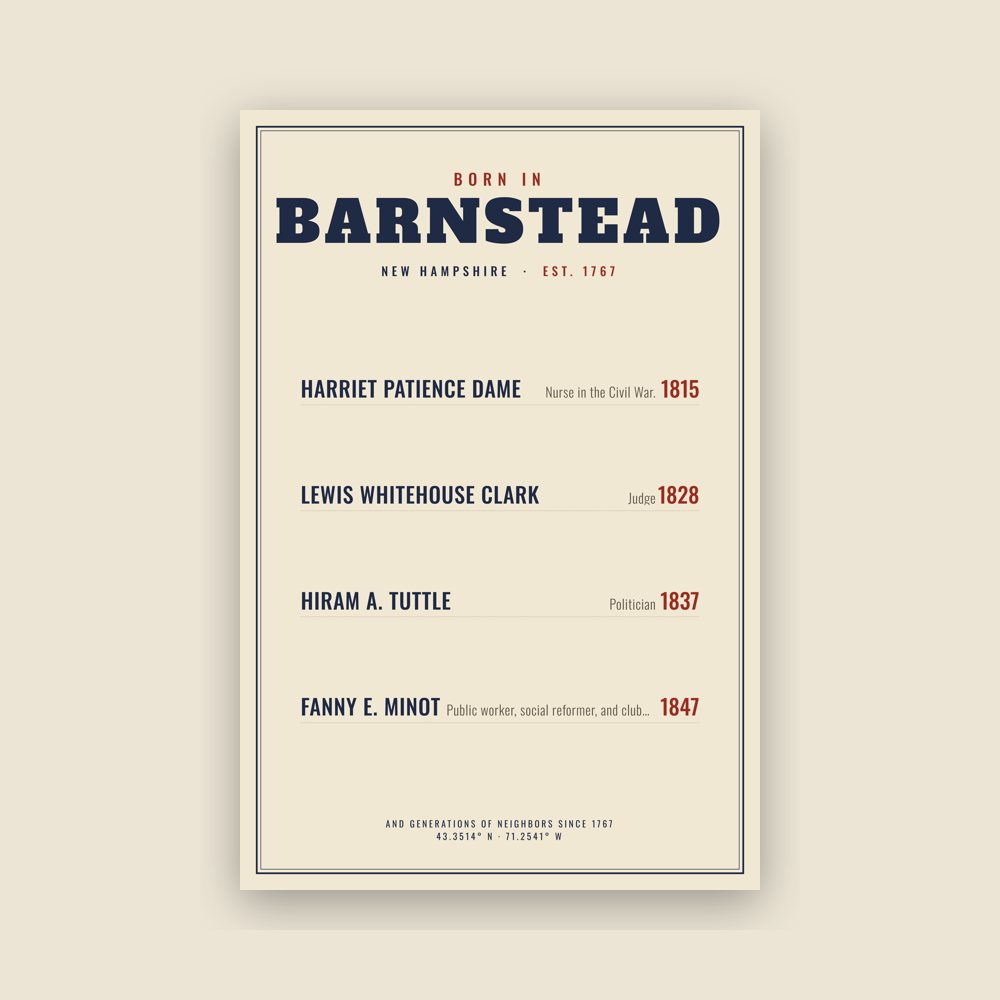
Famous natives, by birth year
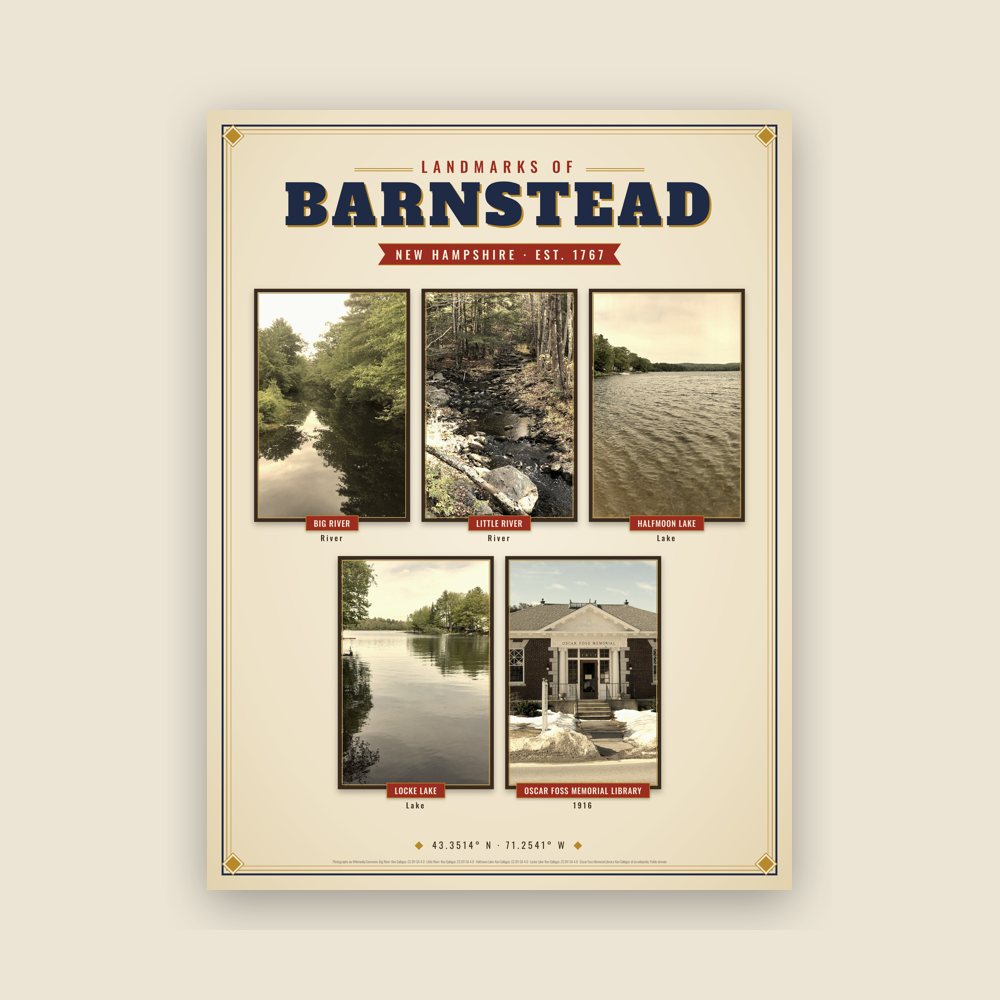
Nine local landmarks, archival matte
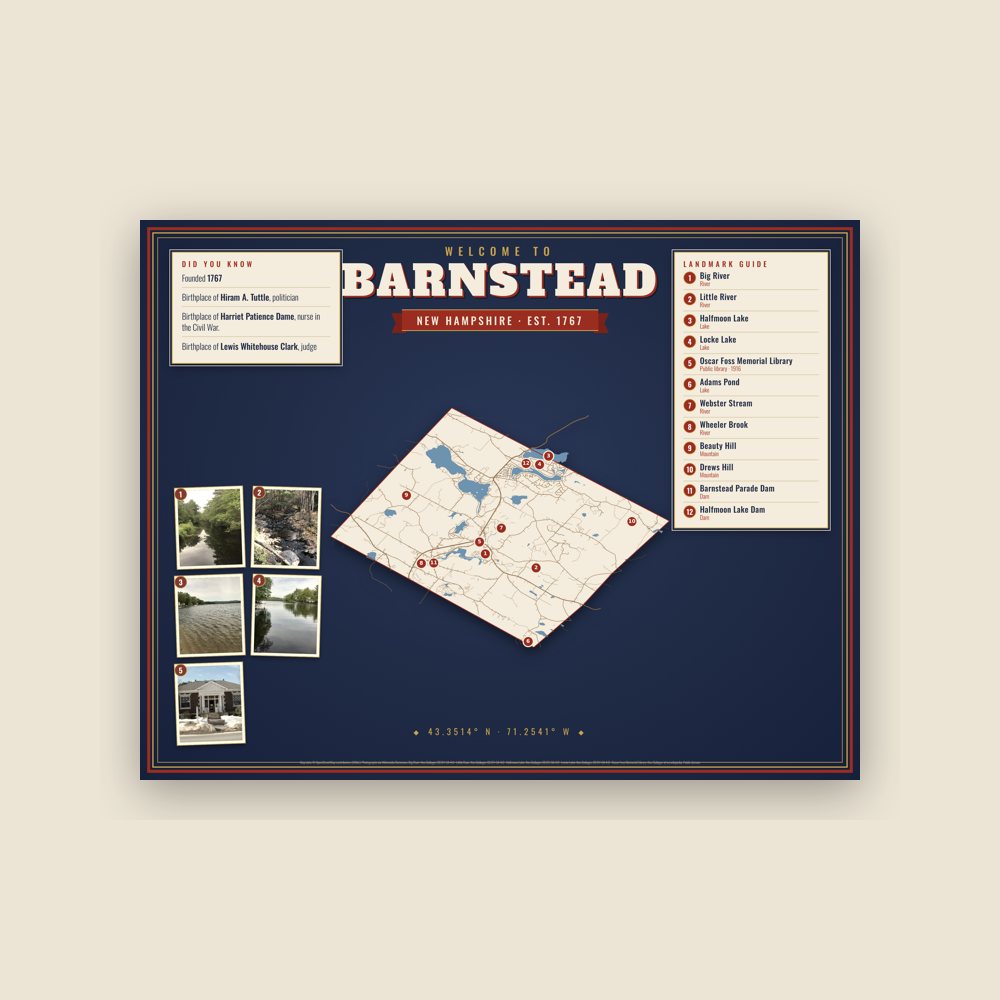
Map of local landmarks, washable fabric
Heavy-blend fleece, street map printed on the back
Soft Bella+Canvas jersey
Glossy ceramic, dishwasher safe
Ceramic keepsake, gold ribbon
Weatherproof, for the front walk
24″×16″, printed coir-look fibers, rubber back
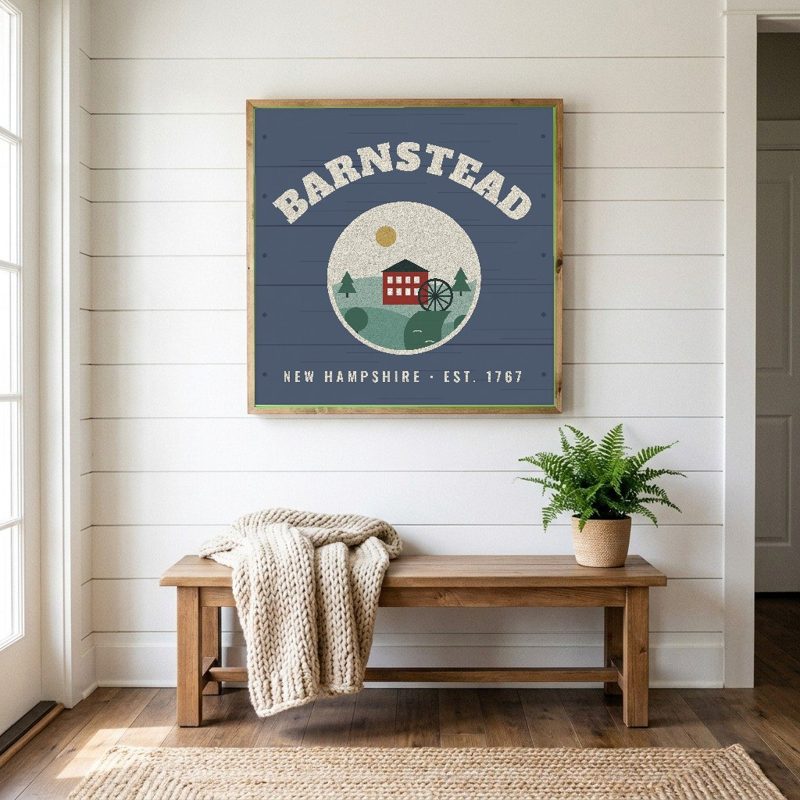
12″×12″ printed wood, ready to hang
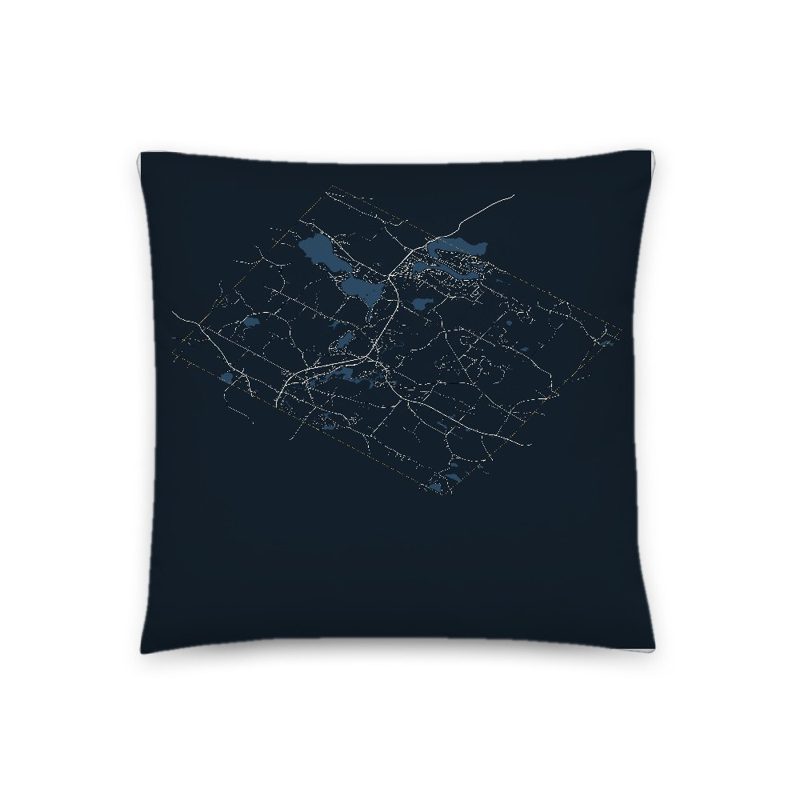
Soft-touch, zip cover
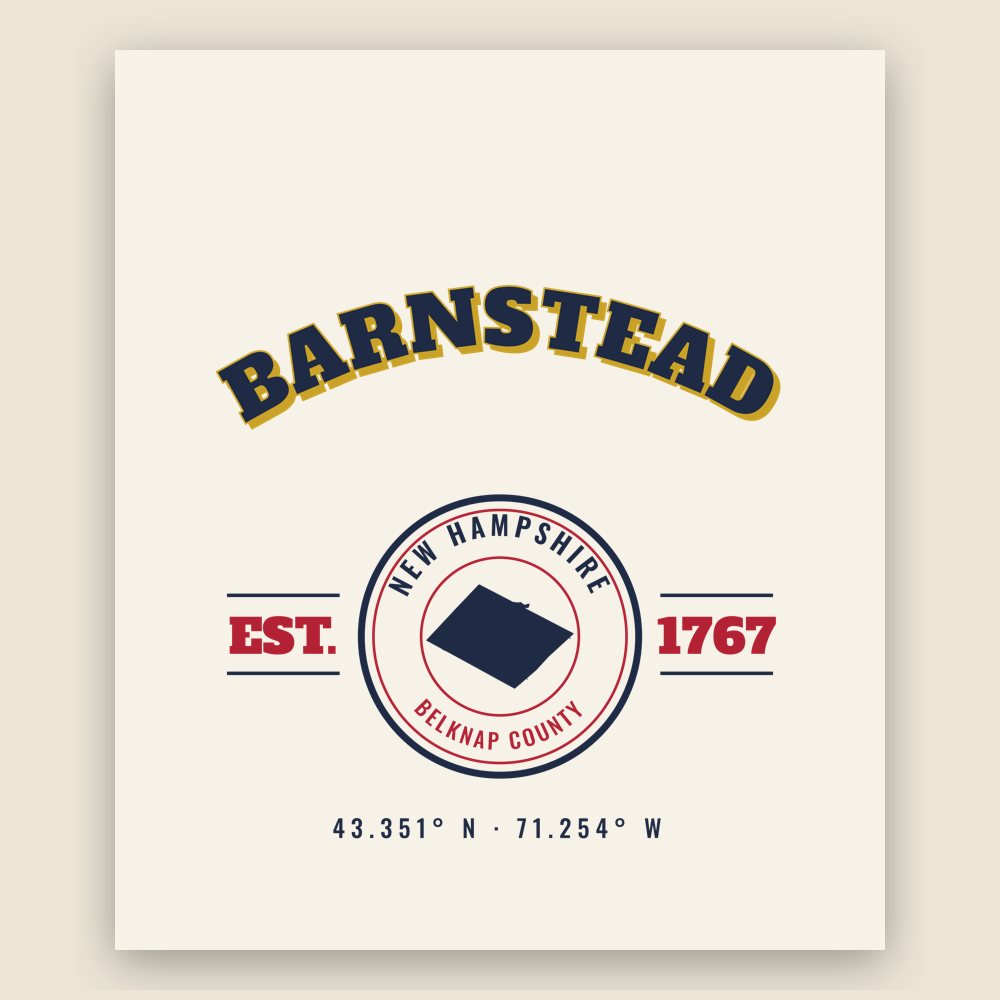
Sturdy all-over-print tote
Glossy top, cork back
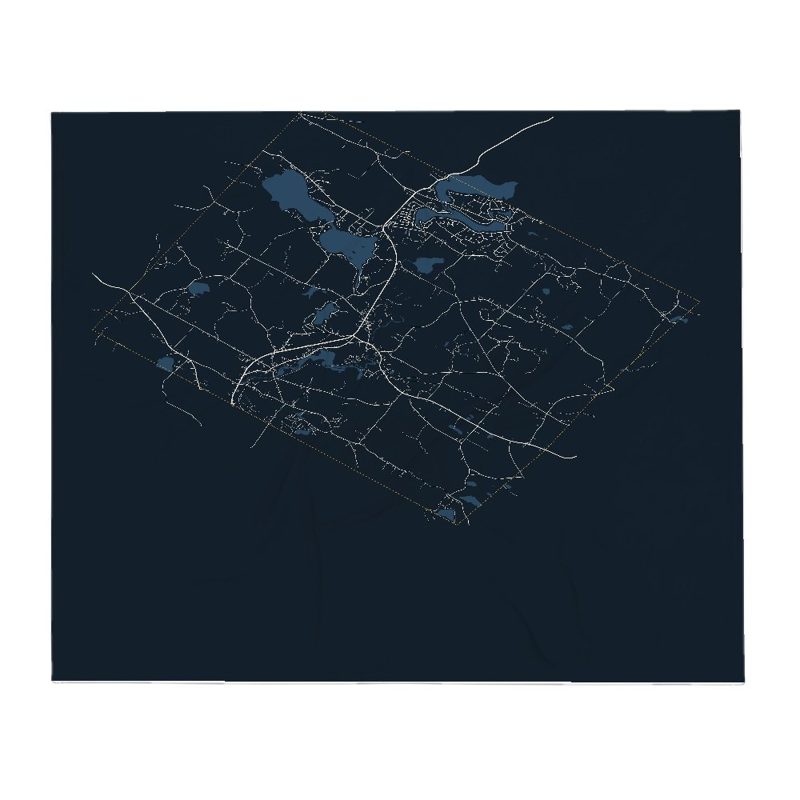
Soft fleece, 50″×60″
20 oz, double-wall stainless
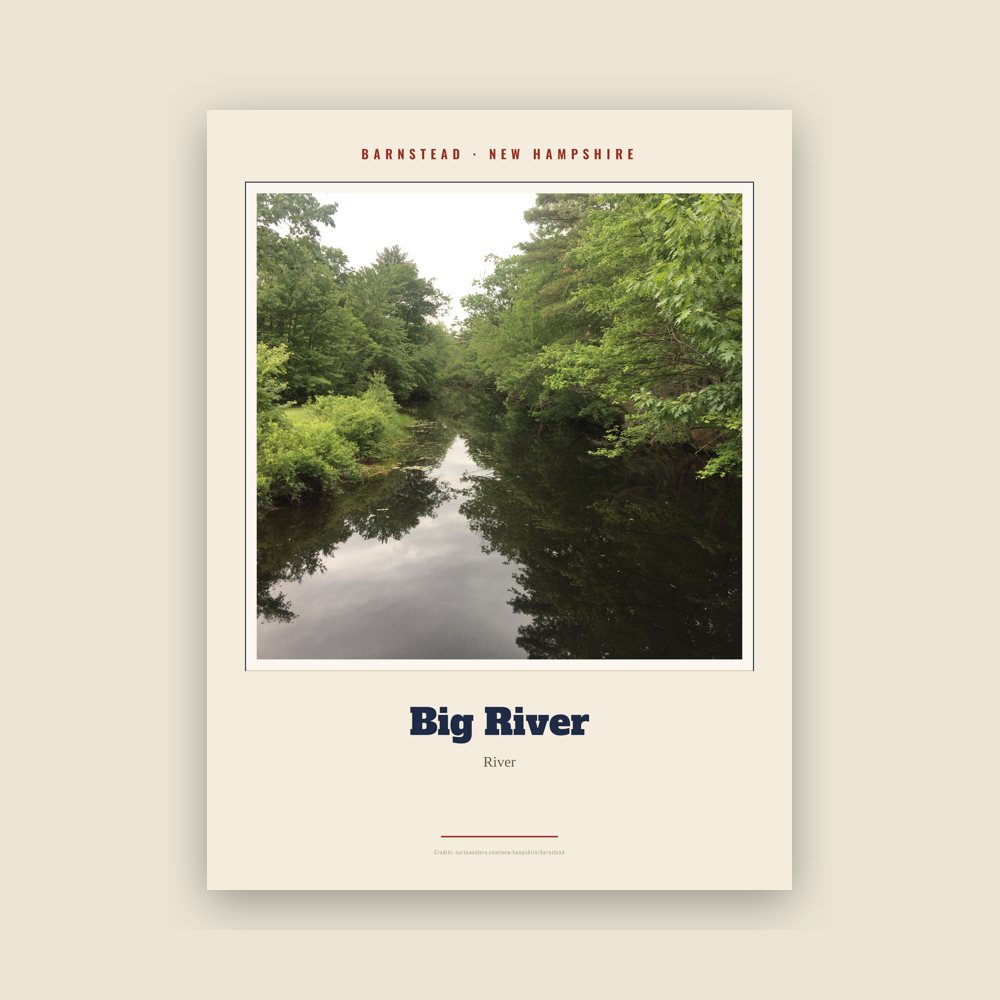
Archival matte print of a local landmark, credited to its photographer
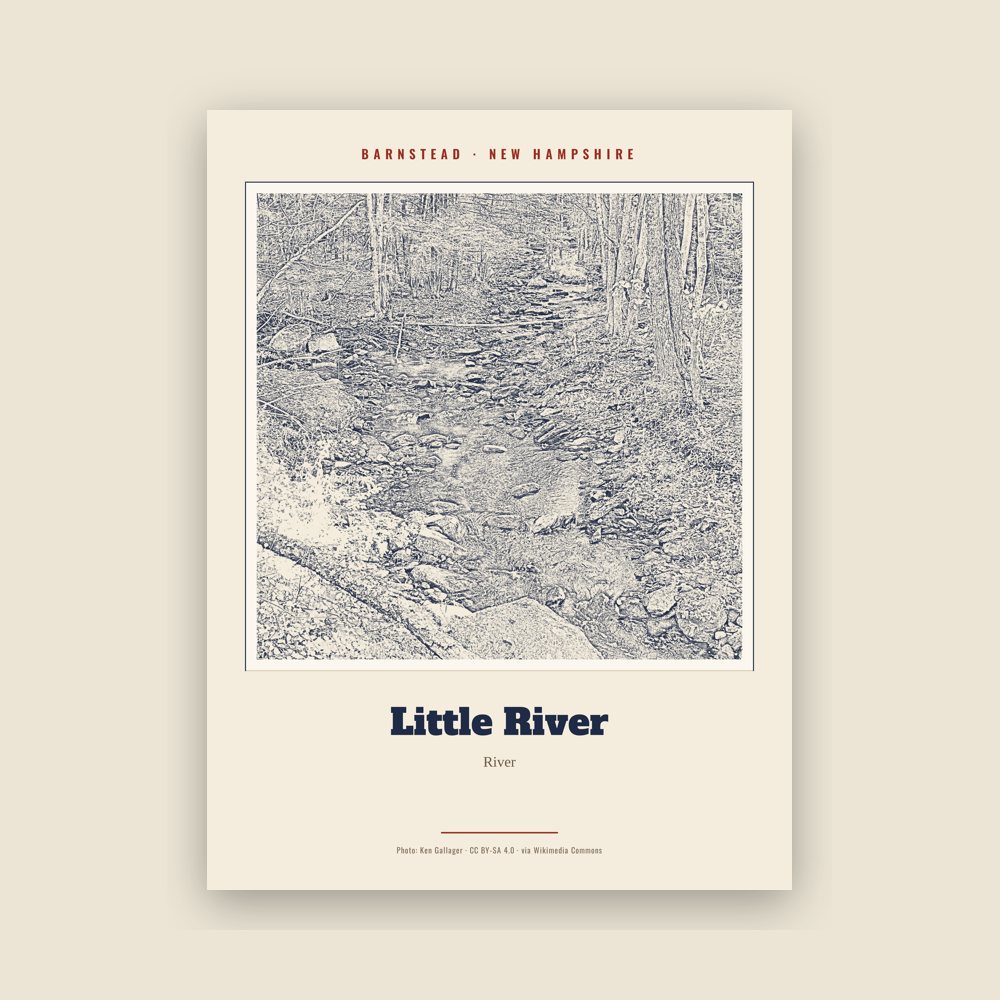
Archival matte print of a local landmark, credited to its photographer
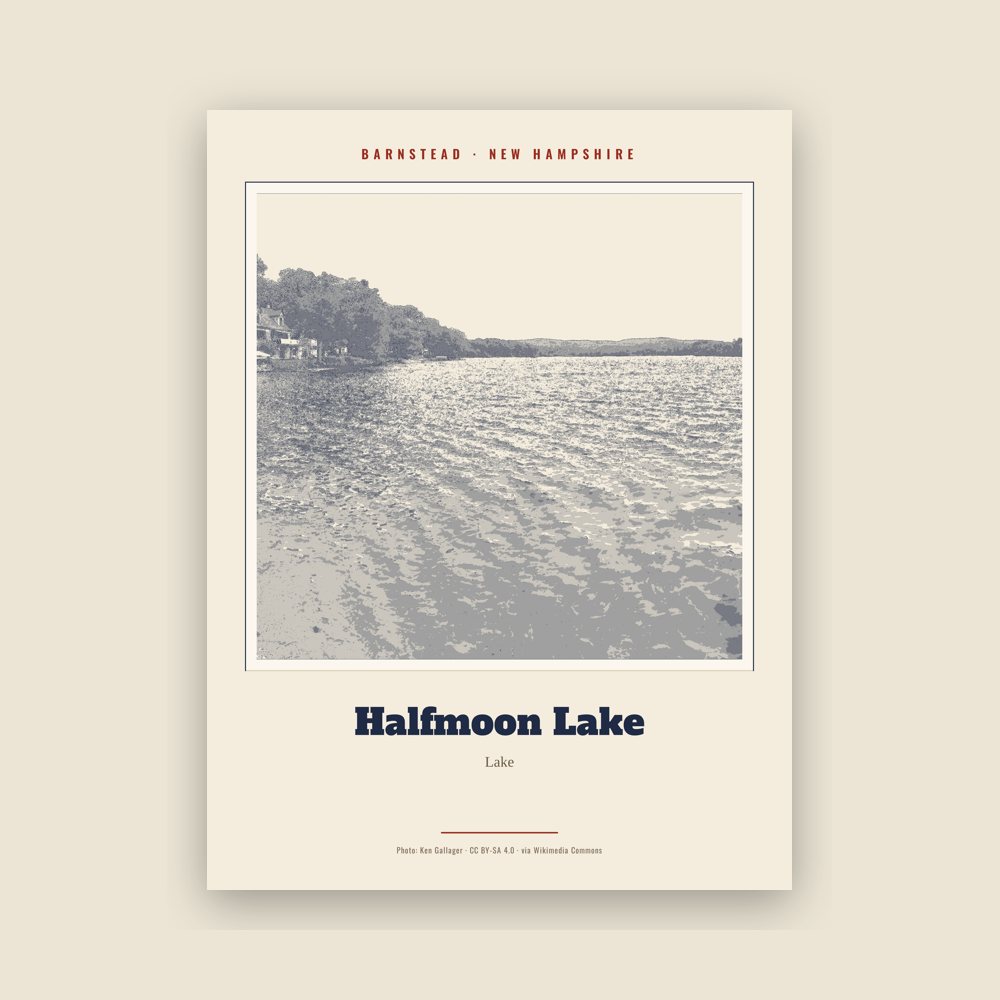
Archival matte print of a local landmark, credited to its photographer
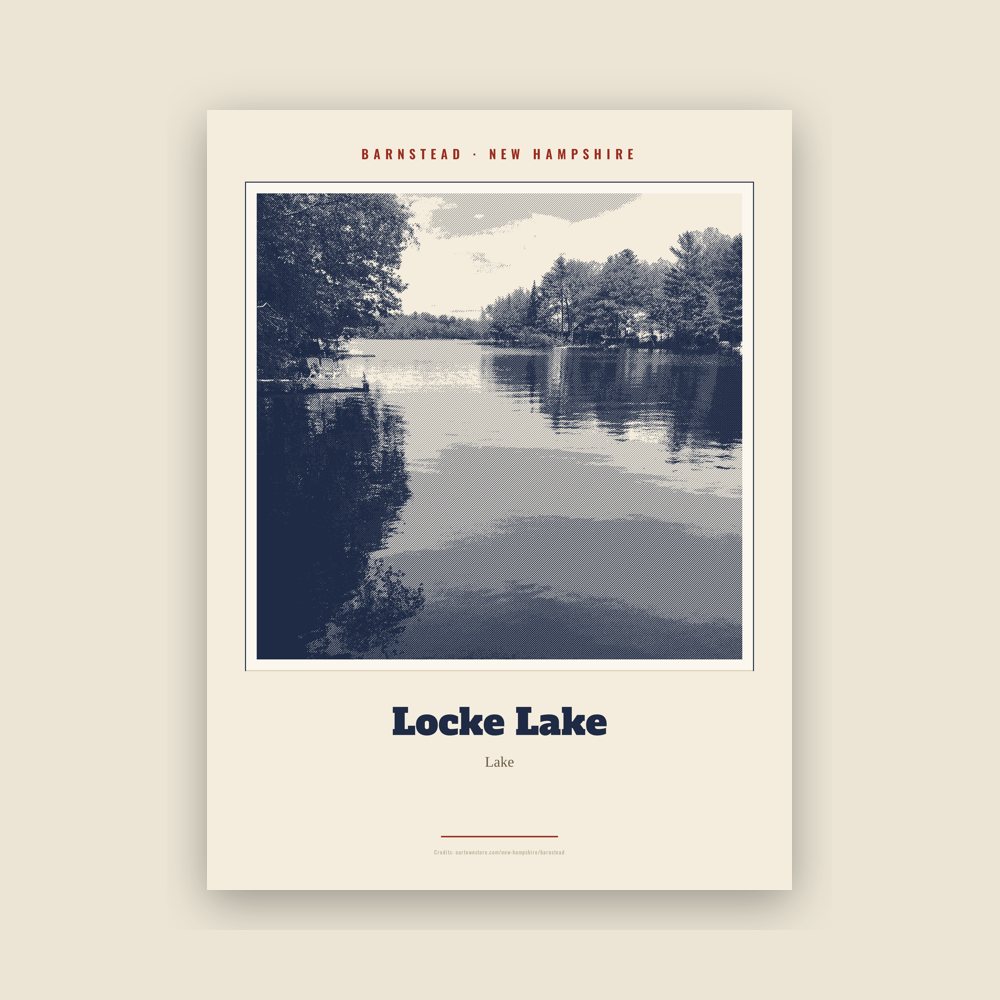
Archival matte print of a local landmark, credited to its photographer
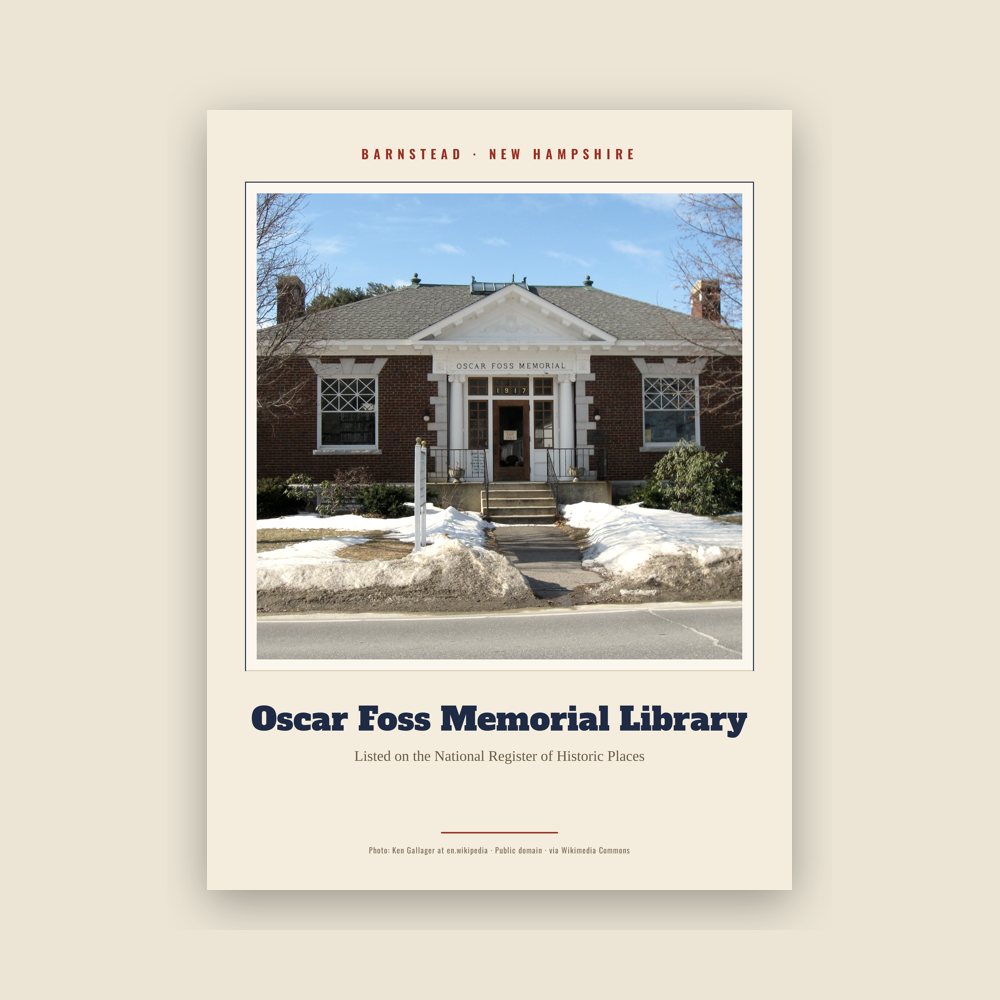
Archival matte print of a local landmark, credited to its photographer
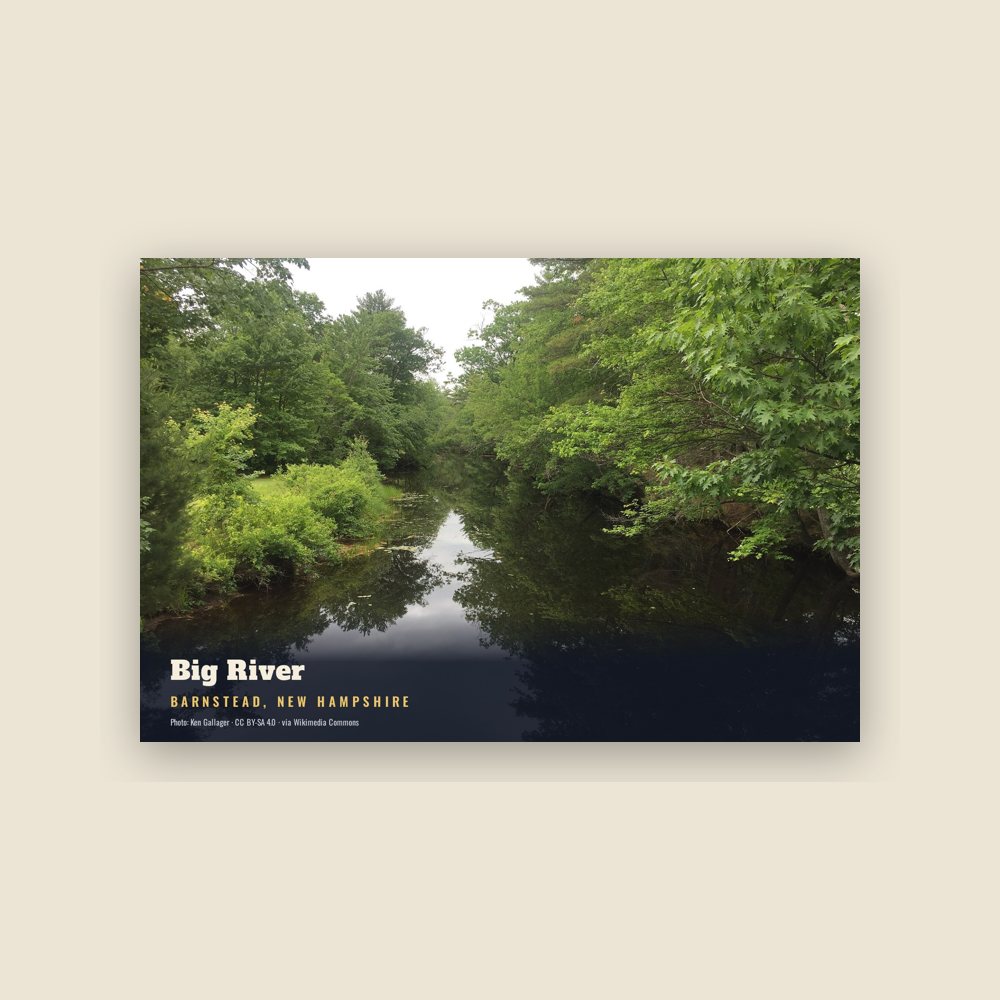
6″×4″ postcard, glossy front
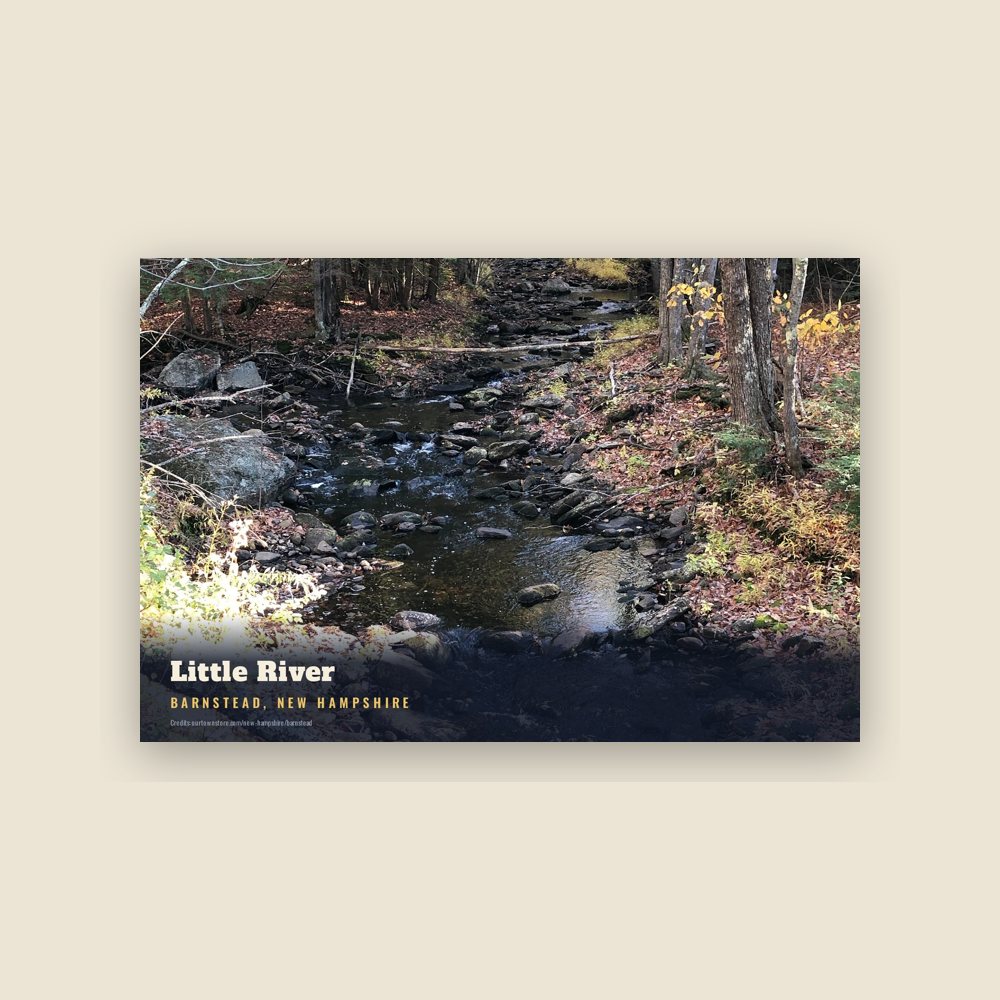
6″×4″ postcard, glossy front
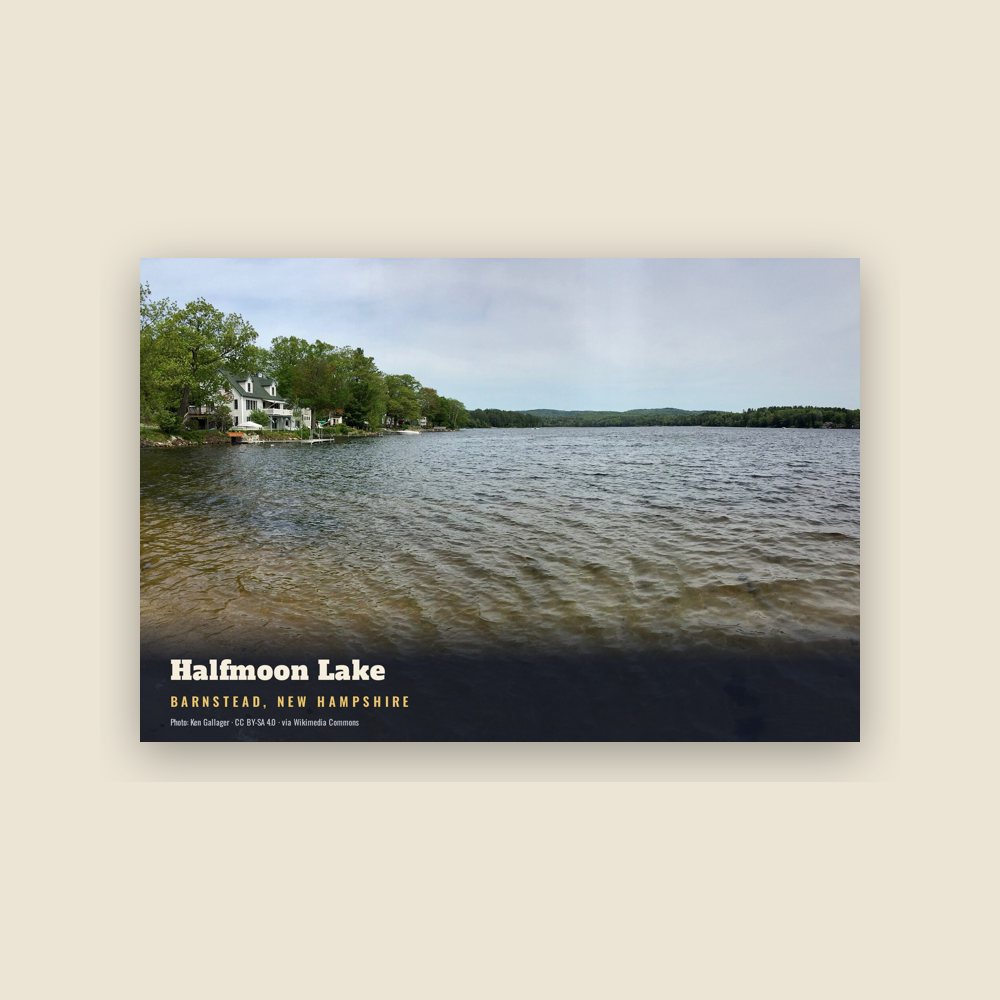
6″×4″ postcard, glossy front
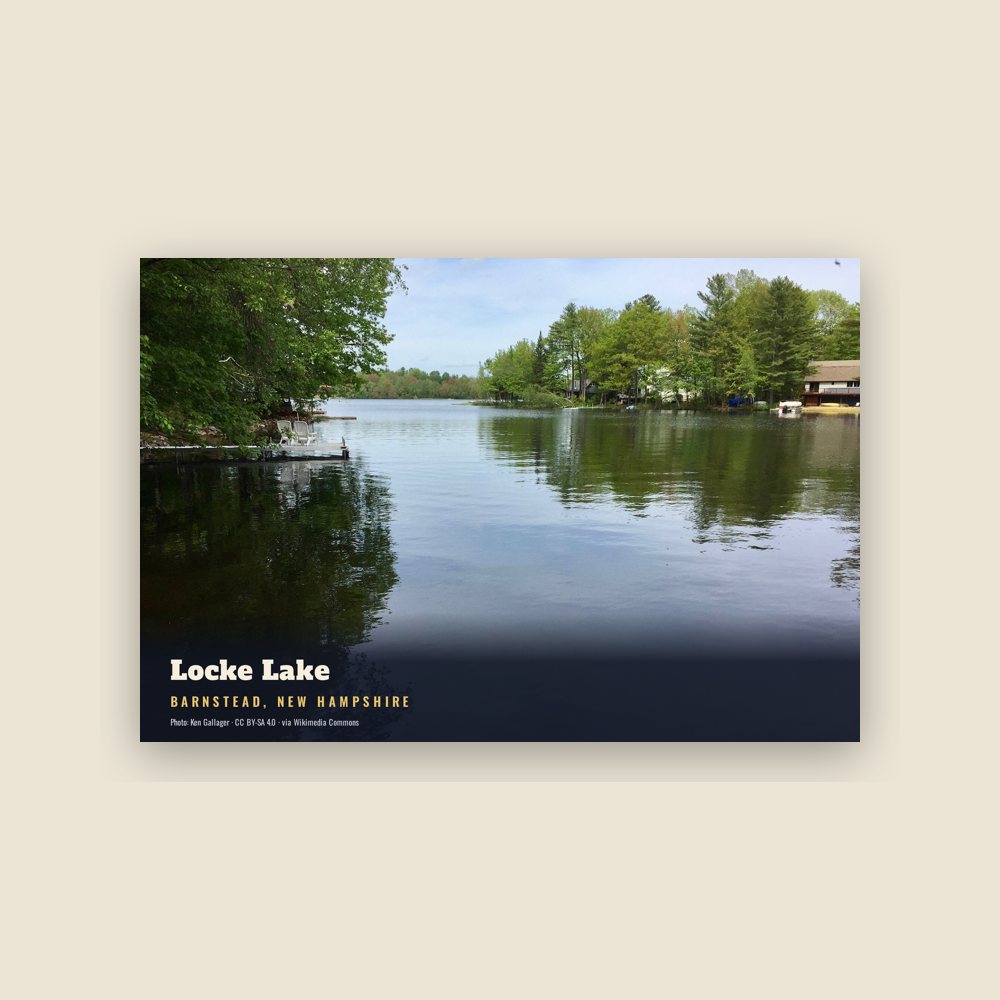
6″×4″ postcard, glossy front
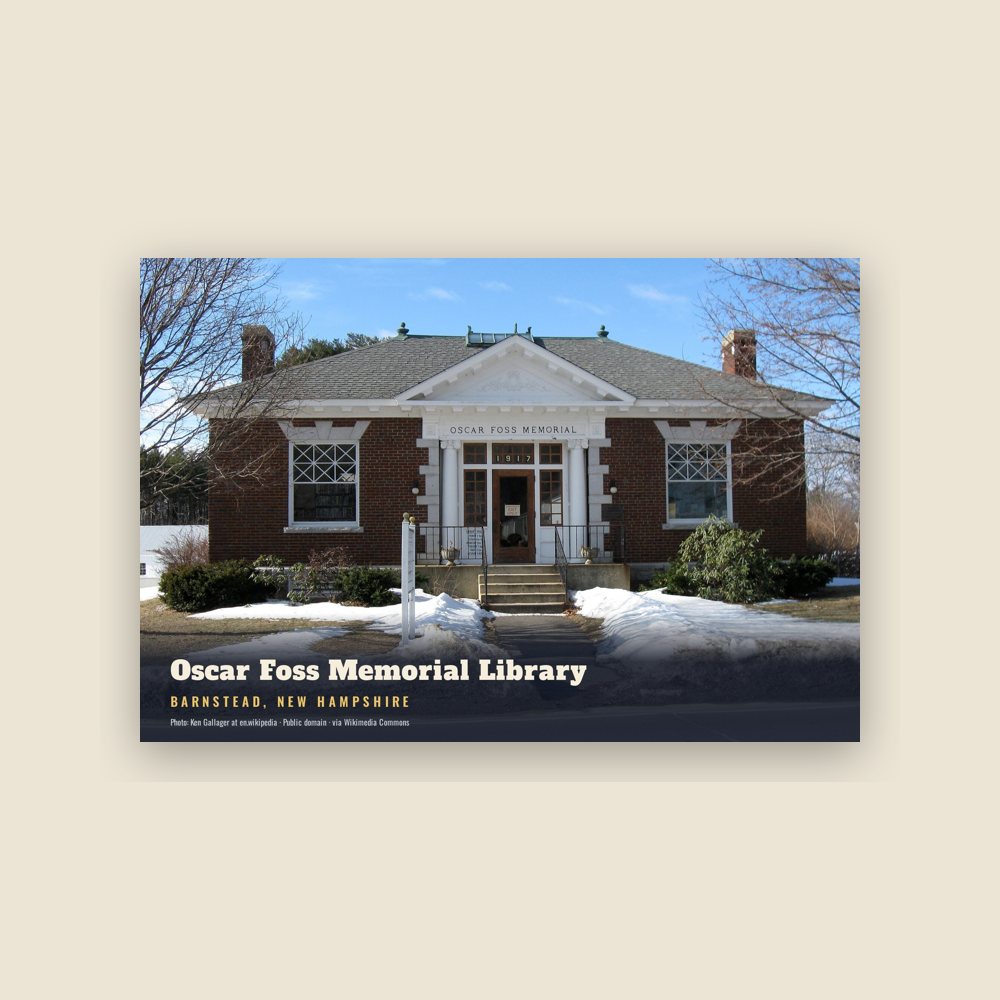
6″×4″ postcard, glossy front
Population 2010: 4,593 → 2020: 4,915
From Wikidata (CC0).
The town was granted on May 20, 1727, by Lieutenant Governor John Wentworth to the Reverend Joseph Adams and others. Settlement commenced in 1765, and two years later Barnstead was incorporated as a town by Governor John Wentworth. Many of the settlers came from Barnstable, Massachusetts, and Hempstead, New York—the name is taken from these two.
Although not mountainous, the terrain forms large swells, good for grazing. By 1830, when the population was 2,047, the town contained about 2,500 sheep. Farmers found the soil easy to cultivate and productive. The Suncook River and its tributaries provided water power for mills. By 1859, industries included a woolen cloth factory, seven sawmills, four shingle mills, four clapboard mills, one grooving machine, one turning machine, and two tanneries. Barnstead manufactured large amounts of lumber, which it supplied to neighboring towns.
Barnstead was served in 1874 by the Concord and Rochester Railroad, and an extension of the Suncook Valley Railroad was being planned.
Adapted (trimmed) from the Wikipedia article Barnstead, New Hampshire, revision 1378487442 by its contributors, licensed CC BY-SA 4.0.
We share a part of every Barnstead sale with local partners, and we'd love to print from your collection. Old photographs, maps and postcards make the best keepsakes.
Partner with us