In the fall of 1917, manganese ore along with other metals were found at the site of the Three Kids Mine, a now-defunct mine adjacent to the Lake Las Vegas area 8 miles (13 km) northwest of Boulder City and 15 miles (24 km) southeast of Las Vegas. Mining would continue intermittently until the mine was officially closed in 1961.
Instead, there were clusters of Hoovervilles scattered throughout the area with a variety of names. Pittman, the most prominent settlement of what would become Henderson, still exists today —though not incorporated nor a city—was the most prominent of the settlements and is currently known, many of which remain neighborhood names today.
Read the full history
World War II growth
In an effort to supply the Allies in World War II, the federal government needed vast quantities of magnesium for the war. Mined from Gabbs, Nevada, the ore needed to be processed in order to produce a variety of critical war materials, such as airplane engines, fuselages, and incendiary munitions casing.
The area was chosen to build a two-mile long industrial complex to house the company chosen to run the operation, Basic Magnesium Incorporated (BMI), which would go on to have a massive impact on the development of Henderson.
The War Department identified the area as being ideal for military industrial manufacturing. The area was at least 250 miles from the coast in between the McCullough Hills and River Mountains, protecting the area from low-altitude aircraft attacks. The area is also roughly halfway between the railroad line connecting Las Vegas to Los Angeles and Salt Lake and the Hoover Dam's water and electricity.
In September 1941, around 2,700 workers began construction of the BMI complex in order to complete it in just 11 months. When the plant opened in February 1942, around 15,000 people would come from around the country to come work at the plant. At its peak, it would produce 25% of the nation's magnesium. In between the preexisting communities of Pittman and Midway, what is now downtown Henderson was referred to as the Basic Townsite.
During this time, the first high school in Henderson and second in Clark County, Basic High School, was established in 1942. The school has moved twice, once in the 1950s and again in 1972 to its current location. The school has a large, white letter "B" made of painted boulders on the side of the River Mountain range.
Incorporation
By the end of World War II, Henderson suffered a sharp decline when the BMI plant ceassed production, with most of its 14,000 employees leaving with their families. With the sharp population decline, Henderson's future was uncertain and the state government was looking to public and private sectors to repurpose infrastructure. In 1946, the Nevada Legislature authorized the Colorado River Commission of Nevada to purchase the industrial plants, preventing the town's dissolution.
This intervention paved the way for the city of Henderson to exist. Henderson was officially incorporated as a city on April 16, 1953, with a population of 7,500 and Dr. Jim French serving as its first mayor.
Post-war growth to 1980s
Despite its proximity to Las Vegas, Henderson maintained a distinct identity throughout the 1960s and 1970s, with slower rates of development and a priority placed on developing single-family homes, retail, and manufacturing industries. Land continued to be developed independently across Henderson, in particular expanding around the former towns of Pittman and Midway City, as well as near the Water Street District and the area east of Boulder Highway and south of Lake Mead Boulevard.
In 1971, a land sale involving KLAS-TV founder and Las Vegas Sun publisher, Hank Greenspun, caused controversy but resulted in the development of the first neighborhoods outside the original downtown, Green Valley. Greenspun acquired 4,720 acres of government-released land directly in between Las Vegas and downtown Henderson at approximately $280 per acre, a low price which drew criticism.
Throughout the 1960s into the 1980s, the Green Valley development encouraged growth with other master-planned communities following suit including other early-built developments including MacDonald Highlands in the 1970s, the Fountains in 1988, Seven Hills in 1996, and Anthem in 1988.
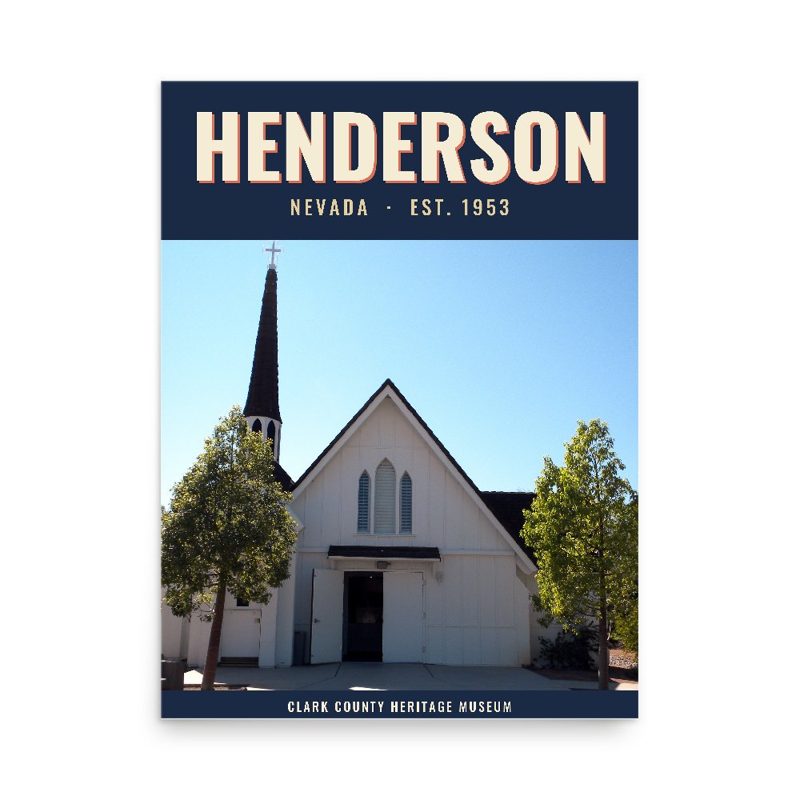
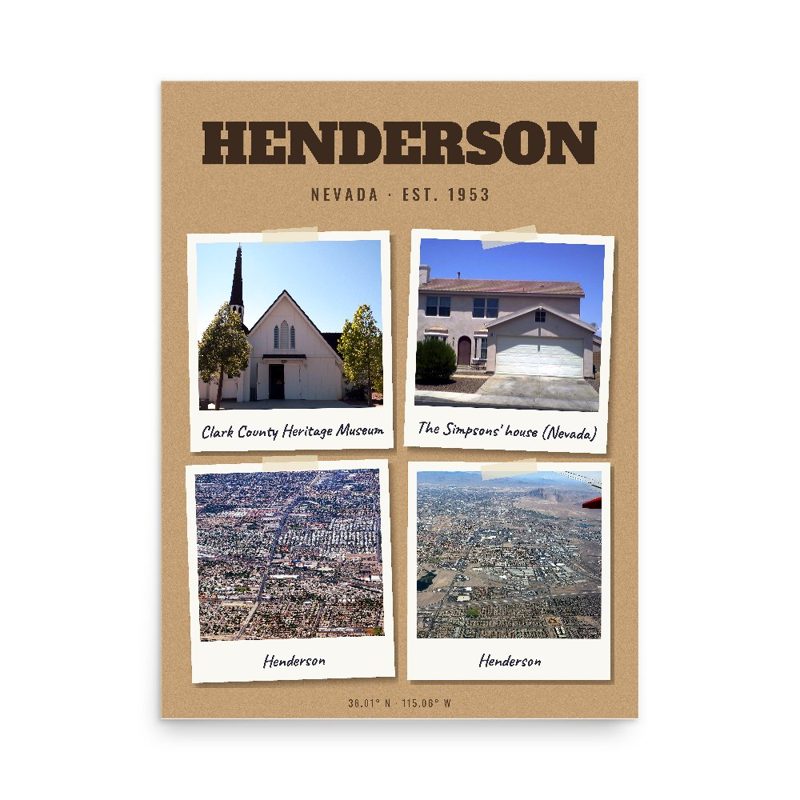
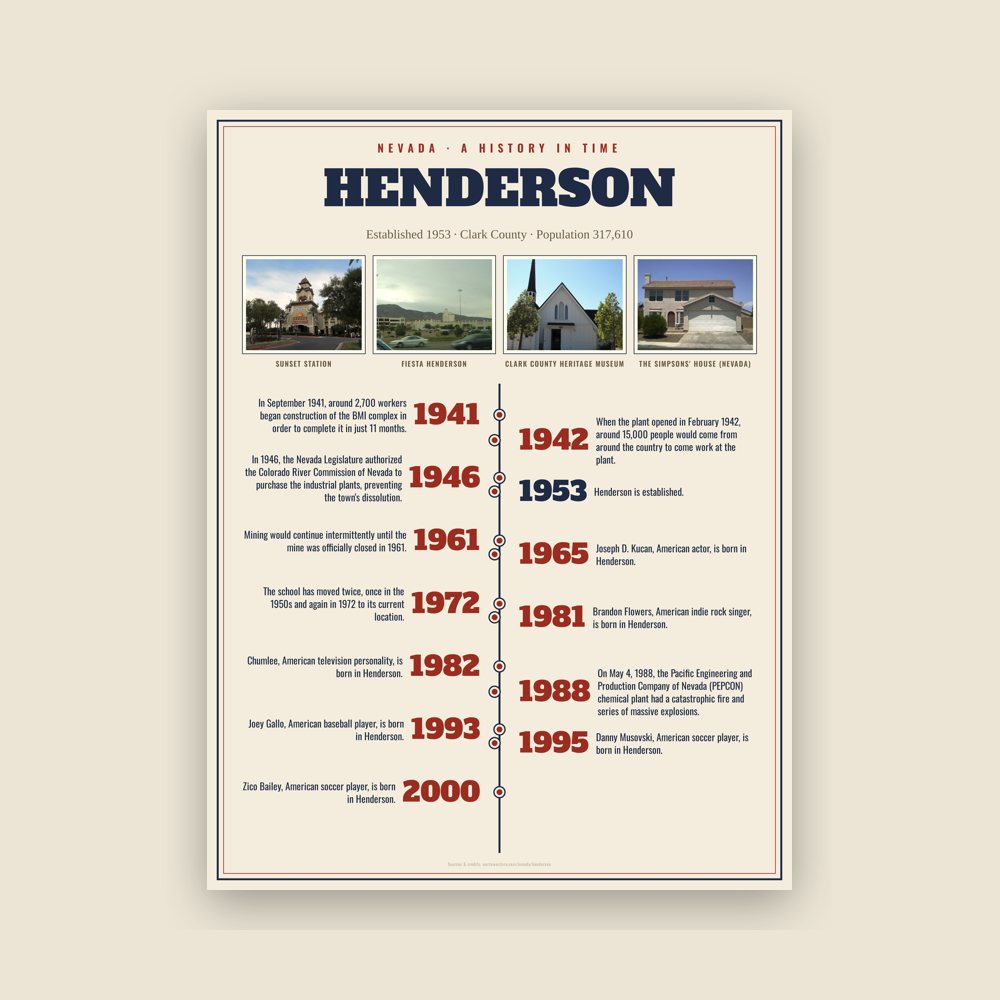
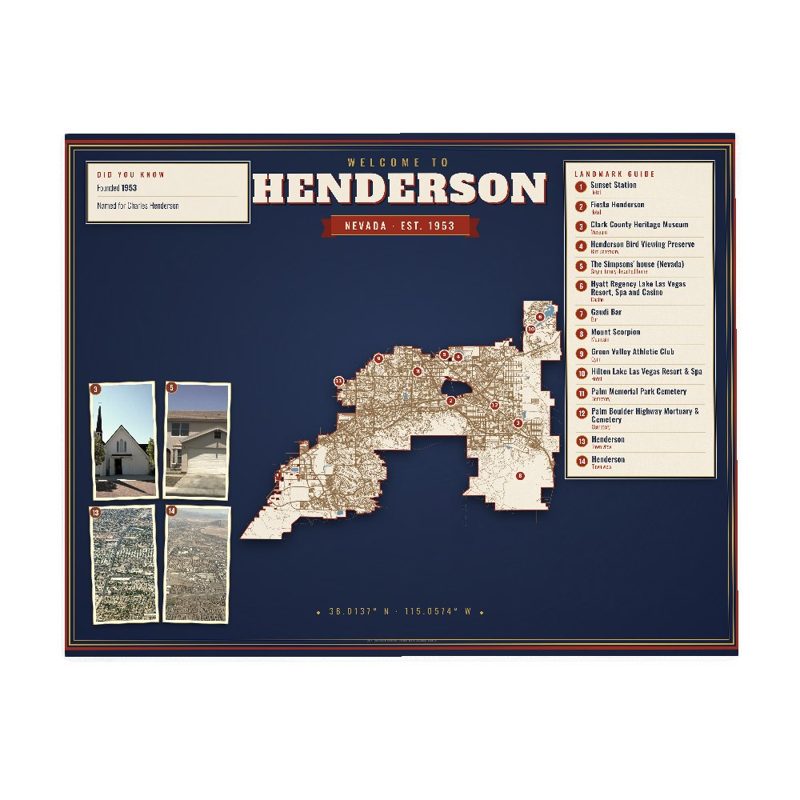



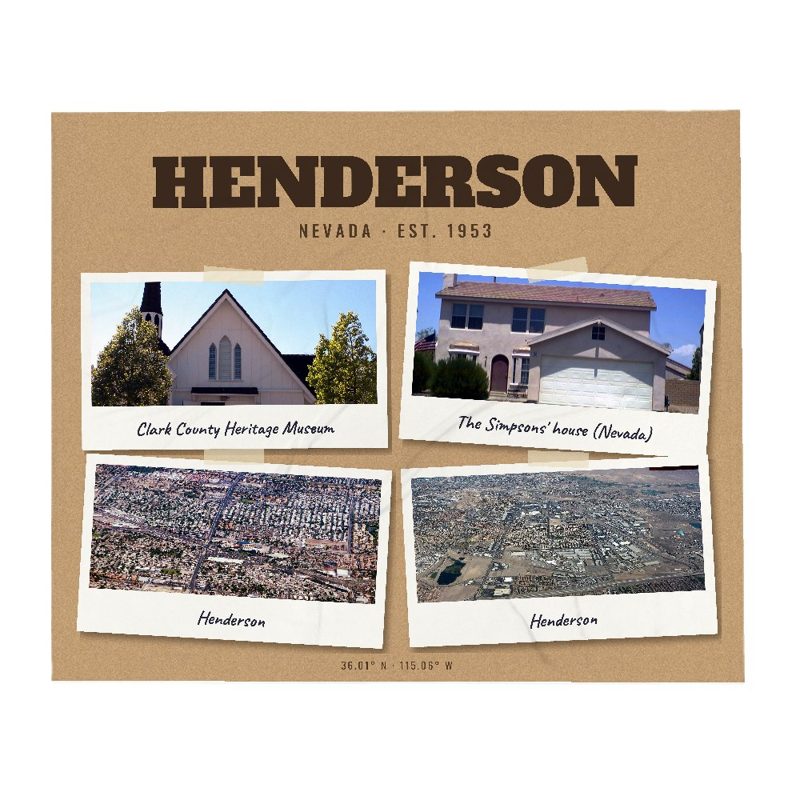
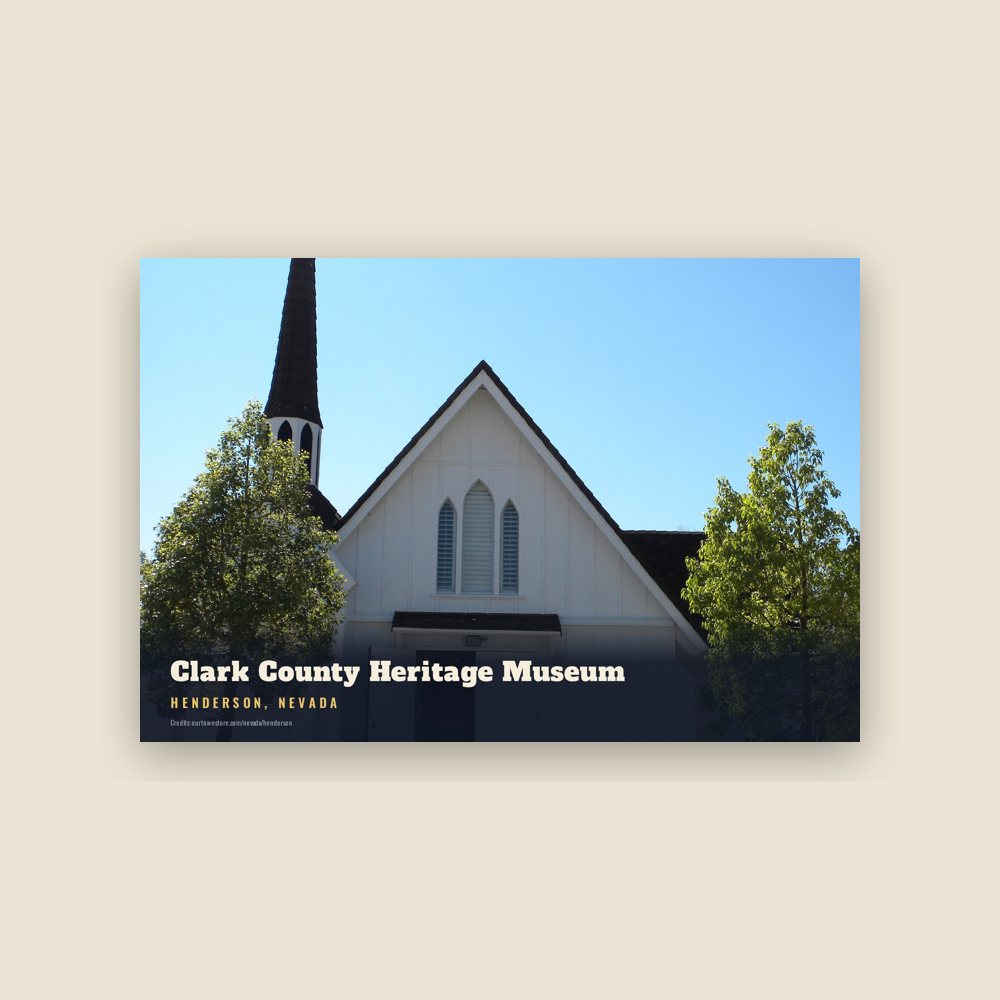
 Clark County Heritage Museum
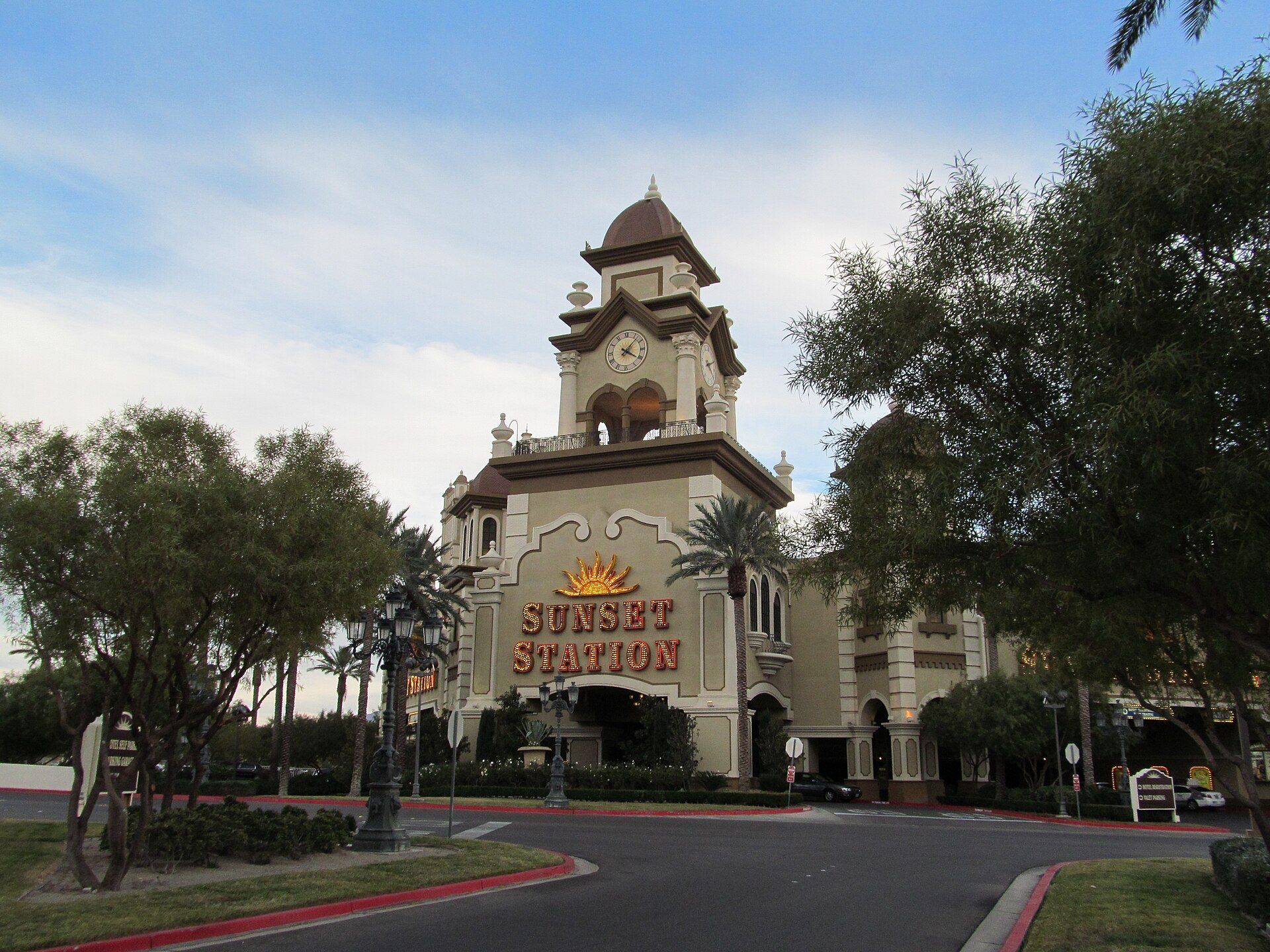
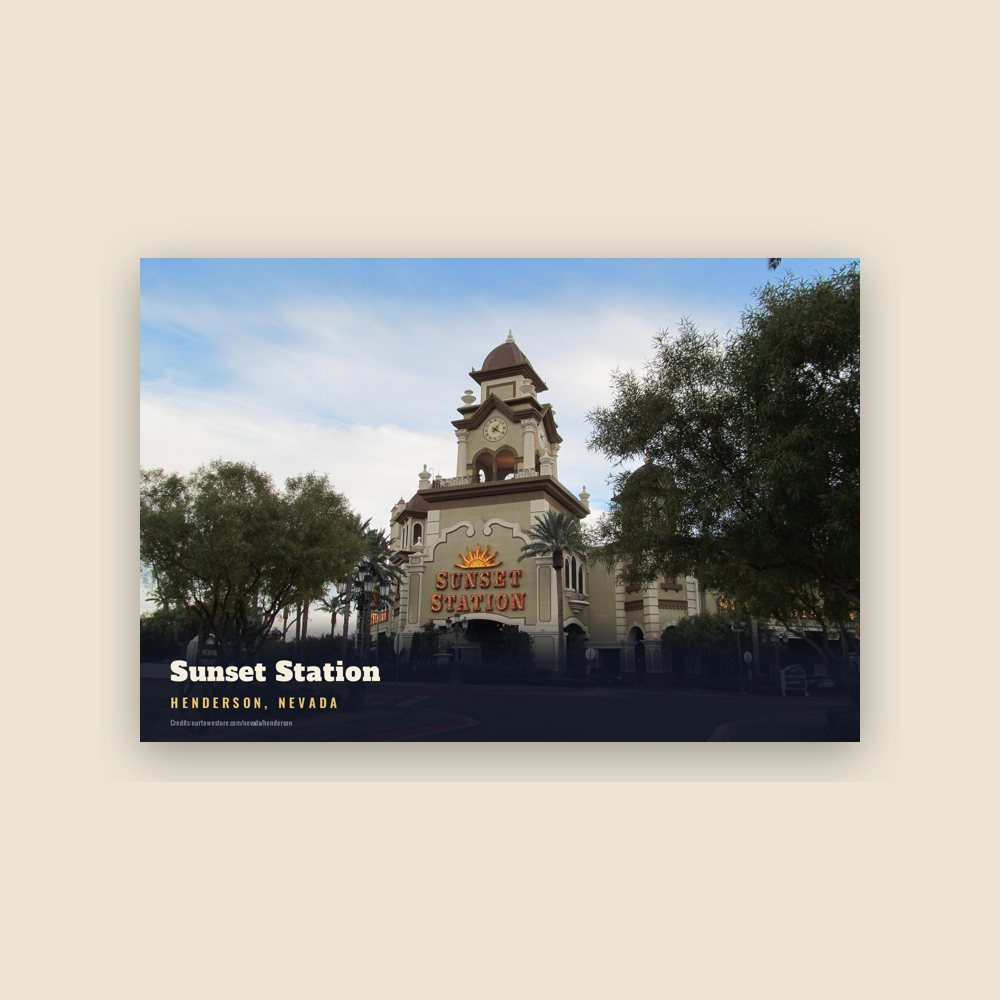
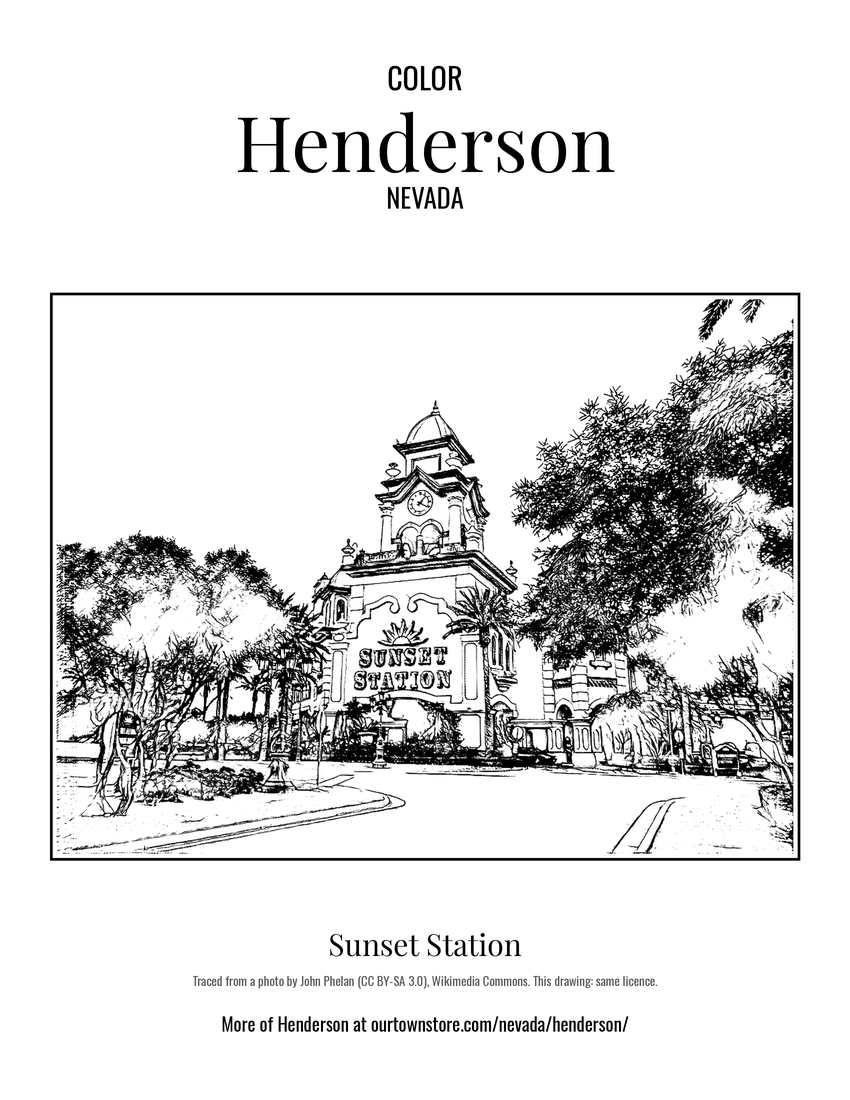 Sunset Station
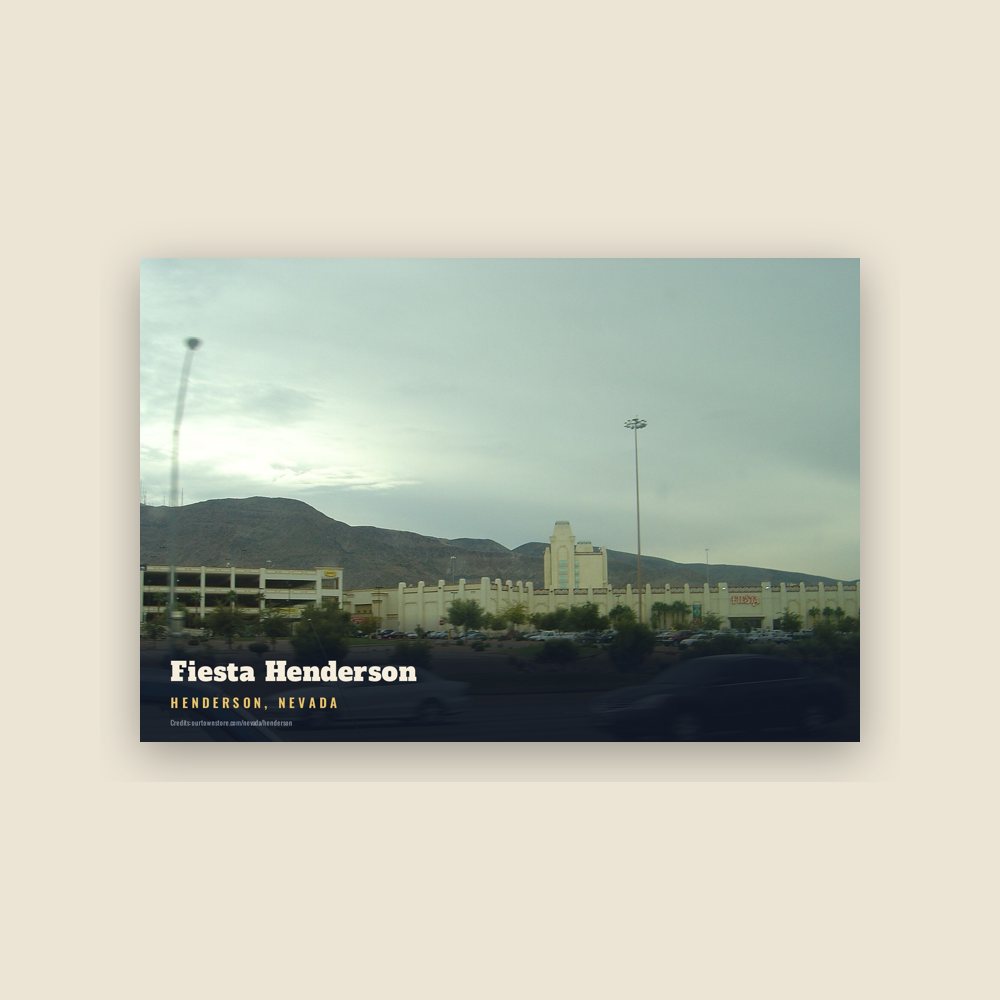
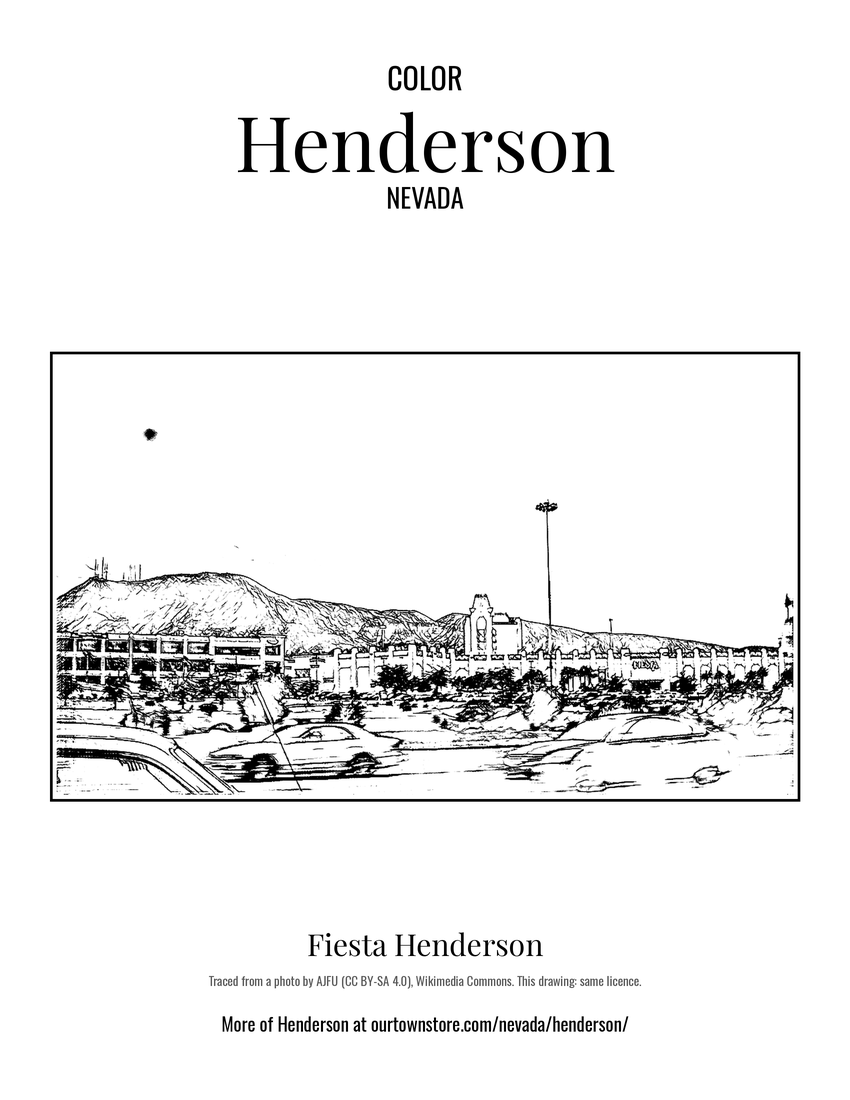 Fiesta Henderson
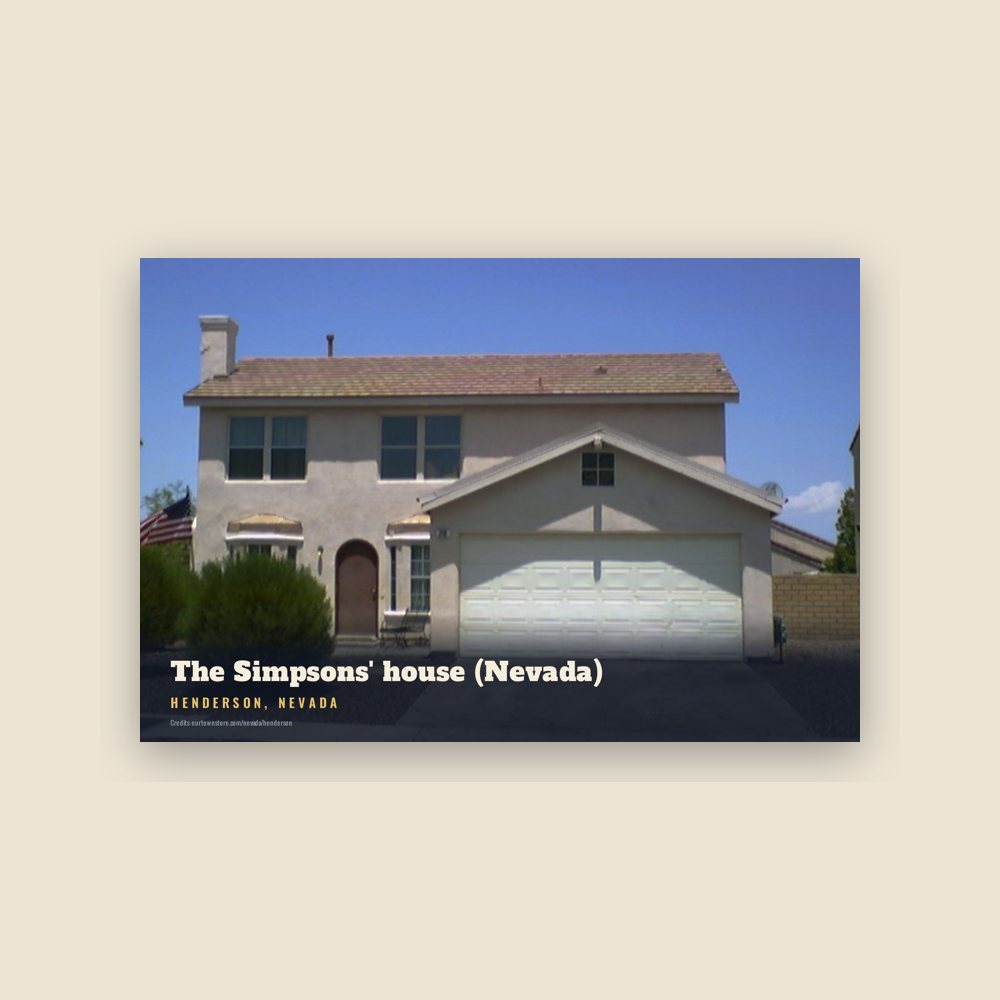
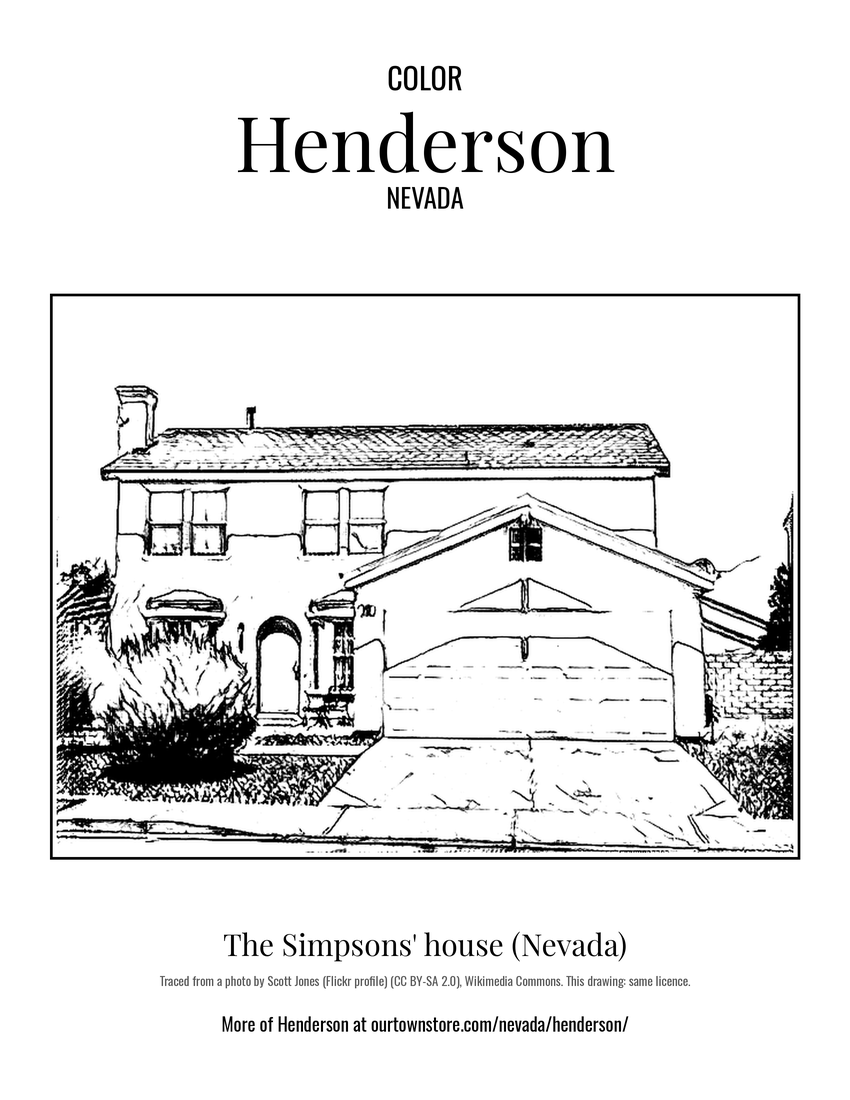 The Simpsons' house (Nevada)