A short history of Santa Clara
In 1854, Jacob Hamblin (1819–1886), was called by Latter-day Saint patriarch Brigham Young (1801–1877), in the capital city of Salt Lake City, to serve a mission to the southern Paiute native areas of the recently organized old federal Utah Territory (1850–1896), and settled in the southwestern corner then of the Territory at Santa Clara, in the vicinity of the modern city of St. George, Utah. The town is among the oldest in the area and the state.
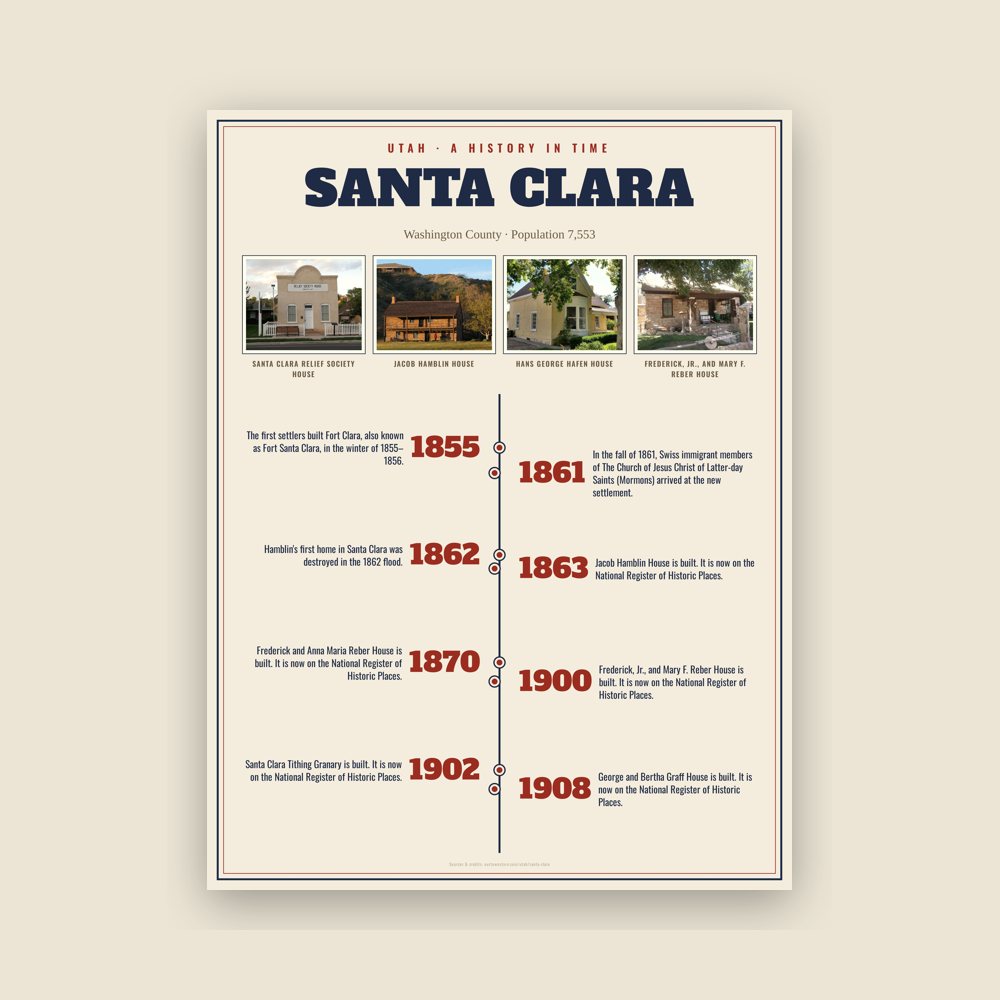
The first settlers built Fort Clara, also known as Fort Santa Clara, in the winter of 1855–1856. In the fall of 1861, Swiss immigrant members of The Church of Jesus Christ of Latter-day Saints (Mormons) arrived at the new settlement. Shortly afterward, in early 1862, they were victims of a severe flood in the Santa Clara River valley that destroyed the fort and most other buildings, along with already existing irrigation dams and ditches. This event was part of the infamous Great Flood of 1862.
Hamblin's first home in Santa Clara was destroyed in the 1862 flood. His second wife Rachael saved one of their young children from drowning, but the child soon after died from exposure. Rachael never fully recovered from exposure she suffered during the flood. Swearing to avoid such a risk again, Hamblin built a new home on a hill in Santa Clara. It is owned today by the Church of Jesus Christ of Latter-day Saints (LDS Church), which operates it as a house museum. Latter-day Saint missionaries give daily tours.
19th-century Santa Clara was largely inhabited by immigrants who had earlier converted to Latter-day Saints faith in Switzerland and subsequently crossed the Atlantic Ocean and traveled across the North American continent to come to Utah. Among these was Daniel Bonelli, who after the 1862 flood became a pioneer colonist of St. Thomas, Nevada in the Moapa Valley. He was a farmer, salt miner, and owner of Bonelli's Ferry, at nearby Rioville, Nevada. This was on the road between the old southwestern Utah Territory (1850–1896) and the old Arizona Territory (1863–1912) further south, at the confluence of the Virgin River and the Colorado River.
Adapted (trimmed) from the Wikipedia article Santa Clara, Utah, revision 1378601015 by its contributors, licensed CC BY-SA 4.0.

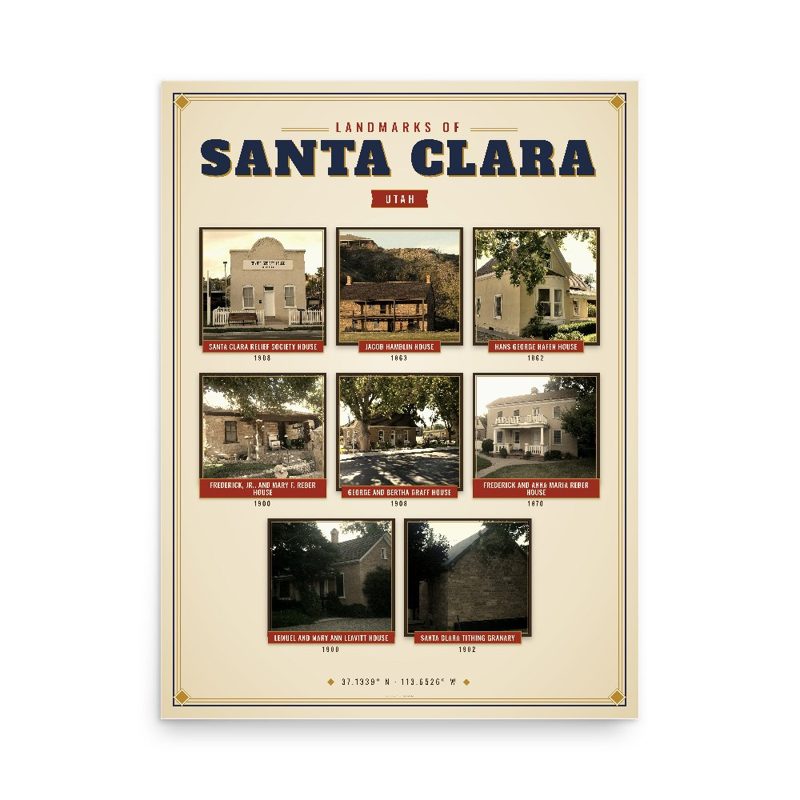



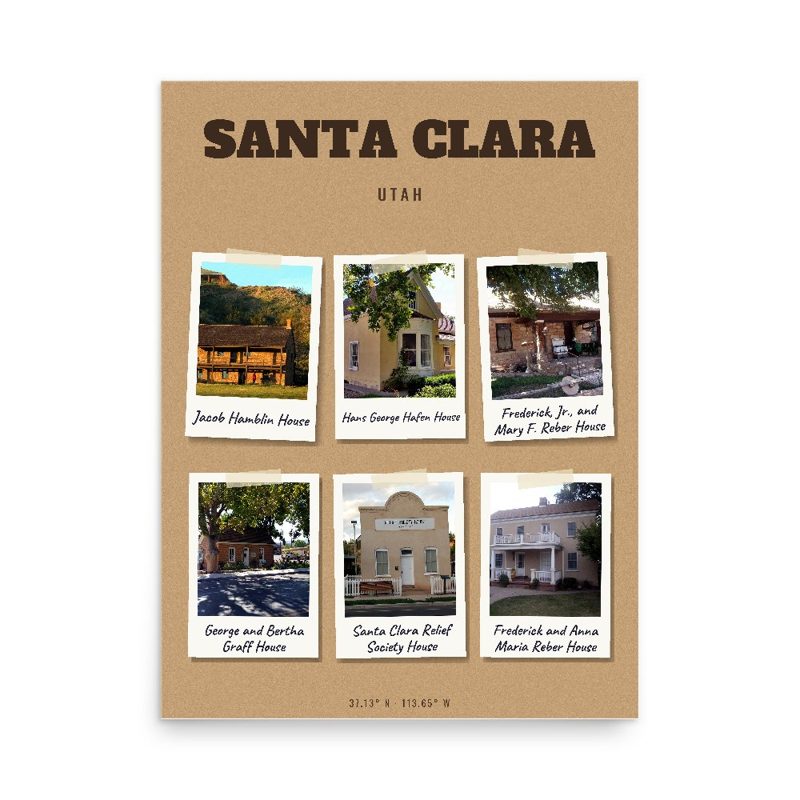
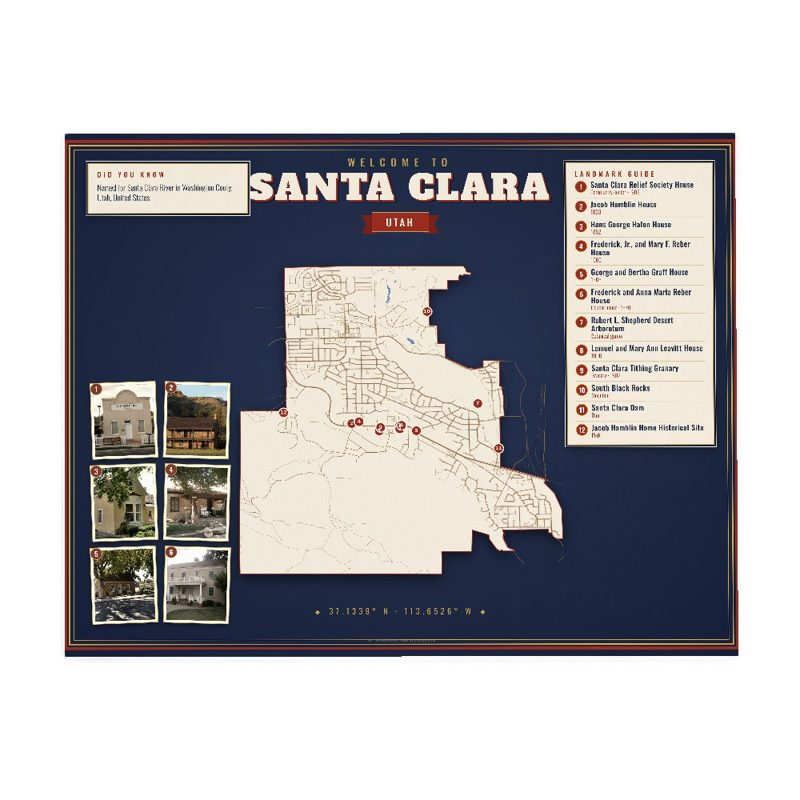

















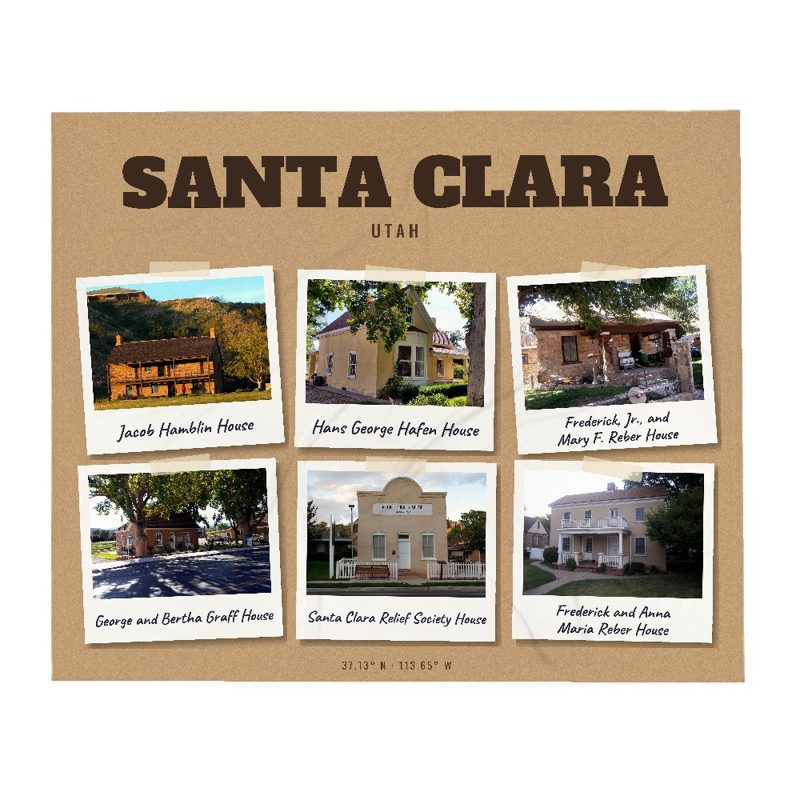

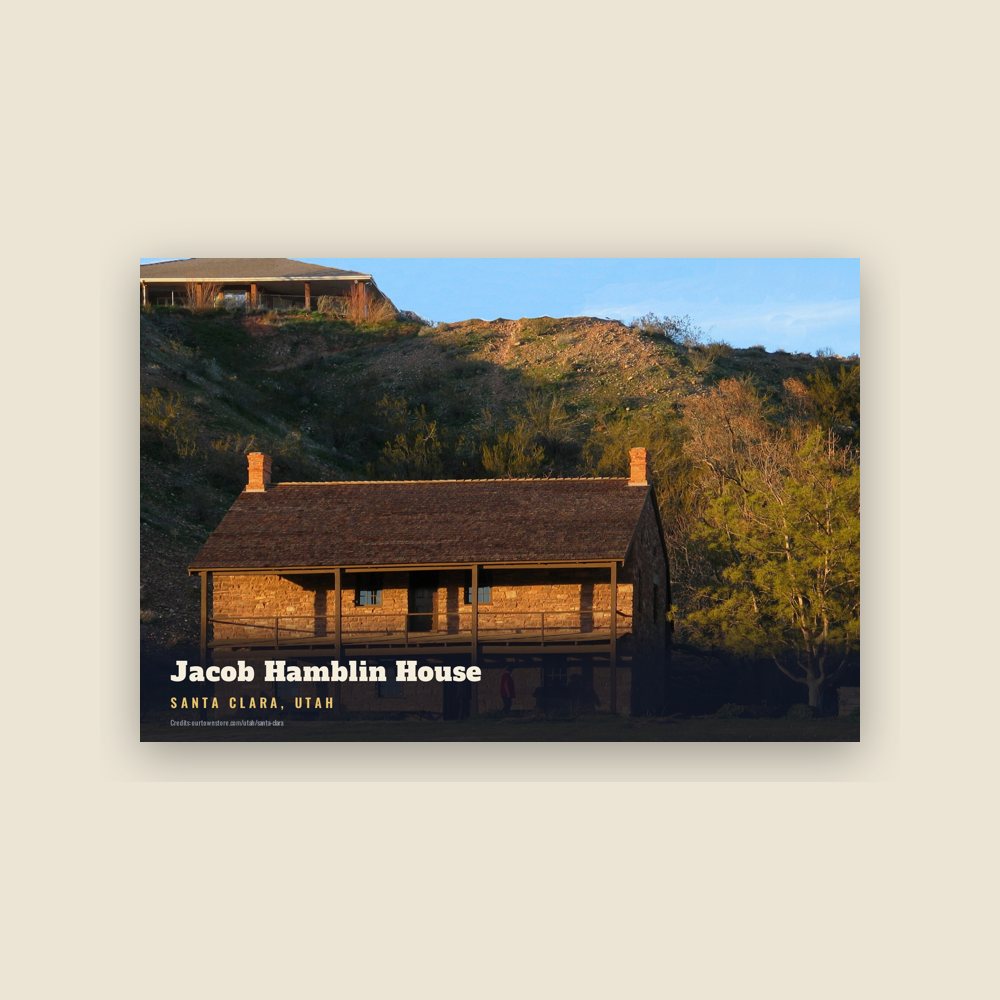
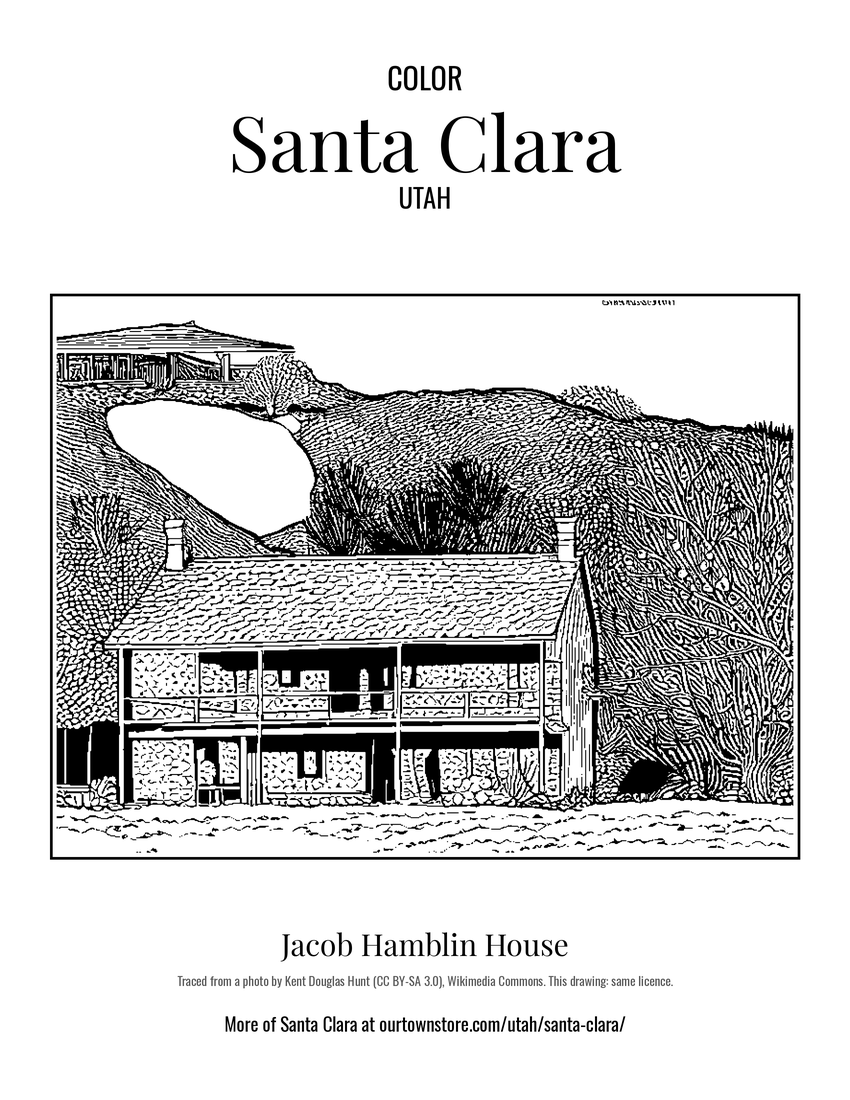 Jacob Hamblin House
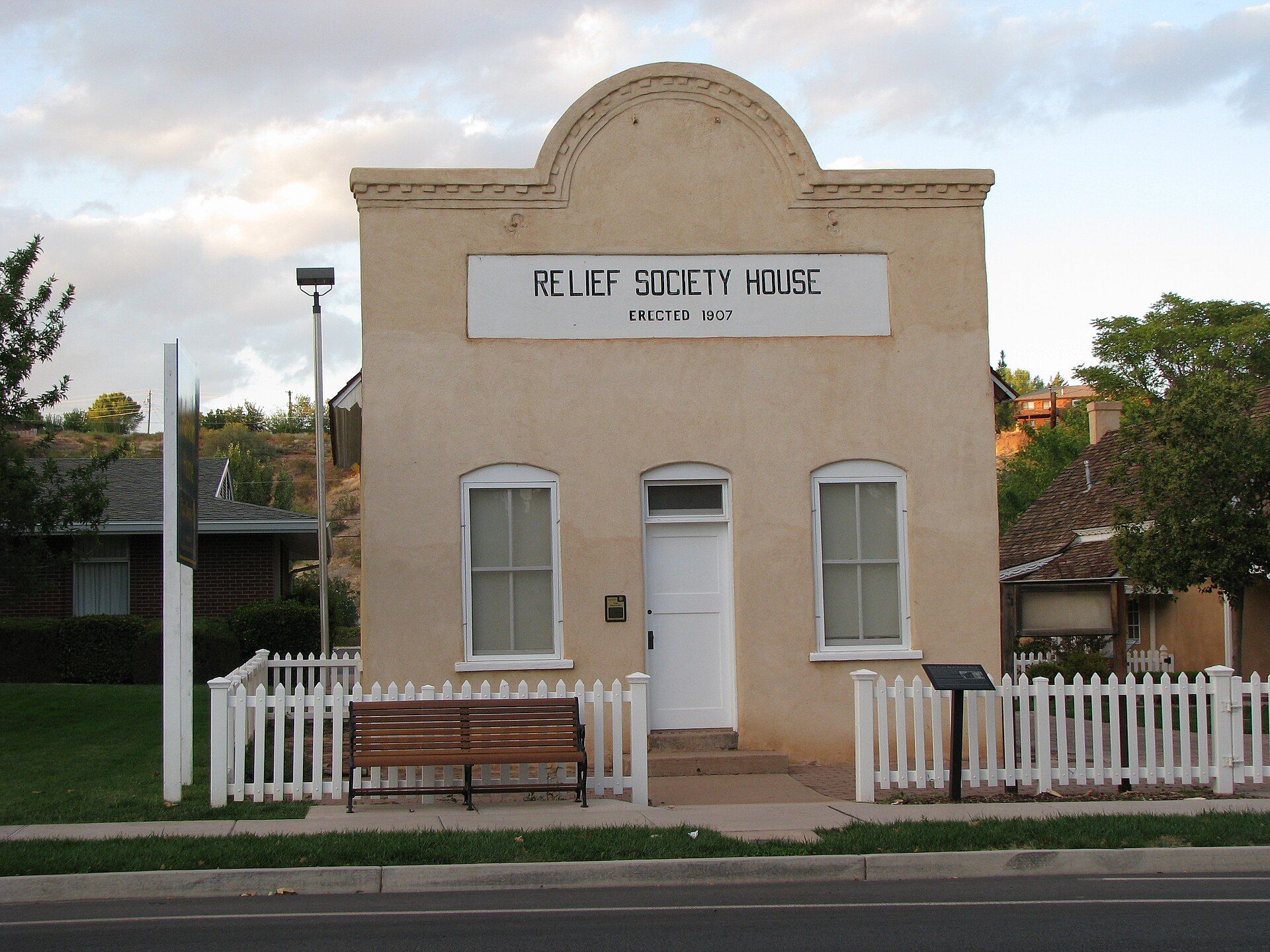
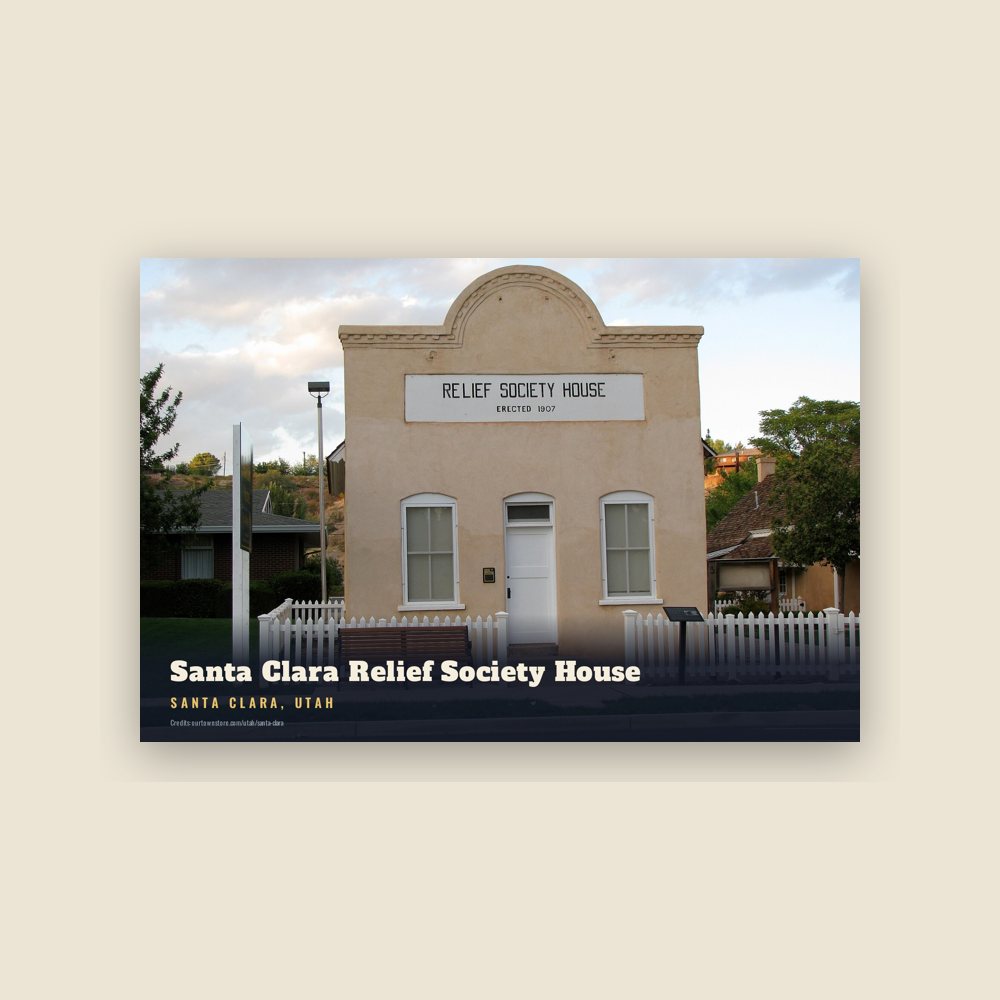
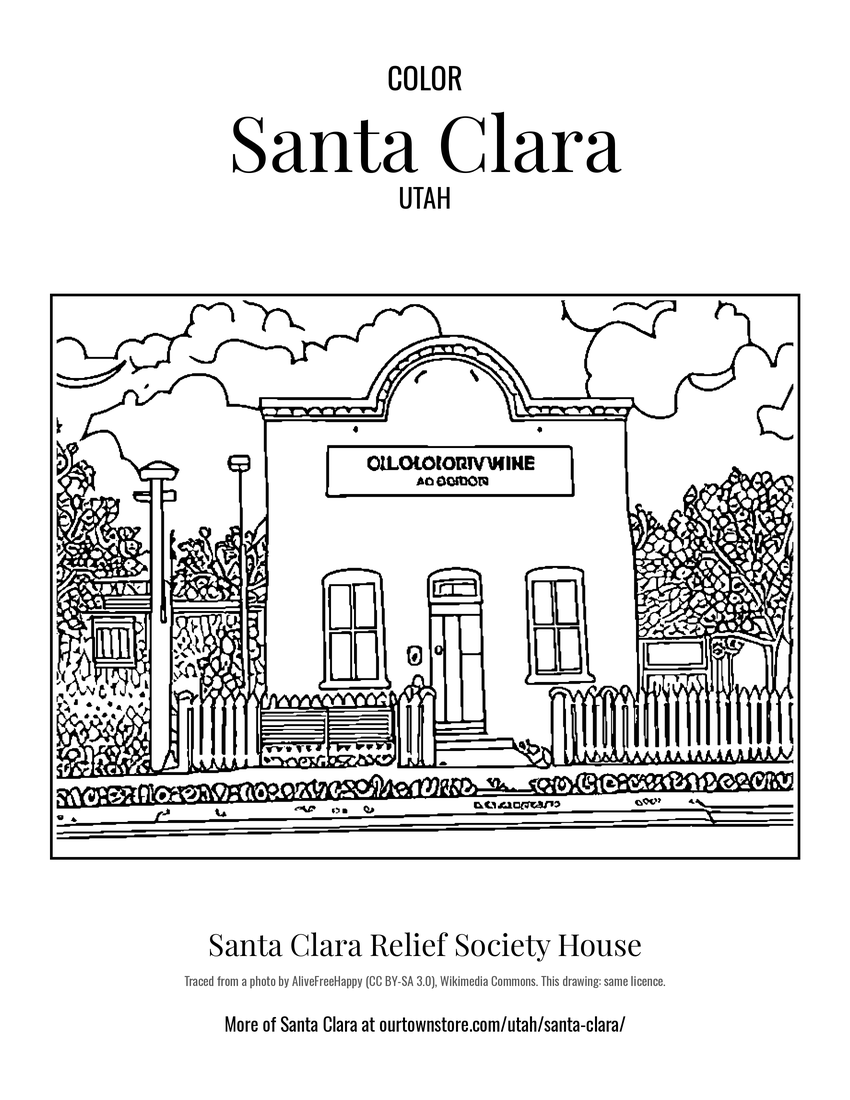 Santa Clara Relief Society House
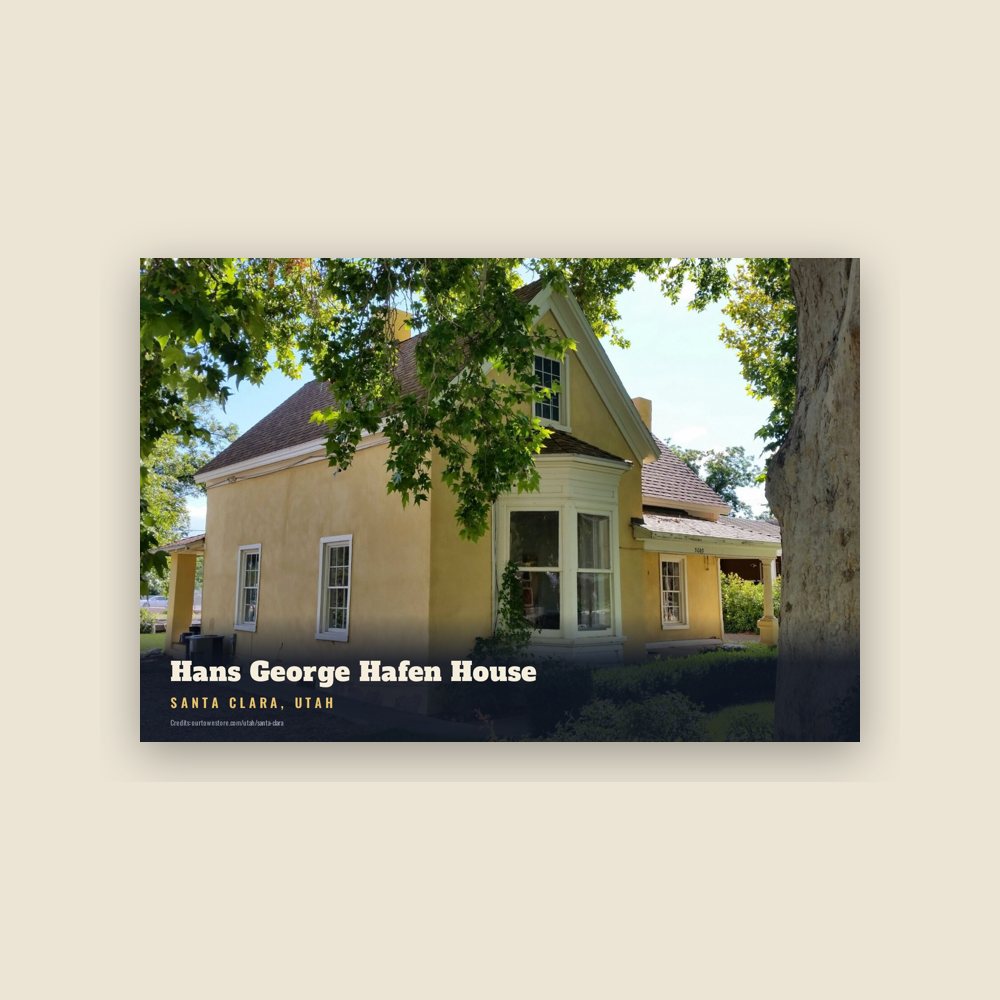
 Hans George Hafen House
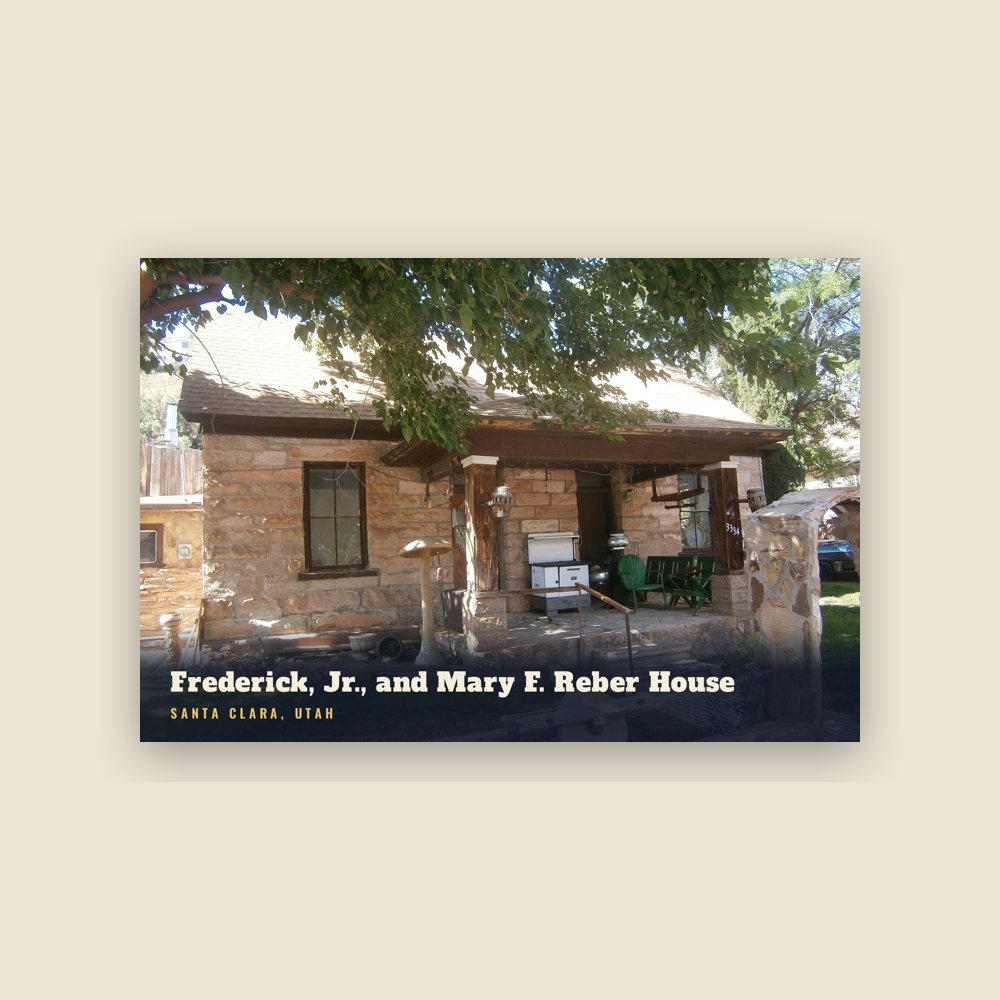
 Frederick, Jr., and Mary F. Reber House