Since 1866
A short history of Saline
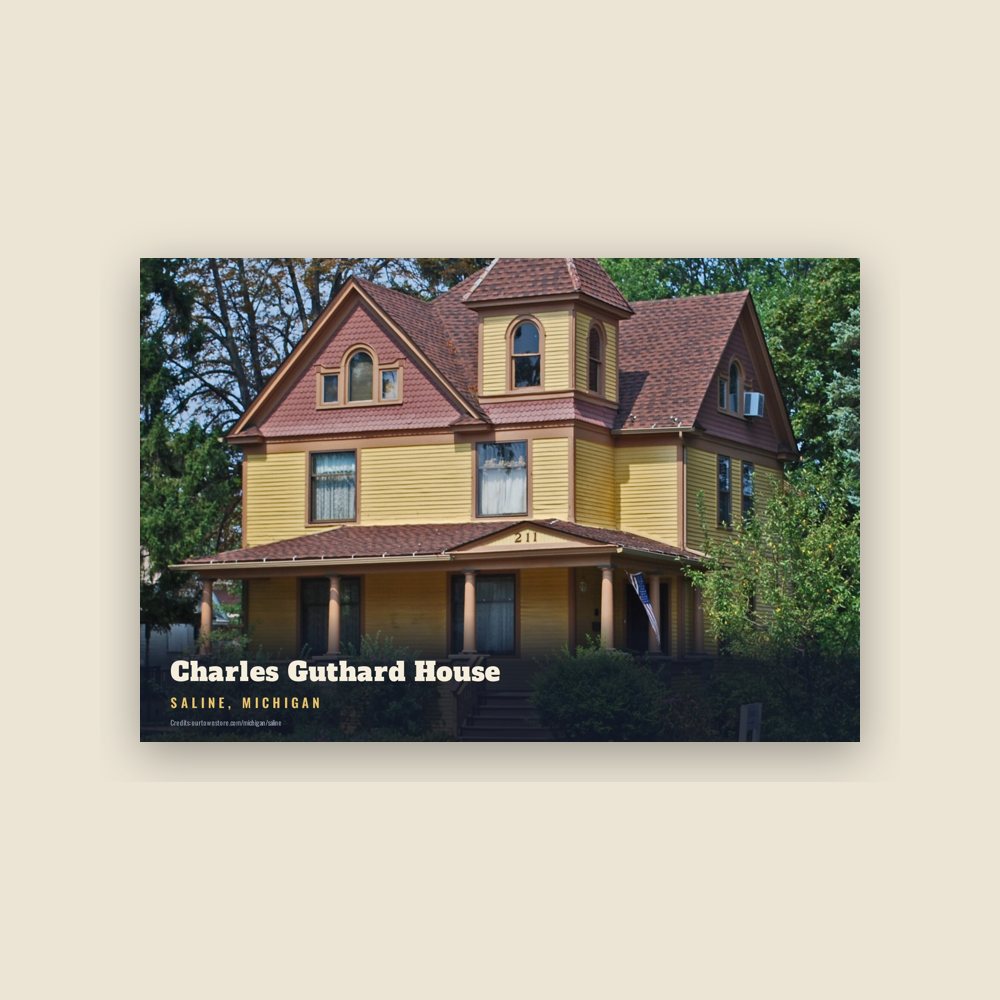
Before the 18th century, Native Americans traveled to what is now Saline to hunt wildlife and gather salt from the salt springs they found nearby. In the 18th century, French explorers canoed up to the area and also harvested the salt. They named the local river Saline ("salty"). Europeans settled the area in the 19th century, most of them from England and Germany. Together with Orange Risdon, a government surveyor generally considered the city's founder, the residents named the settlement Saline, which was officially established in 1832. The settlement was incorporated as a village in 1866. In 1870, railroad service, provided by the Detroit-Hillsdale-&-Indiana Railroad, first reached Saline. In 1875, Salinians built one of the city's most famous landmarks, the Davenport House, sometimes referred to as Curtis Mansion, which was a 2+1⁄2-story residential building that had a Second-Empire frame.
The town continued to grow, and in 1931 the Village of Saline became the City of Saline. The Saline Fisheries Research Station was built on the site of a pioneer grist mill. Saline had its own newspaper, the Saline Reporter since 1874, but it was shuttered by its owner, Digital First Media, in 2014.
The city is popular for its annual Celtic Festival, which attracts people from all over the U.S. Its sister cities are Brecon, Wales, United Kingdom (established 1966) and Lindenberg, Germany (established 2003).
Adapted (trimmed) from the Wikipedia article Saline, Michigan, revision 1382796911 by its contributors, licensed CC BY-SA 4.0.
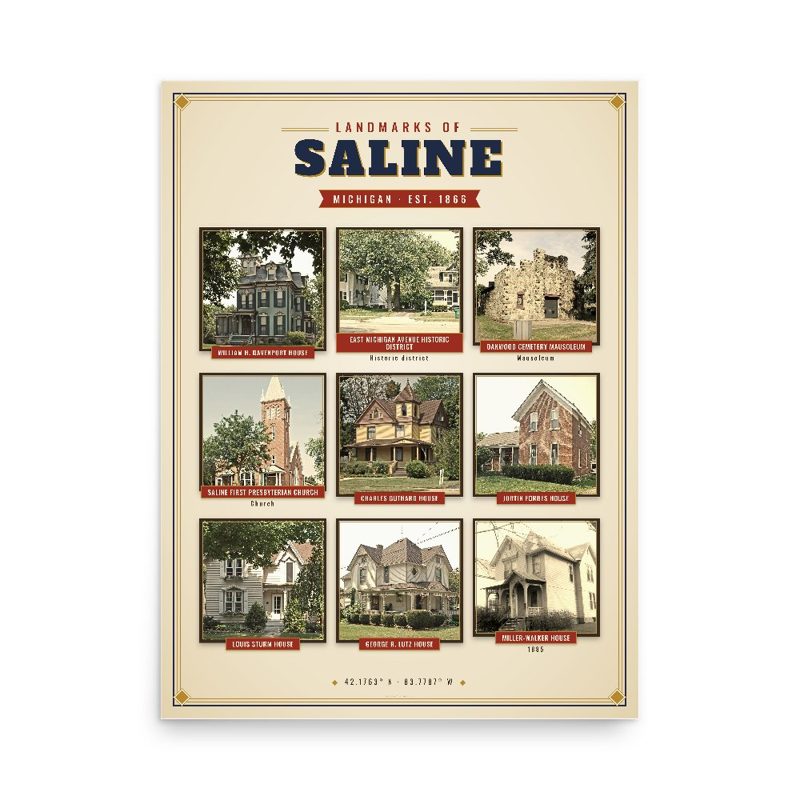
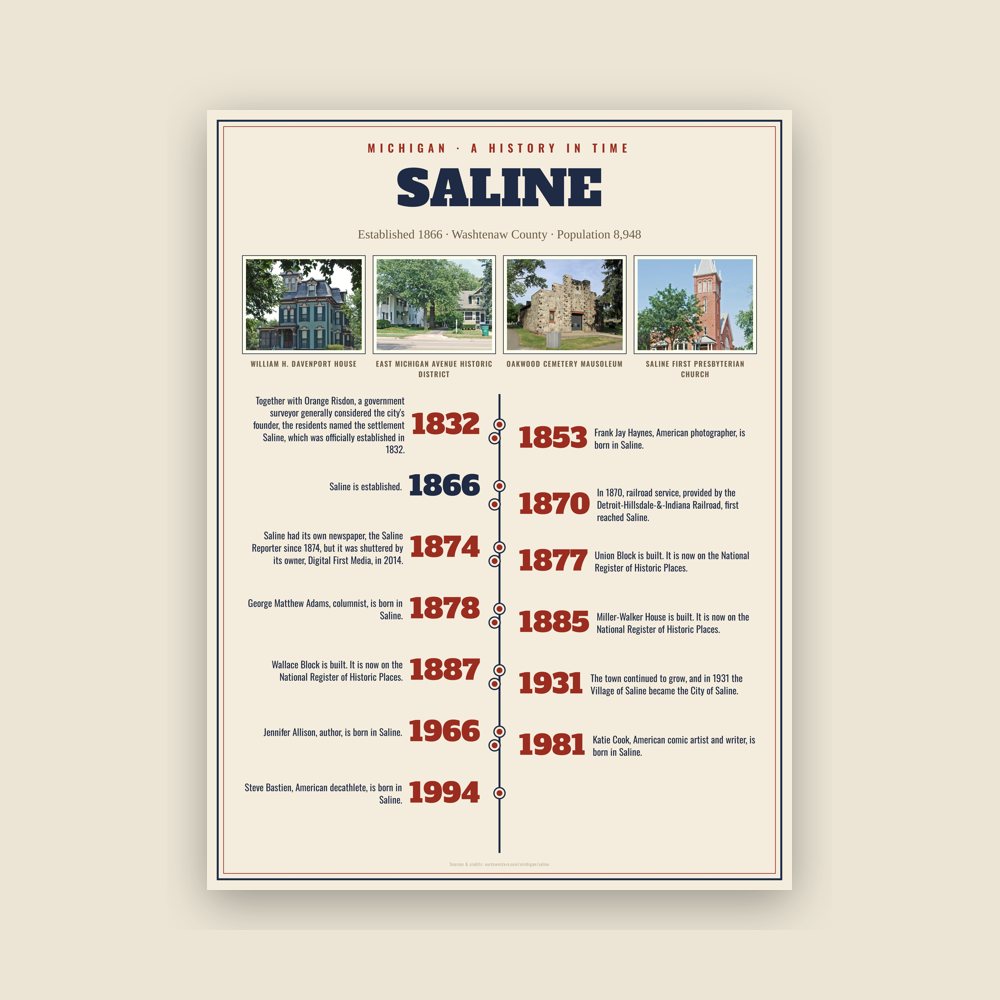
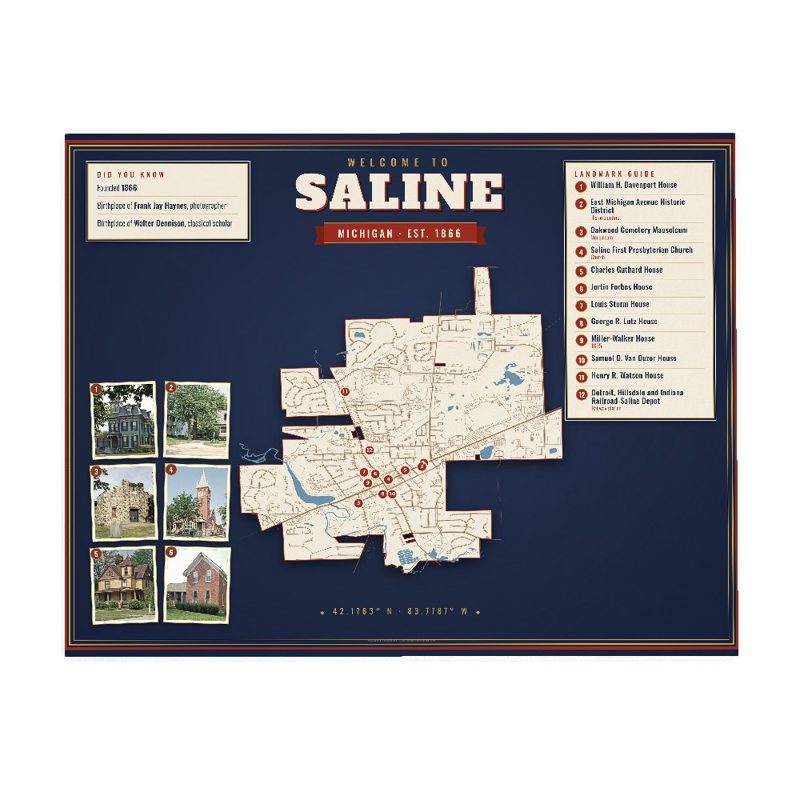




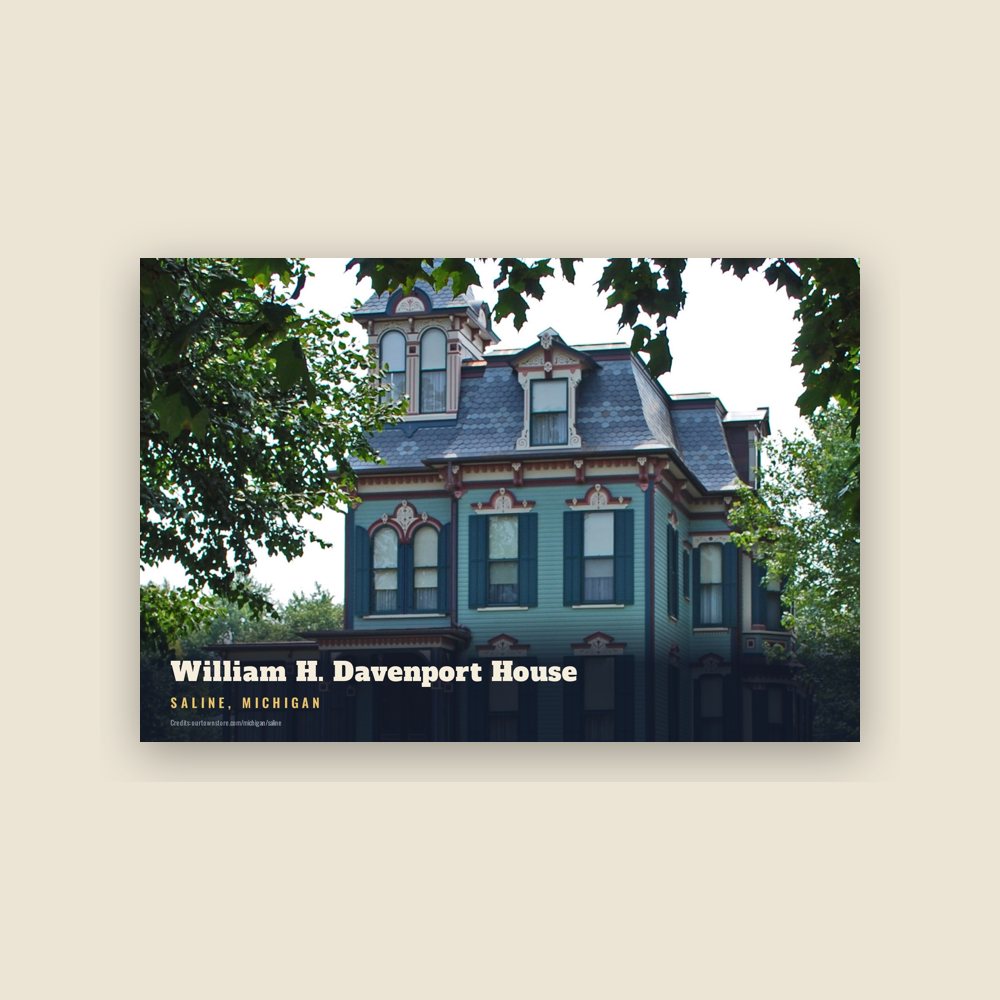
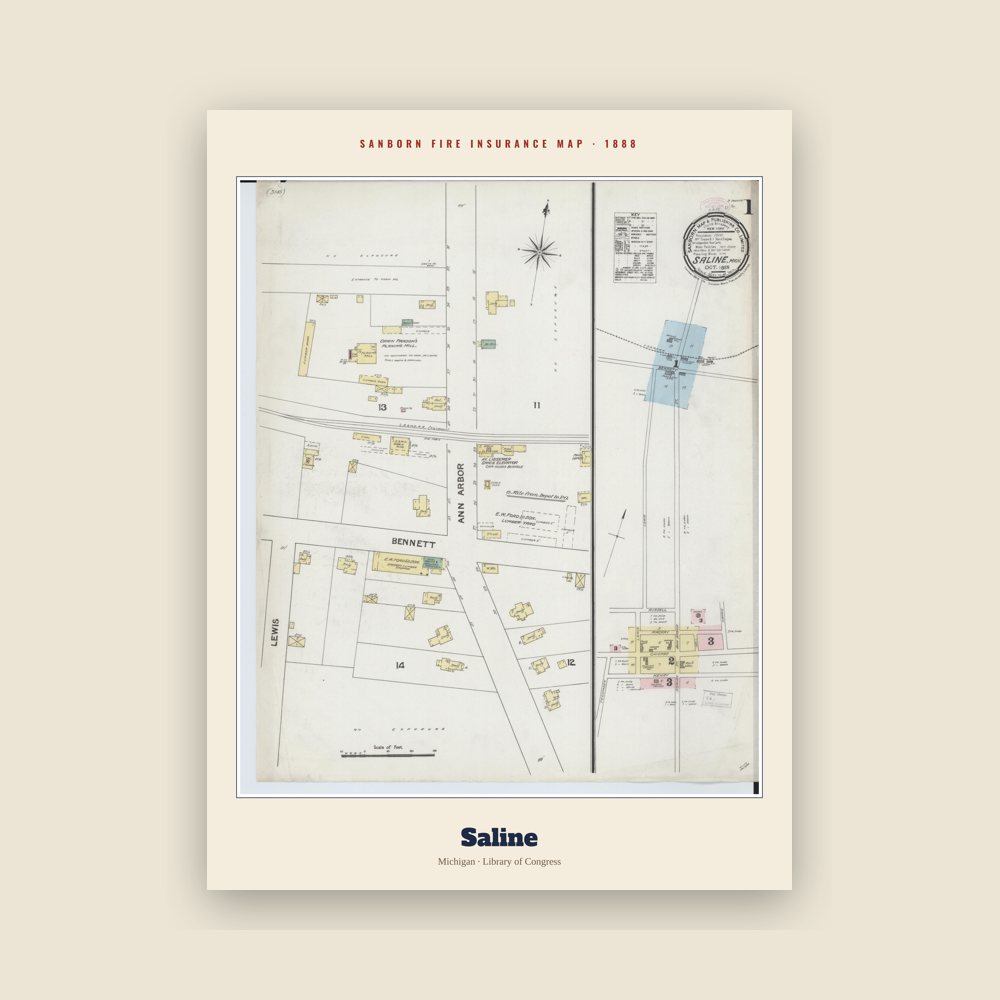
 William H. Davenport House
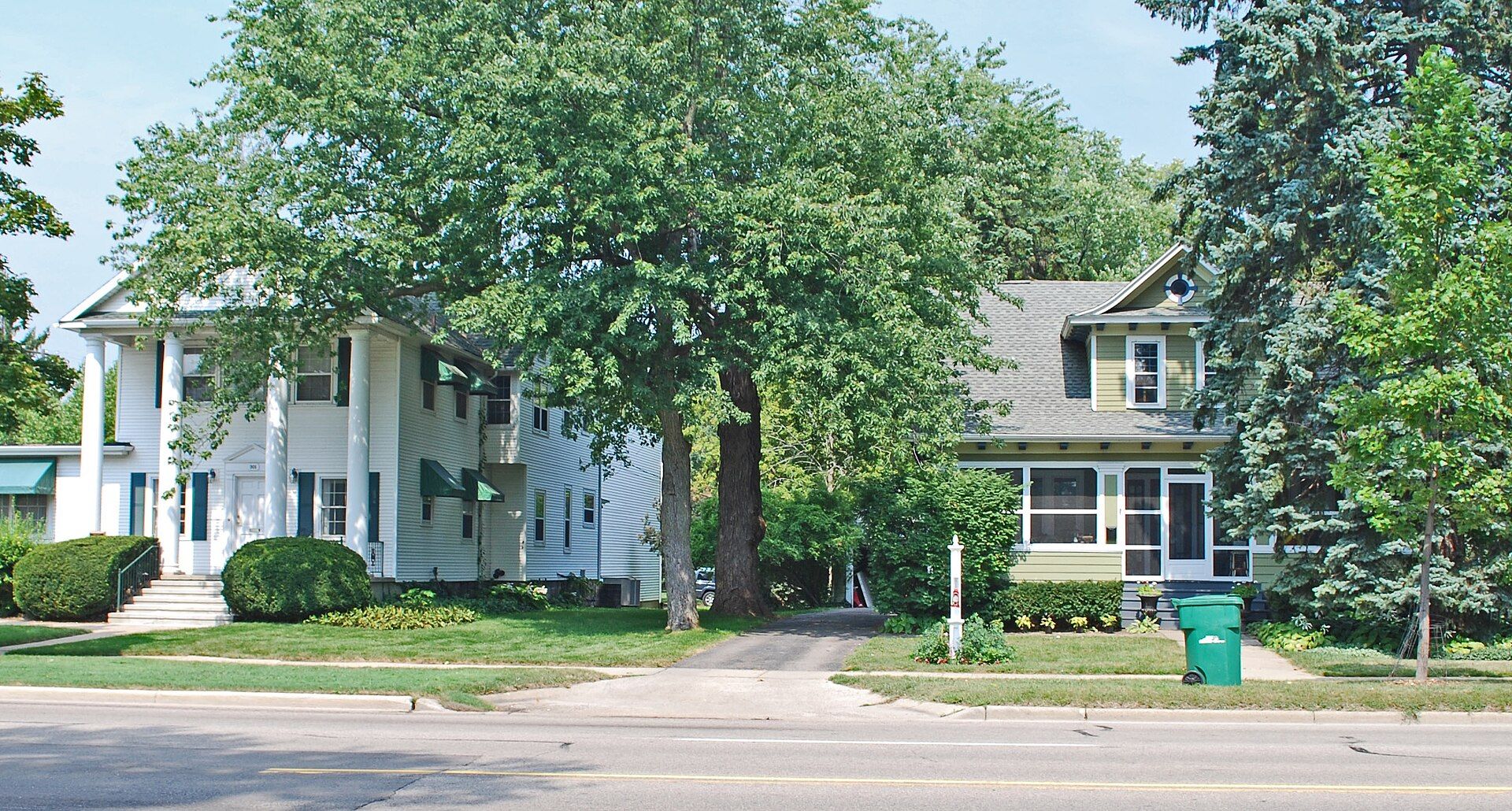
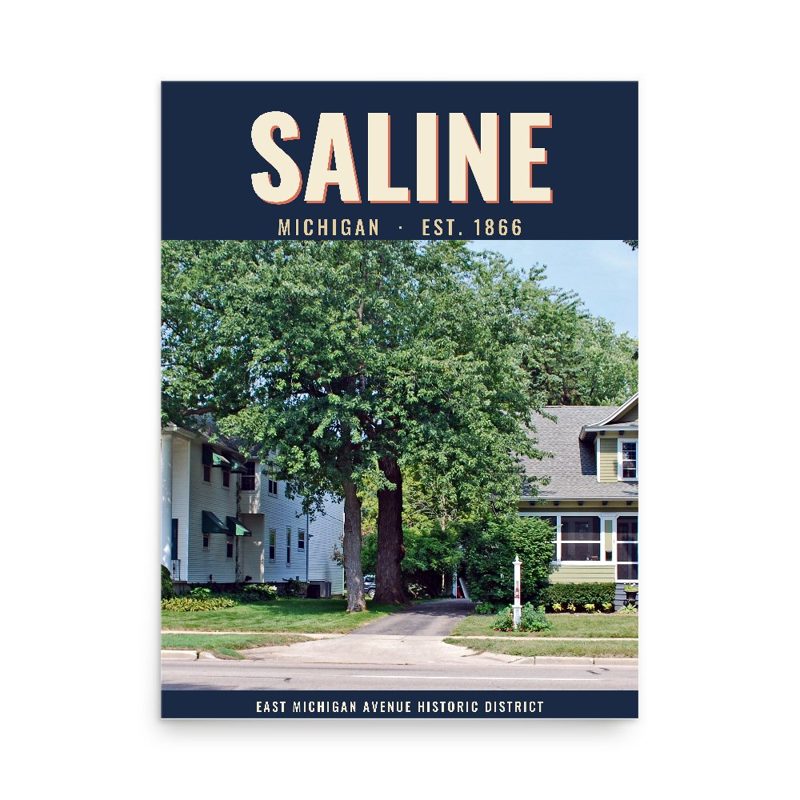
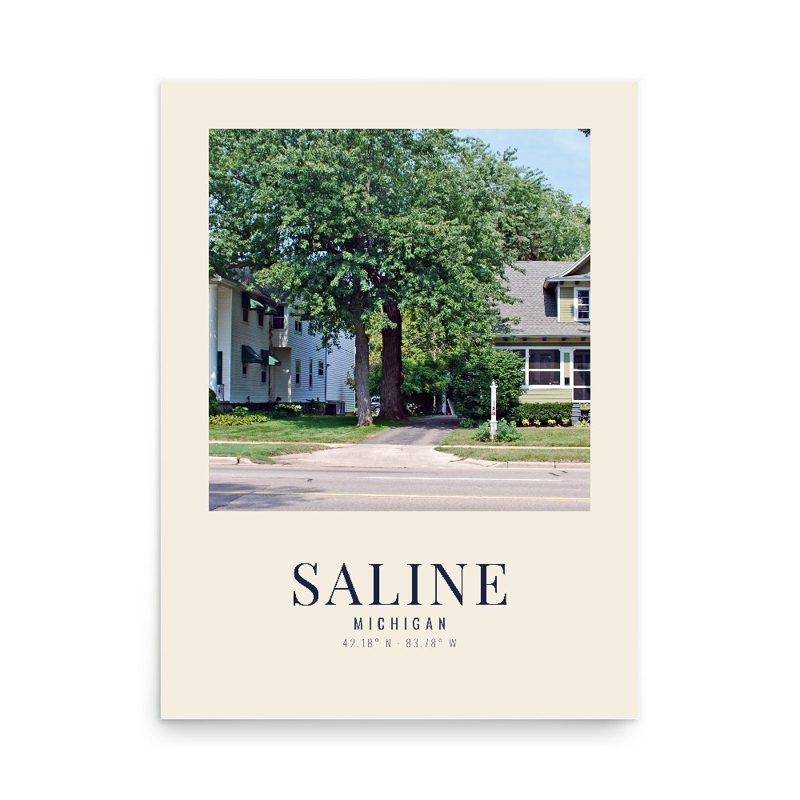
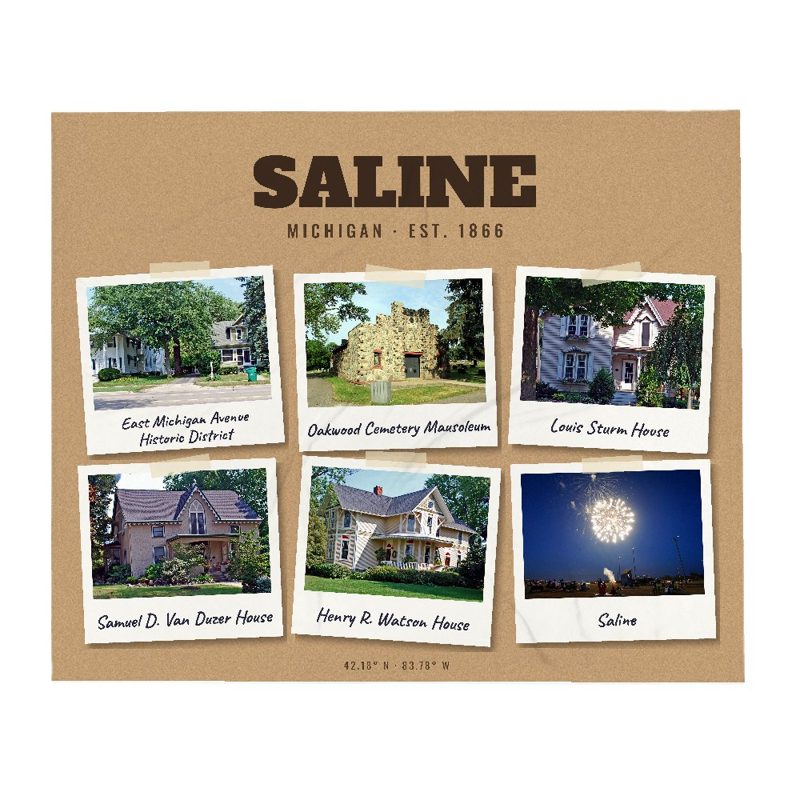
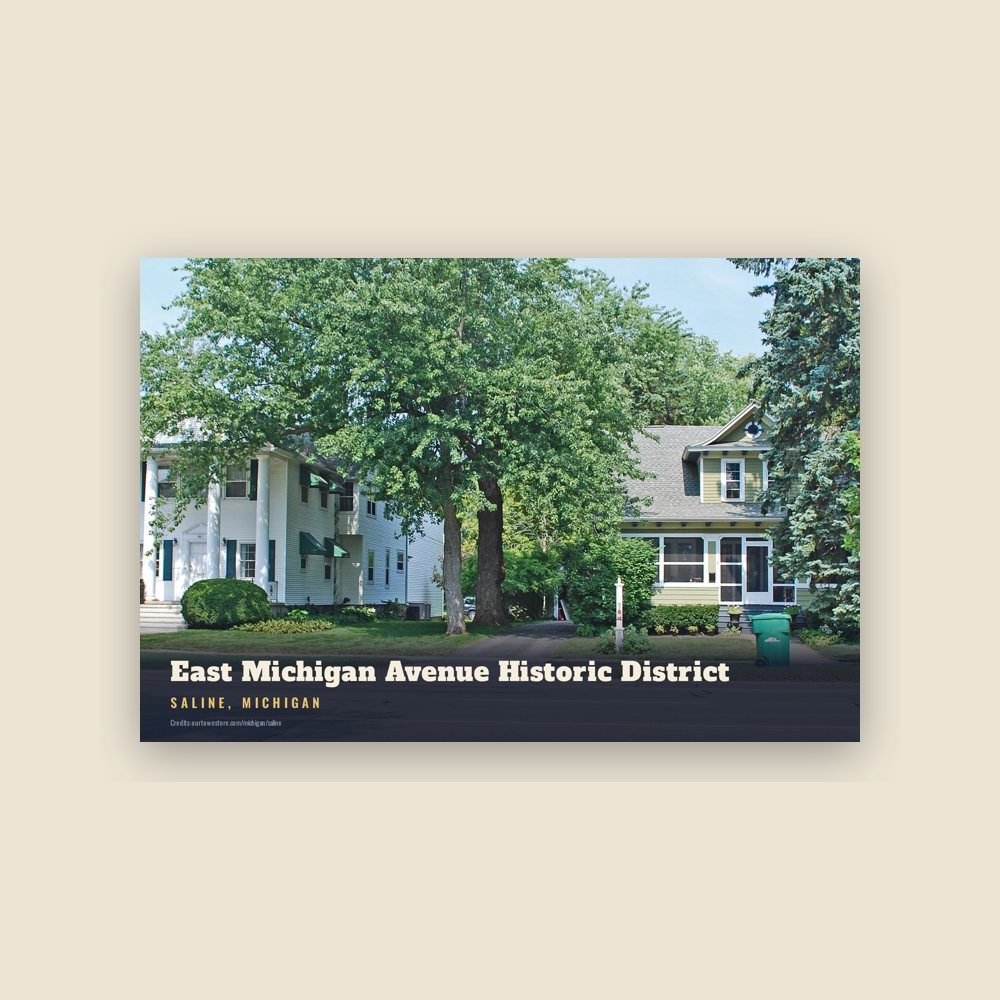
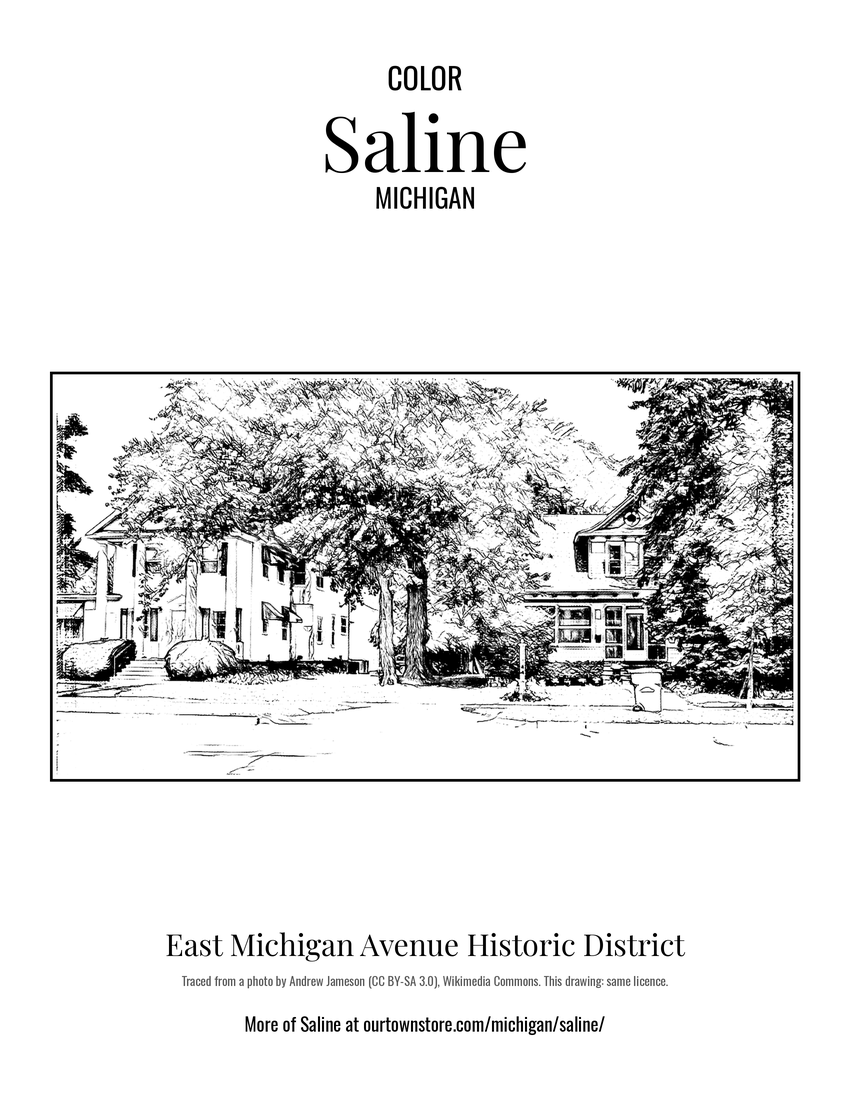 East Michigan Avenue Historic District
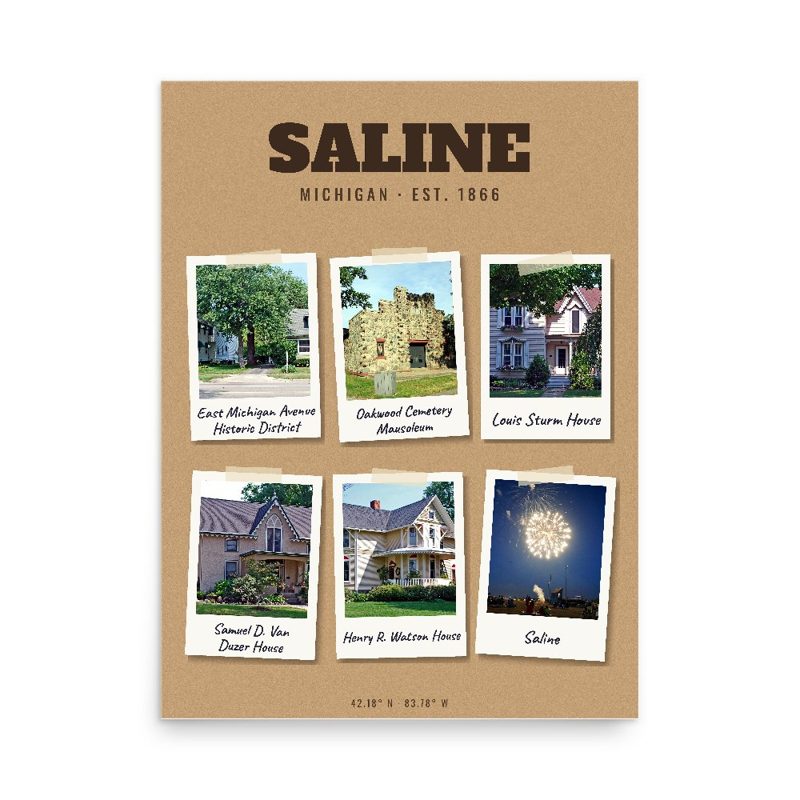
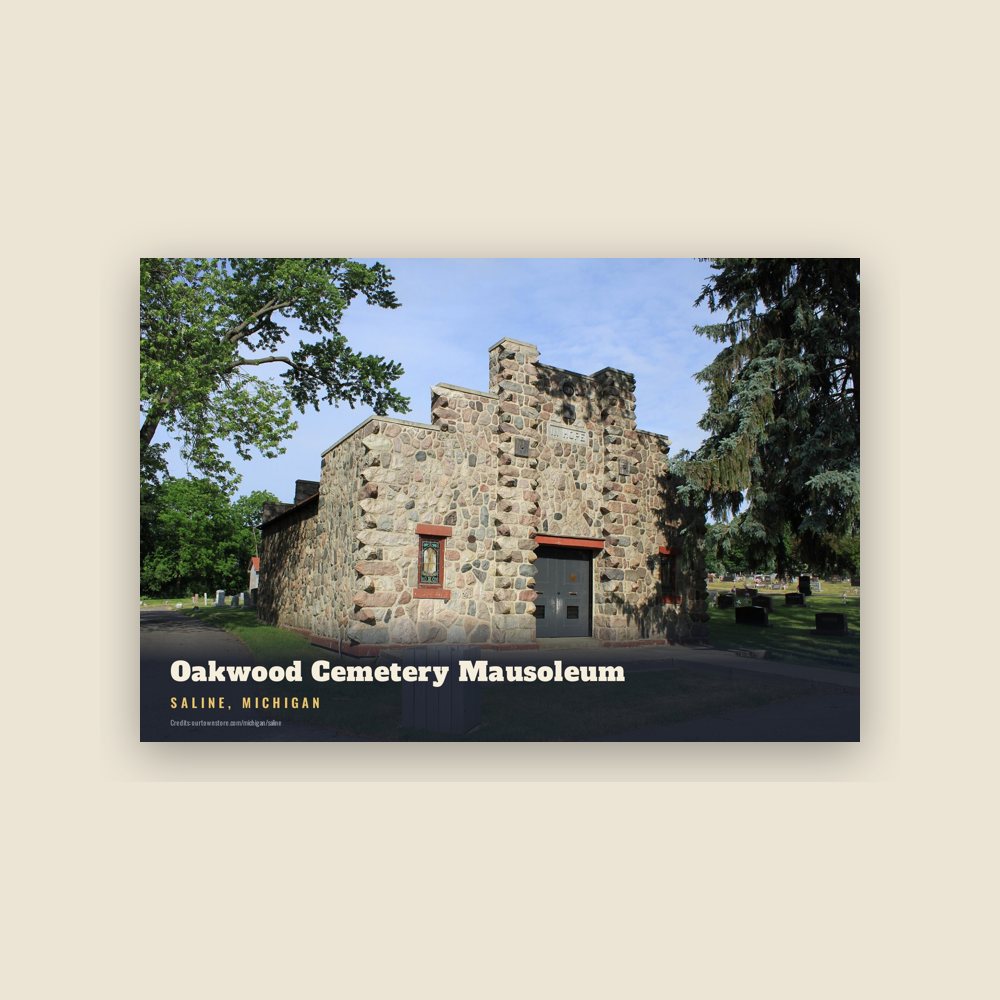
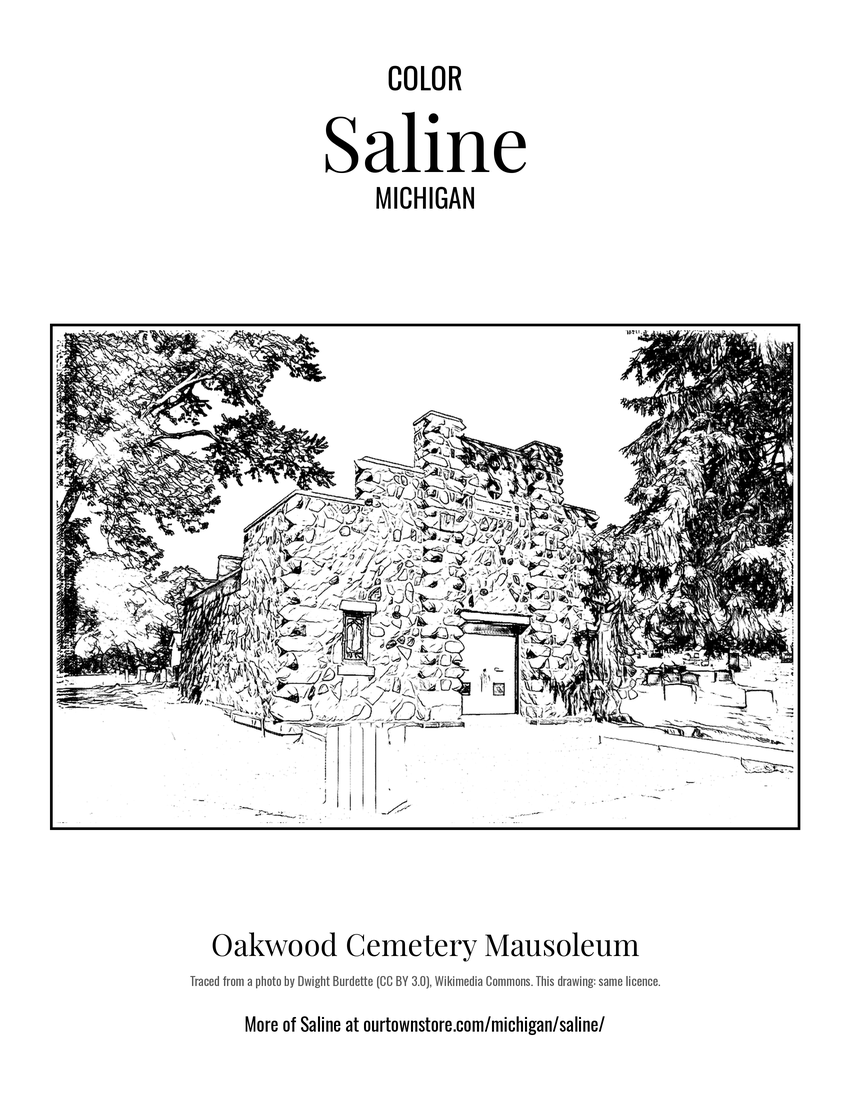 Oakwood Cemetery Mausoleum
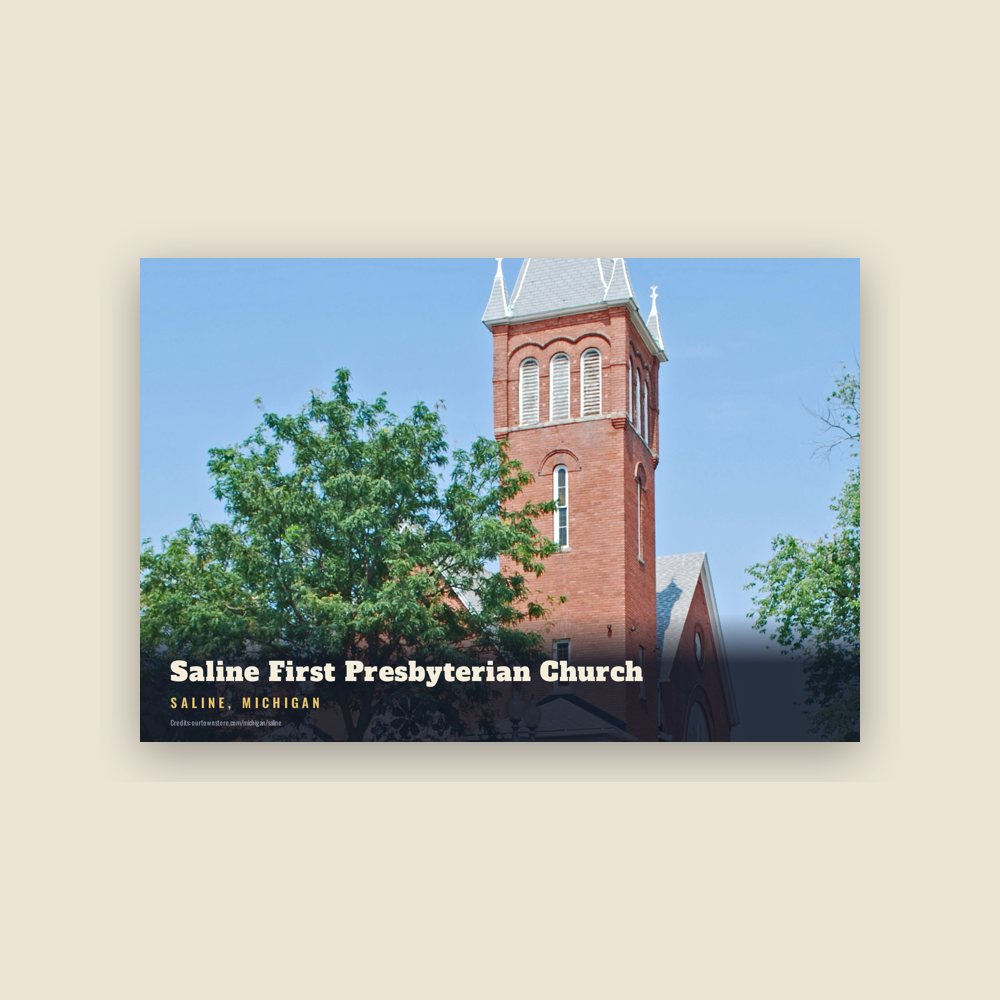
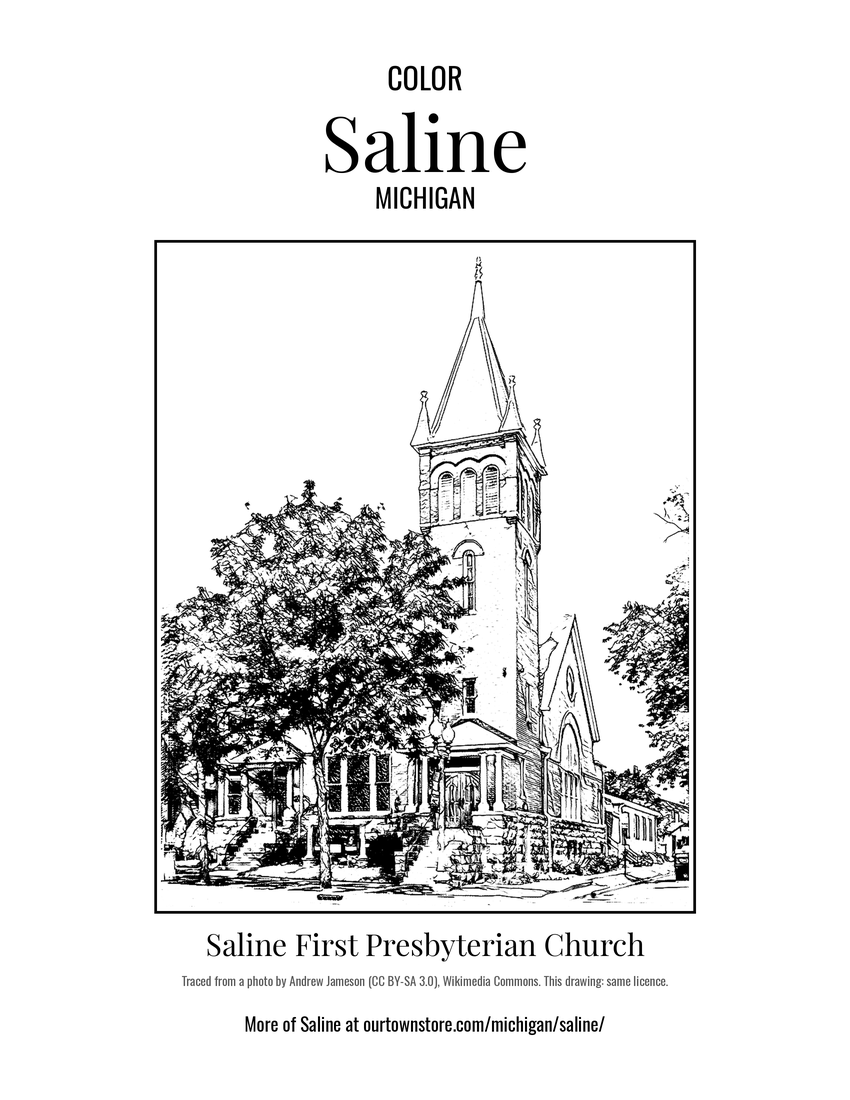 Saline First Presbyterian Church