Since 1830
A short history of Dexter
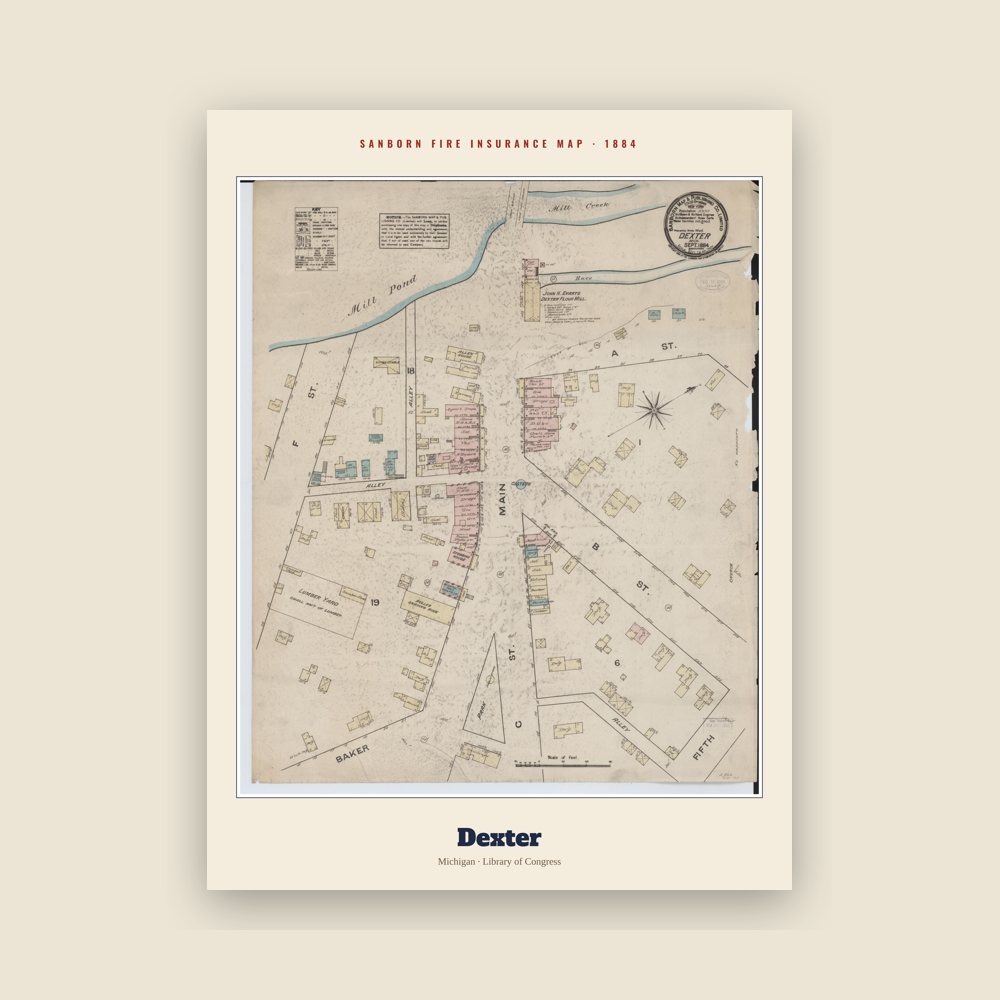
The area that became Dexter was settled in 1824 by land speculator and lawyer Samuel W. Dexter, who purchased a tract of land at the confluence of Mill Creek and the Huron River. Prior to white settlement, the area was home to members of the Potawatomi tribe. Dexter was the village's first postmaster and became the first chief justice of Washtenaw County when it was formally organized in 1826, earning the nickname "Judge Dexter" for the rest of his life. The settlement, originally known as the Mill Creek Settlement, was officially platted in 1830 and renamed Dexter in honor of Dexter's father, Samuel Dexter, a former U.S. senator and cabinet member under President John Adams.
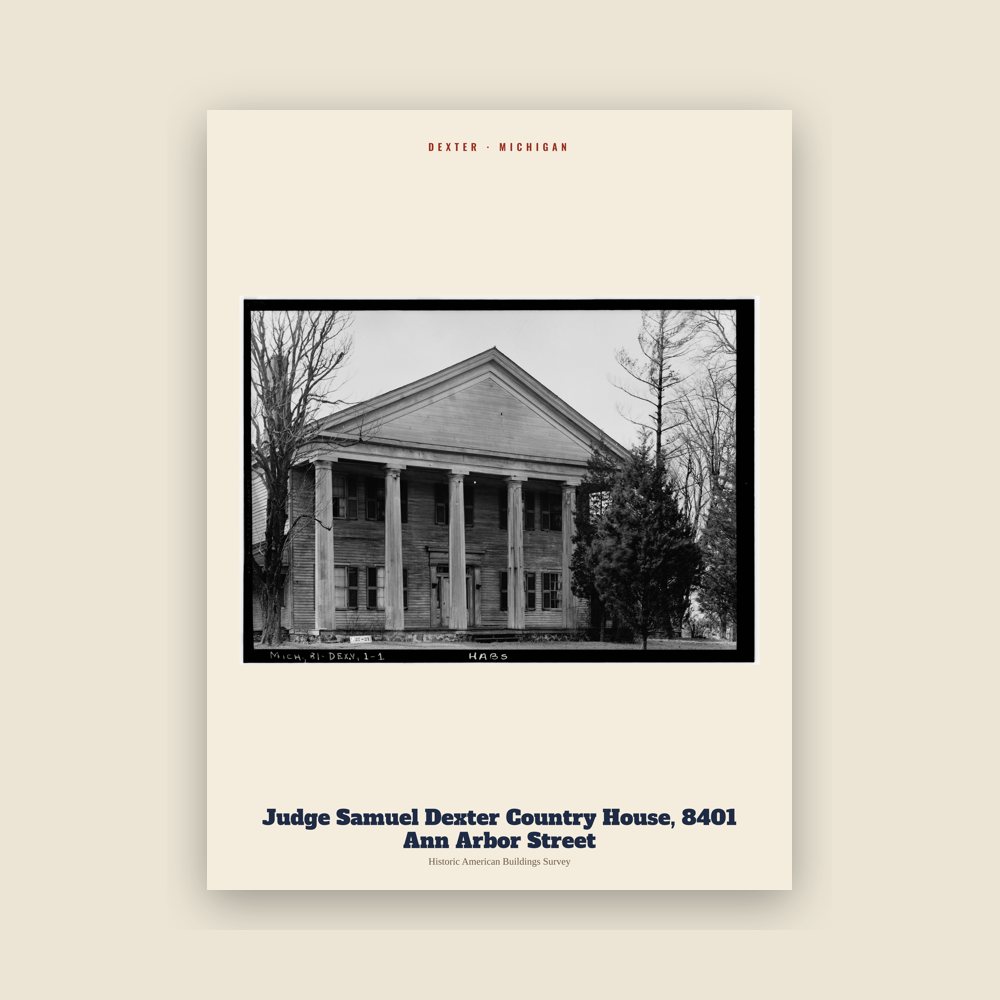
In the early 1840s, Dexter built a Greek Revival-style residence northwest of the village known as Gordon Hall (named after Dexter's mother, Catherine Gordon Dexter), which has since become a prominent local landmark. The property has been associated by historians with abolitionist activity and possible involvement with the Underground Railroad.
Many of the buildings in Dexter's downtown were constructed in the 1870s after a series of major fires along Main Street and the surrounding areas destroyed much of the original wood structures.
On March 20, 1966, the Dexter area was the site of a widely reported unidentified flying object sighting that received national media coverage. Multiple residents and law enforcement officers reported sightings of unexplained lights near marshlands north of Dexter. Working as a U.S. Air Force consultant, astronomer J. Allen Hynek attributed the sightings to atmospheric phenomena he described as "swamp gas". The explanation was met with plenty of skepticism and prompted then-Congressman Gerald R. Ford to call for a congressional investigation. The incident remains a notable episode in Dexter's modern history and reputation.
On March 15, 2012, an EF3 tornado struck Dexter and the surrounding area of Washtenaw County, producing wind speeds estimated at 135-140 mph and carving a path of damage over seven miles long. More than 250 residences were affected, and the area faced losses of approximately $12 million. No fatalities or serious injuries were reported, but the event was the most destructive tornado to impact Washtenaw County in decades and prompted a federal disaster response.
A 2014 survey completed by Eastern Michigan University recommended the Downtown Dexter Historic District as "likely eligible for listing in the National Register of Historic Places". Gordon Hall had been listed on the register since 1972.
Dexter residents voted on November 4, 2014, to adopt a city charter under Michigan's Home Rule Act, ending the municipality's status as a village. Officials cited increased administrative efficiency and the benefits of unified governance as primary motivations for the change, which was nearly a decade in the making.
Adapted (trimmed) from the Wikipedia article Dexter, Michigan, revision 1379909946 by its contributors, licensed CC BY-SA 4.0.
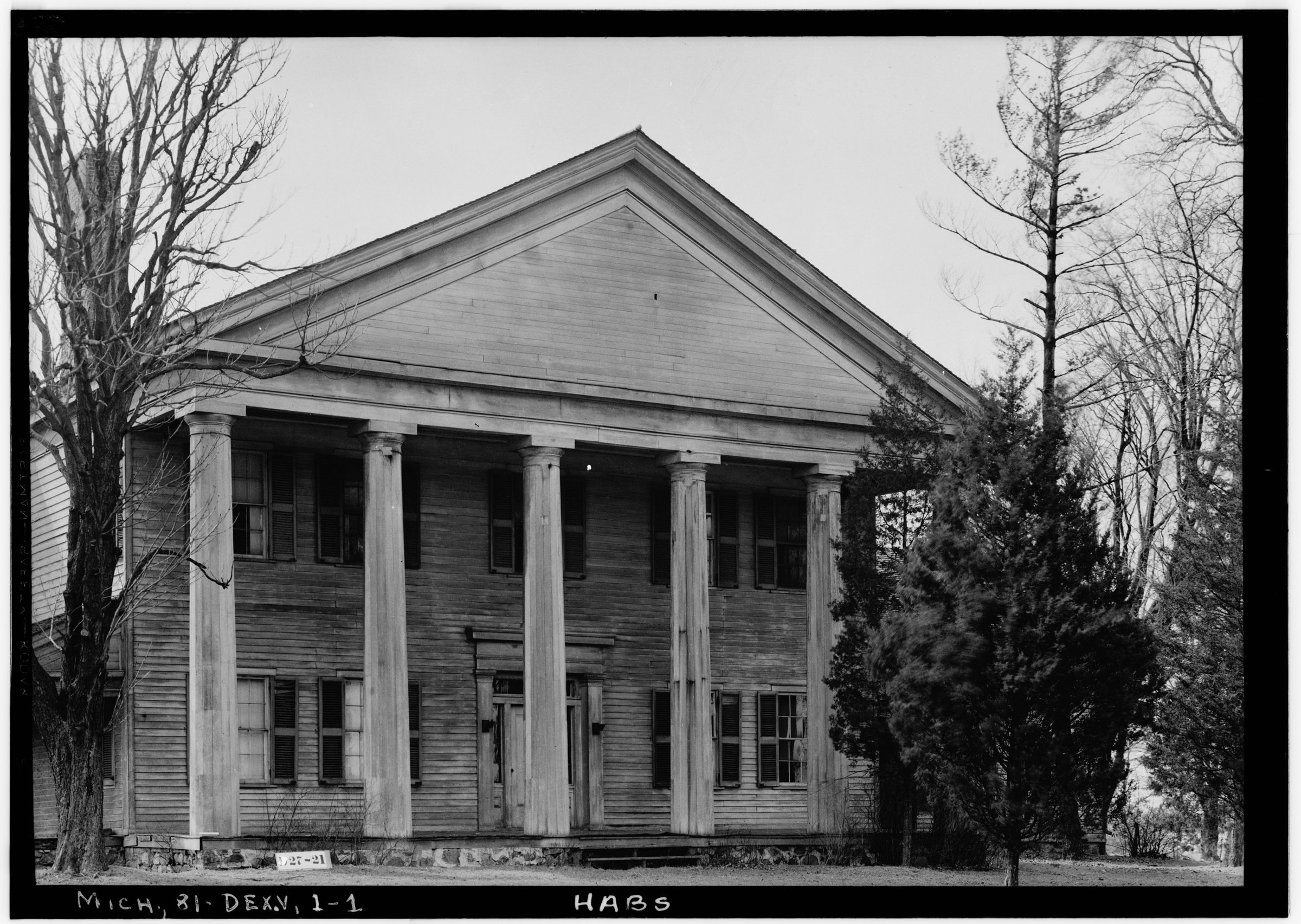
























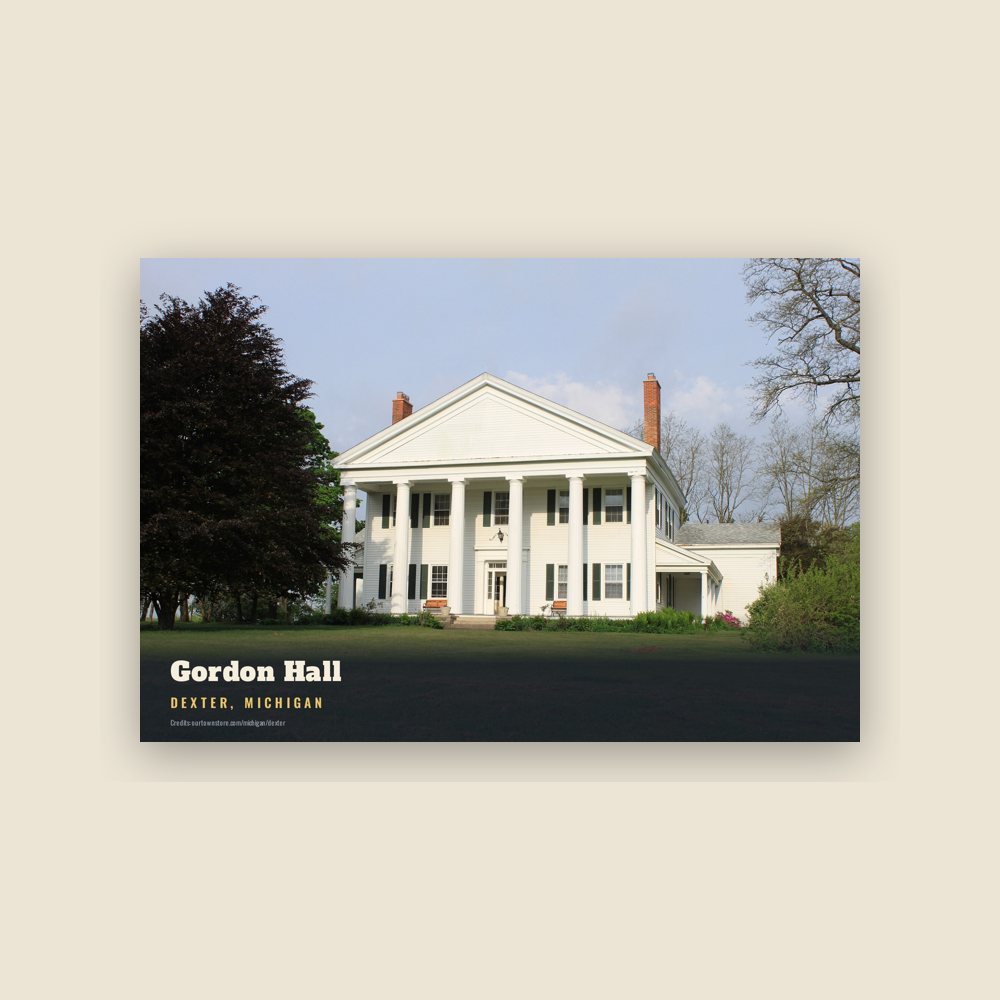

 Gordon Hall
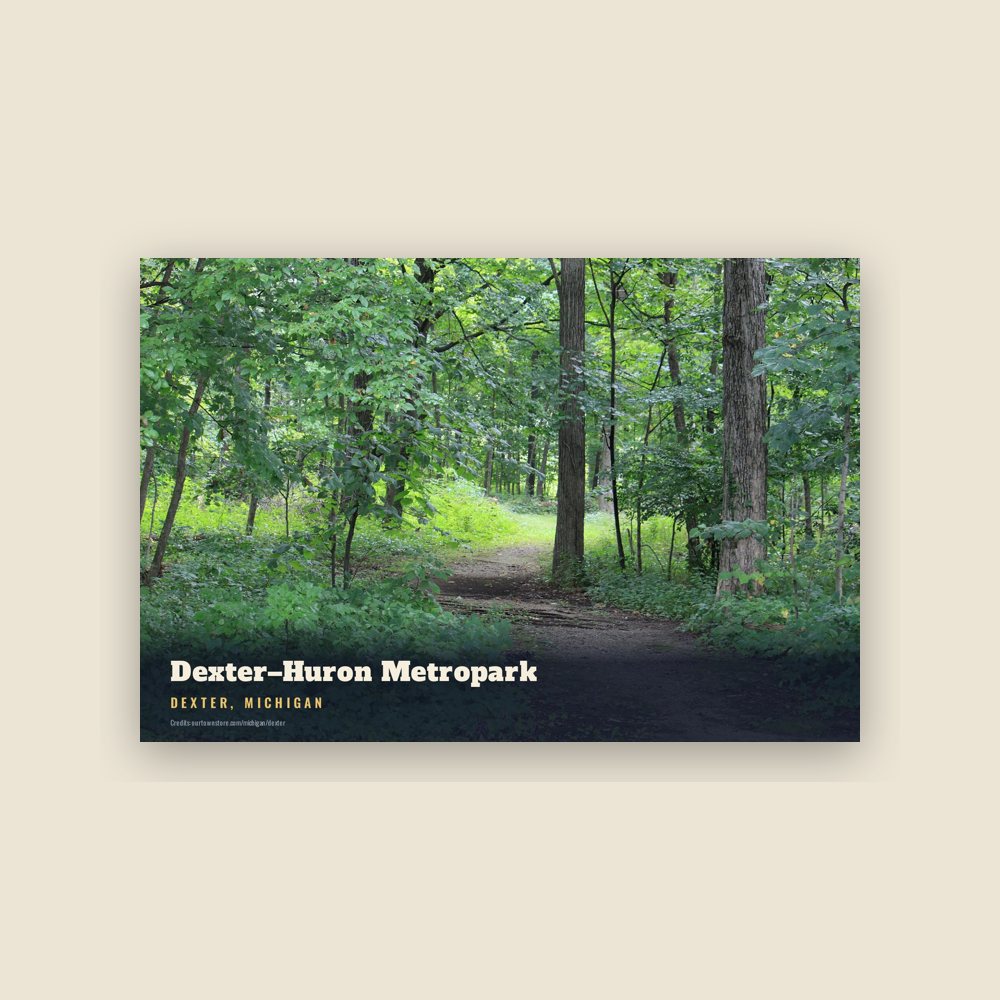
 Dexter–Huron Metropark
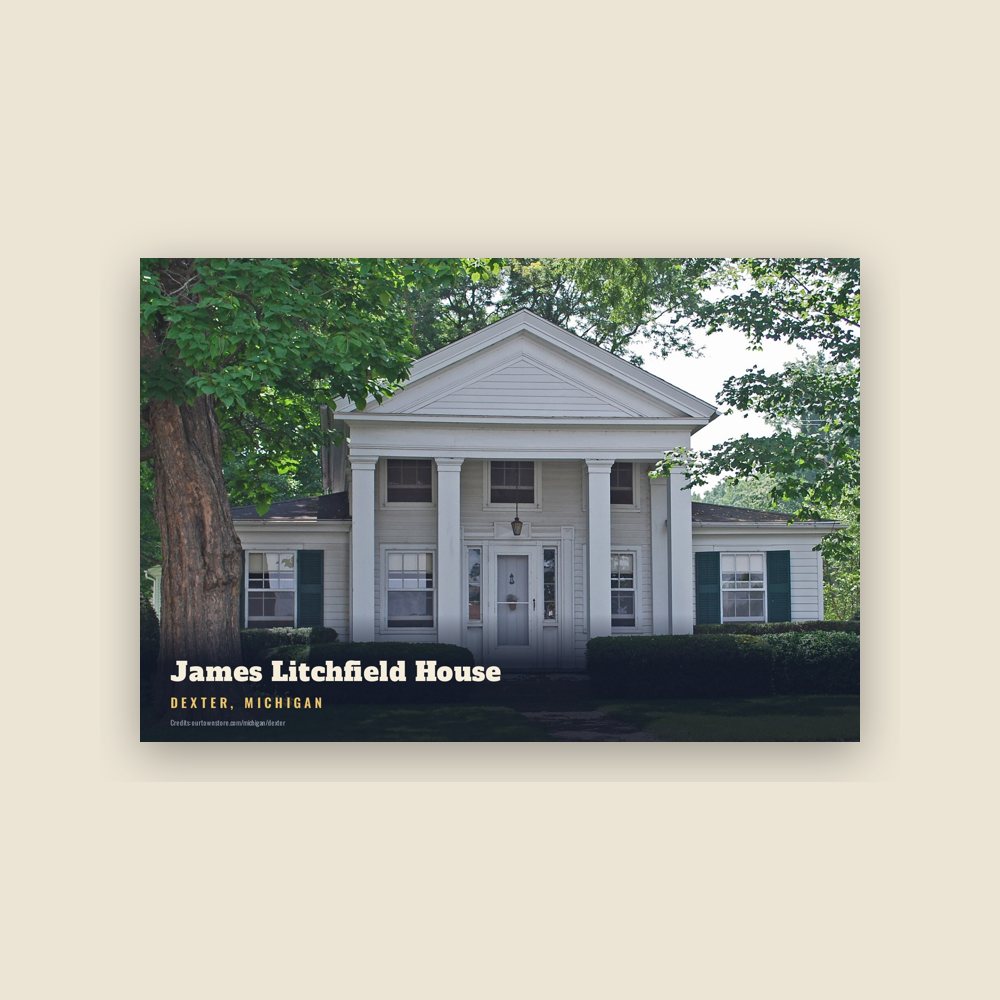
 James Litchfield House
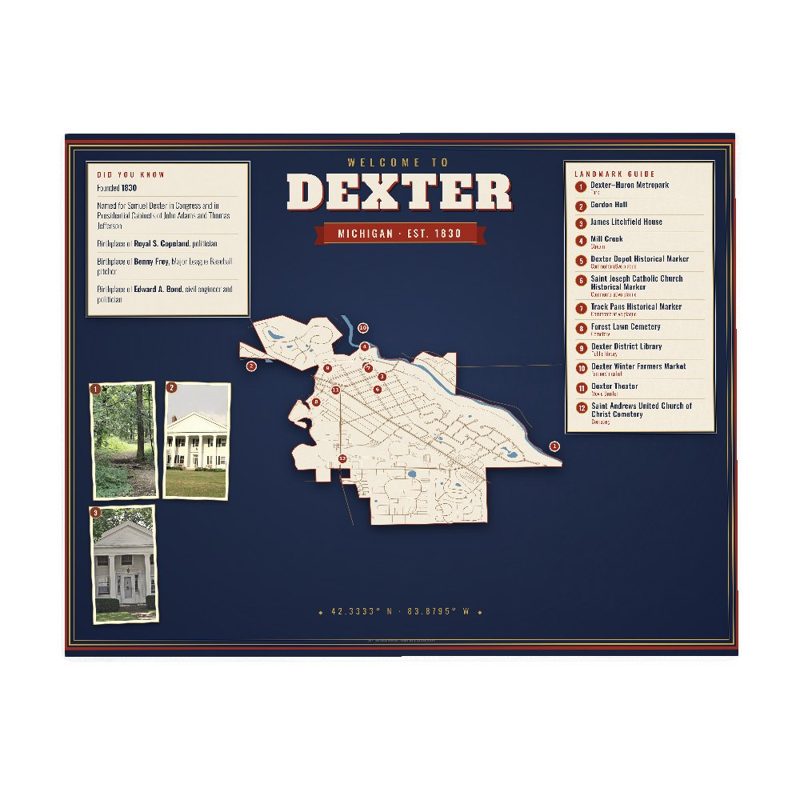
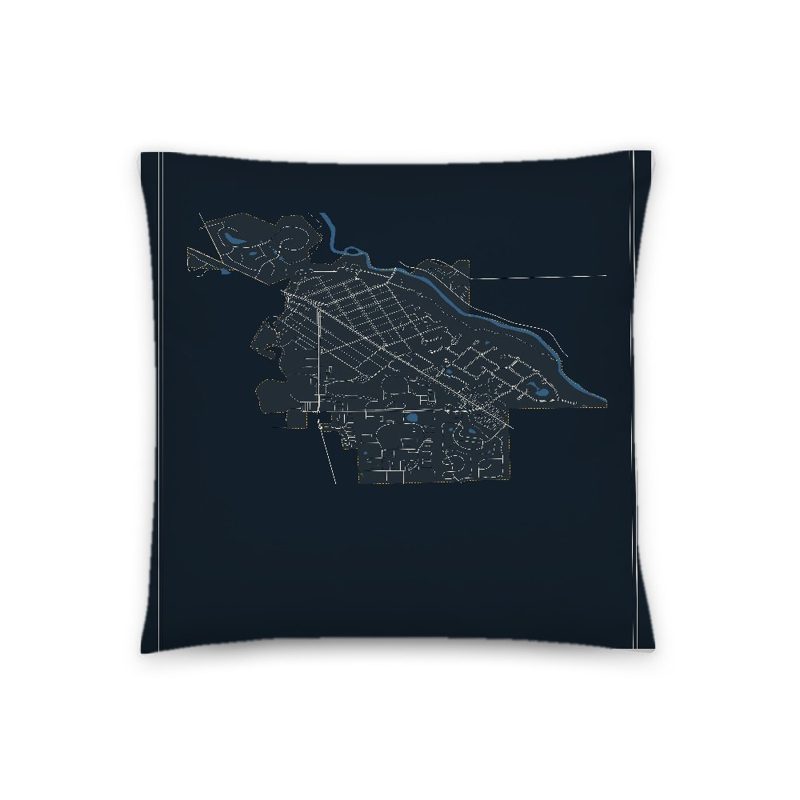
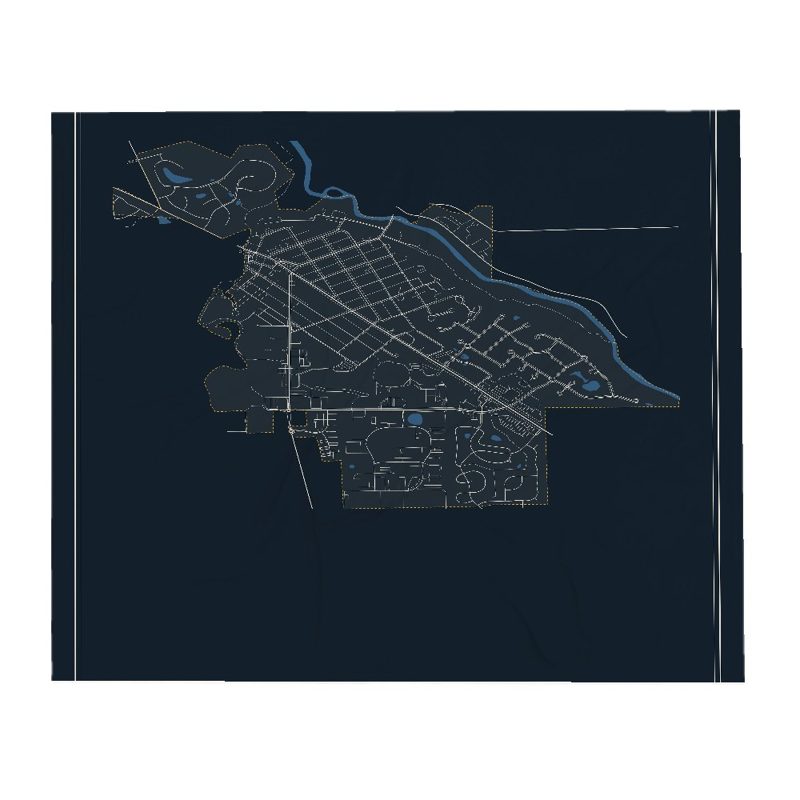
 A view of Dexter