Since 1973
A short history of Farmington Hills
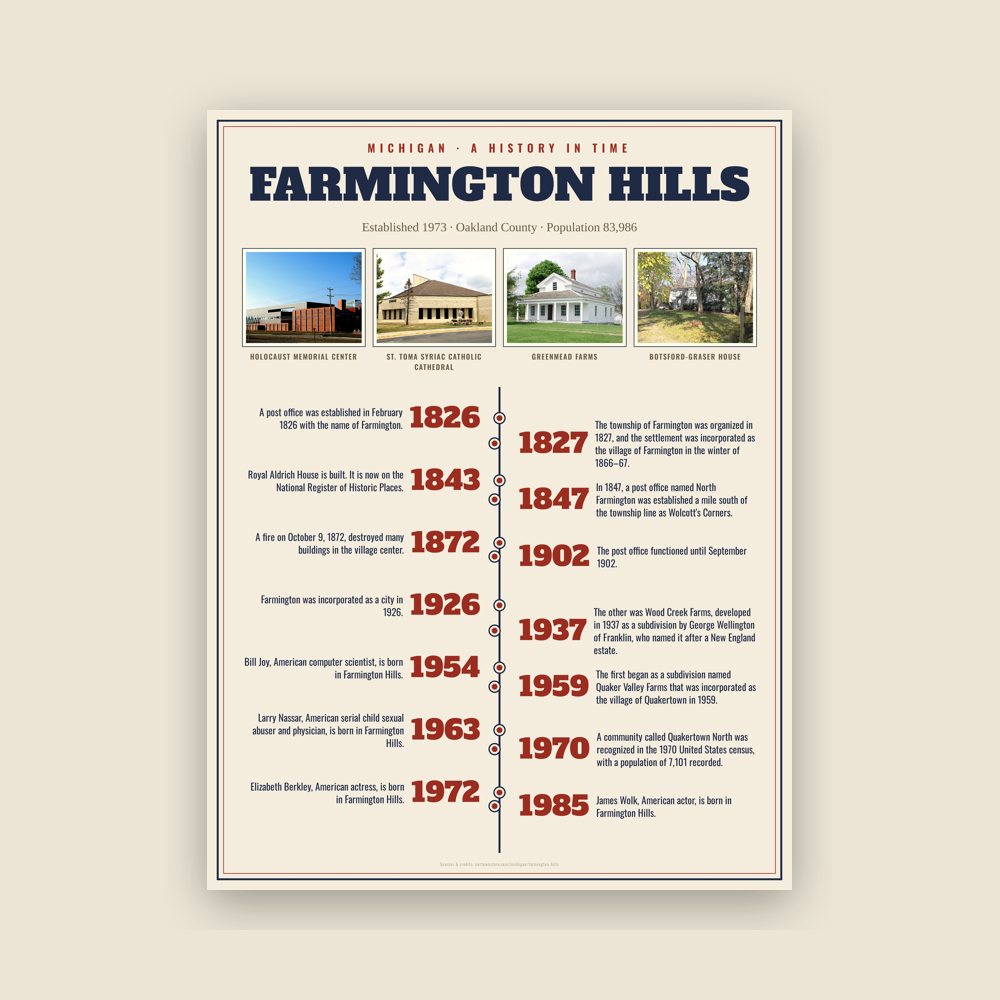
The first white settler in what became Farmington Township was a Quaker from Farmington, New York, named Arthur Power. He purchased land in 1823 and returned in 1824 with a group of families and associates to clear the land. The settlement became known as Quakertown. A post office was established in February 1826 with the name of Farmington. The original post office is still standing today and is a designated historic site. The township of Farmington was organized in 1827, and the settlement was incorporated as the village of Farmington in the winter of 1866–67. A fire on October 9, 1872, destroyed many buildings in the village center. Farmington was incorporated as a city in 1926.
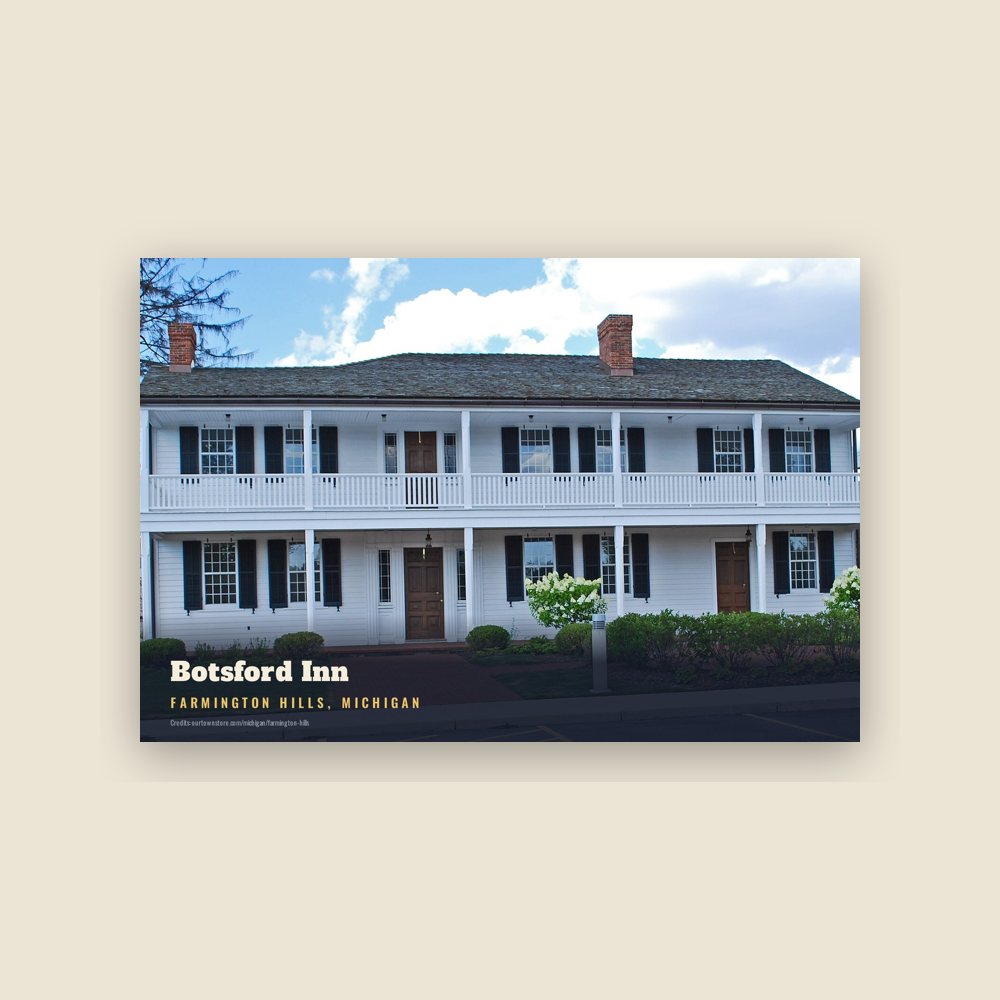
A small settlement was also developed in Clarenceville, in the extreme southeast corner of the township on the boundary with Livonia in Wayne County. Stephen Jennings built a tavern and a general store (now the Botsford Inn) to accommodate travelers on the plank road between Detroit and Howell. The name remains in the Clarenceville School District. Even though the school buildings for Clarenceville are in Livonia in Wayne County, the school district serves a portion of Farmington Hills.
In 1847, a post office named North Farmington was established a mile south of the township line as Wolcott's Corners. After the death of postmaster Chauncey D. Walcott in 1865, the office moved to the township line in the northeast quarter of section 4 (near the intersection of 14 Mile Road and Farmington Road). The post office functioned until September 1902.
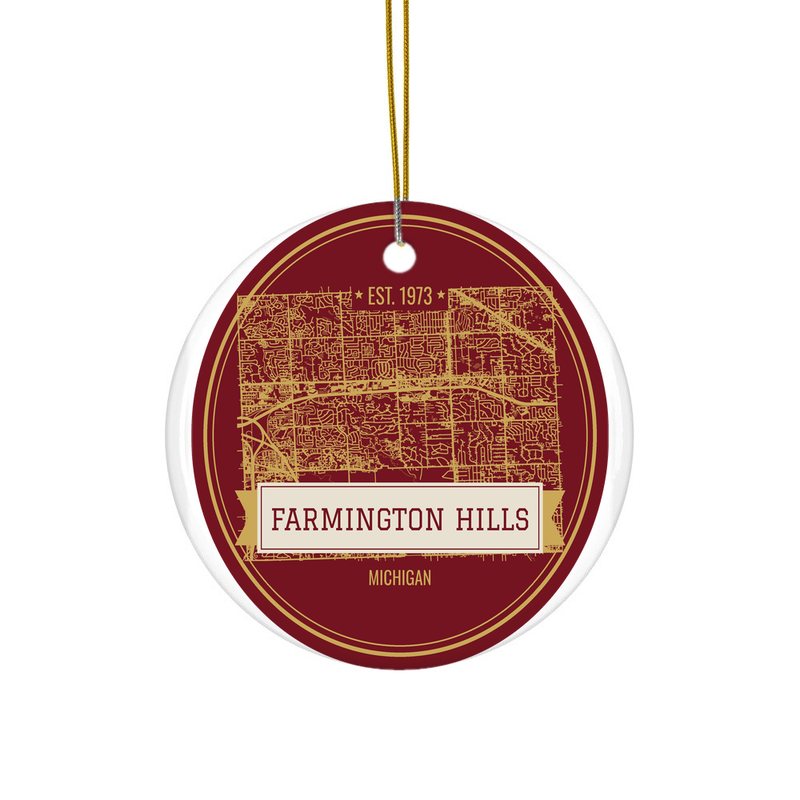
Before the remainder of Farmington Township was incorporated as the city of Farmington Hills, there were two other incorporated entities within its boundaries. The first began as a subdivision named Quaker Valley Farms that was incorporated as the village of Quakertown in 1959. The other was Wood Creek Farms, developed in 1937 as a subdivision by George Wellington of Franklin, who named it after a New England estate. It was incorporated as a village in 1957. The villages, together with the remainder of Farmington Township, were incorporated into the City of Farmington Hills in 1973. The City grew rapidly throughout the mid-20th century.
A community called Quakertown North was recognized in the 1970 United States census, with a population of 7,101 recorded. It was located north of the former municipality of Quakertown. The land area was 1.6 square miles and a housing unit count of 1,803. The area, along with neighboring communities merged, to the newly created city of Farmington Hills in 1973. The ZIP code serving the area was 48331.
Adapted (trimmed) from the Wikipedia article Farmington Hills, Michigan, revision 1379553772 by its contributors, licensed CC BY-SA 4.0.
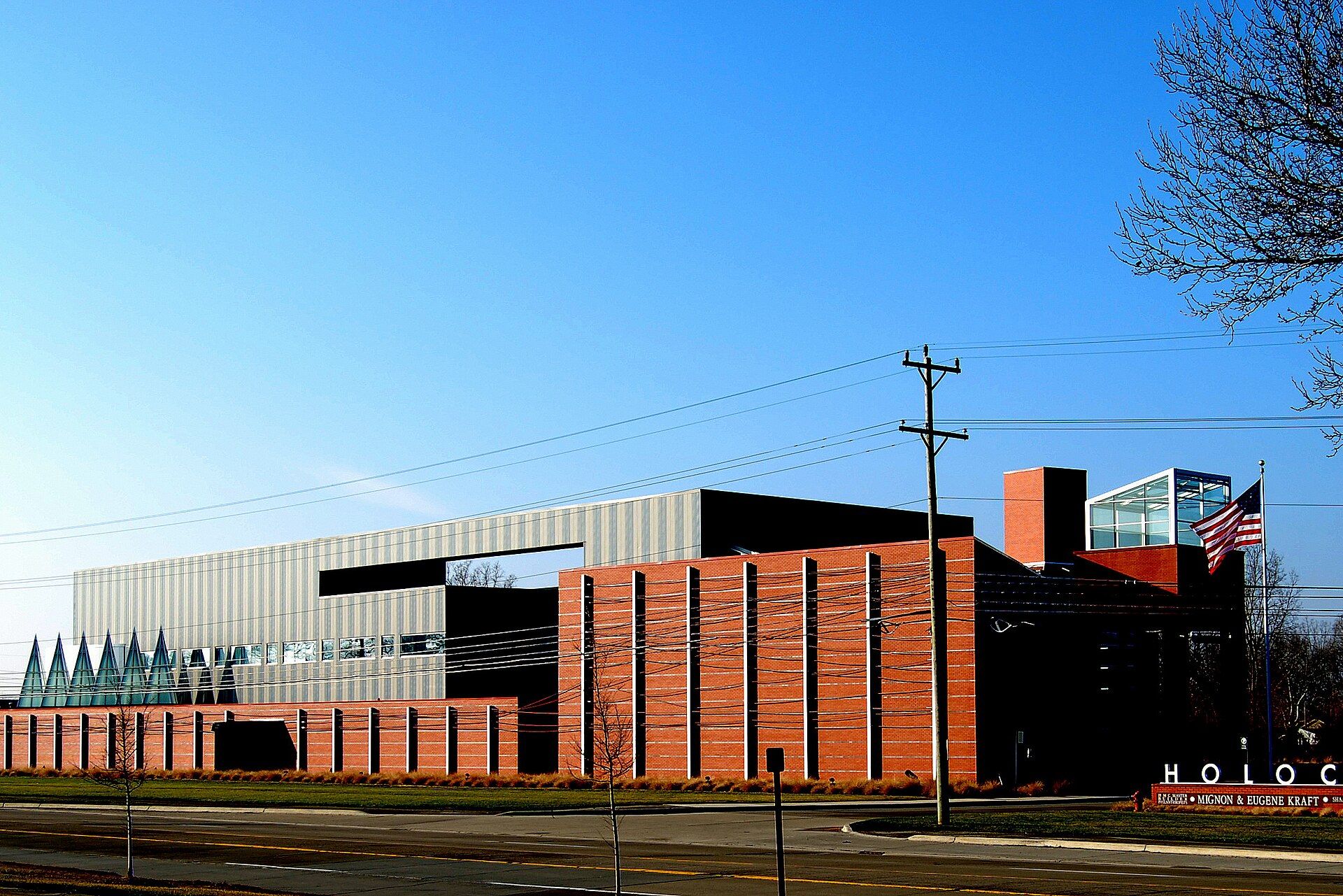
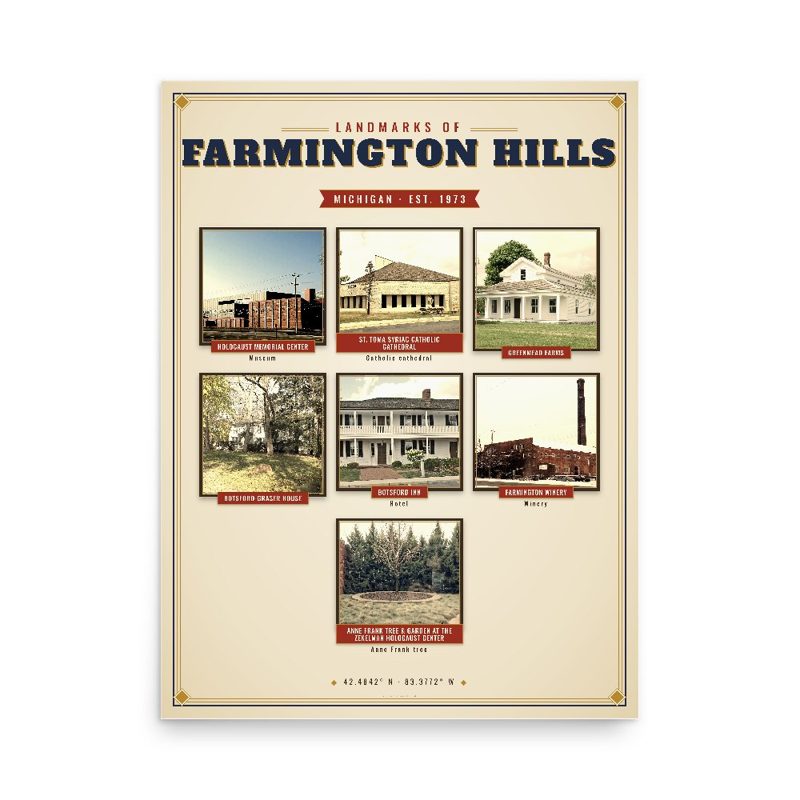
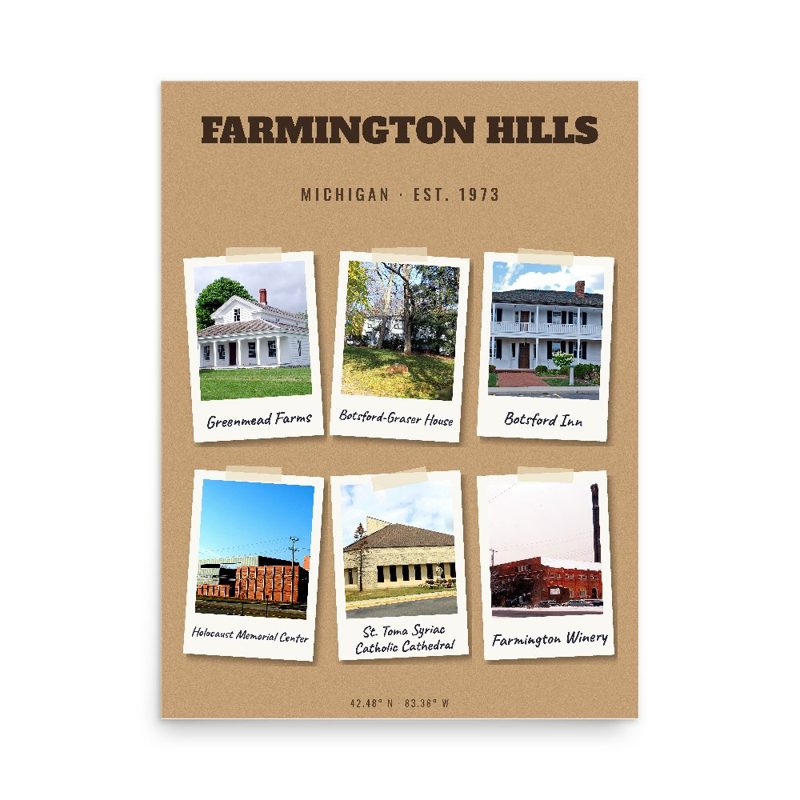
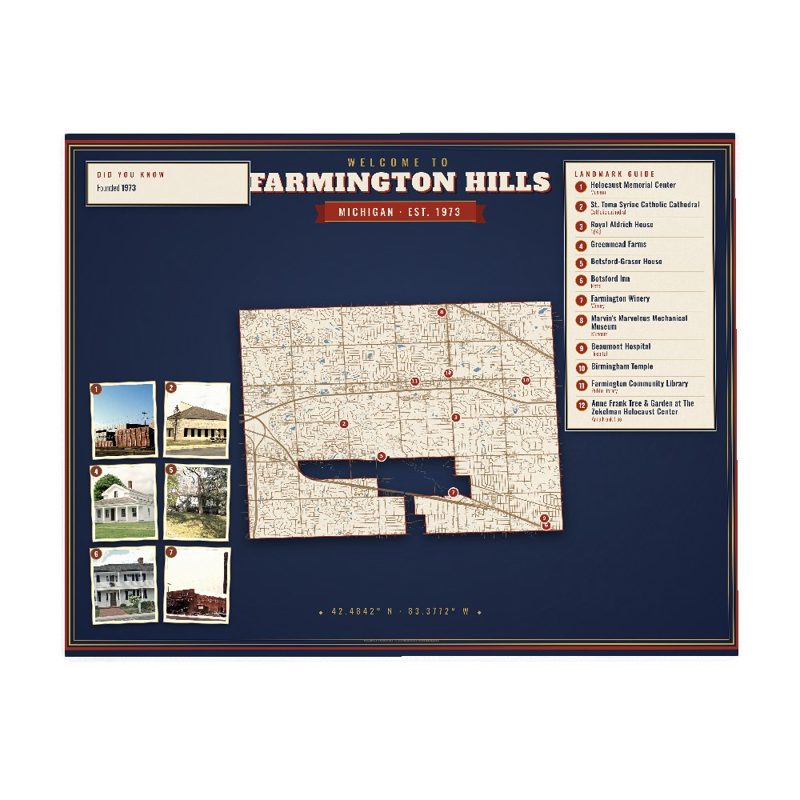






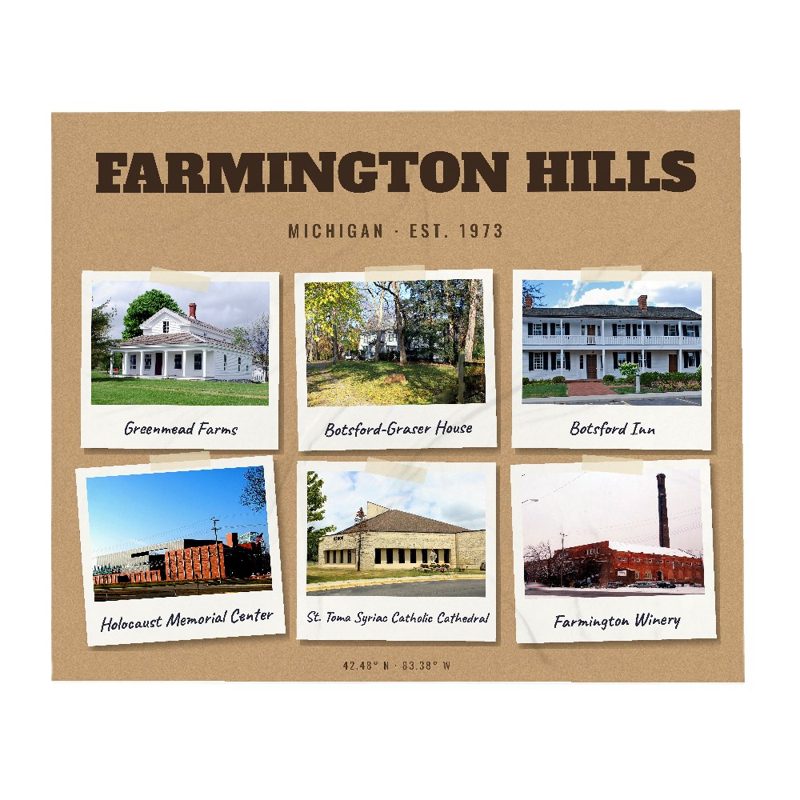
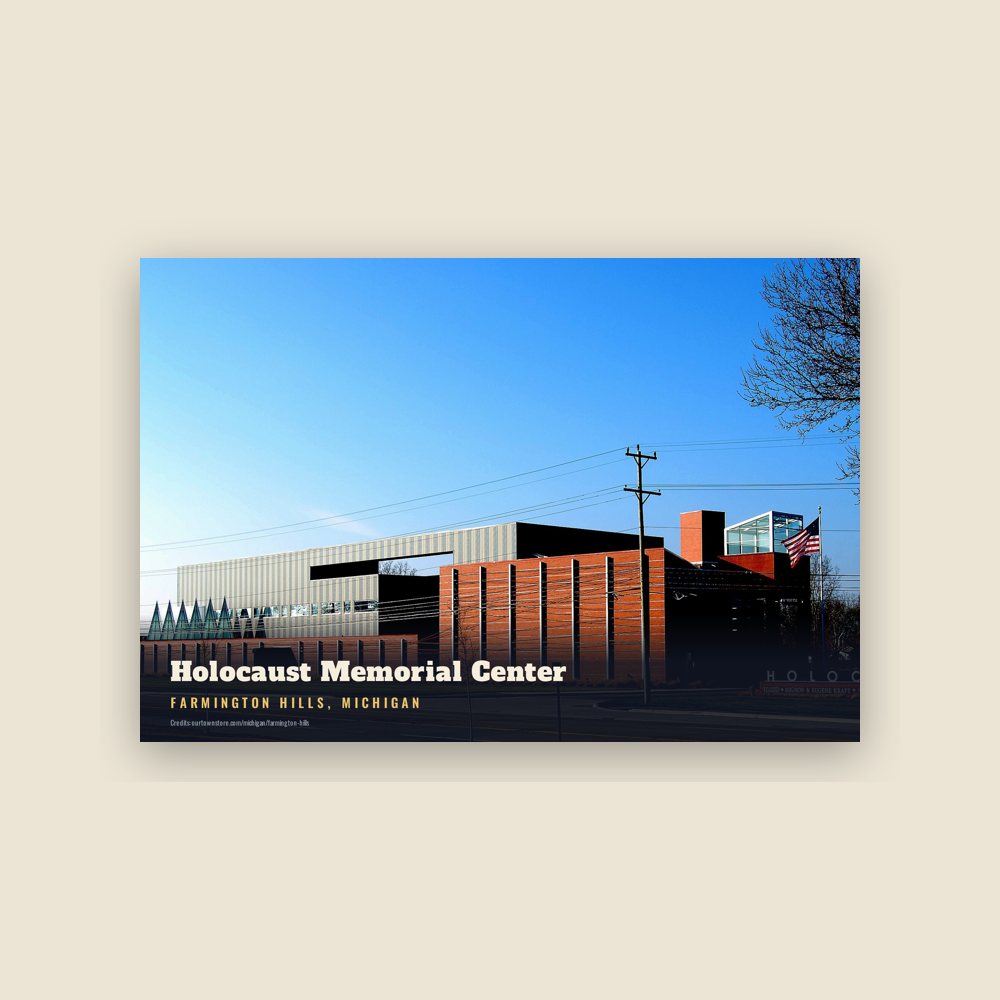
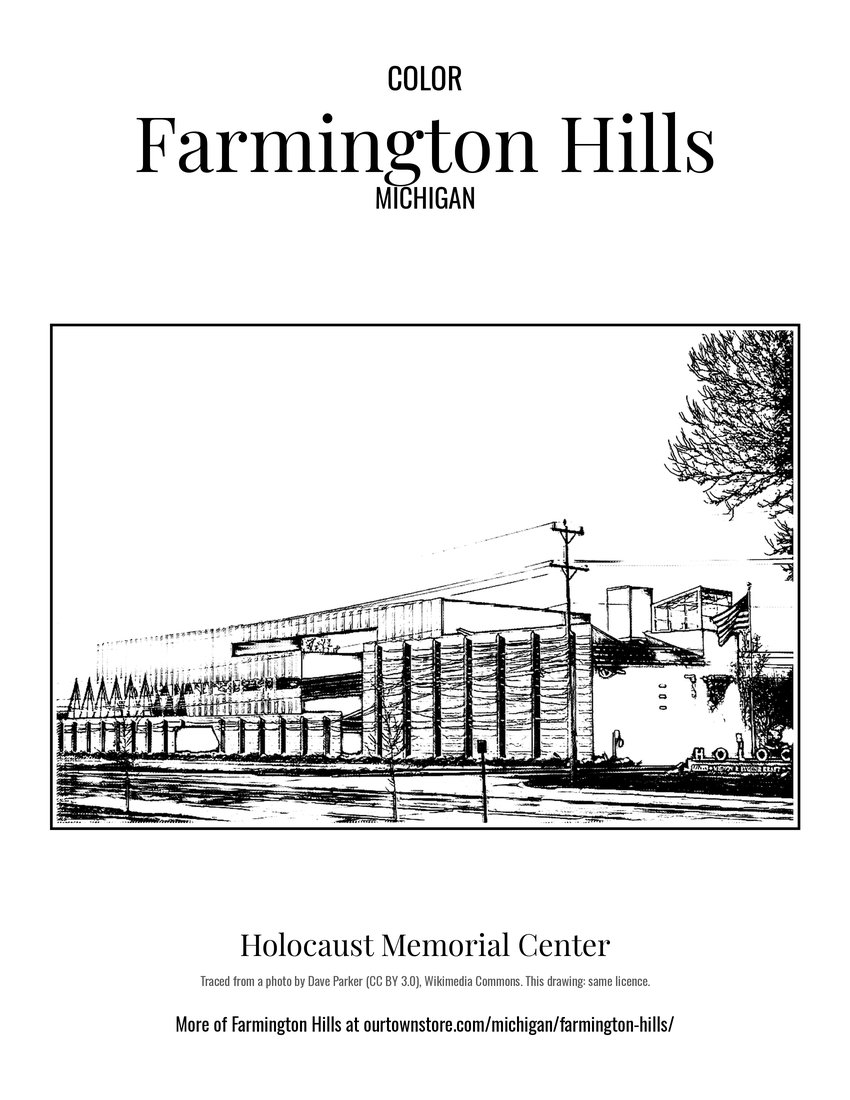 Holocaust Memorial Center
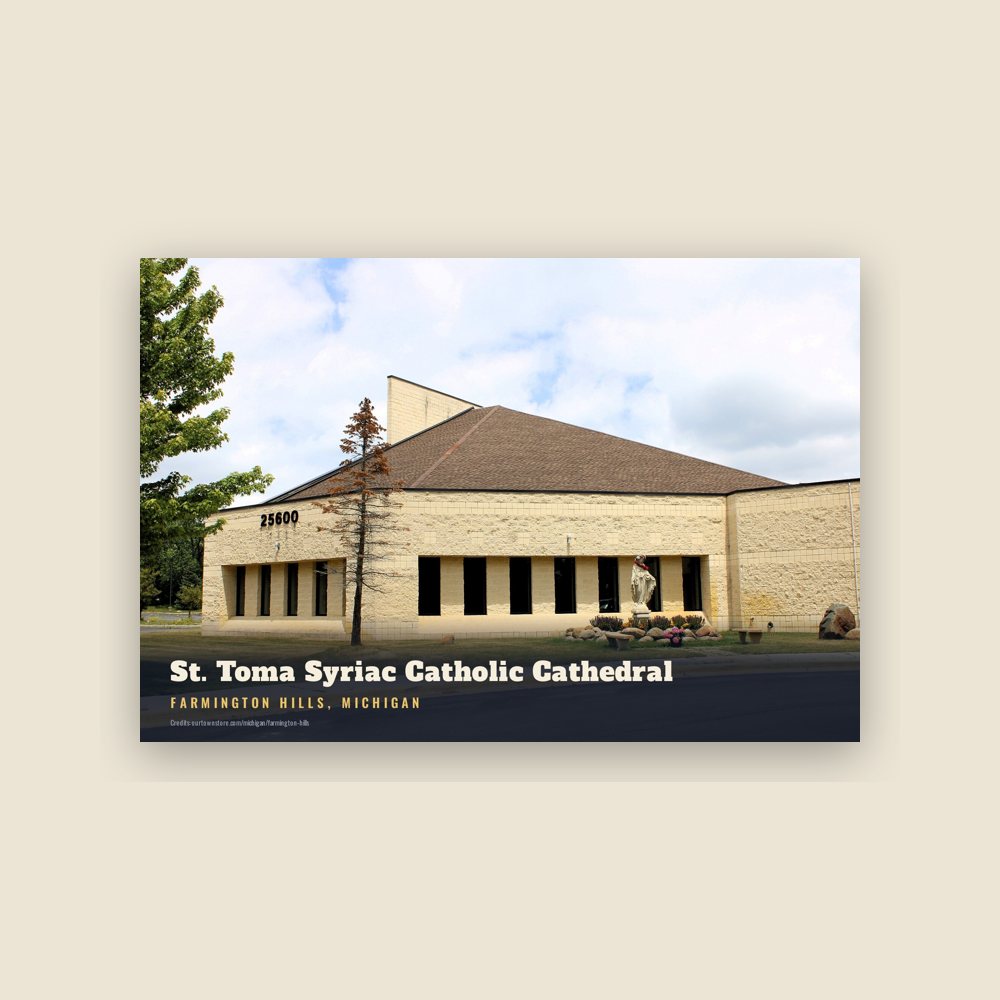
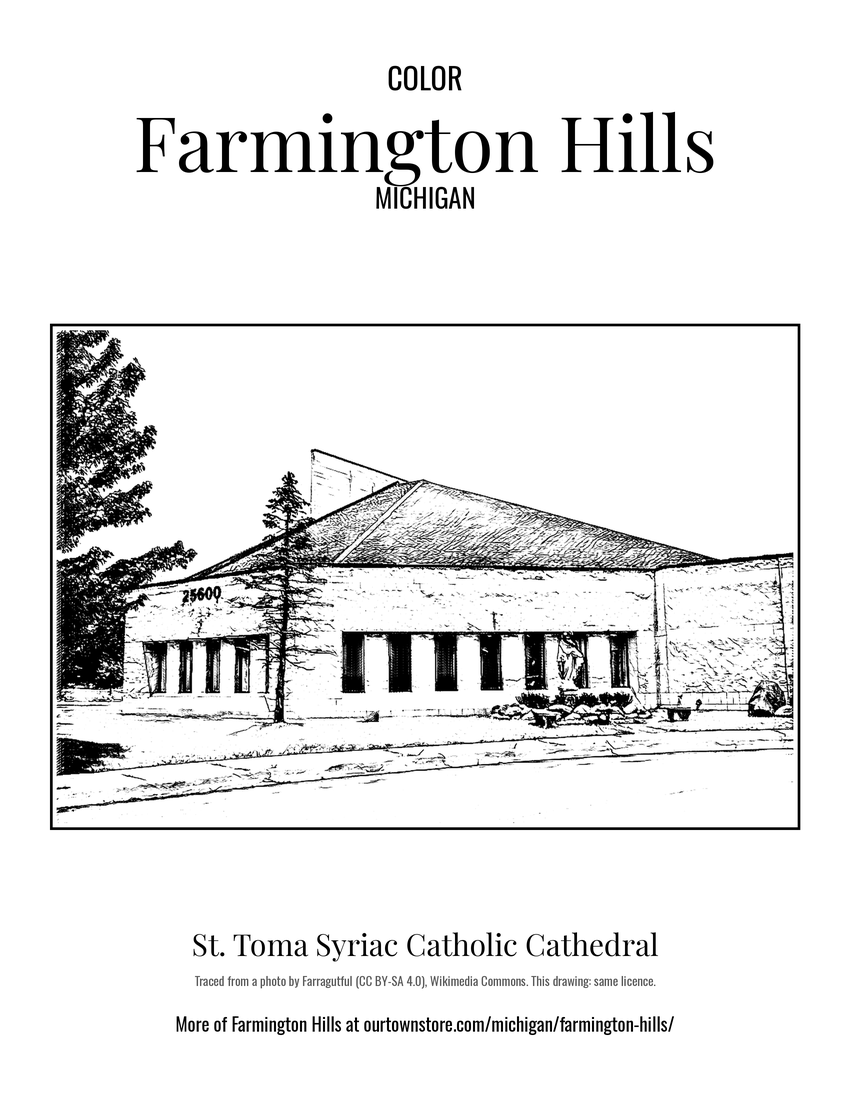 St. Toma Syriac Catholic Cathedral
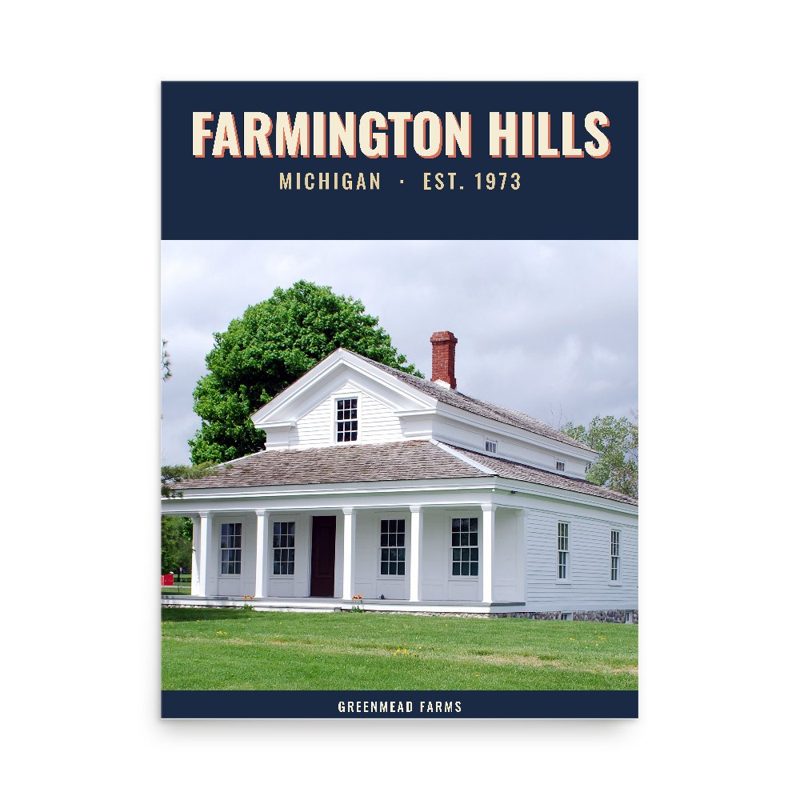
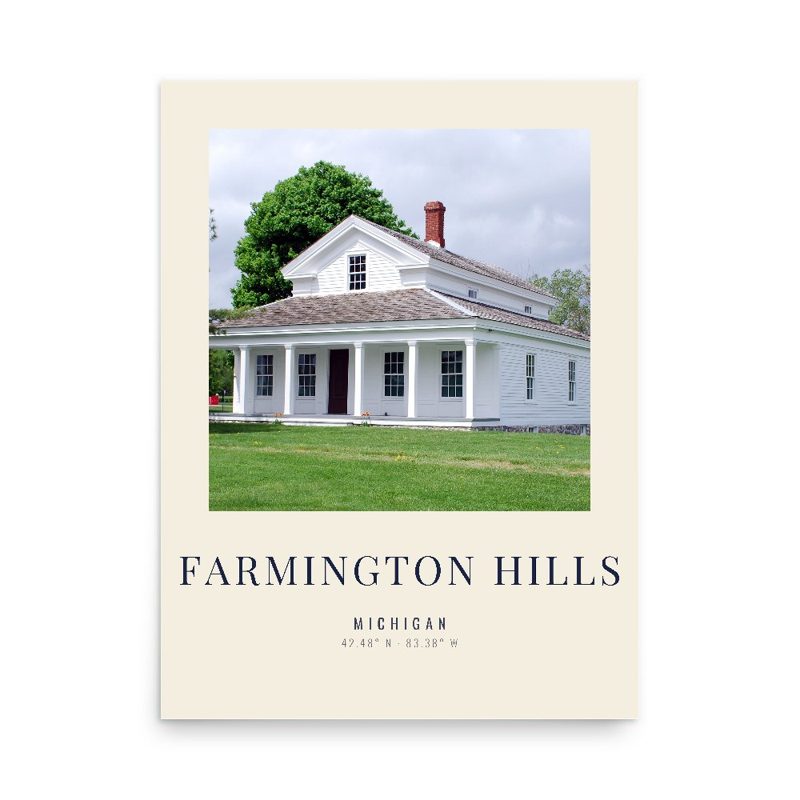
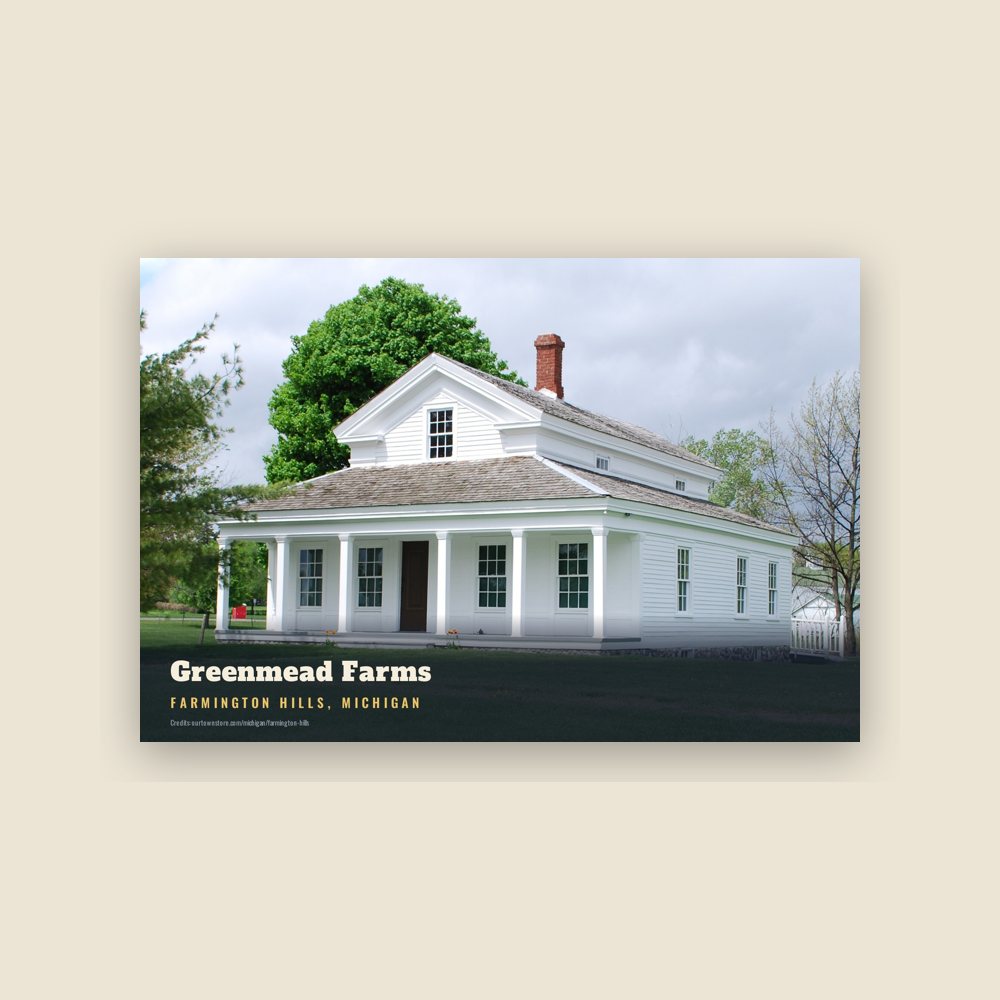
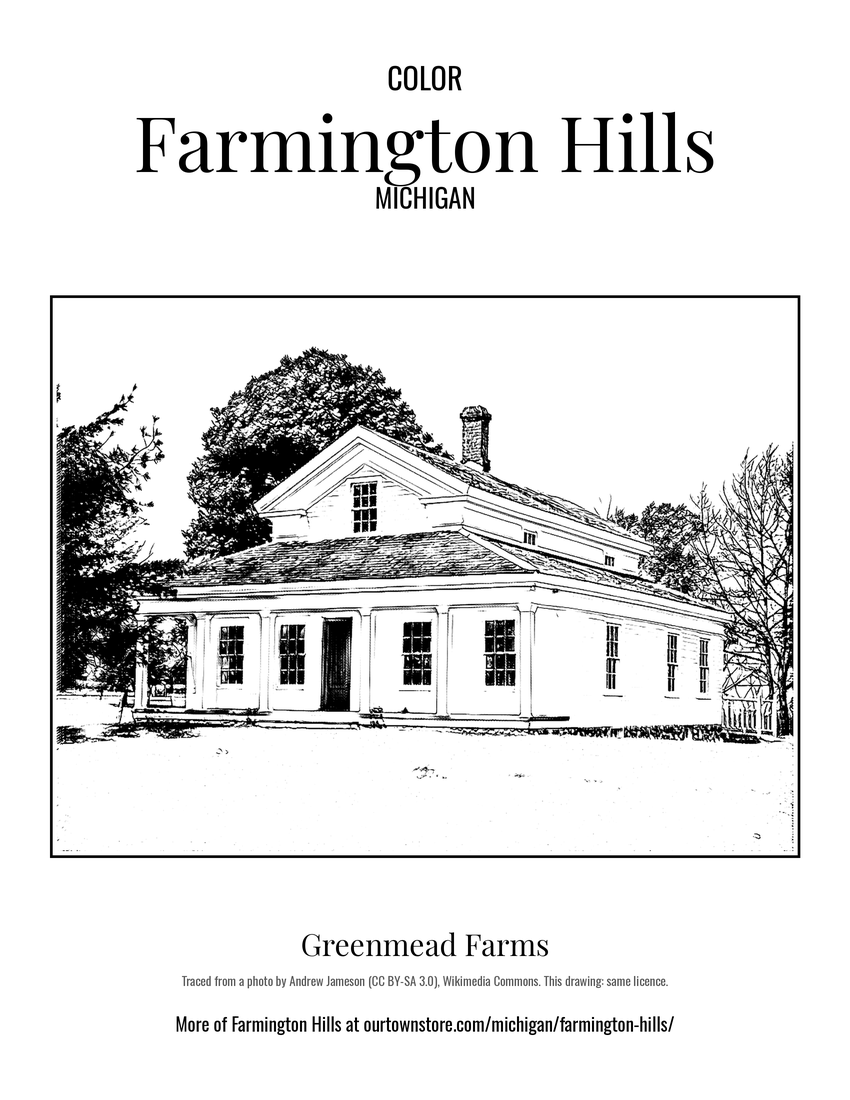 Greenmead Farms
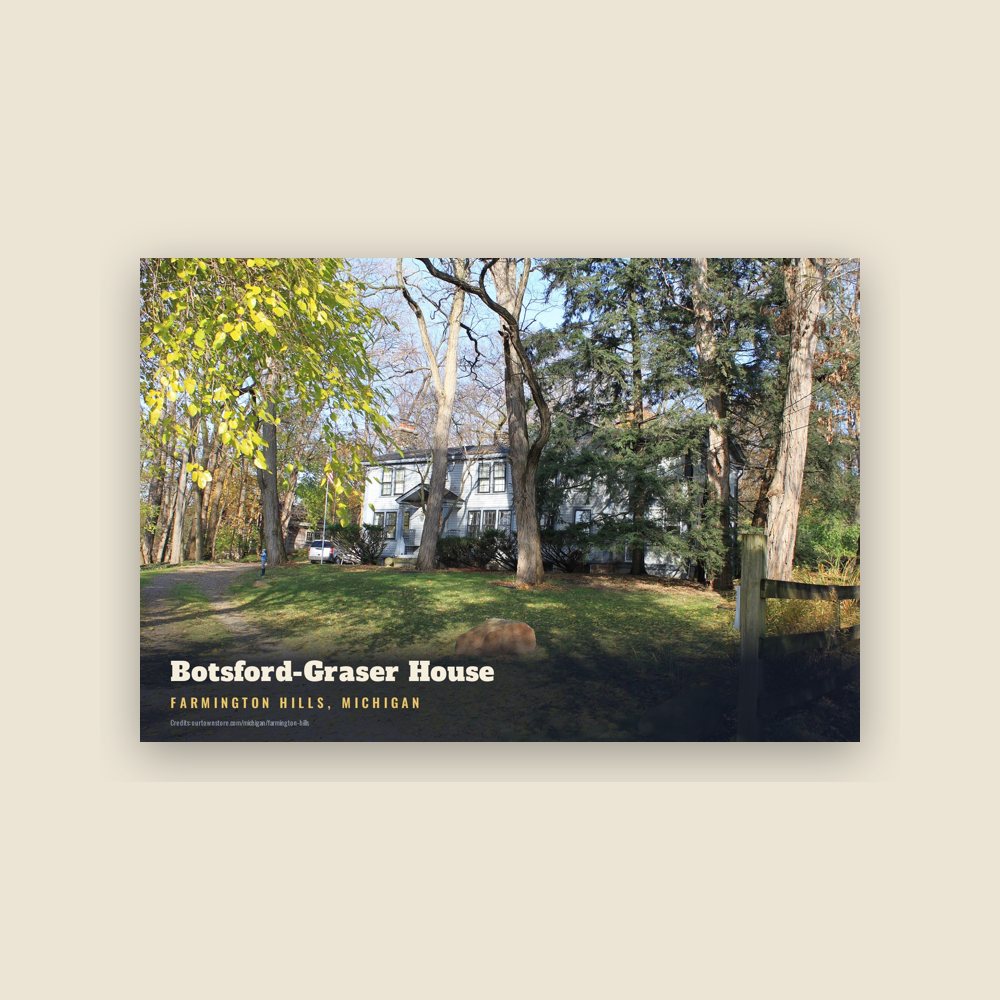
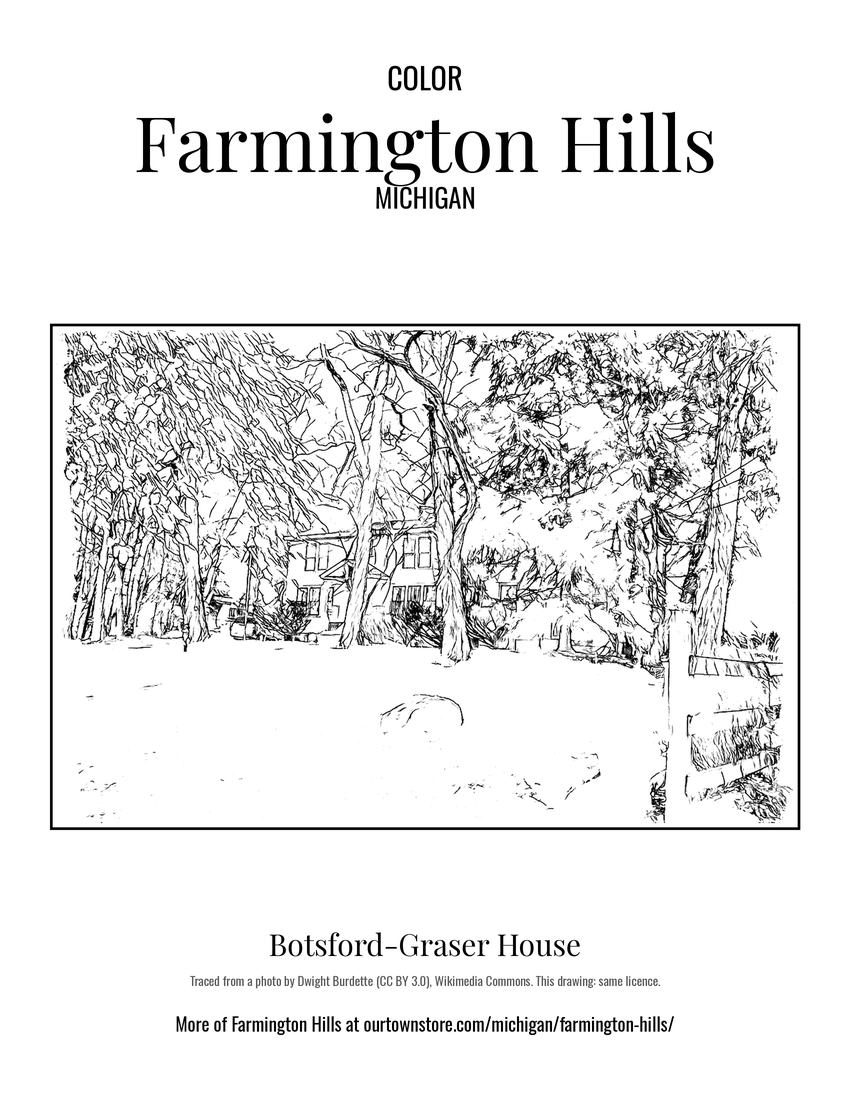 Botsford-Graser House