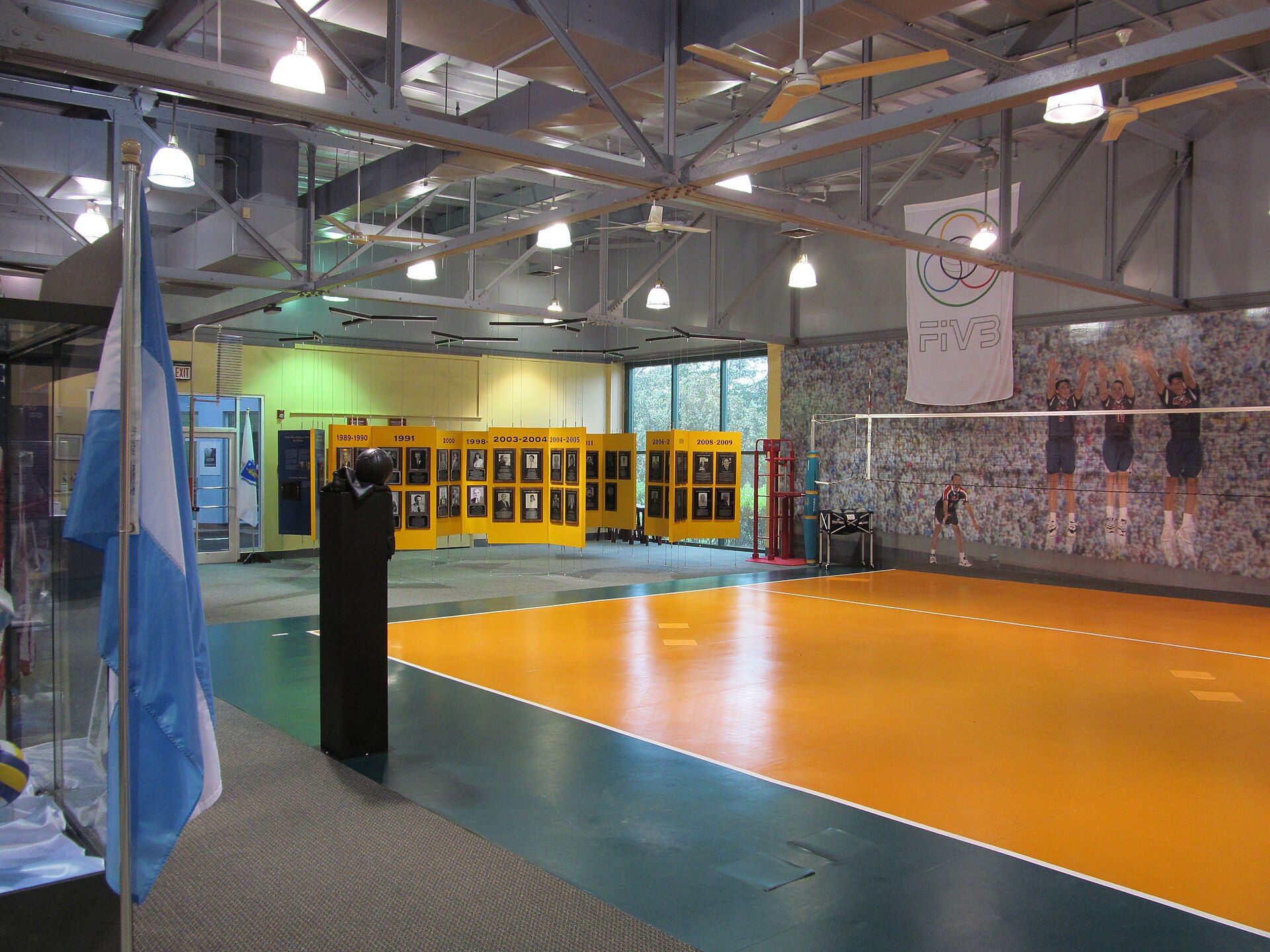
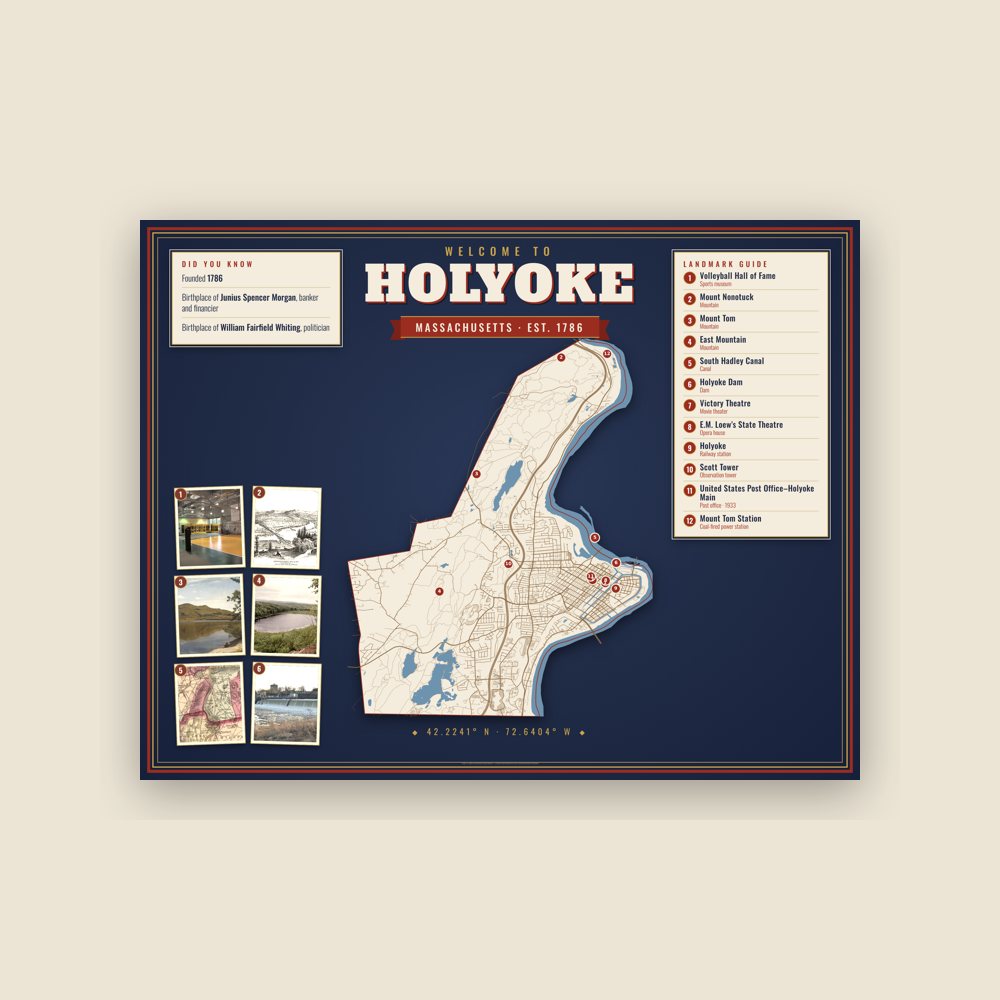
The Indigenous people of Holyoke and South Hadley Falls were the Algonquian peoples. Landmarks include Volleyball Hall of Fame, South Hadley Canal and Victory Theatre. Holyoke is the birthplace of Morris Swadesh, linguist.
Every piece is drawn from Holyoke's own map data and historic archives, then printed and shipped from the USA when you order. No two towns look alike.
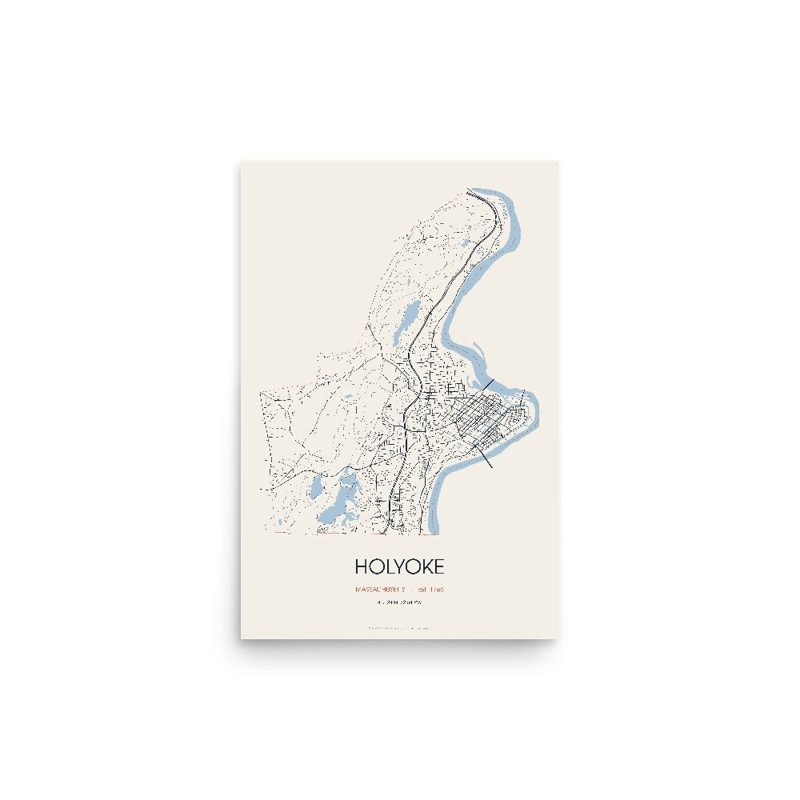
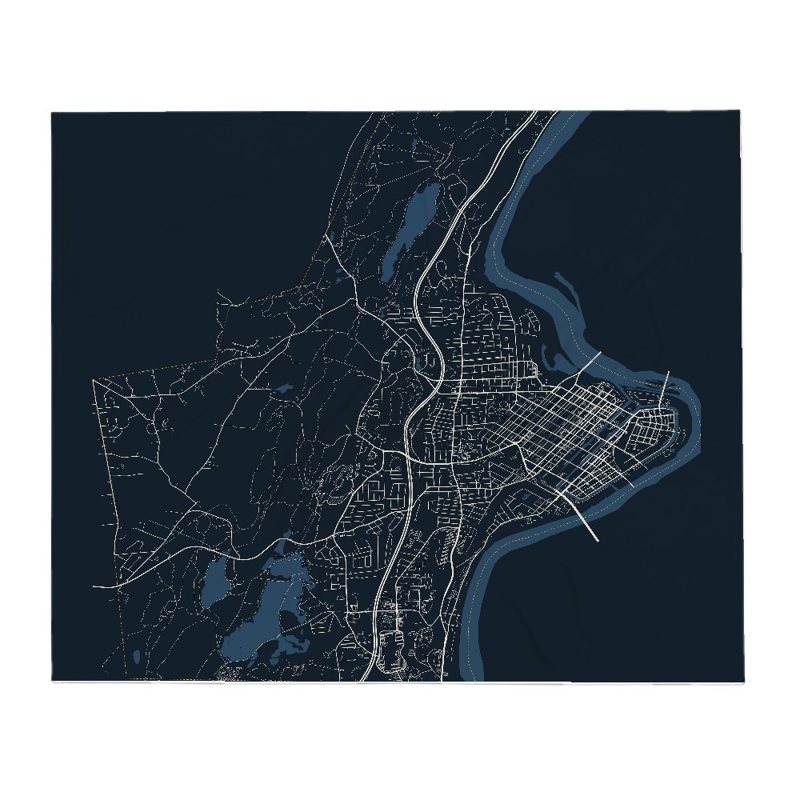
Every road in town, on archival matte paper
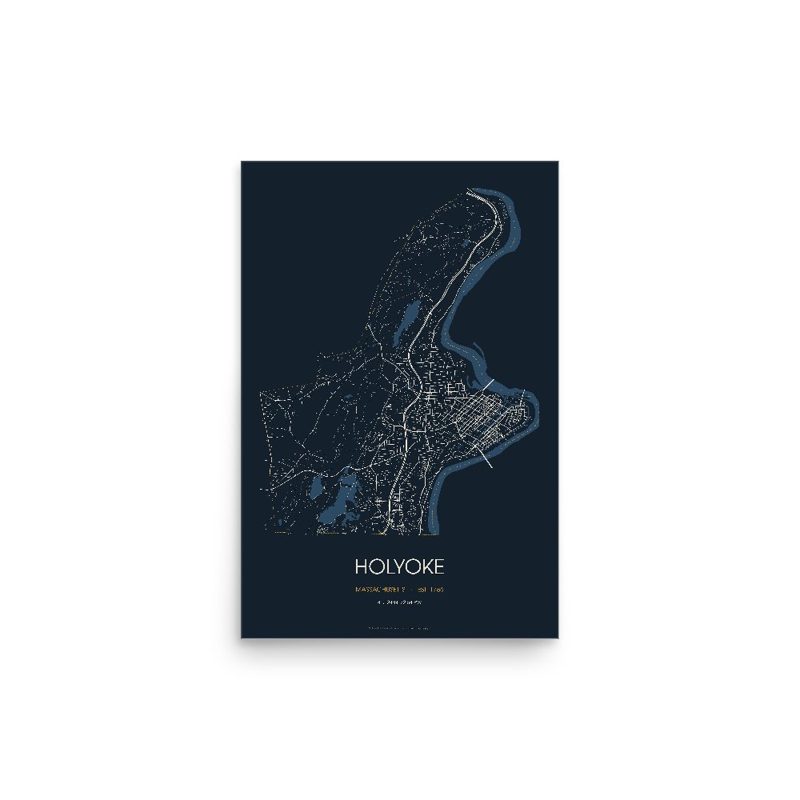
The same map, in navy and silver
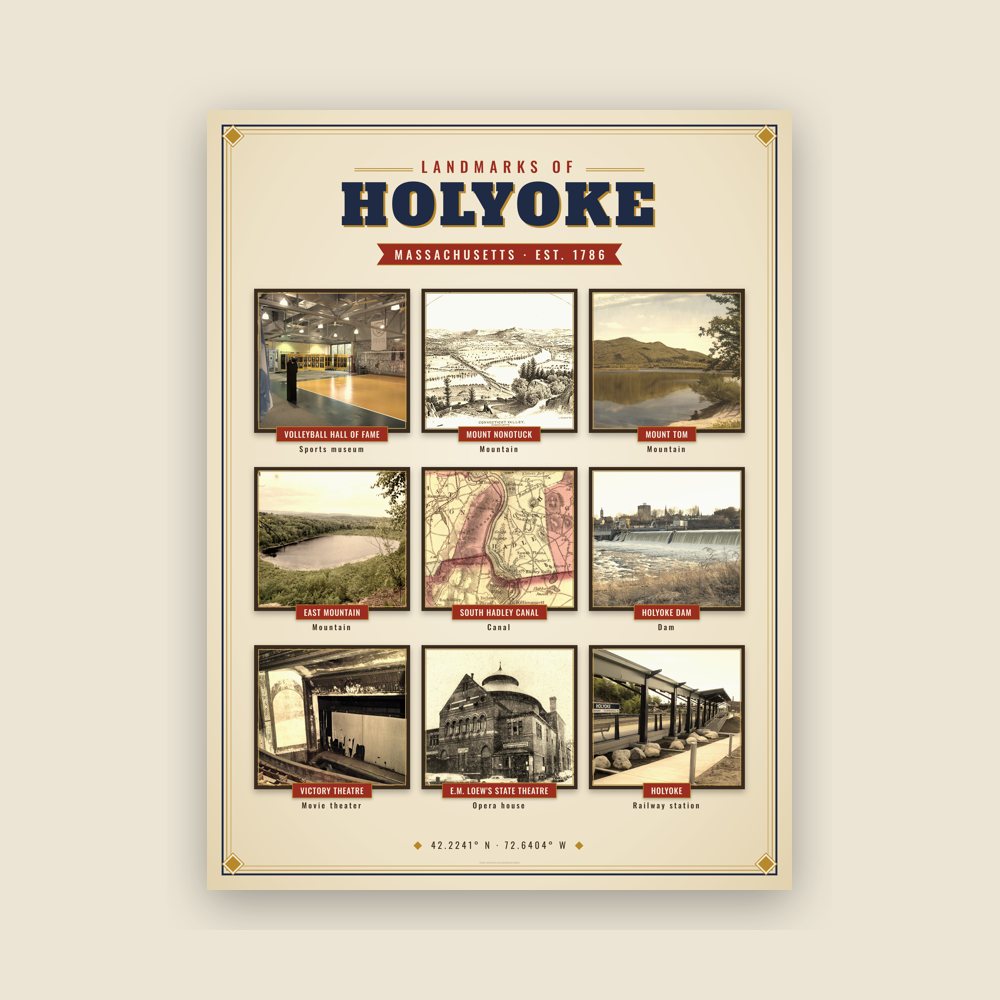
Nine local landmarks, archival matte
Map of local landmarks, washable fabric
Heavy-blend fleece, street map printed on the back
Soft Bella+Canvas jersey
Glossy ceramic, dishwasher safe
Ceramic keepsake, gold ribbon
Weatherproof, for the front walk
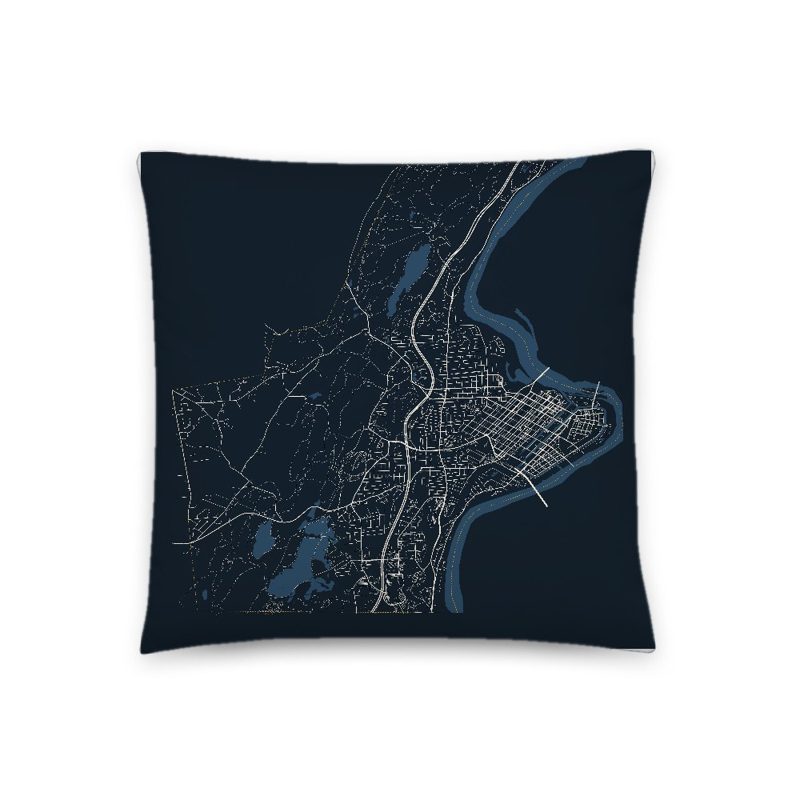
Soft-touch, zip cover
Sturdy all-over-print tote
Glossy top, cork back
Soft fleece, 50″×60″
20 oz, double-wall stainless
Population 2000: 39,838 → 2010: 39,880 → 2017: 40,341 → 2020: 38,238
From Wikidata (CC0).
The Indigenous people of Holyoke and South Hadley Falls were the Algonquian peoples. Though records are incomplete, the area was settled by the Pocomtuc, sometimes referred to as the Agawam or Nonotuck.
English colonists arrived in the Connecticut River Valley in 1633, when traders from the Plymouth Plantation established a post at Windsor, Connecticut. In 1636, Massachusetts Bay Colony assistant treasurer and Puritan iconoclast William Pynchon led a group of settlers from Roxbury, Massachusetts to the Valley to establish Springfield on land scouts had found to be advantageous for farming and trading. The settlement was built north of the Connecticut River's first major falls, Enfield Falls, where seagoing vessels had to transfer cargo into smaller shallops to continue northward on the river. Its proximity to the banks of the river made Springfield quickly become a successful settlement on the Bay Path to Boston, as well as the Massachusetts Path to Albany. Originally, the settlement spanned both sides of the river but was partitioned in 1774 with the land on the western bank becoming West Springfield, Massachusetts. The area, previously allotted to landowners on the east side of the river in Springfield, was settled by colonists by 1655 and included what is now Holyoke. Holyoke as a geographic entity was initially incorporated as the 3rd parish of West Springfield on July 7, 1786 and was called "Ireland" or "Ireland Parish." The area's first post office, "Ireland," was established June 3, 1822, with Martin Chapin as first postmaster; it was discontinued in 1883. Another, "Ireland Depot," was established February 26, 1847, with John M. Chapin as first postmaster, and assumed the town name upon Holyoke's incorporation. Though the name Hampden was considered, the area was subsequently named for earlier Springfield settler William Pynchon's son-in-law, Elizur Holyoke, who had first explored the area in the 1650s. Following land acquisitions and development by the Hadley Falls Company, the town of Holyoke was officially incorporated on March 14, 1850. The first official town meeting took place a week later, on March 22, 1850.
Part of Northampton, known as Smith's Ferry, was separated from the rest of the town by the creation of Easthampton in 1809. The shortest path to downtown Northampton was on a road near the Connecticut River oxbow, which was subject to frequent flooding. The neighborhood became the northern part of Holyoke in 1909.
Holyoke had few inhabitants until the construction of the dam and the Holyoke Canal System in 1849 and the subsequent construction of water-powered mills, particularly paper mills, the first and last to operate in the city being those of the Parsons Paper Company. At one point, over 25 paper mills were in operation in the city. The Holyoke Machine Company, manufacturer of the Hercules water turbine, was among many industrial developments of the era.
Holyoke's population rose from just under 5,000 in 1860 to over 60,000 in 1920. The staggering growth caused the municipality to be officially incorporated as a city on April 7, 1873, only 23 years after its initial incorporation as the "Town of Holyoke." Later that year, the city elected its first mayor, William B. C. Pearsons, who, a quarter-century earlier, had established himself among the first lawyers in the city and had been the first editorial writer of the area newspaper of record, the Hampden Freeman, best known as the Holyoke Transcript-Telegram.
By 1885, Holyoke was the largest single producer of paper of any city in the United States, producing around 190 tons per day, more than double the next-largest producer, Philadelphia, producing 69 tons per day despite having a population nearly 40 times its size. Before 1900 Holyoke would produce 320 tons per day, predominantly of writing paper. In 1888, Holyoke's paper industry spurred the foundation of the American Pad & Paper Company (AMPAD), which as of 2007 was one of the largest suppliers of office products in the world. Holyoke was also previously the location of the headquarters of the American Writing Paper Company, a trust company established in 1899 with the merging of 23 rag paper mills, 13 of which were located in Holyoke. At one point the company was the largest producer of fine papers in the world, but leadership lacking technical knowledge of the industry led the company to fold by 1963. The availability of water power enabled Holyoke to support its own electric utility company and maintain it independently of America's major regional utilities. The city was thus a rare unaffected area in the Northeast blackout of 1965, for example.
In addition to developments in the paper and textile industries, a number of industrial inventions would arise out of the city in the late 19th and early 20th centuries. The first and most prominent hydraulic testing lab in the United States, the Holyoke Testing Flume performed 3,176 tests to establish turbine efficiency from 1870 to 1932. Among the flume's resulting developments were Clemens Herschel's Venturi meter in 1888, the first accurate way to measure large-scale flows, as well as the Hercules turbine by John B. McCormick in 1899, the first mixed flow turbine. Other pioneering developments included the first use of Hans Goldschmidt's exothermic welding process in the Americas in 1904, by George E. Pellissier and the Holyoke Street Railway. In electronics, the world's first commercial toll line, between the city's Hotel Jess and a location in Springfield, entered service on June 15, 1878. The city was also home to Thaddeus Cahill's New England Electric Music Company which, on March 16, 1906, demonstrated the Telharmonium, the world's first electromechanical instrument, a predecessor of the synthesizer.
Adapted (trimmed) from the Wikipedia article Holyoke, Massachusetts, revision 1379659138 by its contributors, licensed CC BY-SA 4.0.
We share a part of every Holyoke sale with local partners, and we'd love to print from your collection. Old photographs, maps and postcards make the best keepsakes.
Partner with us