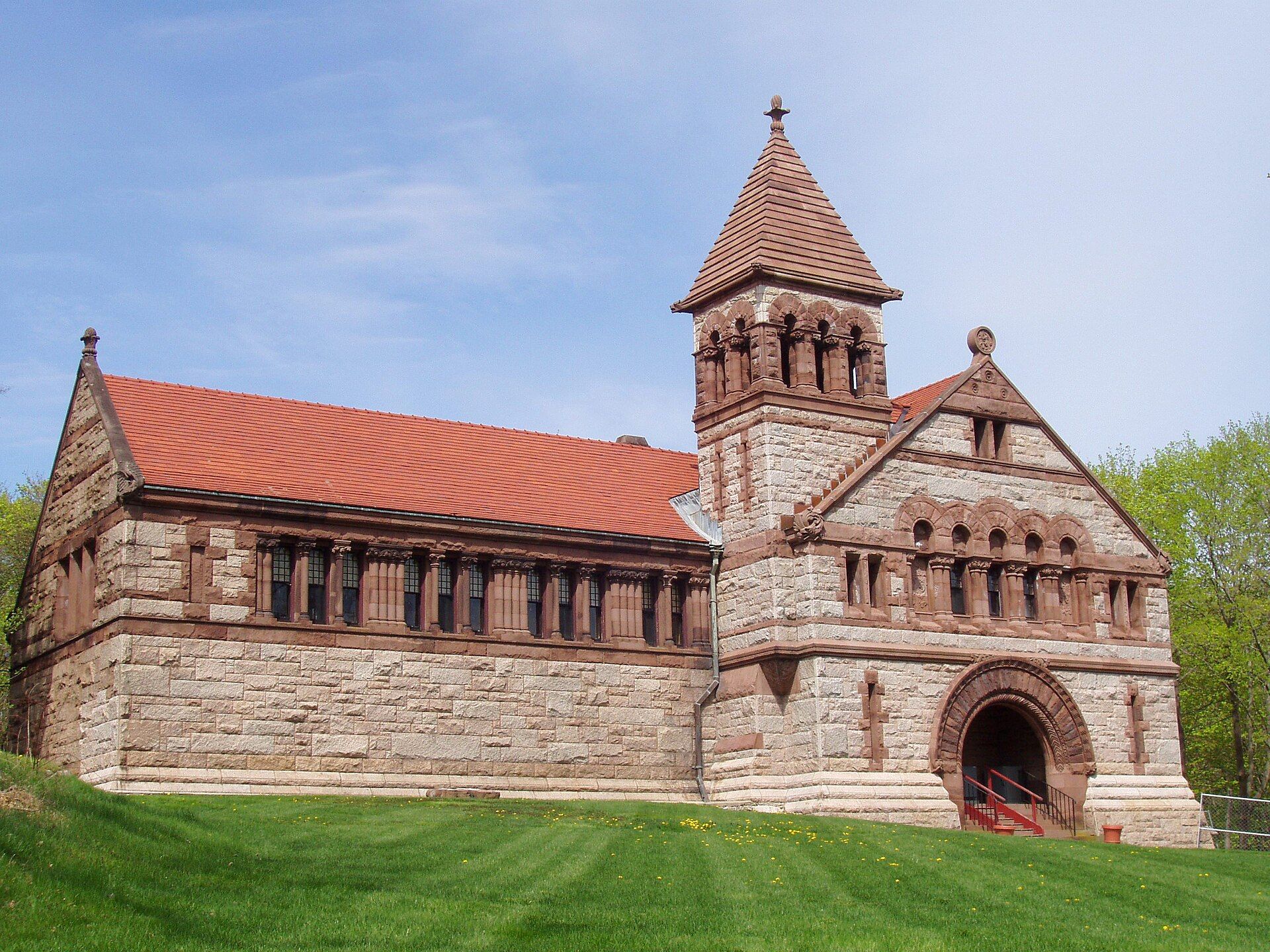
In 1694, the first settler, Clement Briggs, established his home near the Easton Green. Landmarks include Ames Free Library, H.H. Richardson Historic District of North Easton and North Easton Historic District. Easton is the birthplace of Oakes Ames, botanist.
Every piece is drawn from Easton's own map data and historic archives, then printed and shipped from the USA when you order. No two towns look alike.
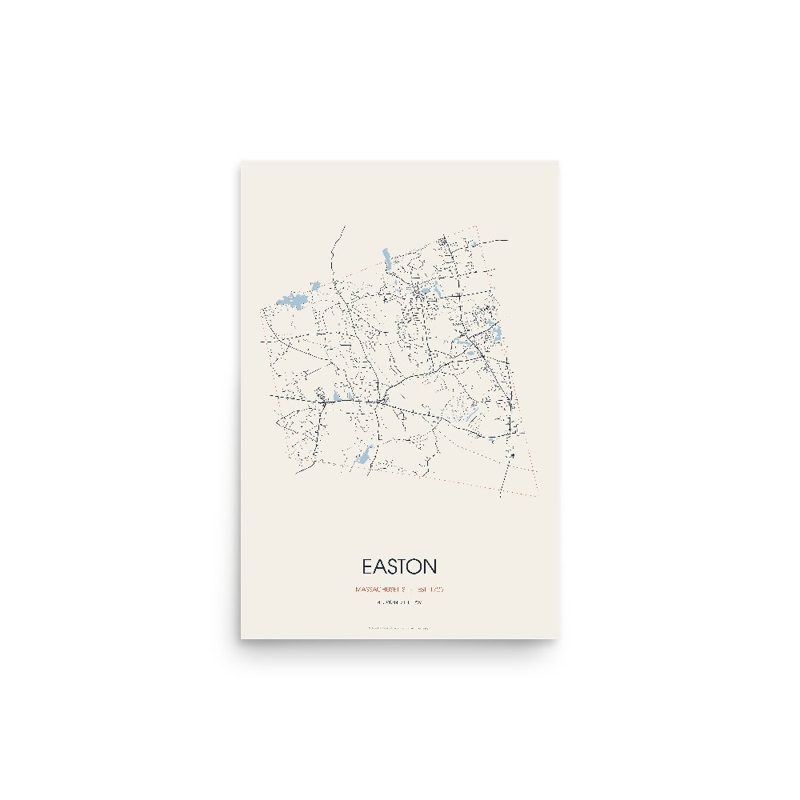
Every road in town, on archival matte paper
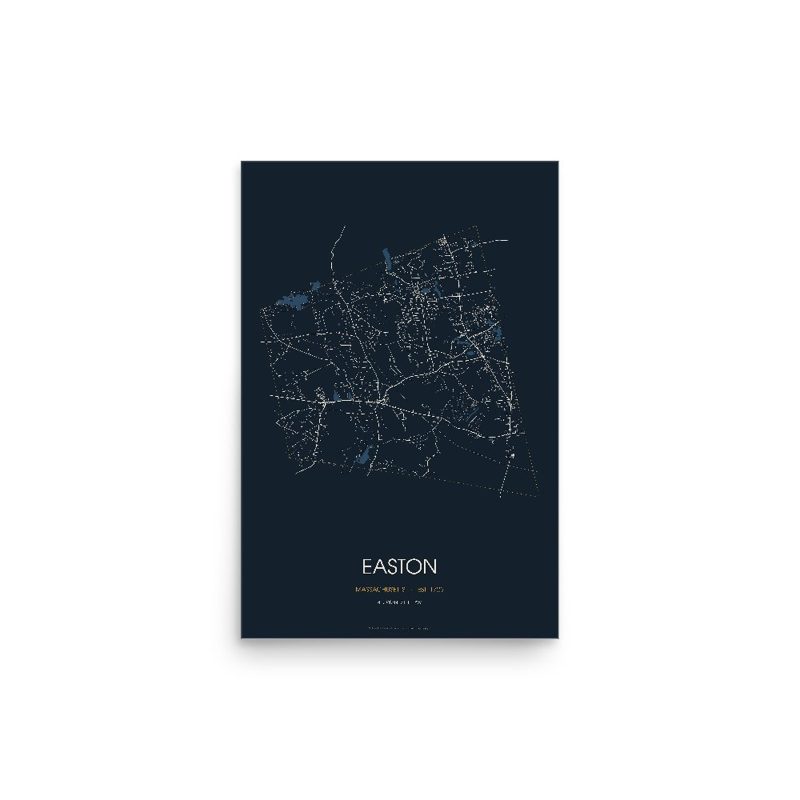
The same map, in navy and silver
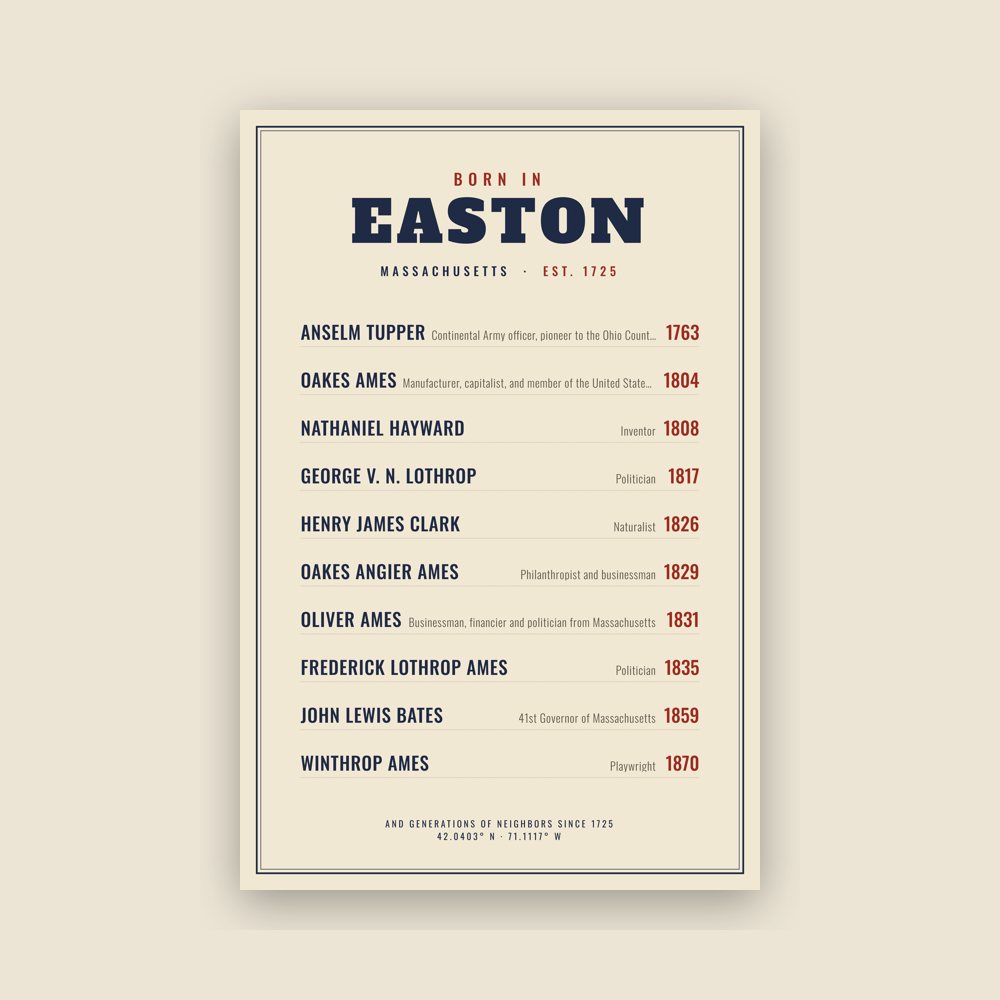
Famous natives, by birth year
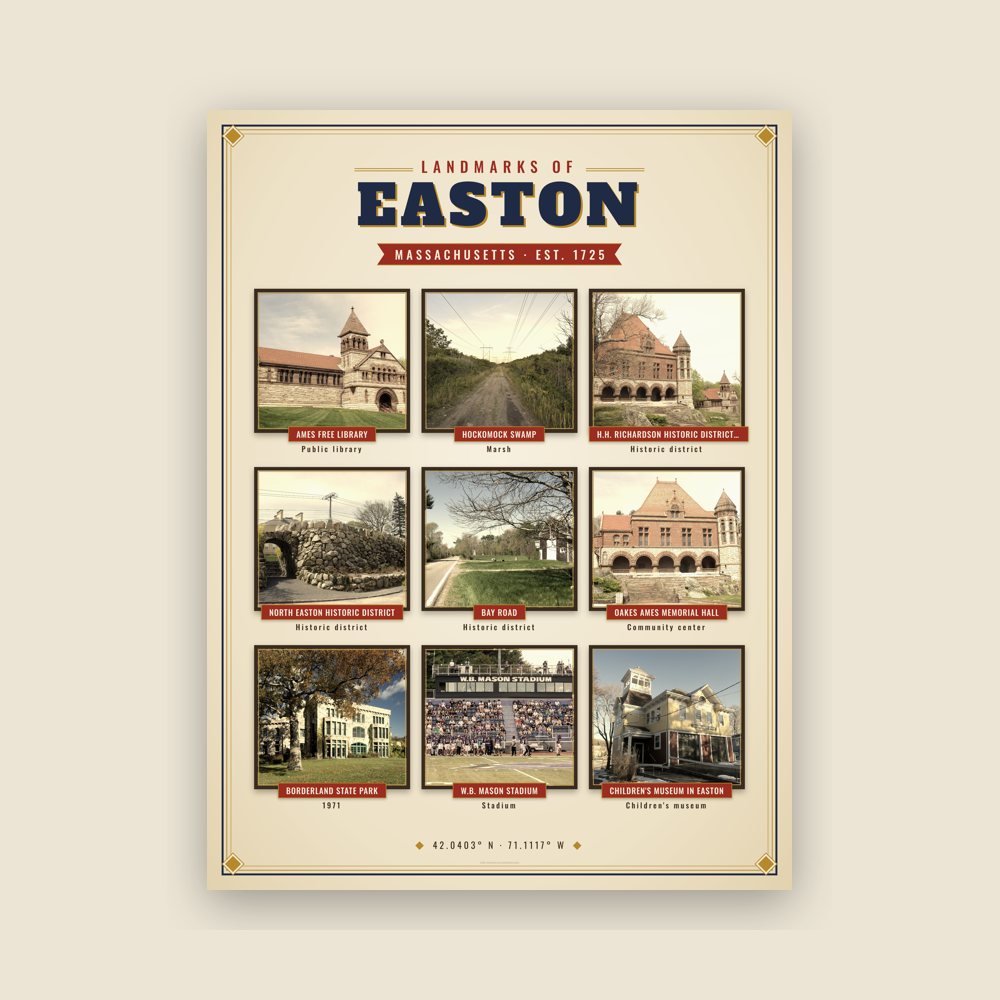
Nine local landmarks, archival matte
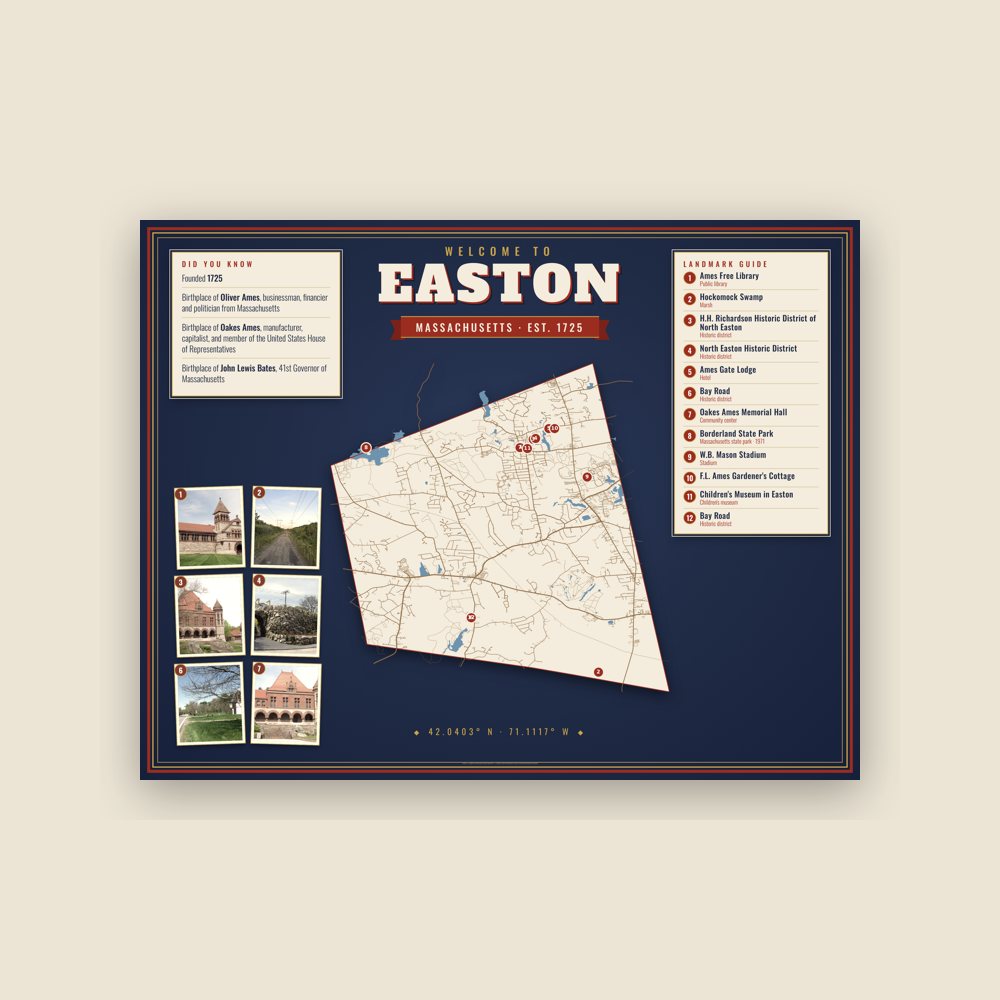
Map of local landmarks, washable fabric
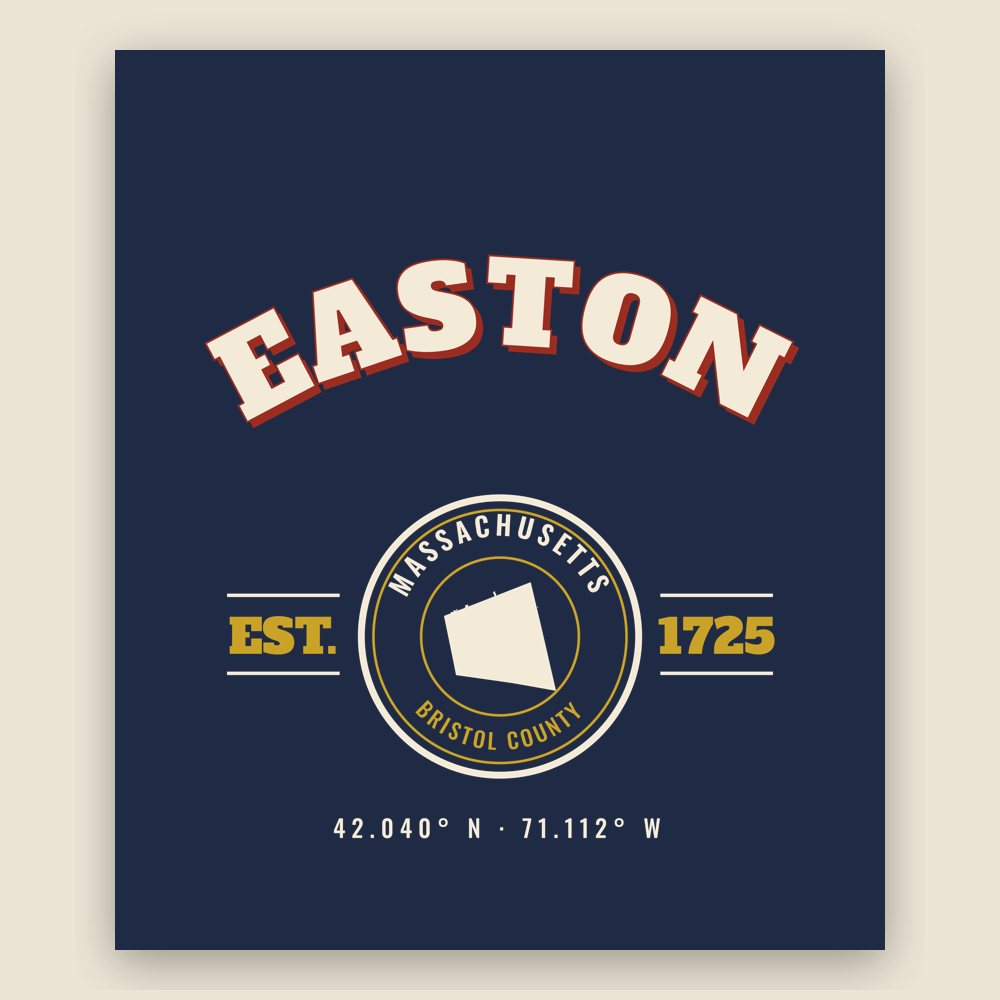
Heavy-blend fleece, street map printed on the back
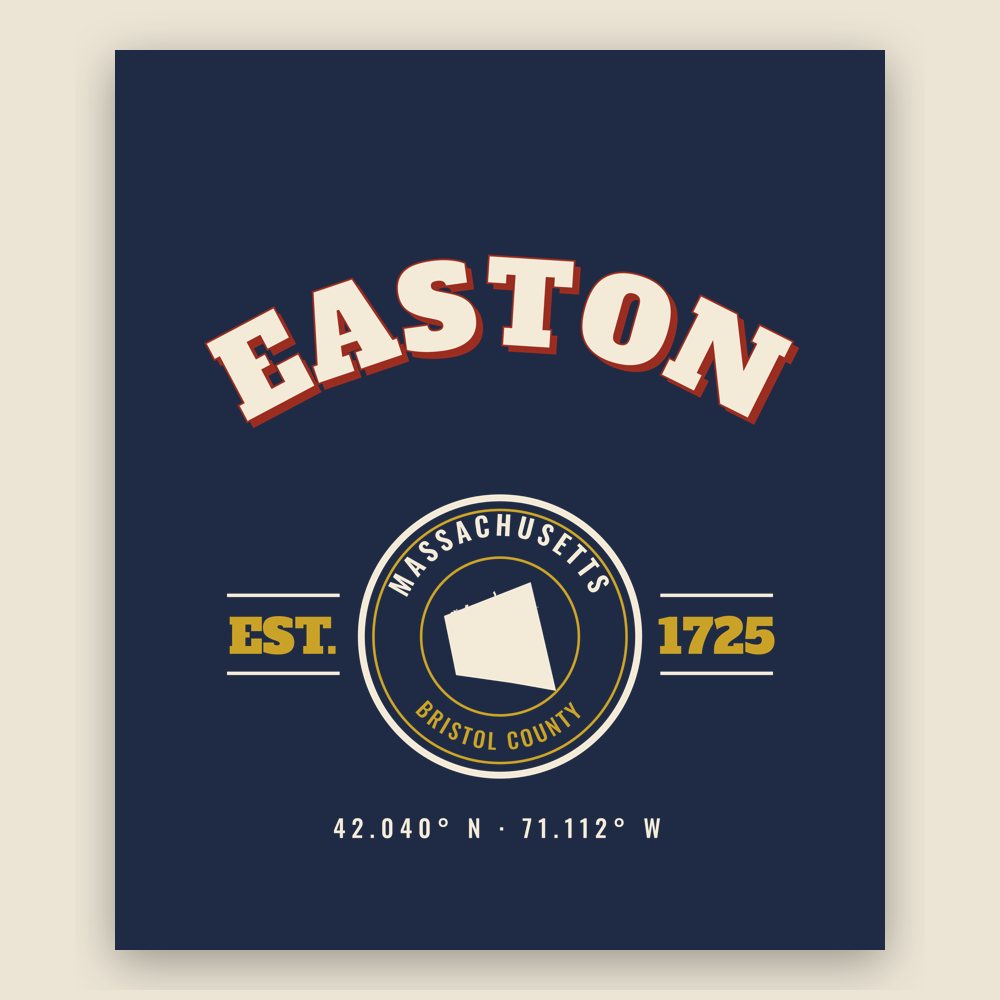
Soft Bella+Canvas jersey
Glossy ceramic, dishwasher safe
Ceramic keepsake, gold ribbon
Weatherproof, for the front walk
24″×16″, printed coir-look fibers, rubber back
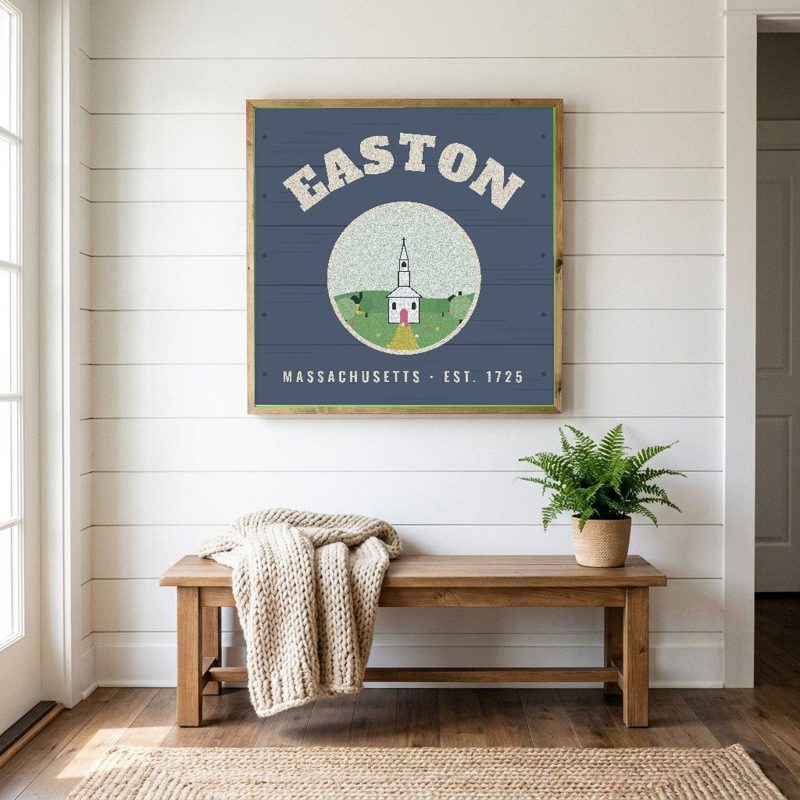
12″×12″ printed wood, ready to hang
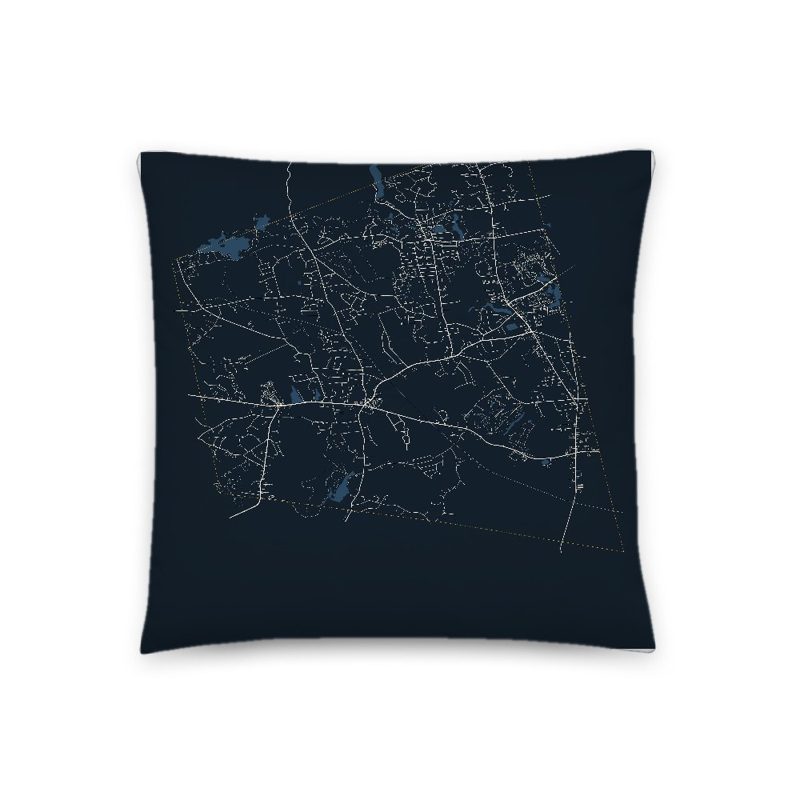
Soft-touch, zip cover
Sturdy all-over-print tote
Glossy top, cork back
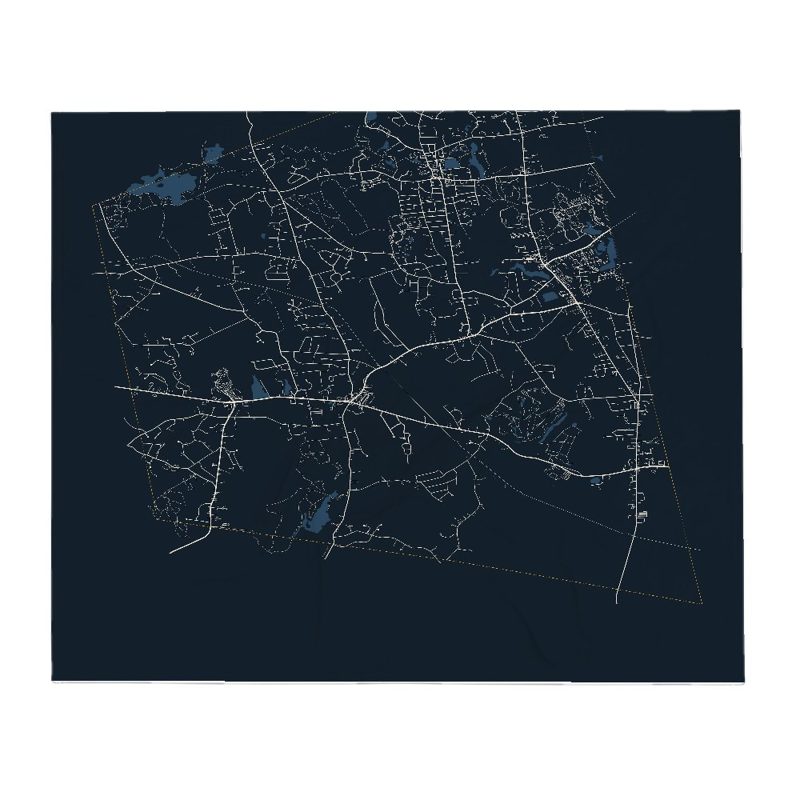
Soft fleece, 50″×60″
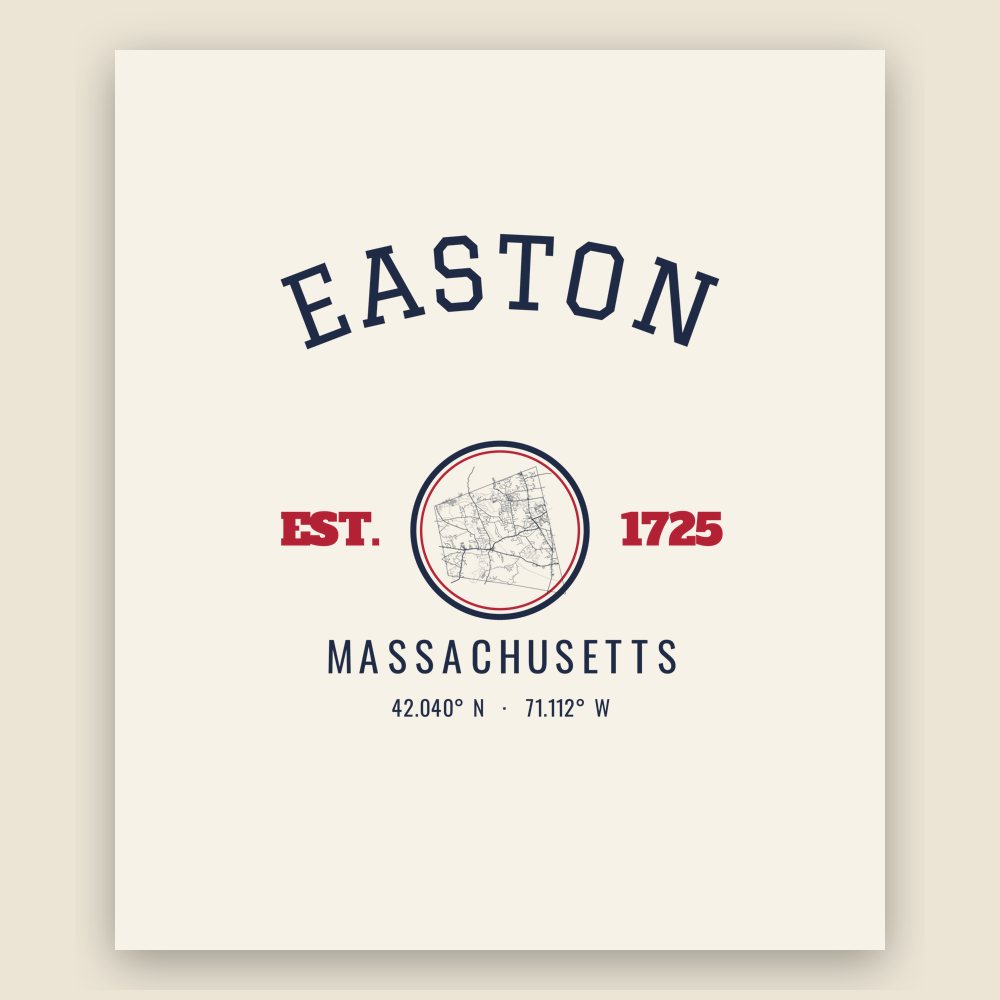
20 oz, double-wall stainless
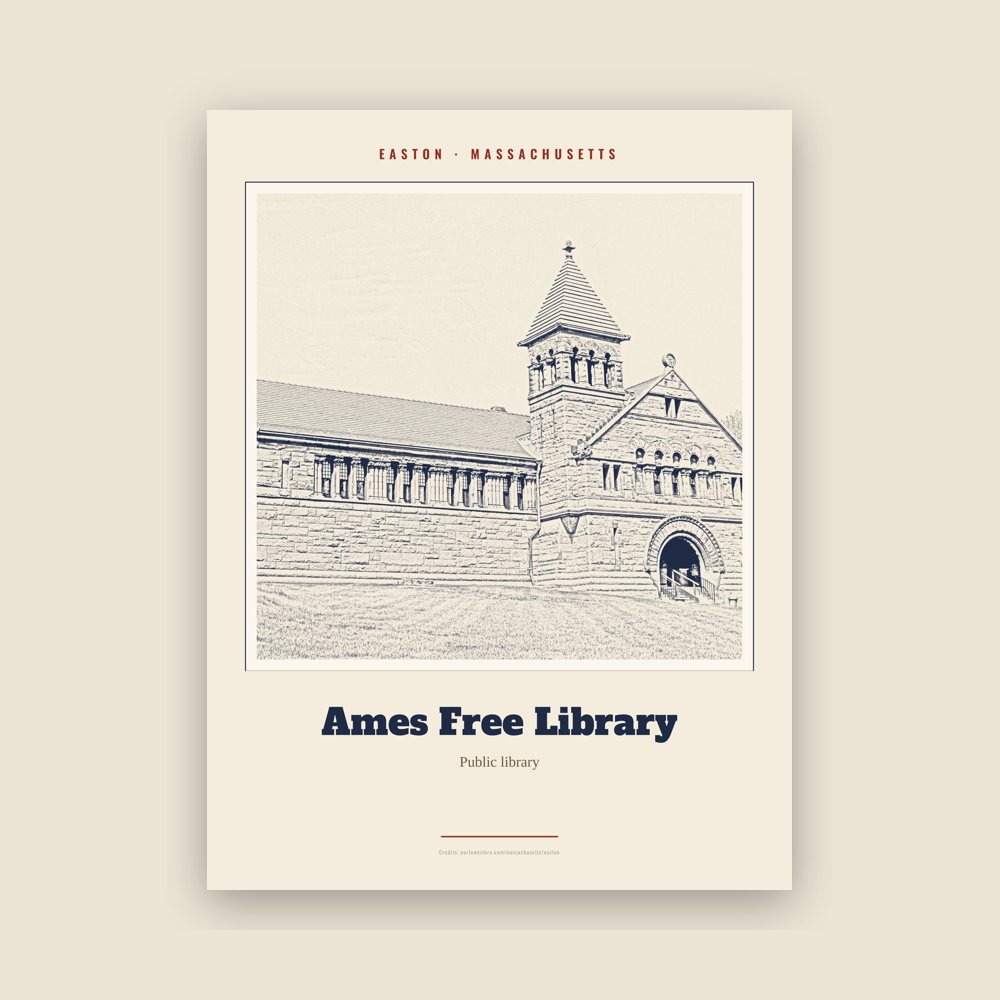
Archival matte print of a local landmark, credited to its photographer
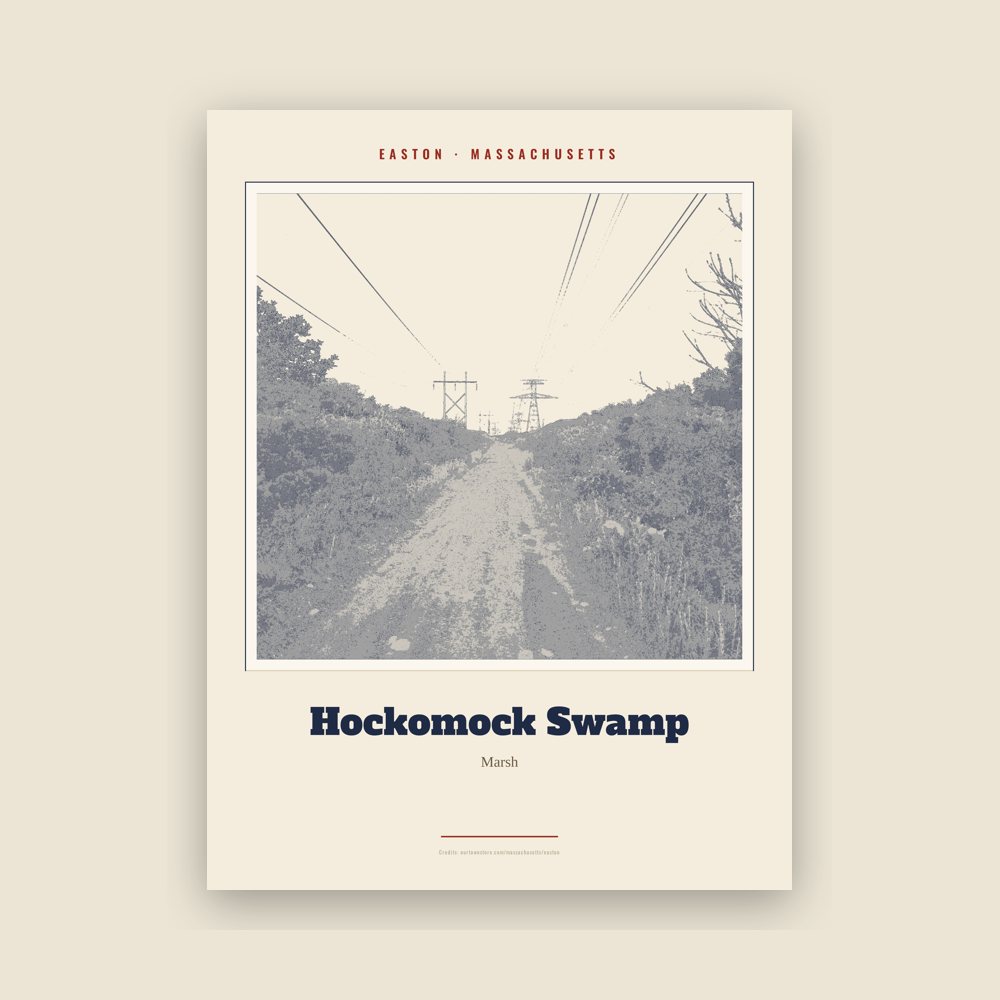
Archival matte print of a local landmark, credited to its photographer
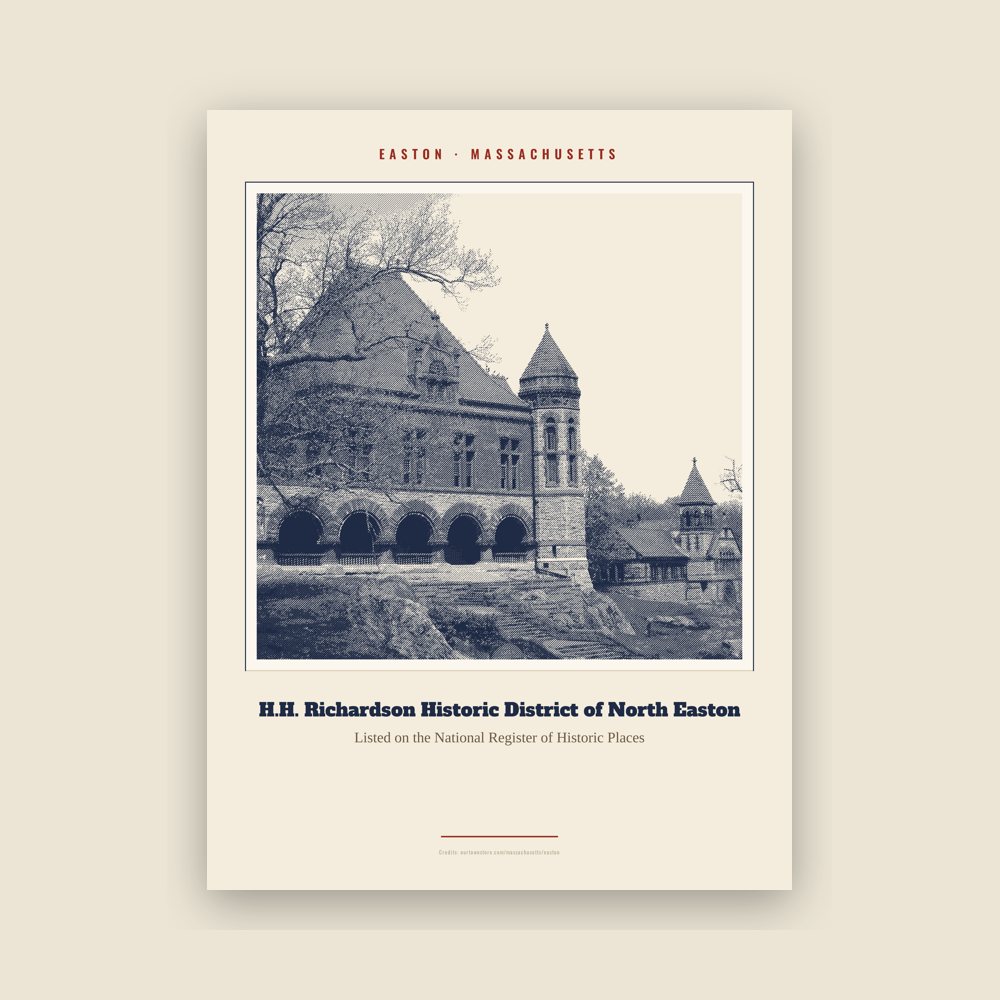
Archival matte print of a local landmark, credited to its photographer
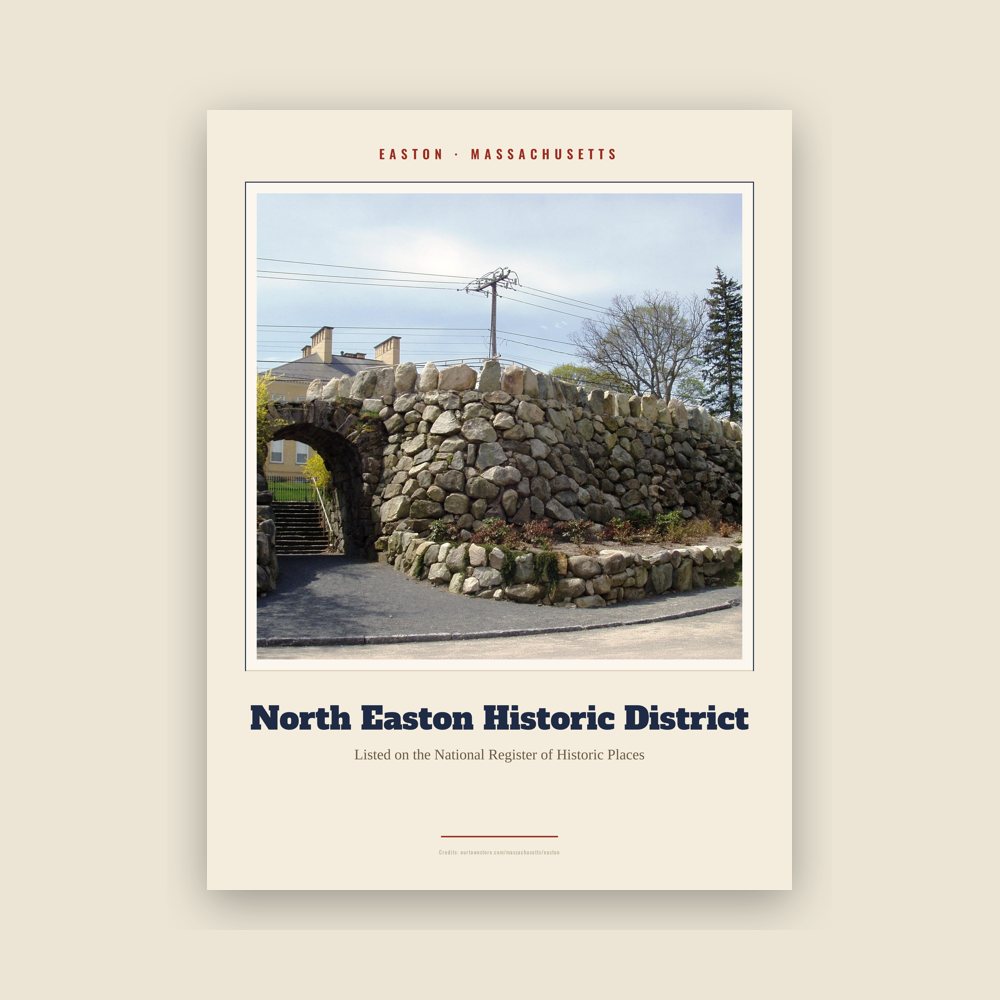
Archival matte print of a local landmark, credited to its photographer
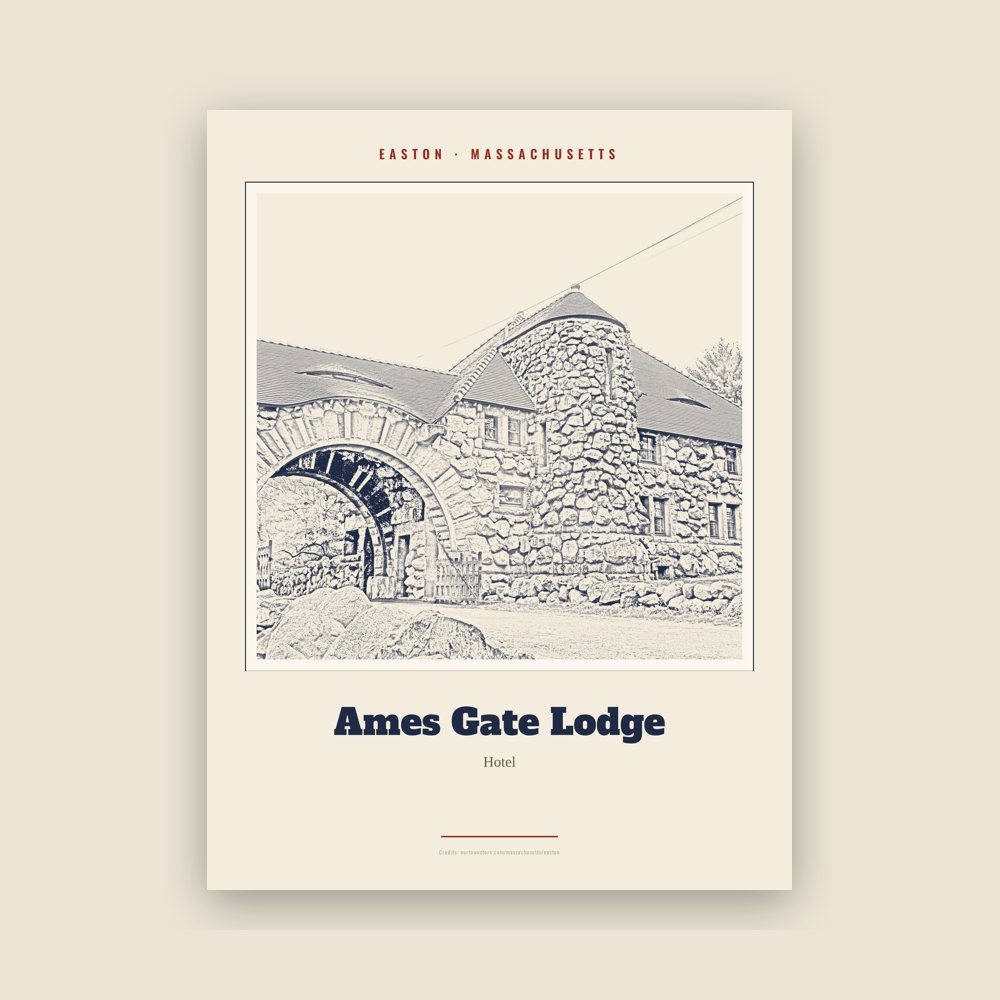
Archival matte print of a local landmark, credited to its photographer
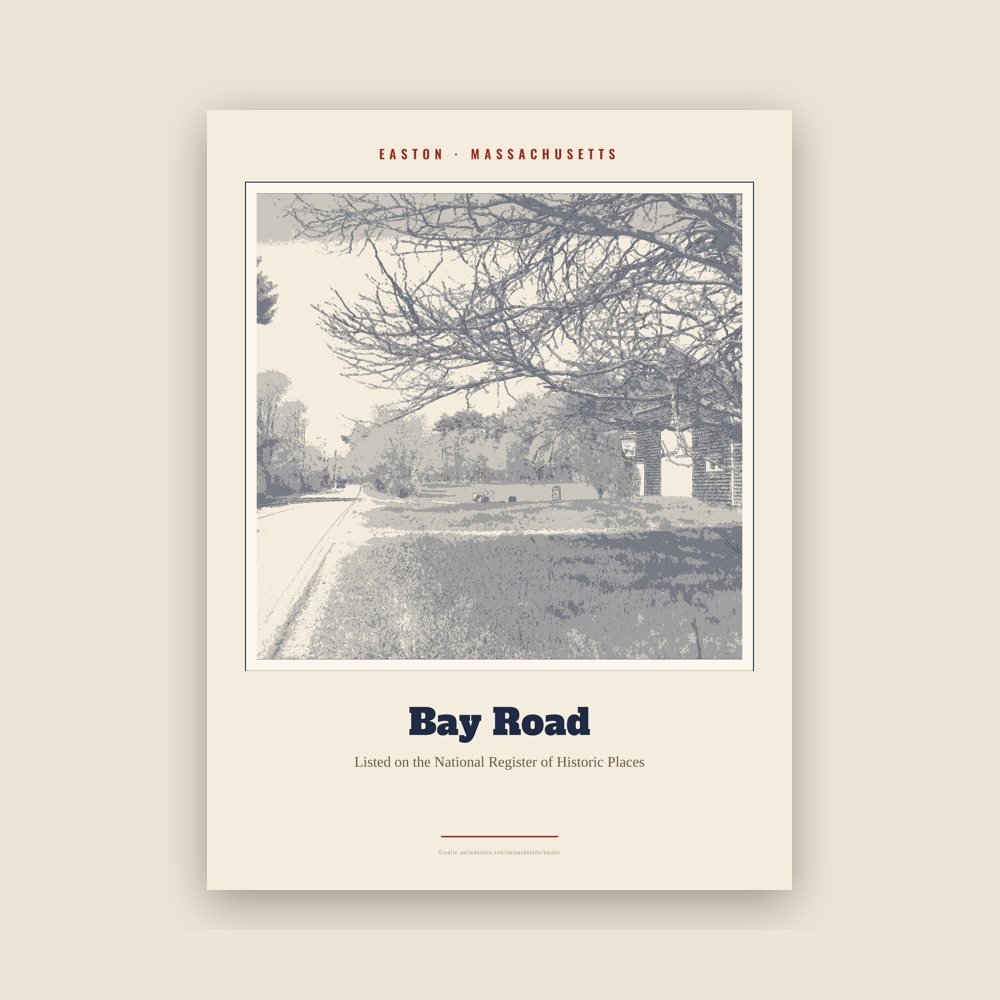
Archival matte print of a local landmark, credited to its photographer
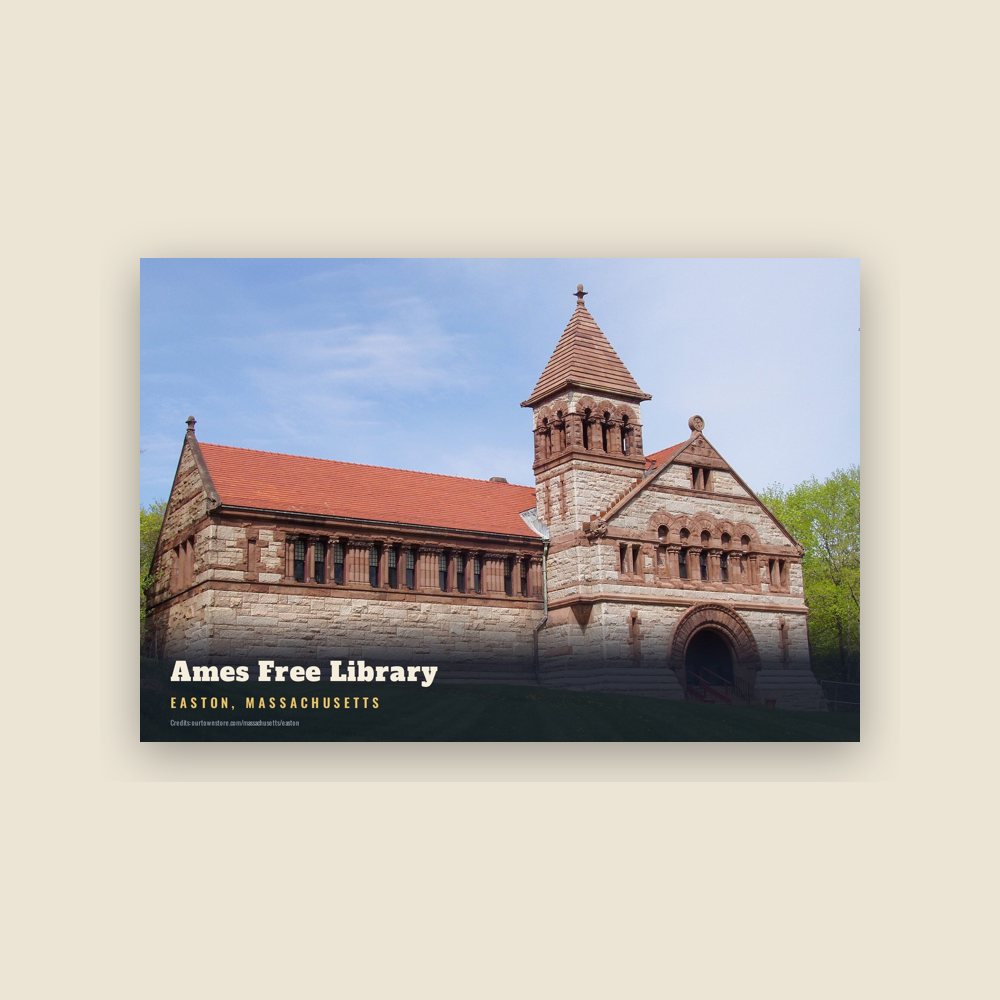
6″×4″ postcard, glossy front
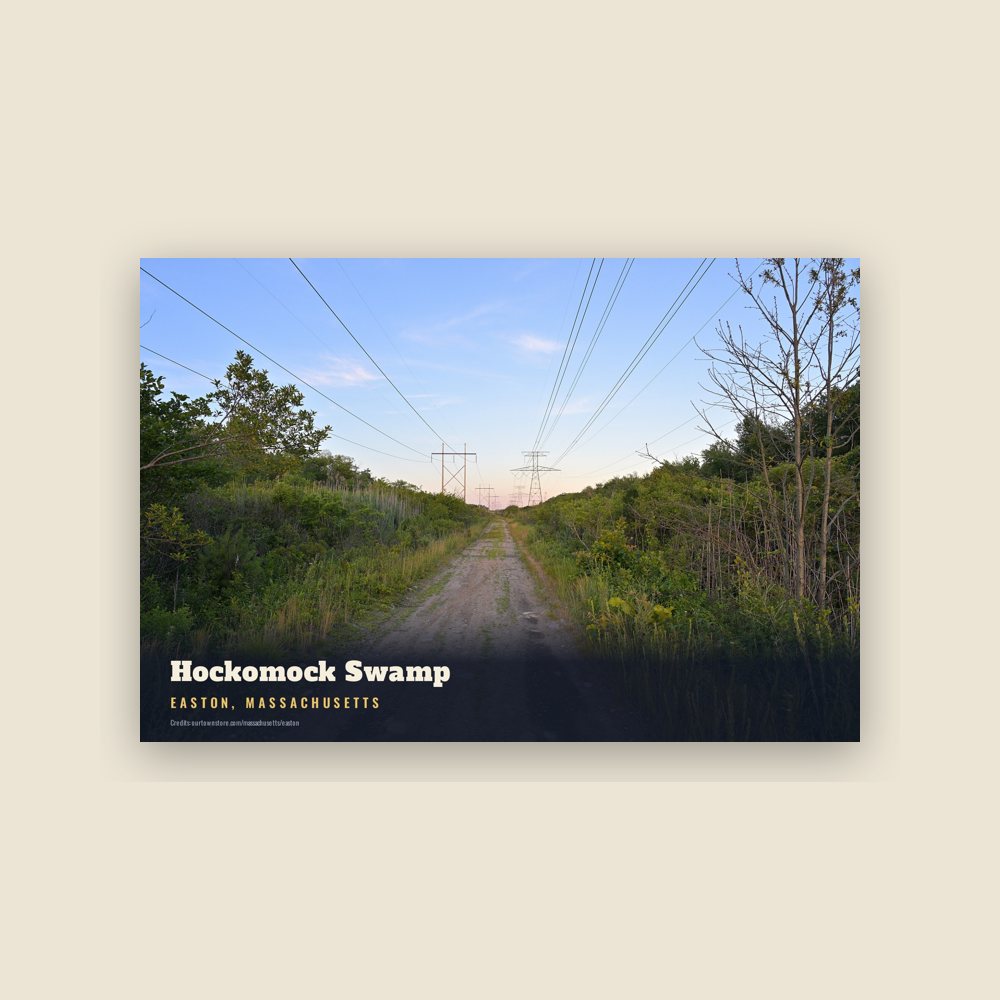
6″×4″ postcard, glossy front
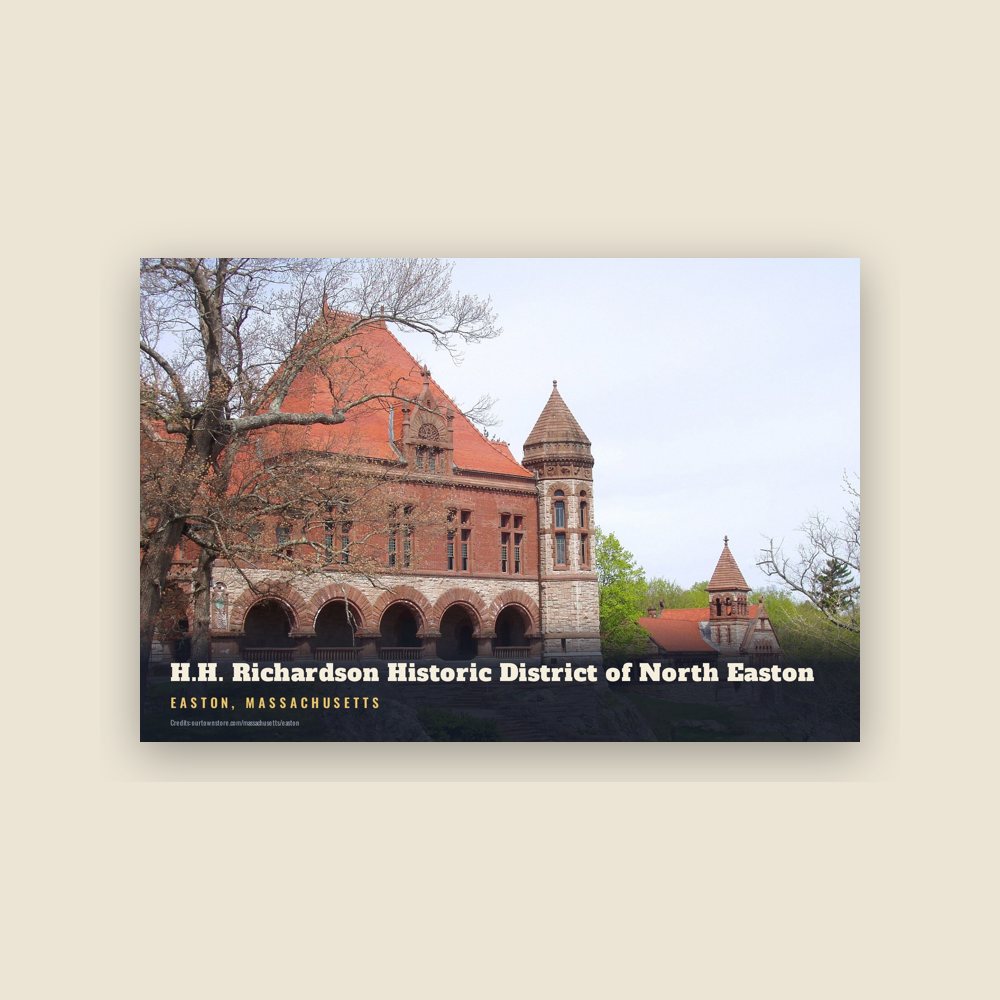
6″×4″ postcard, glossy front
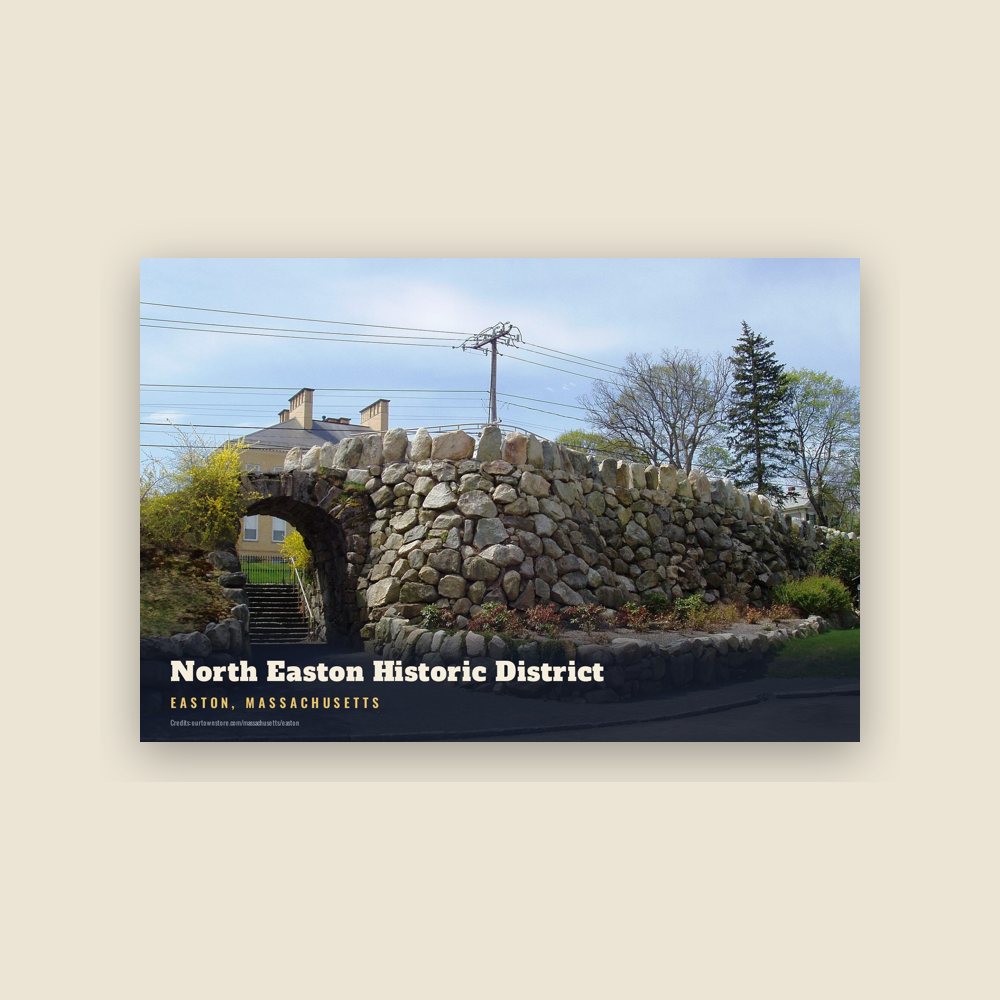
6″×4″ postcard, glossy front
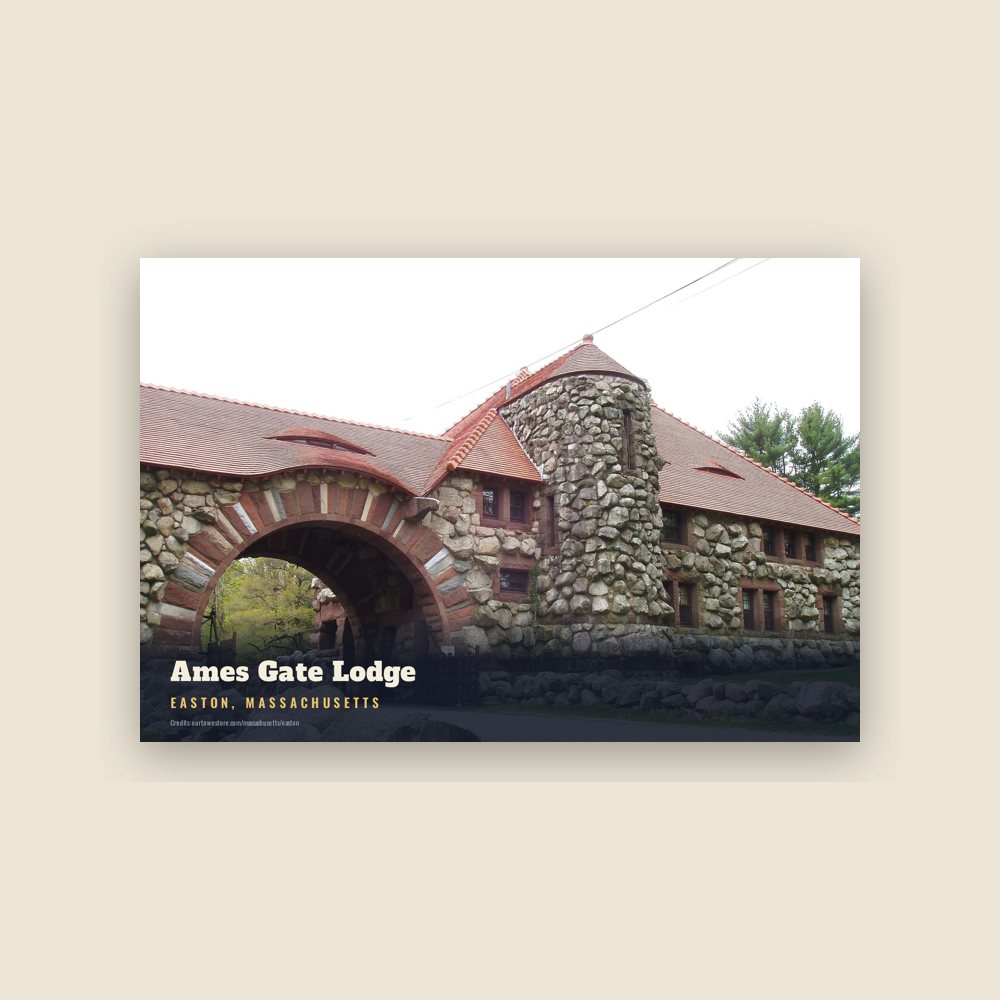
6″×4″ postcard, glossy front
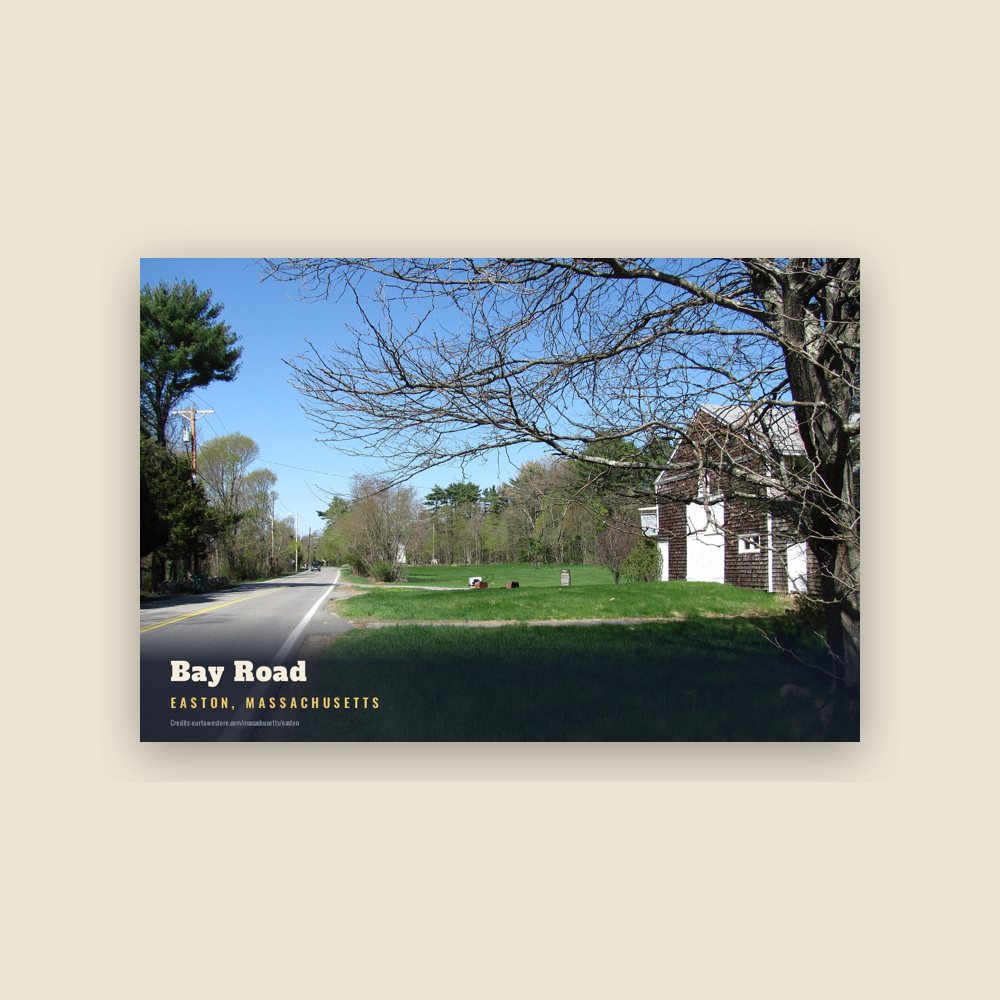
6″×4″ postcard, glossy front
Population 2010: 23,112 → 2020: 25,058
From Wikidata (CC0).
In 1694, the first settler, Clement Briggs, established his home near the Easton Green. In 1711, the Taunton North Purchase area became Norton, and in 1713, the sixty-nine families settled in Easton and hired Elder William Pratt as their first minister. Prior to the settlers' establishment, the area was occupied by Native Americans as a hunting area and a burial ground. During King Philip's War, Metacom, also known as King Philip, used part of Easton as a headquarters for his troops. There was no legal parish in Easton until 1722, when the East Precinct of Norton was recognized. In 1725, the area was incorporated as the Town of Easton; it was so named because it was formerly called the "East End" of the Taunton North Purchase and was shortened by pronunciation to Easton. During the Revolutionary War, General George Washington stayed at the Benjamin Williams Tavern on Bay Road, which is now the second oldest existing house in Easton, while on his way to negotiate for cannonballs at the old Perry Foundry in Taunton.
In 1803, the Ames Shovel Works was established and became nationally known as having provided the shovels which laid the Union Pacific Railroad and opened the west. In 1875, the shovel production of the Ames plant was worth $1.5 million. The most notable of the Ames family were Oakes Ames, a key figure in the Crédit Mobilier of America scandal, and Oliver Ames (R), governor of Massachusetts from 1887 to 1890.
The Ames family shaped the town's economy, and was responsible for the presence of a number of landmark buildings in the town designed by H. H. Richardson, originator of the Richardsonian Romanesque style and designer of Trinity Church in Boston.
In addition, there is a commercial building at 69 Main Street which was designed and built in the nineteenth century by Richardson's office in a Richardsonian style. The Richardson buildings are all located within a compact area designated as the H. H. Richardson Historic District. The area also includes The Rockery, designed by Frederick Law Olmsted, who also landscaped grounds of Oakes Ames Memorial Hall and the Ames Free Library.
Within a few blocks of the H. H. Richardson Historic District is Unity Church, built by the Ames family in 1875, and designed in the Gothic Revival Style by architect and publisher John Ames Mitchell. It includes an ornate oak frieze including sculptures of twenty-two angels playing music, carved by Wyatt Hopeboth (1860–1930), and two notable stained-glass windows, "Angel of Help," and "Figure of Wisdom," both by John LaFarge (1835–1910). "Figure of Wisdom," completed in 1901, is the largest stained-glass work created by LaFarge.
Adapted (trimmed) from the Wikipedia article Easton, Massachusetts, revision 1377185178 by its contributors, licensed CC BY-SA 4.0.
We share a part of every Easton sale with local partners, and we'd love to print from your collection. Old photographs, maps and postcards make the best keepsakes.
Partner with us