A short history of Chestertown
Indigenous peoples have lived in what is now Chestertown for thousands of years. At the time of European colonization, the primary tribe on the Eastern Shore was the Nanticoke. In Nanticoke oral tradition, their ancestors migrated south from "the land of snow and ice" through the Ohio Valley and the Allegheny Mountains until they reached the Eastern Shore. The Nanticokes spoke an Algonquian language.
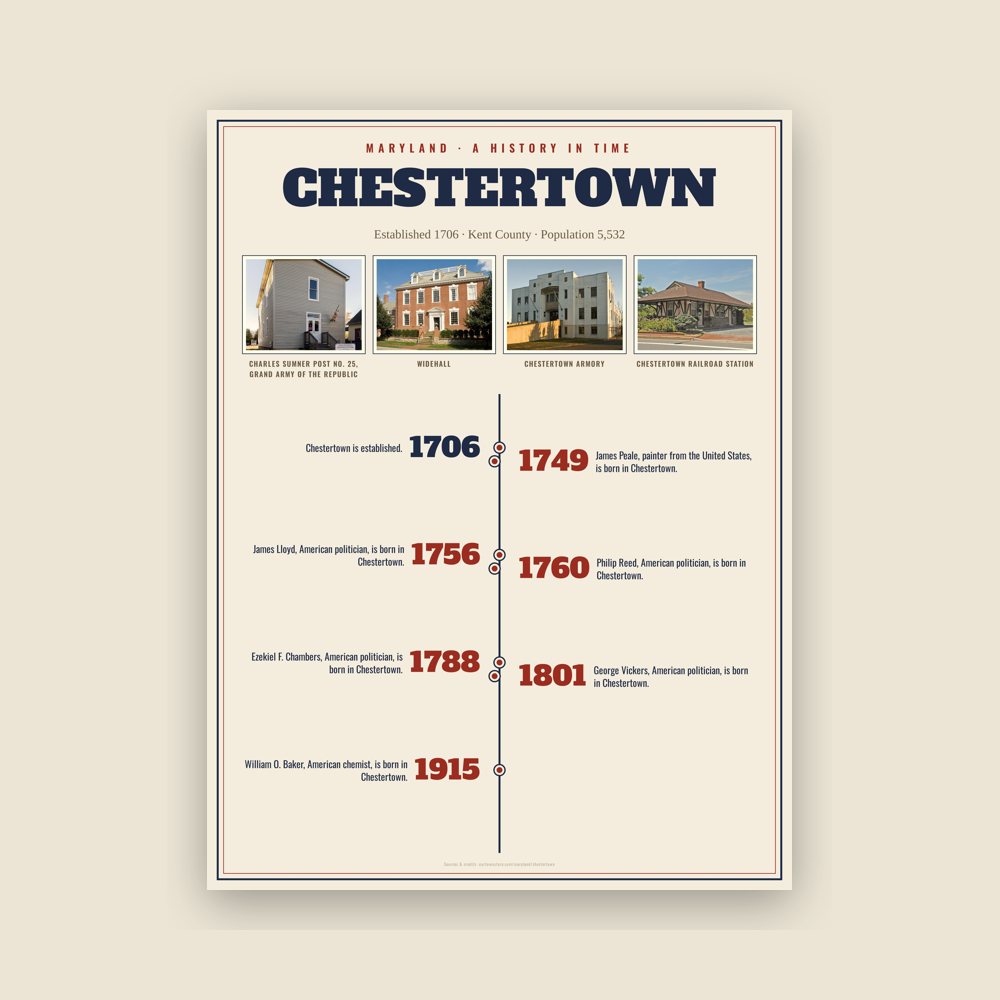
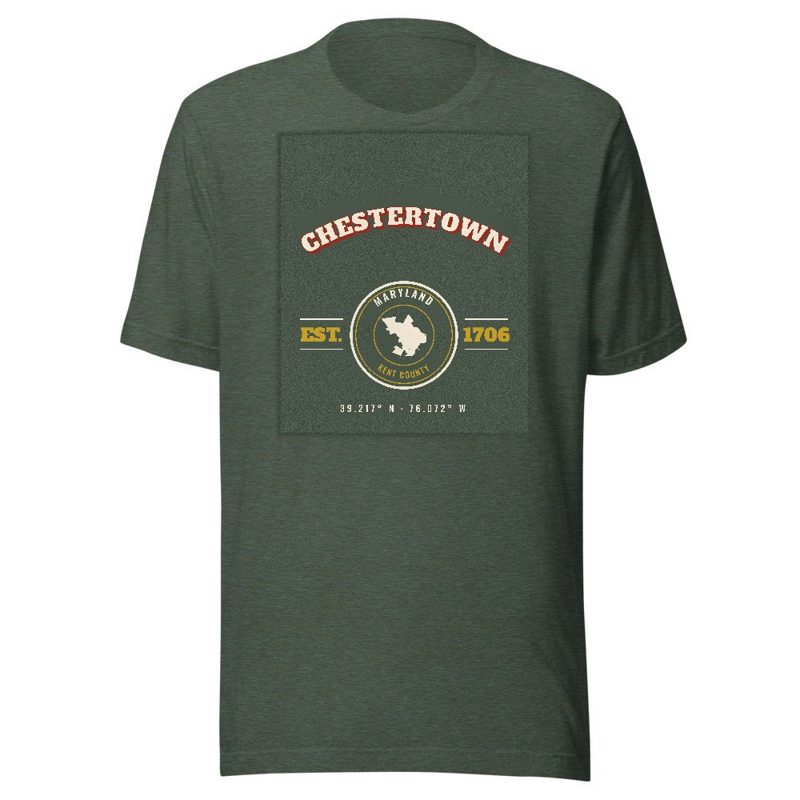
Founded in 1706, Chestertown rose in stature when it was named one of the English colony of Maryland's six Royal Ports of Entry. The shipping boom that followed this designation made the town at the navigable head of the Chester River wealthy. In the mid-eighteenth century, Chestertown trailed only Annapolis and was considered Maryland's second leading port.
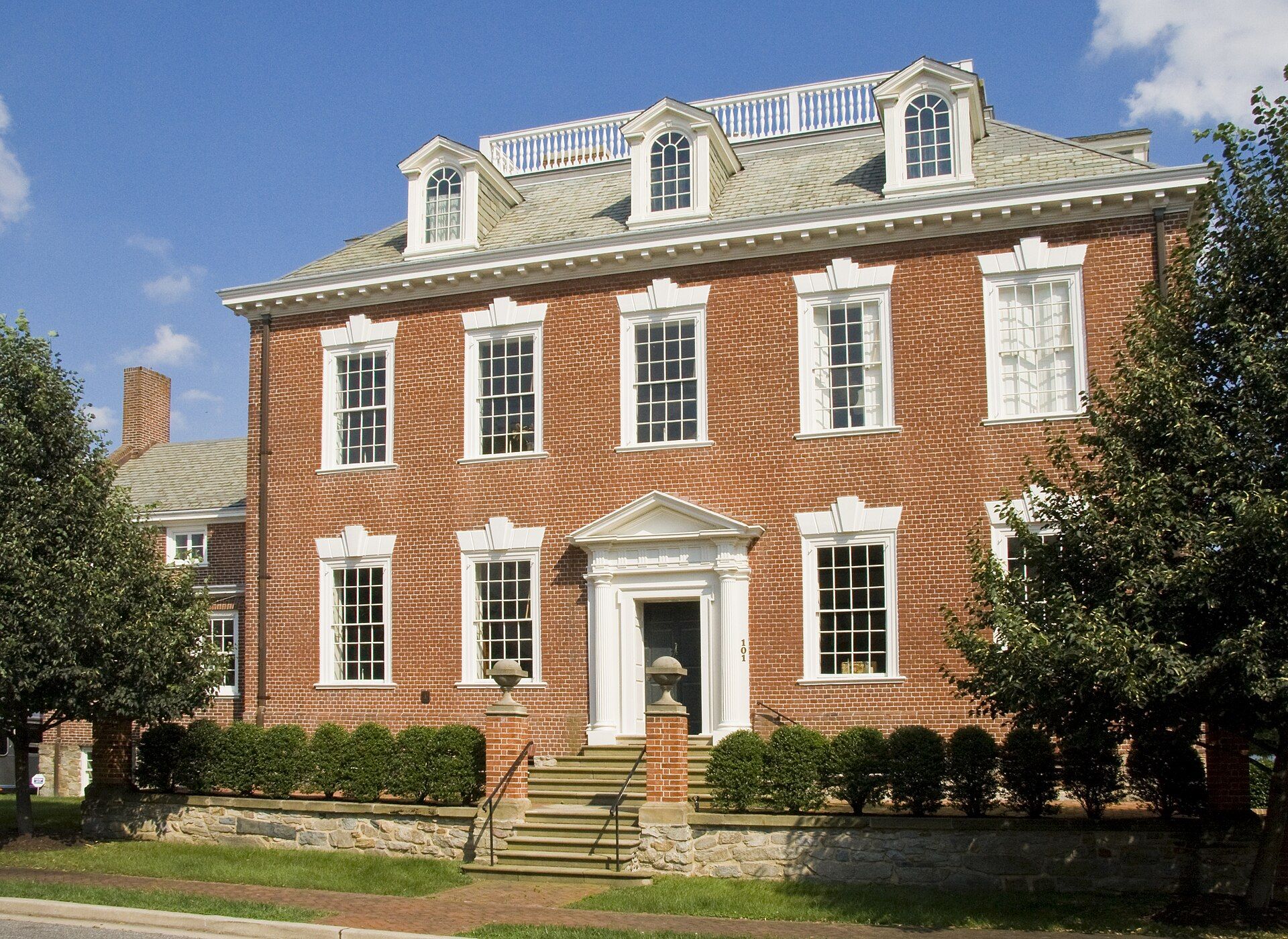
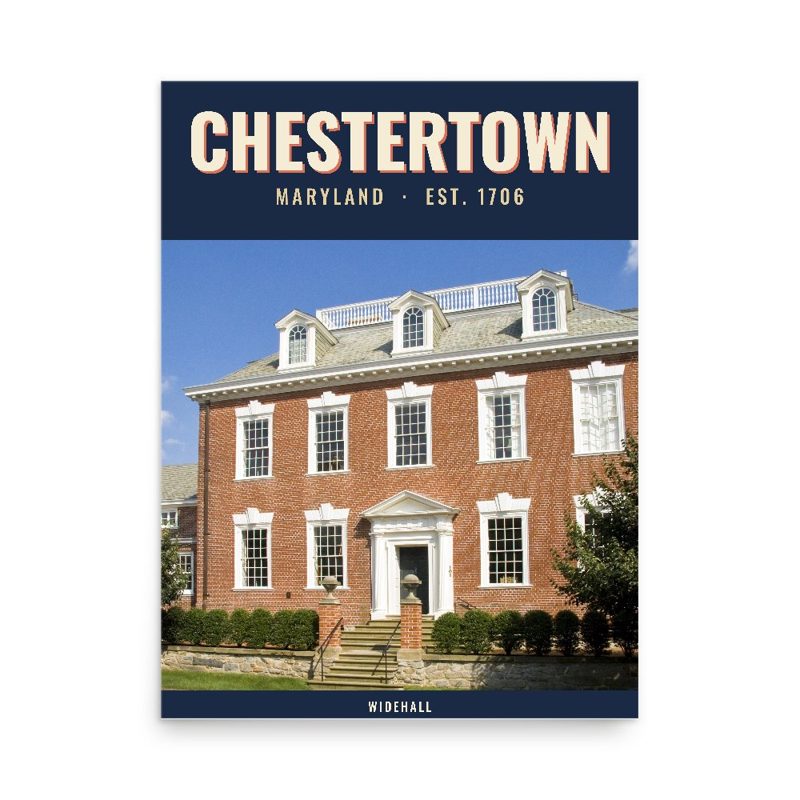
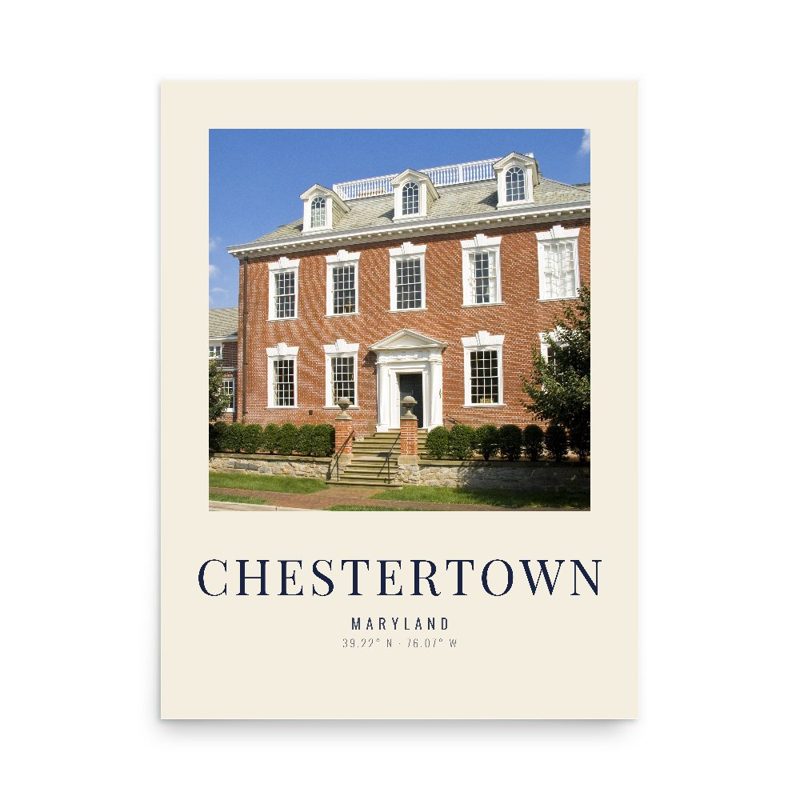
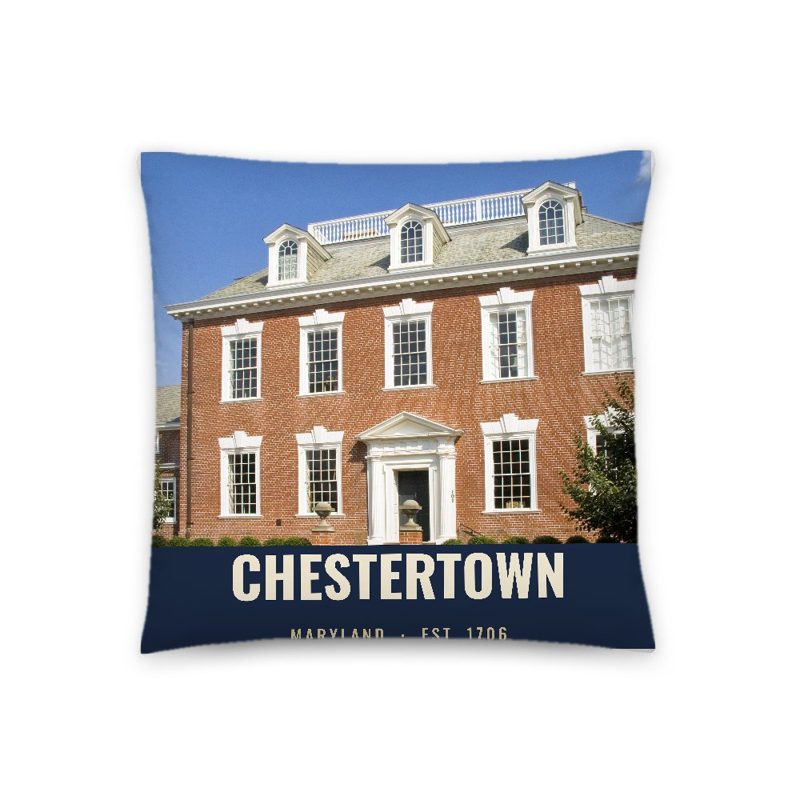
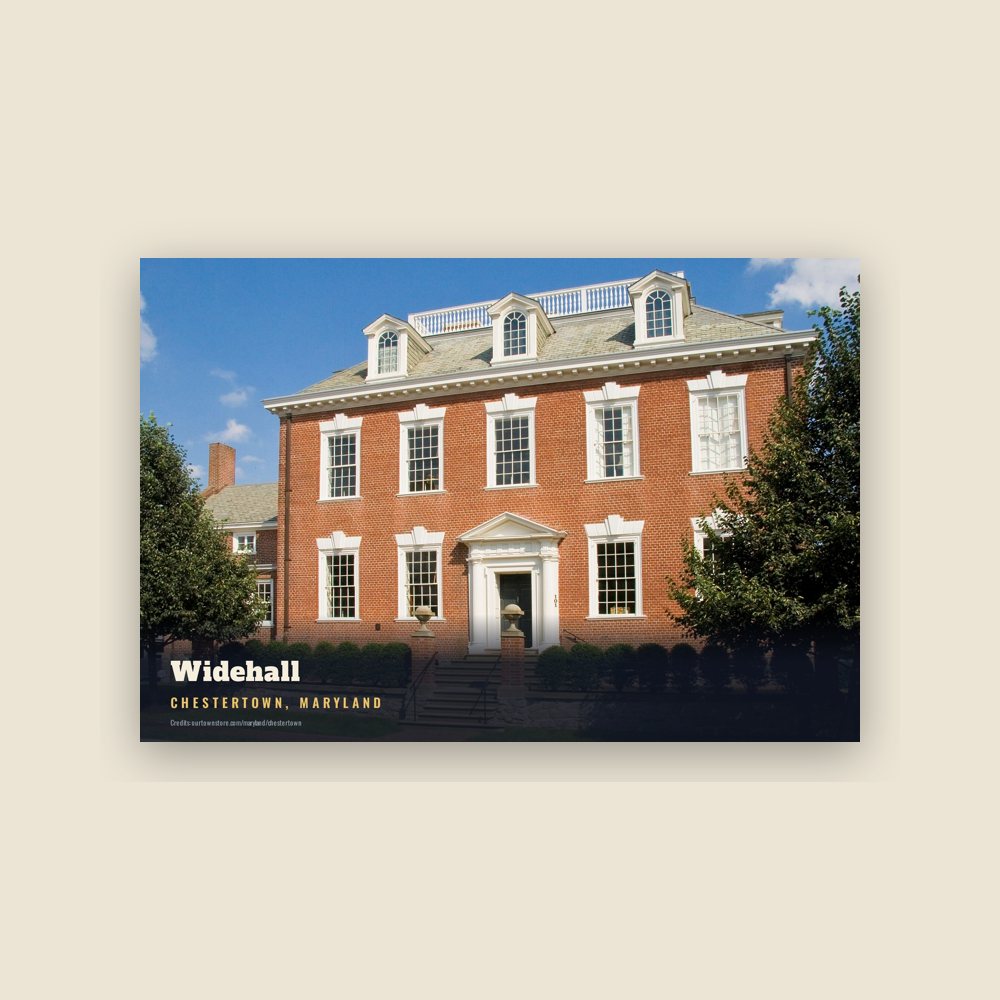
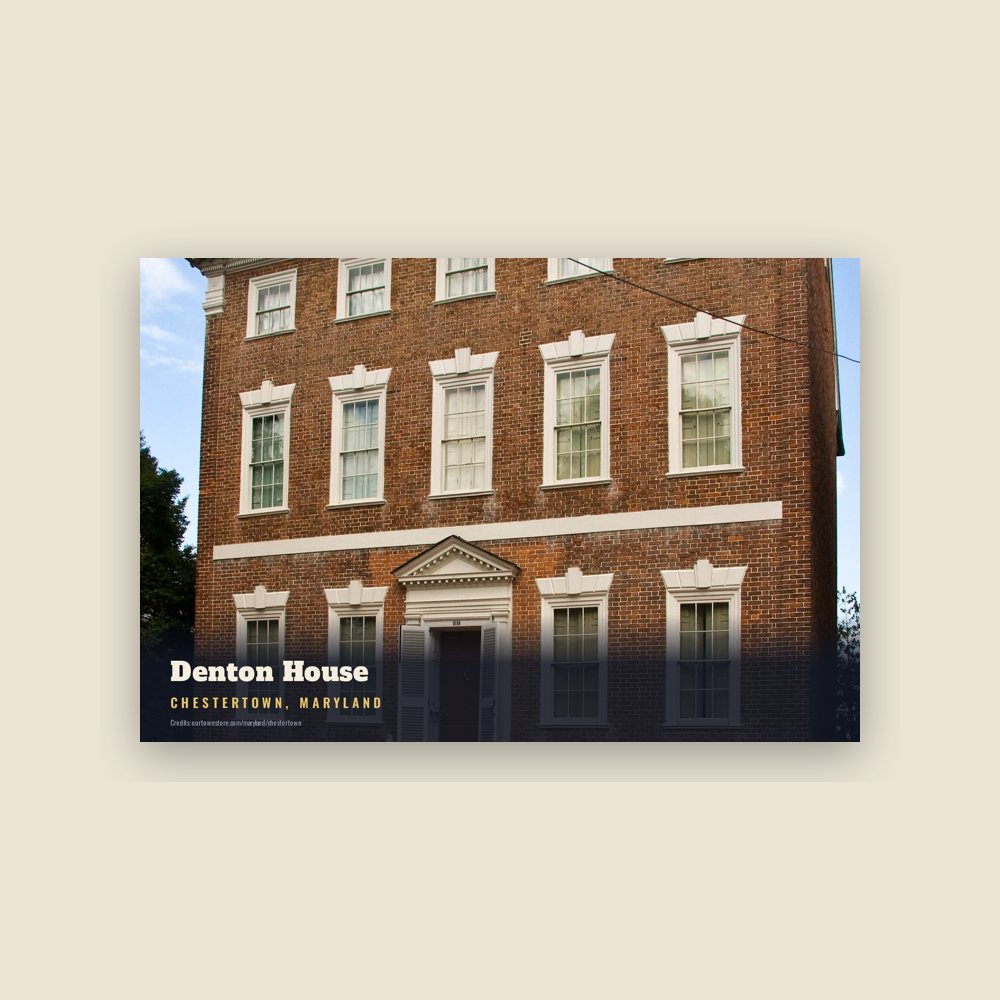
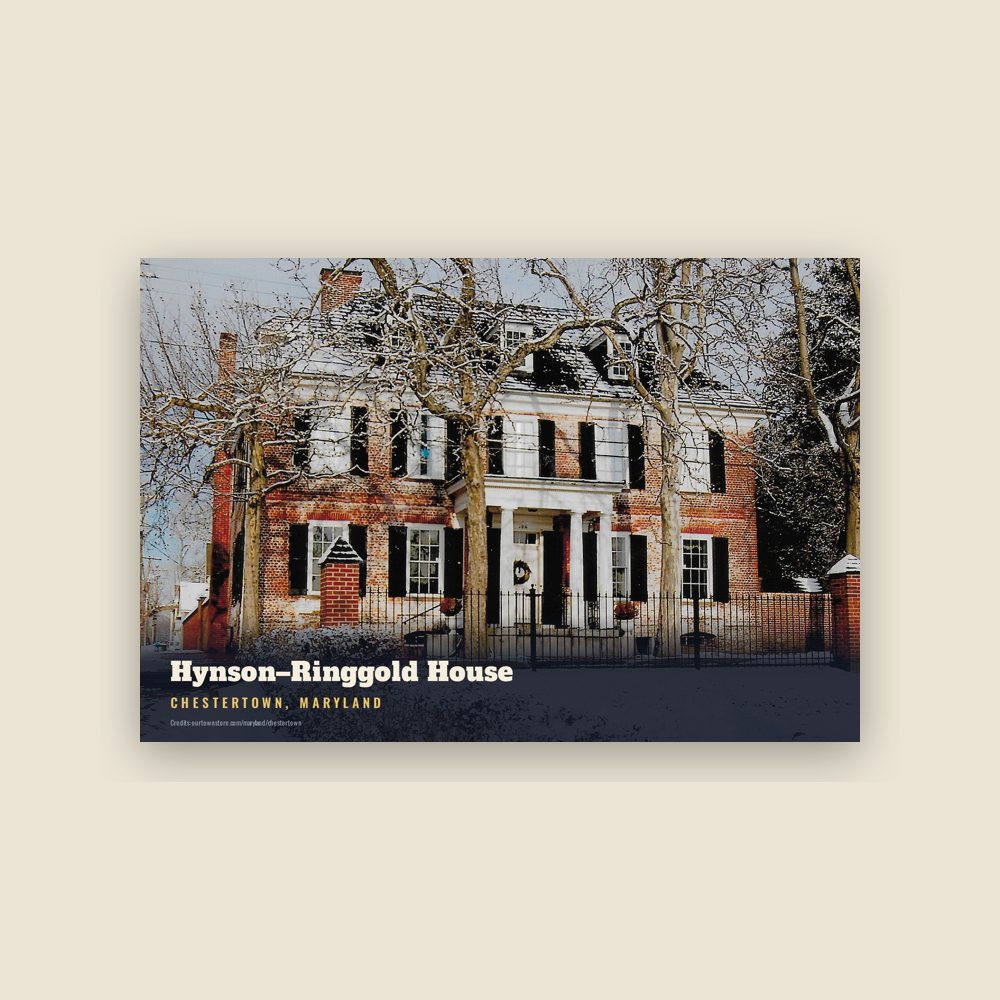
A burgeoning merchant class infused riches into the town, reflected in the many brick mansions and townhouses that sprang up along the waterfront. Another area in which Chestertown is second only to Annapolis is in its number of existing eighteenth century homes.
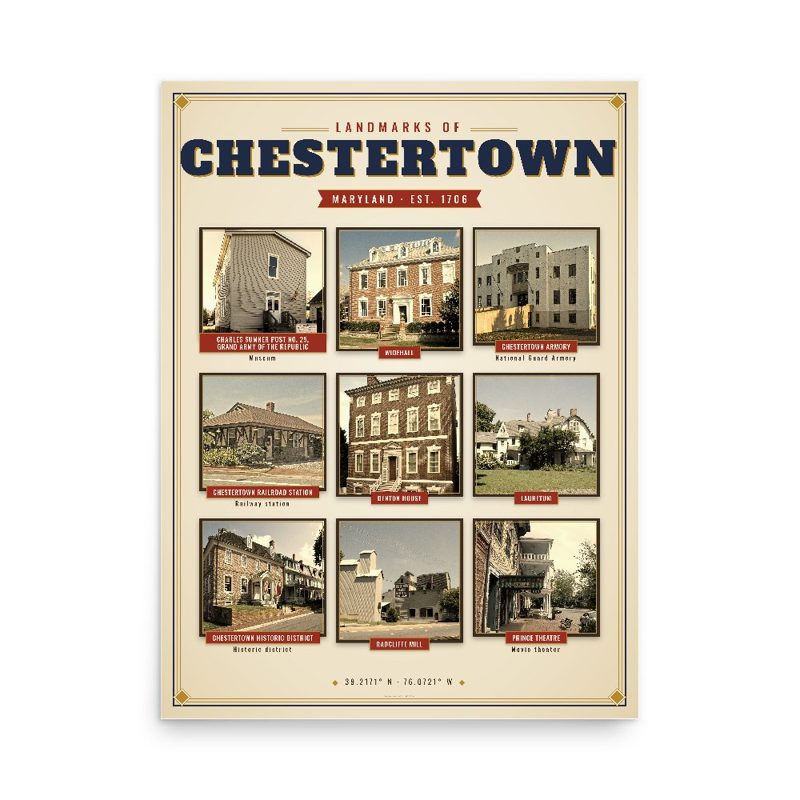
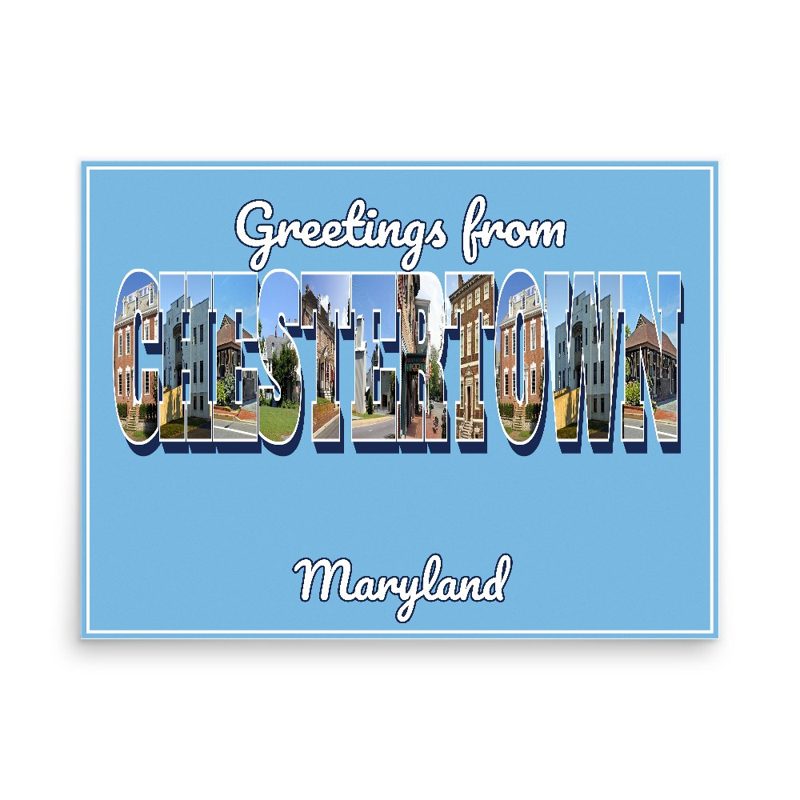
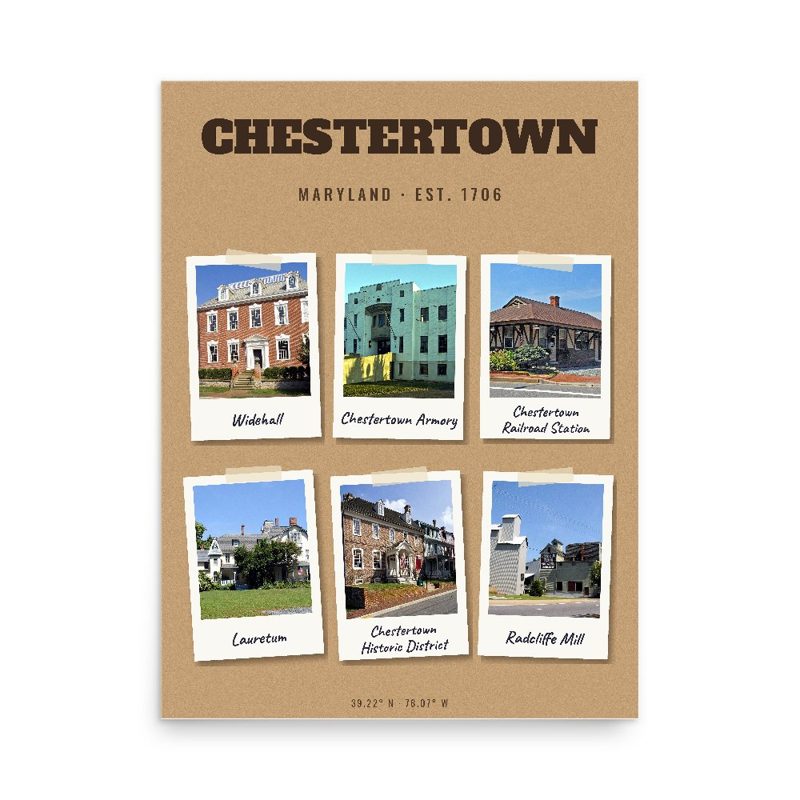
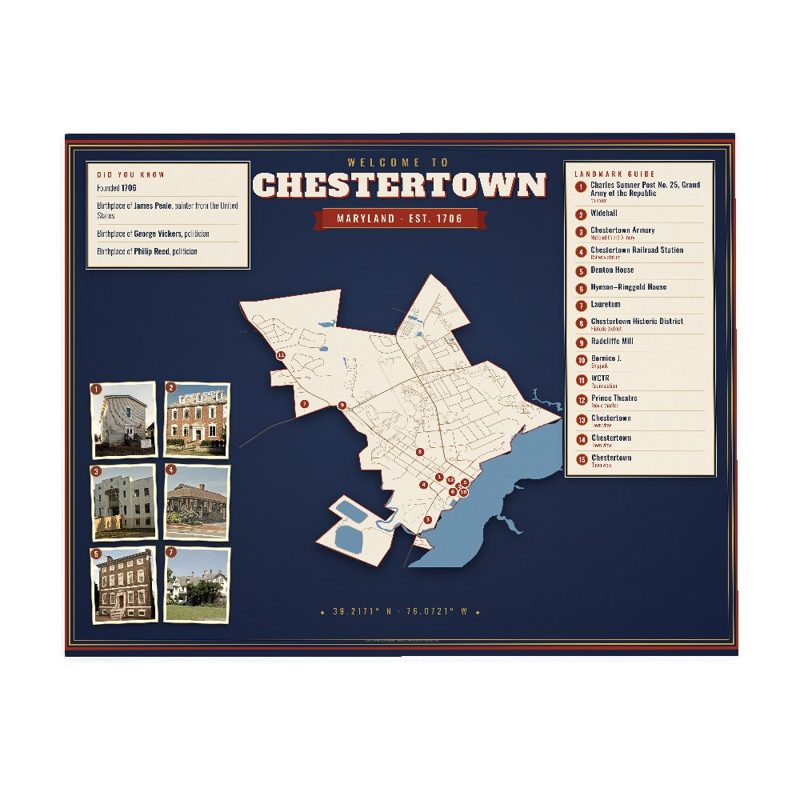
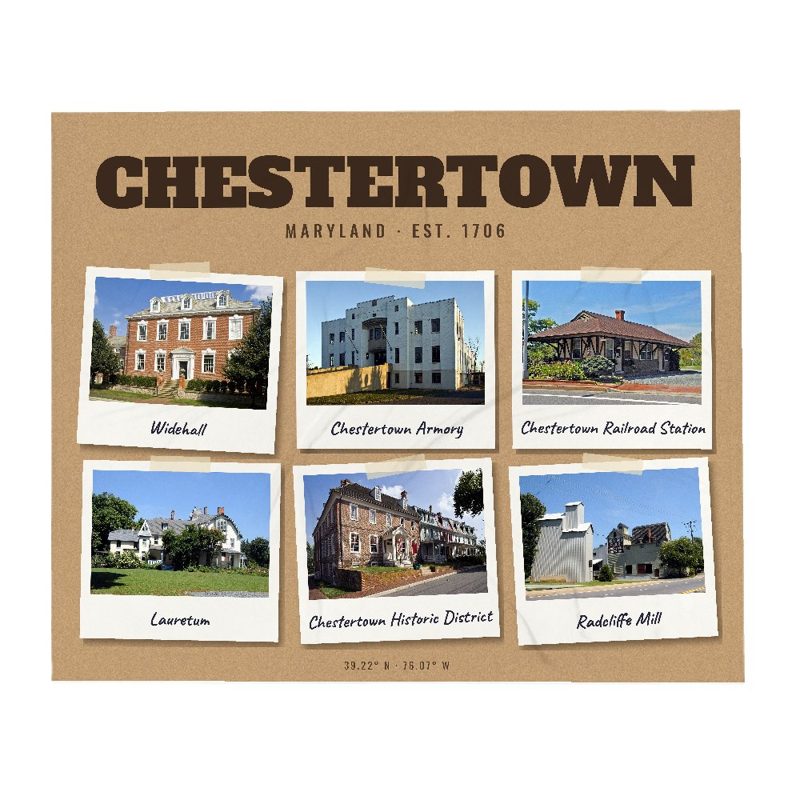
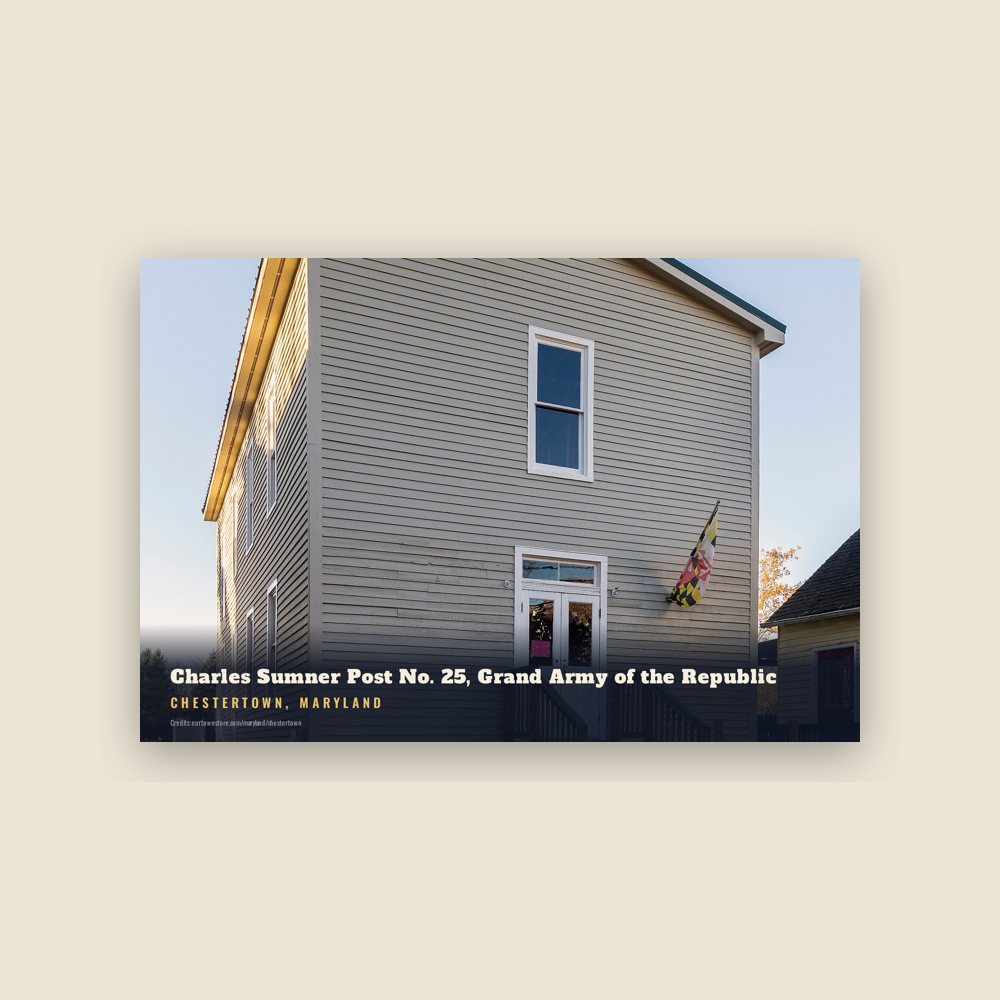
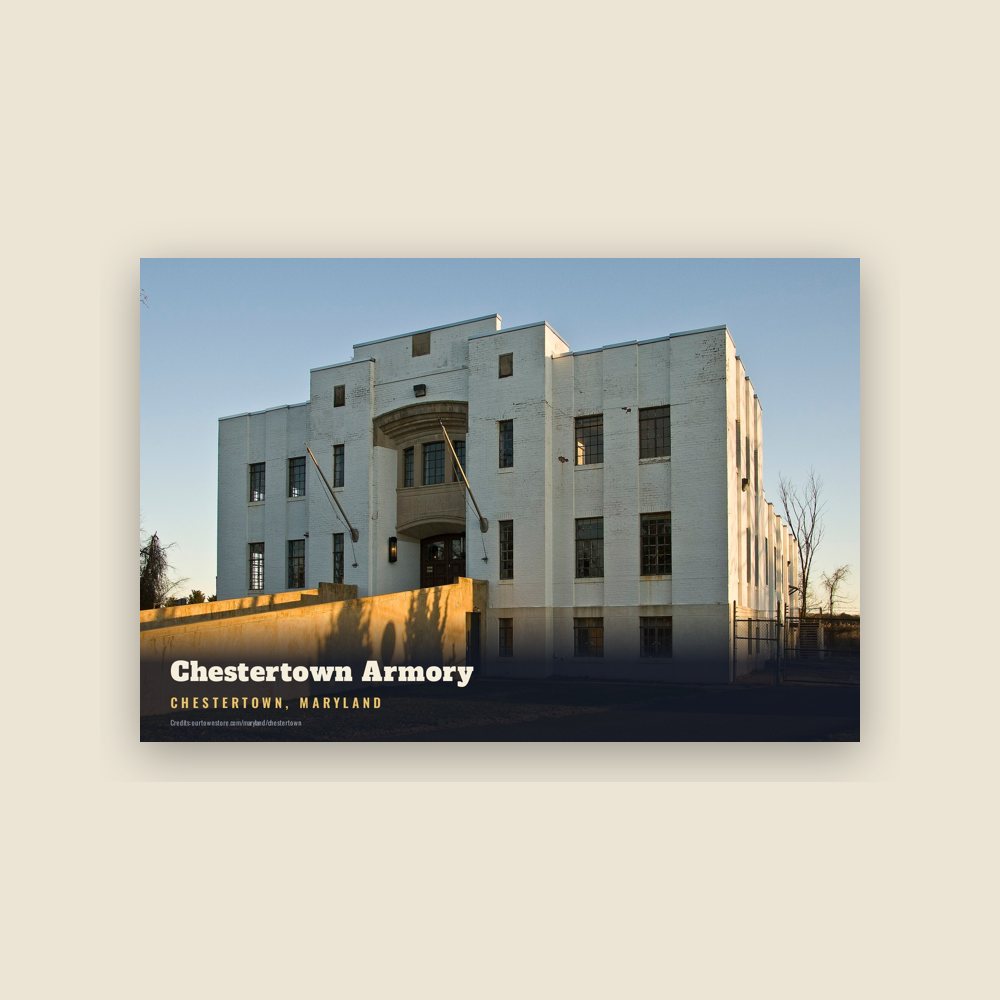
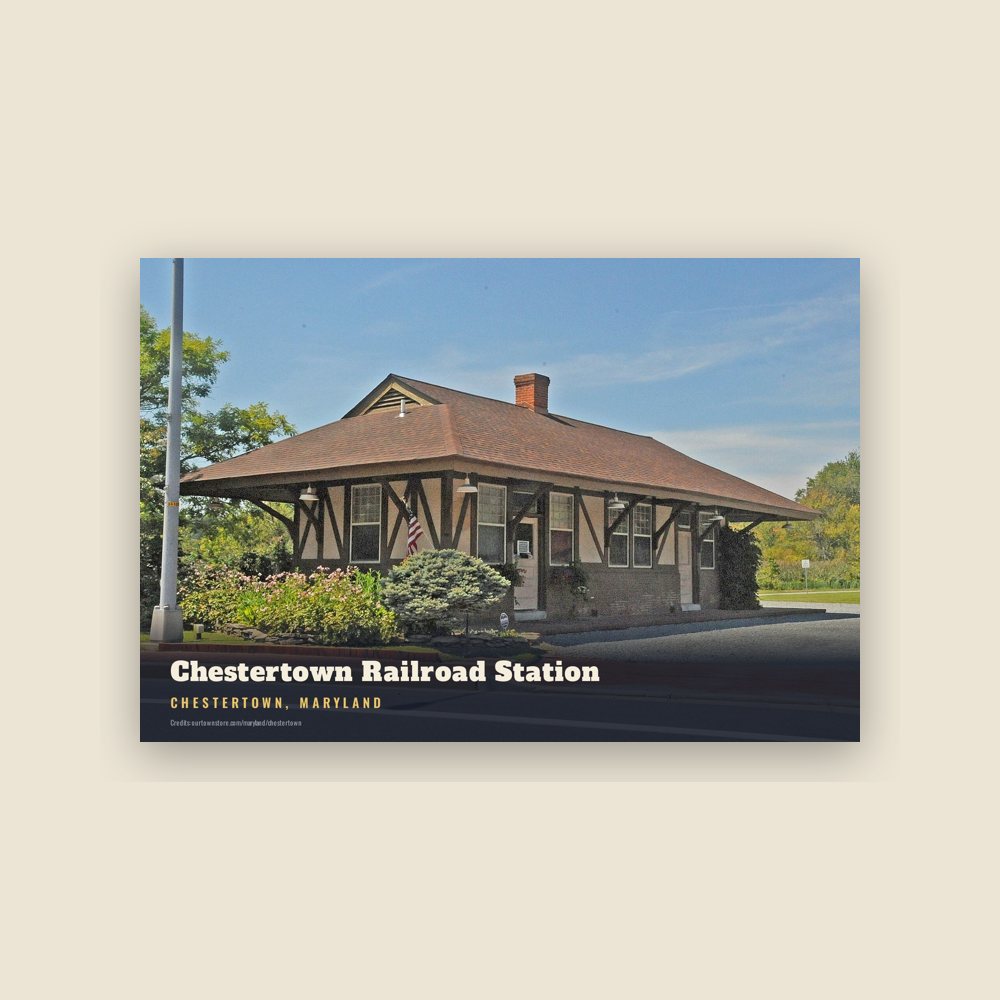
The town has several historic properties, including Airy Hill, Bernice J., Brampton, Carvill Hall, Chester Hall, the Chestertown Armory, the Chestertown Historic District, Chestertown Railroad Station, Denton House, Gobbler Hill, Godlington Manor, the Island Image, Lauretum, Piney Grove, Radcliffe Mill, Reward-Tilden's Farm, Rose Hill, the Silver Heel, Charles Sumner Post No. 25, Grand Army of the Republic, Thornton, Washington College: Middle, East and West Halls, and White House Farm (Chestertown, Maryland), each of which are listed on the National Register of Historic Places.
Adapted (trimmed) from the Wikipedia article Chestertown, Maryland, revision 1374269616 by its contributors, licensed CC BY-SA 4.0.