Since 1794
A short history of Centreville
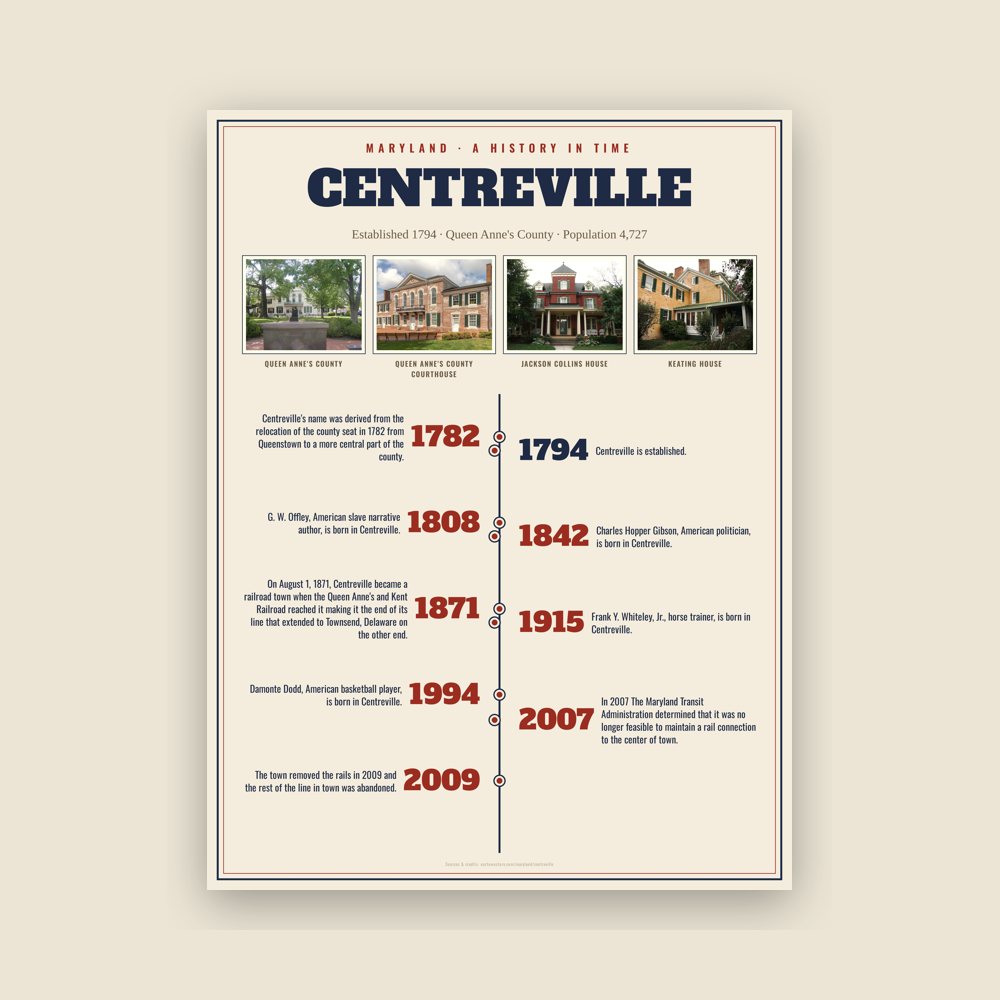
Centreville's name was derived from the relocation of the county seat in 1782 from Queenstown to a more central part of the county.
Saint Paul's Parish was established on the site that would later become known as Centreville, Maryland. It was almost 100 years later, in 1782, that the Maryland State Assembly passed an Act to relocate both the courthouse and all government functions of the county to Centreville from Queenstown, making Centreville the new county seat.
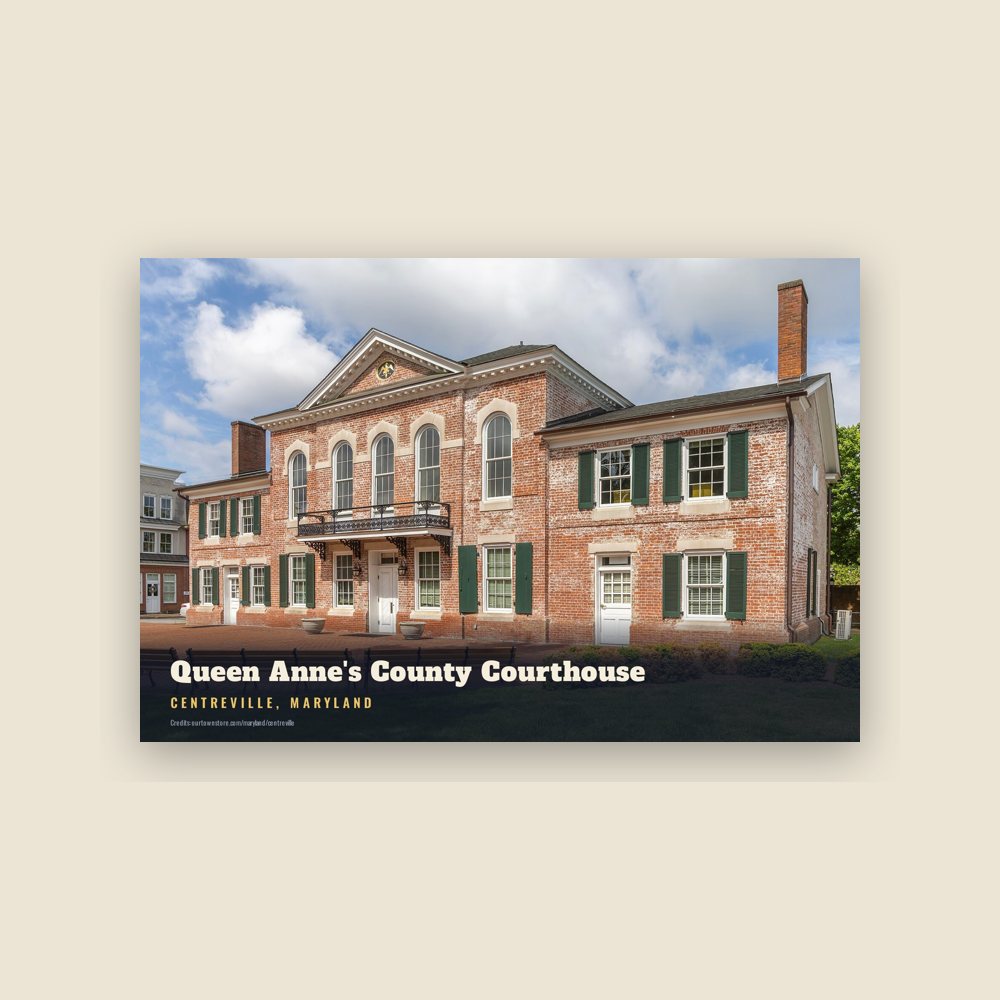
However, it took a decade for the appropriate land to be acquired and for the change to take place. A plantation called Chesterfield was chosen as the land to use for the new town which would hold the county's courthouse. Once the town and court house were completed, on the first of June 1796, the county court, "ordered [the courthouse] to be ‘taken, held and deemed to be the proper Court House of Queen Anne's County’".
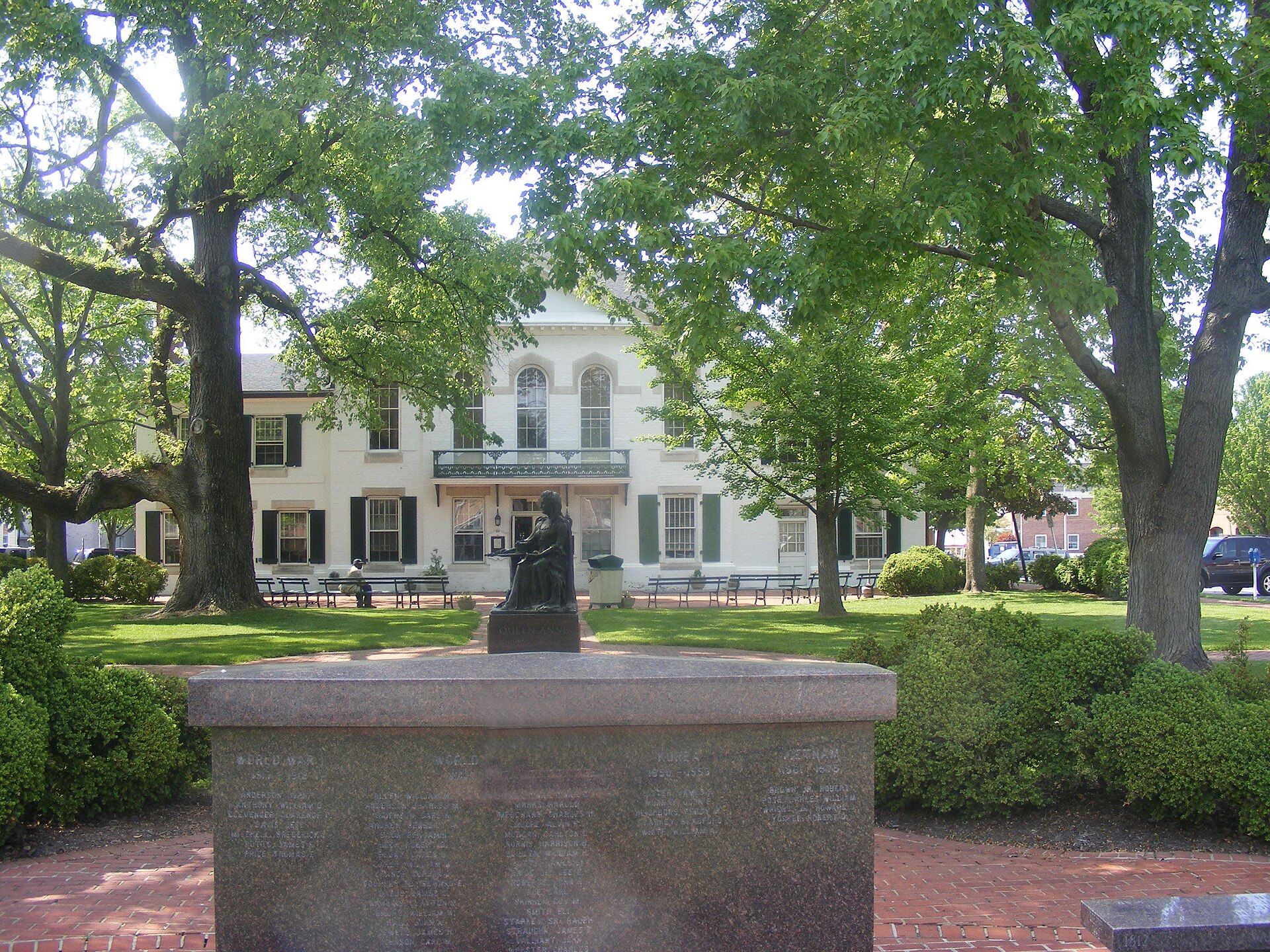
In 1782, the Queen Anne's county courthouse was moved from its original location in Queenstown, Maryland to an area that would, twelve years later, be named Centreville. The building's location, at the head of the Corsica River, encouraged population growth in the area.
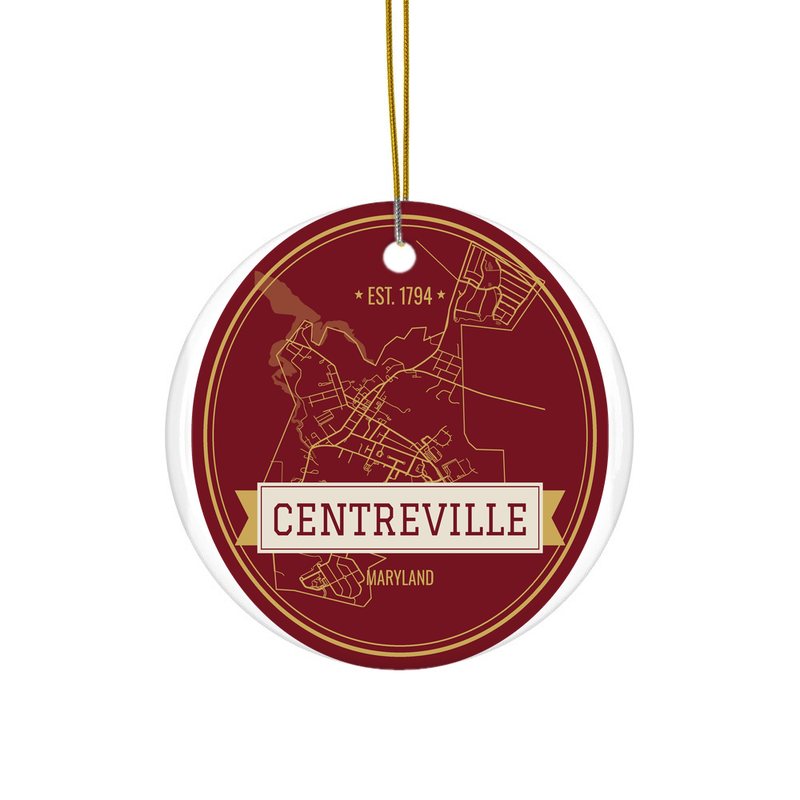
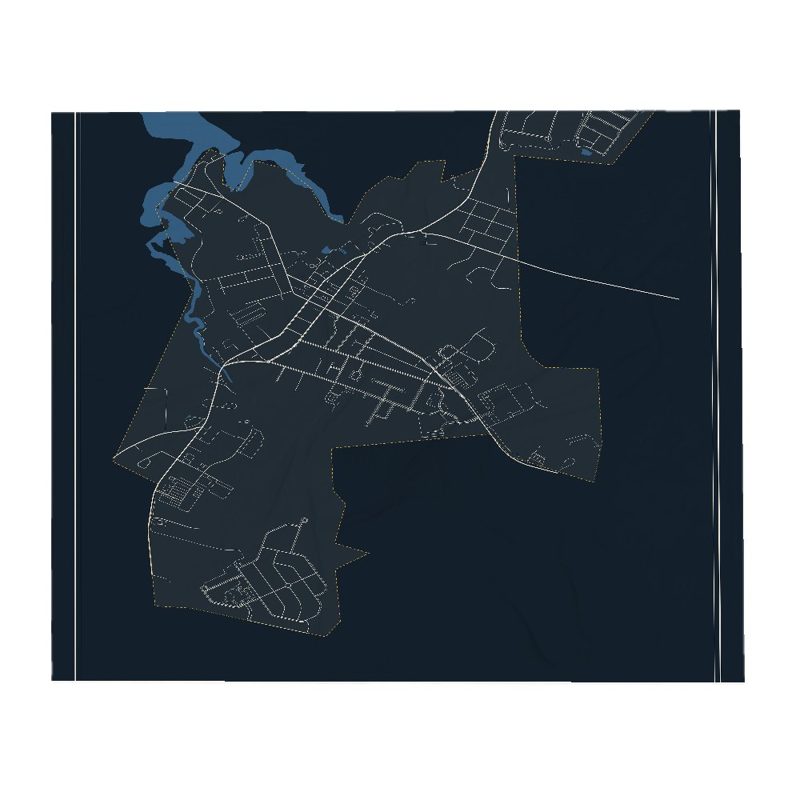
Centreville became an incorporated town in 1794, two years after the courthouse was completed. At the same time, the town laid out, including four streets that remain today: MD 213, S. Liberty St., N. Commerce St., Water St. (MD 304).
Once Centreville was officially home to Queen Anne's county government, lawmakers and officials decided it was appropriate to name the new town in accordance with the new location. Centreville (named partly due to the town's central location) was also chosen because of its prime location on the Corsica River. Easy access to shipping, trading, and naval waters allowed the town to flourish and to become an important Maryland location.
On August 1, 1871, Centreville became a railroad town when the Queen Anne's and Kent Railroad reached it making it the end of its line that extended to Townsend, Delaware on the other end. At the time the plan was to extend the railroad to Queenstown, Maryland but for technical and political reasons that never happened. Centreville eventually got a rail connection to Queenstown when the Queen Anne's Railroad built a branch between the two but, despite only being a half mile apart, the two railroad lines never connected. In the 1950s the Baltimore, Chesapeake and Atlantic Railway, which controlled the old Queen Anne Railroad line, abandoned the line and it was subsequently removed. Freight service on the line to Townsend continued until the early 2000s. In 2007 The Maryland Transit Administration determined that it was no longer feasible to maintain a rail connection to the center of town. Centreville purchased the railyard south of Water Street/Railroad Avenue. The town removed the rails in 2009 and the rest of the line in town was abandoned.
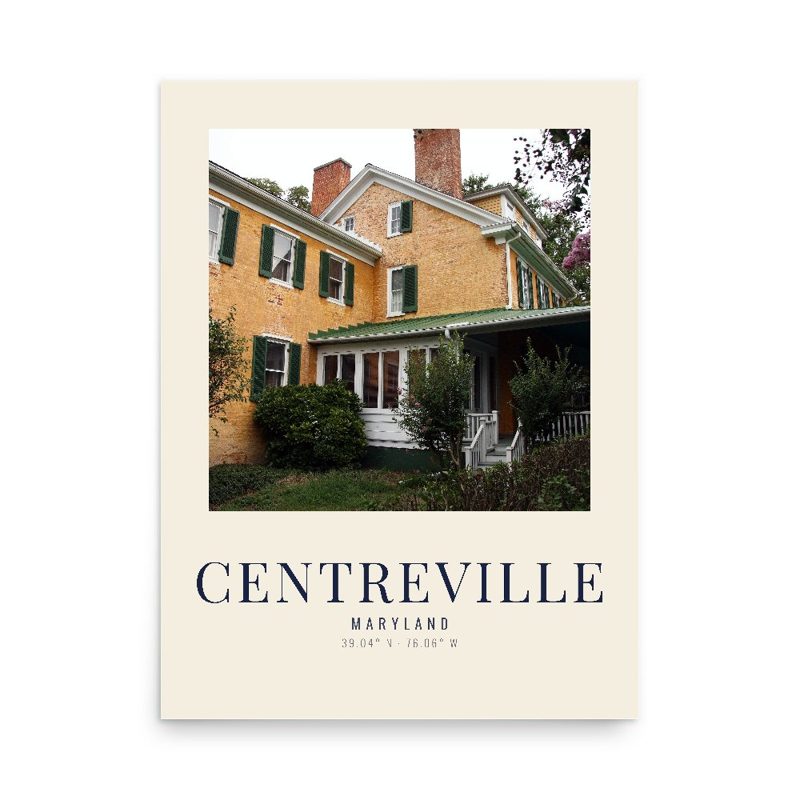
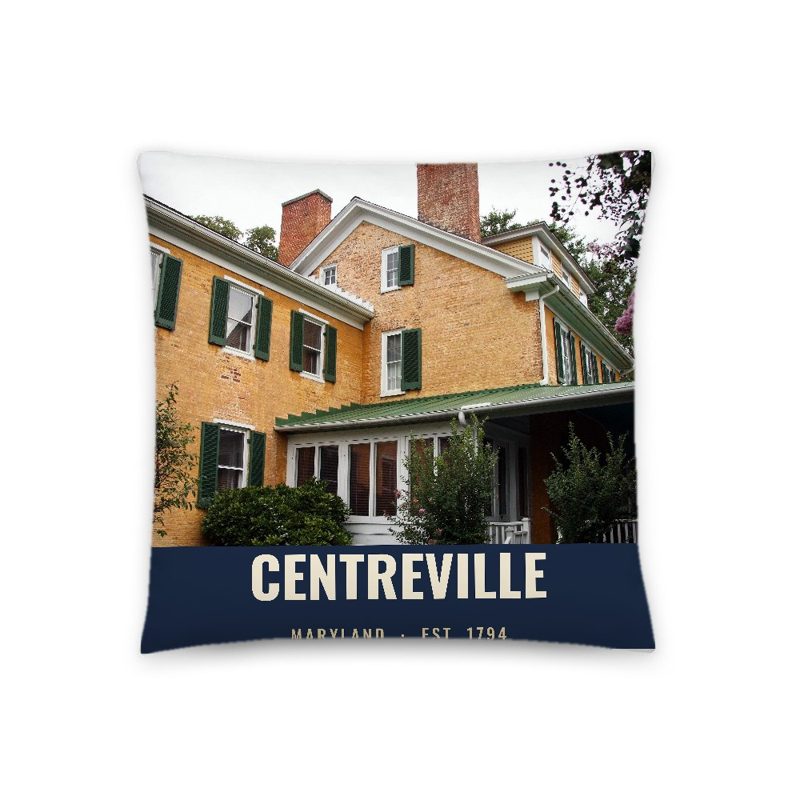
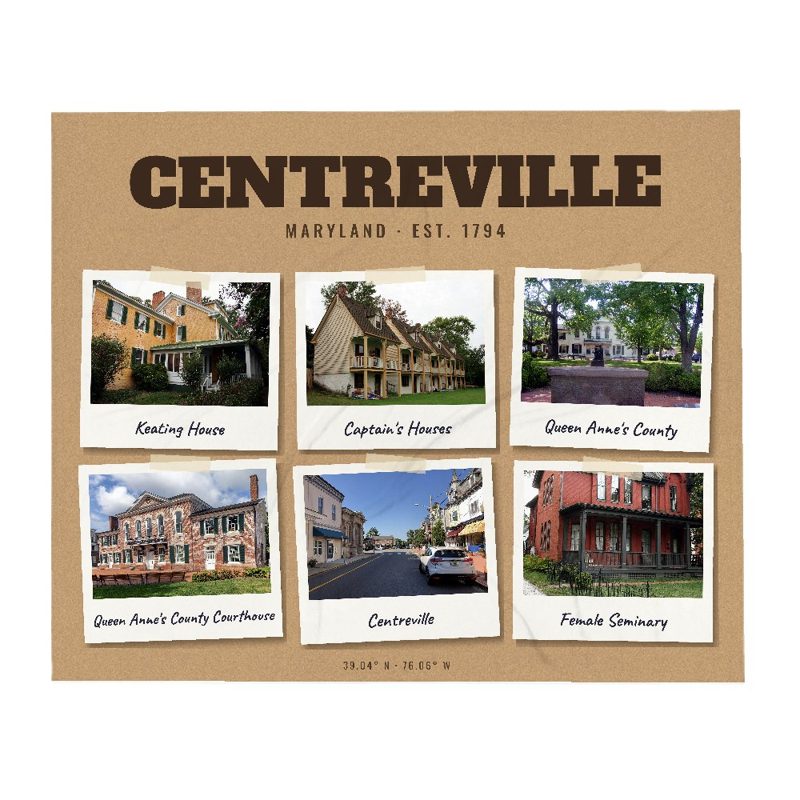
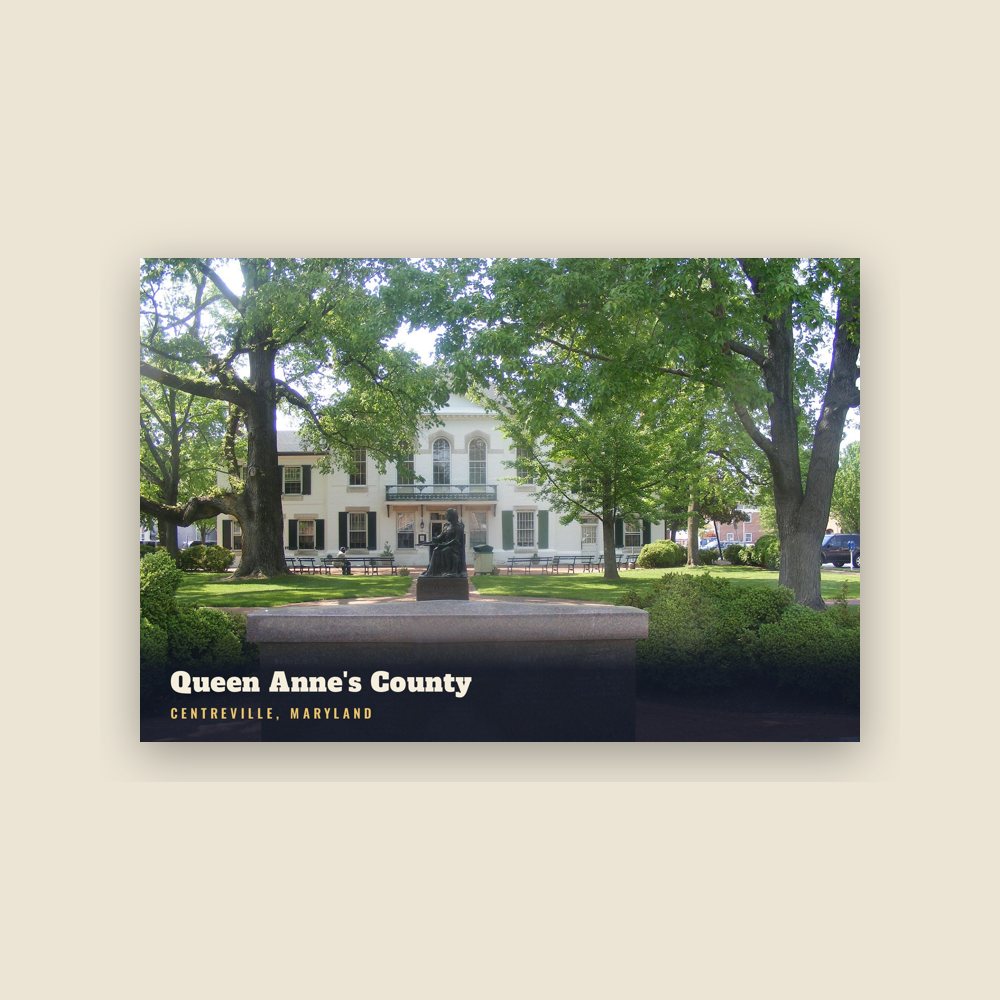
Today, Centreville is the largest town in Queen Anne's county, with a population of 4,727 (as of the 2020 census). 2017 has become an all-time high for the small town, with a population of 4,767. The Maryland Municipal League's Website, "The Association of Cities and Towns", notes that Centreville's, "[h]istory is reflected in the diverse architecture seen along the streets of the town—elegant Victorian homes with their wrap-around porches, neo-classical public buildings, late-19th-century commercial rows, late-20th-century institutional and government structures, and all the variations and curiosities in between".
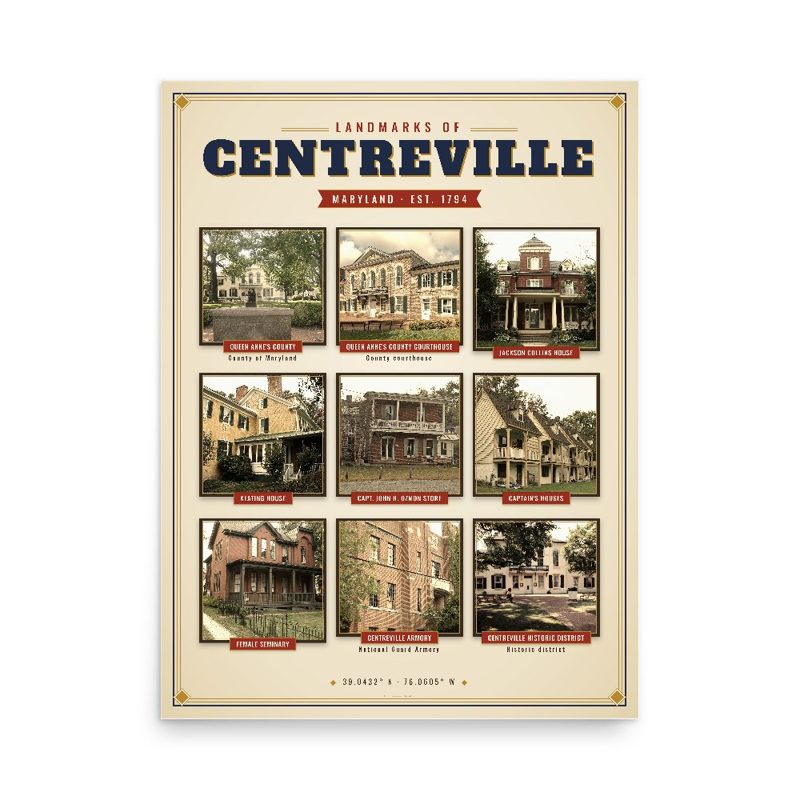
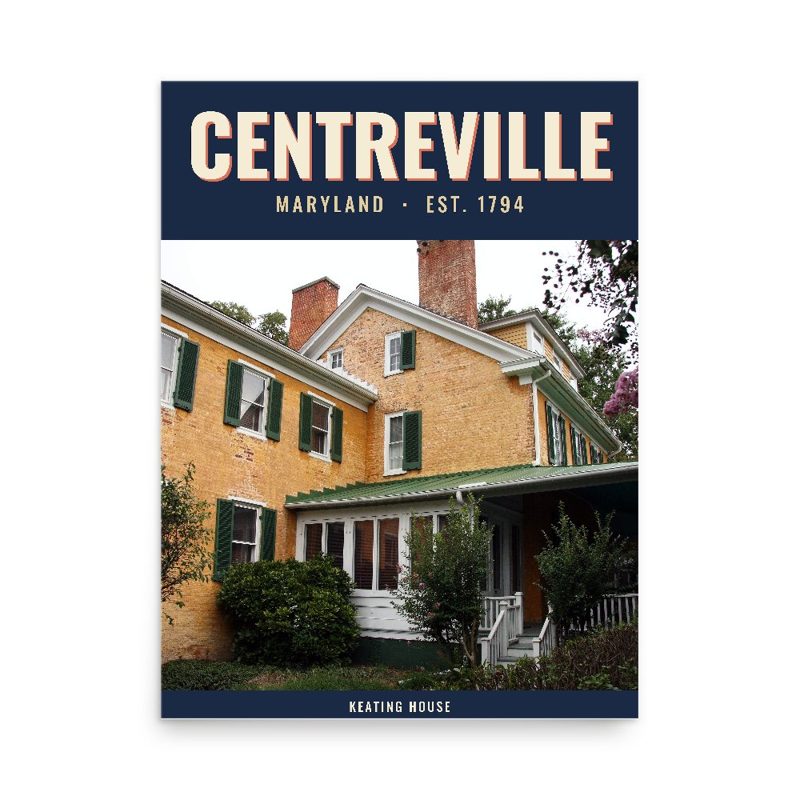
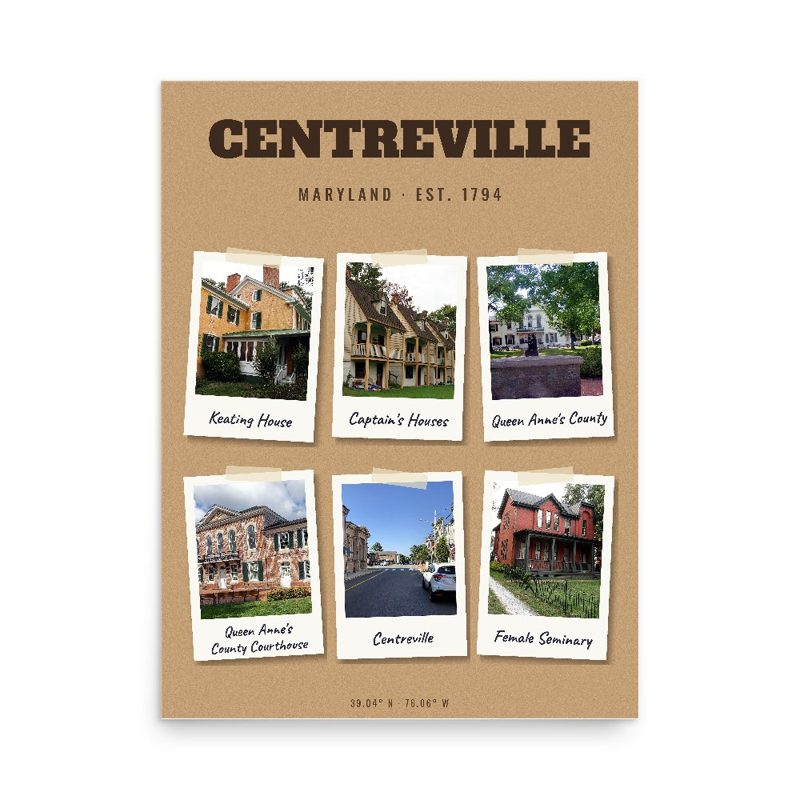
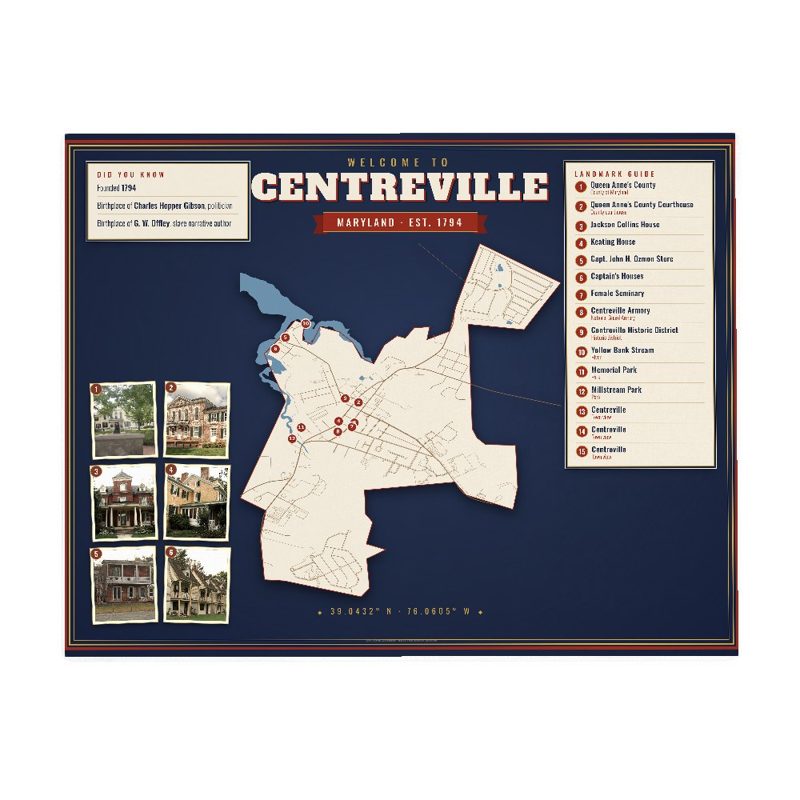
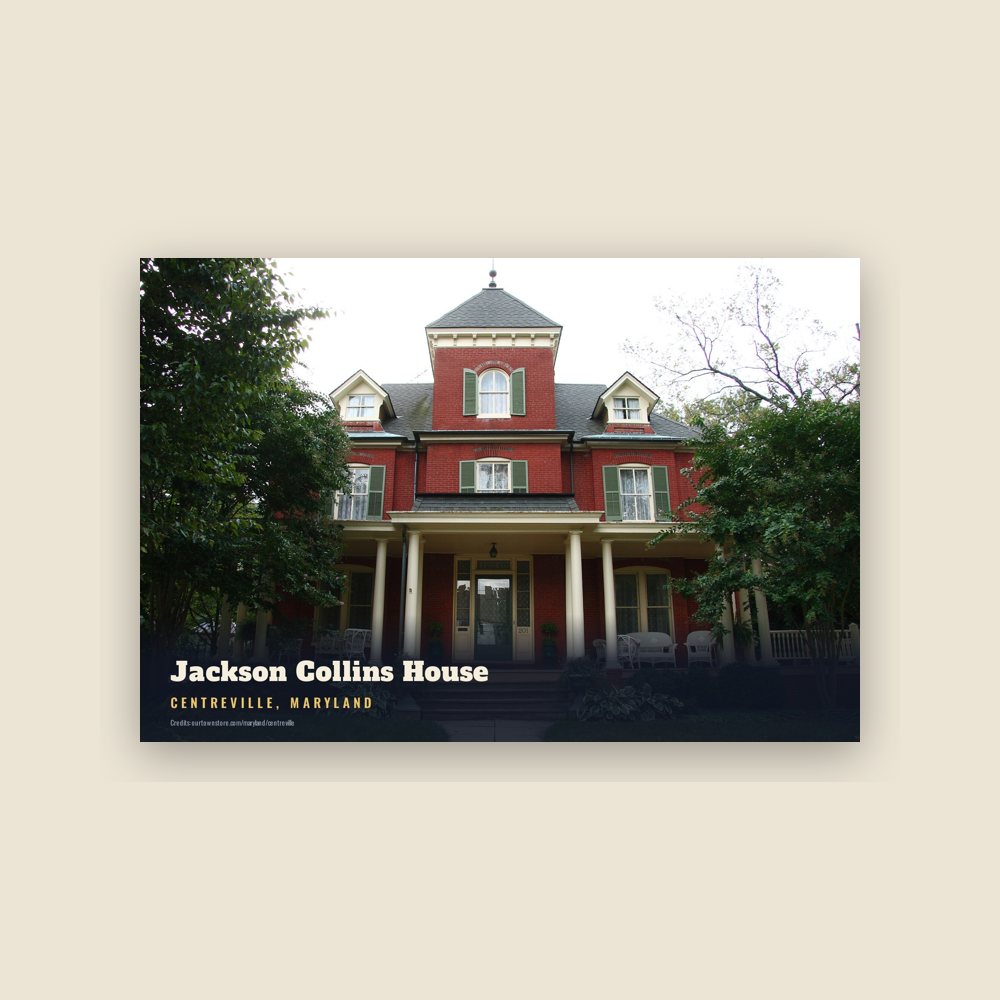
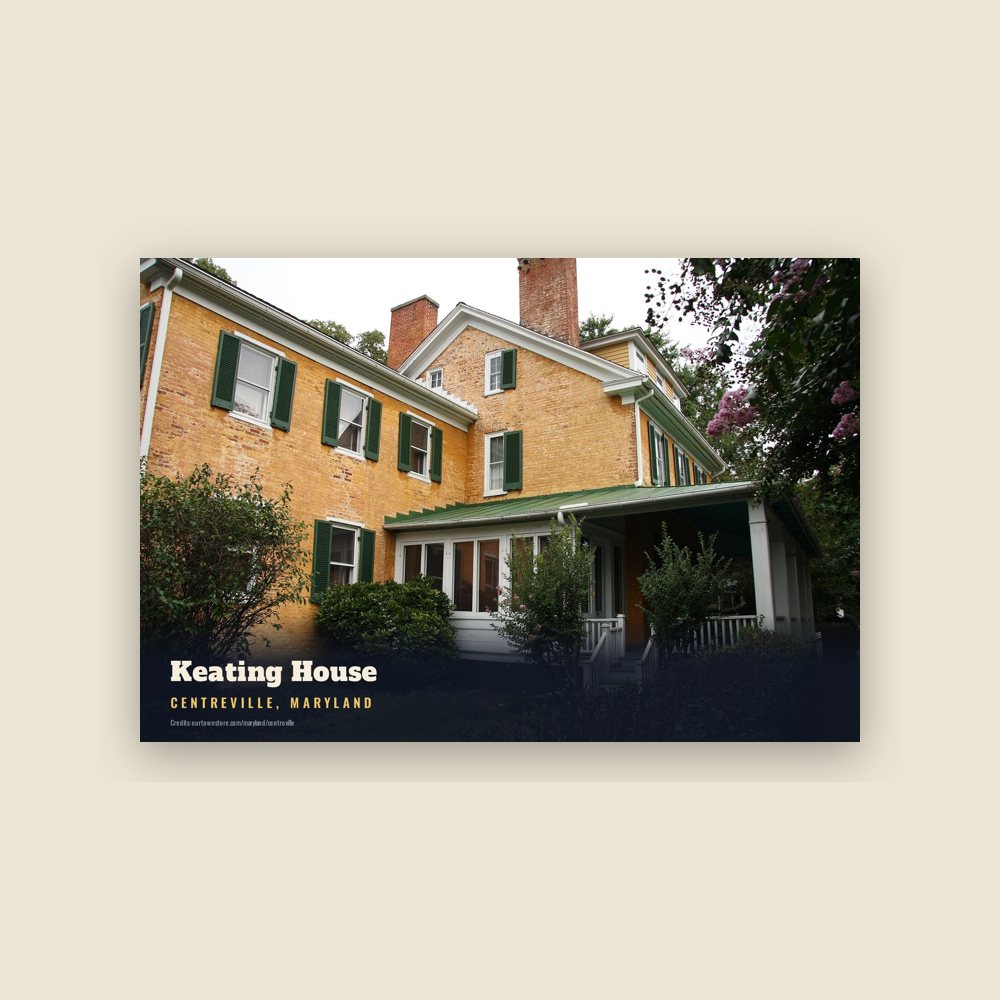
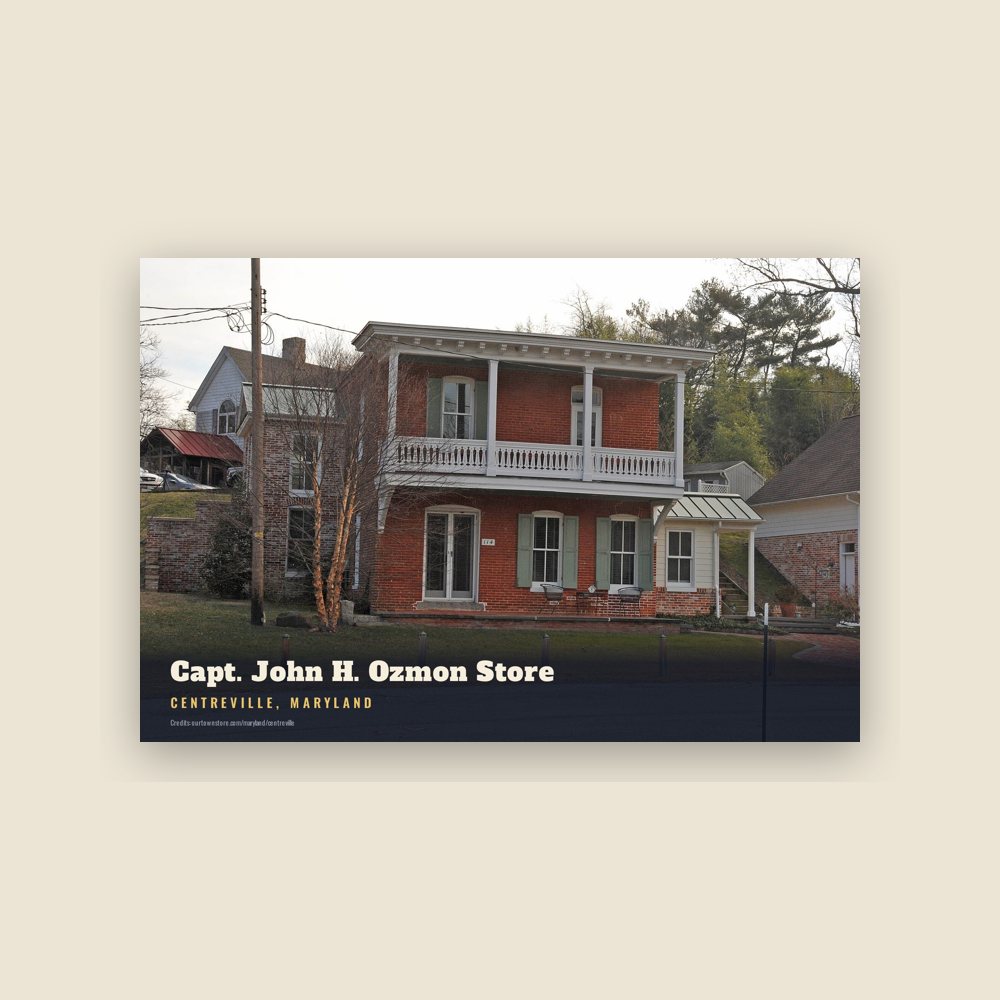
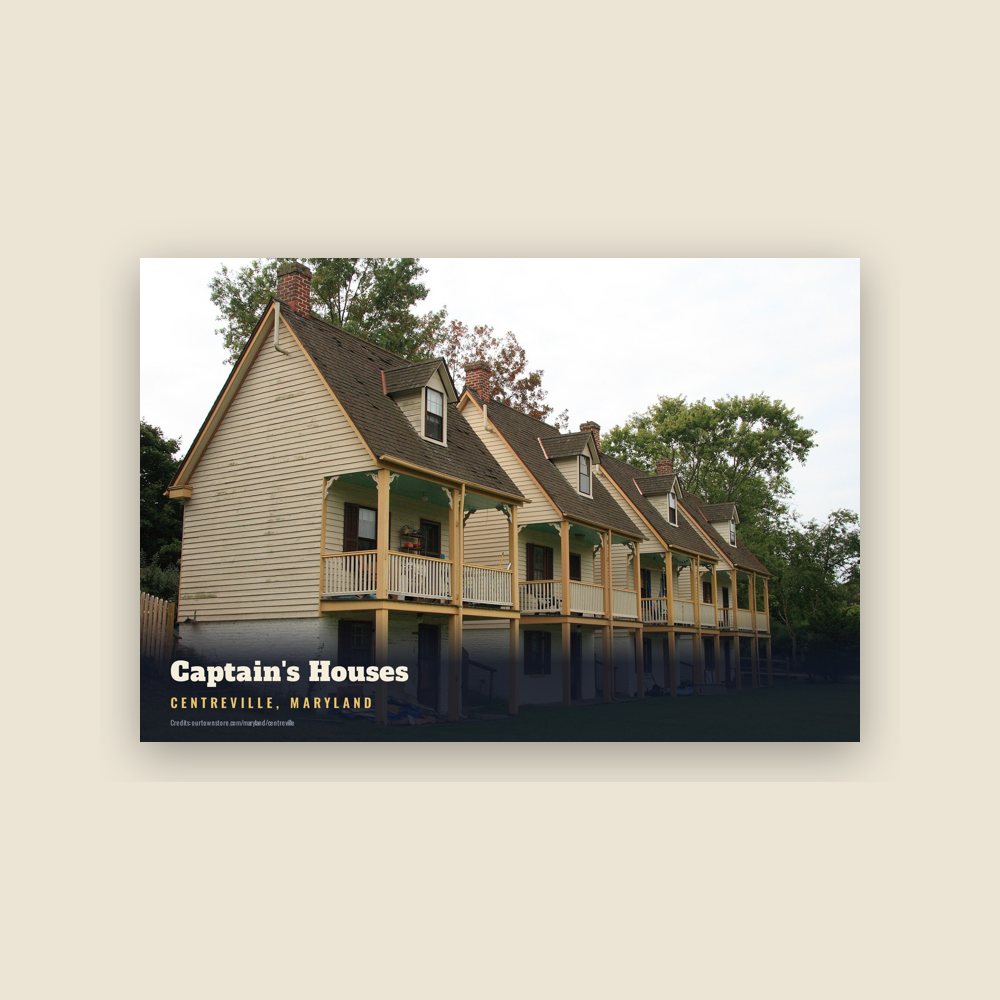
In addition to the Centreville Historic District, Bachelor's Hope, Captain's Houses, Centreville Armory, Jackson Collins House, Content, Female Seminary, Keating House, Lansdowne, Lexon, Capt. John H. Ozmon Store, Readbourne, Reed's Creek Farm, and Stratton are listed on the National Register of Historic Places.
"Centreville was the home of American Impressionist painters Charles M. West and Anne Warner West. Charles was born in Centreville and educated at the Pennsylvania Academy of the Fine Arts in Philadelphia, where he met fellow student Anne Dickie Warner, a native of Wilmington, Delaware. The West Gallery includes a collection of their paintings, many depicting local subjects such as watermen at work, historic buildings and daily life in Centreville."
Adapted (trimmed) from the Wikipedia article Centreville, Maryland, revision 1373507658 by its contributors, licensed CC BY-SA 4.0.