Since 1793
A short history of Paris
It was granted by Massachusetts on June 11, 1771, to Captain Joshua Fuller of Watertown, Massachusetts and 59 others (or their heirs) for service during the French and Indian Wars. It was the second attempt to repay the soldiers, because their first grant in New Hampshire, made on November 24, 1736, and called Township Number Four, was deemed invalid because of a prior claim by the heirs of John Mason. The land in Maine would retain the name Township Number Four.
On November 4, 1773, when the Proprietors were lotting out the township, they held a meeting at Coolidge Tavern in Watertown Massachusetts and they voted that there be reserved for the use of the proprietors their heirs and assigns forever two rods in width on the eastward side of every range line through the length of the township for the conveniency of ways if it shall be needed, establishing rangeways to prevent landlocking and segregation in the township of Paris and West Paris.
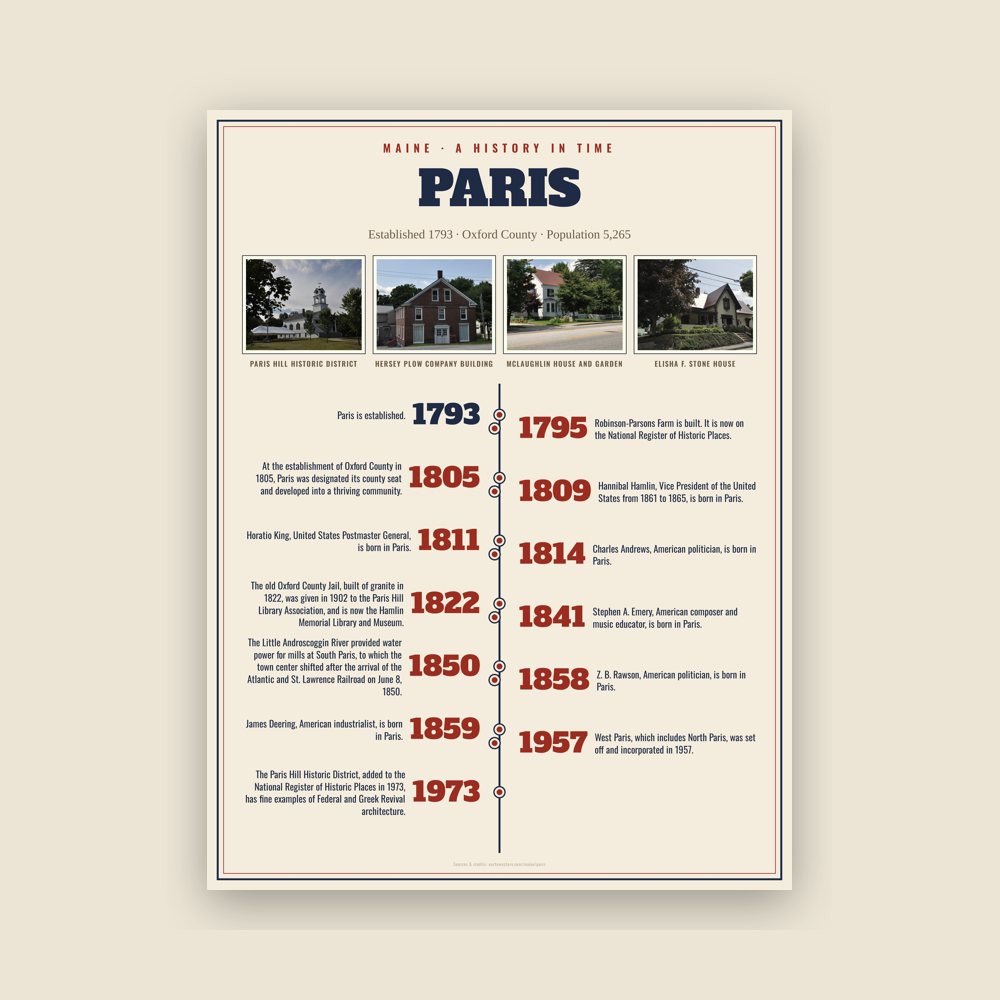
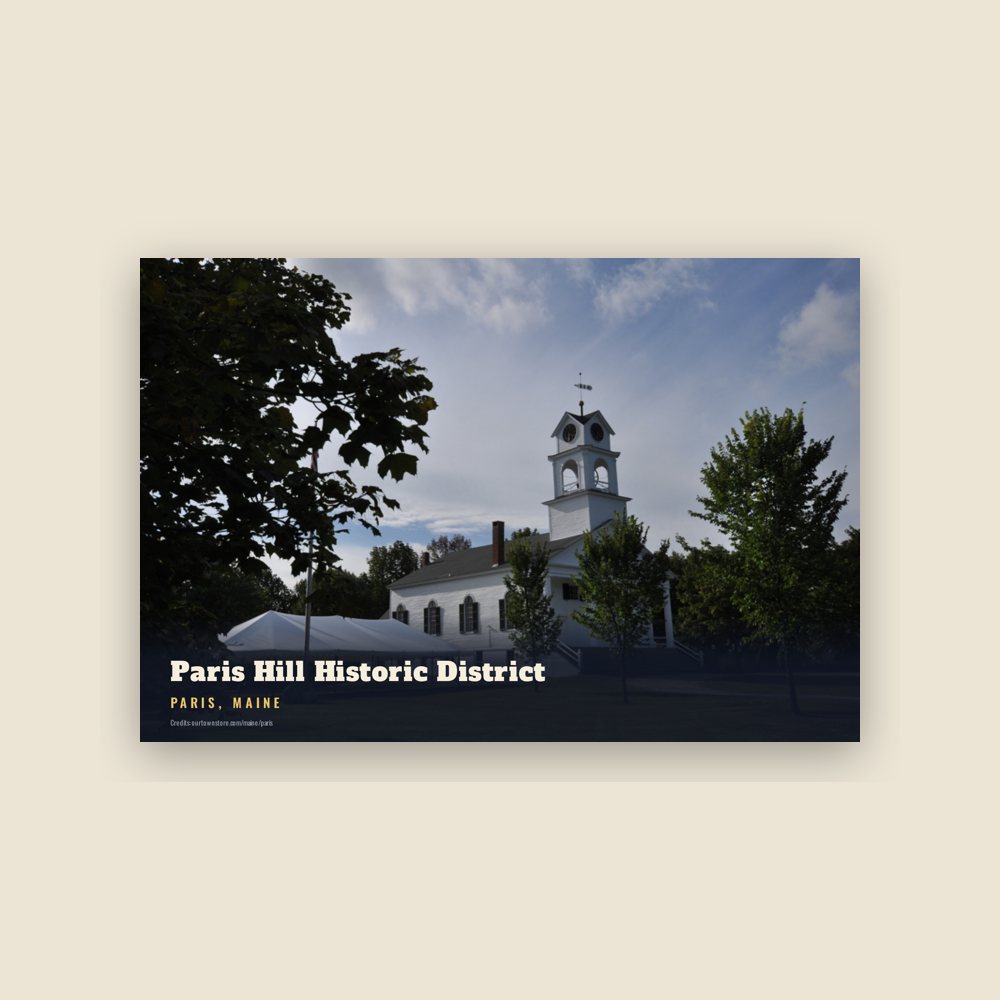
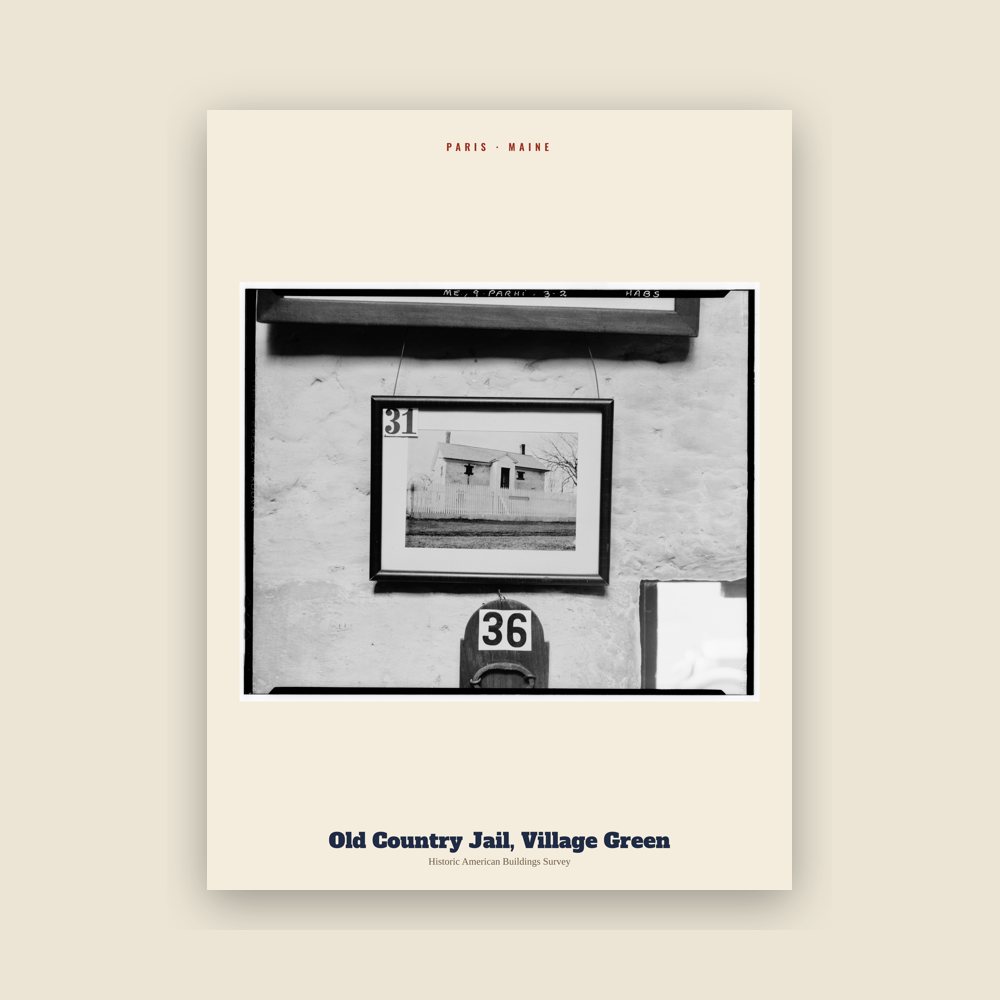
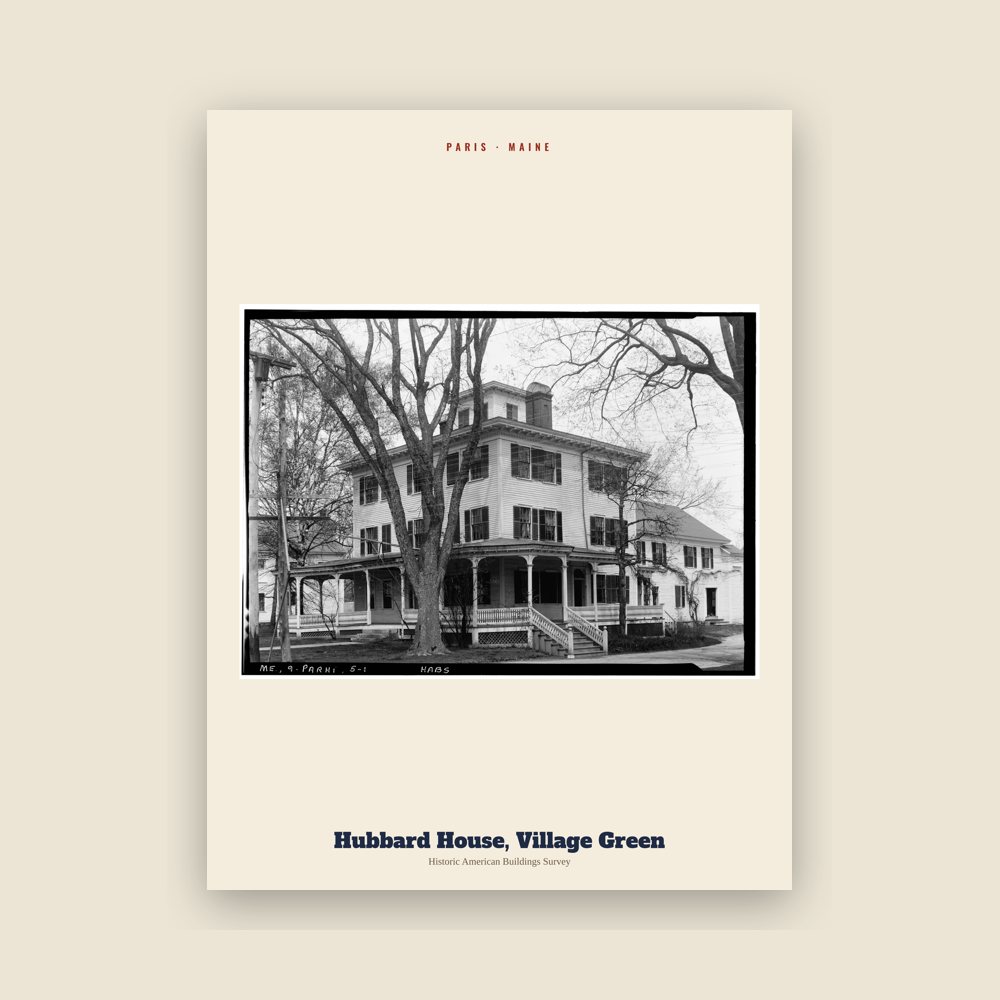
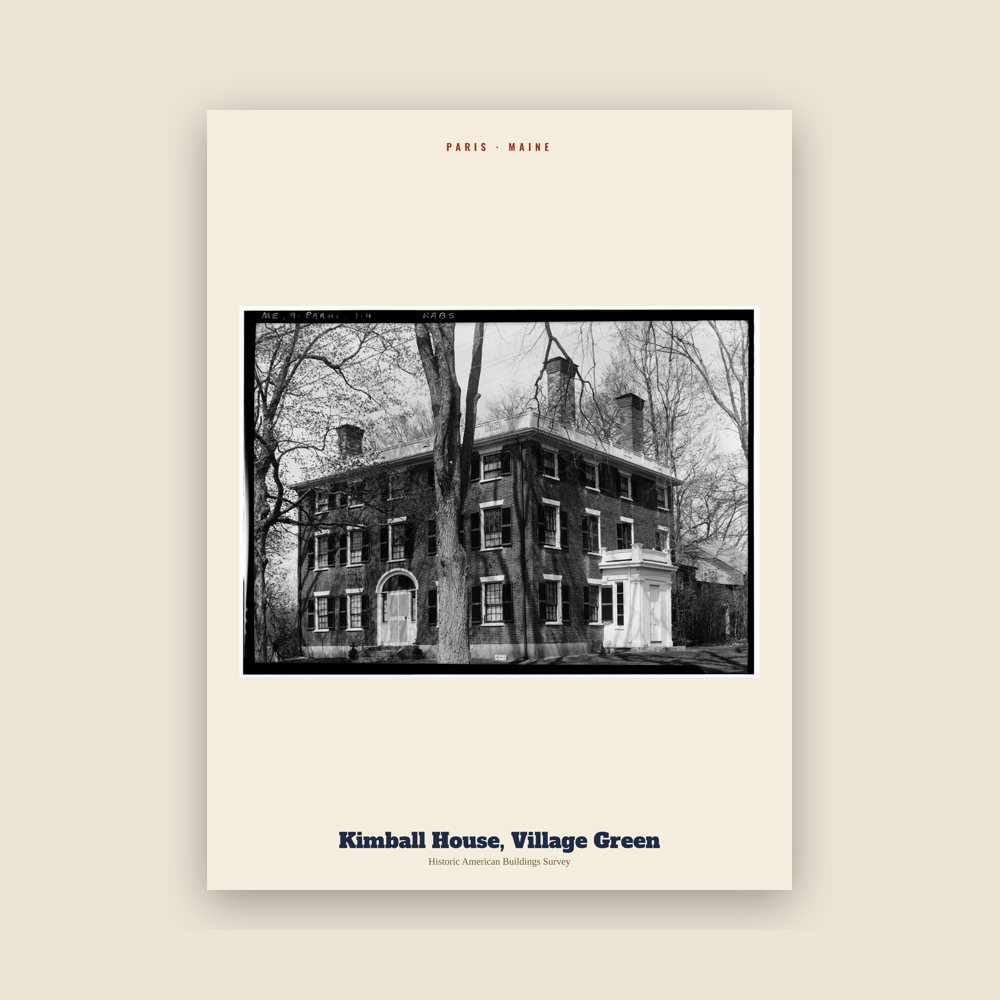
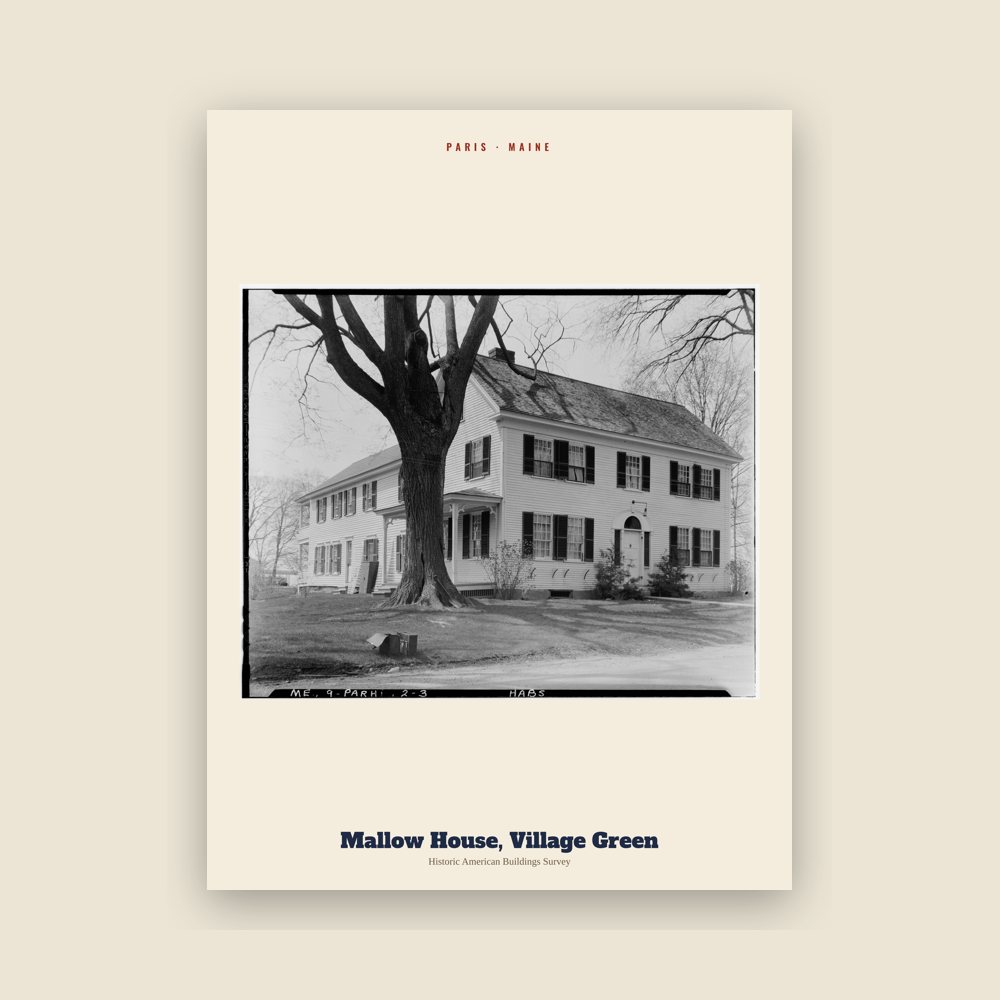
It was first settled near the center of the town in 1779 by Lemuel Jackson, John Willis and their families. Organized as Number Four Plantation, it was incorporated as Paris on June 20, 1793. At the establishment of Oxford County in 1805, Paris was designated its county seat and developed into a thriving community. It was noted for scenic beauty and excellent pasturage, including some of the state's best livestock and dairy farms. It also had many large apple orchards. The village of Paris Hill was established at an elevation of 820 feet (250 m) above sea level, with views of Mount Chocorua and Mount Washington in the White Mountains. The Paris Hill Historic District, added to the National Register of Historic Places in 1973, has fine examples of Federal and Greek Revival architecture. The old Oxford County Jail, built of granite in 1822, was given in 1902 to the Paris Hill Library Association, and is now the Hamlin Memorial Library and Museum.
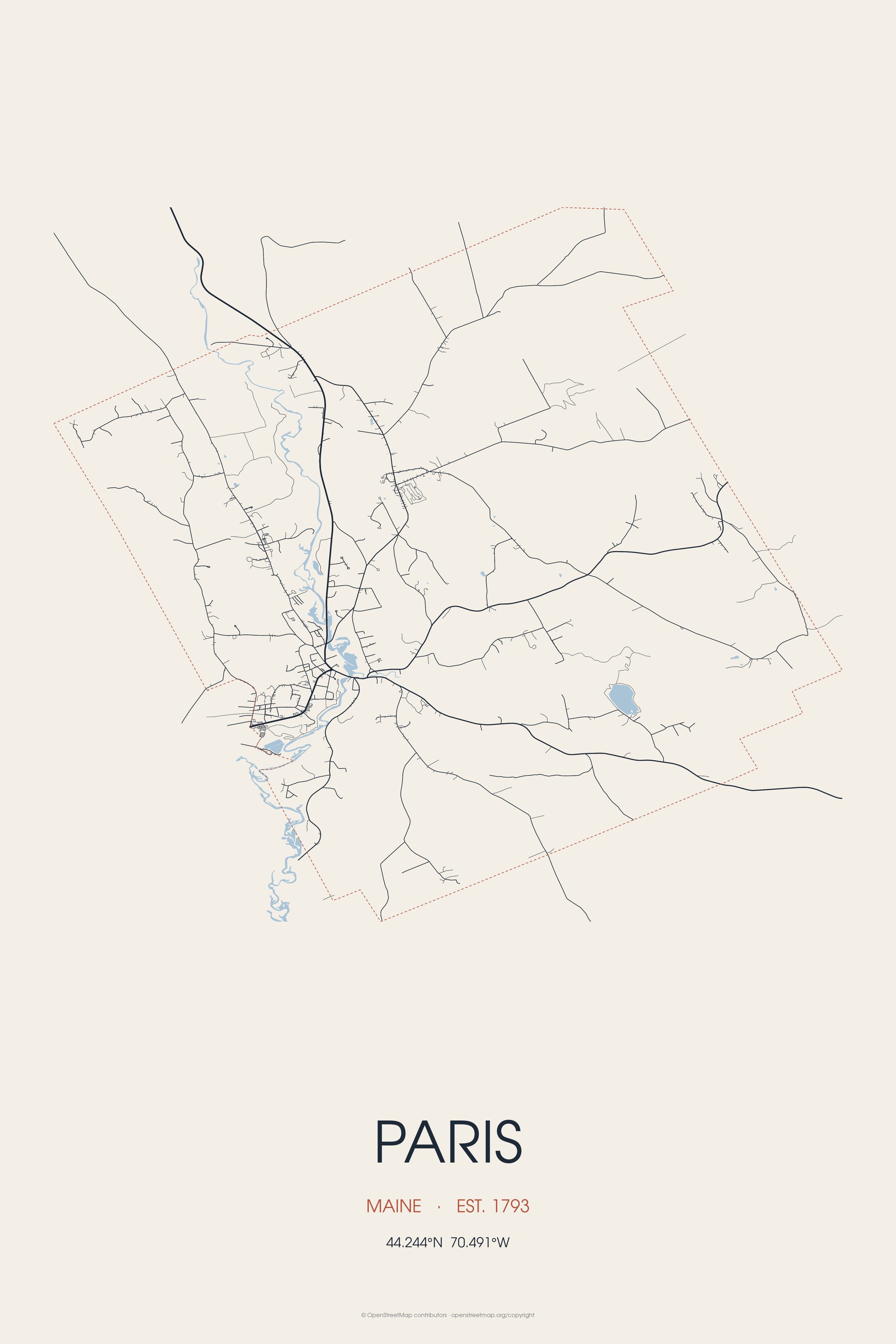
The Little Androscoggin River provided water power for mills at South Paris, to which the town center shifted after the arrival of the Atlantic and St. Lawrence Railroad on June 8, 1850. Industries included a gristmill, sawmill, shingle mill, planing mill, iron foundry and machine shop.
In the 1890s, the county seat moved here from Paris Hill to be near the train station. Manufacturing would fade with the Great Depression, but South Paris remains the commercial part of the town. West Paris, which includes North Paris, was set off and incorporated in 1957.
Adapted (trimmed) from the Wikipedia article Paris, Maine, revision 1377355707 by its contributors, licensed CC BY-SA 4.0.

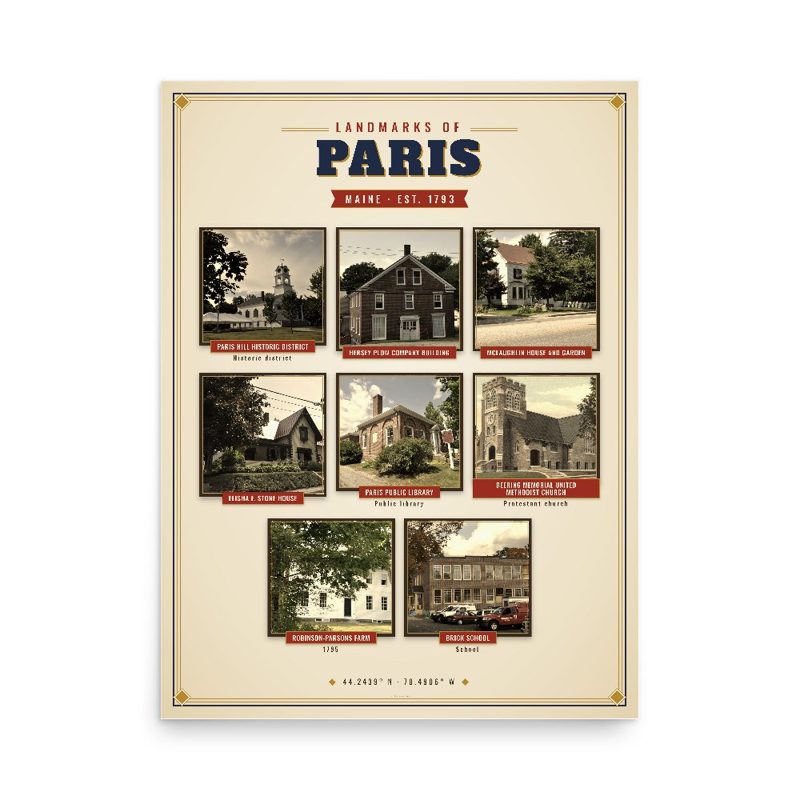

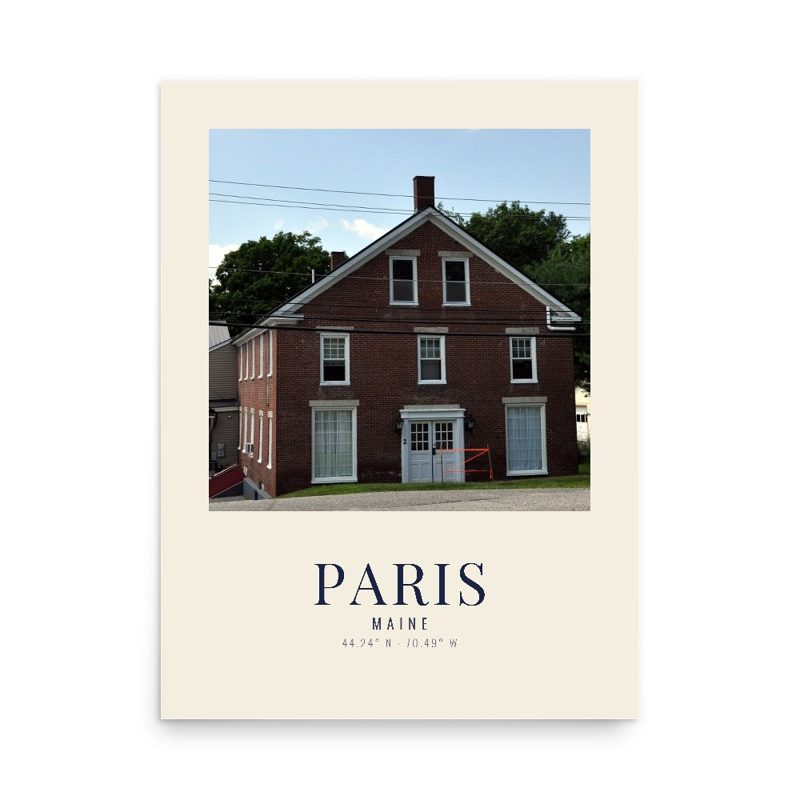
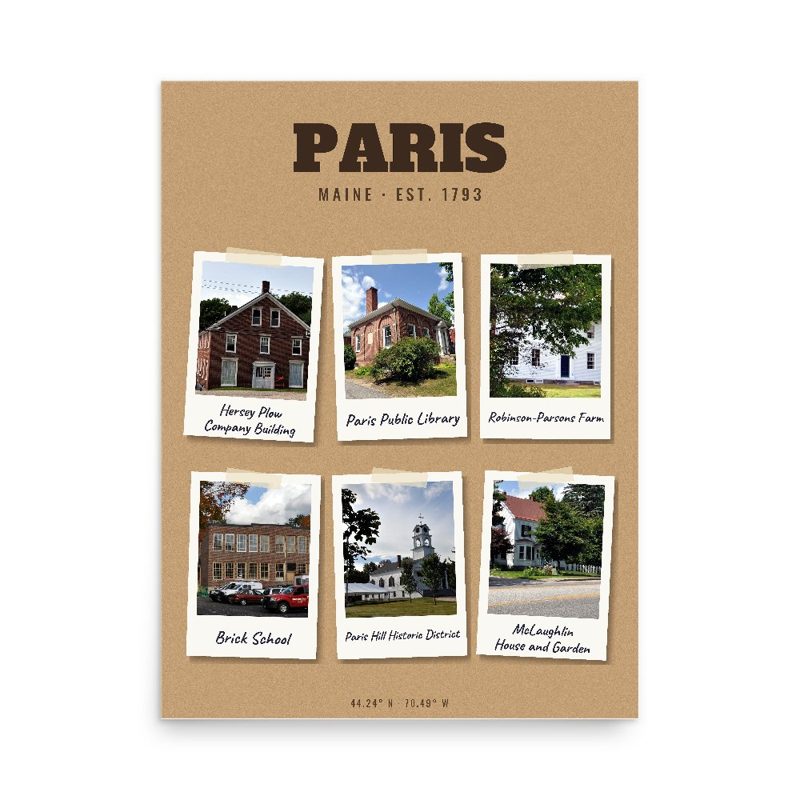
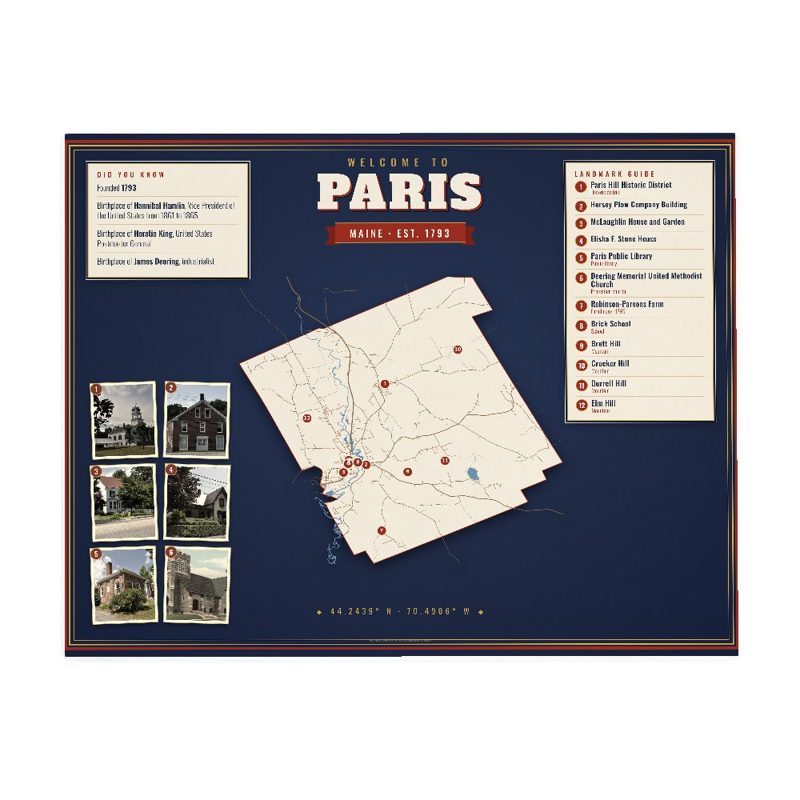


















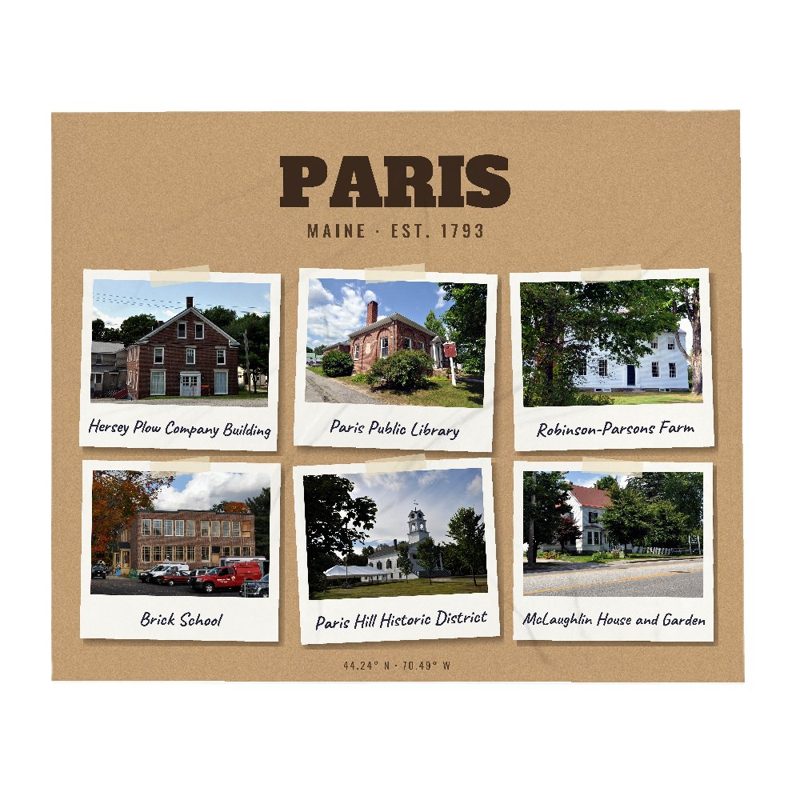

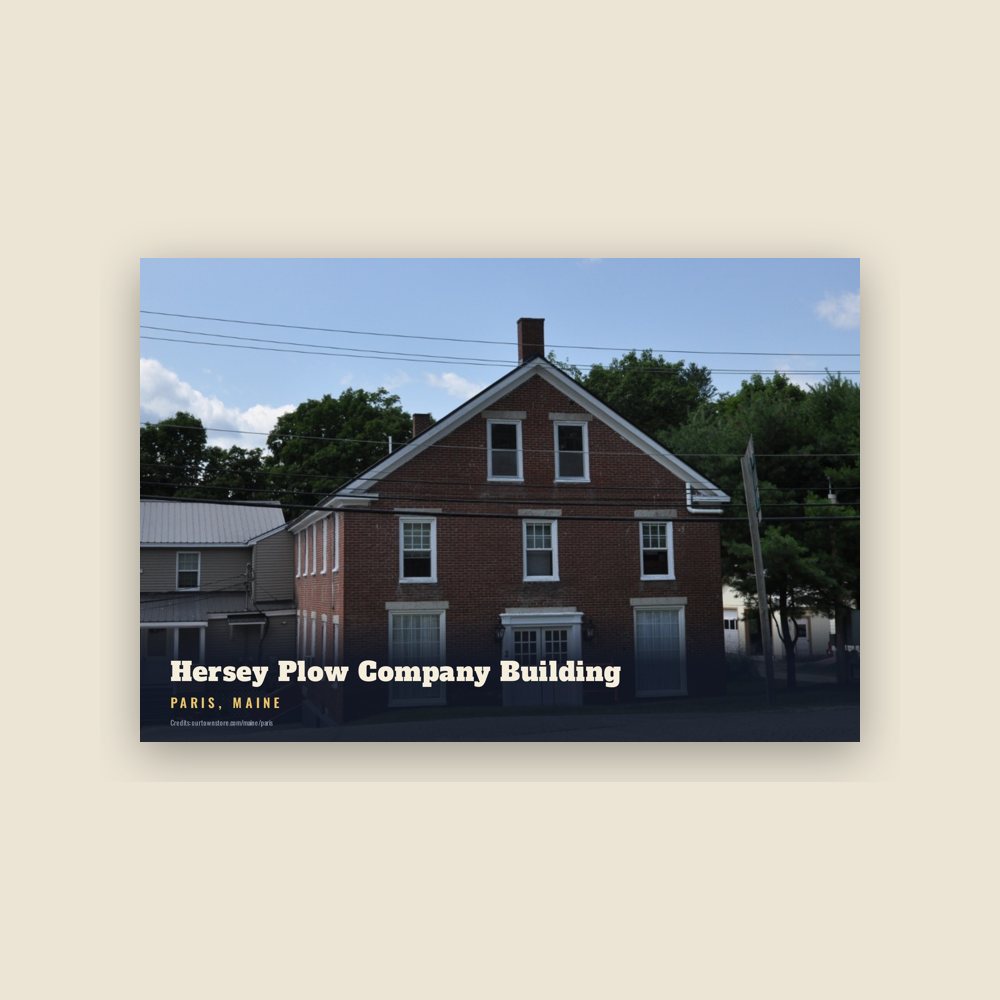

 Hersey Plow Company Building
 Paris Hill Historic District
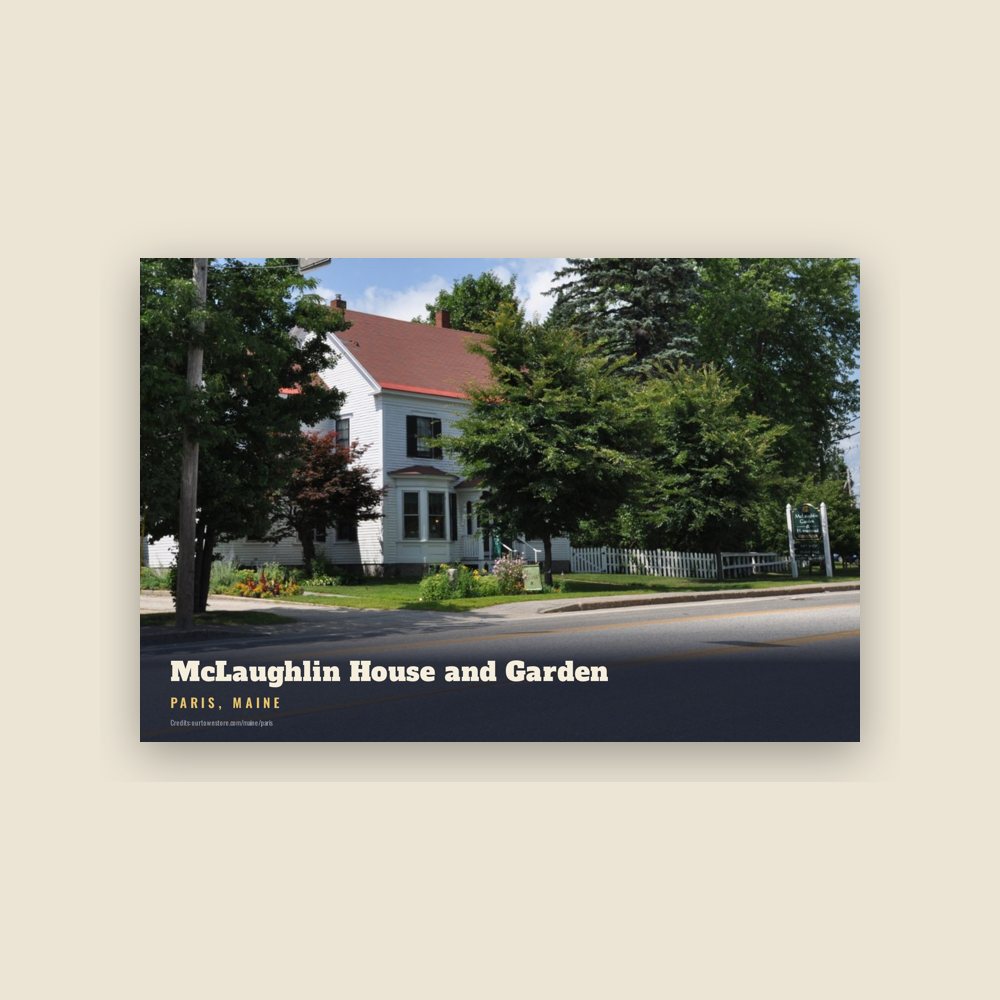
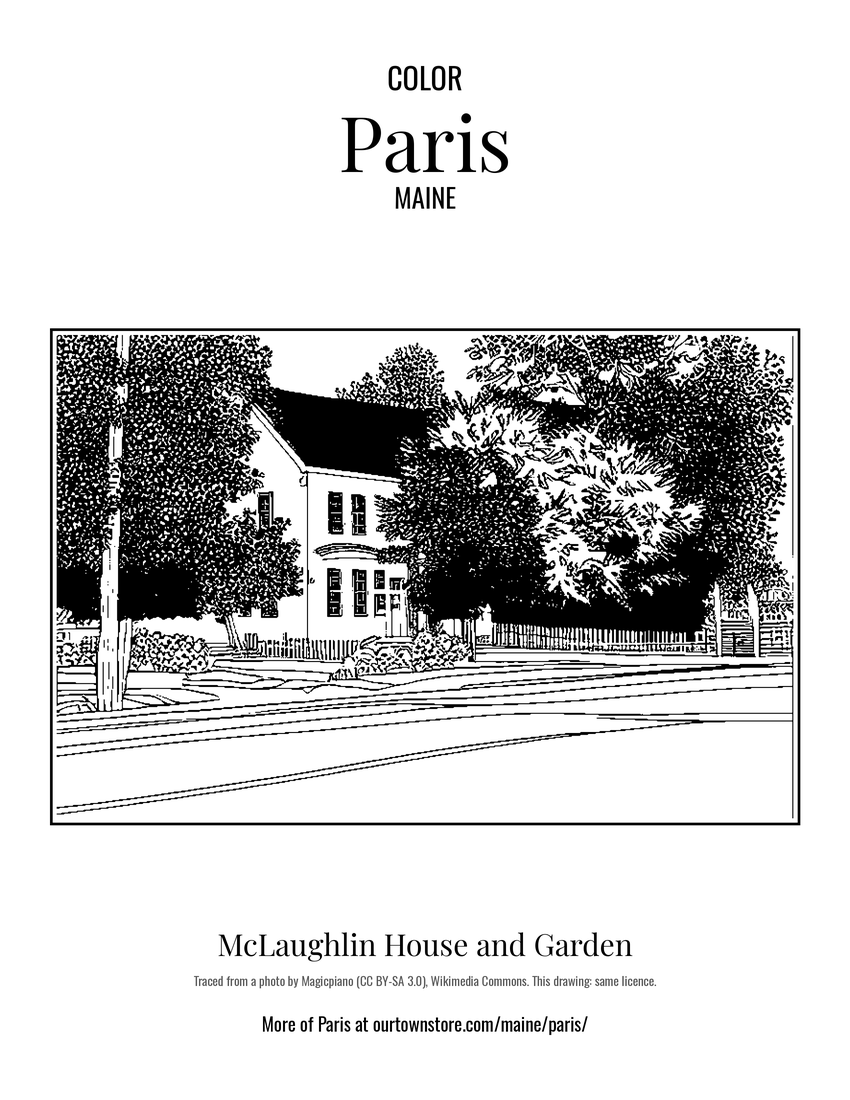 McLaughlin House and Garden
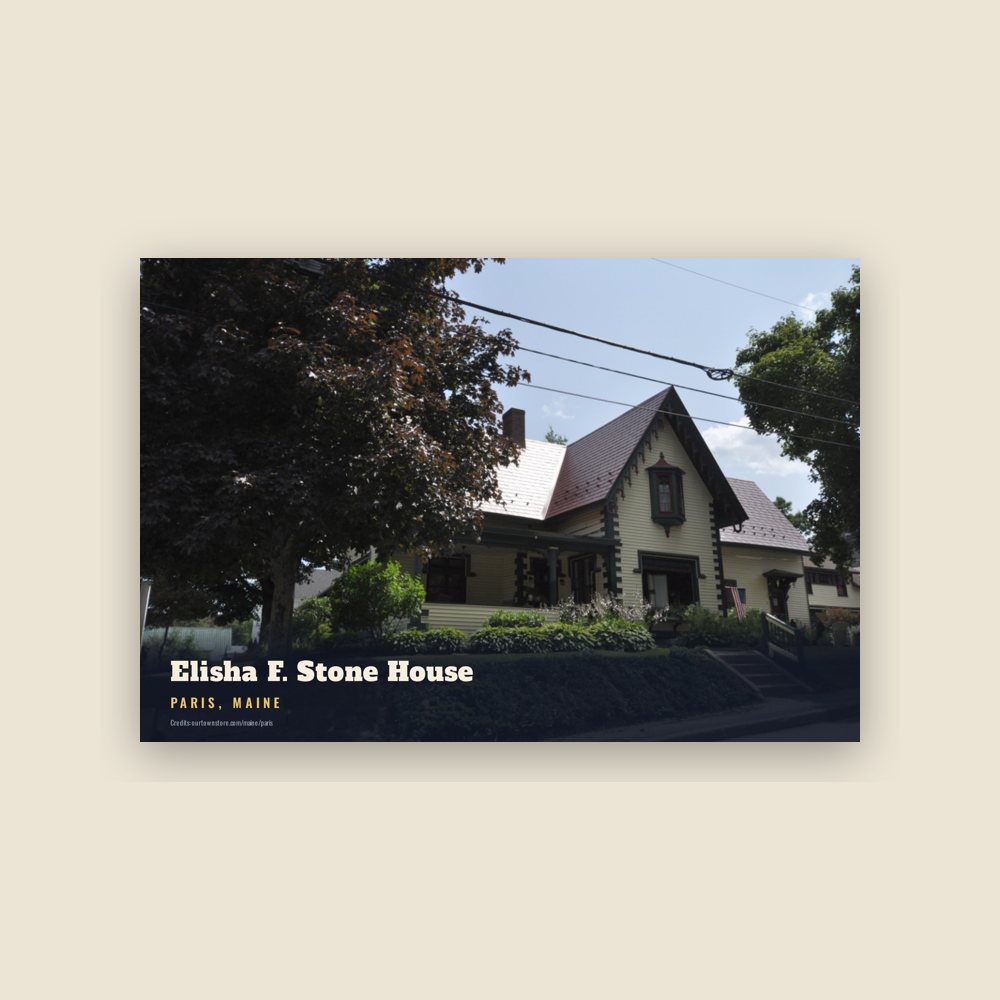
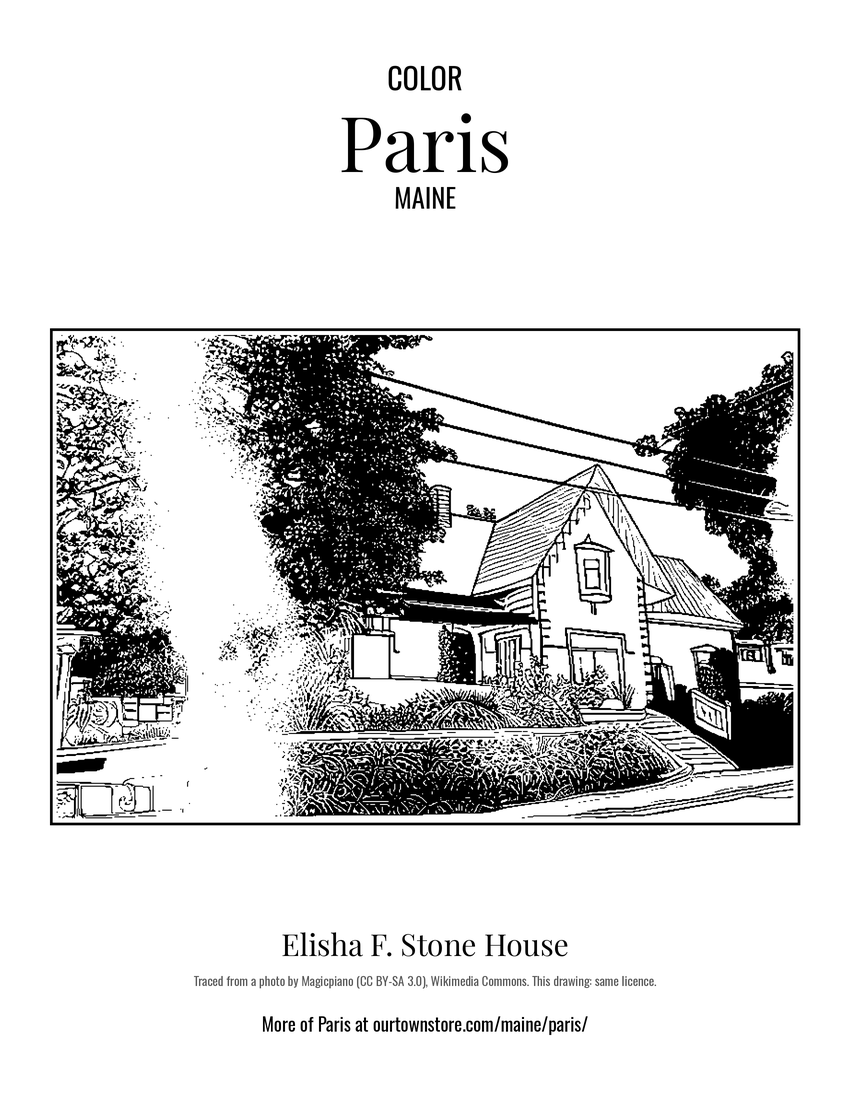 Elisha F. Stone House