Since 1893
A short history of Mechanic Falls
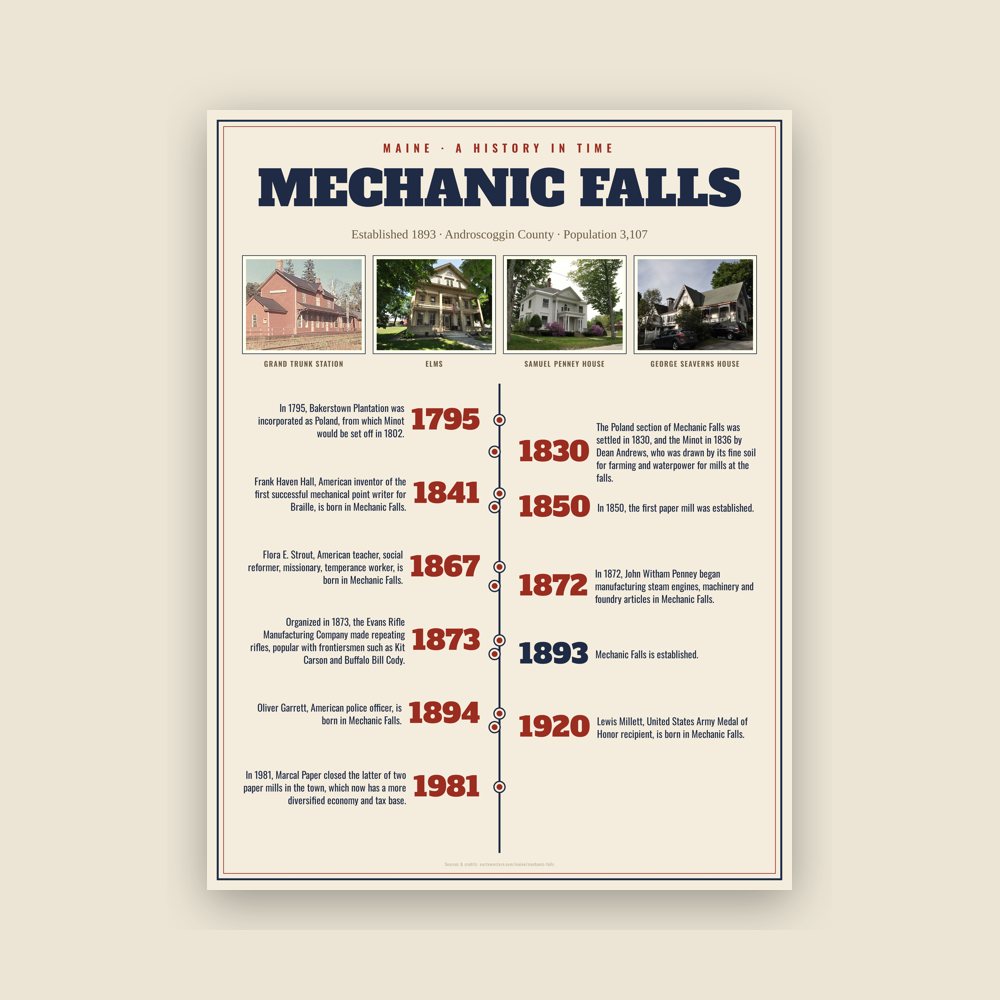
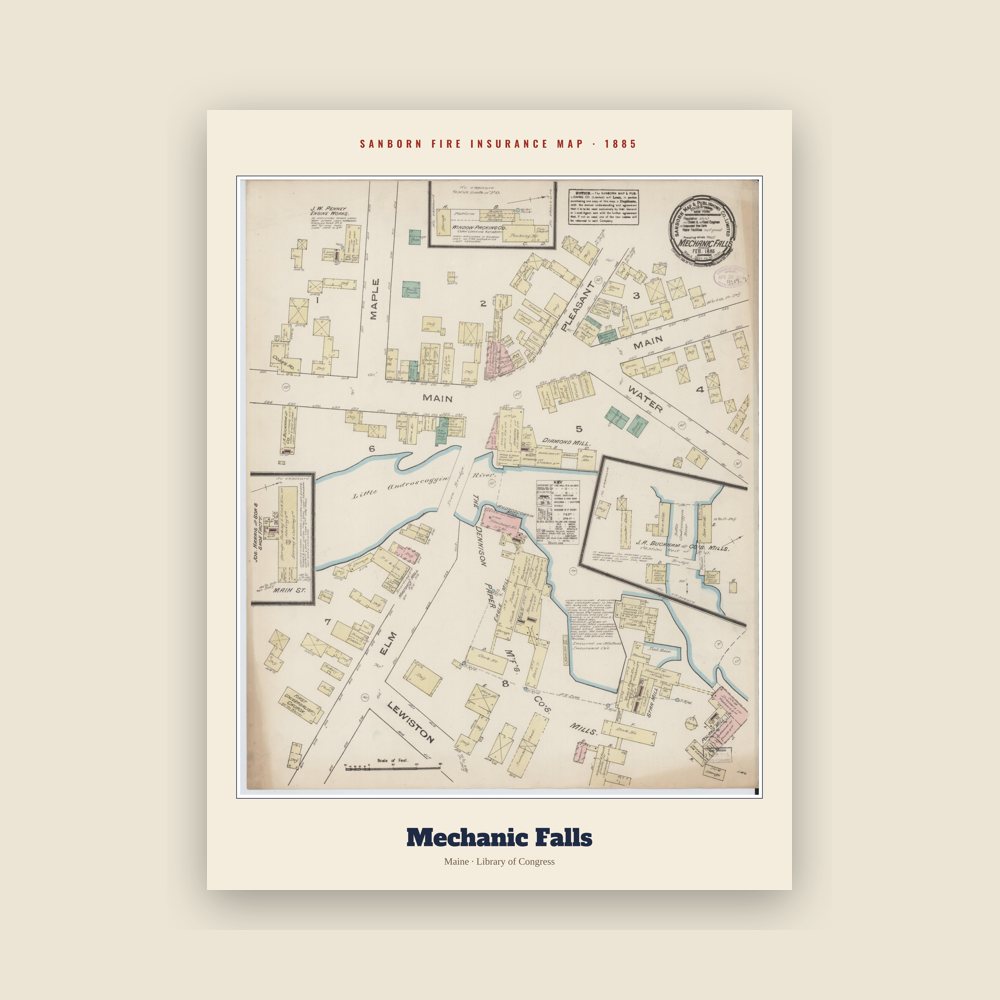
The town was originally part of Bakerstown Plantation, granted in 1765 by the Massachusetts General Court to Captain Thomas Baker and other soldiers for their services in the 1690 Battle of Quebec. In 1795, Bakerstown Plantation was incorporated as Poland, from which Minot would be set off in 1802. The dividing line between the towns was the Little Androscoggin River, astride which the village of Mechanic Falls developed. The Poland section of Mechanic Falls was settled in 1830, and the Minot in 1836 by Dean Andrews, who was drawn by its fine soil for farming and waterpower for mills at the falls. Mechanic Falls developed into a small mill town named for the mechanics operating early industrial works here, especially after the St. Lawrence and Atlantic Railroad arrived in the late 1840s. The railroad opened the village to business and trade on the direct line between Portland and Montreal.
In 1850, the first paper mill was established. Organized in 1873, the Evans Rifle Manufacturing Company made repeating rifles, popular with frontiersmen such as Kit Carson and Buffalo Bill Cody. Other industries produced canned goods, bricks, novelties, confectionery, packed corn, carriages, tools, machines, steam engines and boilers. In 1872, John Witham Penney began manufacturing steam engines, machinery and foundry articles in Mechanic Falls. Fourteen years later, in 1886, his two sons, A.R.and S.R. Penney, became partners, formally establishing J.W. Penney and Sons, which grew to become one of the greatest machine shops in Maine and was a great factor in the prosperity of Mechanic Falls. On March 22, 1893, Mechanic Falls was set off and incorporated. In 1981, Marcal Paper closed the latter of two paper mills in the town, which now has a more diversified economy and tax base.
Adapted (trimmed) from the Wikipedia article Mechanic Falls, Maine, revision 1377749878 by its contributors, licensed CC BY-SA 4.0.
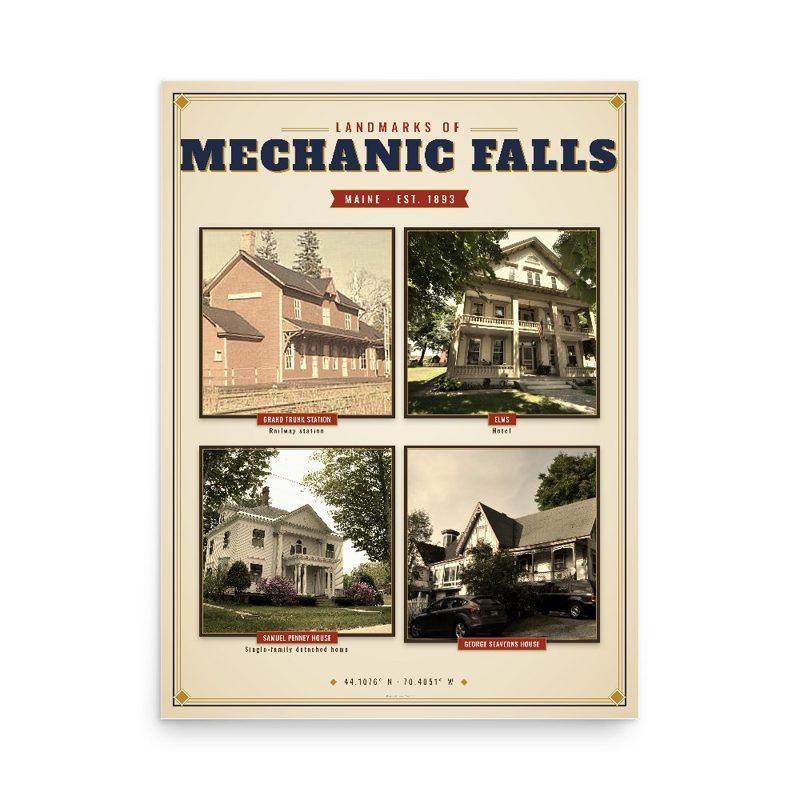
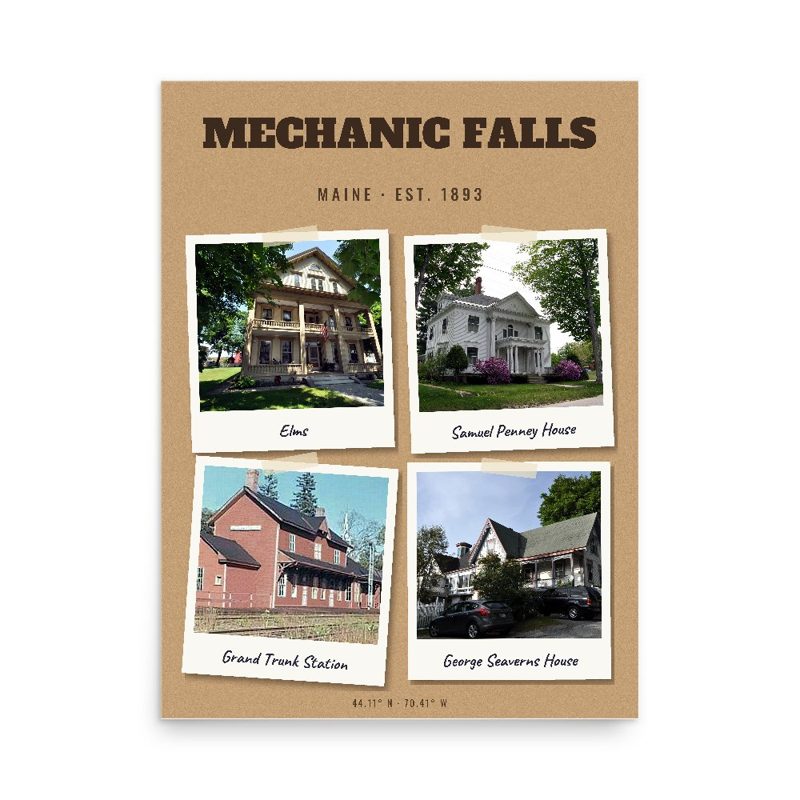
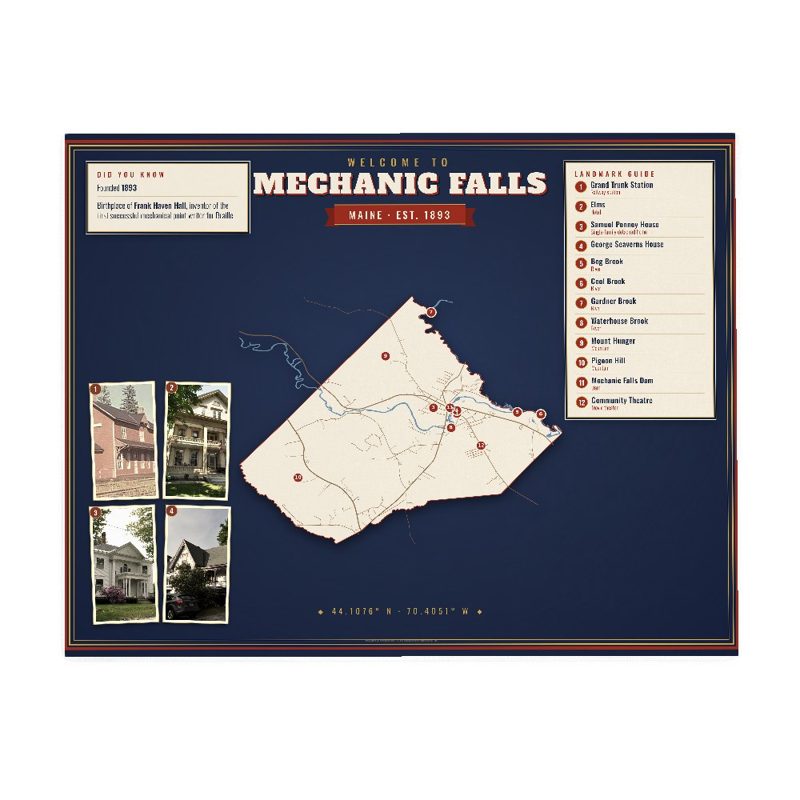
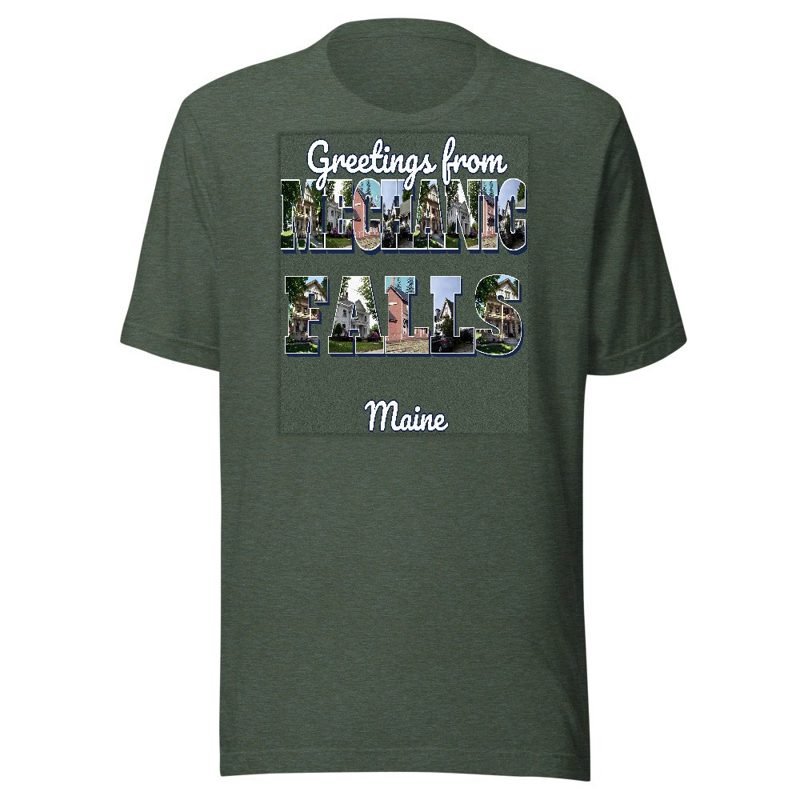

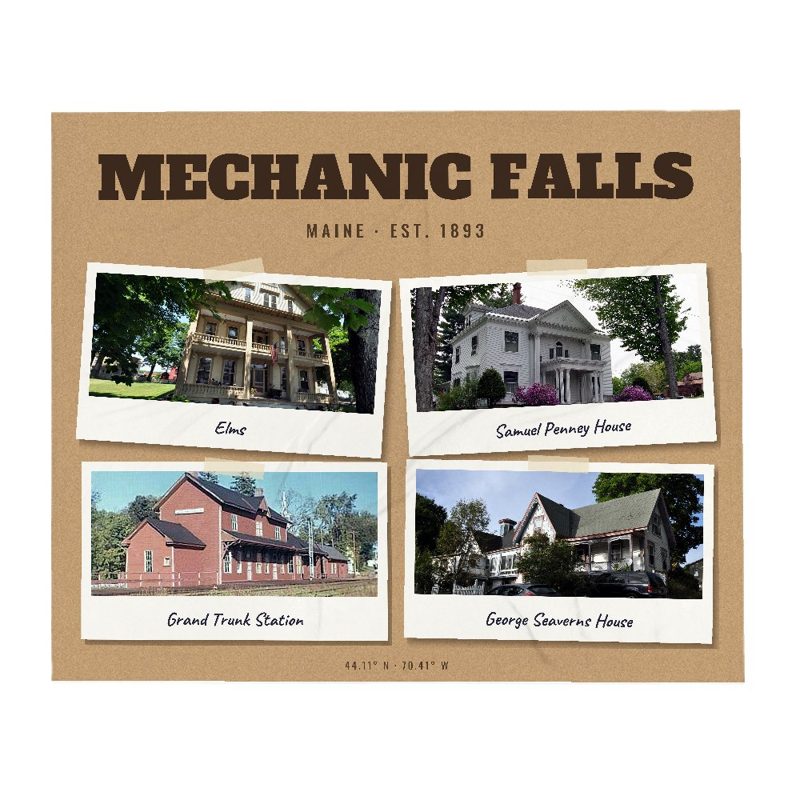
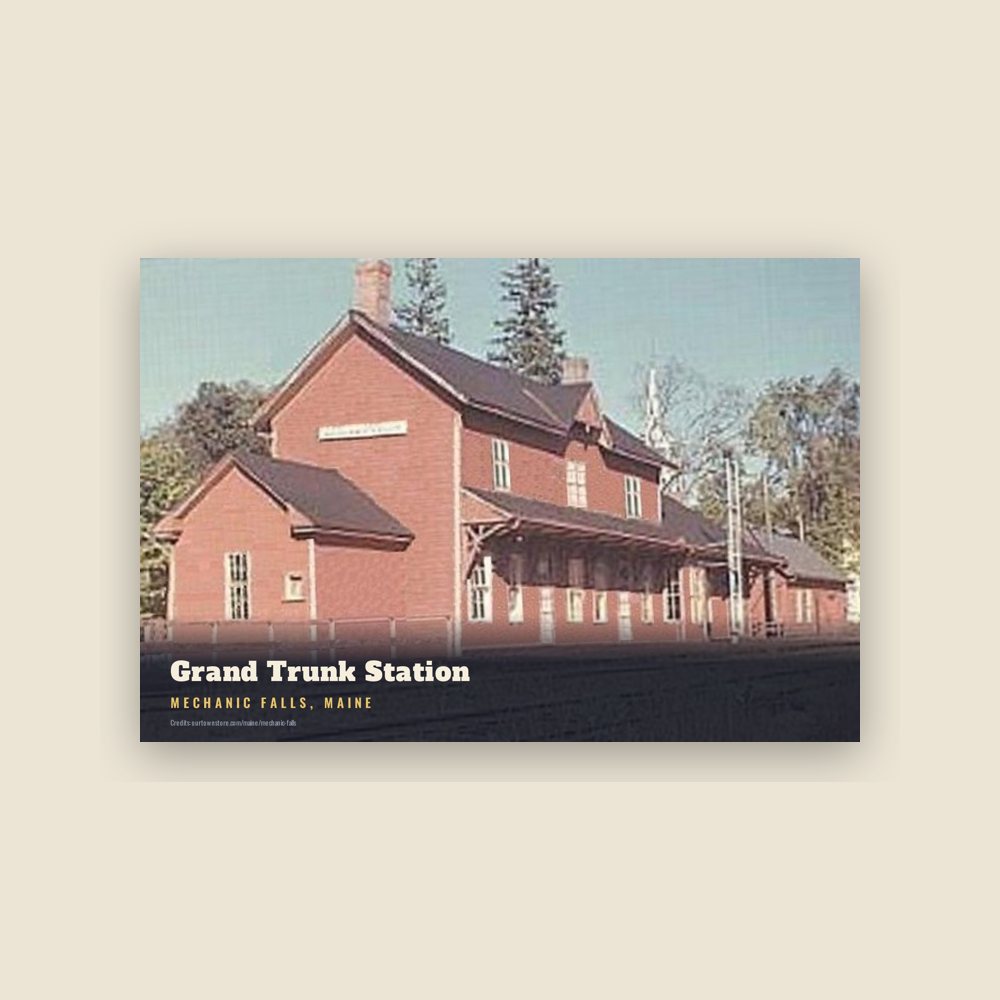
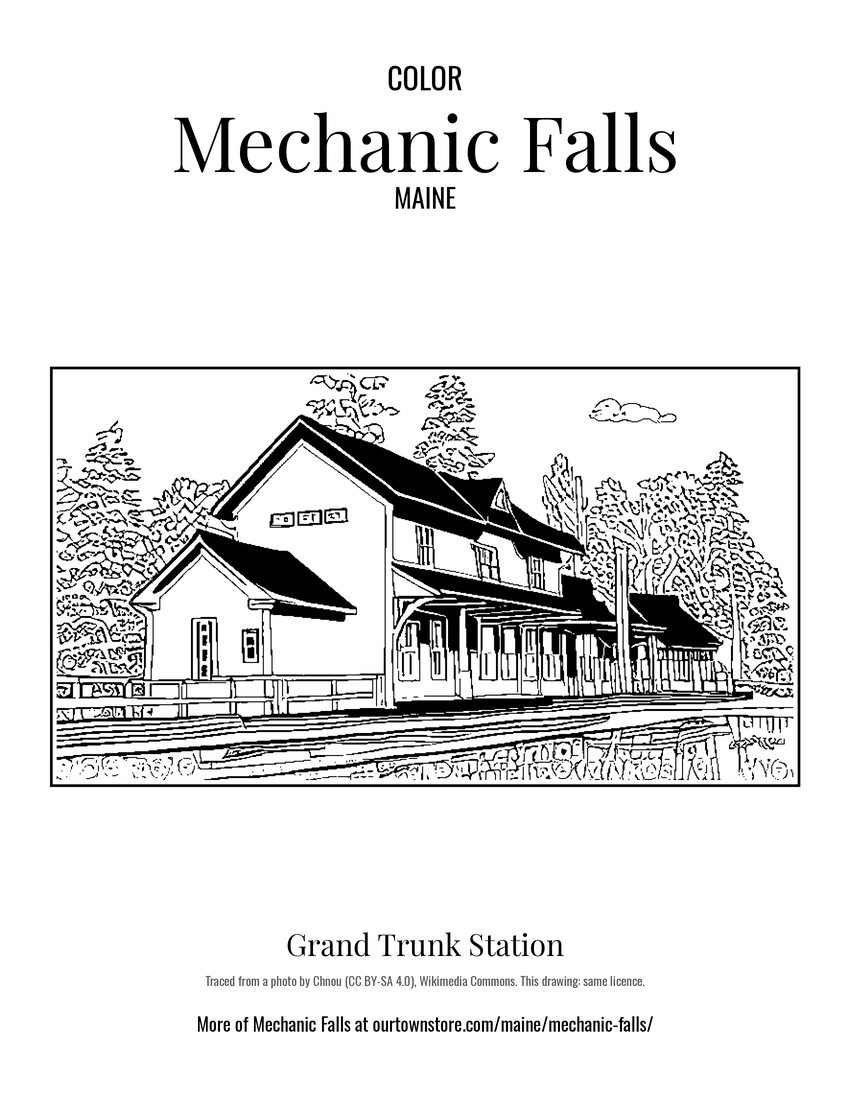 Grand Trunk Station
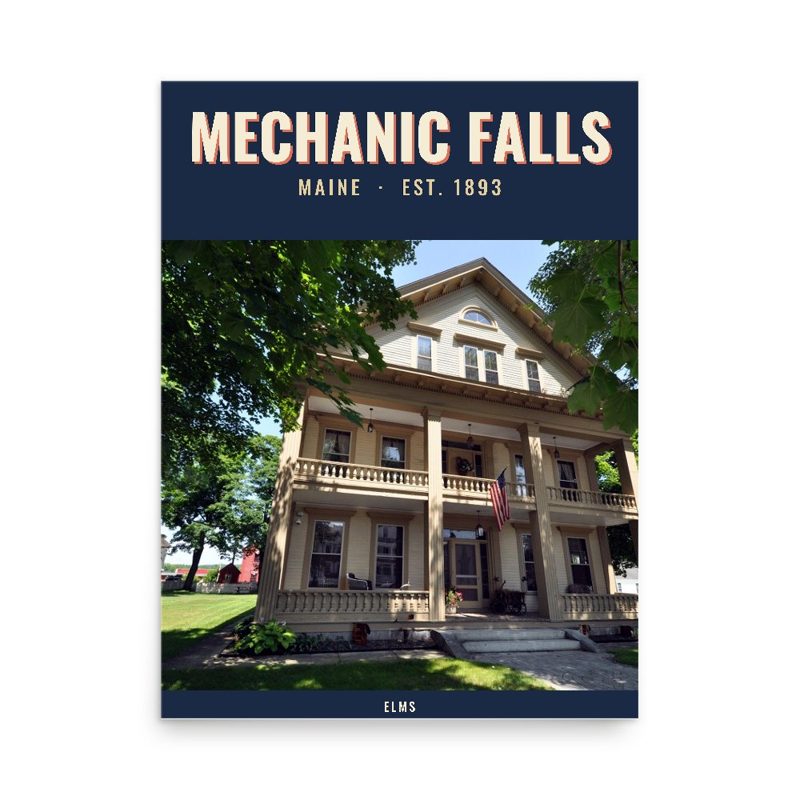
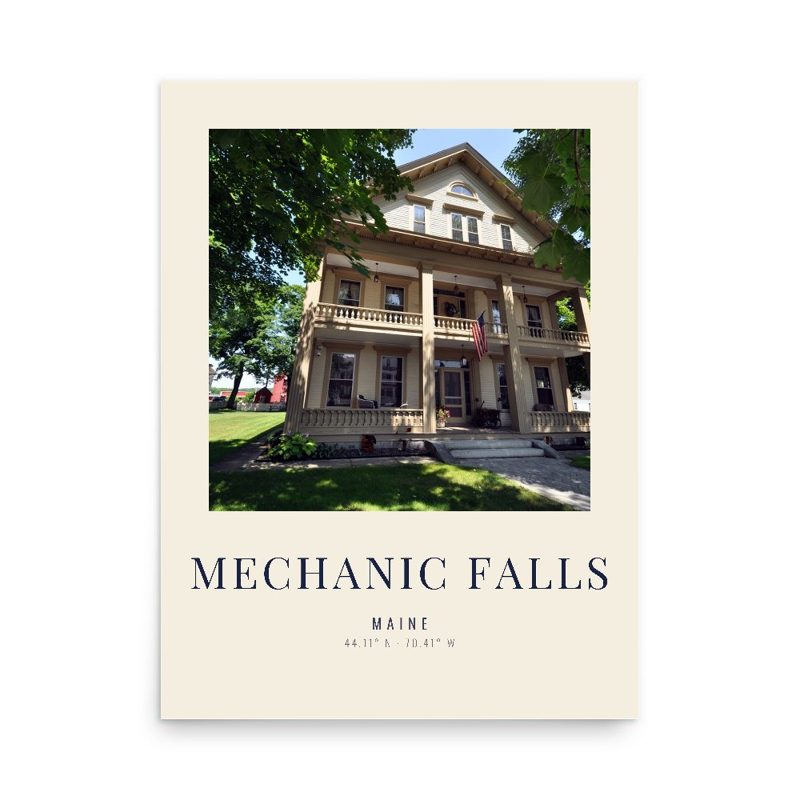
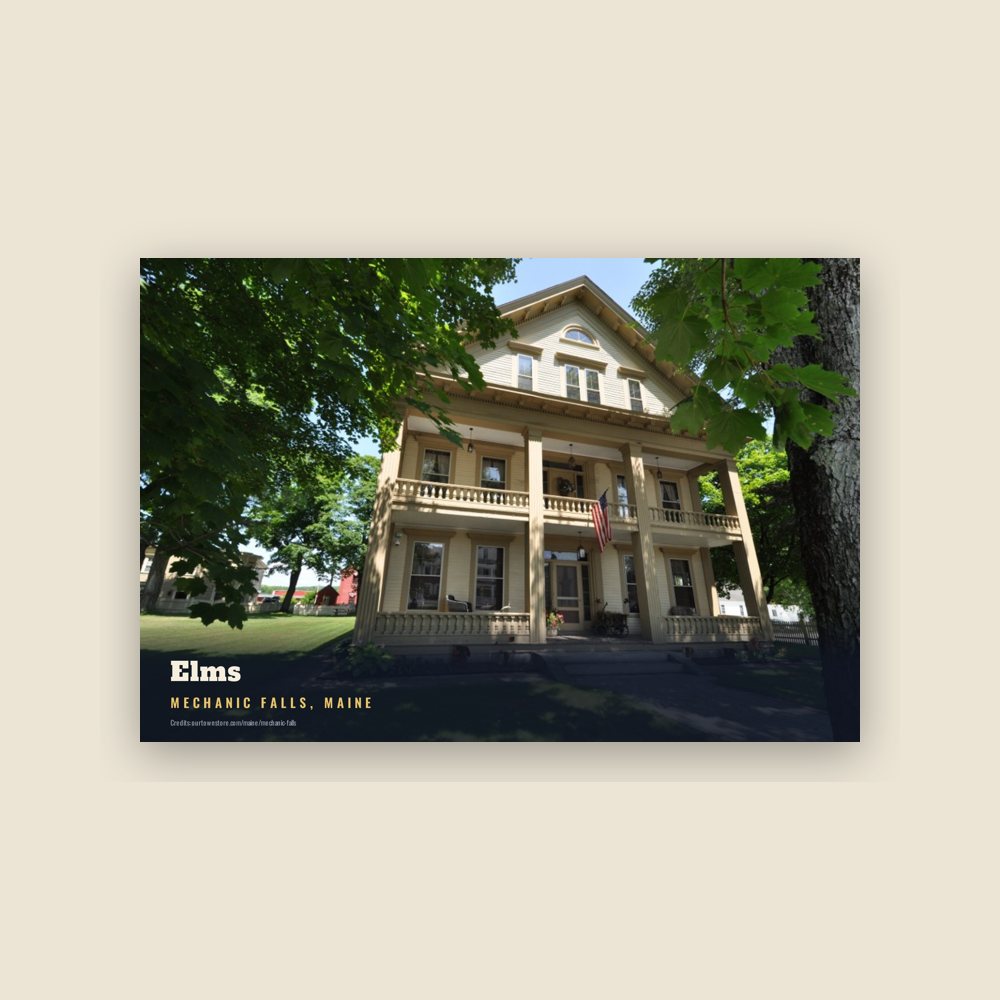
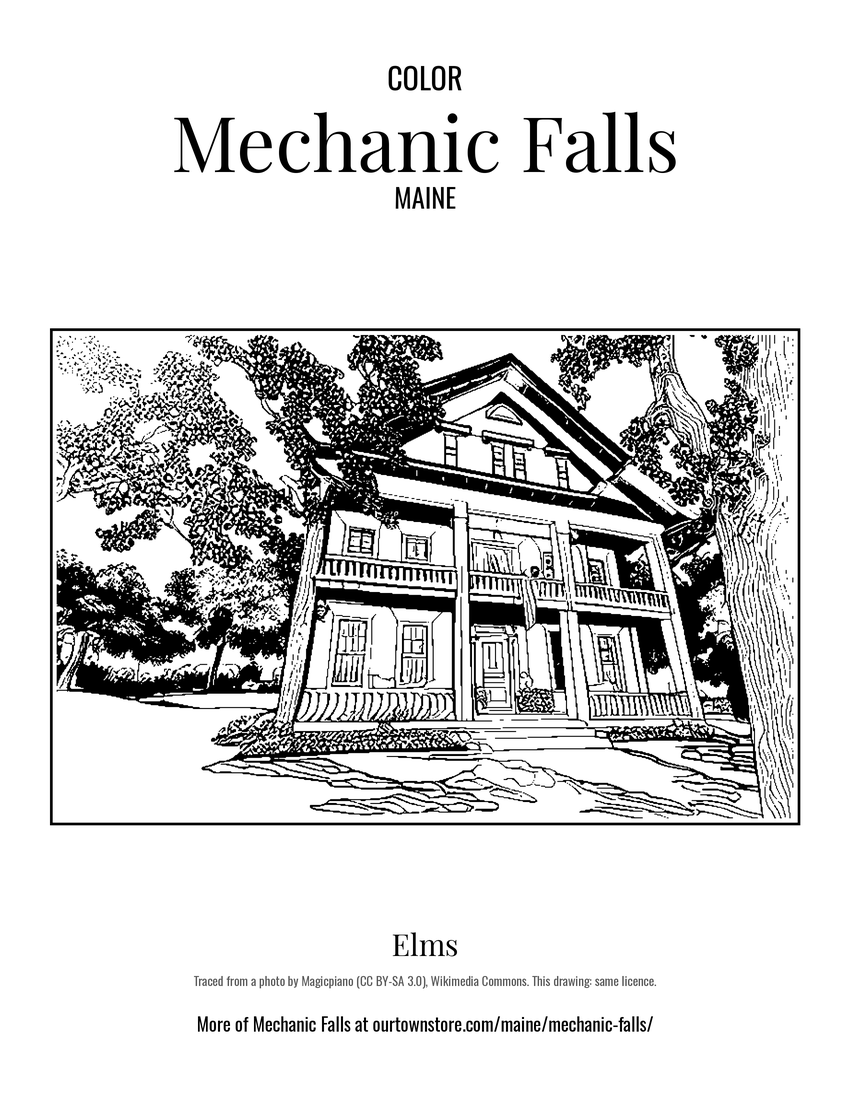 Elms
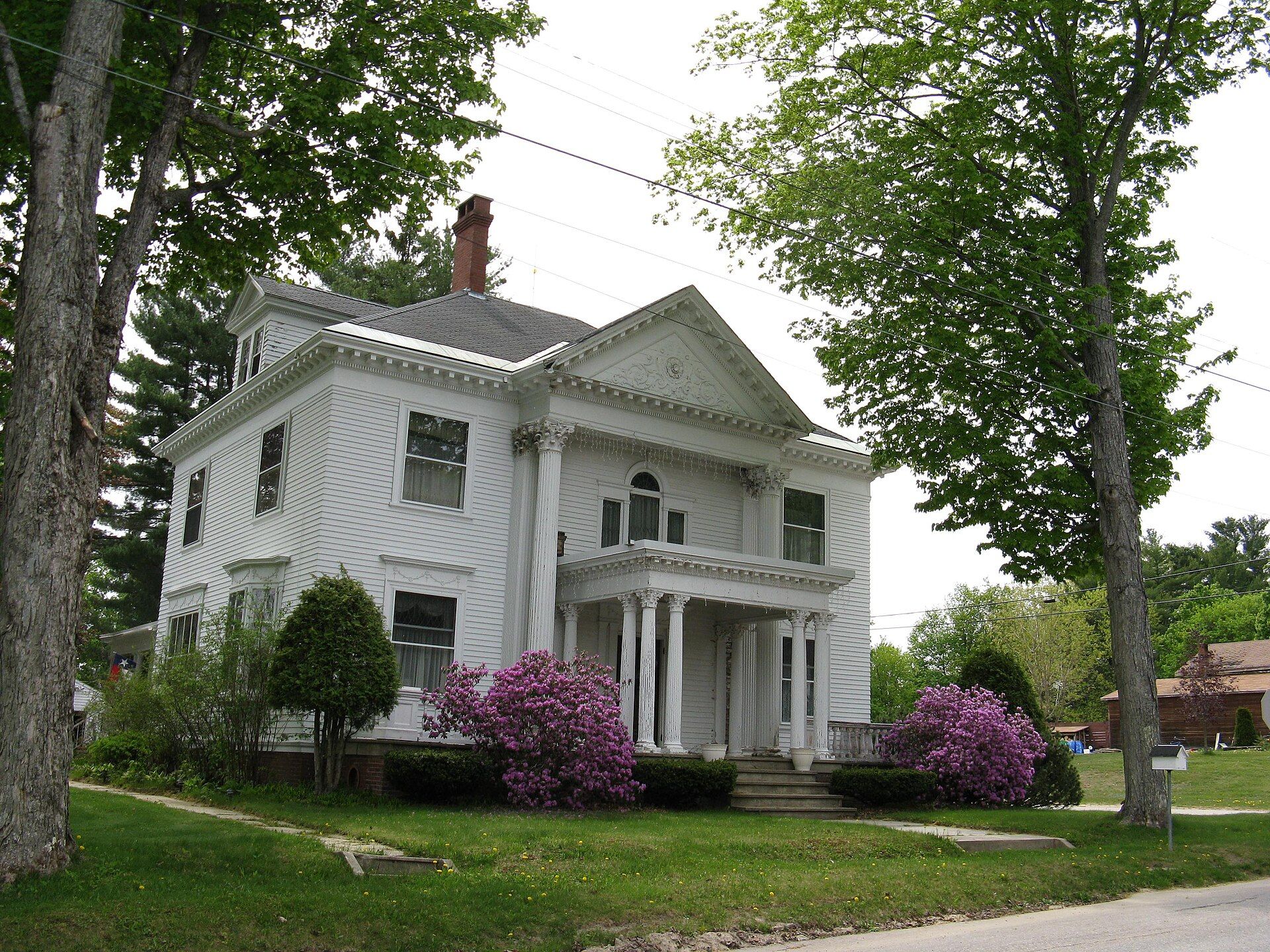
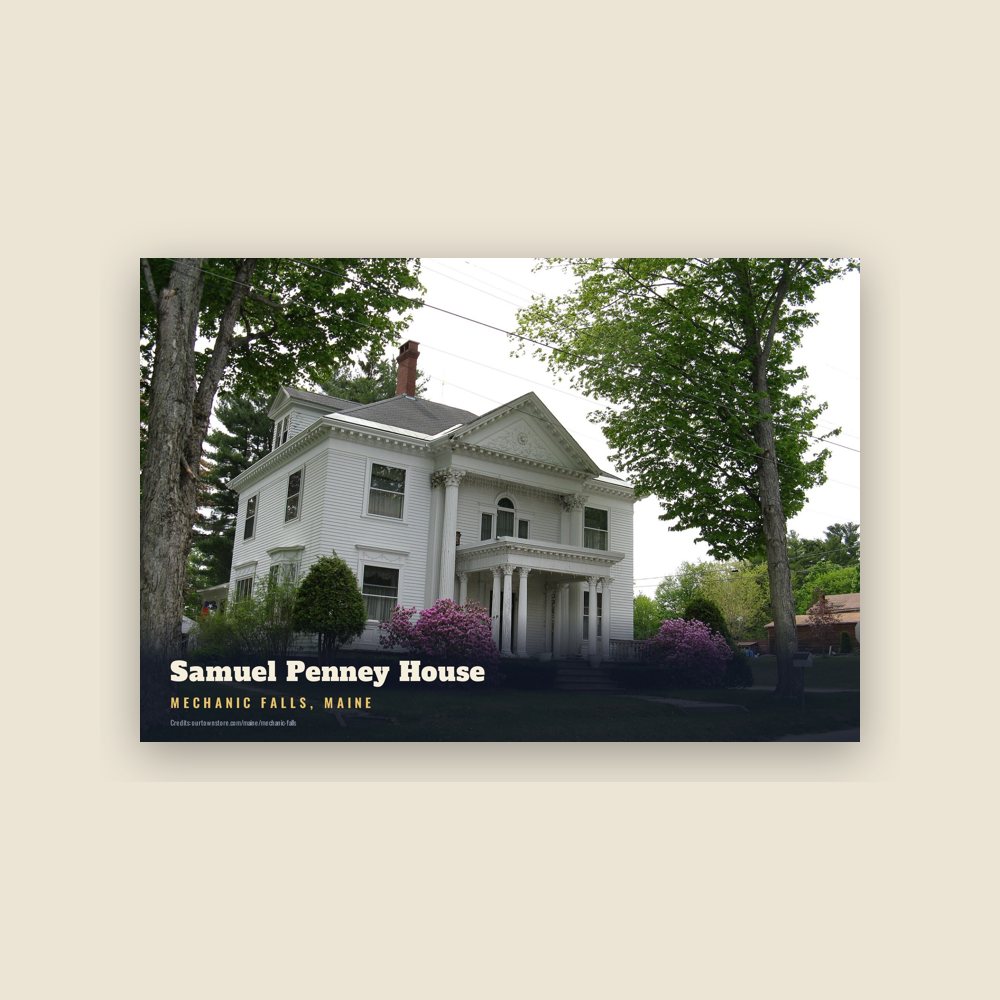
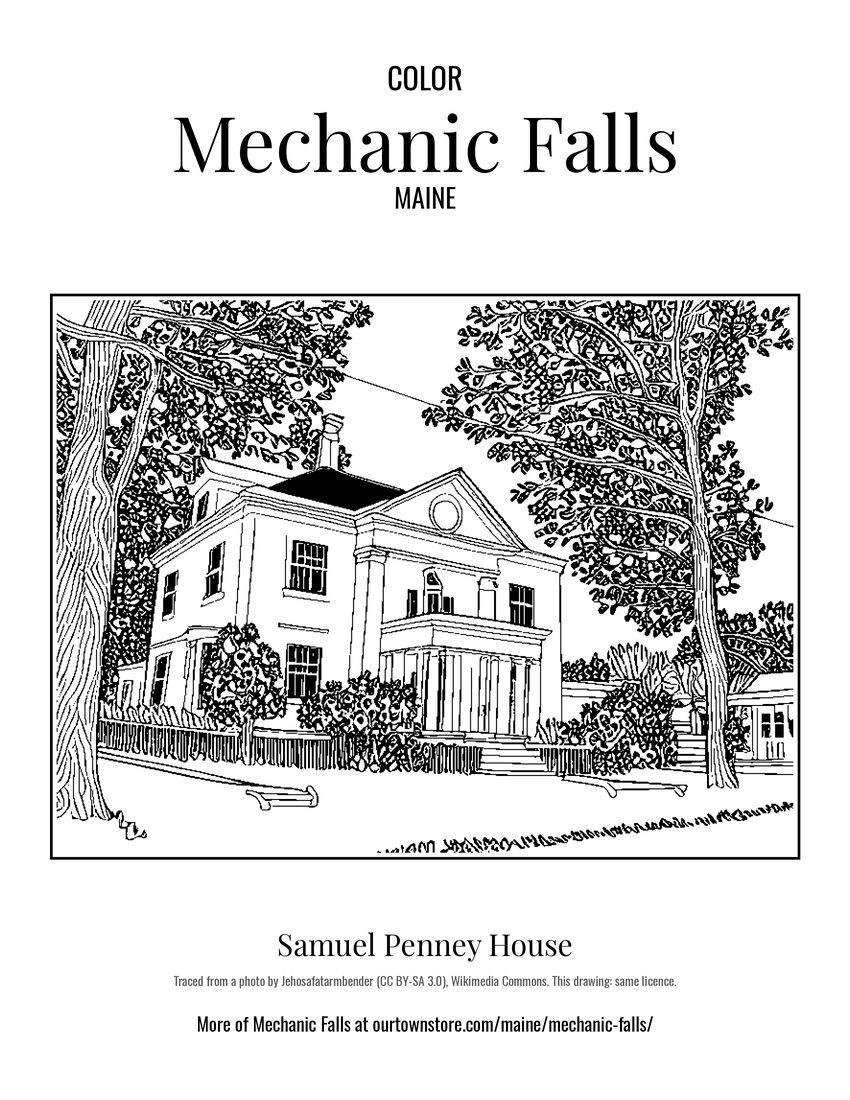 Samuel Penney House
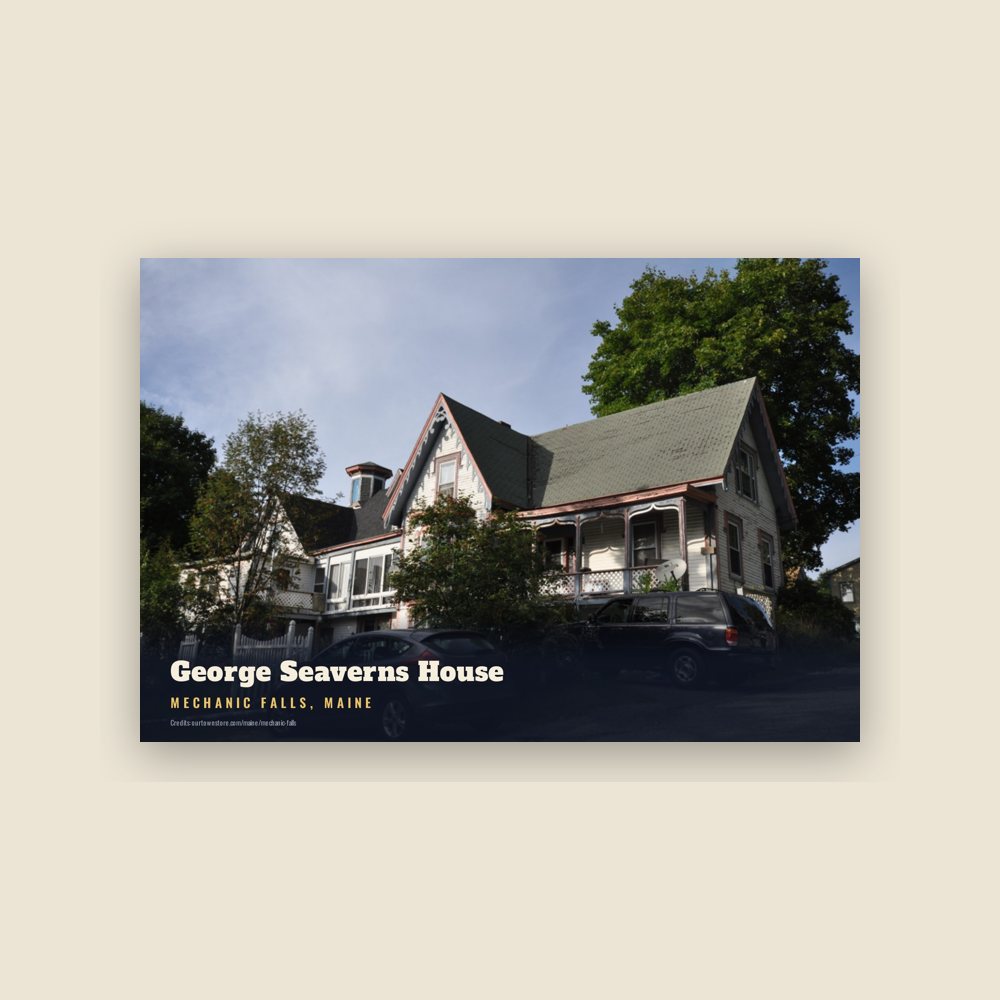
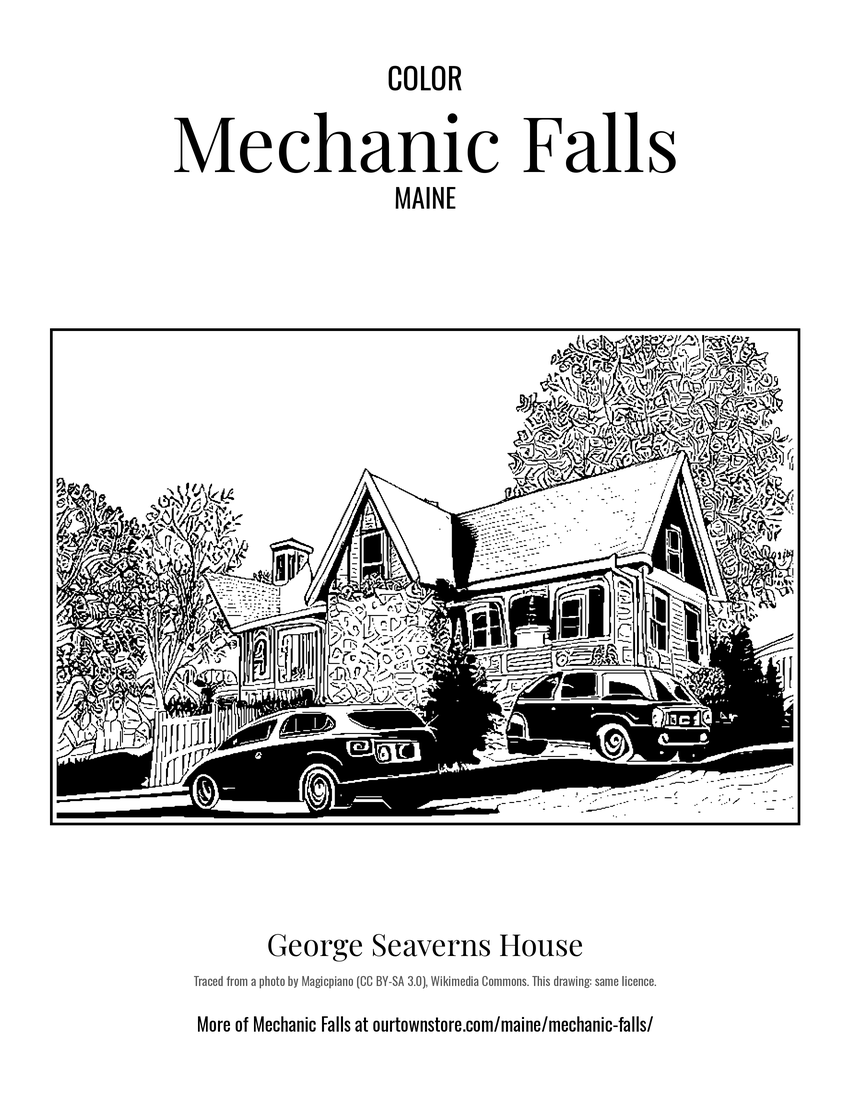 George Seaverns House