Since 1716
A short history of Georgetown
The Abenaki called the island Erascohegan, possibly meaning "good spear-fishing." Other interpretations of the word suggest that it meant "a watching place." John Parker, a fisherman from Bedfordshire, England, purchased it in 1649 from Chief Mowhotiwormet, commonly known as Chief Robinhood, for a hogshead of rum and some pumpkins. Parker built the first permanent homestead on what eventually became known as Parker's Island.
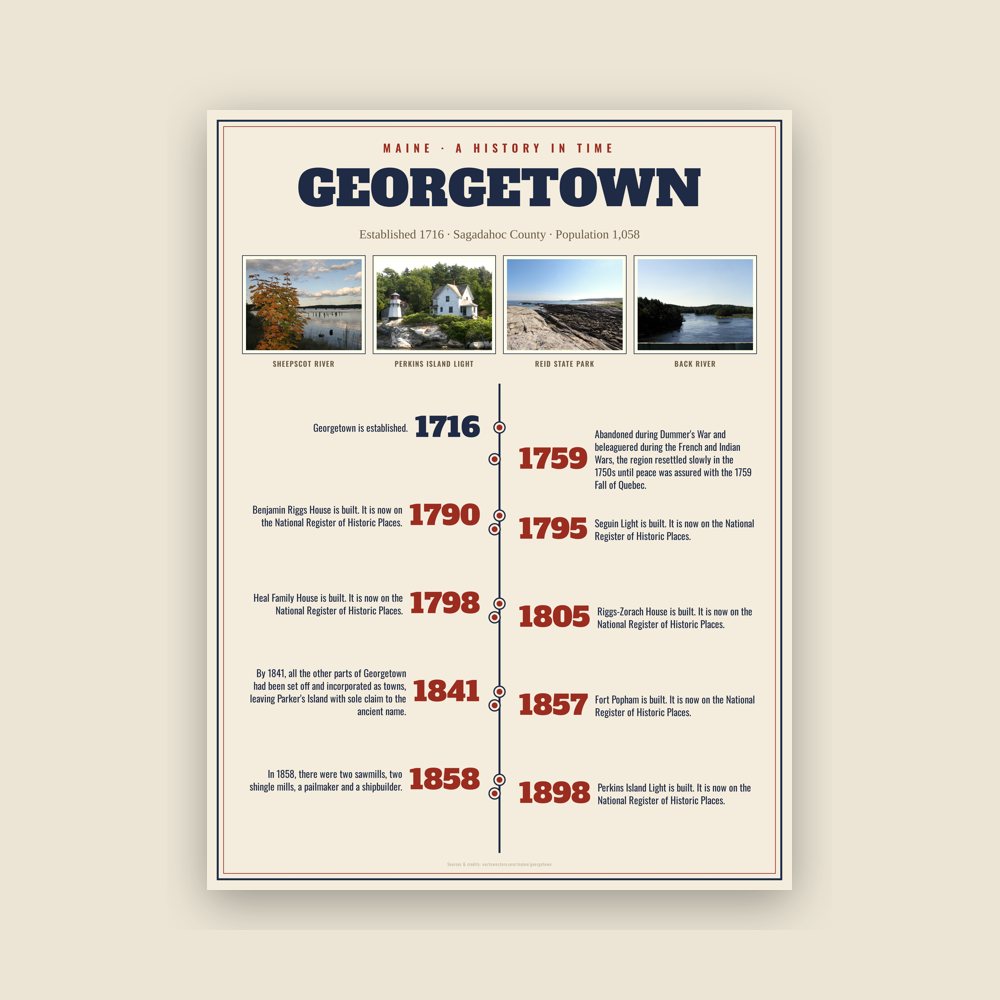
The Kennebec River valley was attacked and burned in 1676 during King Philip's War, then again in 1689 at the outset of King William's War, and was not resettled until after the 1713 Treaty of Portsmouth. The town of Newtown-on-Arrowsic was rebuilt in 1714 on the southern end of Arrowsic Island, which was incorporated in 1716 by the Massachusetts General Court as Georgetown-on-Arrowsic, named for Fort St. George. The town's boundaries were extended to encompass Parker's Island, Woolwich, Phippsburg and Bath (which included West Bath). Abandoned during Dummer's War and beleaguered during the French and Indian Wars, the region resettled slowly in the 1750s until peace was assured with the 1759 Fall of Quebec.
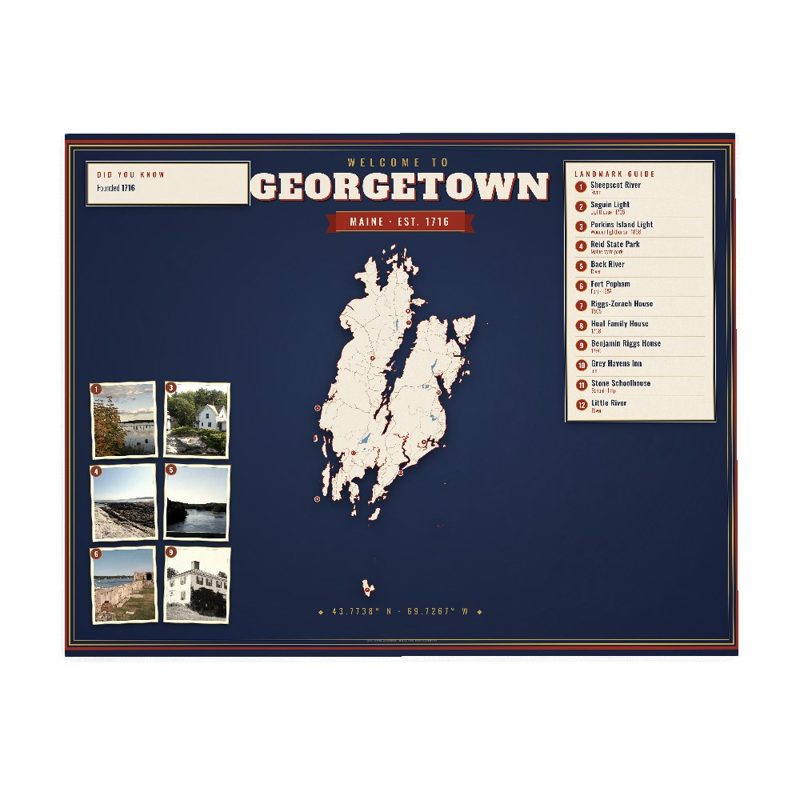
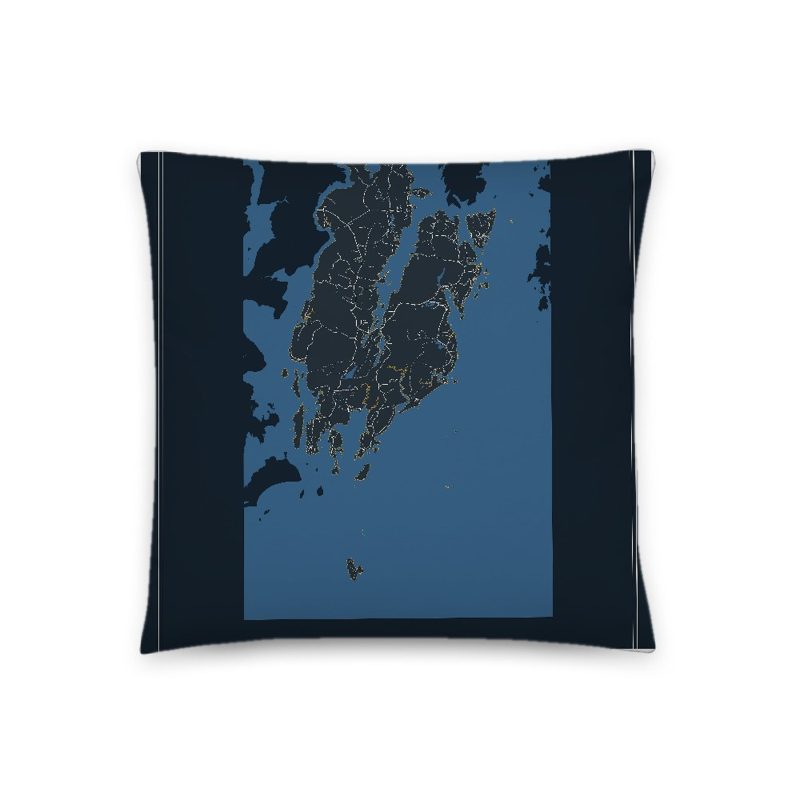
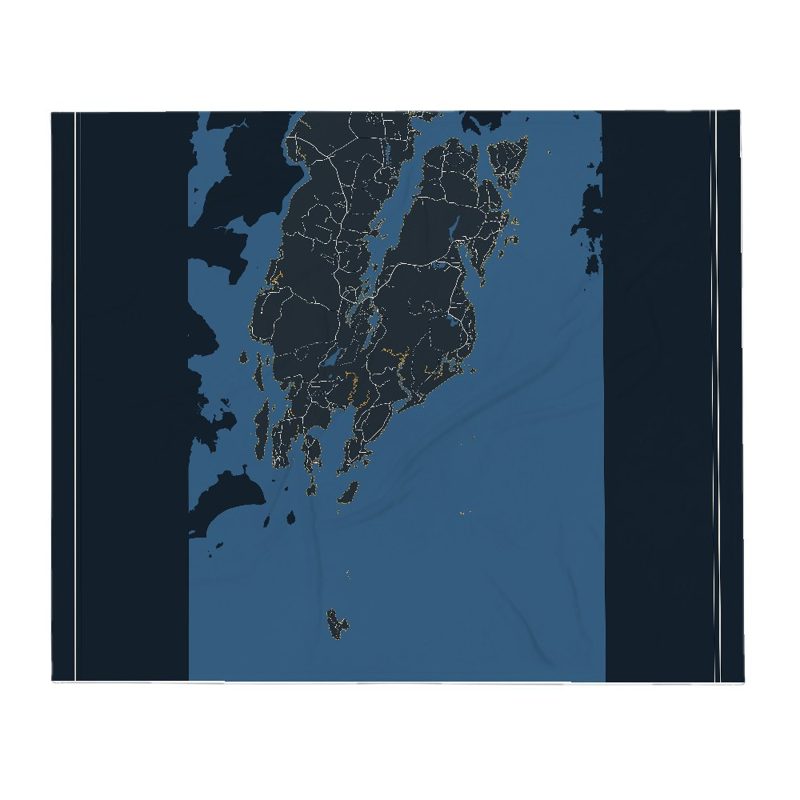
About half of Parker's Island provided grazing land, and some residents raised livestock and produced butter and cheese. In 1858, there were two sawmills, two shingle mills, a pailmaker and a shipbuilder. But the merchant marine and fishing were the town's principal occupations. By 1841, all the other parts of Georgetown had been set off and incorporated as towns, leaving Parker's Island with sole claim to the ancient name. Situated between the mouths of the Sheepscot and Kennebec rivers on the Gulf of Maine, Georgetown developed into a summer resort, attracting a number of prominent artists. The island is a noted site for bird watching.
Adapted (trimmed) from the Wikipedia article Georgetown, Maine, revision 1377086721 by its contributors, licensed CC BY-SA 4.0.
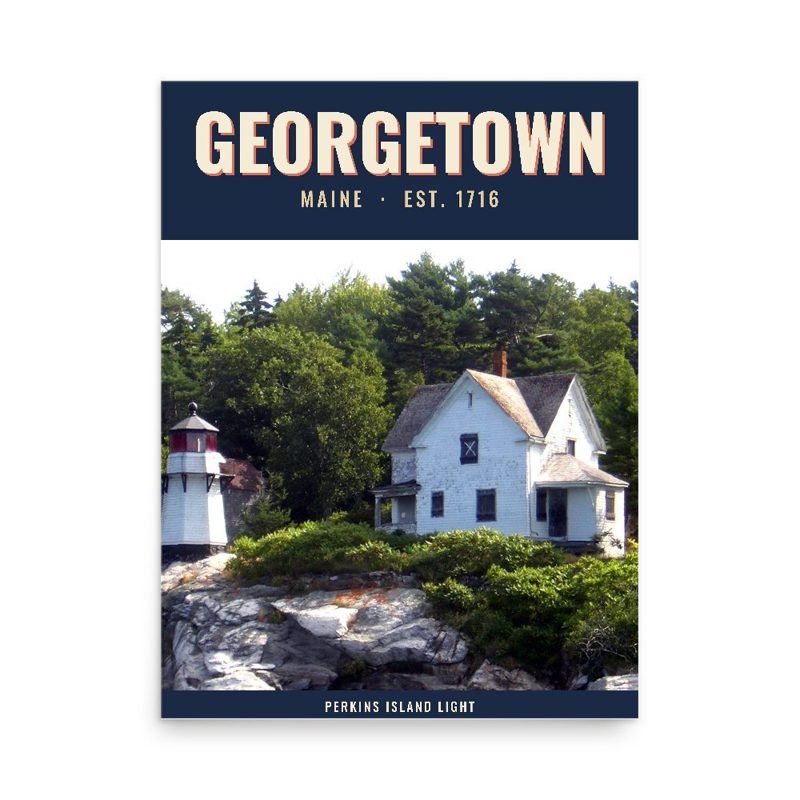
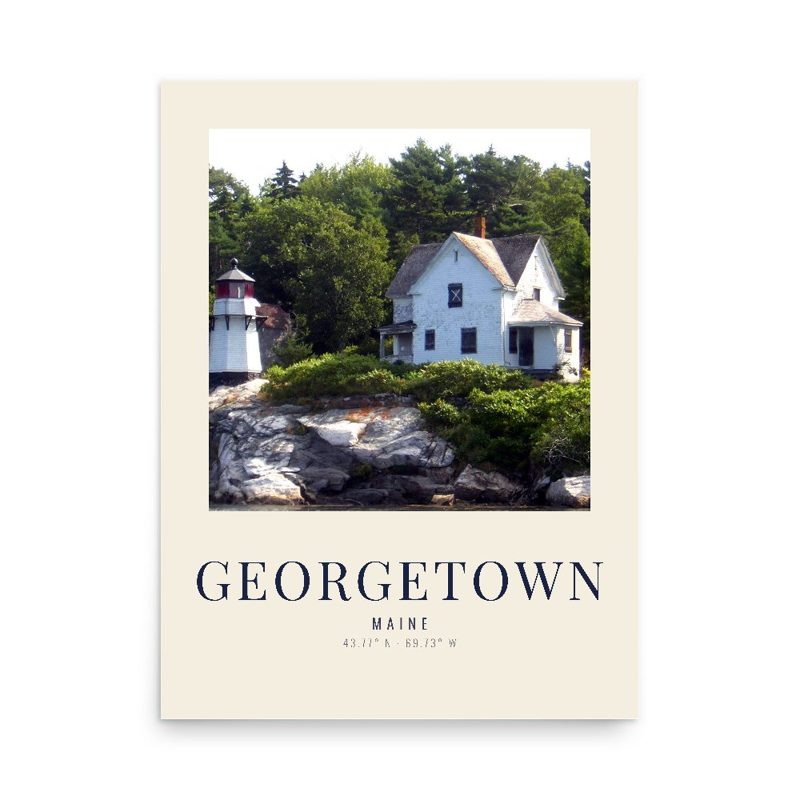
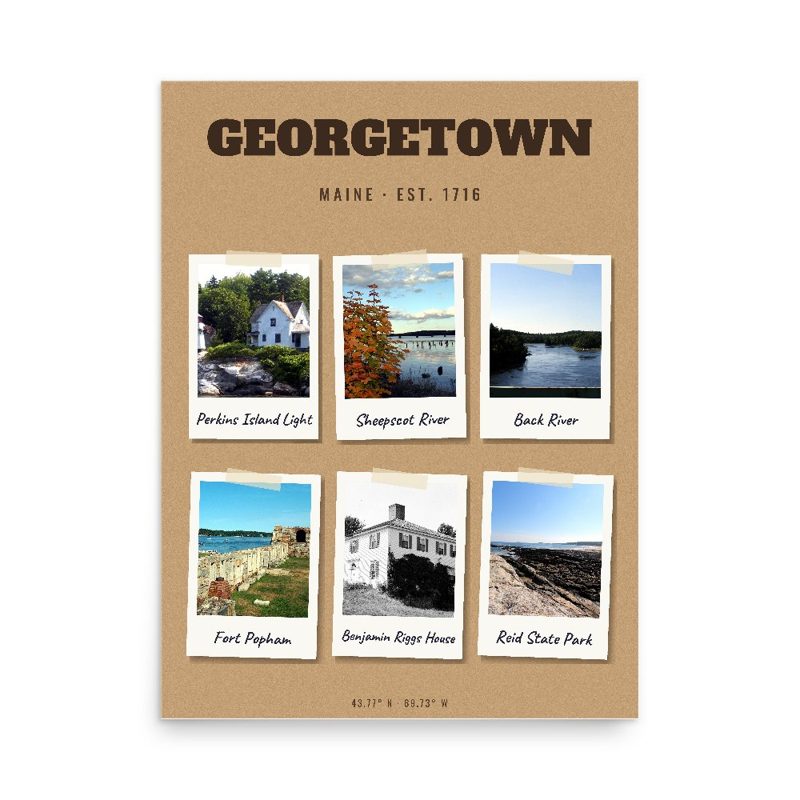



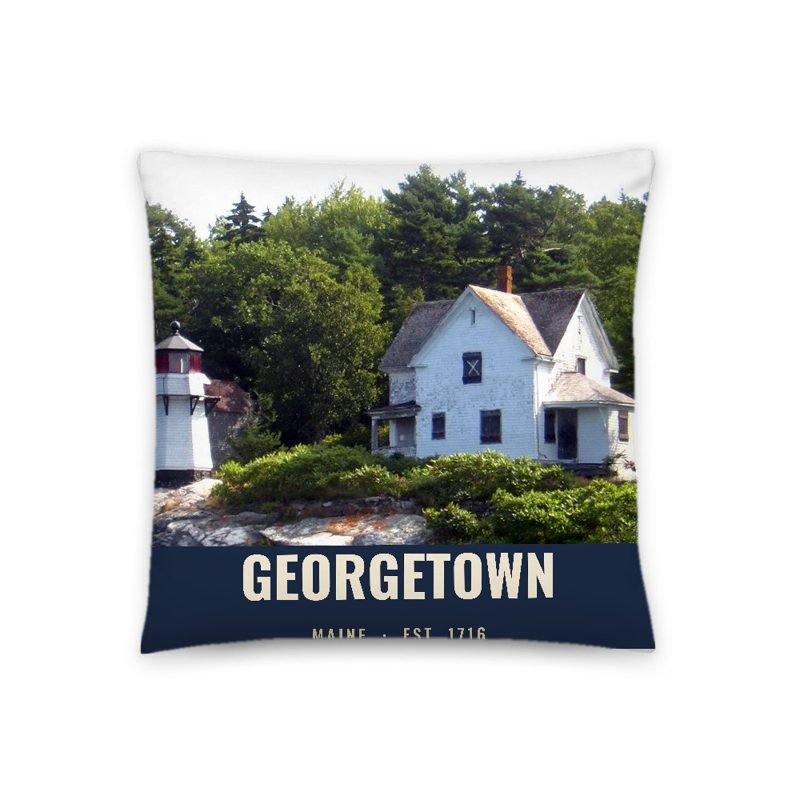

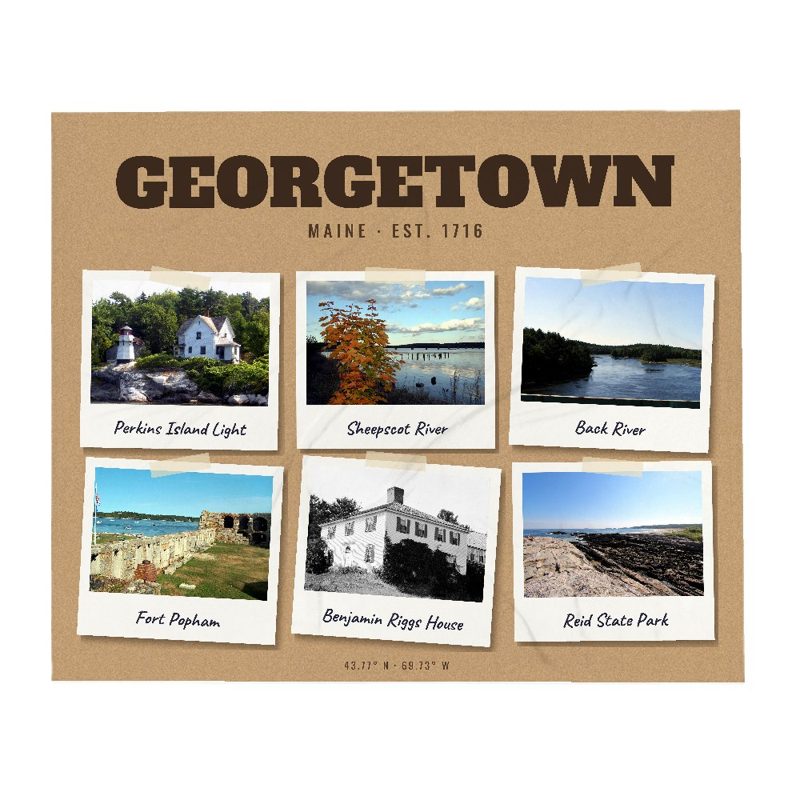
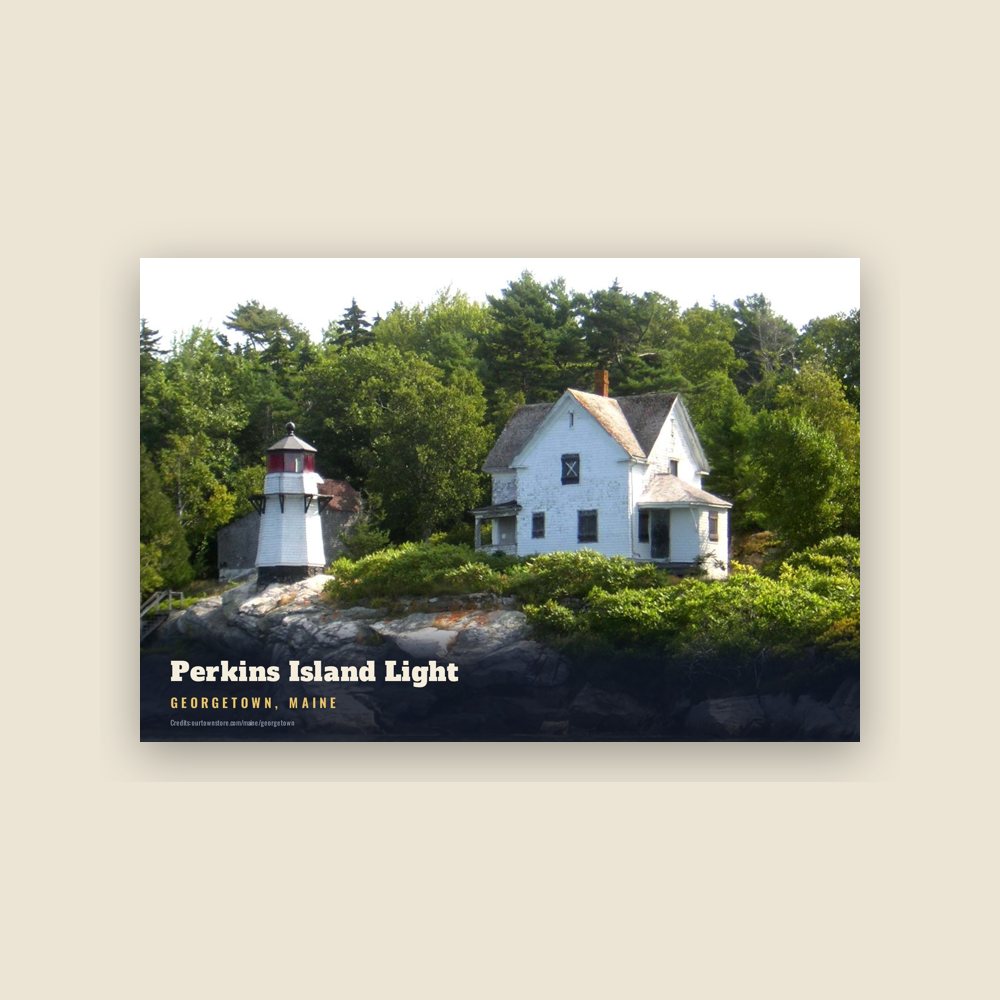
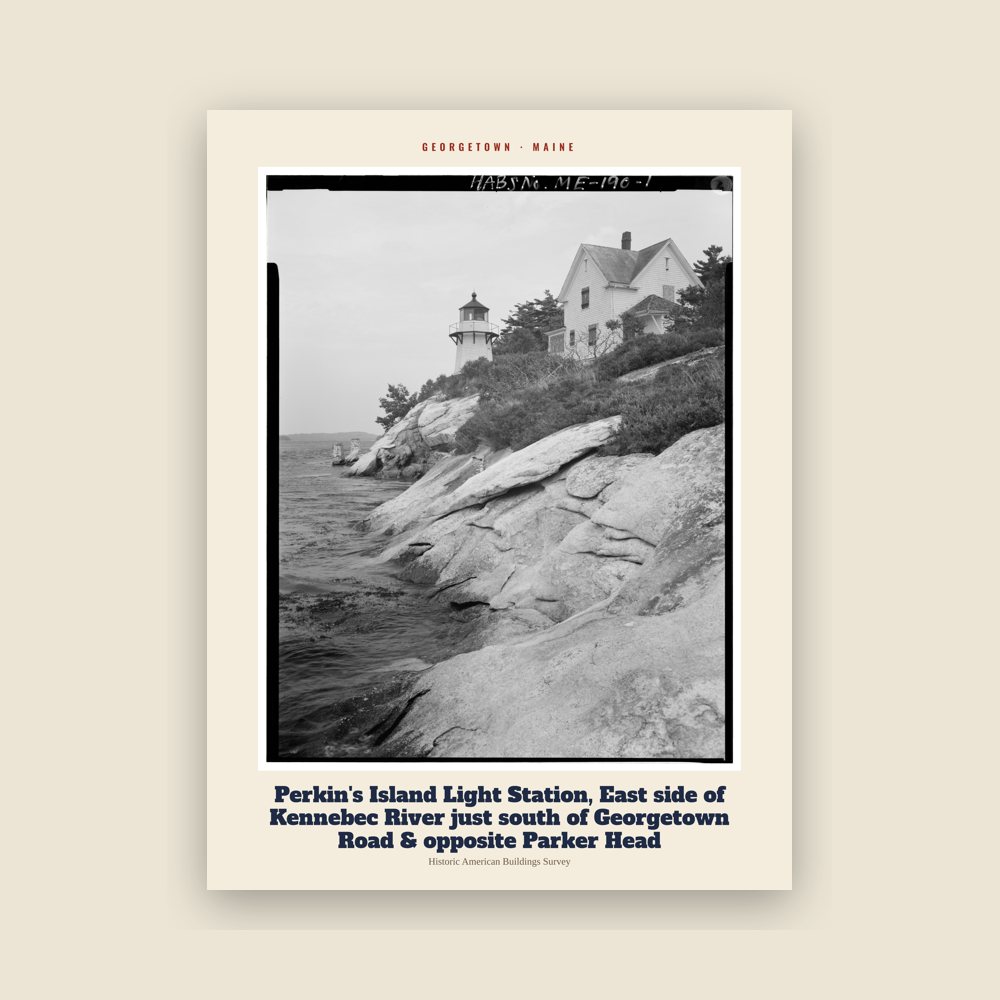
 Perkins Island Light
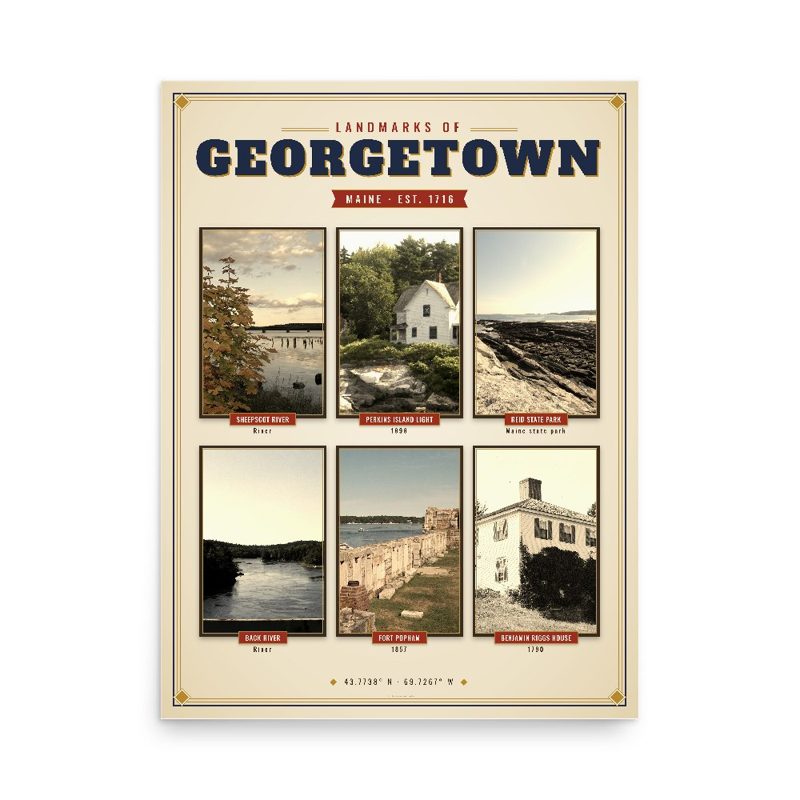
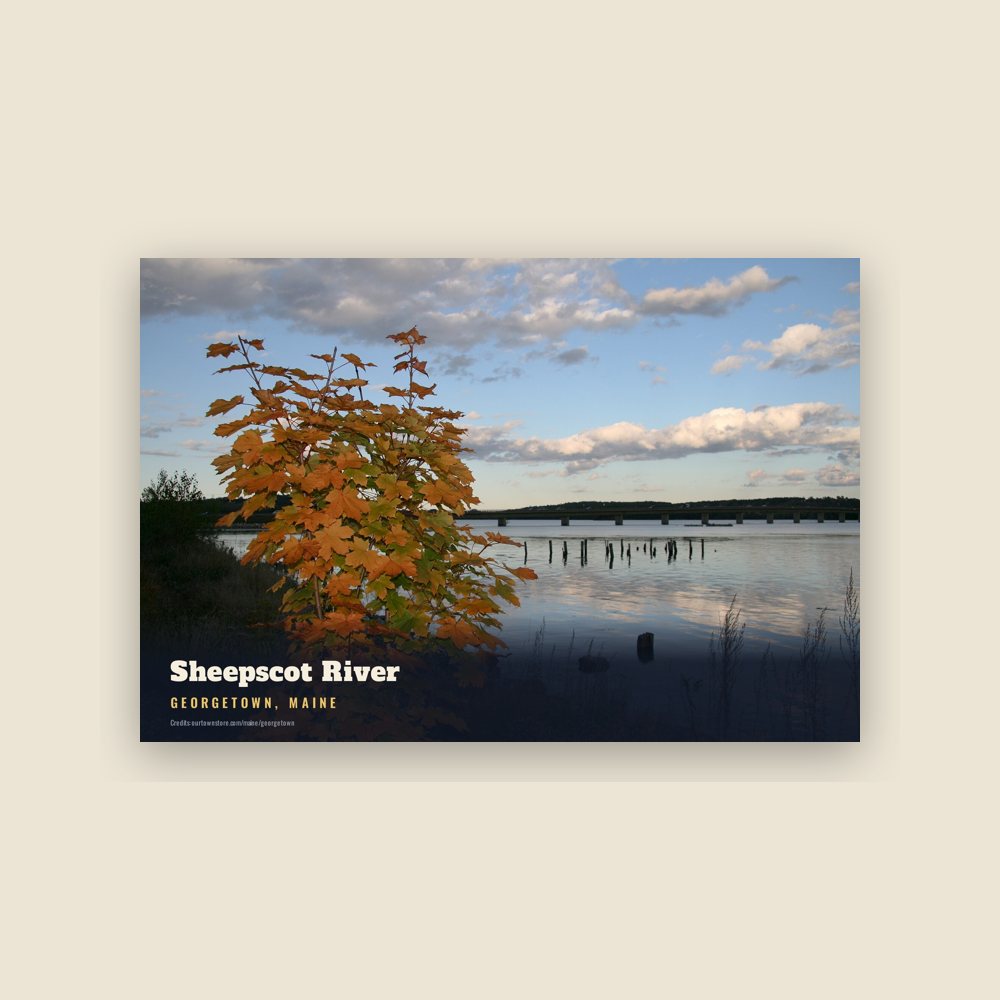
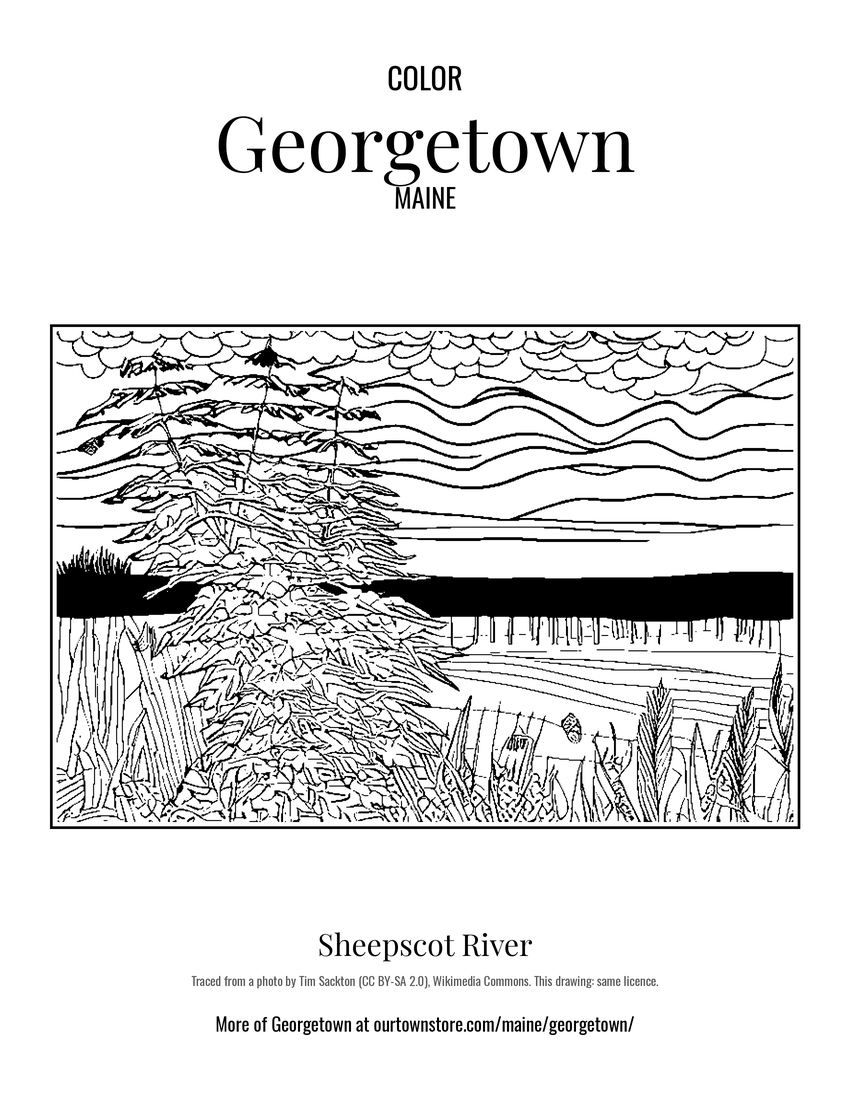 Sheepscot River
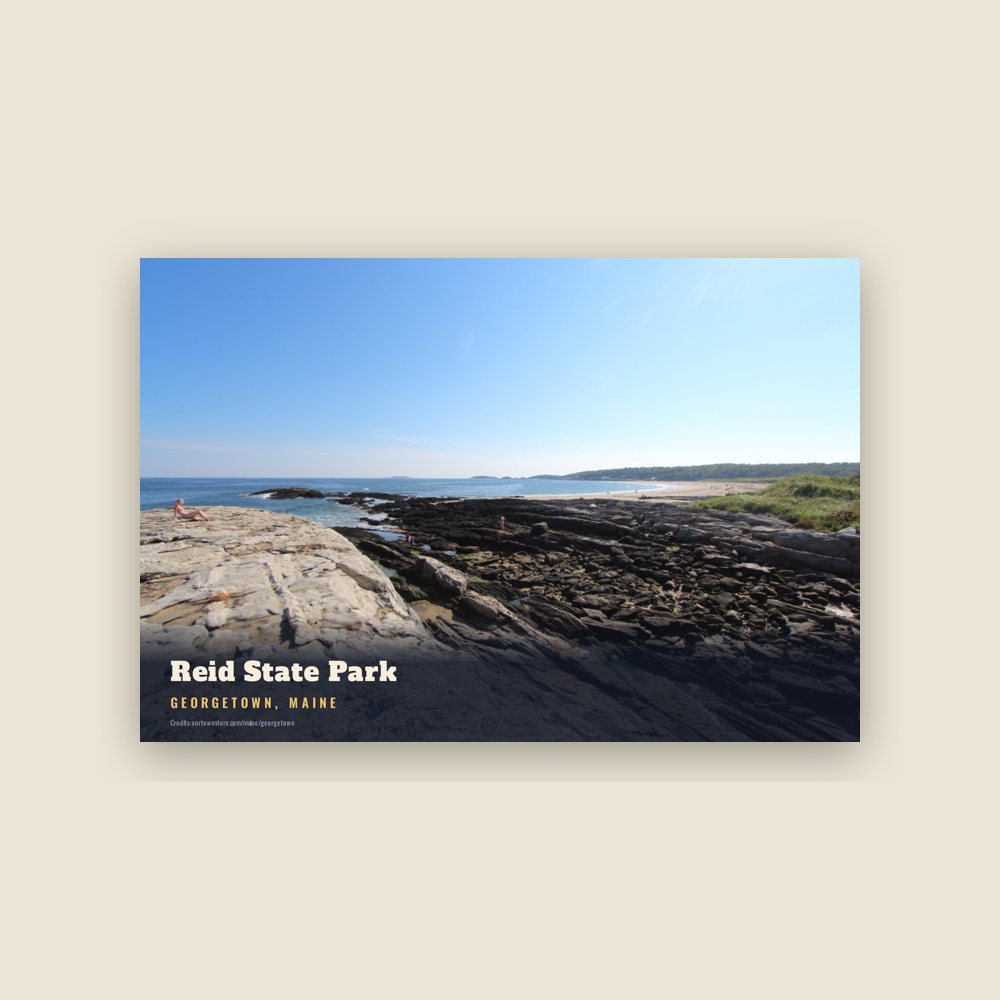
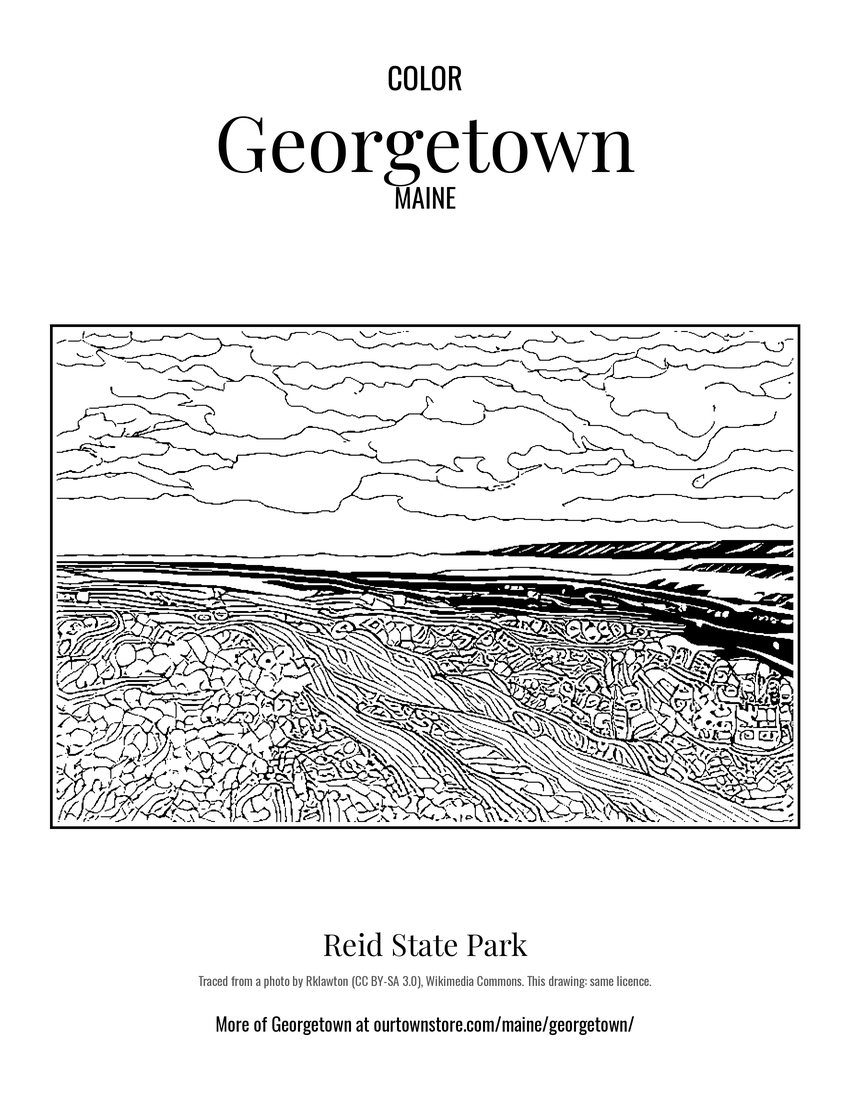 Reid State Park
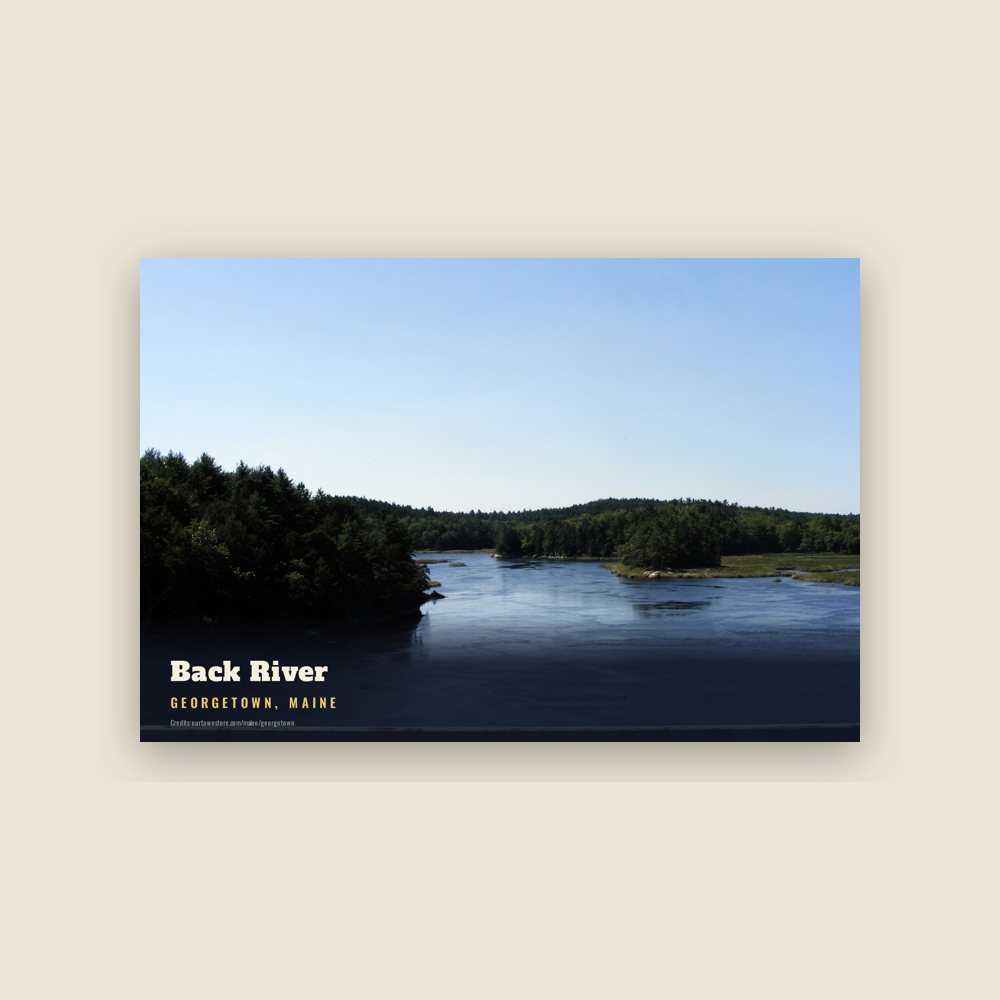
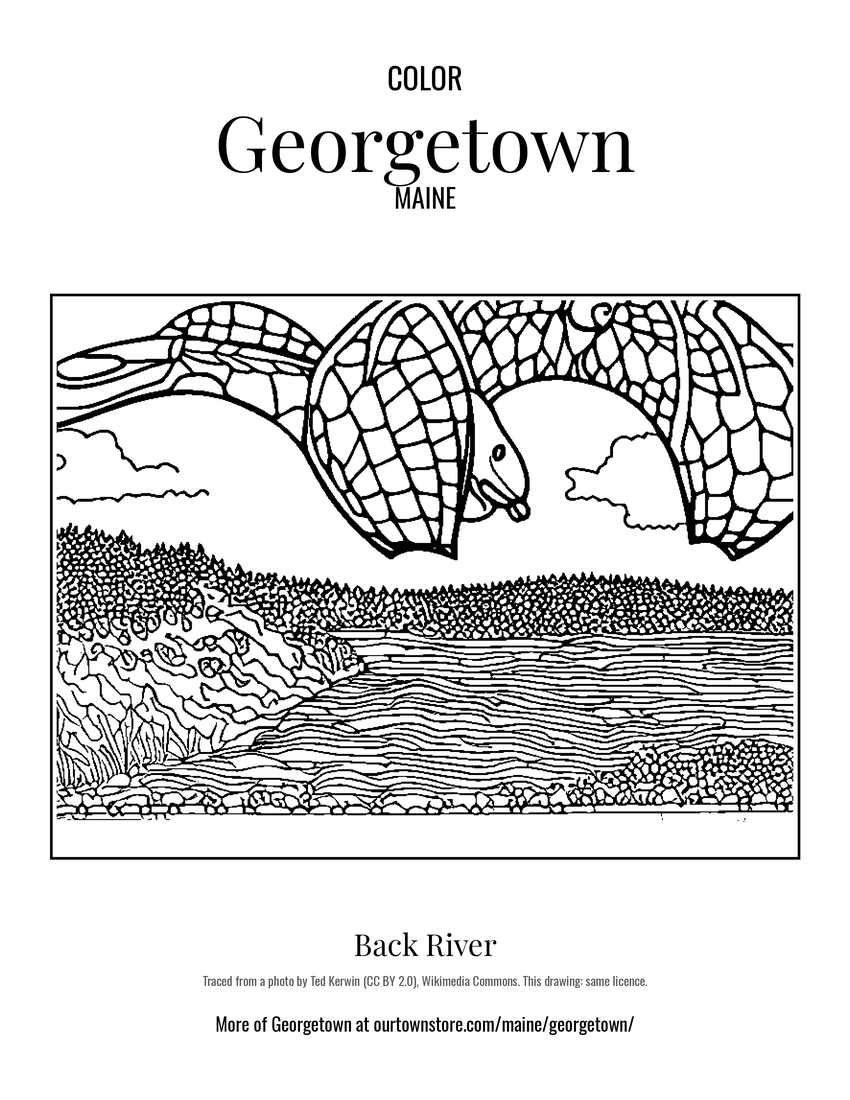 Back River