Sagadahoc County, Maine
Street maps, historic prints and keepsakes for 10 Sagadahoc County towns.
The oldest is Georgetown, established 1716. The largest by population is Topsham (9,560).
| Town | Established | Population |
|---|---|---|
| Arrowsic | 1841 | 477 |
| Bath | 1781 | 8,766 |
| Bowdoin | 1788 | 3,136 |
| Bowdoinham | 1762 | 3,047 |
| Georgetown | 1716 | 1,058 |
| Phippsburg | 1814 | 2,155 |
| Richmond | 1823 | 3,522 |
| Topsham | 1764 | 9,560 |
| West Bath | 1844 | 1,910 |
| Woolwich | 1775 | 3,068 |
About these towns
Arrowsic: The Abenaki people called the island Arrowseag, meaning "place of obstruction," a reference to Upper Hell Gate on the Sasanoa River. Until it was widened by the Army Corps of Engineers in 1898 and 1908, the stretch was choked with boulders and ledges.
Bath: Abenaki Indians called the area Sagadahoc, meaning "mouth of big river". It was a reference to the Kennebec River, which Samuel de Champlain explored in 1605.
Bowdoin: Bowdoin was part of a tract of land extending from Merrymeeting Bay to the Androscoggin River that was conveyed in 1752 by the Kennebec Company to William Bowdoin of Boston, older brother of James Bowdoin.
Bowdoinham: Fort Richmond was built upriver in 1719, protecting the area and encouraging British settlement. About 1720, the mouth of the Cathance River was first settled by Captain Gyles Watkins.
Georgetown: The Abenaki called the island Erascohegan, possibly meaning "good spear-fishing." Other interpretations of the word suggest that it meant "a watching place." John Parker, a fisherman from Bedfordshire, England, purchased it in 1649 from Chief Mowhotiwormet, commonly known as Chief Robinhood, for a hogshead of rum and some pumpkins.
Phippsburg: As the site of the Popham Colony, Phippsburg was—between 1607 and 1608—the first known English settlement attempt in New England. During its brief existence, colonists built Virginia of Sagadahoc, the first ship in Maine's long history of shipbuilding.
Richmond: The tract of land that comprises Richmond and Gardiner was purchased in 1649 from the Abenaki Indians by Christopher Lawson. The site of Richmond, as well as neighboring Swan Island, is believed by historians to have served as a summer settlement for the Abenaki.
Topsham: Called Sawacook, the area was territory of the Pejepscot Abenaki, a subtribe of the Anasagunticooks (now Androscoggins), who controlled the Androscoggin River.
West Bath: Winnegance Carrying Place, located between Winnegance Creek on the Kennebec River and Winnegance Bay on the New Meadows River, was a busy canoe portage for the Kennebec Abenaki people.
Woolwich: Called Nequasset after Nequasset Lake by the Abenaki people, it was first settled in 1638 by Edward Bateman and John Brown. They would purchase the land in 1639 from the sachem Mowhotiwormet, commonly known as Chief Robinhood, who lived near Nequasset Falls.
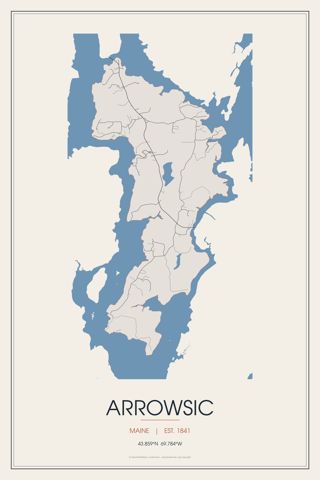 ArrowsicMaine · Est. 1841
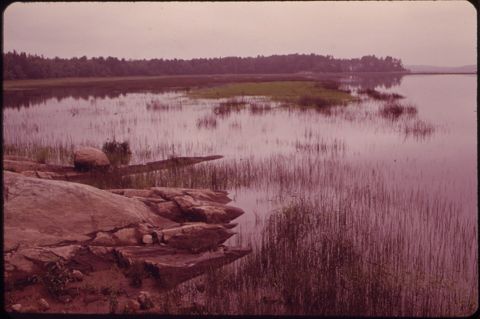 BathMaine · Est. 1781
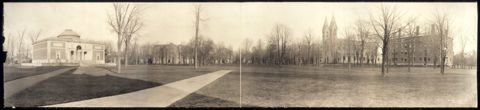 BowdoinMaine · Est. 1788
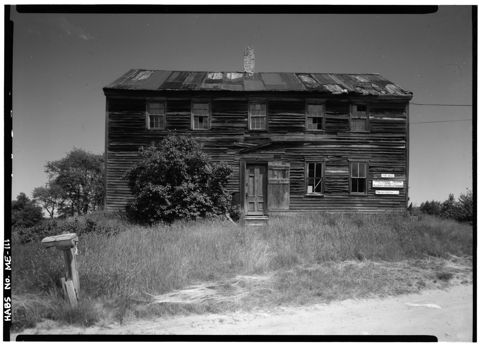 BowdoinhamMaine · Est. 1762
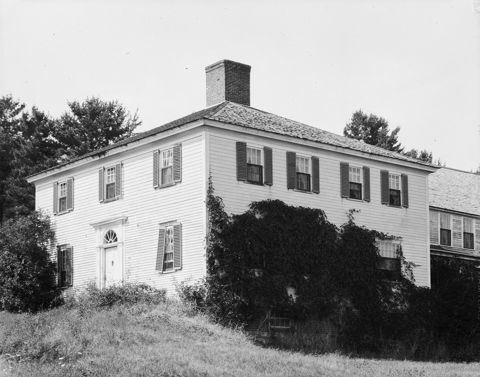 GeorgetownMaine · Est. 1716
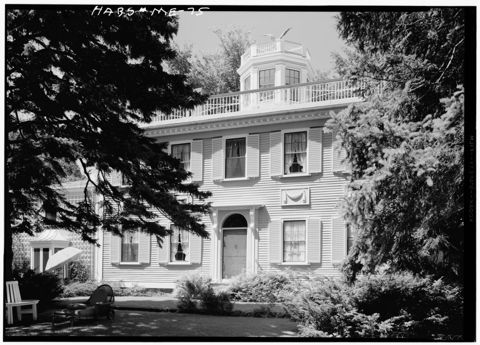 PhippsburgMaine · Est. 1814
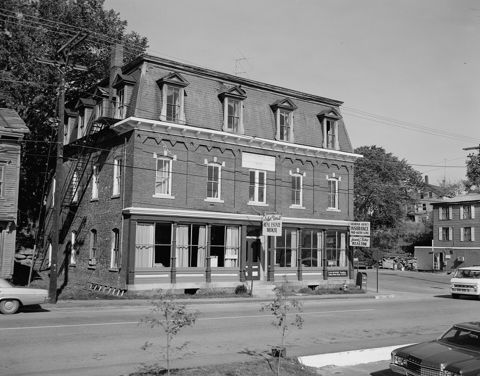 RichmondMaine · Est. 1823
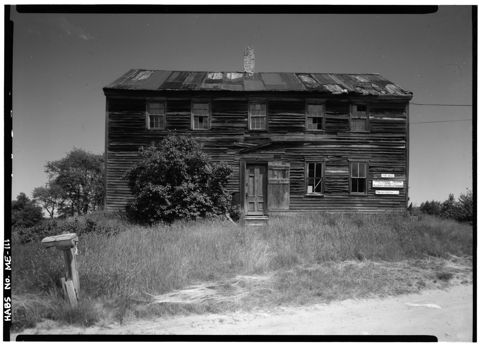 TopshamMaine · Est. 1764
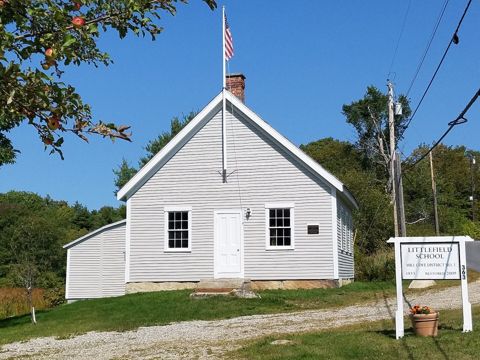 West BathMaine · Est. 1844
 WoolwichMaine · Est. 1775
Founding years, populations and town notes come from each town's Wikipedia and Wikidata entries. All Maine towns.