Lincoln County, Maine
Street maps, historic prints and keepsakes for 20 Lincoln County towns.
The oldest is Newcastle, established 1753. The largest by population is Waldoboro (5,154).
| Town | Established | Population |
|---|---|---|
| Alna | 1760 | 710 |
| Boothbay | 1764 | 3,003 |
| Boothbay Harbor | 1889 | 2,027 |
| Bremen | 1828 | 823 |
| Bristol | 1765 | 2,834 |
| Damariscotta | 1848 | 2,297 |
| Dresden | 1794 | 1,725 |
| Edgecomb | 1774 | 1,188 |
| Jefferson | 1807 | 2,551 |
| Louds Island | – | – |
| Monhegan Plantation | 1839 | 64 |
| Newcastle | 1753 | 1,848 |
| Nobleboro | 1788 | 1,791 |
| Somerville | 1858 | 600 |
| South Bristol | 1915 | 1,127 |
| Southport | 1842 | 622 |
| Waldoboro | 1773 | 5,154 |
| Westport Island | 1828 | 719 |
| Whitefield | 1809 | 2,408 |
| Wiscasset | 1760 | 3,742 |
About these towns
Alna: Originally a part of old Pownalborough, the town was settled around 1760 and incorporated in 1794 by the Massachusetts General Court as New Milford.
Boothbay: The Abenaki people who lived in the region called it Winnegance. The first European presence in the region was an English fishing outpost called Cape Newagen in 1623.
Boothbay Harbor: The Abenaki people that lived in the region called it Winnegance. The first European presence in the region was an English fishing outpost called Cape Newagen in 1623.
Bremen: Abenaki tribes once summered on Keene Neck, hunting shellfish and leaving behind shell middens. The area was settled as part of Bristol in 1735 by William Hilton from Plymouth, Massachusetts.
Bristol: Once territory of the Wawenock (or Walinakiak, meaning "People of the Bay") Abenaki Indians, early Bristol was one of the most important and embattled frontier settlements in the province.
Damariscotta: The area was once traversed by Abenaki Indians, who left behind 2,500-year-old oyster shell middens along the banks of the Damariscotta River.
Dresden: The town was originally settled in 1752 under the name Frankfort by French and German Huguenots, who were part of the first wave of French-speaking immigrants to arrive in Maine, but were distinguished from later arrivals by their Protestant faith.
Edgecomb: Although there is little industry in Edgecomb in 2026, there is a diverse and interesting history of ship building, saw mills, brick yards, farming, landing ocean harvests, rock and felspar mining operations.
Jefferson: During the 19th Century, it set off land to Alna and Newcastle, and annexed land from Patricktown, later incorporated as Somerville. Damariscotta Lake State Park, a popular Mid Coast swimming, canoeing and picnic area, is located within the town limits.
Louds Island: "On the 15th of July, 1625, John Brown, of New Harbor, purchased of Capt. John Somerset and Unongoit, two Indian sachems, for fifty skins, a tract of land on Pemaquid, extending eight miles by twenty-five, together with Muscongus Island.[1] The next year Abraham Shurt was "sent over by Alderman Aldsworth and Giles Elbridge, merchants of Bristol, as their agent, and…
Monhegan Plantation: Monhegan is a historic island plantation in the Gulf of Maine, approximately 12 nautical miles off the coast of Maine. Part of Lincoln County, Maine, the island has been inhabited for over 400 years and is renowned as one of America's oldest and most influential artist colonies.
Newcastle: Originally known as Sheepscot Plantation, Newcastle was among the earliest European settlements in Maine, first established in the 1630s by fishermen and approximately 50 families.
Nobleboro: On August 7, 1823, Maine's first recorded meteorite fall occurred in Nobleboro. Observers initially mistook it for musket fire. The meteorite is stored at the Buseck Center for Meteorite Studies at Arizona State University.
Somerville: Somerville is located 15 miles east of the state capital, Augusta.
South Bristol: The town was once territory of the Wawenock (or more precisely Walinakiak, meaning "People of the Bays") Abenaki people, who traveled in canoes to hunt for fish, shellfish, seals and seafowl.
Southport: The Abenaki people who originally inhabited the island called it Capanewagen. Cape Newagen, an English corruption of the Abenaki name, was the name of an early English fishing outpost at the southern tip of the island.
Waldoboro: In 1629 the area that would become Waldoboro was granted to John Beauchamp of London and Thomas Leverett of Boston, England, and was known as the Muscongus Patent.
Westport Island: In the 19th century the island was known as Jeremysquam, a nickname islanders still use for it.
Whitefield: Whitefield is named for the celebrated British evangelist George Whitefield, who inspired the colonists before the town was settled in 1770, mainly by Irish Catholics.
Wiscasset: In 1605, Samuel de Champlain is said to have landed here and exchanged gifts with the Indians. Situated on the tidal Sheepscot River, Wiscasset was first settled by Europeans in 1660.
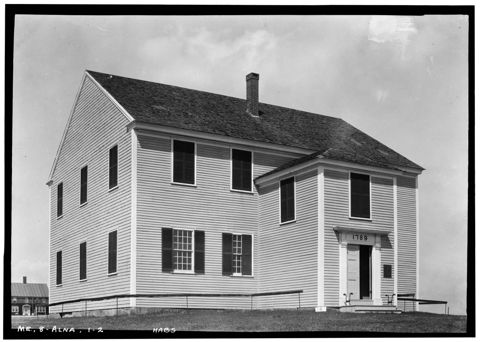 AlnaMaine · Est. 1760
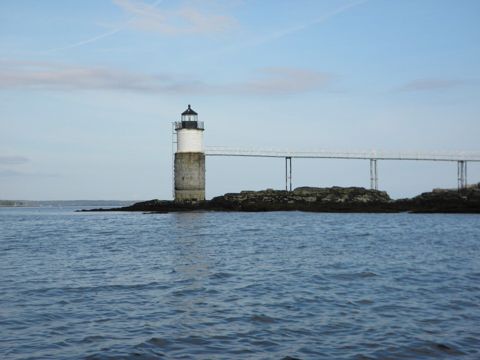 BoothbayMaine · Est. 1764
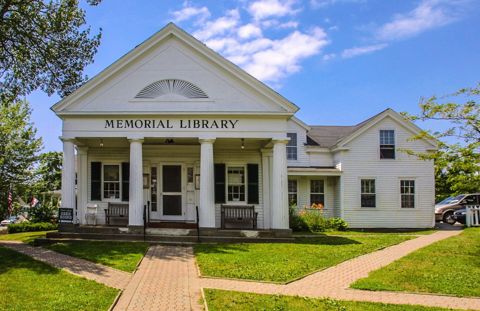 Boothbay HarborMaine · Est. 1889
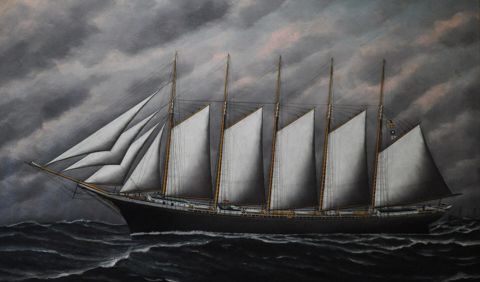 BremenMaine · Est. 1828
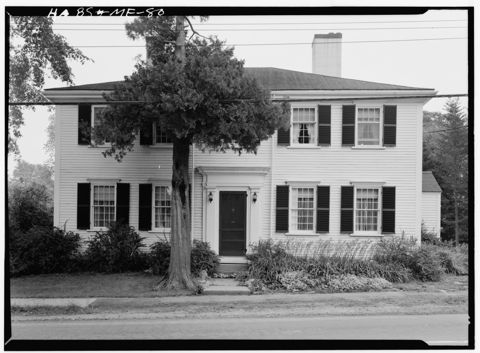 BristolMaine · Est. 1765
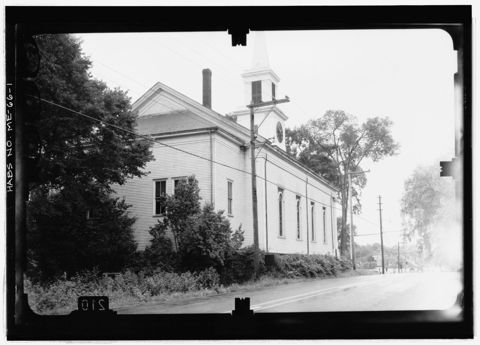 DamariscottaMaine · Est. 1848
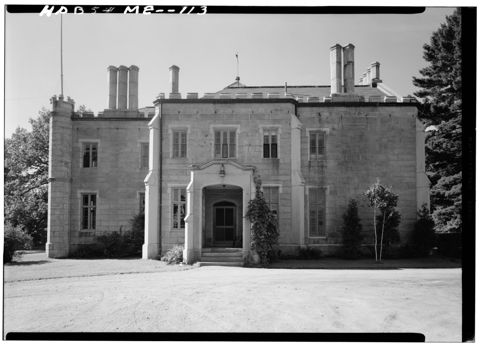 DresdenMaine · Est. 1794
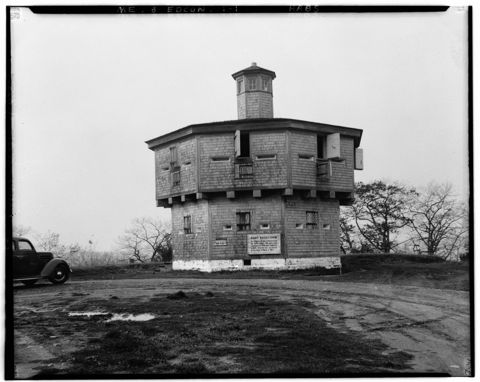 EdgecombMaine · Est. 1774
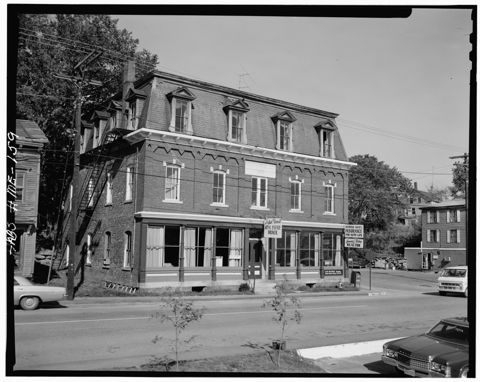 JeffersonMaine · Est. 1807
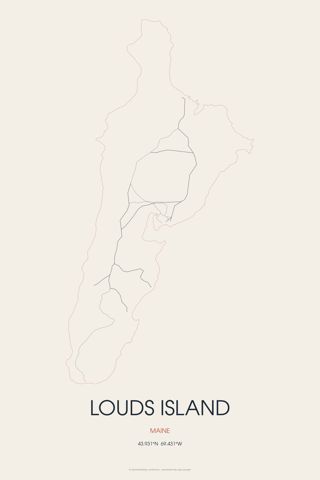 Louds IslandMaine
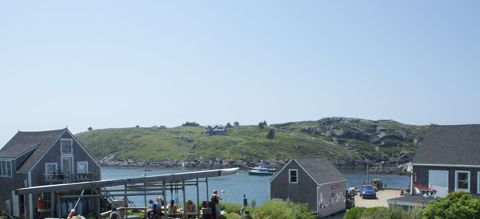 Monhegan PlantationMaine · Est. 1839
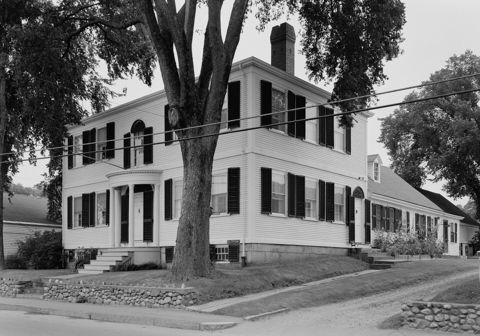 NewcastleMaine · Est. 1753
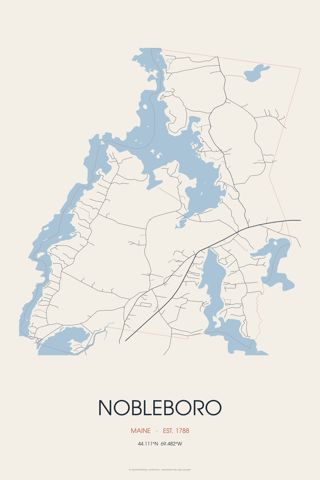 NobleboroMaine · Est. 1788
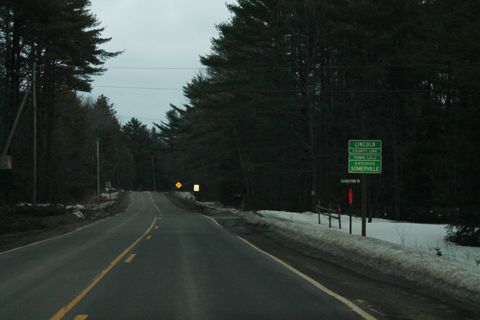 SomervilleMaine · Est. 1858
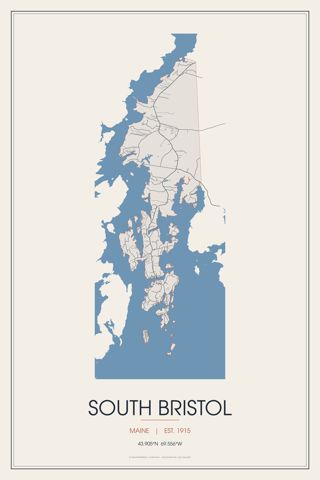 South BristolMaine · Est. 1915
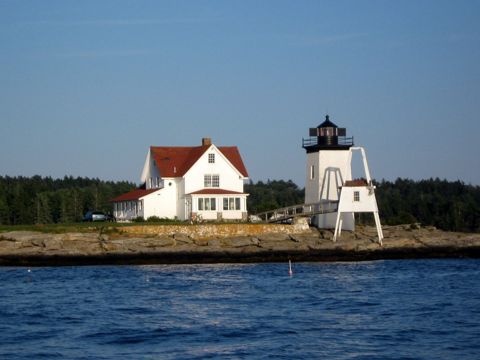 SouthportMaine · Est. 1842
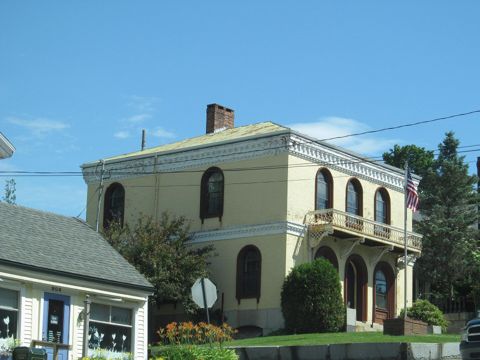 WaldoboroMaine · Est. 1773
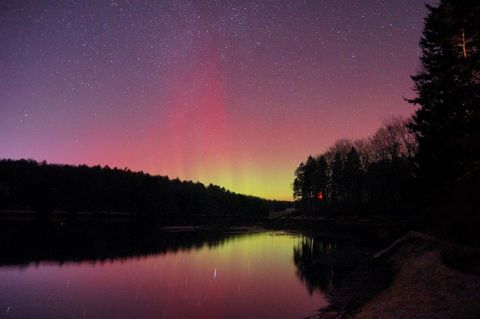 Westport IslandMaine · Est. 1828
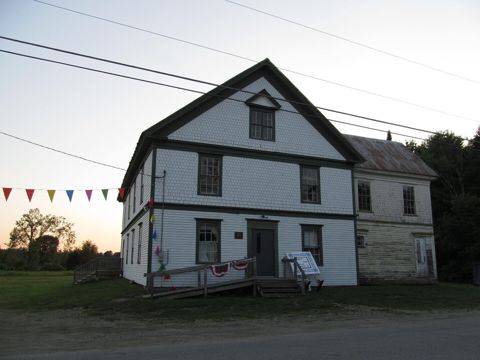 WhitefieldMaine · Est. 1809
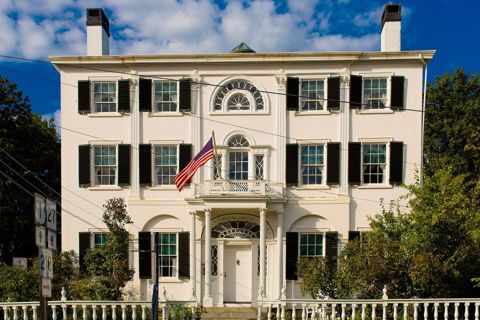 WiscassetMaine · Est. 1760
Founding years, populations and town notes come from each town's Wikipedia and Wikidata entries. All Maine towns.