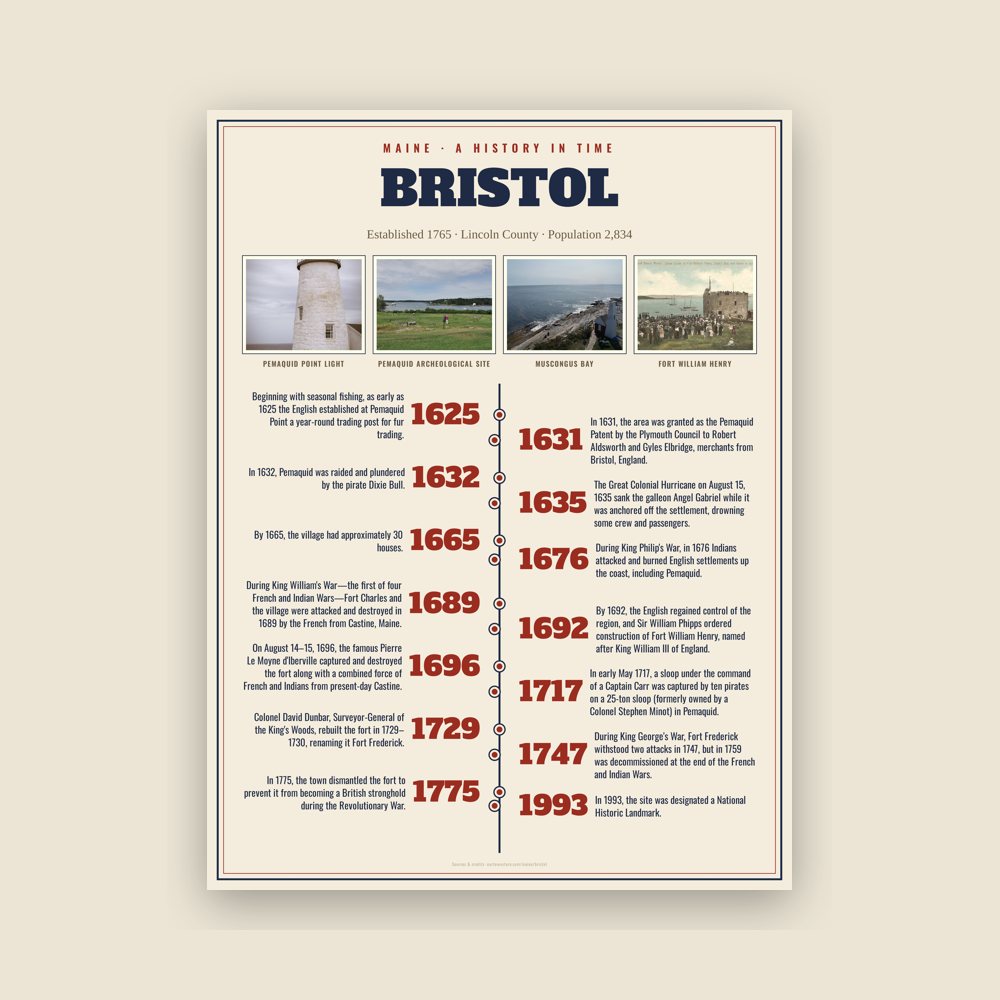
Once territory of the Wawenock (or Walinakiak, meaning "People of the Bay") Abenaki Indians, early Bristol was one of the most important and embattled frontier settlements in the province. Beginning with seasonal fishing, as early as 1625 the English established at Pemaquid Point a year-round trading post for fur trading. In 1631, the area was granted as the Pemaquid Patent by the Plymouth Council to Robert Aldsworth and Gyles Elbridge, merchants from Bristol, England.
Read the full history
Raid on Pemaquid (1632)
In 1632, Pemaquid was raided and plundered by the pirate Dixie Bull. While Bull is widely considered New England's first pirate, he was born in Huntington, England, around 1611. In 1632, Bull arrived in Boston, Massachusetts, and began his career sailing along the New England coastline, trading animal furs and skins with the Wabanaki.
In 1632, Bull was attacked by French pirates who stole all of his goods, leaving him with only his ship. In the following weeks, Bull searched for the French pirates but was unsuccessful. In desperation, Bull gathered a group of men and began attacking and looting other boats along the coast. Landing in Pemaquid later in 1632, Bull and his men attacked the local warehouse and looted all of the homes in the area. According to historical accounts, they looted £500 worth of goods. Panic spread throughout Pemaquid, as this was the first time severe looting had happened. Governor Winthrop of Massachusetts sent out four boats to hunt down Bull and his men, but they were unsuccessful. While rumors and legends about Bull grew over the years, there are no consistent historical accounts of where he went.
The Great Colonial Hurricane on August 15, 1635 sank the galleon Angel Gabriel while it was anchored off the settlement, drowning some crew and passengers.
In 1664, the Duke of York (the future King James II) claimed Pemaquid was within his patent, which also included Sagadahoc and recently acquired New Amsterdam. To help anglicize the latter into New York City, Governor Sir Edmund Andros had some of its Dutch inhabitants transported to Pemaquid, now called Jamestown for its royal owner. By 1665, the village had approximately 30 houses.
King Philip's War
Raid on Pemaquid (1676)
During King Philip's War, in 1676 Indians attacked and burned English settlements up the coast, including Pemaquid. The following year, a new wooden defense called Fort Charles was built.
King William's War
Raid on Pemaquid (1717)
...[the pirates] went after Capt. Carr's sloop, lying at Pemaquid, which they alsoe took a little distance from said Pemaquid, but finding the Mast and Bowspreat not serviceable [to repair the snow] they left her there, and brought the Master thereof aboard the Snow then at Menhagen [Monhegan]...
The pirates soon left the area, abandoning all the other vessels (including the Anne) they had captured and most of their prisoners at Matinicus on or about May 9, 1717 on Minot's sloop.
Father Rale's War
During Father Rale's War, the location was a rendezvous for Natives and French to return inhabitants of Pemaquid and vicinity that they had taken prisoner during the war.
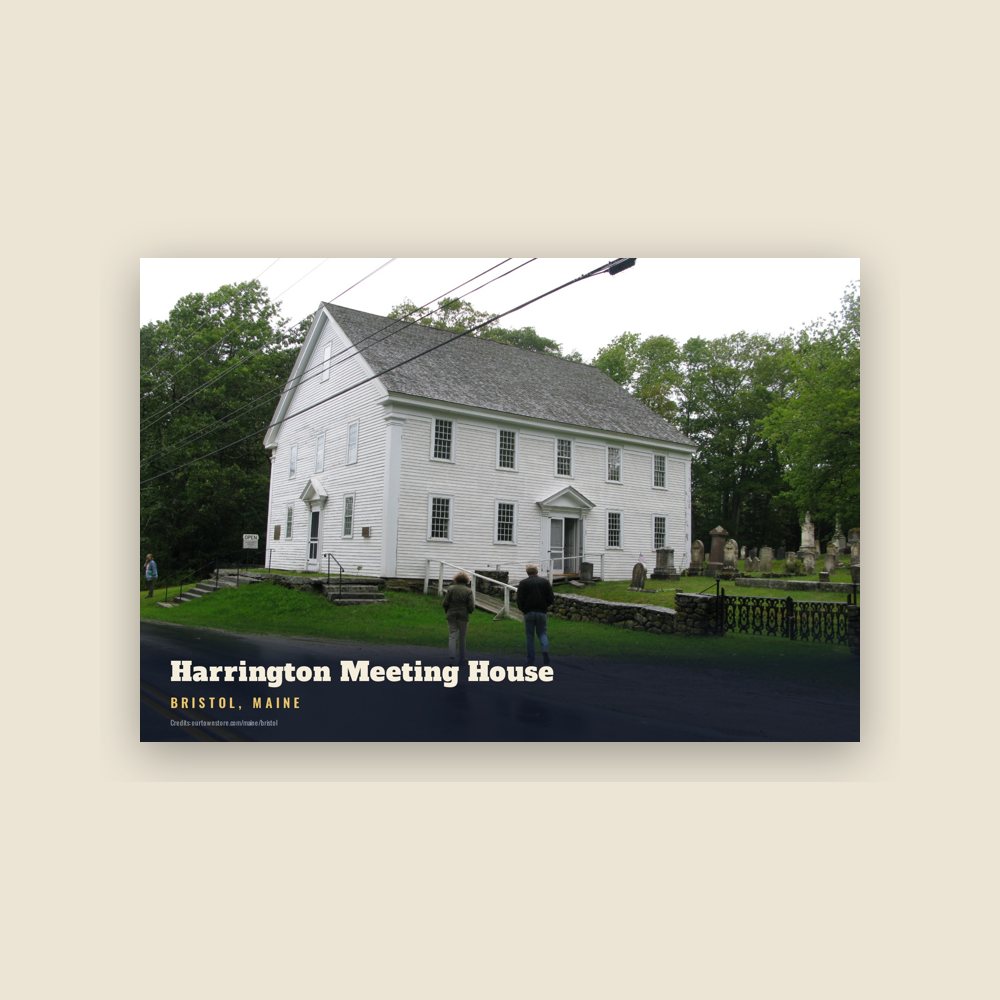
Colonel David Dunbar, Surveyor-General of the King's Woods, rebuilt the fort in 1729–1730, renaming it Fort Frederick. He renamed the town Harrington after the Earl of Harrington, who had helped arrange the 1729 Treaty of Seville.
King George's War
Raid on Pemaquid (1747)
During King George's War, Fort Frederick withstood two attacks in 1747, but in 1759 was decommissioned at the end of the French and Indian Wars.
American Revolution
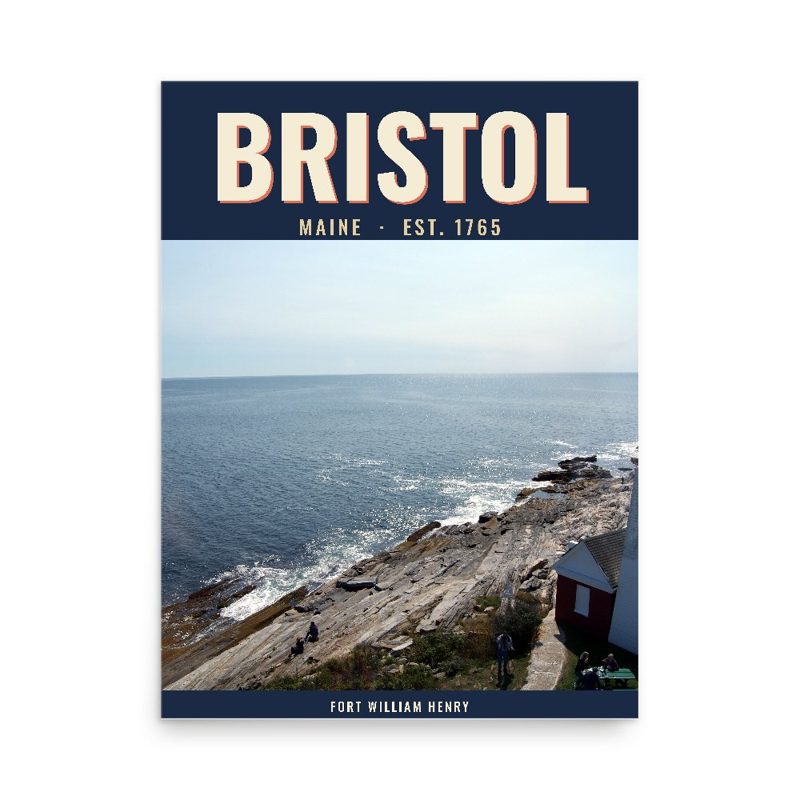
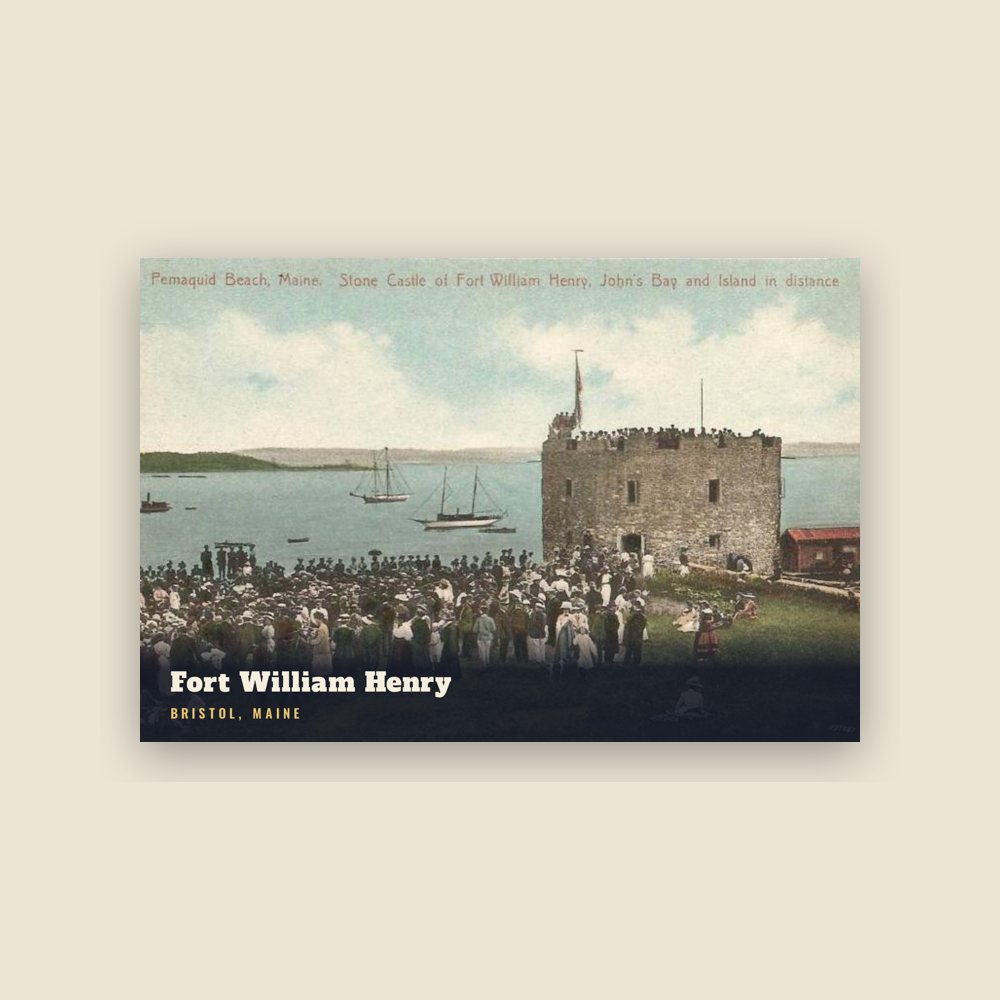
In 1775, the town dismantled the fort to prevent it from becoming a British stronghold during the Revolutionary War. The state acquired the site in 1902, and in 1908 rebuilt the tower of Fort William Henry under guidance of historian John Henry Cartland, using many original stones. In 1993, the site was designated a National Historic Landmark.
Bristol established
During the War of 1812, the waters off Pemaquid Point saw the capture of HMS Boxer by the USS Enterprise on September 5, 1813. The town would set off land to create Nobleboro in 1788, Bremen in 1828, Damariscotta in 1848 and South Bristol in 1915. Today, Bristol is a popular tourist destination.
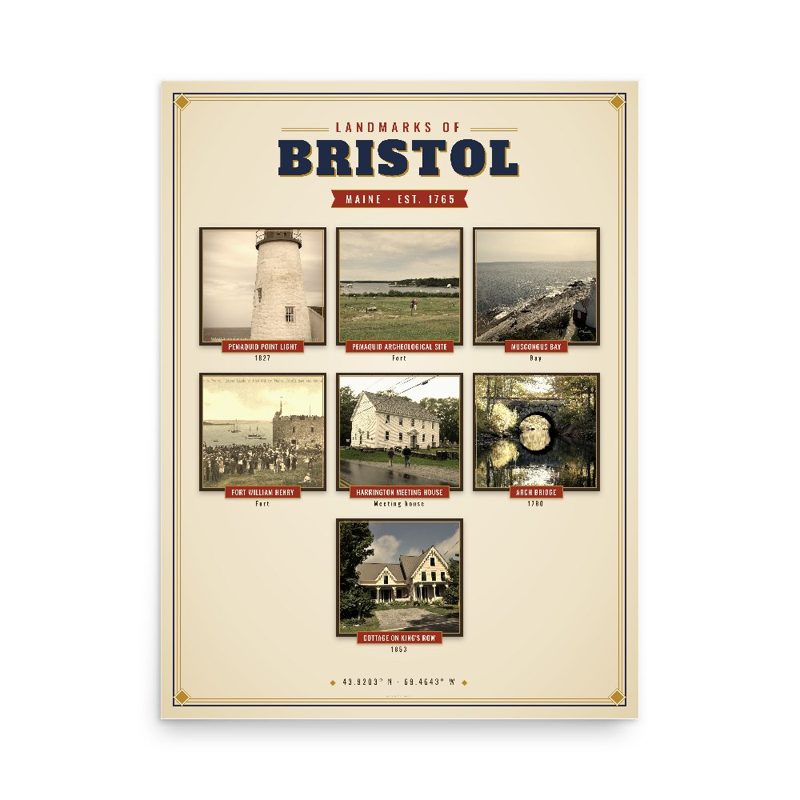
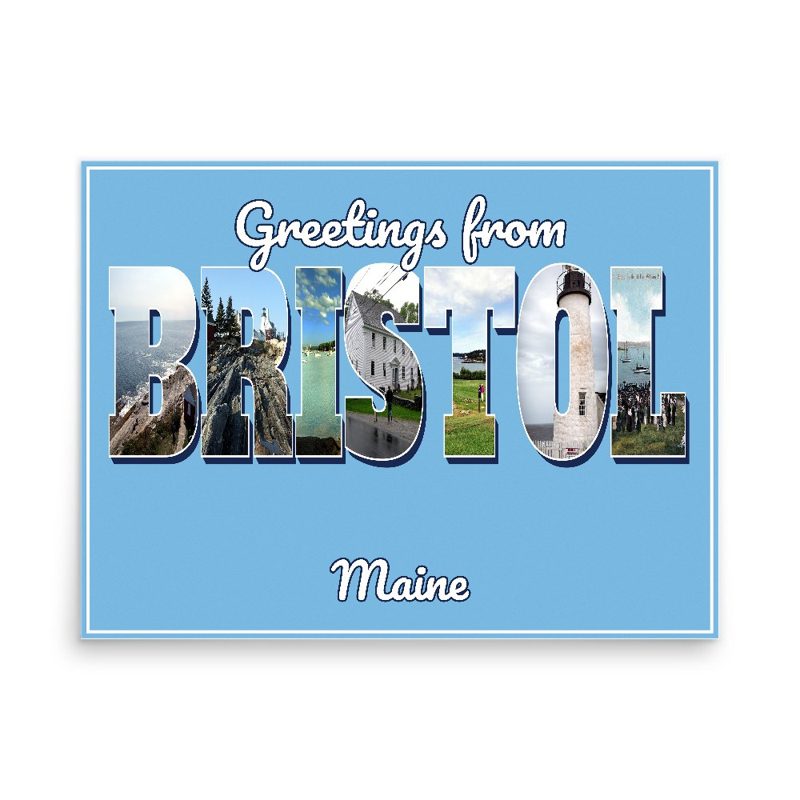
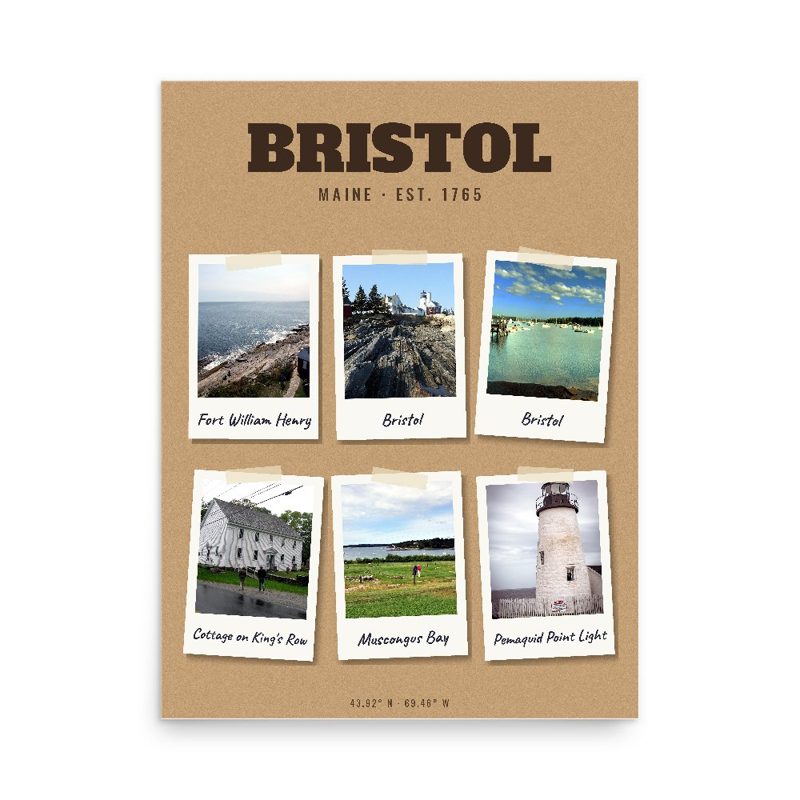
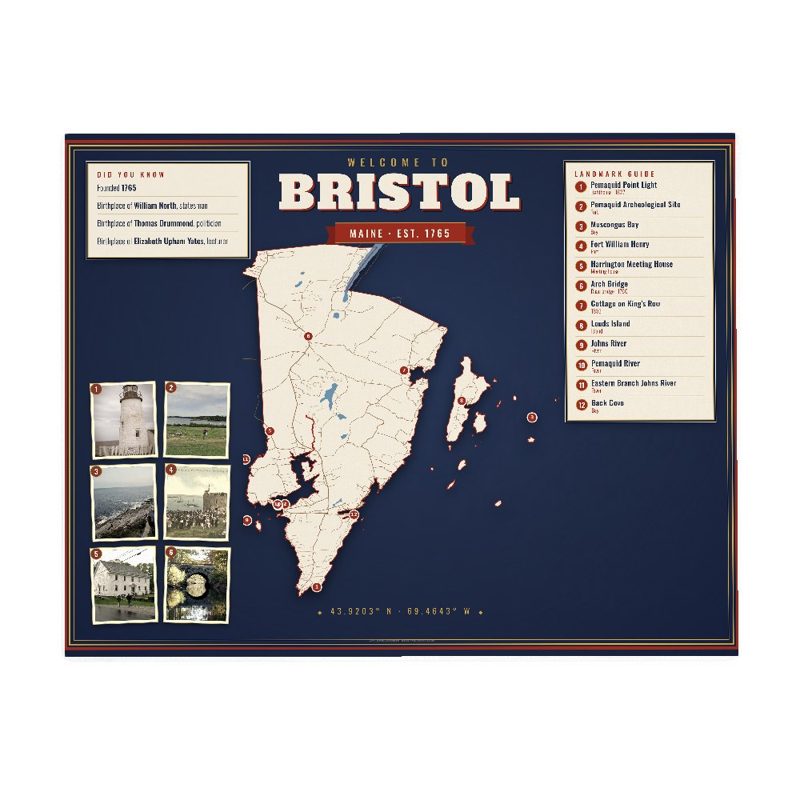


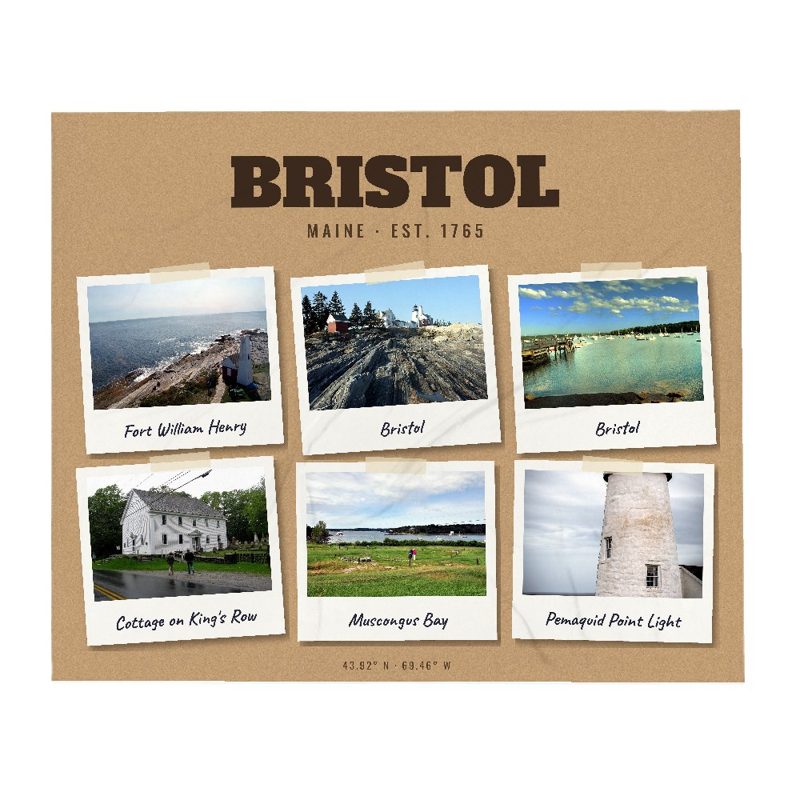
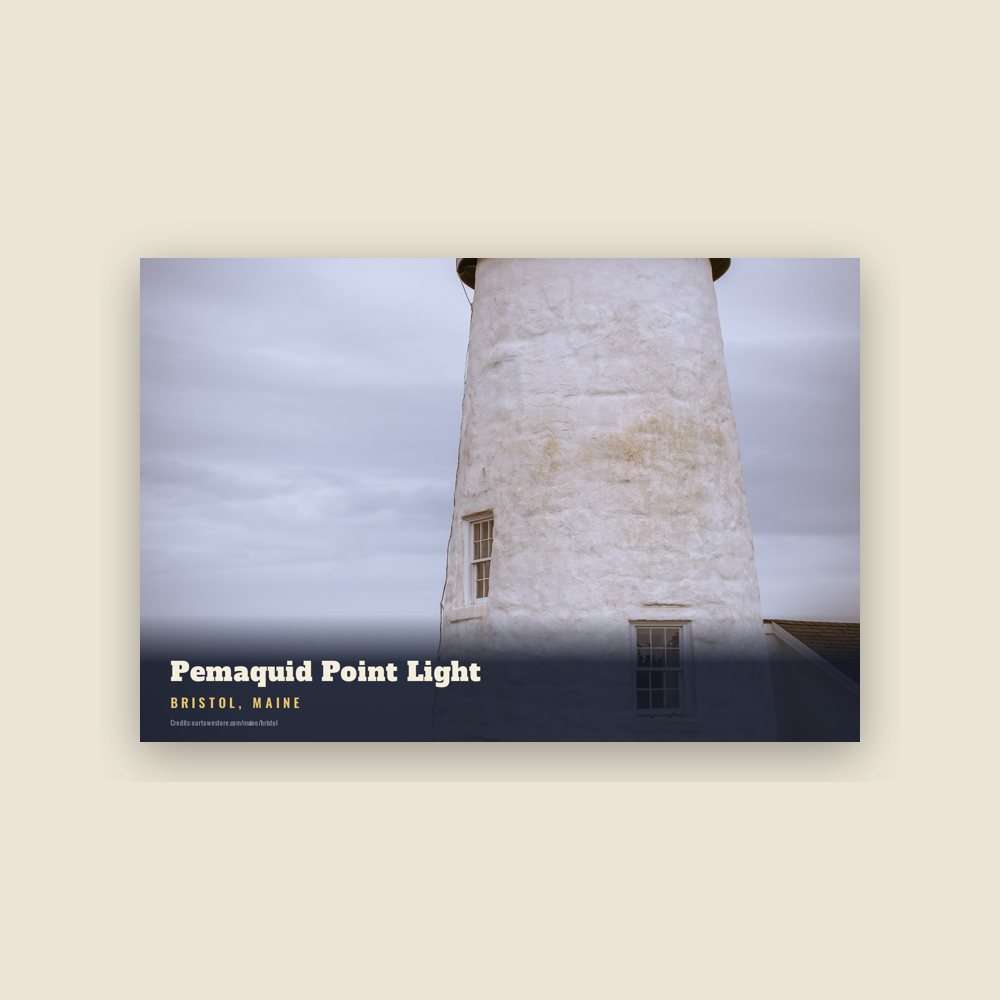
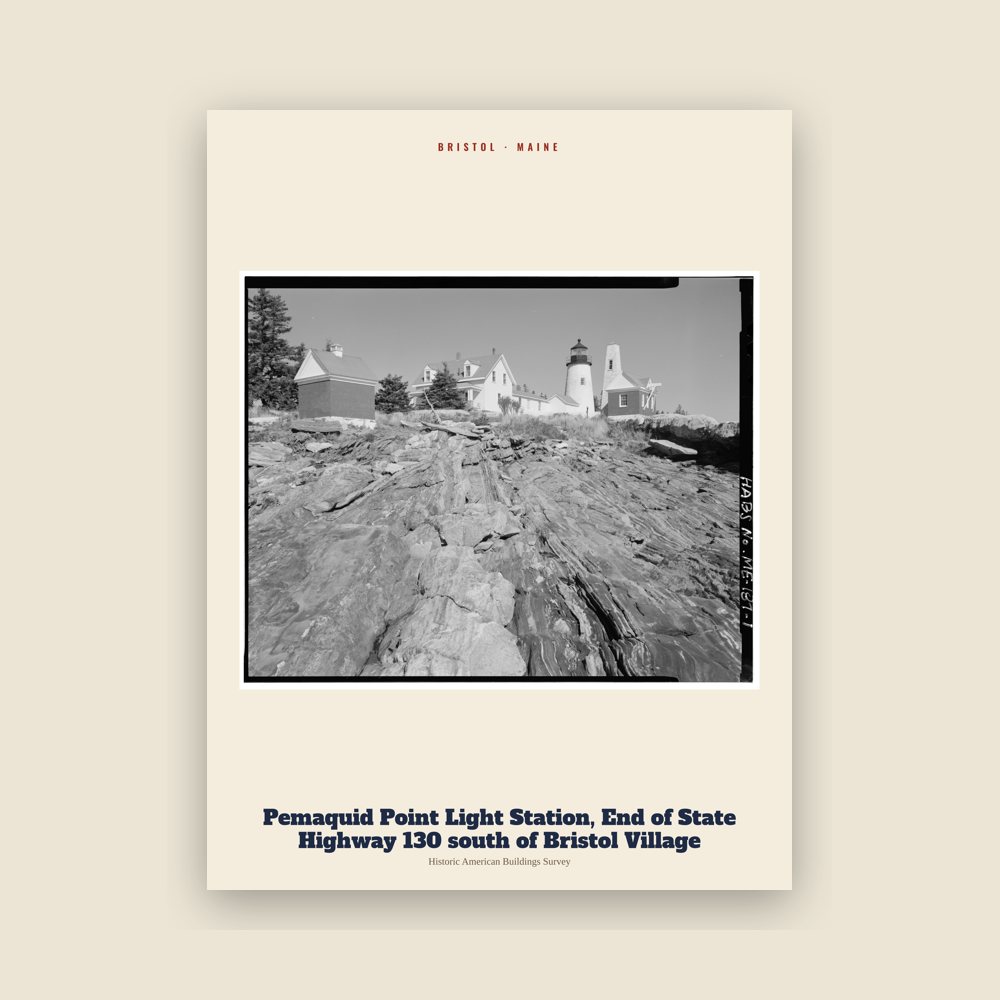
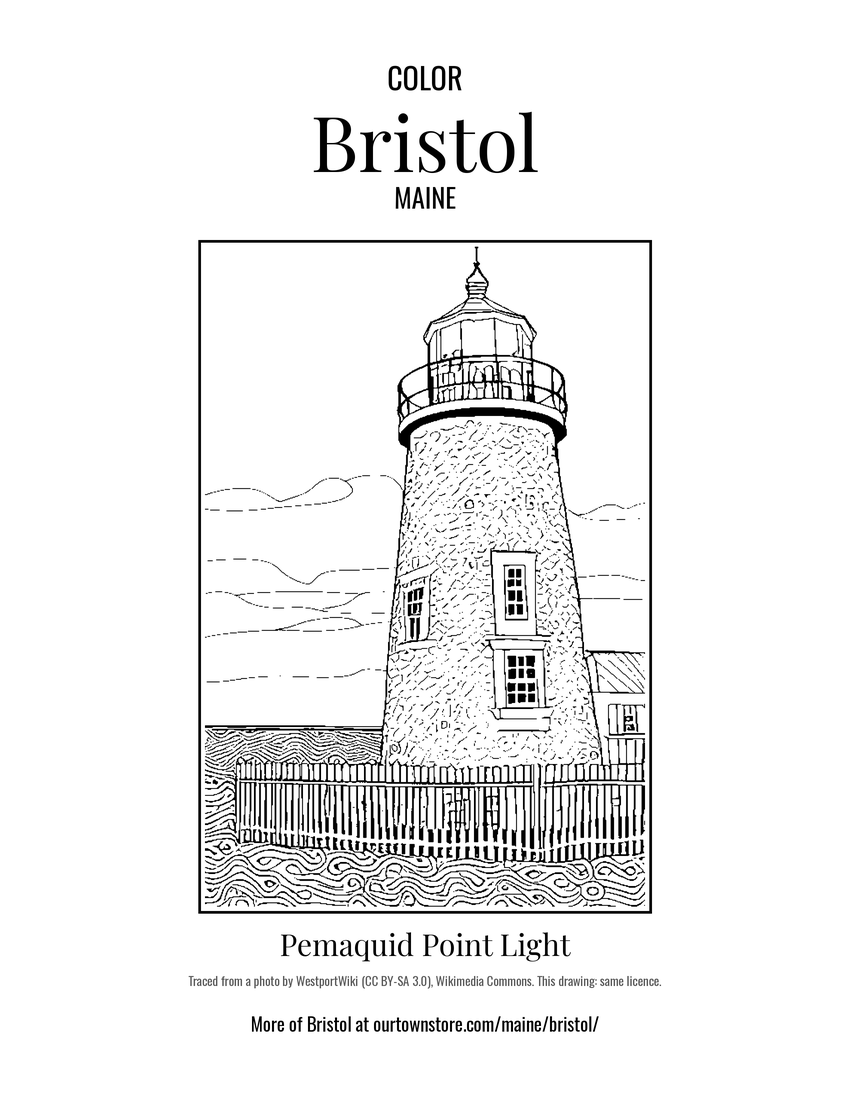 Pemaquid Point Light
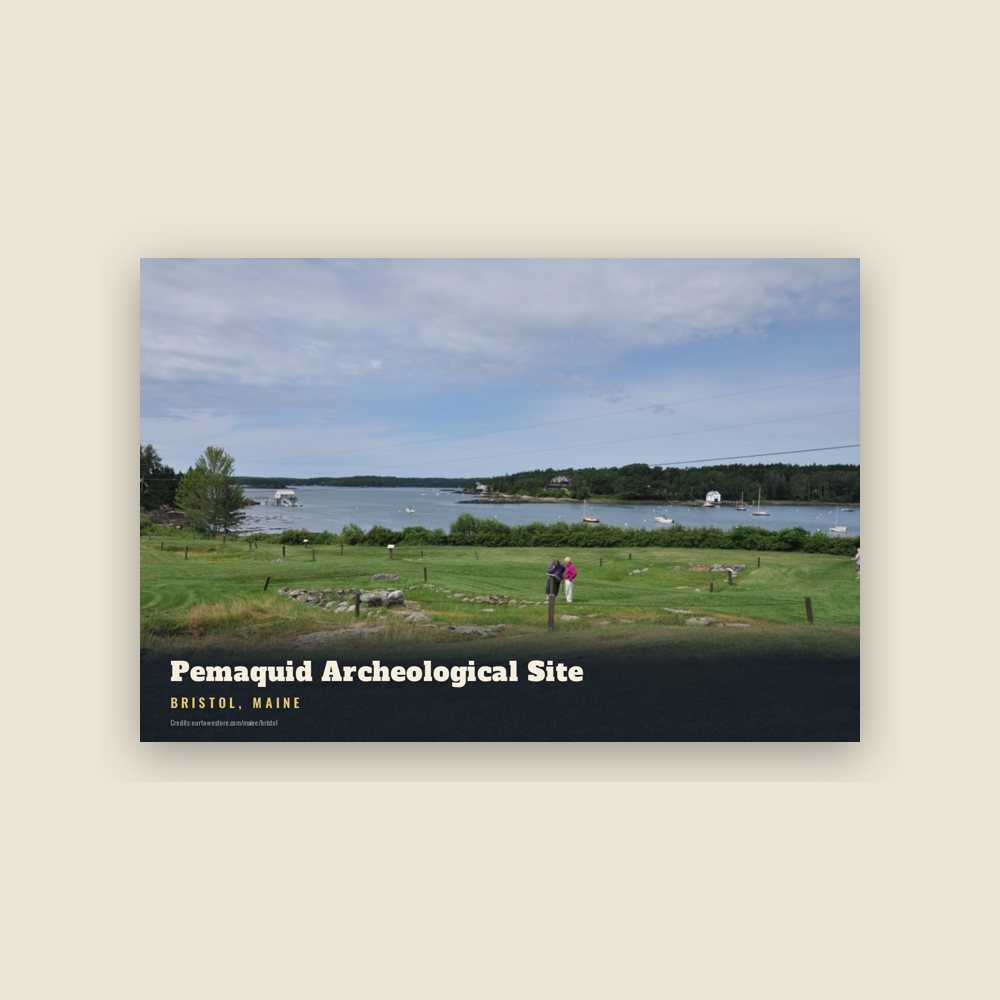
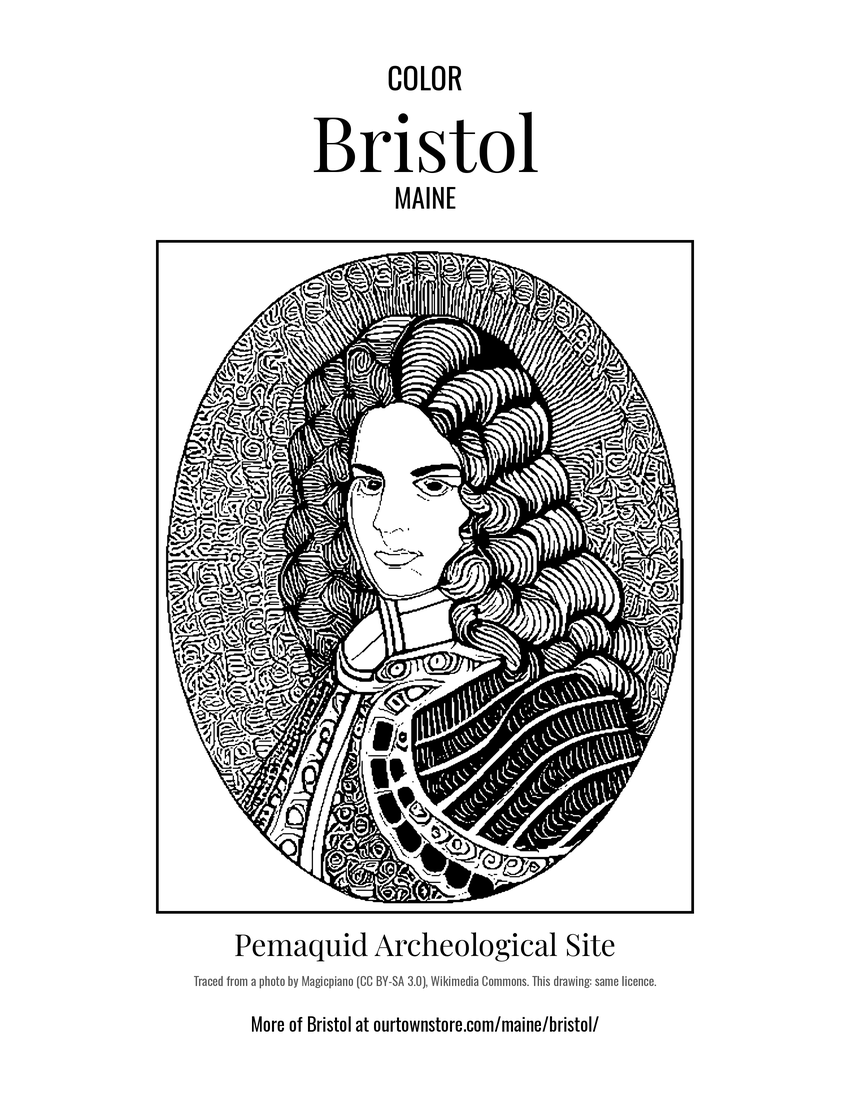 Pemaquid Archeological Site
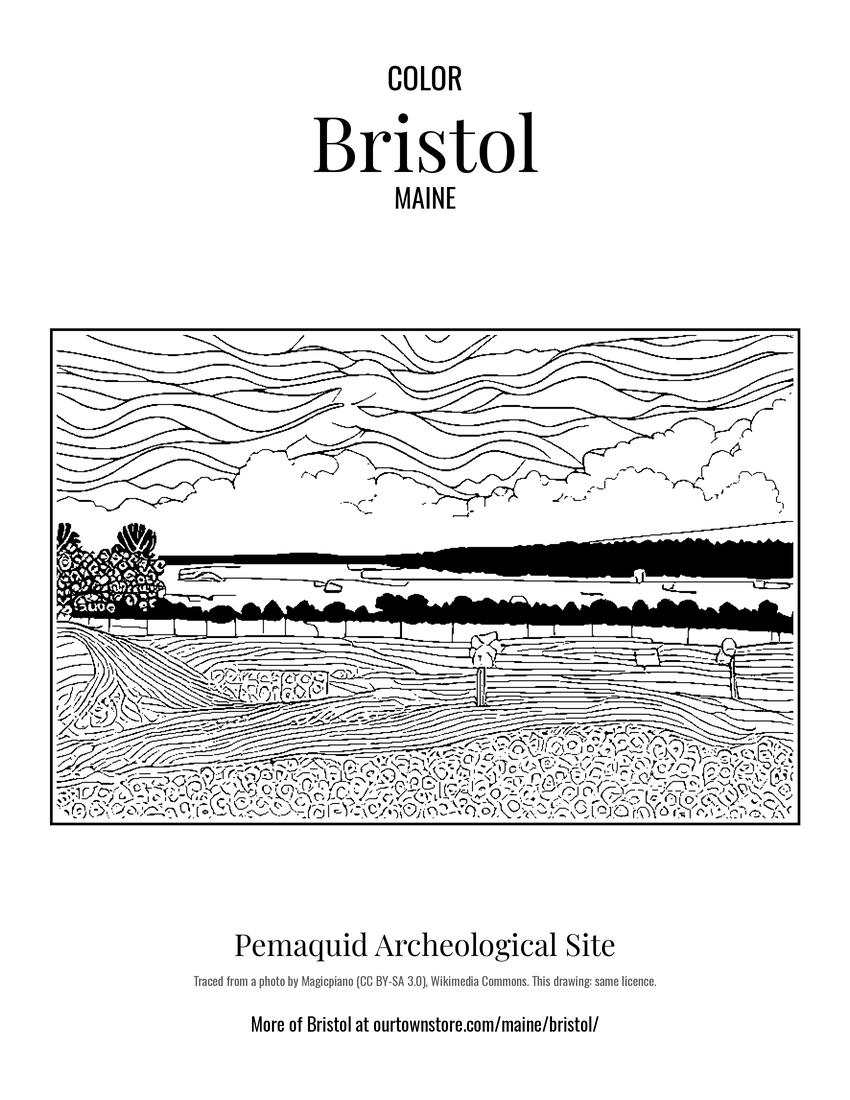 Pemaquid Archeological Site
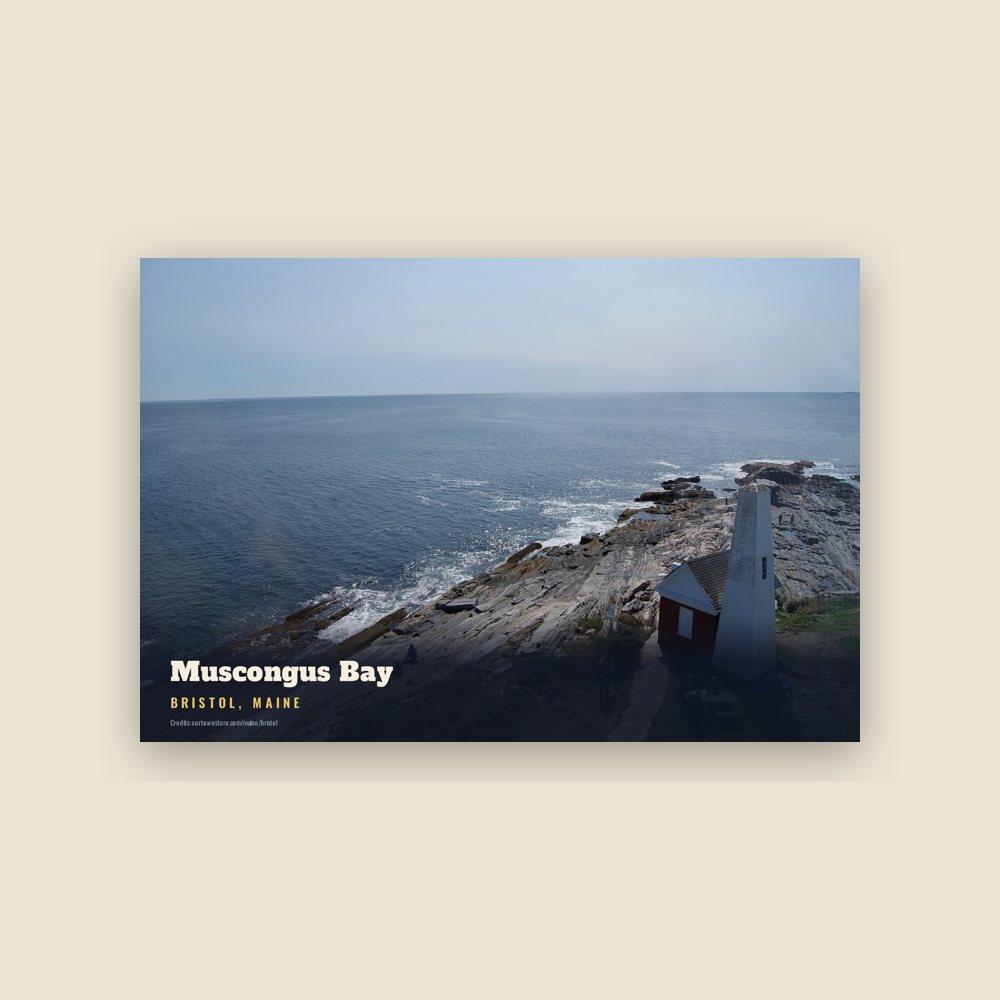
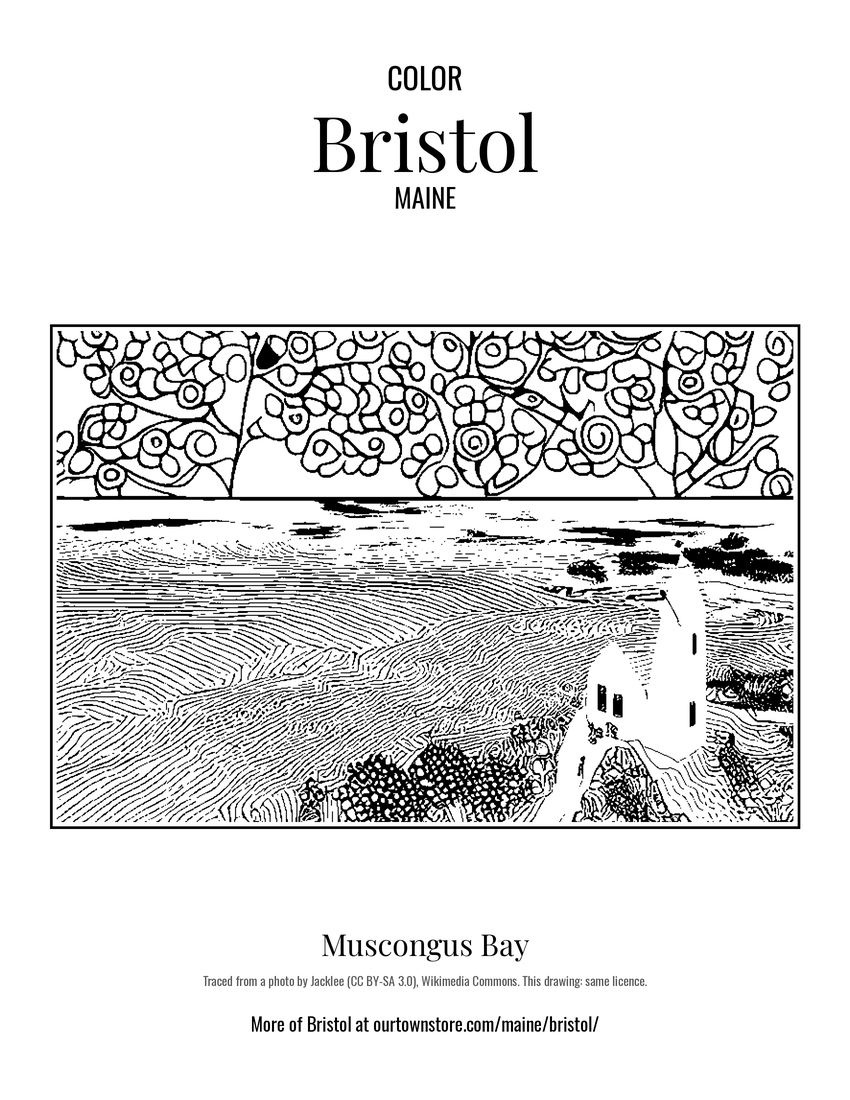 Muscongus Bay