Cart 0
Panorama of Waterloo, Iowa, Waterloo, Iowa, Historic American Buildings Survey photograph

WATERLOO

Iowa
Shop the collection

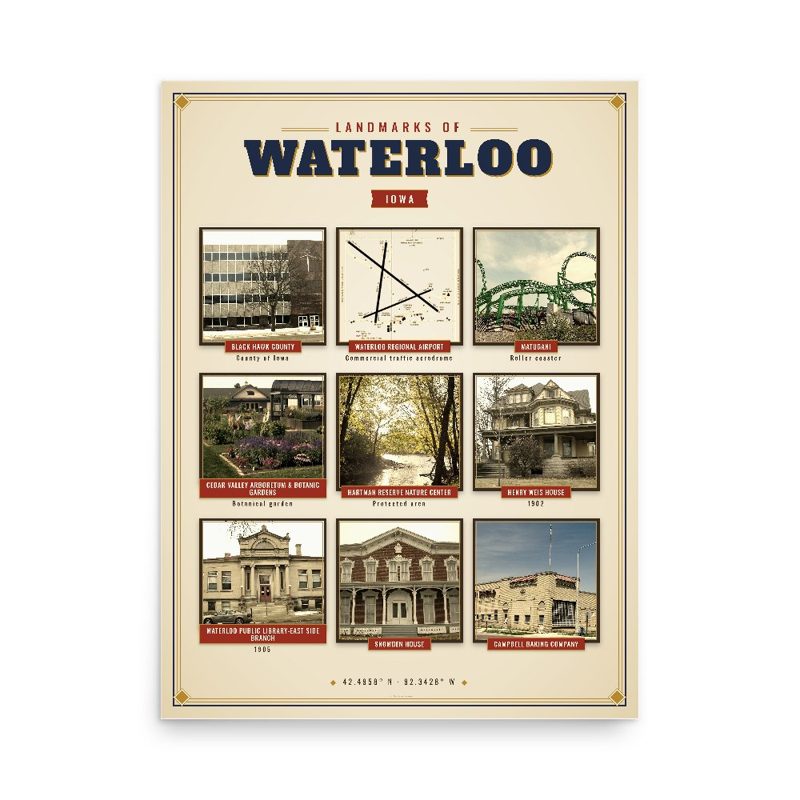
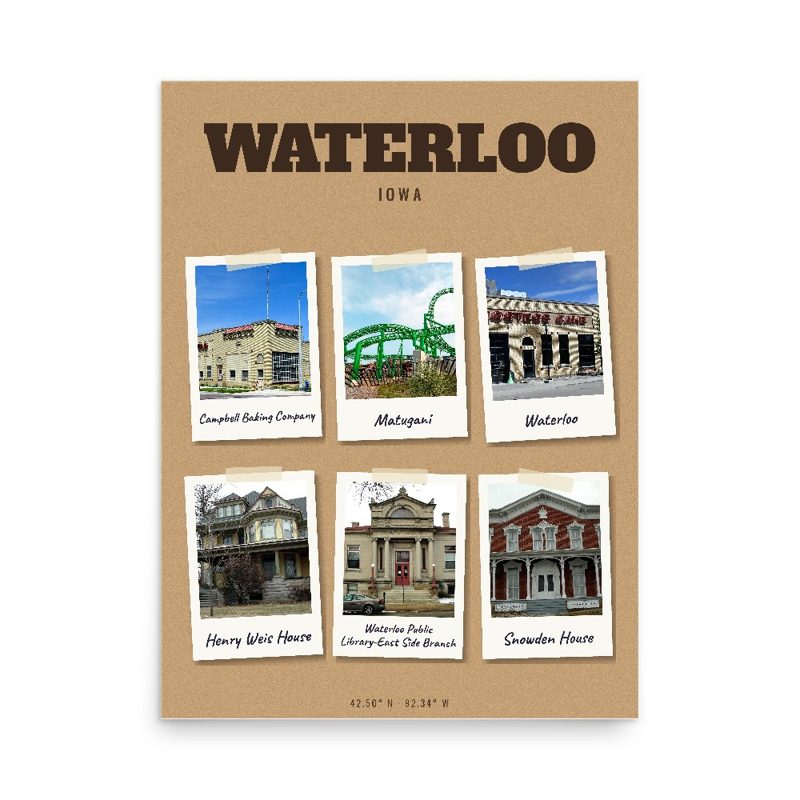
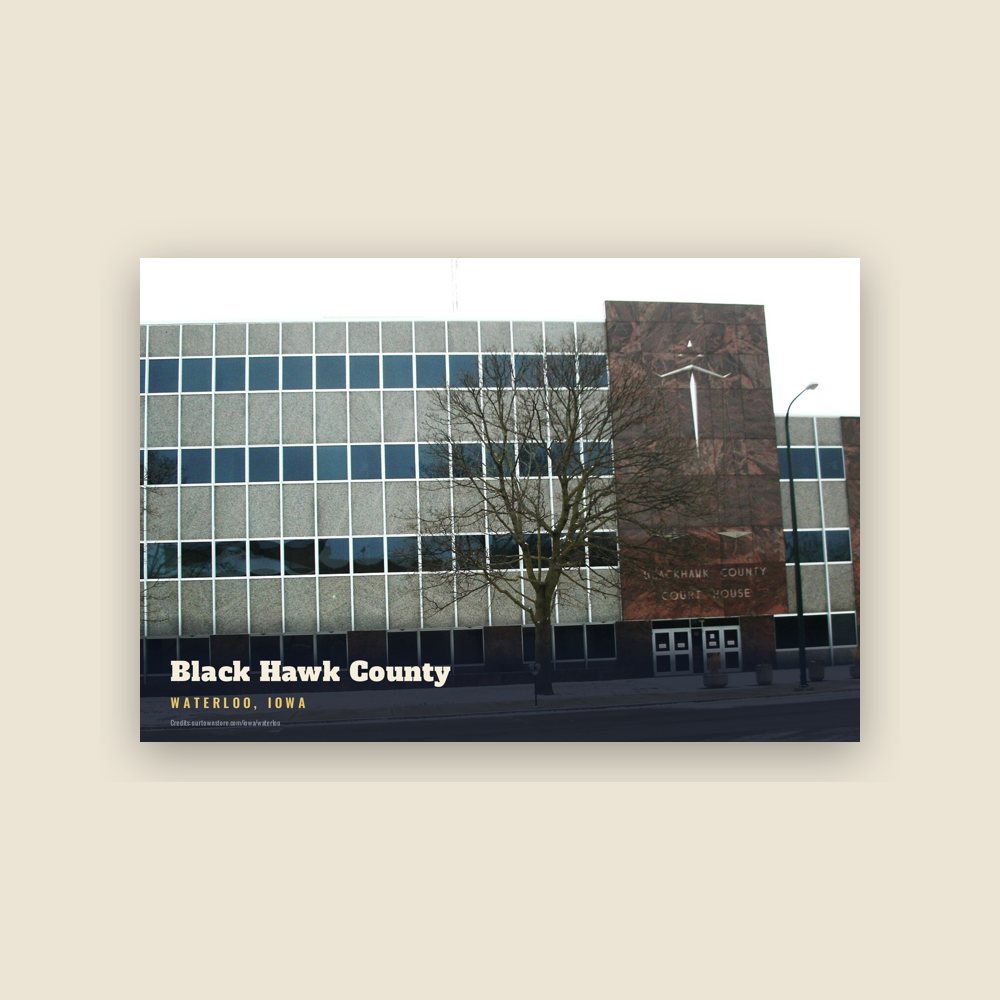
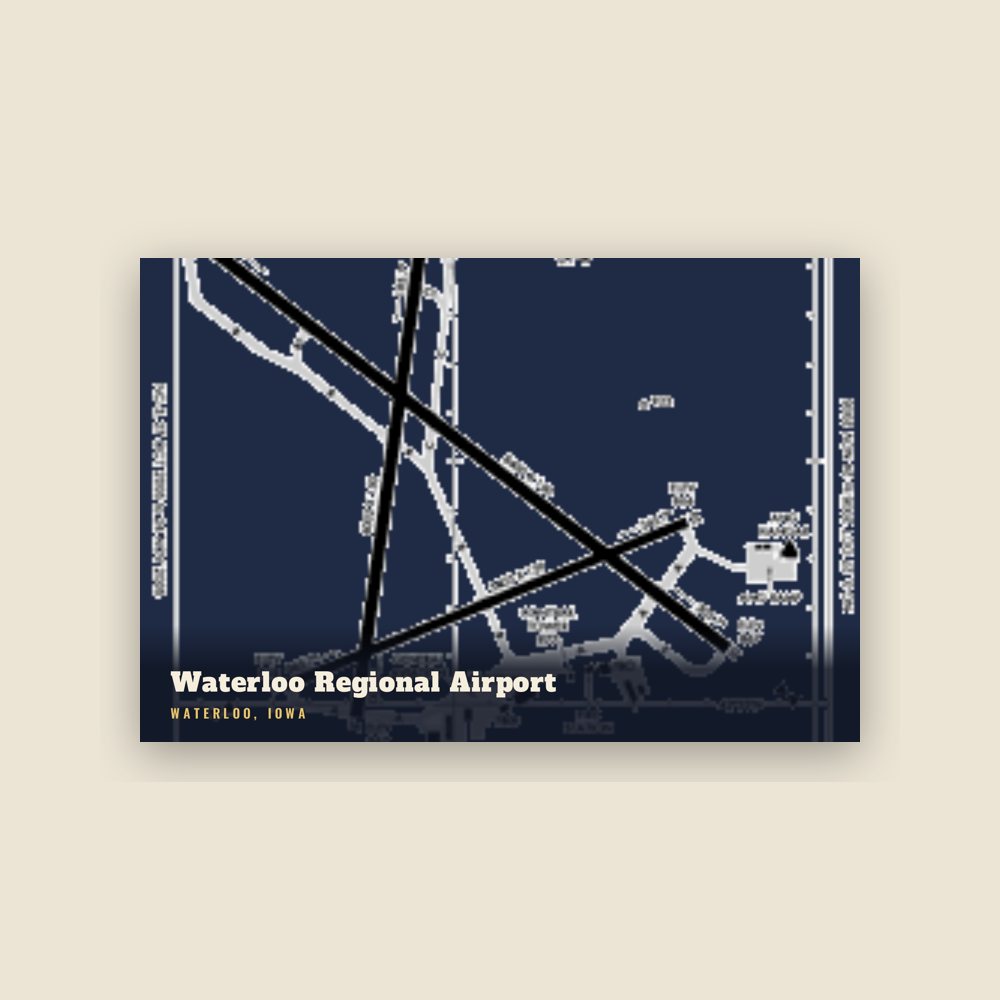
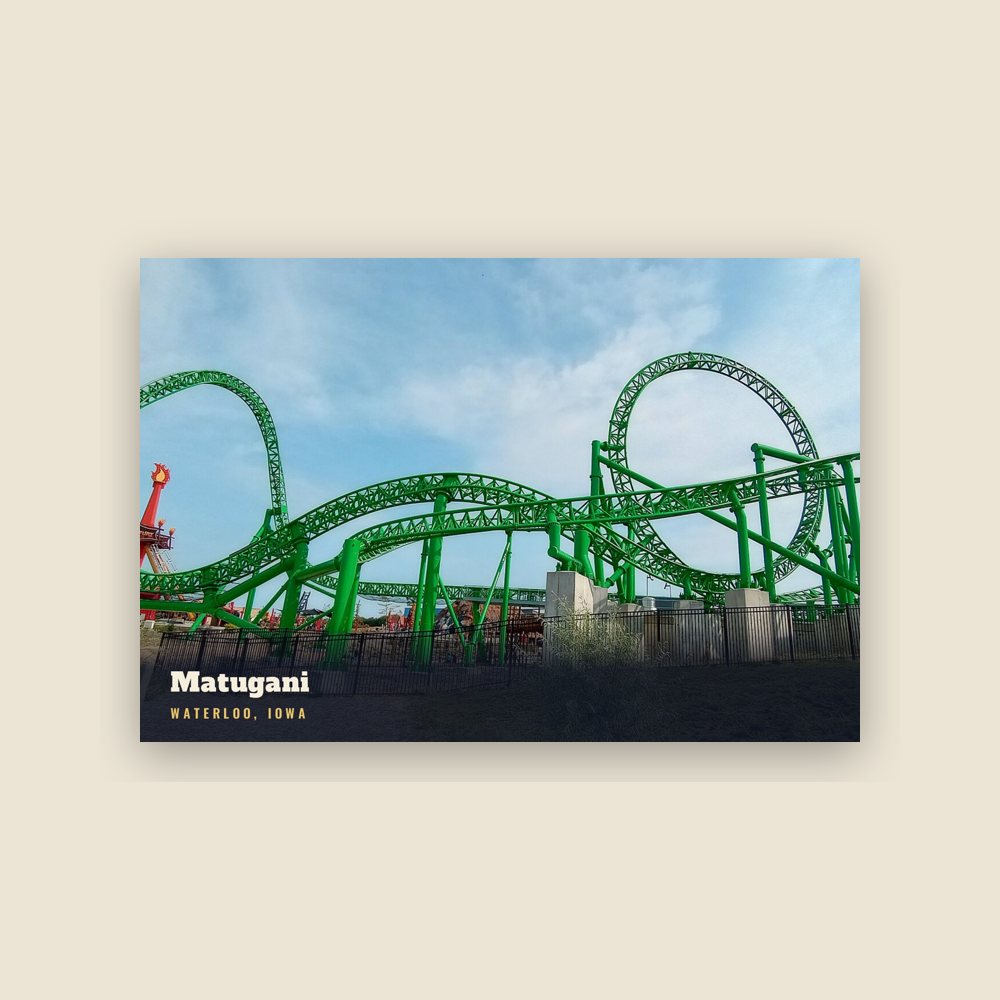
Waterloo comprises a twin conurbation with neighboring municipality Cedar Falls, and is the larger of the two cities. Landmarks include Black Hawk County, Waterloo Regional Airport and Matugani. Waterloo is the birthplace of Lou Henry Hoover, first Lady of the United States from 1929 to 1933.

The Waterloo Collection

Made for Waterloo. Printed to order.

Waterloo, Iowa gifts and souvenirs: 42 designs made from Waterloo's own map, landmarks and history, from $10 to $99. Printed to order and shipped free in the USA.

PopularPrice
Waterloo Hometown Ornament$23
Waterloo Landmarks Photo Posterfrom $40
Waterloo Vintage Travel Posterfrom $40
Waterloo Varsity Crewneckfrom $57
Waterloo Est. Teefrom $33
Waterloo Town Line Mugfrom $26
Waterloo Hometown Ornament

Waterloo Hometown Ornament

Ceramic keepsake, gold ribbon

$23
Waterloo Landmarks Photo Poster

Waterloo Landmarks Photo Poster

Nine local landmarks, archival matte

from $40
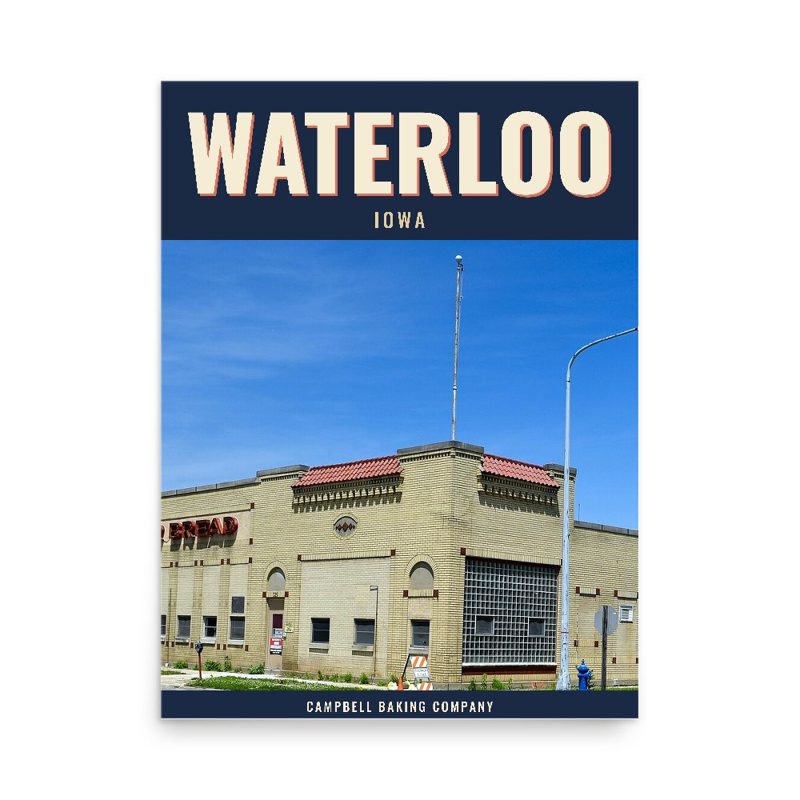
Waterloo Vintage Travel Poster

Waterloo Vintage Travel Poster

Its landmark photo in a classic travel-poster layout

from $40
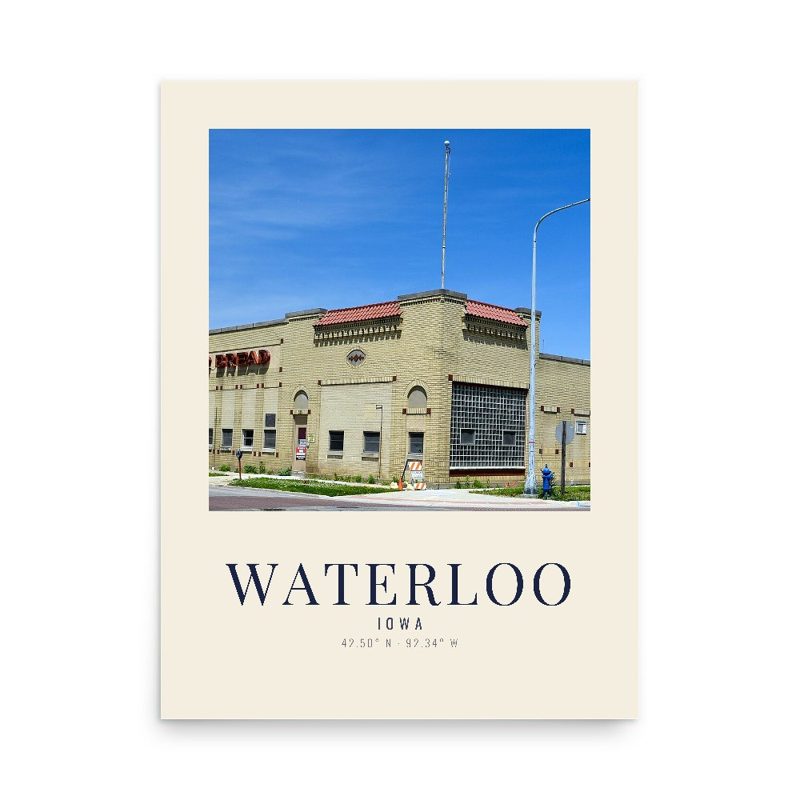
Waterloo Photo Art Print

Waterloo Photo Art Print

A local landmark photo as a gallery print

from $40
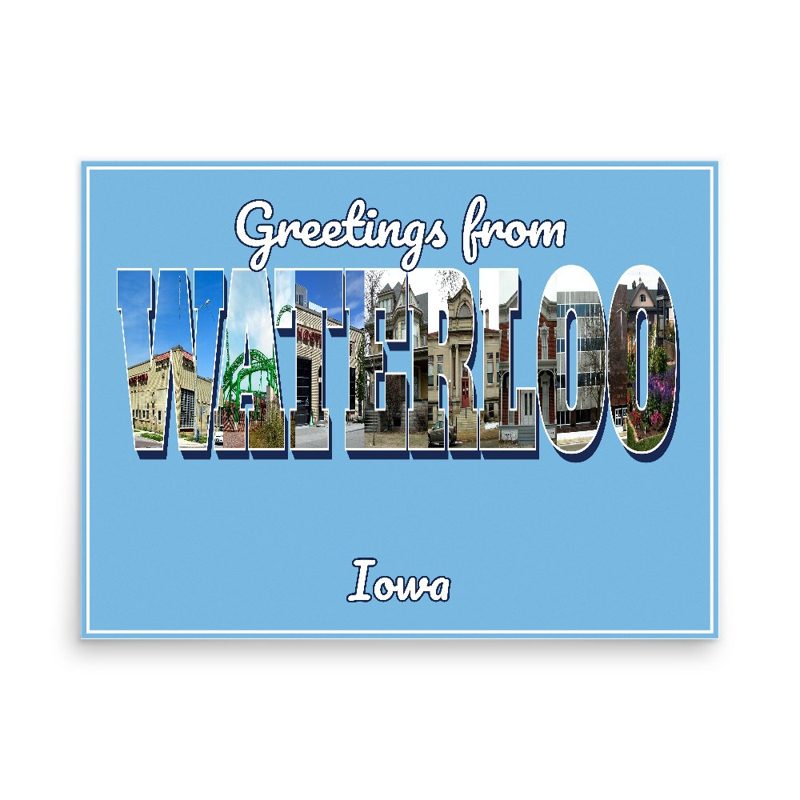
Waterloo “Greetings From” Poster

Waterloo “Greetings From” Poster

Classic large-letter postcard art, filled with local photos

from $40
Waterloo Snapshot Collage Poster

Waterloo Snapshot Collage Poster

Six local landmarks as instant photos on kraft paper

from $40
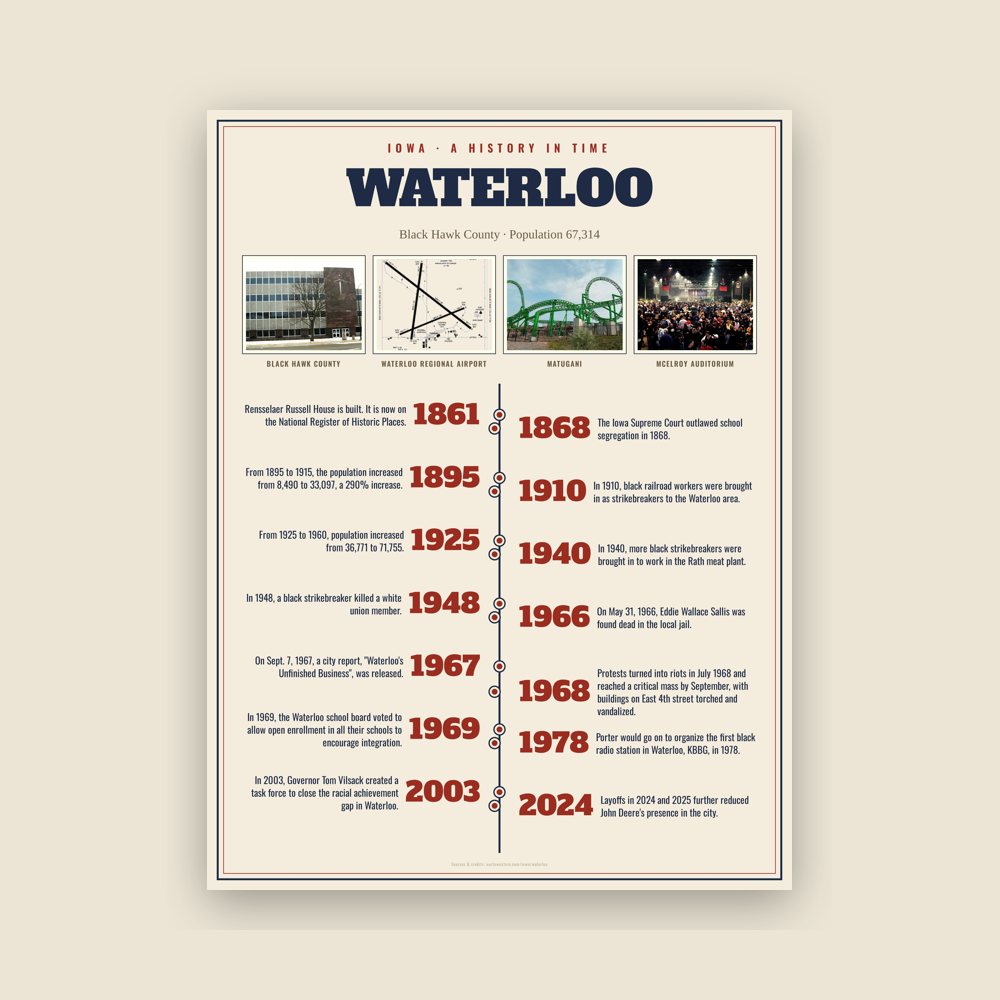
Waterloo History Timeline Poster

Waterloo History Timeline Poster

The town's story in dates, from its own records, for home or classroom

from $44
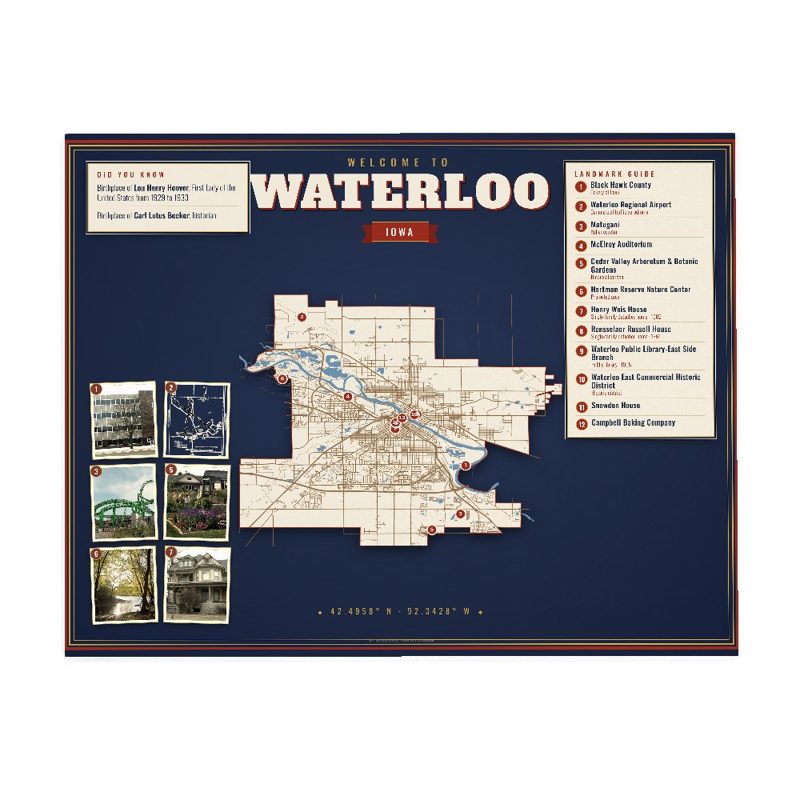
Waterloo Map Placemat

Waterloo Map Placemat

Map of local landmarks, washable fabric

$31
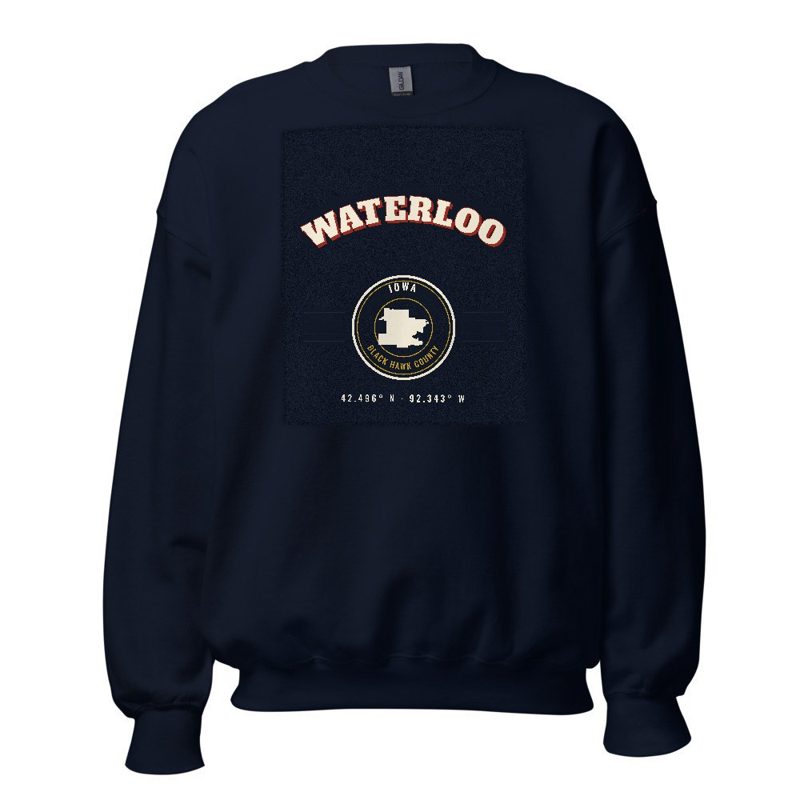
Waterloo Varsity Crewneck

Waterloo Varsity Crewneck

Heavy-blend fleece, street map printed on the back

from $57
Waterloo Hometown Knit Sweater

Waterloo Hometown Knit Sweater

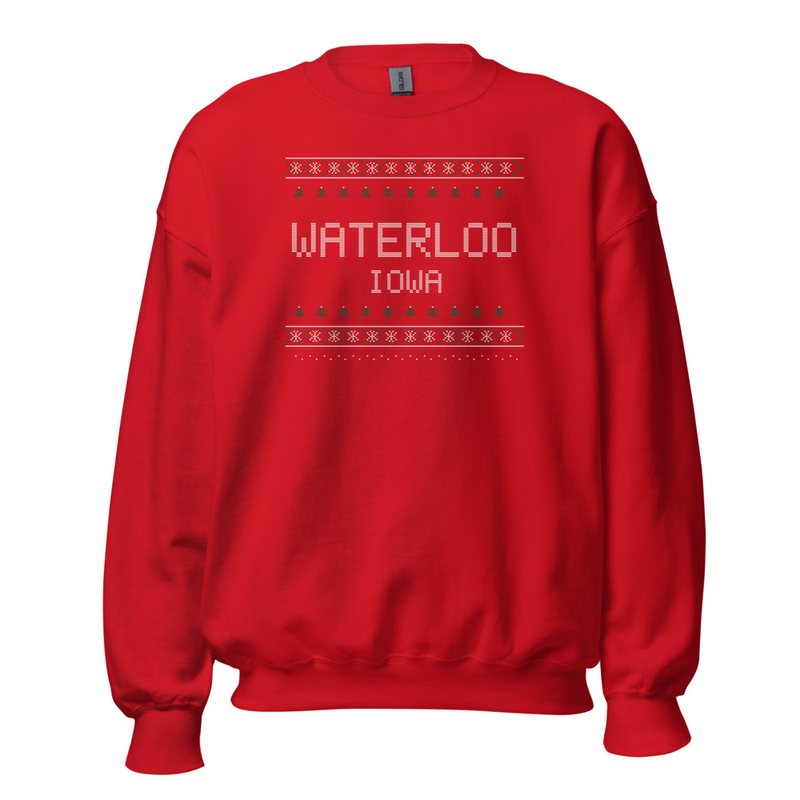
Red heavy-blend crewneck, knit-stitch town print

from $57
Waterloo Est. Tee

Waterloo Est. Tee

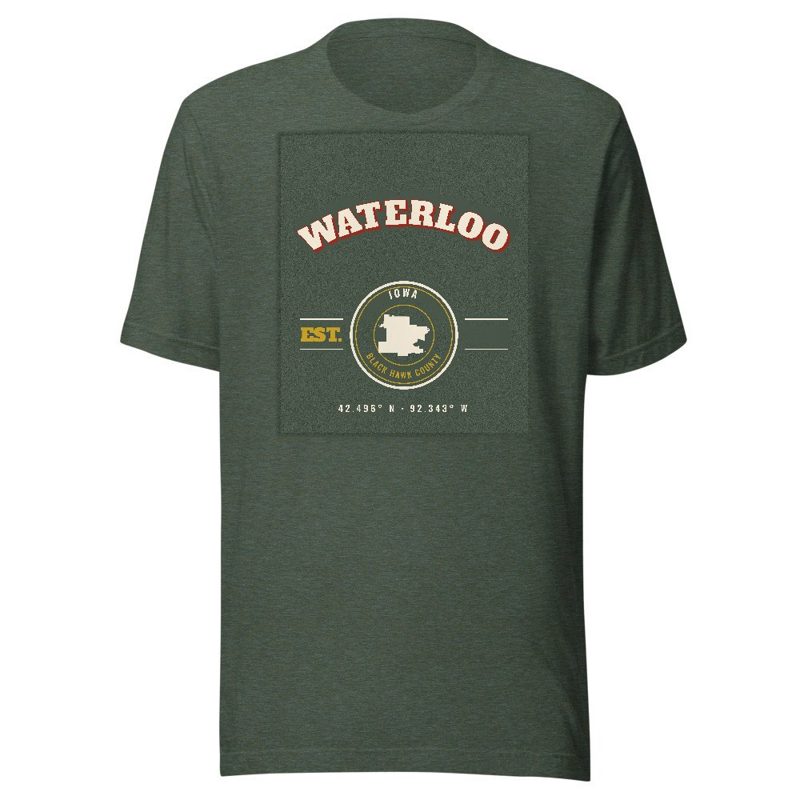
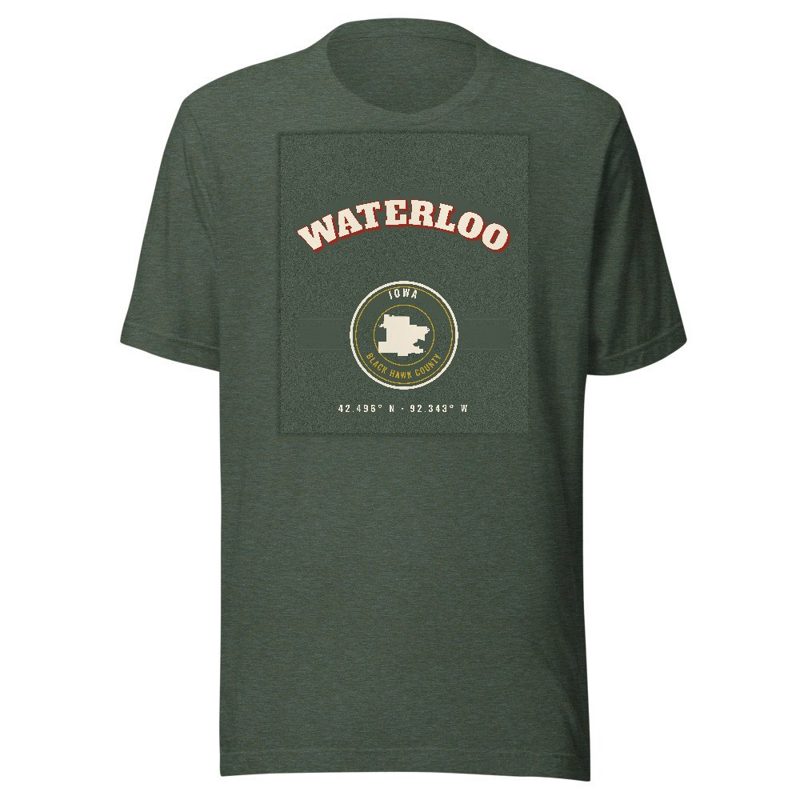
Soft Bella+Canvas jersey

from $33
Waterloo Est. Youth Tee

Waterloo Est. Youth Tee

Kids' Bella+Canvas jersey, youth sizes

$30
Waterloo Est. Toddler Tee

Waterloo Est. Toddler Tee

Bella+Canvas toddler jersey

$29
Waterloo Est. Baby One Piece

Waterloo Est. Baby One Piece

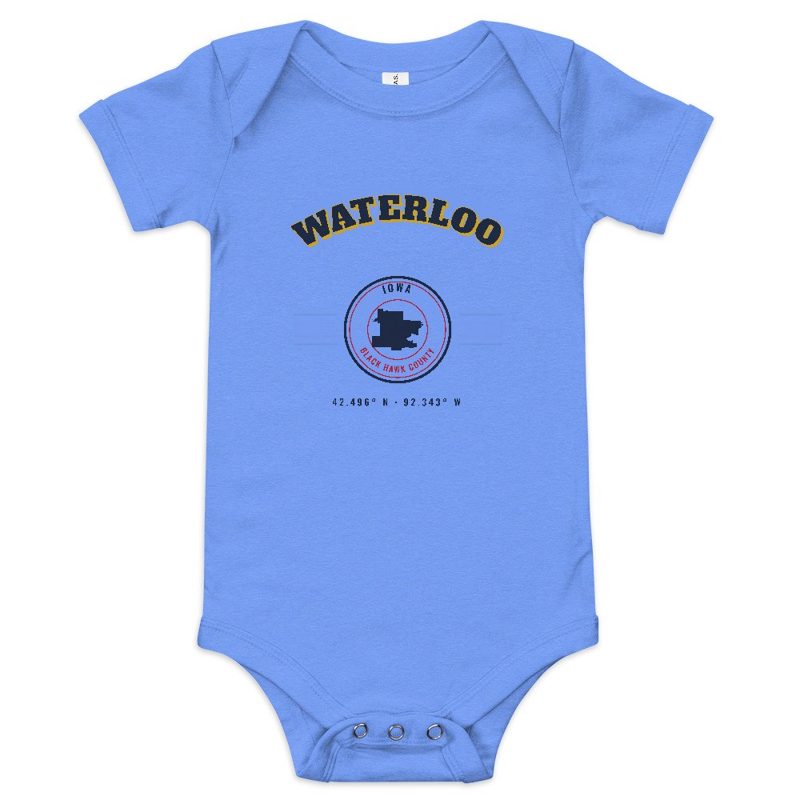
Bella+Canvas baby bodysuit

$30
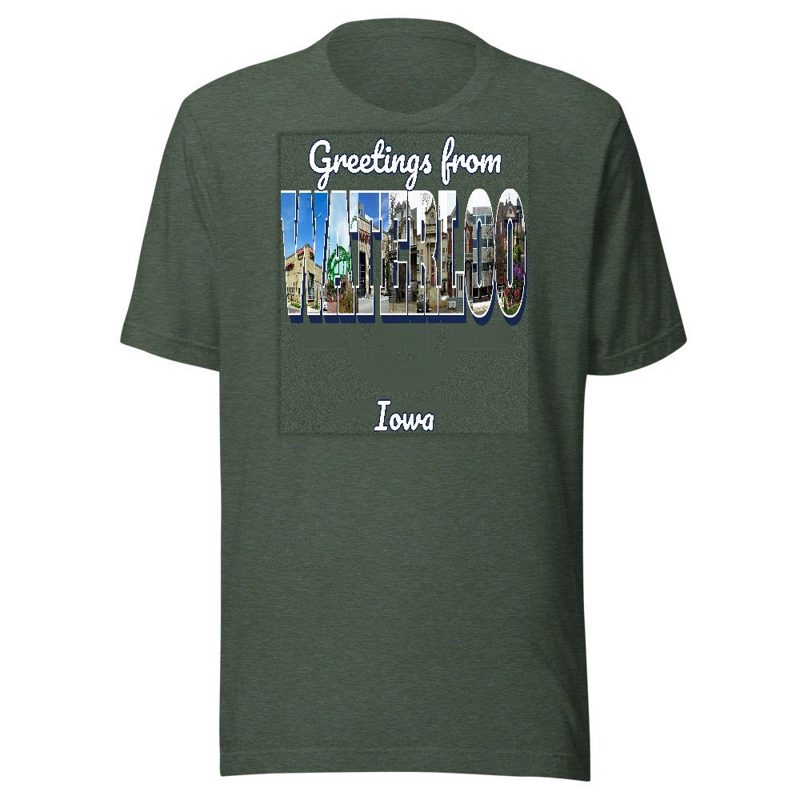
Waterloo “Greetings From” Tee

Waterloo “Greetings From” Tee

Large-letter postcard art filled with local photos

from $35
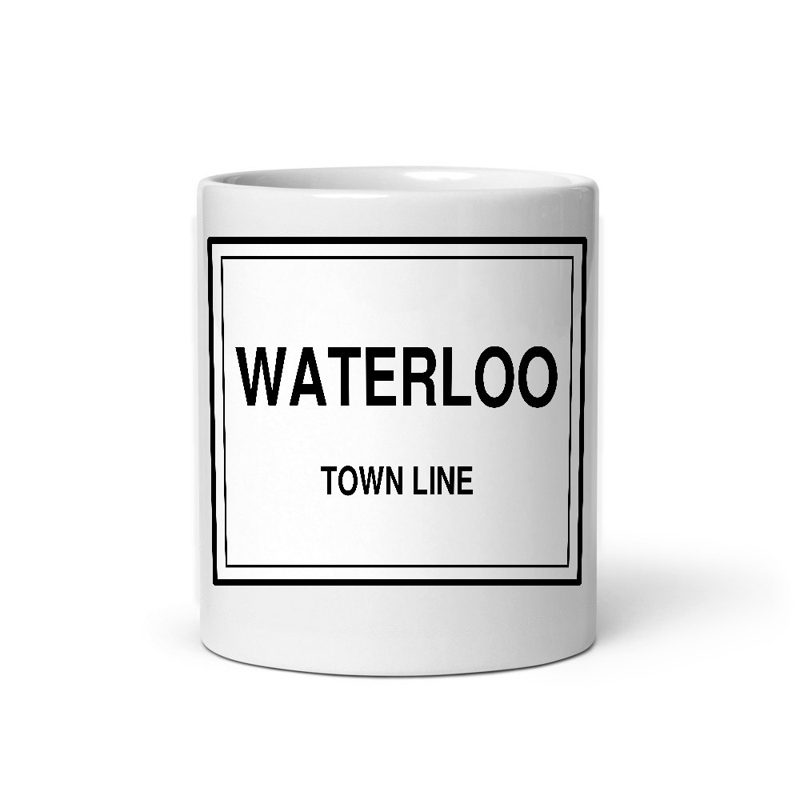
Waterloo Town Line Mug

Waterloo Town Line Mug

Glossy ceramic, dishwasher safe

from $26
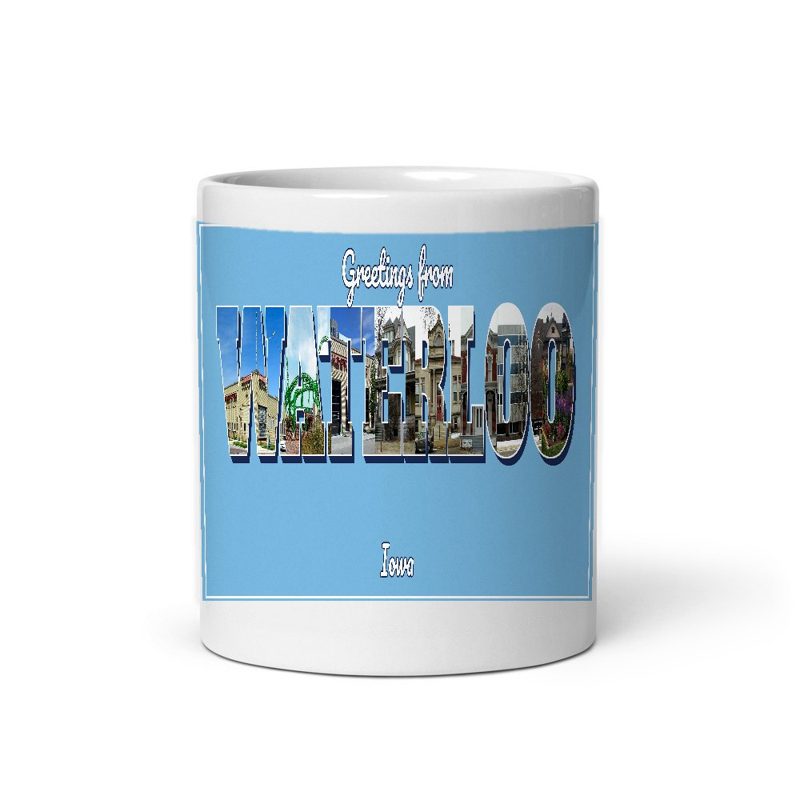
Waterloo “Greetings From” Mug

Waterloo “Greetings From” Mug

Large-letter postcard art filled with local photos, 11 oz ceramic

from $29
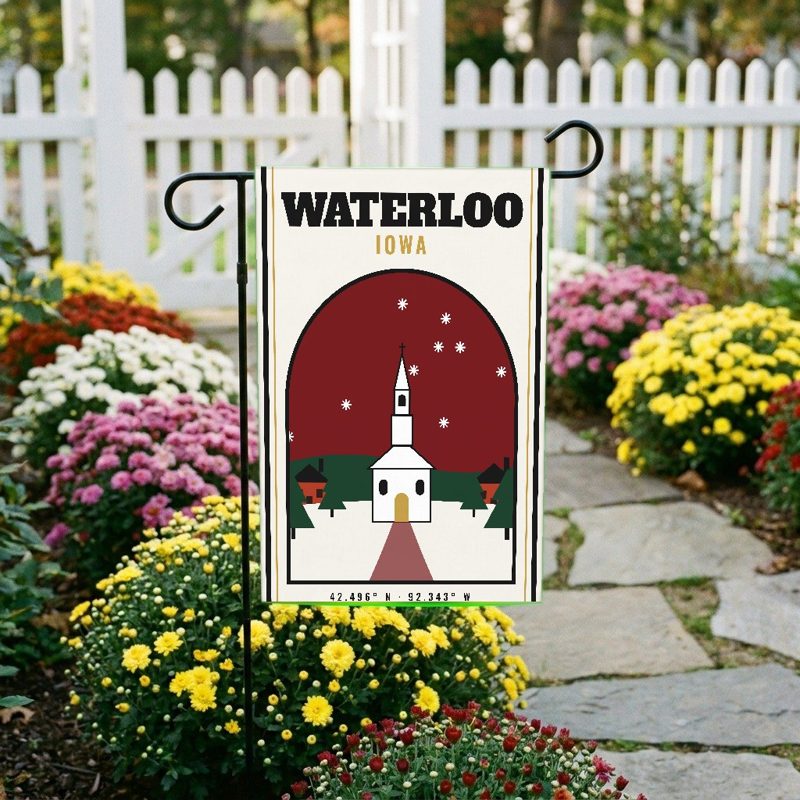
Waterloo Garden Flag

Waterloo Garden Flag

Weatherproof, for the front walk

$31
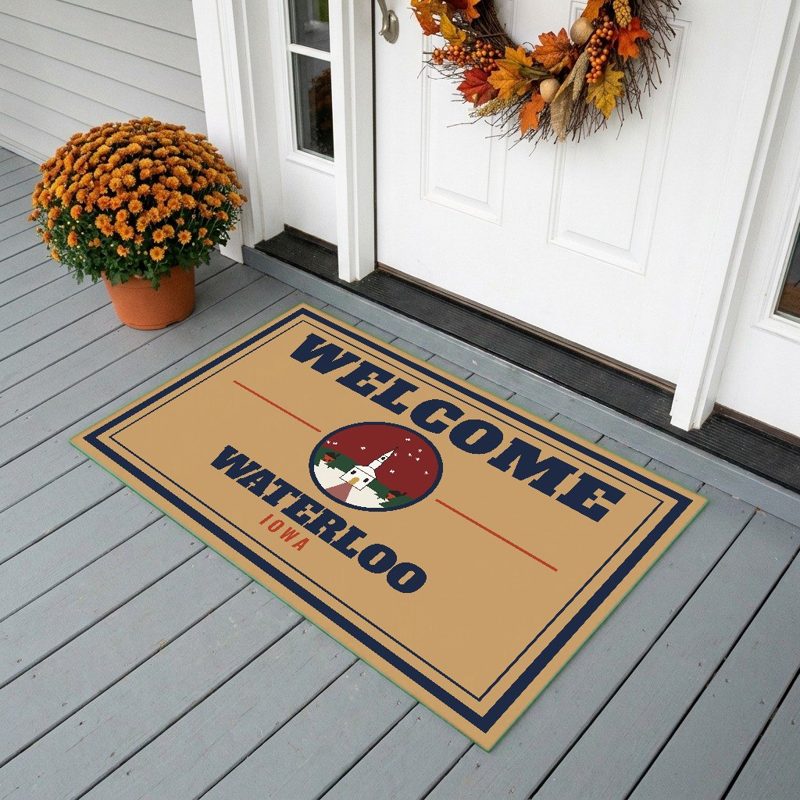
Waterloo Welcome Doormat

Waterloo Welcome Doormat

24″×16″, printed coir-look fibers, rubber back

$66
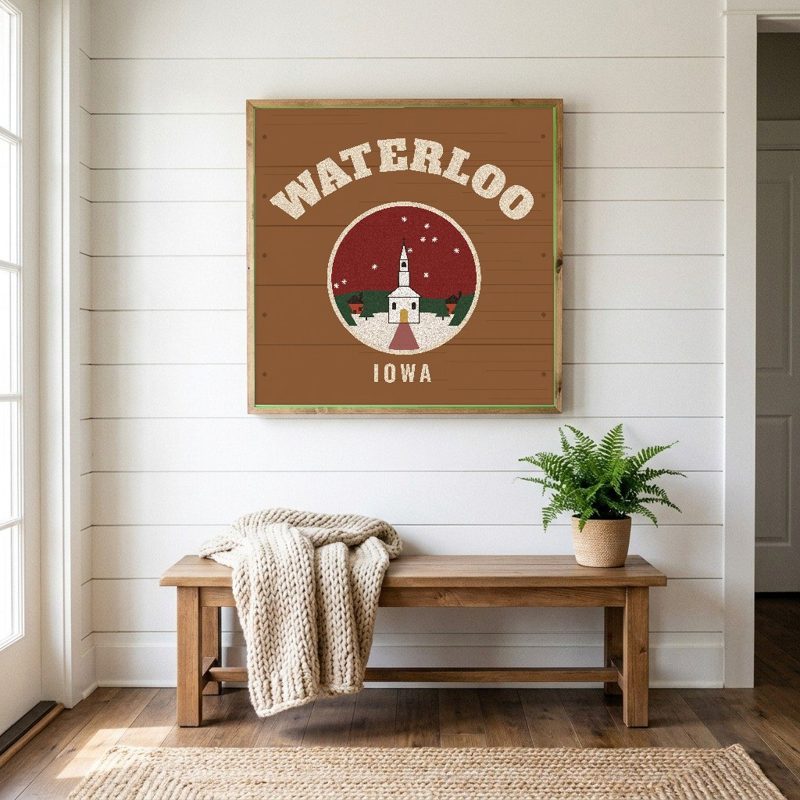
Waterloo Hometown Wood Sign

Waterloo Hometown Wood Sign

12″×12″ printed wood, ready to hang

$48
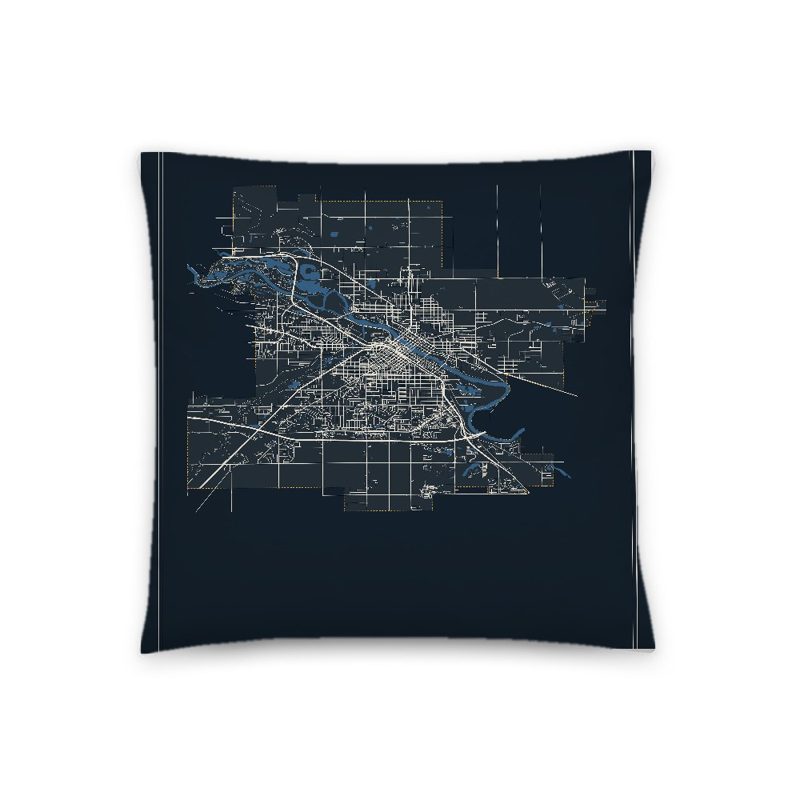
Waterloo Map Throw Pillow

Waterloo Map Throw Pillow

Soft-touch, zip cover

$47
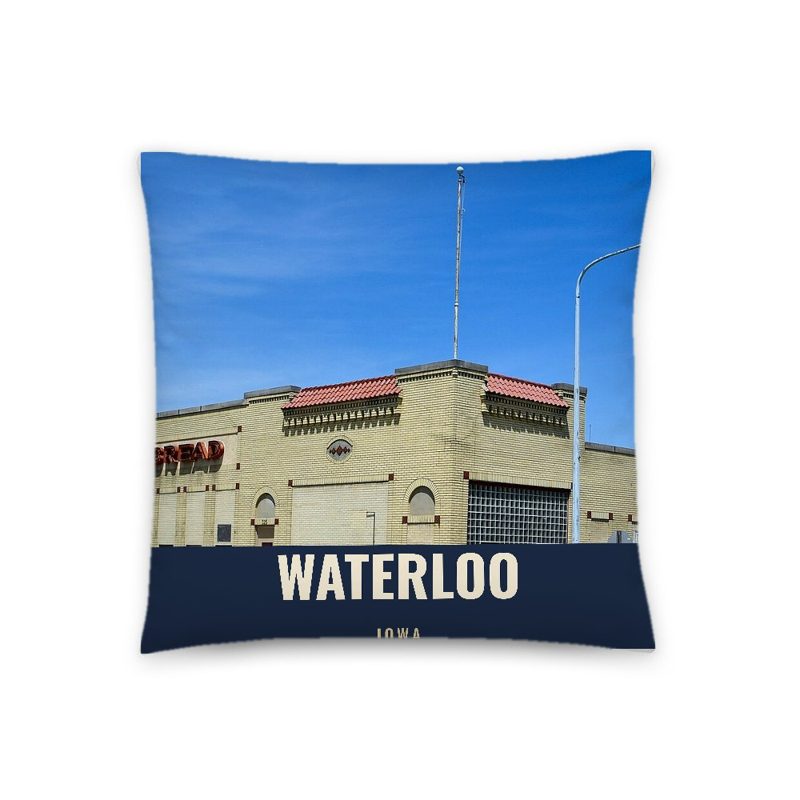
Waterloo Landmark Photo Pillow

Waterloo Landmark Photo Pillow

A local landmark photo with the town name, 18″×18″

$49
Waterloo Market Tote

Waterloo Market Tote

Sturdy all-over-print tote

$37
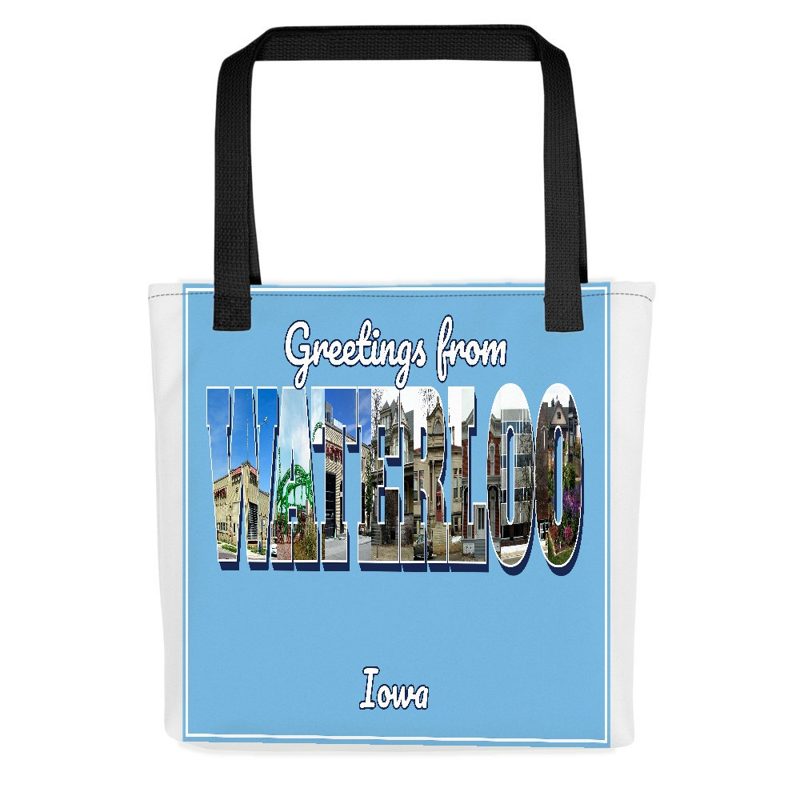
Waterloo “Greetings From” Tote

Waterloo “Greetings From” Tote

Large-letter postcard art on a sturdy tote

$37
Waterloo “Greetings From” Trucker Cap

Waterloo “Greetings From” Trucker Cap

Foam-front trucker, printed (not embroidered) with local photos

$33
Waterloo Cork Coaster

Waterloo Cork Coaster

Glossy top, cork back

$16
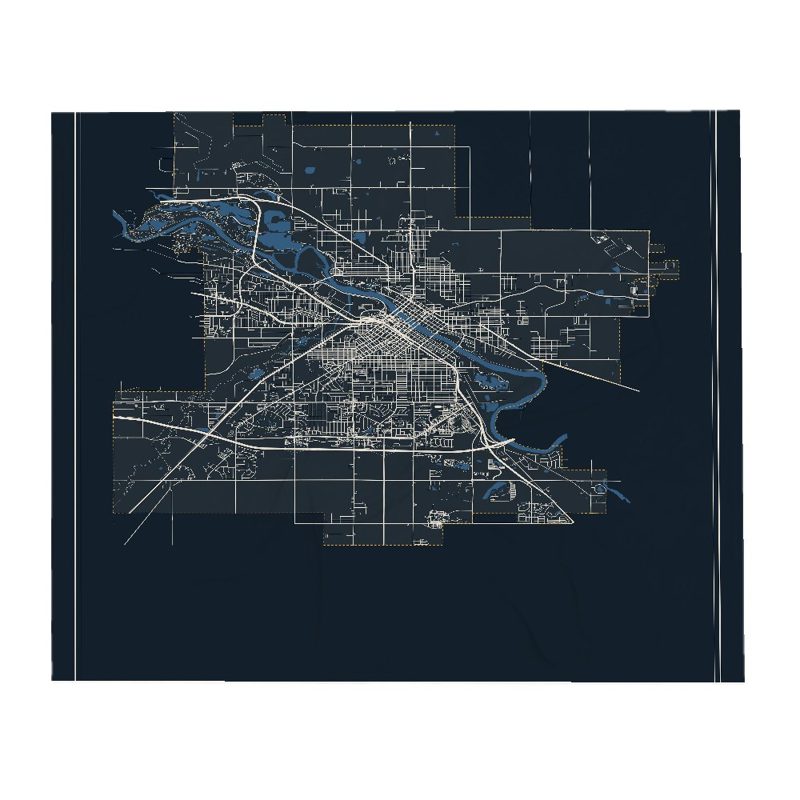
Waterloo Street Map Throw Blanket

Waterloo Street Map Throw Blanket

Soft fleece, 50″×60″

from $72
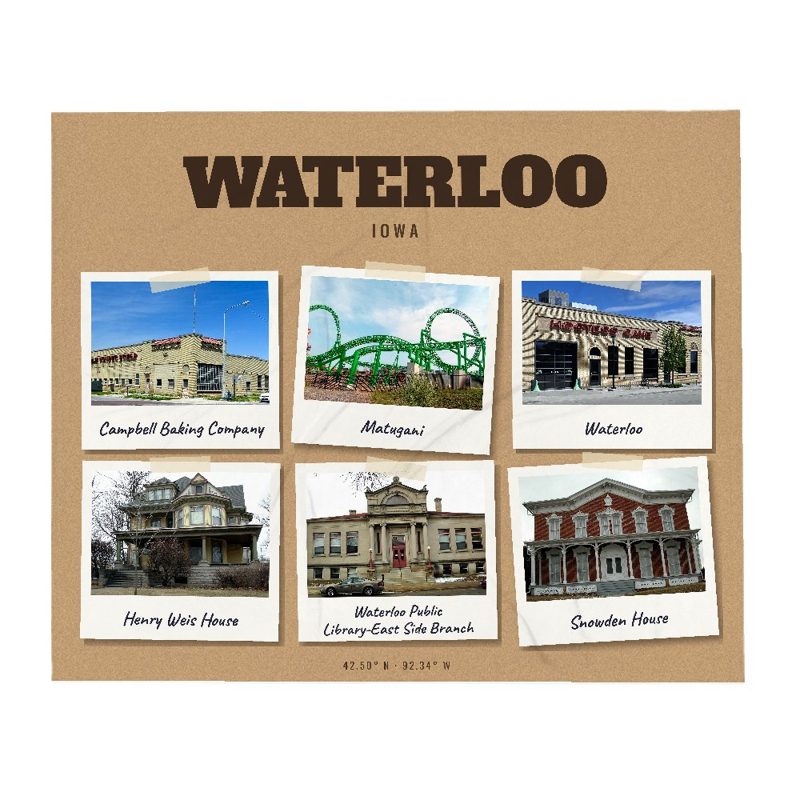
Waterloo Snapshot Collage Blanket

Waterloo Snapshot Collage Blanket

Six local landmarks as instant photos, soft fleece 50″×60″

from $76
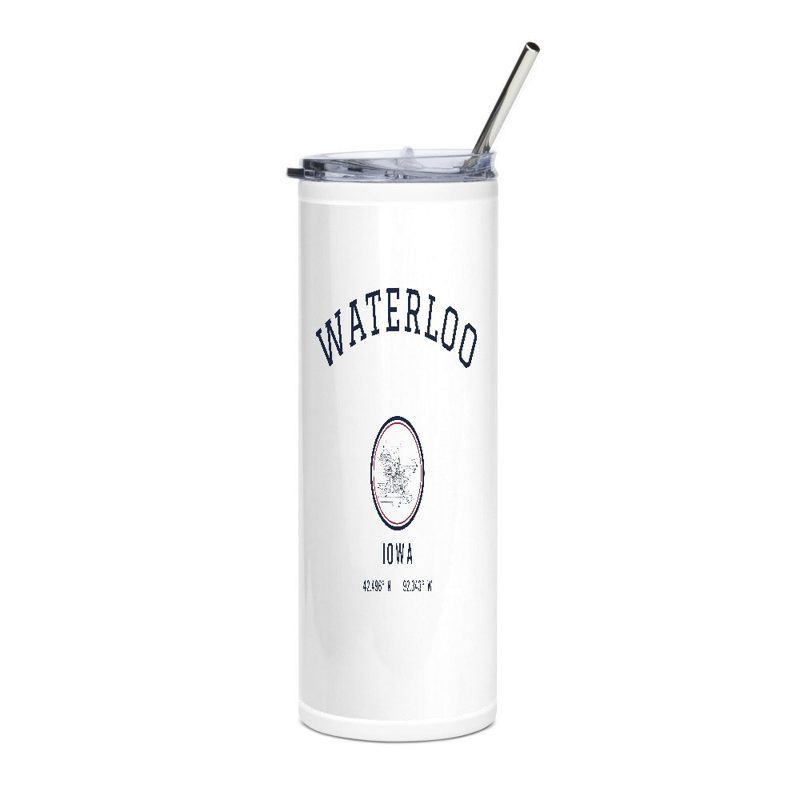
Waterloo Est. Tumbler

Waterloo Est. Tumbler

20 oz, double-wall stainless

$51
Waterloo Black Hawk County Postcard

Waterloo Black Hawk County Postcard

6″×4″ postcard, glossy front

$10
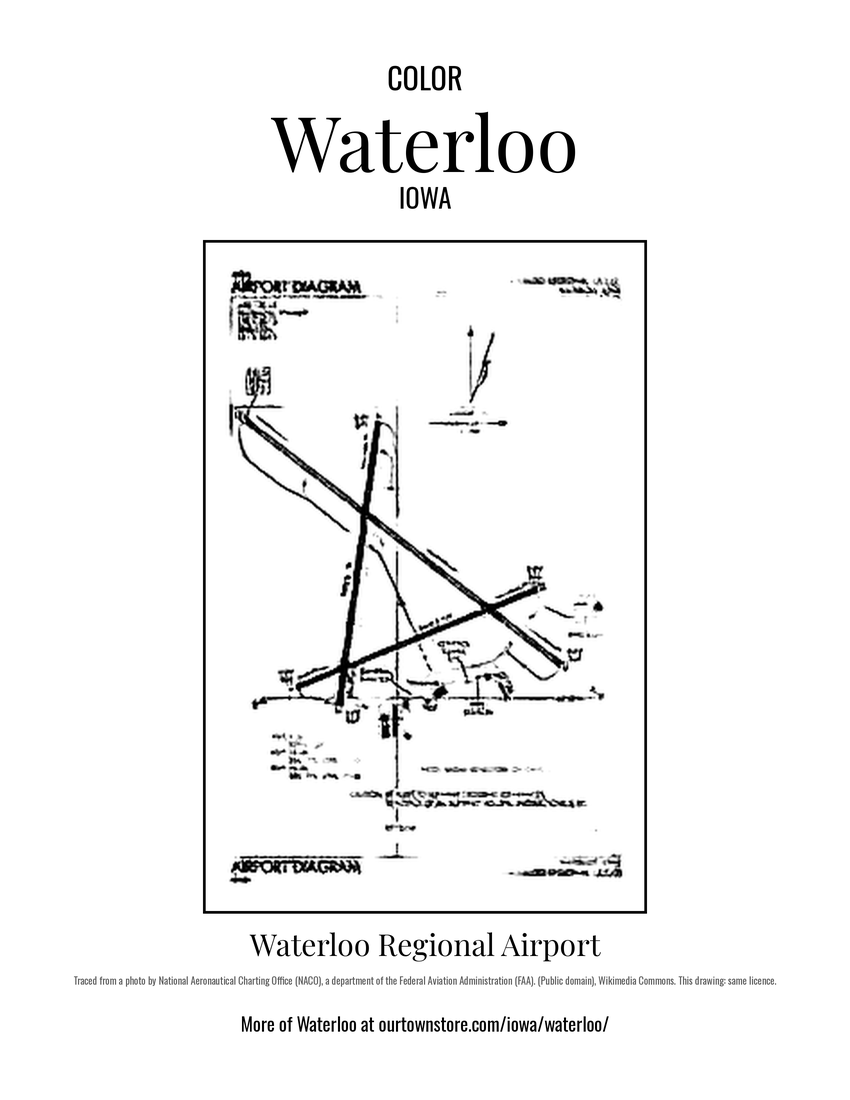
Waterloo Waterloo Regional Airport Postcard

Waterloo Waterloo Regional Airport Postcard

6″×4″ postcard, glossy front

$10
Waterloo Matugani Postcard

Waterloo Matugani Postcard

6″×4″ postcard, glossy front

$10
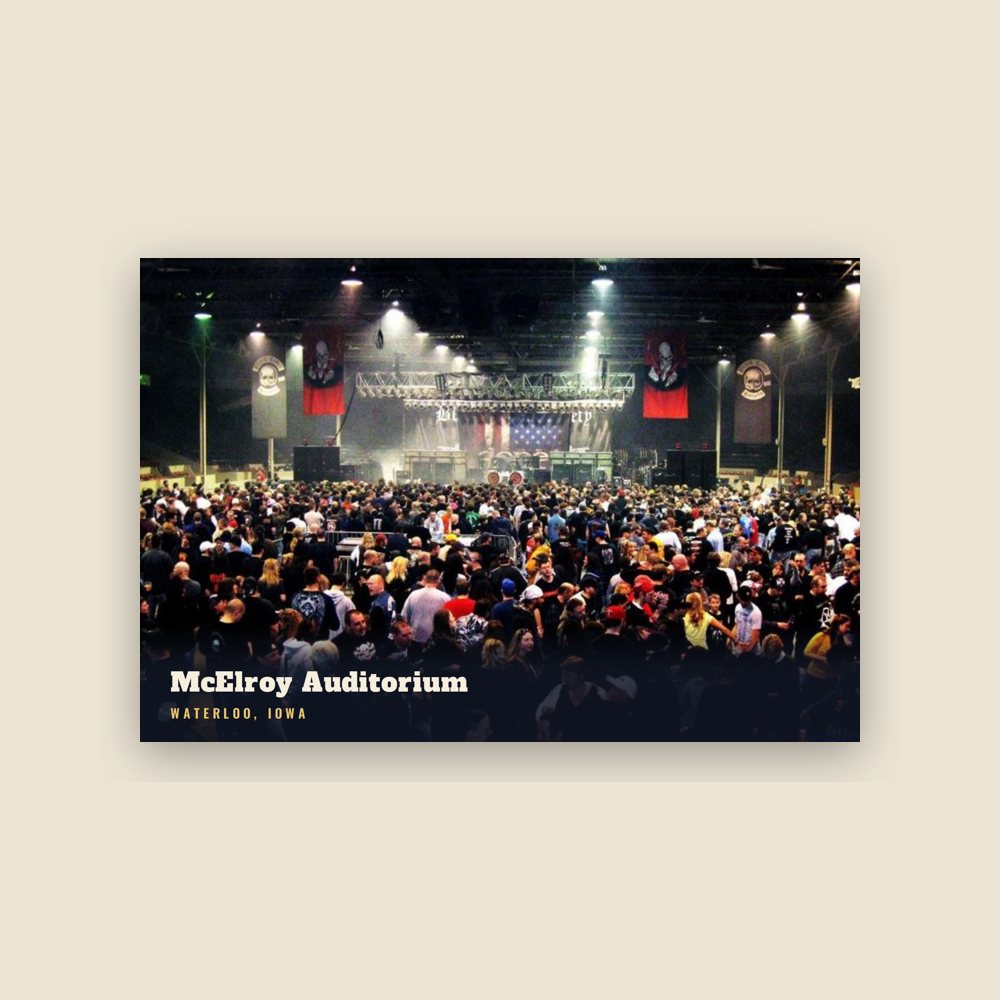
Waterloo McElroy Auditorium Postcard

Waterloo McElroy Auditorium Postcard

6″×4″ postcard, glossy front

$10
Waterloo Cedar Valley Arboretum & Botanic Gardens Postcard

Waterloo Cedar Valley Arboretum & Botanic Gardens Postcard

6″×4″ postcard, glossy front

$10
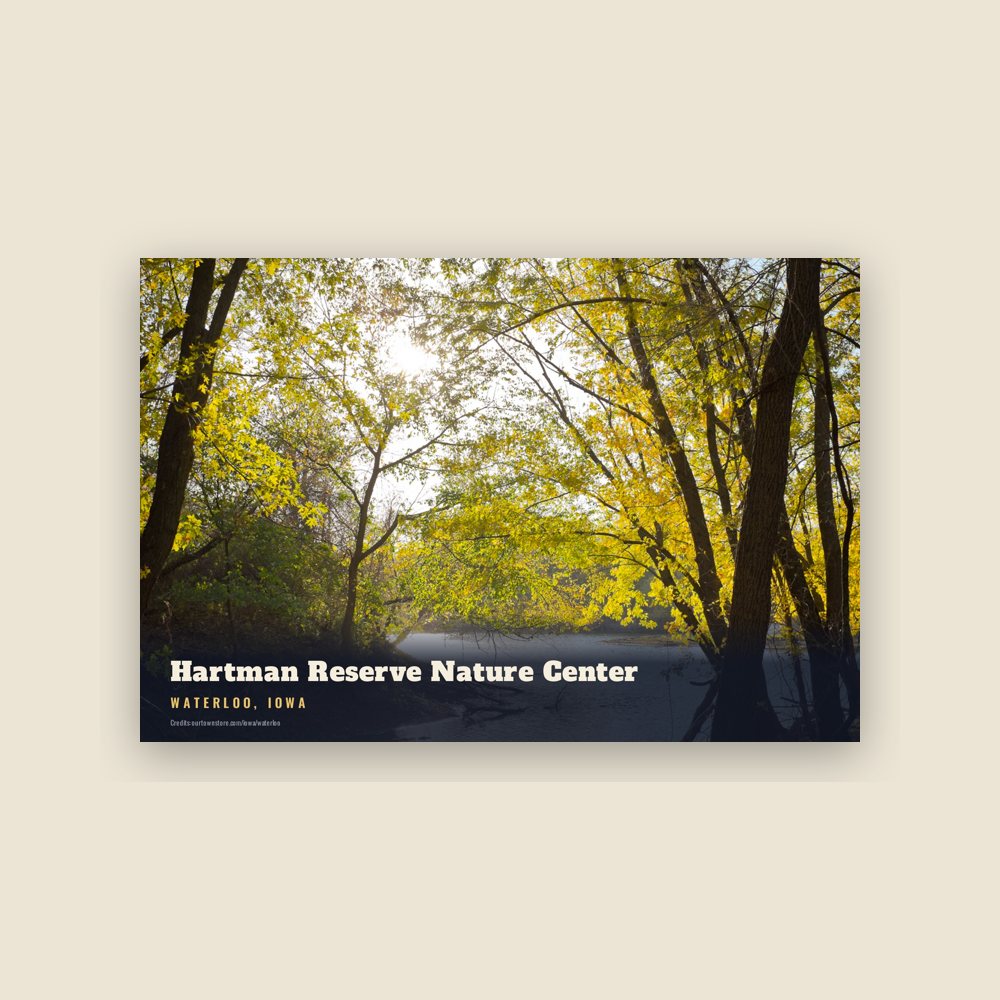
Waterloo Hartman Reserve Nature Center Postcard

Waterloo Hartman Reserve Nature Center Postcard

6″×4″ postcard, glossy front

$10
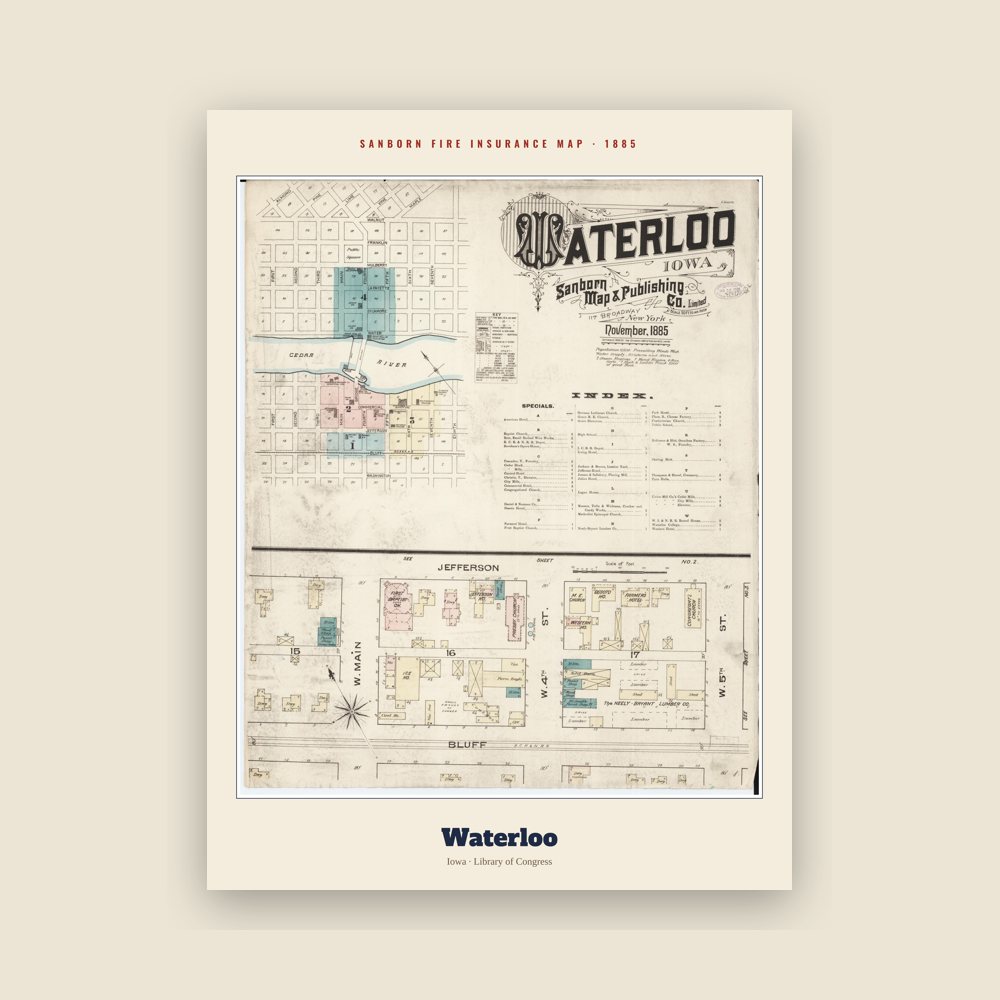
Waterloo Sanborn Map Print

Waterloo Sanborn Map Print

The town's earliest Sanborn fire-insurance map, drawn building by building and hand-coloured, from the Library of Congress

from $44
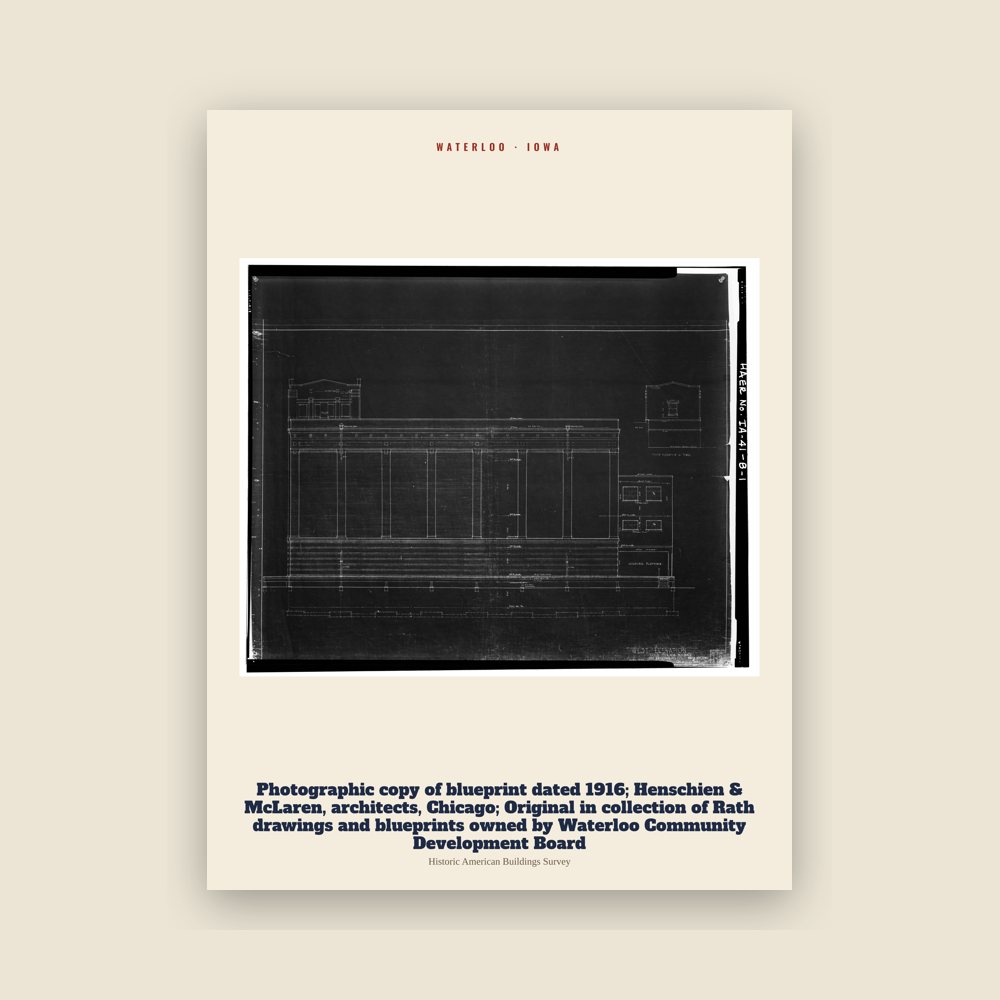
Waterloo Photographic copy of blueprint dated 1916; Henschien & McLaren, architects, Chicago; Original in collection of Rath drawings and blueprints owned by Waterloo Community Development Board Archive Print

Waterloo Photographic copy of blueprint dated 1916; Henschien & McLaren, architects, Chicago; Original in collection of Rath drawings and blueprints owned by Waterloo Community Development Board Archive Print

From the Library of Congress collections: a historic survey drawing or photograph of the town

from $44
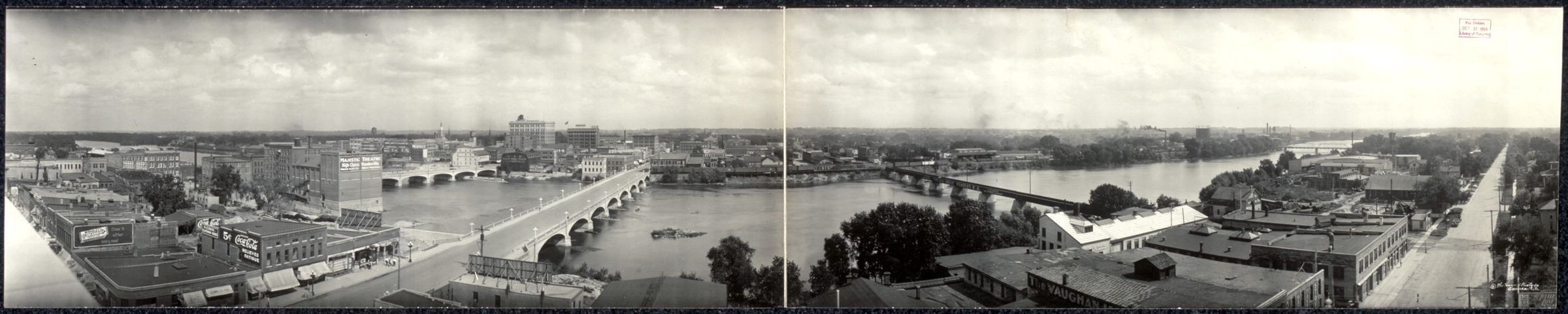
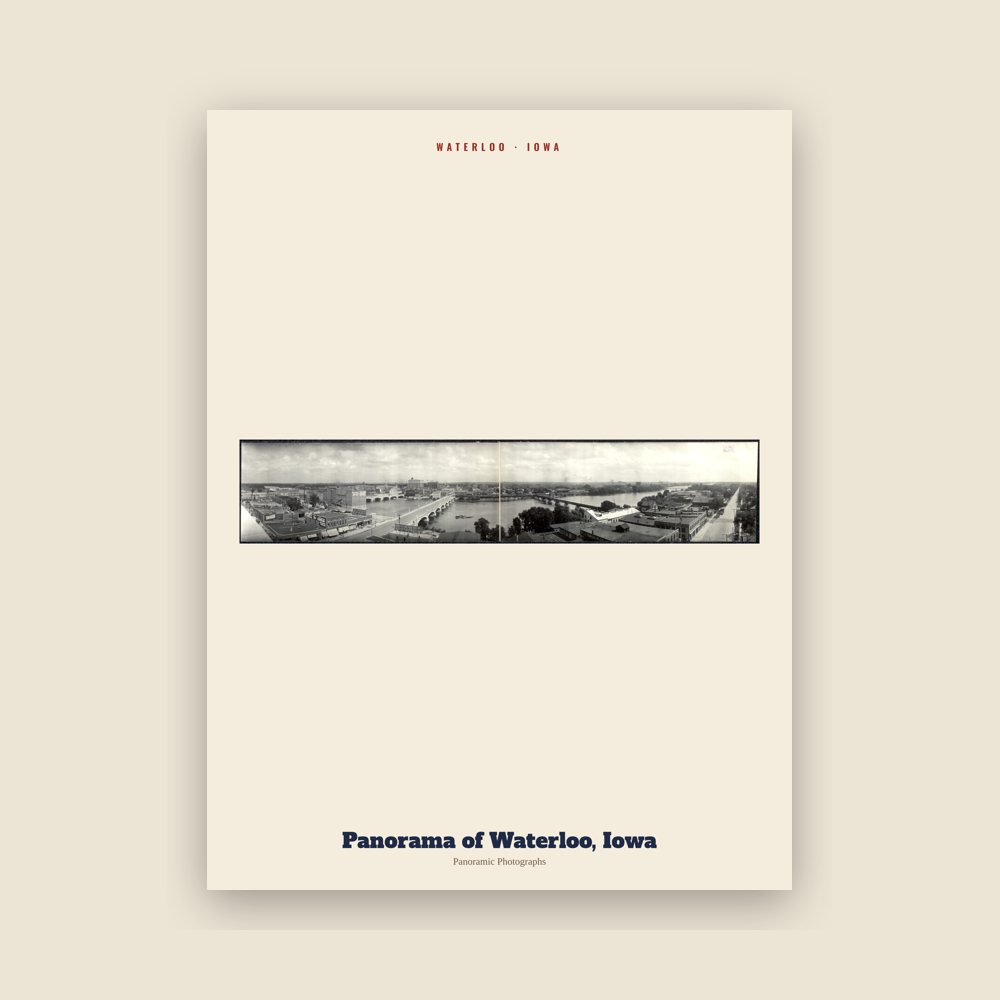
Waterloo Panorama of Waterloo, Iowa Archive Print

Waterloo Panorama of Waterloo, Iowa Archive Print

From the Library of Congress collections: a historic survey drawing or photograph of the town

from $44
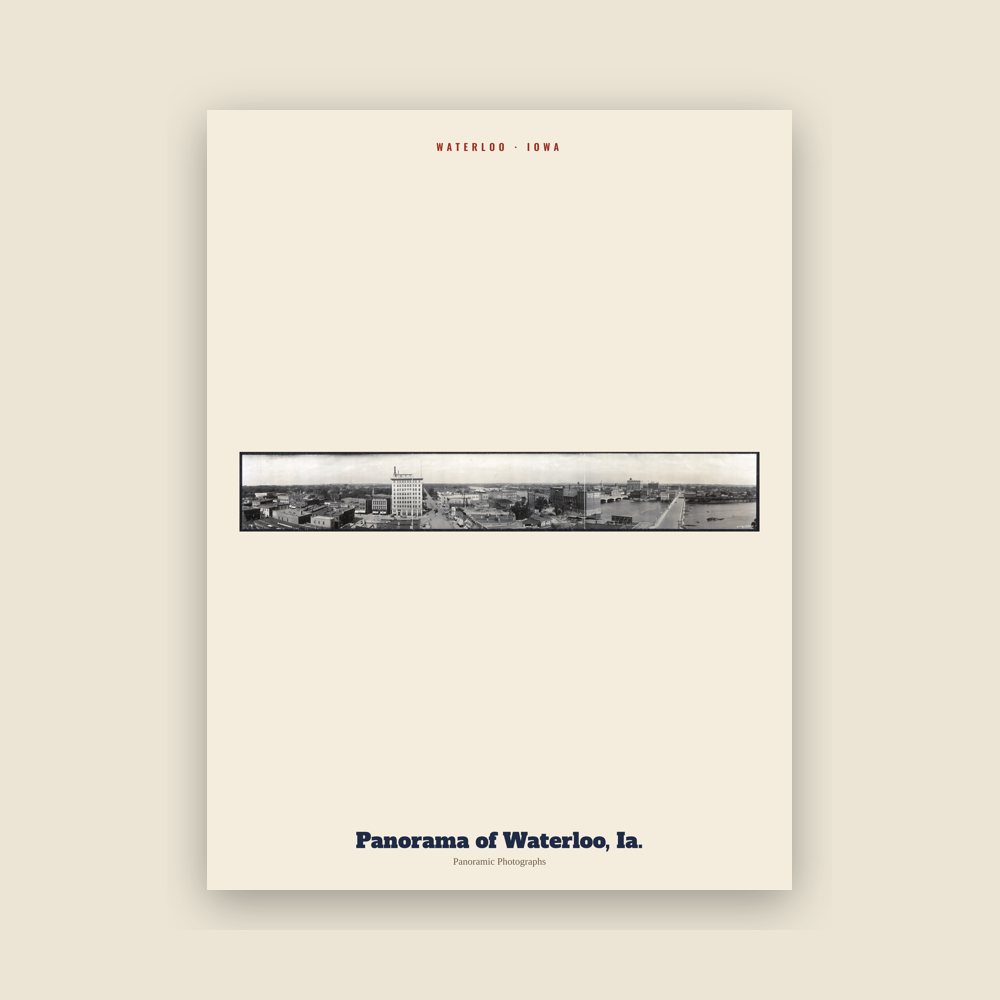
Waterloo Panorama of Waterloo, Ia. Archive Print

Waterloo Panorama of Waterloo, Ia. Archive Print

From the Library of Congress collections: a historic survey drawing or photograph of the town

from $44
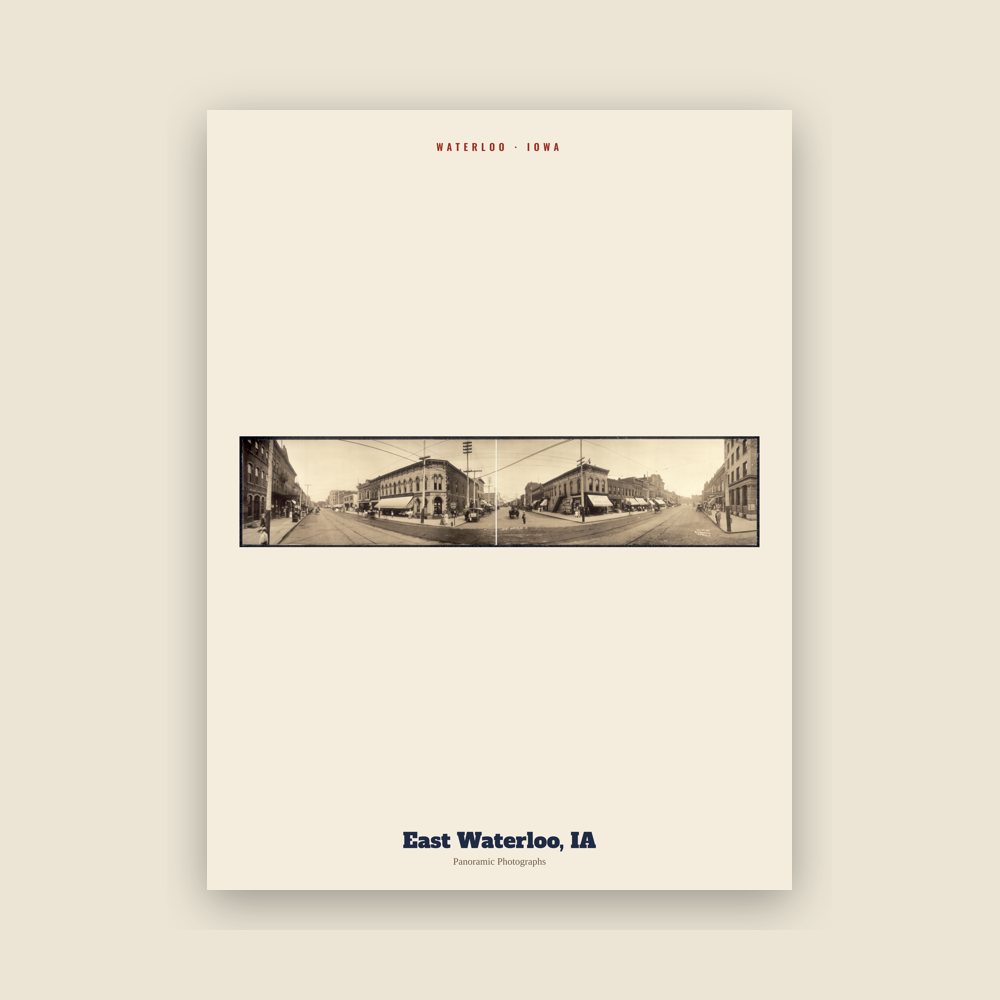
Waterloo East Waterloo, IA Archive Print

Waterloo East Waterloo, IA Archive Print

From the Library of Congress collections: a historic survey drawing or photograph of the town

from $44
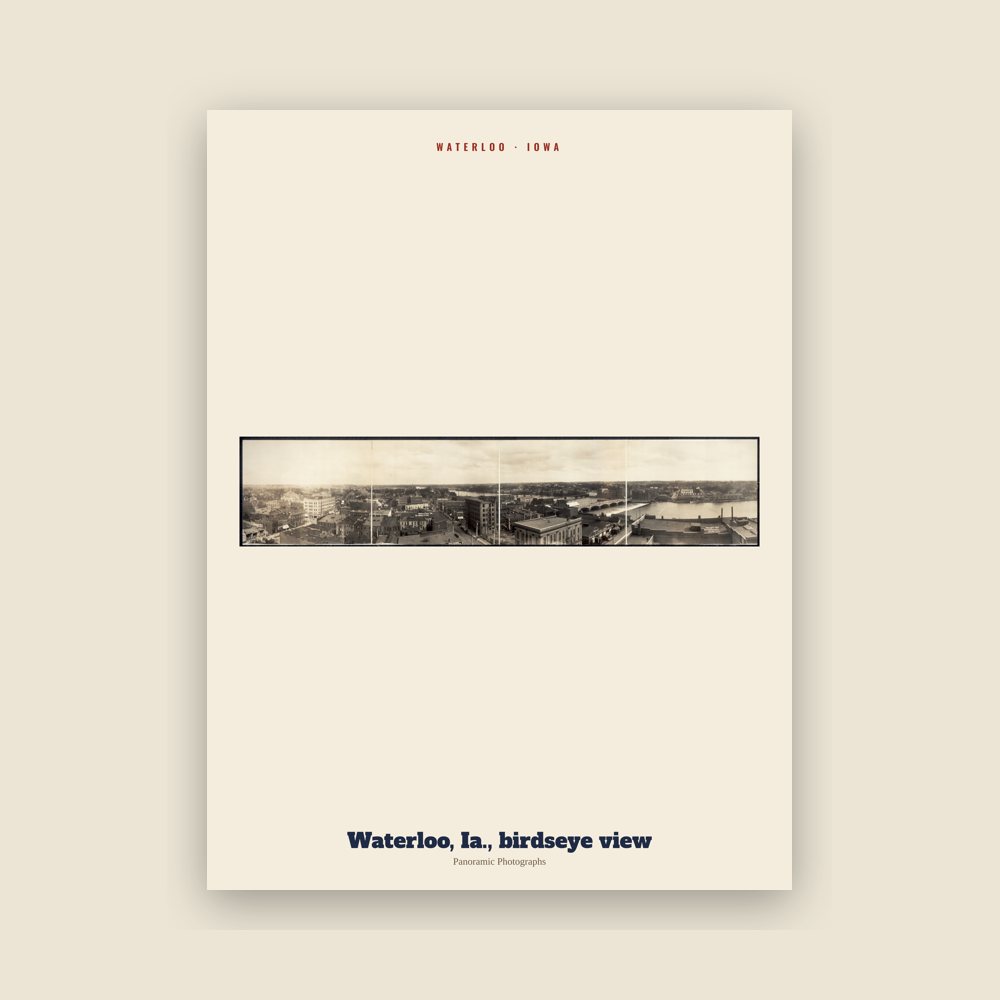
Waterloo Waterloo, Ia., birdseye view Archive Print

Waterloo Waterloo, Ia., birdseye view Archive Print

From the Library of Congress collections: a historic survey drawing or photograph of the town

from $44
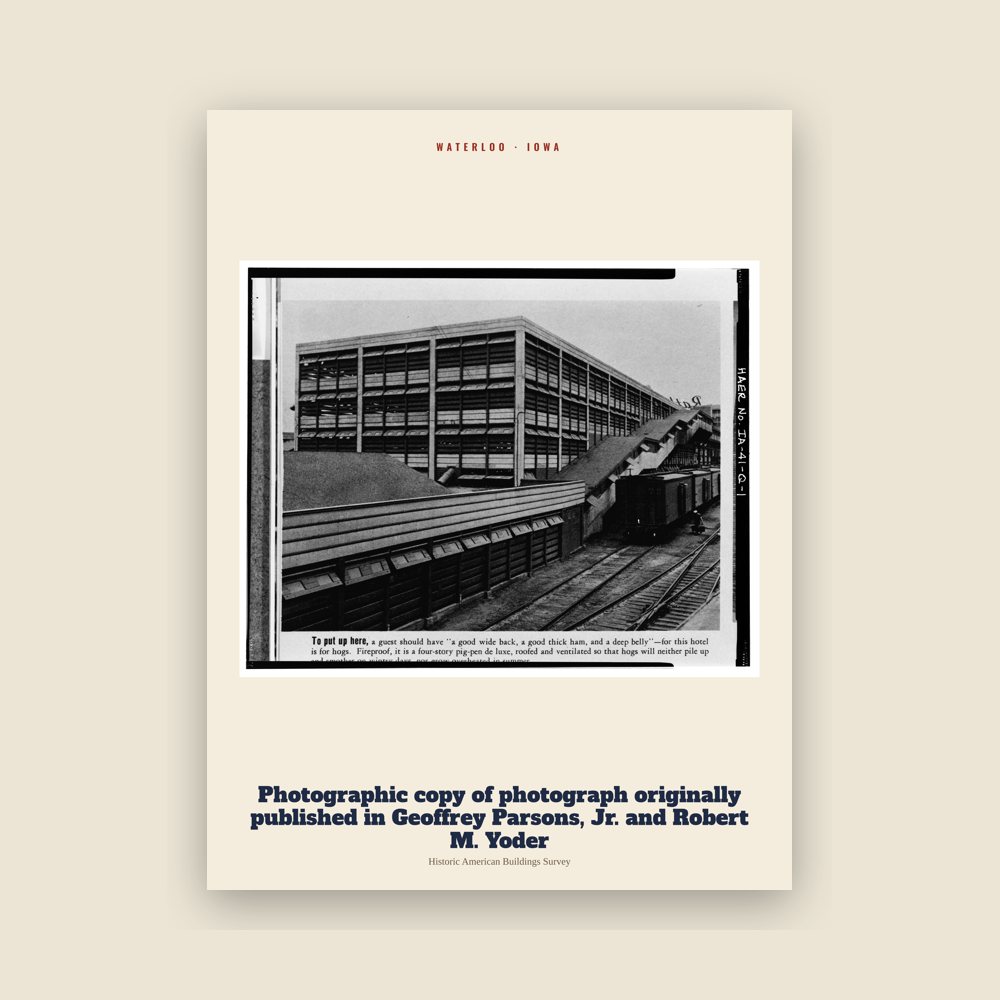
Waterloo Photographic copy of photograph originally published in Geoffrey Parsons, Jr. and Robert M. Yoder Archive Print

Waterloo Photographic copy of photograph originally published in Geoffrey Parsons, Jr. and Robert M. Yoder Archive Print

From the Library of Congress collections: a historic survey drawing or photograph of the town

from $44
Hometown roll

Born in Waterloo

On the National Register

Historic places

Population 2010: 68,406 → 2020: 67,314

From Wikidata (CC0).

A short history of Waterloo

Waterloo was originally known as Prairie Rapids Crossing. The town was established near two Meskwaki American tribal seasonal camps alongside the Cedar River. It was first settled in 1845 when George and Mary Melrose Hanna and their children arrived on the east bank of the Red Cedar River (now just called the Cedar River). They were followed by the Virden and Mullan families in 1846. Evidence of these earliest families can still be found in the street names Hanna Boulevard, Mullan Avenue and Virden Creek.

The name Waterloo supplanted the original name, Prairie Rapids Crossing, shortly after Charles Mullan petitioned for a post office in the town. Since the signed petition did not include the name of the proposed post office location, Mullan was charged with selecting the name when he submitted the petition. Tradition has it that as he flipped through a list of other post offices in the United States, he came upon the name Waterloo. The name struck his fancy, and a post office was established under that name. There were two extended periods of rapid growth over the next 115 years. From 1895 to 1915, the population increased from 8,490 to 33,097, a 290% increase. From 1925 to 1960, population increased from 36,771 to 71,755. The 1895 to 1915 period was a time of rapid growth in manufacturing, rail transportation and wholesale operations. During this period the Waterloo Gasoline Traction Engine Company moved to Waterloo and, shortly after, the Rath Packing Company moved from Dubuque. Another major employer throughout the first two-thirds of the 20th century was the Illinois Central Railroad. Among the others was the less-successful brass era automobile manufacturer, the Maytag-Mason Motor Company.

On June 7, 1934, bank robber Tommy Carroll had a shootout with the FBI when he and his wife stopped to pick up gas. Accidentally parking next to a police car and wasting time dropping his gun and picking it back up, Carroll was forced to flee into an alley, where he was shot. He was taken to Allen Memorial Hospital in Waterloo, where he soon died.

Waterloo suffered in the agricultural recession of the 1980s; its major employers at the time were heavily rooted in agriculture. John Deere, the area's largest employer, cut 10,000 jobs, and the Rath meatpacking plant closed altogether, losing 2,500 jobs. It is estimated that Waterloo lost 14% of its population during this time. Today the city enjoys a broader industrial base, as city leaders have sought to diversify its industrial and commercial mix. John Deere remains a large employer for Waterloo, but employs only roughly one-third the number of people it did at its peak. Layoffs in 2024 and 2025 further reduced John Deere's presence in the city.

Read the full history

African American community

In 1910, black railroad workers were brought in as strikebreakers to the Waterloo area. Black workers were relegated to 20 square blocks in Waterloo, an area that remains the east side to this day. In 1940, more black strikebreakers were brought in to work in the Rath meat plant. In 1948, a black strikebreaker killed a white union member. Instead of a race riot, a strike ensued against the Rath Company. The National Guard was called in to end the 73-day strike.

Civil rights

United Packinghouse Workers of America became the main union of the Rath Company, welcoming black workers, but United Auto Workers Local 838 continued to refuse black members. With the power of the union, Anna Mae Weems, Ada Treadwell, Charles Pearson and Jimmy Porter formed an anti-discrimination department at Rath by the 1950s. This department helped organize protests against local places that discriminated against blacks.

Porter would go on to organize the first black radio station in Waterloo, KBBG, in 1978. Weems became the head of the anti-discrimination department and local NAACP chapter.

On May 31, 1966, Eddie Wallace Sallis was found dead in the local jail. The black community felt the death was suspicious, and protests were held. On June 4, Weems led a march on city hall to encourage investigation into his death. The march led to the creation of the Waterloo Human Rights Commission, which lasted only a year due to lack of funding.

On Sept. 7, 1967, a city report, "Waterloo's Unfinished Business", was released. The report covered the ongoing problems in housing, education and employment faced by Waterloo's black community. It confirmed the housing bias faced by black residents, that many of the schools were generally 80% of one race, and that 80% of black residents held service jobs. In a 2007 article, the Courier covered some changes in the 40 years since, finding that housing was now mostly divided by socioeconomic status, schools still violated the desegregation plan, and black unemployment was still double that of white residents.

The Iowa Supreme Court outlawed school segregation in 1868. A 1967 commission found most schools were still segregated and recommended immediate desegregation, which Mayor Lloyd Turner opposed. In 1969, the Waterloo school board voted to allow open enrollment in all their schools to encourage integration. Many parents felt it was not enough. Despite the efforts between 1967 and 1970, already-black schools in the area increased in their segregation.

21st century

In 2003, Governor Tom Vilsack created a task force to close the racial achievement gap in Waterloo. In 2009, a fair housing report, "Analysis of Impediments to Fair Housing Choice", compiled by Mullin & Lonergan Associates Inc., found Waterloo to be Iowa's most segregated city. "Historical patterns of racial segregation persist in Waterloo. Of the 20 cities in Iowa with populations exceeding 25,000, Waterloo ranks as the most segregated".

Many activists who participated in the original protests feel that Waterloo has remained the same. In 2015, The Huffington Post listed Waterloo as the 10th worst city for black Americans. The site noted that the city's black residents have a 24% unemployment rate compared to 3.9% for whites, giving Waterloo one of the highest black unemployment rates among Midwest cities. Waterloo still has a higher percentage of blacks than most Iowa cities.

In December 2012, Derrick Ambrose Jr. was shot by a police officer. Ambrose's family maintains he was unarmed, while the officer stated that he felt his life was in danger. A grand jury acquitted the officer. The shooting sparked outrage in the community.

Adapted (trimmed) from the Wikipedia article Waterloo, Iowa, revision 1380492238 by its contributors, licensed CC BY-SA 4.0.

For local organizations

Are you with a Waterloo historical society?

We share a part of every Waterloo sale with local partners, and we'd love to print from your collection. Old photographs, maps and postcards make the best keepsakes.
Partner with us
Custom orders

Want something Waterloo we don't make yet?

A favorite landmark, your street, a school or team, an anniversary gift, a different product. Tell us and we'll get back to you by email.

Free printables

Color Waterloo

13 free coloring pages of Waterloo, each traced from a photo of a local landmark. Print them at home, at school or for story hour.

Nearby

Neighboring towns

Sources

Waterloo's population was 67,314 in the 2020 U.S. Census, down from 68,406 in 2010.