A short history of McGregor
McGregor was founded as MacGregor's Landing in 1847 by Alexandar MacGregor of Clan Gregor, a descendant of Rob Roy MacGregor, and the area around MacGregor's Landing was settled by the extended family. In 1849 it was reported that the original MacGregor seal and signet were owned by Alex MacGregor. The Scots Gaelic clan seal was inscribed, "S' Riogal Mo Dhream/ Een dhn bait spair nocht", which was interpreted as "Royalty is my race / End do and spare not". The signet was a bloodstone from Loch Lomond, and was sketched by William Williams.
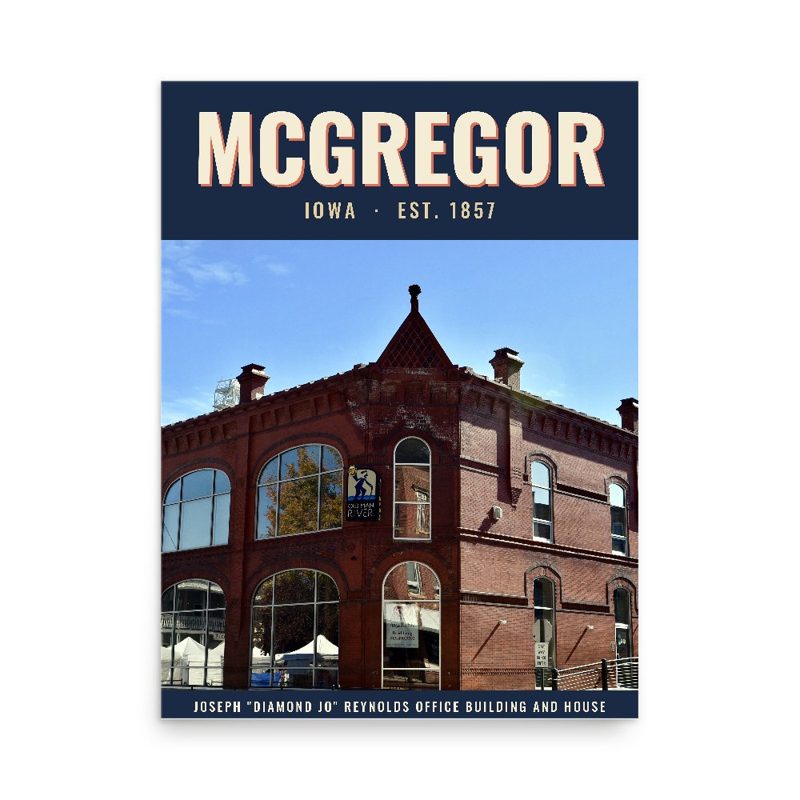
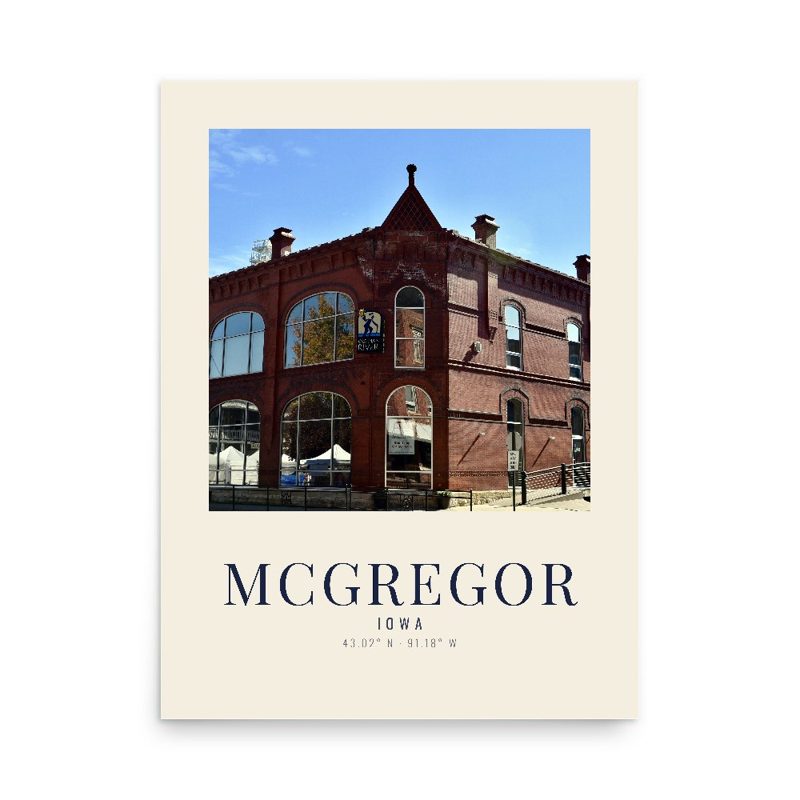
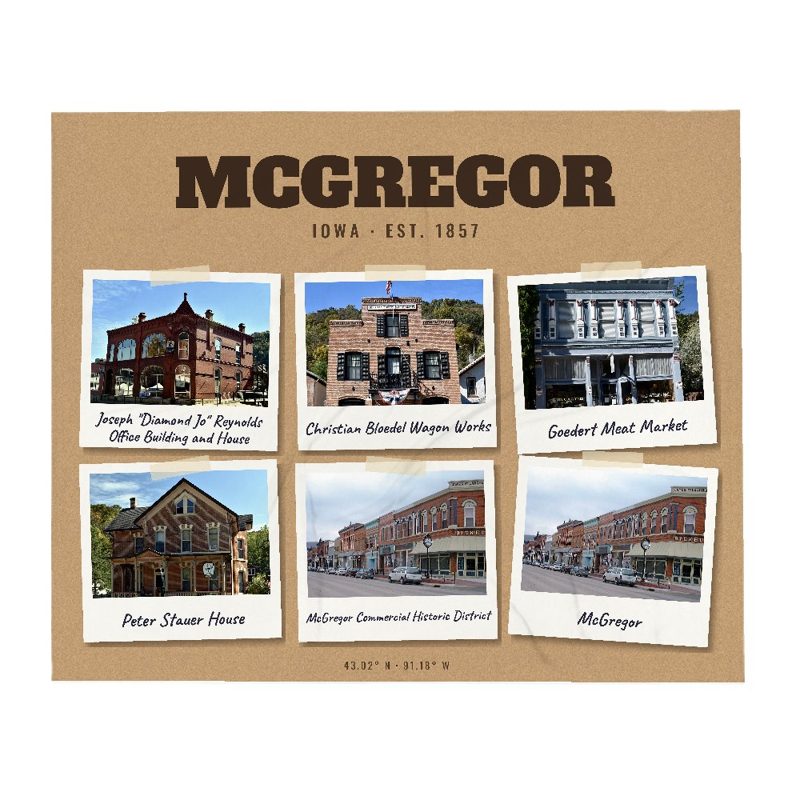
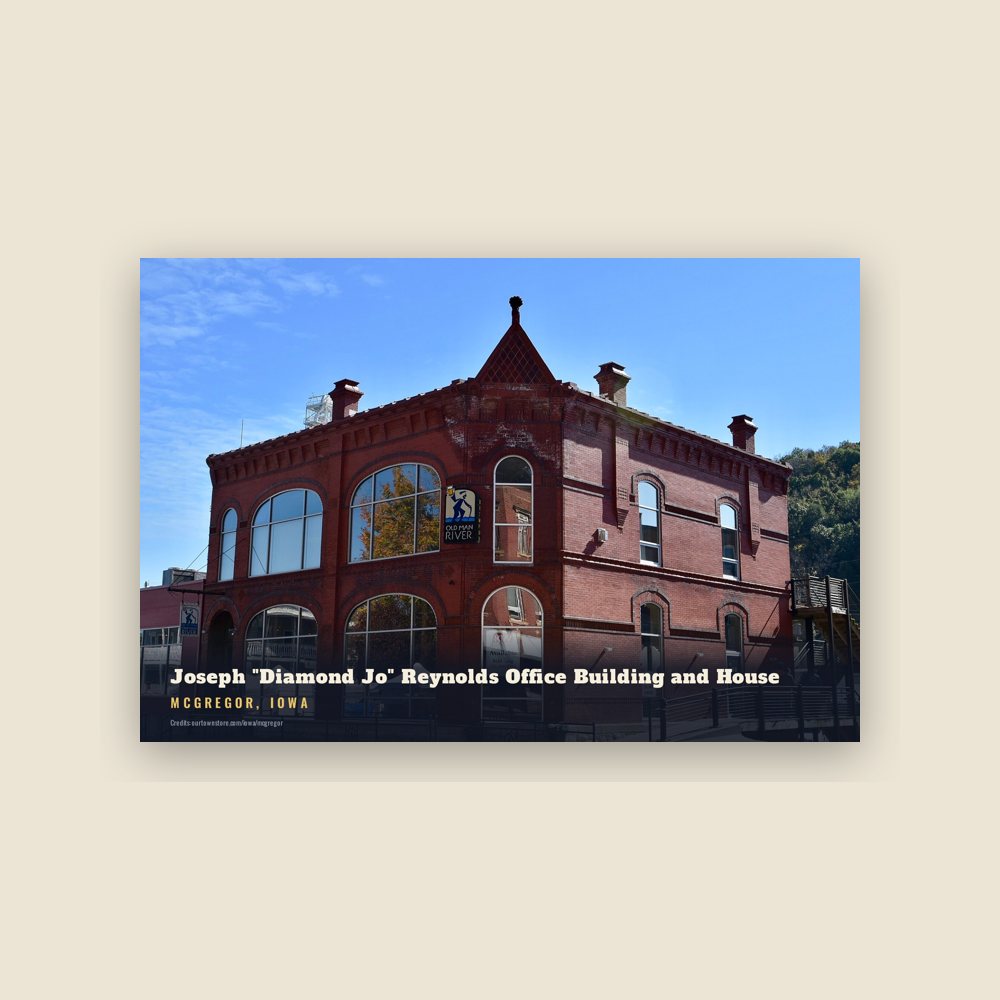
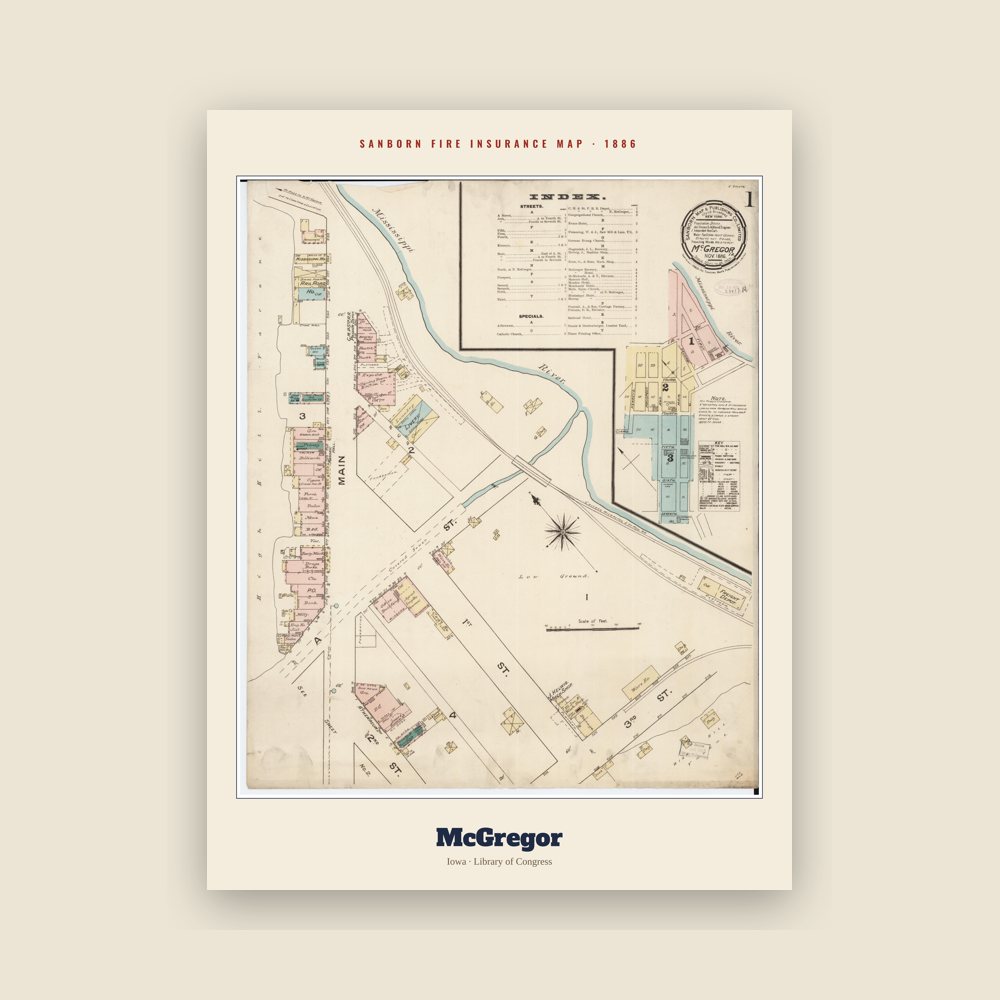
Since 1837, MacGregor had been operating a ferry across the Mississippi River between Prairie du Chien, Wisconsin and the present site of McGregor, Iowa. MacGregor planned the new city as a six block development, and it was quickly populated, being incorporated as McGregor in 1857. In that same year, the Milwaukee & Mississippi Railroad finished building a railroad track from Milwaukee, Wisconsin to Prairie du Chien, Wisconsin, thus connecting Lake Michigan with the Mississippi River by rail. McGregor quickly became a major commercial center, and served as a hub where grain from Iowa and Minnesota could be transported across the Mississippi and sent on to Milwaukee via railroad. For example, around 1860, Joseph "Diamond Jo" Reynolds moved to McGregor in order to establish a grain trading business, and later ran his own steam packets. The Diamond Jo office building still stands in the city. More railroads were built to connect McGregor with cities further west, and the city of North McGregor (now Marquette, Iowa) was established just north of the city to serve as the city's railroad terminus. After reaching McGregor from the west, trains were disassembled and railroad cars were ferried across the Mississippi to continue on towards Lake Michigan.
The towns early residents made use of the bedrock to carve cellars into the soft sandstone, used for cold storage and ageing beer; as of 1997 most of the entryways are visible but inaccessible.
In 1874, the system of ferrying railroad cars across the river between North McGregor and Prairie du Chien, Wisconsin, was brought to an end when Prairie du Chien businessman John Lawler commissioned the construction of a permanent pontoon bridge to connect the two cities' rail lines. As the need for men to disassemble and ship trains across the river disappeared, the city's population began to decline.
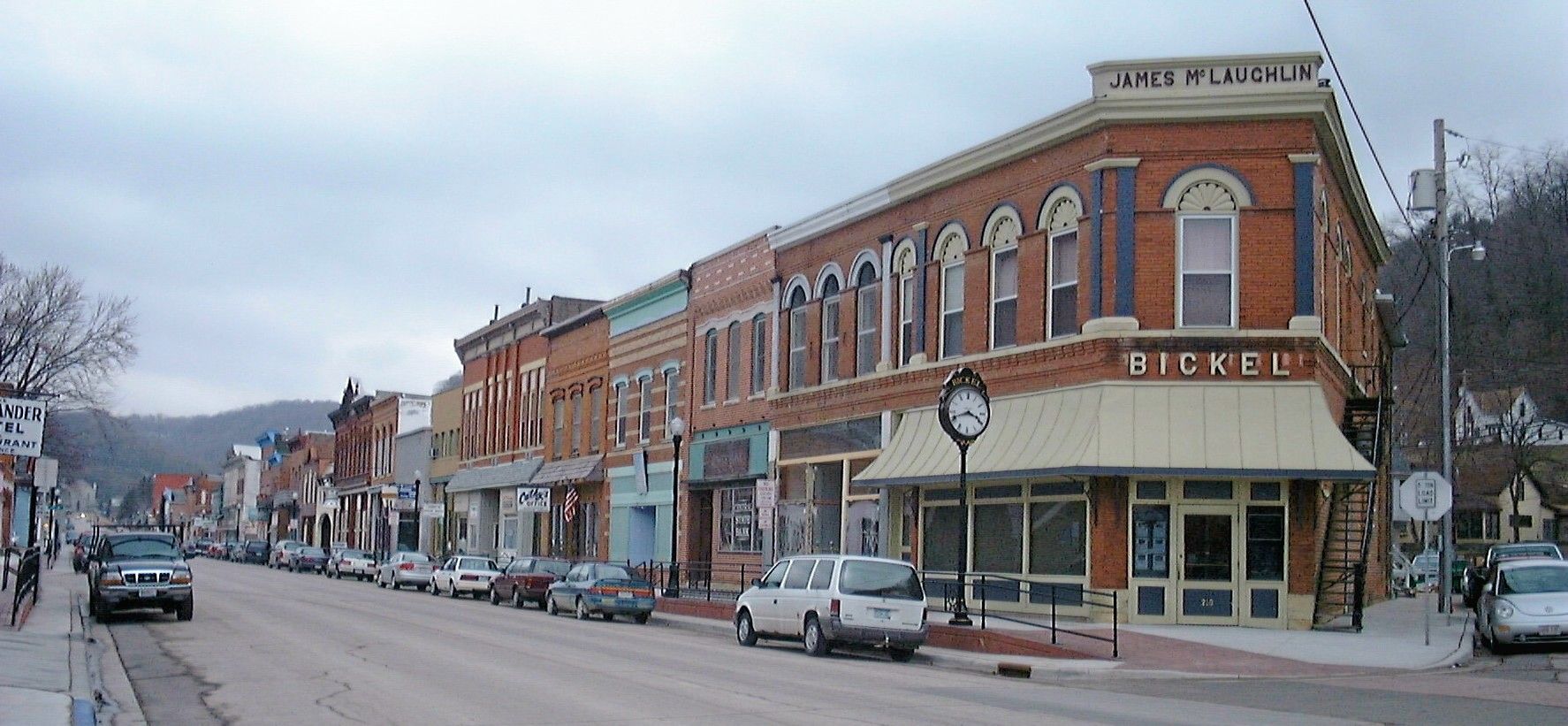
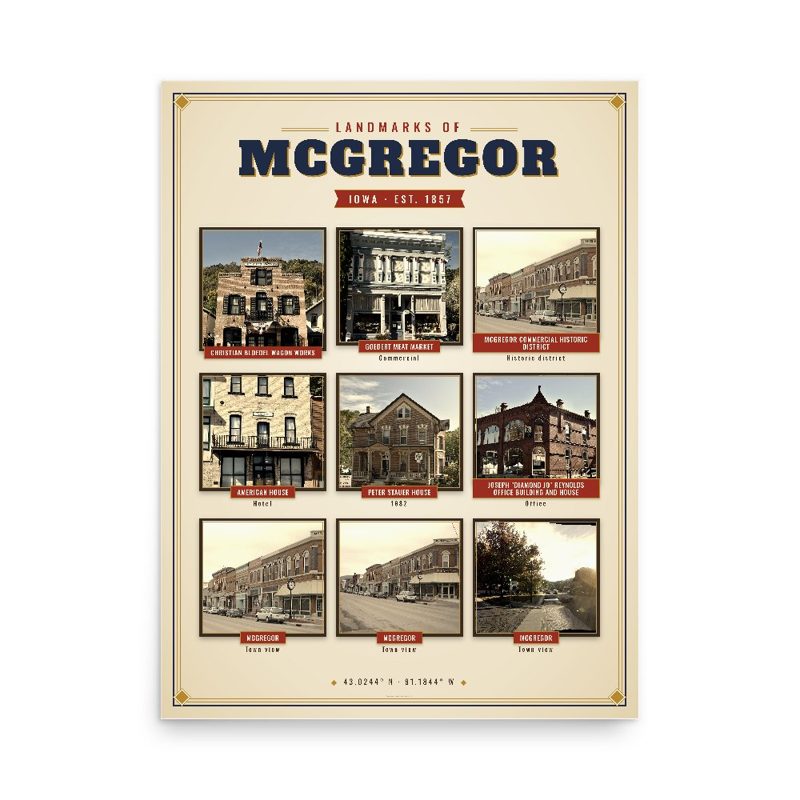
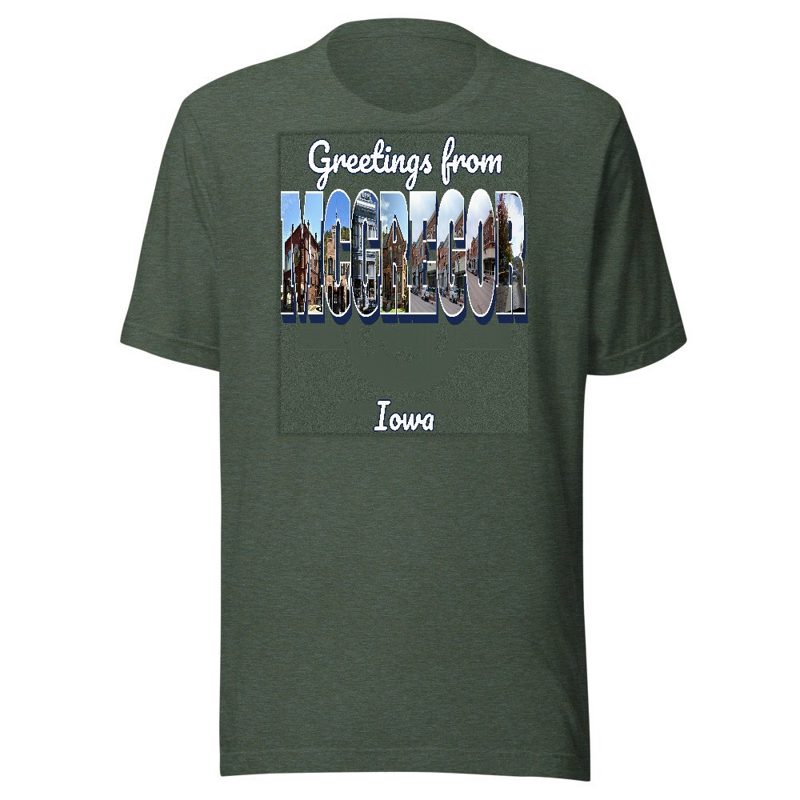
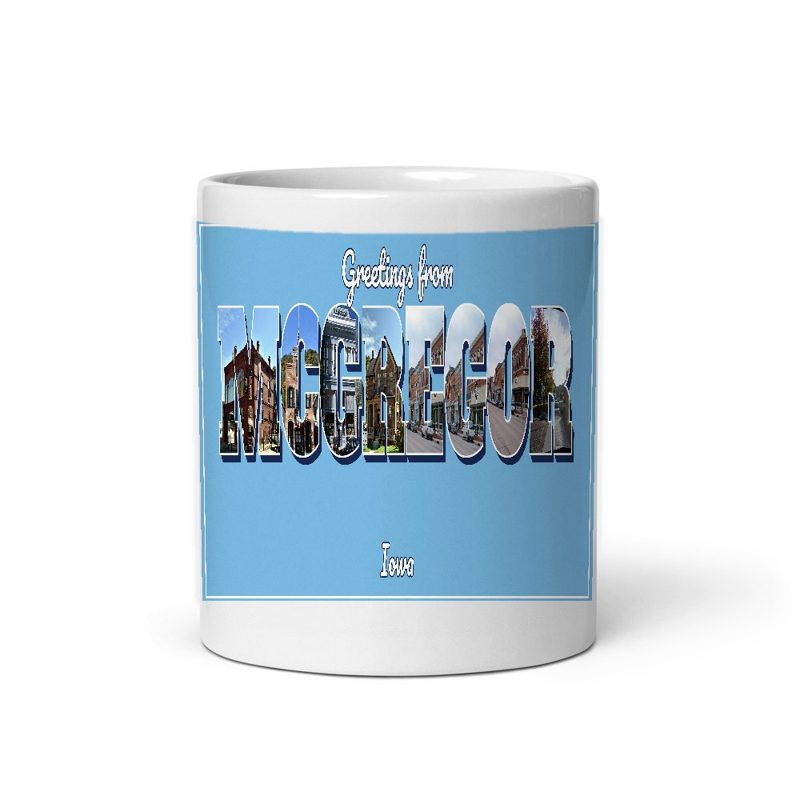
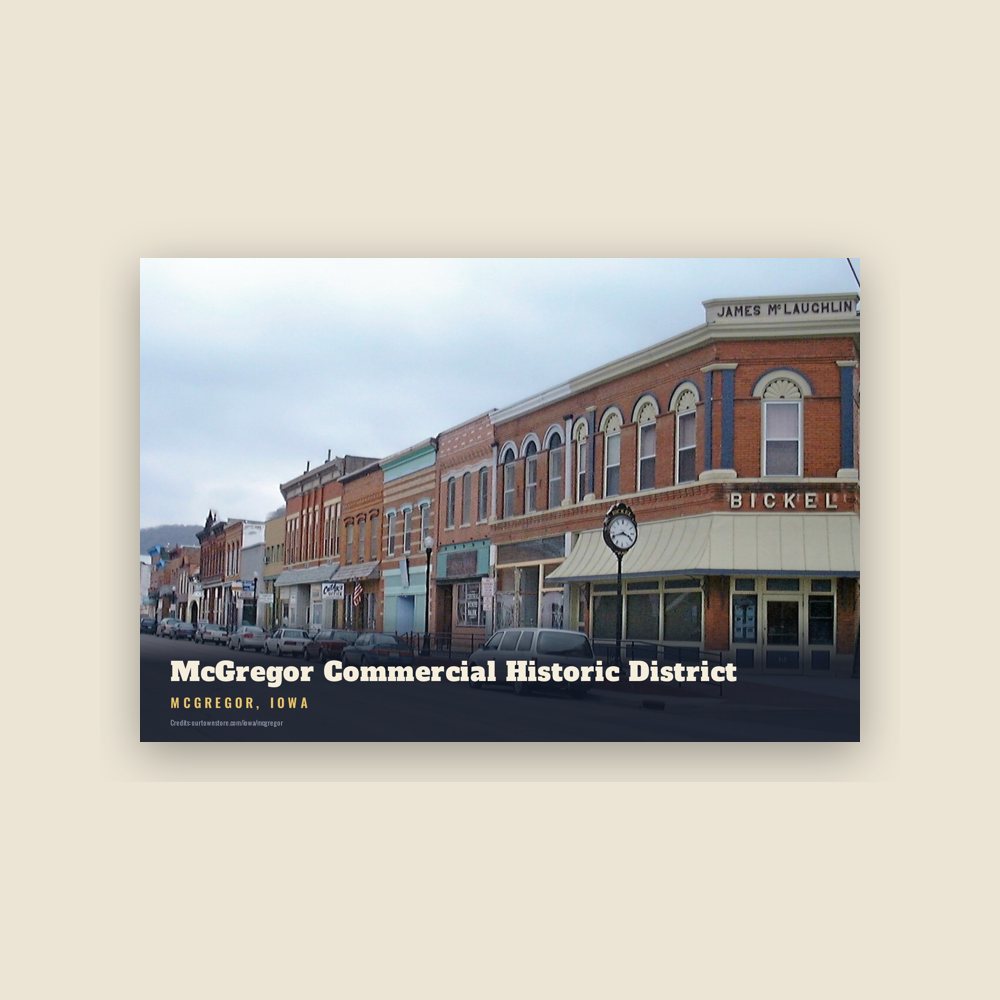
The city's history is preserved in the McGregor Commercial Historic District, which contains many buildings constructed during the city's boom years. Because of its colorful history and location beside the Mississippi River, the city has become a popular summer tourist destination, and it is known for its many antique stores.
Adapted (trimmed) from the Wikipedia article McGregor, Iowa, revision 1381222800 by its contributors, licensed CC BY-SA 4.0.
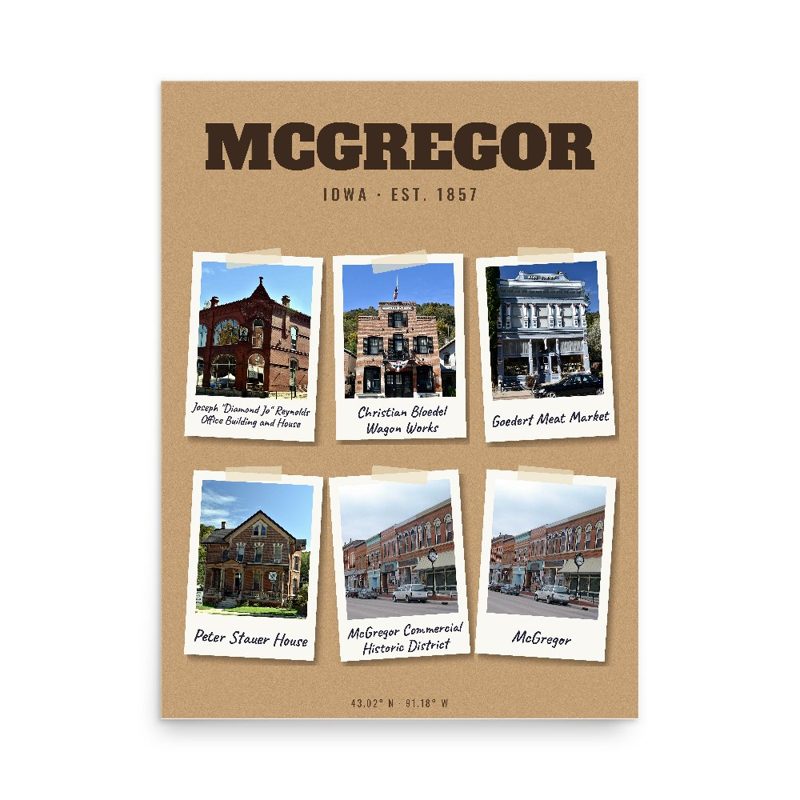
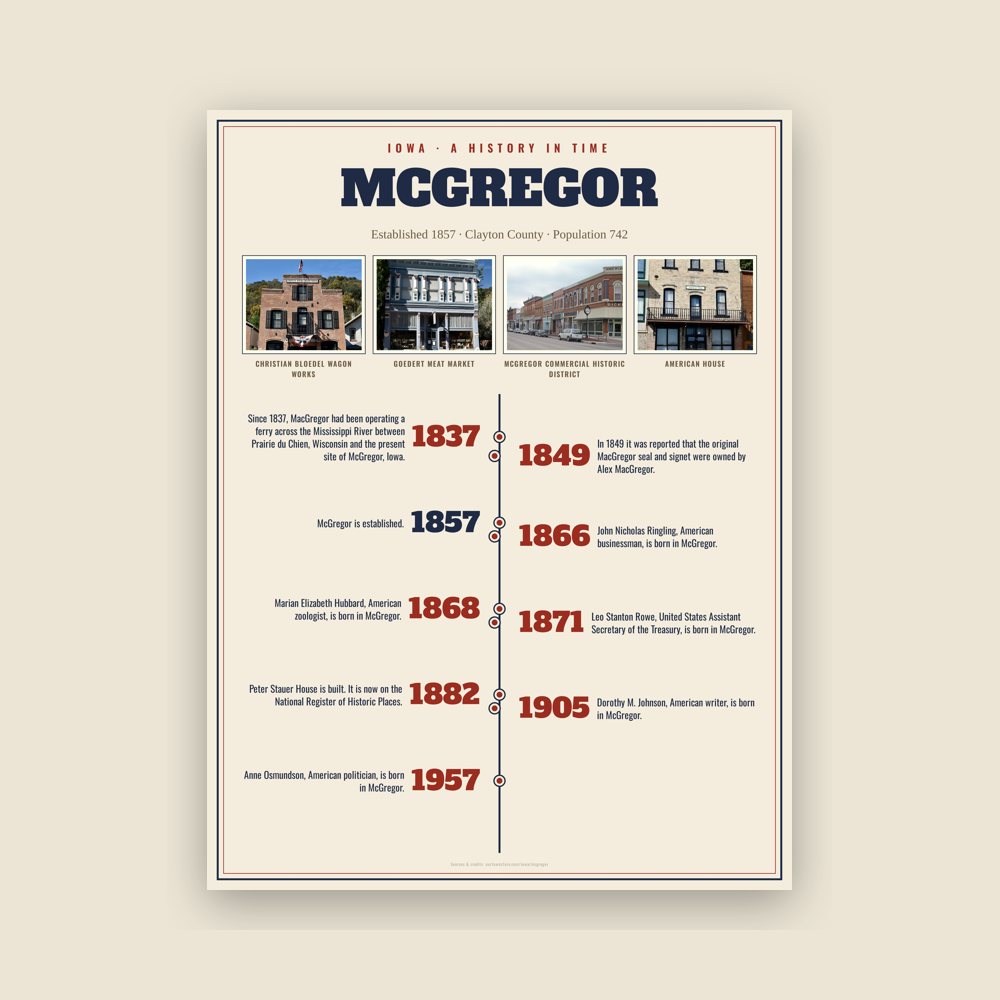
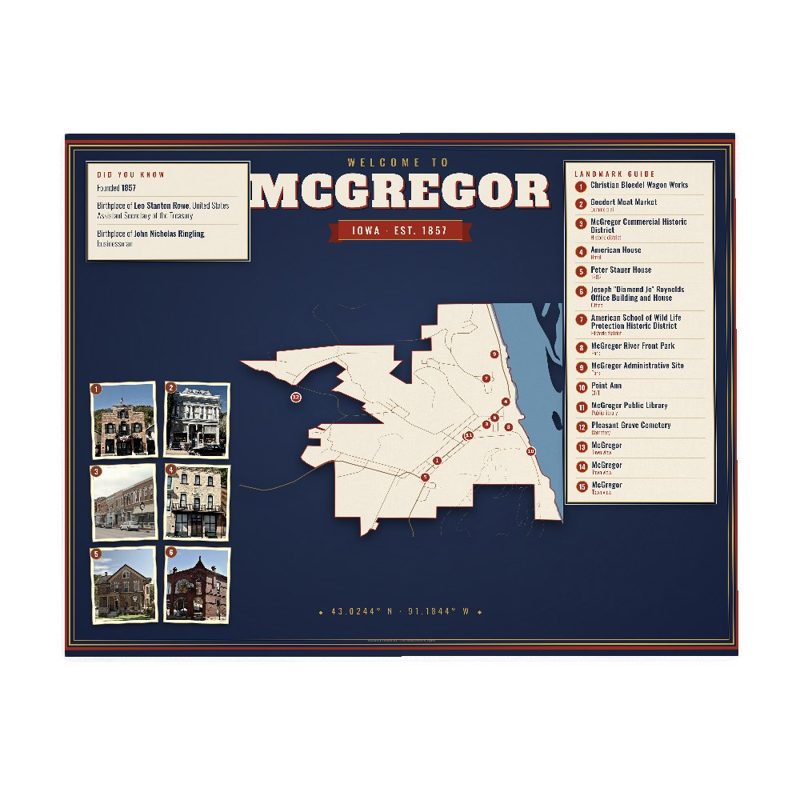




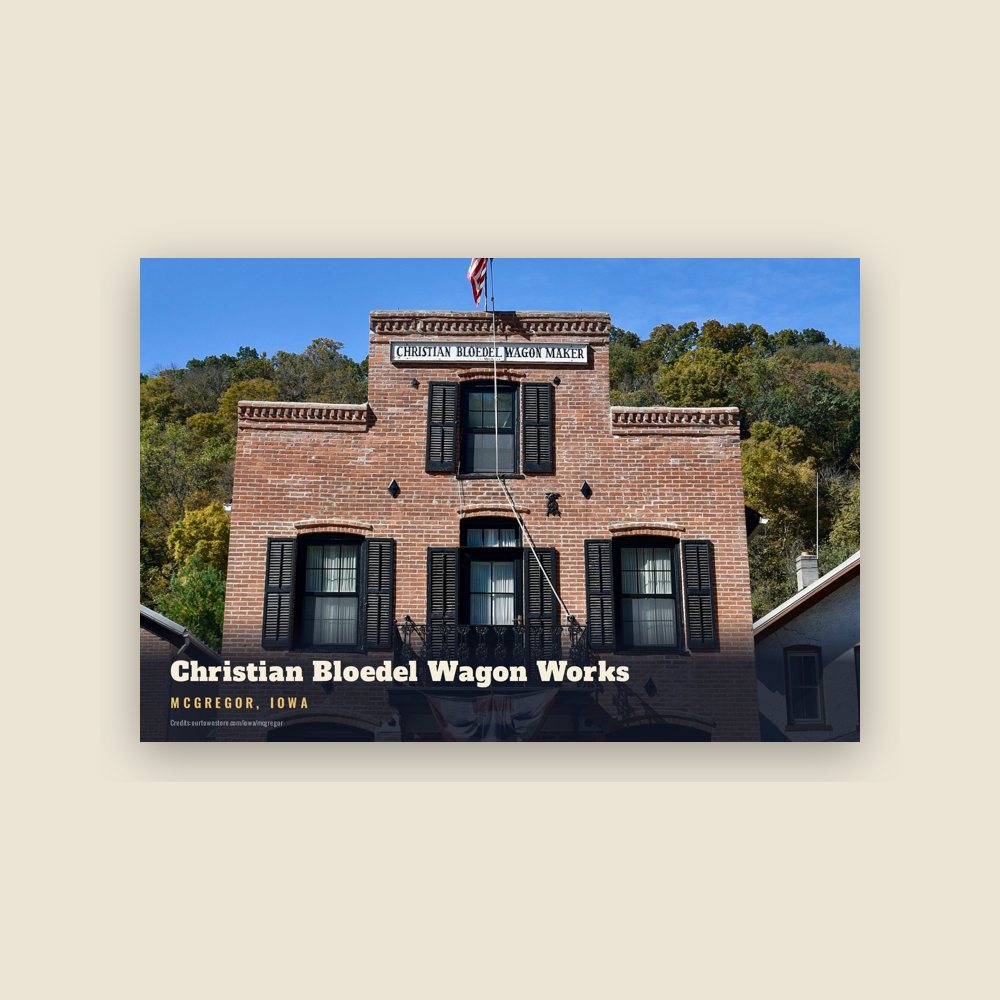
 Christian Bloedel Wagon Works
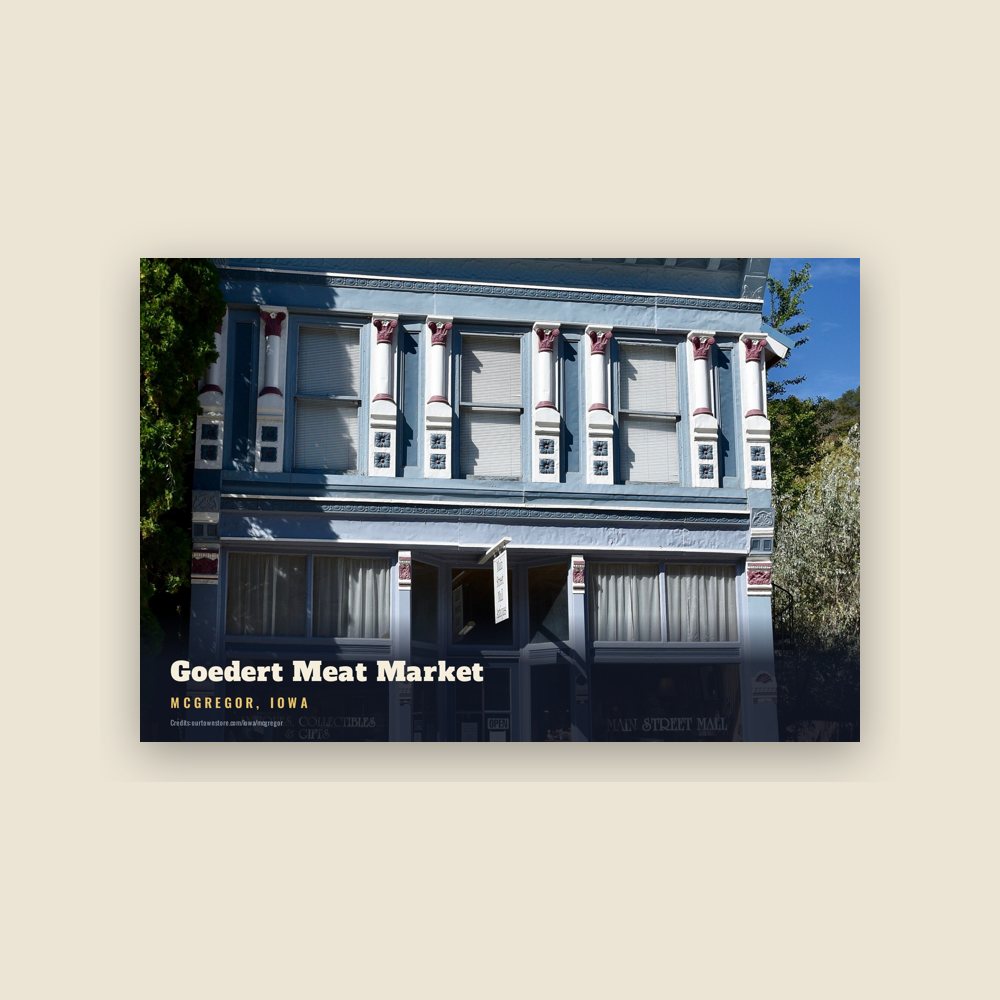
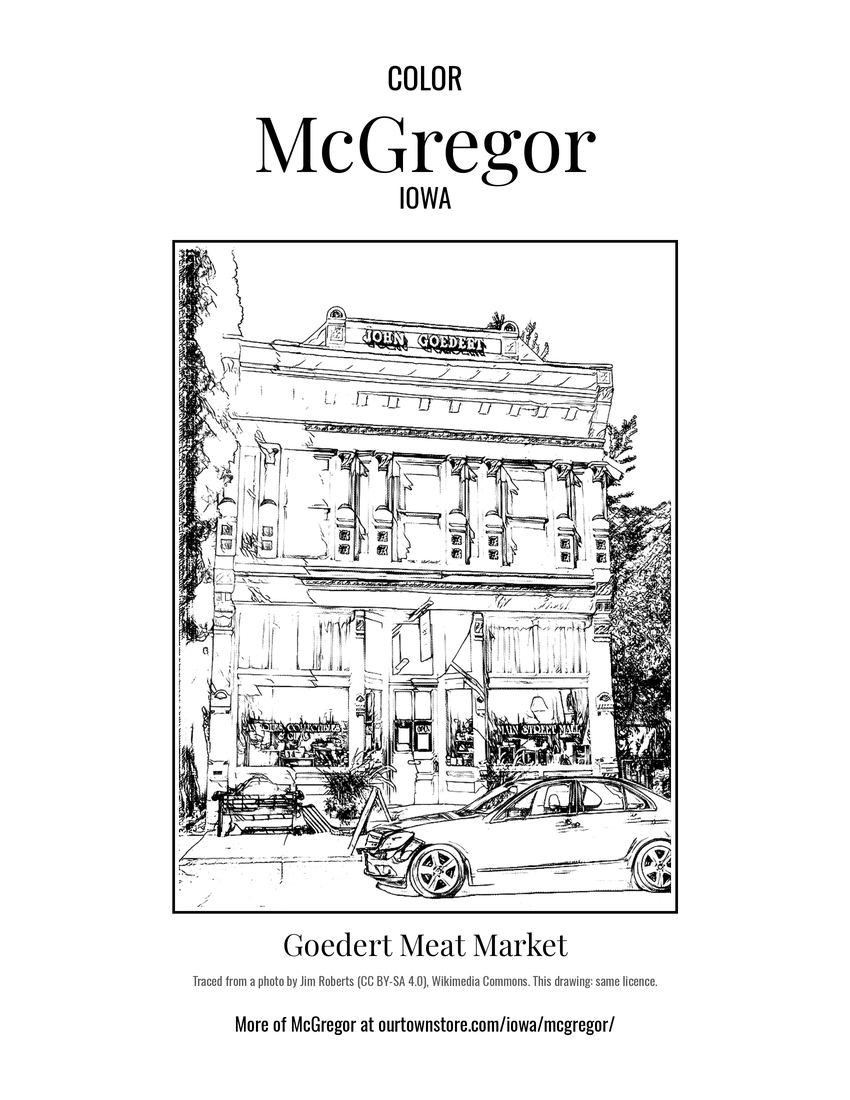 Goedert Meat Market
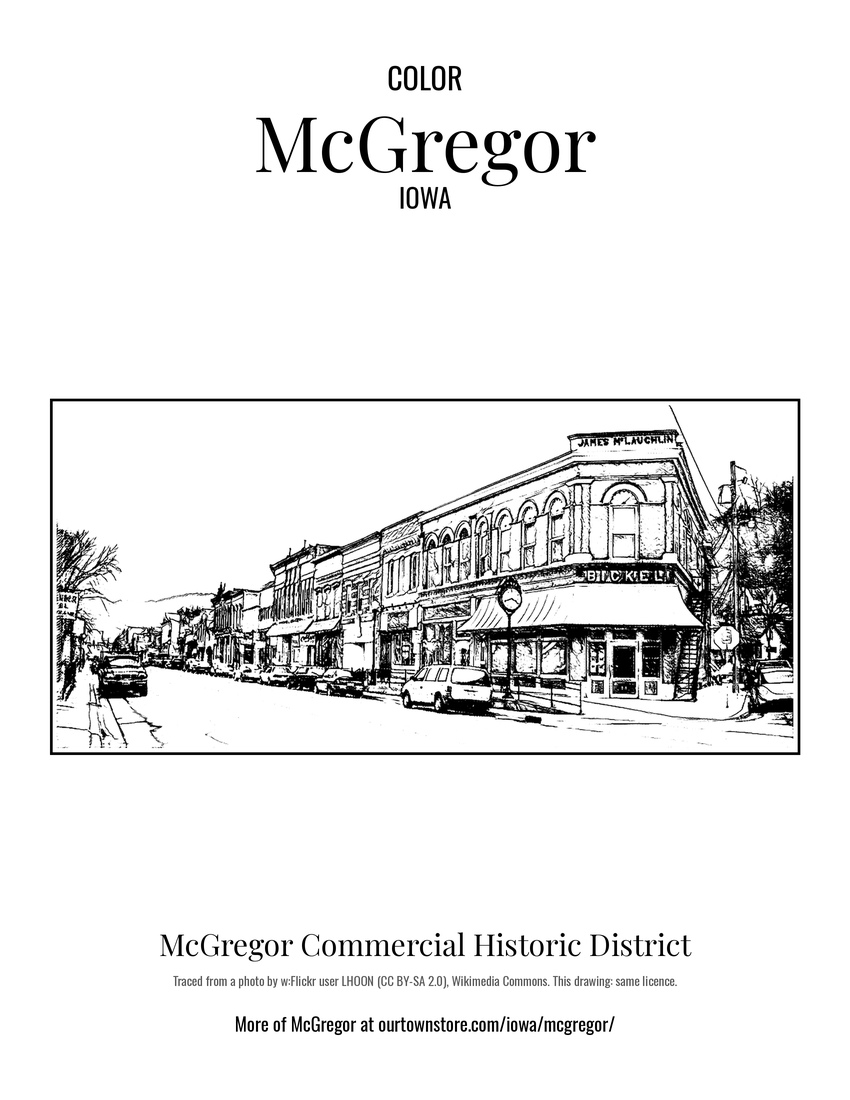 McGregor Commercial Historic District
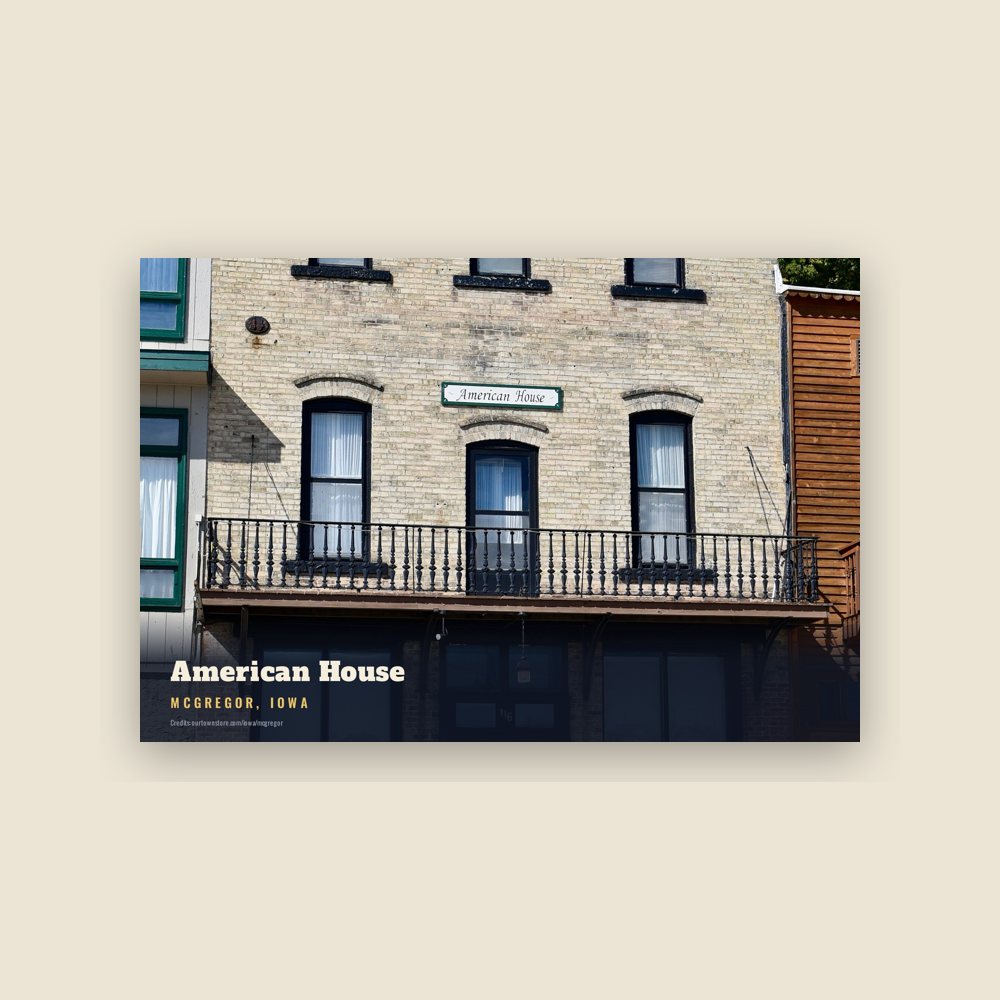
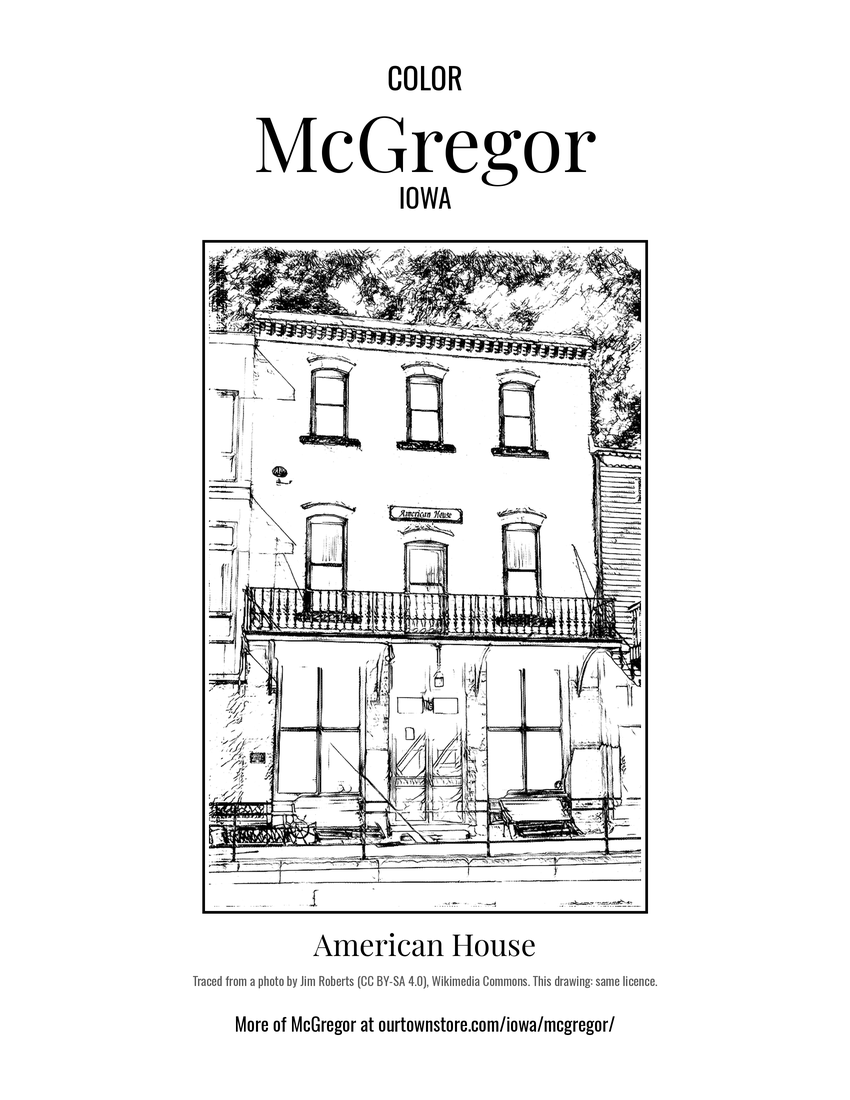 American House