Since 1907
A short history of Munster
Early history
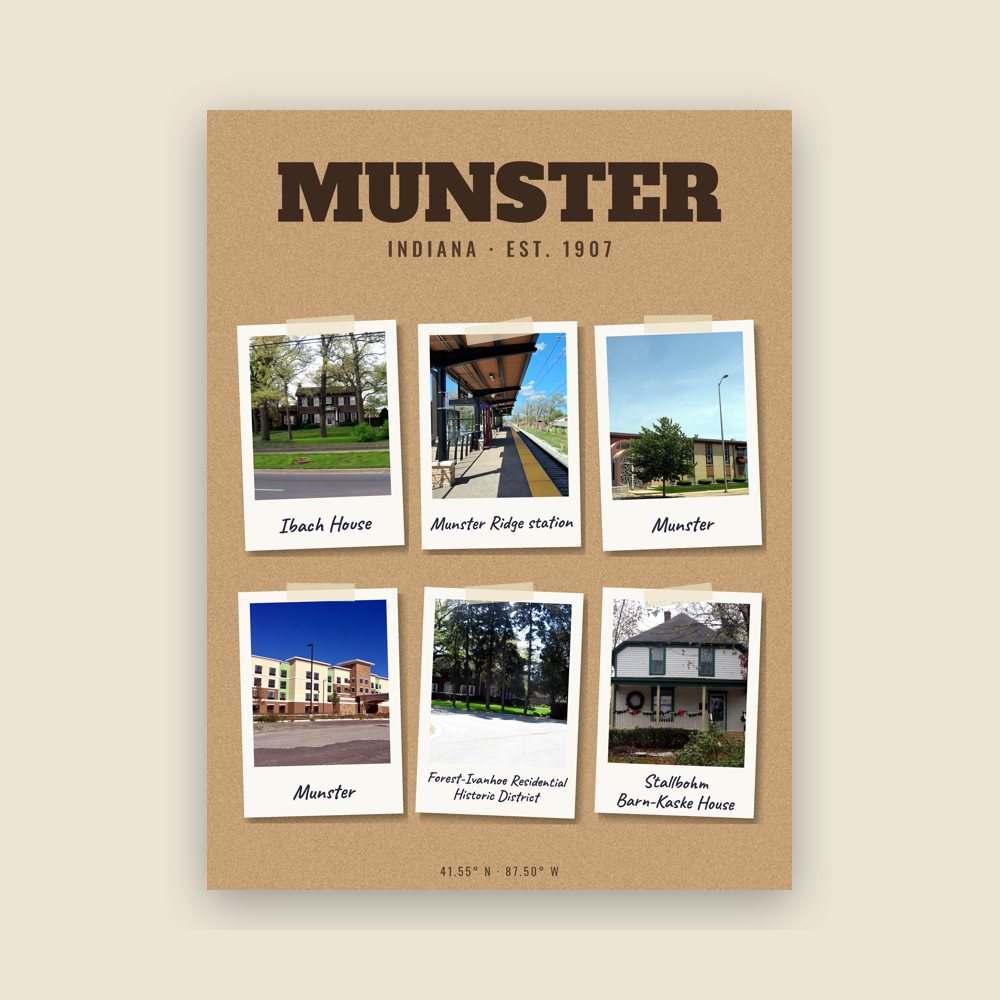
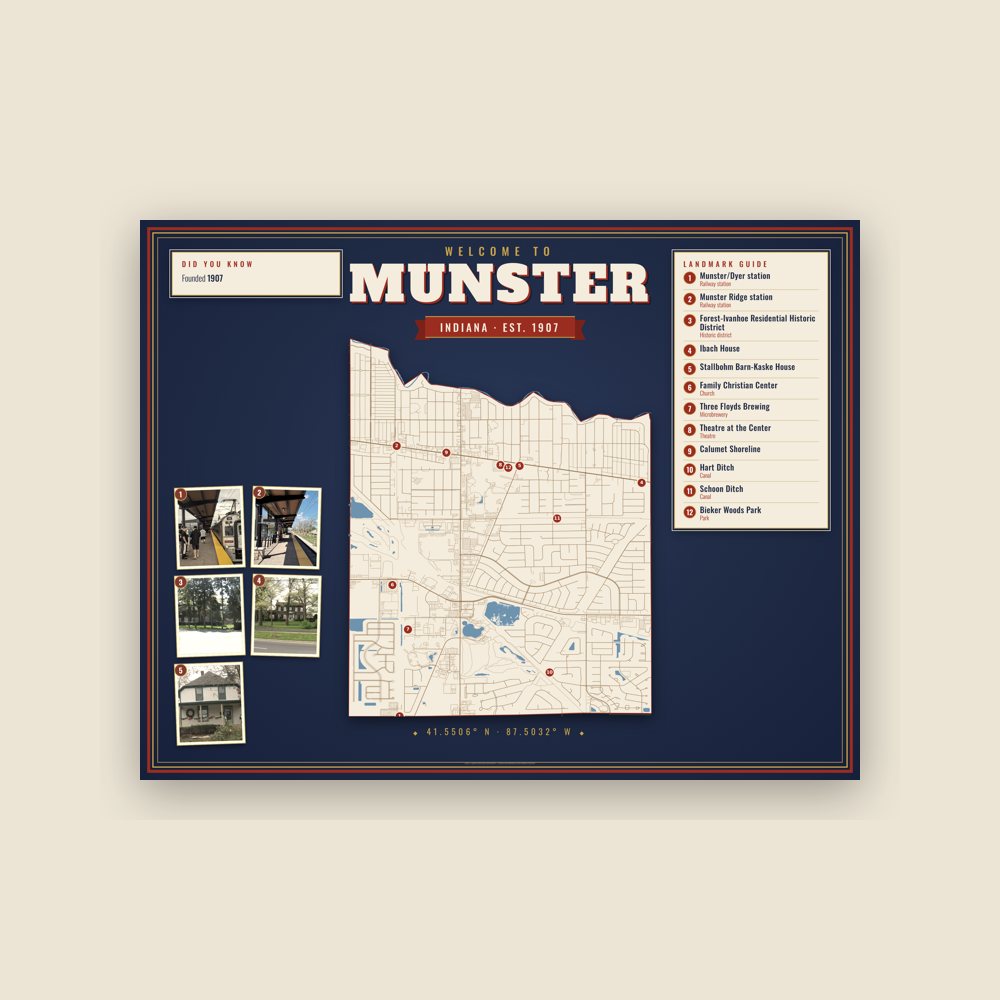
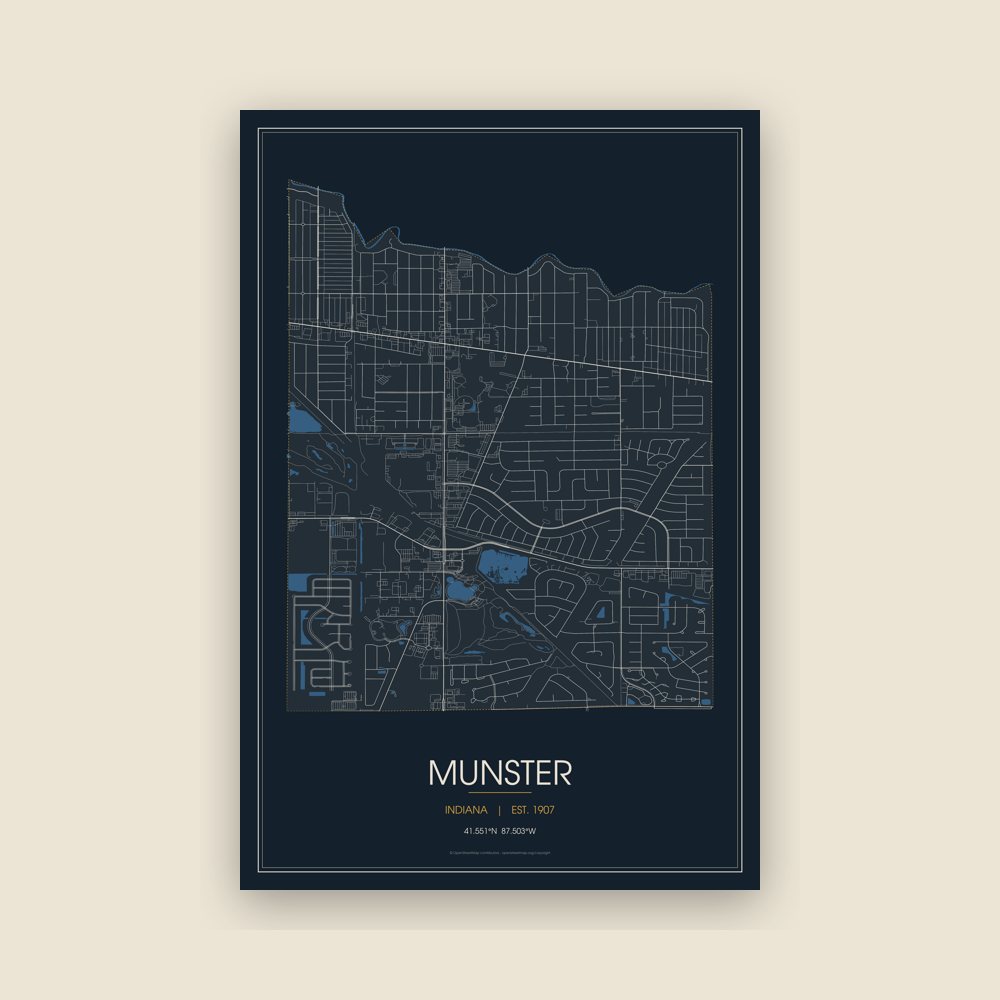
The earliest known inhabitants of the area were the Potawatomi. Although a village did not exist in what was to become Munster's town boundaries, a trail along the dry sandy ridge now known as Ridge Road was well traveled by the indigenous inhabitants. Today, Munster's downtown area, the Town Hall, Police and Fire Department headquarters, the Center for the Visual and Performing Arts, the site of a former school, and the Munster Post Office are all situated on Ridge Road.
In the late 17th and early 18th centuries, the area that is today Munster was part of land claimed by France as French territory. In the 1760s the British claimed the land where the Potawatomi lived as part of the British Empire. Twenty years later George Rogers Clark overran the British in the American Revolutionary War, claiming the land for the newly independent United States of America.
In the 1850s, as the numbers of Native Americans dwindled, pioneer settlers began to inhabit the area which would become Munster to grow crops and provide dairy products to the profitable markets in Chicago.
When Jacob Munster, a young man from the Netherlands who until the 1860s spelled his surname "Monster," opened an area general store complete with a U.S. postal station on the back, the local farmers and settlers came to rely on the postal station, which soon became a United States Post Office. The post office was named Munster, as it was located in Jacob Munster's general store.
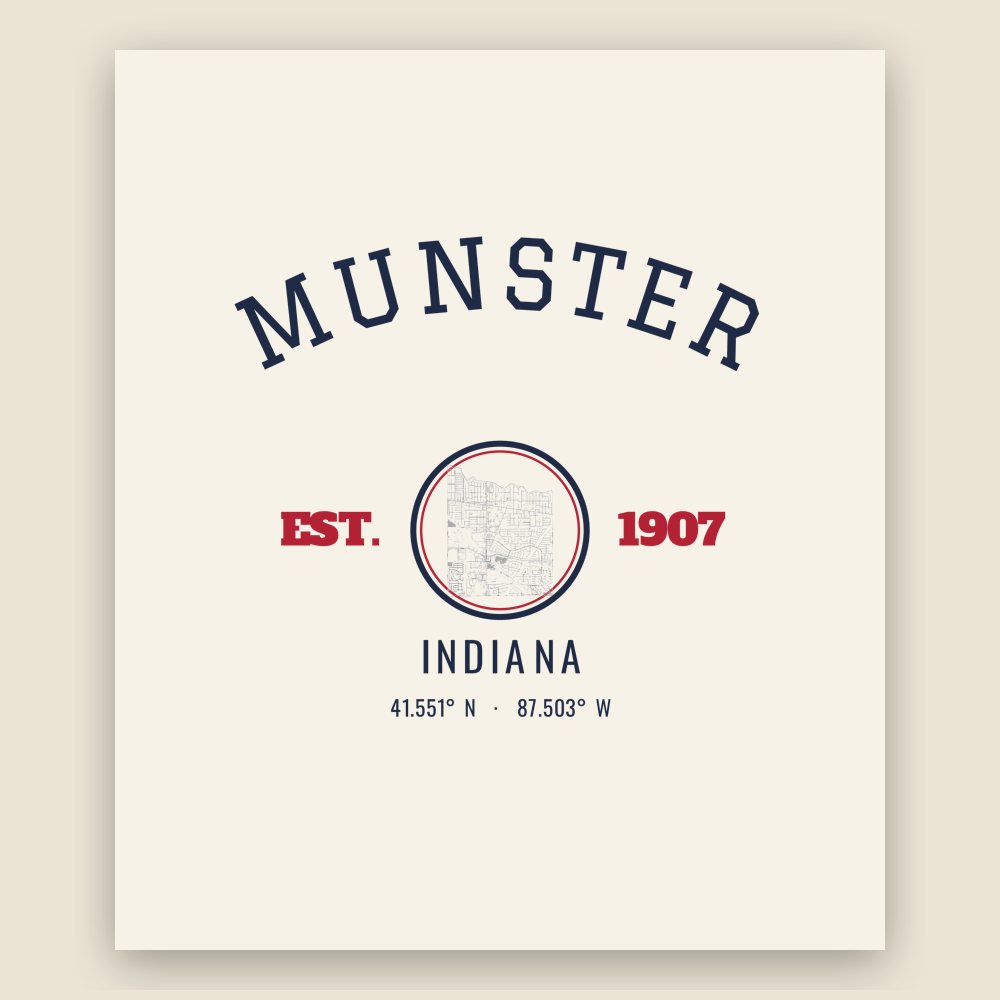
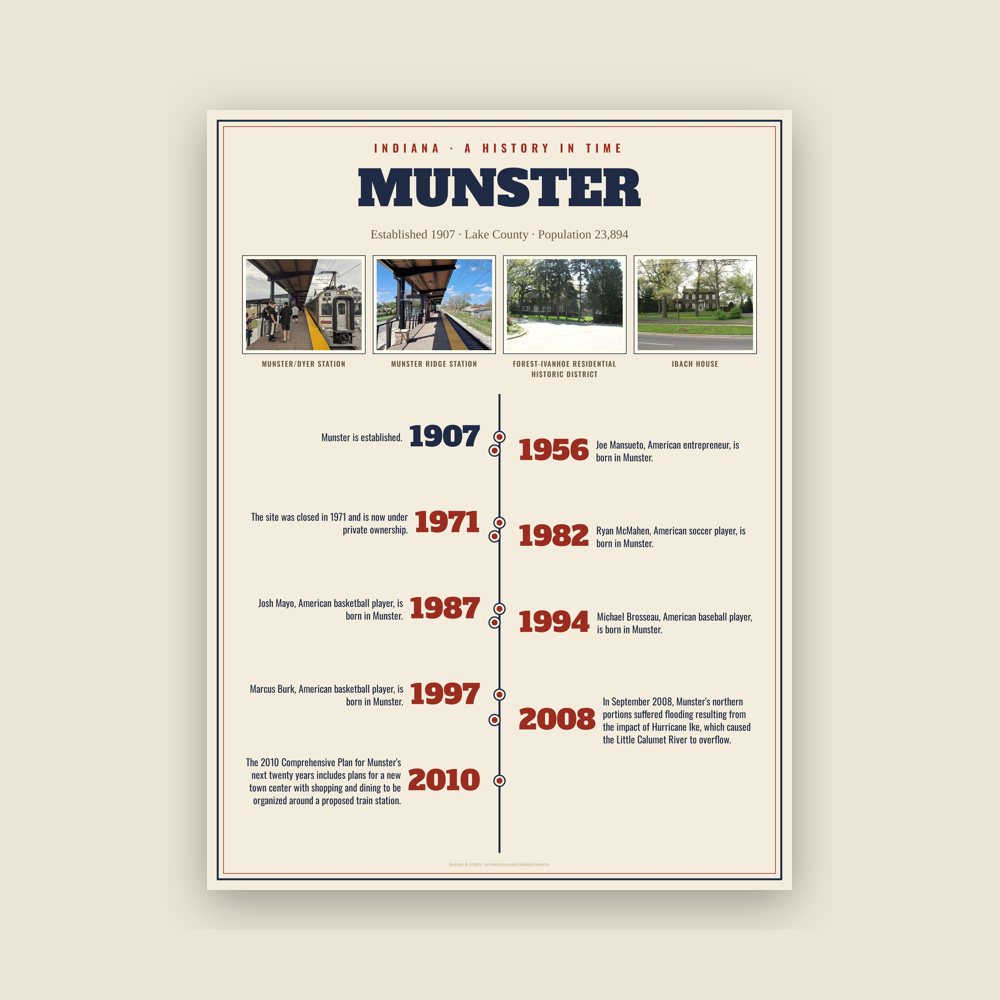
Before long more and more people moved to the "Munster" area, and in 1907 Munster was incorporated as a town, with 76 residents voting "yes" for the incorporation and 28 voting "no."
Read the full history
Modern times
Munster soon became a booming town that attracted many people. Munster saw difficult times through the rough years of the Great Depression. During the Cold War, Munster served as the site of the Nike-Zeus Missile defense base C-46. The site was closed in 1971 and is now under private ownership.
In September 2008, Munster's northern portions suffered flooding resulting from the impact of Hurricane Ike, which caused the Little Calumet River to overflow. A main break occurred in the levee located near the intersection of Calumet Avenue and River Drive in the northwest quadrant of the town. Munster has requested the Army Corps of Engineers to elevate the levee in low-lying areas. The levee improvements have been completed and the majority of homes destroyed have been rebuilt, in most cases, with larger, more amenity-filled homes.
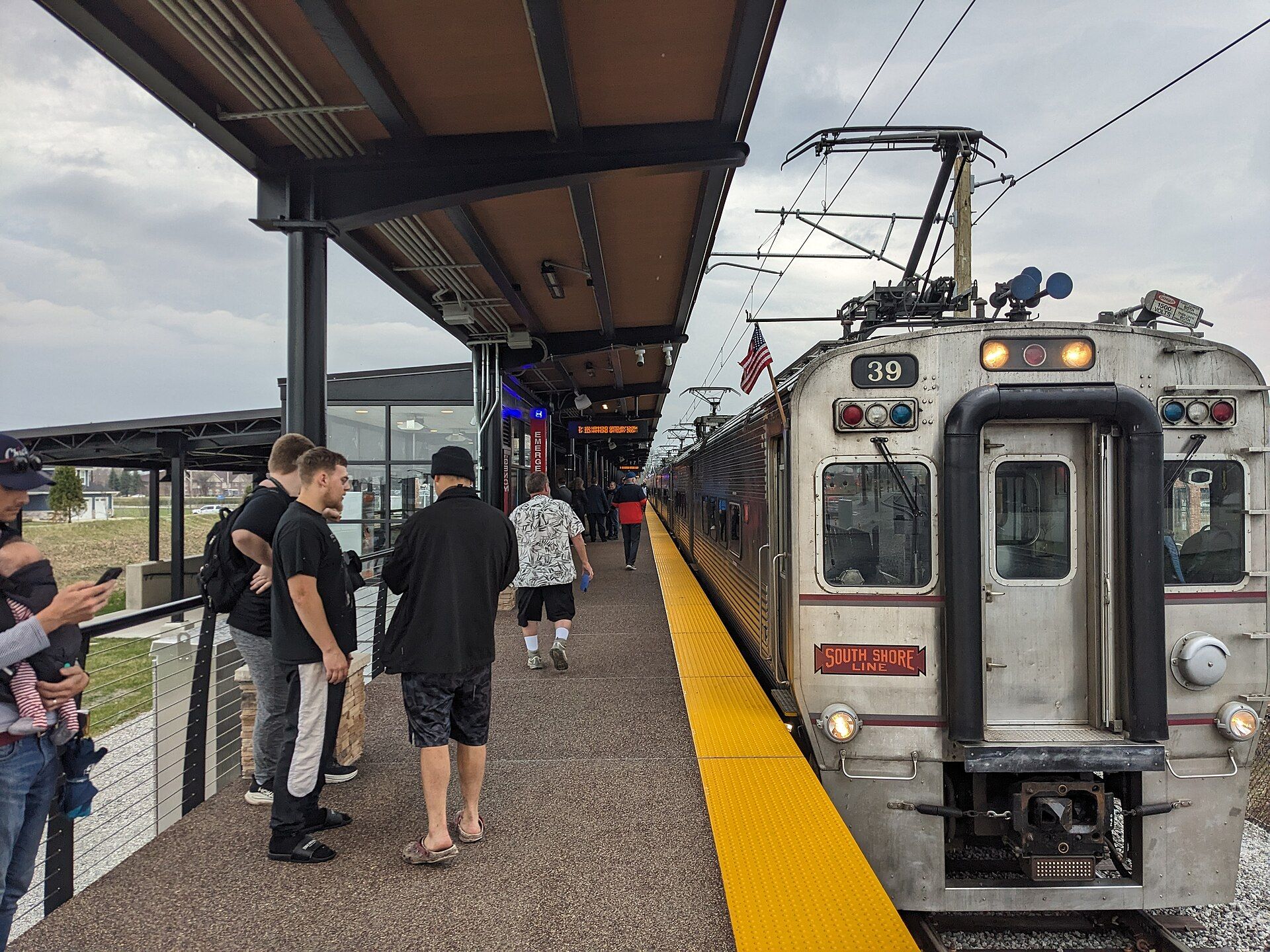
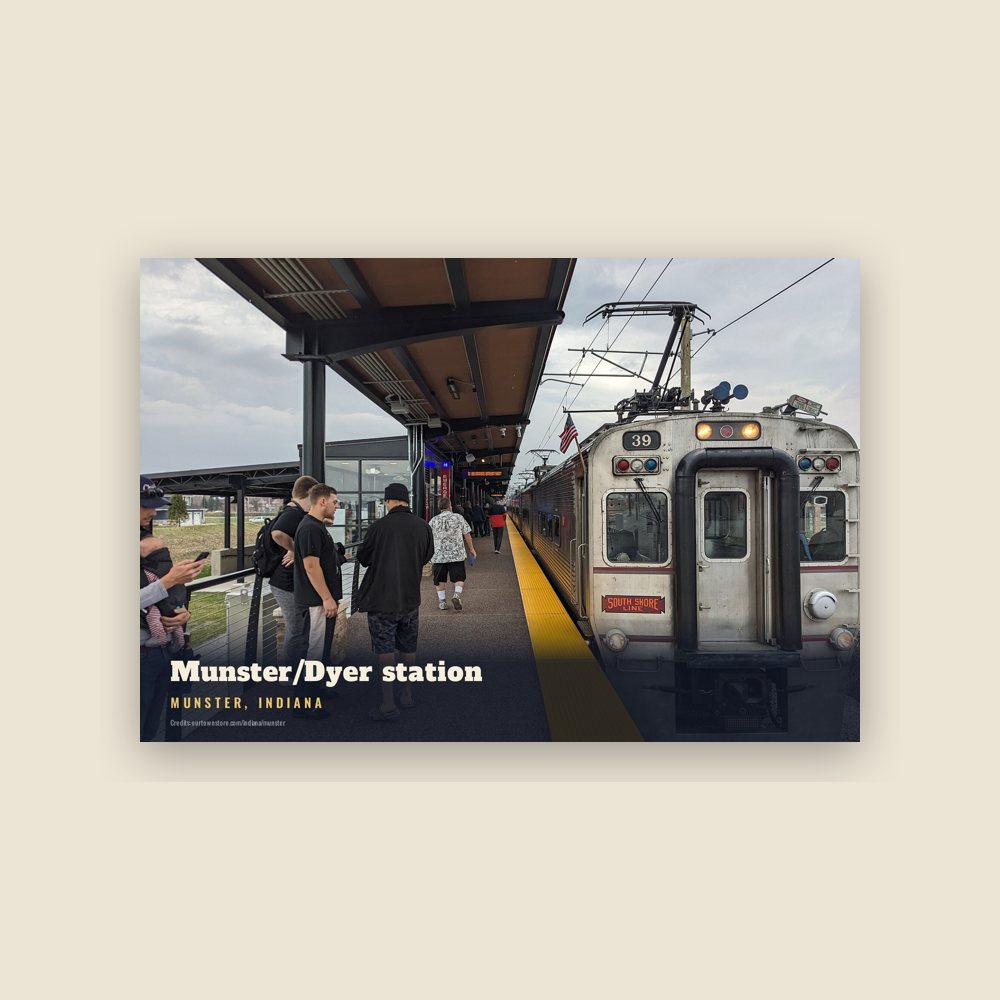
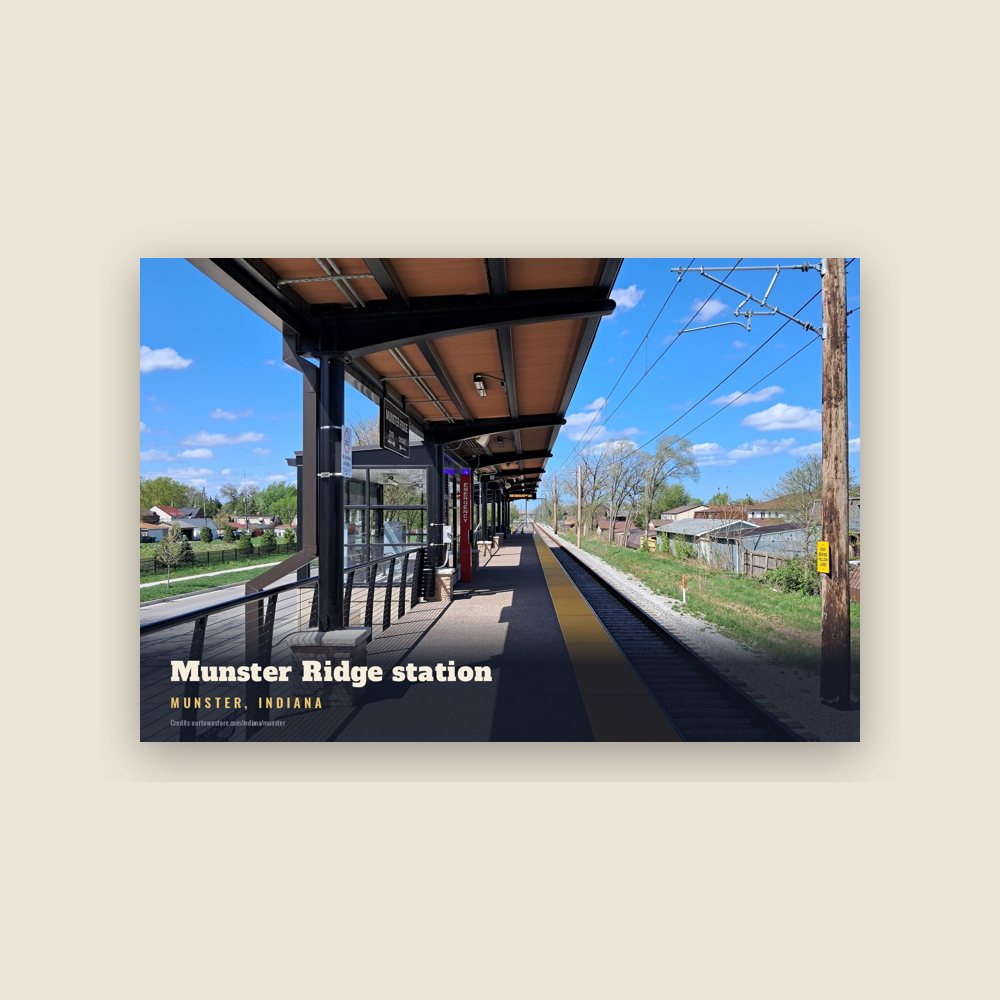
The 2010 Comprehensive Plan for Munster's next twenty years includes plans for a new town center with shopping and dining to be organized around a proposed train station.
Adapted (trimmed) from the Wikipedia article Munster, Indiana, revision 1385646828 by its contributors, licensed CC BY-SA 4.0.