A short history of Bluffton
Early settlement and incorporation
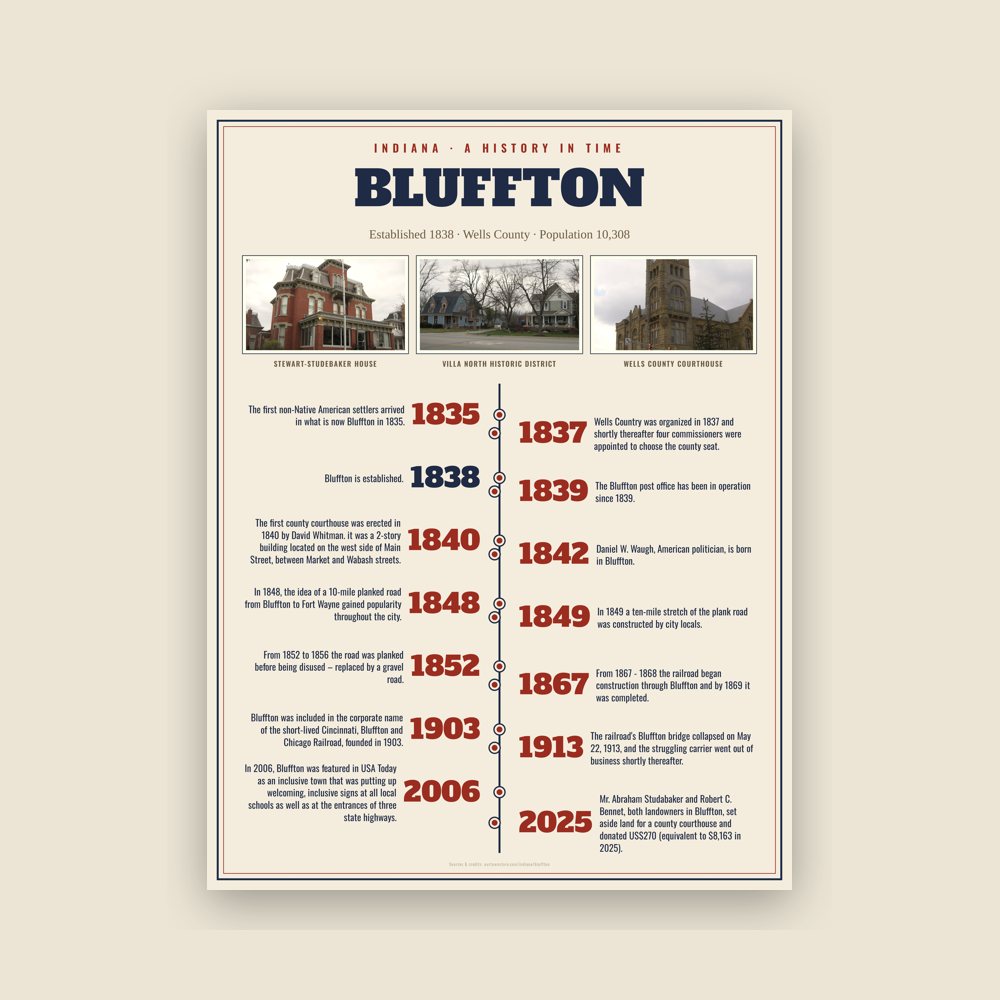
The first non-Native American settlers arrived in what is now Bluffton in 1835. They arrived as a result of the end of the Black Hawk War as well as the completion of the Erie Canal. They consisted entirely of settlers from New England. These were "Yankee" settlers, that is to say they were descended from the English Puritans who settled New England in the colonial era. They were primarily members of the Congregational Church though due to the Second Great Awakening many of them had converted to Methodism and some had become Baptists before coming to what is now Bluffton. The Congregational Church subsequently has gone through many divisions and some factions are now known as the Church of Christ and Church of God. When the New England settlers arrived in what is now Bluffton there was nothing but a dense virgin forest and wild prairie.
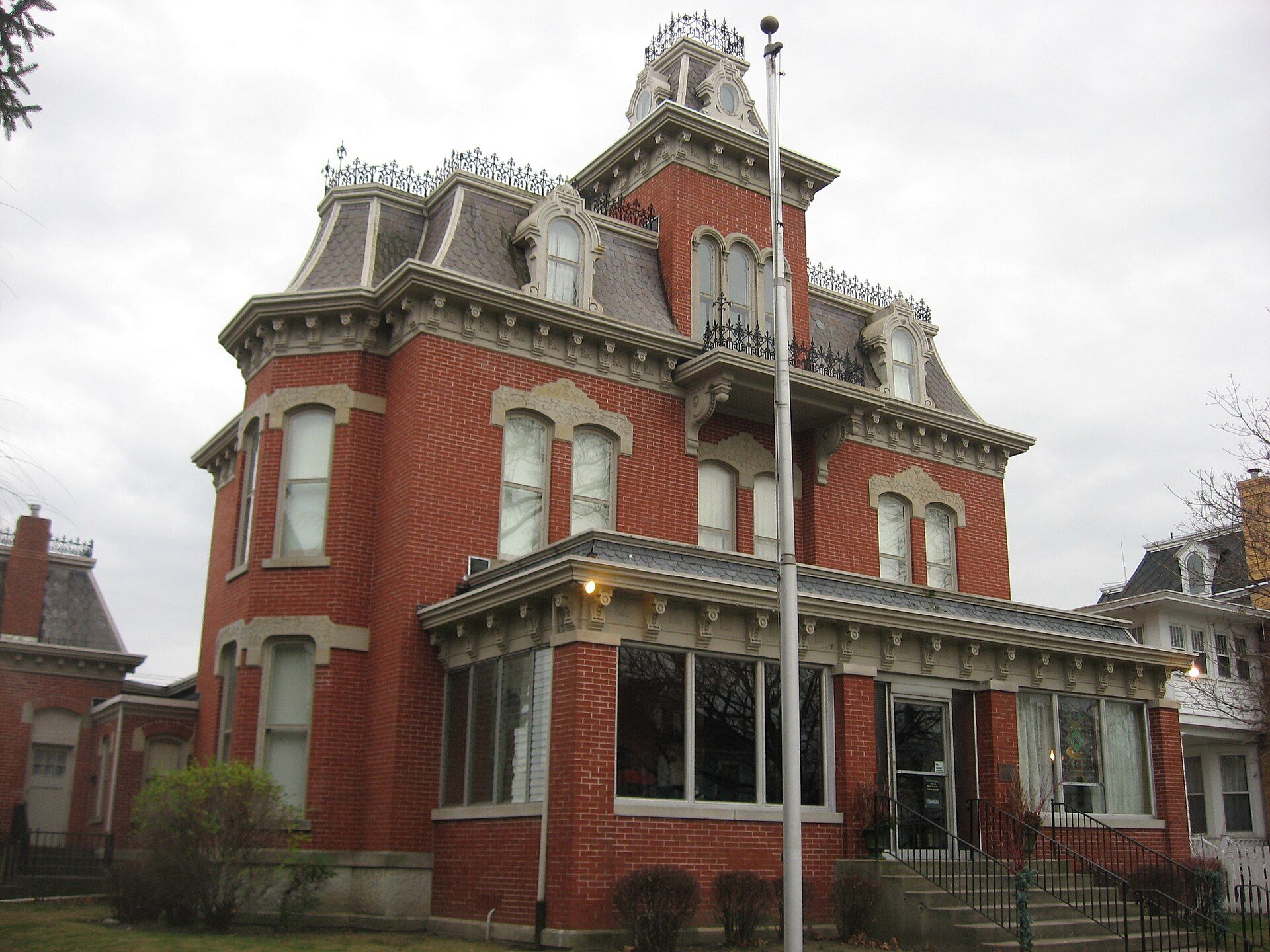
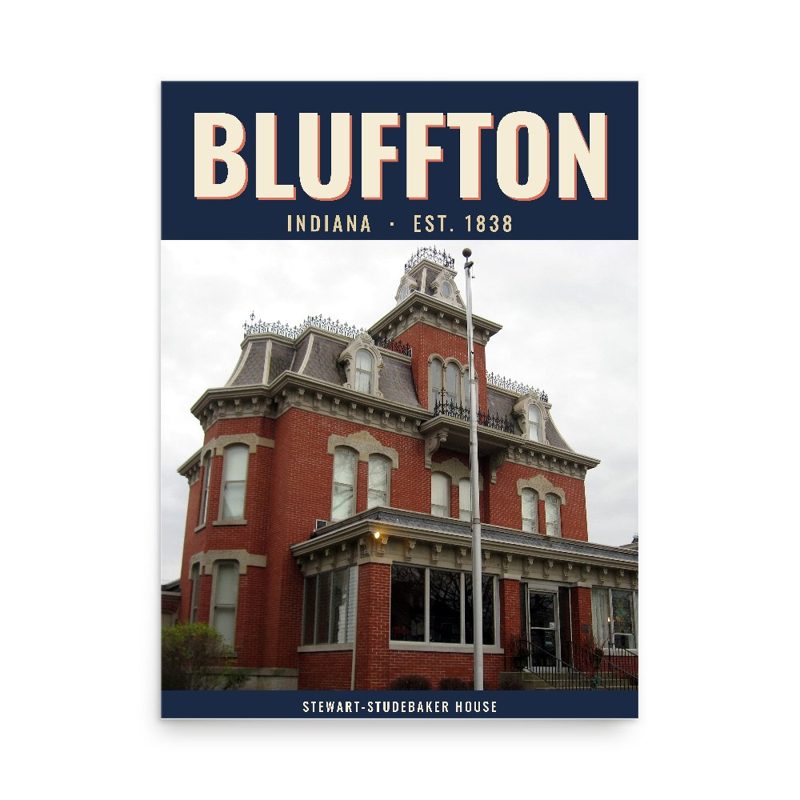
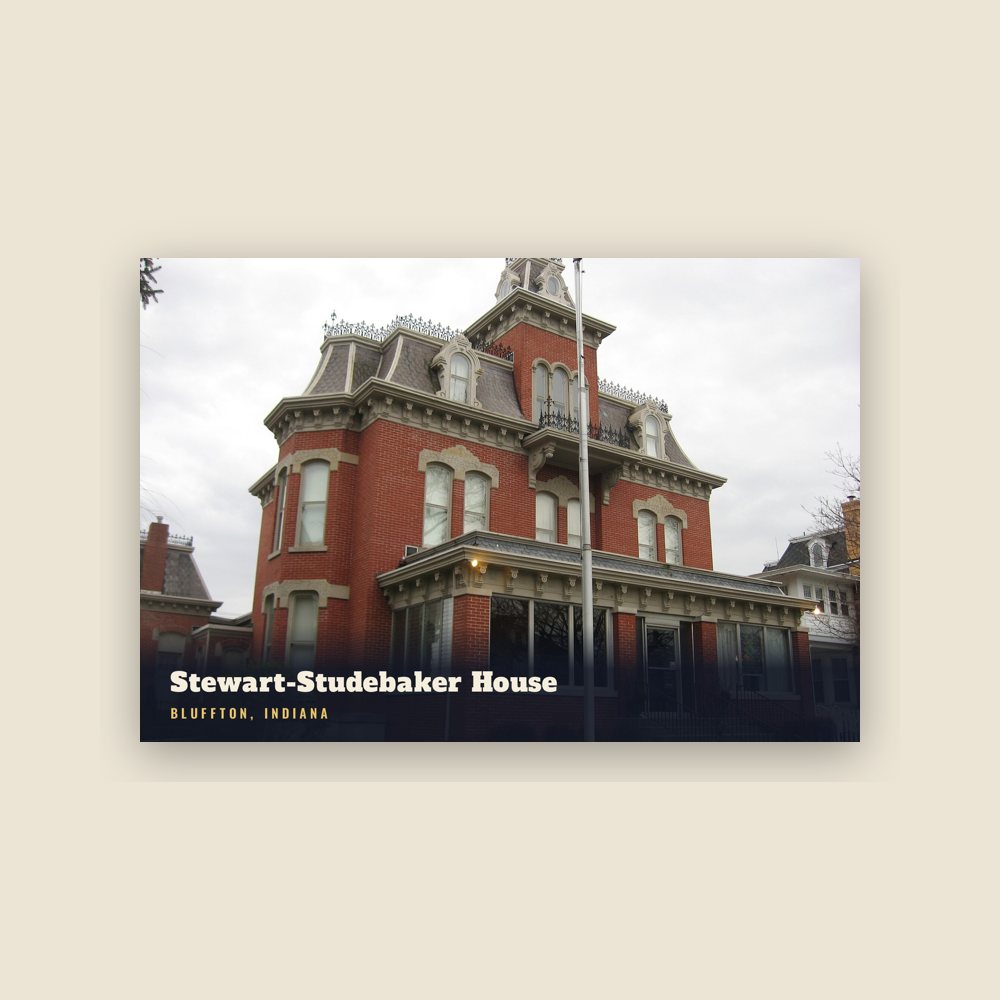
Bluffton was platted in 1838, it was named for river bluffs near the original town site. The Bluffton post office has been in operation since 1839. In its early years it was a primitive, backwoods village, subject to frequent floods of the Wabash and outbreaks of malaria. Wells Country was organized in 1837 and shortly thereafter four commissioners were appointed to choose the county seat. The contestants for the county seat of government were Bluffton, Vera Cruz and Murray, but it was later narrowed to just two, Bluffton and Murray. The four commissioners struggled to determine the location of the county seat at first, but on March 5, 1838, Bluffton was named the county seat after their final vote. Mr. Abraham Studabaker and Robert C. Bennet, both landowners in Bluffton, set aside land for a county courthouse and donated US$270 (equivalent to $8,163 in 2025). On March 9, 1838, the commissioners chose the site for the county courthouse which used the land donated by Abram Studabaker and Robert C. Bennet "with a reserve of two choice lots".
The first county courthouse was erected in 1840 by David Whitman. it was a 2-story building located on the west side of Main Street, between Market and Wabash streets.
"We met at the house of Robert C. Bennett, in said county of Wells, on the first Monday of March, 1838, and have selected the west half of the northeast quarter of Section 4, Township 26, Range 12, for the site for the seat of justice of Wells County, which land was donated by Abram Studabaker with a reserve of two choice lots. He also donated 31.90 acres off the east end of the south half of the southwest quarter of Section 33, Town 27, Range 12 east. Robert C. Bennett donates the southeast fraction of the northeast corner. Studabaker and Bennett also donated $270 in cash."
Read the full history
Industrial growth
In 1848, the idea of a 10-mile planked road from Bluffton to Fort Wayne gained popularity throughout the city. In 1849 a ten-mile stretch of the plank road was constructed by city locals. From 1852 to 1856 the road was planked before being disused – replaced by a gravel road.
As early as the 1840s and 1850s there were plans made for railroads. However, none of them had been successful. In 1852 the first railroad known as the Fort Wayne, Cincinnati Louisville Railroad was surveyed but it was delayed due to the Civil War. From 1867 - 1868 the railroad began construction through Bluffton and by 1869 it was completed. The advent of the railroad brought great prosperity to Bluffton and would help ditch the numerous swamps that brought risks such as malaria and flooding.
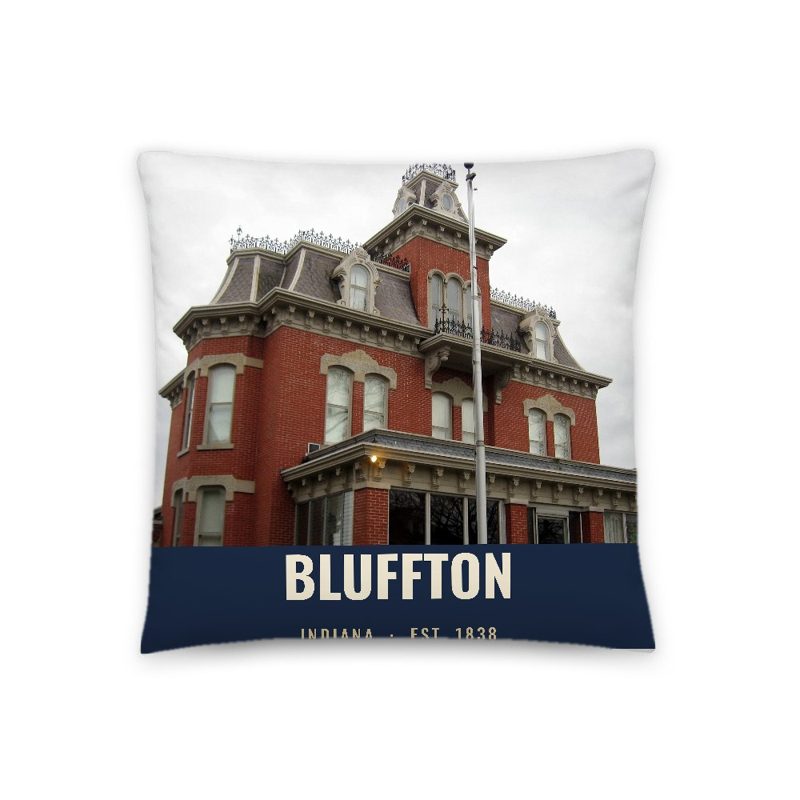
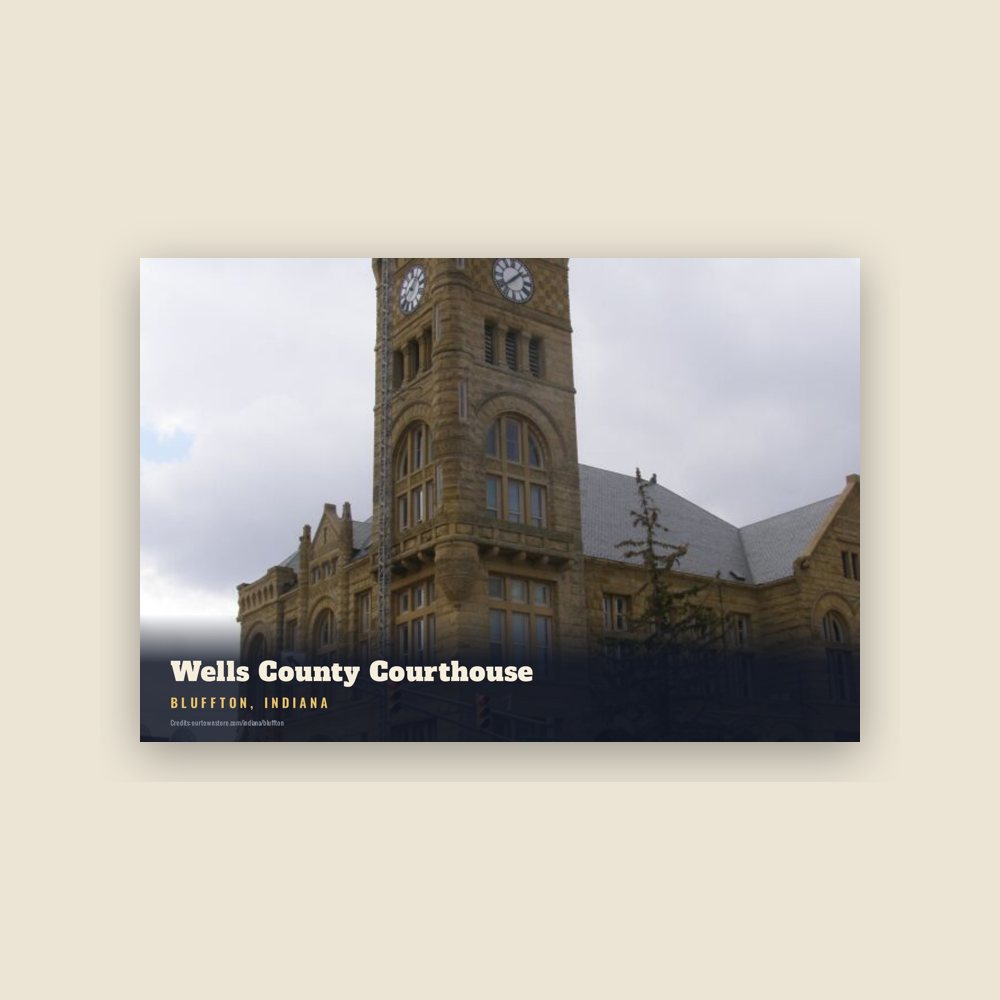
In the 1890s the construction of the iconic 5 story Richardsonian Romanesque style sandstone courthouse was completed, ushering in a new era for Bluffton and Wells County. Bluffton was included in the corporate name of the short-lived Cincinnati, Bluffton and Chicago Railroad, founded in 1903. The railroad's Bluffton bridge collapsed on May 22, 1913, and the struggling carrier went out of business shortly thereafter.
African American history
Bluffton is one of the first towns in Indiana, and across America, to both publicly acknowledge its history of exclusion as a sundown town and to promote itself as an inclusive town. In 2006, Bluffton was featured in USA Today as an inclusive town that was putting up welcoming, inclusive signs at all local schools as well as at the entrances of three state highways. Mayor Ted Ellis was noted in the article for his helping Bluffton become one of the first to join the National League of Cities' Partnership for Working Toward Inclusive Communities.
The Parlor City
The City of Bluffton is nicknamed the "Parlor City" for its history of having some of the first clean paved streets in the area during the time of the Trenton Oil boom. Most streets at the time were dirt. The nickname came from the fact that the parlor in someone's home at the time would be the cleanest room in the house because that is the first space that your guests see when they come into your home. Entering downtown today, the brand-new Parlor City Plaza acts as the first thing you see, along with the historic courthouse, justifying the "Parlor City" nickname.
Adapted (trimmed) from the Wikipedia article Bluffton, Indiana, revision 1379996142 by its contributors, licensed CC BY-SA 4.0.