A short history of Summit
The area around Summit has been hunted and traveled through for 12,000 years but only continuously occupied since 900 CE. When Europeans first arrived the area was inhabited or used by the Meskwaki, Illini, Miami, Sauk, and Chippewa-Ottawa-Potawatomi tribes.
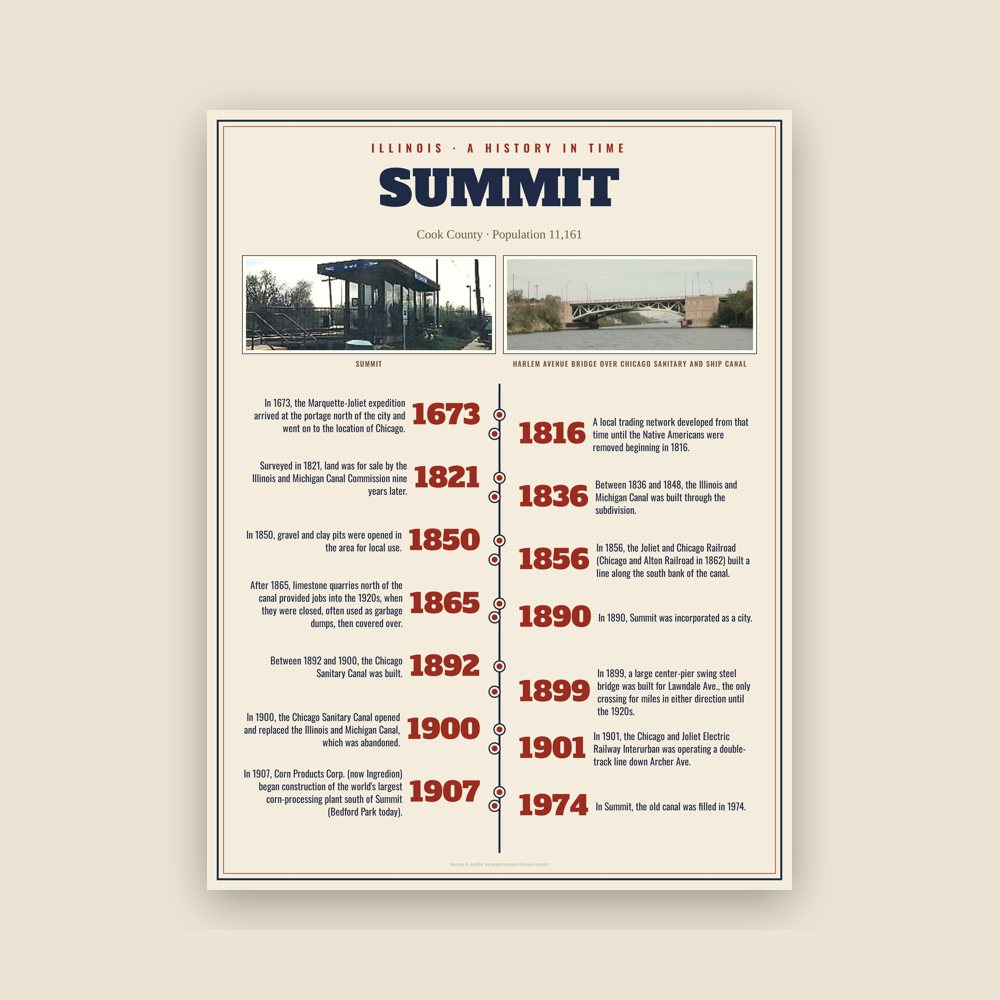
In 1673, the Marquette-Joliet expedition arrived at the portage north of the city and went on to the location of Chicago. At that time the importance of a portage was noted. A local trading network developed from that time until the Native Americans were removed beginning in 1816.
Surveyed in 1821, land was for sale by the Illinois and Michigan Canal Commission nine years later. There may have been a tavern at "Summit Ford" in 1832, but by 1835, there was a sub-divided settlement with a tavern, blacksmith shop, and stagecoach stop. "Summit Corners" was where westbound Archer Ave. turned south and Lyons-Summit Rd. (now approximately Lawndale Ave.) went west. Chicago politician "Long John" Wentworth bought much of the surrounding area and used it for farming.
Between 1836 and 1848, the Illinois and Michigan Canal was built through the subdivision. Most of the canal workers were Irish laborers and many were able to buy property with their canal script pay.
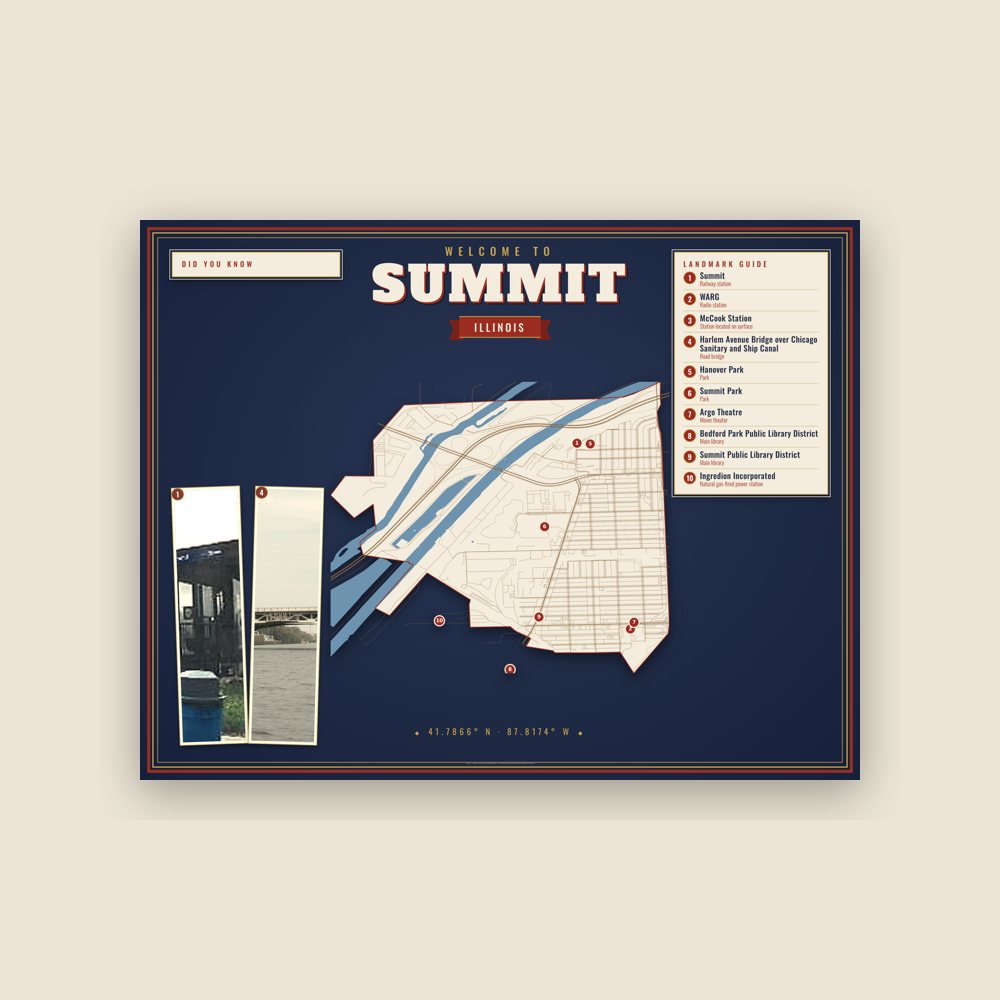
In 1850, gravel and clay pits were opened in the area for local use. After 1865, limestone quarries north of the canal provided jobs into the 1920s, when they were closed, often used as garbage dumps, then covered over. Today's Hanover Park is a filled gravel and clay pit.
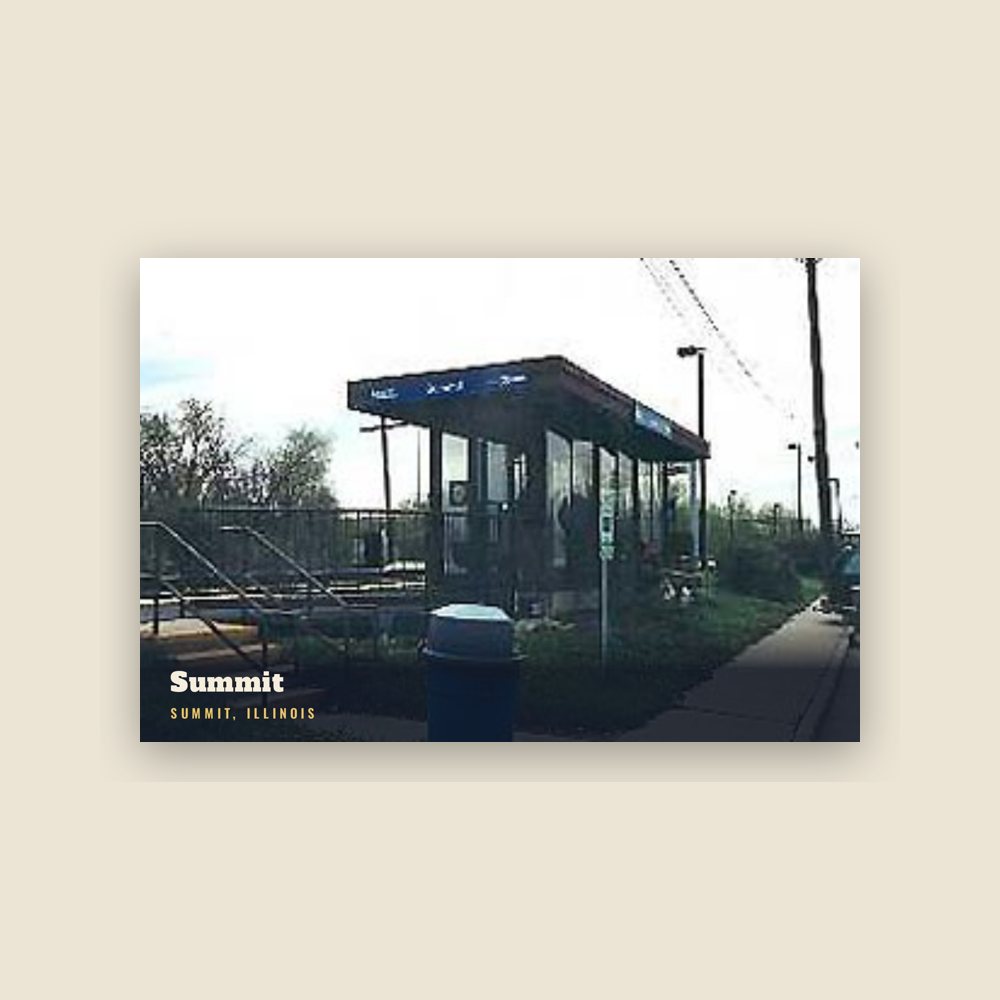
In 1856, the Joliet and Chicago Railroad (Chicago and Alton Railroad in 1862) built a line along the south bank of the canal. Today, this is Metra's Heritage Corridor commuter line.
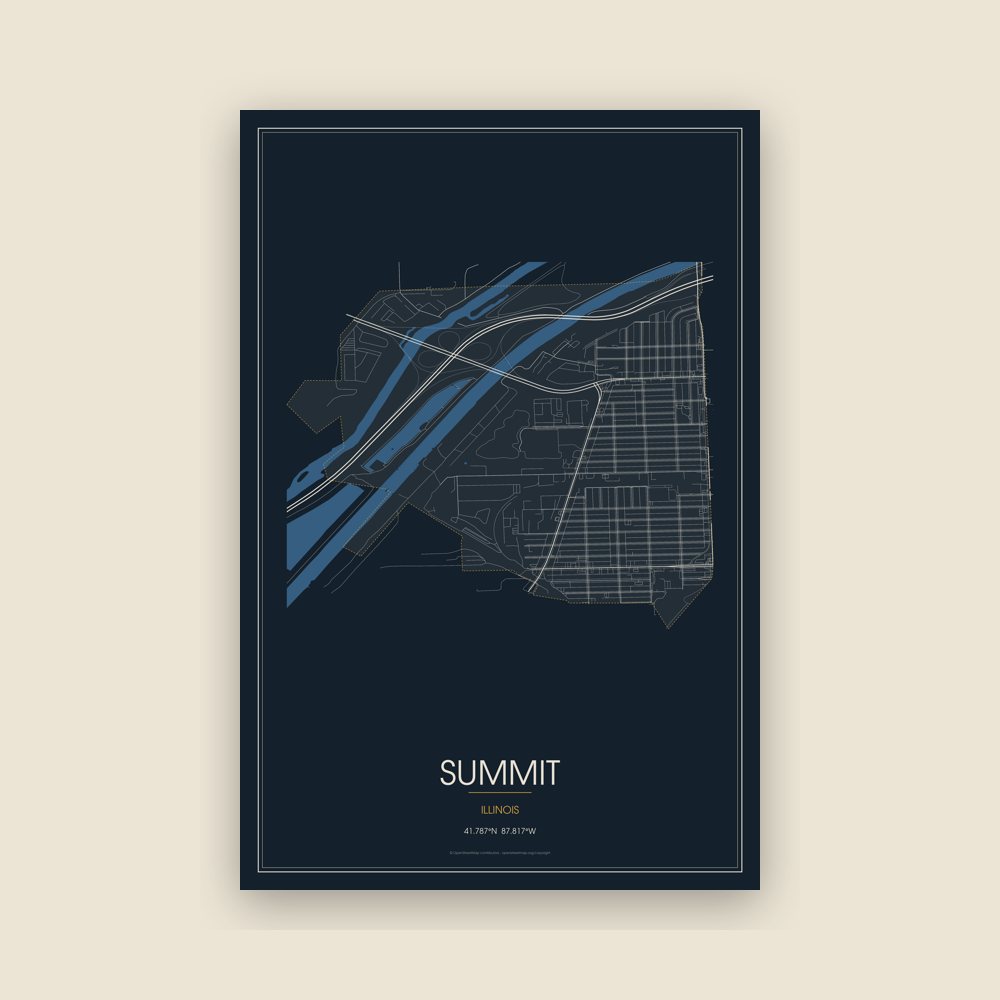
In 1890, Summit was incorporated as a city. When John Wentworth, and his political influence, died two years prior, his heirs and the settlement residents feared being annexed by Chicago. The settlement was re-platted much as it is today, with Center St. going north from Archer Ave. and Lincoln St./Lawndale Ave. going northwest from Center St. over the canal. This area was changed with the construction of Interstate 55, which effectively replaced Lawndale Ave. with the Illinois Route 171 ramp. A housing complex was at the site of the 1836 settlement.
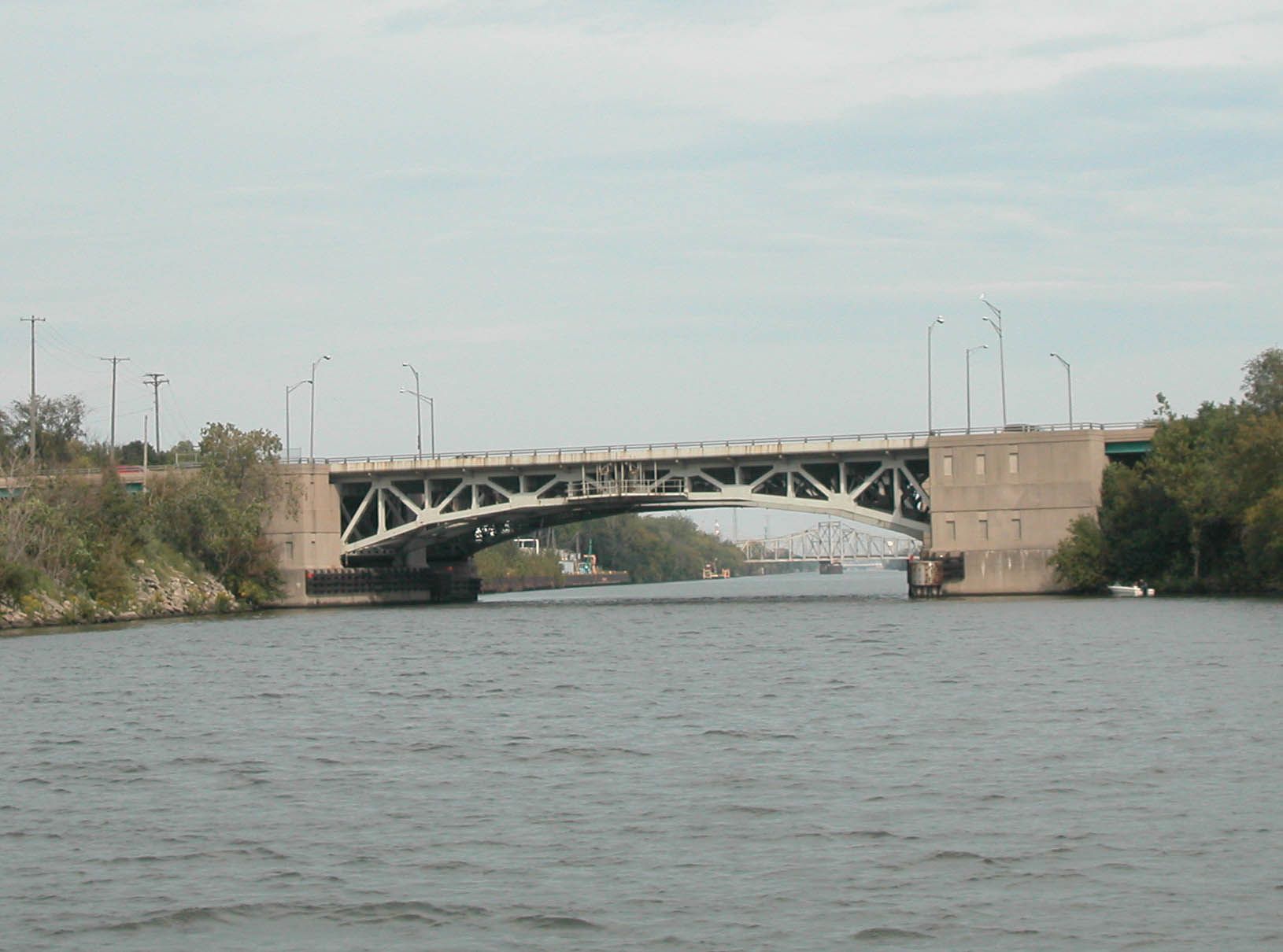
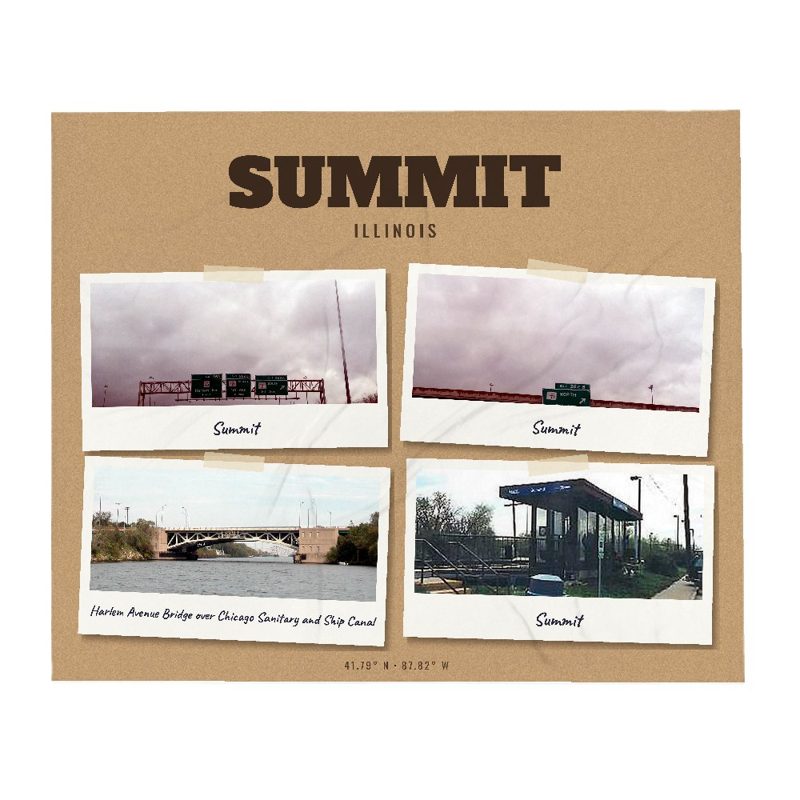
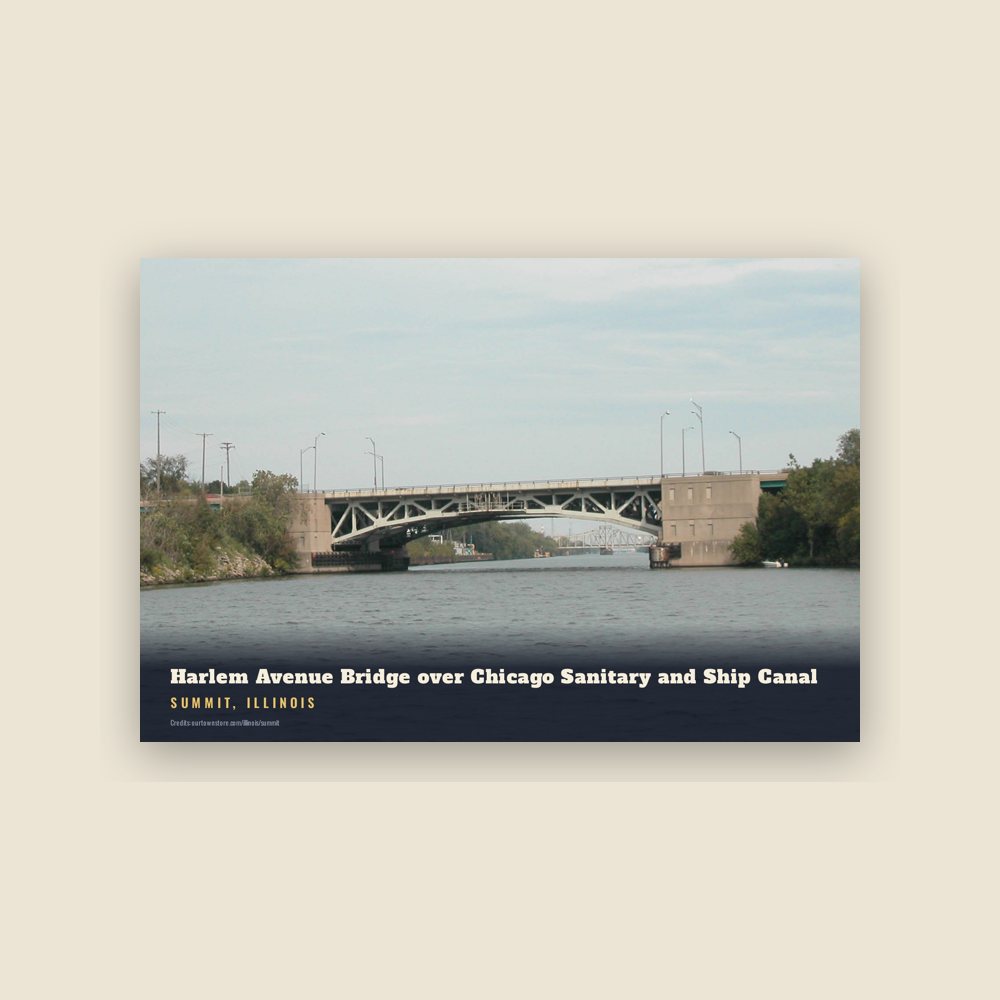
Between 1892 and 1900, the Chicago Sanitary Canal was built. It was just north of the Illinois and Michigan Canal but was much larger. In 1899, a large center-pier swing steel bridge was built for Lawndale Ave., the only crossing for miles in either direction until the 1920s. In 1900, the Chicago Sanitary Canal opened and replaced the Illinois and Michigan Canal, which was abandoned. In Summit, the old canal was filled in 1974.
In 1901, the Chicago and Joliet Electric Railway Interurban was operating a double-track line down Archer Ave. To the east it connected with Chicago streetcars at Cicero Ave. (then the city limits), to the southwest it went past Argo and on to Joliet. A branch went north on Lawndale Ave to Ogden Ave. in Lyons. In 1933, the rail-cars were replaced with buses.
In 1907, Corn Products Corp. (now Ingredion) began construction of the world's largest corn-processing plant south of Summit (Bedford Park today). At the same time, two properties north and south of 63rd St. were sub-divided as a "company town" type neighborhood called "Argo" after the factory. Four years later, Summit annexed Argo but its separation by the Indiana Harbor Belt Railroad tracks at 59th St., dependence on the factory, and separate business district along 63rd St. with Chicago streetcar (later bus) service made it develop as a separate community. The name "Argo" is still in widespread use in both the public and private sectors.
Between 1910 and 1920, the population of Summit more than tripled, from 949 to 4,019, and increased again to 6,548 in 1930. The nature of the city changed from rural to industrial, largely because of the Corn Products plant. Farms in the old section were sub-divided, and the new Argo area was annexed into the city. In addition to Corn Products, other industries went up west of Archer Rd. and the large rail yard south of the city created a large number of jobs.
The city was overwhelmed with the increase and public services were not able to keep up. Water supply was a major problem, and schools were severely over-crowded. Between 1910 and 1930, three elementary, one high, and two Catholic schools were opened.
Adapted (trimmed) from the Wikipedia article Summit, Illinois, revision 1378473039 by its contributors, licensed CC BY-SA 4.0.