A short history of Seneca
A French missionary by the name of Father Gabriel de la Ribourde brought Catholicism to the Seneca area 175 years before St. Patrick's Parish was founded. In 1680, he was traveling with an exploratory party from Quebec when he was ambushed and killed by a band of Kickapoo Indians. A wooden cross marks the spot where Illinois’ first martyr to the Catholic faith is believed to have died (which is located next to St. Patricks Catholic Church).
Seneca was first settled by Jeremiah Crotty, an entrepreneur and contractor who helped build the Illinois and Michigan Canal. Crotty built the first residence in 1850 and established the town in 1854 with a post office in his name. Residents retained the name Crotty Town until 1957, when they incorporated the town as Seneca. Before 1957 Seneca was known as Crotty in paper but known locally as Seneca.
The village of Seneca, formerly named Crotty after its founder, Jeremiah Crotty, was incorporated in 1865. The town was created during the construction of the Illinois and Michigan Canal for which Crotty was a contractor.
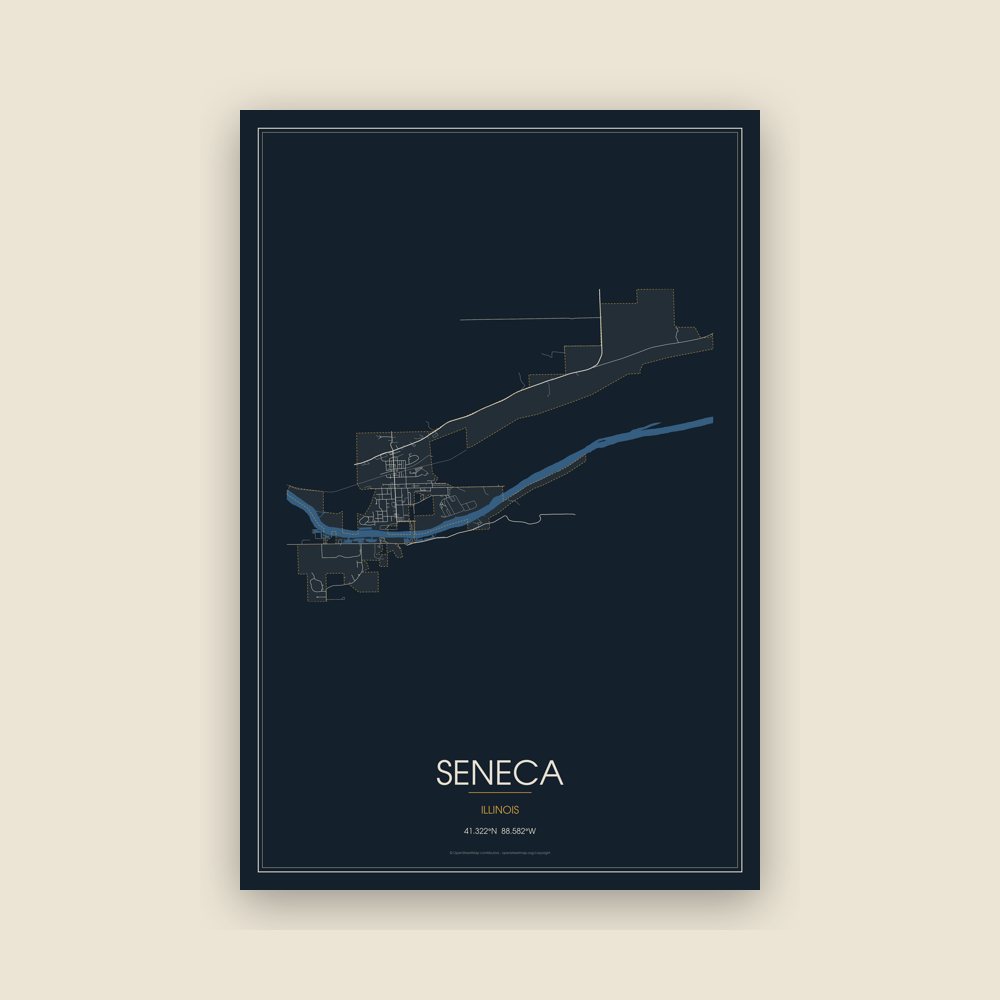
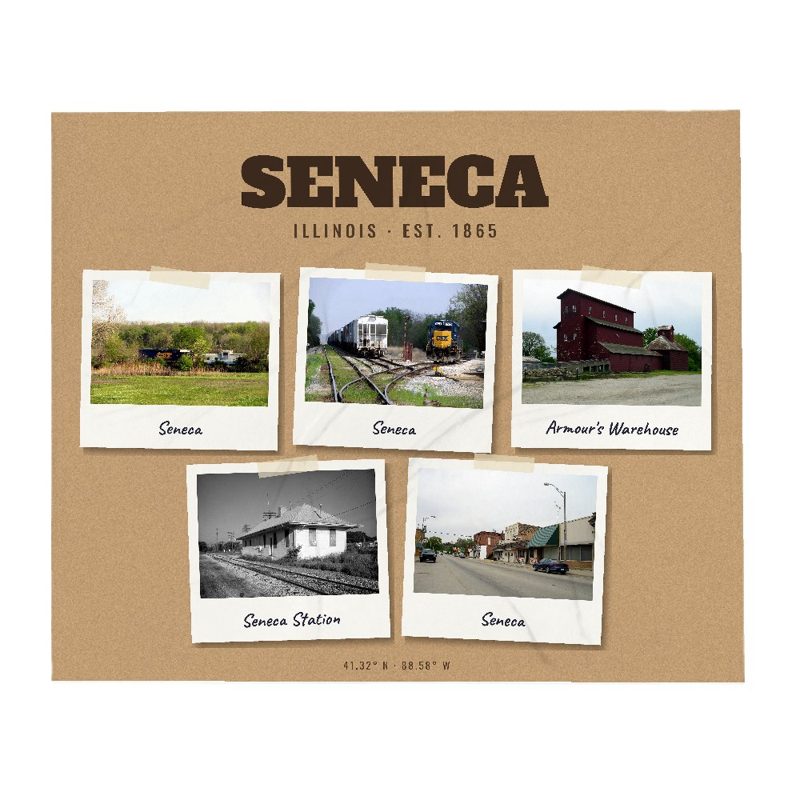
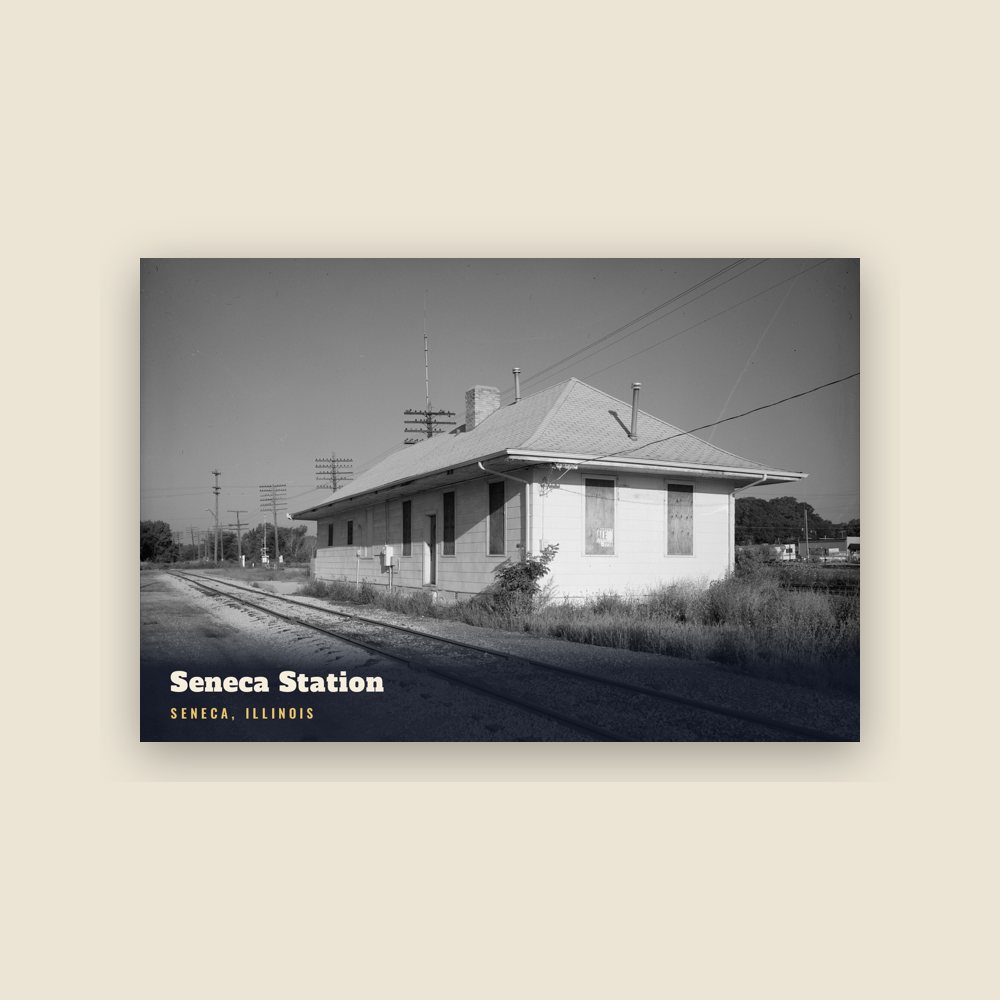
The Rock Island Railroad and the Illinois River also supported the creation and business of our town. Seneca is most known for its contributions during World War II when Chicago Bridge and Iron operated the Prairie Shipyard. 157 Landing Ship, Tanks (LST) were built here.
Adapted (trimmed) from the Wikipedia article Seneca, Illinois, revision 1379119780 by its contributors, licensed CC BY-SA 4.0.