A short history of Markham
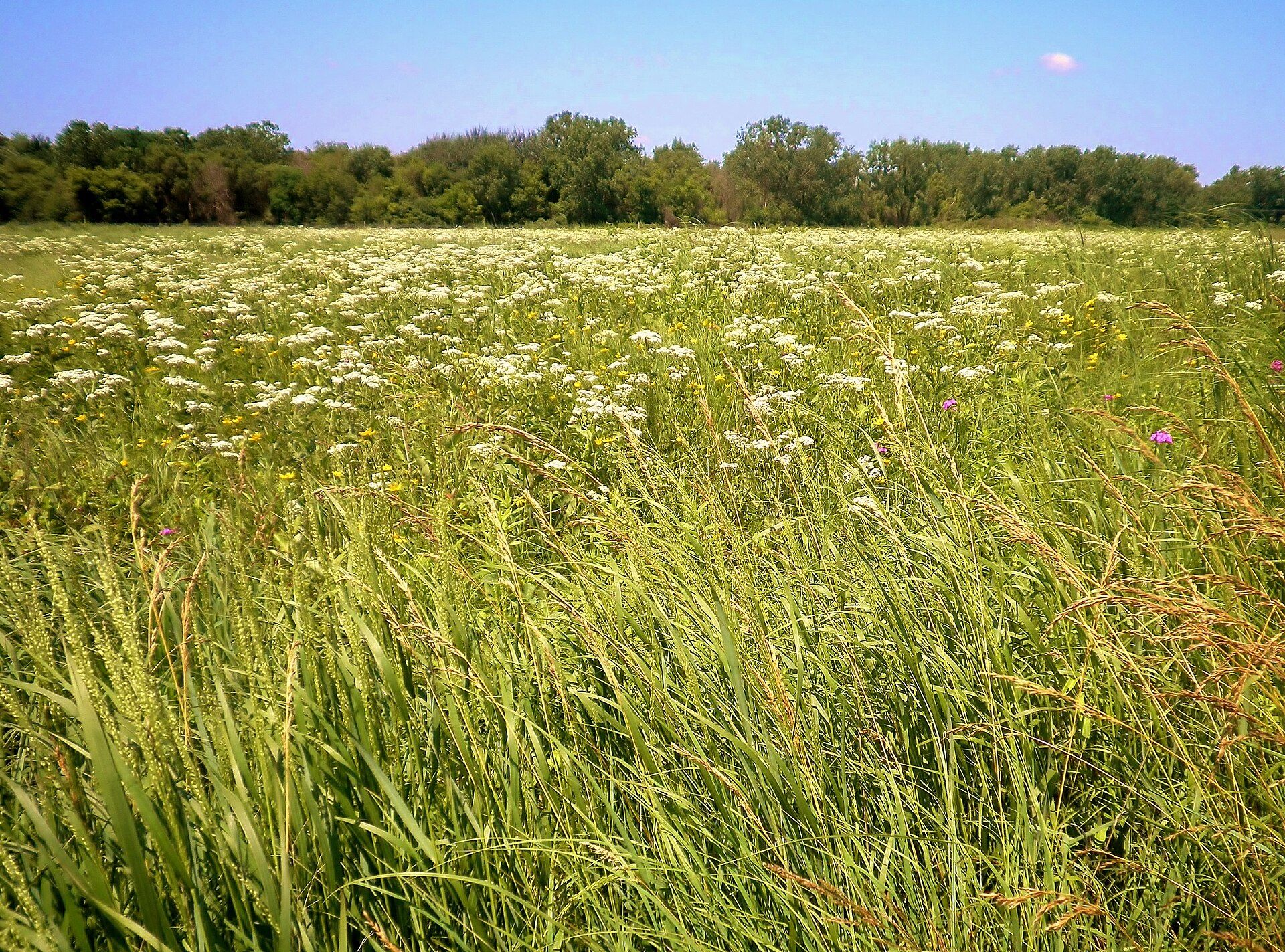
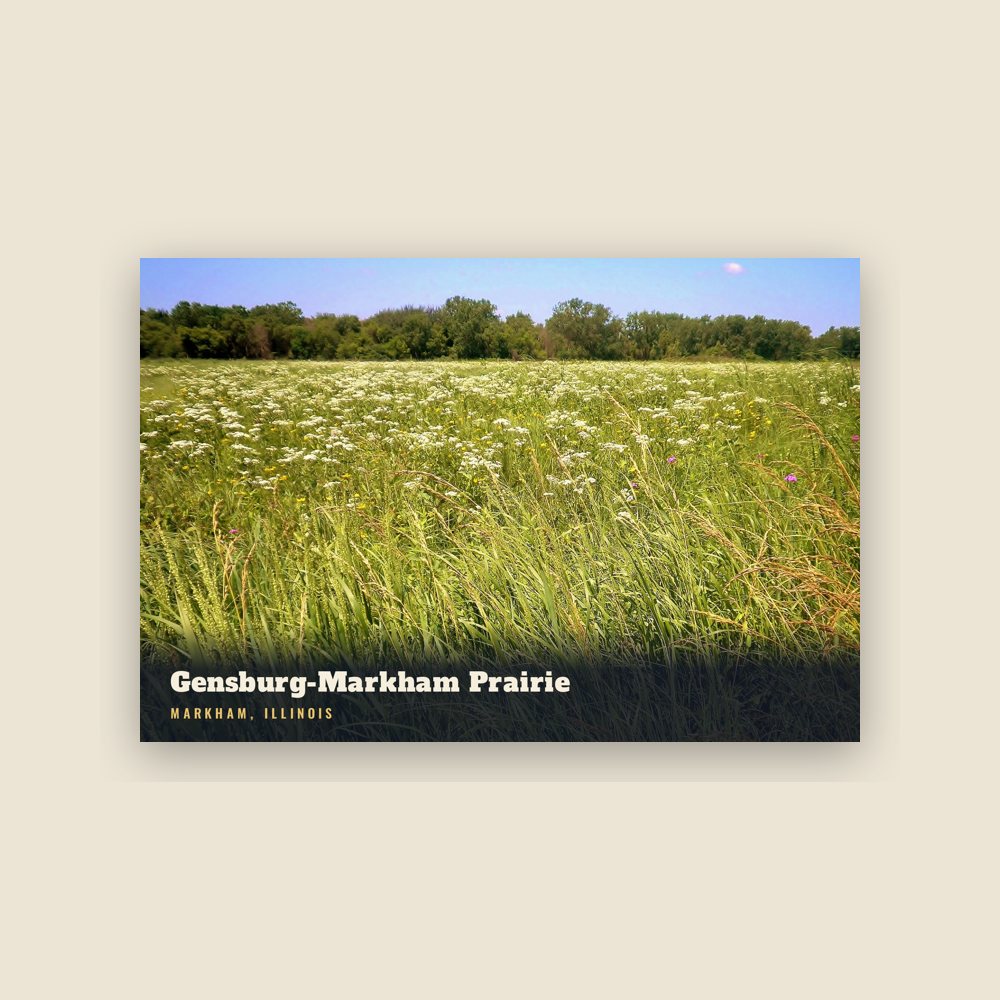
It is claimed this area was beach 10,000 years ago. After countless ages of geologic swamps, marshes and sloughs, the prairies dominated the landscape with groves of trees, flowers, and wildlife in abundance.
Markham, southwest of the southern tip of Lake Michigan, had been a crossroad for early pioneers. In 1816 a treaty was made with the Ottawa, Chippewa and Potawatomi tribes which ceded a corridor of land located between a point north of the Chicago River and the mouth of the Calumet River to the settlers. The southern boundary, one of two Indian Treaty Boundary Lines, was surveyed along a line from the Kankakee River to Lake Michigan. The line still appears on government maps and now includes a short portion of Interstate 57 near the US 6 interchange northwest of Markham.
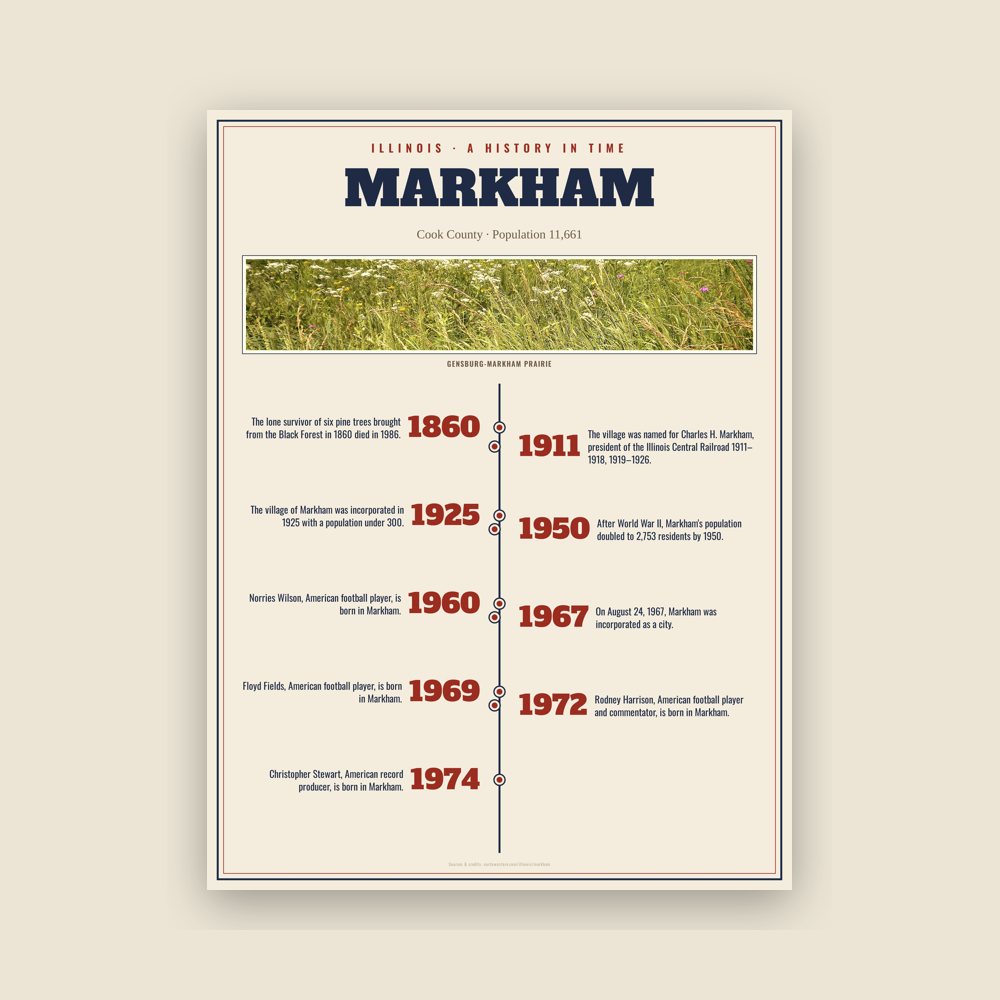
The village of Markham was incorporated in 1925 with a population under 300. The village was named for Charles H. Markham, president of the Illinois Central Railroad 1911–1918, 1919–1926. In the mid-1930s, the Croissant Park subdivision was built and increased the population from 349 to 1,388. After World War II, Markham's population doubled to 2,753 residents by 1950. The village developed into a bedroom community as residents sought homes, not industry. An airport developed at 165th Street and Kedzie Avenue was the nearest field outside of Chicago. The airport site was located near what is now the Cook County Sixth Circuit Courthouse. On August 24, 1967, Markham was incorporated as a city.
Read the full history
The Lone Pine Tree
In 1860, a German immigrant named Lawrence Roesner made his way to the southern boundary and settled on land located in the northwest corner of Markham. He brought with him six seedlings from the Black Forest of Germany and planted them along the Indian Boundary Line. This "Lone Pine Tree" was adopted as the official city symbol in 1985. The lone survivor of six pine trees brought from the Black Forest in 1860 died in 1986. The Markham City Council appropriated money to get a replacement tree from the Black Forest, which the Markham Garden Club planted that year.
Adapted (trimmed) from the Wikipedia article Markham, Illinois, revision 1381485891 by its contributors, licensed CC BY-SA 4.0.