Inverness is a suburban village in Cook County, Illinois, United States. Inverness is the birthplace of Dylan Remick, soccer player.
- CountyCook County
- Population7,616 (2020 U.S. Census)
Inverness, Illinois gifts and souvenirs: 20 designs made from Inverness's own map, landmarks and history, from $16 to $95. Printed to order and shipped free in the USA.
| Popular | Price |
|---|---|
| Inverness Hometown Ornament | $23 |
| Inverness Vintage Travel Poster | from $40 |
| Inverness Varsity Crewneck | from $57 |
| Inverness Est. Tee | from $33 |
| Inverness Town Line Mug | from $26 |
| Inverness Market Tote | $37 |
Ceramic keepsake, gold ribbon
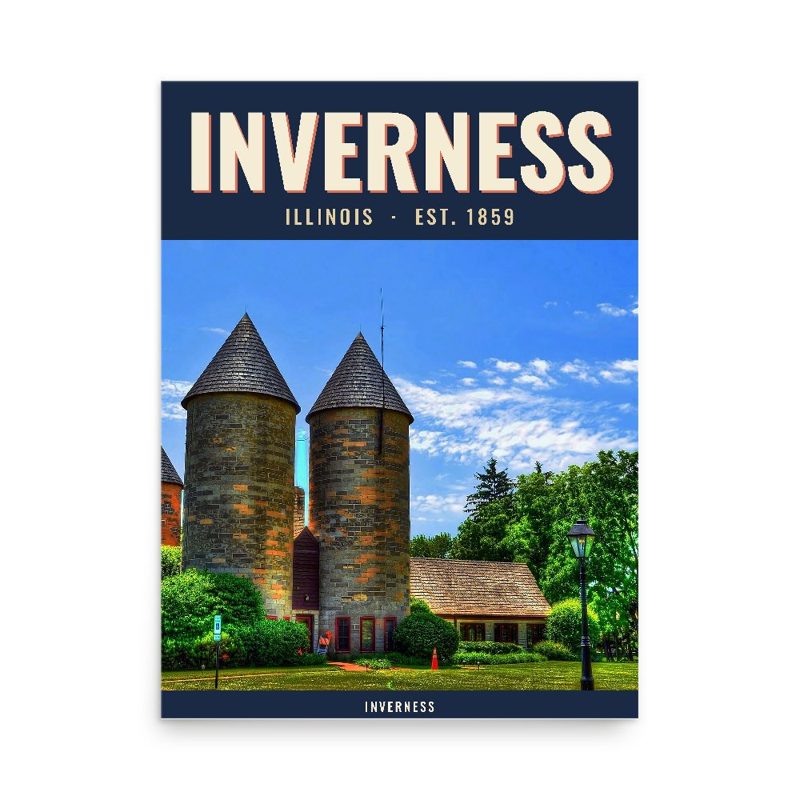
Its landmark photo in a classic travel-poster layout
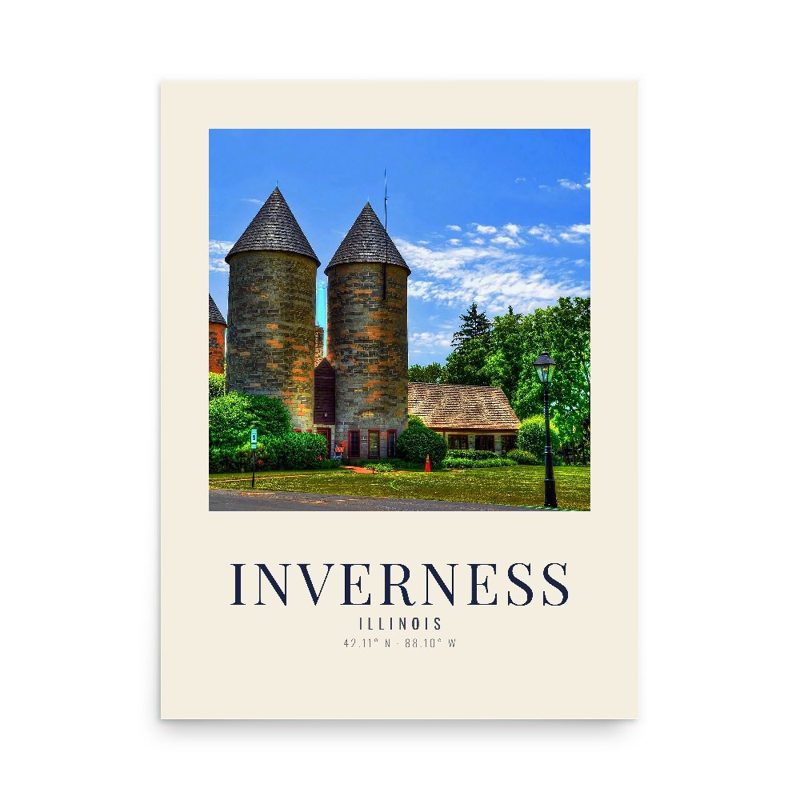
A local landmark photo as a gallery print
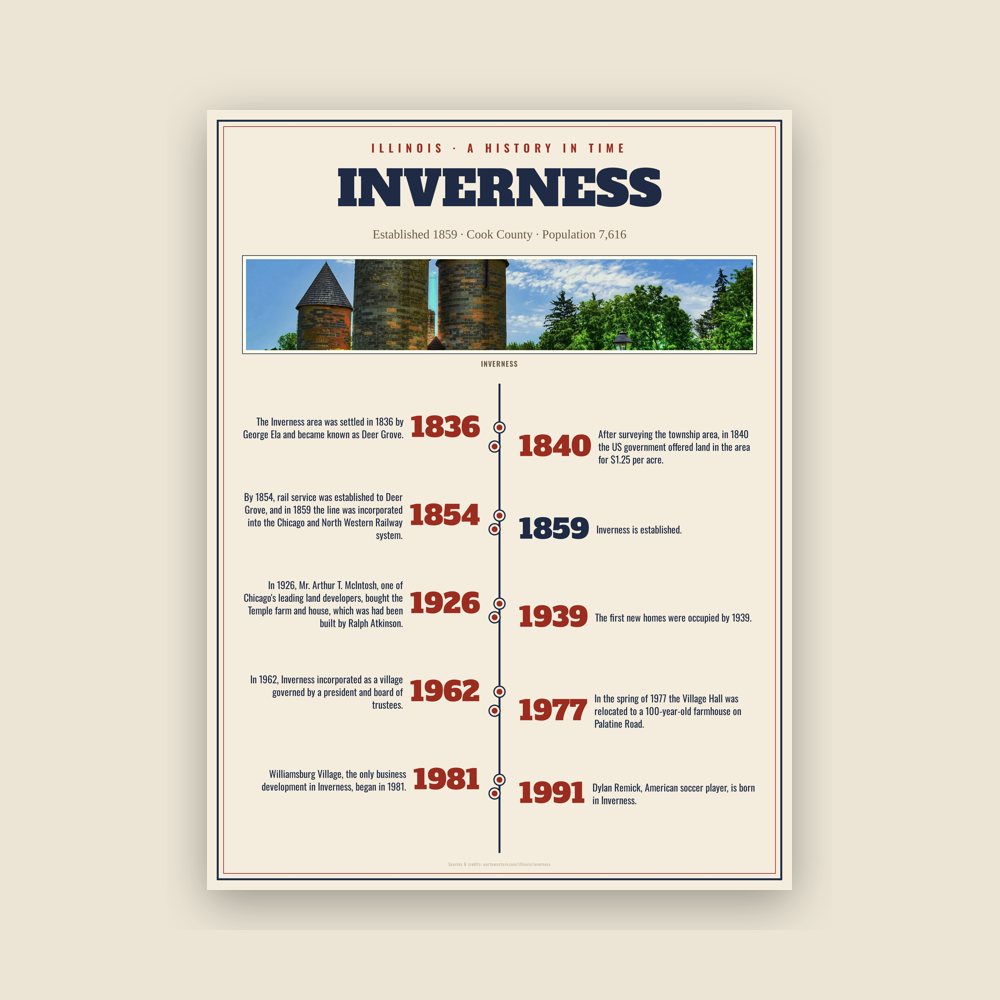
The town's story in dates, from its own records, for home or classroom
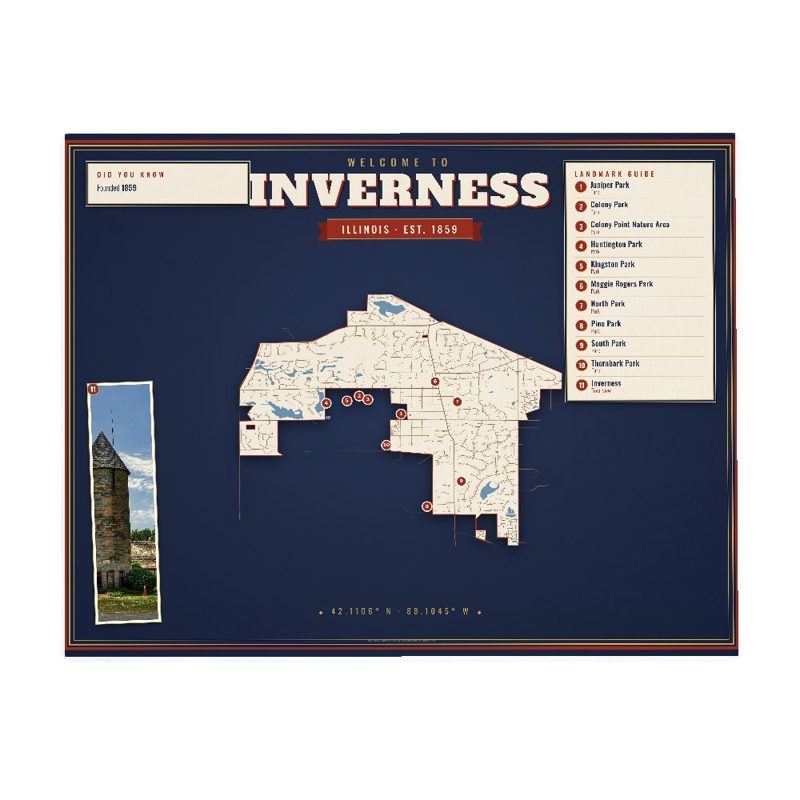
Map of local landmarks, washable fabric
Heavy-blend fleece, street map printed on the back
Soft Bella+Canvas jersey
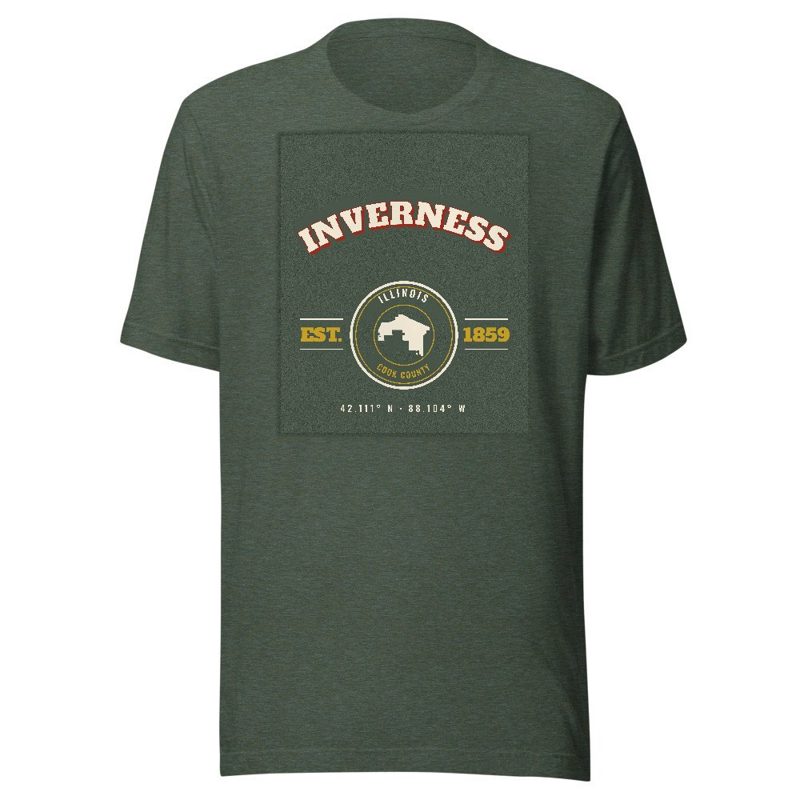
Kids' Bella+Canvas jersey, youth sizes
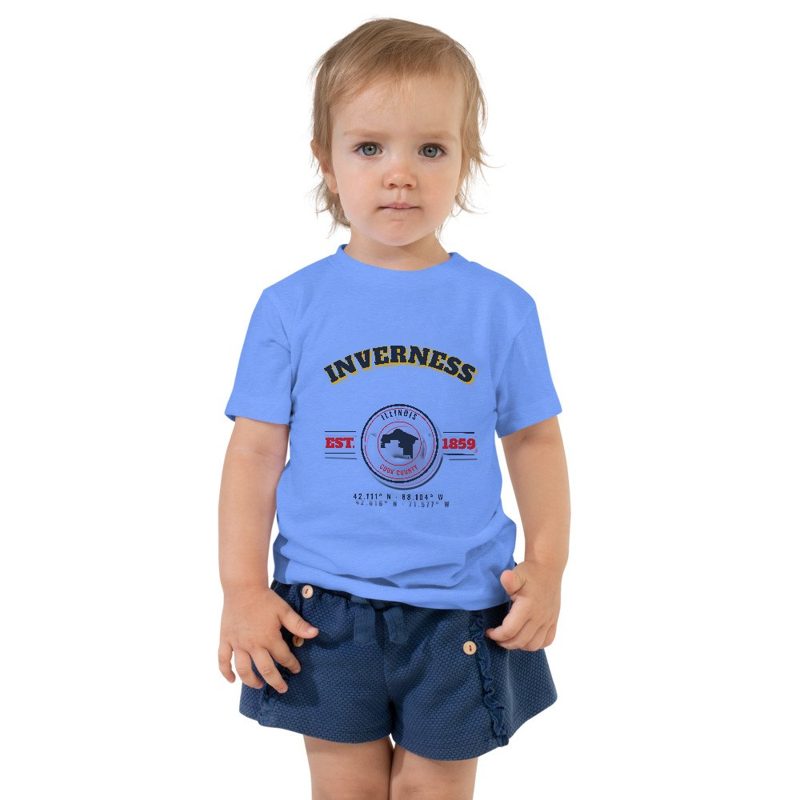
Bella+Canvas toddler jersey
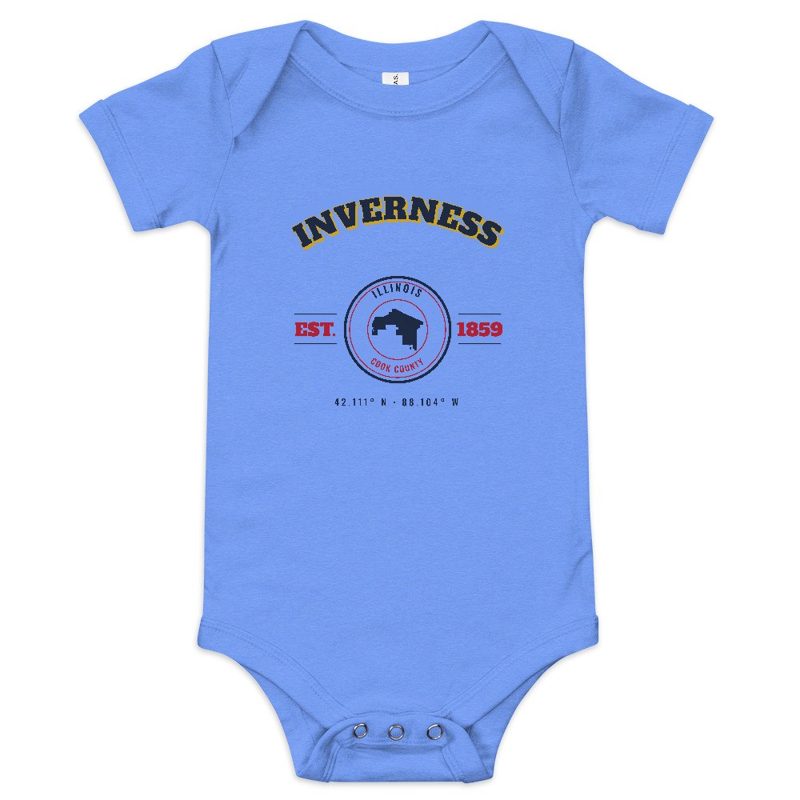
Bella+Canvas baby bodysuit
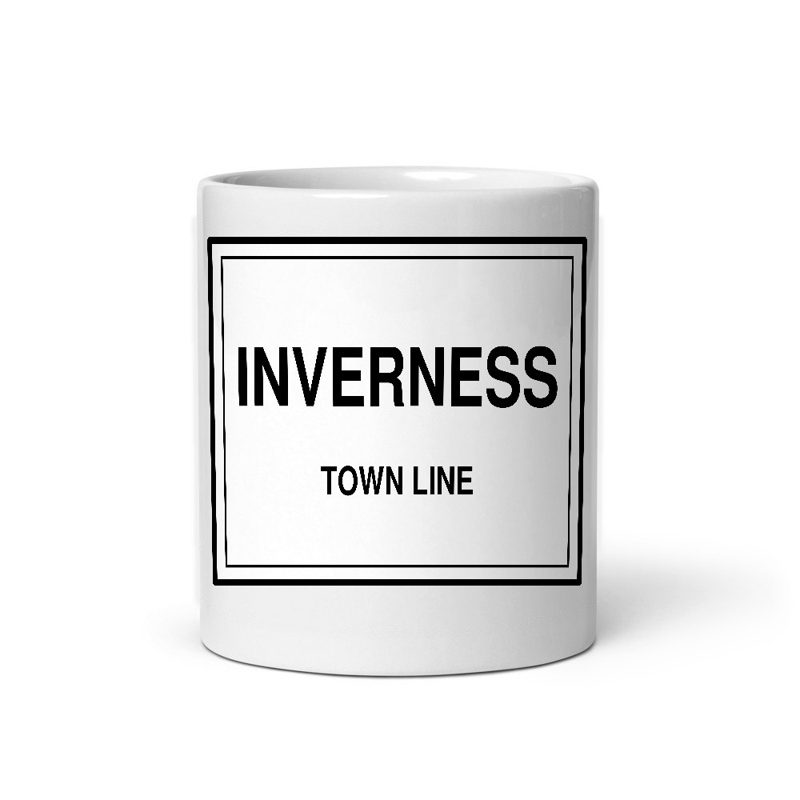
Glossy ceramic, dishwasher safe
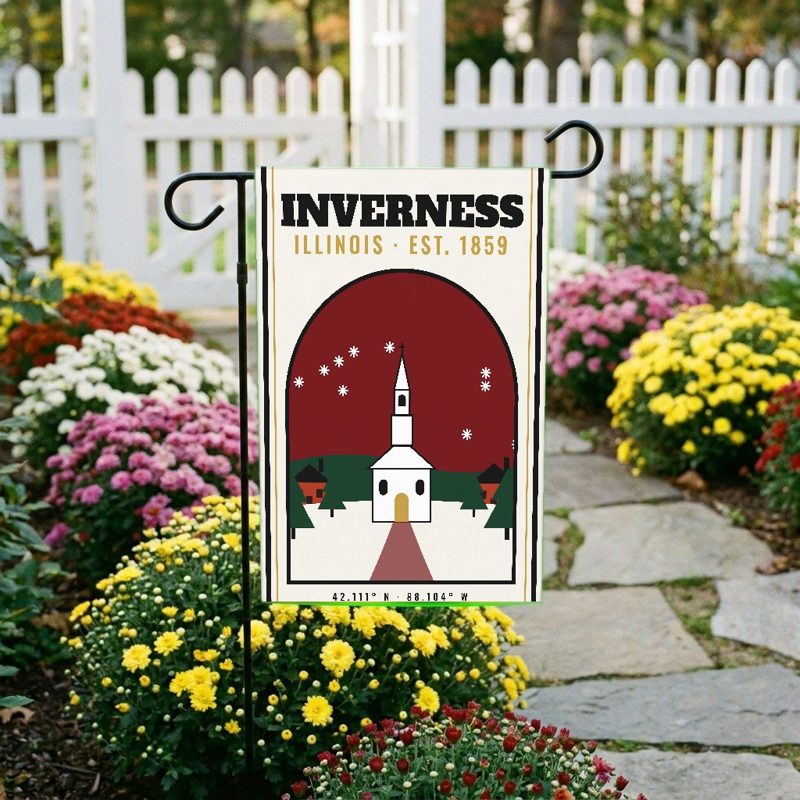
Weatherproof, for the front walk
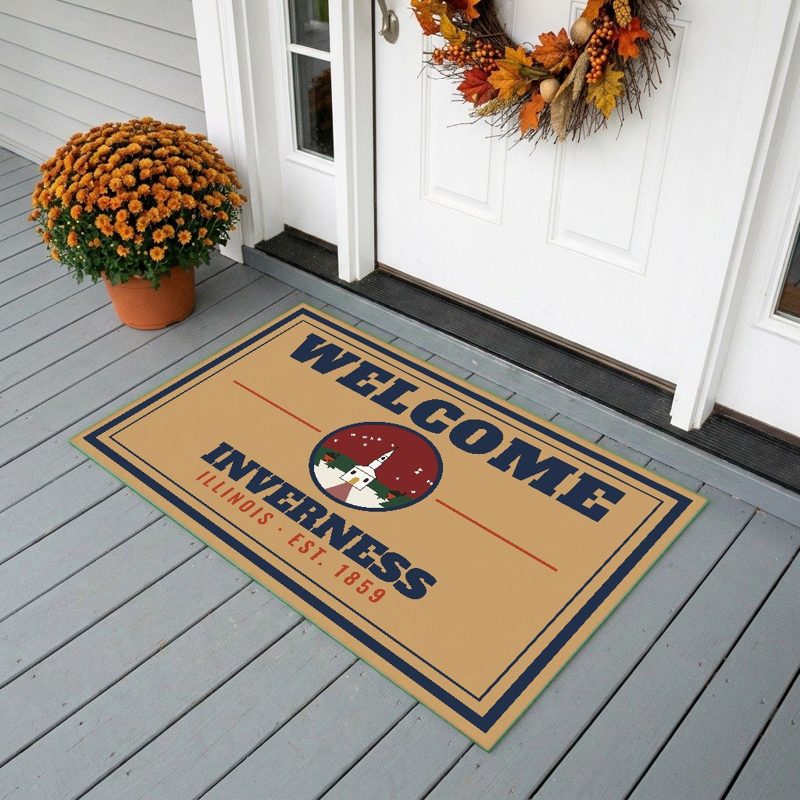
24″×16″, printed coir-look fibers, rubber back
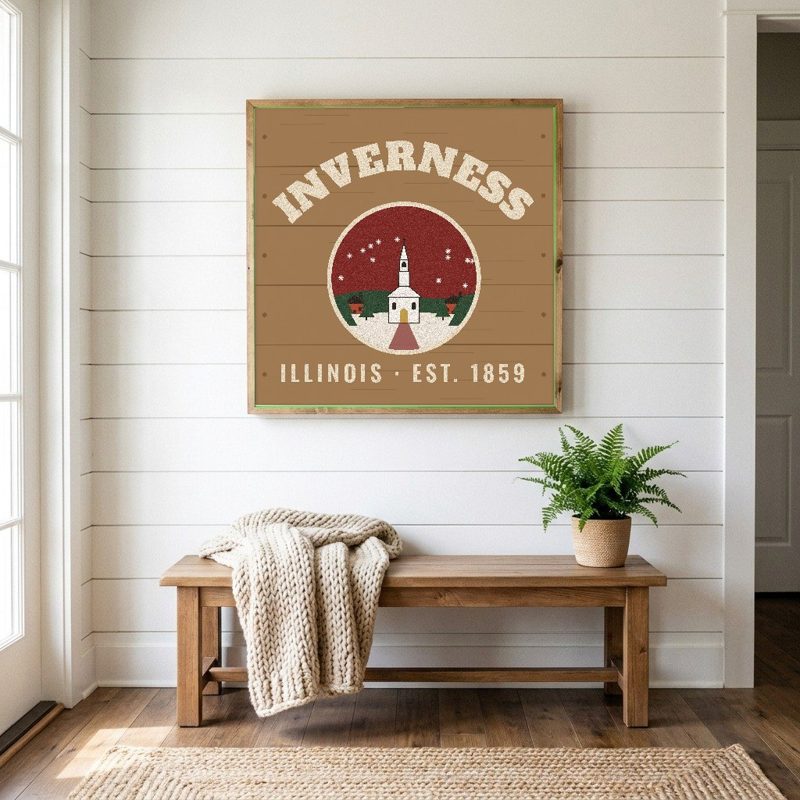
12″×12″ printed wood, ready to hang
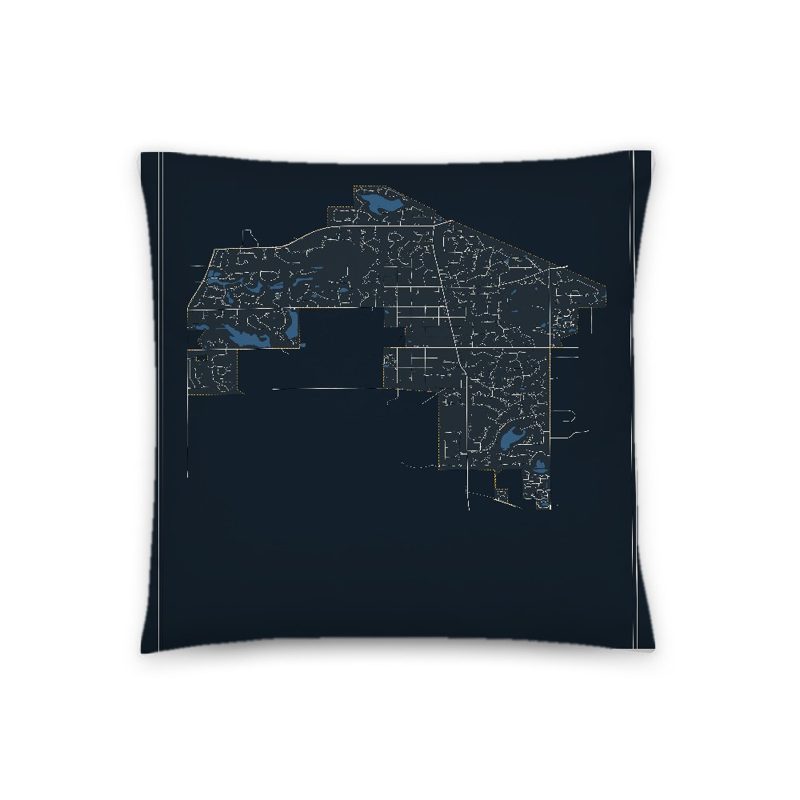
Soft-touch, zip cover
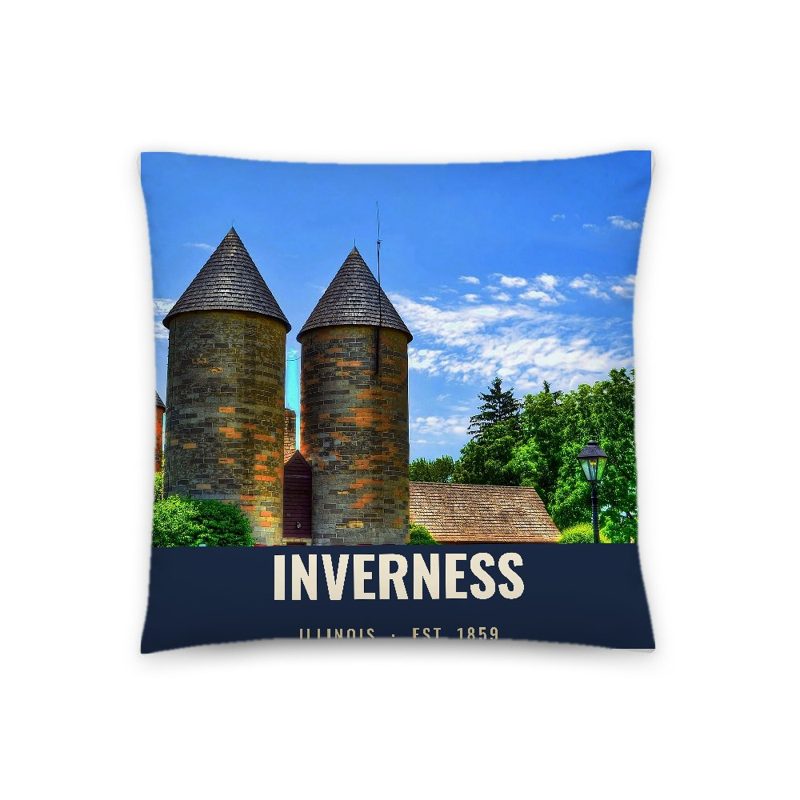
A local landmark photo with the town name, 18″×18″
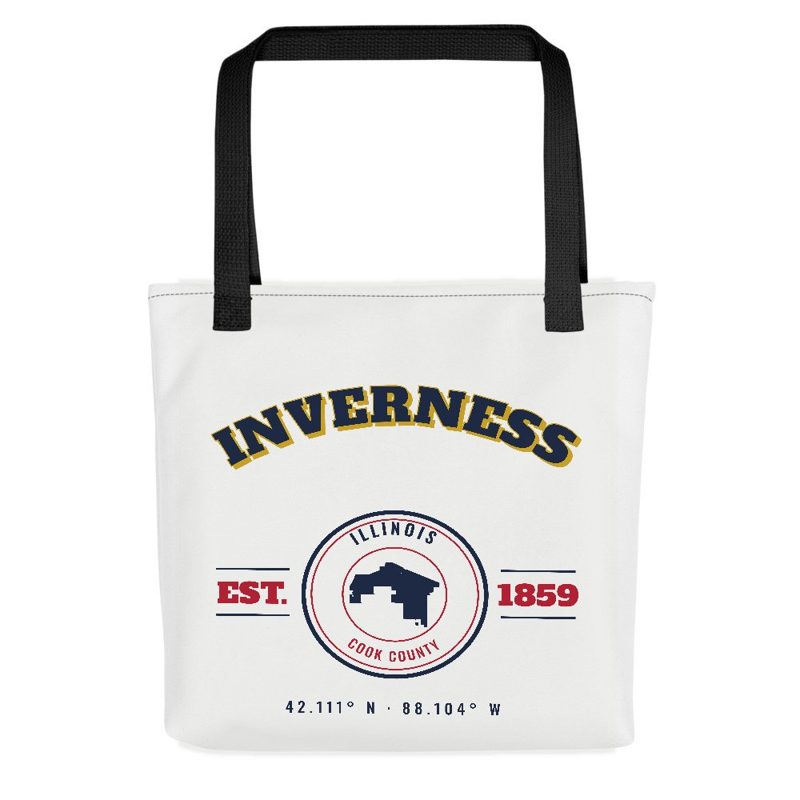
Sturdy all-over-print tote
Glossy top, cork back
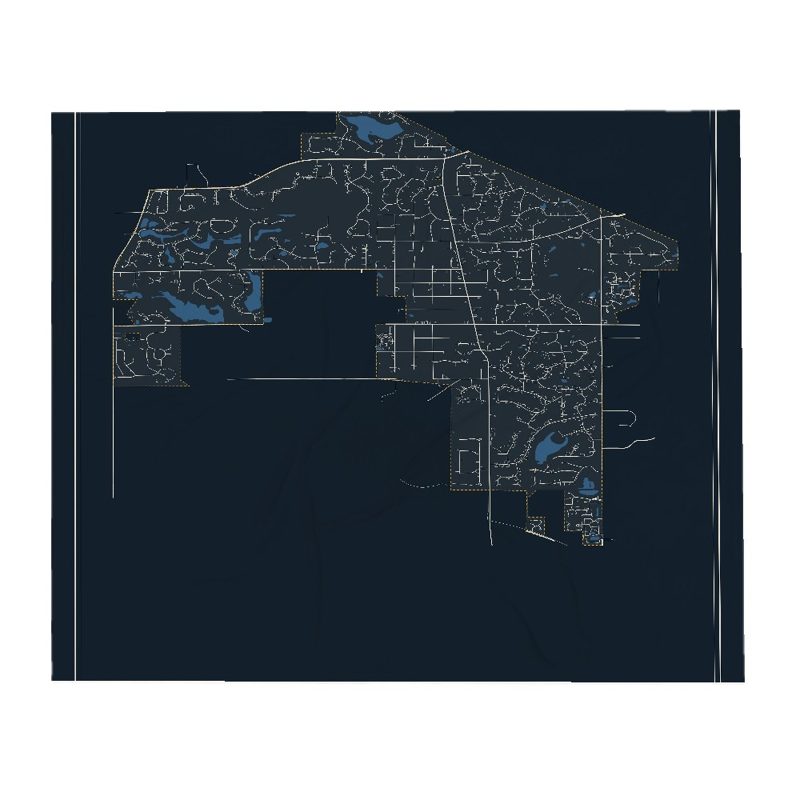
Soft fleece, 50″×60″
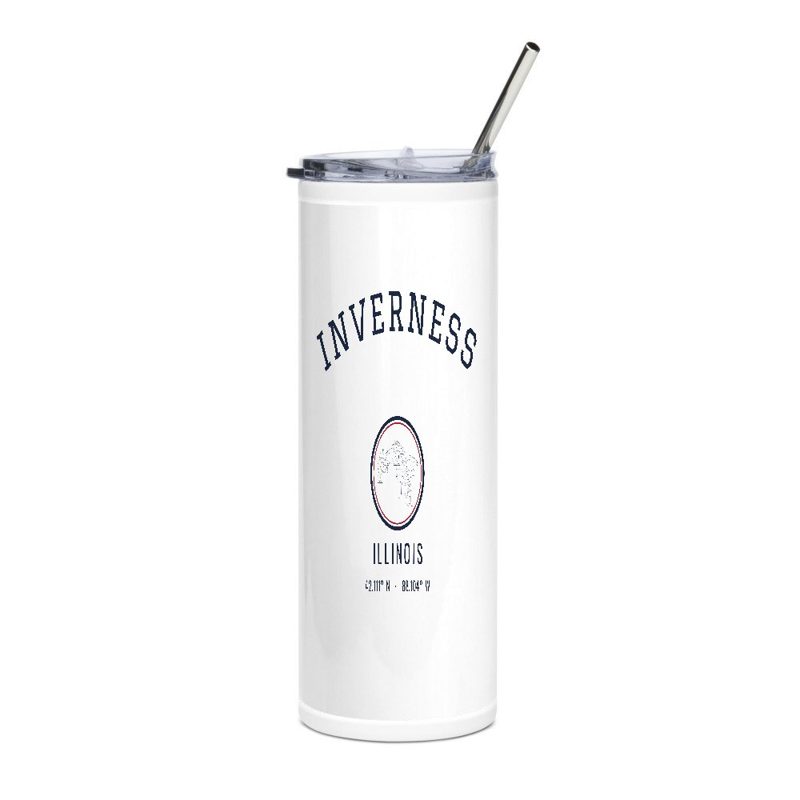
20 oz, double-wall stainless
Inverness is a suburban village in Cook County, Illinois, United States. Inverness is the birthplace of Dylan Remick, soccer player.
The Inverness area was settled in 1836 by George Ela and became known as Deer Grove. After surveying the township area, in 1840 the US government offered land in the area for $1.25 per acre. By 1854, rail service was established to Deer Grove, and in 1859 the line was incorporated into the Chicago and North Western Railway system. The Inverness area was then easily accessible to Chicago. The frontier had been opened.
In 1926, Mr. Arthur T. McIntosh, one of Chicago's leading land developers, bought the Temple farm and house, which was had been built by Ralph Atkinson. It was the first of eleven parcels that he acquired. These lands, combined with the acquisition of the Cudahy Company Golf Course, comprised 1,500 contiguous acres (6,100,000 m2) for development. With the area under McIntosh's control, it became known as Inverness, after the McIntosh clan home in Scotland.
An important person during this early development was Way Thompson, who preserved the natural beauty of the area by laying out the road system to take advantage of the rolling land and by subdividing lots to conform to natural contours. A minimum lot size of 1-acre (4,000 m2) was established. Thompson also approved all house plans and their position on the lots. The first ten homes were even decorated by his wife, Barbara. The first new homes were occupied by 1939. These homes were mostly situated around the edge of the Inverness Golf Club and were designed to be affordable to young couples. They were priced from $9,500 to $20,000. McIntosh built the first 20 homes. After that, the homes were custom built for individuals who purchased lots from McIntosh.
Construction in Inverness was halted during World War II. During the early post-war years, the McIntosh Company had complete control over the sale of lots as well as the resale of homes. Placement of homes was carefully controlled to protect the character of the community.
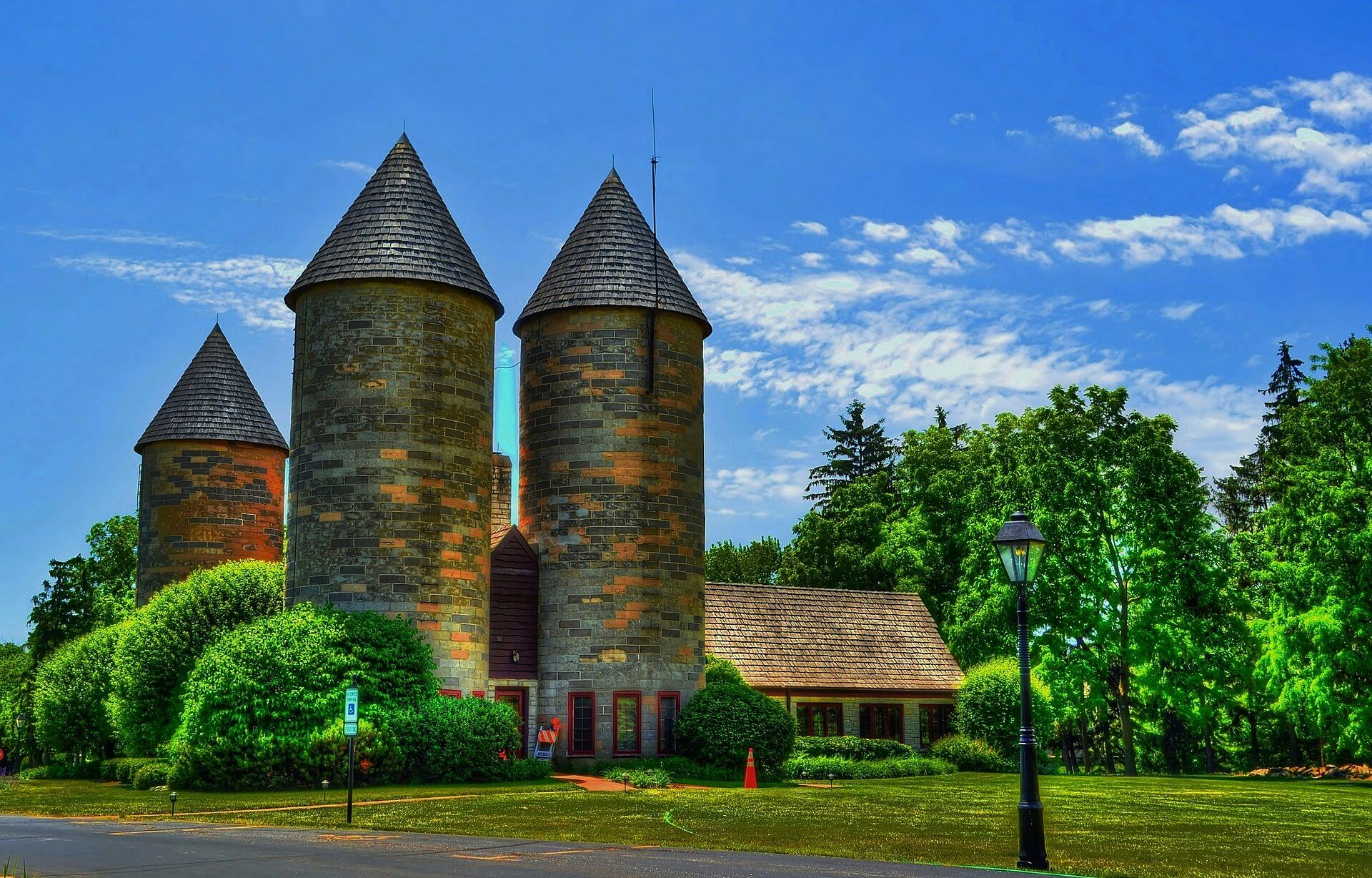
In 1962, Inverness incorporated as a village governed by a president and board of trustees. The first meeting of the village board was July 5, 1962 at the Field House, then at the western edge of the village. In the spring of 1977 the Village Hall was relocated to a 100-year-old farmhouse on Palatine Road. It was again relocated in 1985 to the Four Silos, which had become a famous landmark and gateway to the community.
During the 1970s and '80s, the village continued to grow at a pace that exceeded earlier predictions. Homes became larger and styles more varied. It was also during this period that the village annexed large areas of existing homes in unincorporated Cook County, which laid the foundation for further annexations to the west, continuing to expand the village limits. Williamsburg Village, the only business development in Inverness, began in 1981.
Adapted (trimmed) from the Wikipedia article Inverness, Illinois, revision 1380107660 by its contributors, licensed CC BY-SA 4.0.
We share a part of every Inverness sale with local partners, and we'd love to print from your collection. Old photographs, maps and postcards make the best keepsakes.
Partner with usA favorite landmark, your street, a school or team, an anniversary gift, a different product. Tell us and we'll get back to you by email.
Inverness's population was 7,616 in the 2020 U.S. Census, up from 7,399 in 2010.