In 1919, the village of Fox River Grove was officially incorporated, becoming the ninth village in McHenry County.
- CountyMcHenry County
- Population4,702 (2020 U.S. Census)
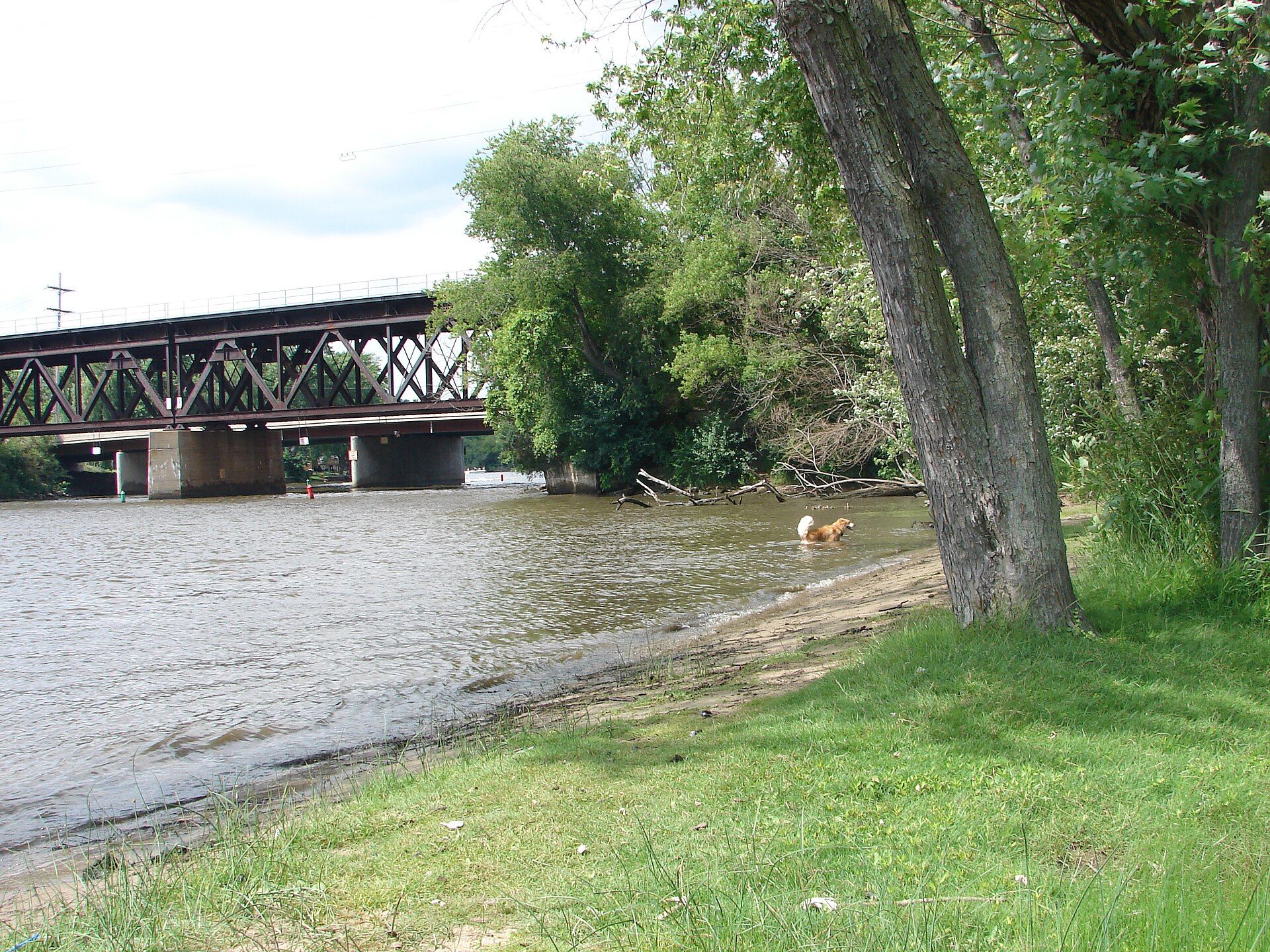
Fox River Grove, Illinois gifts and souvenirs: 30 designs made from Fox River Grove's own map, landmarks and history, from $10 to $99. Printed to order and shipped free in the USA.
| Popular | Price |
|---|---|
| Fox River Grove Hometown Ornament | $23 |
| Fox River Grove Vintage Travel Poster | from $40 |
| Fox River Grove Varsity Crewneck | from $57 |
| Fox River Grove Est. Tee | from $33 |
| Fox River Grove Town Line Mug | from $26 |
| Fox River Grove Market Tote | $37 |
Ceramic keepsake, gold ribbon
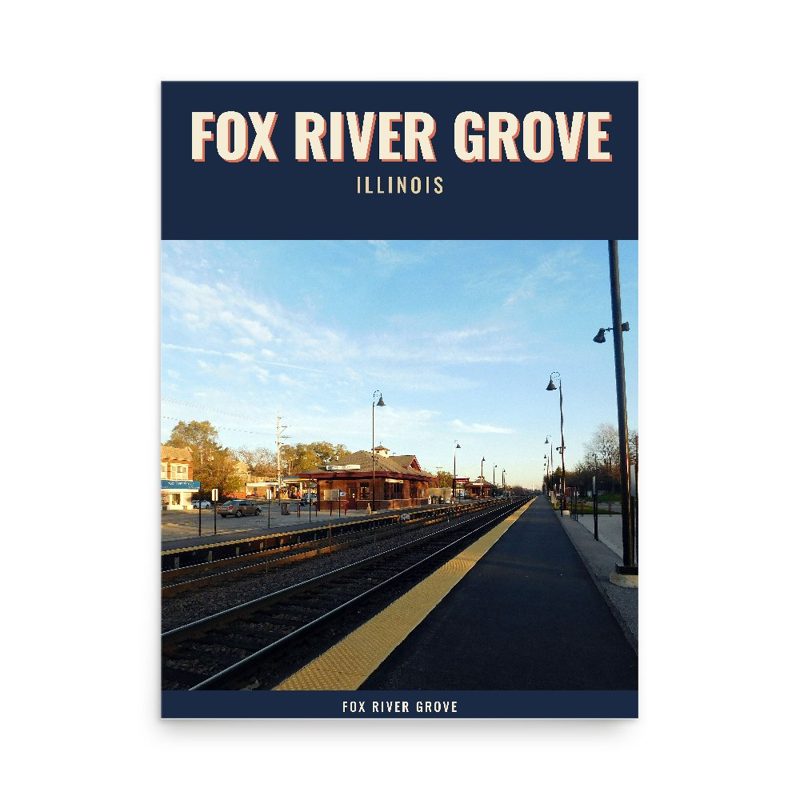
Its landmark photo in a classic travel-poster layout
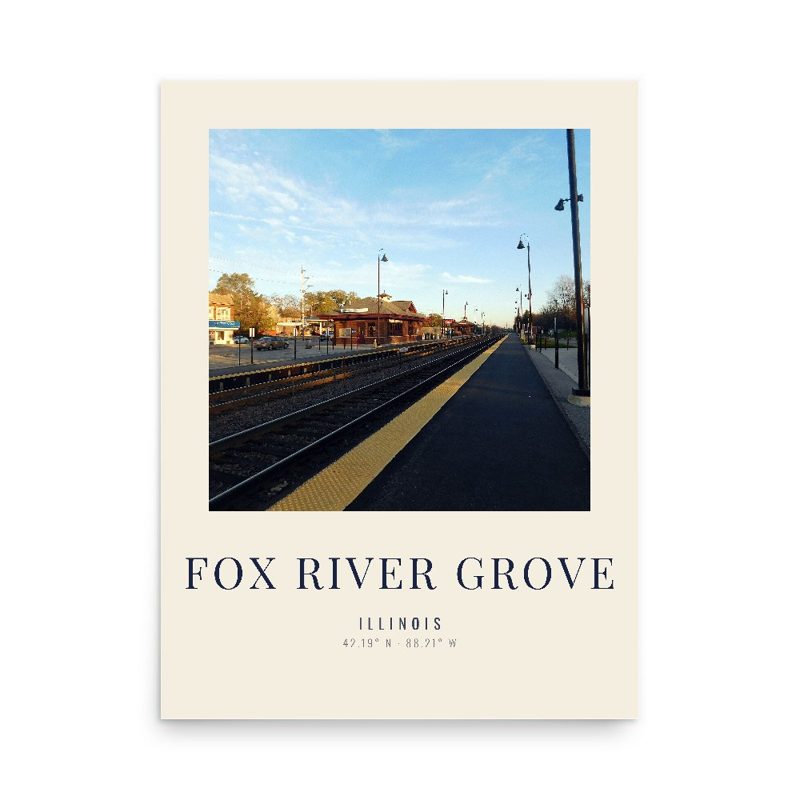
A local landmark photo as a gallery print
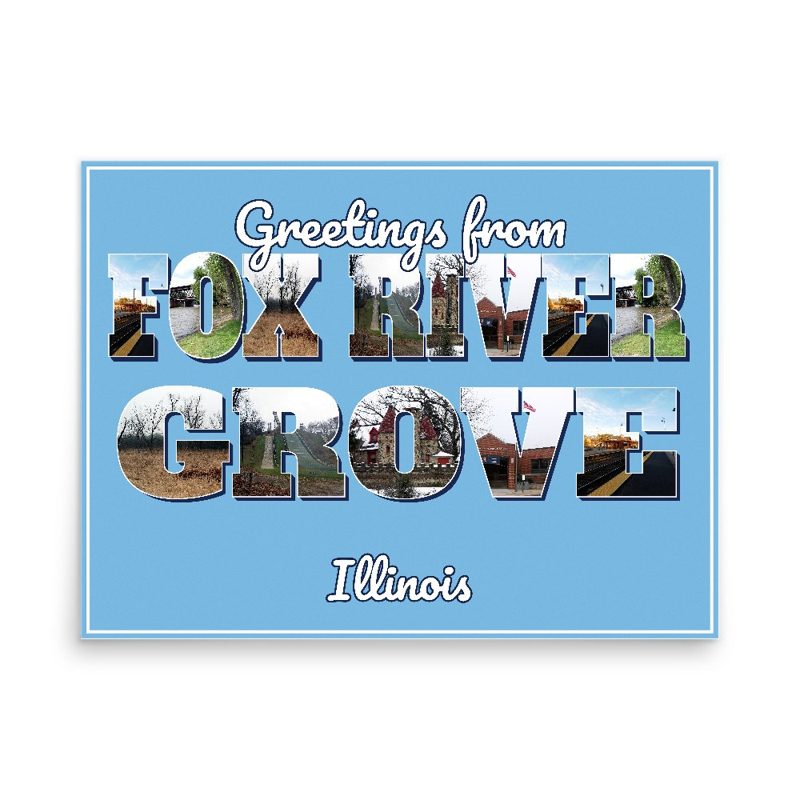
Classic large-letter postcard art, filled with local photos
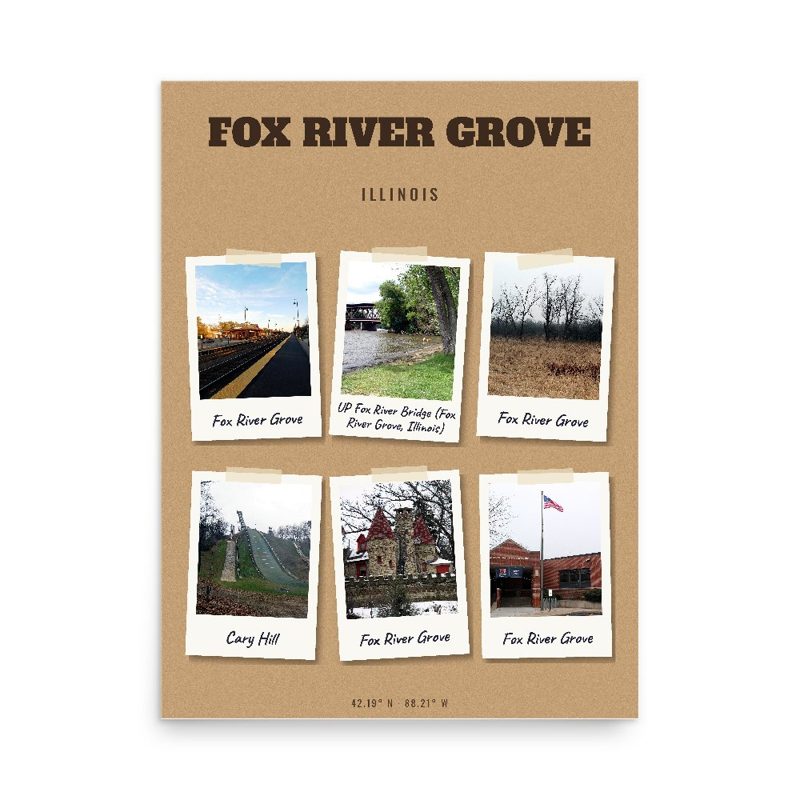
Six local landmarks as instant photos on kraft paper
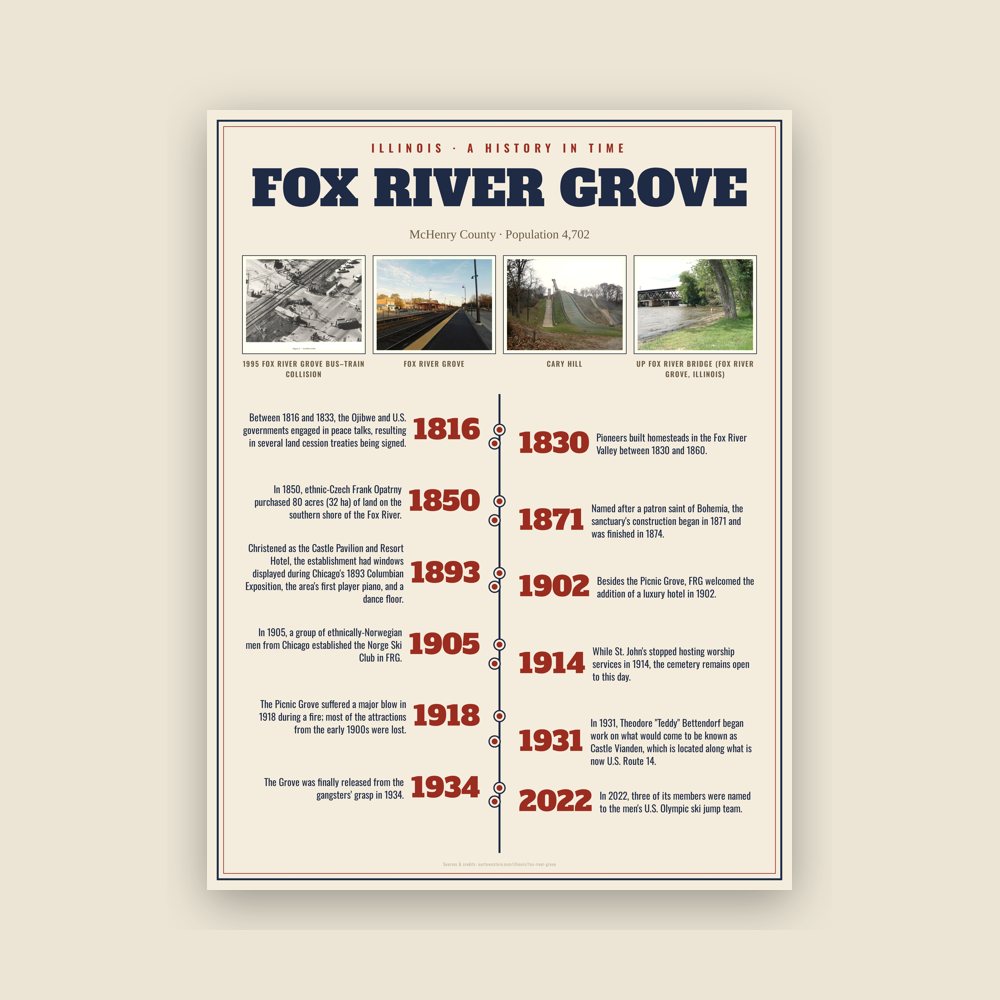
The town's story in dates, from its own records, for home or classroom
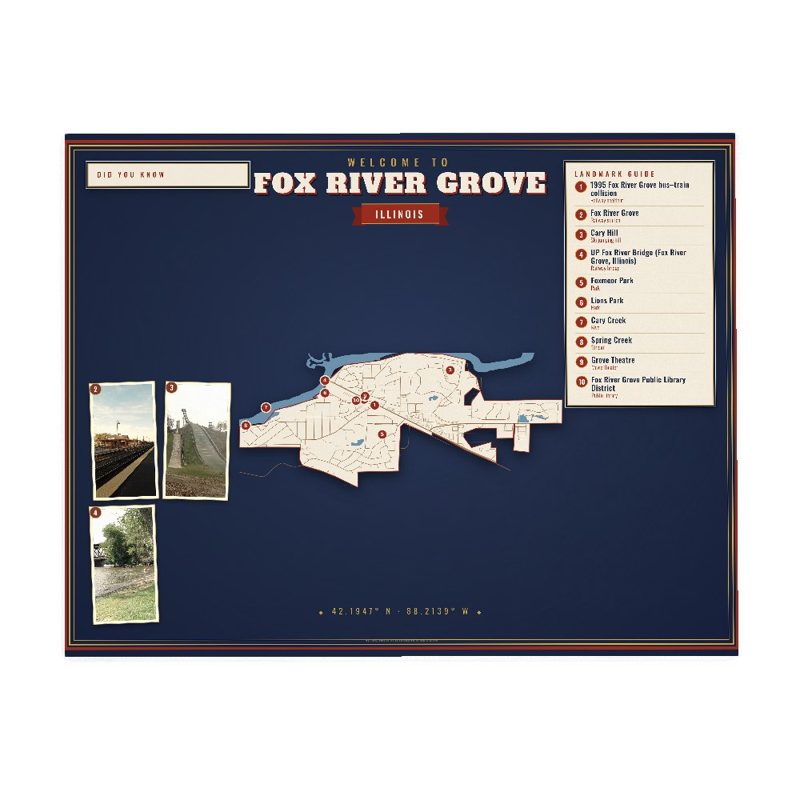
Map of local landmarks, washable fabric
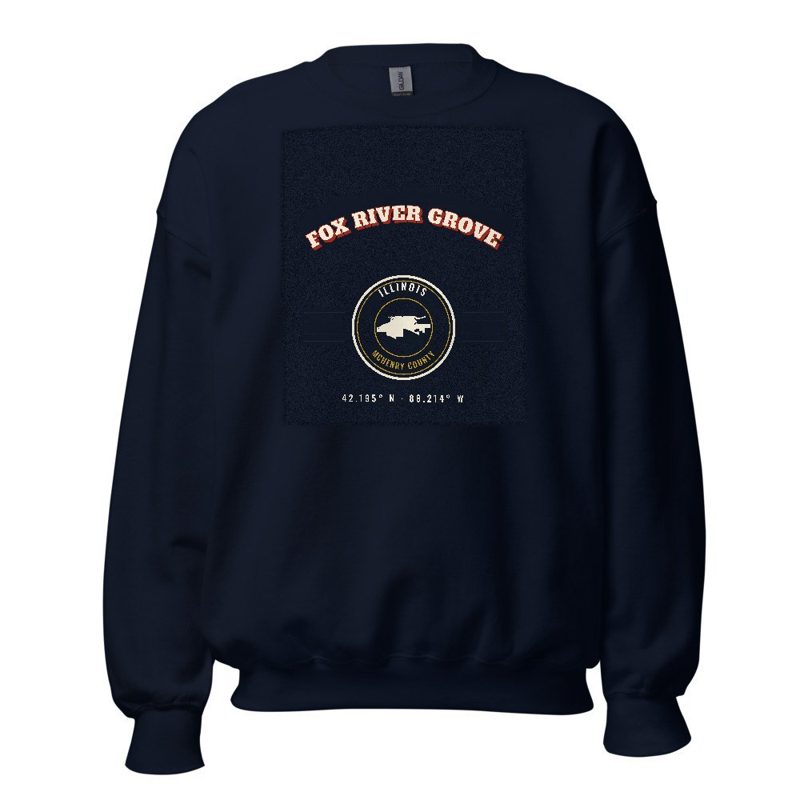
Heavy-blend fleece, street map printed on the back
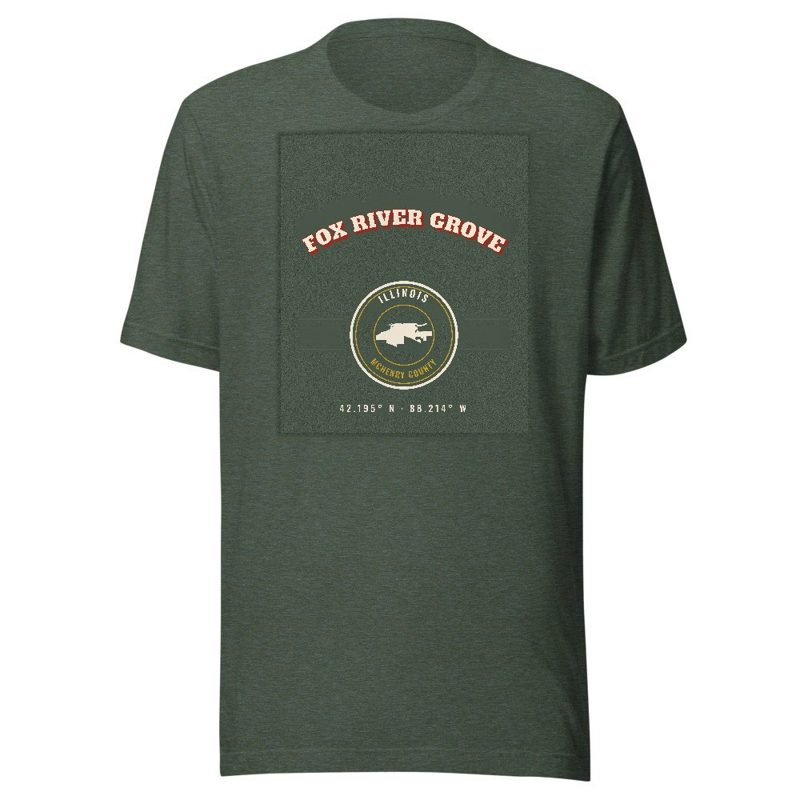
Soft Bella+Canvas jersey
Kids' Bella+Canvas jersey, youth sizes
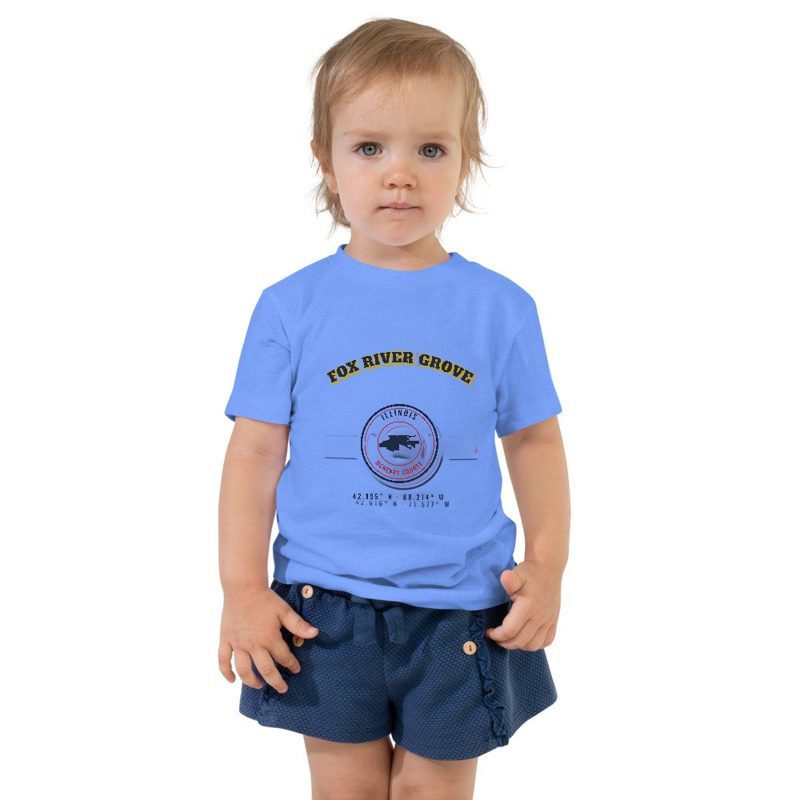
Bella+Canvas toddler jersey
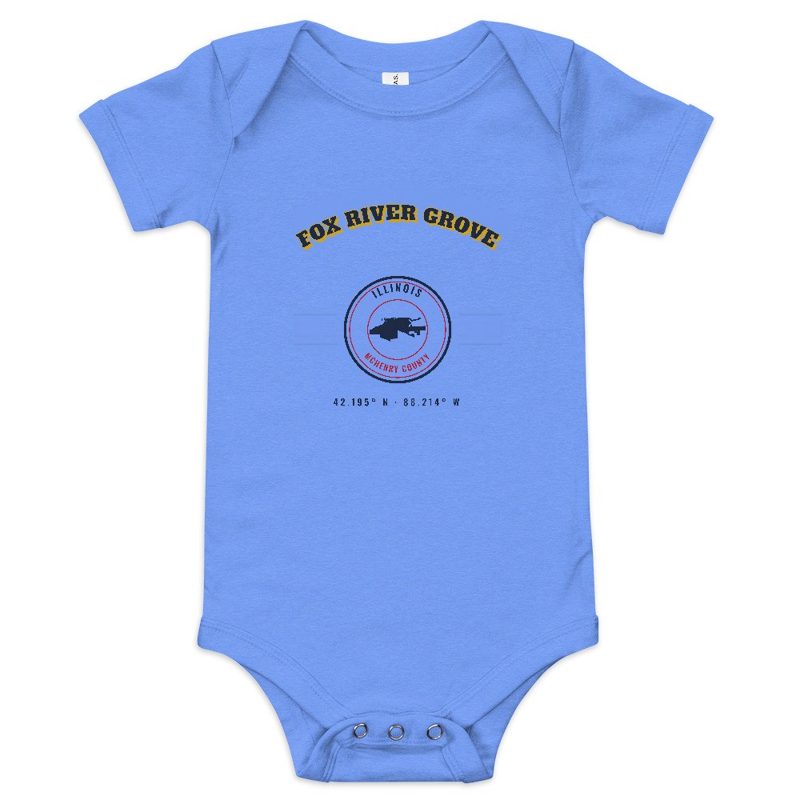
Bella+Canvas baby bodysuit
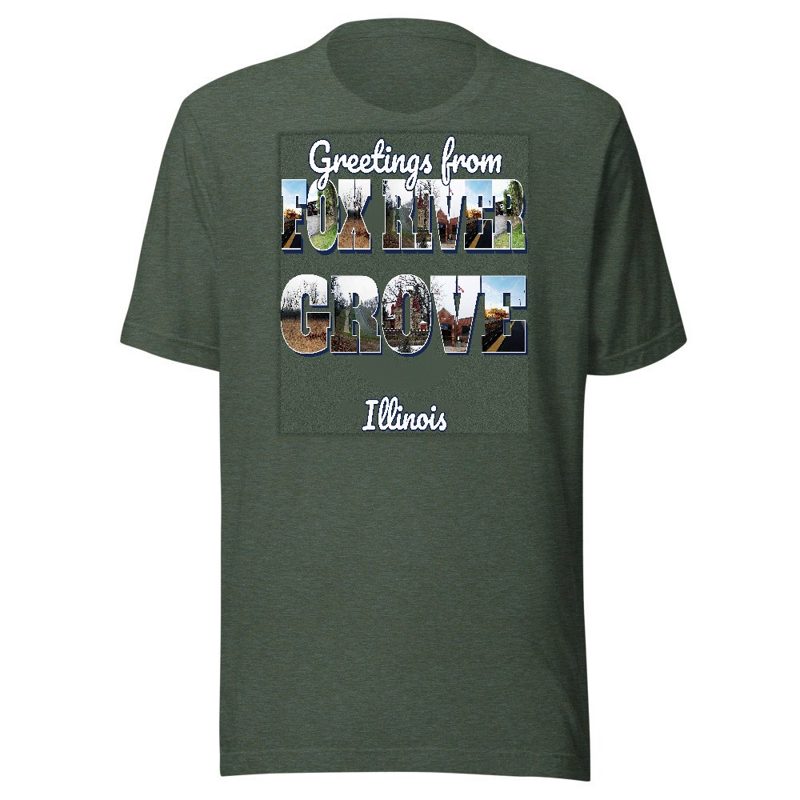
Large-letter postcard art filled with local photos
Glossy ceramic, dishwasher safe
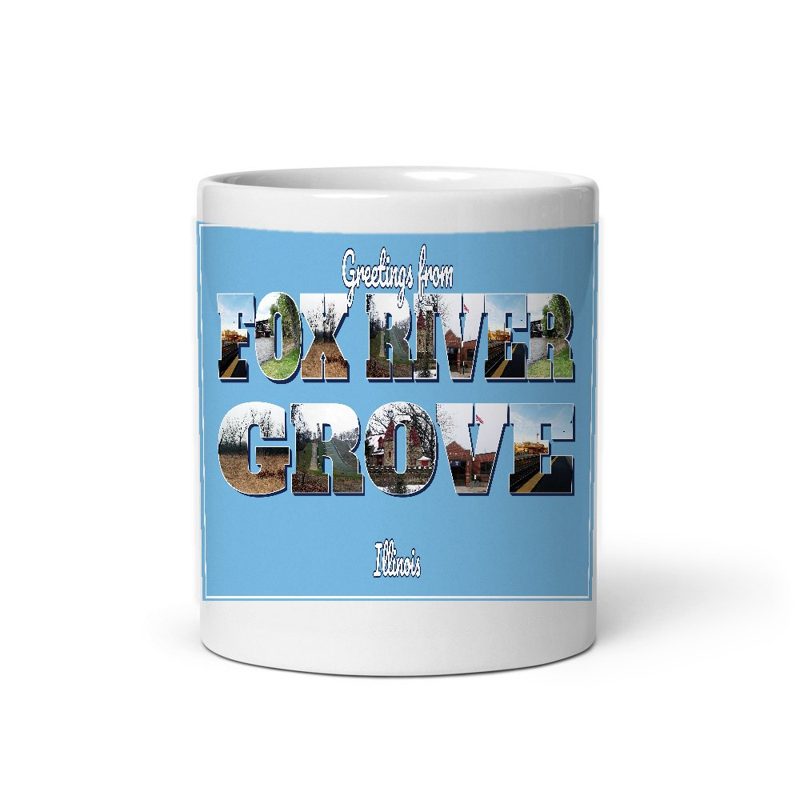
Large-letter postcard art filled with local photos, 11 oz ceramic
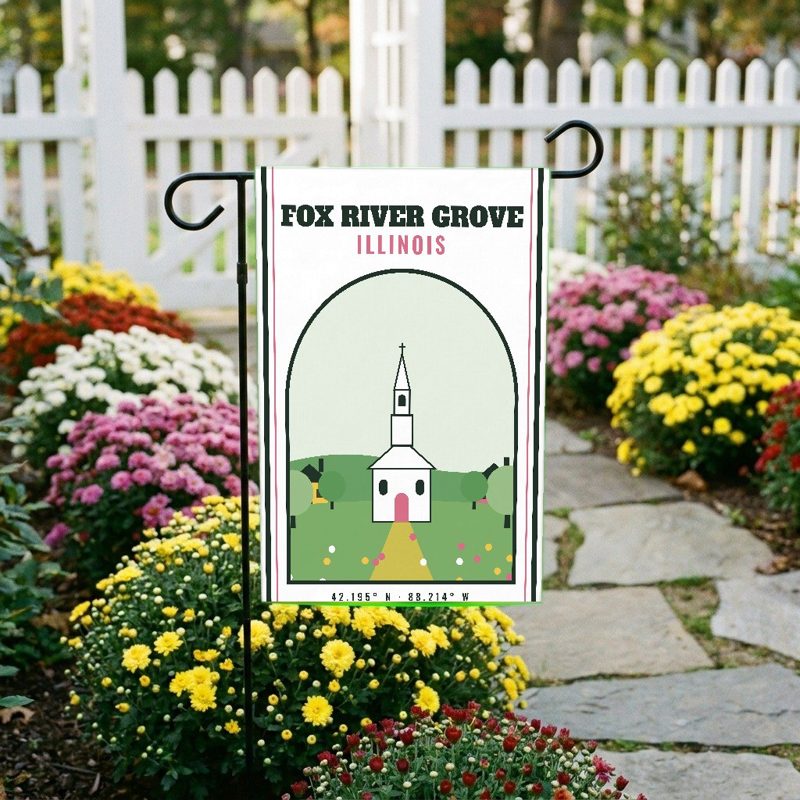
Weatherproof, for the front walk
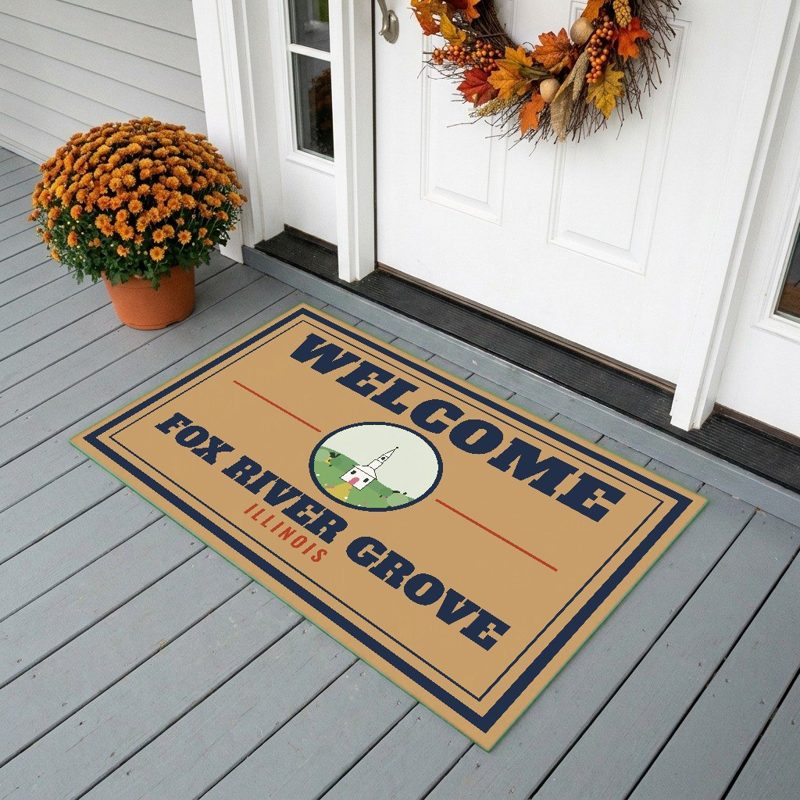
24″×16″, printed coir-look fibers, rubber back
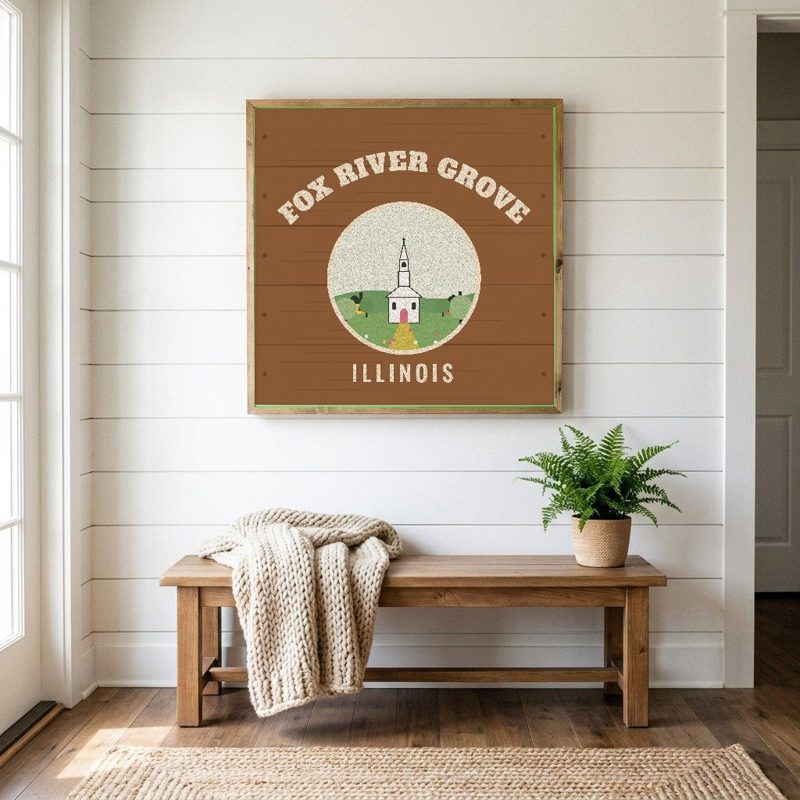
12″×12″ printed wood, ready to hang
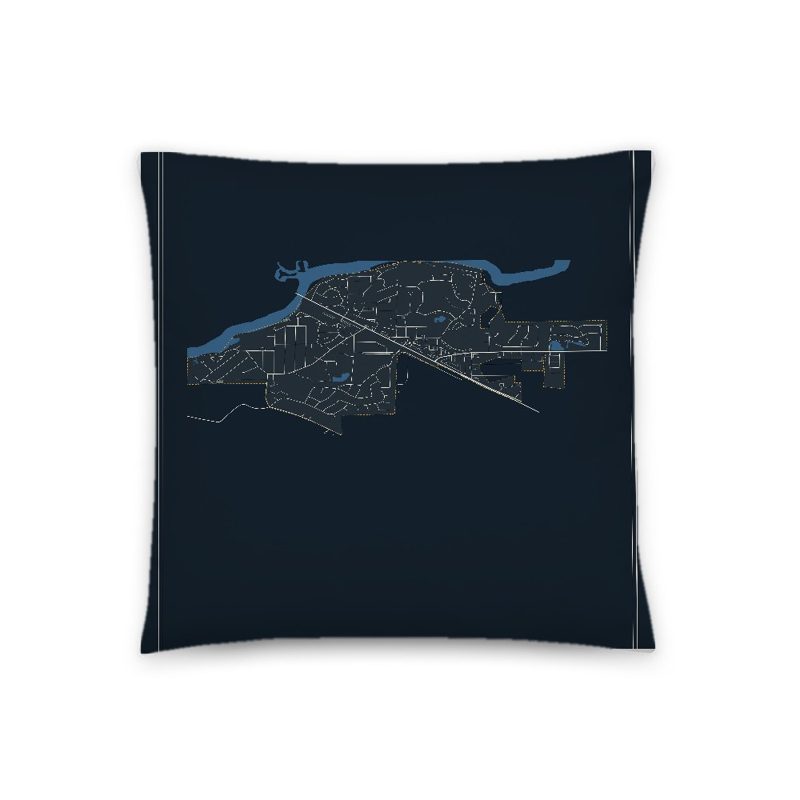
Soft-touch, zip cover
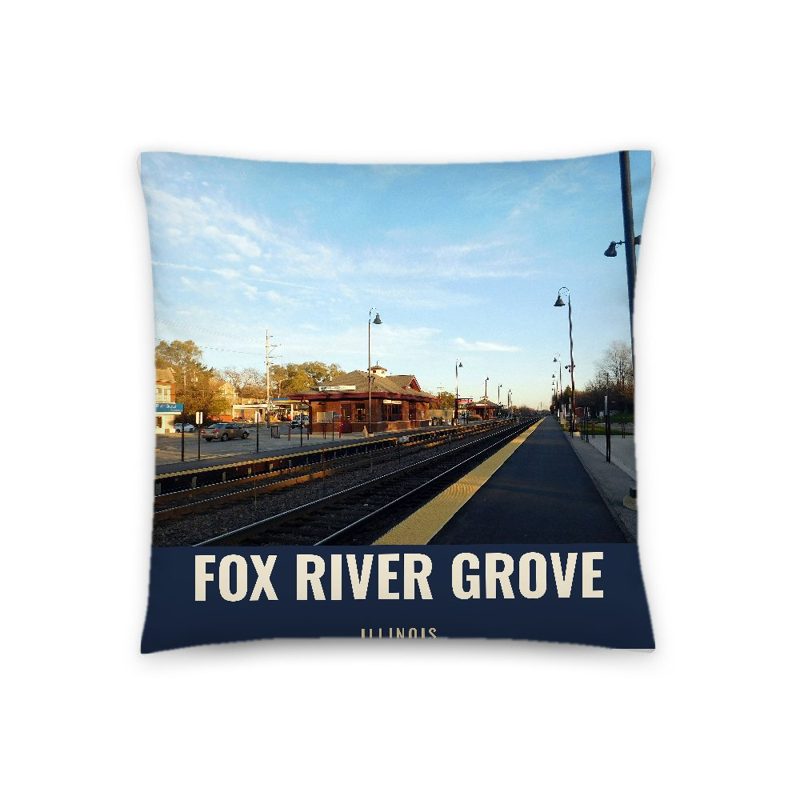
A local landmark photo with the town name, 18″×18″

Sturdy all-over-print tote
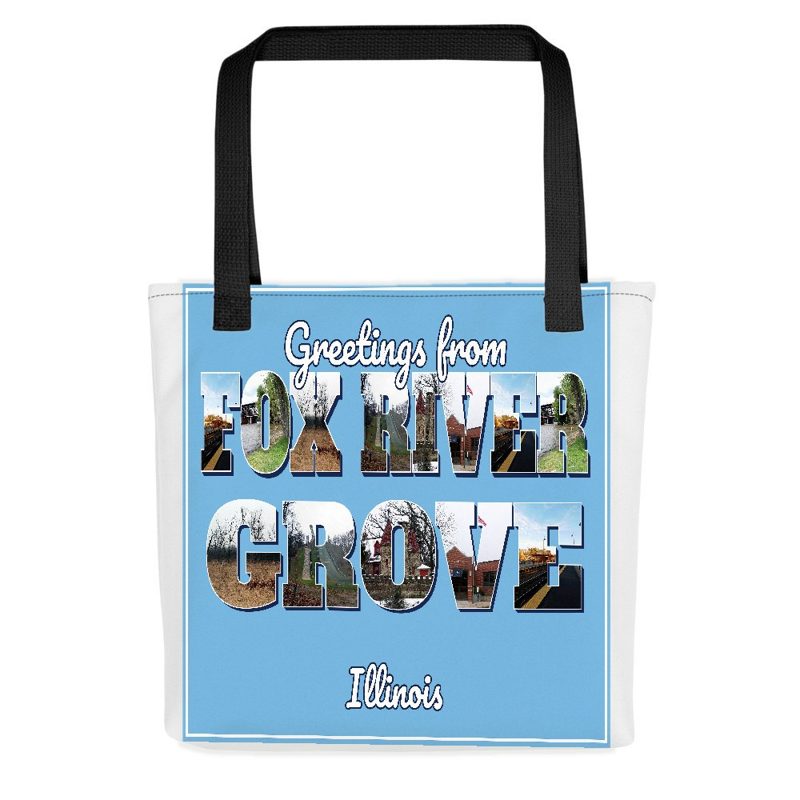
Large-letter postcard art on a sturdy tote
Foam-front trucker, printed (not embroidered) with local photos
Glossy top, cork back
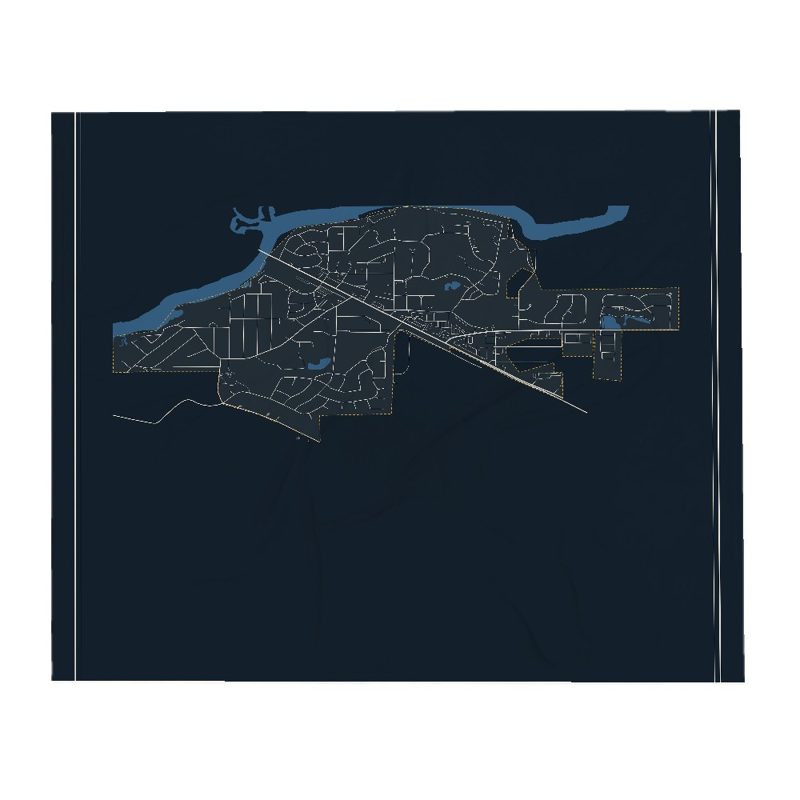
Soft fleece, 50″×60″
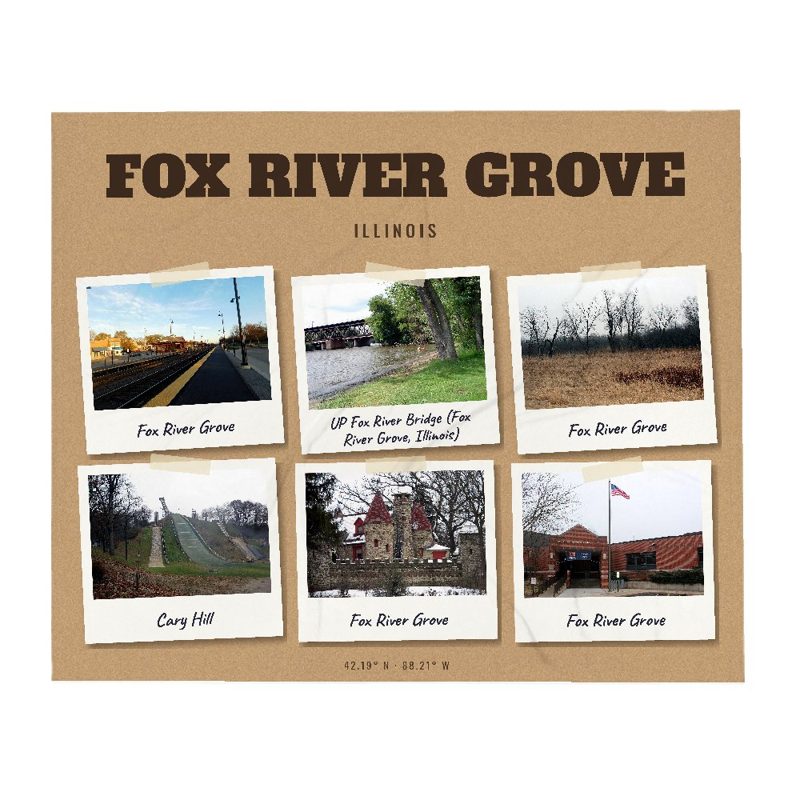
Six local landmarks as instant photos, soft fleece 50″×60″
20 oz, double-wall stainless
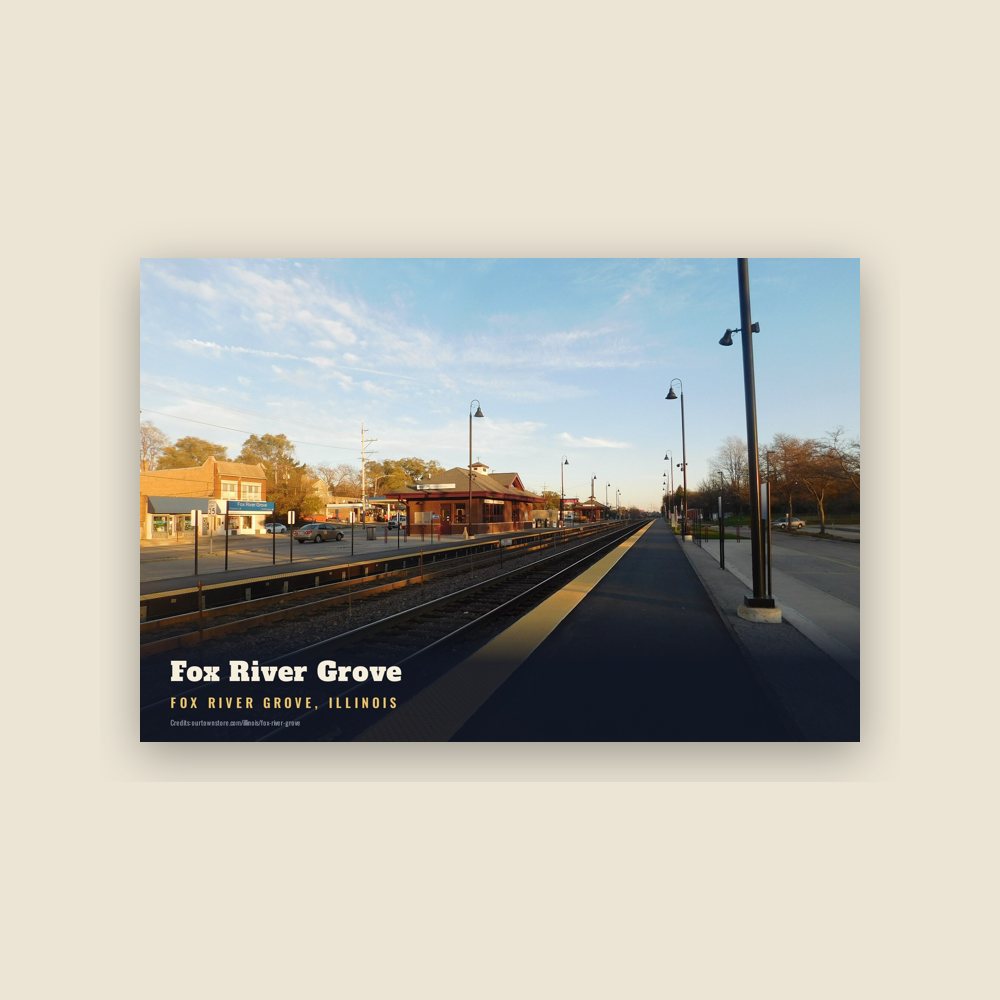
6″×4″ postcard, glossy front
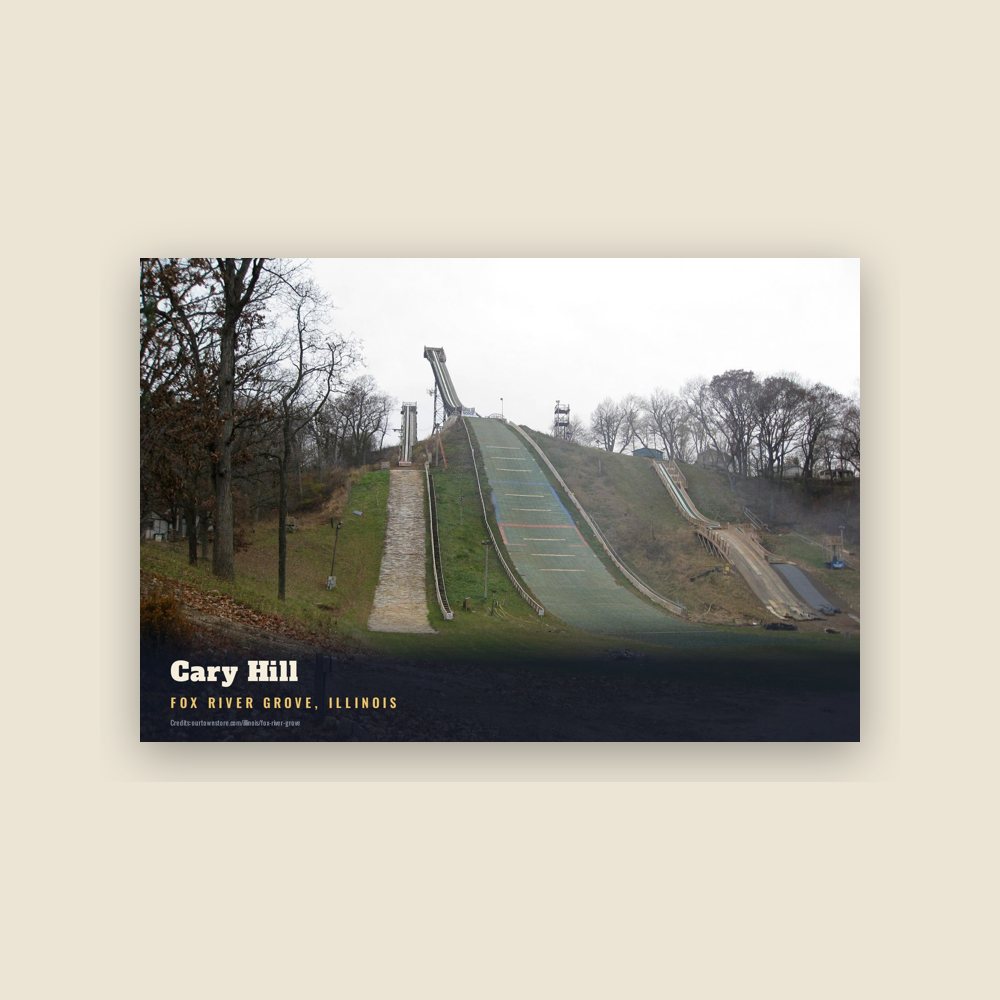
6″×4″ postcard, glossy front
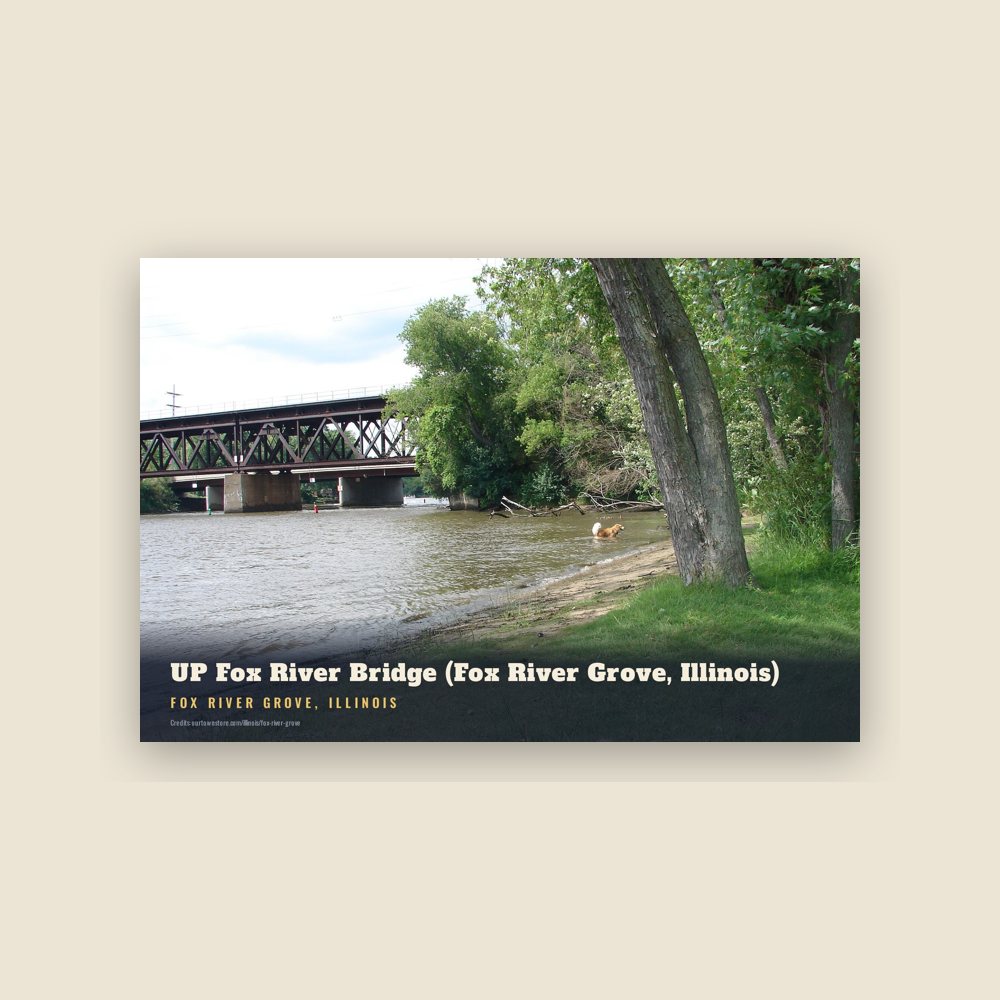
6″×4″ postcard, glossy front
In 1919, the village of Fox River Grove was officially incorporated, becoming the ninth village in McHenry County.
Long before the arrival of Europeans, Native Americans called the land within Fox River Grove home. The Ojibwe (also known as Chippewa) people continued to winter in the Fox River Valley into the 1860s. The women traded beadwork and purses with local settlers while the men trapped muskrat and mink, selling the pelts in nearby Barrington, Illinois. The area's proximity to Northwest Highway (Route 14), a major military and trade road, enabled such commerce to thrive. The men also made fence posts for local farmers and would "spear fish at night using torches attached to the ends of their birchbark canoes." When spring came, they traveled north to their summer lands in Wisconsin. Between 1816 and 1833, the Ojibwe and U.S. governments engaged in peace talks, resulting in several land cession treaties being signed. Eventually, the federal government took control of all Ojibwe land in Illinois. The rapid increase of European-American settlers, coupled with pressures from the government and military, eventually forced this dynamic and proud people to leave the lands that would soon become the FRG and relocate west of the Mississippi River.
Pioneers built homesteads in the Fox River Valley between 1830 and 1860. They were originally drawn to the area that would become Fox River Grove for its scenery and abundance of water. Some of the first settlers to call the Grove home were Czechoslovak immigrants who—by way of Chicago—established a Bohemian enclave along the Fox River. Attracted to the area for its prime fishing spots and access to 19th-century entertainment venues, Czechs built cottages among the village's hills and on the river's southern bank.
In 1850, ethnic-Czech Frank Opatrny purchased 80 acres (32 ha) of land on the southern shore of the Fox River. Considered to be the patriarch of the village's founding family, Frank's son Eman Opatrny put FRG on the map by turning his homestead into the regionally known Picnic Grove.
The Czech community established St. John's Nepomucene Catholic Church and Cemetery on the southwest fringe of Fox River Grove in 1861. Named after a patron saint of Bohemia, the sanctuary's construction began in 1871 and was finished in 1874. Because of the church's small congregation, St. John's did not support a resident priest. Instead, a Chicago-based priest would visit the congregation once a year; for the rest of the year, Bohemian-speaking members of the church would conduct services. While St. John's stopped hosting worship services in 1914, the cemetery remains open to this day.
In 1900, Edward and Francis Konopasek, a Czech couple after whom one Fox River Grove's wards is named after, built the Grove's first hotel, the Hotel Fox and likewise established a taxi service that shuttled notables like the Chicago Mayor Anton J. Cermak and Illinois Attorney General Otto Kerner Sr. from the nearest train stations to the Grove.
FRG was once also home to a Czech-styled castle replete with 100 stained glass windows. It was built by John Legat Sr. in 1920, but most of the castle is now dismantled.
Starting in the mid-nineteenth century, Czech immigrants transformed the Grove from a backwater pioneer settlement into a resort town. Chicagoans were attracted to the Grove's waterfront and surrounding hilly woodlands. Staying in establishments such as the Hotel Fox, Chicagoans traveled to the Grove via the Illinois & Wisconsin Railroad station and livery bus shuttle in neighboring Cary, Illinois.
The resort was racially segregated. One 1944 advertisement for the resort in the Chicago Times described it as a "restricted area" and "Bohemian settlement".
In 1899, Eman Opatrny bought his father Frank's homestead and converted it into picnicking grounds. Known as the Fox River Picnic Grove, this large swath of land housed picnic plots (including sheltered areas), a shooting gallery, a horse track, six bars, a boathouse, boat docks, a dancing platform, a restaurant, a photo gallery, rowboat rentals, a bowling alley, a railroad spur track, a steam-powered excursion boat, and baseball diamonds. Trainloads of pleasure-seekers would pour into the park for weekend getaways. Opatrny also built many cottages near the river's edge.
The Picnic Grove suffered a major blow in 1918 during a fire; most of the attractions from the early 1900s were lost. In 1942, Louis Jr. and Clara Cernocky purchased the Picnic Grove. The couple added more amenities, including a new dance pavilion, an air-conditioned cocktail lounge, and a 300-foot sandy beach. It fell into disarray in the 1960s. The Grove Marina, opened in 1961, was an entertainment center that included a restaurant and a cocktail lounge with live entertainment, but was destroyed by yet another fire in the mid-1970s. The Village of Fox River Grove obtained a grant to acquire 40 acres (16 ha) along the river in 1994, naming the property "Picnic Grove Park"; the rest of the land not purchased by the village was sold to subdivision developers.
Besides the Picnic Grove, FRG welcomed the addition of a luxury hotel in 1902. Christened as the Castle Pavilion and Resort Hotel, the establishment had windows displayed during Chicago's 1893 Columbian Exposition, the area's first player piano, and a dance floor. During the 1910s, the Castle Pavilion even showed motion pictures, a novelty at the time.
In 1905, a group of ethnically-Norwegian men from Chicago established the Norge Ski Club in FRG. Utilizing its three ski jumps, the club hosts international competitions during the winter months. The Norge Ski Club is the oldest continuously open ski club in the United States. During the spring and summer, snow is substituted by plastic tarps that are laid along the jumps. In the colder months, snow machines are employed to ensure that the slopes have a continual dusting of snow. In 2018, three of its members were named to the men's U.S. Olympic ski jump team. In 2022, three of its members were named to the men's U.S. Olympic ski jump team.
Although it no longer stands, Fox-River Grove Inn - Louie's Place was an FRG mainstay for years. Built by Louis Cernocky Sr. at the corner of Northwest Highway and Lincoln Avenue, the establishment became a watering hole for many prominent Chicago residents and several notorious gangsters. Louie's Place also housed the Crystal Ballroom, an eight-sided dance hall built in 1923 where big-bands—including Glenn Miller, Coon-Sanders, Wayne King, Louis Panico, Fred Waring, Frankie Masters, Art Kassel, and Guy Lombardo—entertained patrons. In 1921, Cernocky added a retail section to the building, and in 1922 the plot of land was subdivided and named Cernocky's Subdivision of Block 12. In 1939, a suspicious fire broke out in the ballroom. A week later, four men saturated the ballroom with kerosene while their other two counterparts abducted the night watchman and a visiting fire marshall. These strange vandals fled by car towards Barrington, as their two planted bombs detonated at the scene of the crime. On the lam, the criminals released their captives near Palatine, Illinois. Although the explosions' resulting fire gutted the ballroom, the roof and the adjoining shops survived. The ballroom was repaired, but strangely enough, it never reopened for dancers.
In 1931, Theodore "Teddy" Bettendorf began work on what would come to be known as Castle Vianden, which is located along what is now U.S. Route 14. Being an immigrant from Vianden, Luxembourg, Teddy spent 36 years building his castle in the Luxembourgian style. By 1960, the castle, which was open to visitors, had eight towers, a guard room, bugle tower, castle yard, enclosed sun porch, modern kitchen, garage, dungeon, and a wishing well. Bettendorff continued to add to his castle until his death in 1967. During the 1970s, the castle was rented out as a honeymoon retreat. The castle remains a private residence, but recently the owners of the property have been engaged in an ongoing effort to reopen the property for public enjoyment.
The Barberry Hills Ski Area—a ski hill complete with two rope tows, a vertical drop of 145 feet, and a ski shop—was established in the early 1960s. While the rope tows and shop are now defunct, the hill itself is still a destination for sledding in winter.
During the Prohibition Era, Fox River Grove hosted a number of Chicago area crime syndicates. From bottom-rung bootleggers to the ringleaders themselves, gangsters of all stripes staked out the Grove for both business and merry-making. Located on the Fox River, the Grove served as a smuggling hub, with its waterways providing a transportation route. At the same time, the village's small and relatively remote nature helped to shelter gang activity from the Chicago Police Department and federal authorities. Above all, however, this criminals' playground was only made possible by Louis Cernocky Sr., a local legend to this day. Cernocky's property assets throughout FRG—along with his double-life stature as both a respected citizen and Capone gang bootlegger—allowed the operation to flourish. Thanks to Cernocky, outlaws prowled the Fox River banks and frequented Cernocky's local establishments such as the Crystal Ballroom at Louie's Place—a multi-use establishment that served as a restaurant, big-band dance hall, speakeasy, and gangster hideout. Importantly, members of the Dillinger Gang and Barker-Karpis Gang were regulars. Notable gangster visitors to Louie's Place included Alvin "Creepy" Karpis, "Ma" Barker, Freddie Barker, "Baby Face" Nelson, John Dillinger, Homer Van Meter, and Tommy Carroll. The Grove was finally released from the gangsters' grasp in 1934. Having already neutralized Dillinger in Chicago, federal agents pursued and fatally shot Baby Face Nelson on nearby Route 14 in The Battle of Barrington. With most of the ringleaders dead or behind bars, the Grove's gangster era soon came to an end.
During the economic prosperity of the 1990s, Fox River Grove experienced a housing boom. In 1994, 6 out of 7 of the village's trustees voted to allow a luxury housing development to be built on 62 acres (25 ha) within the 102-acre (41 ha) Picnic Grove—a stretch of land straddling the banks of the Fox River. Despite having the support of the Board of Trustees, the decision was deemed controversial by many members of the community. The housing development was built, with requirements for developers including mandatory public space creation, specified amounts of money given to the local library and school districts, and the compulsory replacement of trees chopped down in the wake of new development.
On October 25, 1995, a Metra passenger train, running express towards Chicago, collided with a Cary-Grove High School school bus, killing seven high school students. The accident brought reform and increased safety standards nationwide for signaled rail crossings located near street and highway intersections which are regulated by traffic signals, also known as interconnected crossings.
On August 21, 2019, Fox River Grove celebrated its 100th anniversary. To celebrate the centennial, the village hosted historical tours, a carnival, and a parade during the summer of 2019.
As of December 2019, FRG has become a debt-free village. According to Village President Nunamaker, this was attained through "the accumulation of operational cost savings over the past several years and fiscally responsible decision making by the village board."
Adapted (trimmed) from the Wikipedia article Fox River Grove, Illinois, revision 1378784456 by its contributors, licensed CC BY-SA 4.0.
We share a part of every Fox River Grove sale with local partners, and we'd love to print from your collection. Old photographs, maps and postcards make the best keepsakes.
Partner with usA favorite landmark, your street, a school or team, an anniversary gift, a different product. Tell us and we'll get back to you by email.
Fox River Grove's population was 4,702 in the 2020 U.S. Census, down from 4,854 in 2010.