Forrest was laid out on December 11, 1866, by Israel J. Krack (1816 – 1900). Forrest is the birthplace of Jan Bach, composer.
- CountyLivingston County
- Population1,041 (2020 U.S. Census)
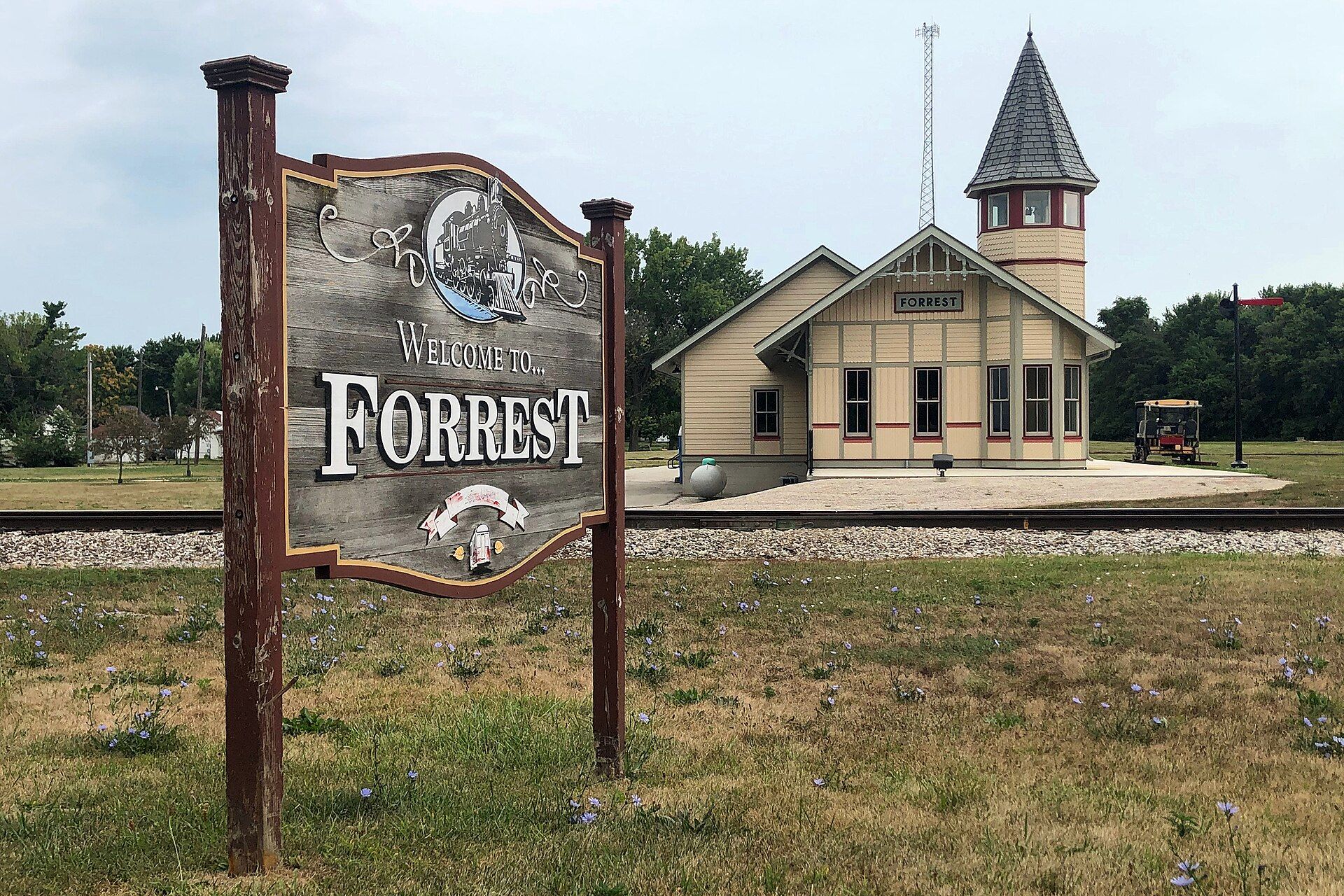
Forrest, Illinois gifts and souvenirs: 19 designs made from Forrest's own map, landmarks and history, from $16 to $95. Printed to order and shipped free in the USA.
| Popular | Price |
|---|---|
| Forrest Hometown Ornament | $23 |
| Forrest Vintage Travel Poster | from $40 |
| Forrest Varsity Crewneck | from $57 |
| Forrest Est. Tee | from $33 |
| Forrest Town Line Mug | from $26 |
| Forrest Market Tote | $37 |
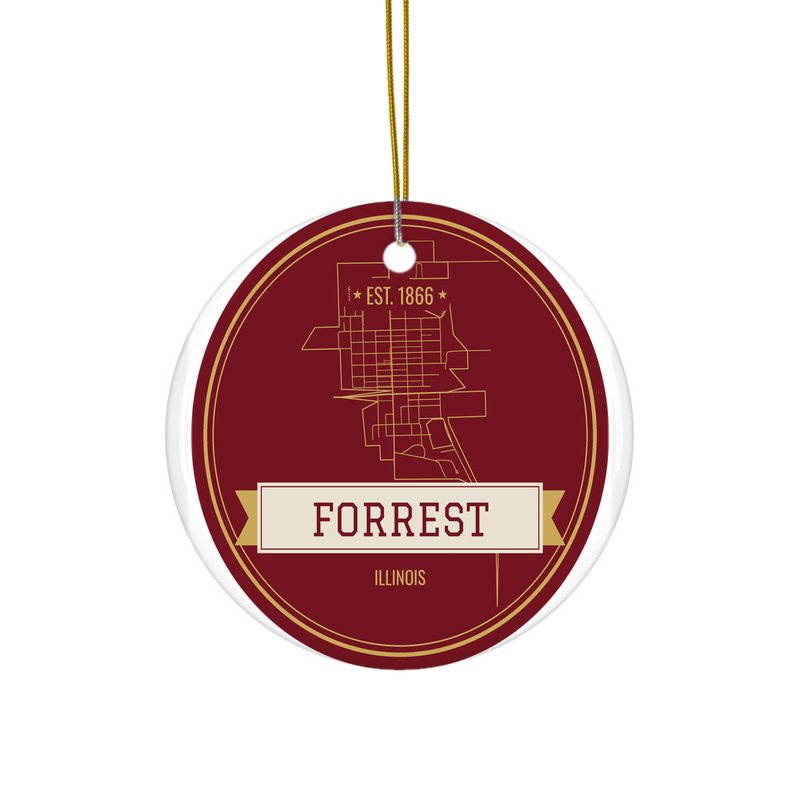
Ceramic keepsake, gold ribbon
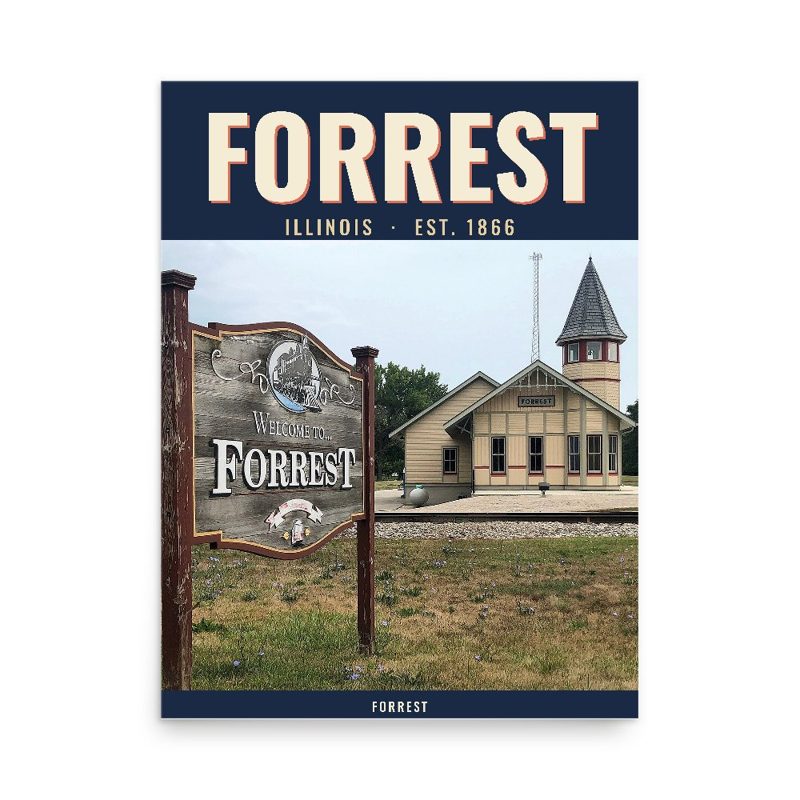
Its landmark photo in a classic travel-poster layout
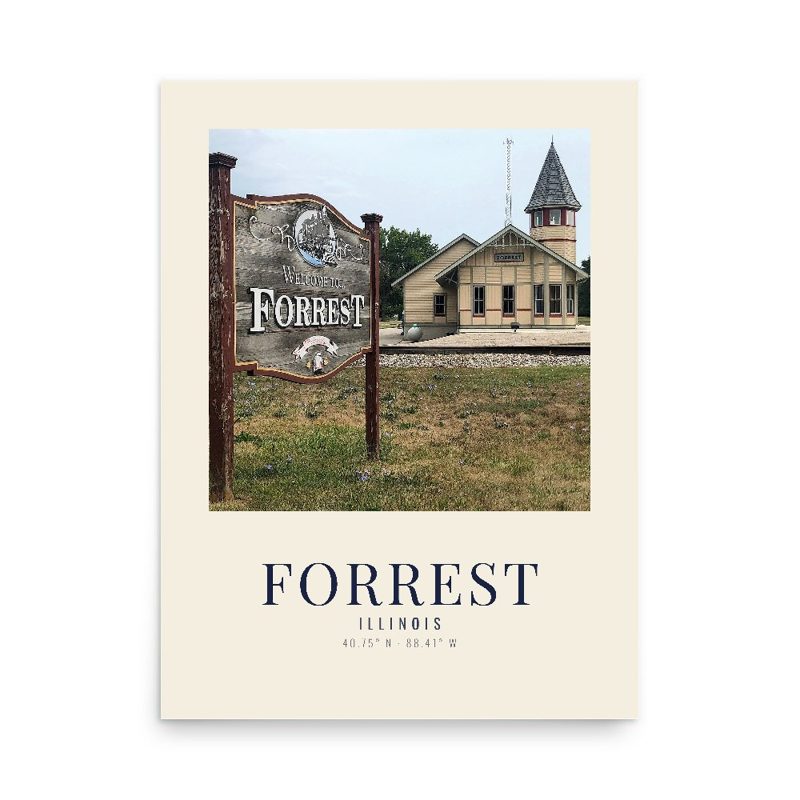
A local landmark photo as a gallery print
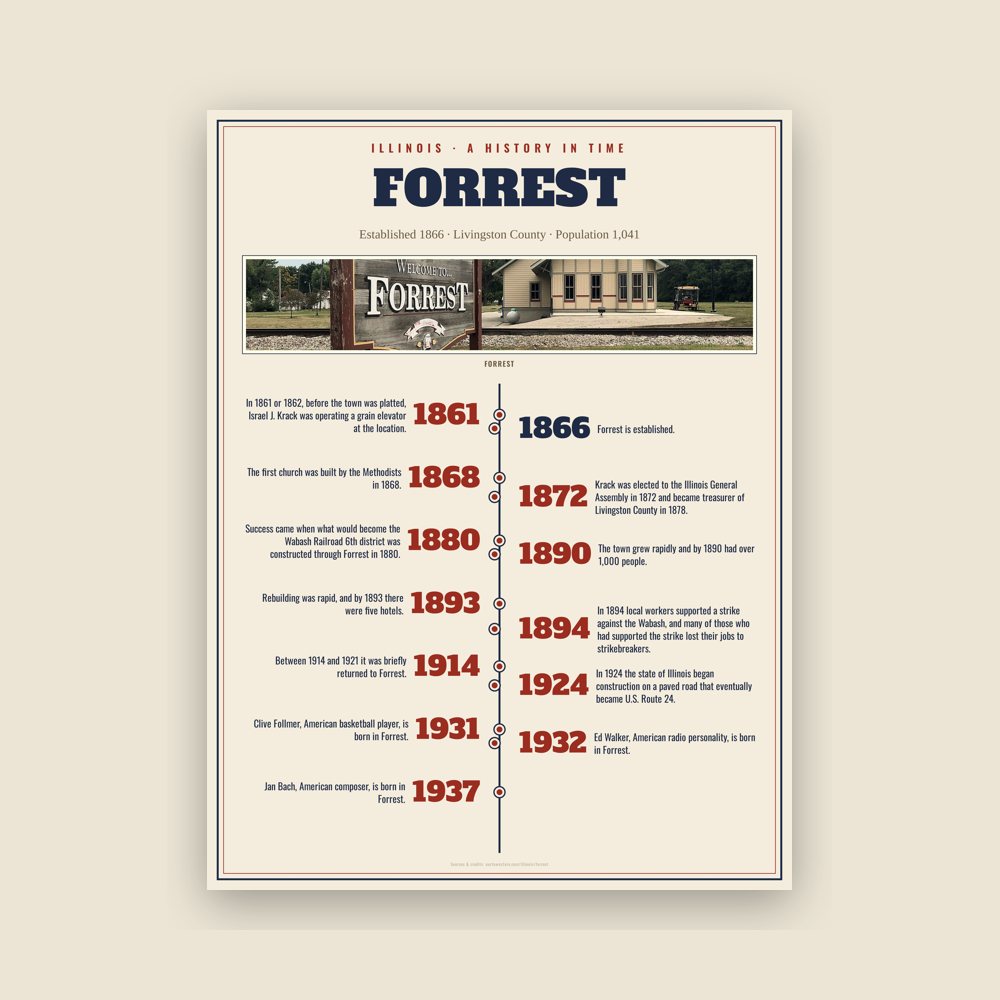
The town's story in dates, from its own records, for home or classroom

Heavy-blend fleece, street map printed on the back
Soft Bella+Canvas jersey
Kids' Bella+Canvas jersey, youth sizes

Bella+Canvas toddler jersey
Bella+Canvas baby bodysuit
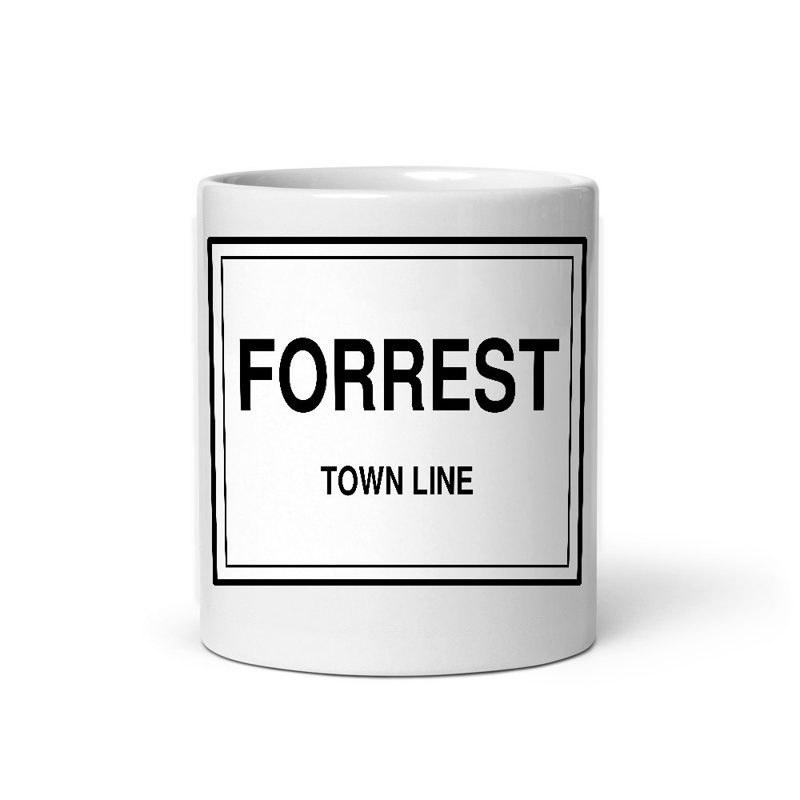
Glossy ceramic, dishwasher safe
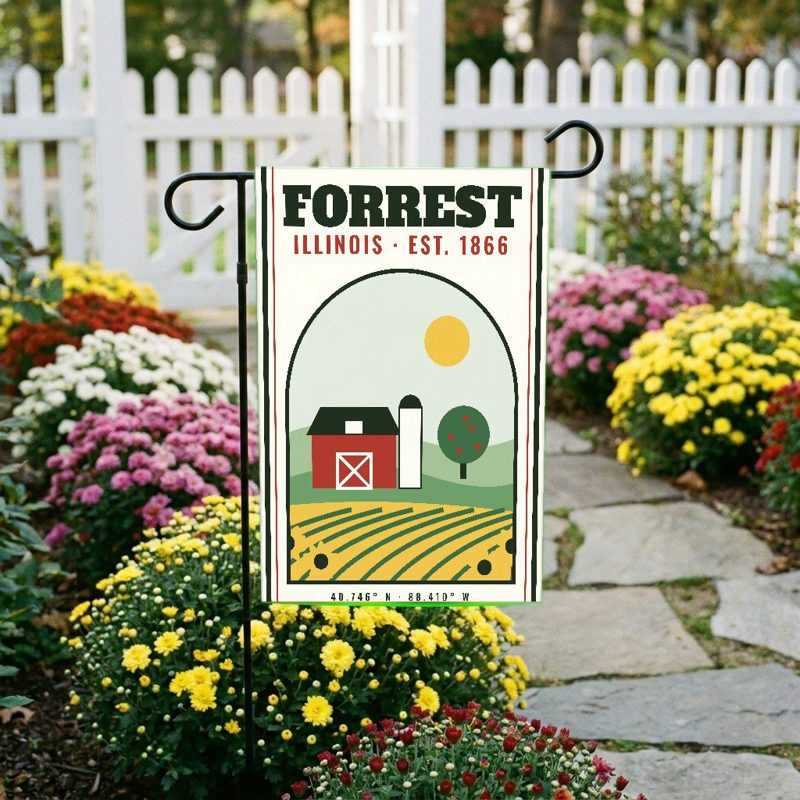
Weatherproof, for the front walk
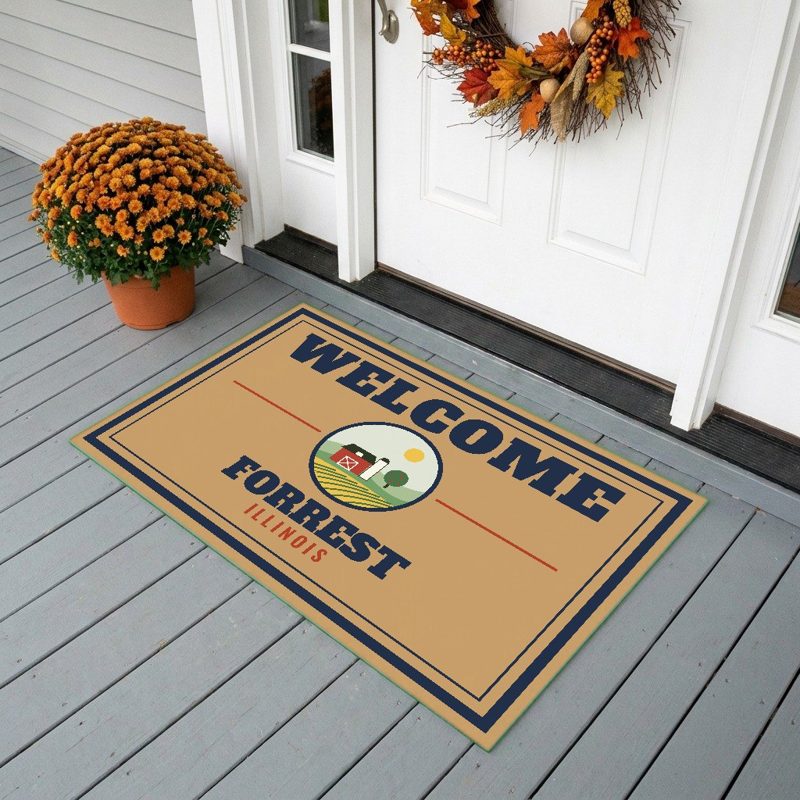
24″×16″, printed coir-look fibers, rubber back
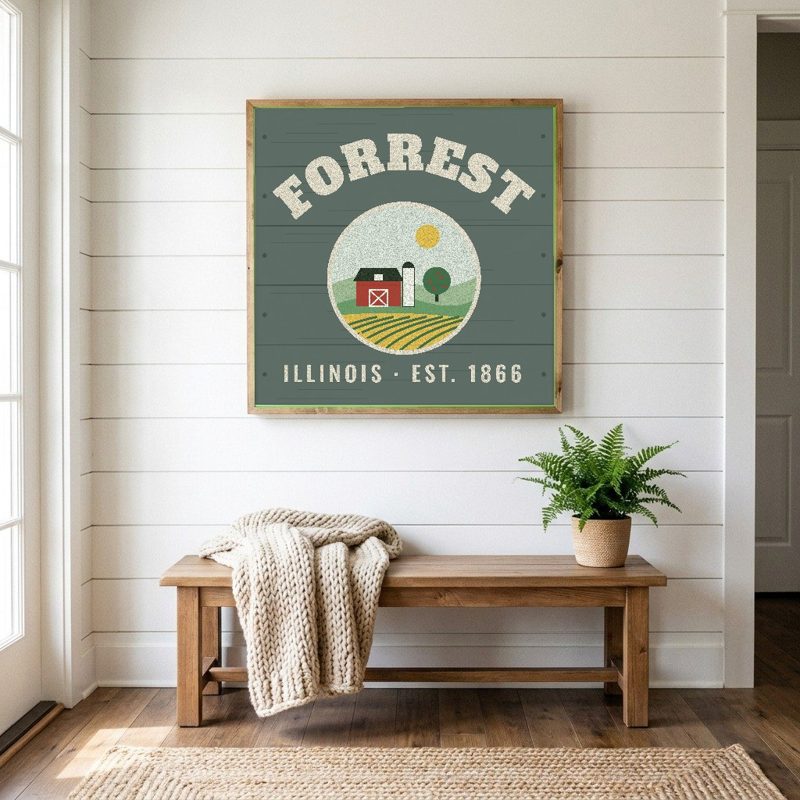
12″×12″ printed wood, ready to hang
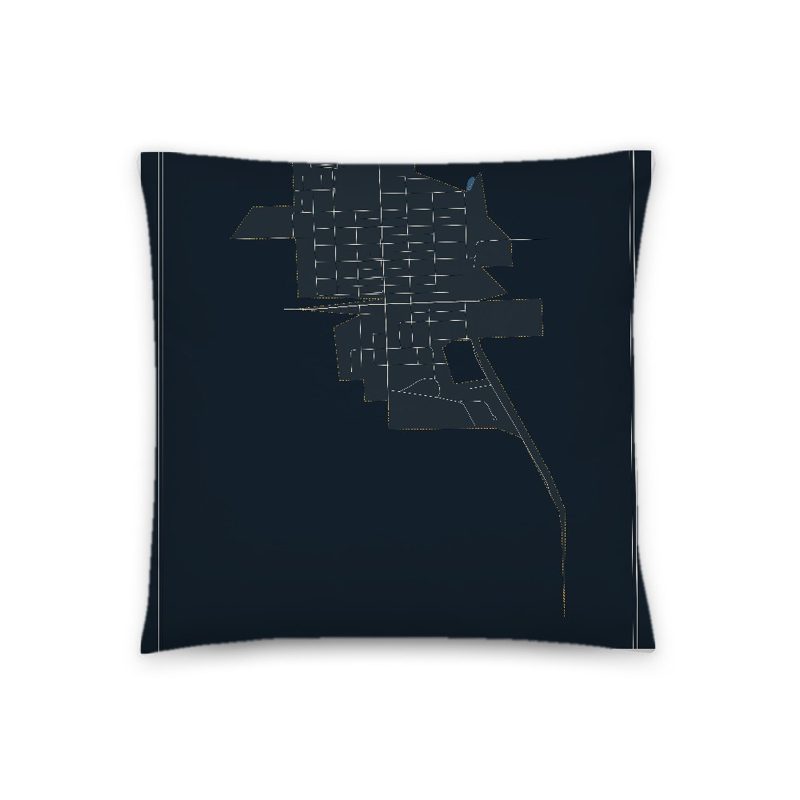
Soft-touch, zip cover
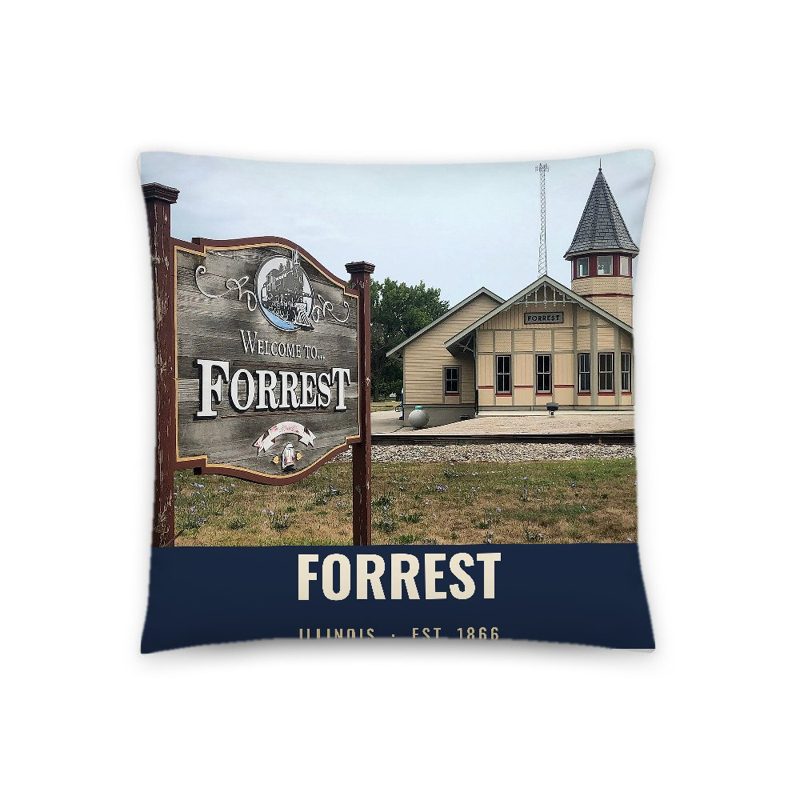
A local landmark photo with the town name, 18″×18″

Sturdy all-over-print tote
Glossy top, cork back
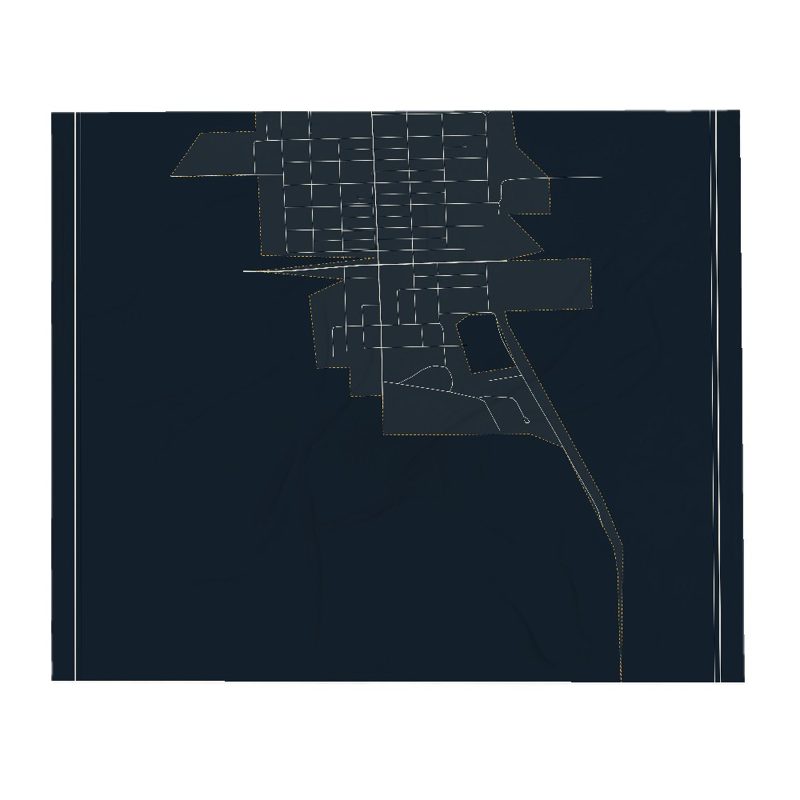
Soft fleece, 50″×60″
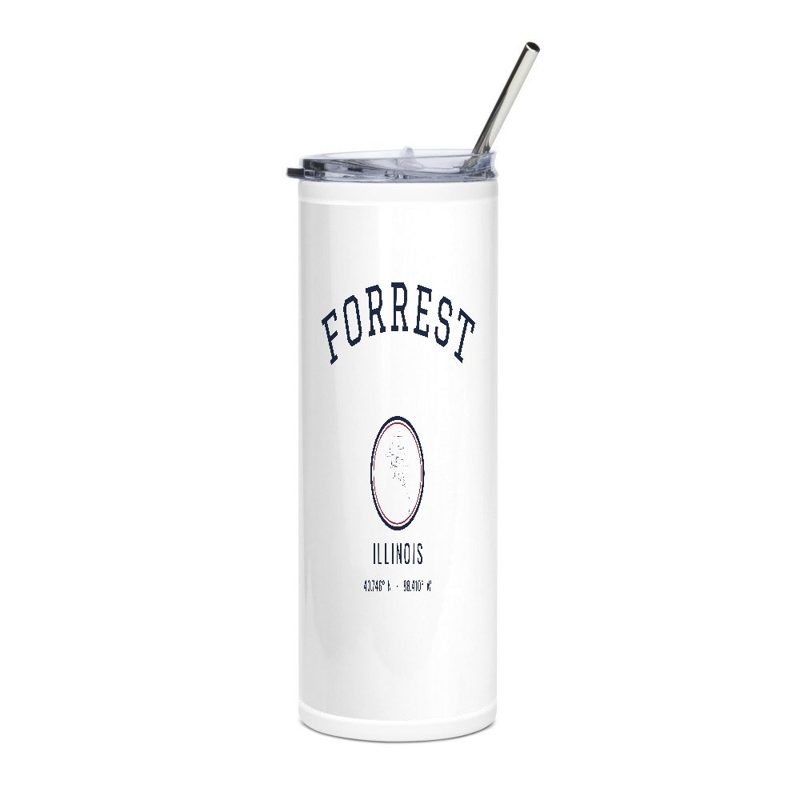
20 oz, double-wall stainless
Forrest was laid out on December 11, 1866, by Israel J. Krack (1816 – 1900). Forrest is the birthplace of Jan Bach, composer.
Population 2010: 1,220 → 2020: 1,041
From Wikidata (CC0).
Forrest was laid out on December 11, 1866, by Israel J. Krack (1816 – 1900). Krack was born in Baltimore, Maryland. Both of his parents had come from Germany. He was briefly a teacher, lived in Indiana, and came to Livingston County in 1854. Krack was a farmer, notary public, grain dealer, and in later life an insurance agent. Krack was elected to the Illinois General Assembly in 1872 and became treasurer of Livingston County in 1878. Krack Street, which parallels the railroad, was named for the town's founder.
When Forrest was established, the Toledo, Peoria and Western Railroad had already been in operation for almost ten years, and therefore the origin of the town is unlike Fairbury, Chatsworth, Chenoa, Gridley and El Paso, all of which were founded when the railroad was first built. Within a few years of its founding, the people of Forrest did not know the full name of the person for whom the town was named. The author of the 1878 History of Livingston County says only two things about Mr. Forrest: he was a business partner of C. L. Frost, an official of the Toledo, Peoria and Western, and that he had promised to do something for the young village and that promise was "unfulfilled". The first version of the name was said to be "Forestville", spelled with one "r", but the "Forrest" spelling quickly came into use. Forrest Township was created soon after the village was founded and took its name from the village.
In 1861 or 1862, before the town was platted, Israel J. Krack was operating a grain elevator at the location. Like most towns of the period, the plan of the original town of Forrest was centered on a long narrow depot grounds, which were on the north side of the tracks. The plat was for a simple grid of twenty blocks. The first house in Forrest was built by Mr. Krack, who was also the first postmaster and the first station agent. He also laid out many additions to the town. The first hotel was built by William Umberfield and was known as the Forrest House. The first mill was built by R. B. Wilson. The first church was built by the Methodists in 1868. The town grew rapidly and by 1890 had over 1,000 people. Forrest, like almost every other early town of central Illinois during this period, was built from inexpensive pine lumber brought in by the railroad from Michigan or Wisconsin. In the winter of 1868-1869 much of the business district, including one grain warehouse, was burned. It was quickly rebuilt. This was the first of many fires that plagued the new town. In 1890 a particularly devastating blaze destroyed much of downtown Forrest. Rebuilding was rapid, and by 1893 there were five hotels.
The people of Forrest worked to attract a second railroad. At first there were hopes that the Chicago and Paducah Railroad could be induced to construct its tracks through the town, but this road was diverted to nearby Fairbury. Success came when what would become the Wabash Railroad 6th district was constructed through Forrest in 1880. On May 1 of that year, the first train on the Wabash route passed through Forrest. The village became a division point and important stopping place on the Wabash line linking Chicago and St Louis. Soon repair shops were built, and by the early 1890s over sixty men were employed here. The town became a freight shipment point for the Chicago Division of the railroad. In 1894 local workers supported a strike against the Wabash, and many of those who had supported the strike lost their jobs to strikebreakers. The Freight Division was removed to Decatur. Between 1914 and 1921 it was briefly returned to Forrest. By the 1920s the days of Forrest as a railroad center began to fade. In 1924 the state of Illinois began construction on a paved road that eventually became U.S. Route 24.
Adapted (trimmed) from the Wikipedia article Forrest, Illinois, revision 1378783976 by its contributors, licensed CC BY-SA 4.0.
We share a part of every Forrest sale with local partners, and we'd love to print from your collection. Old photographs, maps and postcards make the best keepsakes.
Partner with usA favorite landmark, your street, a school or team, an anniversary gift, a different product. Tell us and we'll get back to you by email.
Forrest's population was 1,041 in the 2020 U.S. Census, down from 1,220 in 2010.