A short history of Weiser
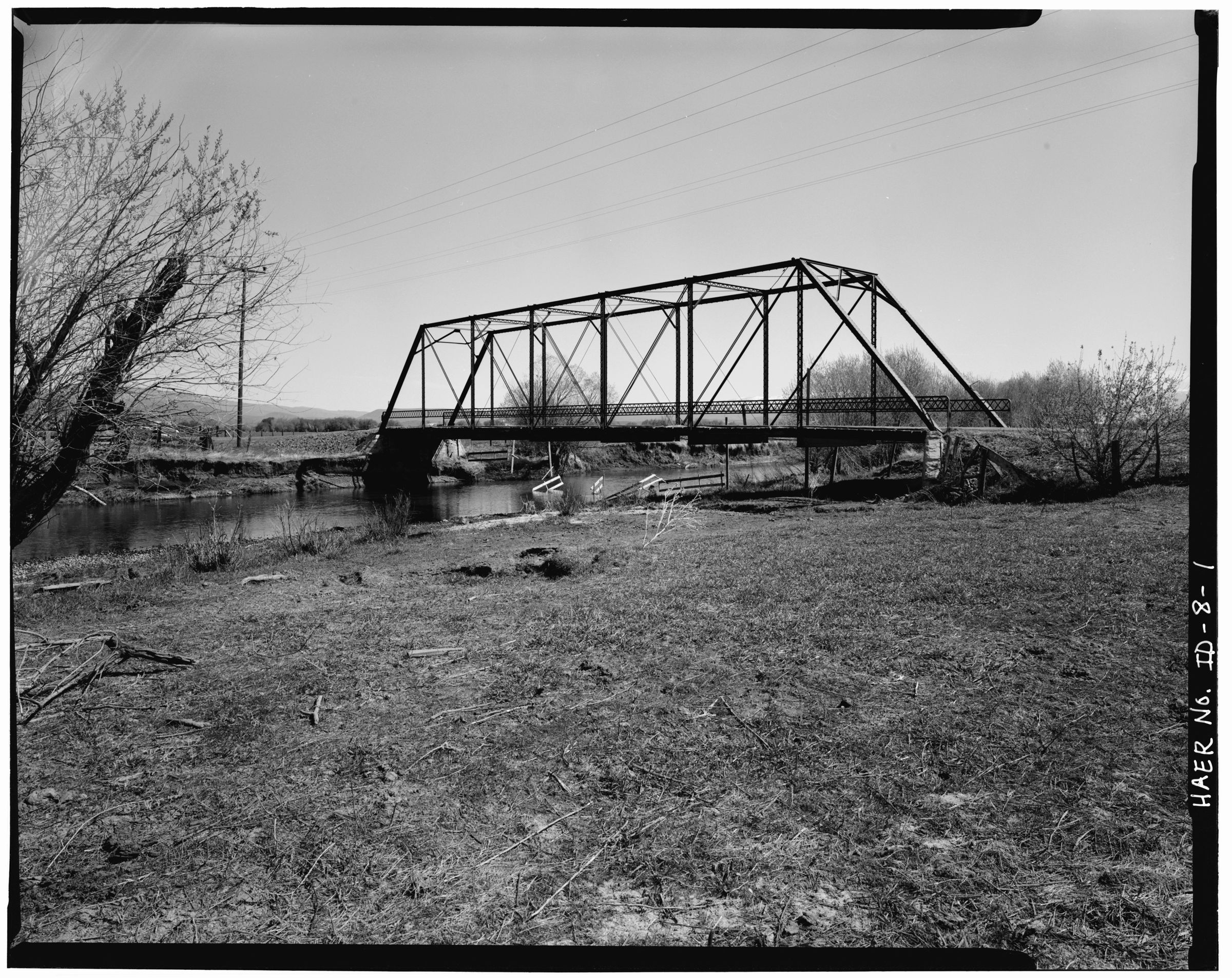
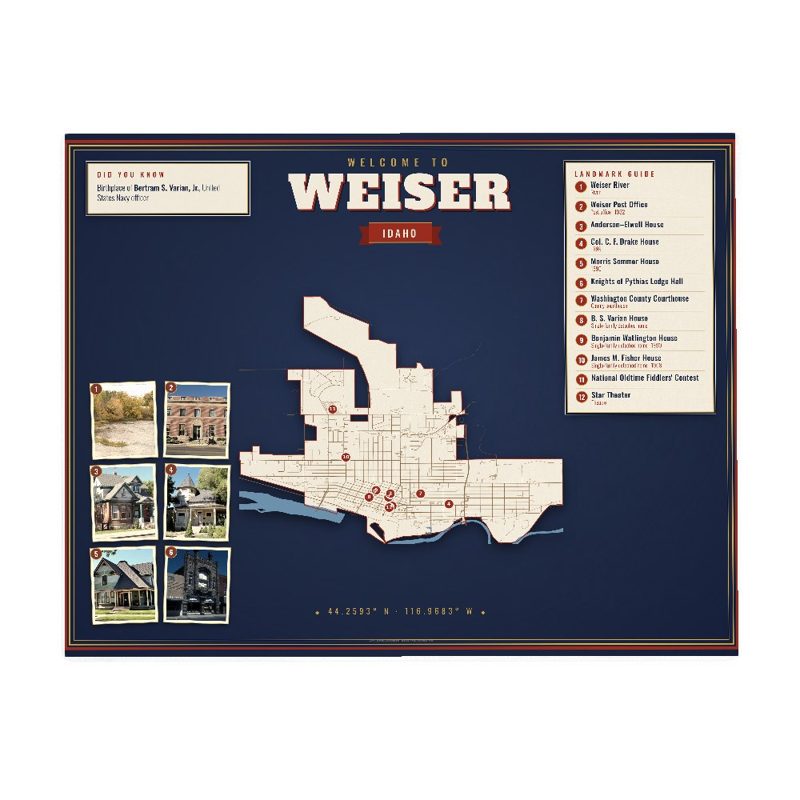
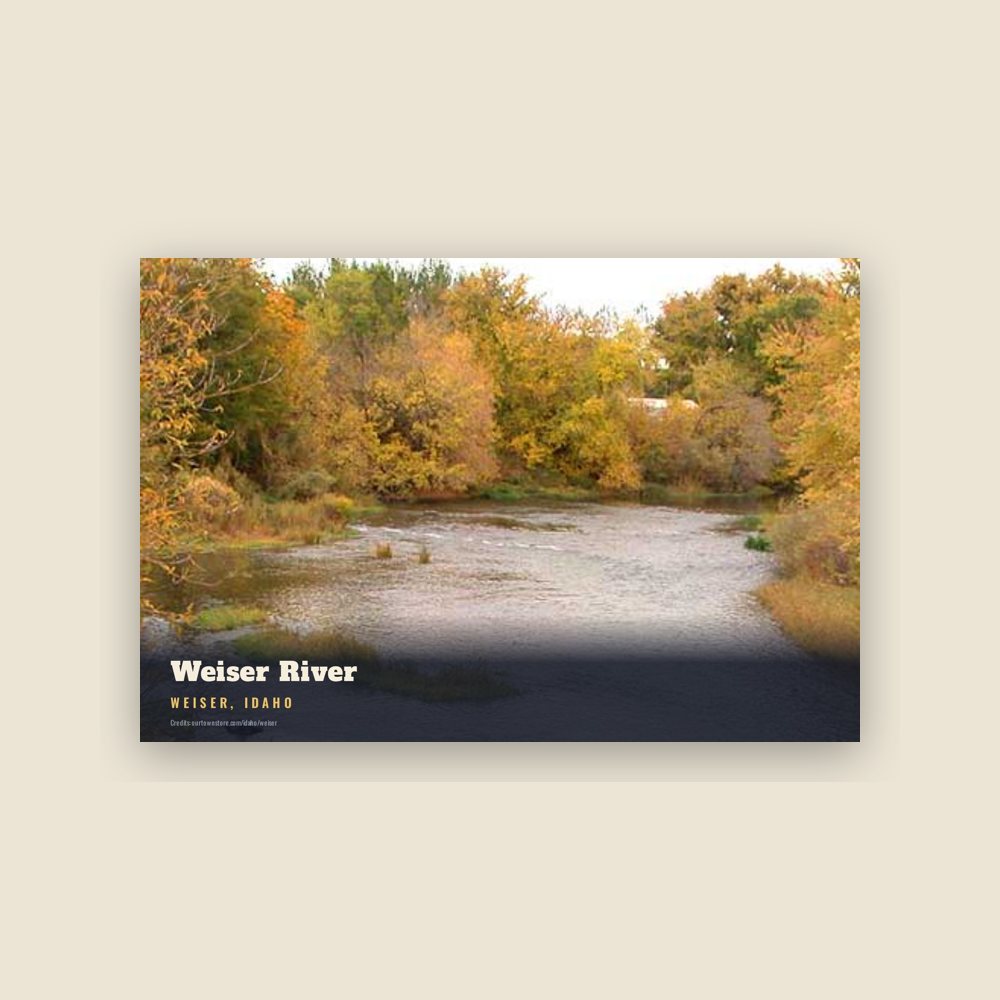
The city was named after the nearby Weiser River, but who the river was named for is not known. One version claims it is for Peter M. Weiser, a soldier and member of the Lewis and Clark Expedition. Another has it for Jacob Weiser, a trapper-turned-miner who struck it rich in Baboon Gulch in the Florence Basin of Idaho in 1861.
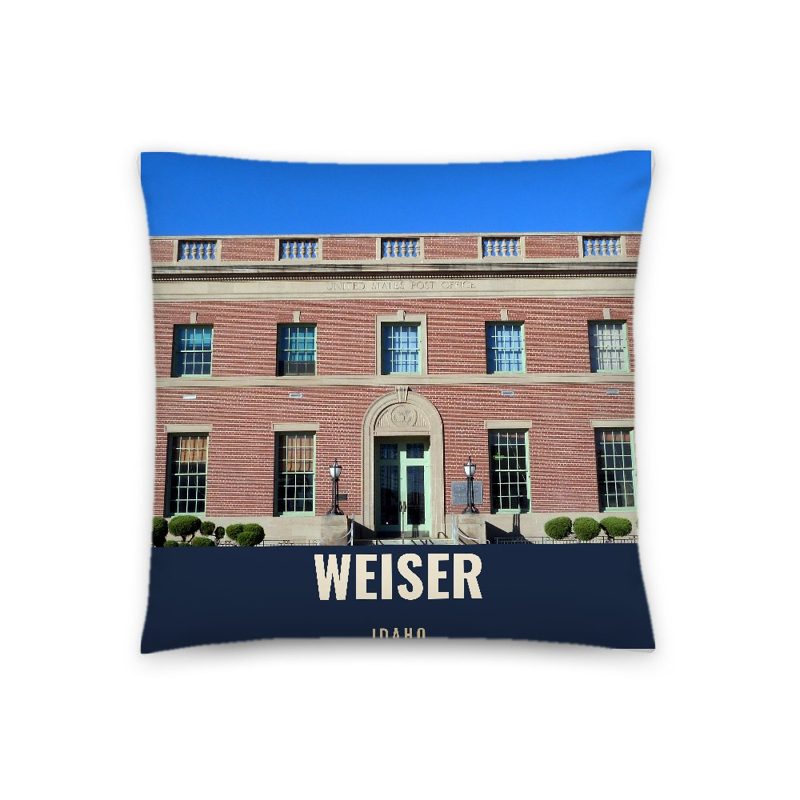
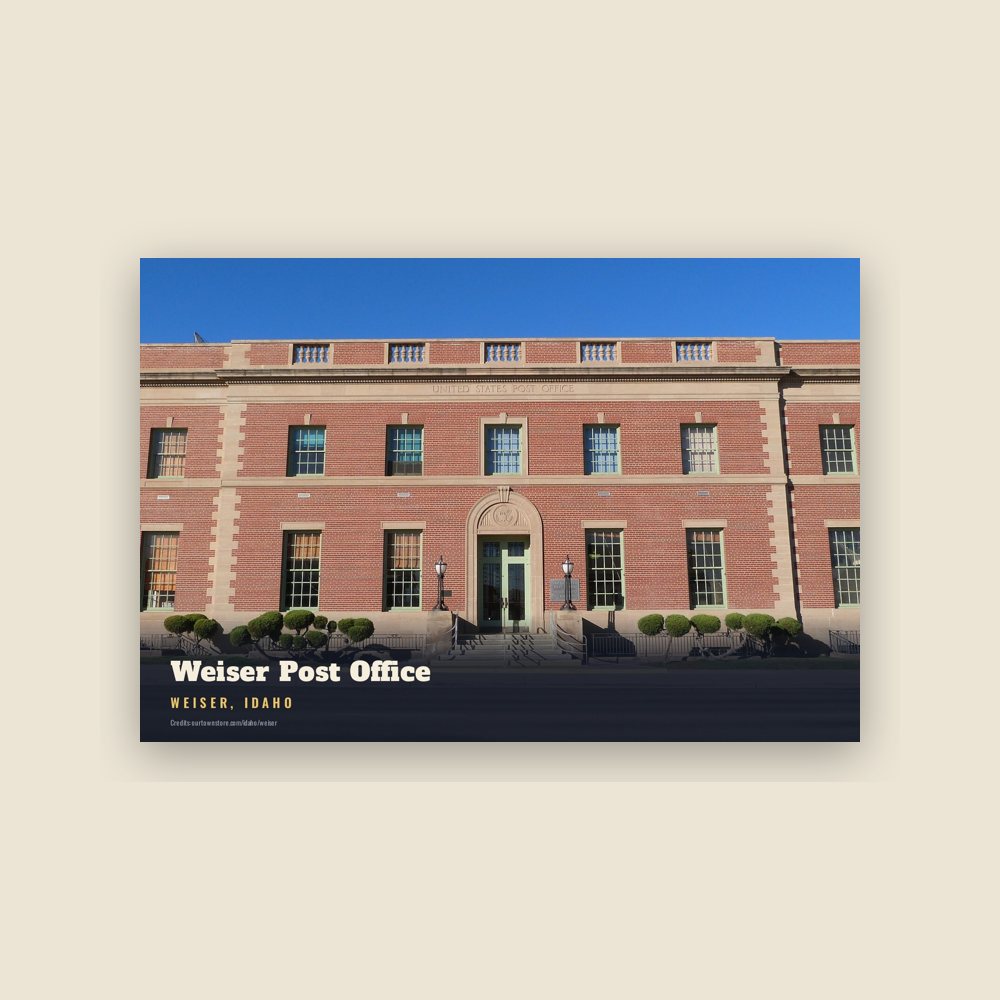
William Logan and his wife Nancy were the first white settlers in the vicinity of Weiser in 1863. They built a roadhouse in anticipation of the opening of Olds Ferry west of them on the Snake River across from Farewell Bend. In 1863, Reuben Olds acquired a franchise from the Territorial Legislature and began operating Olds Ferry. Olds's ferry business did well (as did Logan's) as it diverted much of the traffic from the old Snake River crossing point at Old Fort Boise. Increasing settlement on the Weiser River valley increased Weiser's population. A post office was established in 1866 as Weiser Ranch. In 1871, it was renamed Weiser.
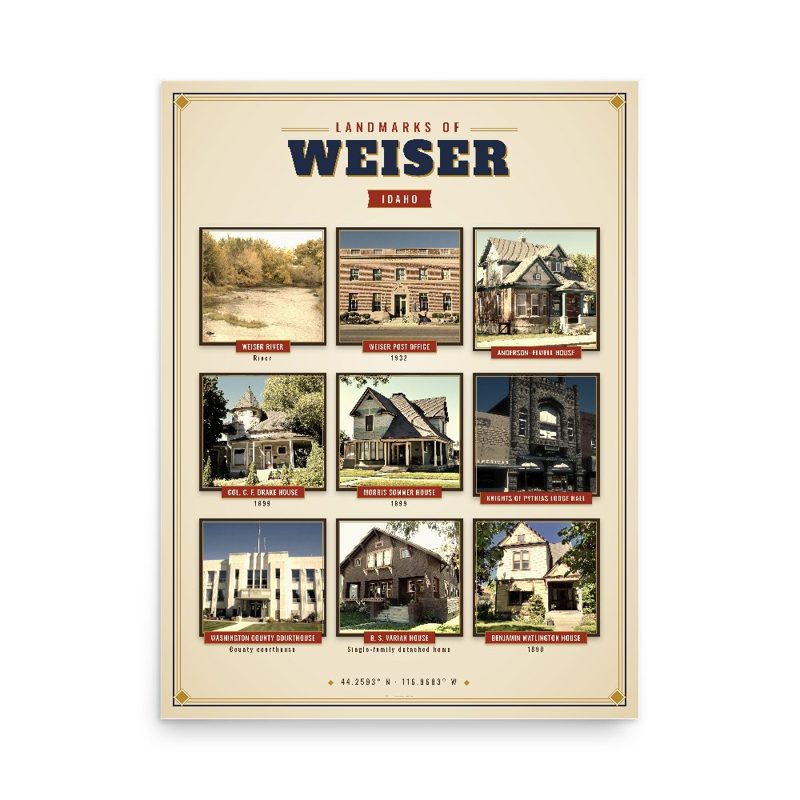
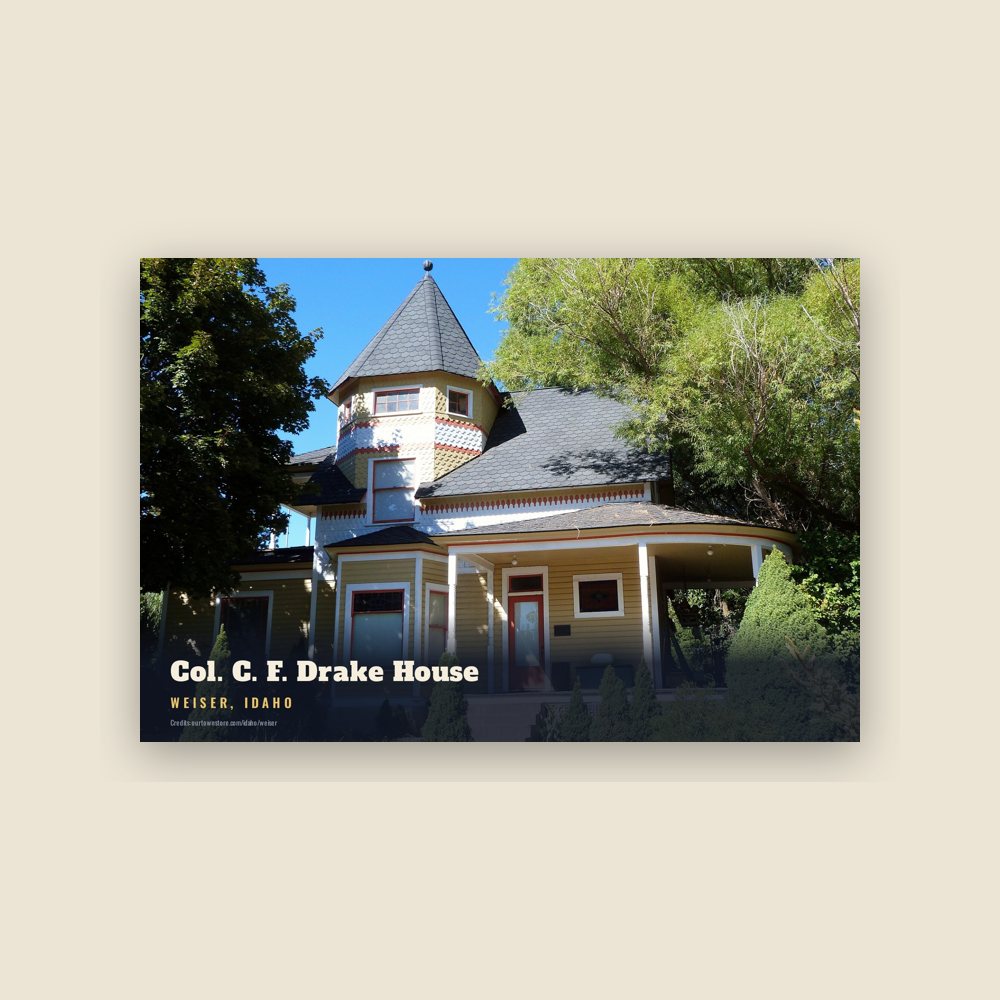
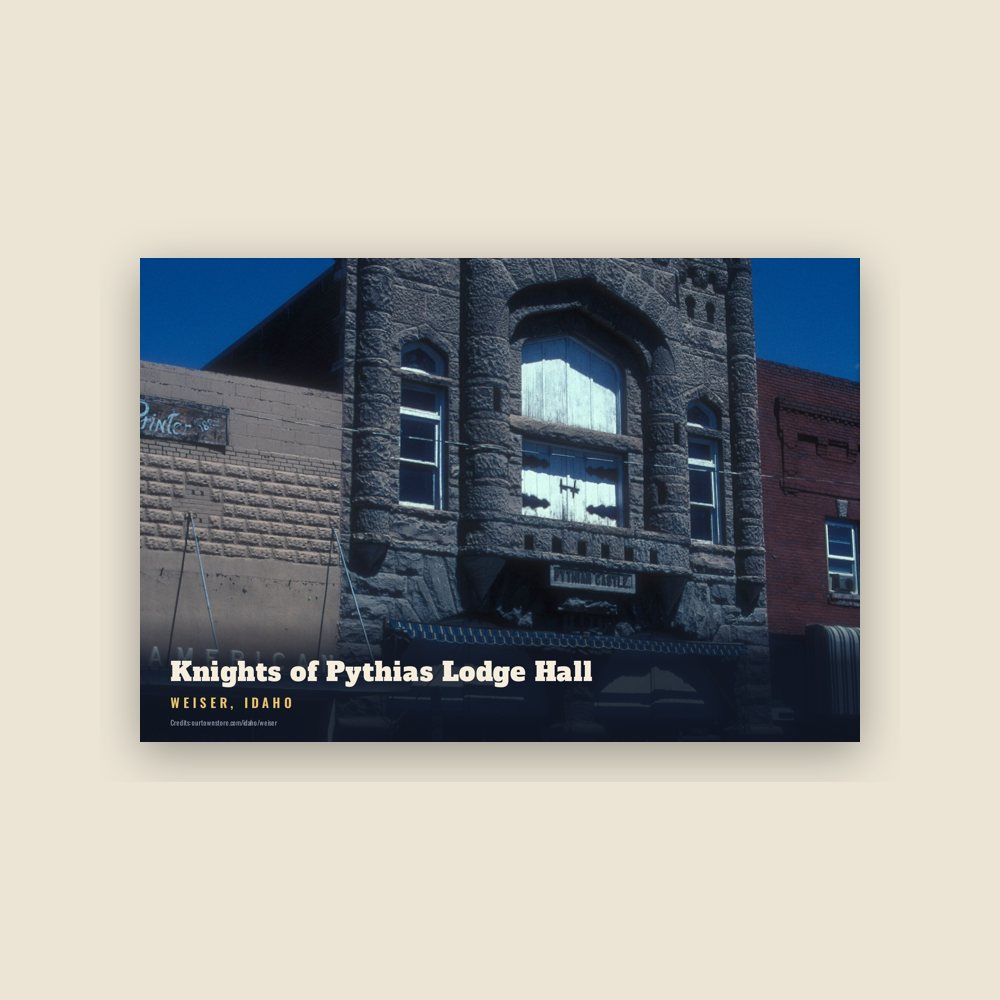
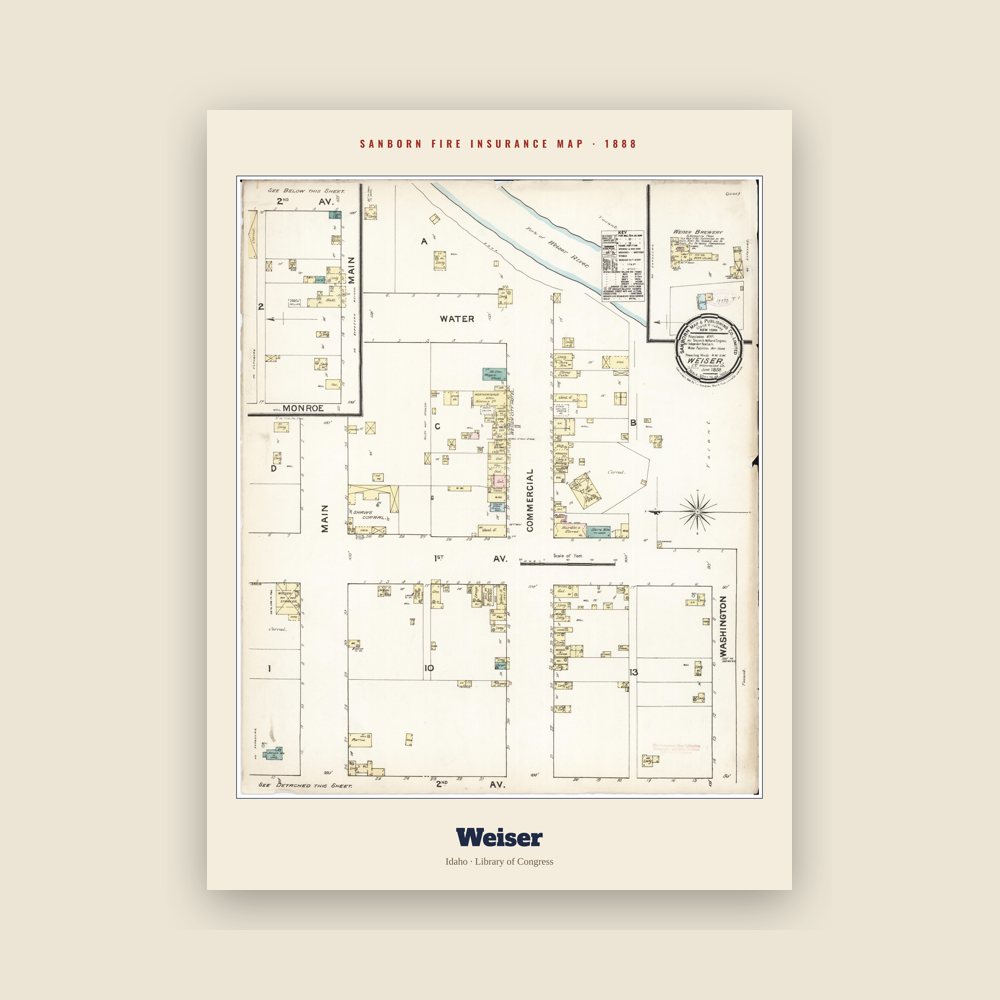
Weiser reached its height of prosperity when a railroad station was established and it became a transportation hub. Its history is well represented by the great number of original buildings from the 1890s and early 1900s that are on the National Register of Historic Places.
Hall of Fame pitcher Walter Johnson played semi-pro baseball for the Weiser Kids as a young man in 1906–1907. After high school in Fullerton, California, the "Big Train" was lured to Weiser to play baseball and work for the local telephone company. While in Weiser, he once pitched 84 consecutive scoreless innings. His skills drew the attention of the Washington Nationals, who sent scout Cliff Blankenship to offer Johnson a contract, and in July 1907 he departed Idaho for the major leagues at age nineteen.
Adapted (trimmed) from the Wikipedia article Weiser, Idaho, revision 1378269125 by its contributors, licensed CC BY-SA 4.0.
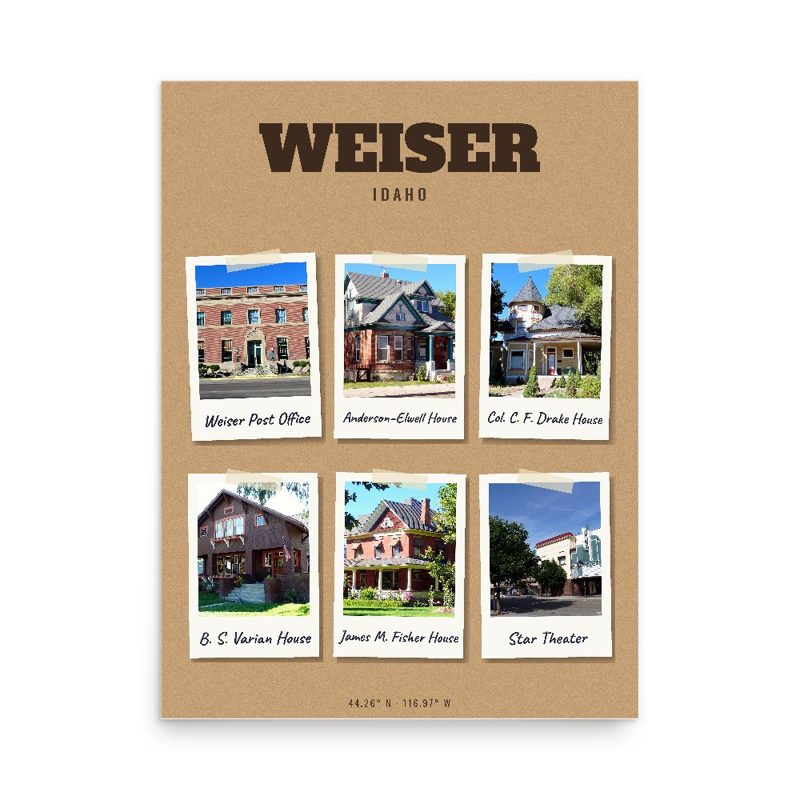
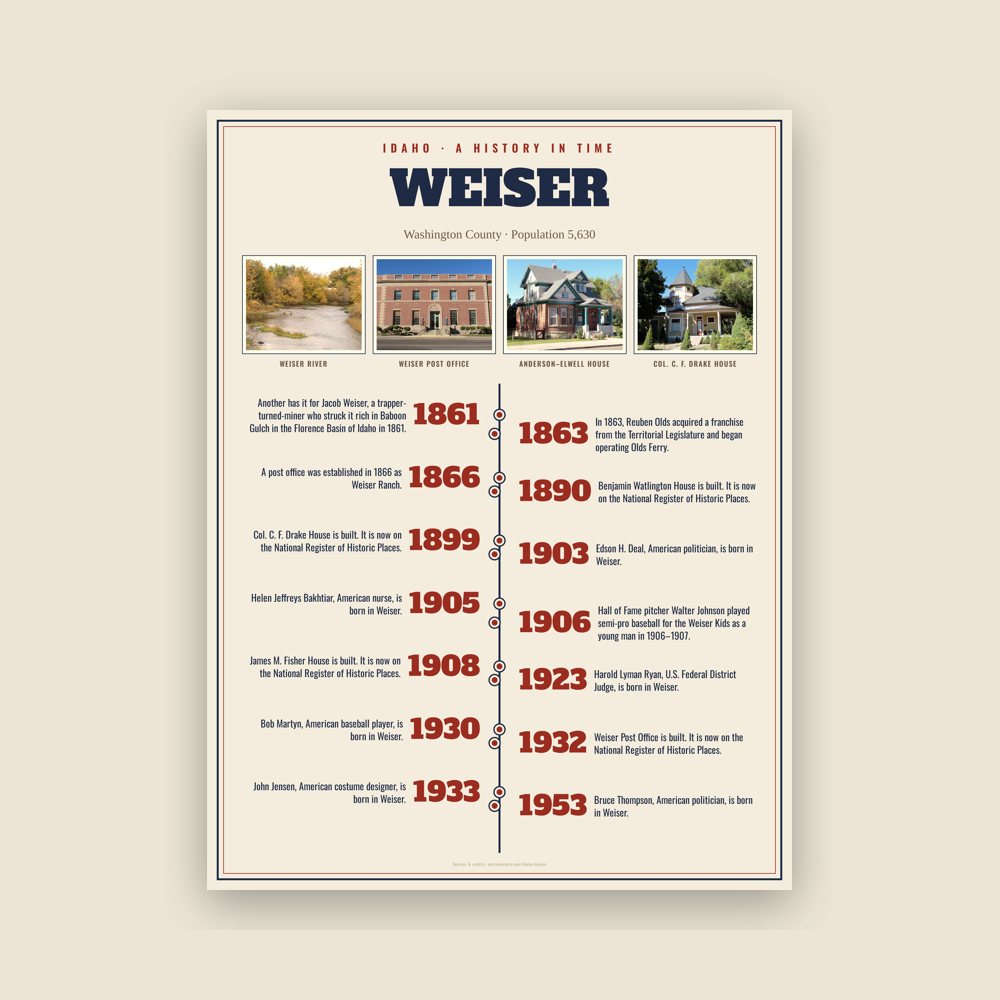
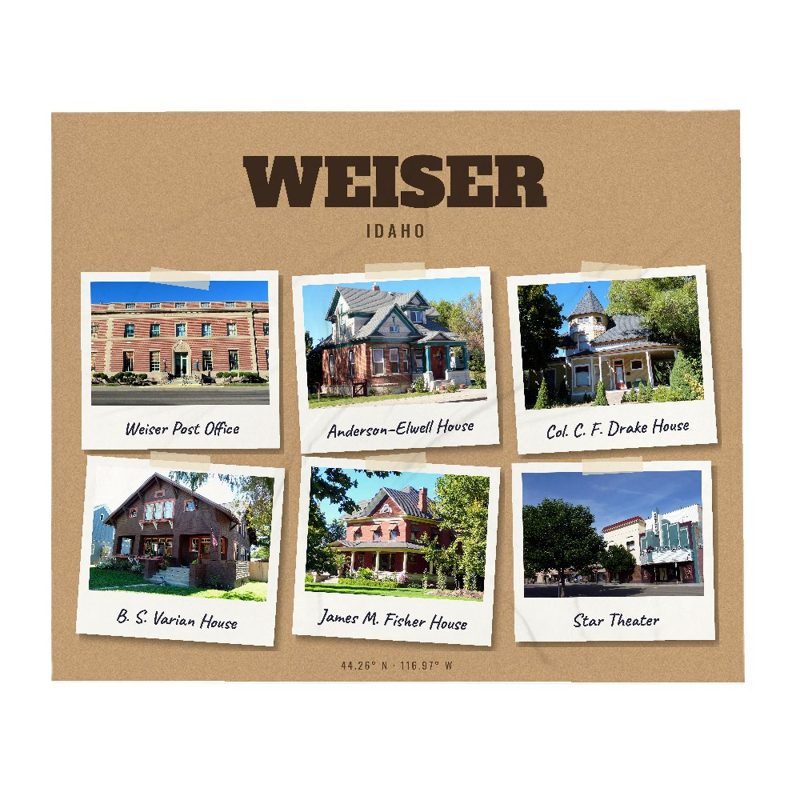
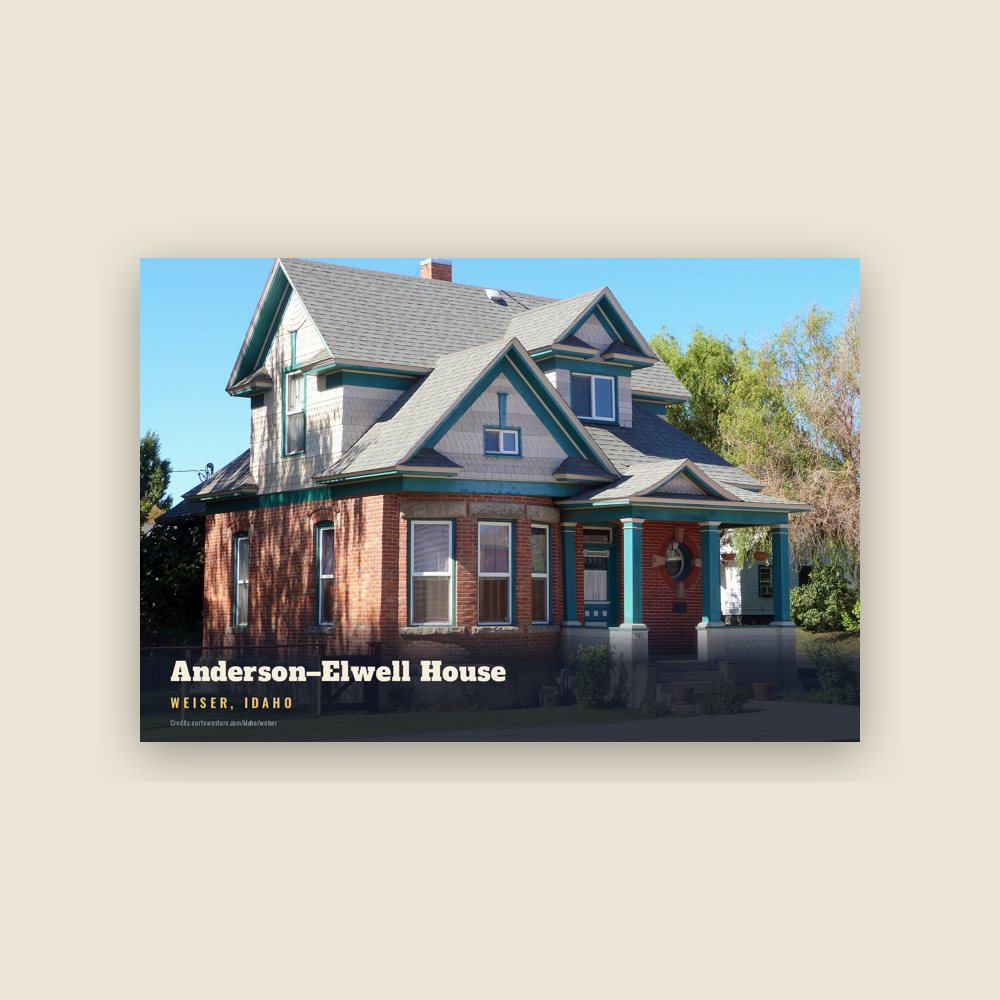

 Anderson–Elwell House
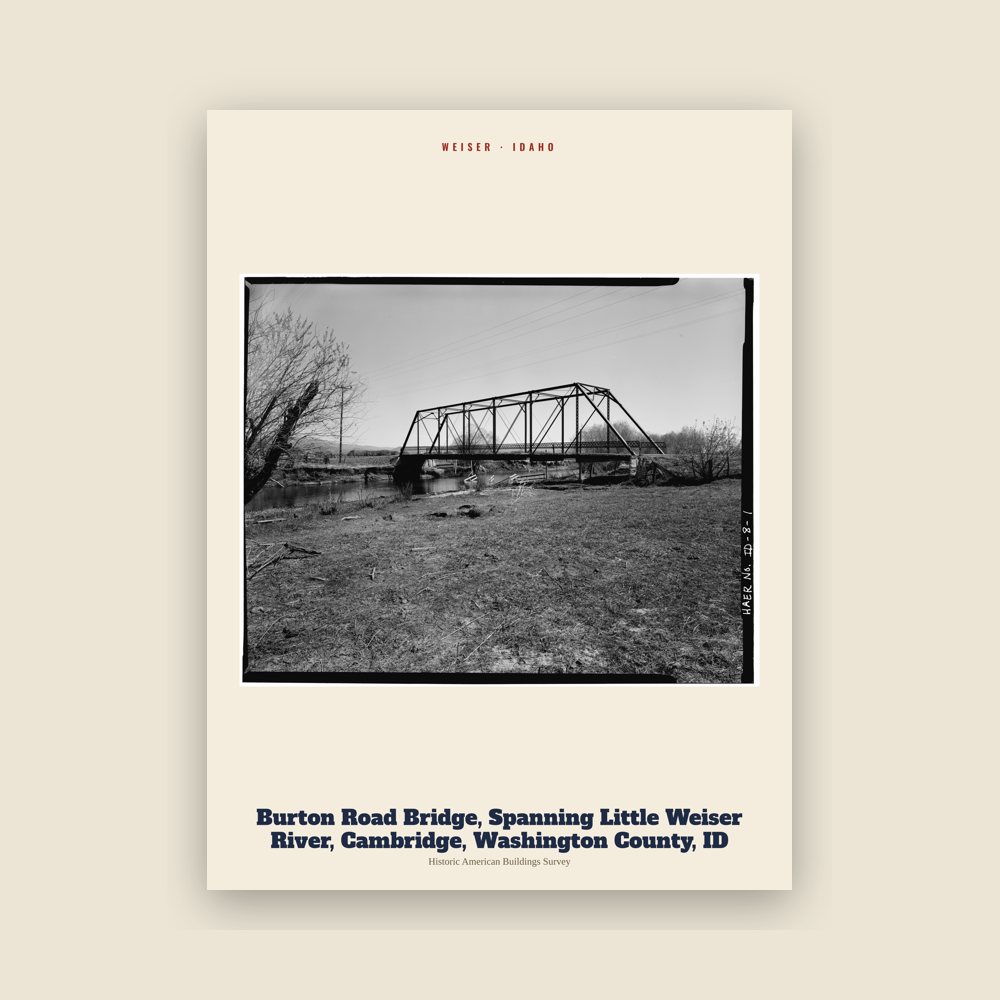
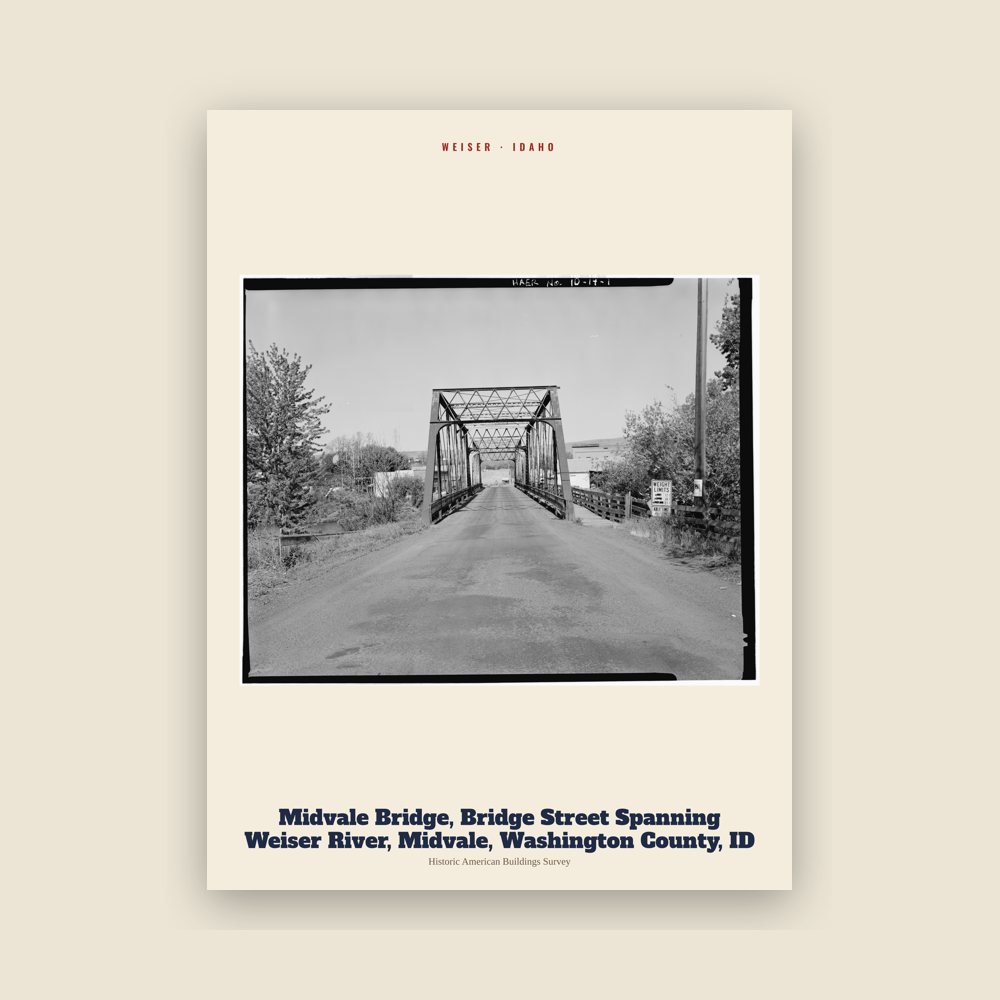
 Weiser River
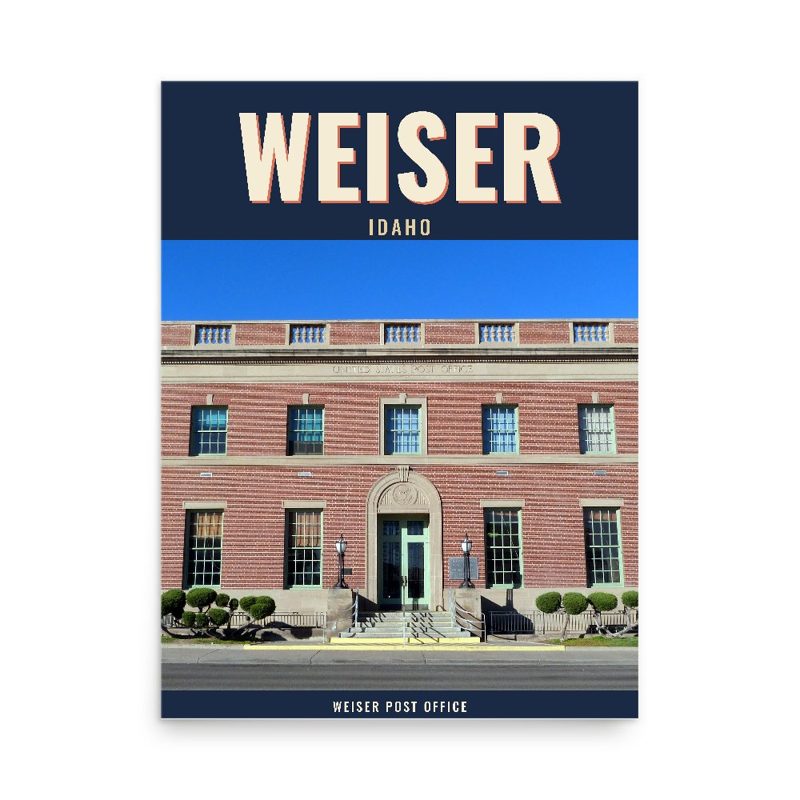
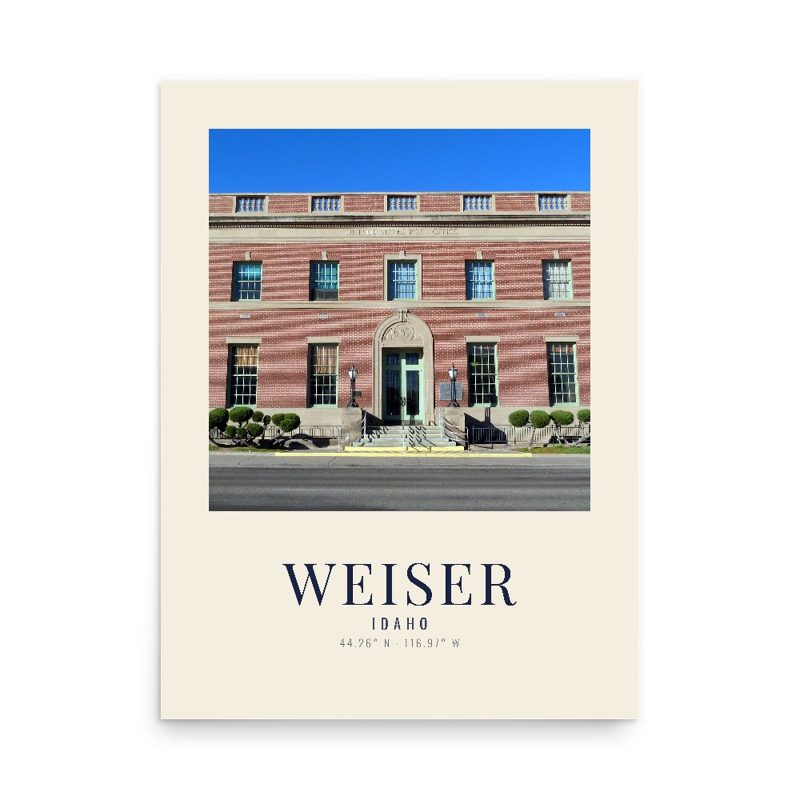
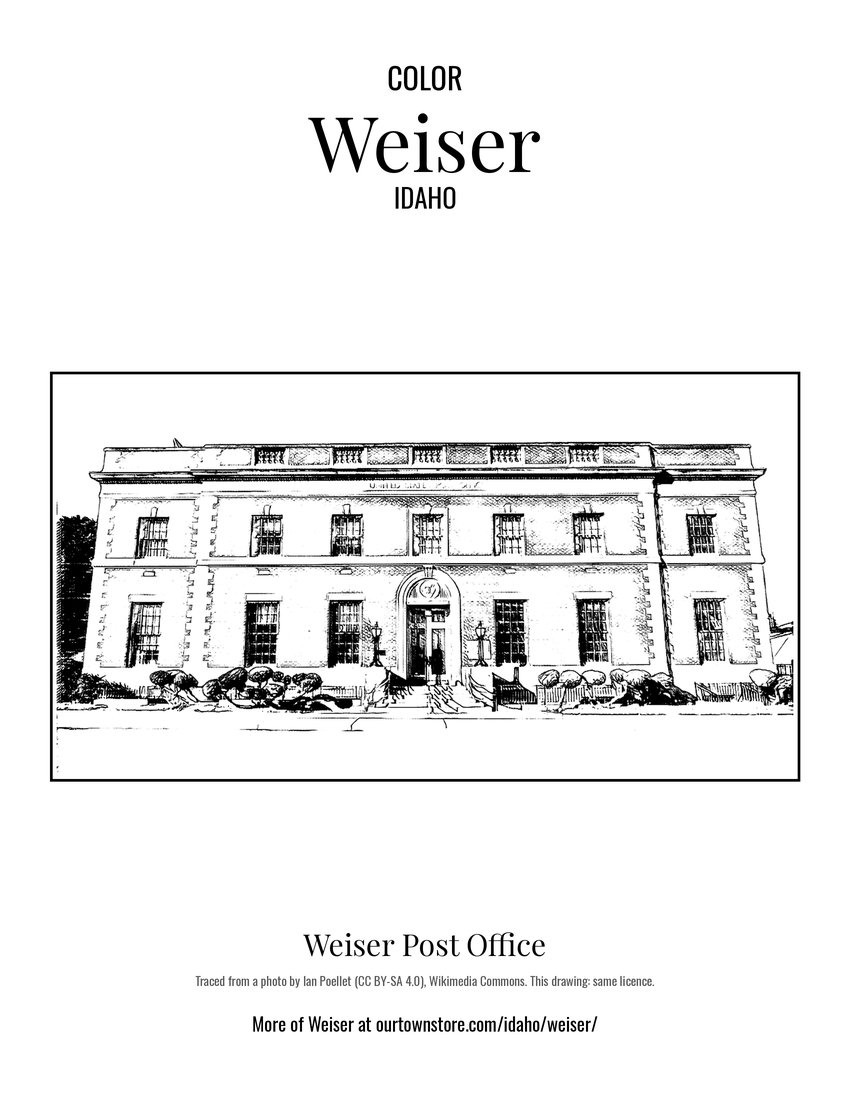 Weiser Post Office
 Col. C. F. Drake House