A short history of Lawrenceville
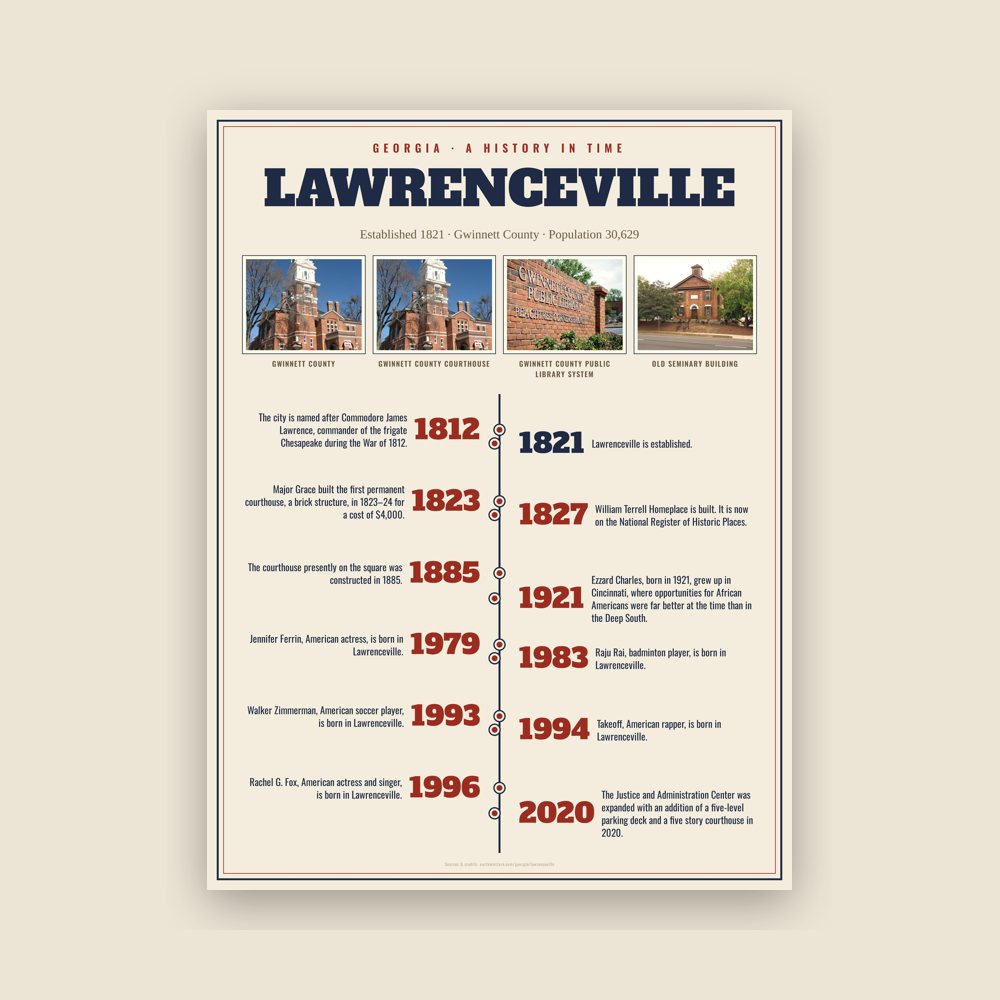
Lawrenceville was incorporated by an act of the Georgia General Assembly on December 15, 1821. This makes Lawrenceville the second oldest city in the metropolitan Atlanta area. The city is named after Commodore James Lawrence, commander of the frigate Chesapeake during the War of 1812. Lawrence, a native of New Jersey, is probably best known today for his dying command, "Don't give up the ship!" William Maltbie, the town's first postmaster, suggested the name of "Lawrenceville."
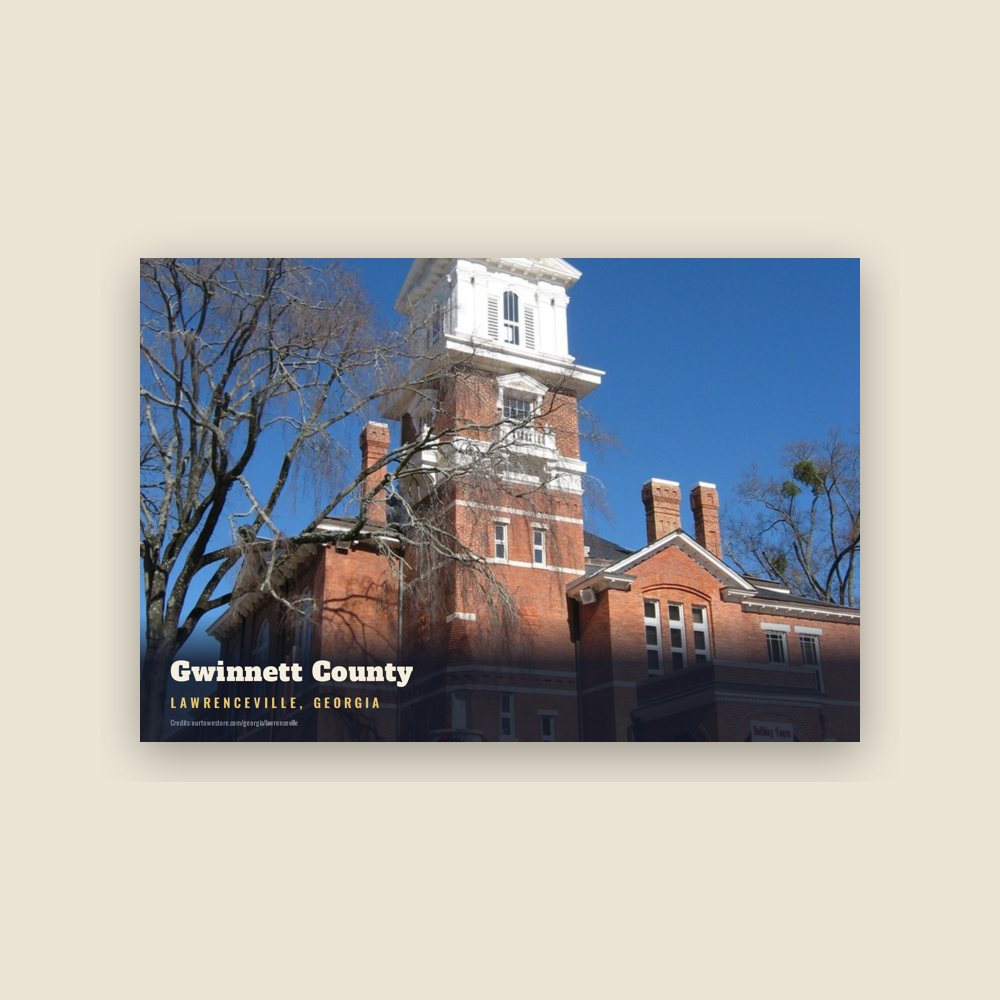
In 1821, a permanent site for the county courthouse was selected and purchased, the four streets bordering the square were laid out along with other streets in the village, and a public well was dug. Major Grace built the first permanent courthouse, a brick structure, in 1823–24 for a cost of $4,000. The courthouse presently on the square was constructed in 1885.
During the tumultuous era of the Civil War, Gwinnett County stood as a notable exception, casting its vote against secession. At the heart of this dissent was Lawrenceville, the county seat, which dispatched three delegates to represent its staunch opposition to secession. This resistance stemmed partly from the county's unique demographic makeup, characterized by a relatively low slave population, where the ratio of whites to slaves stood at four to one.
Despite its initial reluctance to join the secessionist cause, Lawrenceville found itself drawn into the conflict, as it rallied to support the Confederate war effort. The bustling town was home to the Lawrenceville Manufacturing Company, a prominent cotton mill established in the 1850s. This mill played a vital role in producing essential textile goods, including uniforms, to supply the Confederate army.
While Lawrenceville itself remained untouched by the direct clashes of battle, it was not spared the ravages of war. The infamous March to the Sea led by General Sherman brought the conflict to its doorstep. The town became a target for frequent raids by Union forces, disrupting daily life and instilling fear among its inhabitants.
One of the most devastating blows came when Union soldiers set fire to the Lawrenceville Manufacturing Company, dealing a severe blow to the city's commercial infrastructure. This act of destruction not only symbolized the toll of war on the town's economy, but also underscored the intense division and strife tearing through the nation during this tumultuous period. By the end of the war, half of the wealth of Lawrenceville was lost by the Civil War.
The two most famous people born in Lawrenceville gained their fame elsewhere. Charles Henry Smith, born in 1826, left as a young man and lived most of his life in other Georgia towns. During the Civil War, he wrote humorous pieces for Atlanta newspapers under the name Bill Arp. He has been described as the South's most popular writer of the late 19th century, though he is not much read today. Ezzard Charles, born in 1921, grew up in Cincinnati, where opportunities for African Americans were far better at the time than in the Deep South. He eventually became the world heavyweight boxing champion by defeating Joe Louis by unanimous decision on September 27, 1950.
Lawrenceville was one of many venues in the nation where Hustler magazine publisher Larry Flynt faced obscenity charges in the late 1970s. On March 6, 1978, during a lunch break in his Lawrenceville trial, his local attorney Gene Reeves and he were shot by a sniper near the courthouse. Both survived, though Flynt was seriously disabled. Years later, imprisoned serial killer Joseph Paul Franklin claimed to have been the shooter, but he never produced any proof and was not charged in the case. (Franklin was executed in 2013 in Missouri for a 1977 sniper slaying.) A heavily fictionalized treatment of the Flynt shooting can be seen in the 1996 movie The People vs. Larry Flynt.
The Gwinnett Justice and Administration Center was built in 1988 at a cost of $72 million to replace the original Gwinnett County Courthouse, which had been built in 1872 shortly after the Civil War. The Justice and Administration Center was expanded with an addition of a five-level parking deck and a five story courthouse in 2020.
Adapted (trimmed) from the Wikipedia article Lawrenceville, Georgia, revision 1381724873 by its contributors, licensed CC BY-SA 4.0.

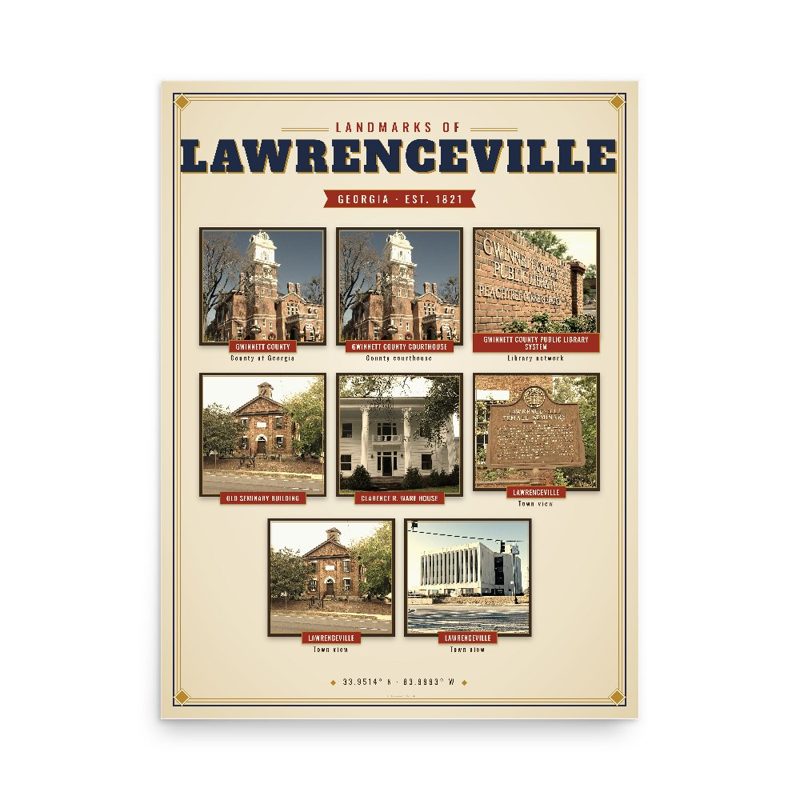
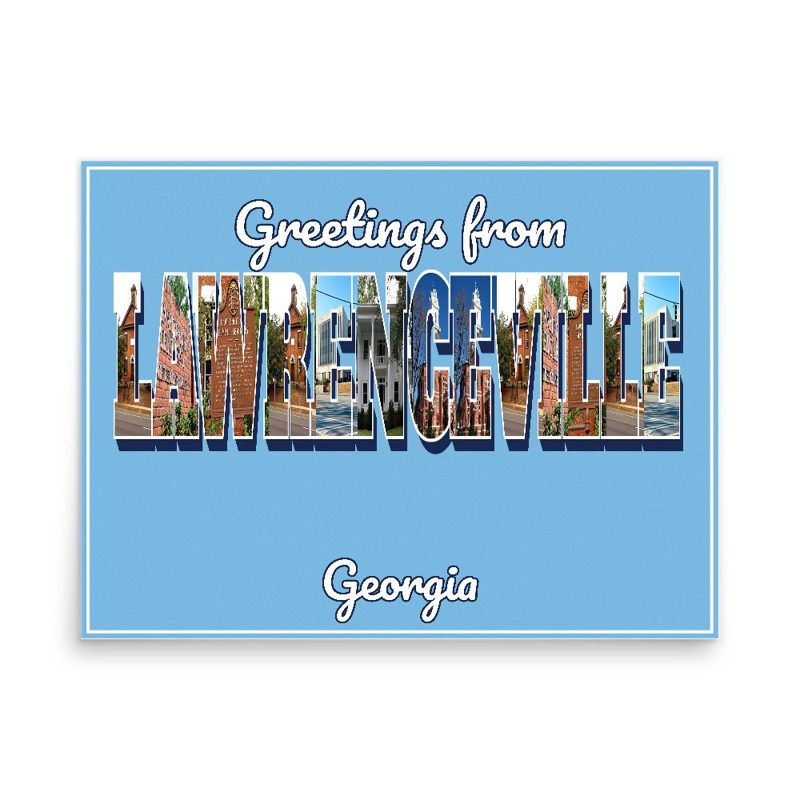
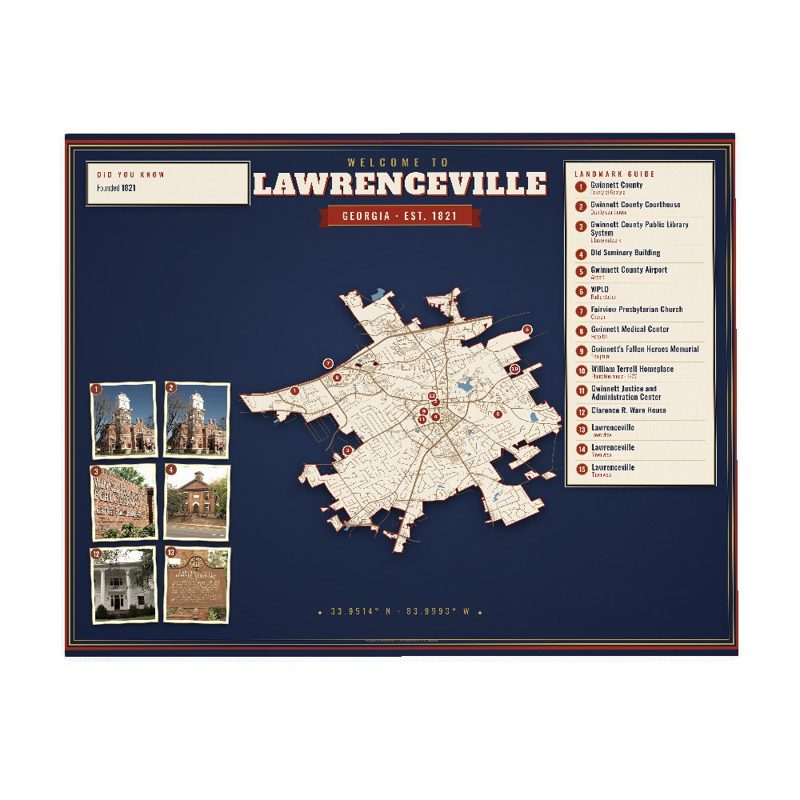















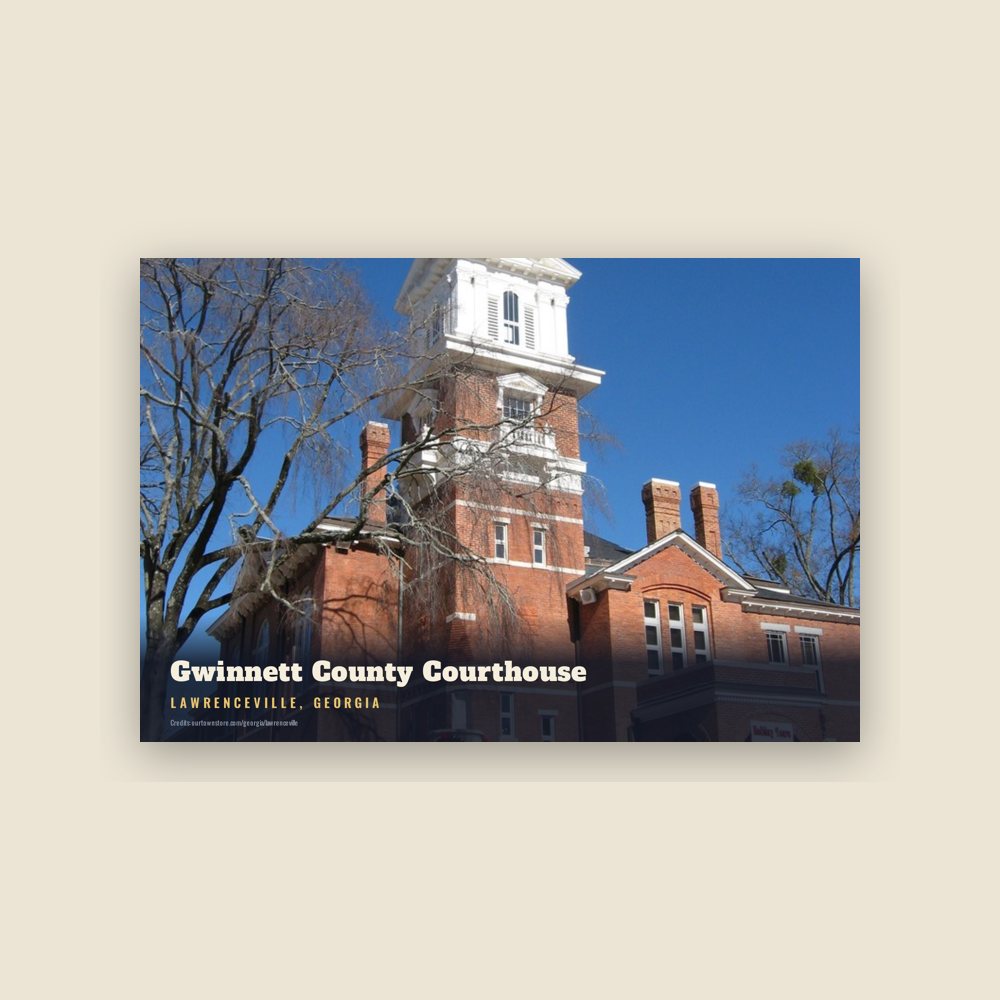




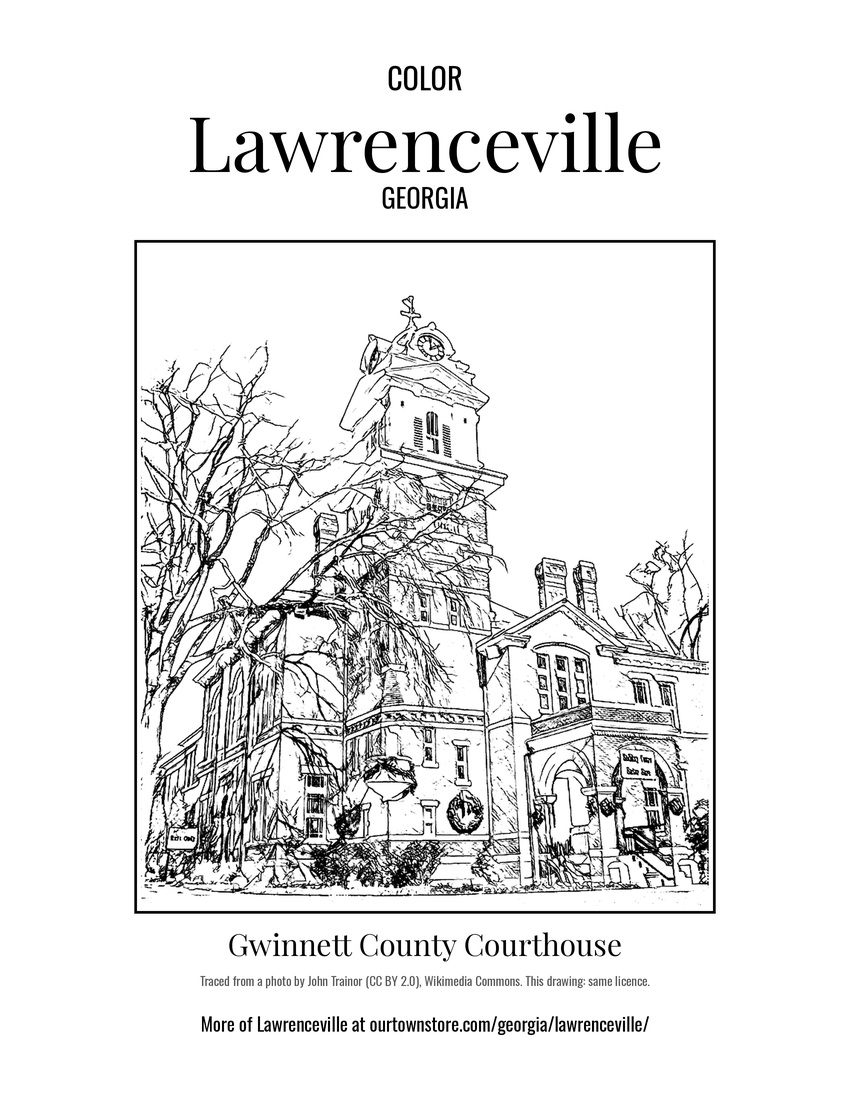 Gwinnett County Courthouse
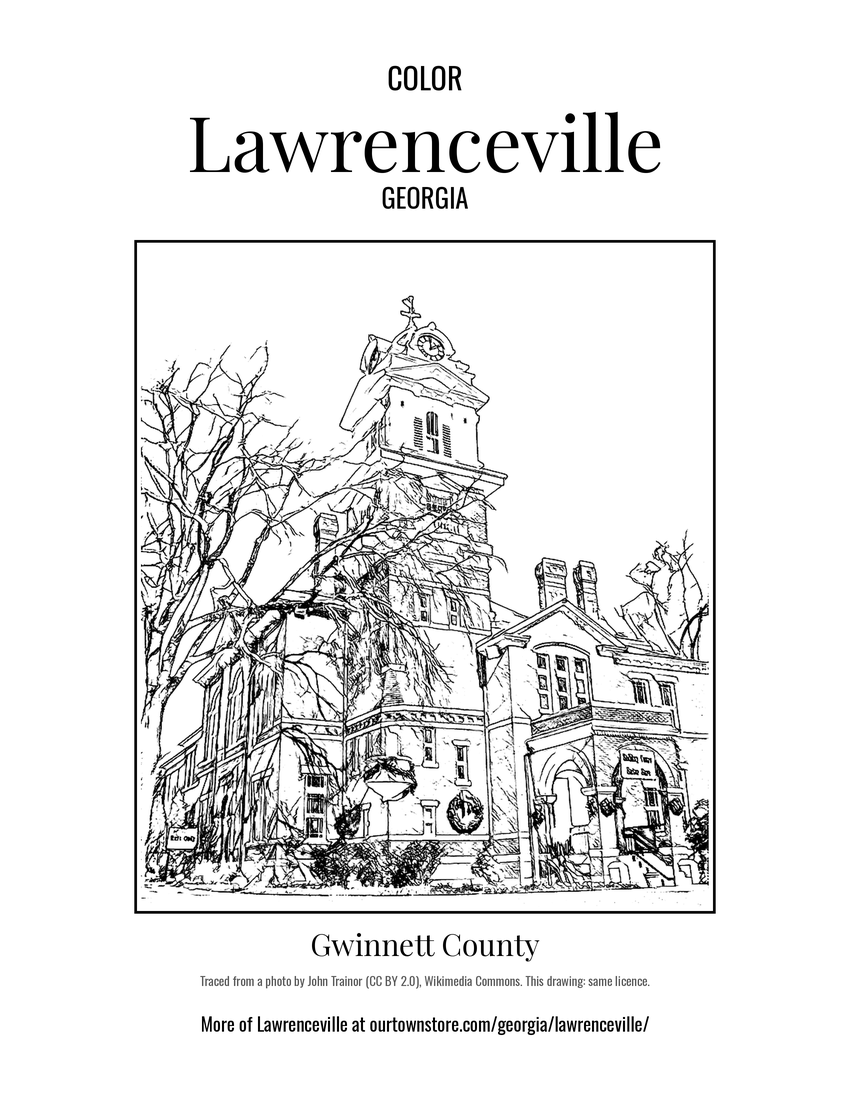 Gwinnett County
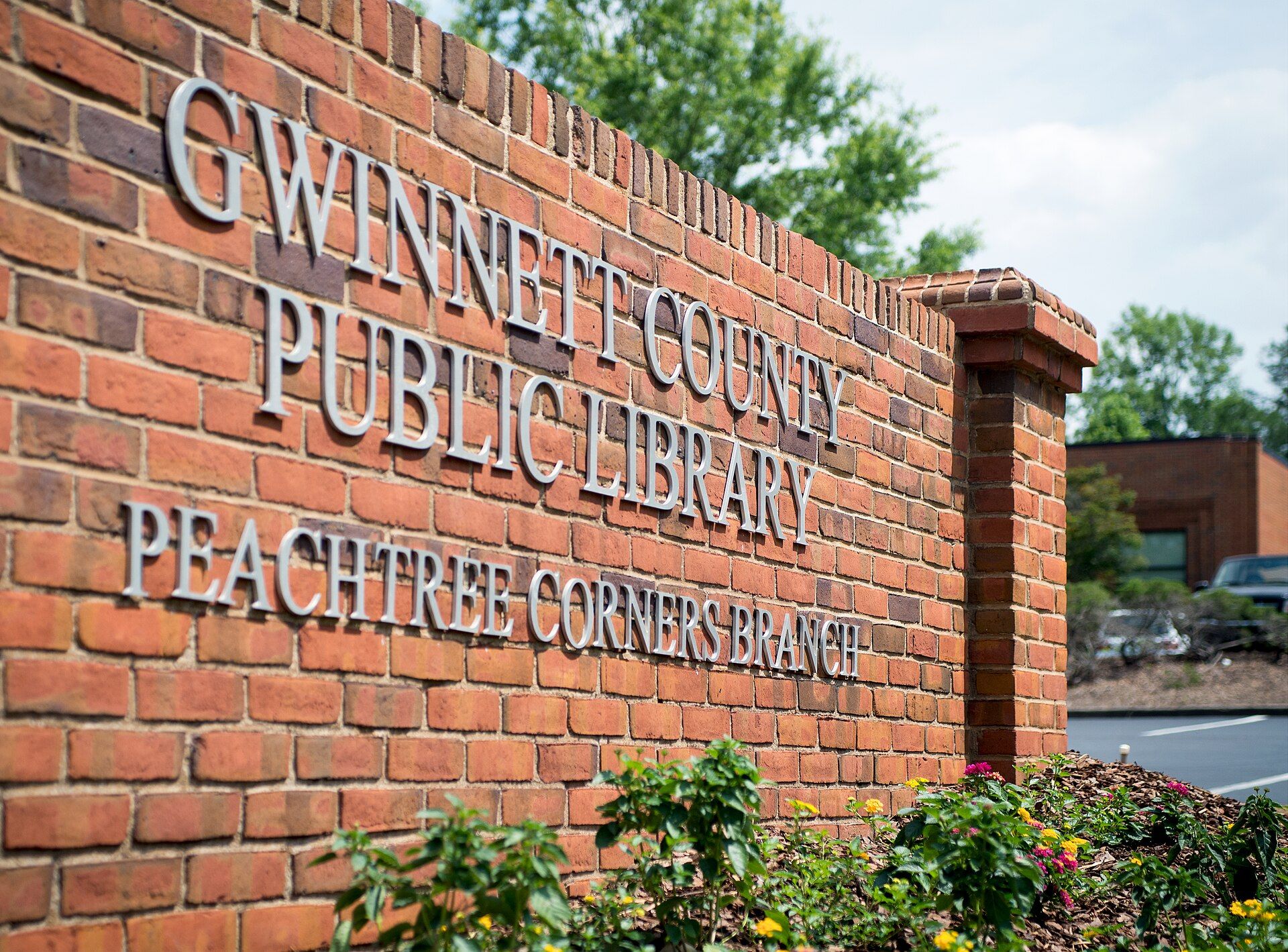
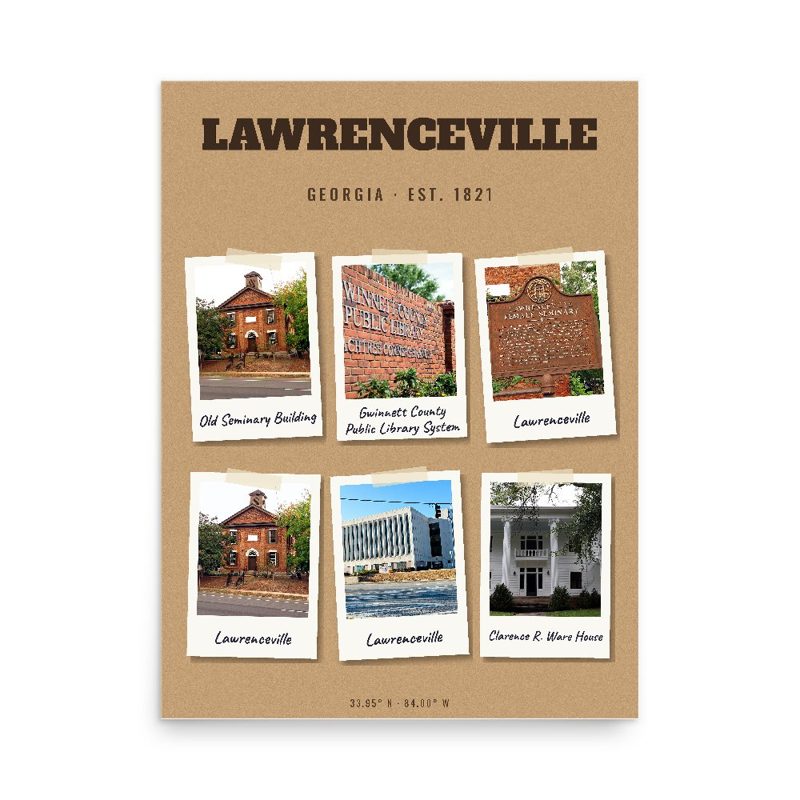
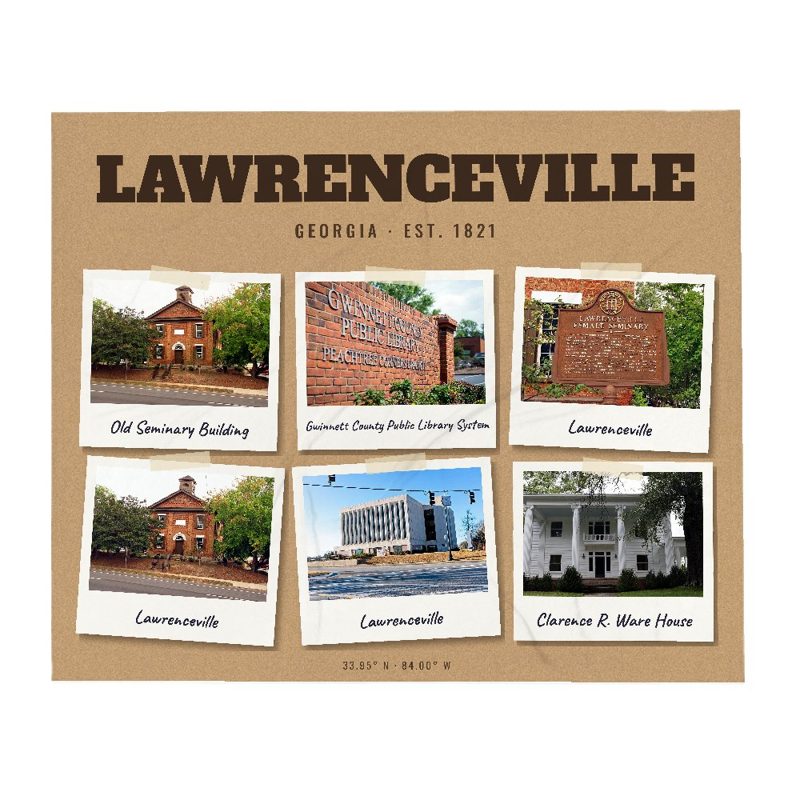
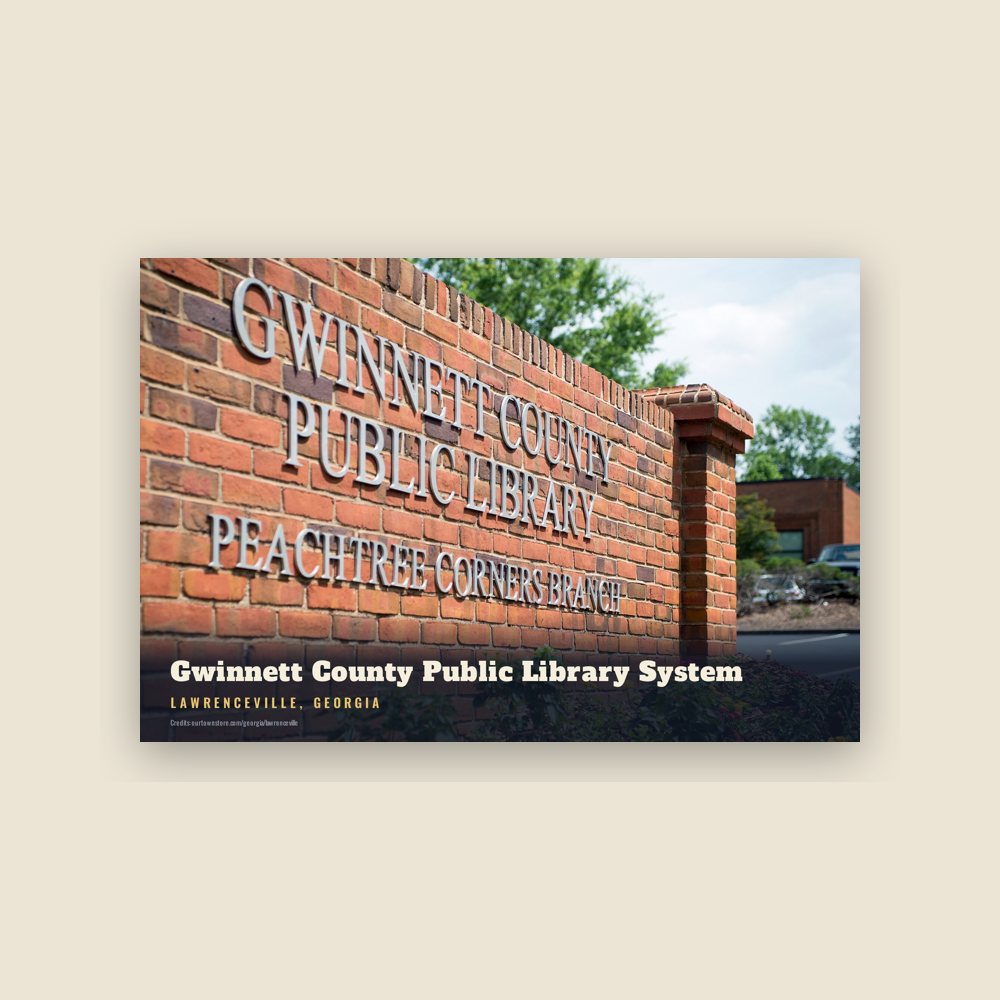
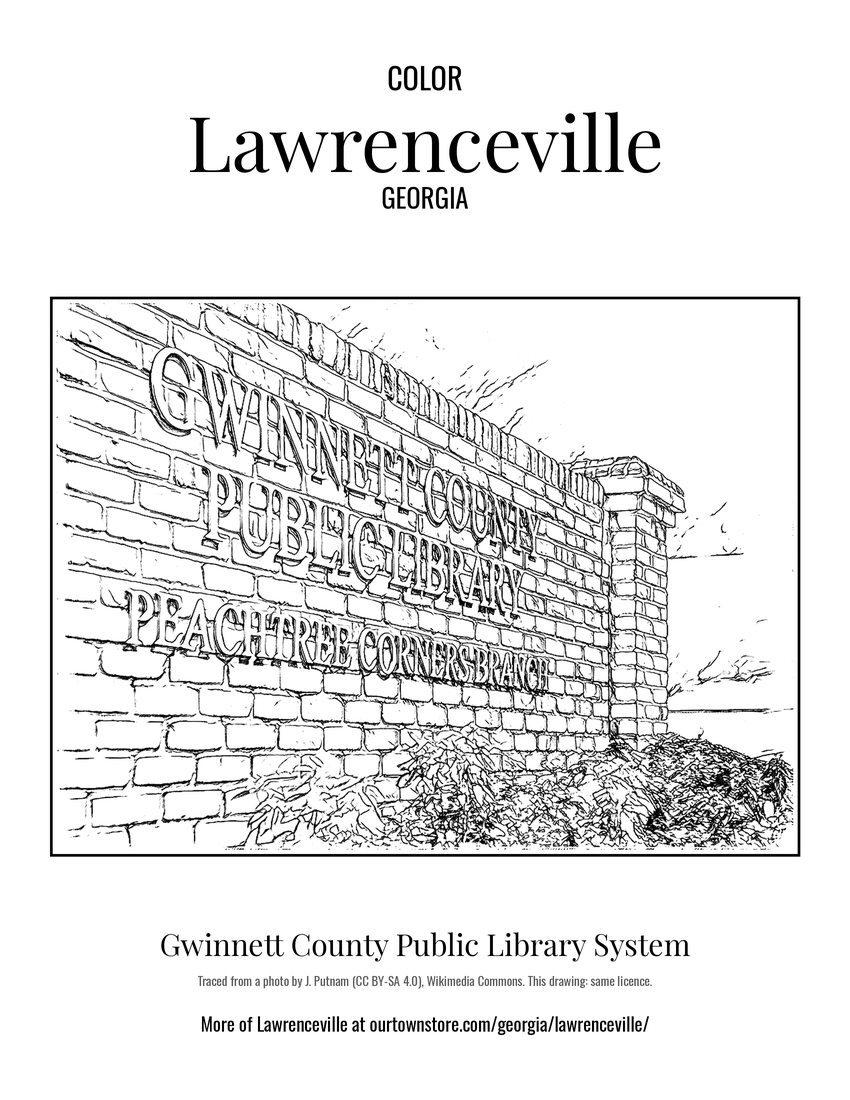 Gwinnett County Public Library System
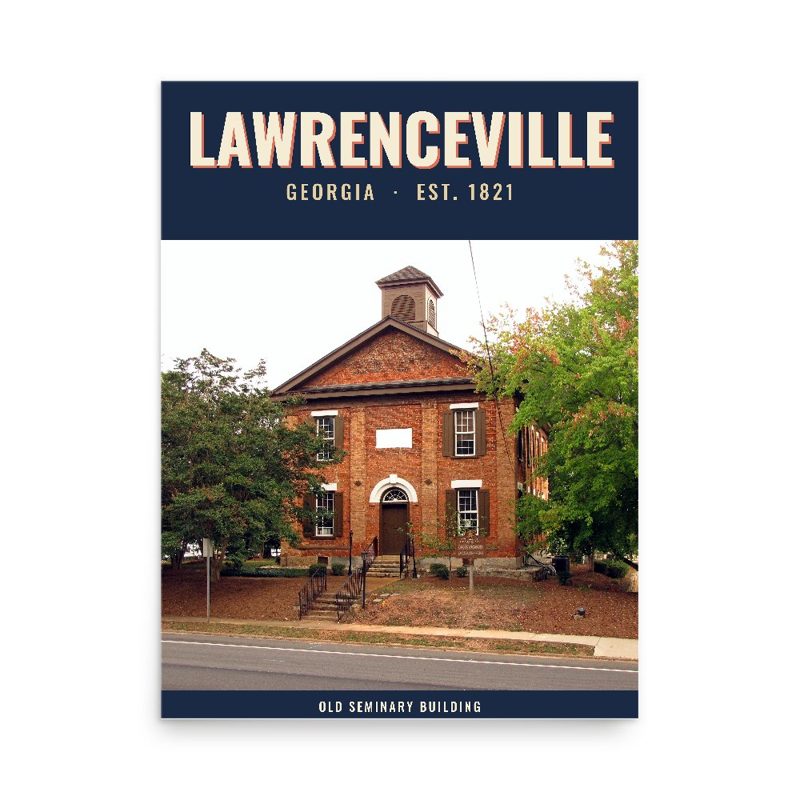
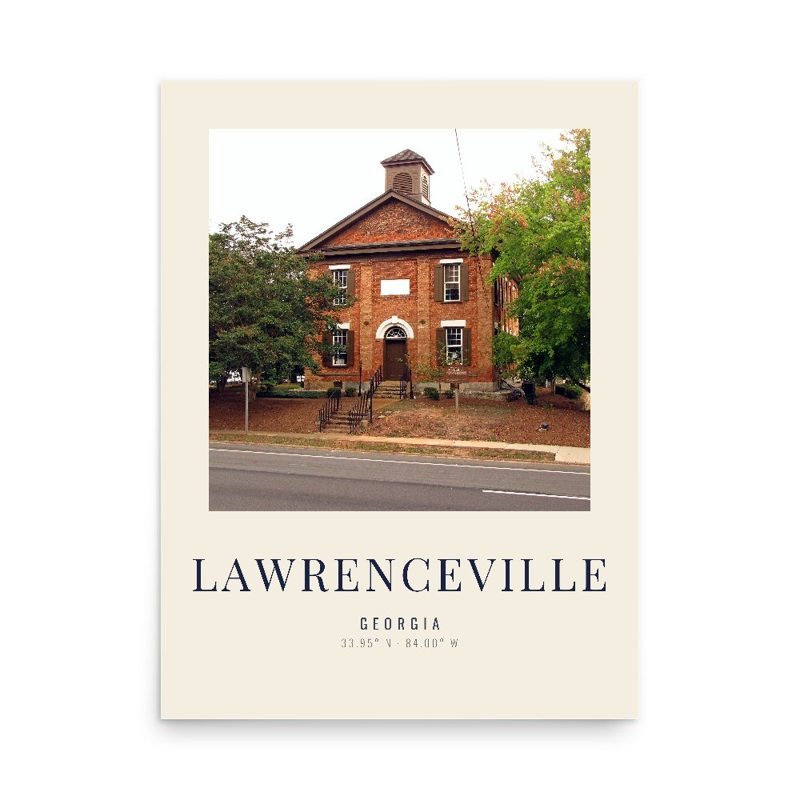
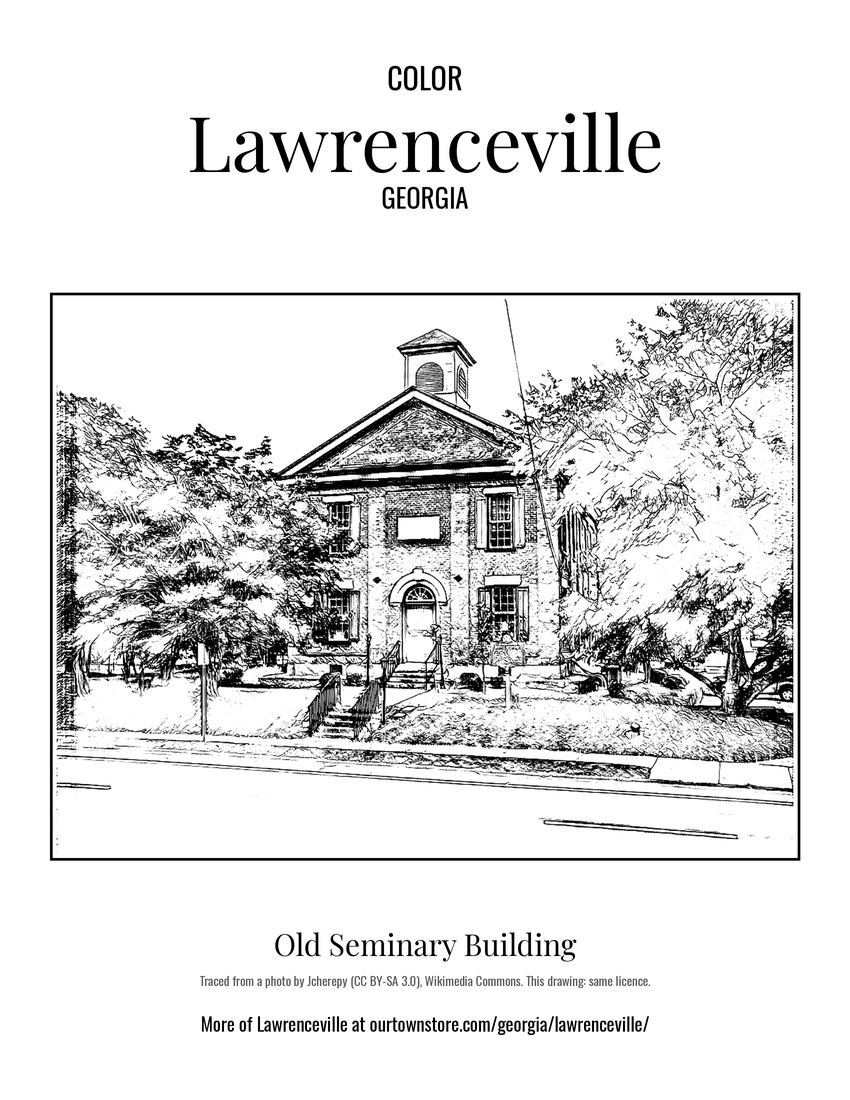 Old Seminary Building