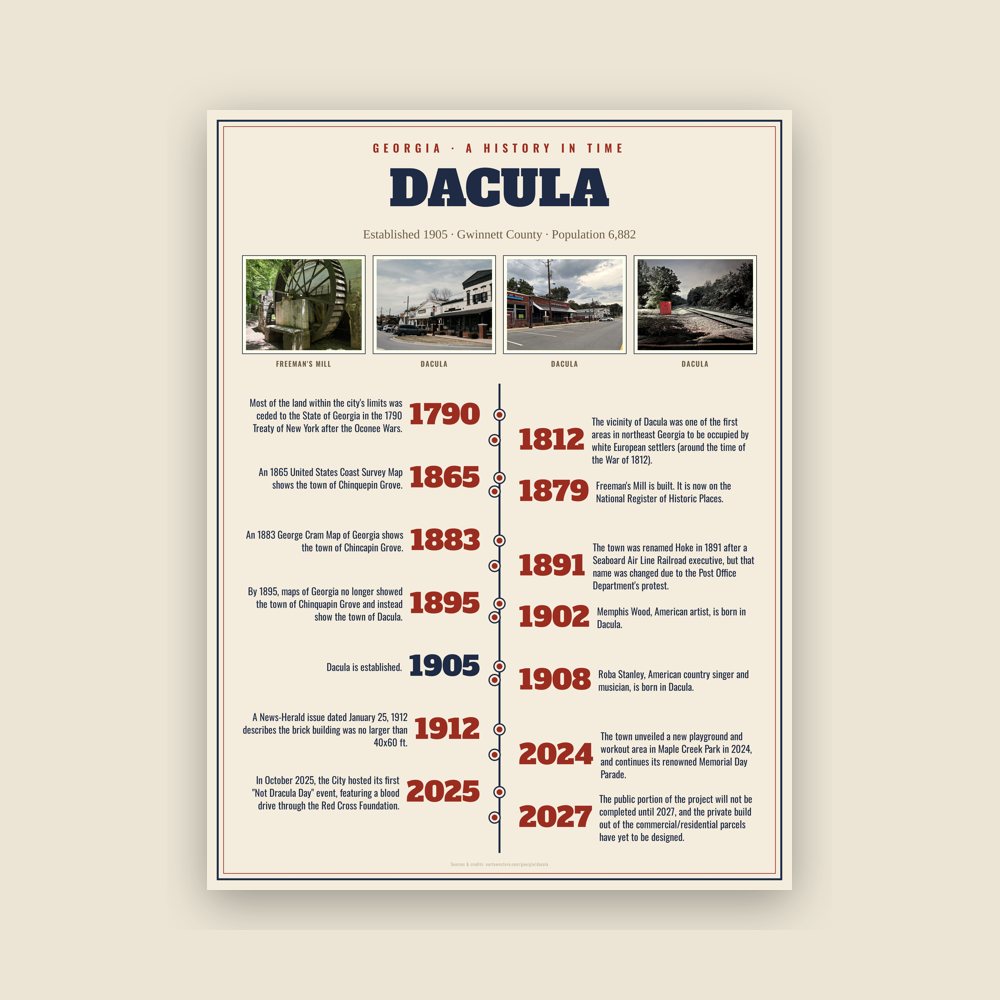
The Dacula area was originally within the Muscogee (Creek) Nation. Most of the land within the city's limits was ceded to the State of Georgia in the 1790 Treaty of New York after the Oconee Wars. The vicinity of Dacula was one of the first areas in northeast Georgia to be occupied by white European settlers (around the time of the War of 1812). The area remained mostly uncolonized until the late 20th century, in part, due to the remaining presence of the Cherokee Nation in portions of Gwinnett County. After settlers lobbied for the ethnic cleansing of the Nation, the Trail of Tears (through the Indian Removal Act) made it easier for Dacula and the unannexed portions of Gwinnett to be settled.
Read the full history
Chinquapin Grove
Dacula itself began in the late 1800s under the name of Chinquapin Grove (Chinquapin was spelled several different ways), where Dacula Elementary now stands. Chinquapin comes from the indigenous Powhatan word for dwarf chestnut tree (Allegheny Chinkapin). The tree is no longer found in the area due to chestnut blight. An 1865 United States Coast Survey Map shows the town of Chinquepin Grove. An 1883 George Cram Map of Georgia shows the town of Chincapin Grove. The town was renamed Hoke in 1891 after a Seaboard Air Line Railroad executive, but that name was changed due to the Post Office Department's protest. By 1895, maps of Georgia no longer showed the town of Chinquapin Grove and instead show the town of Dacula.
1900s
Dacula's name is said to be formed from letters in Decatur and Atlanta by a postmaster. The two cities to the west that were already prospering at the time of Dacula's founding. The New-Herald issue dated June 16, 1899 stated that Dacula would soon decide whether or not it wished to be incorporated; however, the town was not incorporated until 1905, because residents feared that incorporation would destroy business and industry.
Religion was and continues to be a driving force in Dacula. One of the first churches built in the town was a Methodist church, founded by Rev. R. P. Jackson. A News-Herald issue dated January 25, 1912 describes the brick building was no larger than 40x60 ft.
The town was once home to a train station on a CSX line through northeast Georgia, although the station closed in the mid-1950s.
2000s
In 2022, Gwinnett County broke ground on the Rowen Project, which seeks to bring together researchers, entrepreneurs, and other innovators, alongside more than 50 research and educational institutions across Georgia to expand the state's research triangle. The Rowen Project borders the City, totaling more than 2,000 acres, extending all the way to the Barrow County line. Since the project's approval, the Dacula area has seen an increase in both suburban residential and strip mall commercial changes, including the Harbins 316 development, which massively expanded food and amenity access to a portion of Gwinnett County that previously had to drive 30–40 minutes to a grocery store. As the town becomes home to an increasing number of national chains, residents are increasingly proud of their local gathering places and traditions. The town unveiled a new playground and workout area in Maple Creek Park in 2024, and continues its renowned Memorial Day Parade.
In October 2025, the City hosted its first "Not Dracula Day" event, featuring a blood drive through the Red Cross Foundation. The City describes "Not Dracula Day" as an opportunity to celebrate the many names that the Dacula area has had over the years, while poking fun at the common mispronunciations. The first thing someone says when they first read Dacula is "hey it's like Dracula without the R." Rather than downplay the common mistake, the City has embraced it and created a new tradition for the community.
The Future of Dacula
In July of 2025, the City of Dacula broke ground on its "City Core Project." The project is designed to prioritize a "town center and gathering space" according to City employees. In the 2050 Comprehensive Plan outreach process, an over 60% of residents stated that festivals and events were a medium to high priority to them, along with a town center and public gather places being the most popular visioning workshop request. The public portion of the project will not be completed until 2027, and the private build out of the commercial/residential parcels have yet to be designed.
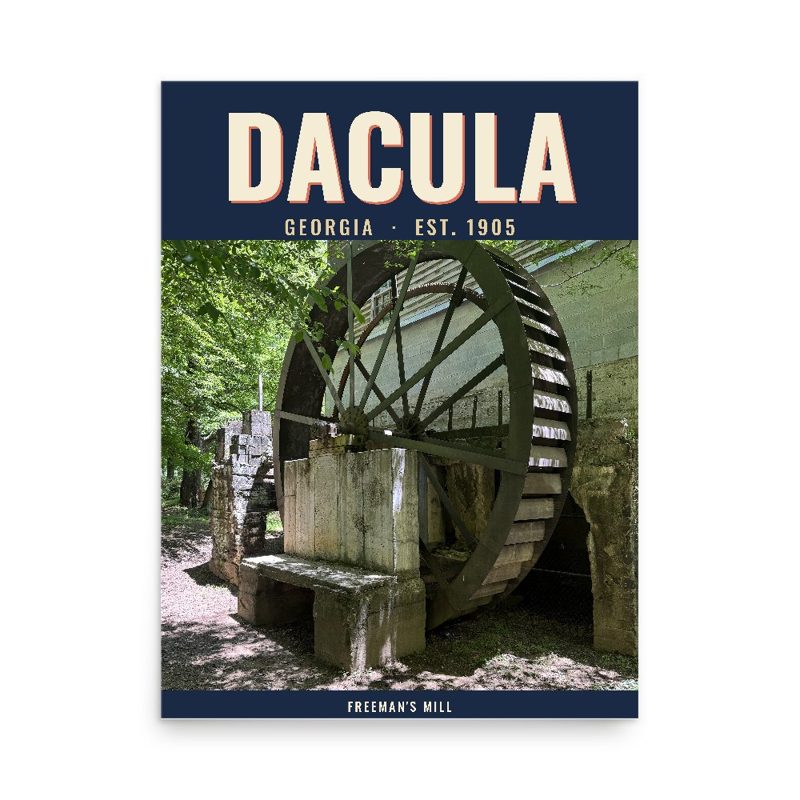
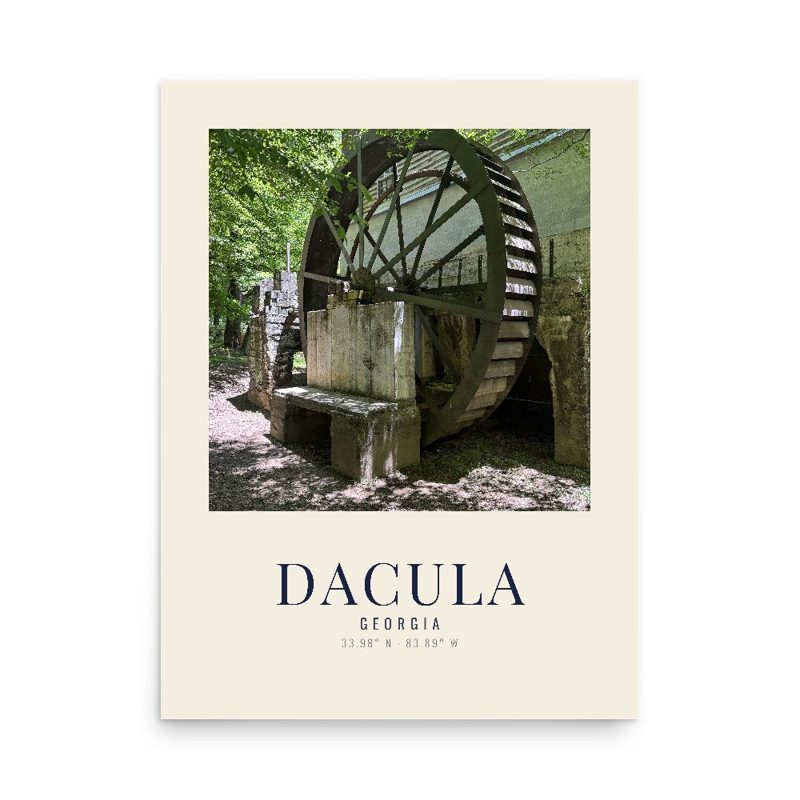
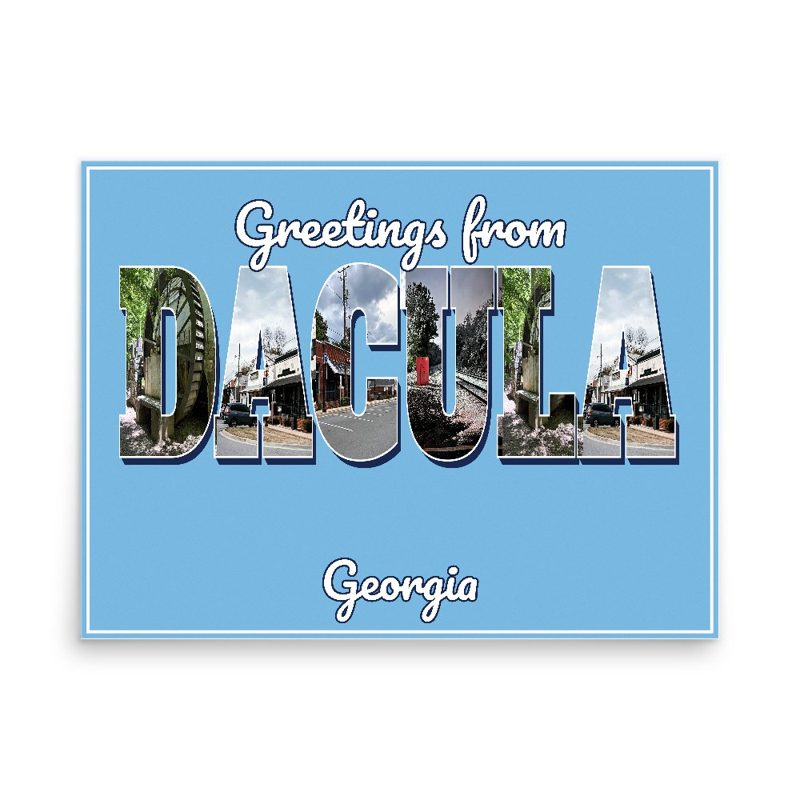
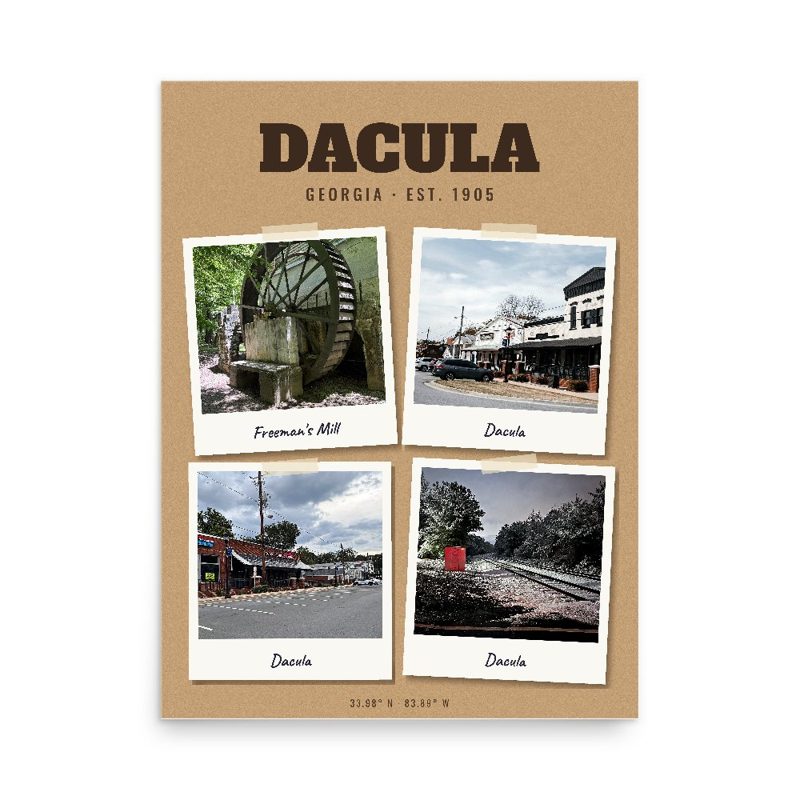
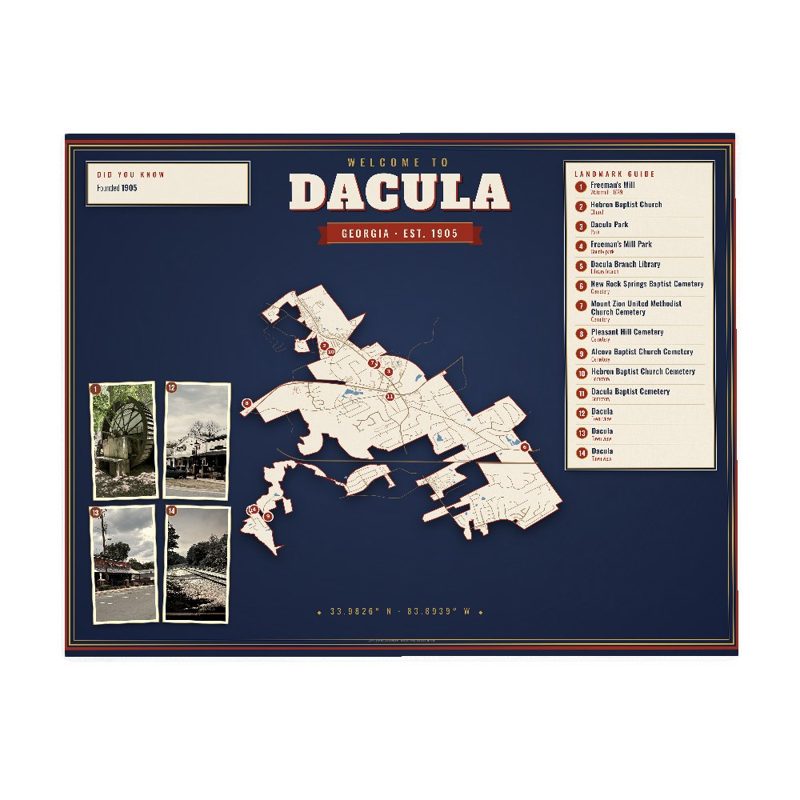





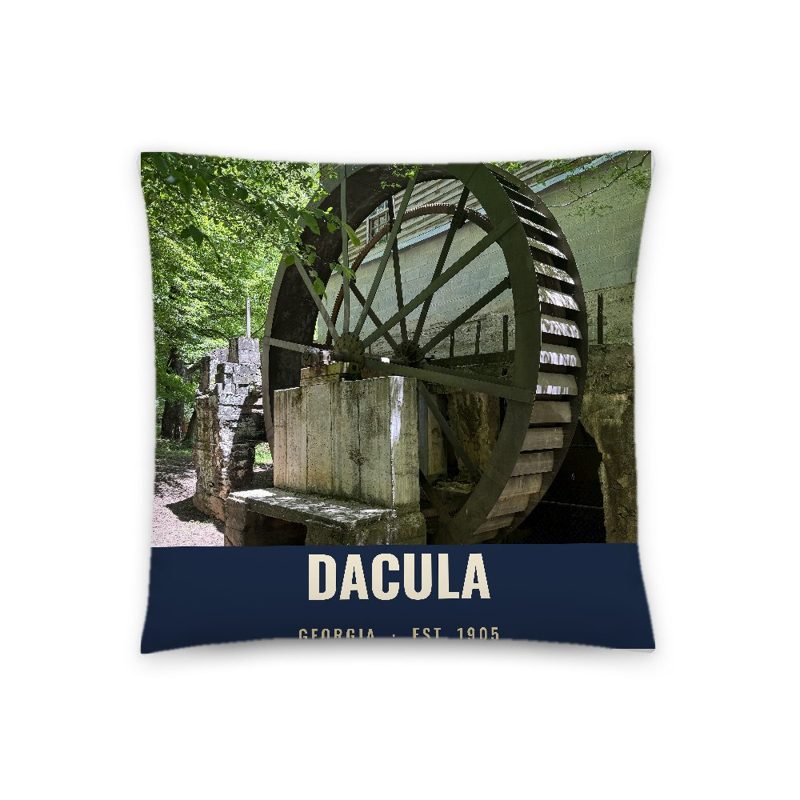

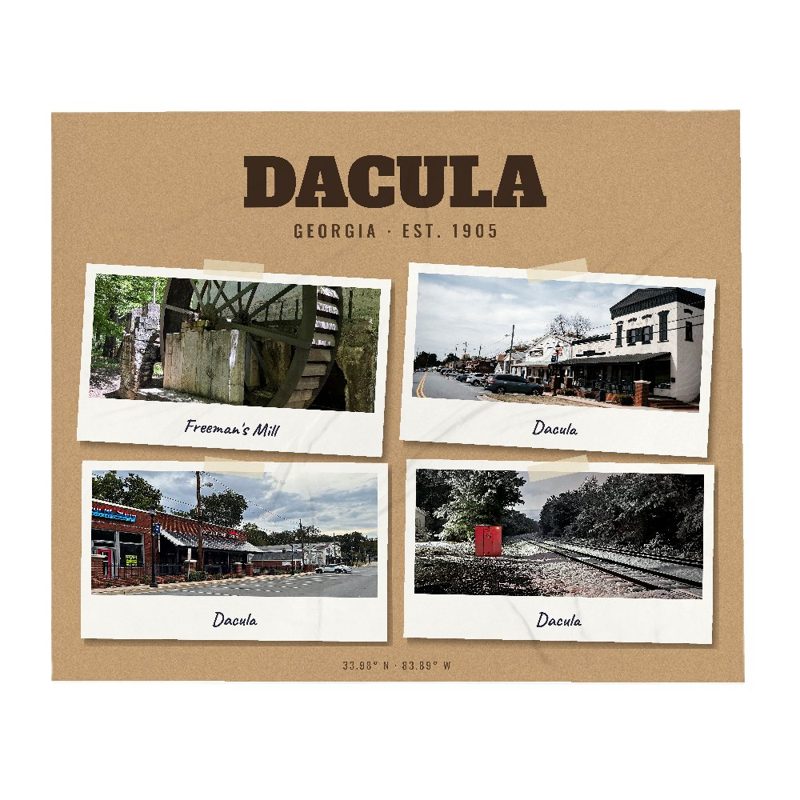

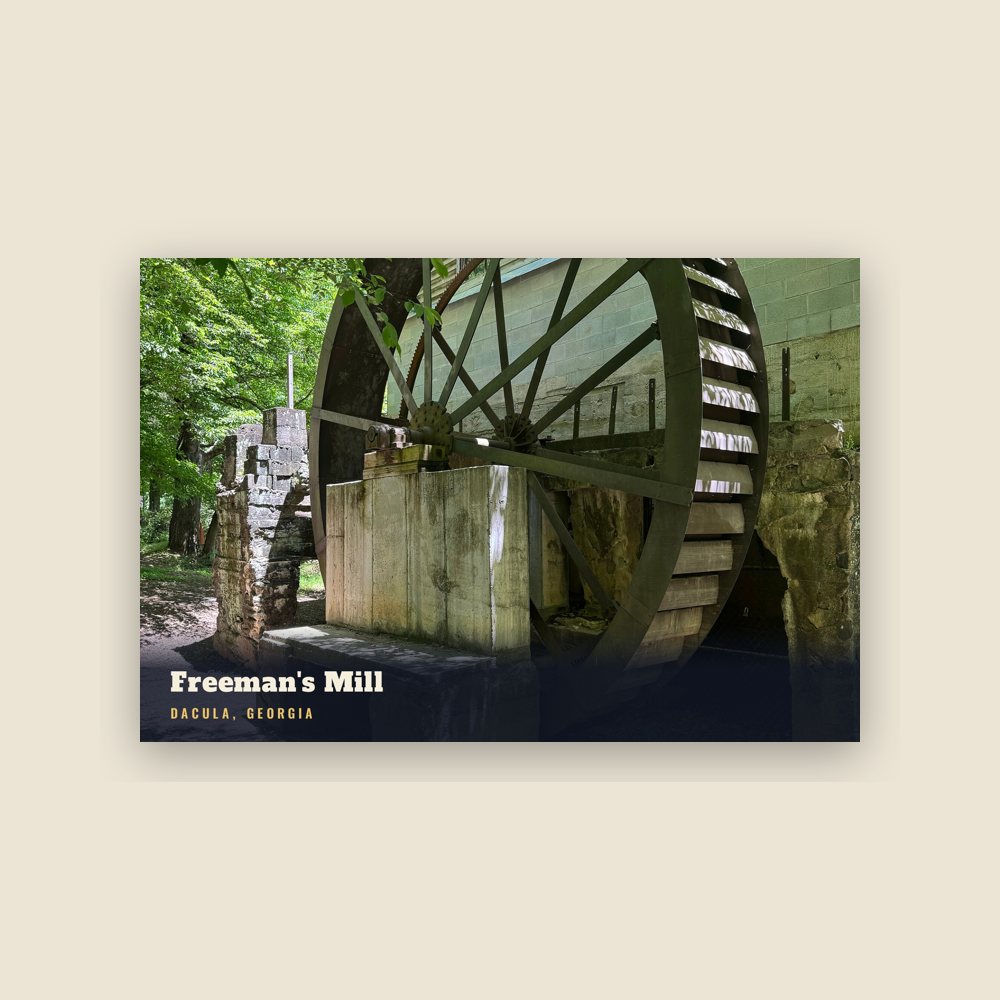
 Freeman's Mill
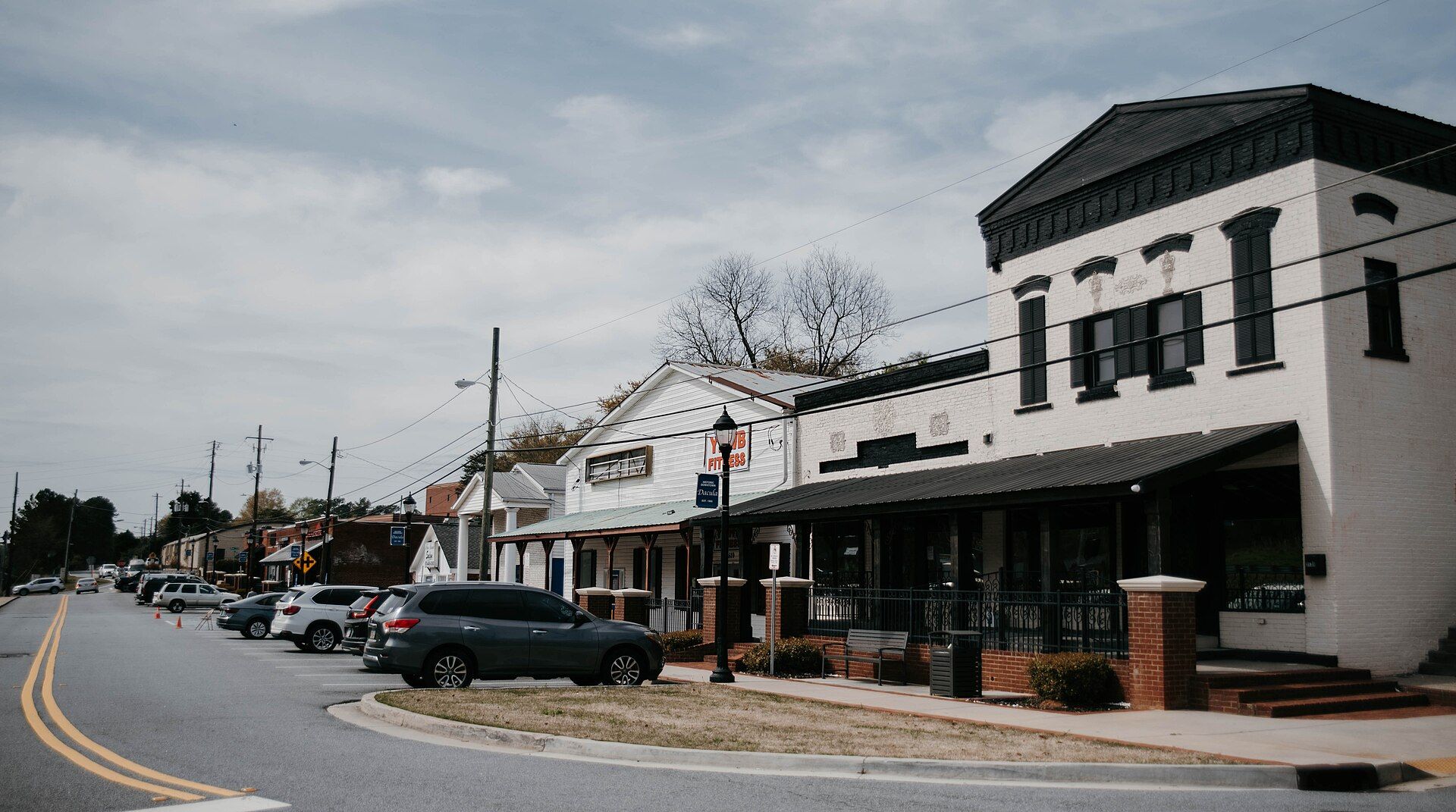
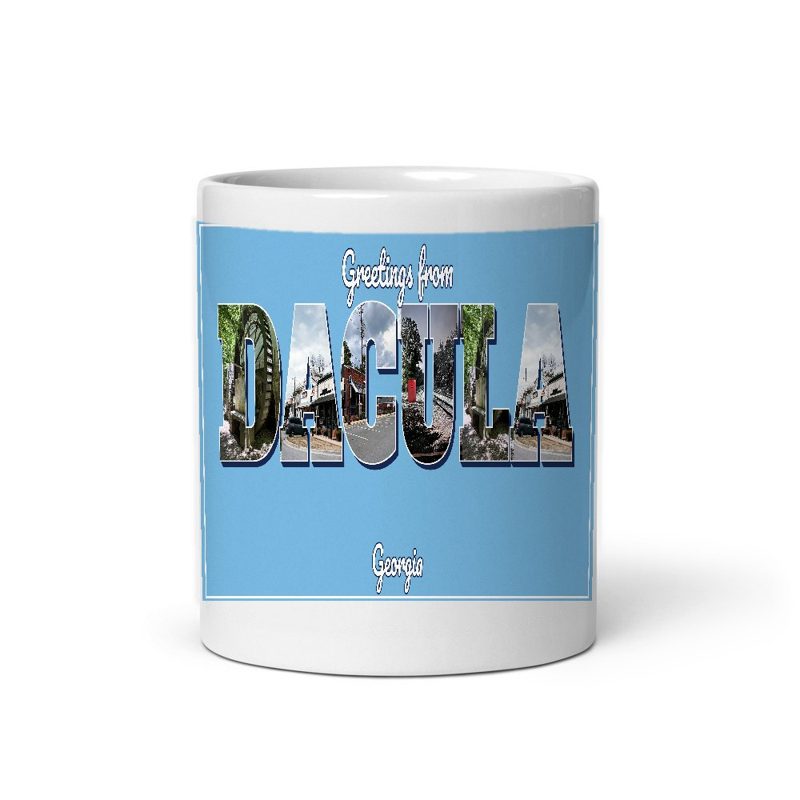
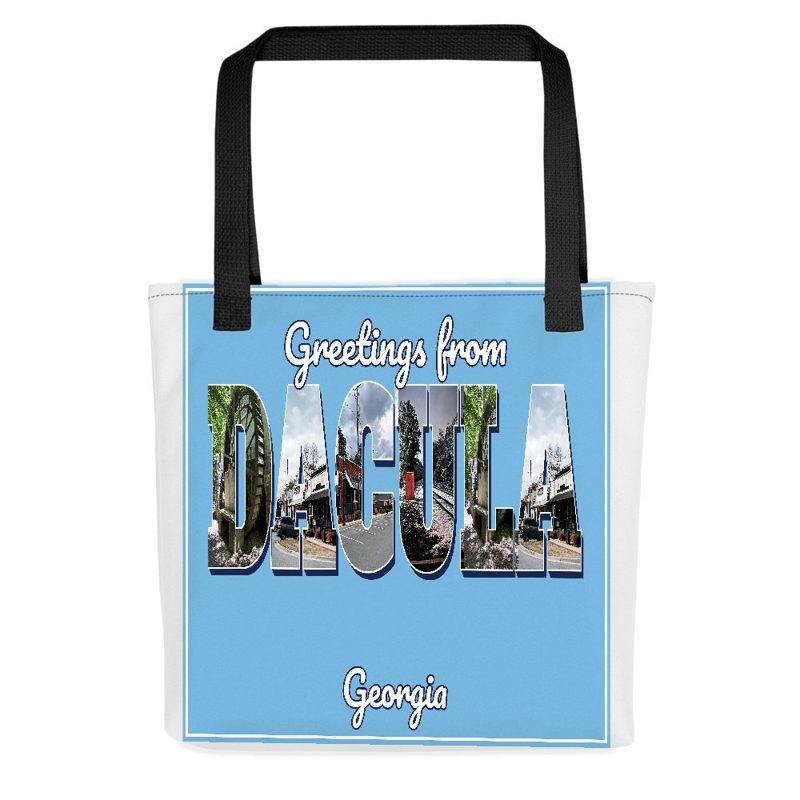
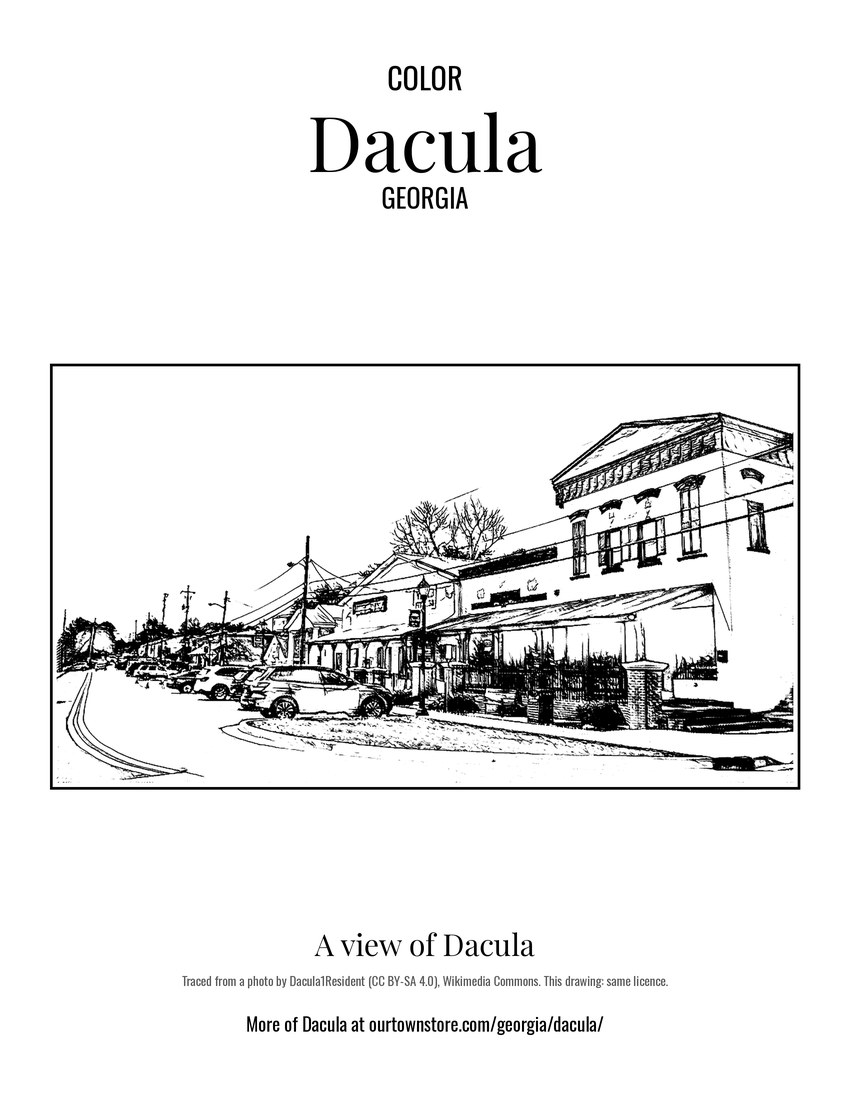 A view of Dacula
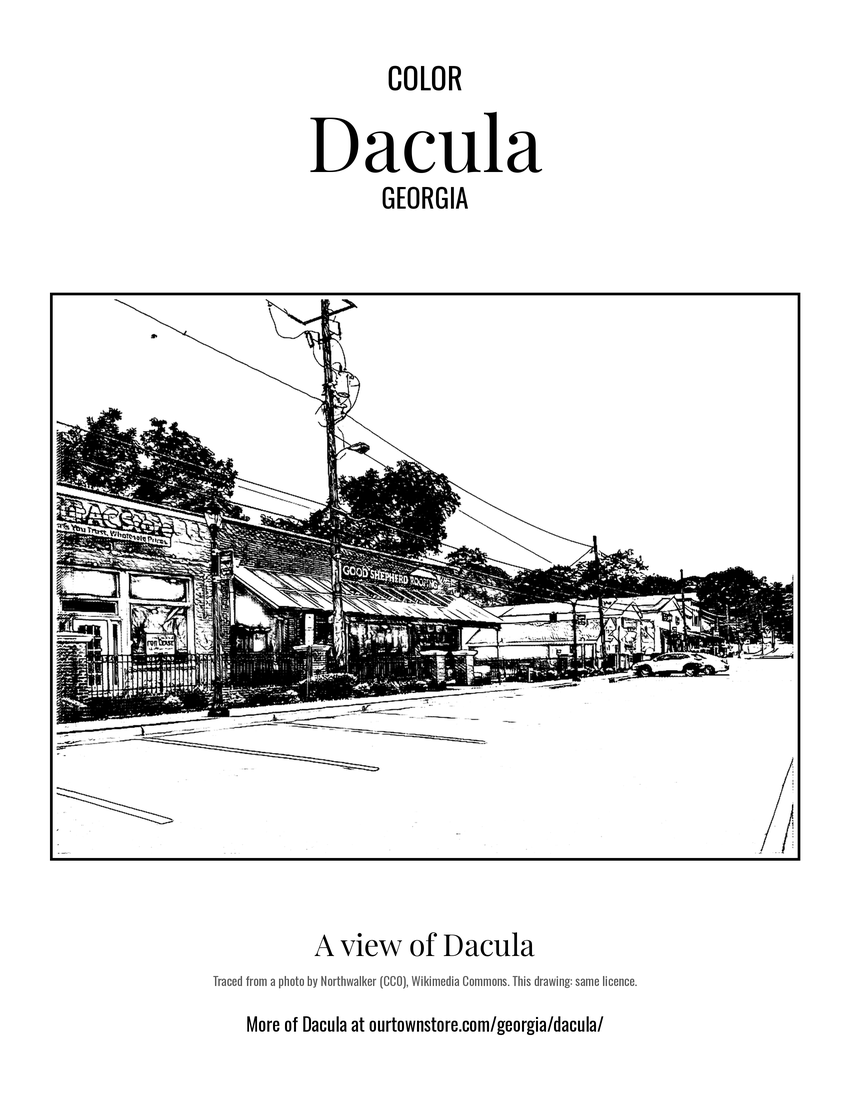 A view of Dacula
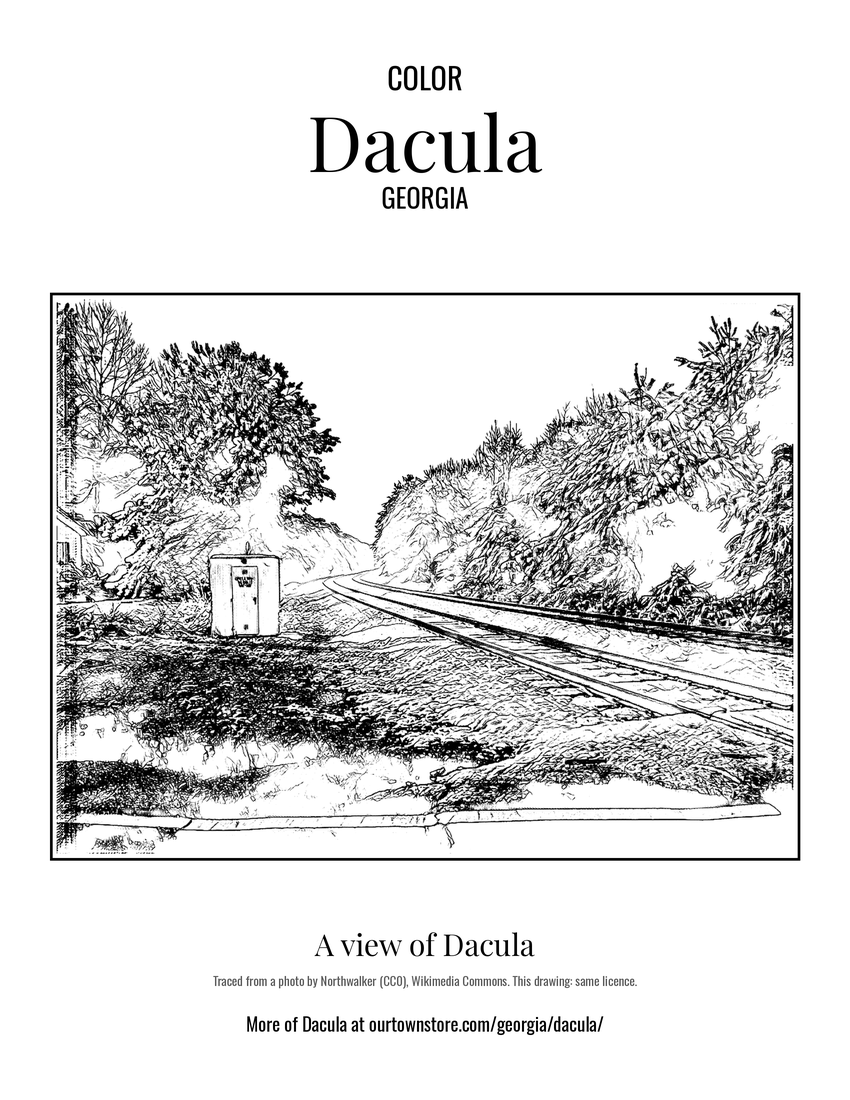 A view of Dacula