The Timucua and the Calusa were the earliest known inhabitants of the Winter Haven area. Both of these groups were deeply affected by war and disease from the Spanish conquest of Florida in the early 1500s. The Timucua were particularly affected by the expedition of Hernando de Soto. By the 19th century, both these groups no longer existed. During these expeditions the Spanish explorers claimed the entire peninsula of Florida for the Spanish monarchy.
In the 19th century the Creek and the Seminole were known to live and hunt in this area. During the Seminole Wars the Seminole leader, Chipco, and his followers were known to live in the Winter Haven area. Several small skirmishes during the war were fought in and around Winter Haven.
Read the full history
19th century
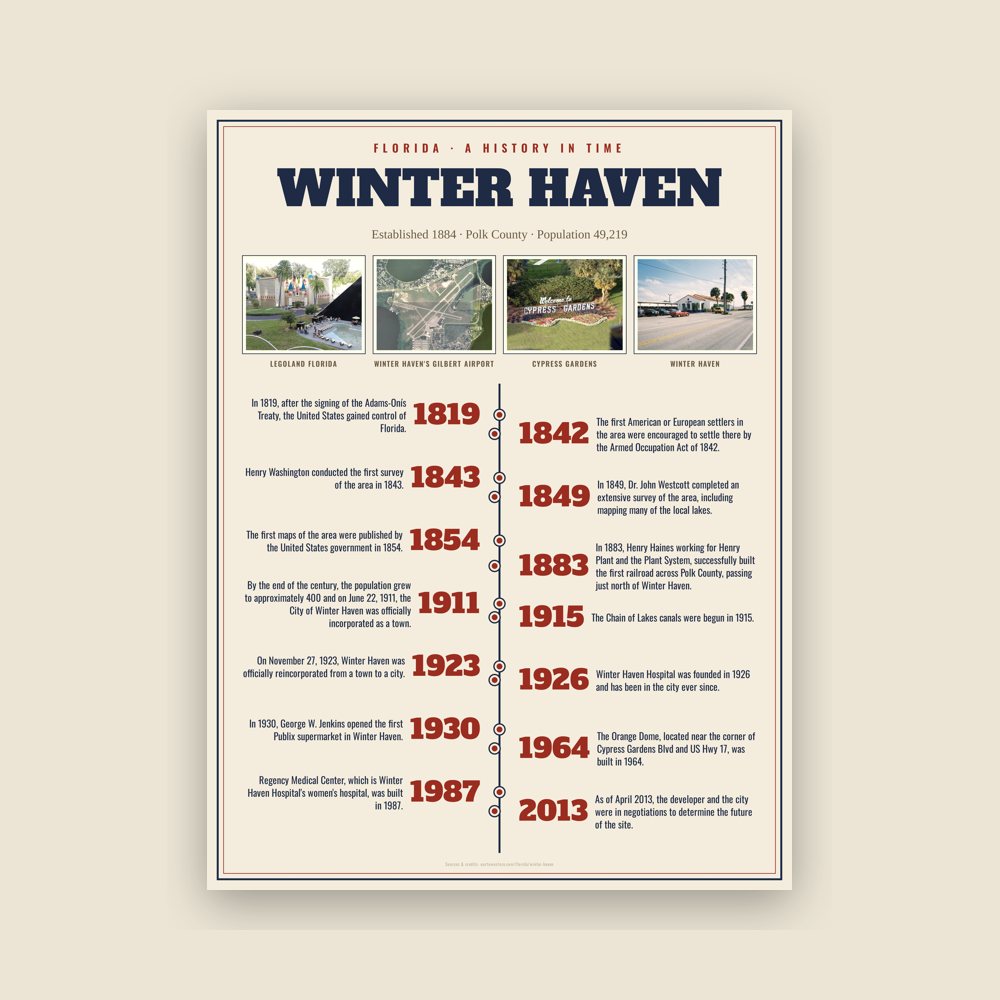
In 1819, after the signing of the Adams-Onís Treaty, the United States gained control of Florida. The first American or European settlers in the area were encouraged to settle there by the Armed Occupation Act of 1842.
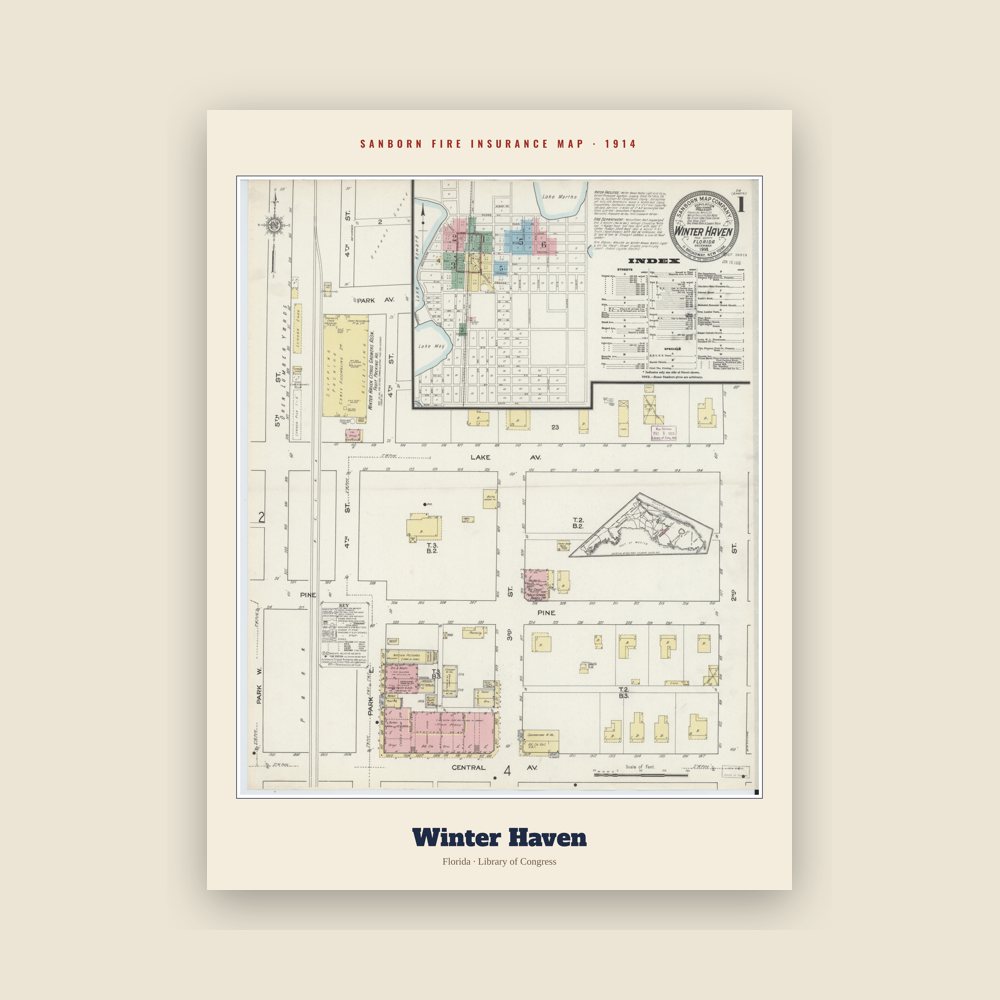
During the 1840s and 1850s, the United States government conducted the first surveys of the area. Henry Washington conducted the first survey of the area in 1843. In 1849, Dr. John Westcott completed an extensive survey of the area, including mapping many of the local lakes. The first maps of the area were published by the United States government in 1854. In 1883, Henry Haines working for Henry Plant and the Plant System, successfully built the first railroad across Polk County, passing just north of Winter Haven. Lake Haines, in Winter Haven, was named after Haines, who served as a colonel in the Confederate States Army.
The arrival of the railroad created the first real growth in area. The area was platted from 1884 to 1885, and would first be known as Harris Corners. This name was in reference to F.A.K. Harris, who opened the first mercantile store in the area around this time. The name Winter Haven was later suggested, in reference to the area's pleasant climate.
Early 20th century
By the end of the century, the population grew to approximately 400 and on June 22, 1911, the City of Winter Haven was officially incorporated as a town. The Chain of Lakes canals were begun in 1915. The first Florida boom took place in the 1920s as towns sprang up all over the peninsula. Florida's potential as a place to live and a place to visit was first realized in the 1920s, but the Great Depression slowed growth until after World War II. On November 27, 1923, Winter Haven was officially reincorporated from a town to a city. Winter Haven Hospital was founded in 1926 and has been in the city ever since.
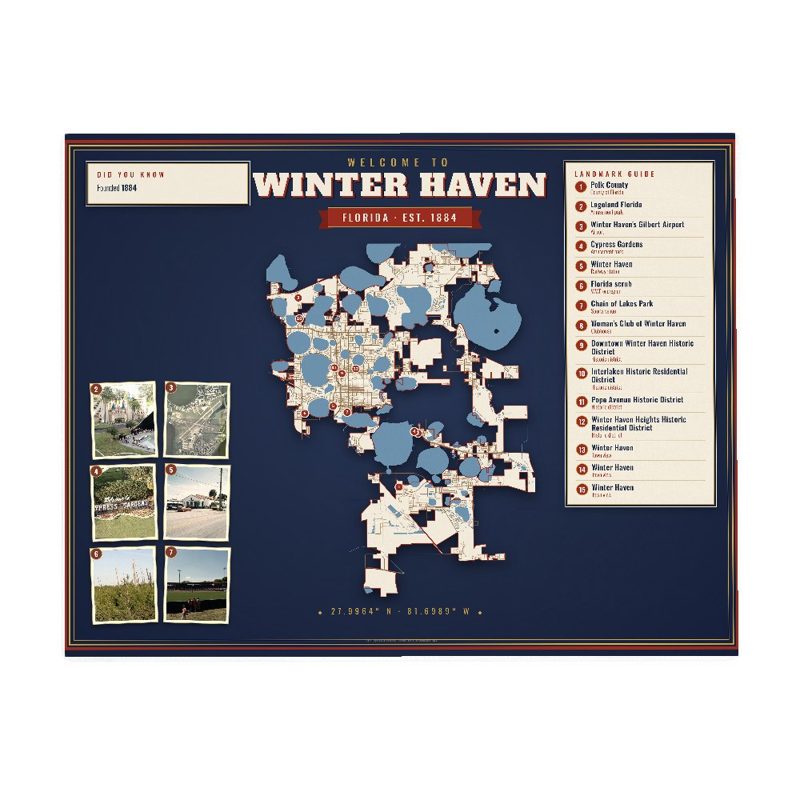
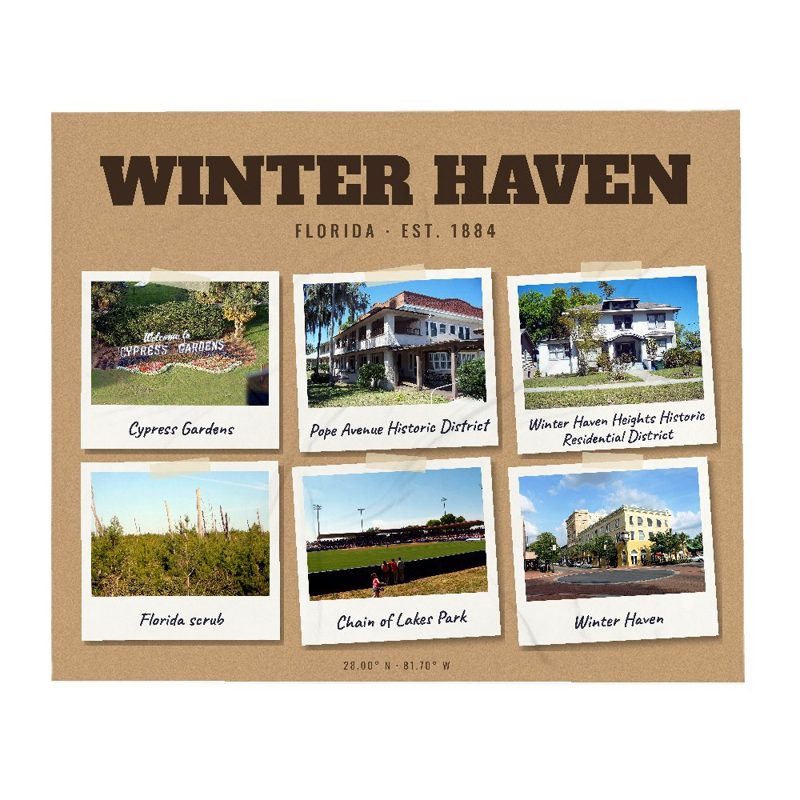
During this period, the population of Winter Haven began to grow substantially. Many beautiful single-family homes were built in Winter Haven at this time in the colonial revival style. Over 50 these homes are on the National Register of Historic Places today. They are noted for their architectural style and grace. Most of these historic homes are located in the Interlaken neighborhood. There are four historic districts in Winter Haven. They are Interlaken, Pope Avenue, Winter Haven Heights, and the downtown area.
Growth and development
In 1930, George W. Jenkins opened the first Publix supermarket in Winter Haven. His second store and the first stand-alone Publix store, was a 27 ft by 65 ft building at 199 West Central Avenue, opened in 1935, which exists today as the Regenerations thrift store. During the 1930s and 1940s, citrus magnate John A. Snively operated one of the largest fruit-packing plants in the world in Winter Haven.
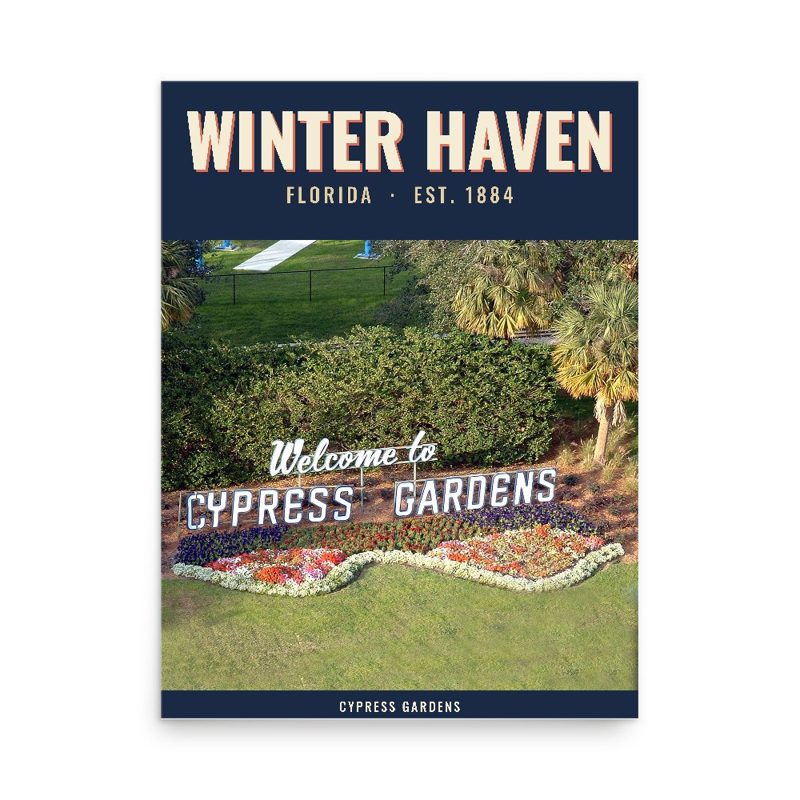
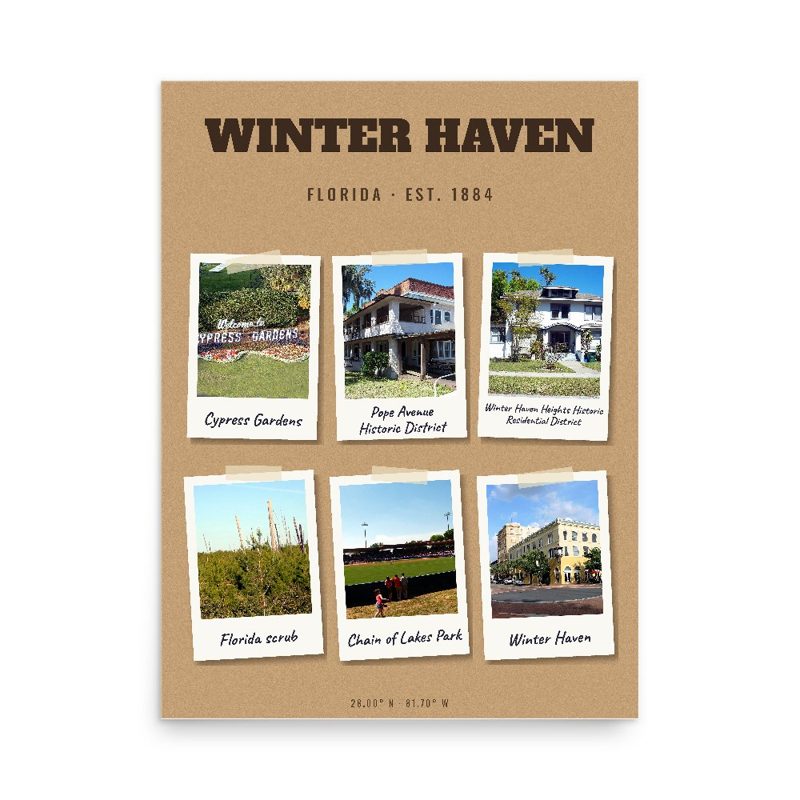
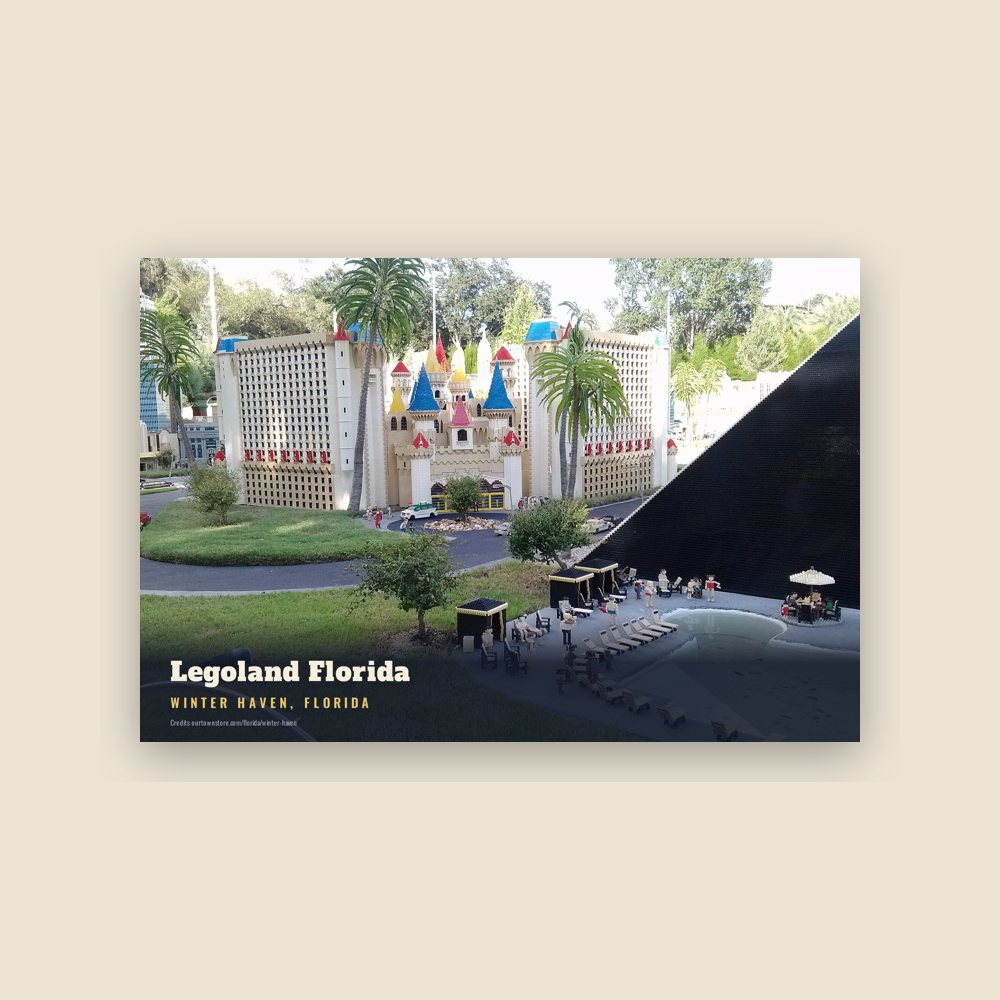
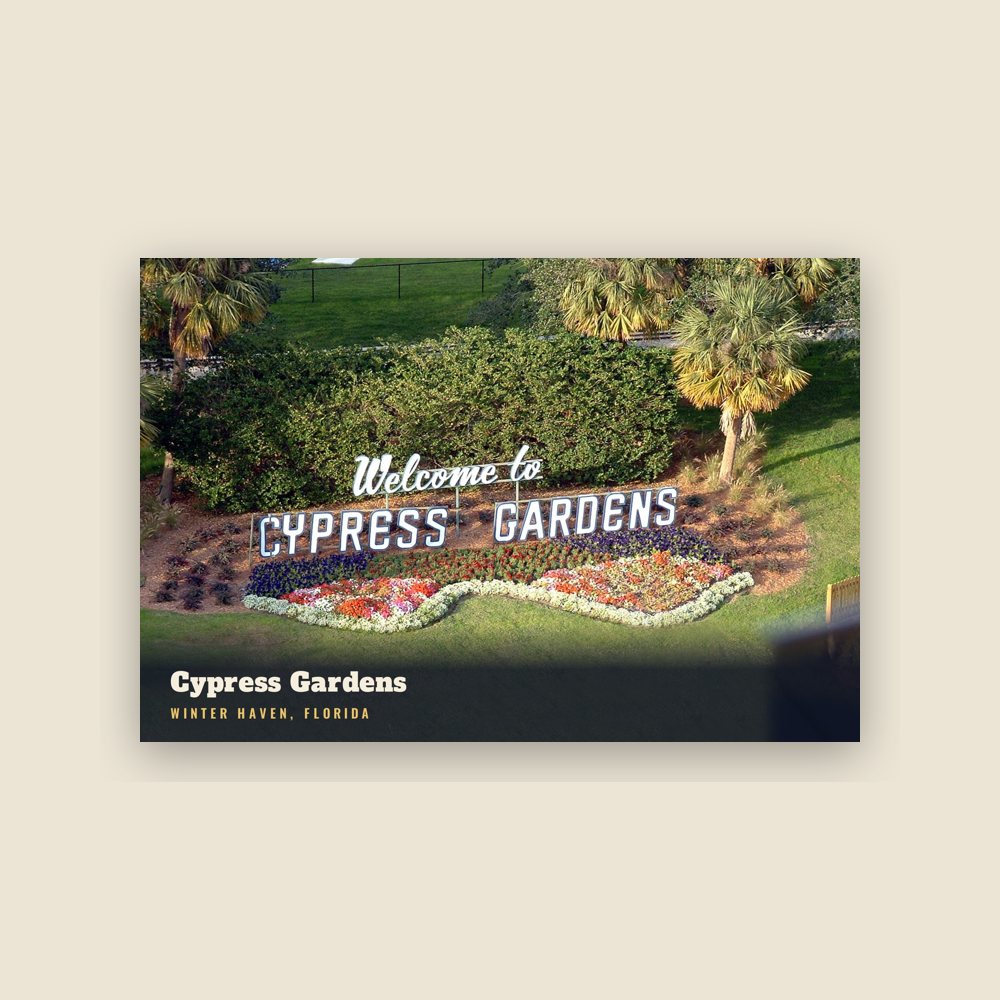
Another defining event in Winter Haven was the opening of Cypress Gardens in 1936 by Dick Pope, Sr. and his wife, Julie Pope. They first got the idea for the park from a Good Housekeeping magazine that they were reading. By the 1950s, Cypress Gardens was nationally famous. It featured a beautiful botanical garden, water skiing shows, and a staff of southern belles. Many famous celebrities of that time visited the park, including Elvis Presley, Frank Sinatra, Betty Grable, and King Hussein of Jordan. In the 1980s, the Anheuser-Busch corporation purchased the park. They continued to operate the park until 1995. After that, the park struggled, finally closing for good in 2009. On January 21, 2010, the site of Cypress Gardens was formally announced as the selected location for the Legoland Florida theme park, which opened on October 15, 2011. Legoland Florida has successfully retained some of the tradition and history of the original site, including part of the original botanical garden and a water ski show.
Winter Haven features many buildings designed by the architect Gene Leedy, one of the founders of the Sarasota School of Architecture. Regency Medical Center, which is Winter Haven Hospital's women's hospital, was built in 1987. Some of Leedy's structures are part of the Downtown Winter Haven Historic District.
The Orange Dome, located near the corner of Cypress Gardens Blvd and US Hwy 17, was built in 1964. For 48 years, it hosted the annual Citrus Festival and other civic affairs. In February 2012, the Orange Dome was demolished to make way for The Landings, a proposed $150 million mixed-use development that was intended to include high-end retail stores, restaurants, hotels, apartments and a new movie theater to be built at the Chain of Lakes Complex. However, after the construction of three fast-food restaurants, the project collapsed. As of April 2013, the developer and the city were in negotiations to determine the future of the site.
Pughsville
Pughsville was a neighborhood of Winter Haven where African-Americans built a community after the Civil War. A historical marker on Highway 17 at Avenue O commemorates the community. According to the marker, Pughsville was one of Winter Haven's earliest neighborhoods and was settled by African-Americans who cleared the land in the southwest section of the city.
Pughsville was named for an early black pioneer, Reverend Charles Pugh, who was a founder of Zion Hill Missionary Baptist Church. Pughsville was also home to Bethel A.M.E., St. Paul Holiness, and Church of Christ. The community was most active from the 1900s until the 1950s and had a school, social halls, small grocery stores, and restaurants where some residents worked. Others worked in the citrus industry or in state or federal jobs. Pughsville produced Winter Haven's first African-American commissioner and mayor Lemuel Geathers, medical doctor, fire fighter and postal worker. The community declined in the late 1970s as larger commercial establishments began arriving in the area.
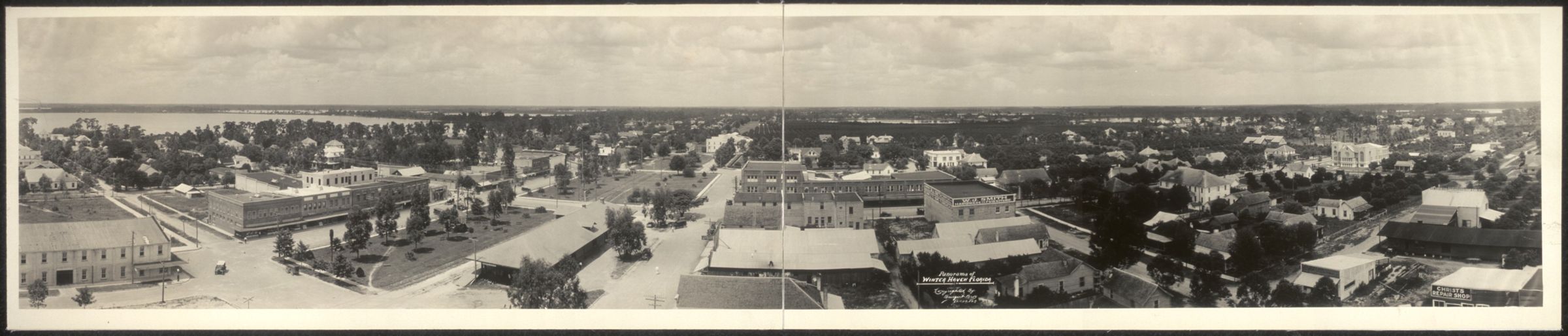

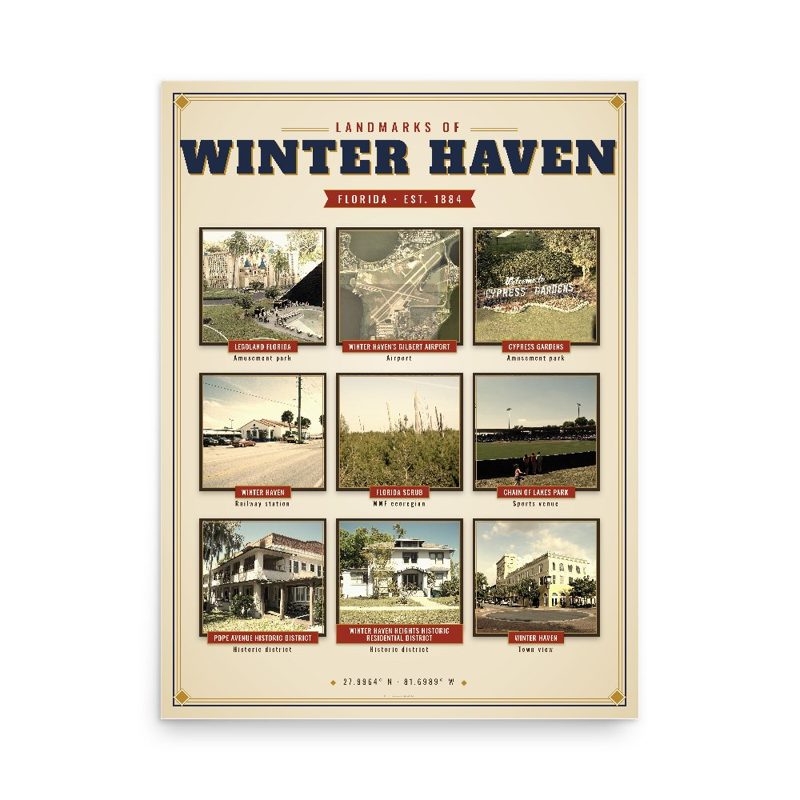

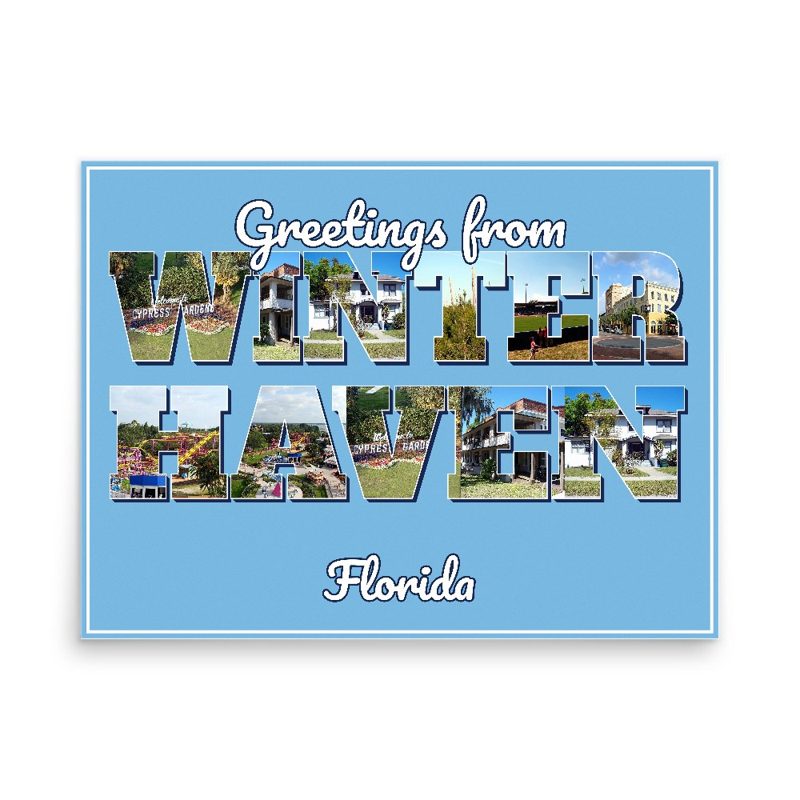



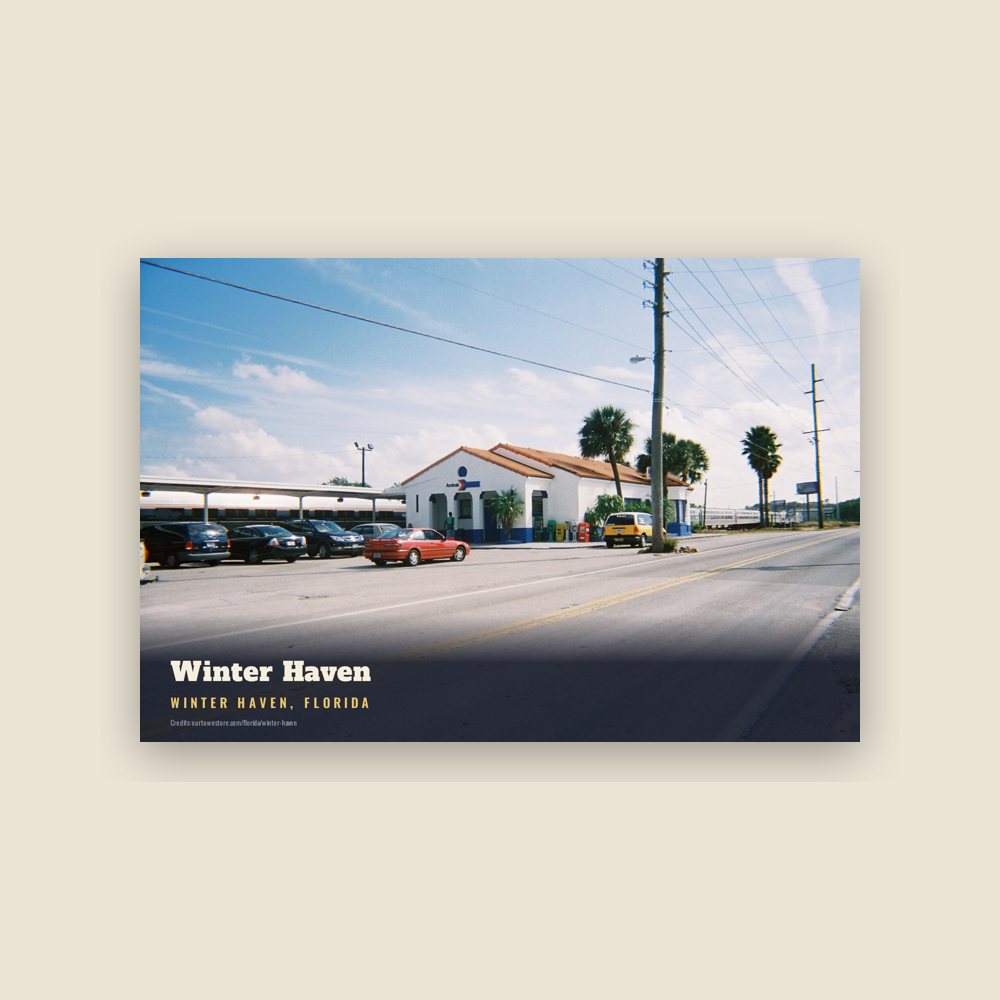

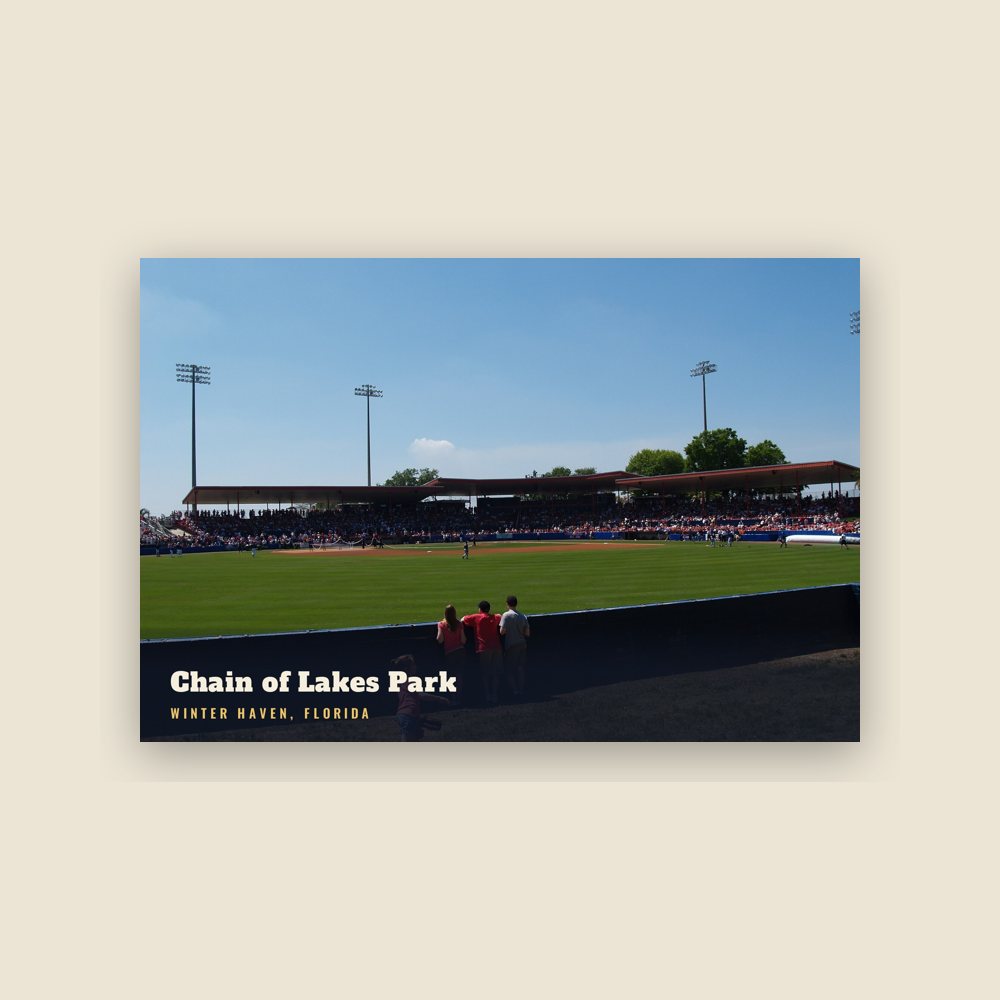

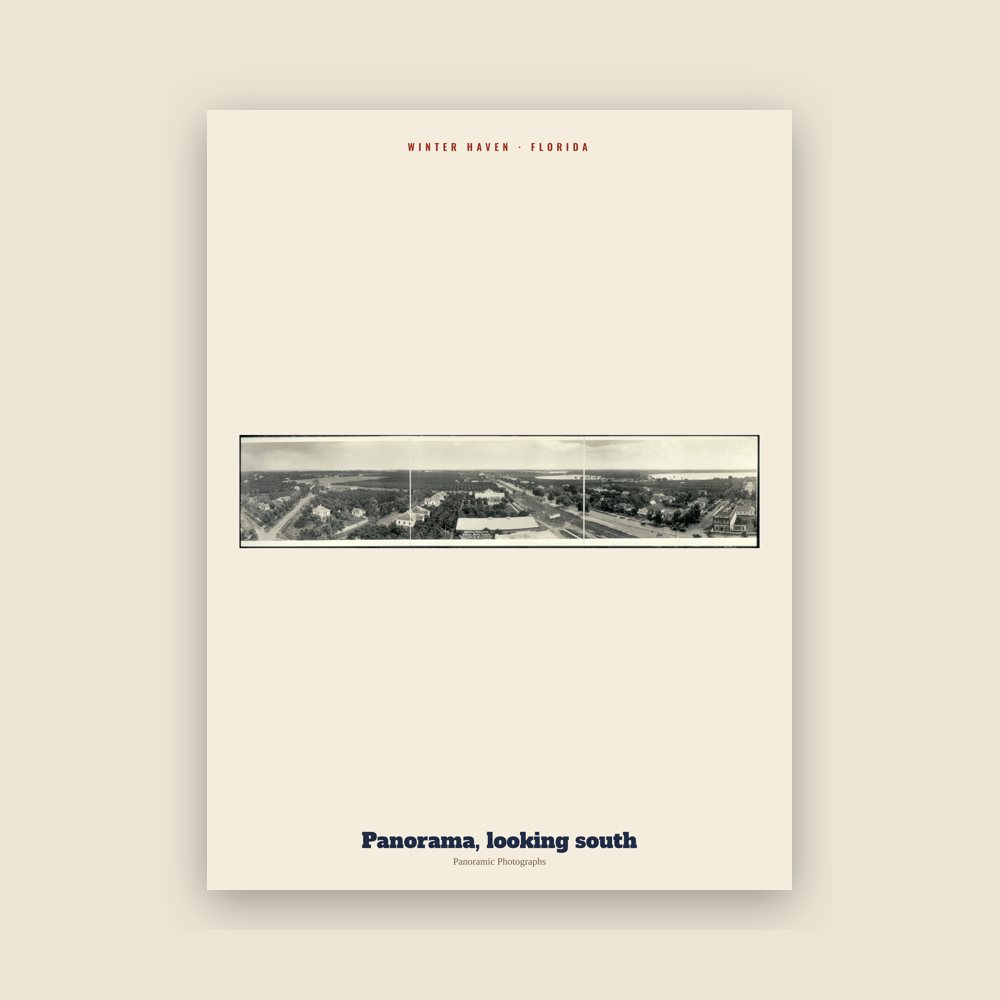
 A view of Winter Haven
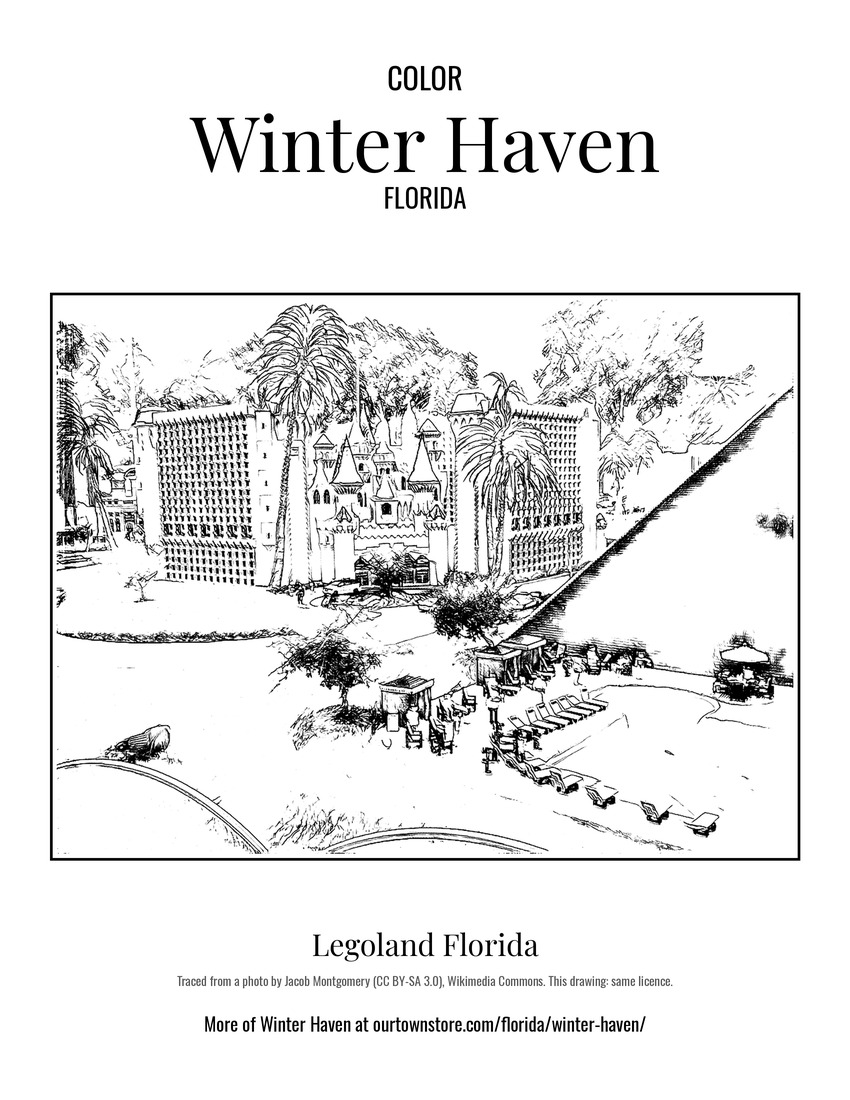 Legoland Florida
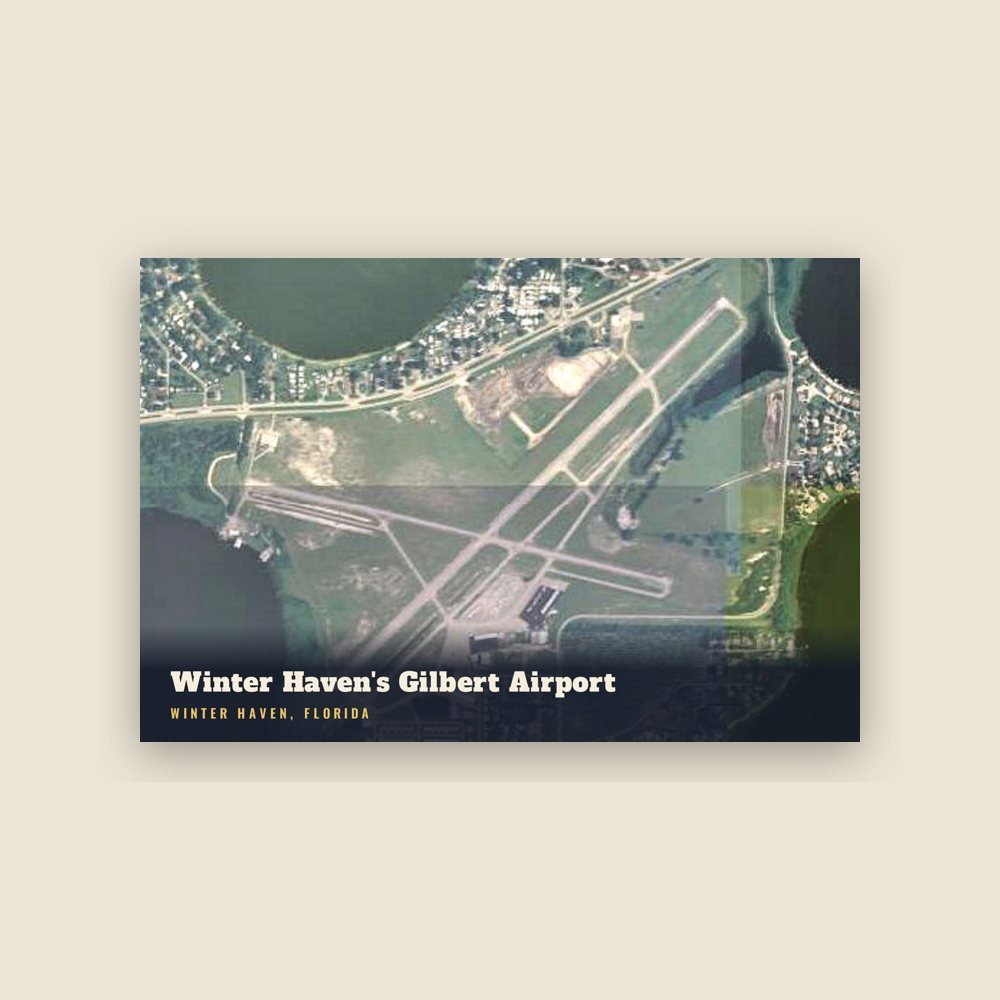
 Winter Haven's Gilbert Airport
 Cypress Gardens