A short history of Bartow
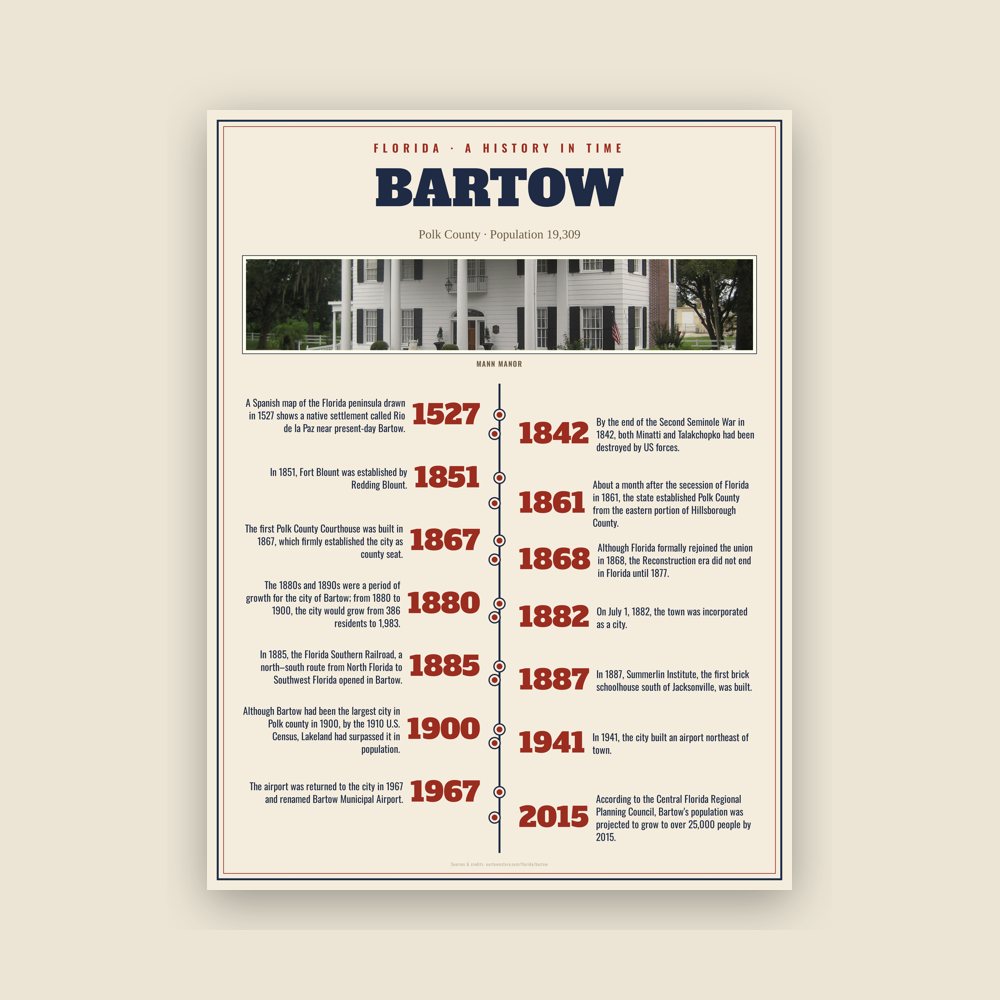
A Spanish map of the Florida peninsula drawn in 1527 shows a native settlement called Rio de la Paz near present-day Bartow. Little is known about these Native Americans who made their home near present-day Bartow. It is likely that their population suffered high mortality from European diseases, such as smallpox and measles. The remnants of these pre-Columbian peoples probably joined the Creek Indians who migrated from the north to become the Seminole Indian tribe.
The first non-Indian settlement in the area was a colony of Black Seminole, free blacks and escaped slaves who established Minatti south of Lake Hancock in the late 1810s. These "maroons", as they were commonly called, were slaves who escaped from Georgia and the Carolinas. The Black Seminole of Minatti were allies of the Red Stick Creek in Talakchopko, a village that preceded present-day Fort Meade. The Seminole leader Osceola had strong ties to Talakchopko. Many of the events leading up to the Second Seminole War were associated with Osceola and the Minatti war chief Harry. By the end of the Second Seminole War in 1842, both Minatti and Talakchopko had been destroyed by US forces.
The Armed Occupation Act of 1842 facilitated European-American settlement of the Florida peninsula in the 1840s, although the act prohibited settlement near the Peace River, as this was considered Seminole land. Enforcement of that part of the act was not strictly enforced; however, and settlers eventually moved into the area. As the settlement grew, the residents began to plant citrus trees and build one-room school houses and churches. In 1851, Fort Blount was established by Redding Blount. Bartow developed east of this site. At some point in the 1850s, Fort Blount was renamed Peace Creek or Peas Creek, which was a translation of the Spanish Rio de la Paz of early maps.
About a month after the secession of Florida in 1861, the state established Polk County from the eastern portion of Hillsborough County. A few months later, the American Civil War began with the Battle of Fort Sumter. Because of the turmoil of secession and the war, the county had no official county seat for its first six years. The state legislature had directed the voters of Polk County to choose a site for the county seat and mandated that the site be named "Reidsville". During the war, the area's major contribution to the Confederacy was supplying food, particularly cattle and beef. The Union army and navy had effective control of the west coast of Florida, and many cattlemen retreated inland and formed the "Cow Cavalry" as a defense against Union troops. One of the wealthiest members of the Cow Cavalry was Jacob Summerlin. After Summerlin purchased the Blount property in 1862, he donated a large parcel of land to build a county courthouse, two churches and a school. Later that year, the town which had been known as Fort Blount, Peace Creek, Peas Creek, and briefly Reidsville, was permanently renamed Bartow in honor of Francis S. Bartow, the first Confederate brigade commander to die during the war.
Bartow recovered slowly from the war. The first Polk County Courthouse was built in 1867, which firmly established the city as county seat. Although Florida formally rejoined the union in 1868, the Reconstruction era did not end in Florida until 1877.
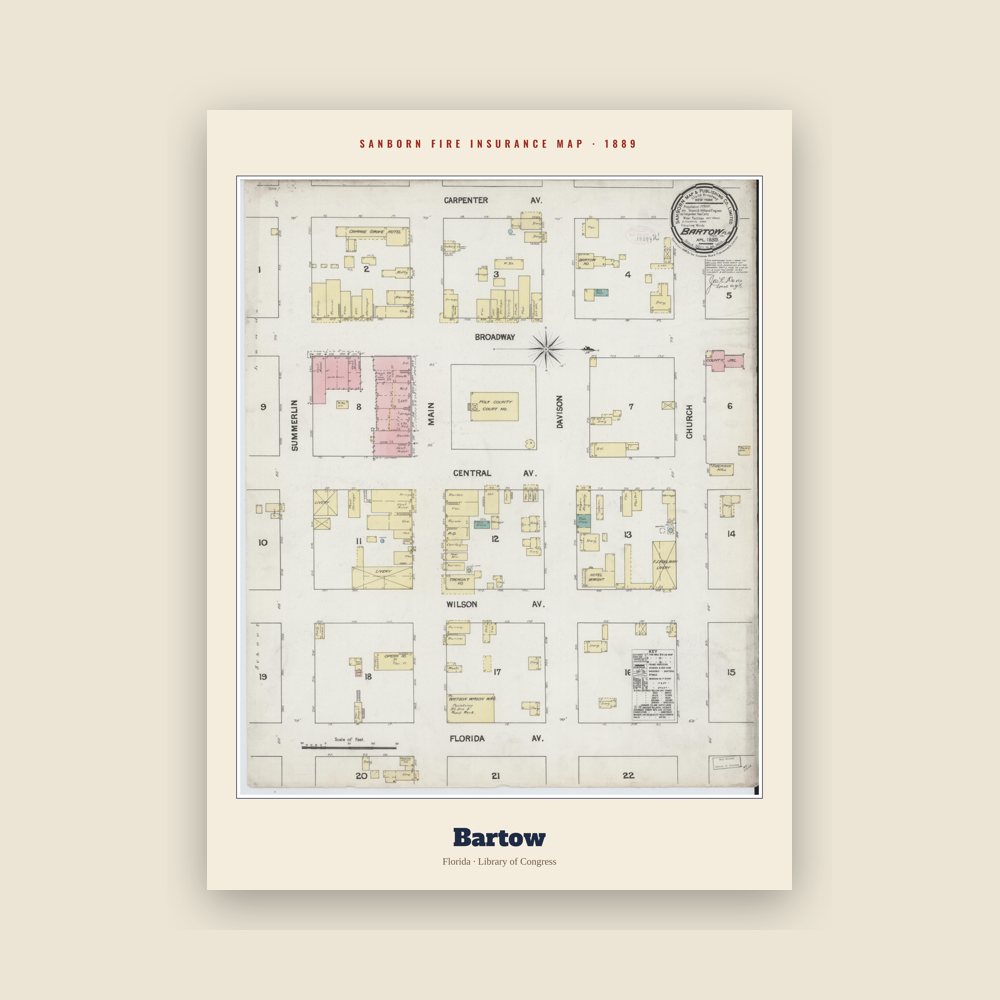
The 1880s and 1890s were a period of growth for the city of Bartow; from 1880 to 1900, the city would grow from 386 residents to 1,983. On July 1, 1882, the town was incorporated as a city. In 1885, the Florida Southern Railroad, a north–south route from North Florida to Southwest Florida opened in Bartow. A year later, the Bartow Branch of the South Florida Railroad, connecting Tampa and Orlando, was completed. The railroads were catalysts for growth of the area; during the Spanish–American War, the Bartow rail yards became a crucial part of the supply line directed at US troops in Cuba. In 1887, Summerlin Institute, the first brick schoolhouse south of Jacksonville, was built.
By the turn of the century, Bartow had become the most populous city south of Tampa on the Florida peninsula – larger than Miami or West Palm Beach.
As the city grew, a number of industries moved into the Bartow area. In the first few decades of the 1900s, thousands of acres of land around the city were purchased by the phosphate industry. Bartow would become the hub of the largest phosphate industry in the United States.
Polk County was the leading citrus county in the United States for much of the 20th century and the city has several large groves. In 1941, the city built an airport northeast of town. The airport was taken over by the federal government during World War II and was the training location for many Army Air Corps pilots during the war. The airport was returned to the city in 1967 and renamed Bartow Municipal Airport.
For most of the 20th century, Bartow's growth was modest, especially in comparison to the rest of the county and state. While other cities in Polk County aggressively annexed adjacent land and allowed rapid growth, the government of Bartow generally took a more cautious approach. Bartow's growth was also limited because most of the land surrounding the city was owned by phosphate mining companies, making residential growth impractical. Although Bartow had been the largest city in Polk county in 1900, by the 1910 U.S. Census, Lakeland had surpassed it in population. Bartow remained the second largest city in the county until sometime in the 1950s, when Winter Haven superseded it.
In the late 1990s phosphate operations in the area moved southward, and much of the former phosphate land became available for sale. In 1999, Connecticut financier Stanford Phelps purchased the former Clear Springs phosphate lands east and south of city limits; he announced plans for an 18,000-acre development, the largest project in Polk County history. After nearly a decade of delays, the plan received final approval in 2009. The Clear Springs Development includes plans for more than 11,000 new homes, 1,000,000 square feet (93,000 m2) of commercial space, three schools, and a golf course. According to the Central Florida Regional Planning Council, Bartow's population was projected to grow to over 25,000 people by 2015. When buildout of the Clear Springs Development is completed by 2030, the population of the city is projected to be over 45,000 residents.
Adapted (trimmed) from the Wikipedia article Bartow, Florida, revision 1380654274 by its contributors, licensed CC BY-SA 4.0.
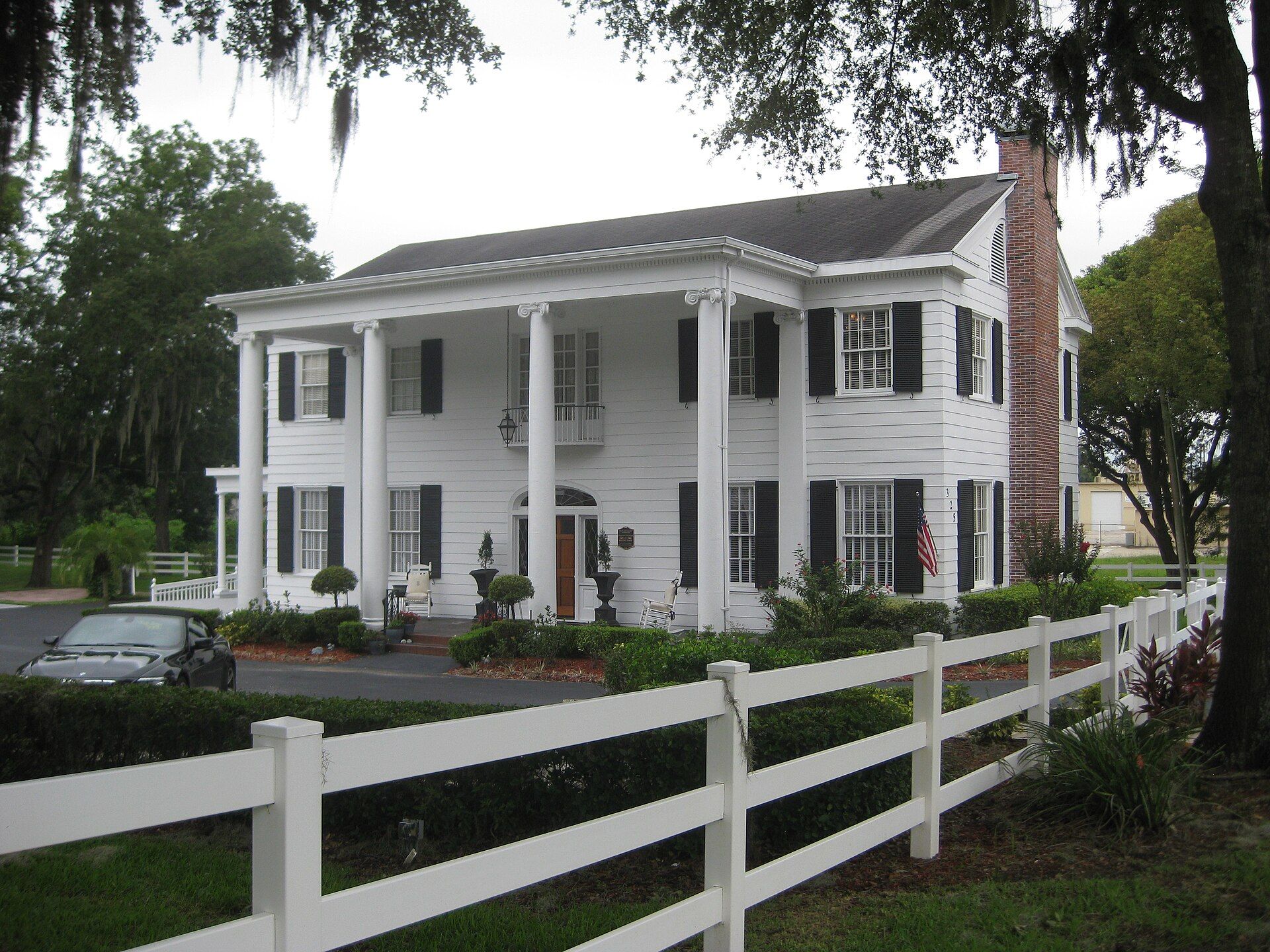
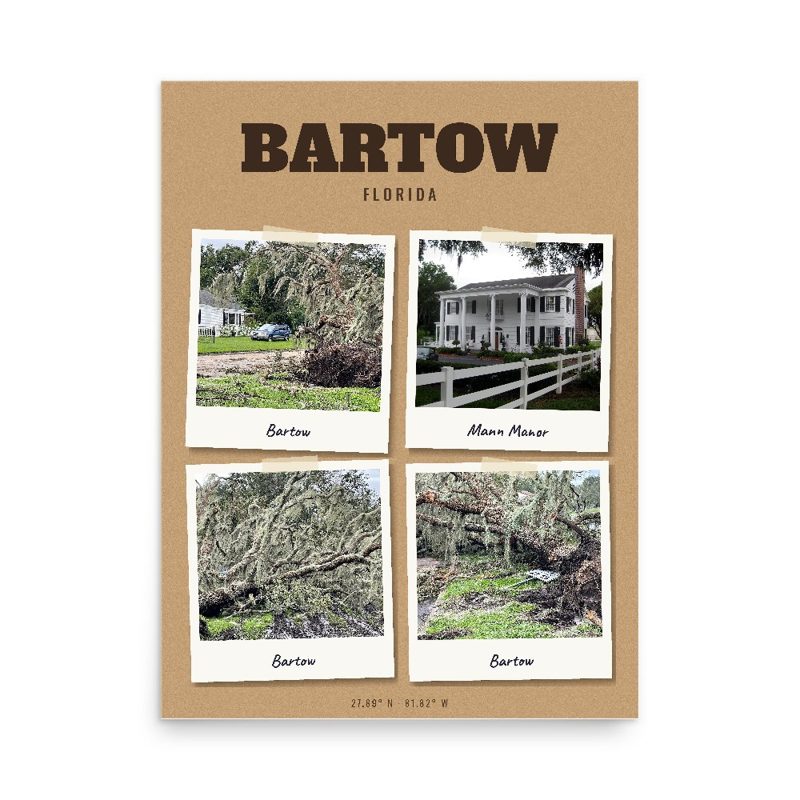
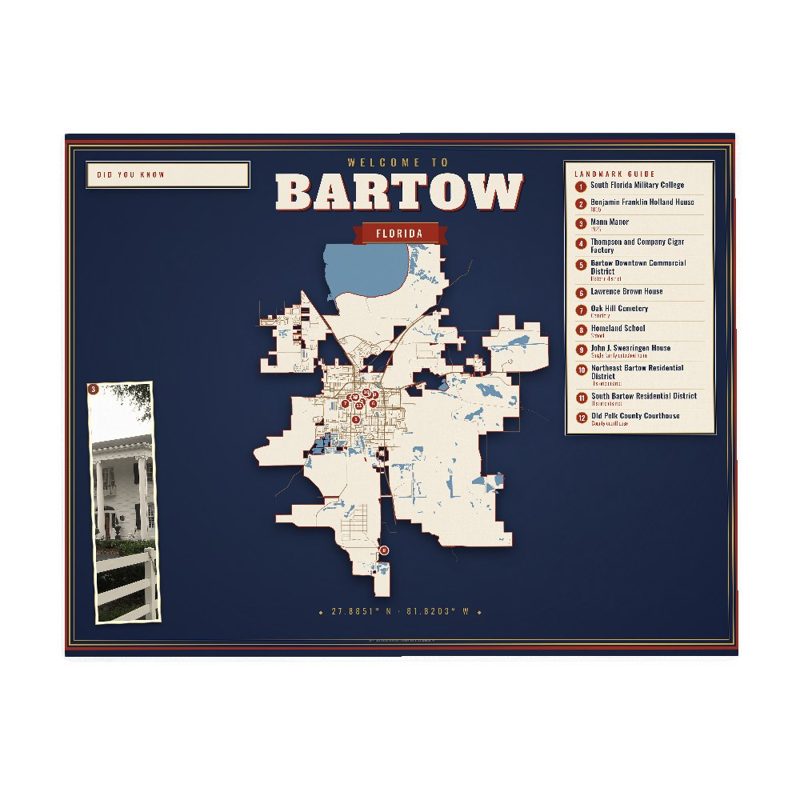

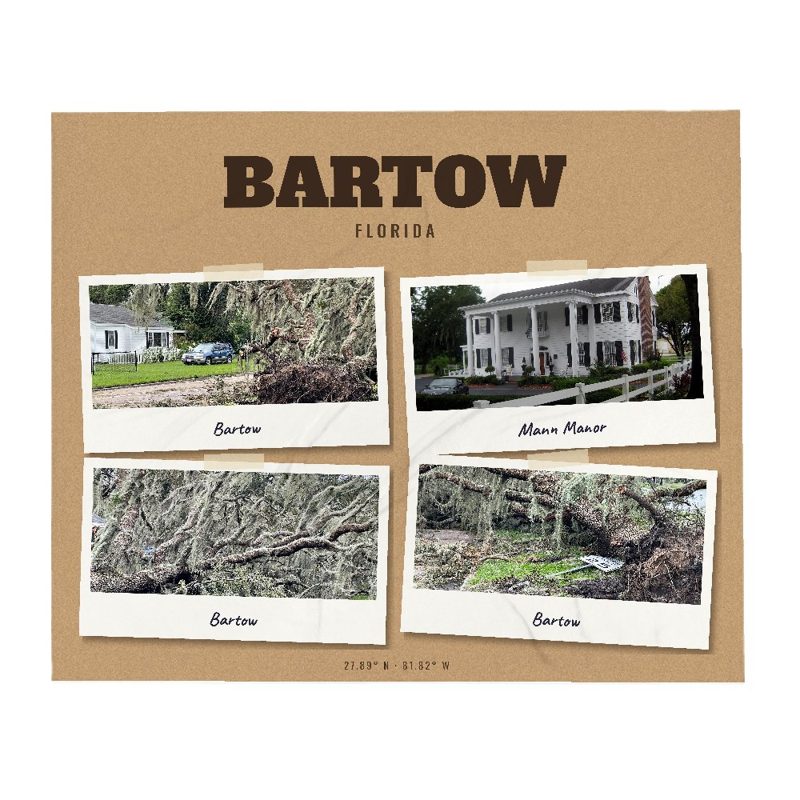
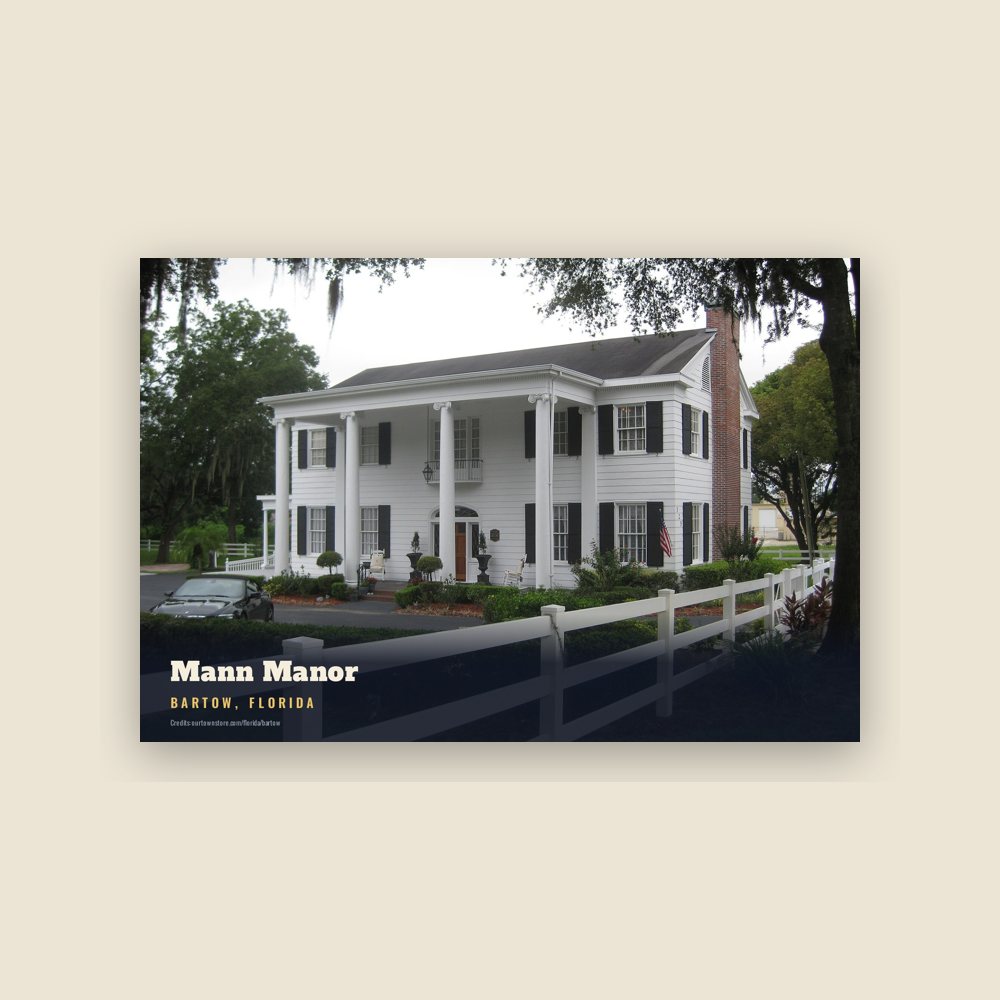
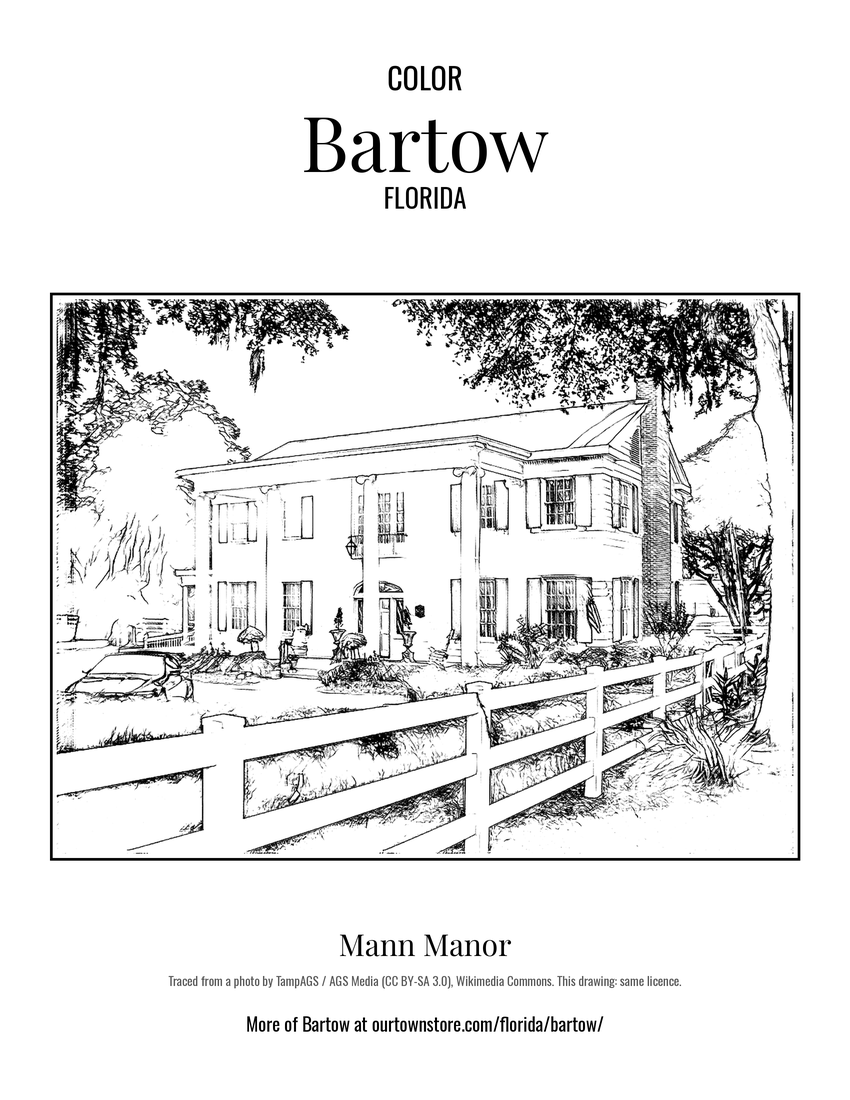 Mann Manor
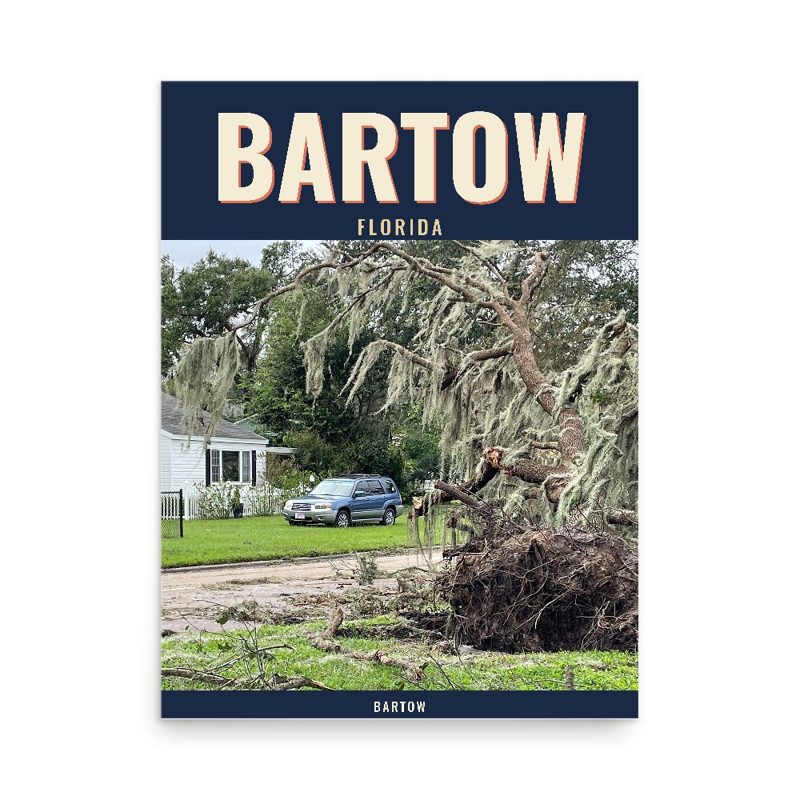
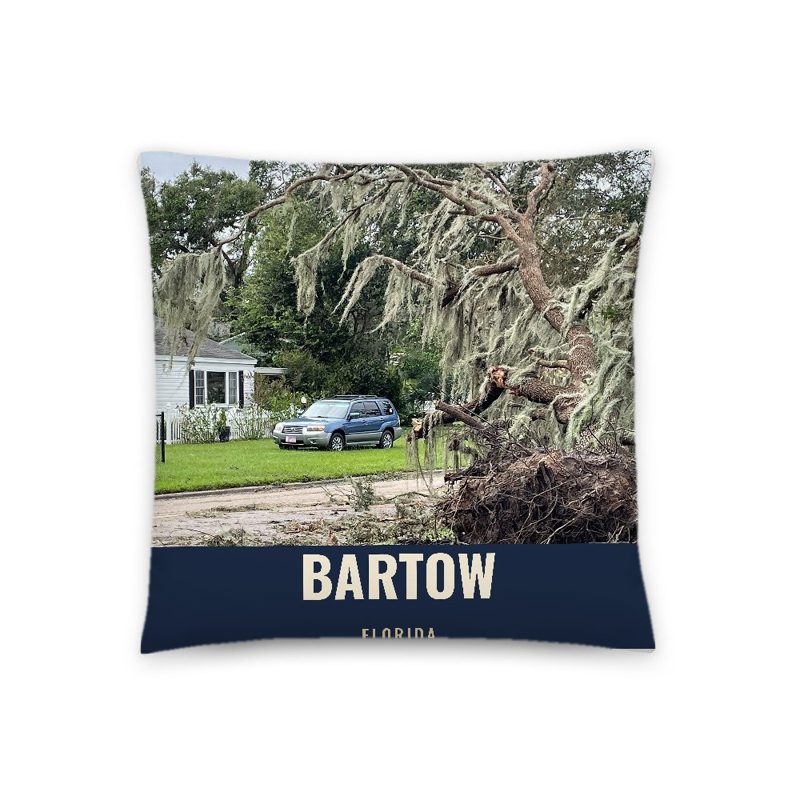
 A view of Bartow
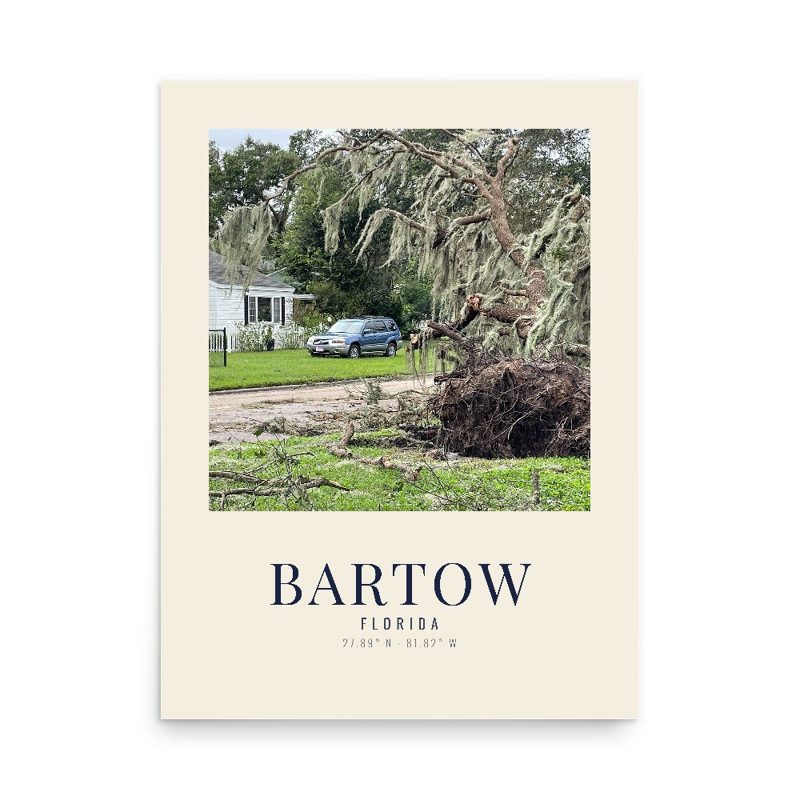
 A view of Bartow
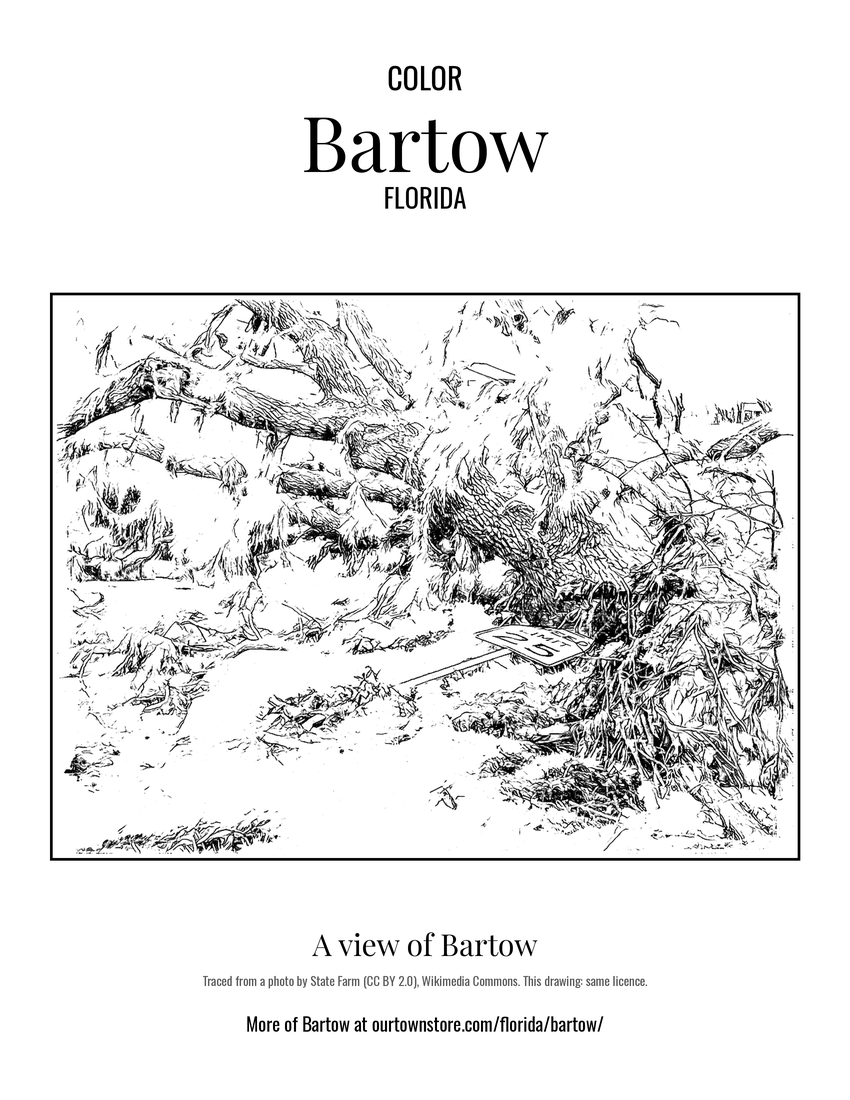 A view of Bartow