A short history of Titusville
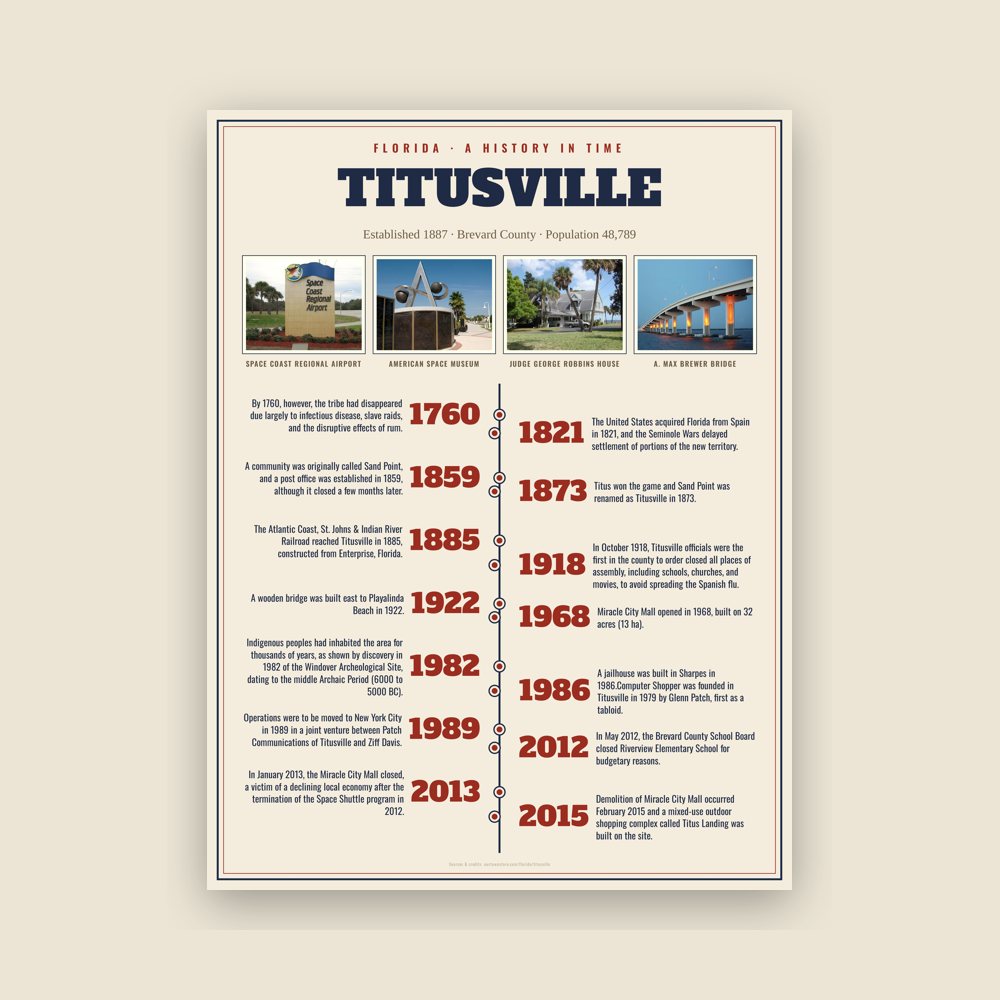
Indigenous peoples had inhabited the area for thousands of years, as shown by discovery in 1982 of the Windover Archeological Site, dating to the middle Archaic Period (6000 to 5000 BC). It has been designated as a National Historic Landmark because of the significance of its remains.
At the time of European encounter, the area was inhabited by the Ais Indians, who gathered palmetto, cocoplum, and seagrape berries. They fished the Indian River, called the Rio de Ais by Spanish explorers. By 1760, however, the tribe had disappeared due largely to infectious disease, slave raids, and the disruptive effects of rum.
The United States acquired Florida from Spain in 1821, and the Seminole Wars delayed settlement of portions of the new territory. A community was originally called Sand Point, and a post office was established in 1859, although it closed a few months later. Henry T. Titus arrived in 1867, intending to build a town on land owned by his wife, Mary Hopkins Titus, daughter of a prominent planter from Darien, Georgia. He laid out roads and in 1870 erected the Titus House, a large, one-story hotel next to a saloon. He also donated land for four churches and a courthouse, the latter an effort to get the town designated as county seat.
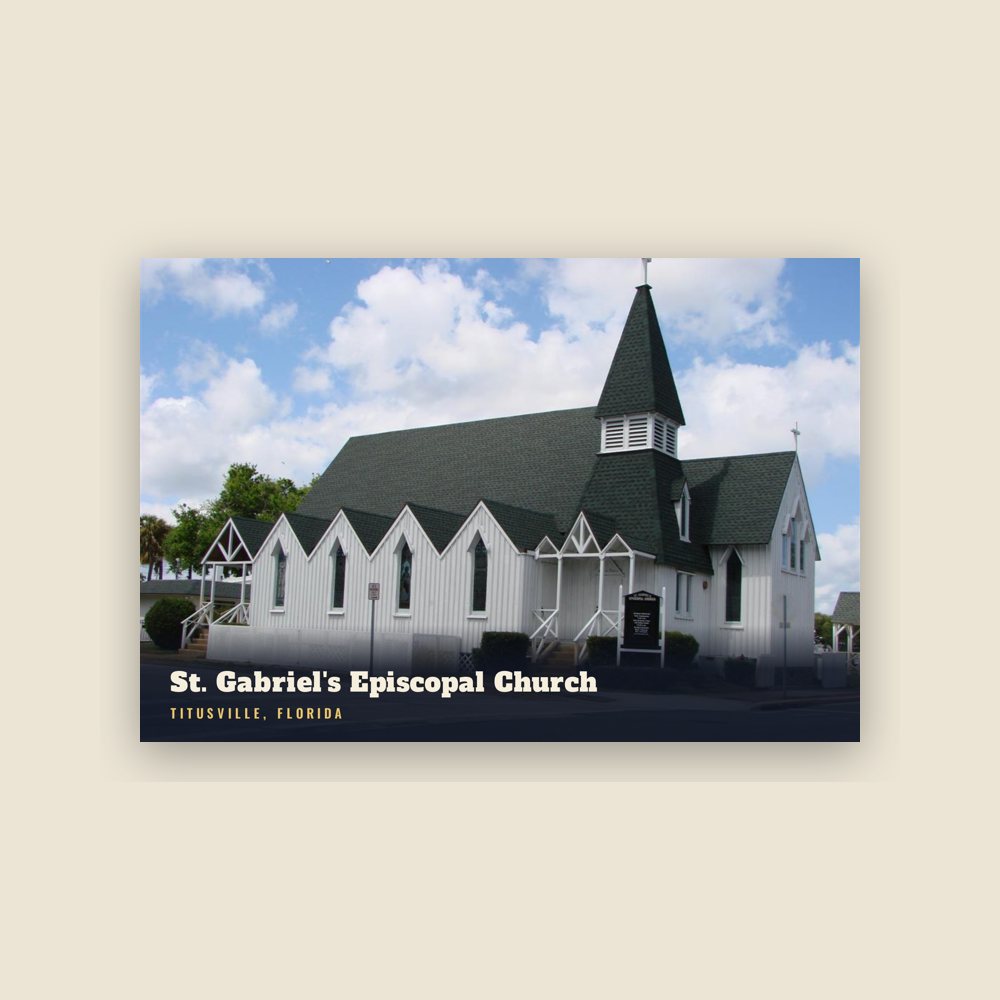
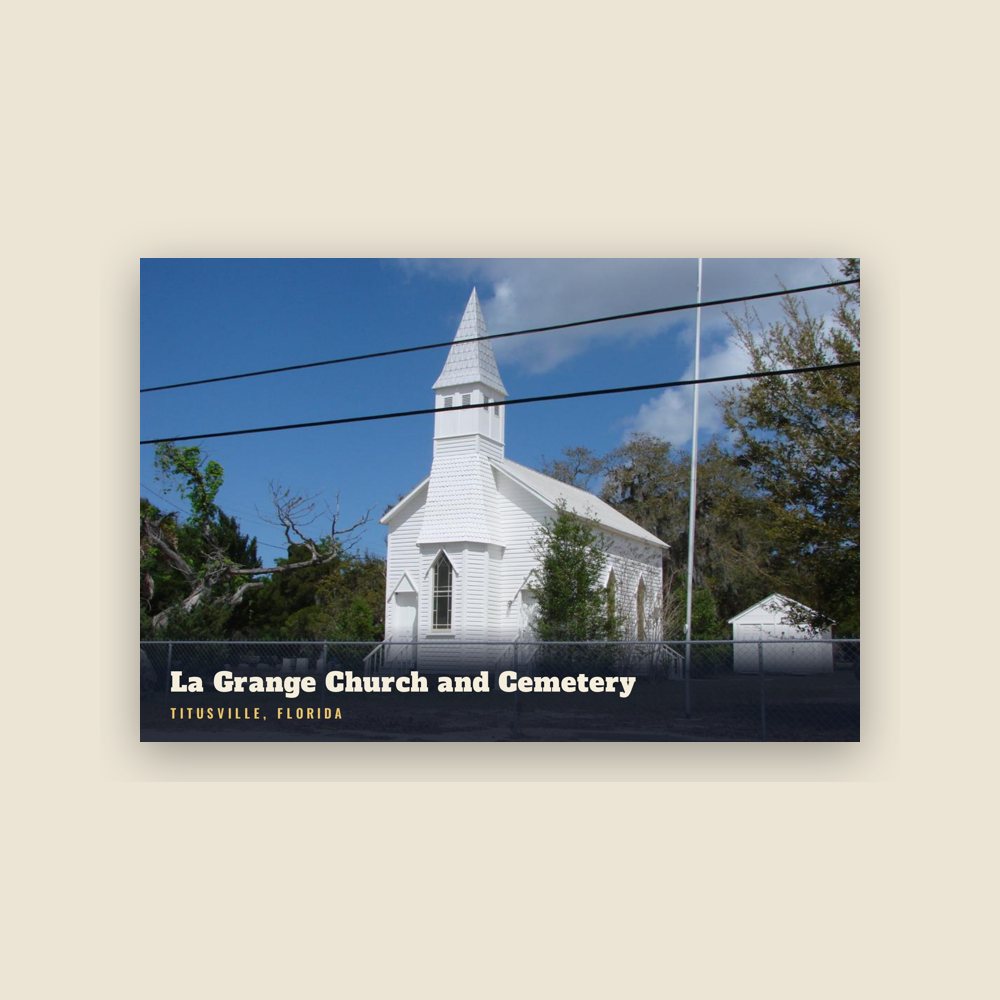
Local history says that Titus challenged Capt. Clark Rice to a game of dominoes to decide the name of the town. Titus won the game and Sand Point was renamed as Titusville in 1873. The city was incorporated in 1887, the year construction began on St. Gabriel's Episcopal Church, as listed in the 1972 National Register of Historic Places. At one point, Titusville was nicknamed "The City of Churches".
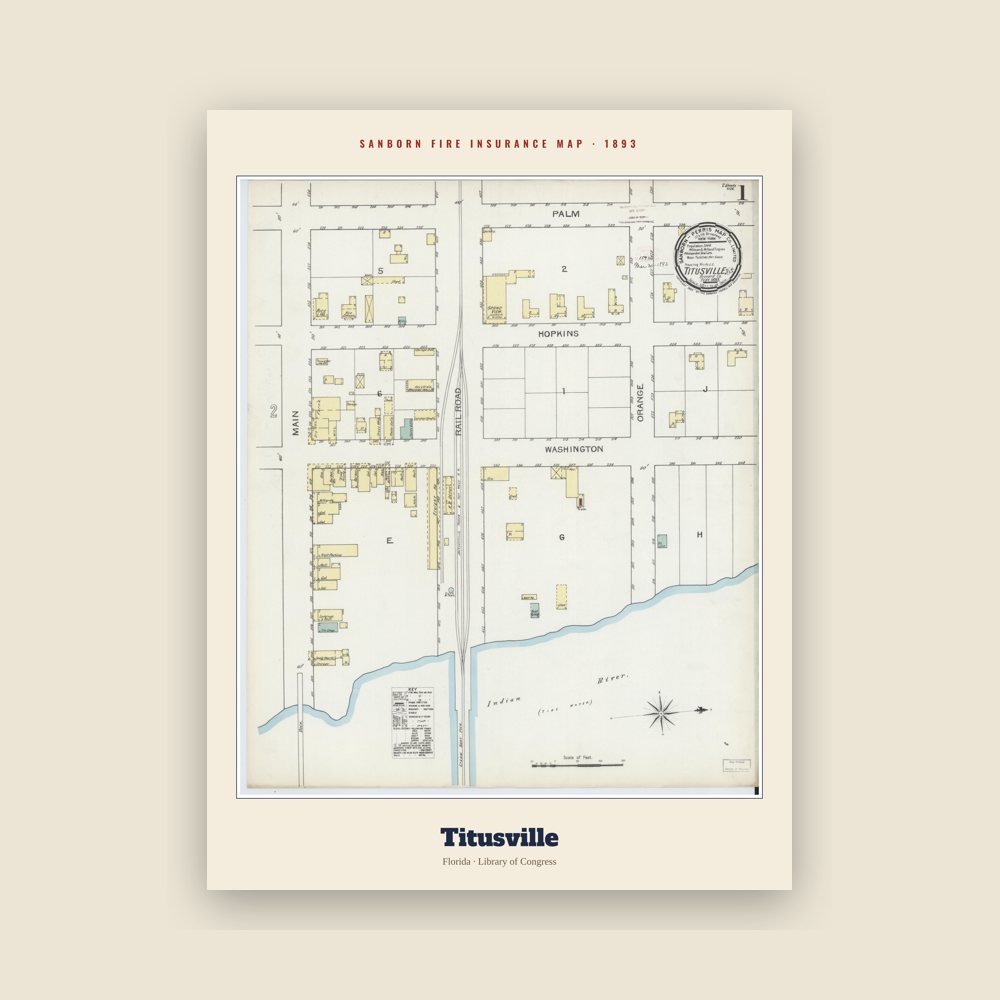
The Atlantic Coast, St. Johns & Indian River Railroad reached Titusville in 1885, constructed from Enterprise, Florida. It was connected by a spur line to the Jacksonville, Tampa & Key West Railroad at Enterprise Junction in present-day DeBary, Florida. Henry Flagler extended his Florida East Coast Railroad south from Daytona, building a station at Titusville in 1892. Many tourists arrived by railroad to enjoy the mild winter climate.
In addition, the railroad was a means to ship area produce to northern markets, and the Indian River area increasingly became an agricultural and shipping center for pineapple and citrus goods. A wooden bridge was built east to Playalinda Beach in 1922.
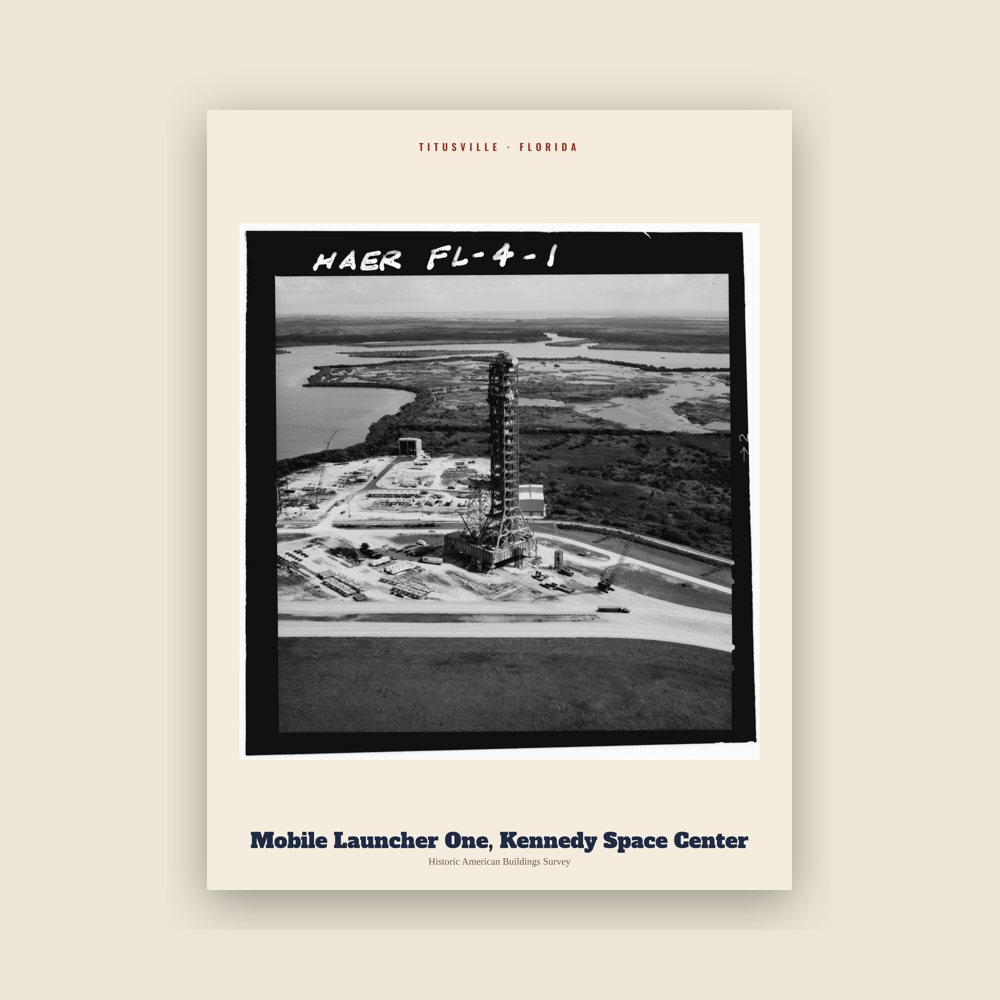
In October 1918, Titusville officials were the first in the county to order closed all places of assembly, including schools, churches, and movies, to avoid spreading the Spanish flu. Beginning in the late 1950s, the growth of Cape Canaveral and later Kennedy Space Center on Merritt Island stimulated growth in the community's economy, population, and tourism. The association with the space program led to the city's two nicknames in the 1960s: Space City USA and Miracle City.
Searstown Mall opened in 1966. Miracle City Mall opened in 1968, built on 32 acres (13 ha). It had 275,000 square feet (25,500 m2) of covered floor space. The jail at the county courthouse became overcrowded by the 1980s. A jailhouse was built in Sharpes in 1986.Computer Shopper was founded in Titusville in 1979 by Glenn Patch, first as a tabloid. It was later expanded as a magazine of over 800 pages per issue. It was published in Titusville until September 1989. Operations were to be moved to New York City in 1989 in a joint venture between Patch Communications of Titusville and Ziff Davis.
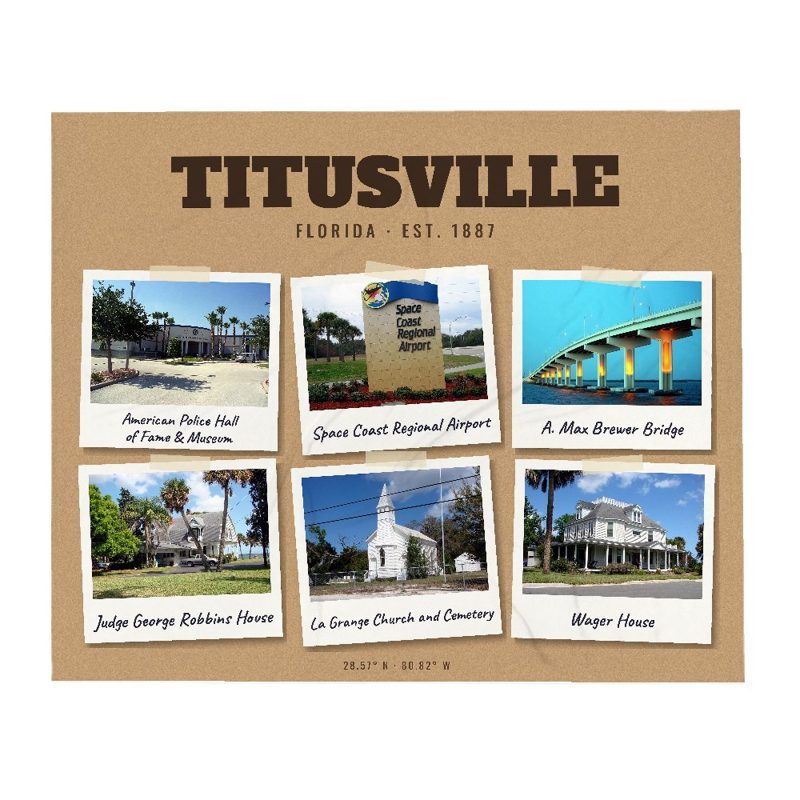
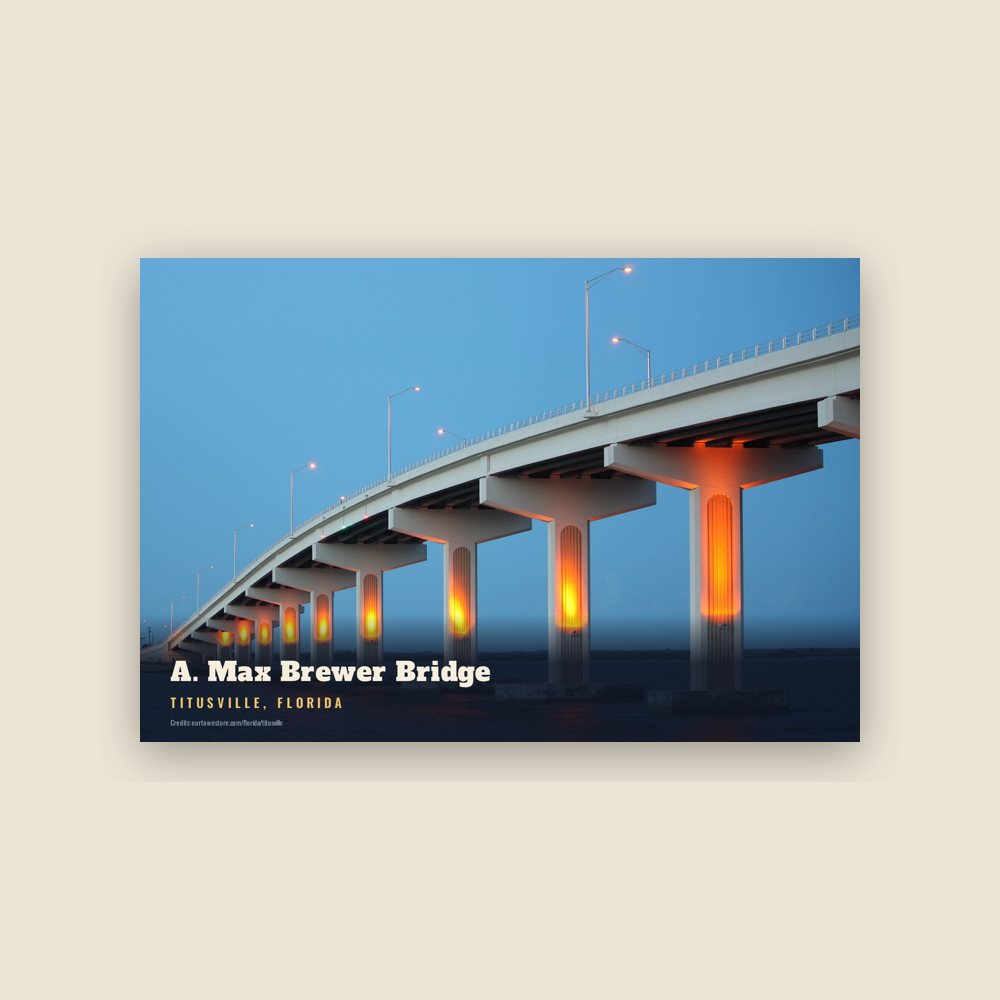
The A. Max Brewer Bridge, a 65-foot (20 m), fixed, high-level span, on SR-406 connecting Titusville to Merritt Island National Wildlife Refuge and Canaveral National Seashore, opened on February 5, 2011, to replace the former swing bridge built in 1949. In May 2012, the Brevard County School Board closed Riverview Elementary School for budgetary reasons. It closed South Lake Elementary School on May 25, 2013.
In January 2013, the Miracle City Mall closed, a victim of a declining local economy after the termination of the Space Shuttle program in 2012. In addition, county population had moved to the south, and changing shopping habits had adversely affected malls across the country. Demolition of Miracle City Mall occurred February 2015 and a mixed-use outdoor shopping complex called Titus Landing was built on the site. Because of population decline, the USPS had closed two post offices in Titusville by 2013, and discussed closing a third.
Adapted (trimmed) from the Wikipedia article Titusville, Florida, revision 1376970396 by its contributors, licensed CC BY-SA 4.0.
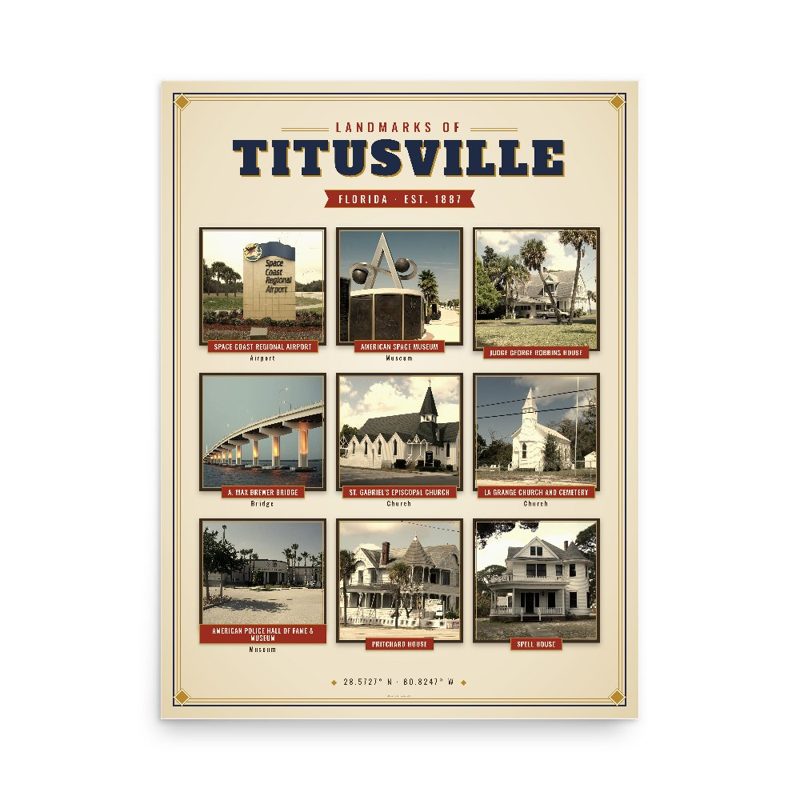
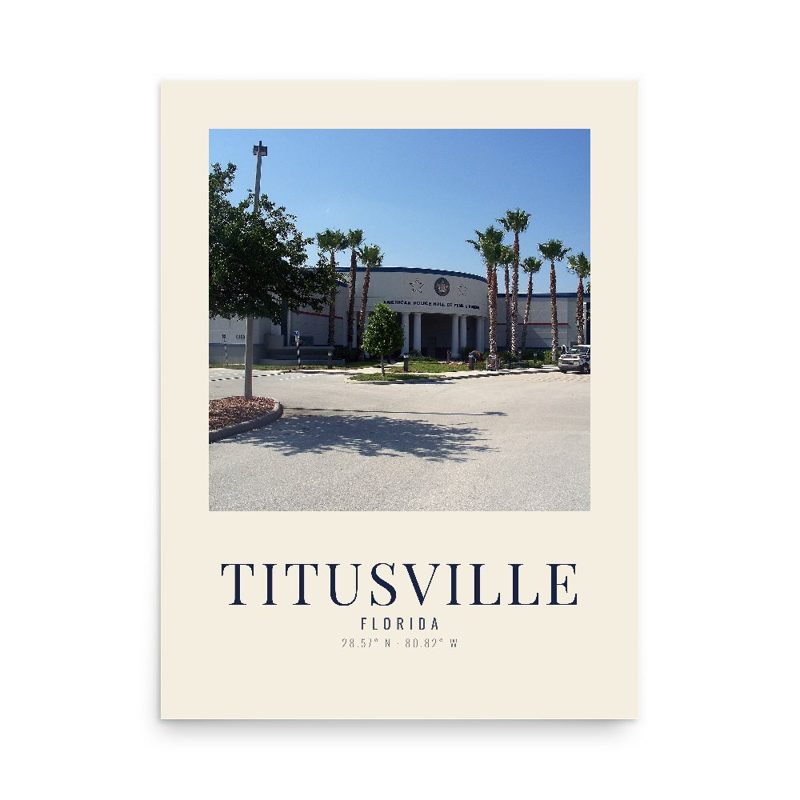
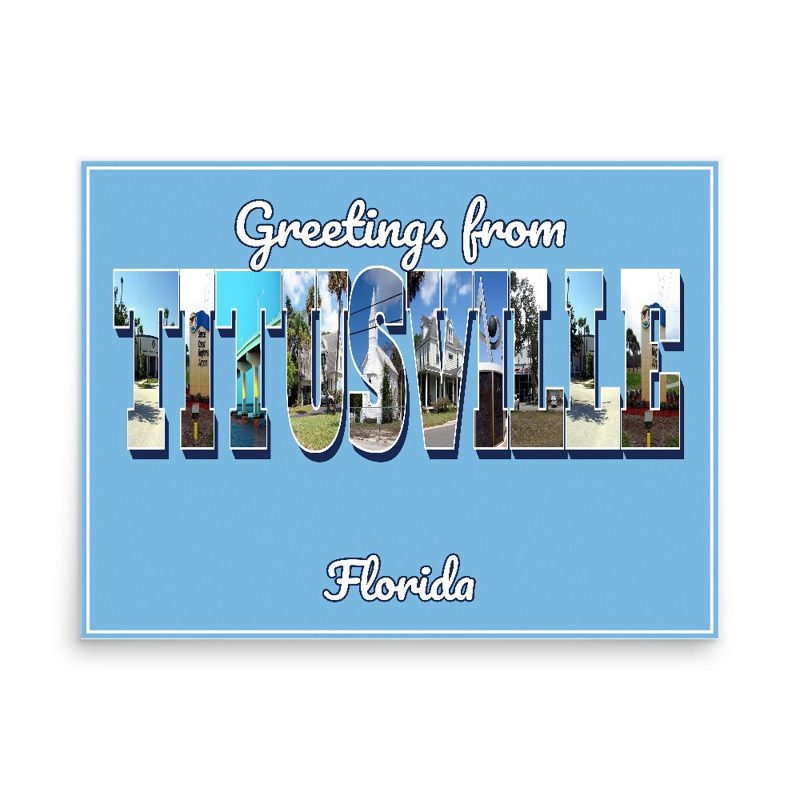
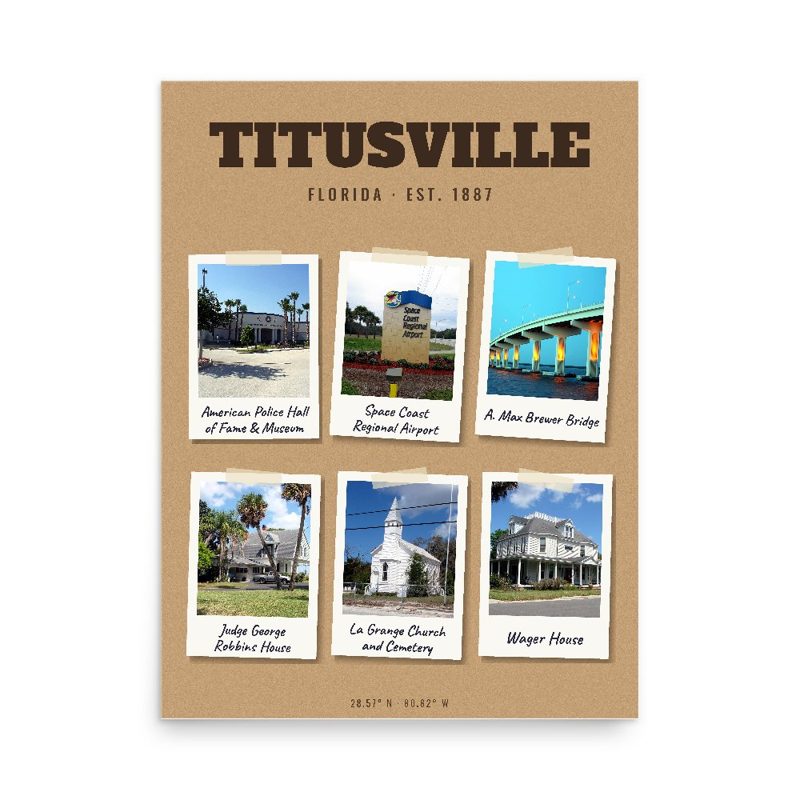
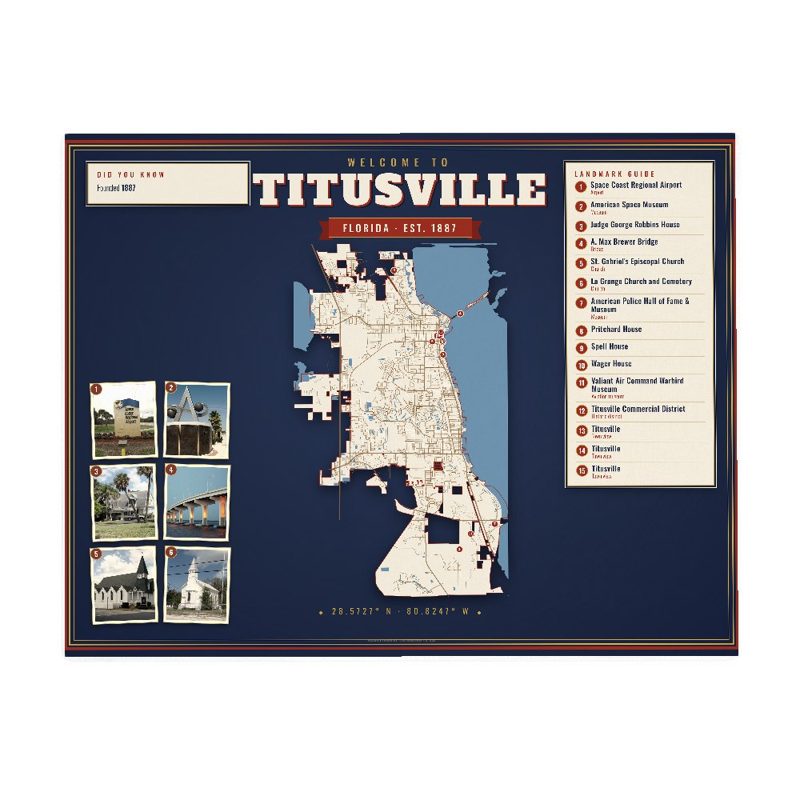







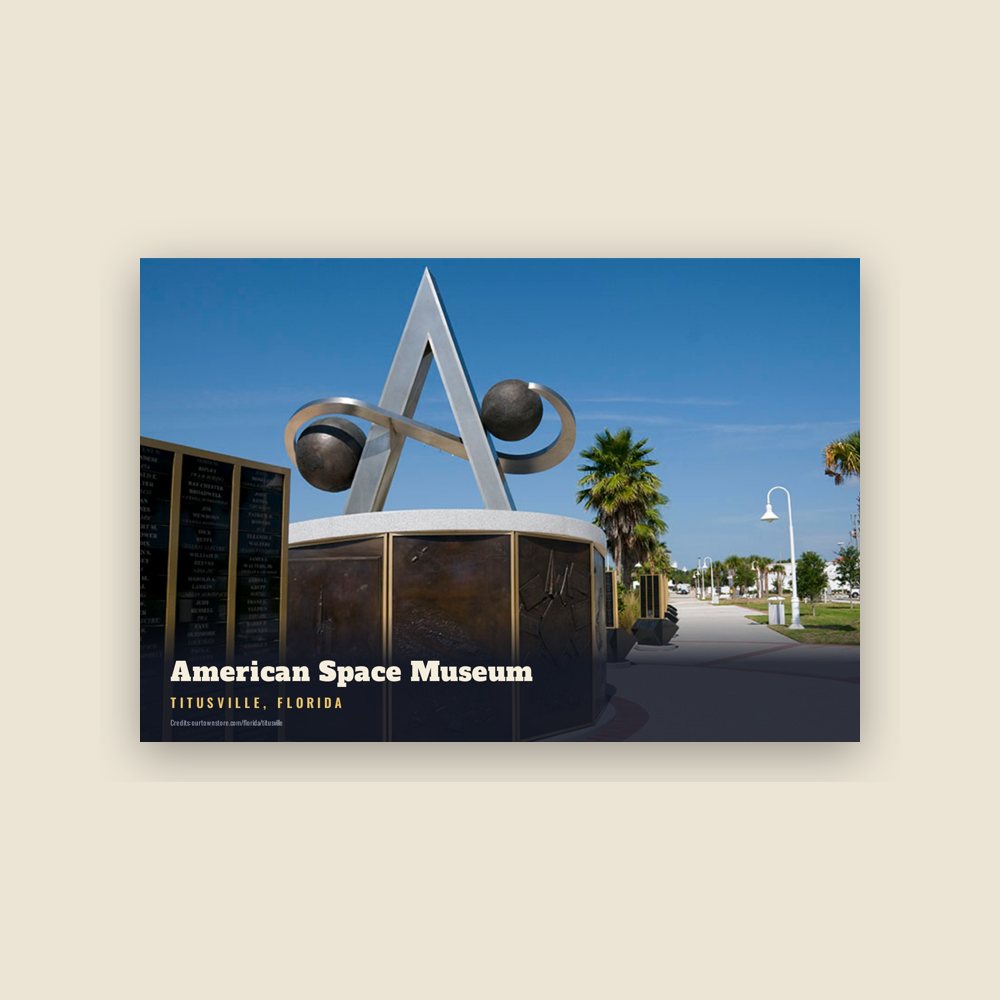
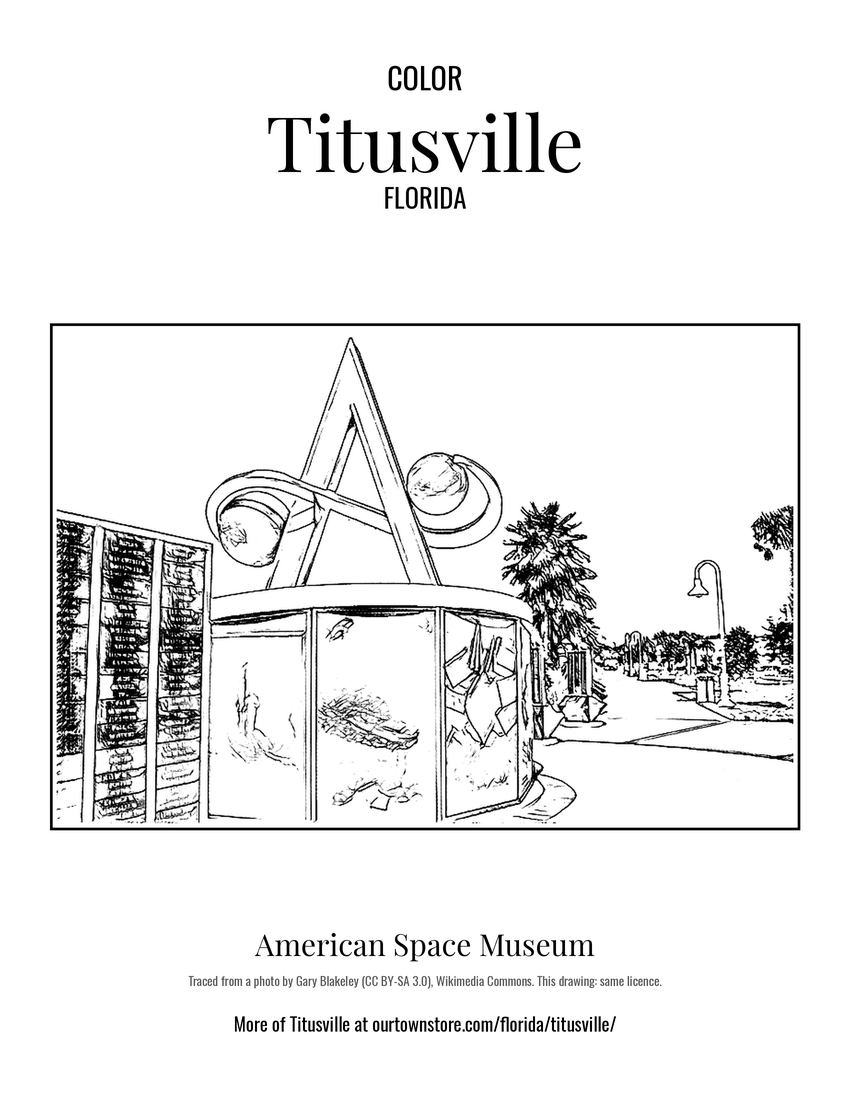 American Space Museum
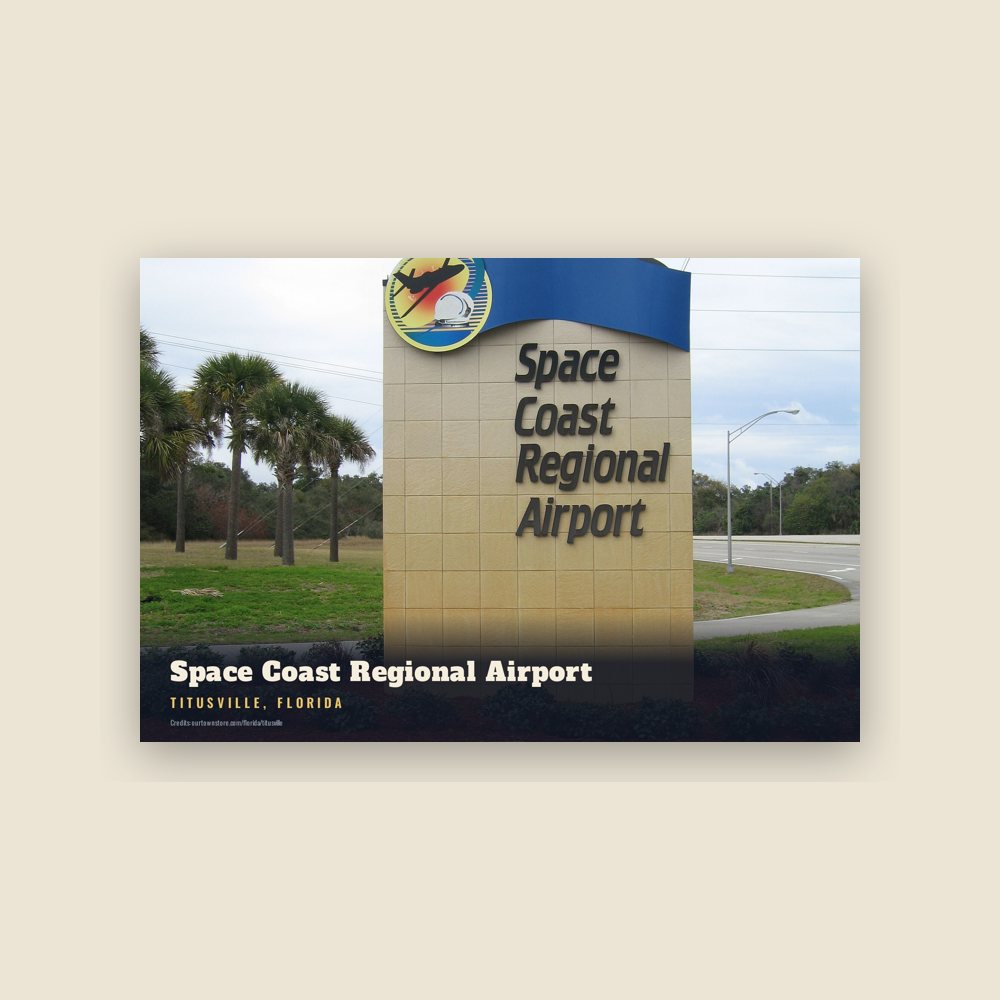
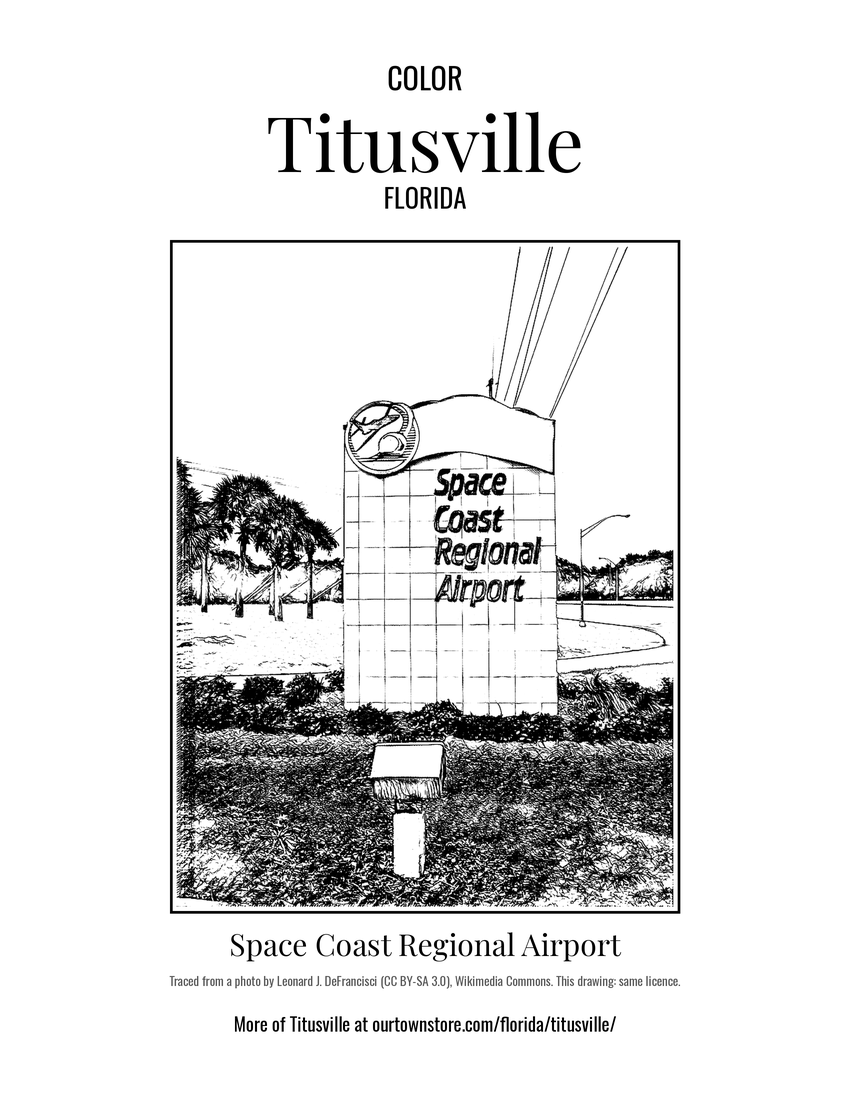 Space Coast Regional Airport
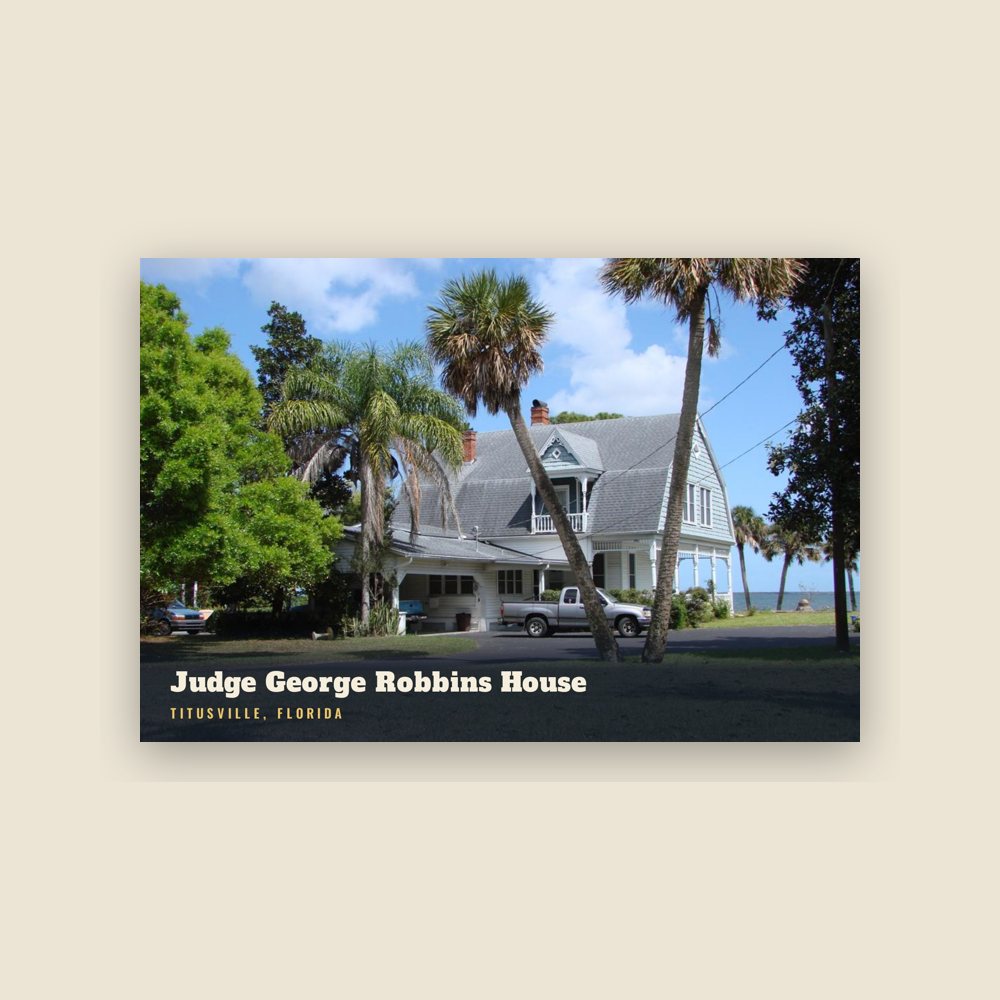
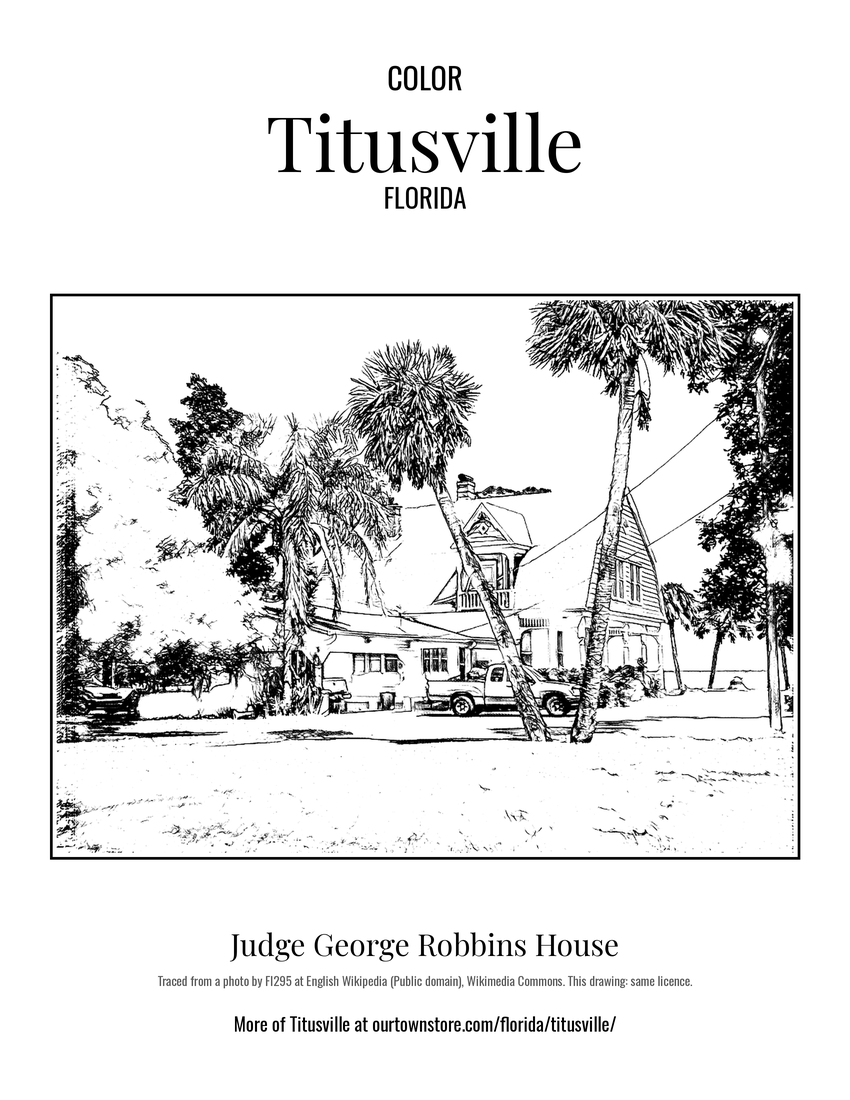 Judge George Robbins House
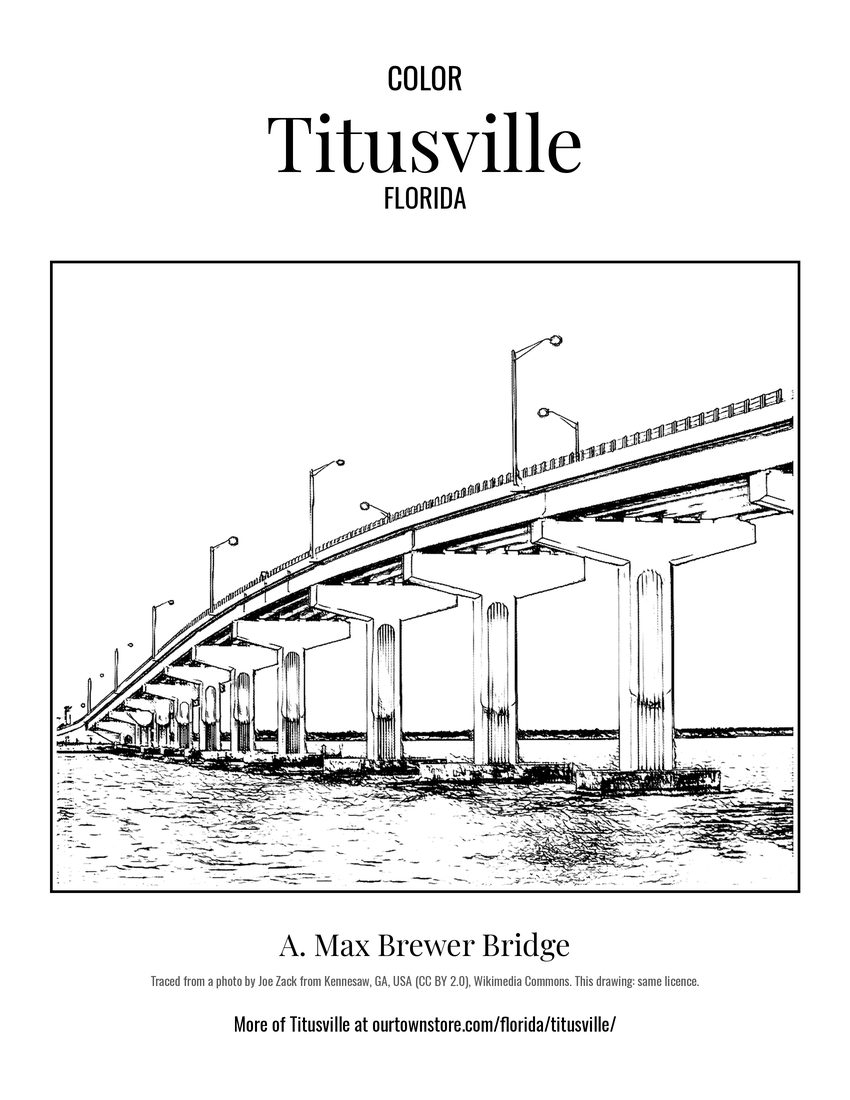 A. Max Brewer Bridge