A short history of Arcadia
According to The Atlas of Florida, "The Rev. James Madison ("Boss") Hendry (1839–1922) named the town in honor of Arcadia Albritton (1861–1932), a daughter of Thomas H. and Fannie (Waldron) Albritton, pioneer settlers. Arcadia had baked him a cake for his birthday, and he appreciated it so much that he named the city after her."
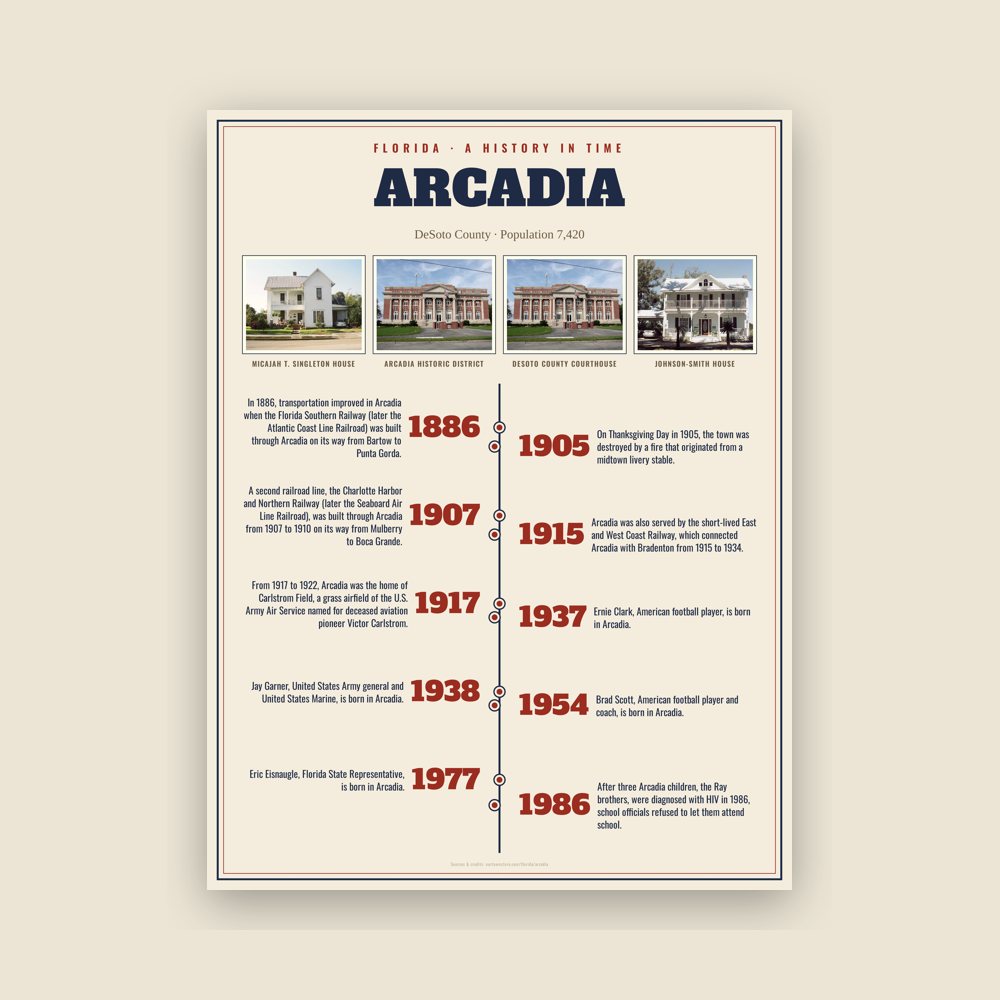
In 1886, transportation improved in Arcadia when the Florida Southern Railway (later the Atlantic Coast Line Railroad) was built through Arcadia on its way from Bartow to Punta Gorda. The railway caused Arcadia to grow significantly, which led to it becoming incorporated a year later. A second railroad line, the Charlotte Harbor and Northern Railway (later the Seaboard Air Line Railroad), was built through Arcadia from 1907 to 1910 on its way from Mulberry to Boca Grande. Both lines have since been consolidated into a single line by CSX with the Seaboard line surviving north of Arcadia and the Atlantic Coast Line surviving to the south. Arcadia was also served by the short-lived East and West Coast Railway, which connected Arcadia with Bradenton from 1915 to 1934.
During the late 19th century Arcadia was the county seat of what would become many counties. In 1921, legislation enacted called for Arcadia to remain the county seat of DeSoto County and resulted in the creation of the present-day counties of Charlotte, Hardee, Glades and Highlands. Prior to this breakup, Arcadia's population had grown considerably, with over 1,000 permanent residents and 3,000 sq mi (7,800 km2) for ranching.
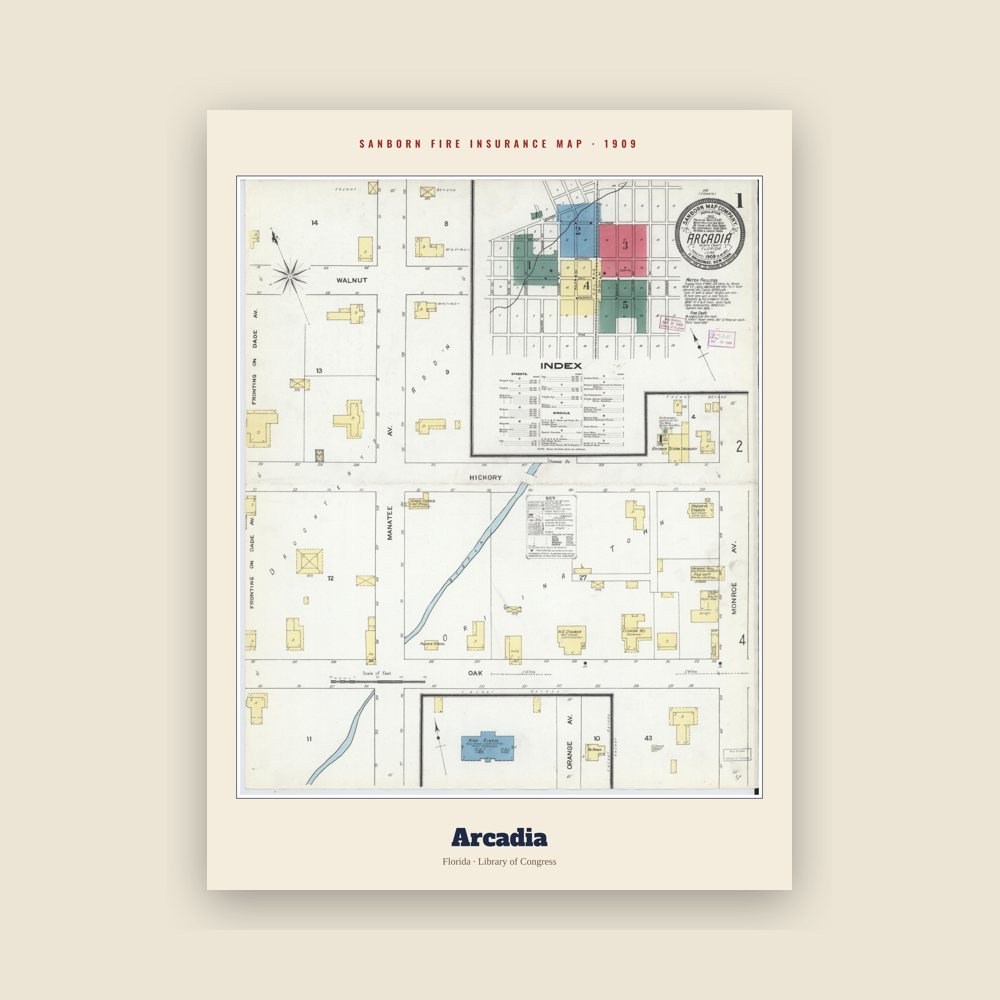
On Thanksgiving Day in 1905, the town was destroyed by a fire that originated from a midtown livery stable. The fire was exacerbated because the town did not have a working water system or fire department. The estimated monetary damage was $250,000, but no loss of life occurred. Much of the business district was not spared. The town recovered only years later.
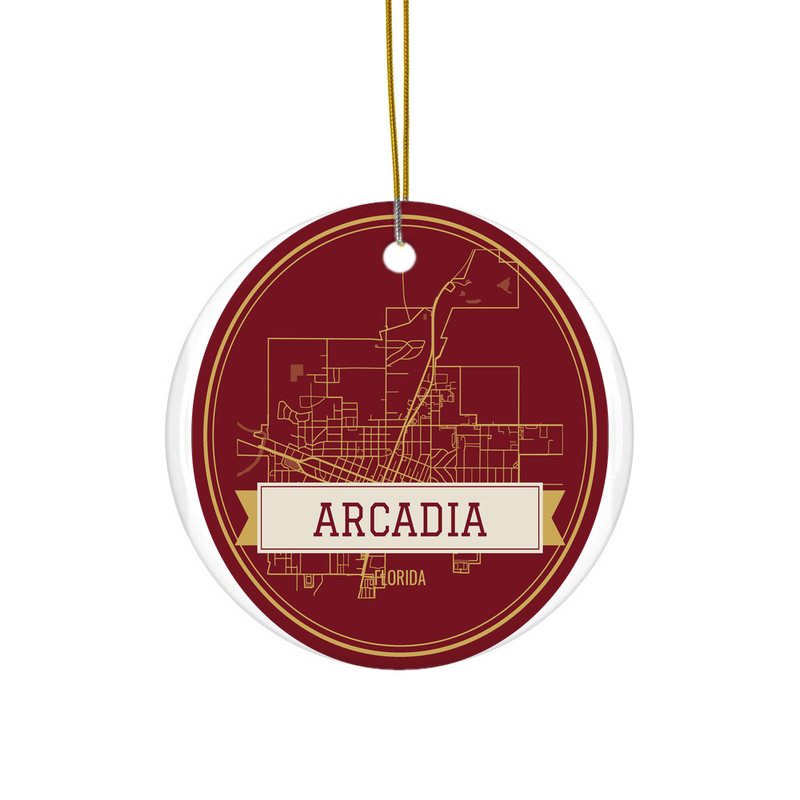
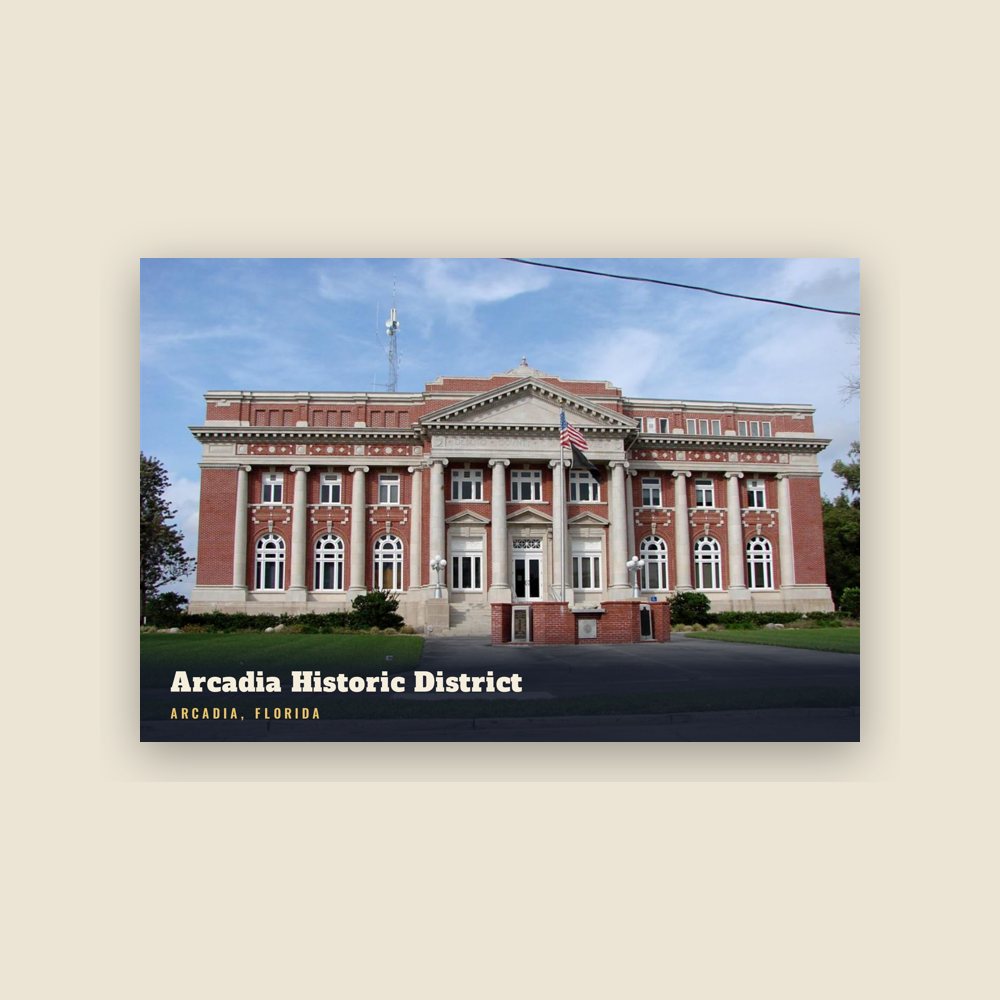
Oak Street is the "main street" in Arcadia. The downtown is far more elaborate than neighboring counties' downtown areas, as Arcadia is older and was their county seat prior to the formation of their present counties. Arcadia is also home to many early 20th-century homes, houses of worship, and several historic public buildings.
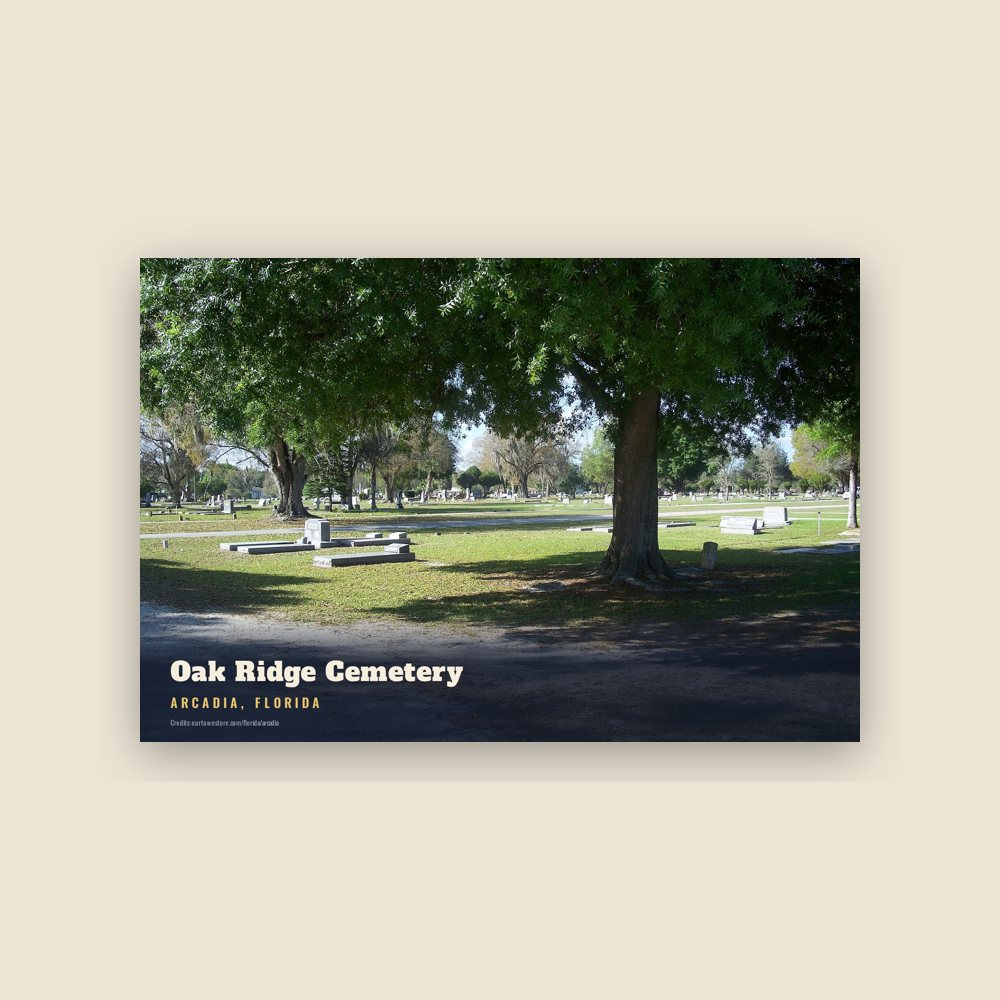
From 1917 to 1922, Arcadia was the home of Carlstrom Field, a grass airfield of the U.S. Army Air Service named for deceased aviation pioneer Victor Carlstrom. Carlstrom Field was used for pilot training both during and after World War I. In May 1941, the site again became an airfield for military primary flight training, operated by the Embry–Riddle Aeronautical Institute (now Embry–Riddle Aeronautical University). Carlstrom Field, one of several satellite fields in the Fort Myers area, also trained pilots for the Royal Air Force until its closing in 1945. 23 RAF cadets that died during training are commemorated in Oak Ridge Cemetery.
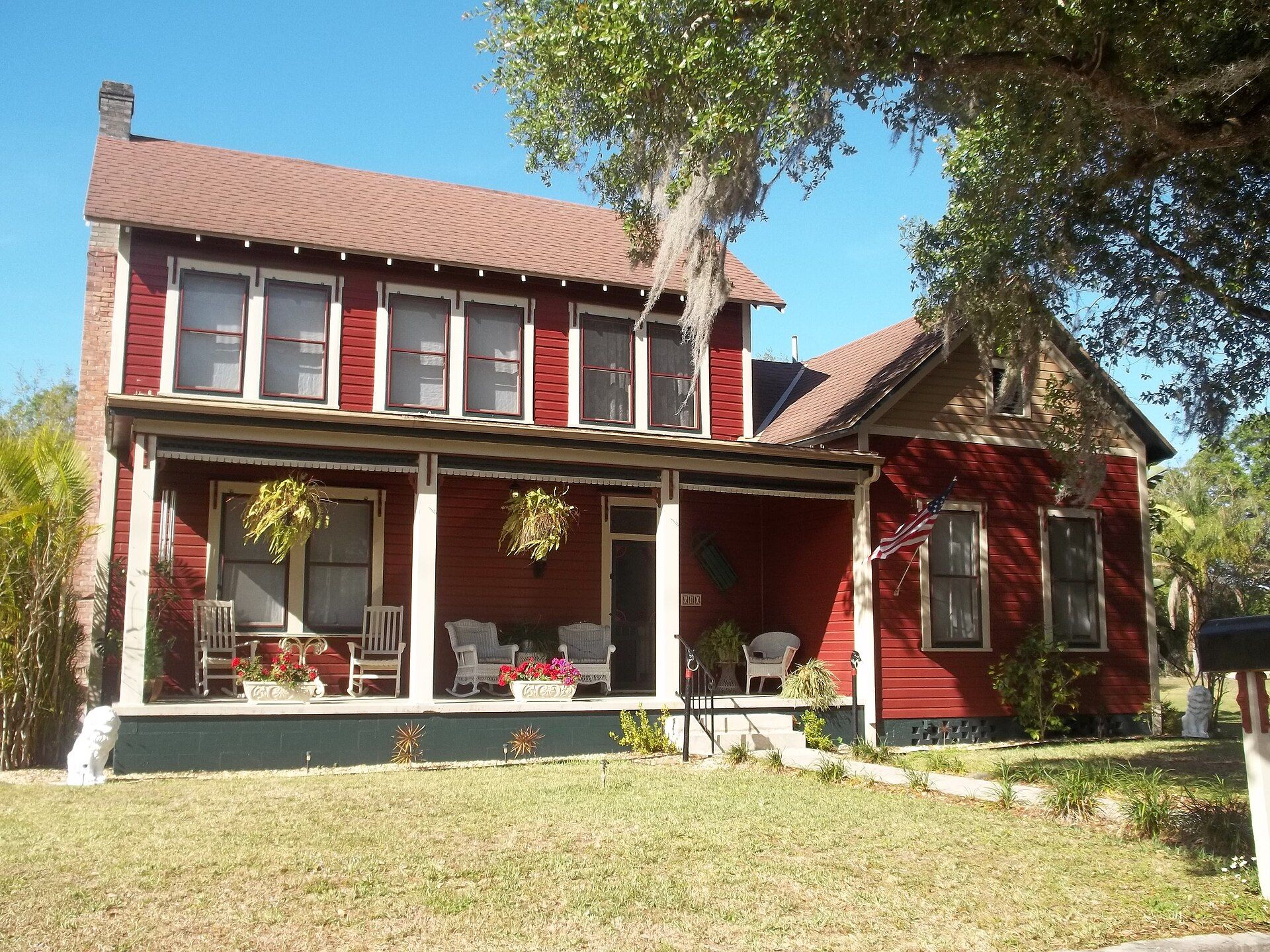
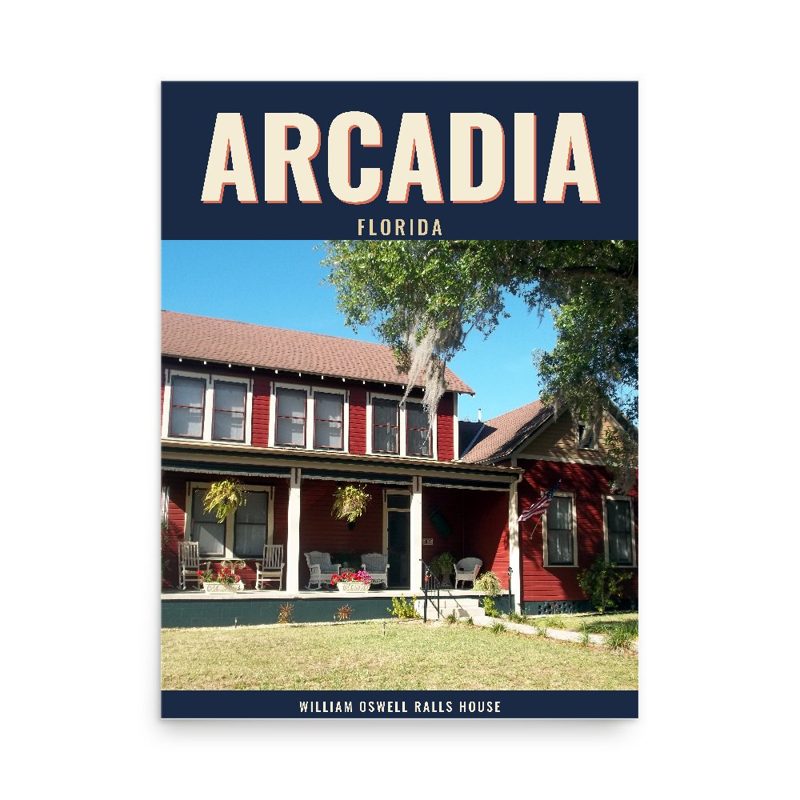
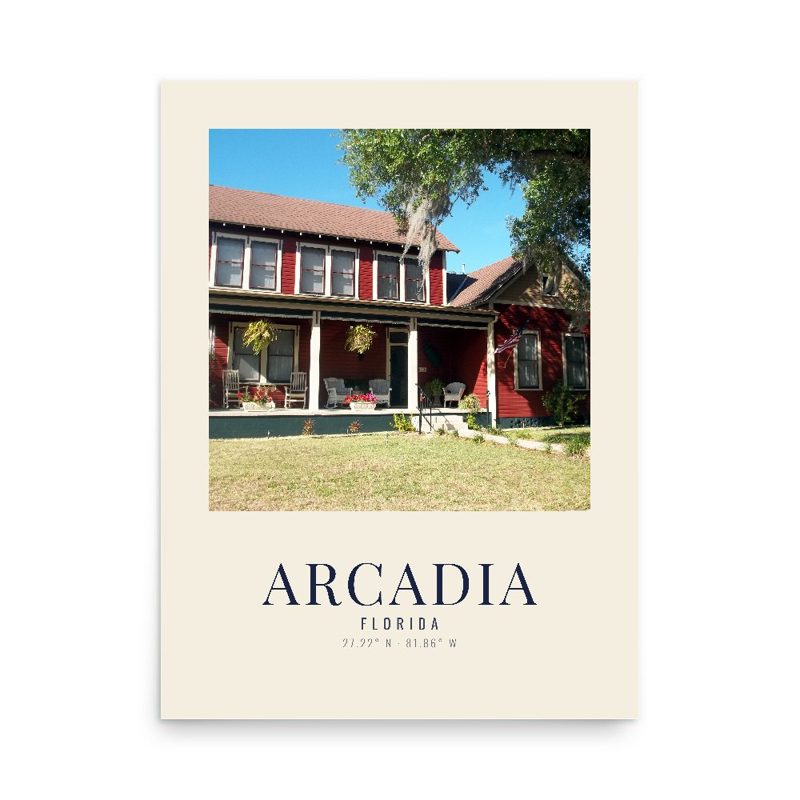
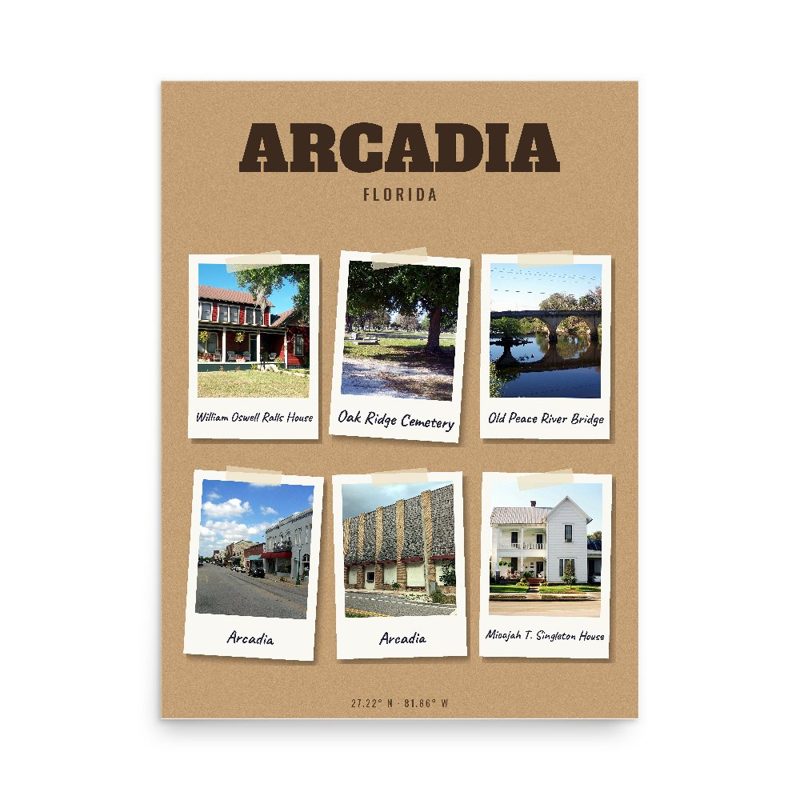
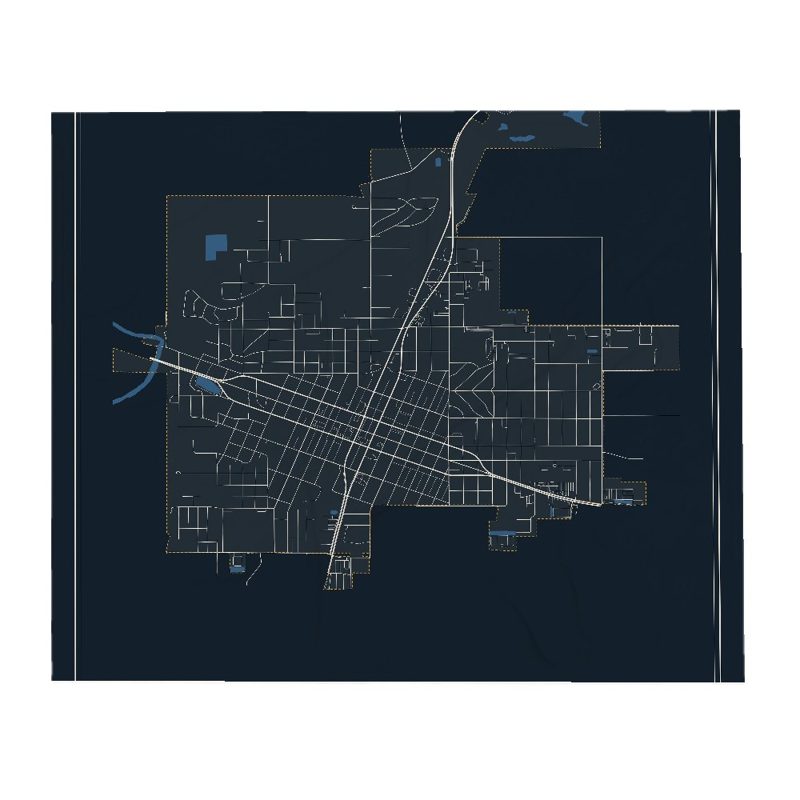
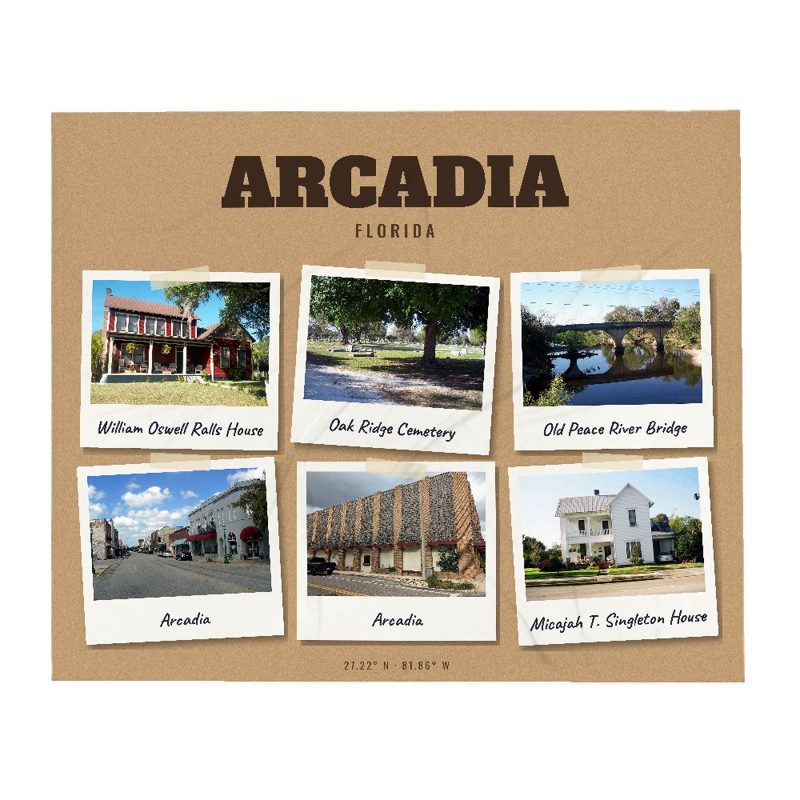
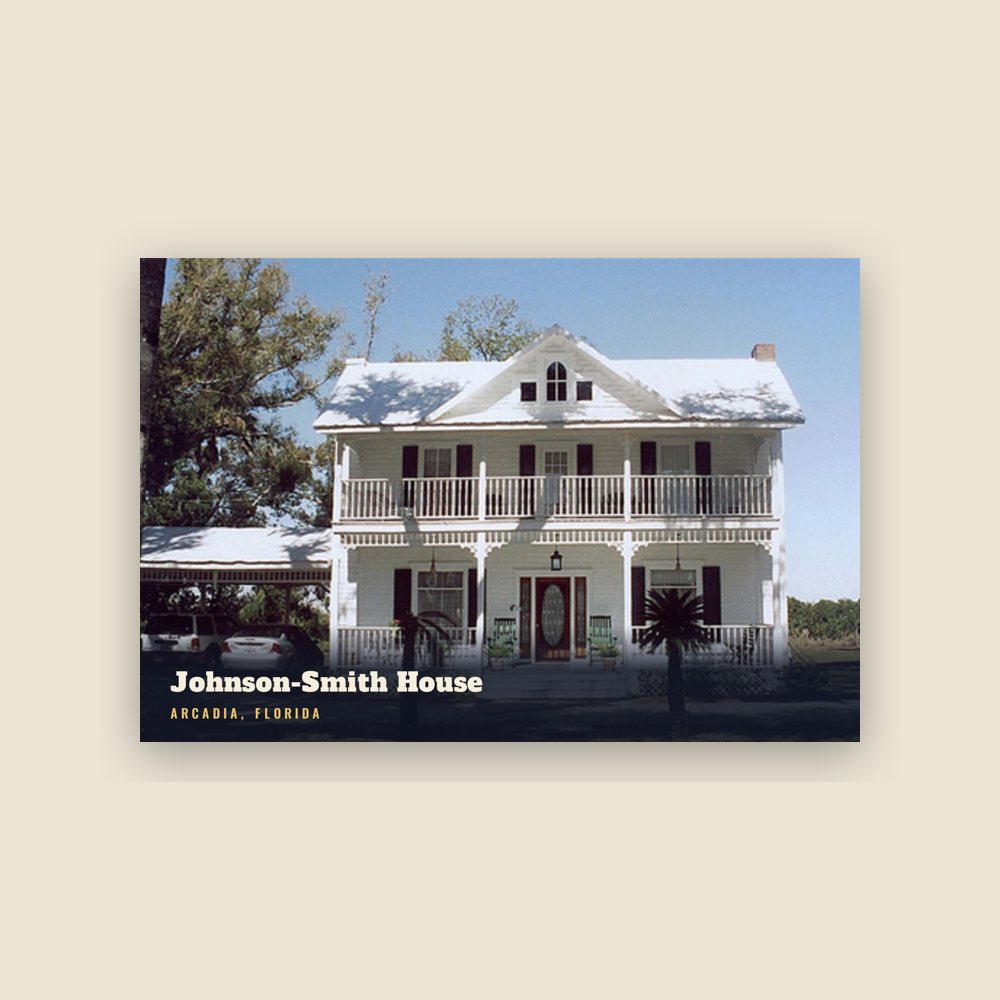
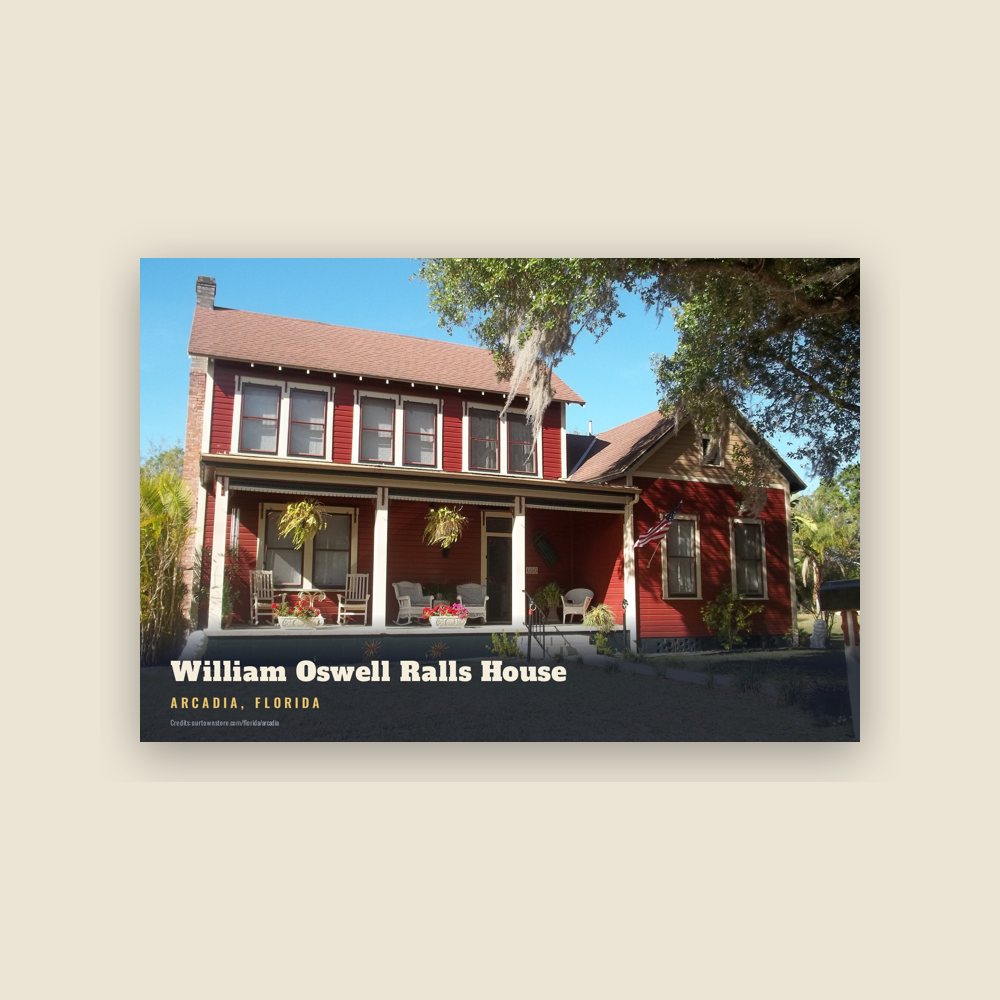
Arcadia's historic buildings include the Johnson-Smith House, William Oswell Ralls House, and Micajah T. Singleton House. Around 3,400 acres, which includes the downtown area, are part of the Arcadia Historic District.
After three Arcadia children, the Ray brothers, were diagnosed with HIV in 1986, school officials refused to let them attend school. The Ray family won a $1.1 million judgement against the county school system, but were forced to leave Arcadia after their home was burned down in 1987, in what has been described as "almost certainly a case of arson."
Adapted (trimmed) from the Wikipedia article Arcadia, Florida, revision 1378463212 by its contributors, licensed CC BY-SA 4.0.
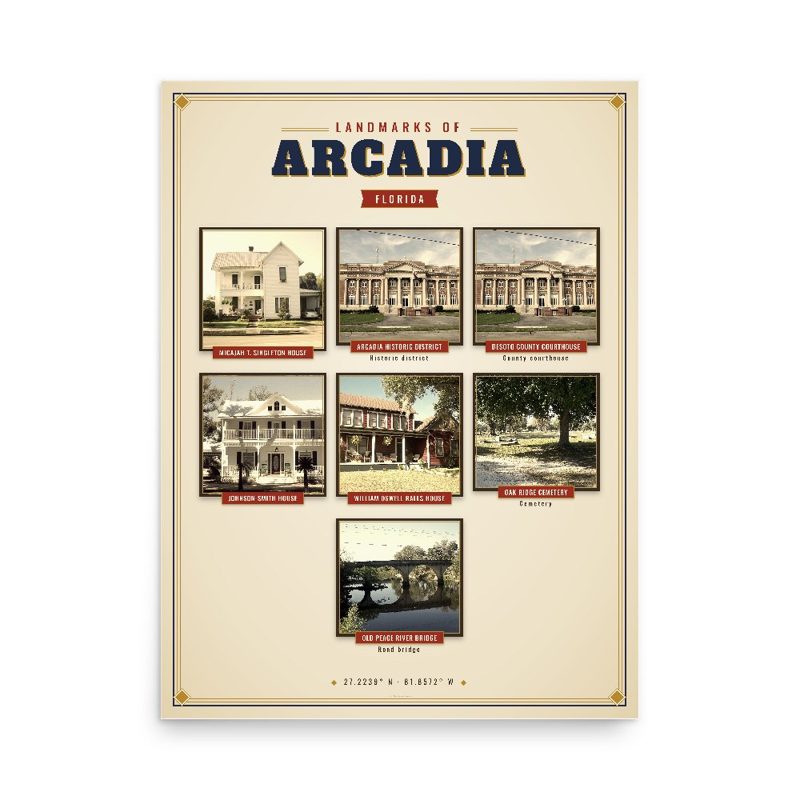
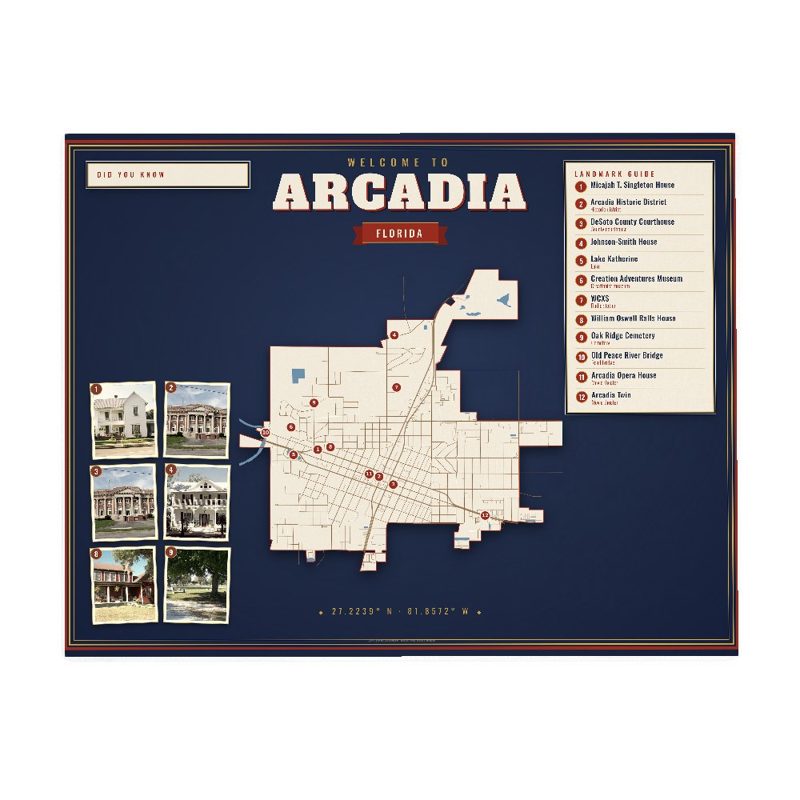


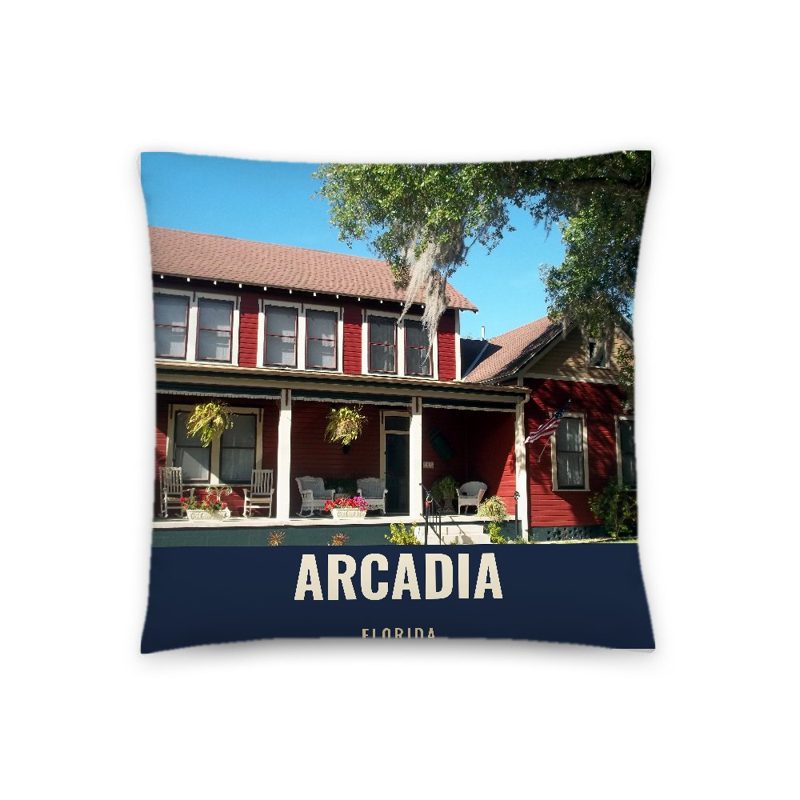


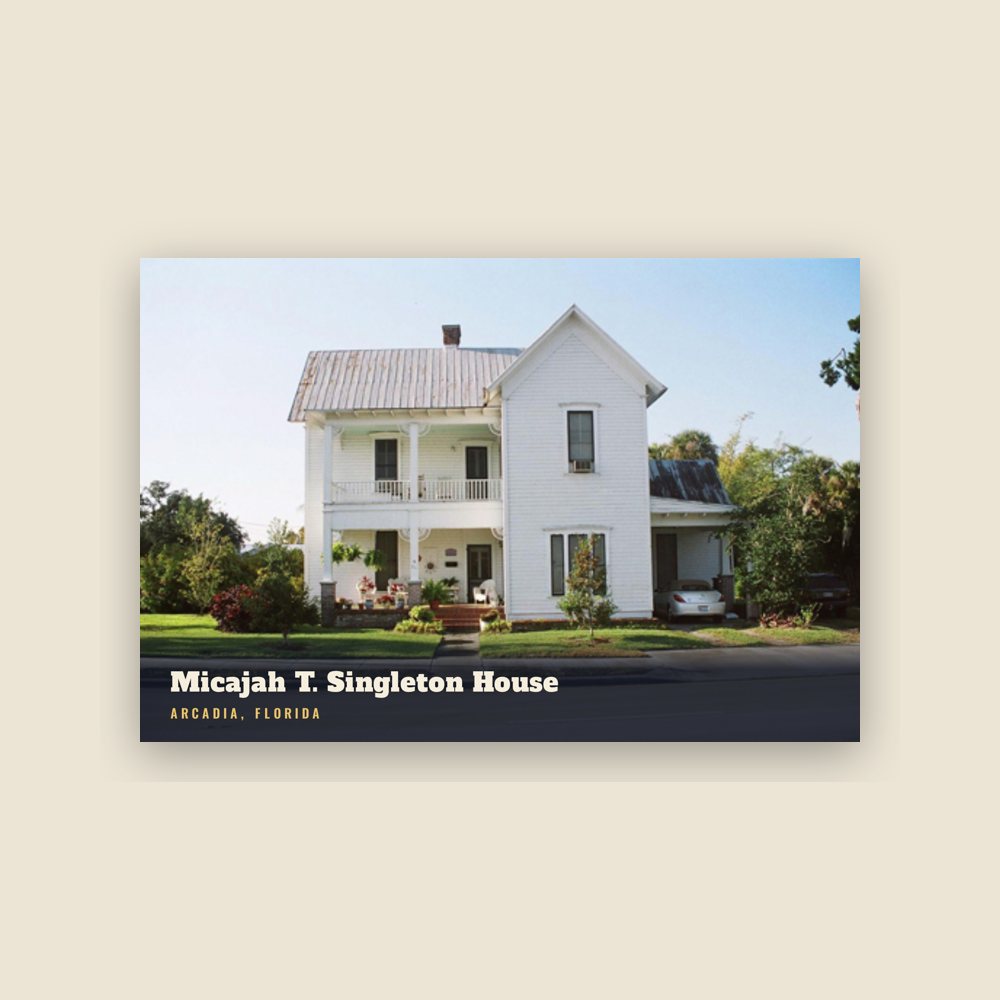
 Micajah T. Singleton House
 Arcadia Historic District
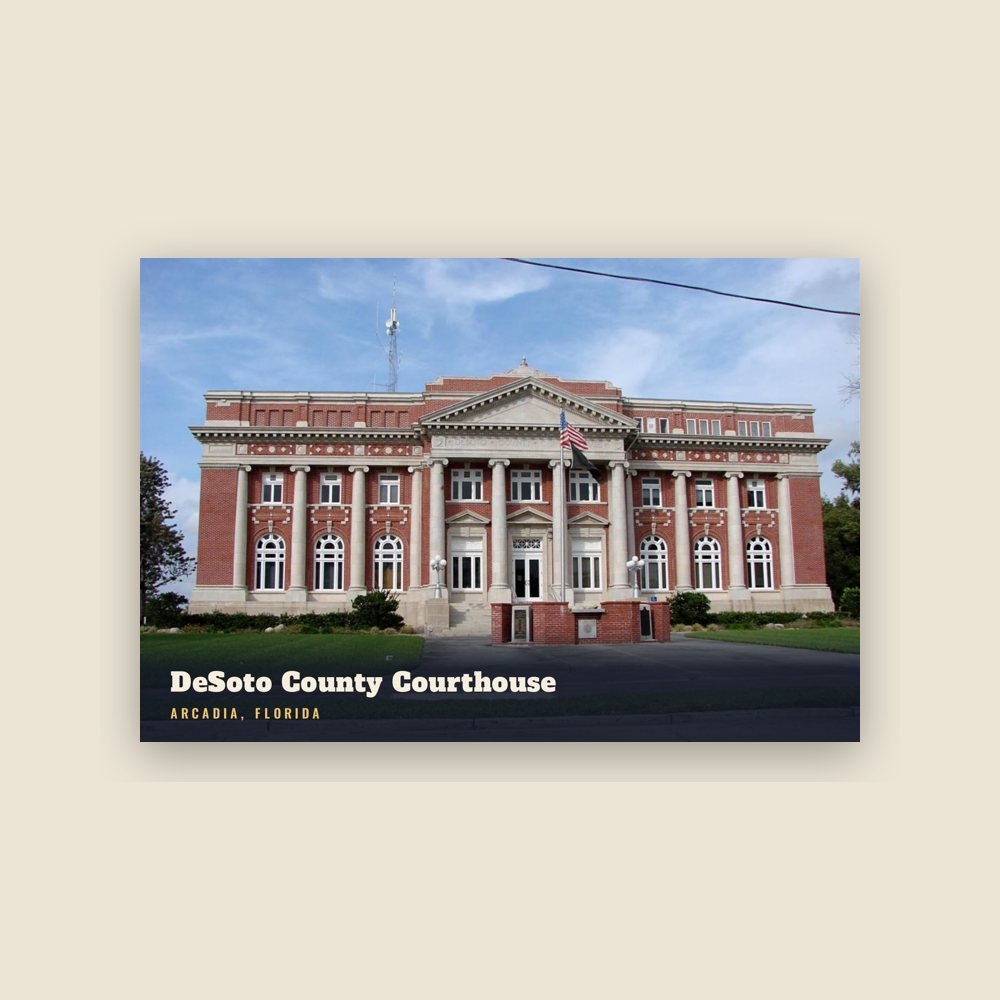
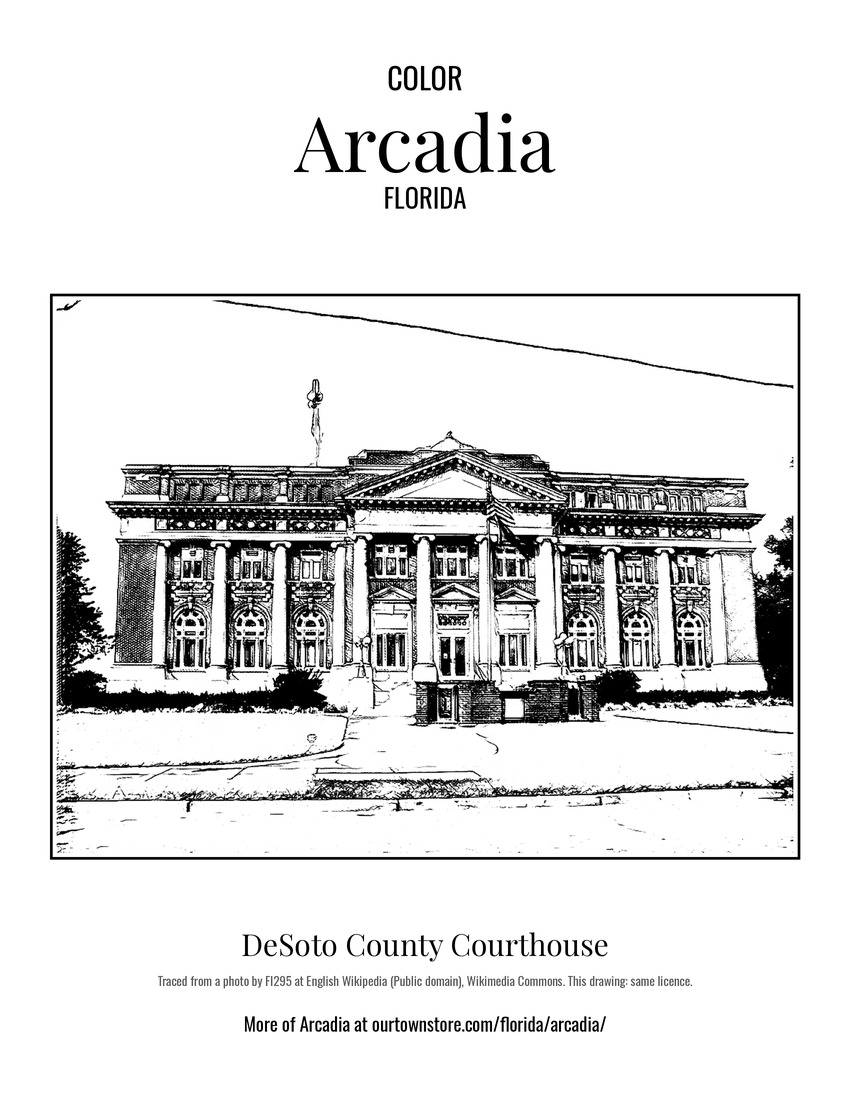 DeSoto County Courthouse
 Johnson-Smith House