A short history of Sebring
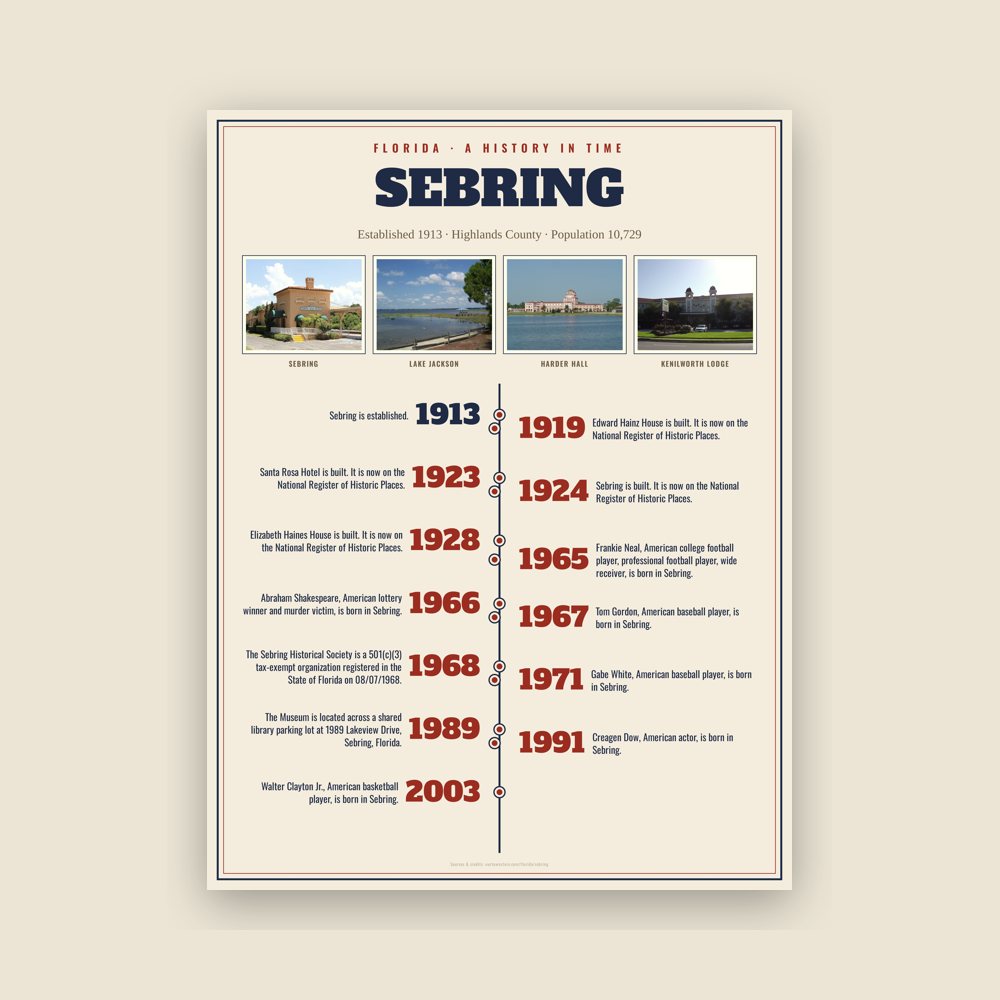
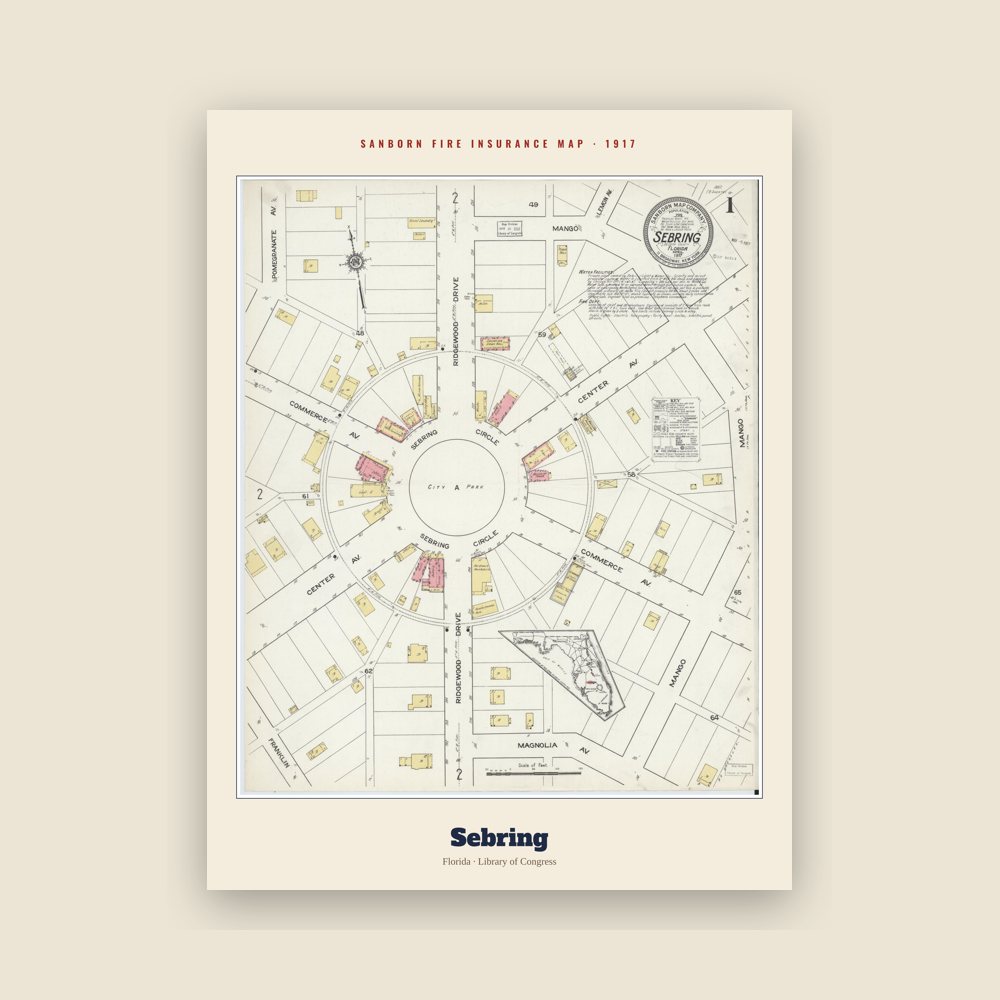
Sebring was founded in 1912. It was named after George E. Sebring (1859–1927), a pottery manufacturer from Ohio who developed the city. He had a circular plan as the focal point for the city. It was chartered by the state of Florida in 1913, and was selected as the county seat of Highlands County when the county was created in 1921. The village of Sebring, Ohio, is also named for George E. Sebring and his family.
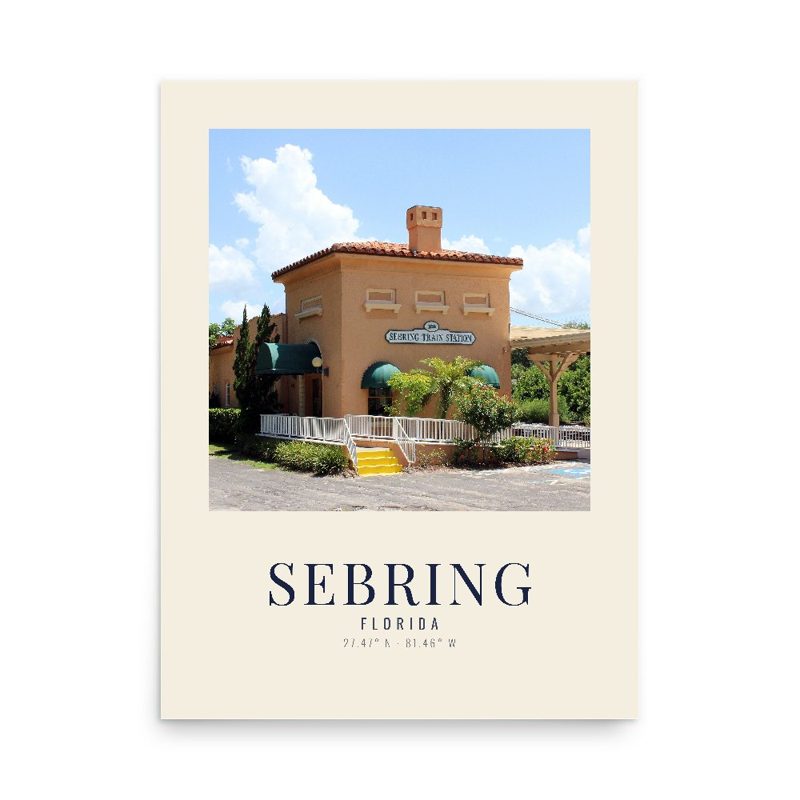
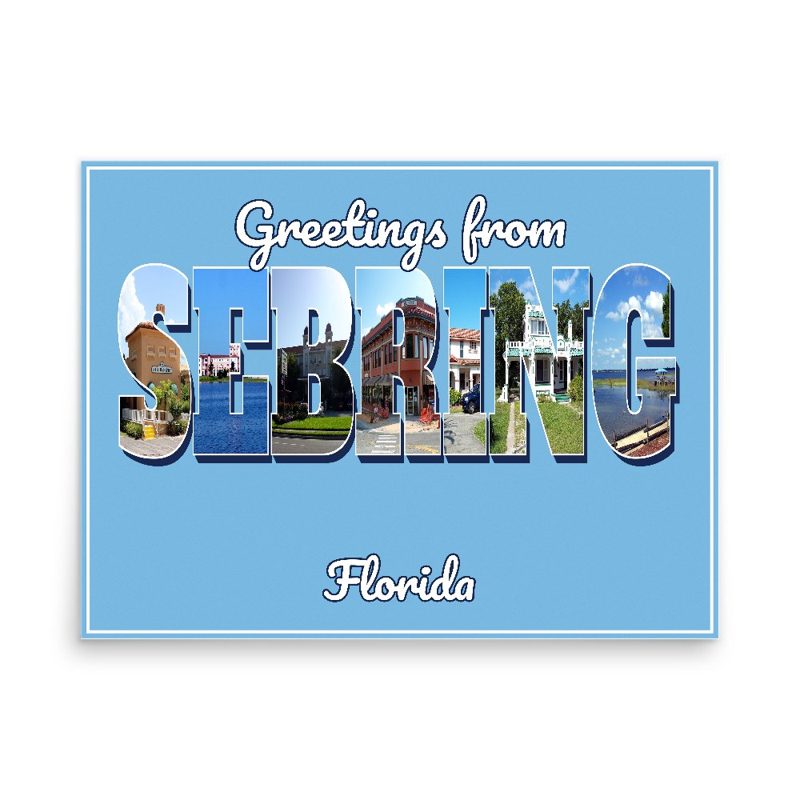
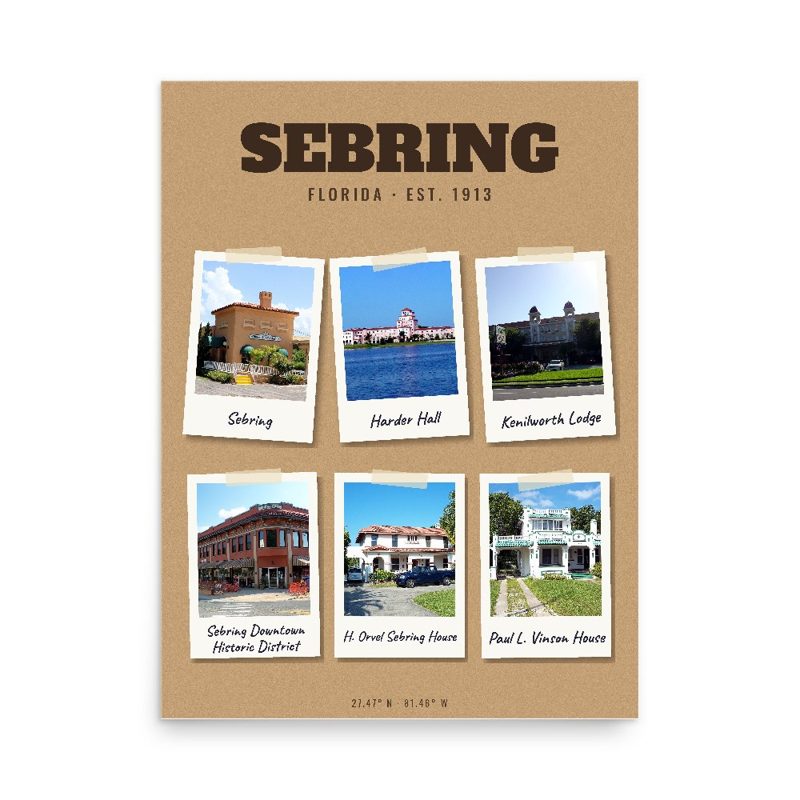
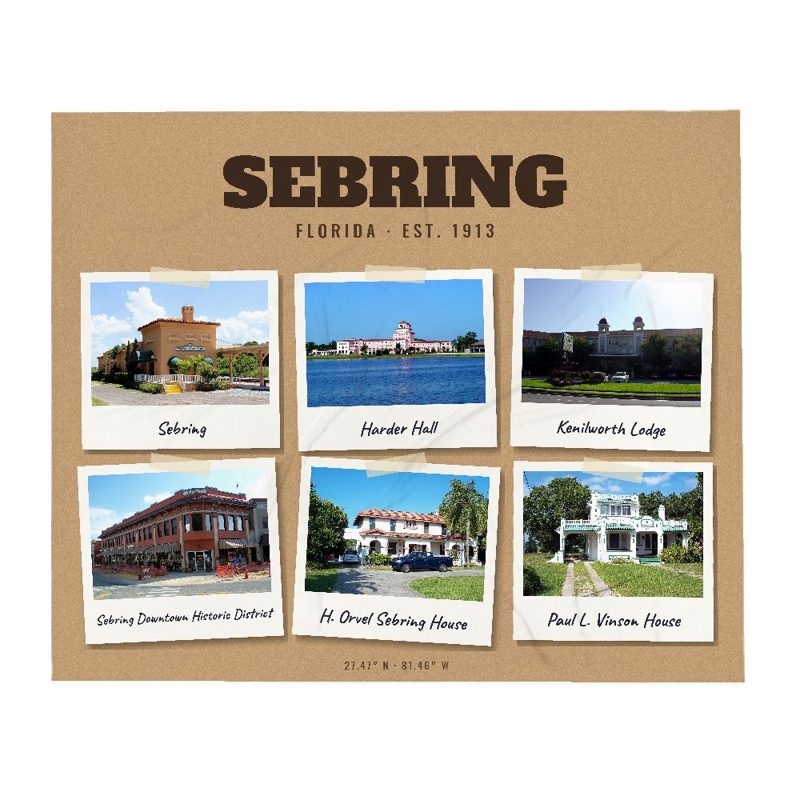
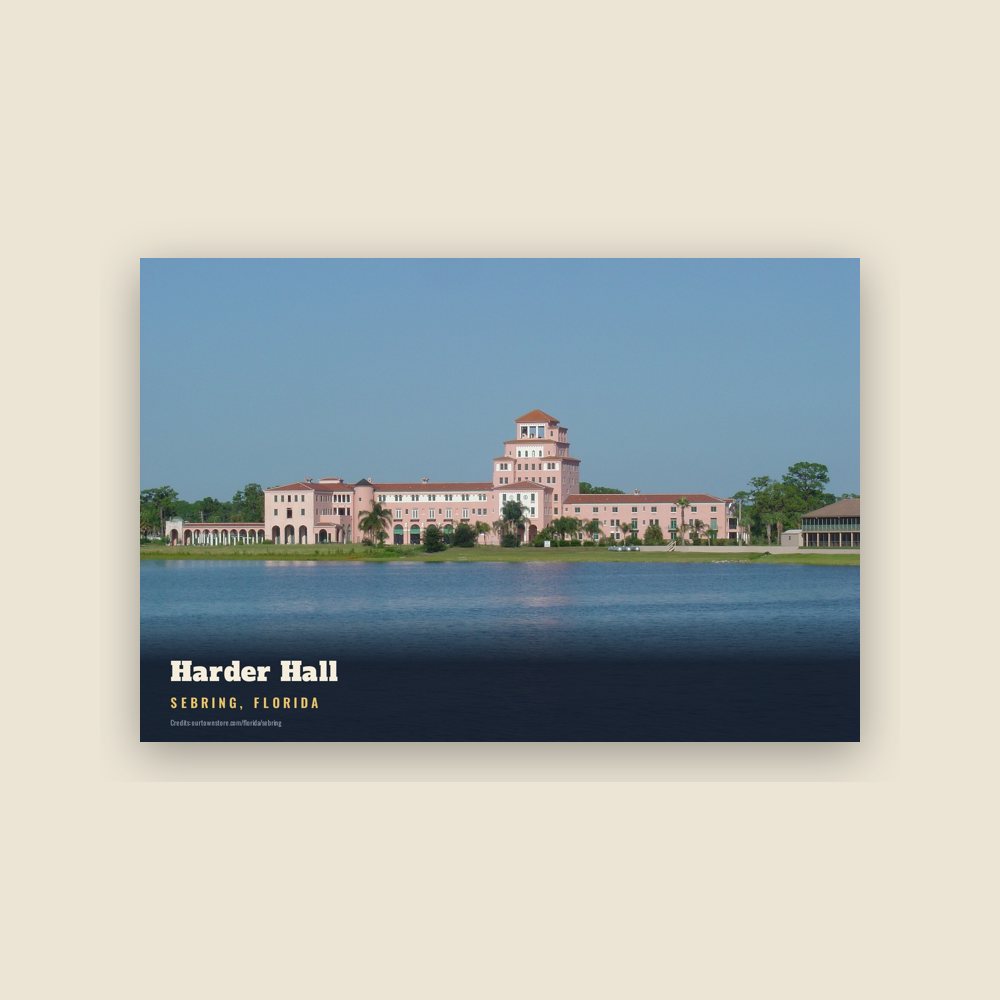
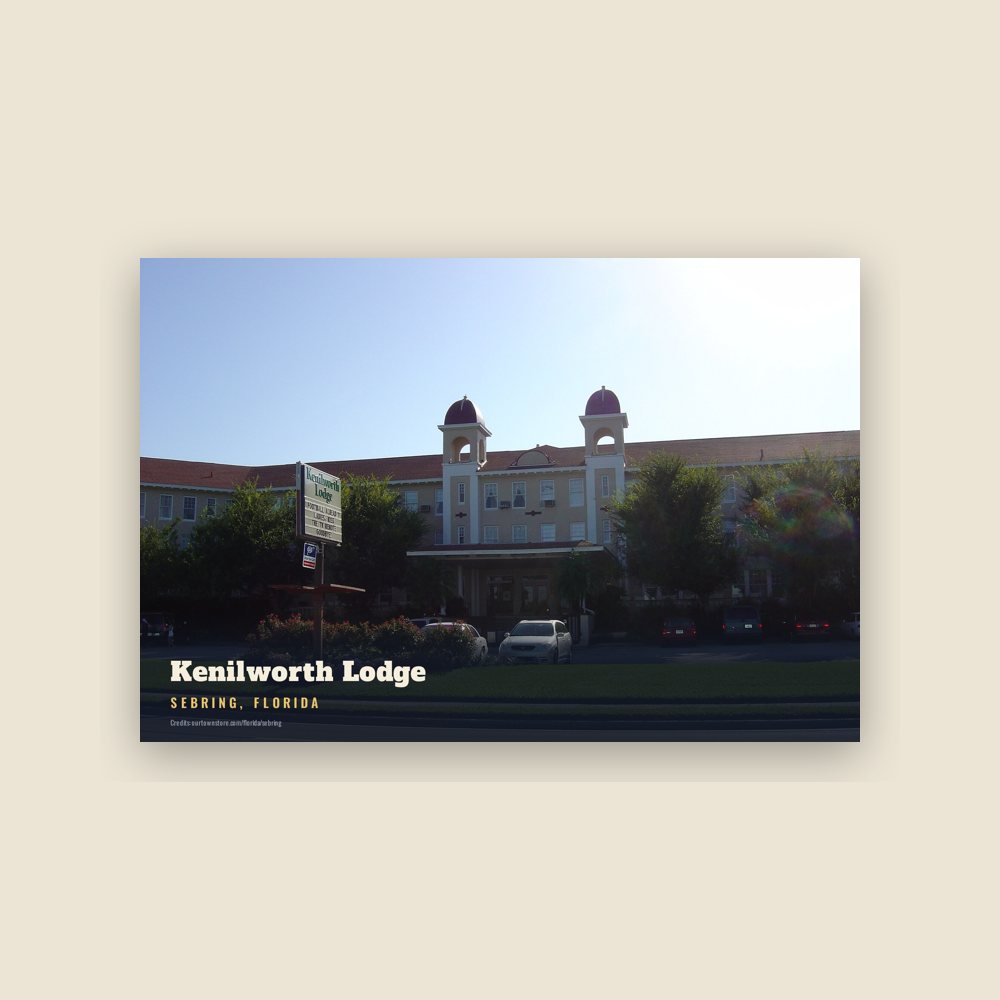
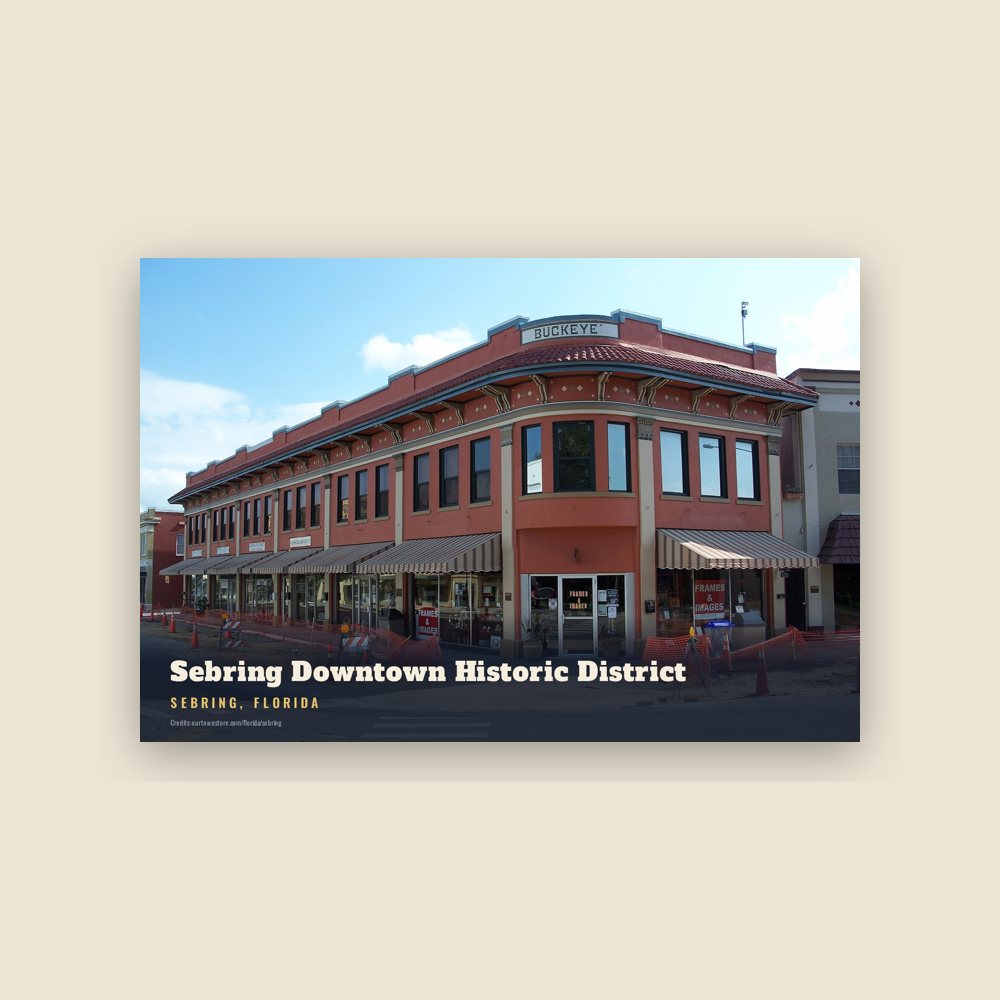
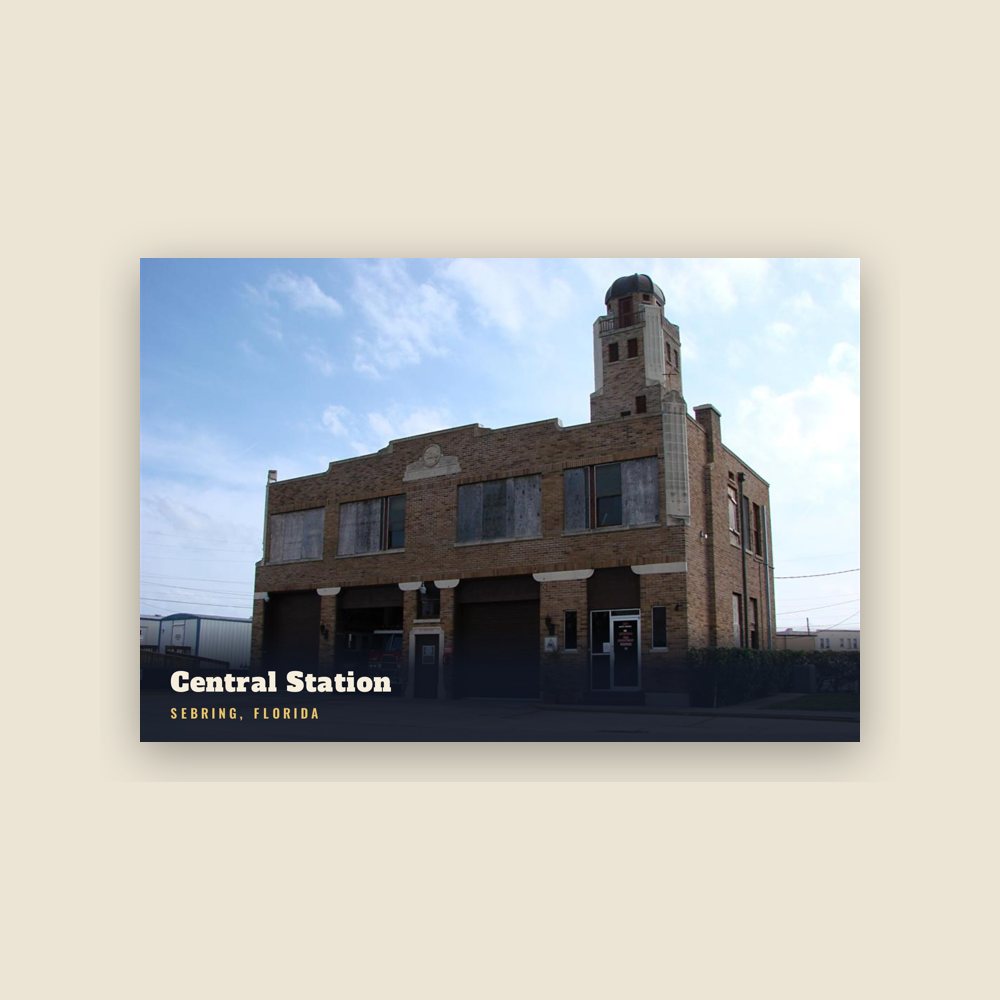
Sebring is known for its collection of historic and historically designated buildings. The Sebring Train Station, Sebring Fire Station, and the Highlands County Courthouse are all National Register of Historic Places buildings that are still in service, as well as the entire Sebring Downtown Historic District, consisting of shops, restaurants, offices, businesses and apartments all bordered by the water. Harder Hall Resort and the Kenilworth Lodge are both surviving examples of large, extravagant boom time hotels.
Read the full history
Sebring Historical Society
The Sebring Historical Society is a 501(c)(3) tax-exempt organization registered in the State of Florida on 08/07/1968. The mission of the SHS is to engage individuals in protecting, educating, and sharing the history of Sebring and the surrounding area. The Society operates out of two locations: the Archives Office and the Charles F. Weigle House Museum. The Archives Office is located at 321 W. Center Avenue, Sebring, FL 33870. It is currently housed in the lower level of the Sebring Library, with the front door facing the lake side of the building. The Museum is located across a shared library parking lot at 1989 Lakeview Drive, Sebring, Florida.
Adapted (trimmed) from the Wikipedia article Sebring, Florida, revision 1379388929 by its contributors, licensed CC BY-SA 4.0.
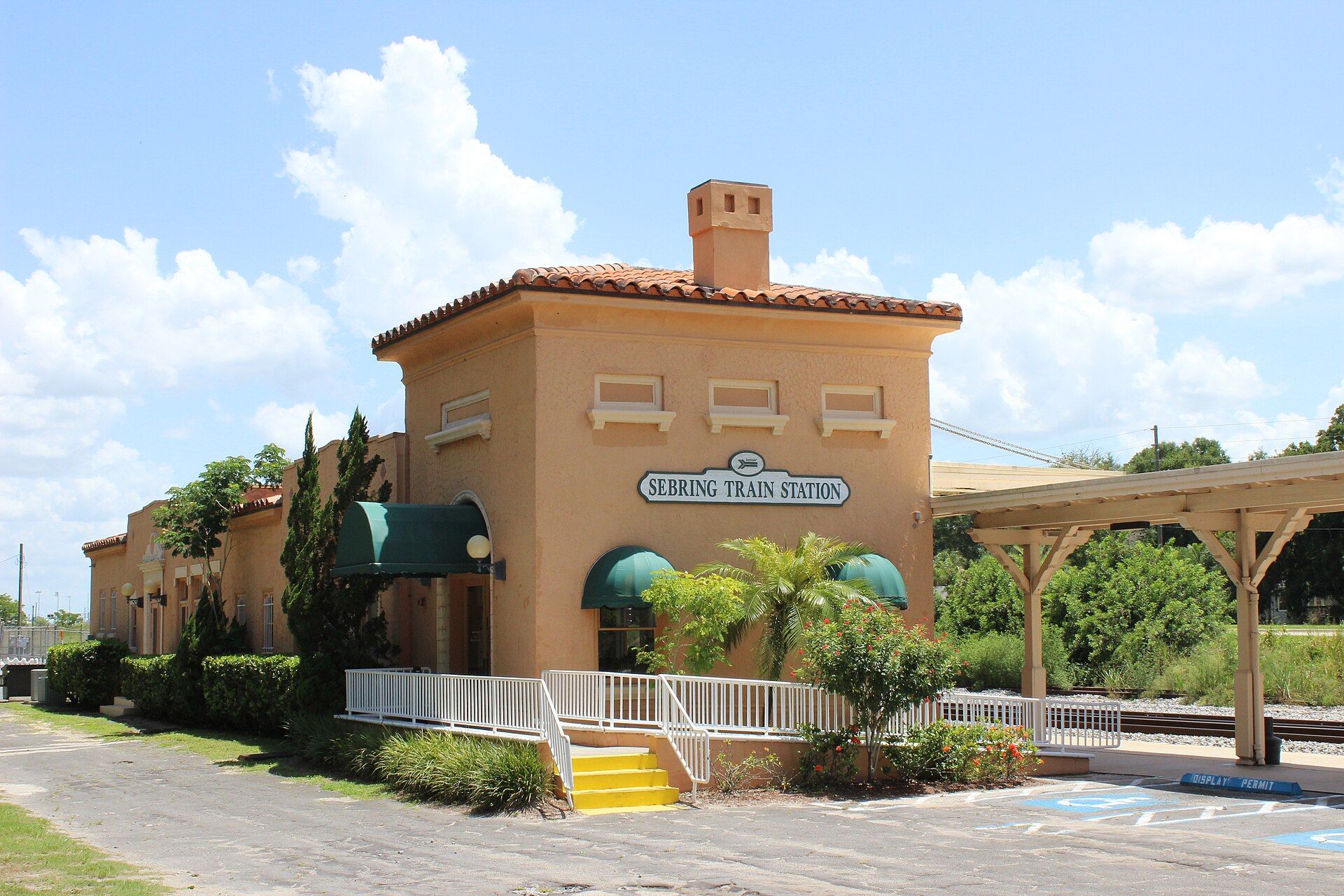
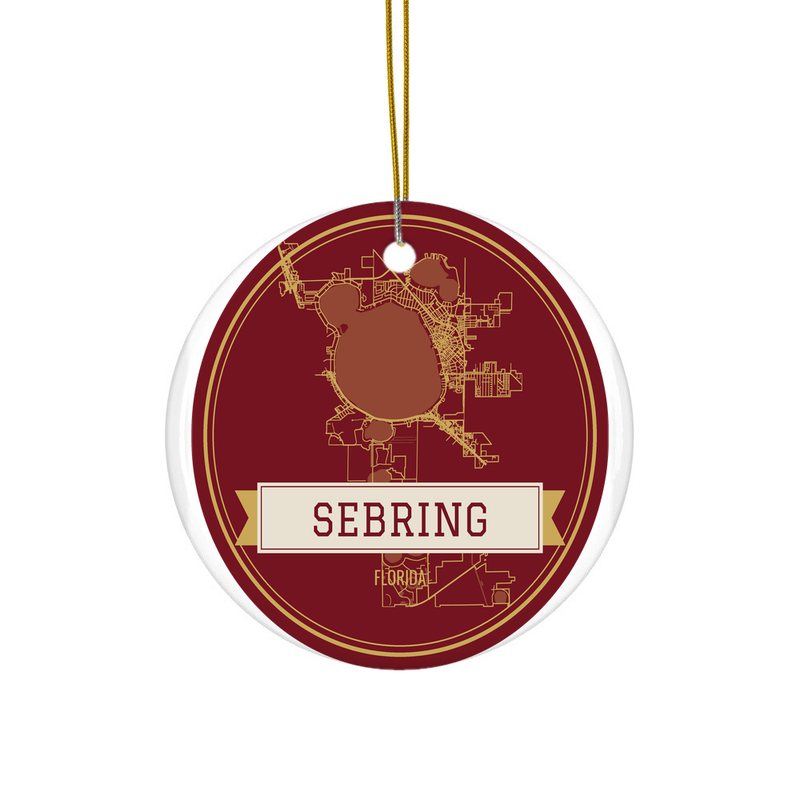
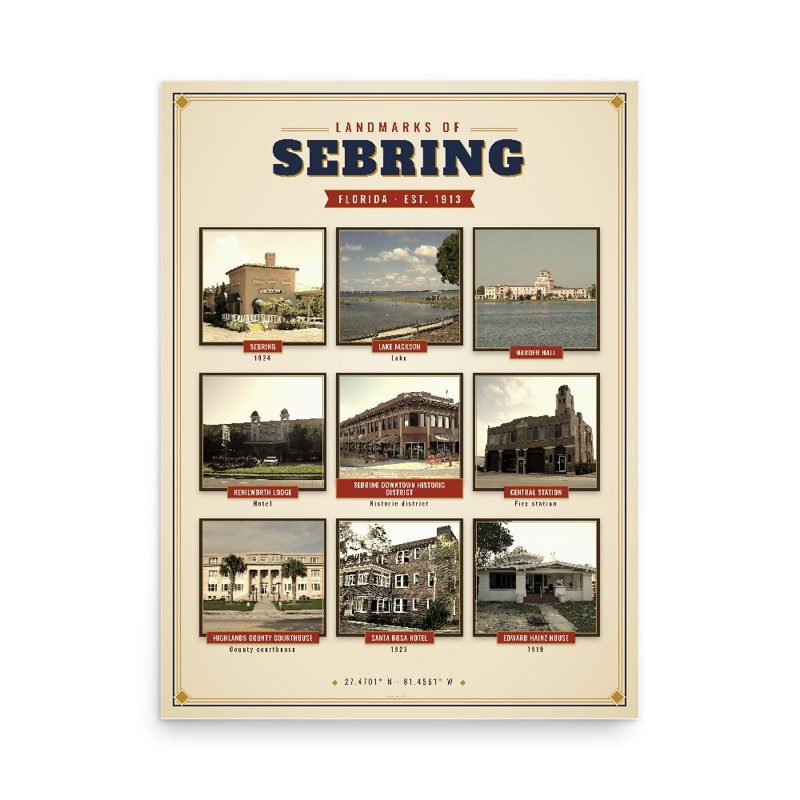
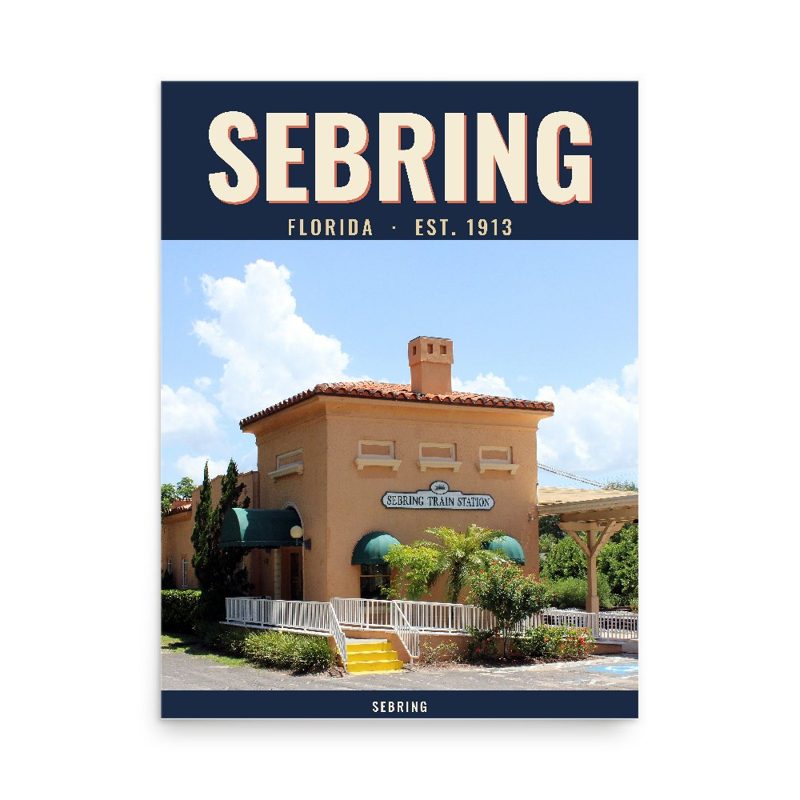
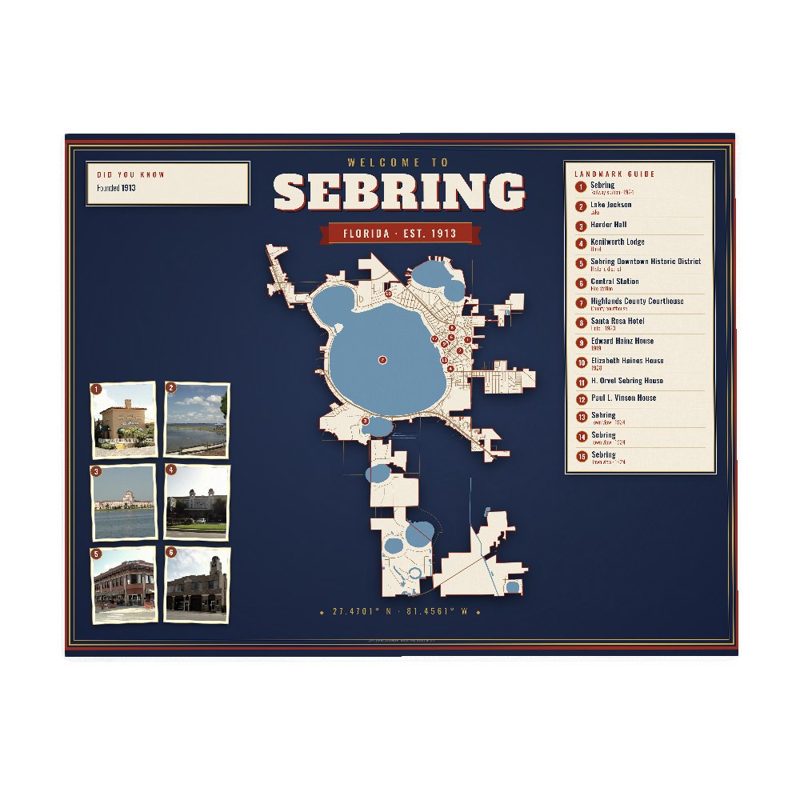














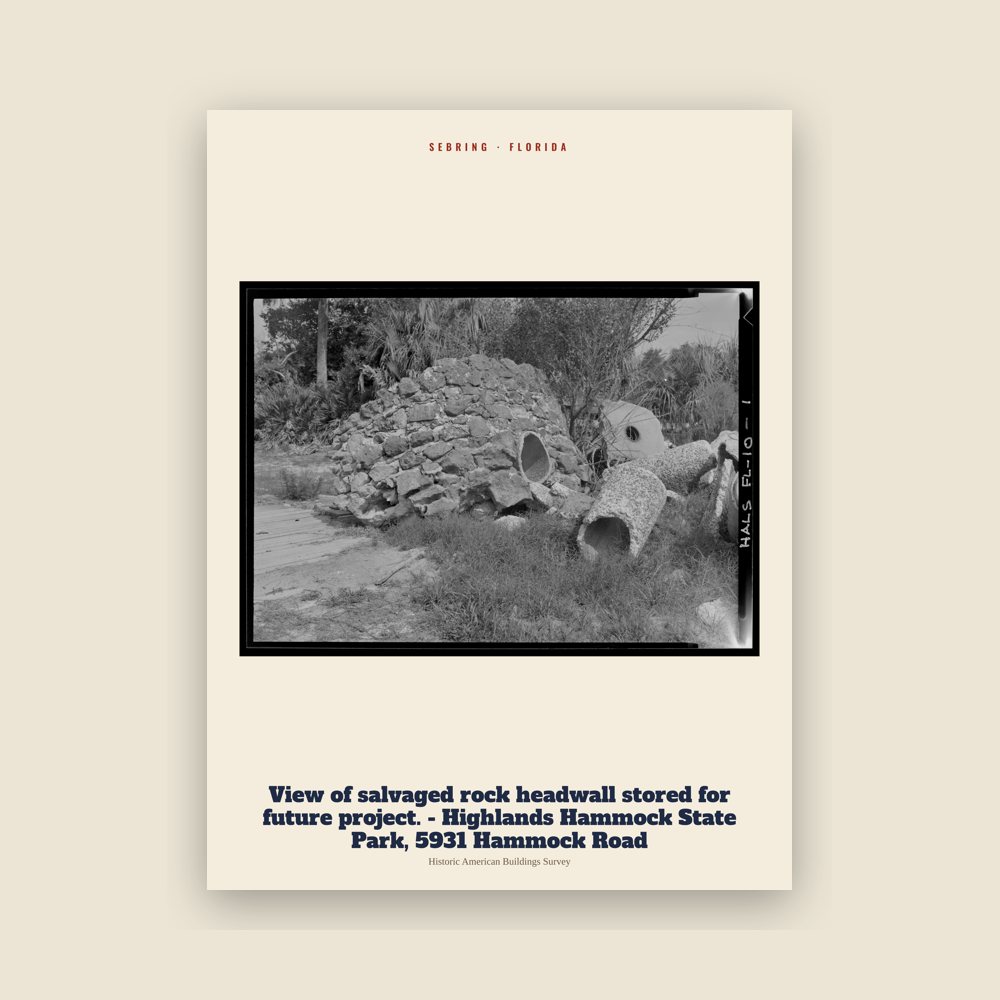
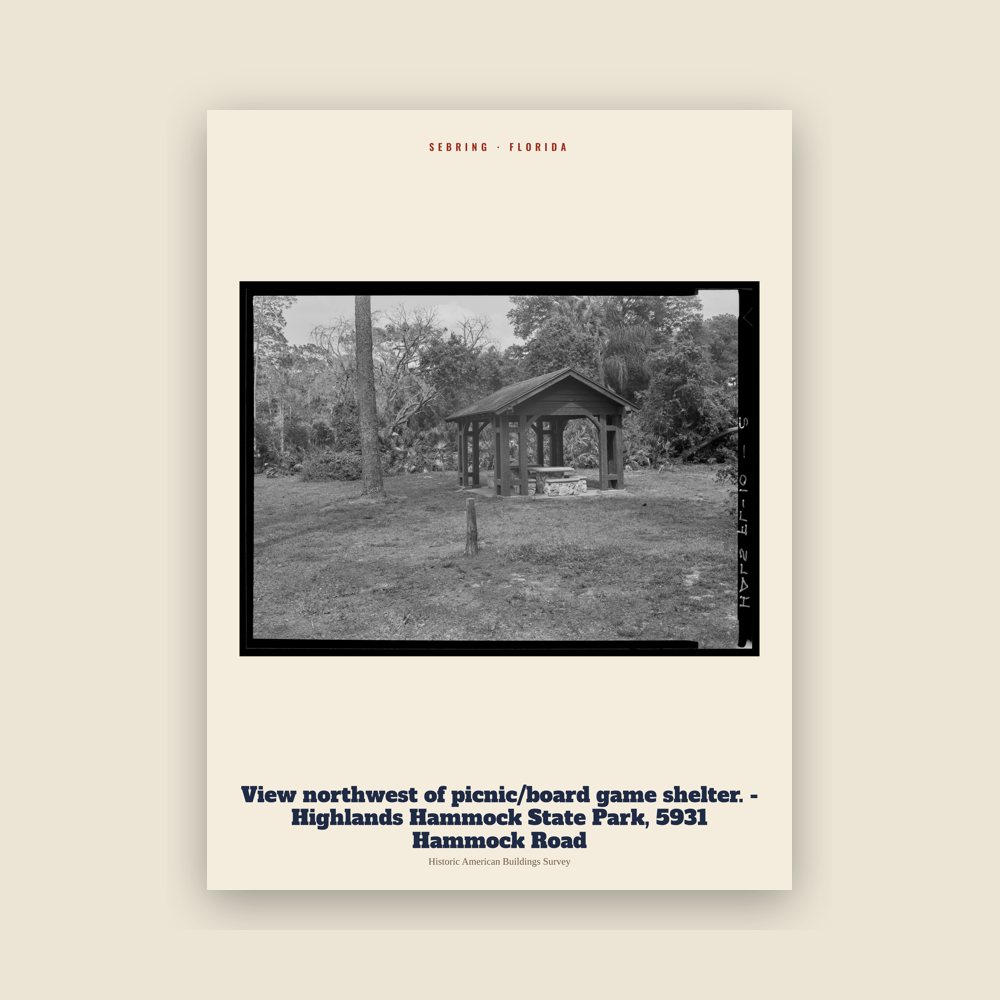

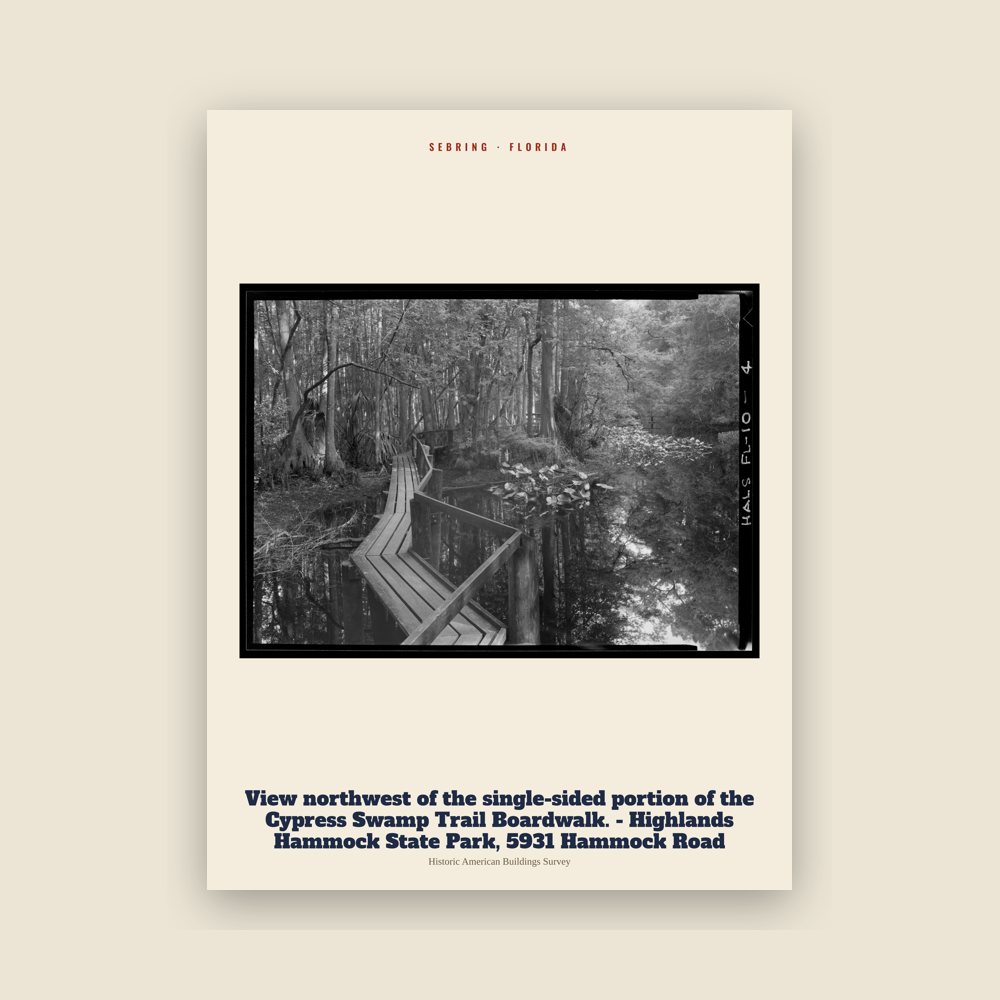
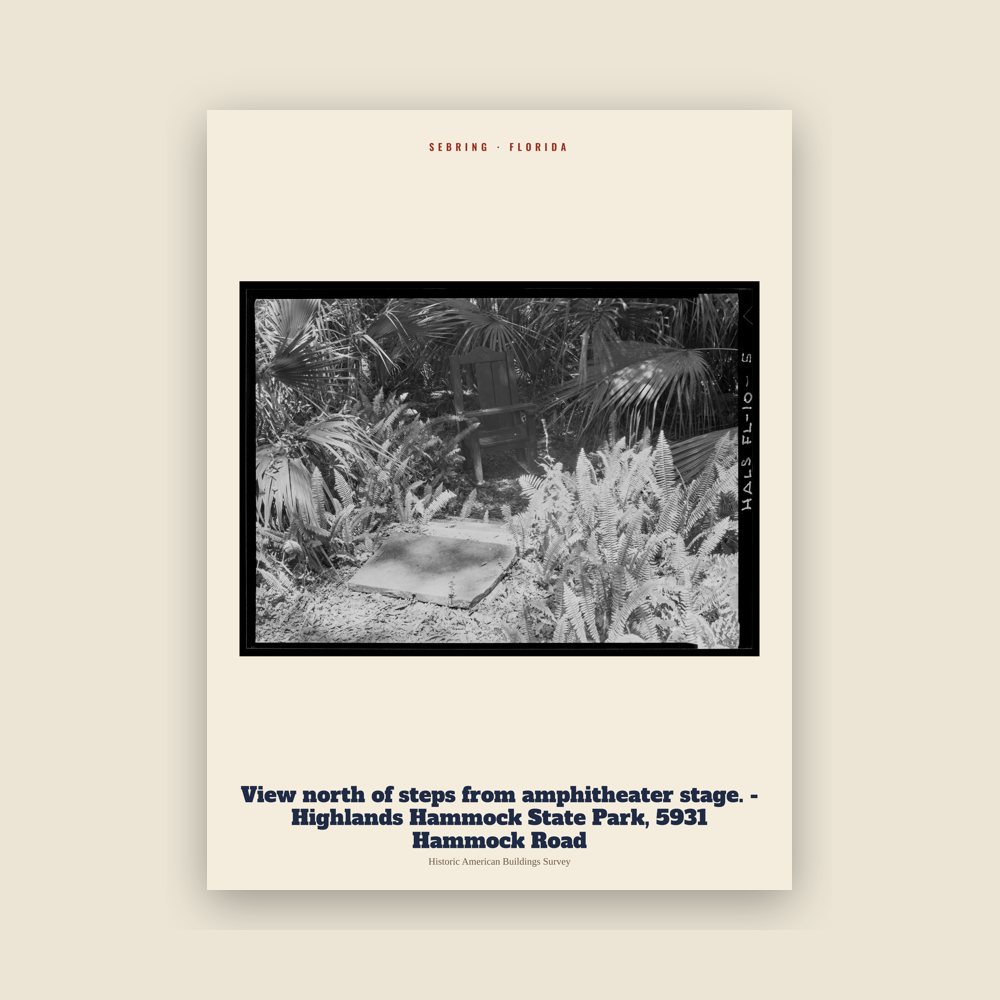
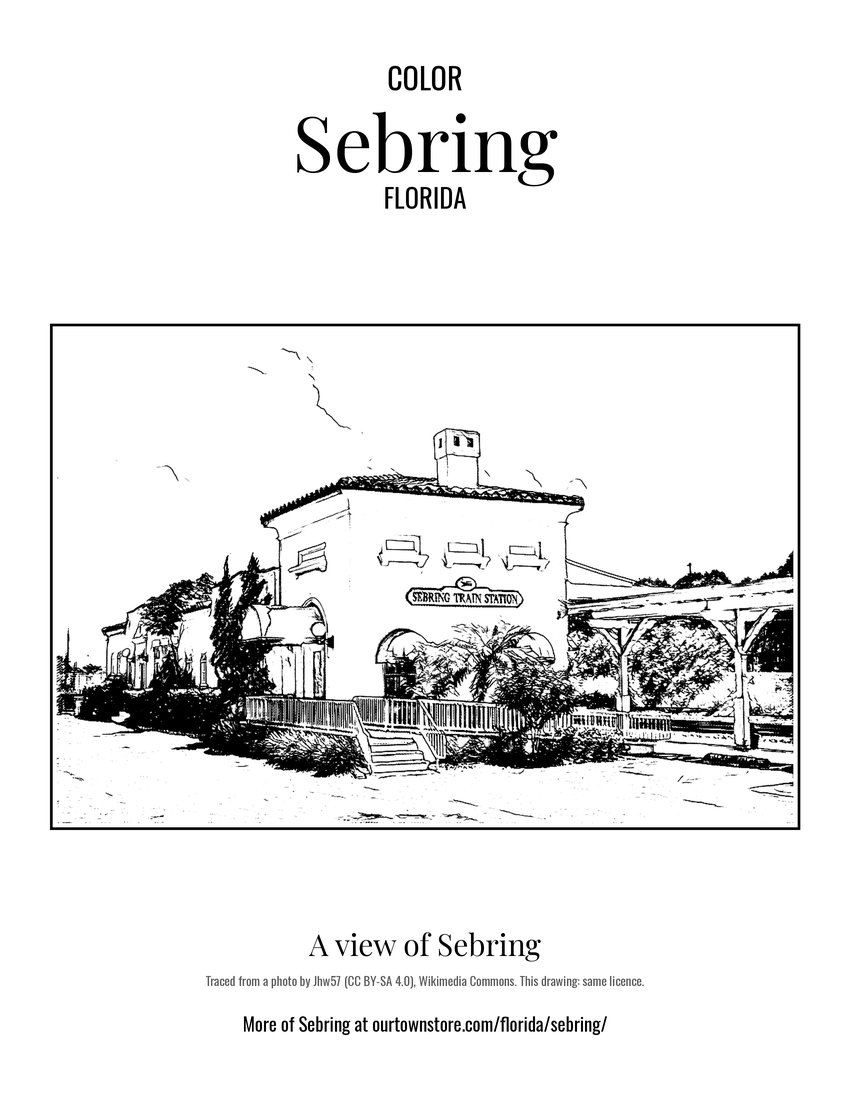 A view of Sebring
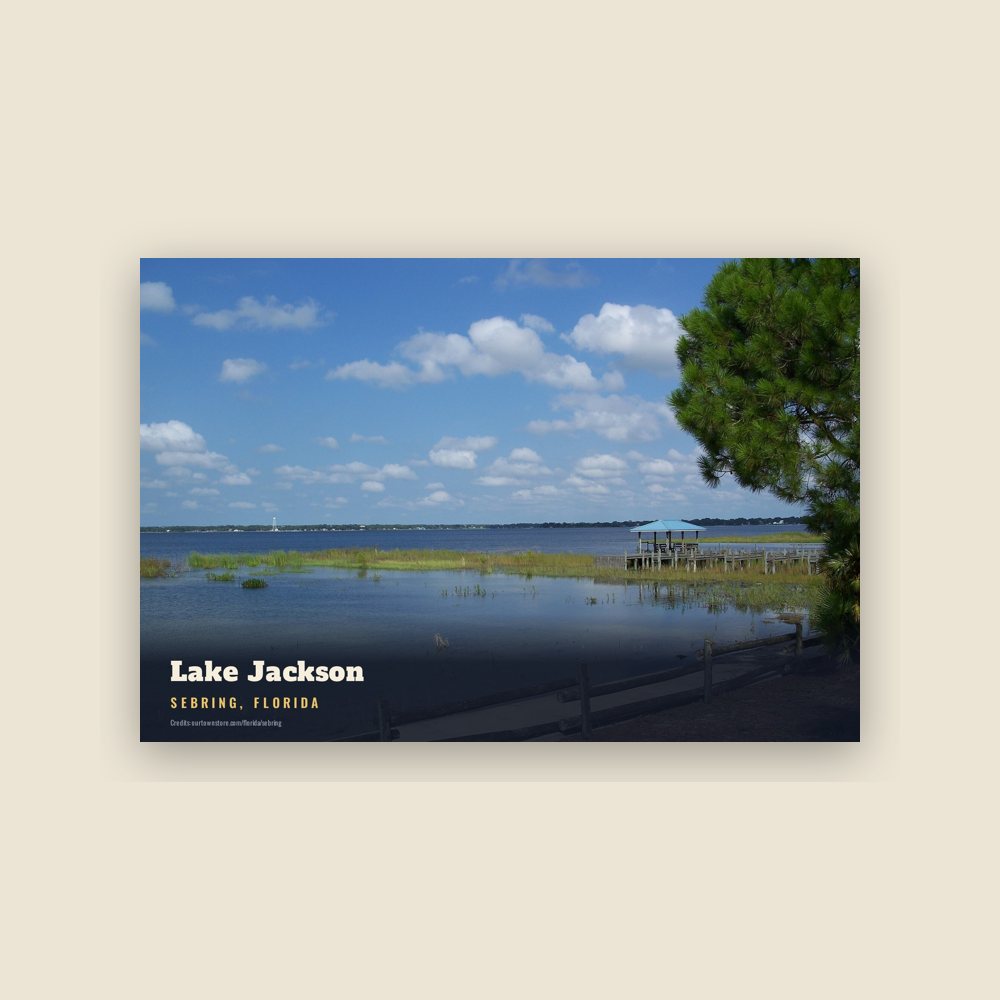
 Lake Jackson
 Harder Hall
 Kenilworth Lodge