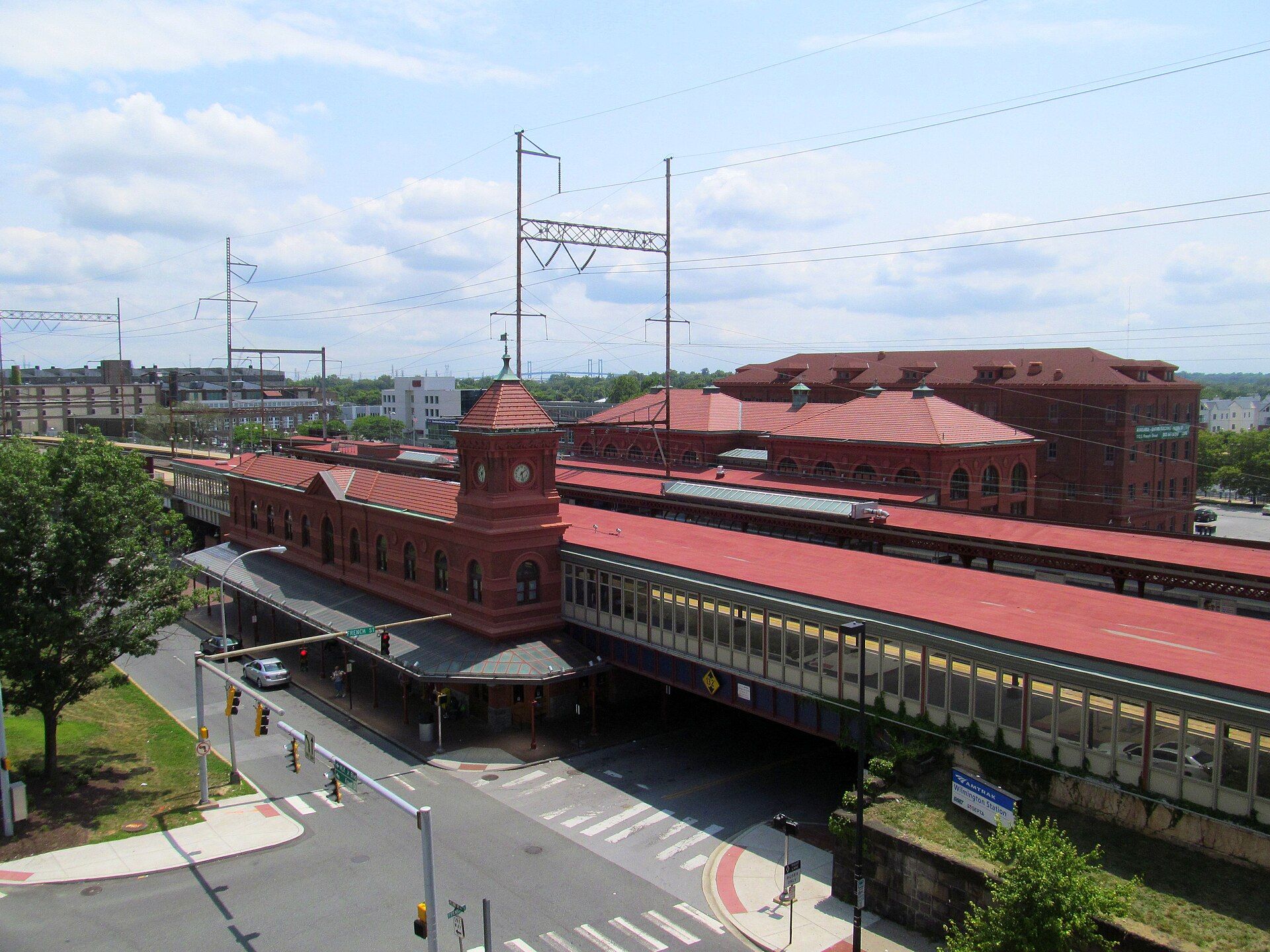
Wilmington is the most populous city in the U.S. state of Delaware. Landmarks include Delaware Colony, Delaware Art Museum and Diocese of Wilmington. Wilmington is the birthplace of Elisabeth Shue, actress.
Every piece is drawn from Wilmington's own map data and historic archives, then printed and shipped from the USA when you order. No two towns look alike.
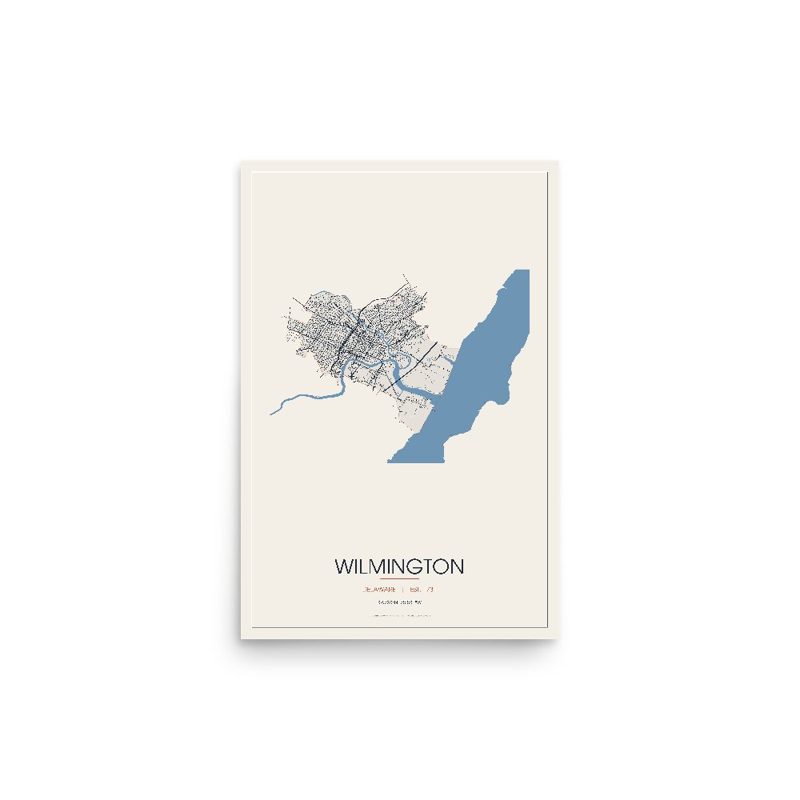
Every road in town, on archival matte paper
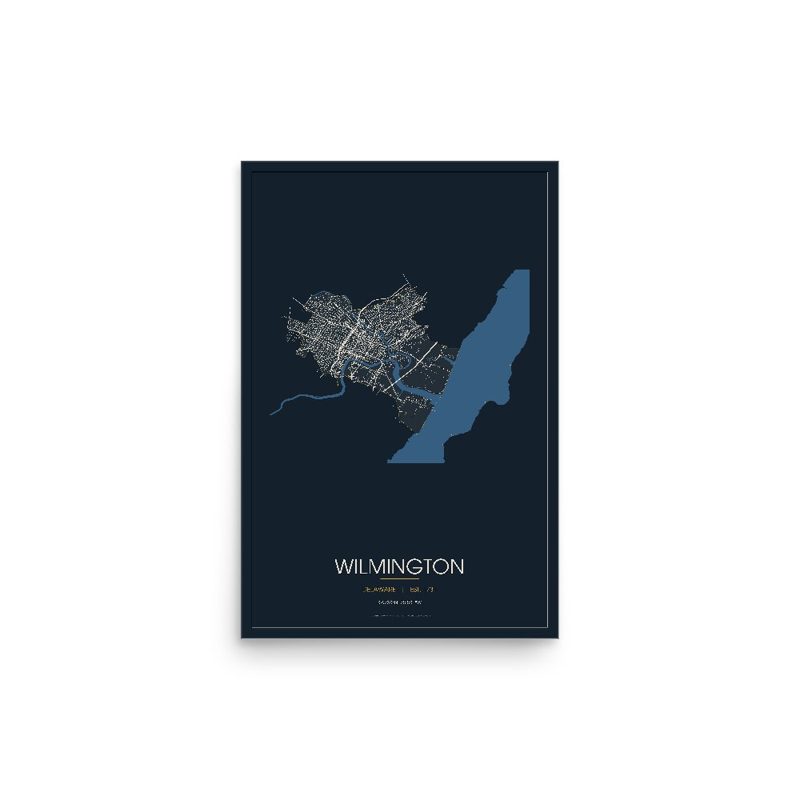
The same map, in navy and silver
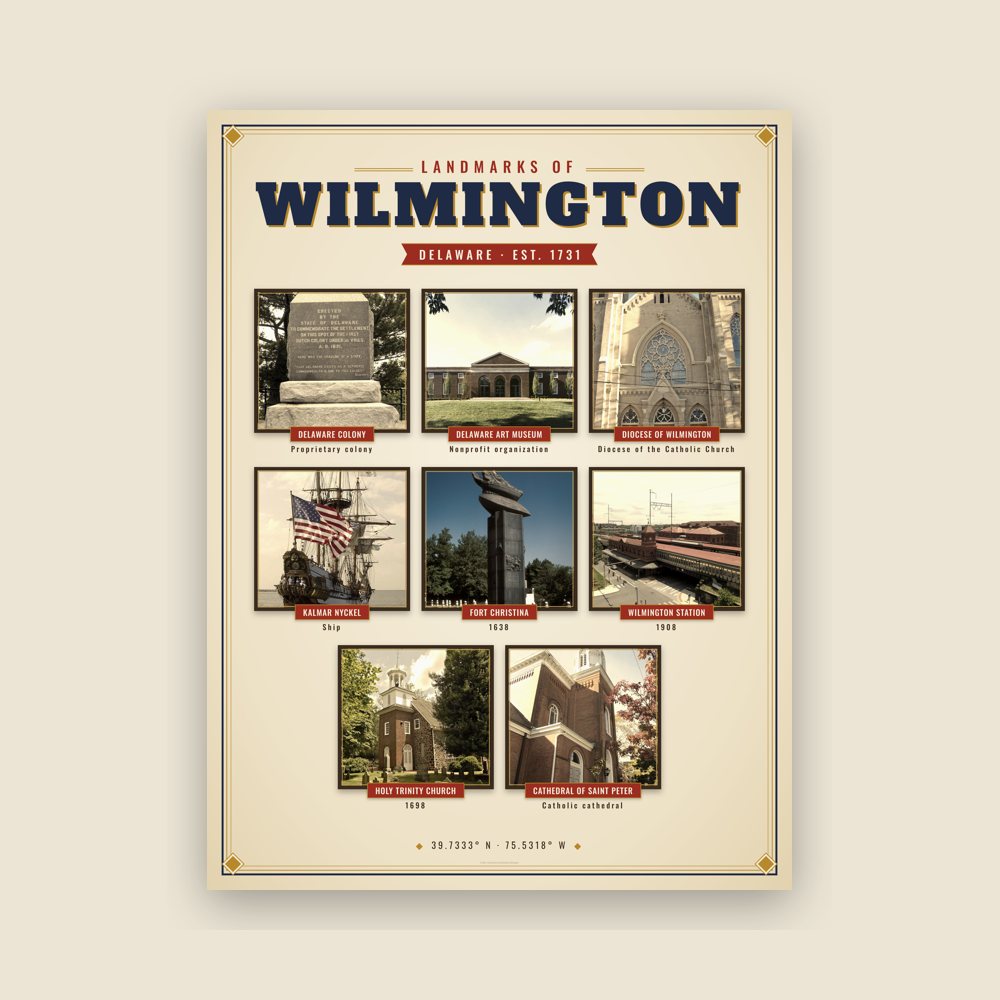
Nine local landmarks, archival matte
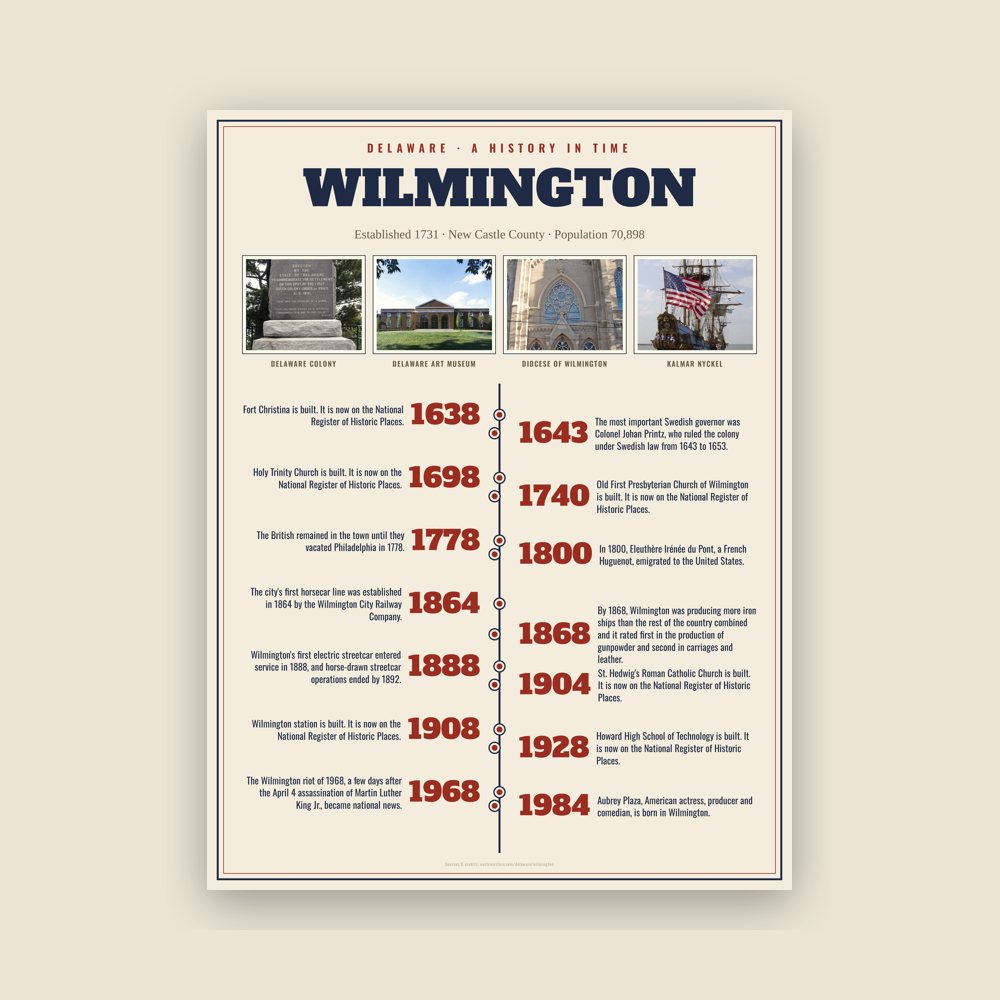
The town's story in dates, from its own records, for home or classroom
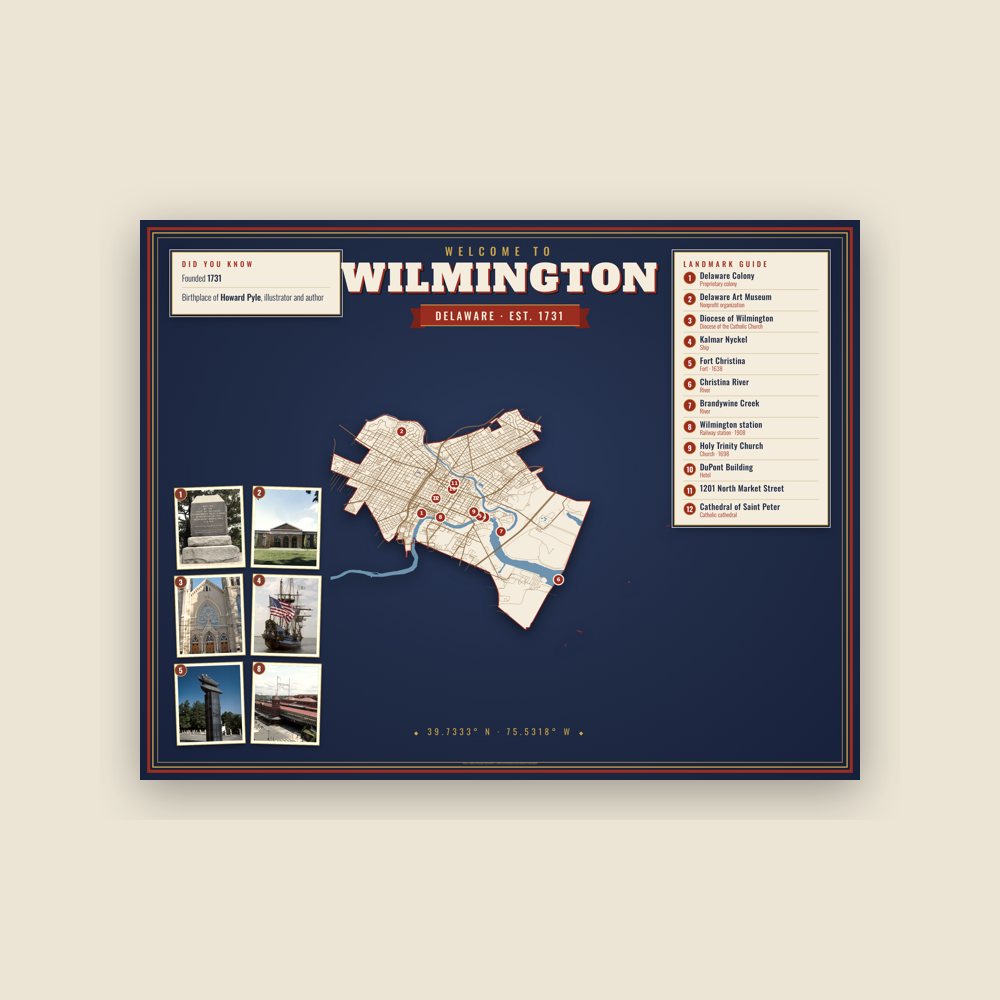
Map of local landmarks, washable fabric
Heavy-blend fleece, street map printed on the back
Soft Bella+Canvas jersey
Glossy ceramic, dishwasher safe
Ceramic keepsake, gold ribbon
Weatherproof, for the front walk
24″×16″, printed coir-look fibers, rubber back
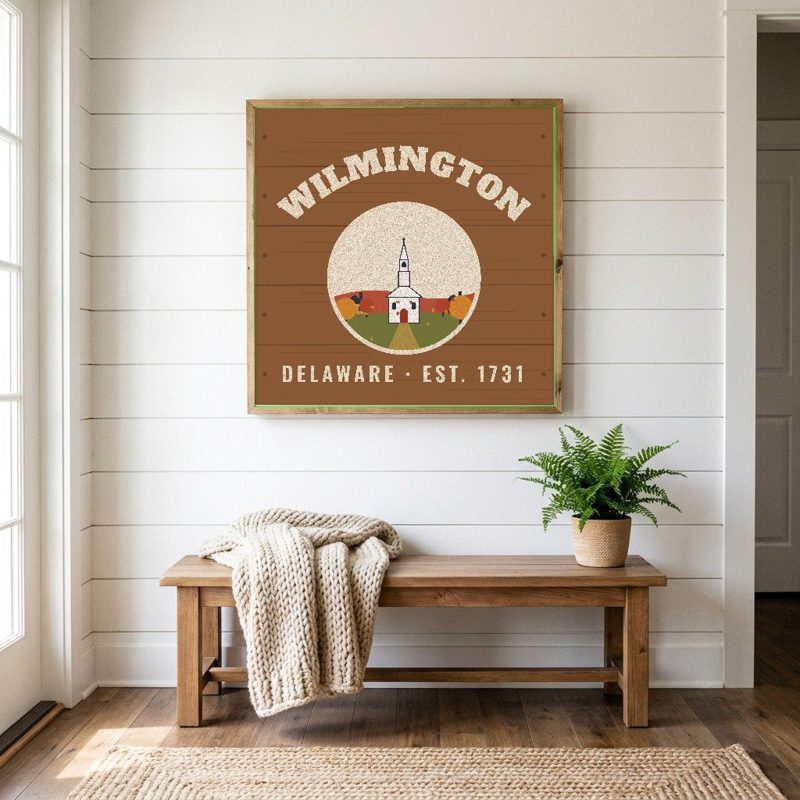
12″×12″ printed wood, ready to hang
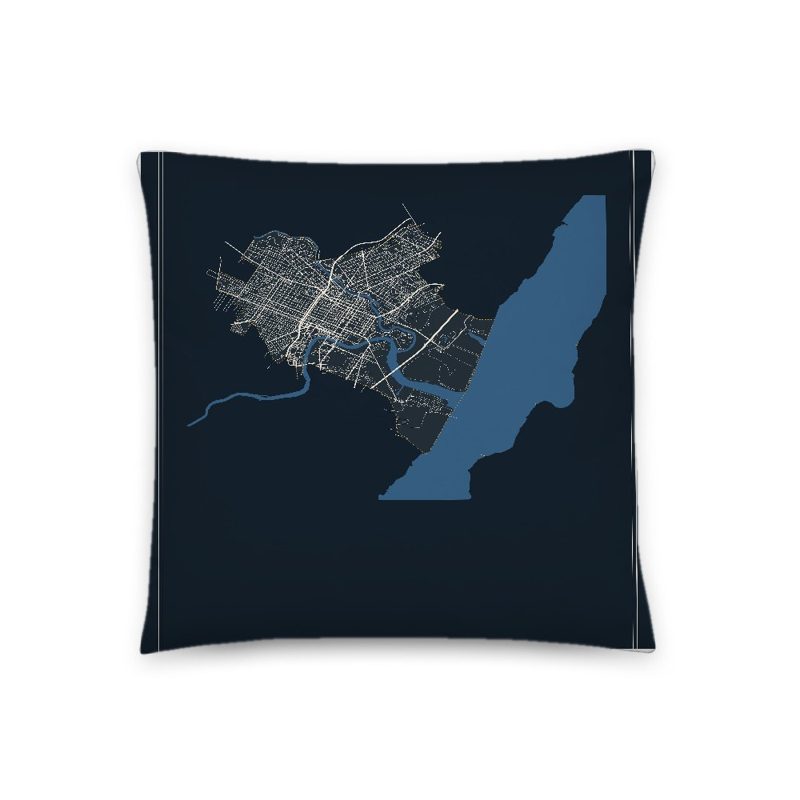
Soft-touch, zip cover
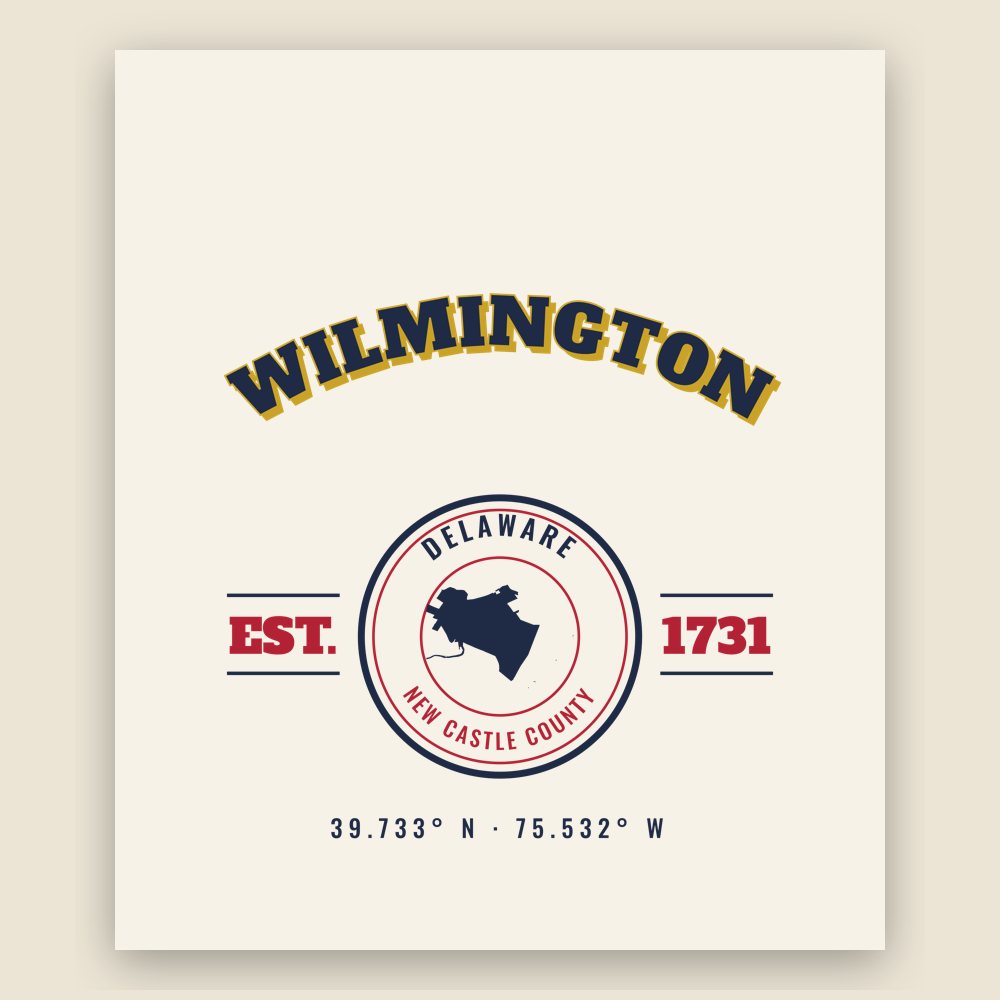
Sturdy all-over-print tote
Glossy top, cork back
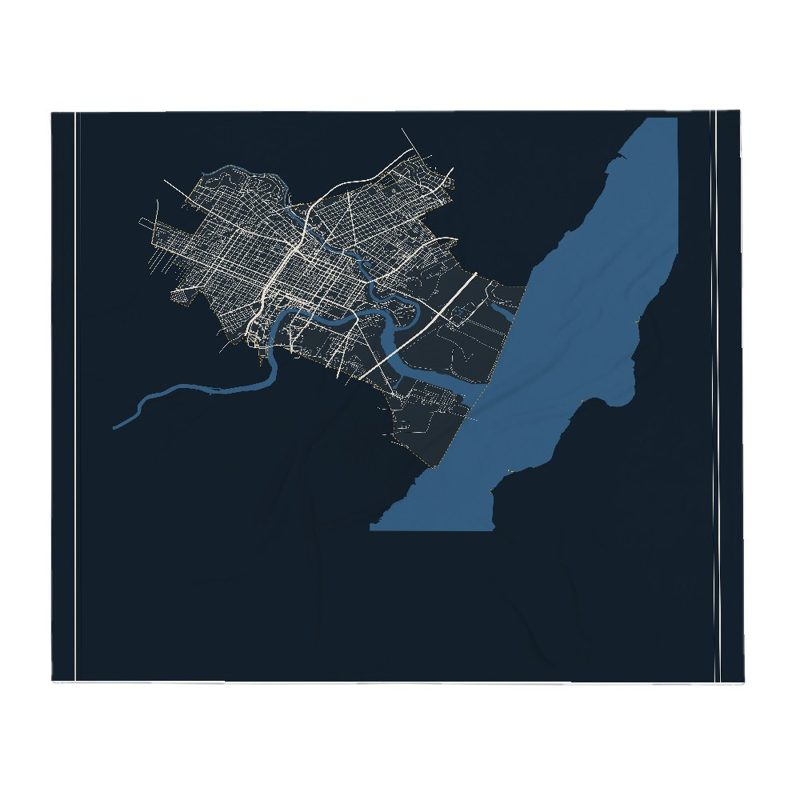
Soft fleece, 50″×60″
20 oz, double-wall stainless
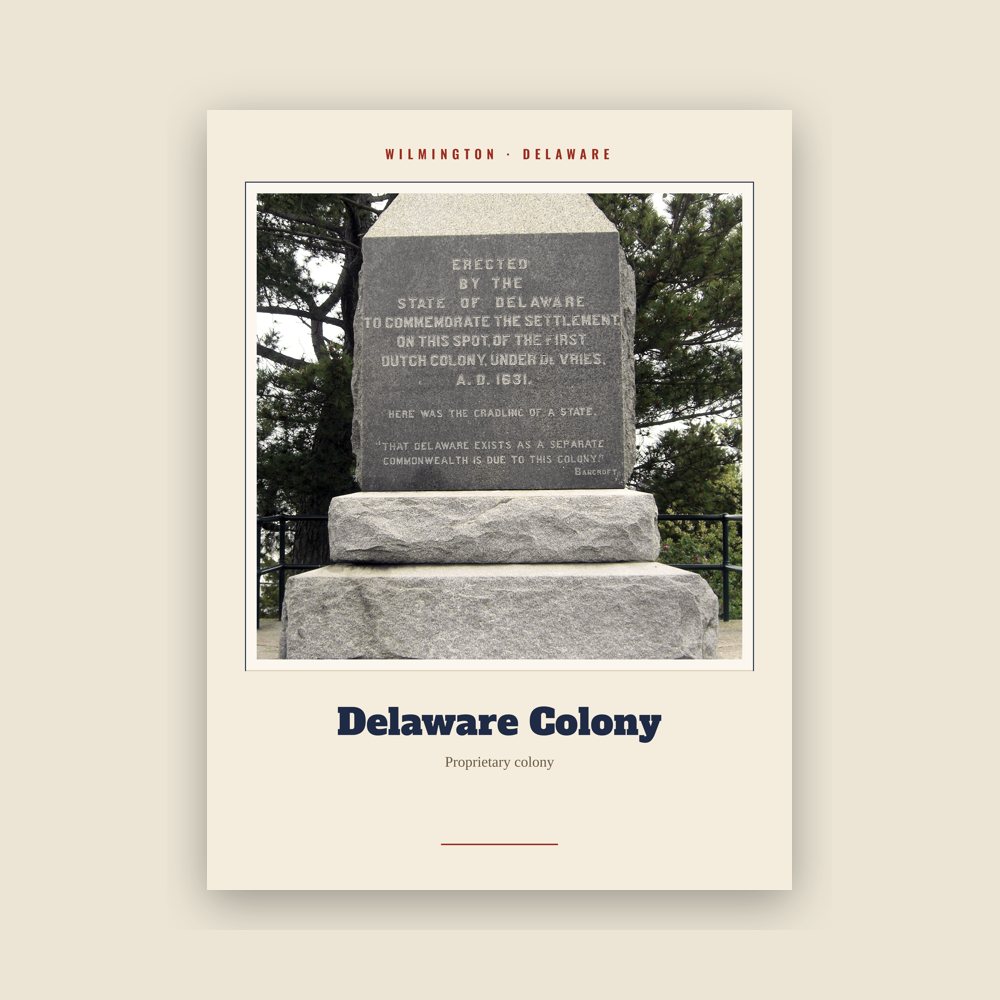
Archival matte print of a local landmark, credited to its photographer
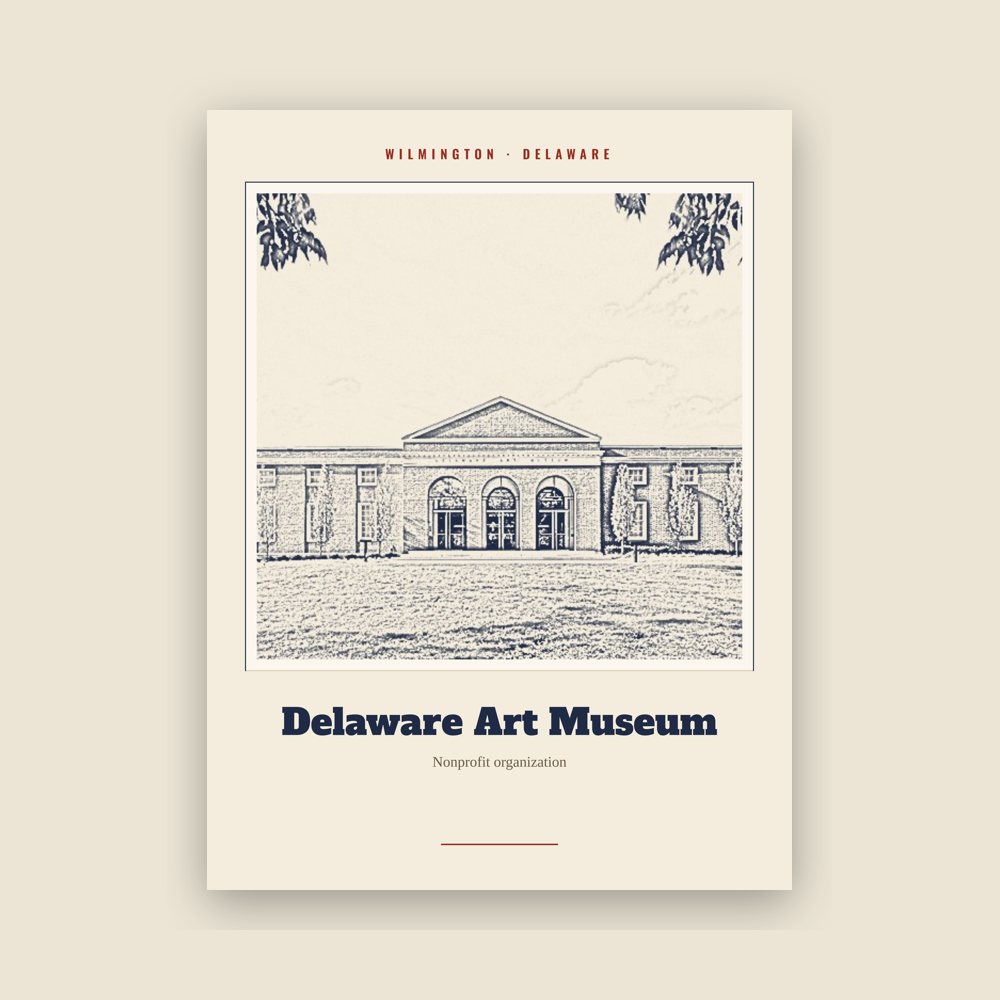
Archival matte print of a local landmark, credited to its photographer
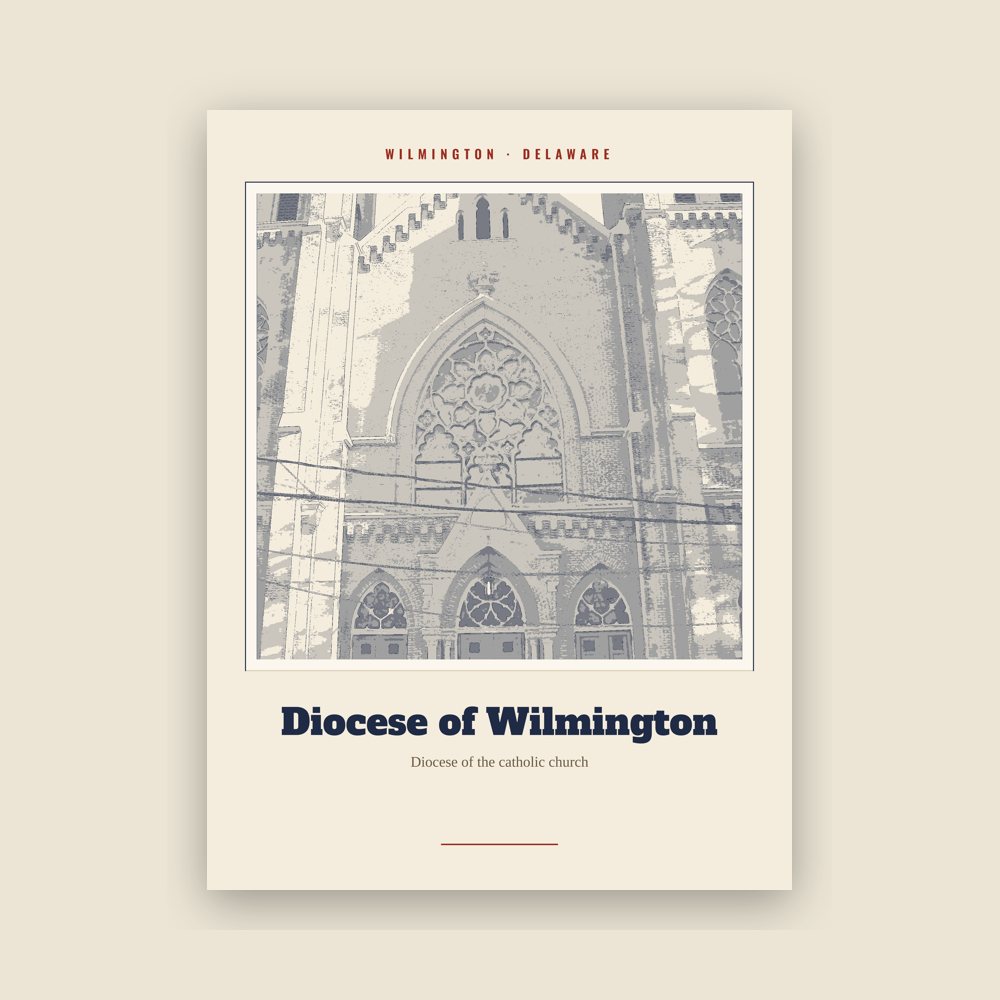
Archival matte print of a local landmark, credited to its photographer
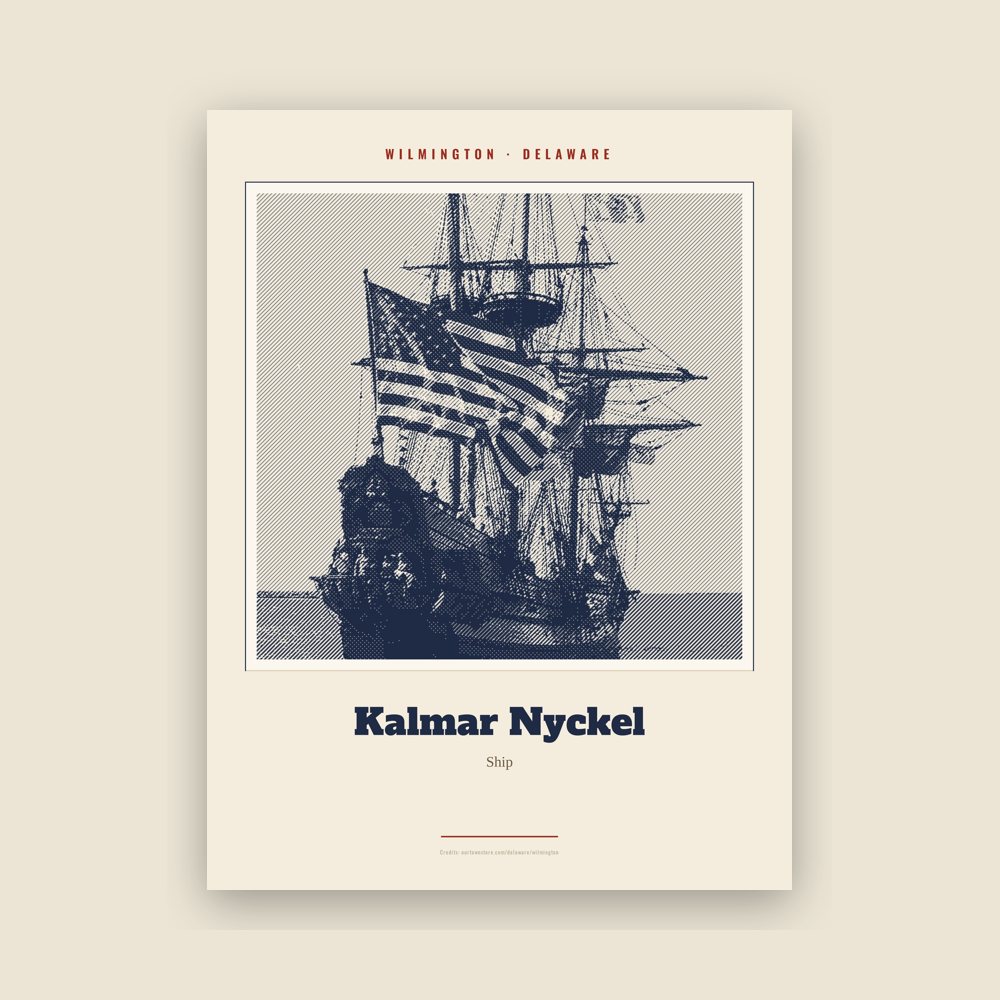
Archival matte print of a local landmark, credited to its photographer
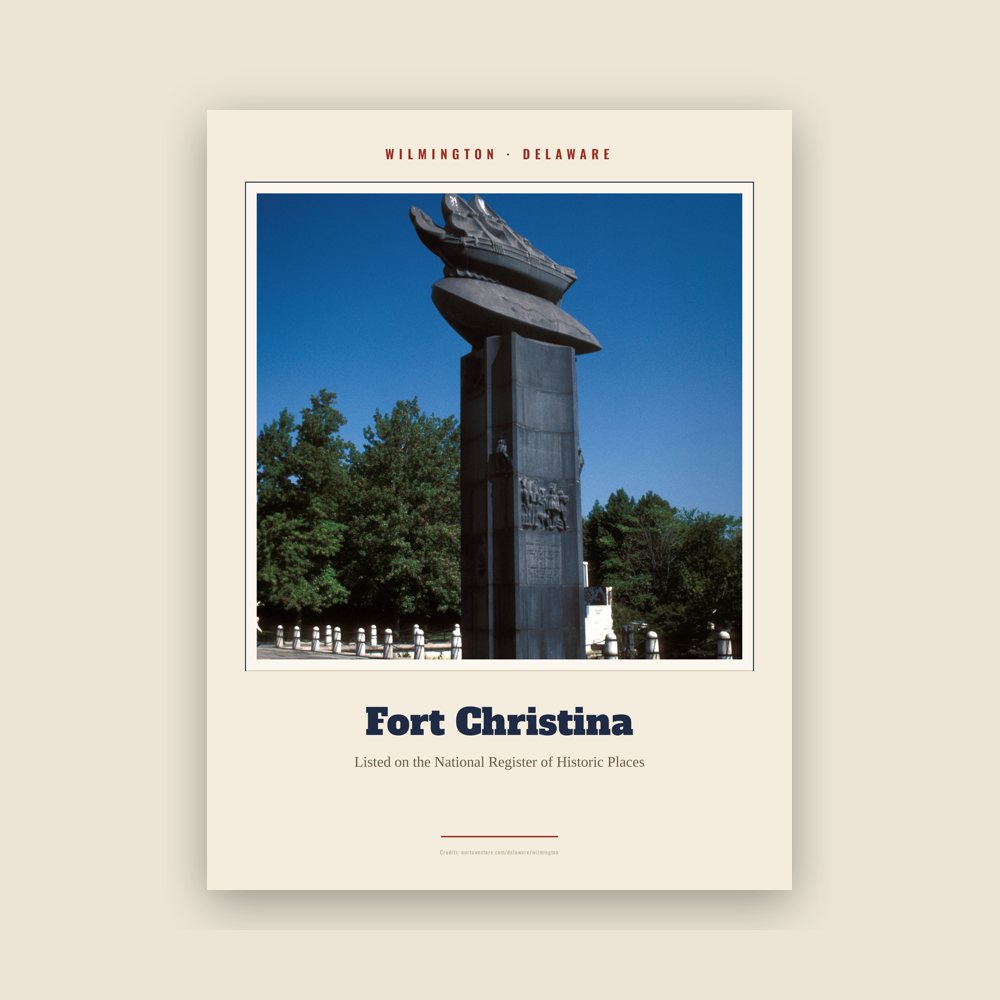
Archival matte print of a local landmark, credited to its photographer
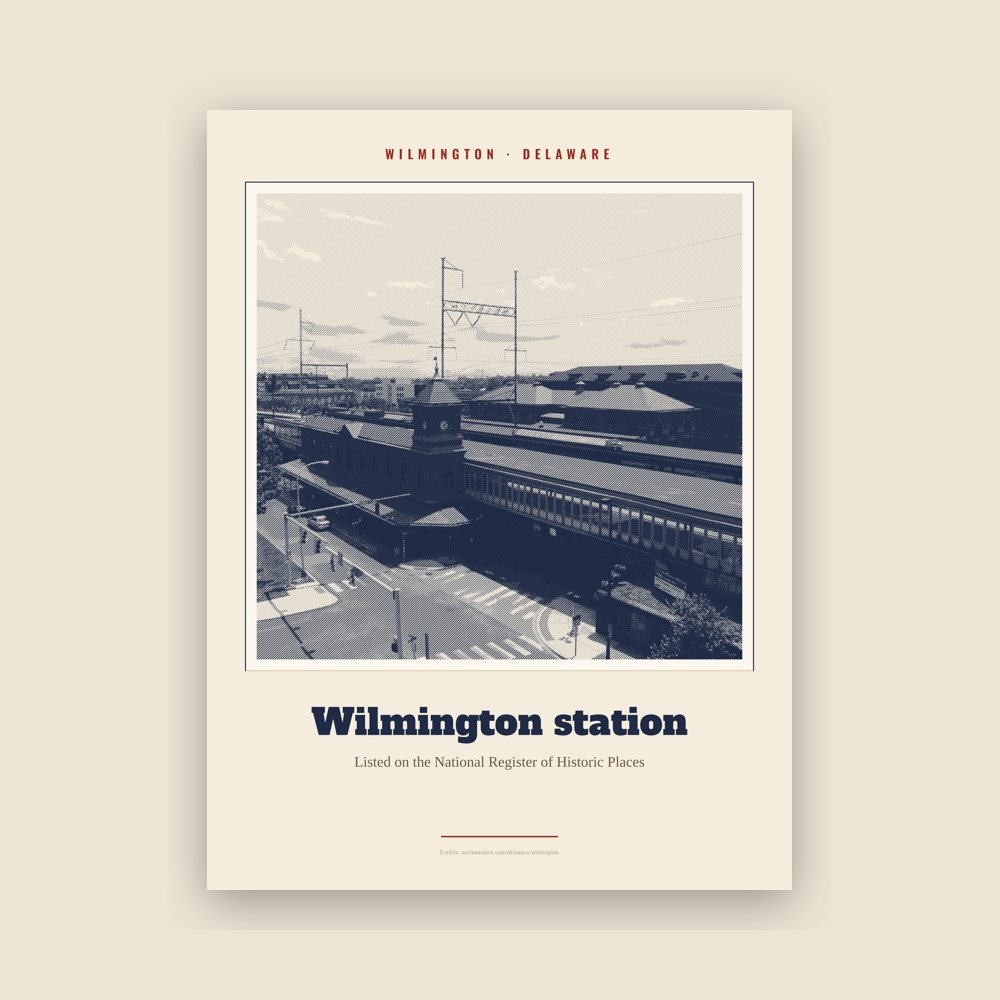
Archival matte print of a local landmark, credited to its photographer
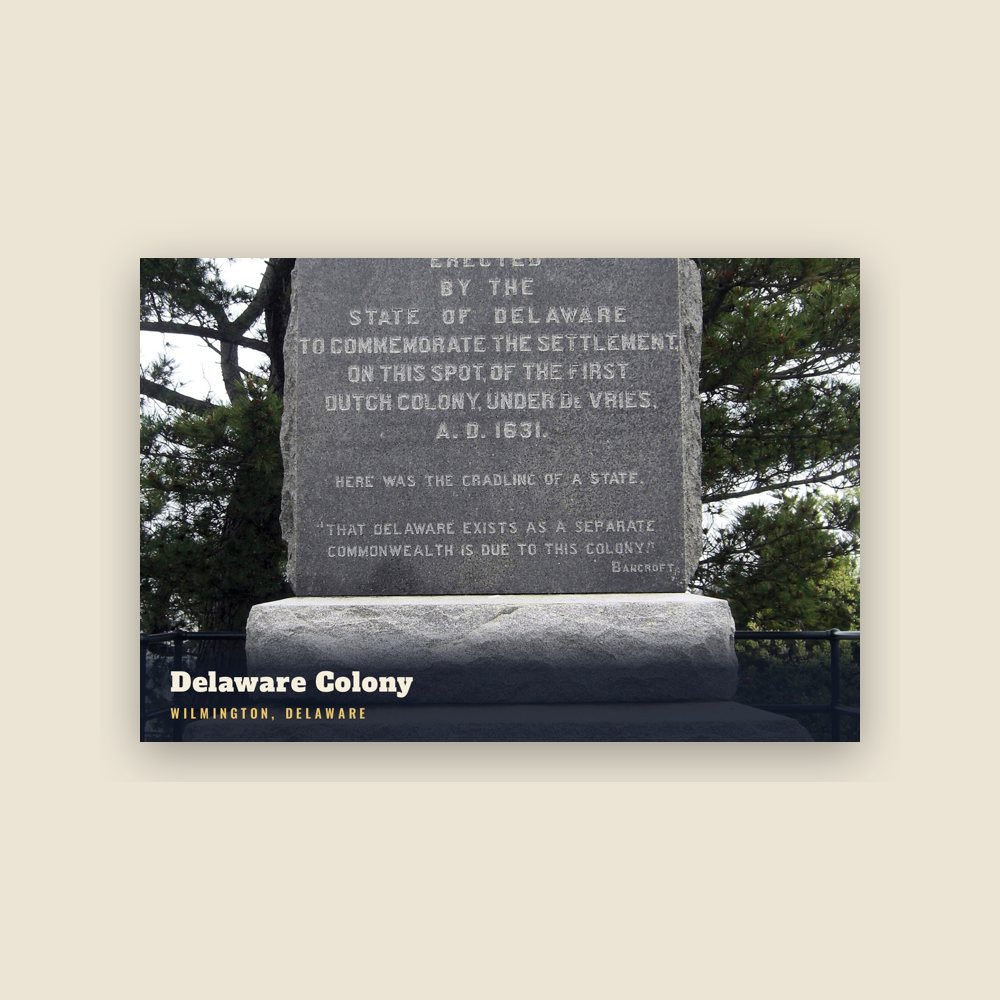
6″×4″ postcard, glossy front
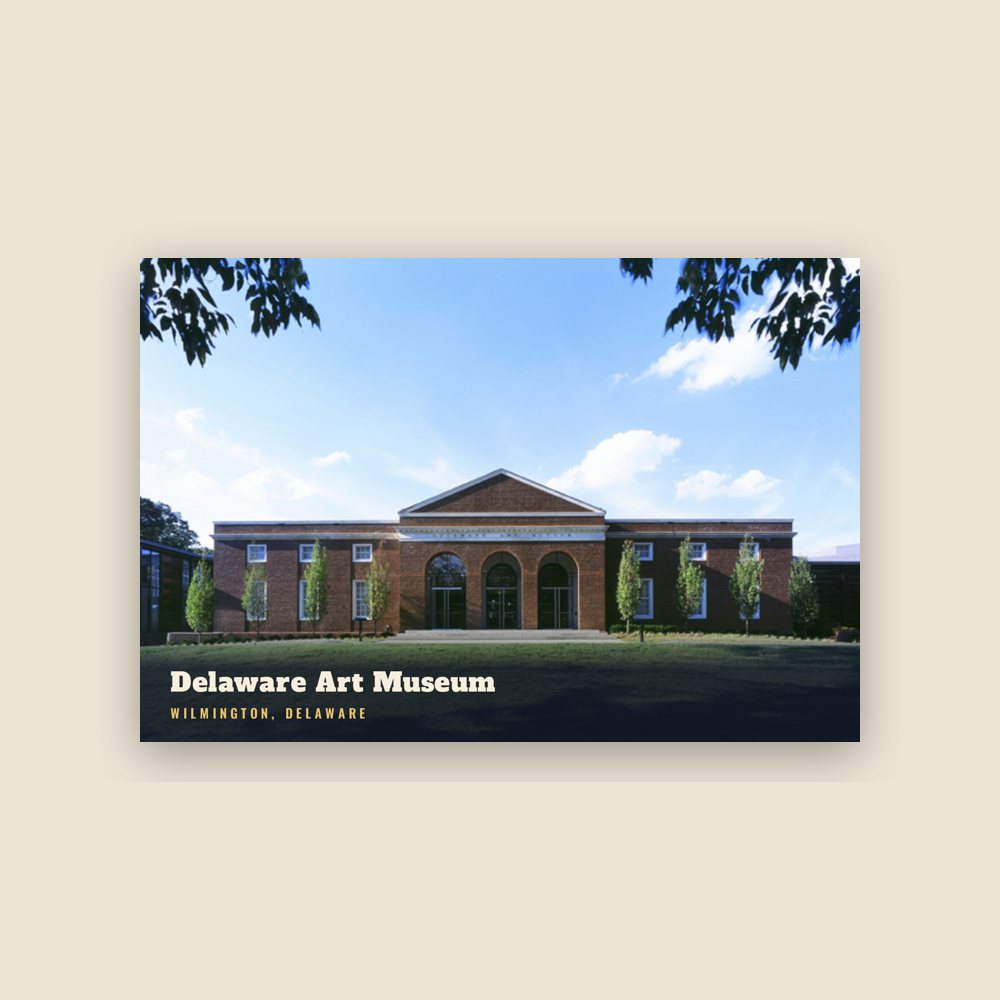
6″×4″ postcard, glossy front
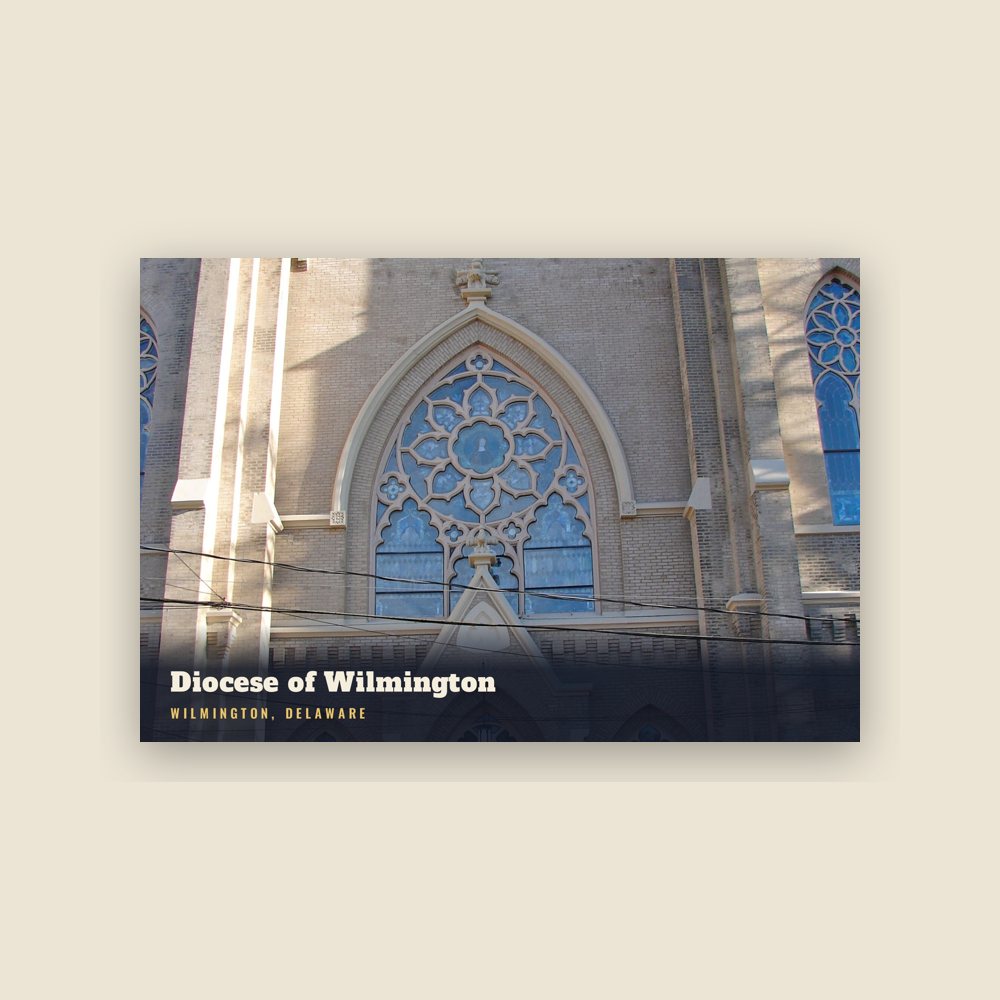
6″×4″ postcard, glossy front
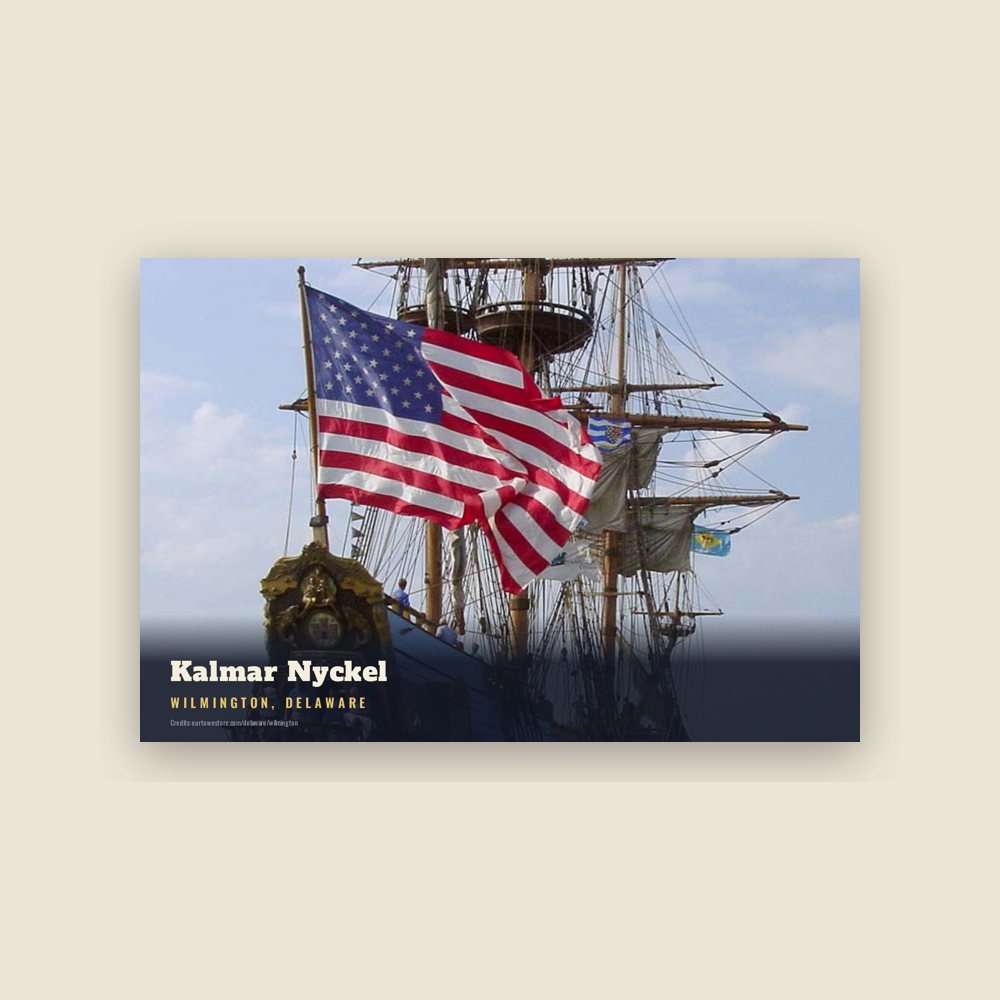
6″×4″ postcard, glossy front
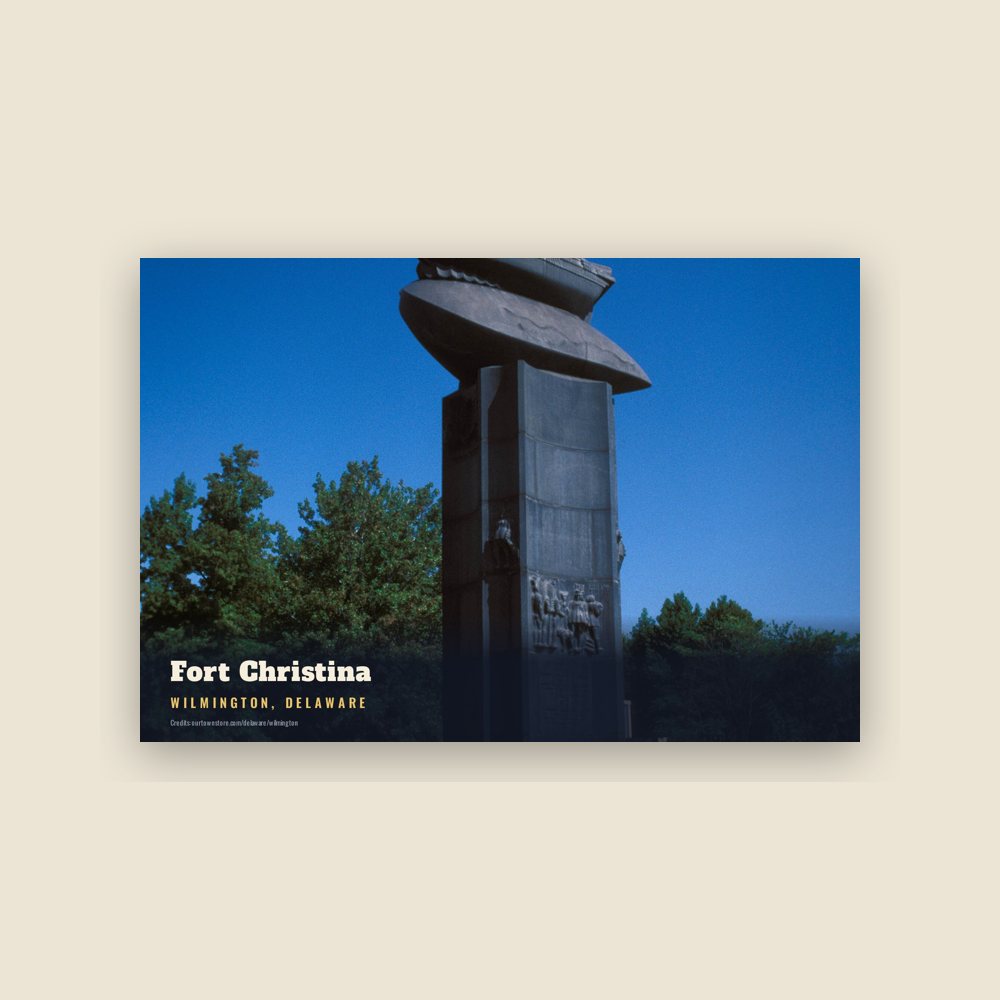
6″×4″ postcard, glossy front
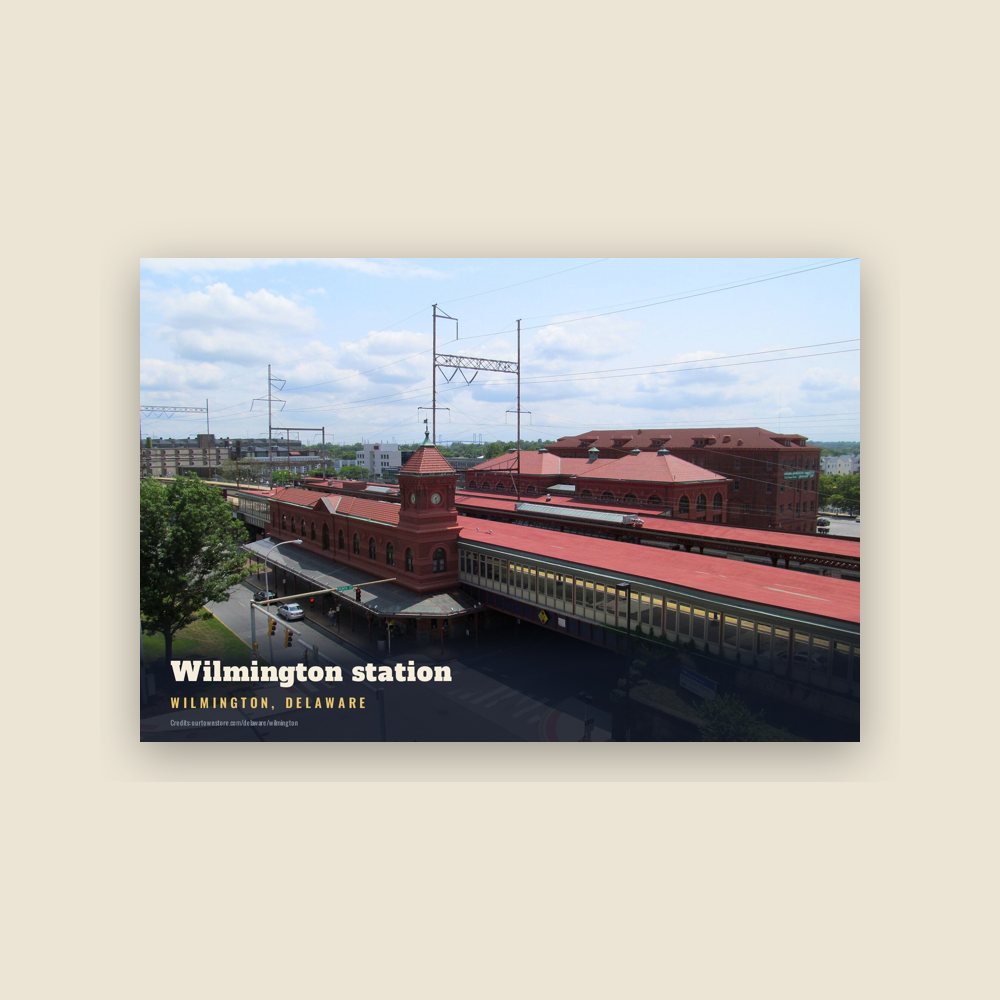
6″×4″ postcard, glossy front
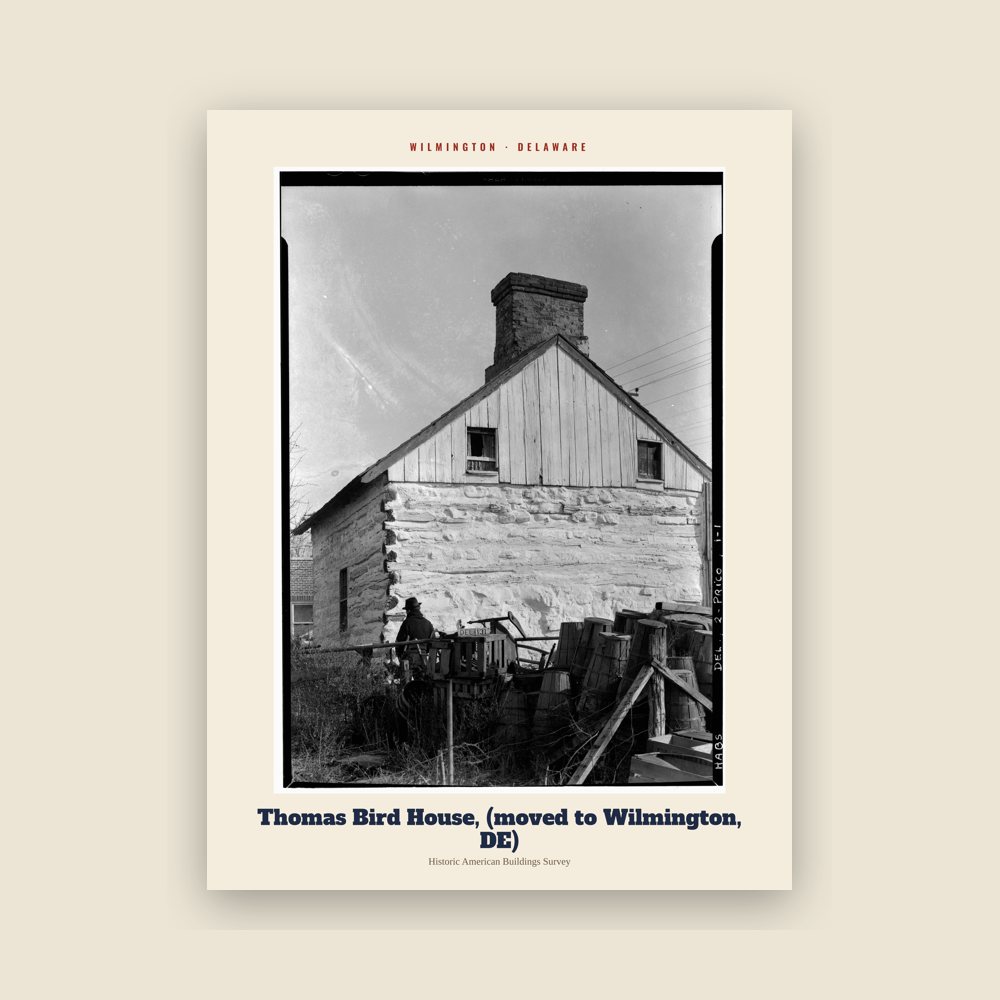
From the Library of Congress collections: a historic survey drawing or photograph of the town
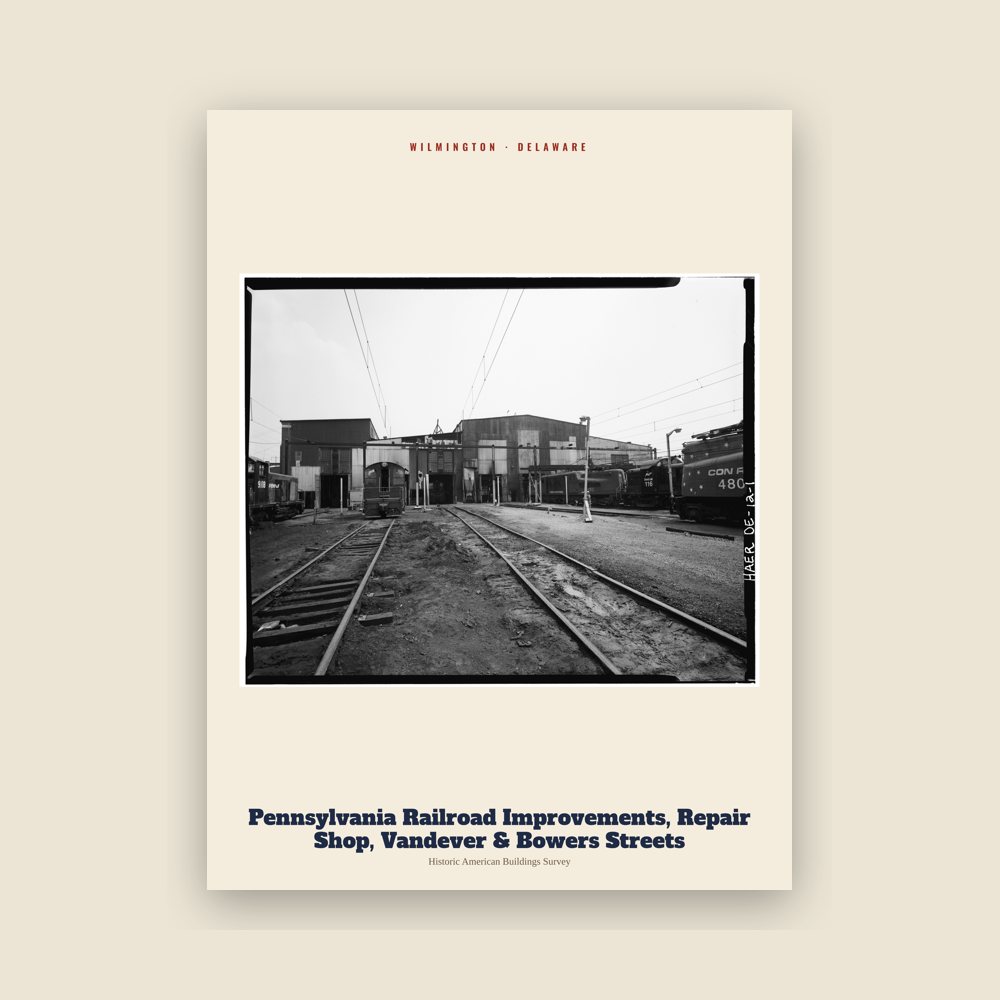
From the Library of Congress collections: a historic survey drawing or photograph of the town
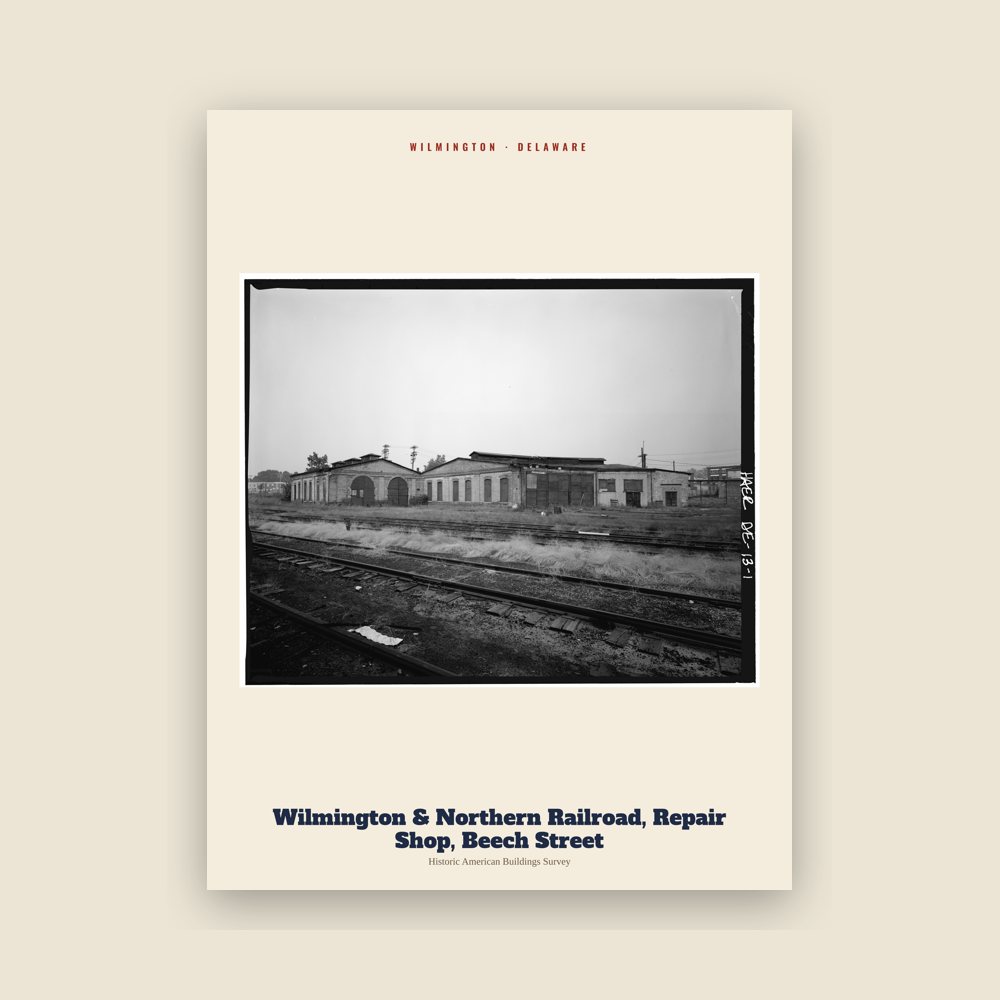
From the Library of Congress collections: a historic survey drawing or photograph of the town
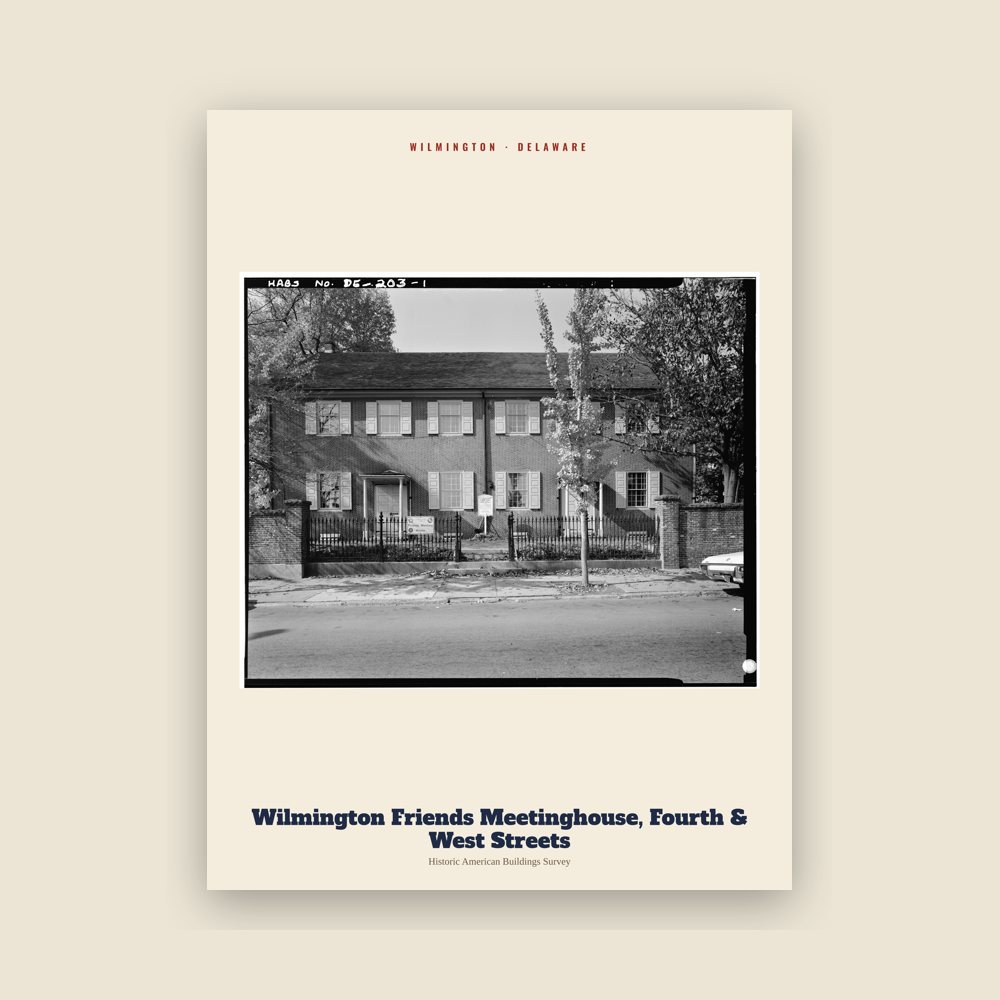
From the Library of Congress collections: a historic survey drawing or photograph of the town
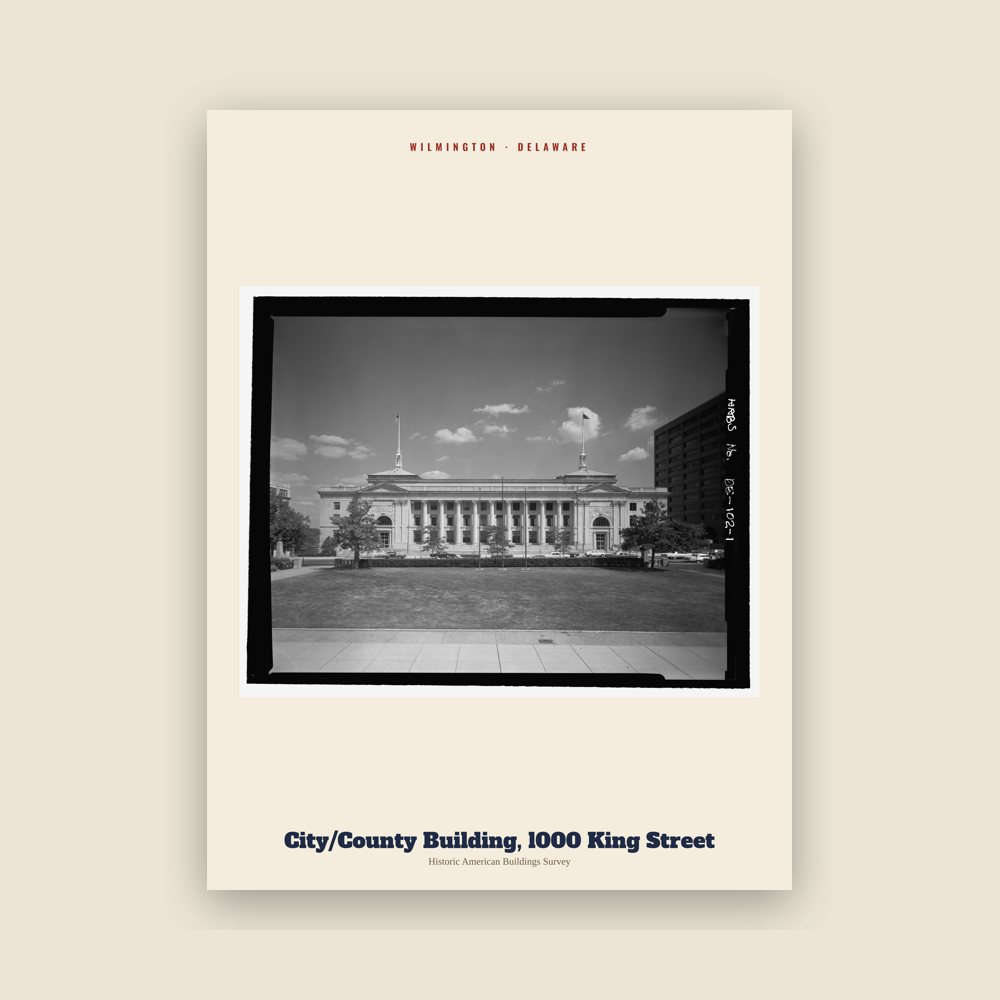
From the Library of Congress collections: a historic survey drawing or photograph of the town
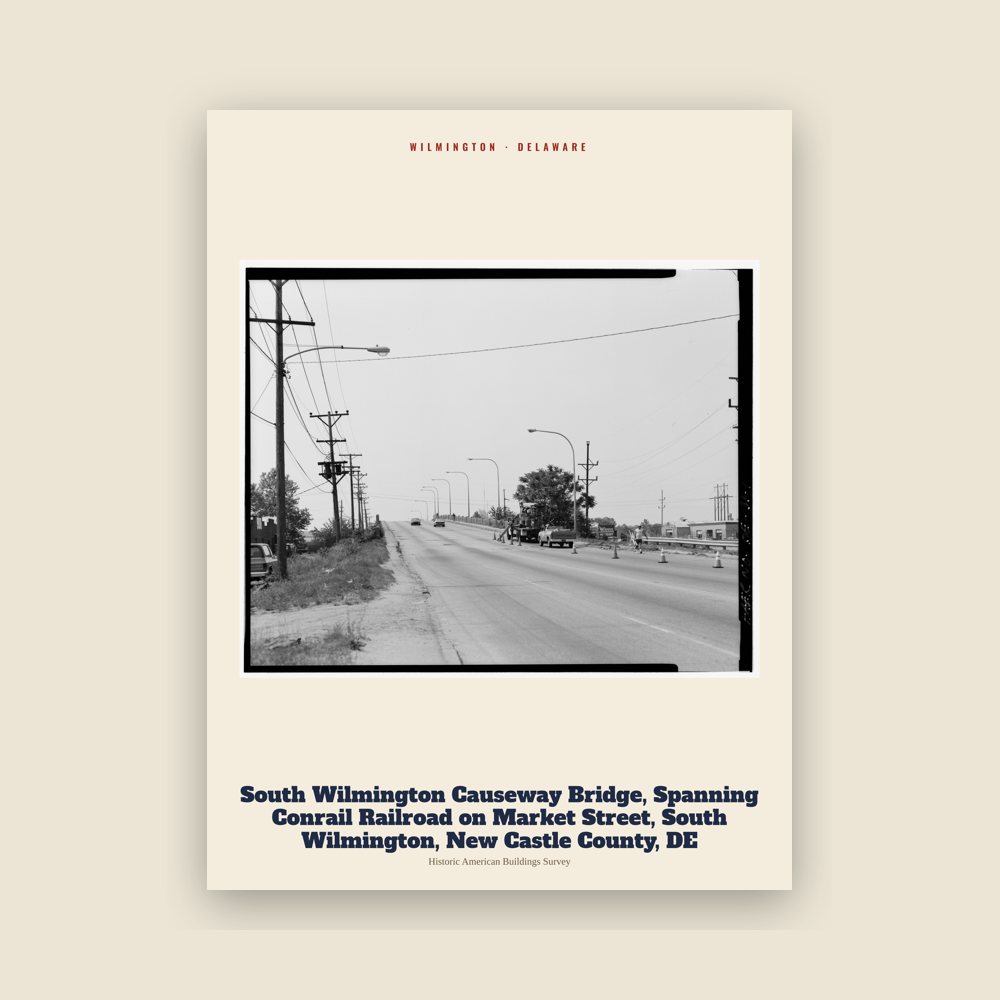
From the Library of Congress collections: a historic survey drawing or photograph of the town
Population 1974: 75,000 → 1980: 70,000 → 2010: 70,851 → 2020: 70,898
From Wikidata (CC0).
Wilmington is built on the site of the settlement Kristinehamn, which was planned by Peter Mårtensson Lindeström to be the capital of the colony of New Sweden, and Fort Christina, the first Swedish settlement in North America. The modern city also encompasses other Swedish settlements, such as Timmerön / Timber Island (along Brandywine Creek), Sidoland (South Wilmington), Strandviken (along the Delaware River near Simonds Gardens) and Översidolandet (along the Christina River, near Woodcrest and Ashley Heights).
The area now known as Wilmington was settled by the Lenape (or Delaware Indian) band led by Sachem (Chief) Mattahorn just before Henry Hudson sailed up the Len-api Hanna (translated as "People Like Me River," now known as the Delaware River) in 1609. The area was called "Maax-waas Unk" or "Bear Place" after the Maax-waas Hanna (Bear River) that flowed by (present Christina River). It was called the Bear River because it flowed west to the "Bear People", who are now known as the People of Conestoga or the Susquehannocks.
The Dutch heard and spelled the river and the place as Minguannan. When settlers and traders from the Swedish South Company under Peter Minuit arrived in March 1638 on the Fogel Grip and Kalmar Nyckel, they purchased Maax-waas Unk from Chief Mattahorn and built Fort Christina at the mouth of the Maax-waas Hanna (which the Swedes renamed the Christina River after Queen Christina of Sweden). The area was also known as "The Rocks", and is located near the foot of present-day Seventh Street. Fort Christina served as the headquarters for the colony of New Sweden which consisted of, for the most part, the lower Delaware River region (parts of present-day Delaware, Pennsylvania, and New Jersey), but few colonists settled there. Dr. Timothy Stidham (Swedish:Timen Lulofsson Stiddem) was a prominent citizen and doctor in Wilmington. He was born in 1610, probably in Hammel, Denmark, and raised in Gothenburg, Sweden. He arrived in New Sweden in 1654 and is recorded as the first physician in Delaware.
The most important Swedish governor was Colonel Johan Printz, who ruled the colony under Swedish law from 1643 to 1653. He was succeeded by Johan Rising who, upon his arrival in 1654, seized the Dutch post Fort Casimir, located at the site of the present town of New Castle, which was built by the Dutch in 1651. Rising governed New Sweden until the autumn of 1655, when a Dutch fleet under the command of Peter Stuyvesant subjugated the Swedish forts and established the authority of the Colony of New Netherland throughout the area formerly controlled by the Swedes. This marked the end of Swedish rule in North America.
Beginning in 1664, British colonization began; after a series of wars between the Dutch and English, the area stabilized under British rule, with strong influences from the Quaker communities under the auspices of Proprietor William Penn. A borough charter was granted in 1739 by King George II, which changed the name of the settlement from Willingtown, after Thomas Willing (the first developer of the land, who organized the area in a grid pattern similar to that of its northern neighbor Philadelphia), to Wilmington, presumably after the British Prime Minister Spencer Compton, Earl of Wilmington, who took his title from Wilmington, East Sussex, in southern England.
Although during the American Revolutionary War only one small battle was fought in Delaware, British troops occupied Wilmington shortly after the nearby Battle of Brandywine on September 11, 1777. The British remained in the town until they vacated Philadelphia in 1778.
In 1800, Eleuthère Irénée du Pont, a French Huguenot, emigrated to the United States. Knowledgeable in the manufacture of gunpowder, by 1802 DuPont had begun making the explosive in a mill on the Brandywine River north of Brandywine Village and just outside the town of Wilmington. The DuPont company became a major supplier to the U.S. military. Located on the banks of the Brandywine River, the village was eventually annexed by Wilmington city.
The greatest growth in the city occurred during the Civil War. Delaware, though officially remaining a member of the Union, was a border state and divided in its support of both the Confederate and the Union causes. The war created enormous demand for goods and materials supplied by Wilmington including ships, railroad cars, gunpowder, shoes, and other war-related goods.
By 1868, Wilmington was producing more iron ships than the rest of the country combined and it rated first in the production of gunpowder and second in carriages and leather. Due to the prosperity Wilmington enjoyed during the war, city merchants and manufacturers expanded Wilmington's residential boundaries westward in the form of large homes along tree-lined streets. This movement was spurred by the first horsecar line, which was initiated in 1864 along Delaware Avenue.
The city's first horsecar line was established in 1864 by the Wilmington City Railway Company. Wilmington's first electric streetcar entered service in 1888, and horse-drawn streetcar operations ended by 1892.
The late 19th century saw the development of the city's first comprehensive park system. William Poole Bancroft, a successful Wilmington businessman influenced by the work of Frederick Law Olmsted, led the effort to establish open parkland in Wilmington. Rockford Park and Brandywine Park were created due to Bancroft's efforts.
Both World Wars stimulated the city's industries. Industries vital to the war effort – shipyards, steel foundries, machinery, and chemical producers – operated around the clock. Other industries produced such goods as automobiles, leather products, and clothing. In desperate need of workers more and more minorities moved to the north and settled in places like Wilmington. This led to tensions that occasionally boiled over like the Wilmington, Delaware race riot of 1919.
The post-war prosperity again pushed residential development further out of the city. In the 1950s, more people began living in the suburbs of North Wilmington and commuting into the city to work. This was made possible by extensive upgrades to area roads and highways and through the construction of Interstate 95, which cut through several of Wilmington's neighborhoods and accelerated the city's population decline. Urban renewal projects in the 1950s and 1960s cleared entire blocks of housing in the Center City and East Side areas.
The Wilmington riot of 1968, a few days after the April 4 assassination of Martin Luther King Jr., became national news. On April 9, Governor Charles L. Terry Jr. deployed the National Guard and the Delaware State Police to the city at the request of Mayor John Babiarz. Babiarz asked Terry to withdraw the National Guard the following week, but the governor kept them in the city until his term ended in January 1969. This is reportedly the longest occupation of an American city by state forces in the nation's history.
In the 1980s, job growth and office construction were spurred by the arrival of national banks and financial institutions in the wake of the 1981 Financial Center Development Act, which liberalized the laws governing banks operating within the state, and similar laws in 1986. Today, many national and international banks, including Bank of America, Capital One, Chase, and Barclays, have operations in the city, typically credit card operations.
Adapted (trimmed) from the Wikipedia article Wilmington, Delaware, revision 1380611123 by its contributors, licensed CC BY-SA 4.0.
We share a part of every Wilmington sale with local partners, and we'd love to print from your collection. Old photographs, maps and postcards make the best keepsakes.
Partner with us